Low FODMAP –Real World Experience

HM Staduacher et al. Gastroenterol October 2017; 153: 936–47

Key finding:

  • In this randomized, placebo-controlled study with 104 patients with irritable bowel syndrome (IBS), the researchers spent only 10 minutes per patient teaching the low FODMAPs diet; yet 57% reported adequate relief of symptoms.

AGA Journals blog summary: Can a Diet Low in FODMAP Reduce IBS Symptoms in the Real World?

An excerpt:

Heidi Maria Staudacher et al aimed to investigate the effects of a diet low in FODMAPs compared with a sham diet in patients with IBS, and determine the effects of a probiotic on diet-induced alterations in the microbiota.

They performed a 2×2 factorial trial of 104 patients with IBS. Patients were either given counselling to follow a sham diet or diet low in FODMAPs for 4 weeks, but not the actual foods. Patients also received a placebo or multistrain probiotic formulation, resulting in 4 groups (27 receiving sham diet/placebo, 26 receiving sham diet/probiotic, 24 receiving low-FODMAP diet/placebo, and 27 receiving low-FODMAP diet/probiotic)…

In the per-protocol analysis, a significantly higher proportion of patients on the low-FODMAP diet had adequate symptom relief (61%) than in the sham diet group (39%).

The total mean IBS severity score was significantly lower for patients on the low-FODMAP diet (173 ± 95) than the sham diet (224 ± 89), but there was no significantly difference between patients given probiotic (207 ± 98) or placebo (192 ± 93).

Related blog posts:


Liver Articles: Short Takes

DBE van Wessel et al. JPGN 2017; 65: 370-74.  This retrospective study showed an increase in biliary atresia incidence in preterm infants compared with full-term: 1.06 per 10,000 compared with 0.52/10,000. In addition, 4-year transplant-free survival rates were significantly worse at 21%, whereas 4-year survival rates was 61%. Clearance of jaundice (with Kasai) was achieved in only 23%.

Related post: Biliary Atresia More Common in Preterm Infants

ES Björnsson et al. Clin Gastroenterol Hepatol 2017; 15: 1635-36. This study examined response to steroids in 18 patients with drug-induced autoimmune hepatitisKey findings: 14 patients had elevated antinuclear antibodies & there were none with elevated smooth muscle antibodies. Infliximab was most frequent agent (n=11) and nitrofurantoin was other frequent agent (n=3).  Overall, 40% improved after discontinuation of medication, the remainder had prompt responses to corticosteroids.  Relapse did not occur when corticosteroids were discontinued.  Among the infliximab group, there was no evidence of liver injury after transitioning to alternative tumor necrosis factor-α inhibitor.

M Balwani et al. Hepatology 2017; 66: 1314-22. Acute Hepatic Porphyrias -Review. Current recommendations include gene sequencing to confirm all biochemical cases. Biochemical tests are spot urine testing of porphobilinogen (PBG), 5-aminolevulinic acid (ALA), and porphyrins. A normal urine PBG in symptomatic patients “excludes the three most common acute hepatic porphyrias.”  For those with abnormal studies, this reference is a handy.

S Wirth et al. Hepatology 2017; 66: 1102-10.  This study examined the effectiveness of sofosbuvir and weigh-based ribavirin dosing in 12-17 year olds with genotype 2 & 3 Hepatitis C infection.  Duration of treatment was 12 weeks for genotype 2 and 24 weeks for type 3.  Overall, SVR12 was achieved in 51 of 52 (98%); one patient with genotype 3 did not achieve SVR12.

Related post: New HCV Treatment Effective in Adolescents (Genotype 1 study)

F Kanwal et al. Gastroenterol 2017; 153: 996-1005. This study, a retrospective cohort of 22,500 VA patients treated for hepatitis C infection, showed that direct-acting antivirals (DAAs) lowered, but did not eliminate, the risk of hepatocellular carcinoma (HCC). Among the 87% who achieved an SVR, the adjusted hazard ratio for HCC was 0.28.  This was true as well as among patients with cirrhosis.. Hazard ratio for those with compensated cirrhosis was 0.32 compared with 0.18 among those without cirrhosis.

TPN Amino Acid Shortages Following Hurricane Maria

Thanks to Kipp Ellsworth for this link: FDA Announcement Regarding Medical Product Shortages Related to Puerto Rico Production

An excerpt: the hurricane disrupted Baxter’s amino acids production facilities in Puerto Rico; Baxter is one of the largest manufacturers of this product serving the U.S. market. In order to help mitigate this shortage, the FDA has worked with Baxter to facilitate the temporary importation of amino acids for pediatric and adult formulations of IV amino acids from Baxter facilities in the United Kingdom and Italy. 

When to Check Gastric Residuals in Preterm Infants

A recent study (A Riskin et al. J Pediatr 2017; 189: 128-34) indicates that routine testing of gastric residual volumes is not needed. In this study of preterm infants ≤34 weeks gestation 239 infants were studied prior and 233 studied after dropping routine checks of gastric residuals.

Key findings:

  • Selective evaluation of gastric residuals was associated with achieving full enteral nutrition 1 day earlier
  • The rate of NEC (stage ≥2) was actually lower in the selective evaluation group (1.7% vs 3.3%) compared to the historic control group

Selective checking of gastric residuals was prompted by the following:

  • abdominal distention
  • vomiting or large regurgitation
  • bilious regurgitation or emesis
  • abnormal behaviors: restlessness, somnolence or apathy
  • increased apnea/bradycardia
  • change in vital signs

While checking gastric residuals had been used to determine feeding intolerance and/or development of necrotizing enterocolitis, this study indicates that routine evaluation is not necessary.

My take: This study challenged a common NICU practice and found that routine assessment of gastric residuals is not needed; selective checking of gastric residuals is sufficient.

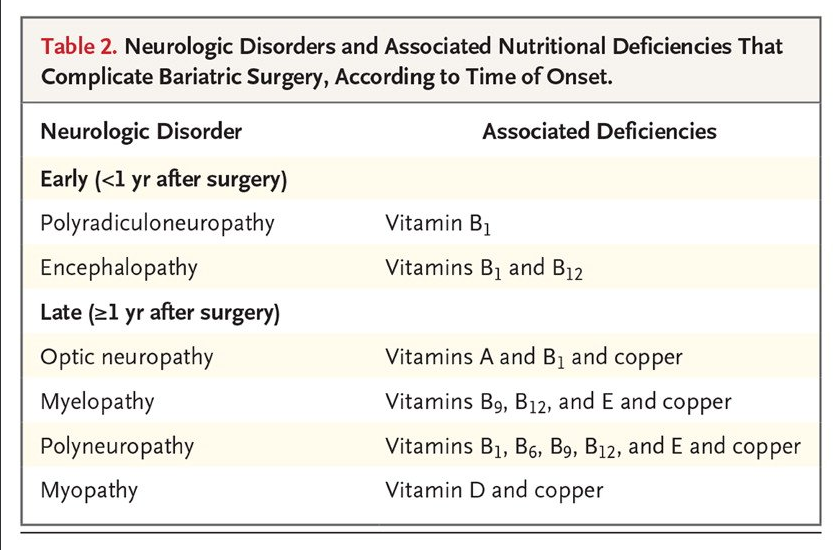
12 Year Data: Pros and Cons with Bariatric Surgery

A recent study (TD Adams et al. NEJM 2017; 377: 1143-55) examines outcomes of bariatric surgery after 12 years.  The ‘skinny’ on this study is that the weight loss/improved metabolic measures associated with bariatric surgery were very durable but there was a small increased risk of suicide among those undergoing bariatric surgery.

In this study, there were three cohorts:

  • Surgery group: 418 patients
  • Nonsurgery group 1: 417 patients. This group had sought surgery but did not receive surgery (often due to insurance coverage)  (147 underwent subsequent surgery)
  • Nonsurgery group 2: 321 patients. This group had not sought surgery (39 underwent subsequent surgery)

Key findings:

  • At 12 yrs, mean change from baseline body weight was -35 kg in surgery group, compared with -2.9 kg in nonsurgery group 1 and 0 kg in nonsurgery group 2
  • Of those with type 2 diabetes in the surgery group, type 2 diabetes remitted in 75% at 2 yrs and remained remitted in 51% at 12 yrs.
  • The surgery group had higher remission rates of hypertension and dyslipidemia as well.
  • 7 deaths by suicide were noted -5 in the surgery group, and 2 in the nonsurgery 1 group but only after the patients had undergone subsequent bariatric surgery

My take: Weight loss and improved metabolic changes at 6 yrs were maintained over the following 6 yrs.  It is troubling that the surgery and/or weight loss is associated with suicide in a small number of patients.

Related blog entries:

Crisis Developing in Blood Supply

As noted in a previous blog, Business of Blood in Decline, the number of transfusions are declining.  While this is good news, there are a number of worrisome trends that indicate a crisis in the sustainability of the U.S. blood system (HG Klein et al. NEJM 2017; 1485-8).

Some background:

  • U.S. blood collectors draw 35,000 units a day
  • Blood transfusion is ordered in 10-15% of all hospitalizations
  • Less-invasive surgical techniques and other blood-management strategies have reduced demand for blood

So what is the problem?

The U.S. blood supply relies on nonprofit organizations which in turn have relied on blood as a major source of revenue.  With reduction in blood demand and increased screening (e.g. for more infections), the cost per unit has increased; yet, due to stiff competition, there has not been a commiserate increase in reimbursement.

  • 57.1% of America’s Blood Centers in December 2016 reported operating with negative margins
  • 90% of the blood supply is estimated to be provided below cost
  • Due to cost constraints, blood suppliers are less likely to adopt additional measures which could improve patient and donor safety

The authors argue that human blood should not be treated as “just another consumer good.”  Strict economic principles undervalues the need of having a safe, available blood supply. While there have not been clinical consequences thus far, the current model is not sustainable.

My take: The financial market of the blood supply is precarious. This needs to be addressed to ensure the availability of blood when we need it.

Briefly noted -related study: EA Gehrie et al. J Pediatr 2017; 189: 227-31. In this study, the authors tested 220 red blood cell units.  15 (6.8%) had detectable drugs:. opiates, benzodiazepines, stimulants, and barbituates. While none of these units would have been disallowed under current FDA regulations, it is possible that these levels could cause reactions in vulnerable populations, like neonates.  The authors note that allergens, like peanuts and fish, in blood donations can result in anaphylactic transfusion reactions

IBD Short Takes -Fall 2017

From ImproveCareNow: Real-World Experience with Adalimumab

An excerpt:

A total of 174 children and adolescents were treated with adalimumab as their first anti-TNF therapy…The mean age at the time of Crohn’s disease diagnosis was 13 years and, on average, they started adalimumab at 14.5 years of age…

  • At 3 months after adalimumab was started, all 174 were still on the medication, and 69-71% were in steroid-free remission
  • At 6 months after adalimumab was started, of the 174 who had a clinic visit, 95% were still on the medication, and 75-77% were in steroid-free remission
  • At 12 months after adalimumab was started, of the 154 who had a clinic visit, 94% were still on the medication, and 79-80% were in steroid-free remission
  • At 24 months after adalimumab was started, of the 71 who had a clinic visit, 97% were still on the medication, and 91-94% were in steroid-free remission
  • At 36 months after adalimumab was started, of the 39 who had a clinic visit, 80-86% were still on the medication, and 81-86% were in steroid-free remission

No positive or negative effect on remission was seen with concomitant immunomodulator therapy. However, the number of patients studied during the retrospective analysis is too small to detect all but the greatest impact of this approach.

EC Maxwell et al. JPGN 2017; 65: 299-305  CHOP experience with diverting ileostomy for severe IBD (2000-2014).

  • In this retrospective study, a diverting ileostomy in 24 patients had improvement: 71% –>22% on chronic steroids, improved growth, hemoglobin, blood transfusion and hospitalization.
  • 10 patients underwent subsequent colectomy, 7 had successful reanastomosis, and 7 remain diverted.
  • Diversion allowed a definitive diagnosis in 7 subjects (initially 13 patients were considered IBD-U).
  • Surgical complications were common (n=13 in 7 subjects) and included stoma obstruction, stoma prolapse, and resection of ischemic bowel.
  • One notable feature regarding this cohort was that 50% were 5 or younger when diagnosed with IBD.
  • The authors conclude that a diverting ileostomy can induce clinical stability and allow time to clarify diagnosis.

A Assa et al. JPGN 2017; 65: 293-98. In this study involving findings from 234 patients extracted from the ImageKids database (prospective multicenter cohort), the authors found that pediatric patients with perianal Crohn’s disease have a greater inflammatory burden; however, this was driven mainly by those who had fistulizing disease.

L Lian et al. Clin Gastroenterol Hepatol 2017; 15: 1226-31. This retrospective study from the Cleveland Clinic compared outcomes of endoscopic balloon dilation (EBD) (n=176) or surgery (n=131) for Crohn’s disease-related strictures (1998-2013). Patients who had EBD had an “average time to surgery delayed by 6.45 years.” Immediate success rate for EBD was 91.3%; the perforation rate was 1.1%.. Ultimately, 52% of patients who had EBD required surgery.  Earlier surgery lowered the risk of further surgery but also was associated with significant perioperative complications. In the operative group, 8.8% of patients experienced complications, mainly intra-abdominal abscesses and enterocutaneous fistula. Thus, in the right hands and with careful selection, EBD may be useful.

I Lawrance et al. Clin Gastroenterol Hepatol 2017; 15: 1248-55. This study reported the results of 11 patients who received rectal tacrolimus for resistant ulcerative proctitis. Dosing: The concentration of tacrolimus was 0.5 mg/mL and 3 mL was administered twice a day.Clinical response, using the Mayo Clinic score, was achieved in 73% of tacrolimus subjects compared with 10% (n=1) of placebo-treated subjects.  Mucosal healing at week 8 was noted in 73% of tacrolimus-treated patients, as well.

Soapes Creek Trail

Therapeutic Drug Monitoring: Ustekinumab (Stelara)

The ability to measure drug levels has changed how we think about refractory medical disease, particularly in patients with inflammatory bowel disease.  Prior to the availability of therapeutic drug monitoring (TDM), in some situations poor response to therapy could be ascribed to variability in host immune response. Now, it is clear that many cases of refractory medical disease are due to insufficient drug level.  TDM allows for dose individualization to target the right amount of medication.

TDM has an accepted role in anti-TNF therapy.  Now, a study (R Battat et al. Clin Gastroenterol Hepatol 2017; 15: 1427-34) extends the concept of TDM to ustekinumab.  This study which took place between 2014-2015 examined ustekinumab use in 62 patients with refractory Crohn’s disease (CD).  Ustekinumab dosing: 90 mg SC at weeks 0, 1, and 2 for induction, then 90 mg every 4 or 8 weeks for maintenance.

Key findings:

  • At week 26, 80.7% of patients had a clinical response, 66.1% had a clinical remission, and 58.9% had an endoscopic response.
  • In those with an endoscopic response, the mean trough concentration of ustekinumab was 4.7 mcg/mL compared with 3.8 mcg/mL those without an endoscopic response.
  • Using a trough threshold of 4.5 mcg/mL at week ≥26, 75.9% had an endoscopic response whereas those with a level below this trough had a 40.7% endoscopic response
  • The authors did not detect antibodies to ustekinumab in any patient. The authors note that ustekinumab has low immunogenicity and prior UNITI studies indicated antibody formation in 0.2% after induction and 2.3% at 1 year.
  • Unlike combination therapy with anti-TNF therapy, “concurrent immunosuppressive therapy does not explain low immunogenicity, as only 25.8% of patients received these and had neither improved clinical outcomes nor higher drug concentrations.”

Thus far, no clinical studies have demonstrated improved clinical outcomes with dose escalation in the setting of low ustekinumab levels.  A prospective trial would be helpful.

My take: This study shows promising results for ustekinumab for refractory CD.  The low immunogenicity indicates that monotherapy is likely appropriate.  A target level of >4.5 mcg/mL indicates a higher likelihood of response.

Related blog posts:

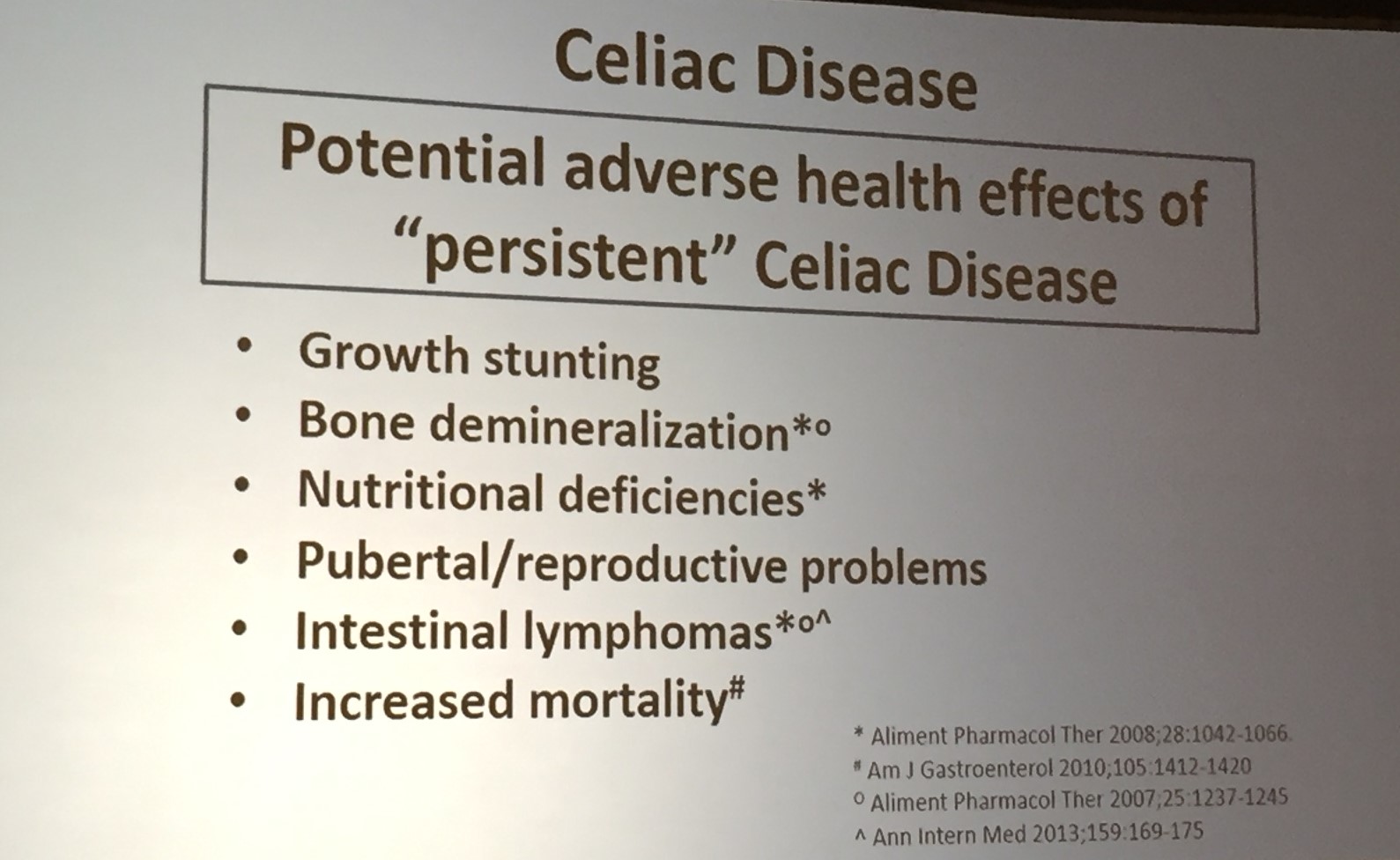
#NASPGHAN17 Celiac Disease and Mucosal Healing

This blog entry has abbreviated/summarized this presentation. Though not intentional, some important material is likely to have been omitted; in addition, transcription errors are possible as well.

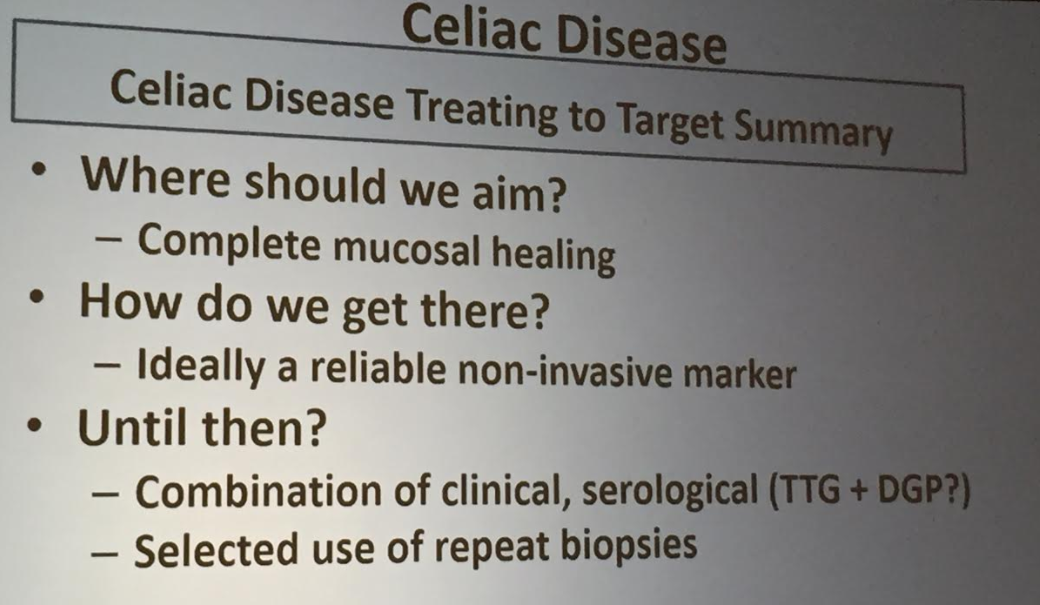
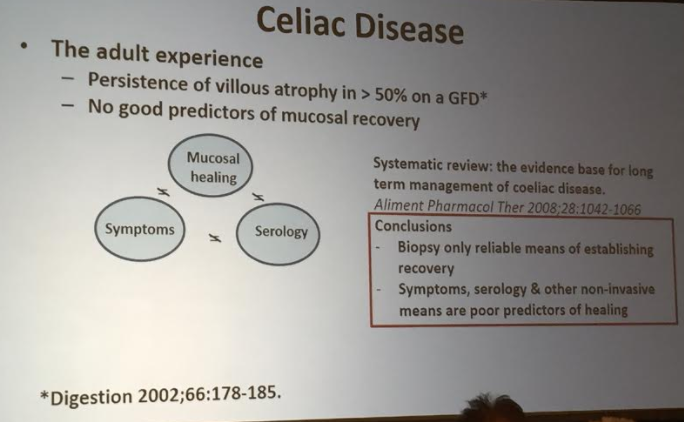
Celiac disease: treat to target! Where should we aim and how do we get there?

Ivor Hill  Nationwide Children’s Hospital

Key point:

  • Dr. Hill asserted that long-term outcomes are related to ongoing intestinal inflammation and thus our goal should be mucosal healing rather than normalized symptoms/normalized serology

At this lecture, I asked Dr. Hill what he would recommend for an asymptomatic pediatric patient with ongoing intestinal inflammation who was strictly adherent to a gluten-free diet, who had no other recognizable diseases, and who had normalized their serology on treatment.  His response was that in adults that ~50% of patients improve with better attention to diet.  Thus, currently besides further dietary scrutiny, it is unclear what should be done in the pediatric population should one find ongoing mucosal disease in an asymptomatic adherent patient.

My take: Until prospective pediatric studies are published to determine the frequency of ongoing intestinal inflammation in those on a strictly GFD in asymptomatic patients and until we have additional management options, it does not make sense to look for mucosal healing.  “Don’t hunt what you cannot kill.”

Related blog posts:

Disclaimer: These blog posts are for educational purposes only. Specific dosing of medications (along with potential adverse effects) should be confirmed by prescribing physician.  This content is not a substitute for medical advice, diagnosis or treatment provided by a qualified healthcare provider. Always seek the advice of your physician or other qualified health provider with any questions you may have regarding a condition.


#NASPGHAN17 Therapeutic Drug Monitoring Associated with Increased Clinical Remission

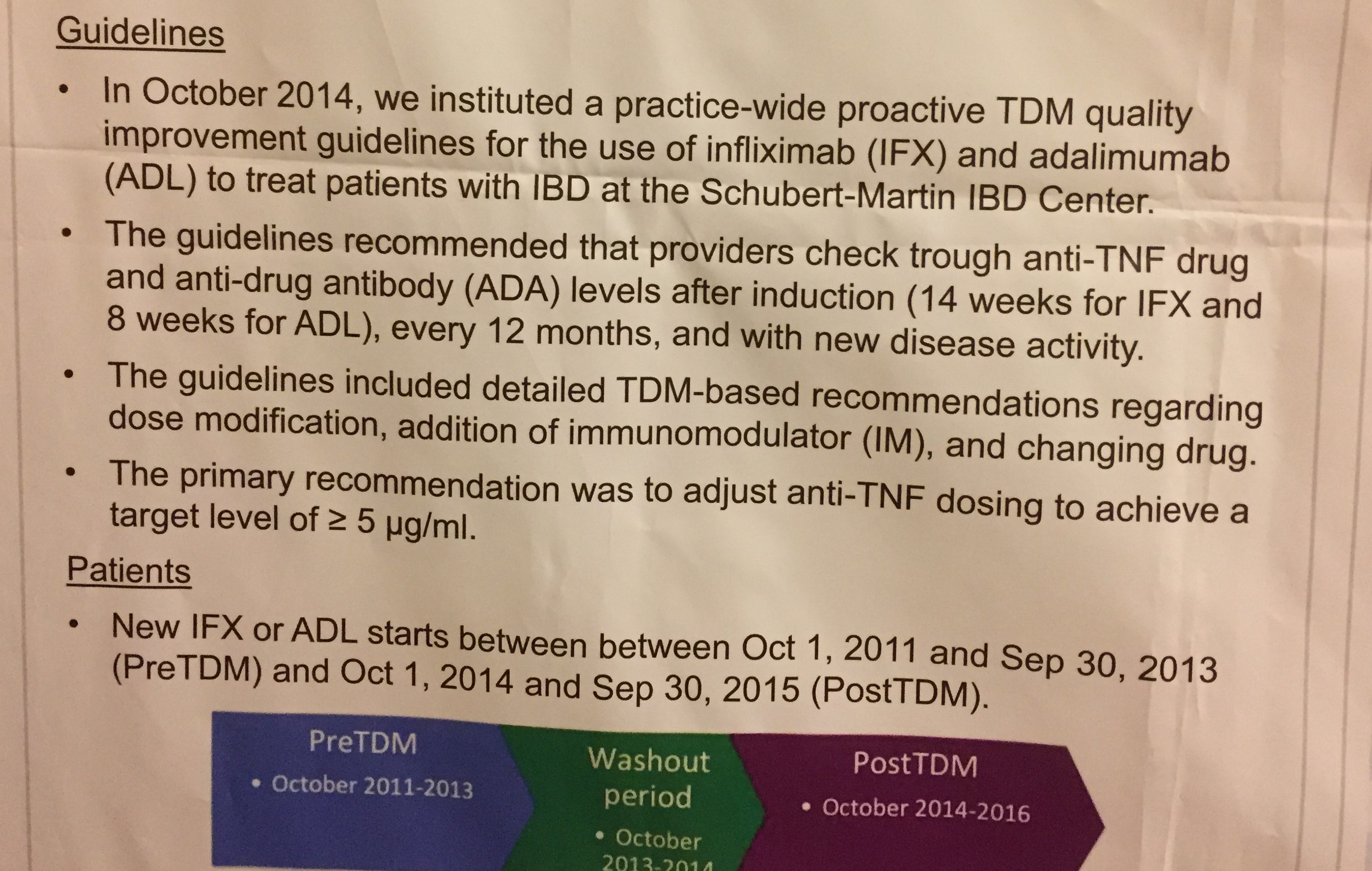
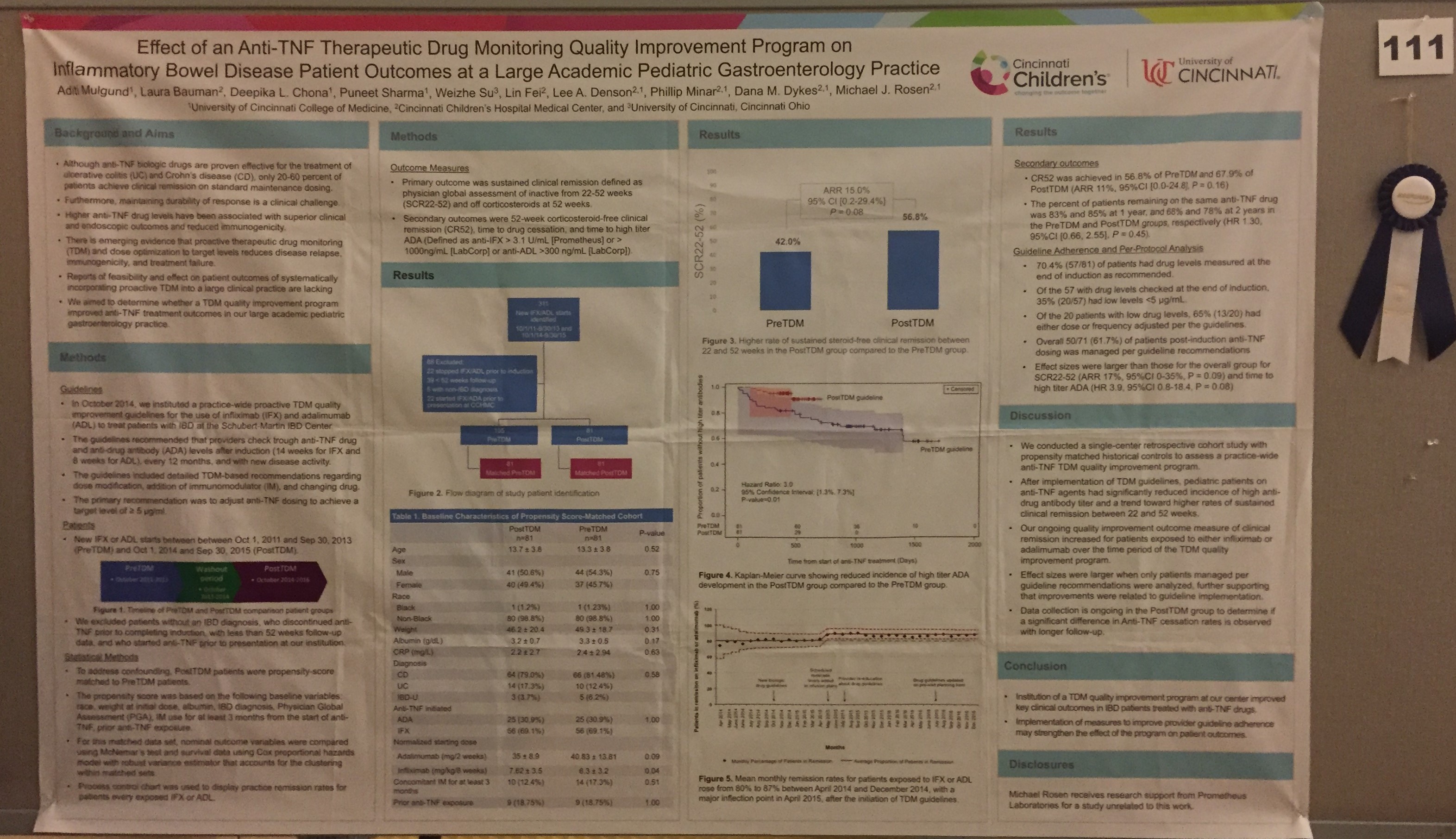
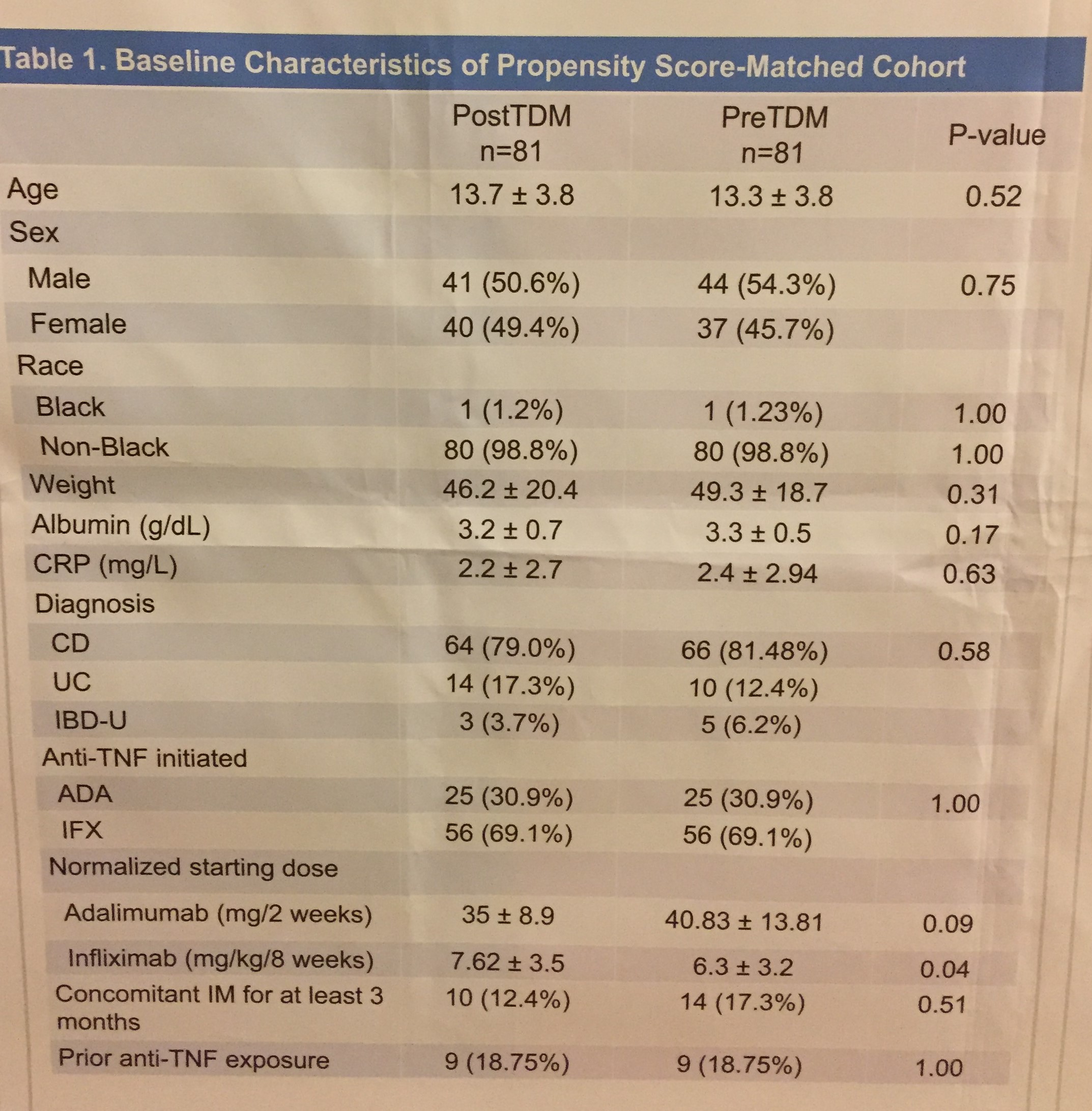
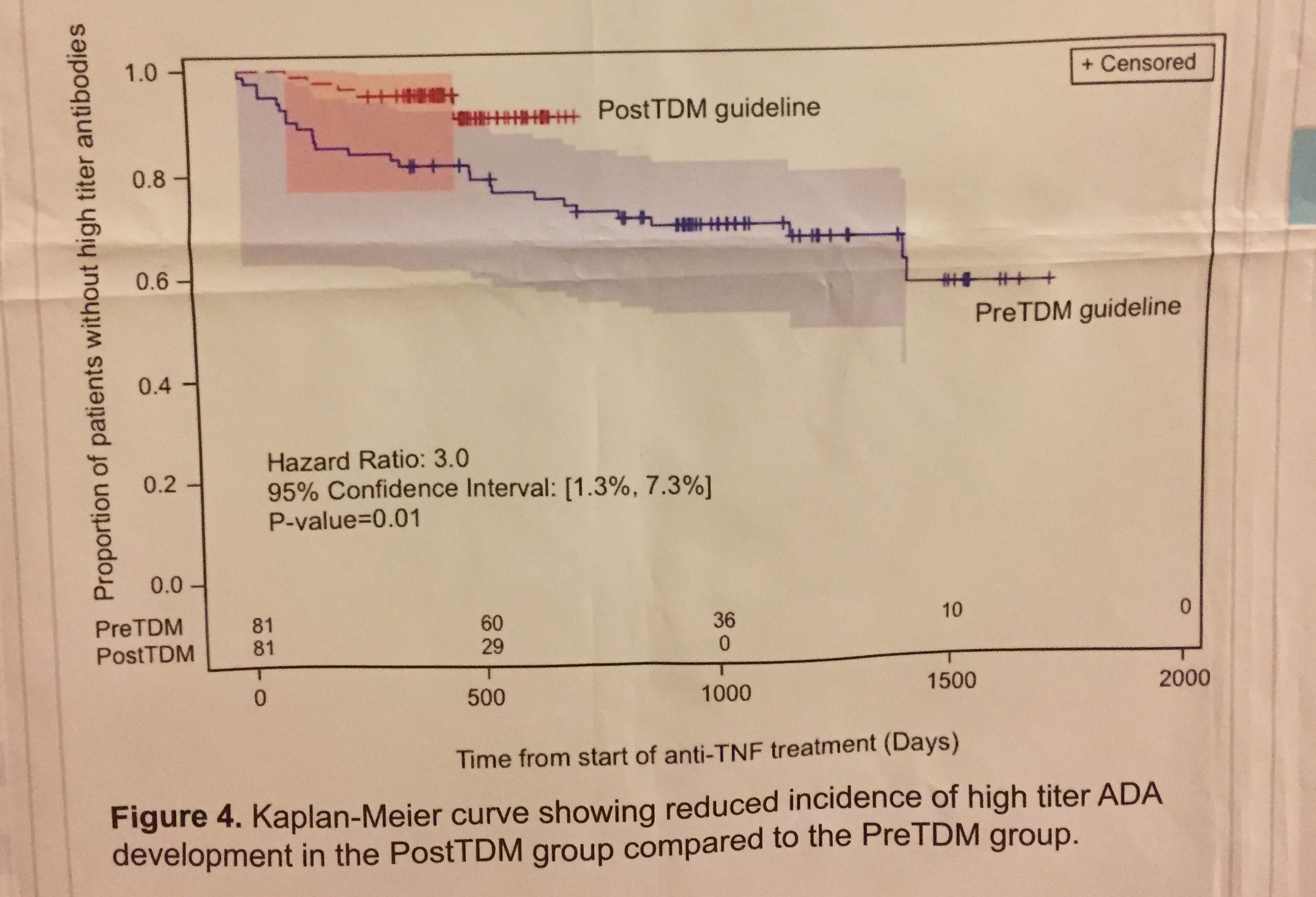
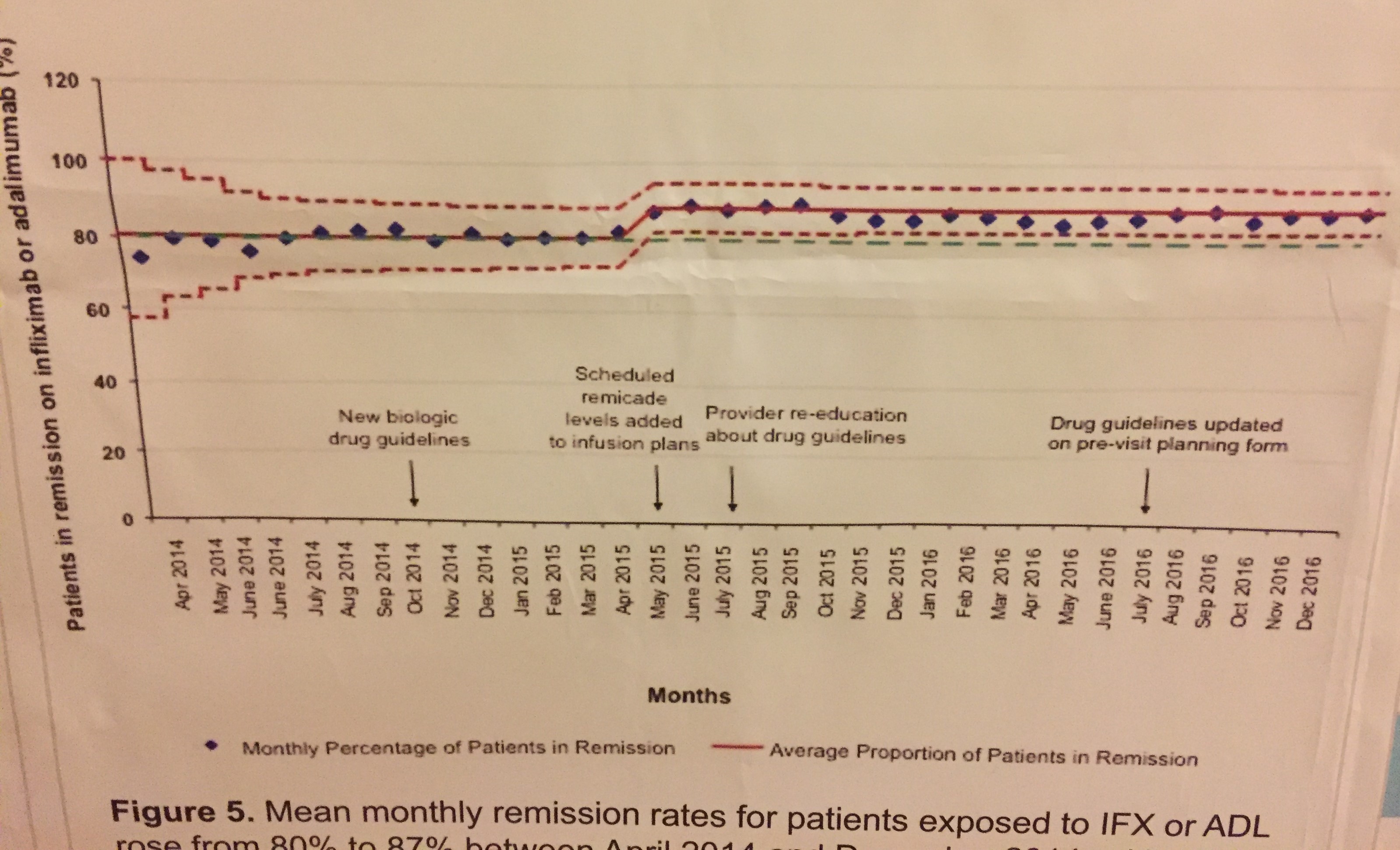
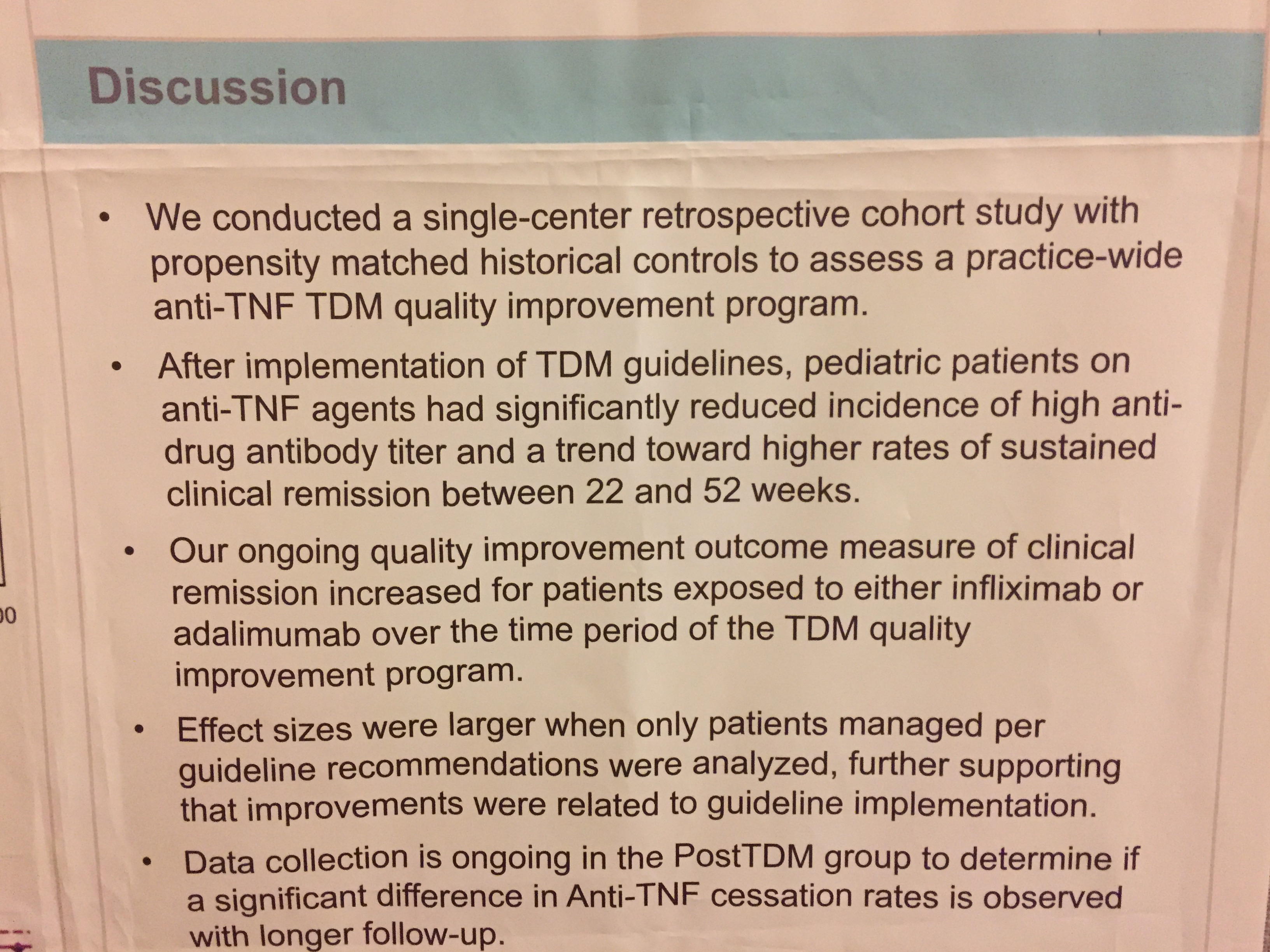
In support of Dr. Baldassano’s talk (NASPGHAN17: Treat to Target and Tight Control), this poster from the Cincinnati group (A Mulgand et al) showed that therapeutic drug monitoring has been associated with improved clinical remission scores (80% to 87%).  Correlation with a more objective marker of remission along with longer followup is now needed. One of the authors, Dana Dykes, has joined our group in Atlanta!


Related blog posts: