“The Staggering Success of Vaccines”

Tara Haelle, Scientific American 10/15/24: The Staggering Success of Vaccines

Referenced article: A Shattock et al. Lancet 2024; 403: 2307–16. Open Access! Contribution of vaccination to improved survival and health:modelling 50 years of the Expanded Programme on Immunization

Some excerpts:

“Vaccines are the first step toward health equity in many parts of the world…Around the globe the measles vaccine has saved nearly 94 million lives over the past 50 years. This and other vaccinations have revolutionized global health…”

“A May study in the Lancet estimated that vaccines against 14 common pathogens have saved 154 million lives over the past five decades—at a rate of six lives every minute. They have cut infant mortality by 40 percent globally and by more than 50 percent in Africa. Throughout history vaccines have saved more lives than almost any other intervention. And vaccines’ promotion of health equity goes far beyond preventing death. The Lancet study found that each life saved through immunization resulted in an average 66 years of full health, without the long-term problems that many diseases cause. Vaccines play a role in nearly every measurement of health equity, from improving access to care, to reducing disability and long-term morbidity, to preventing loss of labor and the death of caretakers…”

“If you have no money, then you want the best bang for the buck, and it’s going to be immunization,” says Seth Berkley, former CEO of Gavi. “For every dollar you invest in immunization, you get $54 of benefit.”

The reduction in mortality equates to 9·0 billion life-years saved.

“In late 2019, when a novel coronavirus detected in Wuhan, China, kicked off one of the largest, deadliest pandemics in a century, everyone looked to the same solution: a vaccine. COVID’s devastation hit poorer countries with less developed health-care systems particularly hard, and in wealthier countries people from underserved and low-income communities suffered higher rates of illness, death and economic hardship…”

“A 2022 study in the Lancet Infectious Diseases estimates that COVID vaccination worldwide prevented 19.8 million excess deaths.”

My take: This is a terrific article and particularly timely given the growing influence of anti-vax proponents. Not only have vaccines prevented millions of deaths, they have helped prevent chronic complications (eg. disability after meningitis). The reduction in mortality in the charts is likely UNDERESTIMATED. Many other vaccines were not included in this estimation: smallpox, human papillomavirus, (HPV), influenza, SARS-CoV-2, Ebola, mpox and other vaccines.

Related blog posts:

How to Distinguish Cyclic Vomiting Syndrome and Cannabis Hyperemesis Syndrome

The correspondence regarding AGA’s clinical practice update on Cannabinoid Hyperemesis Syndrome offered a few useful points.

Bonnet notes that “CVS is most likely present if cyclic vomiting persists, recurs or worsens during cannabis abstinence (beyond 3-week cannabis withdrawal period, which may be temporarily accompanied by nausea). In other cases with more fluctuation symptoms, a clear distinction between CHS and CVS is not so easy…Evidence shows that a symptom-free period of about 12 months after cessation of long-term cannabis use should be sufficient to clearly distinguish CHS from CVS…Finally, I emphasize here that…CHS…in exceptional cases can lead to life-threatening conditions (eg due to prerenal failure, severe electrolyte disturbances, or esophageal rupture)…but recovers completely when affected patients permanently stop using cannabis or THC analogues.

Mullins et al note that “ondansetron is uniformly ineffective and that butyrophenones (haloperidol, droperidol) are more effective” for CHS. In the reply, the authors note that the data supporting these medications is based on small studies and some patients have developed acute dystonia.

Related blog posts:

Images from “Chalktoberfest” in Marietta 10/11/24-10/13/24. The drawings are amazing, including some that appear to be 3-D:

AASLD Practice Changes for Metabolic Liver Disease in 2024

V Chen et al. Hepatology 2024; doi: 10.1097/HEP.0000000000001112. Open Access!. Resmetirom therapy for metabolic dysfunction-associated steatotic liver disease: October 2024 updates to AASLD Practice Guidance

Key points:

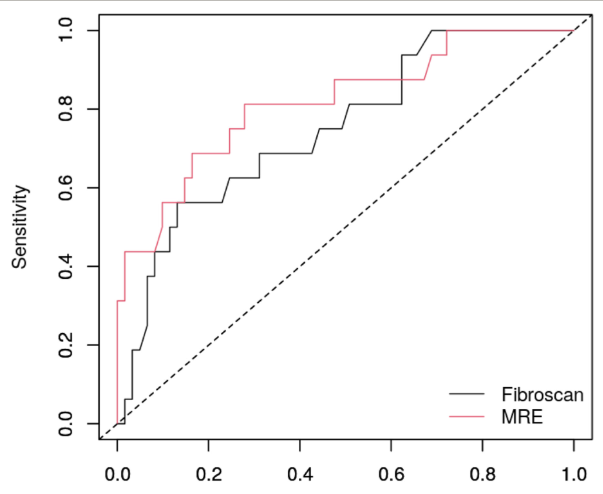
  • Guidance recommends use of resmetirom (in adults) with F2-F3 fibrosis as determined by “imaging-based NILDAs, such as liver stiffness measurement (LSM) by vibration-controlled transient elastography (VCTE) or magnetic resonance elastography (MRE)…liver biopsy is not typically recommended for fibrosis staging in current clinical practice, [though] histologic examination remains the gold standard to quantify fibrosis.”
  • “Glucagon-like peptide 1 (GLP-1) and GLP-1/glucose-dependent insulinotropic polypeptide (GIP) receptor agonists are FDA approved for the treatment of type 2 diabetes and overweight/obesity. They reduce the risk of cardiorenal complications in addition to their effects on glycemic control and weight loss.17–25 While these pharmaceutical agents are not currently approved for the treatment of MASH, phase 2 randomized, placebo-controlled clinical trials of liraglutide, semaglutide, and tirzepatide have demonstrated their efficacy in reducing steatohepatitis without worsening fibrosis and, in the case of tirzepatide, decreasing fibrosis without worsening of steatohepatitis as well.”
  • “The most common treatment-emergent adverse events were diarrhea and nausea, which developed in 24% to 34% and 12% to 22% of resmetirom-treated participants, respectively…Development of hypothyroidism requiring levothyroxine replacement occurred in 1.8% of participants receiving resmetirom.”
  • The authors recommend assessing response with bloodwork and noninvasive imaging at 1 yr to help determine if therapy should be continued.

My take: This article provides practical advice for using resmetirom for MASLD.

Related blog posts:

Impact of Adalimumab Levels on Fistula Healing in Crohn’s Disease

K Papamichael et al.Clin Gastroenterol Hepatol 2024; 22: 2134-2136.
Higher Adalimumab Concentration Is Associated With Complete Fistula Healing in Patients With Perianal Fistulizing Crohn’s Disease

In this multicenter retrospective review with 183 patients, the adalimumab (ADM) levels were examined with respect to healing of perianal fistulas. Most patients (82%) had complex perianal fistulizing CD.

Key findings:

  • 87 patients (48%) received intensified dosing at the time of therapeutic drug monitoring (TDM)
  • Patients with complete fistula healing (CFH) had higher median ADM levels: 12.9 compared to 6.1 for those witout CFH
  • “Optimal ADM concentration associated with CFH was 12.2 mcg/mL” which had positive predictive value of 64% and negative predictive value of 80%. Among those with ADM >12.1, CFH was achieved in 64% compared to 20.5% in those with concentrations <12.1 (Odds ratio, 5.7). “Even higher drug levels may be needed.”
There were 46 patients in each drug level category

My take: There is a lot of data supporting TDM, including proactive TDM, with anti-TNF agents like adalimumab and infliximab. This study shows that with fistulizing disease higher drug levels are needed to achieve better outcomes.

Related blog posts:

Update on Norovirus — November 2024 from Caitlyn Rivers

From Caitlyn Rivers Newsletter, Force of Infection 11/4/24:

Norovirus is high and increasing right now. Nationally, test positivity is at nearly 12%. To put this in context, the peak last year was 13.6%. Rates are particularly high in the Southern region.

Source: CDC

A reminder as cases increase: norovirus causes stomach pains, diarrhea, and vomiting. It is extremely transmissible via bodily fluids and through contaminated surfaces, food, and water.

  • To reduce your odds of getting sick, remember to wash your hands frequently with soap and water for at least 30 seconds (norovirus is able to withstand hand sanitizer).
  • If you or someone in your household becomes sick, wash hard surfaces with soap and water or a diluted bleach mixture, and wash soiled clothing and linens in hot water and then dry on high heat.
  • Norovirus is still highly transmissible for several days after symptoms improve or go away. As such, insofar as is possible, avoid preparing food for others for at least 72 hours after symptoms end. Longer is better: it can spread up to two weeks after symptoms end, though it is most transmissible during those first few days of illness and after symptoms resolve.

Related blog posts:

Here’s the Data: Endocrine Insufficiency After Acute Pancreatitis in Children

M Abu-El-Haija et al. Clin Gastroenterol Hepatol 2024; 22: 2033-2043. Open Access! The Role of Pancreatitis Risk Genes in Endocrine Insufficiency Development After Acute Pancreatitis in Children

In this observational prospective cohort with 114 children (after excluding 6), outcomes following the first episode of acute pancreatitis (AP) were determined. In addition, pancreatitis risk genes (CASRCELCFTRCLDN2CPA1CTRCPRSS1SBDSSPINK1, and UBR1) were sequenced. A genetic risk score was derived from all genes with univariable P < .15.

Pre-DM was defined as follows: fasting blood glucose ≥100 mg/dL and <126 mg/dL, or hemoglobin A1C ≥5.7% and <6.5%

Key findings:

  • 95/114 (83%) remained normoglycemic and 19/114 (17%) developed endocrine insufficiency (4 DM, 15 pre-DM) 12 months after the first episode of AP
  • Sixty-three subjects (52.5%) had at least 1 reportable variant identified
  • Severe AP (58% vs 20%; P = .001) and at least 1 gene affected (79% vs 47%; P = .01) were enriched among the endocrine-insufficient group
  • CFTR (53%), SPINK1 (13%), PRSS1 (10%), and UBR1 (9%) accounted for the majority of variants identified

My take: 3.5% of this cohort developed diabetes and 13% developed prediabetes. The risk is increased in those with severe acute pancreatitis and underlying genetic variants. As noted recently with Dr. Freeman’s lecture (summarized on prior blog posts), it is worthwhile for patients to follow-up after an episode of acute pancreatitis.

Related blog posts:

Firearm Deaths: A U.S. Crisis Compared to Other Nations

10/30/24 The Guardian, Jessica Glenza: Some US states have firearm death rates comparable to countries in conflict, report says

An excerpt:

“A new report by the Commonwealth Fund finds some US states have firearm death rates comparable to countries in conflict…For instance, Mississippi’s rate of firearm-related violence (28.5 per 100,000 people) was nearly double that of Haiti (15.1 per 100,000) in 2021…

Rhode Island, which has the lowest firearm death rate in the US (three per 100,000) is still 23 times higher than the United Kingdom (0.13 per 100,000) and nearly 1.3 times higher than France (2.3 per 100,000).

The US overall is in the 93rd percentile of all countries and territories for overall firearm mortality, at 13.5 deaths per 100,000 people…

In another example, Mississippi, Louisiana, Alabama and New Mexico all have higher firearm mortality rates than Mexico, where decades of violence between state forces and rival drug cartels has caused hundreds of thousands of deaths and left more than 115,000 people missing…

More than half of all firearm-related deaths (56.1%) in 2022 were from suicide…the rate of firearm deaths among American children is 72 times higher in the US than in the UK (36.4 deaths per million versus 0.5 deaths per million)

Related: The Commonwealth Fund Report (10/30/24): Comparing Deaths from Gun Violence in the U.S. with Other Countries. The report has many charts showing U.S and each states data.

My take: The fact that the U.S firearm mortality rates can be compared unfavorably to places with violent reputations like Haiti and Mexico is awful. What’s worse is the capitulation by most to not even try to improve the situation.

Related blog posts:

Phase 2 Trial of Tulisokibart for Ulcerative Colitis

Yesterday’s pumpkin -please no snide remarks about how I can now retire and become a sculptor:


BE Sands et al. N Engl J Med 2024;391:1119-1129. Phase 2 Trial of Anti-TL1A Monoclonal Antibody Tulisokibart for Ulcerative Colitis

Background: “Several studies have implicated human tumor necrosis factor–like cytokine 1A (TL1A) in the pathogenesis of inflammatory bowel disease…Tulisokibart (formerly PRA023) is a humanized IgG1 kappa monoclonal antibody that binds to the membrane-bound and soluble forms of TL1A with high affinity and specificity. Tulisokibart prevents the interaction of TL1A and DR3, thereby suppressing type 1 and type 17 helper T-cell responses, increasing regulatory T-cell activity, and decreasing profibrotic pathways.”

Methods: (ARTEMIS-UC trial) The authors “randomly assigned patients with glucocorticoid dependence or failure of conventional or advanced therapies for ulcerative colitis to receive intravenous tulisokibart (1000 mg on day 1 and 500 mg at weeks 2, 6, and 10) or placebo. Cohort 1 included patients regardless of status with respect to the test for likelihood of response. Cohort 2 included only patients with a positive test for likelihood of response.”

“The inclusion of an integrated assessment of a panel of genetic markers as a diagnostic assay was based on the notion that patients with a propensity to overexpress TL1A might be more likely to have a response to tulisokibart than an unselected population.”

Key findings:

  • In the first cohort, a significantly higher percentage of patients who received tulisokibart had clinical remission than those who received placebo (26% vs. 1%), endoscopic healing (31% vs. 4%), endoscopic improvement (37% vs 6%) and clinical response (66% vs 22%)
  • “Among patients with a positive test for likelihood of response (cohorts 1 and 2 combined), clinical remission occurred in a higher percentage of patients who received tulisokibart than in those who received placebo (32% vs. 11%).”
  • Improvement in CRP and Calprotectin were noted as early as 2 weeks and 6 weeks respectively
  • The incidence of adverse events was similar in the tulisokibart and placebo groups

My take: Tulisokibart was effective in a group of patients with moderately to severely active ulcerative colitis who were refractory to advanced therapies.

Related blog posts:

Bariatric Surgery Declines as GLP-1 Medications Rise

USA Today (10/25/24): Bariatric surgeries drop sharply as people turn to Wegovy, Saxenda for weight loss

An excerpt:

The researchers found a 25.6% drop in people undergoing bariatric surgery in the final six months of 2023 compared with the number of surgeries people had during the same period the year before. During the latter half of 2023, the number of patients who took a glucagon-like peptide 1, or GLP-1 medication for weight loss, surged by more than 130%, according to a study published Friday in JAMA Network Open…Another popular weight loss drug, Eli Lilly’s Zepbound, was not included because the Food and Drug Administration did not approve it until November 2023…[And there are] anecdotal reports of hospitals that shut down bariatric surgery programs as the number of patients seeking operations slumped…

In 2022, nearly 280,000 metabolic and bariatric procedures were performed in the United States, according to the American Society for Metabolic and Bariatric Surgery. That represented about 1% of all U.S. residents eligible for weight loss operations…The CDC estimates that about 40% of U.S. residents have obesity and 1 in 10 have severe obesity.

Reference: Lin, K., et al. (2024). Metabolic Bariatric Surgery in the Era of GLP-1 Receptor Agonists for Obesity Management. JAMA Network Opendoi.org/10.1001/jamanetworkopen.2024.41380.

Methods: This cross-sectional study, we used 2022 to 2023 deidentified claims from 17 million unique deidentified adult patients with medical and pharmaceutical coverage through commercial and Medicare Advantage insurance in the OptumLabs Data Warehouse. We included only patients without diabetes and with obesity.

**Only 6% of patients with obesity in the study population received either GLP-1 drugs or surgery, suggesting that many more patients could be receiving treatment.

My take: The GLP-1 drugs have established a medical therapy with a good probability of effectiveness. This was lacking from prior medical treatments. It certainly is logical that their availability could reduce the use of bariatric surgery. The AAP may need to revise their bariatric surgery recommendations from 2020.

Related blog posts:

Bariatric surgery:

GLP-1 Drugs:

Woodley Park-Zoo Metro Station, Washington D.C.