Is It RISKy Not To Use Anti-TNF Therapy for Pediatric Crohn’s Disease?

D Geem et al (Senior author: Subra Kugasthasan). Clin Gastroenterol Hepatol 2024; 22: 368-376. Progression of Pediatric Crohn’s Disease Is Associated With Anti–Tumor Necrosis Factor Timing and Body Mass Index Z-Score Normalization

Congratulations to my colleagues at Emory who led/participated in this study.

This study examined 5-year longitudinal data from the pediatric multicenter RISK cohort (n=1075). RISK=risk stratification and identification of immunogenetic and microbial markers of rapid disease progression in children

Key findings:

  • For children with a low BMIz at diagnosis (n = 294), BMIz normalization within 6 months of diagnosis were associated with a decreased risk for surgery (HR 0.47). Patients without BMIz normalization were enriched for genes in cytokine production and inflammation.
  • Unsurprisingly, baseline B2 (stricturing disease) and B2+B3 (stricturing and penetrating disease) were associated with increased risk of surgery with HR, 4.20 and HR, 8.24 respectively
  • Earlier anti-TNF therapy was associated with a lower hazard rate (HR) of needing surgery


My take: It appears that early anti-TNF therapy lowers the risk of surgery. Improved BMI with treatment is another good prognostic variable. There may be an early window in which effective treatment prevents long-term damage to the GI tract in pediatric patients with Crohn’s disease.

This study has overlapping findings (also with RISK cohort) by Adler et al showing early treatment preventing perianal fistulas. Blog post: Early Treatment Can Prevent Fistulas in Pediatric Crohn’s Disease

Related article: JC McCurdy et al. Clin Gastroenterol Hepatol 2024; 22: 377-385. Open Access! Comparative Effectiveness of Biologic Therapies in Preventing Penetrating Complications in Patients With Crohn’s Disease

In this observational retrospective study with 40,693 patients: 93% anti-TNF, 3% UST (ustekinumab), and 4% VDZ (vedolizumab), “Anti-TNF therapy was associated with a lower risk of LPD and PPD [luminal and perianal penetrating disease] compared with VDZ, and lower risk of LPD compared with UST.”

Related blog posts:

“Real-World” Dupilumab for Eosinophilic Esophagitis

CJ Lee, DS Dellon. Clin Gastroenterol Hepatol 2024; 22: 252-258. Open Access! Real-World Efficacy of Dupilumab in Severe, Treatment-Refractory, and Fibrostenotic Patients With Eosinophilic Esophagitis

Rationale for the retrospective study: ” Although it is the first Food and Drug Administration–approved treatment for EoE, eligibility criteria for the clinical trial program excluded several characteristics of the most severe EoE patients seen in clinical practice…Therefore, the purpose of this study was to determine the real-world efficacy of dupilumab in patients with severe, treatment-refractory, and fibrostenotic EoE.”

This cohort of 46 patients with severe disease including 39 (85%) who had prior esophageal dilatation (mean of 9). Patients had a mean age of 39 and had had symptoms for a mean of 13 years. Patients were considered treatment-refractory as all had received PPIs and topical steroids; in addition, most (87%) had tried elimination diets.

Key findings:

  • The peak eosinophil counts decreased markedly, and postdupilumab histologic response rates were 80% and 57% for fewer than 15 eosinophils per high-power field and 6 or fewer eosinophils per high-power field, respectively. Mean eosinophil count dropped from 70 to 9 following dupilumab treatment.
  • The Endoscopic Reference Score (EREFS) decreased from 4.62 to 1.89 with improvement in all categories: exudates, rings, edema, furrows and strictures.
  • Global symptom improvement was reported in 91% (P < .001).

My take: Many clinical studies are not representative of typical patients with various ailments, often excluding those with the most severe manifestations. This study indicates that dupilumab is an effective agent for patients with severe fibrostenotic eosinophilic esophagitis.

Related blog posts:

Where I Want to Be Right Now (Honeymoon Beach, St Johns)

Spice It Up! Curcumin for Ulcerative Colitis (2024)

S Ben-Horin et al. Clin Gastroenterol Hepatol 2024; 22: 347-356. Open Access! Curcumin-QingDai Combination for Patients With Active Ulcerative Colitis: A Randomized, Double-Blinded, Placebo-Controlled Trial

This two part study involved a small open-label trial of combination curcumin-QingDai (CurQD) with 10 patients and a placebo-controlled trial with 42 patients with active ulcerative colitis (UC) over 8 weeks.

Background: “Curcumin and QingDai (QD, Indigo) are herbal compounds previously found to be effective in mild–moderate and moderate–severe ulcerative colitis (UC), respectively, but data on their use still are limited.” Curcumin has purported anti-inflammatory and antioxidant properties through downregulation of nuclear factor-kB, regulation the JAK/STAT pathways, and through its effects on the NLRP3 inflammasome. Qing Dai, also known as indigo naturalis, is a traditional Chinese medicine that has demonstrated efficacy in promoting recovery from colitis in animal models and prior human trials, potentially acting through activation of the aryl hydrocarbon receptor.

Methods: CurQD was administered as 3 capsules of 500 mg herbal extract dry powder QD (a total of 1.5 g) and 3 capsules of 500 mg dry powder curcumin (a total of 1.5 g)

Key findings:

  • Clinical response was observed in 85.7% vs 30.7% (P < .001), clinical remission in 14 of 28 (50%) vs 1 of 13 (8%; P = .01), a 50% calprotectin reduction in 46.4% vs 15.4% (P = .08), and endoscopic improvement in 75% vs 20% (P = .036) in the CurQD and placebo groups, respectively. 
  • In the maintenance arm, 11/15 responders in the CurQD arm maintained remission for an additional 8 weeks with just curcumin alone.

The editorial (pg 235 ) notes the following:

  • The number of patients in the study is small and safety and effectiveness of these agents is not certain. Qing Dai has been associated with a rare risk of pulmonary arterial hypertension (especially with long-term use). Thus, further studies are needed.
  • “Although it may be preferrable to use these agents in combination with therapies with established efficacy, should the patients’ choice be to use alternative therapy as sole agents for treatment, it is important for us to continue to maintain a trusting physician-patient relationship to ensure that our patients are achieving the treatment targets they need to maximize long-term favorable outcomes, irrespective of the therapeutic agent of choice.”

My take: Curcumin (with combination of Qing Dai for induction) was superior to placebo in achieving meaningful clinical outcomes including clinical response, remission, calprotectin improvement and endoscopic improvement. For future studies, I would favor an active comparator like mesalamine rather than placebo.

Related blog post: Spice It Up? Curcumin for Ulcerative Colitis (2015)

Resmetirom for MASH

SA Harrison et al. NEJM 2024; 390: 497-509. A Phase 3, Randomized, Controlled Trial of Resmetirom in NASH with Liver Fibrosis

This “MAESTRO-NASH” study enrolled 966 adult patients biopsy-confirmed NASH (now termed MASH) and a fibrosis stage of F1B, F2, or F3. Approximately 60% of each arm had F3 fibrosis. Patients were randomly assigned in a 1:1:1 ratio to receive once-daily d resmetirom at a dose of 80 mg or 100 mg or placebo; Resmetirom is an oral, liver-directed, thyroid hormone receptor beta–selective agonist.

Key findings:

  • MASH “resolution with no worsening of fibrosis was achieved in 25.9% of the patients in the 80-mg resmetirom group and 29.9% of those in the 100-mg resmetirom group, as compared with 9.7% of those in the placebo group (P<0.001)”
  • “Fibrosis improvement by at least one stage with no worsening of the NAFLD activity score was achieved in 24.2% of the patients in the 80-mg resmetirom group and 25.9% of those in the 100-mg resmetirom group, as compared with 14.2% of those in the placebo group (P<0.001)”
  • “Levels of a broad range of atherogenic lipids and lipoproteins, including LDL cholesterol, non-HDL cholesterol, triglycerides, apolipoprotein B, and lipoprotein(a), appeared to be reduced by resmetirom relative to placebo, findings consistent with those of earlier studies.18,19
  • Diarrhea and nausea were more frequent in the resmetirom group compared to placebo, though there were no differences in serious adverse effects. Patients in the 100 mg group were more likely to discontinue treatment (~7%) compared to 2% in the other two groups.
  • “In this trial, achievement of a 30% reduction in hepatic fat (MRI-PDFF) or a 120% increase in the sex hormone–binding globulin level appeared to be associated with biopsy responses.”

In their discussion, the authors note that “Noninvasive testing to identify patients with NASH for treatment and to monitor treatment response will be important in clinical practice in which liver biopsy is infrequently used.”

The associated editorial by Kenneth Cusi (pg 559-561) notes the following:

  • Resmetirom had neutral effects on body weight and insulin resistance. 
  • “Treatment affected the pituitary–thyroid hormone axis, with prohormone free T4 levels decreasing by approximately 17 to 21% and mean thyrotropin levels also decreasing.” It is unclear if this has any long-term significance (long-term data needed). ”Careful surveillance to detect early endocrine disease that is related to potential thyroid, gonadal, or bone disease appears warranted to avoid any potential risks from long-term treatment.”
  • When subtracting the placebo effect, he notes that “approximately 2 of 10 patients treated will have NASH resolution and approximately 1 of 10 patients treated will have fibrosis improvement.” Thus, combination therapy may be needed.

My take: This study brings us a step closer to having a medication which can improve MASH as currently there are no FDA-approved medications. My speculation is that medications which achieve persistent weight loss will have a more pronounced effect on liver health and overall health.

Related blog posts:

IBD Updates: How to Get Rid of Pesky Antibodies to Infliximab, Neoplasia in pouch, Vit D associated with improved IBD outcomes

JZ Jagt et al. JPGN 2024; 78:57–67.Open Access! Effectiveness of strategies to suppress antibodies to infliximab in pediatric inflammatory bowel disease.

Anti‐infliximab antibodies were detected in 52/288 patients (18%)after a median of 15.3 months. Key findings:

  • Of the 49 studied patients, 19 had low titers and 30 had high titers
  • Of 19 low‐ATIs, 16 (84%) underwent treatment escalation with infliximab (IFX)
  • Among 30 patients with high‐ATIs, 17 (57%) continued with IFX; immunomodulators were started in seven patients
  • At 24 months of follow‐up, 73% of low‐ATI patients and 50% of high‐ATI patients could continue with IFX without steroids.
  • Interestingly, a large number of patients (3 of 17 in high titer group that continued IFX and 4 of 19 in the low titer group that continued IFX) did not have follow-up therapeutic drug monitoring (or availability of results)
  • ATIs were positively associated with infusion reactions
  • Overall, the authors conclude that dose optimization and/or use of an immunomodulator can help patients remain on infliximab (high and low titer)

Related blog posts:

SA Urquhart et al.Inflammatory Bowel Diseases, Volume 30, Issue 2, February 2024, Pages 183–189. The Incidence of Pouch Neoplasia Following Ileal Pouch–Anal Anastomosis in Patients With Inflammatory Bowel Disease

Key findings: Out of 1319 patients, 10 (0.8%) developed neoplasia following IPAA (median follow-up of 8.6 yrs, mean age at time of IPAA was 36 years).  Presence of extensive colitis, primary sclerosing cholangitis, backwash ileitis, and rectal dysplasia at the time of IPAA were significantly associated with increased risk of pouch neoplasia. 

My take: The low rate of neoplasia along with risk factors should be considered in determining surveillance.

M Valvano et al. Inflammatory Bowel Diseases, Volume 30, Issue 2, February 2024, Pages 281–291. Effectiveness of Vitamin D Supplementation on Disease Course in Inflammatory Bowel Disease Patients: Systematic Review With Meta-Analysis

Methods: Randomized clinical trials (n=12) involving IBD patients treated with vitamin D supplementation, compared with placebo, that evaluated the risk of clinical relapse and disease activity were included

Key findings: The pooled risk ratio of clinical relapse was 0.64 (95% confidence interval, 0.46-0.89; I2 = 25%) among 458 IBD patients. (There were only 67 patients with ulcerative colitis in these studies)

Conclusion of authors: “This meta-analysis shows that vitamin D supplementation can reduce the risk of clinical relapse in IBD patients, especially in CD patients in clinical remission.” The dose and duration of vitamin D treatment to reduce the risk of relapse is unclear.

Related blog posts:

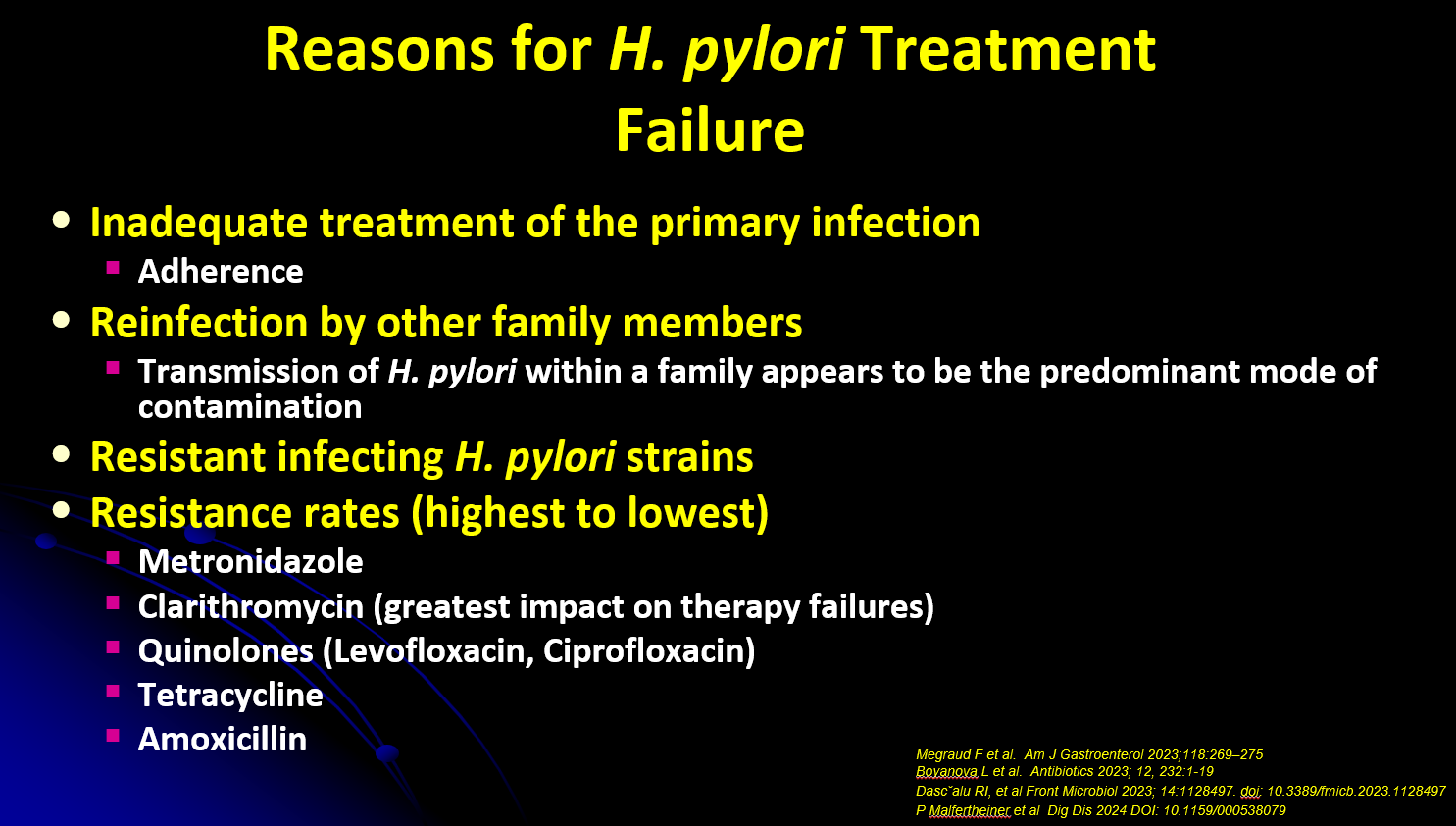
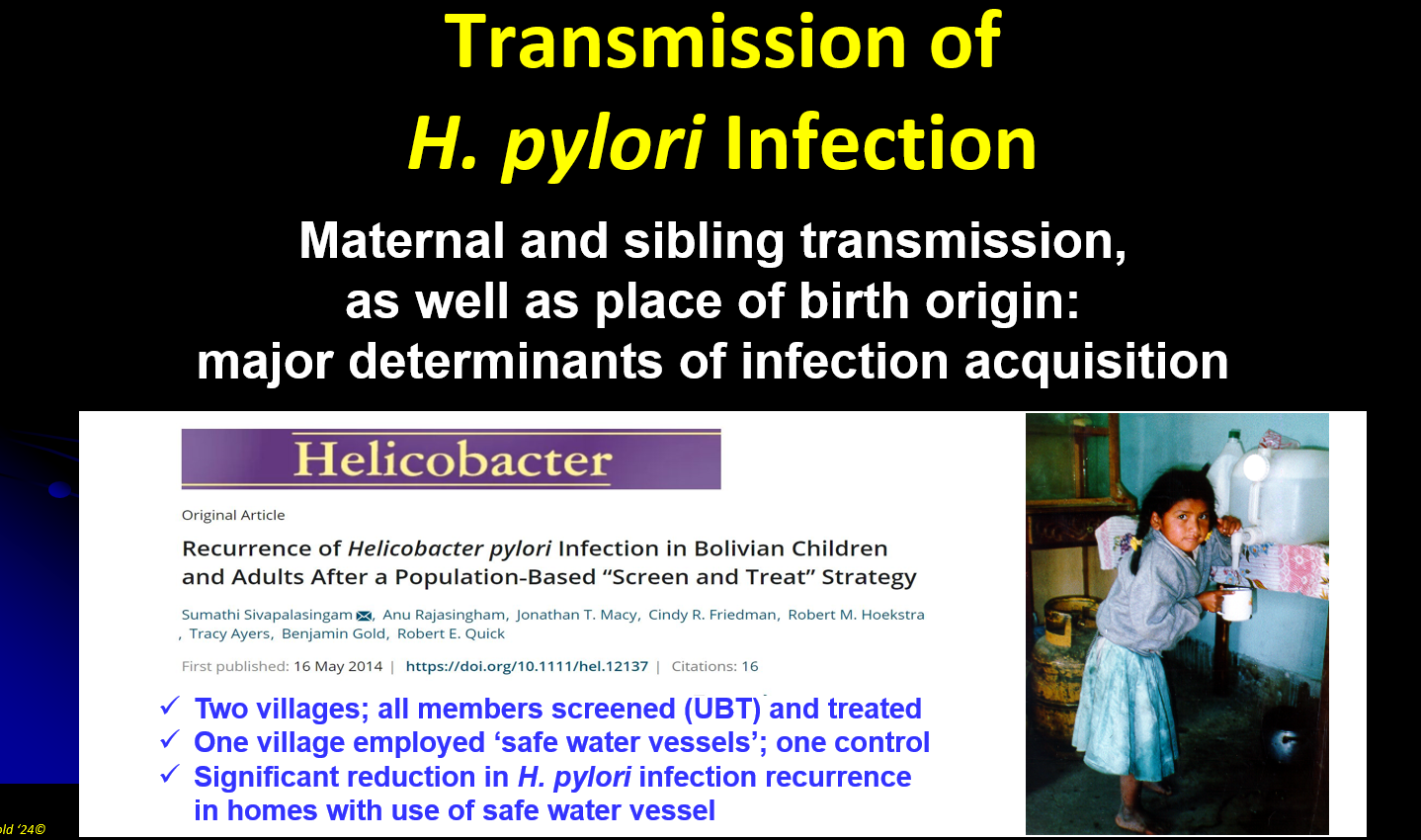
Practical Tips for Eosinophilic Esophagitis

We recently had Glenn Furuta, MD give our group a terrific lecture on eosinophilic esophagitis (EoE).

Some of the key points:

  • The burden of EoE continues to increase.
  • There are clearly several phenotypes of EoE. Some patients may never develop stricturing/fibrostenotic disease  but natural history data continues to evolve.
  • After treatment response, many patients can continue with symptoms. In adults and adolescents, this has been termed ‘esophageal hypervigilance.’ Feeding therapy may be helpful in this circumstance.
  • Adrenal insufficiency: Currently their group tries to screen for this after 4 months of topical corticosteroids and then yearly. It is unusual for them identify adrenal insufficiency if the patient is receiving only a single steroid agent; patients receiving steroids for other conditions like asthma are at higher risk.
  • An esophagram with a barium coated pill can be a useful adjunct to determine if there is esophageal narrowing (this can be missed on endoscopy).
  • For select patients, endoFLIP can characterize distensibility/esophageal function
  • Esophageal strictures: Their group uses Bougie dilators and has had a good experience. No perforations. ~15% with chest pain afterwards.
  • Corticosteroids (topical) can reduce the risk of food impactions in adults.
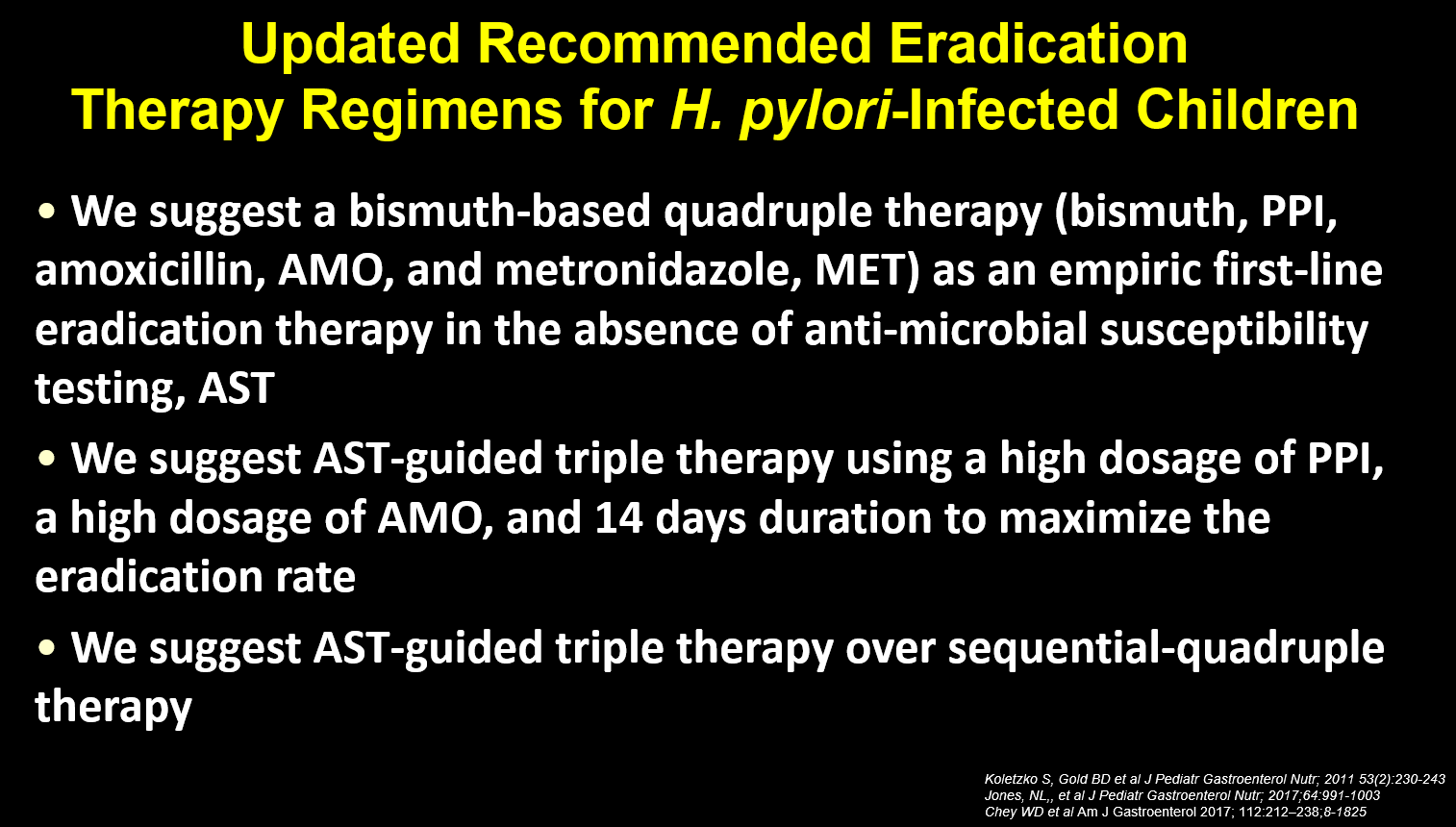
  • Reviewed use of Dupilimab and its recent approval in EoE for children as young as 1 yr of age (>15 kg)

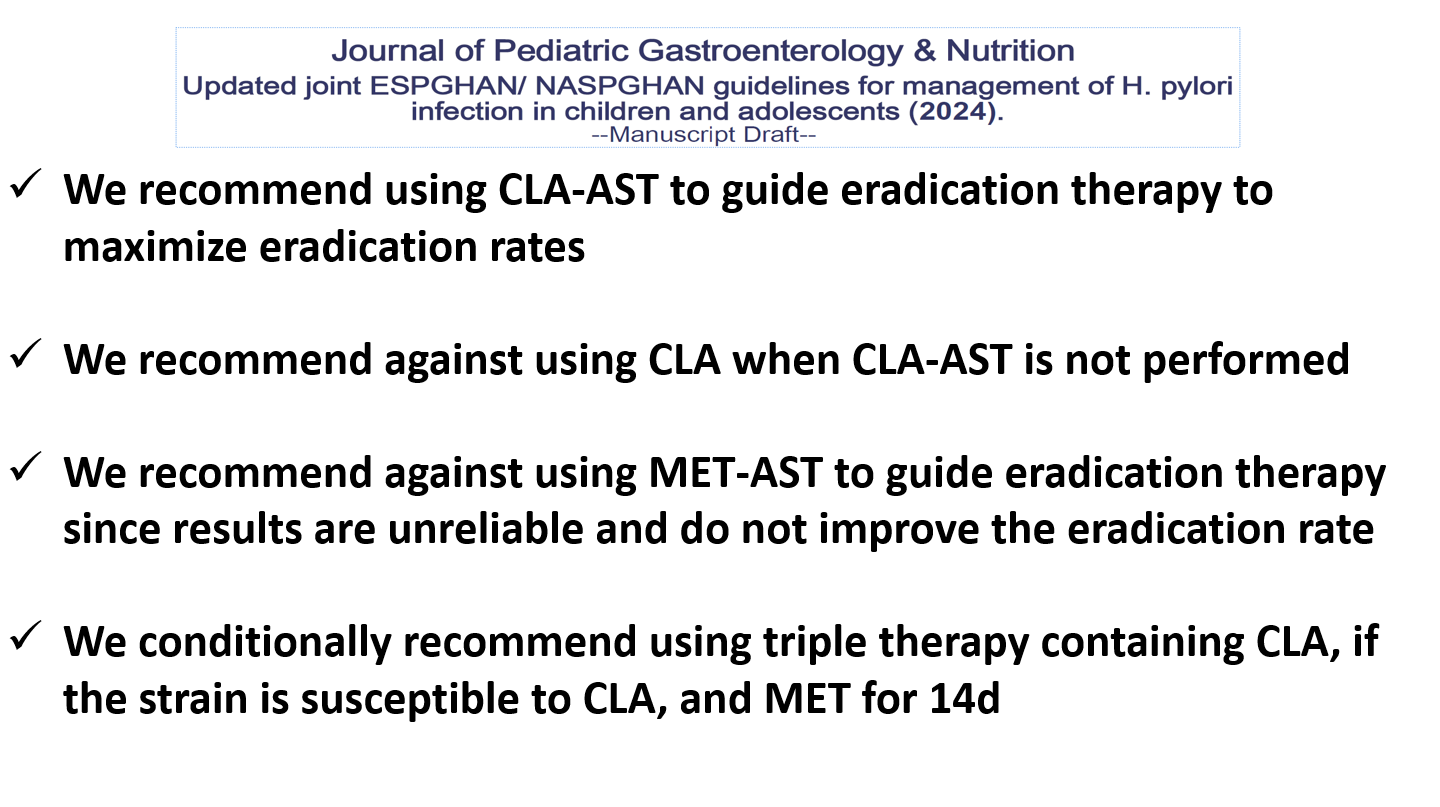
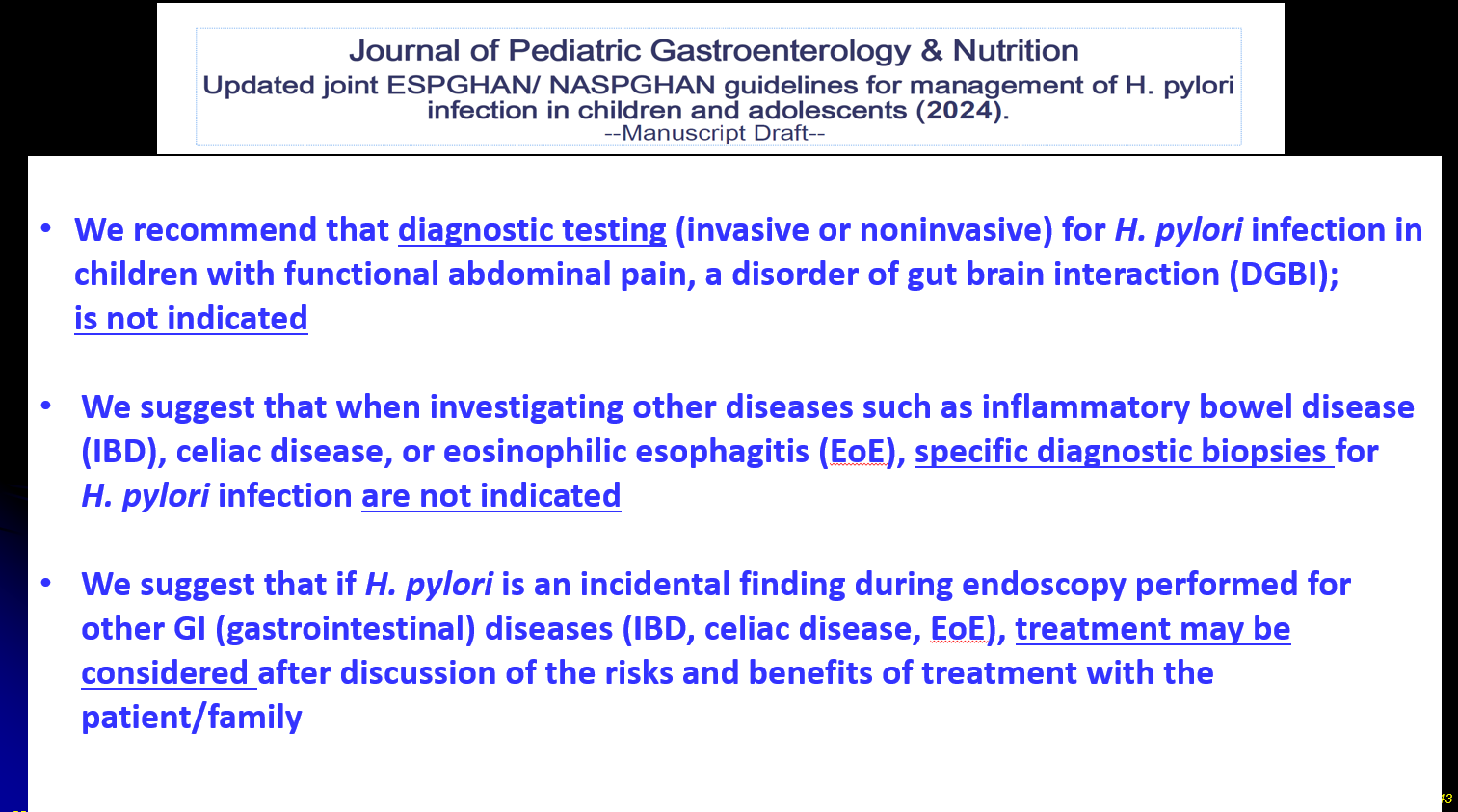
Some selected slides:

Related blog posts:

In Trials: An Oral IL-23 Antagonist Peptide

R Bissonnette et al. NEJM 2024; 390: 510-521.An Oral Interleukin-23–Receptor Antagonist Peptide for Plaque Psoriasis

While this study shows that an oral IL-23 antagonist was effective for plaque psoriasis, this is exciting news for the GI physicians as biologic agents that target IL-23 have been shown to be very effective for inflammatory bowel disease (IBD) (eg. Ustekinumab, Risankizimab, Mirikizumab). This “FRONTIER” study shows how to achieve similar results as these biologic therapies.

Biologics are large monoclonal antibodies which cannot be orally absorbed and must be administered either intravenously or as an injection. However, “JNJ-77242113 is an oral interleukin-23–receptor antagonist peptide that selectively and potently blocks interleukin-23 proximal signaling and the production of downstream cytokines such as interleukin-17.” This medication needs to be taken on an empty stomach (this could effect real-world results).

My take: I am expecting that this medication will undergo trials for IBD and suggests that an oral effective therapy is in the therapeutic pipeline.

IBD Updates: Dual Advanced Therapies in Pediatrics, IL23 agents/Psoriasis

A Yerushalmy-Feler et al. Inflammatory Bowel Diseases, Volume 30, Issue 2, February 2024, Pages 159–166. Open Access! Dual Biologic or Small Molecule Therapy in Refractory Pediatric Inflammatory Bowel Disease (DOUBLE-PIBD): A Multicenter Study from the Pediatric IBD Porto Group of ESPGHAN

In this retrospective study with 62 children (35 Crohn’s disease, 27 ulcerative colitis) with extensive and severe IBD that was refractory to various therapies, the authors examined the outcomes of combination therapies: the dual therapy included an anti-tumor necrosis factor agent and vedolizumab in 30 children (48%), anti-tumor necrosis factor and ustekinumab in 21 (34%) children, vedolizumab and ustekinumab in 8 (13%) children, and tofacitinib with a biologic in 3 (5%) children.

Key findings:

  • Clinical remission was observed in 21 (35%), 30 (50%), and 38 (63%) children at 3, 6, and 12 months, respectively.
  • Normalization of C-reactive protein and decrease in fecal calprotectin to <250 µg/g were achieved in 75% and 64%, respectively, at 12 months 
  • Twenty-nine (47%) children sustained adverse events, 8 of which were regarded as serious and led to discontinuation of therapy in 6.
  • Among the 43% that were receiving steroids at the start of dual therapy, twenty (74%) of them could be successfully weaned within 3 months after the initiation of dual therapy.
  • Only 2 of 23 (8.7%) had endoscopic healing

My take (borrowed partly from authors):

  1. “Dual biologic therapy may be effective in children with refractory IBD. The potential efficacy should be weighed against the risk of serious adverse events” and affordability.
  2. “There are currently no data for identifying the patients that are more likely to benefit from dual therapy….The ideal selection of dual biologic regimens remains to be determined.”

A Al-Janabi et al.JAMA Dermatol. 2024;160(1):71-79. doi:10.1001/jamadermatol.2023.4846 Open Access! Risk of Paradoxical Eczema in Patients Receiving Biologics for Psoriasis

This study examined more than 13,000 patients enrolled in a prospective cohort study from the British Association of Dermatologists Biologics and Immunomodulators Register for adults treated with biologics for plaque psoriasis.

Key findings:

  •  A total of 273 exposures (1%) were associated with paradoxical eczema.
  • The adjusted incidence rates were 0.94 per 100 000 person-years for TNF inhibitors, 0.80 per 100 000 person-years for IL-12/23 inhibitors, and 0.56 per 100 000 person-years for IL-23 inhibitors.  IL-23 inhibitors were associated with a lower risk of paradoxical eczema (hazard ratio [HR], 0.39)

My take (from authors): The overall incidence of paradoxical eczema was low in biologic-treated patients with psoriasis. The risk was lowest in patients receiving IL-23 inhibitors. Increasing age, female sex, and history of AD or hay fever were associated with higher risk of paradoxical eczema.

Chattahoochee River in Sandy Springs, GA

IBD Updates: Preventing Inflammatory Bowel Disease with a Healthy Diet and Medication Safety Pyramid

Guo A, Ludvigsson J, Brantsæter AL, et al. Gut Published Online First: 30 January 2024. doi: 10.1136/gutjnl-2023-330971 Open Access! Early-life diet and risk of inflammatory bowel disease: a pooled study in two Scandinavian birth cohorts Thanks to Mike Hart for this reference.

Methods: This study used prospectively collected data in children borne in Sweden from 1997-1999 as part of the ABIS (All Babies in Southeast Sweden, n=16,419) and in a similar study from Norway 1999-2008 as part of the MoBa (Norwegian Mother, Father and Child Cohort, n=113,106) study. Food data was recorded at 1 and 3 years. At the 1 year timepoint, there were 81,280 participants and 307 with IBD. At the 3 year timepoint, there were 65,692 participants and 266 with IBD.

Diet quality was examined using a modified Health Eating Index (HEI) (measure 1). ”The modified HEI reflects the child’s overall dietary quality, rather than food quantity and energy intake. This index included the intake of seven food groups: ‘fruits and vegetables’, ‘dairy foods’, ‘meat’, ‘fish and eggs’, ‘soft drinks’, ‘salty snacks’ and ‘sweet snacks’ (online supplemental tables 2 and 3). The intake of each food group was categorized by ranking weekly intake frequency by quartiles with a score of 1–4. Based on WHO dietary recommendations for children, being in the lowest intake category for ‘healthy food groups’ (eg, fruits and vegetables and fish and eggs) was assigned 1 point, the highest intake category was assigned 4 points, and vice versa for unhealthy foods, such as salty snacks and sweet snacks. Finally, the total HEI score, ranging from 7 to 28, with a higher score indicating a higher dietary quality, was divided into thirds representing low, medium and high diet quality.”

Key findings:

  • Compared with low diet quality, medium and high diet quality at 1 year of age were associated with a reduced risk of IBD (pooled aHR 0.75 and and 0.75 respectively)
  • Pooled aHR for children 1 year old with high versus low fish intake was 0.70  for IBD , and showed association with reduced risk of UC (pooled aHR=0.46)

In their discussion, the authors note several other studies (references 28,38, and 39) have shown an association with diet and development of IBD. A higher adherence to a Mediterranean diet was associated with a lower risk of developing IBD. The authors speculate that the reduction in IBD may be mediated by changes in the microbiome and and “early-life diet has a significant impact on gut microbiota composition.”

My take:

  1. This study shows an association between better early-life diet quality, particularly more veggies and fish and less sugar-sweetened beverages, and a lower risk of developing IBD.
  2. Diet studies are very difficult to perform due to wide variations and lack of control. This type of prospective data with a large cohort is likely to be one of the most valuable in improving our understanding.

Related blog posts:

From Miguel Regureiro and Marcus Banks. Gastroenterology & Endoscopy News. Nov 20, 2023. Moving From IV to Subcutaneous Infliximab, and an Updated Look at Advanced Therapy Safety

Is Medicine a “Calling?”

A recent thought-provoking commentary on medical training delved into the issue of “workism” and sacrifice in medicine. 

L Rosenbaum. NEJM 2024; 390: 471-475.On Calling — From Privileged Professionals to Cogs of Capitalism?

Dr. Rosenbaum notes that some believe using the concept of medicine as a “calling” is “weaponized against trainees as a means of subjugation — a way to force them to accept poor working conditions.”

Some excerpts:

  • The sacrifices that once brought physicians spiritual fulfillment have increasingly been replaced by a sense that we’re simply cogs in a wheel.
  • Historically the missions of trainees and hospitals were better aligned…there was a shared commitment to serve vulnerable people. Today,… most hospital boards and leaders — even at so-called not-for-profit hospitals — increasingly prioritize financial success. Some hospitals view trainees more as an inexpensive labor force… As educational missions are increasingly subordinated to corporate priorities (such as early discharges and billing documentation), sacrifice becomes far less appealing.
  • [Some younger doctors are] disheartened by what she saw as medicine’s dismissal of people’s pain, poor treatment of marginalized populations, and tendency to assume the worst about patients.
  • My interviews with trainees, educational leaders, and clinicians suggested that efforts to keep work from consuming life have unintentionally increased resistance to medical education’s demands… Some trainees insist that expectations to read up on patients or prepare for conferences violate duty hours.
  • Educators recognize changing norms… And many worried that they were guilty of the generational fallacy — a tendency sociologists call “kids these days” — of thinking their own training was superior to the next generation’s.2 

My take: Whether medicine is a job or a “calling,” like the author, I view doctoring as sacred work. There are many parts of this work that cannot conform to a 9-to-5 schedule. Some work cannot be delayed to the next day and some work can be difficult to delegate. Yet, I definitely understand how a focus on documentation/billing rather than patient care could result in physicians (young and old) not wanting to ‘go the extra mile.’

Related blog posts:

Donkeys at Honeymoon Beach