IBD Update -Stem Cells for Perianal Disease, Medicine-Induced VEO-IBD, and Thalidomide for VEO-IBD

AL Lightner et al. Inflamm Bowel Dis 2023; 29: 1912-1919. A Phase I Study of Ex Vivo Expanded Allogeneic Bone Marrow–Derived Mesenchymal Stem Cells for the Treatment of Pediatric Perianal Fistulizing Crohn’s Disease

Seven pediatric patients with perianal Crohn’s disease were treated with mesenchymal stem cells. Key finding: At 6 months, 83% had complete clinical and radiographic healing. This healing rate is higher than “the 50% efficacy reported by the only completed randomized control phase III clinical trial.[ADMIRE study].”

MA Baarslag et al. NEJM 2023; 389: 1790-1796. Severe Immune-Related Enteritis after In Utero Exposure to Pembrolizumab

This case report details severe immune-related gastroenterocolitis after in utero exposure to pembrolizumab, an anti–PD-1 agent; the infant presented at 4 months of life. Extensive testing did not identify any underlying causes of VEO-IBD. This infant required TPN for a short period, but subsequently responded to treatment with glucocorticosteroids and infliximab (with plans to continue until at least 3 years of age). Both programmed death 1 (PD-1) and cytotoxic T-lymphocyte-associated antigen 4 (CTLA-4) immune checkpoint inhibitors are negative regulators of T-cell immune function. Inhibition of these targets, resulting in increased activation of the immune system and can result in medication-induced colitis in the patients who take them and potentially in infants exposed to these agents in utero.

M Bramuzzo et al. Inflamm Bowel Dis 2024; 30: 20-28. https://doi.org/10.1093/ibd/izad018. Efficacy and Tolerance of Thalidomide in Patients With Very Early Onset Inflammatory Bowel Disease

This retrospective study with 39 patients with VEO and 39 patients with pediatric IBD.

Key findings:

  • The treatment persistence at 1, 2, and 3 years was 68.2%, 57.0%, and 50.9% for VEOIBD patients and 81.7%, 60.0% and 33.0% for pIBD patients, respectively 
  • A significantly higher proportion of VEOIBD patients discontinued therapy due to lack of efficacy (48.2% vs 17.2%; P = .03), while AEs were the main reason for discontinuation in pIBD patients
  • A significatively lower number of VEOIBD patients experienced AEs compared with pIBD patients (14 [35.9%] vs 30 [76.9%]; P = .0005).

Treatment persistence:
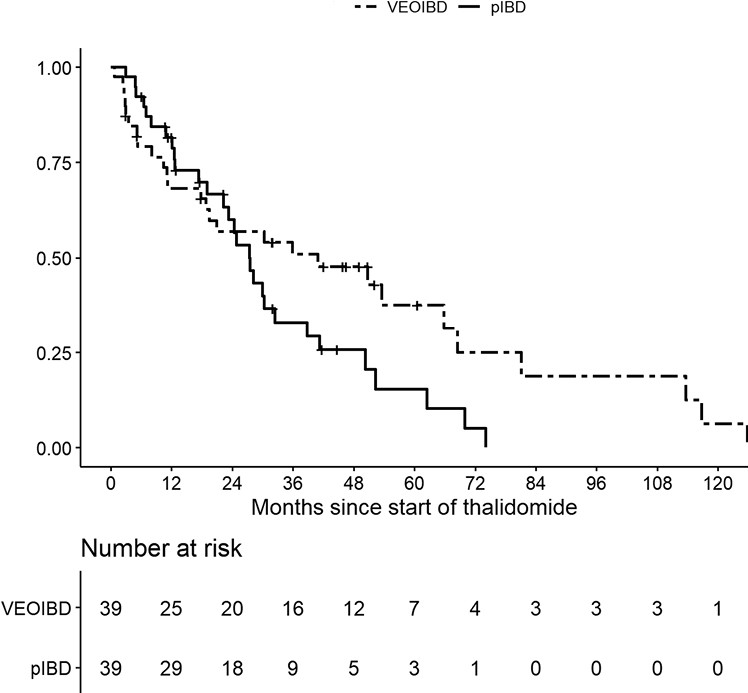
Treatment persistence

Related blog posts:

Impressive Results for Risankizumab in Refractory Crohn’s Disease

D Alsoud et al Inflamm Bowel Dis 2024; izad315https://doi.org/10.1093/ibd/izad315. Real-world Effectiveness and Safety of Risankizumab in Patients with Moderate to Severe Multirefractory Crohn’s Disease: A Belgian Multicentric Cohort Study

Methods: Data from consecutive adult CD patients who started risankizumab before April 2023 were retrospectively collected at 6 Belgian centers. A total of 69 patients (56.5% female, median age 37.2 years, 85.5% exposed to ≥4 different advanced therapies and 98.6% to ustekinumab, 14 with an ostomy) were included.

Key findings:

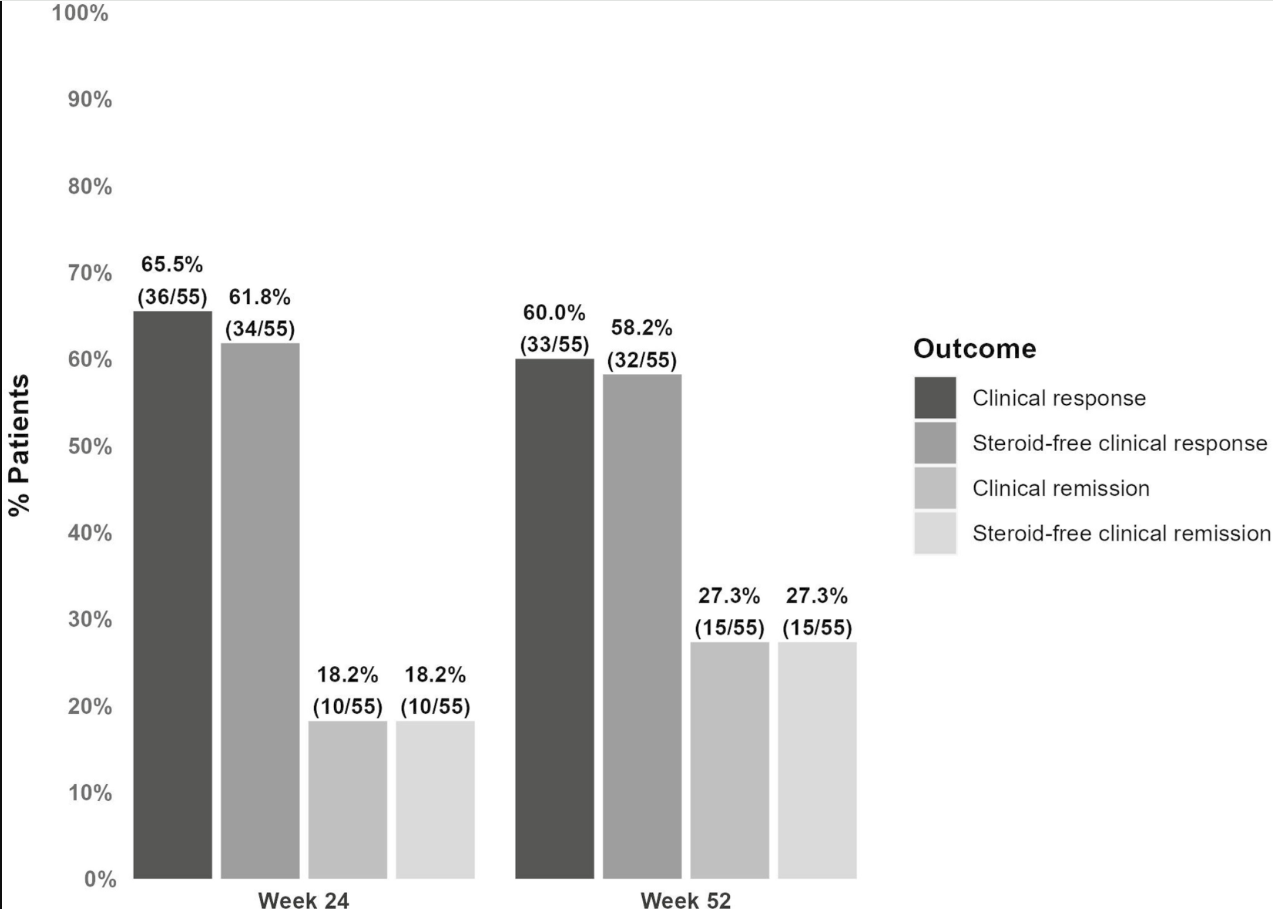
  • At week 24, 61.8% (34 of 55) and 18.2% (10 of 55) of patients without an ostomy achieved steroid-free clinical response and remission, respectively.
  • At week 52, these numbers were 58.2% (32 of 55) and 27.3% (15 of 55), respectively. Endoscopic data were available in 32 patients, of whom 50.0% (16 of 32) reached endoscopic response within the first 52 weeks.
  • Results in patients with an ostomy were similar (steroid-free clinical response and remission, 42.9% and 14.3%, respectively).
  • 20.3% (14 of 69) of patients underwent CD-related intestinal resectionsand 18.8% (13 of 69) of patients discontinued risankizumab during followup (median 68 weeks).
  • Risankizumab was well tolerated with no safety issues.

Discussion points: “98.6% of patients in the current study were exposed to ustekinumab compared with less than 20% in the registration trials. This indicates that a previous lack or loss of response to the inhibition of the p40 subunit common to IL-12 and IL-23 does not preclude a potential response from subsequent selective inhibition of IL-23. “

My take: This study shows that risankizumab can be effective in refractory patients, even in those who have received similar type medications (eg. ustekinumab).

Related blog posts:

Disclaimer: This blog, gutsandgrowth, assumes no responsibility for any use or operation of any method, product, instruction, concept or idea contained in the material herein or for any injury or damage to persons or property (whether products liability, negligence or otherwise) resulting from such use or operation. These blog posts are for educational purposes only. Specific dosing of medications (along with potential adverse effects) should be confirmed by prescribing physician.  Because of rapid advances in the medical sciences, the gutsandgrowth blog cautions that independent verification should be made of diagnosis and drug dosages. The reader is solely responsible for the conduct of any suggested test or procedure.  This content is not a substitute for medical advice, diagnosis or treatment provided by a qualified healthcare provider. Always seek the advice of your physician or other qualified health provider with any questions you may have regarding a condition.

Pharmacotherapy for Obesity

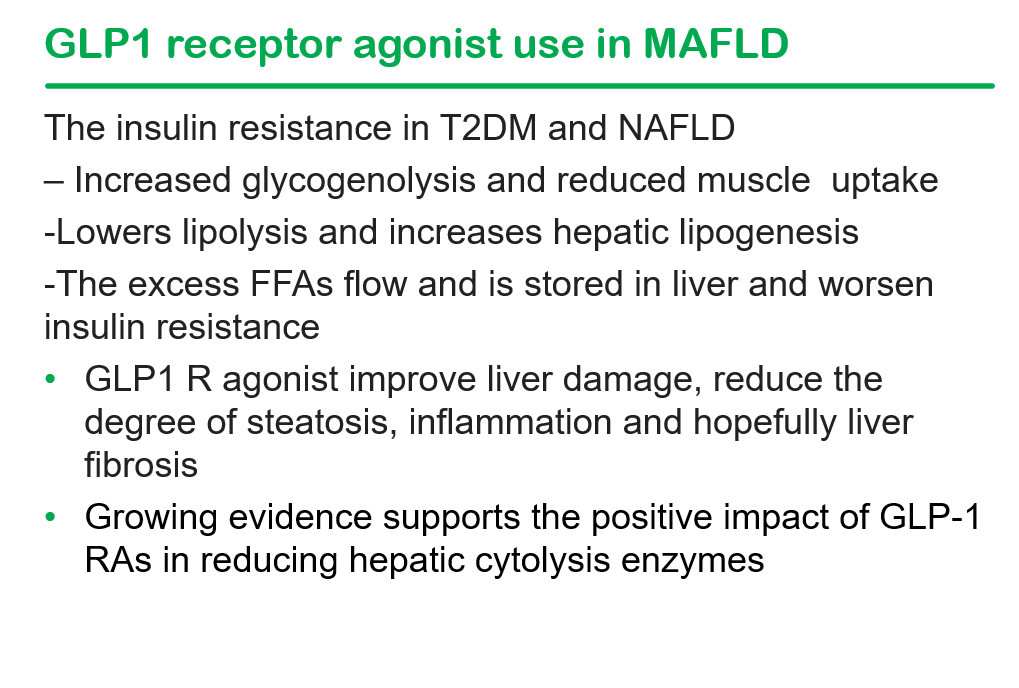
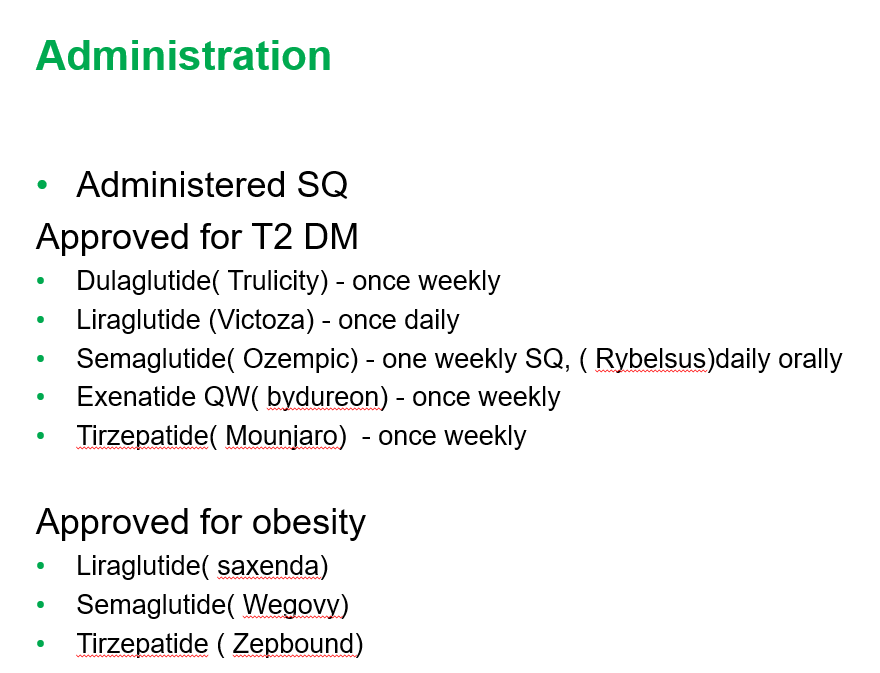
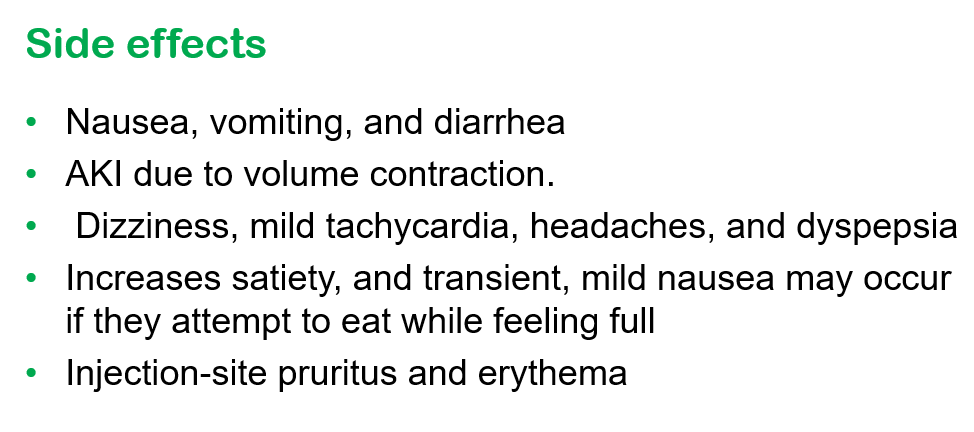
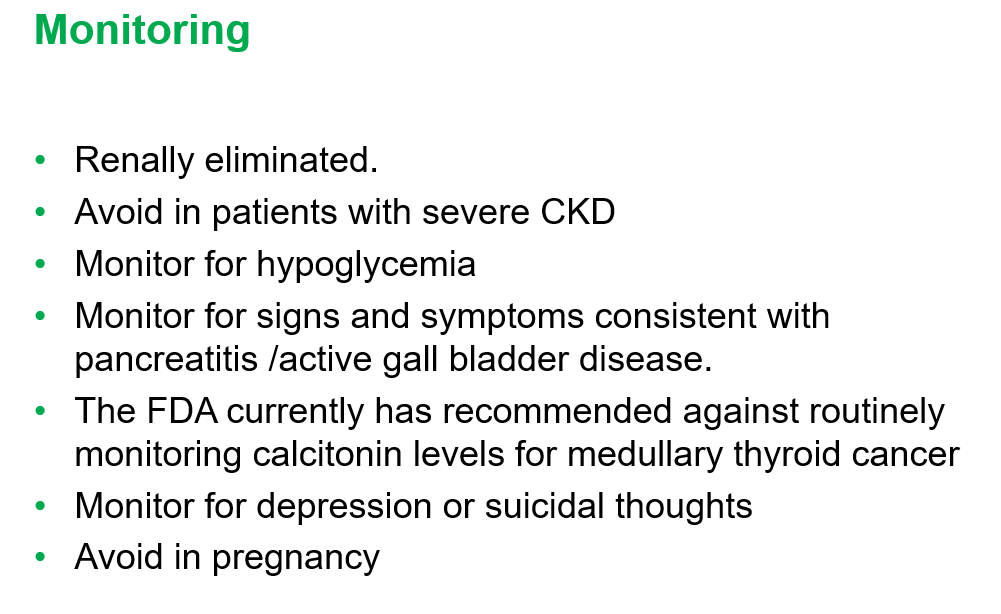
Recently, Dr. Shruthi Arora, an Emory Pediatric Endocrinologist and part of CHOA’s Strong4Life team, provided a terrific review of pediatric obesity pharmacology for our group. 

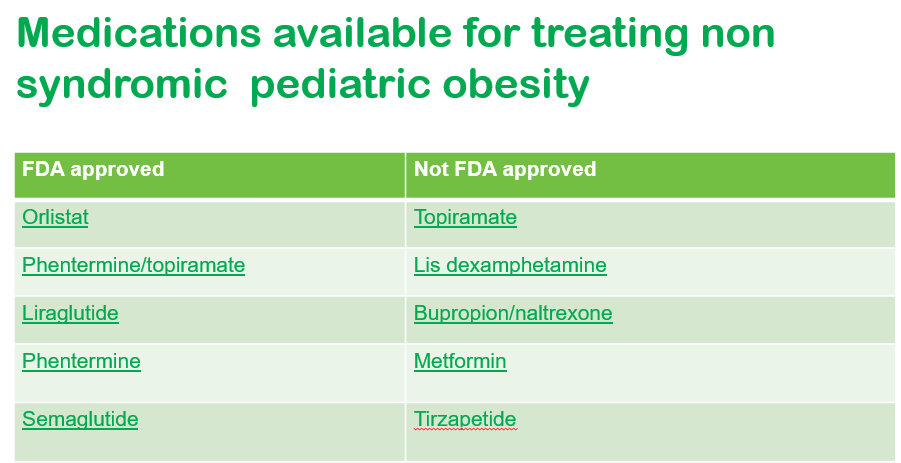
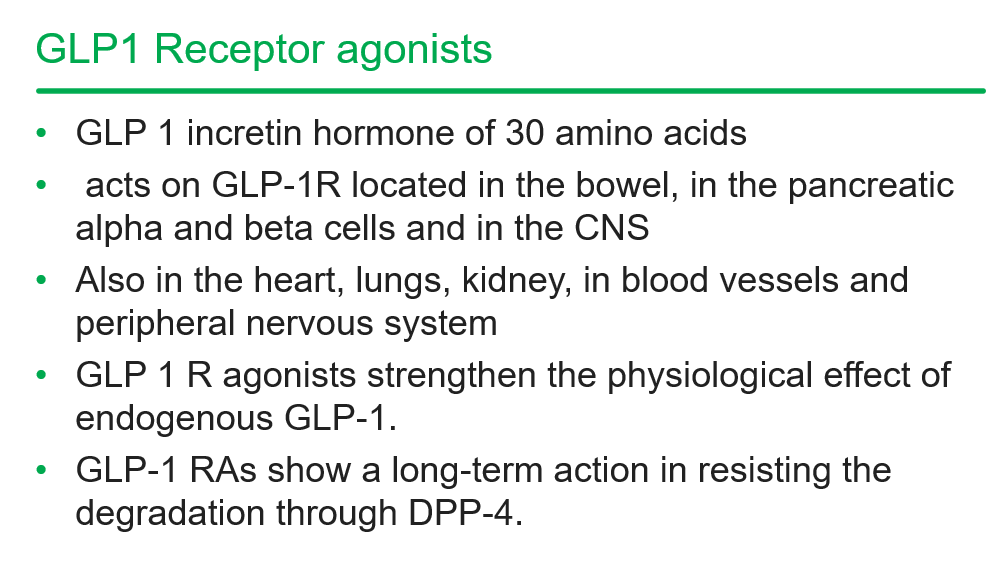
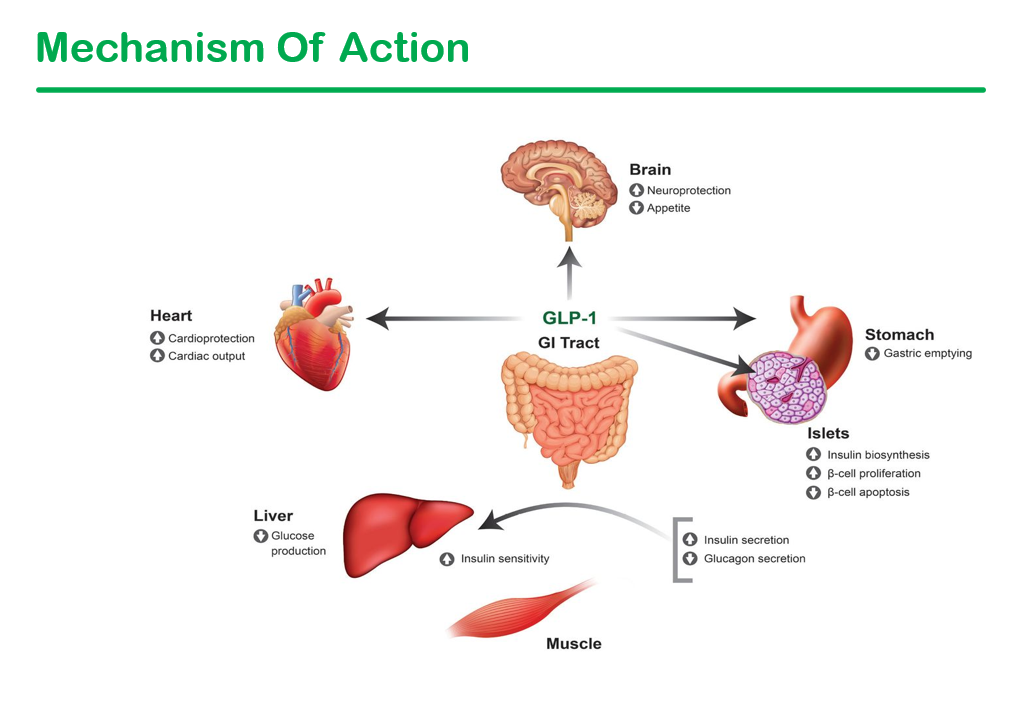
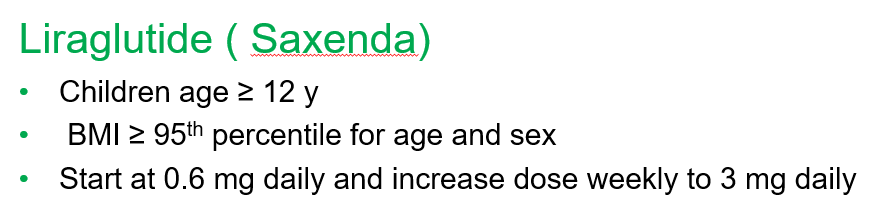
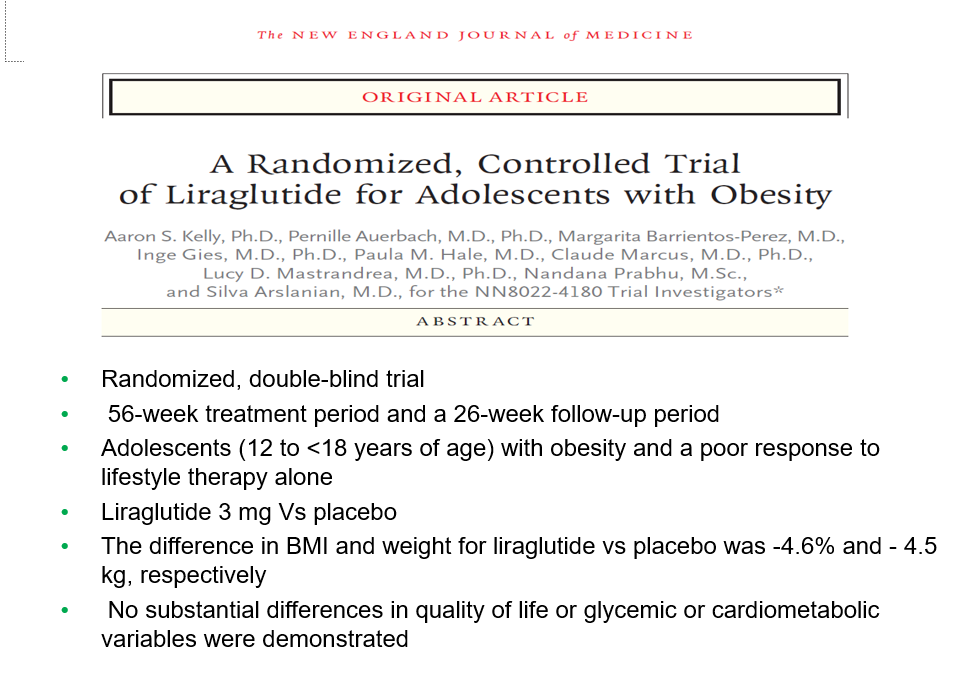
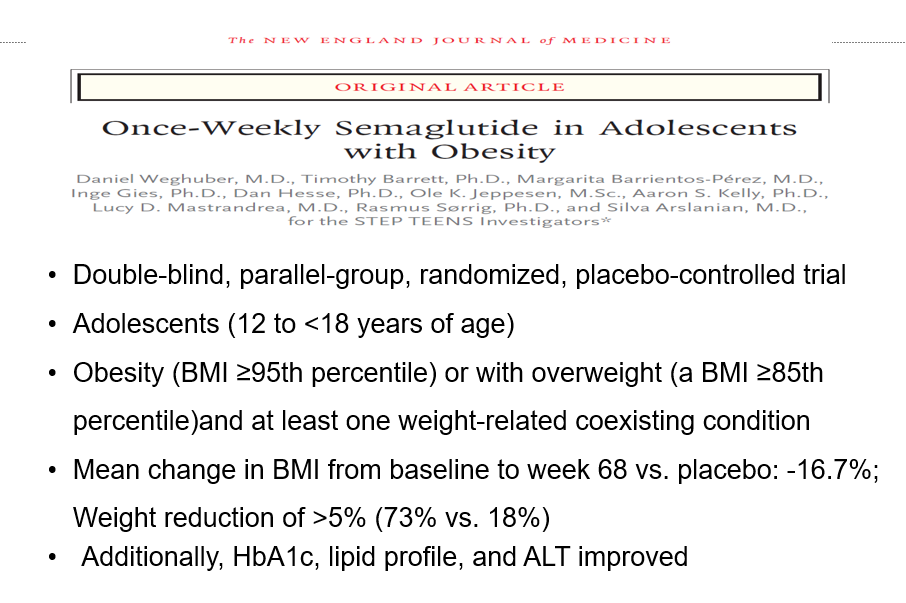
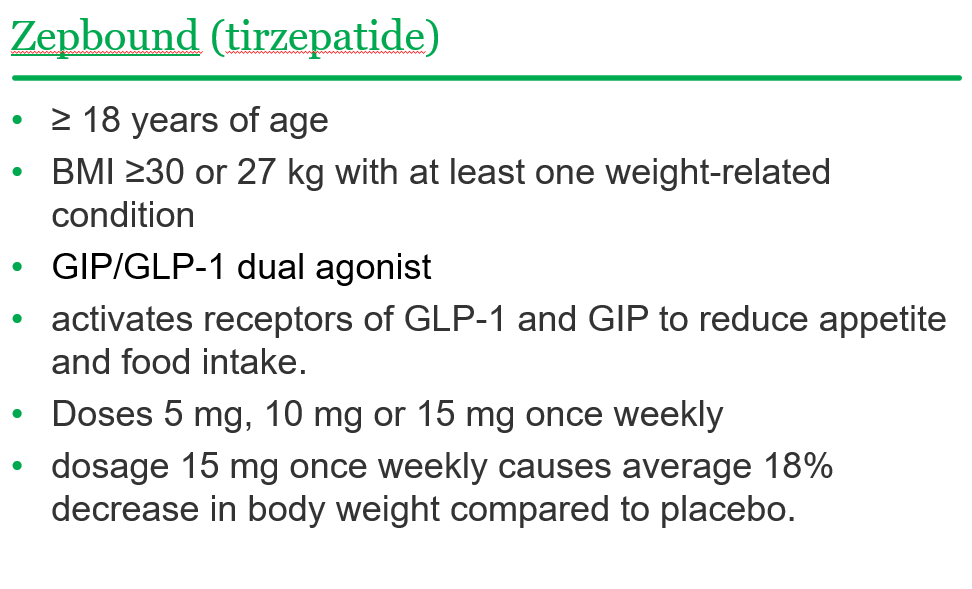
Here are a few slides from Dr. Arora’s lecture:

General points from this lecture:

  • GLP-1 agents are a huge advance but currently limited by affordability (frequently there is a lack of insurance coverage if there is not T2DM) and availability. In addition, most individuals will regain weight loss when these agents are stopped.
  • GLP-1 agents are not recommended in the following: patients with gastroparesis, and patients with a personal or family history significant for MEN 2 A /MEN 2 B/ Medullary thyroid cancer
  • Long-term data is still needed. These agents have been associated with muscle and bone loss; thus, working to assure a good diet is still very important

——————————————————————————

NASPGHAN has a good review/webinar on this topic as well: Pediatric MASLD in the Current Era of Pharmacological and Surgical Obesity Treatment Options. For members, after sign in, you can register and login to this webinar (look under clinical practice tab). This webinar made a lot of useful points (many covered by Dr. Arora too).

  • For GLP-1 agents, due to effects on gastric emptying, they are generally held prior to anesthesia. If they are given weekly, then hold 1 week prior to anesthesia. If it is a daily medication, hold for 1 day prior to anesthesia.
  • Surgery definitely helps improve MASH -though variable responses in patients. SLEEVE gastrectomy is currently the most frequent bariatric surgery
  • There is trouble getting GLP-1 medications. 
  • Limited knowledge regarding long-term effects of cycling of GLP-1 agents.
  • Obesity is a long-term disease –>anticipate long-term treatment

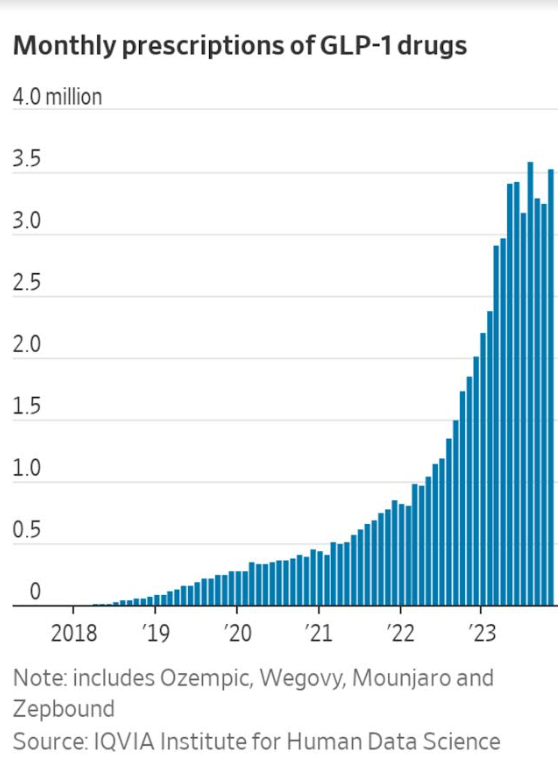
The Wall Street Journal recently published a personal account of using the newer obesity medications. Bradley Olson, 1/12/24: A Weight-Loss Drug Changed My Life. Will It Solve My Problem? (behind a paywall). This article discusses the dramatic improvement experienced by the writer along with his concerns about the cost of the medication and potential for rebound when he can no longer afford it. Two of the figures:

Disclaimer: This blog, gutsandgrowth, assumes no responsibility for any use or operation of any method, product, instruction, concept or idea contained in the material herein or for any injury or damage to persons or property (whether products liability, negligence or otherwise) resulting from such use or operation. These blog posts are for educational purposes only. Specific dosing of medications (along with potential adverse effects) should be confirmed by prescribing physician.  Because of rapid advances in the medical sciences, the gutsandgrowth blog cautions that independent verification should be made of diagnosis and drug dosages. The reader is solely responsible for the conduct of any suggested test or procedure.  This content is not a substitute for medical advice, diagnosis or treatment provided by a qualified healthcare provider. Always seek the advice of your physician or other qualified health provider with any questions you may have regarding a condition.

“A Swell Diagnosis”

J Allam et al. NEJM 2024; 390-71-76.A Swell Diagnosis

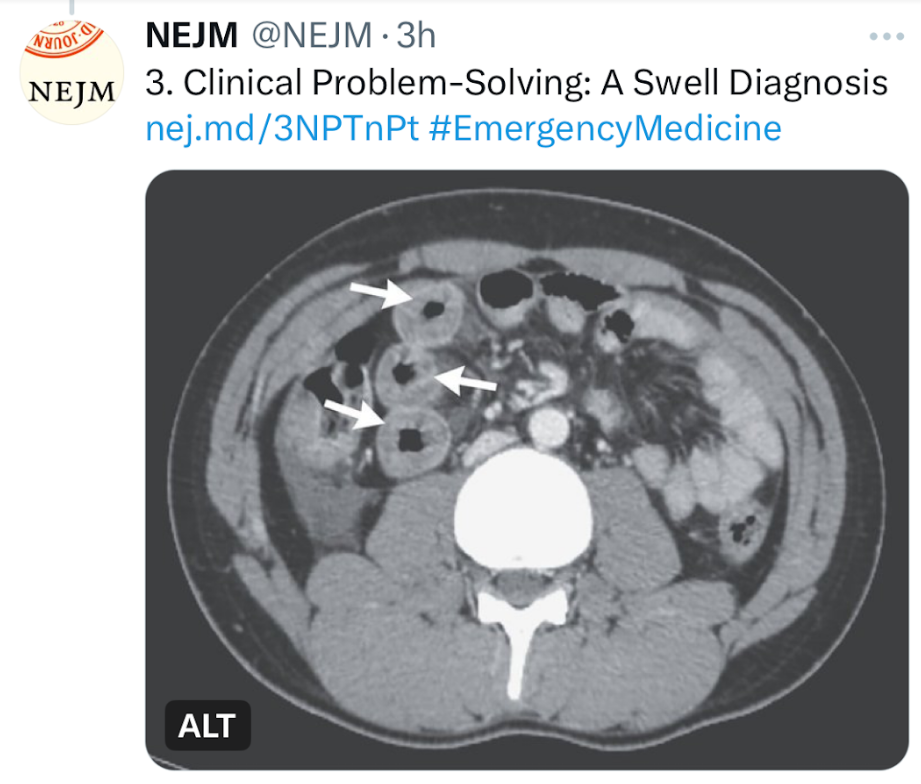
This clinical problem-solving case report describes a previously healthy 19 yo male with sudden-onset severe diffuse abdominal pain. His ED evaluation was unremarkable (including labs [CBC/d, CMP, Lipase, CMP, thryotropin, ESR, CRP and UA], and EKG). He was discharged after 3 hours. Over the next 10 years, he presented to the ED on numerous occasions with the same symptom complex and normal labs/mostly CT scans. One CT scan showed small-bowel thickening thought to be due to AGE. Ultimately, his symptoms increased to every 2 weeks. Extensive evaluations (multiple panendoscopies, MRCP, MRE, U/S, and infectious workup) were undertaken and numerous treatments were given without benefit. Ultimately, a CT scan showed remarkable circumferential wall thickening in the jejunum (see below). This led to evaluation for hereditary angioedema.

The article serves as a good review of this disorder and of the differential diagnosis.

Key points:

  • Background: Hereditary angioedema, which is due to a deficiency of functional C1 inhibitor protein, is a rare autosomal dominant genetic disorder that affects approximately 1 in 50,000 persons worldwide.1 
  • Mean age of onset : 8 to 12 years, and symptoms often worsen during puberty.1
  • Presentation: The disease is characterized by recurrent episodes of swelling in various parts of the body and can be severely debilitating. The hallmark symptom of hereditary angioedema is localized swelling of the skin and submucosal tissues (in the face, lips, throat, hands, feet, or genitalia) that is nonpitting, nonpruritic, and not accompanied by urticaria. Triggers include emotional stress, physical trauma, infections, physical exertion, and surgery and other medical procedures.
  • Abdominal pain: In a series of 149 patients with hereditary angioedema who had 521 attacks, 49% of the episodes were characterized by isolated abdominal pain.5  Abdominal attacks are generally not associated with fever, peritoneal signs, or leukocytosis.
  • Laryngeal edema occurs in approximately 0.9% of all attacks7 and may be life-threatening, leading to asphyxiation and death.
  • Differential Diagnosis: Some of the rare diagnosis that were discussed: acute intermittent porphyria, familial Mediterranean fever (FMF), mastocytosis, and eosinophilic gastroenteritis.
  • Pathophysiology: Deficiency of C1 inhibitor protein: The majority of cases of hereditary angioedema are caused by either decreased levels (type I) or reduced functionality (type II) of C1 inhibitor. A third subtype (type III) that is associated with different mutations but the same clinical features is characterized by normal quantitative and functional C1 inhibitor levels.2
  • The best screening testmeasurement of the level of C4 (which is exhausted as a result of uncontrolled activation of the complement pathway when C1 inhibitor is deficient or dysfunctional); results may be normal in 10% of patients between attacks. Quantification of C1 inhibitor levels can then be performed to differentiate between the low levels in hereditary angioedema type I and the normal levels in hereditary angioedema type II. 
  • Treatment: Food and Drug Administration–approved agents include human plasma–derived C1 inhibitor concentrate, recombinant human C1 inhibitor, icatibant (bradykinin B2 receptor antagonist), and ecallantide (kallikrein inhibitor).9 Each has been shown in randomized, controlled trials to decrease the median time to symptom relief.10-14 The first three therapies may be administered by the patient, whereas ecallantide requires support from a health care professional for management of possible anaphylaxis, which is reported in up to 4% of patients.9 Most treatments are used on-demand, though some patients benefit from long-term prophylaxis.
  • Preprocedure prophylaxis: Preprocedural prophylaxis is recommended for patients undergoing procedures that may trigger an attack (e.g., dental surgery, endotracheal intubation, or an endoscopic procedure). C1 inhibitor concentrate can be administered intravenously before the procedure, or treatment with an anabolic androgen (e.g., danazol or stanozolol) can be started 5 days before and continued for 2 to 5 days after the procedure9; …Fresh frozen plasma may be used as a second-line therapy when these therapies are not available

My take: This case “highlights the importance of maintaining a high clinical suspicion for hereditary angioedema in patients with episodic severe abdominal pain and negative workup for other illnesses” even in patients without other manifestations.

Related blog posts:

Figure 1A (from NEJM twitter feed)

Does Antireflux Surgery Prevent Esophageal Cancer in Patient’s with Barrett’s Esophagus? No

From editorial:

Methods: “Åkerström et al7 conducted a multi-national population-based cohort study of all patients with a diagnosis of Barrett’s esophagus in the national patient registries of Denmark (2012–2020), Finland (1987–1996 and 2010–2020), Norway (2008–2020), and Sweden (2006–2020). Patients with Barrett’s who underwent anti-reflux surgery (ARS) were compared with non-operated patients, most of whom were presumed to be using anti-reflux medication. The cohort consisted of 33,939 patients with Barrett’s esophagus, 542 (1.6%) of whom had undergone anti-reflux surgery.” Followup was up to 32 years. Mean age in the cohort was 64.3 years.

Key finding: “The main findings of the study were: 1) that the HR of developing EAC [esophageal adenocarcinoma] was actually greater in the ARS [anti-reflux surgery] cohort than in the non-operated cohort HR (adjusted HR 1.9, 95% CI 1.1–3.5); and 2) that the HR did not stabilize with a longer period of follow-up, but instead continued to increase, going from 1.8 (95% CI 0.6–5.0) within 1–4 years of follow-up to 4.4 (95% CI 1.4–13.5) after 10–32 years of follow-up.”

Discussion points:

  • The editorial suggests that ARS may not actually increase the risk of EAC, but instead the difference may be related to a selection of bias of choosing patients with more severe Barrett’s to have surgery.
  • For a patient at age 25 years with Barrett’s the cumulative risk of 50 years would translate to a 12% lifetime risk of EAC
  • The editorial reviews the use of PPIs from the AspECT trial and noted that “high-dose PPI plus low-dose aspirin was more effective than low-dose PPI alone in preventing that composite end point [all-cause mortality, EAC, or high-grade dysplasia]…a large part of the treatment effect was attributable to reduction in all-cause mortality (including cardiovascular) rather than EAC or high-grade dysplasia”
From editorial: Patient’s main reason for undergoing laparoscopic anti-reflux surgery in a community practice: 83 patients in a managed care environment. Data from Vakil et al.6

My take: This article provides good evidence that reflux surgery does not reduce the risk of esophageal adenocarcinoma in those at highest risk. For pediatric patients with severe reflux, this information is helpful for accurate counseling.

Dupixent Approved in Younger Children (15 kg+)

Link: DUPIXENT® (DUPILUMAB) FDA APPROVED AS FIRST AND ONLY TREATMENT INDICATED FOR CHILDREN AGED 1 YEAR AND OLDER WITH EOSINOPHILIC ESOPHAGITIS (EOE)

“Regeneron Pharmaceuticals, Inc. (NASDAQ: REGN) and Sanofi today announced that the U.S. Food and Drug Administration (FDA) has approved Dupixent® (dupilumab) for the treatment of pediatric patients aged 1 to 11 years, weighing at least 15 kg, with eosinophilic esophagitis (EoE).”

Recommended dosing:

Related blog posts:

Disclaimer: This blog, gutsandgrowth, assumes no responsibility for any use or operation of any method, product, instruction, concept or idea contained in the material herein or for any injury or damage to persons or property (whether products liability, negligence or otherwise) resulting from such use or operation. These blog posts are for educational purposes only. Specific dosing of medications (along with potential adverse effects) should be confirmed by prescribing physician.  Because of rapid advances in the medical sciences, the gutsandgrowth blog cautions that independent verification should be made of diagnosis and drug dosages. The reader is solely responsible for the conduct of any suggested test or procedure.  This content is not a substitute for medical advice, diagnosis or treatment provided by a qualified healthcare provider. Always seek the advice of your physician or other qualified health provider with any questions you may have regarding a condition.

Immune Mediated Disorders Associated with TNF Inhibitors Can Involve the Liver Too

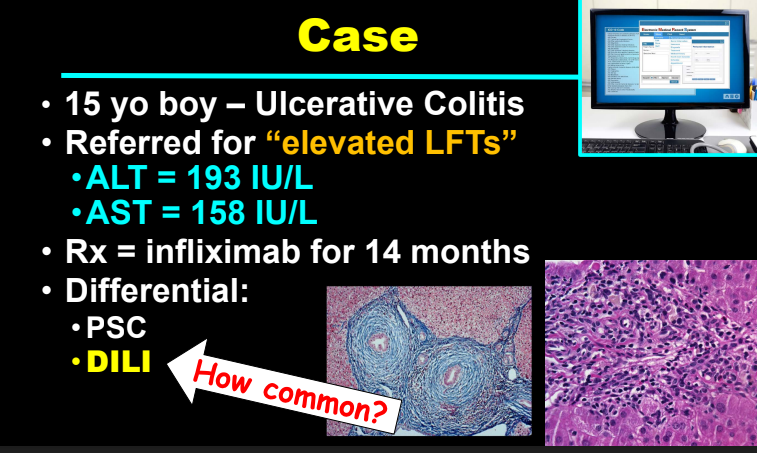
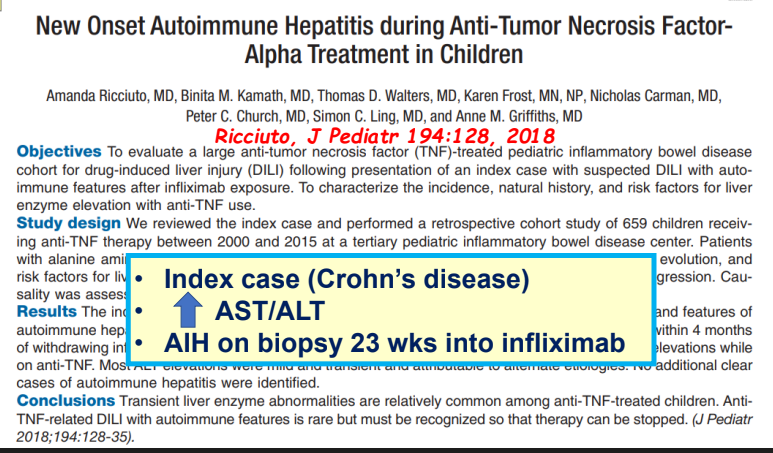
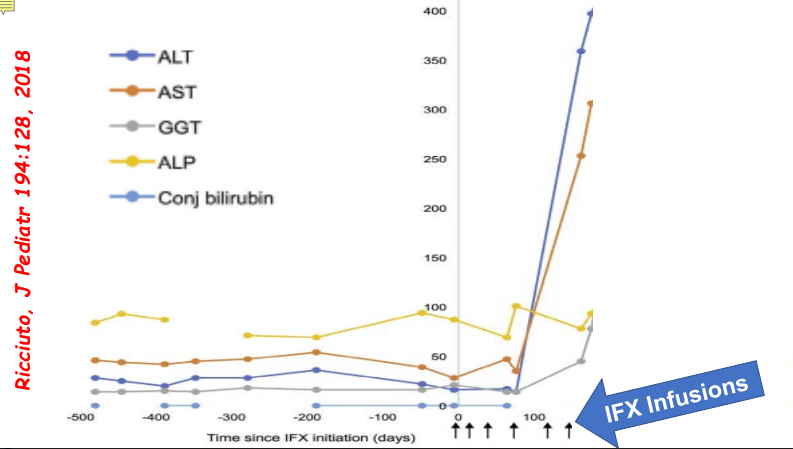
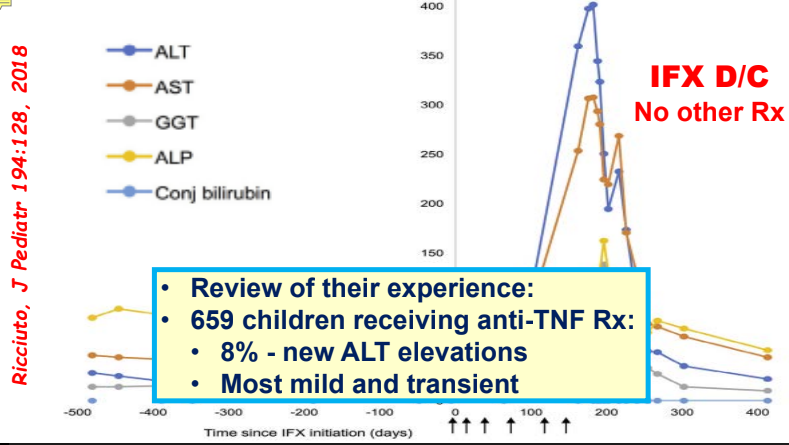
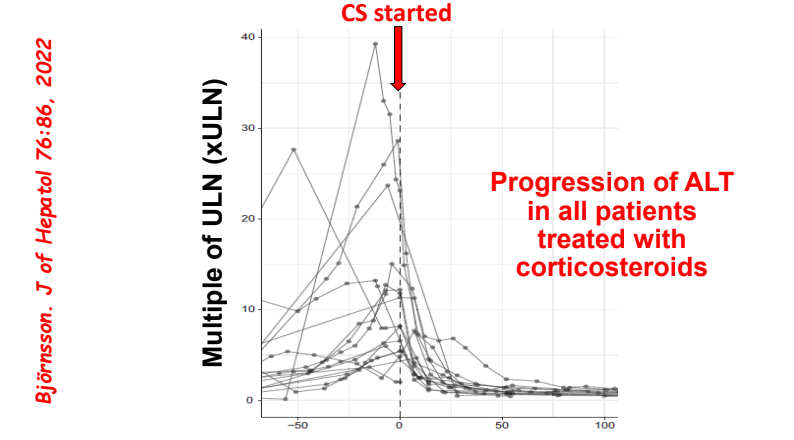
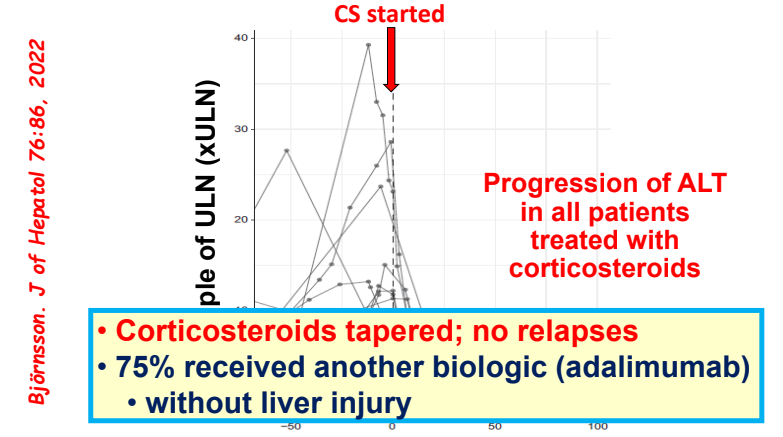
Yesterday’s post highlighted immune-mediated disorders likely caused by anti-TNF therapy; this includes rheumatoid arthritis, psoriasis, hidradenitis suppurativa, and chronic recurrent multifocal osteomyelitis. Anti-TNF inhibitors can be the reason for drug-induced liver disease (DILI) including autoimmune hepatitis (AIH) as well. 

  • In one study, 8% of children receiving anti-TNF therapy developed a new elevation in ALT.
  • Most often liver enzyme elevation is mild and transient
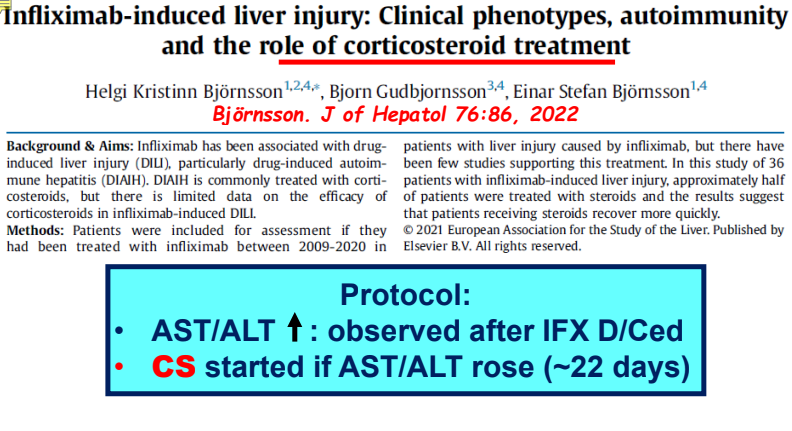
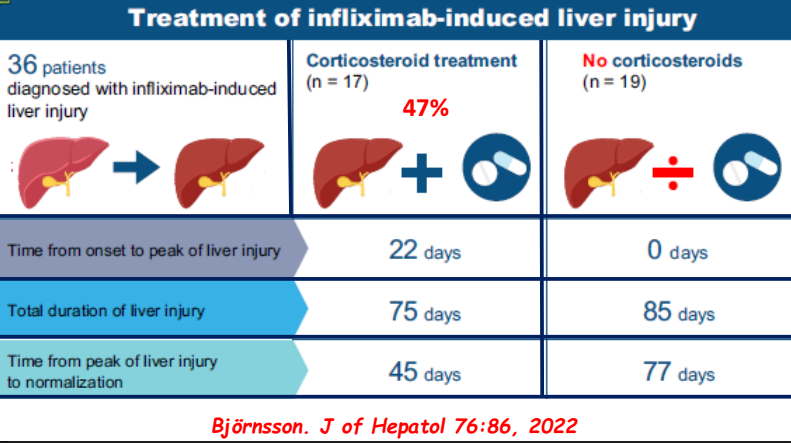
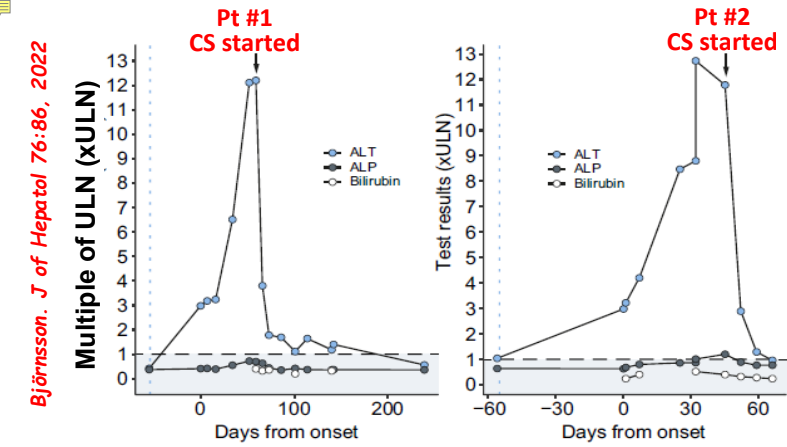
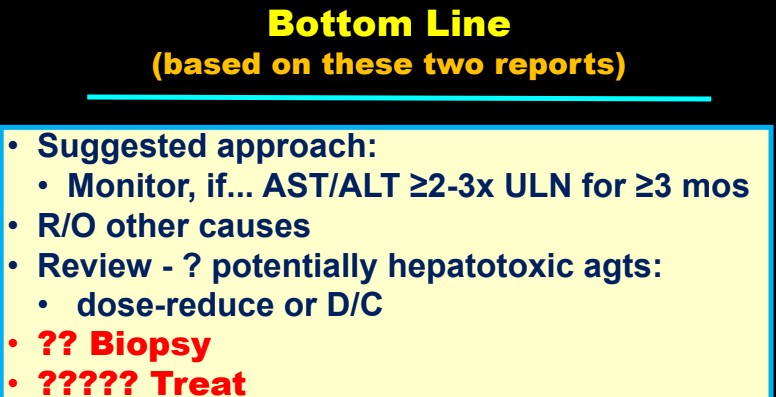
  • Differential diagnosis for persistent elevation can be due to DILI, autoimmune liver disease (eg. PSC, AIH), or rarely due to a combination (autoimmune drug-induced liver disease). The latter can improve with drug cessation and with corticosteroid treatment.

Some slides on this topic (courtesy of William. Balistreri):

My take: Serious liver injury related to anti-TNF therapy is rare. When liver enzymes are persistently elevated, consider DILI including anti-TNF agents.

Related blog posts:
Paradoxical Immune Mediated Disorders Associated with TNF Inhibitors

Previously, it has been noted that several immune mediated problems paradoxically can be triggered by the use of TNF inhibitors (eg. infliximab, adalimumab) even though these medications are often used to treat these problems (see posts below).

Using 2 nationwide cohorts (Danish & French), Ward et al (Clin Gastroenterol Hepatol 2024; 22: 135-143. Open Access! Tumor Necrosis Factor Inhibitors in Inflammatory Bowel Disease and Risk of Immune Mediated Inflammatory Diseases) report on the associated risk of developing a number of additional immune mediated inflammatory diseases (IMIDs) after treatment with anti-TNF agents for inflammatory bowel disease (IBD). The Danish and French cohorts comprised 18,258 and 88,786 subjects with IBD. Key findings:

  • Anti-TNF therapy was associated with an increased risk of rheumatoid arthritis, psoriasis, and hidradenitis suppurativa in both the Danish (HR, 1.66) and the French cohort (HR, 1.78), with a pooled HR of 1.76
  • The absolute risk of IMIDs in the Danish cohort was 5.3/1000 person years compared to 3.8/1000 PY those who had not received anti-TNFs; in the French cohort, the rate in anti-TNF exposed was 5.4/1000 PY compared to 3.0/1000 PY in the unexposed group.
  • Anti-TNF therapy was also associated with an increased risk of the IMIDs when compared with azathioprine (pooled HR, 2.94).

The results suggest that anti-TNFs paradoxically increase the risk of IMIDs; however, individuals receiving anti-TNFs are likely at higher risk for these disorders and this could be difficult to control for in a retrospective study.

My take: While anti-TNF agents have been a tremendous advance in the treatment of IBD, in a small number of individuals, these agents appear to trigger a paradoxical reaction.

Related blog posts:

Chattahoochee River at Island Ford. Sandy Springs

“Efficacy” of Probiotics in Irritable Bowel Syndrome

VC Goodoory, M Khasawneh et al. Gastroenterol 2023; 165: 1206-1218. Open Access! Efficacy of Probiotics in Irritable Bowel Syndrome: Systematic Review and Meta-analysis

After performing a systematic literature review, the authors identified randomized controlled trials (RCTs) recruiting adults with IBS, comparing probiotics with placebo were eligible; this included 82 eligible trials, containing 10,332 patients. However, only 24 RCTs were at low risk of bias across all domains.

Key findings:

  • There was some evidence to support the use of some probiotics for global IBS symptoms, abdominal pain, and abdominal bloating or distension (highly detailed analysis of the studies in article –Figures 1-3 and Tables 1-3)
  • There was moderate certainty in the evidence for a benefit of Escherichia strains, low certainty for Lactobacillus strains and Lplantarum 299V, and very low certainty for combination probiotics, LacClean Gold S, Duolac 7s, and Bacillus strains
  • For abdominal pain, there was low certainty in the evidence for a benefit of Scerevisiae I-3856 and Bifidobacterium strains, and very low certainty for combination probiotics, LactobacillusSaccharomyces, and Bacillus strains
  • For abdominal bloating or distension, there was very low certainty in the evidence for a benefit of combination probiotics and Bacillus strains
  • The relative risk of experiencing any adverse event, in 55 trials, including more than 7000 patients, was not significantly higher with probiotics

My take: This study shows that it is difficult to confidently recommend specific probiotics for IBS as the certainty in the evidence for efficacy by GRADE criteria was low to very low. In addition, the quality control of production of most probiotics is uncertain.

Related blog posts:
Riverside Park, Sandy Springs

Year-in-Review for Pediatric Hepatology

Recently, Dr. William Balistreri presented a review of some of the biggest advances in pediatric hepatology this past year on the Bowel Sounds Podcast (with the award-winning hosts).

He discussed the following:

  • IBAT inhibitors which are a game-changer for pruritic cholestatic disorders like Alagille syndrome. By reducing itching, it may help many avoid liver transplantation
  • HCV medications which usually result in a cure with typical therapy courses running 8-12 weeks
  • Emergence of a new treatment, Fazirsiran, for alpha-one antitrypsin deficiency (see blog post below)
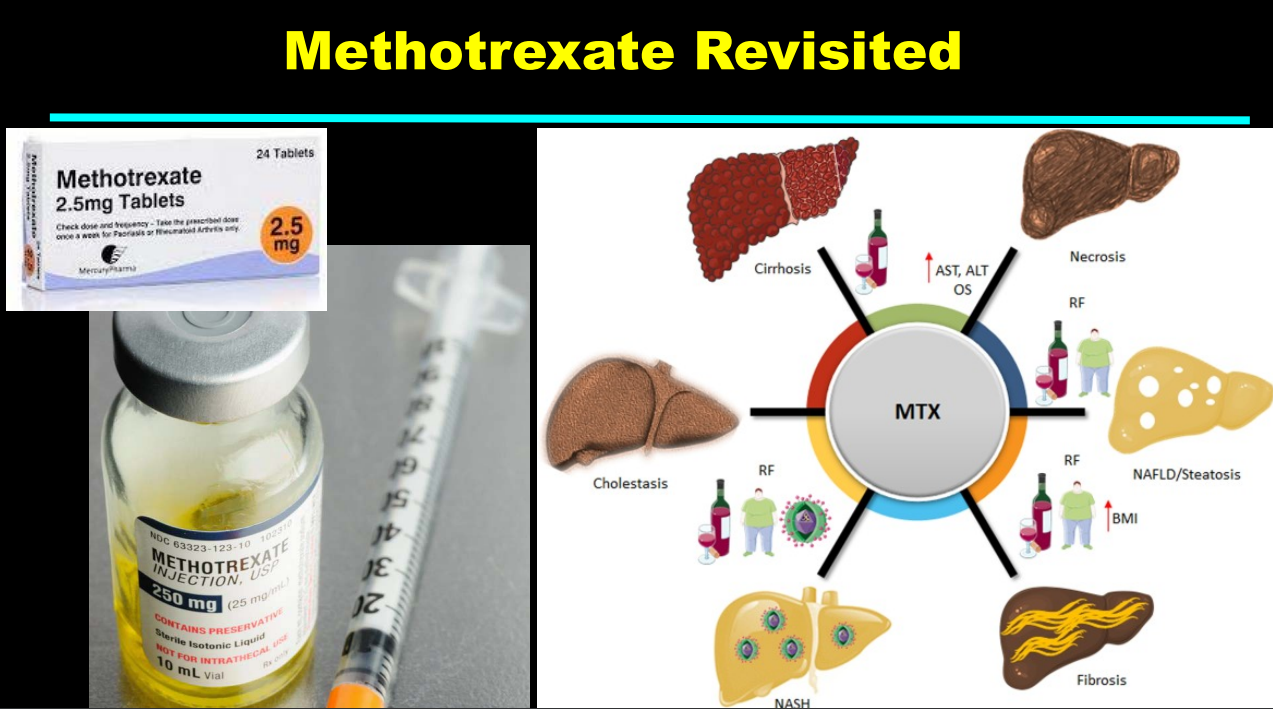
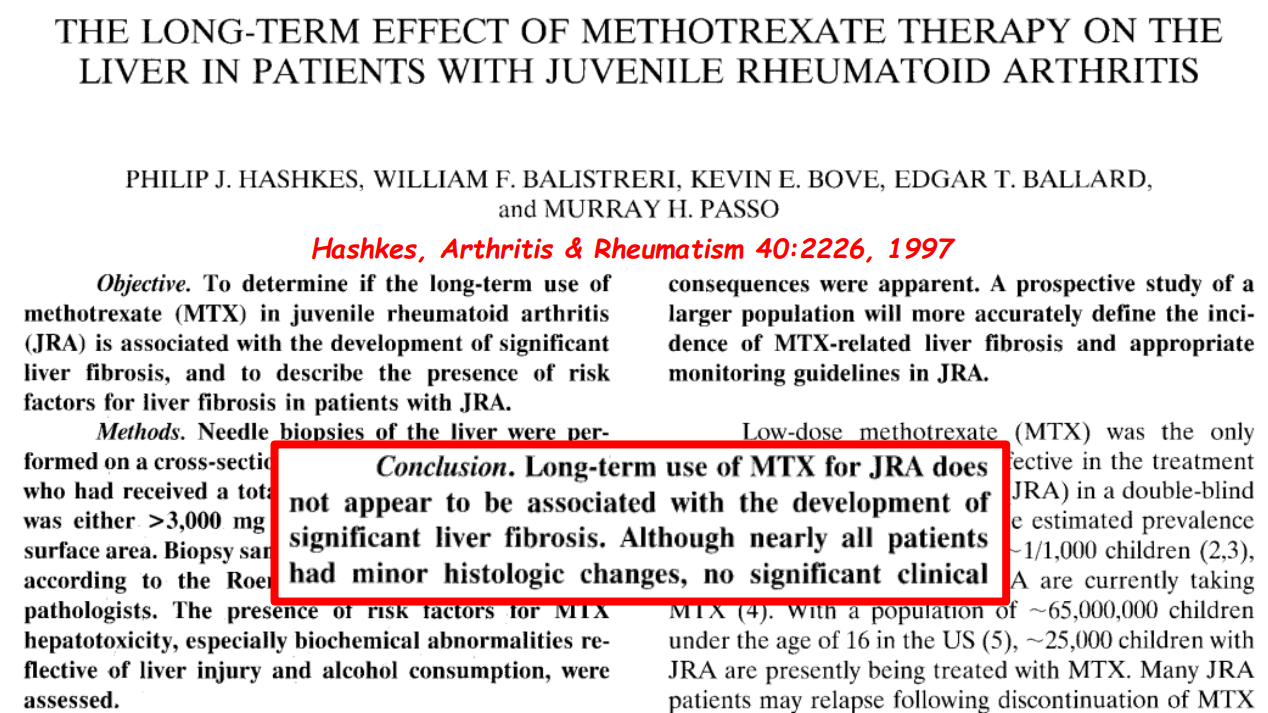
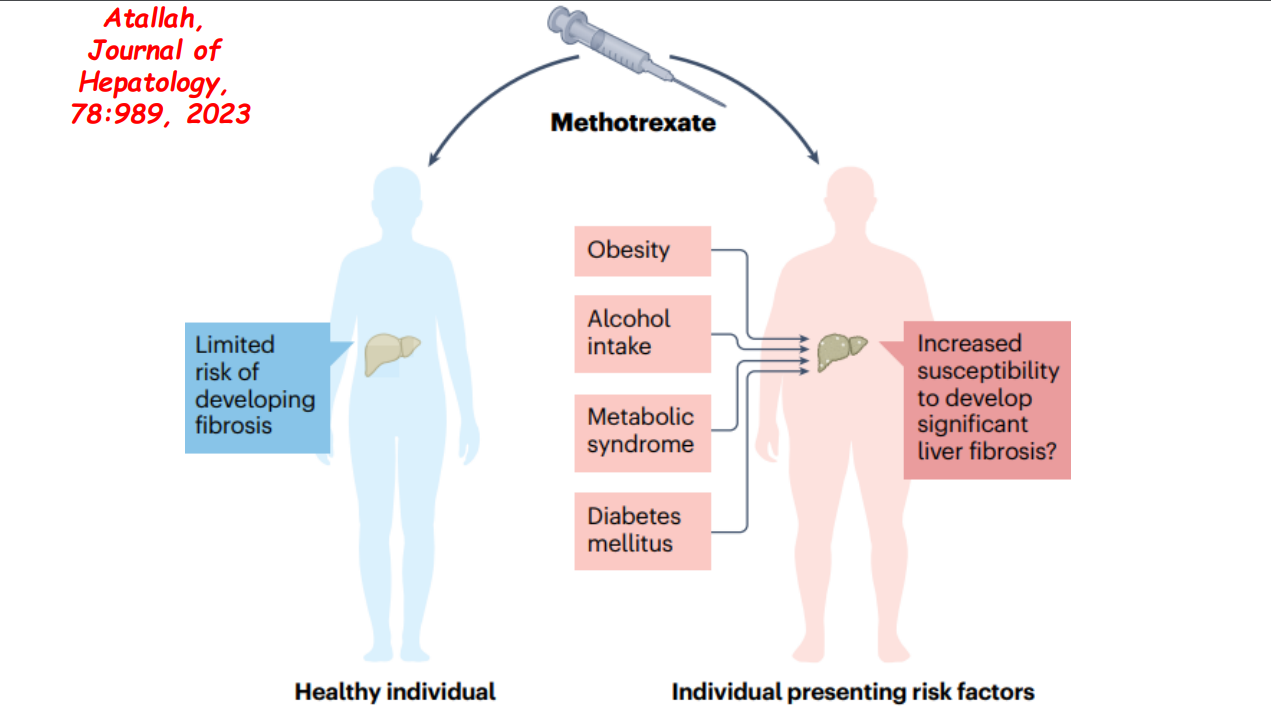
  • More data showing the good liver safety of methotrexate in individuals without preexisting liver disease. Dr. Balistreri and colleagues showed pediatric patients with JRA did not develop liver fibrosis/clinical liver disease in 1997.
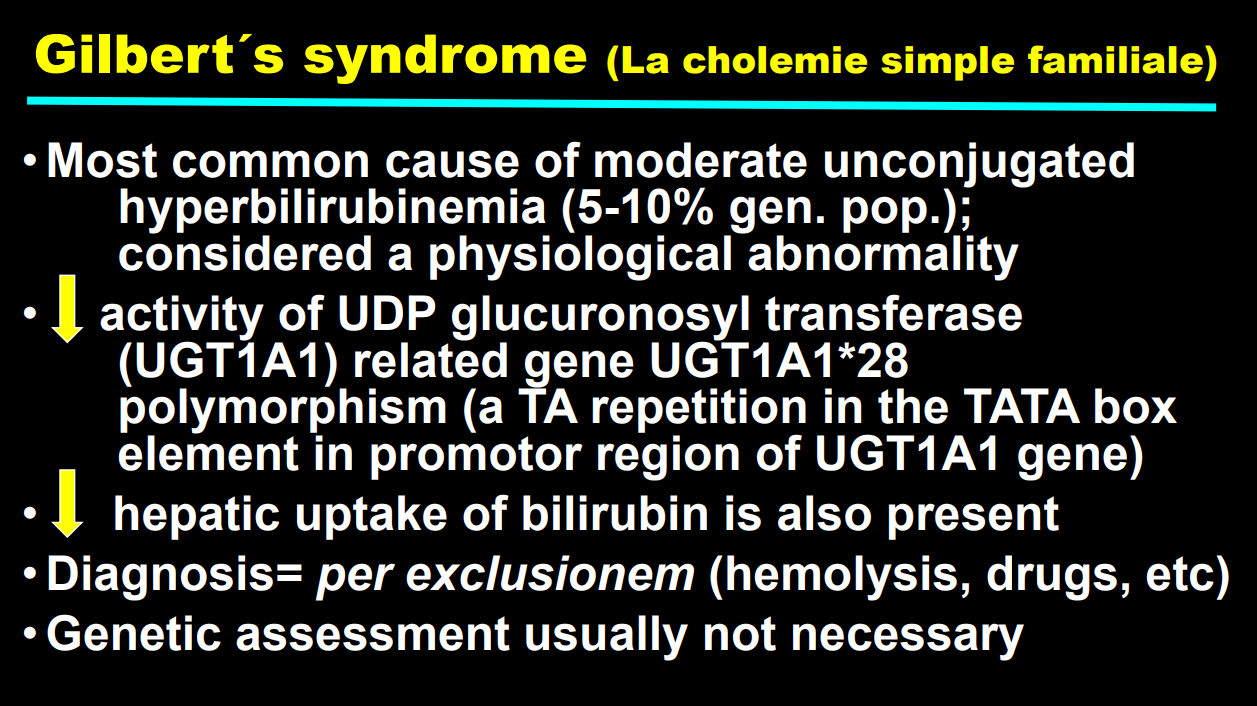
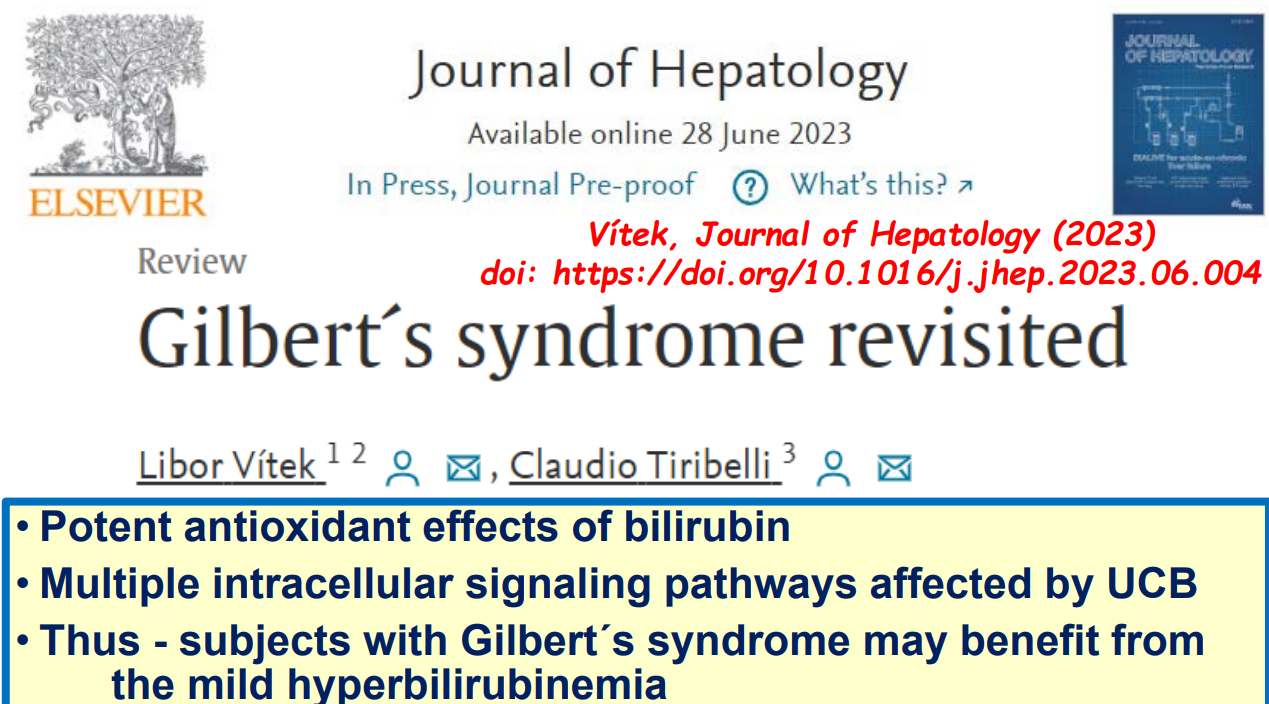
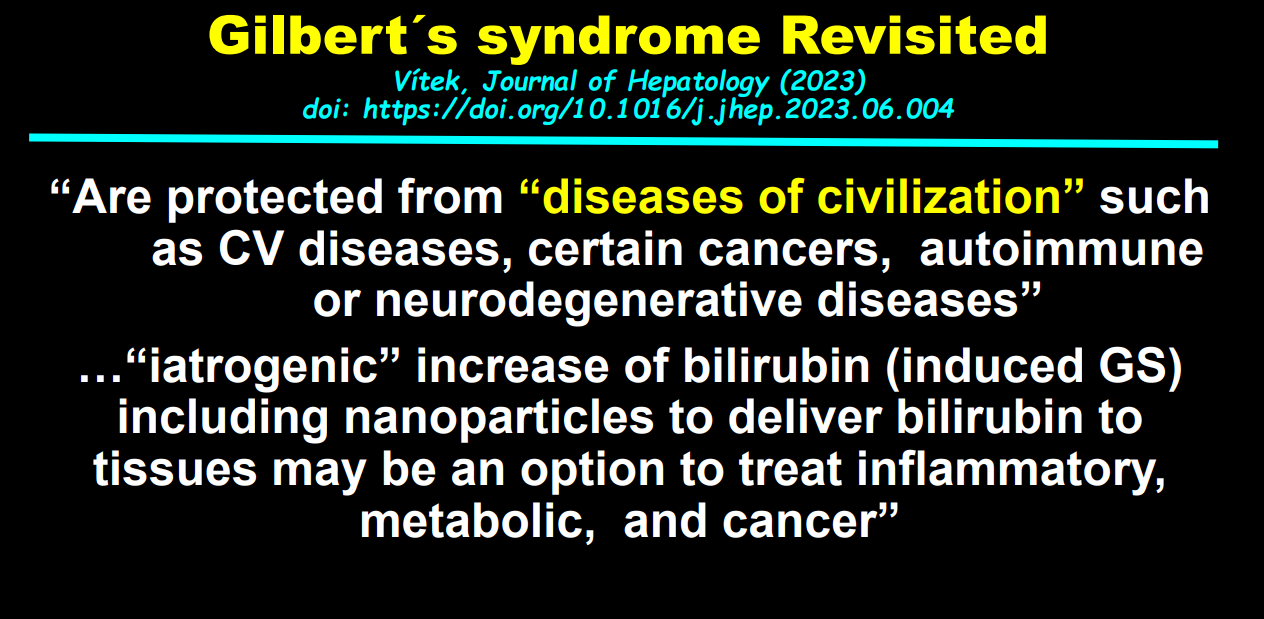
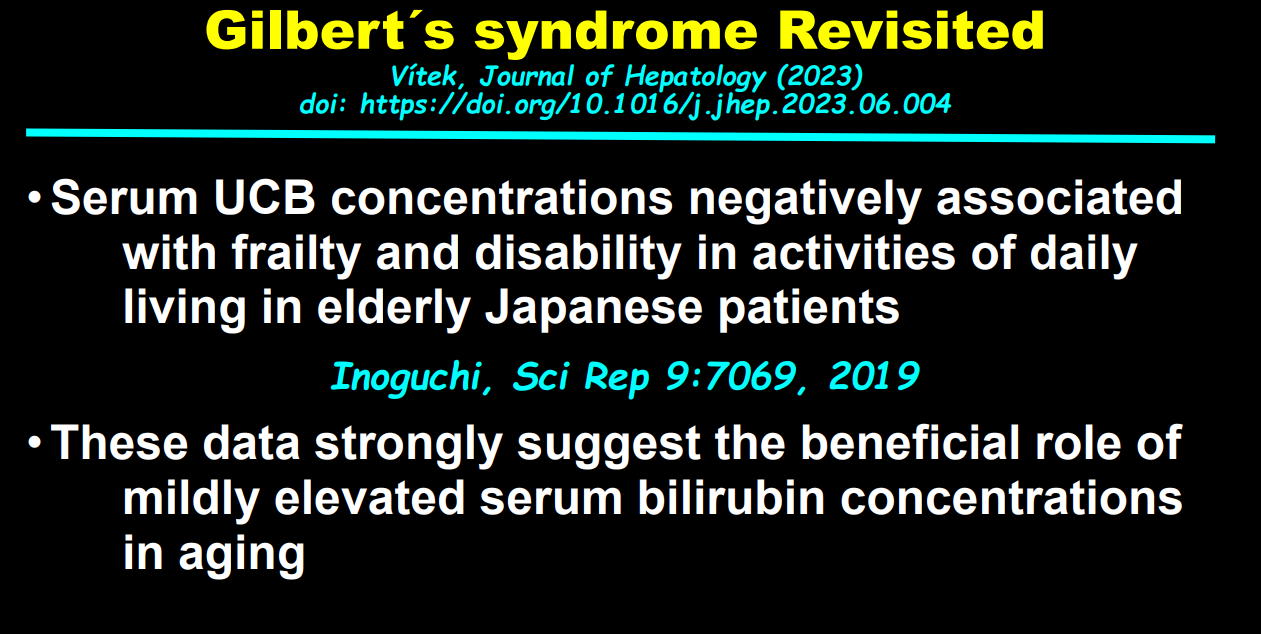
  • How Gilbert’s may be beneficial –>hopeful news for the mildly jaundiced children that we see. Science (M Leslie, 6/8/23): Can ‘toxic’ bilirubin treat a variety of illnesses

He kindly agreed to send me a few slides on the later two subjects at my request:

Related blog posts:
IBAT Inhibitors:
Hepatitis C

Alpha-One Antitrypsin

Dr. Balistreri