H Szajewska et al. JPGN 2024; https://doi.org/10.1002/jpn3.12280. Open Access! Early diet and the risk of coeliac disease. An update 2024 position paper by the ESPGHAN special interest group on coeliac disease
Key points:
Breastfeeding, whether any amount, exclusive, or of any duration, does not reduce the risk of developing CD
Introducing gluten into an infant’s diet at any time between completed 4 months (≥17 weeks) and 12 months of age does not affect the cumulative incidence of CD
AJ Sanyal et al. NEJM 2024; DOI: 10.1056/NEJMoa2401755. A Phase 2 Randomized Trial of Survodutide in MASH and Fibrosis
Background/Methods: “Dual agonism of glucagon receptor and glucagon-like peptide-1 (GLP-1) receptor may be more effective than GLP-1 receptor agonism alone for treating metabolic dysfunction–associated steatohepatitis (MASH). The efficacy and safety of survodutide (a dual agonist of glucagon receptor and GLP-1 receptor) in persons with MASH and liver fibrosis” was studied in “48-week, phase 2 trial, we randomly assigned adults with biopsy-confirmed MASH.” (n=293)
“Dual agonism of glucagon receptor and GLP-1 receptor may be more effective than GLP-1 receptor monoagonism for treating MASH, because the extrahepatic benefits of GLP-1 receptor agonism (glucose control, reduced appetite, and weight loss) are combined with direct hepatic effects (increased energy expenditure, lipolysis, and mobilization of hepatic fat) associated with glucagon receptor agonism.”
Key findings:
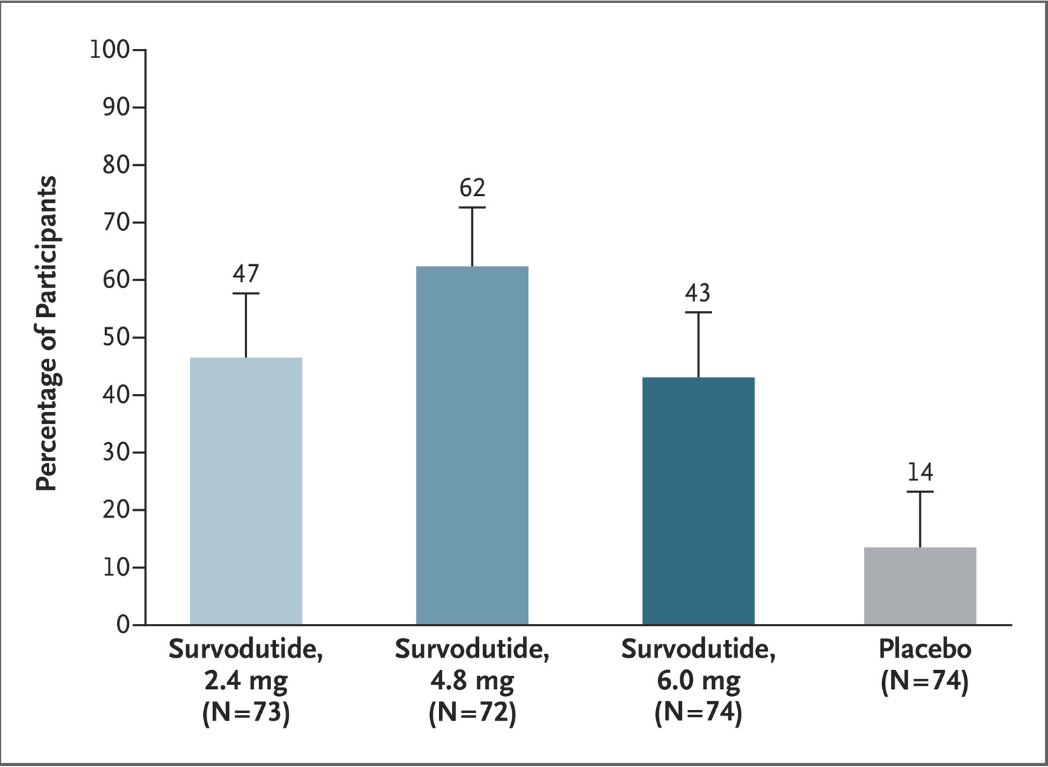
Improvement in MASH with no worsening of fibrosis occurred in 47% of the participants in the survodutide 2.4-mg group, 62% of those in the 4.8-mg group, and 43% of those in the 6.0-mg group, as compared with 14% of those in the placebo group
A decrease in liver fat, assessed by MRI-PDFF, content by at least 30% occurred in 63% of the participants in the survodutide 2.4-mg group, 67% of those in the 4.8-mg group, 57% of those in the 6.0-mg group, and 14% of those in the placebo group; improvement in fibrosis by at least one stage occurred in 34%, 36%, 34%, and 22%, respectively.
Adverse effects were more frequent with survodutide than with placebo included nausea (66% vs. 23%), diarrhea (49% vs. 23%), and vomiting (41% vs. 4%); serious adverse events occurred in 8% with survodutide and 7% with placebo.
Primary Endpoint at 48 weeks. The primary end point was histologic improvement (reduction) in metabolic dysfunction–associated steatohepatitis (MASH) with no worsening of fibrosis at week 48.
The discussion notes that “in a phase 2 trial, treatment with the GLP-1 receptor monoagonist semaglutide resulted in a significantly higher percentage of patients with MASH resolution than placebo but not in a significantly higher percentage of patients with improvement in fibrosis stage.26” Thus, the improvement in fibrosis, which was seen in this study with survodutide,will need to be examined in future studies.
My take: Earlier this year, the selective thyroid hormone receptor beta agonist resmetirom gained conditional approval from the Food and Drug Administration as the first pharmacotherapy for MASH with moderate-to-advanced liver fibrosis.5 It looks like there will be a number of pharmacologic agents available in the coming years. Cost and availability will be ongoing concerns. In addition, determining when/how these agents will be used in the pediatric population will not be clear for quite a long time.
B Bokemeyer et al. Inflamm Bowel Dis 2024; 30: 746-756.
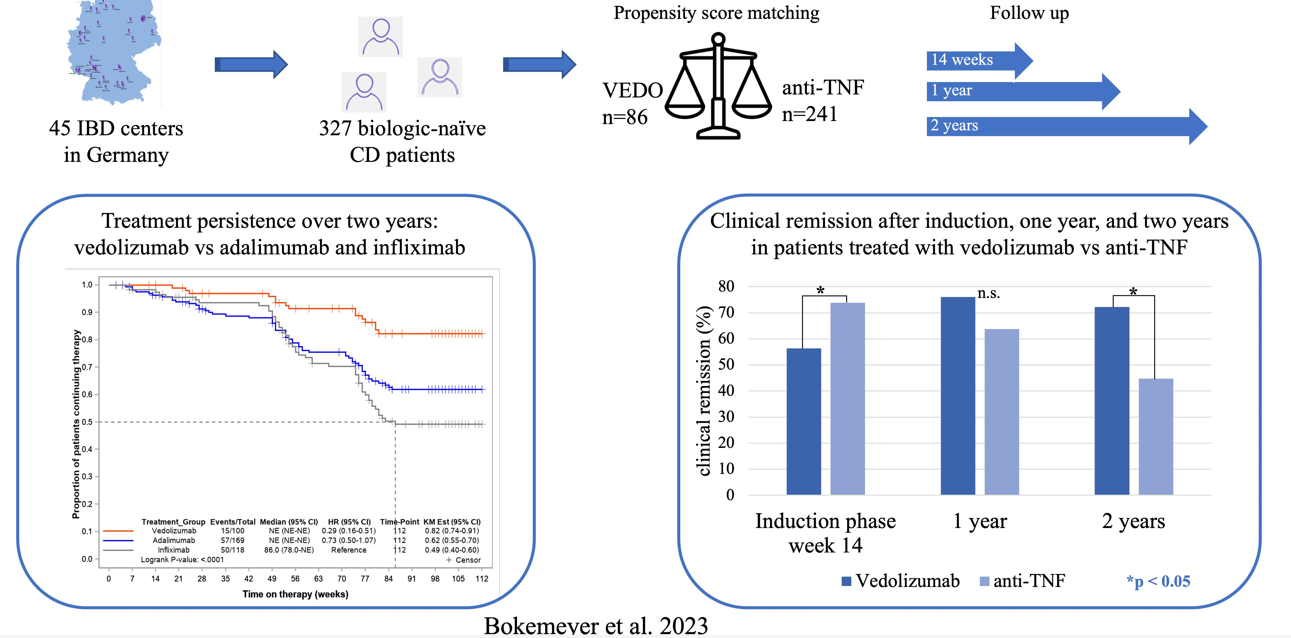
Methods: 3277 adult biologically-unexposed CD patients starting therapy with VEDO or anti-TNF were consecutively enrolled in 45 IBD centers across Germany (2017-202). This was a non-randomized, observational study with prospectively collected data.
Findings:
Anti-TNF agents had higher induction clinical remission rates compared to vedolizumab: 73.9% 56.3% vs, P < .05
Vedolizumab (VEDO) had higher long-term clinical remission rates: clinical remission after 2 years was significantly better for VEDO compared with anti-TNF, 74.2% vs 44.7%; P < .05. This was associated with a much better treatment persistent rate. The switch rate for VEDO was 17% compared with 44% for anti-TNF agents.
Among week 14 responders, VEDO 2-year clinical remission rates were 88.6% compared to 45.8% (P < .00001) for anti-TNF agents
The discussion describes the strengths and limitations of this study. As it is not a randomized control trial, there can still be selection bias and confounding even with propensity scoring that was done in this study. The authors note that in a prior analysis of RCTs comparing infliximab to vedolizumab in CD patients, that infliximab had higher efficacy for induction and maintenance, though the clinical remission rates were only modestly improved at 1 year. (L Peyrin-Biroulet et al. BMC Gastroenterol 2022; 22: 291).
My take: This study shows that vedolizumab is a good advanced therapy for patients with Crohn’s disease without prior therapy. Among those with a clinical response at 14 weeks, the treatment durability was particularly impressive in this cohort.
It would be great to see an RCT in children with CD comparing IFX to VEDO. Treatment persistence is even more important in younger patients.
“The 17,604-patient trial tested Wegovy not for weight loss but for its heart protective benefits for overweight and obese patients who had preexisting heart disease but not diabetes. Participants were not required to track diet and exercise because it was not an obesity study…”
“Patients in the trial, called Select, lost an average of nearly 10% of their total body weight after 65 weeks on Wegovy. That percentage weight-loss was roughly sustained year-on-year until the end of about four years, where weight loss stood at 10.2%…”
“A third new analysis on Select published by Novo on Tuesday showed that the heart protective benefits of Wegovy to patients in the trial occurred regardless of their weight before starting on the drug and regardless of how much weight they lose on it.”
“The weight loss in the heart trial was less than the average of 15% weight loss in earlier Wegovy obesity studies”
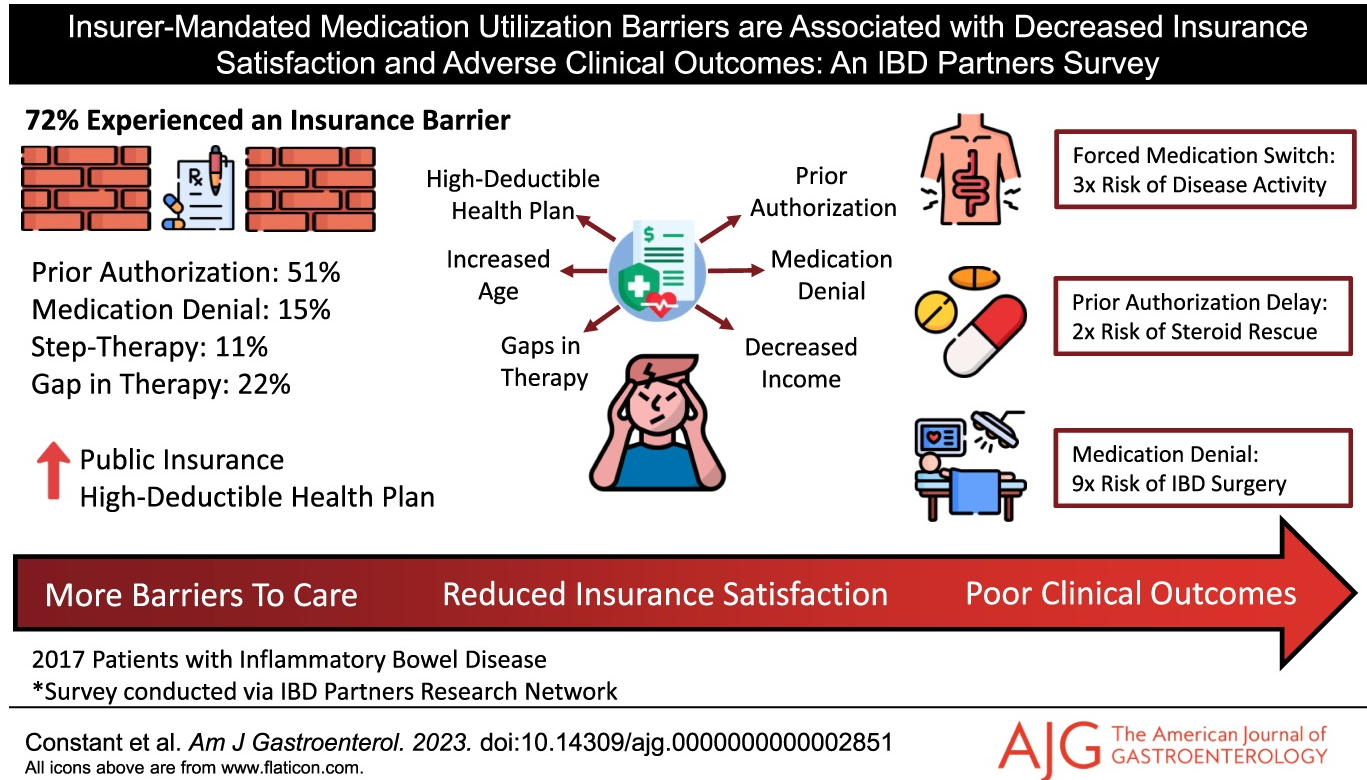
Key findings: In this longitudinal survey with 2017 patients, 72% experienced an insurer-mandated barrier, most commonly prior authorizations (51%). Fifteen percent were denied an IBD medication by their insurer, 22% experienced an insurance-related gap in therapy, and 8% were forced by their insurer to switch from an effective medication. Several insurance barriers were linked to negative downstream clinical outcomes, including prior authorizations associated with corticosteroid rescue (odds ratio [OR] 2.24]), forced medication switches associated with continued disease activity (OR 3.28), and medication denials associated with IBD-related surgery (OR 8.92).
FDA IBD Workshop -Take-Home PointsOff-label does not equate to experimentalFDA Statement: The FD&C Act does not, however, limit the manner in which a physician may use an approved drug. Once a product has been approved for marketing, a physician may prescribe it for uses or in treatment regimens or patient populations that are not included in approved labeling. Such “unapproved” or, more precisely, “unlabeled” uses may be appropriate and rational in certain circumstances, and may, in fact, reflect approaches to drug therapy that have been extensively reported in medical literature
In this phase 2 randomised, multicentre, double-blind trial with 309 adults, the authors report on the safety and efficacy of subcutaneous guselkumab maintenance regimens to week 48 in the GALAXI-1 study. Key findings:
“At week 48, the numbers of patients with CDAI clinical remission were 39 (64%) in the guselkumab 200→100 mg group, 46 (73%) in the guselkumab 600→200 mg group, 35 (57%) in the guselkumab 1200→200 mg group, and 37 (59%) in the ustekinumab group.”
“Eendoscopic remission was seen in 11 (18%), 11 (17%), 20 (33%), and four (6%) patients, respectively.”
Disclaimer: This blog, gutsandgrowth, assumes no responsibility for any use or operation of any method, product, instruction, concept or idea contained in the material herein or for any injury or damage to persons or property (whether products liability, negligence or otherwise) resulting from such use or operation. These blog posts are for educational purposes only. Specific dosing of medications (along with potential adverse effects) should be confirmed by prescribing physician. Because of rapid advances in the medical sciences, the gutsandgrowth blog cautions that independent verification should be made of diagnosis and drug dosages. The reader is solely responsible for the conduct of any suggested test or procedure. This content is not a substitute for medical advice, diagnosis or treatment provided by a qualified healthcare provider. Always seek the advice of your physician or other qualified health provider with any questions you may have regarding a condition.
It turns out that Duracell has been trying to reduce button battery ingestions for a few years (in 2020) by coating the sides of the batteries with a bitter tasting no-toxic chemical. I only recently found out about this. “Duracell uses Bitrex, a non-toxic, man-made substance that’s considered the world’s most bitter, to create the coating. The coating is harmless if consumed, but it’s designed to encourage children to spit out the battery immediately.” (Anecdotally, one of our endoscopy nurses said she tried the battery and she did not think it was very bitter.) The packaging is also very difficult to open without scissors.
Advice from their website: “If your child swallows a battery, go to the emergency room. If you have other questions or concerns, call 1-800-498-8666 or visit www.batteryingestionhotline.com.”
Foreign Bodies in Children -Expert Guidance Even with “spent” batteries, there is enough residual charge to cause injury and all ingestions (even if asymptomatic) into the esophagus require emergent removal. If these batteries are in the stomach & asymptomatic, urgent removal is recommended if age < 5 years and BB ≥20 mm.
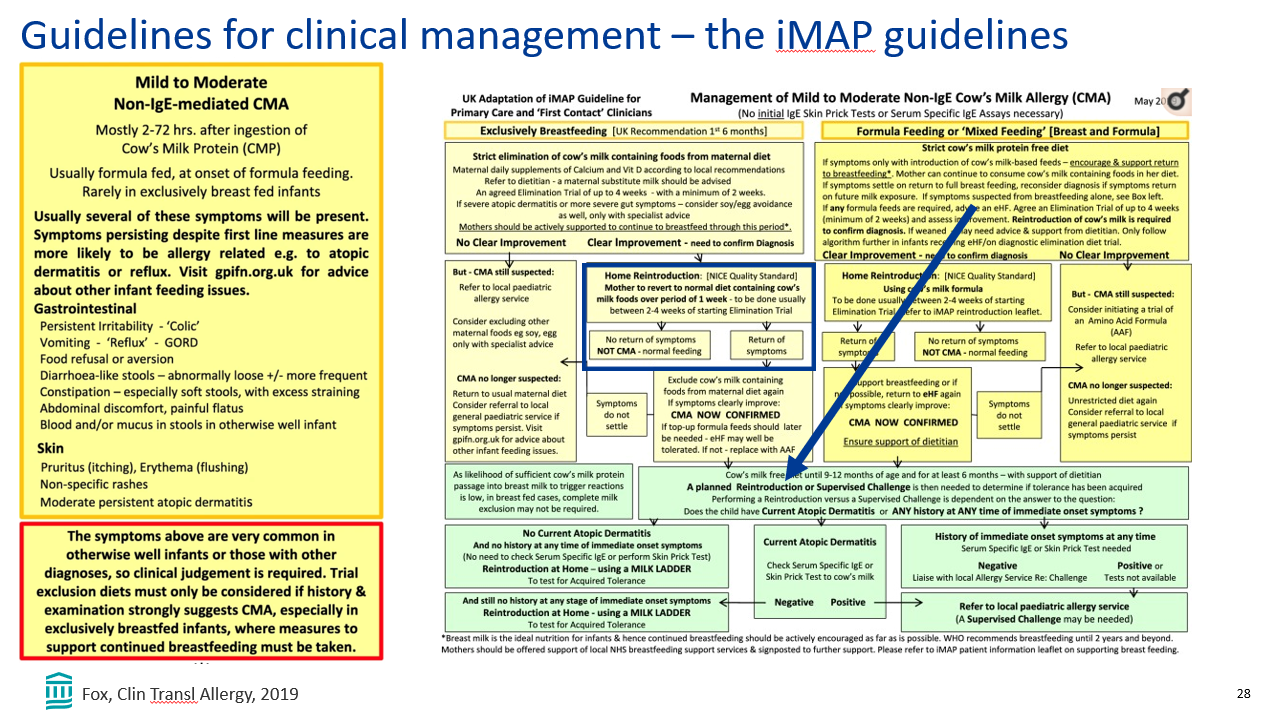
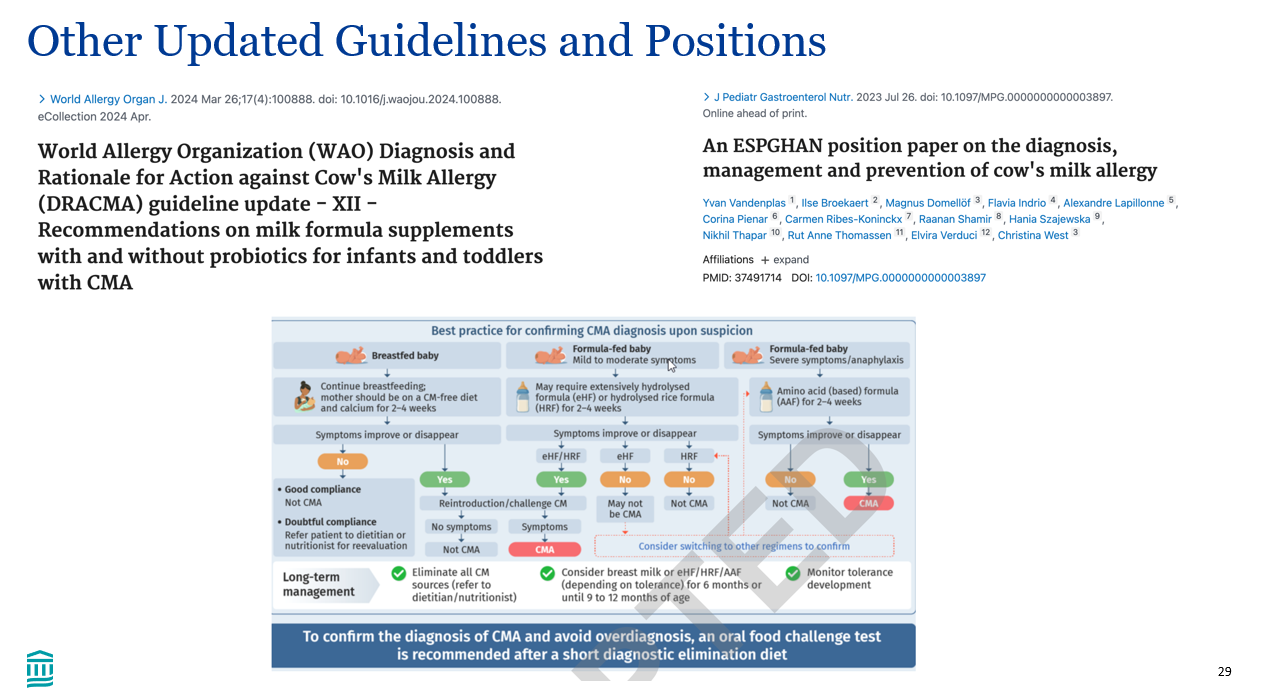
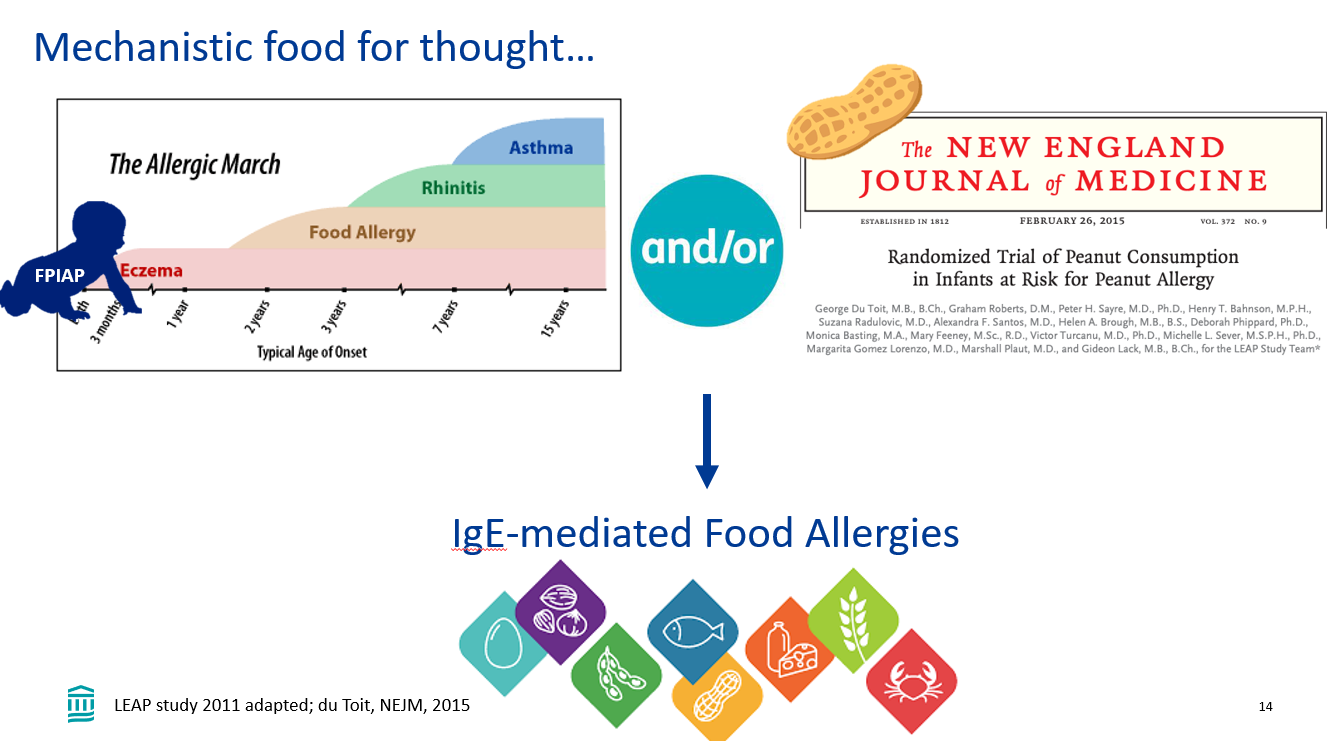
Recently, Dr. Victoria Martin gave our group an excellent update on cow’s milk protein allergy/food protein-induced allergic proctocolitis (FPIAP). My notes below may contain errors in transcription and in omission. Along with my notes, I have included many of her slides.
iMAP guidelines for FPIAP were published in 2019. 2023-2024 guidelines have now been published
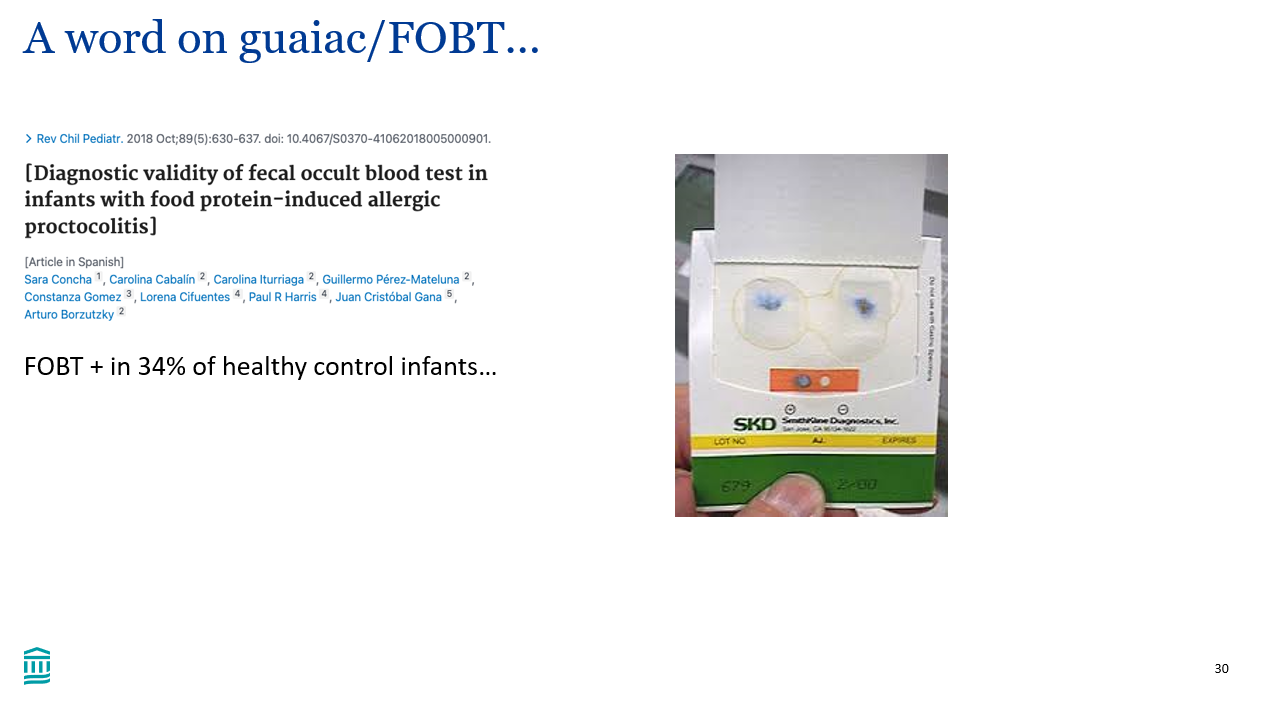
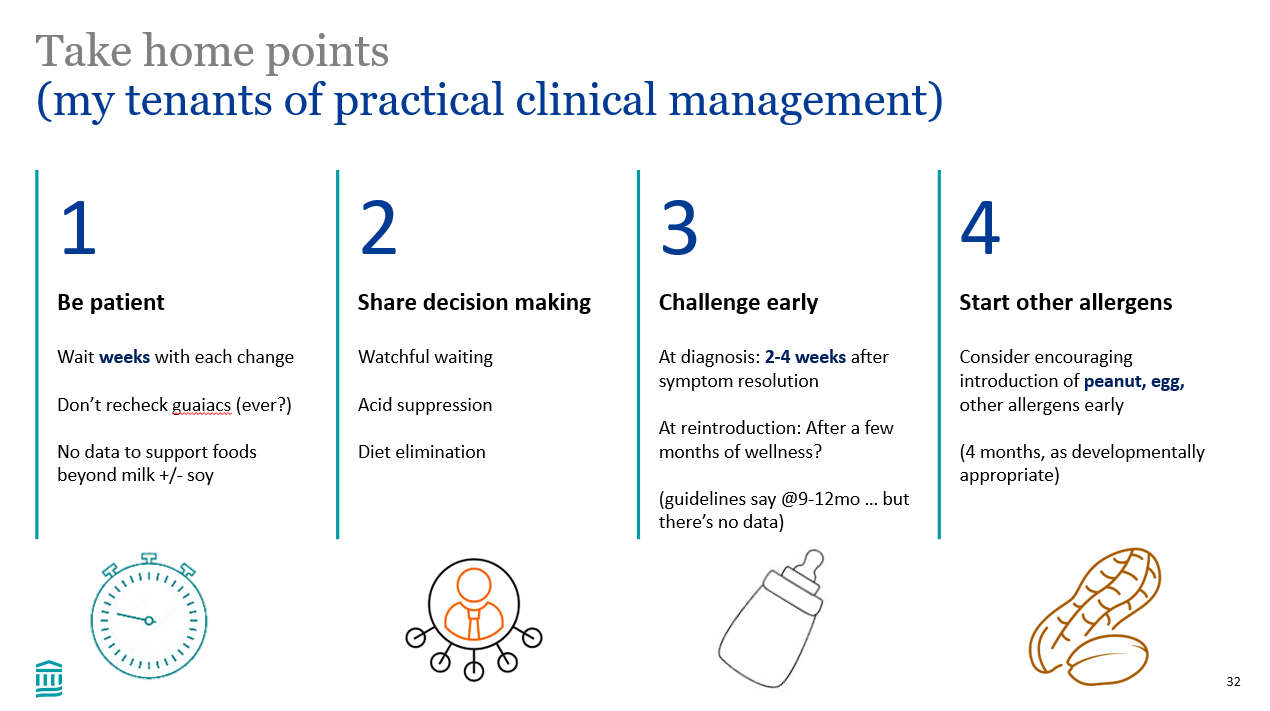
Guaiac testing in infants is usually not helpful (in the absence of visible blood). In one study, 34% of healthy infant controls tested positive
Clinical management: when restricting a food, it may take 2-4 weeks to determine if it is helping. In breastfed infants, there is not data supporting restrictions beyond cow’s milk and soy. If other foods are eliminated, foods that were previously eliminated could be reintroduced
In families who selected watchful waiting rather than dietary elimination, symptom resolution was similar in GMAP cohort. This was an observational study and findings could be influenced by selection bias
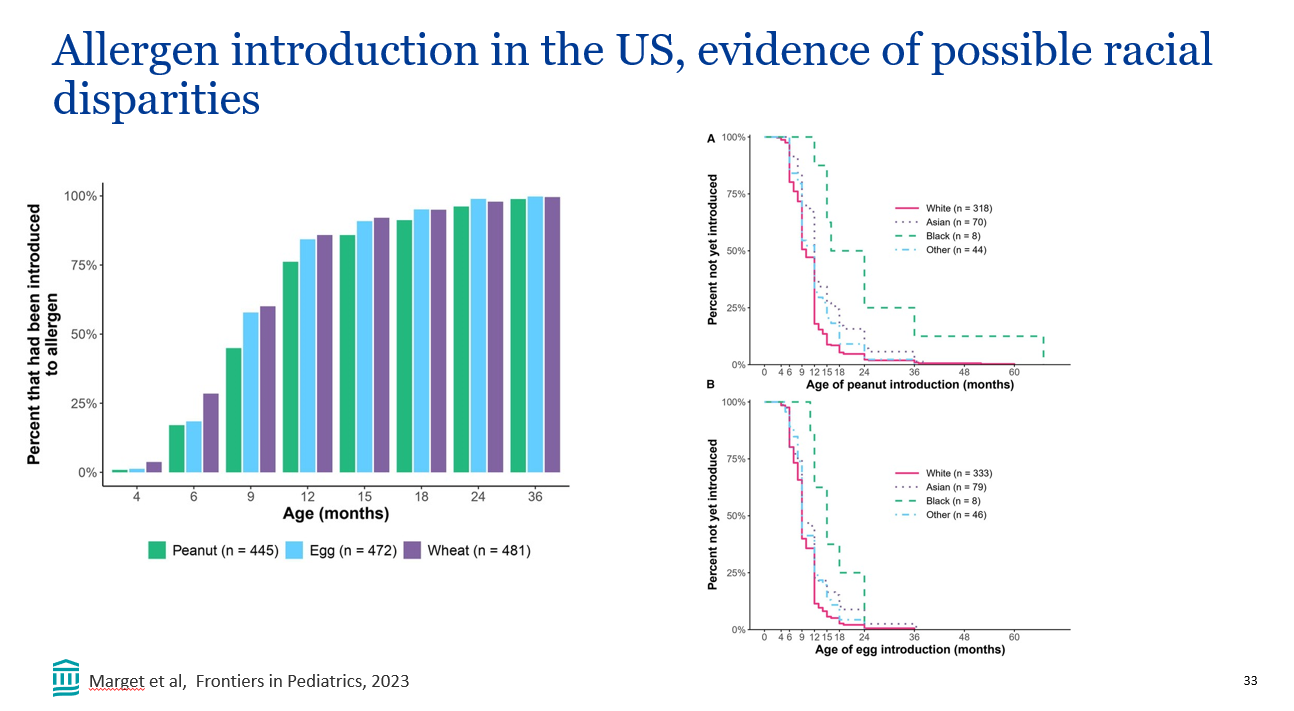
In the GMAP cohort, there was a disparity in allergen introduction among different ethnicities (Ref: M Marget et al. Frontiers in Pediatrics; 2023: https://doi.org/10.3389/fped.2023.1207680. Open Access! Factors influencing age of common allergen introduction in early childhood). Compared to White children, Black children were less likely to have been introduced to peanut and egg, and Asian children were less likely to have been introduced to peanut as early (P < 0.05).
In families concerned about food challenges, the families could challenge near a medical setting (eg. ER); however, anaphylactic reactions could occur after the first dose
Challenging patients with FPIAP to establish diagnosis is generally recommended 2-4 weeks after resolution. In some patients, the FPIAP may have resolved and in some the diagnosis of FPIAP may be inaccurate. In those with more severe symptoms (eg required hospitalization), challenging at a later timeframe should be considered
Probiotics: no clear role in their use for FPIAP at this time
Recently, Dr. Victoria Martin gave our group an excellent update on cow’s milk protein allergy/food protein-induced allergic proctocolitis (FPIAP). My notes below may contain errors in transcription and in omission. Along with my notes, I have included many of her slides.
The nomenclature is not perfect. FPIAP was used for this presentation –though many don’t truly have proctocolitis and others may have involvement in other parts of GI tract
There is not a good biomarker for FPIAP
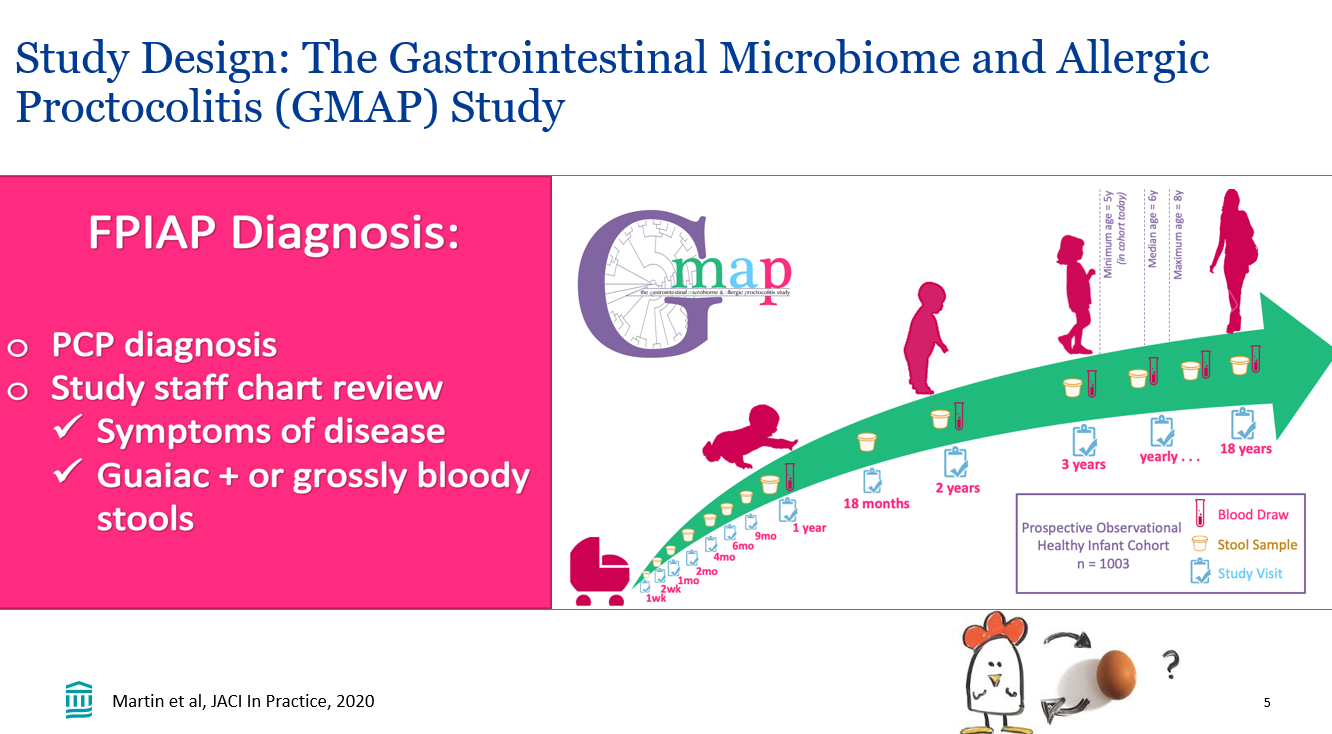
Victoria and her colleagues have a cohort of 1003 children who were enrolled at their 1st well-child visit as part of their Gastrointestinal Microbiome and Allergic Proctocolitis (GMAP) study. These participants are now ~8 years old and will be followed until they are 18 years old
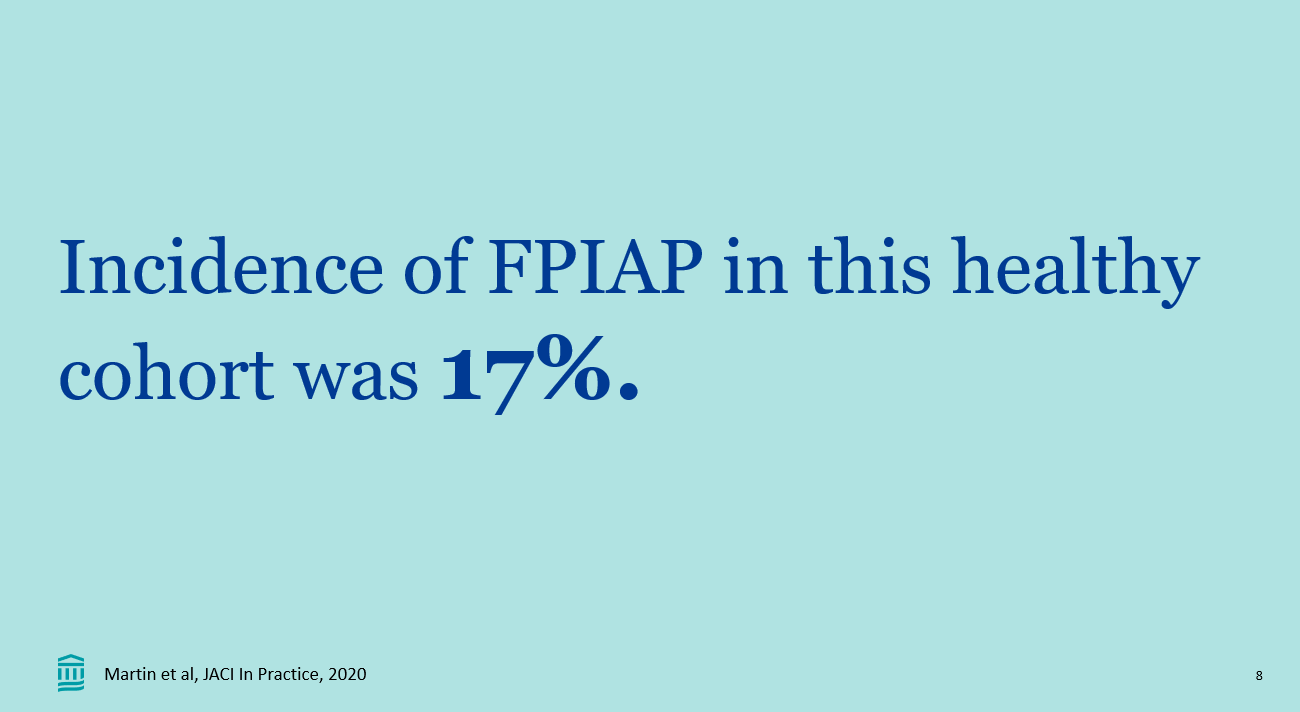
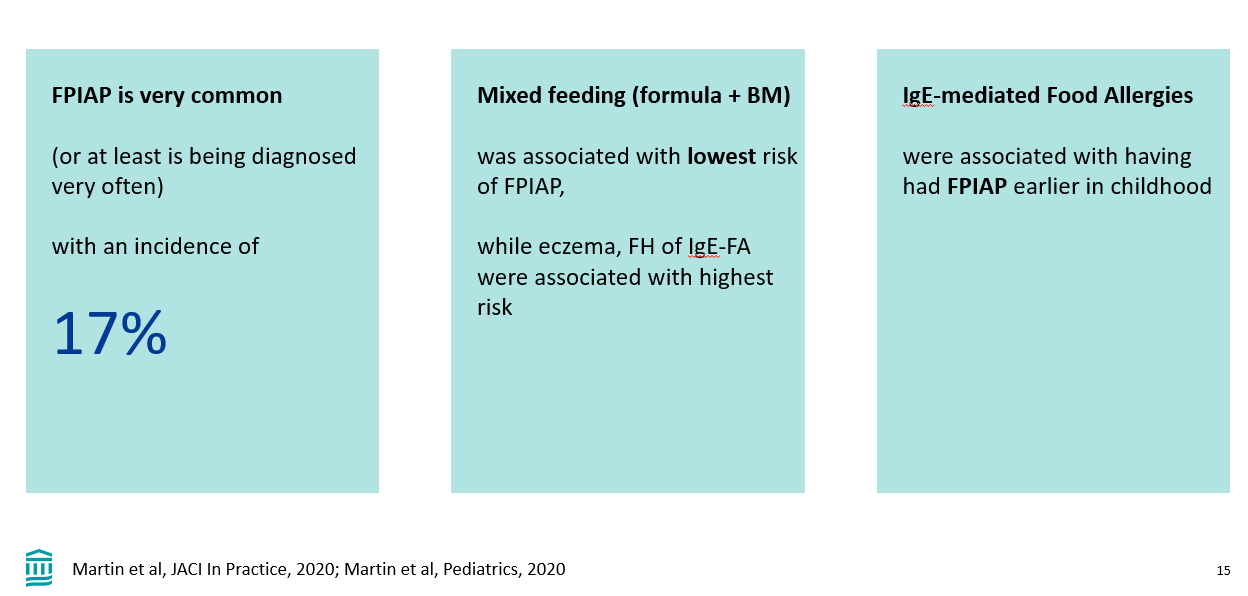
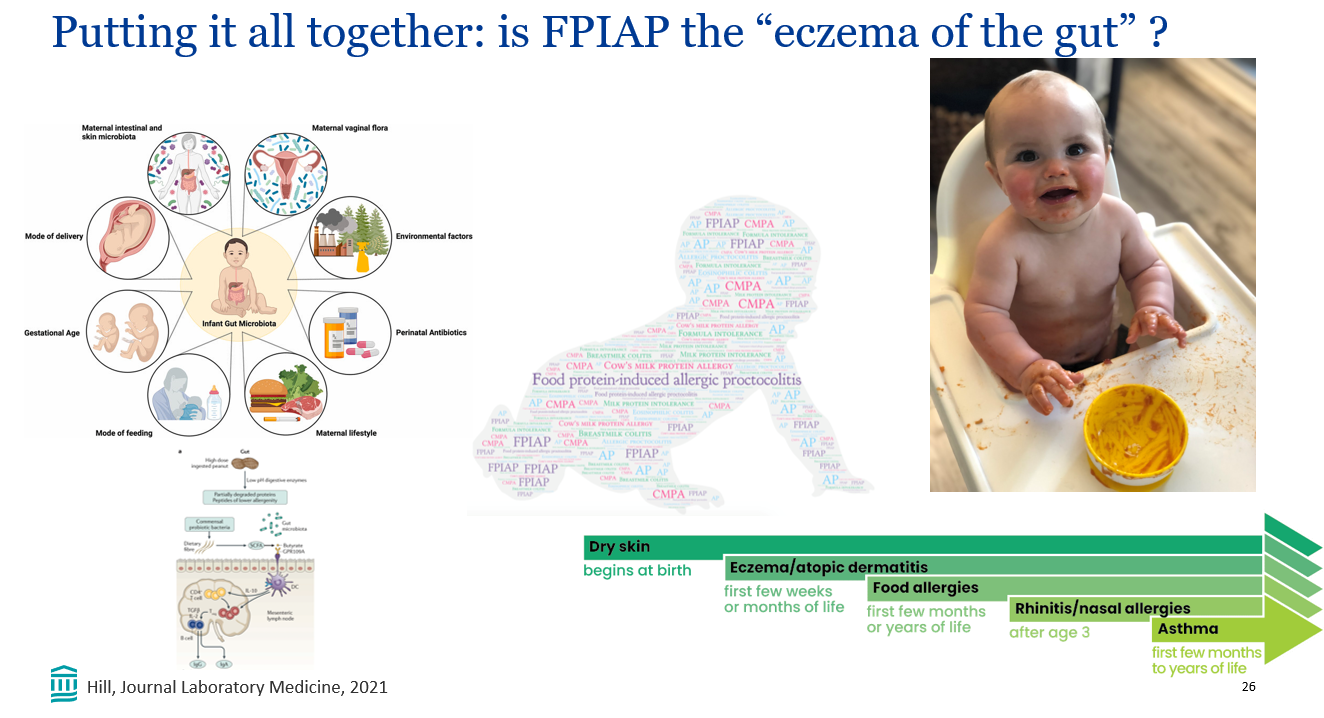
In the GMAP cohort, 17% were given a diagnosis of FPIAP (mainly by PCPs). This group had increased likelihood of eczema, family hx/o food allergy and sibling with FPIAP.
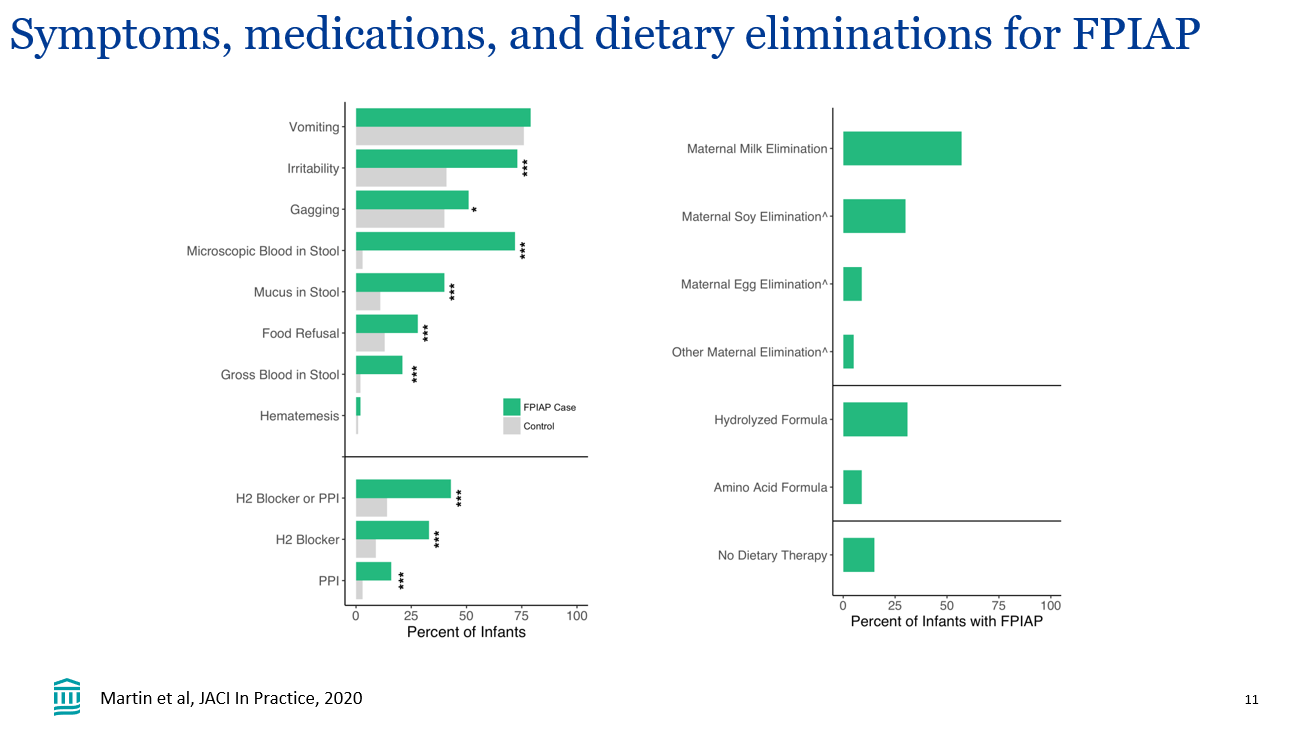
The presence of heme-positive stools, vomiting and fussiness are common and usually do not require dietary restrictions unless other symptoms are present (eg. diarrhea, visible blood)
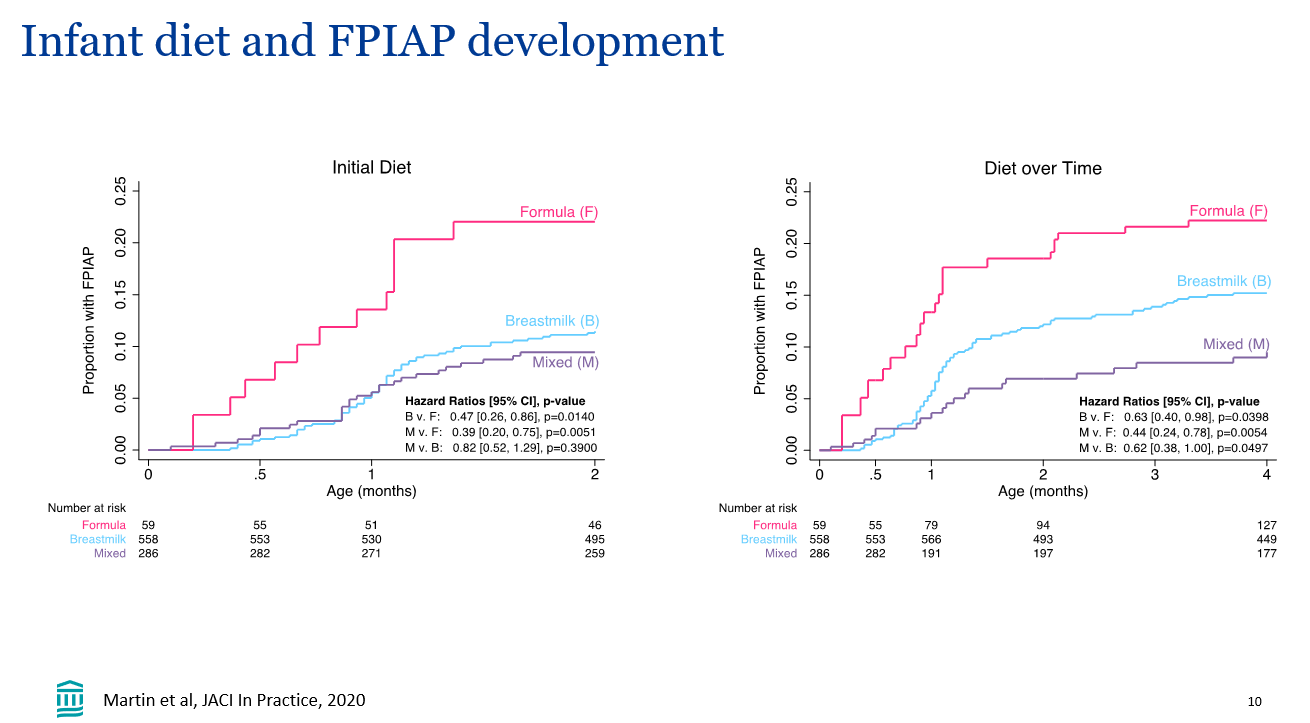
In the GMAP cohort, the risk for FPIAP was higher if fed formula than breastfeeding. However, exclusive breastfeeding was associated with a higher prevalence than those who received both breastmilk and formula
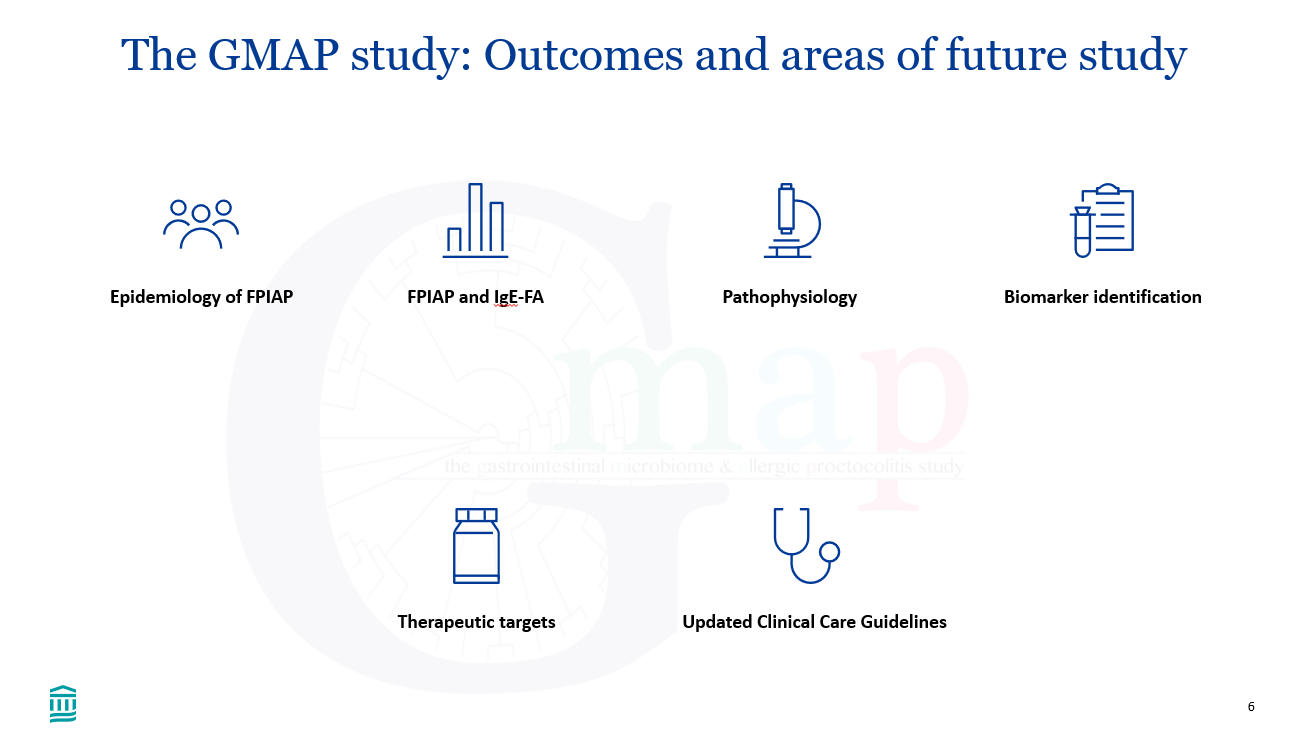
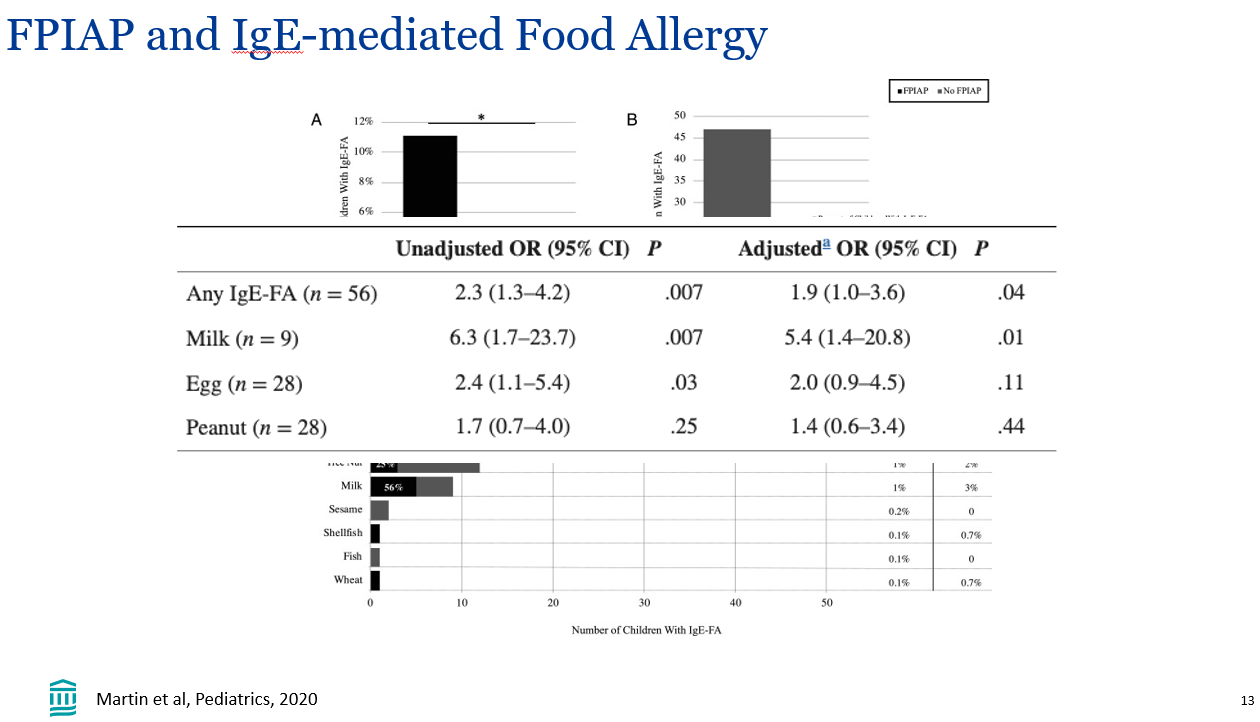
A diagnosis of FPIAP was associated with a 2-fold risk of developing an IgE-mediated food allergy. (This indicates that early introduction of food allergens may be beneficial as has been shown with peanut introduction.)
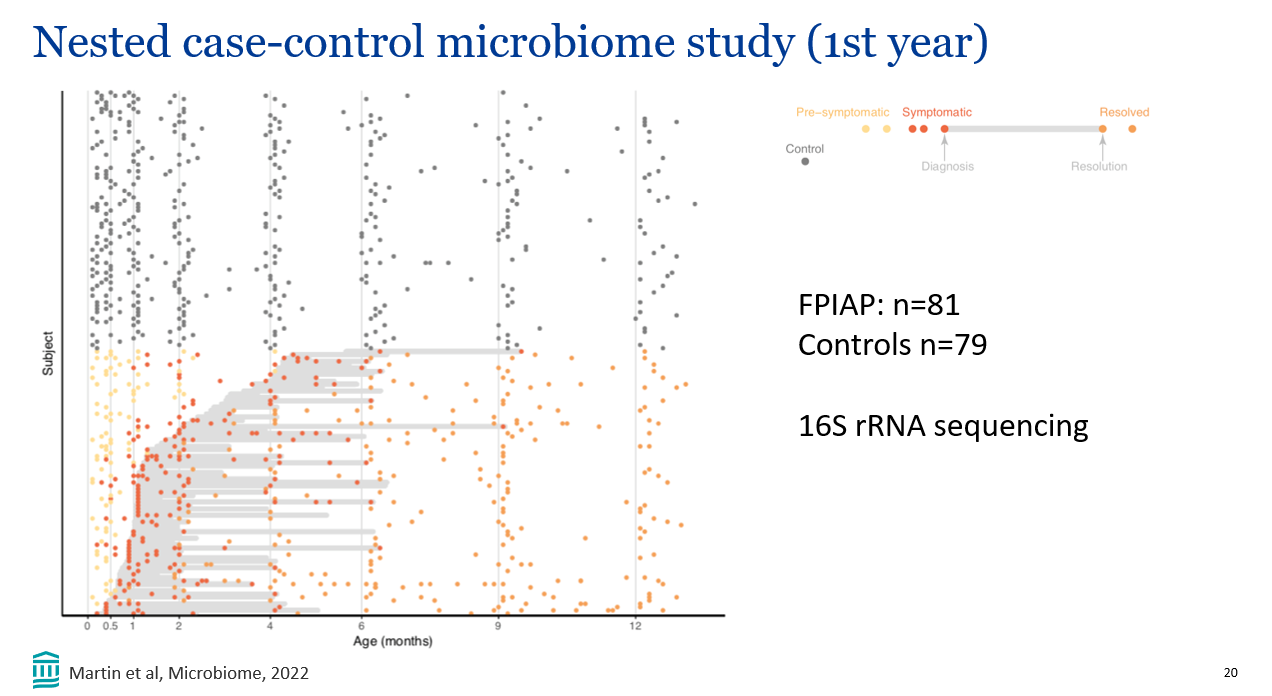
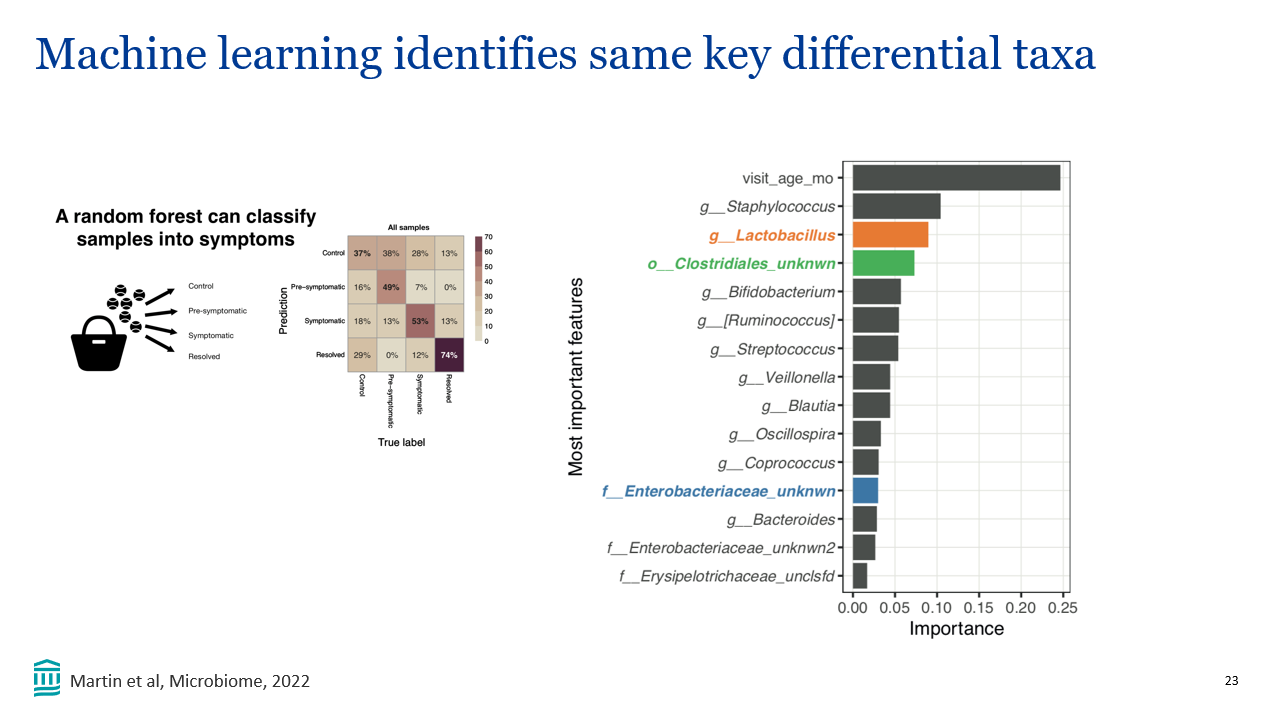
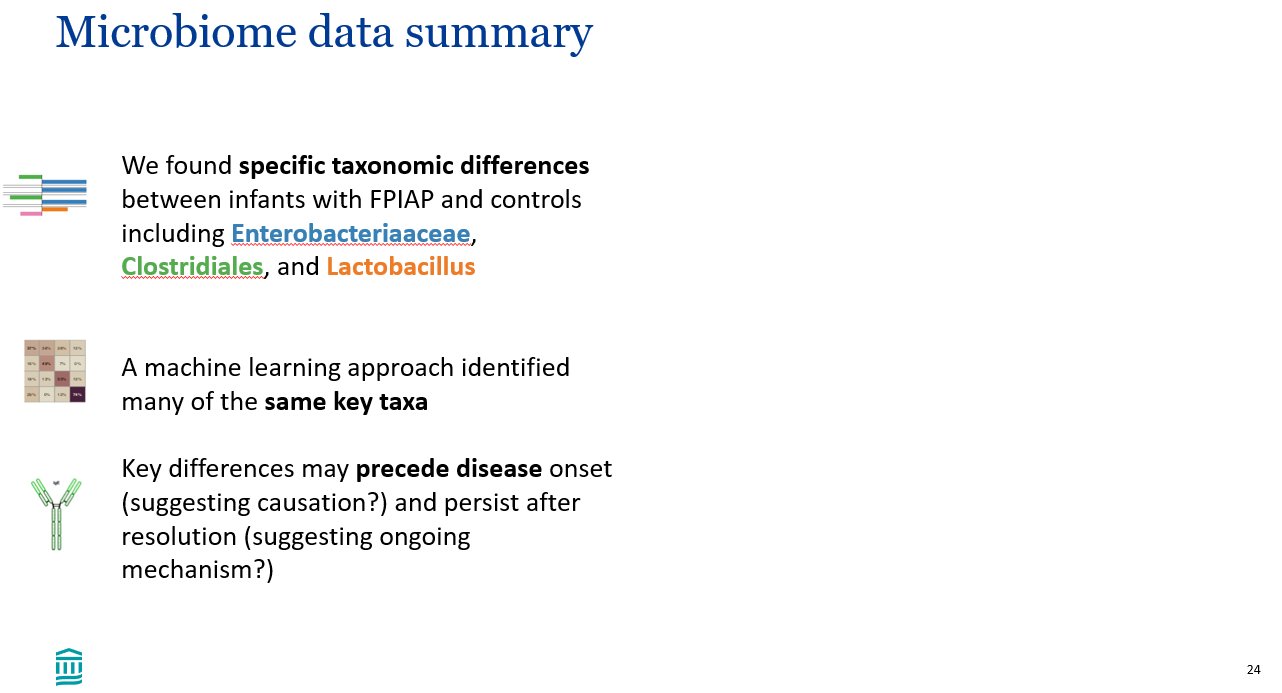
The microbiome/taxa in FPIAP was unique and present prior to the development of symptoms
Unique microbiome differences may be identified in FPIAP cohort that precedes and follows FPIAP symptoms
Allergy testing is generally not helpful in infants less than 6 months of age with FPIAP. RAST testing less than 6 months of age is not sensitive and most FPIAP is not IgE-mediated
This meta-analysis consisted of eighty-seven articles involving 60,829 living liver donors.
Key findings:
The overall pooled incidence of complications in LDLT donors was 24.7%
The incidence of minor complications was 17.3%
The incidence of major complications was 5.5%
The overall incidence of donor mortality was 0.06% in 49,027 individuals**.
Psychological complications 7.6% were the most common complications among LDLT donors. This was followed by wound-related complications 5.2%
Table 2 (below) gives an extensive list of potential complications and their incidences in this cohort
**In the discussion, the authors note that “donor mortality is a devastating outcome in LDLT…Our study found that Asian countries reported a lower rate…For example, in Japan, the rate of donor mortality was 0.3 deaths per 1000 donors, while in the United States and Europe, donor mortality rates were 1.7 and 2.3 deaths per 1000 donors, respectively. While this observation may be attributed to greater experience in LDLT in Asian centers, it is also possible that underreporting in Asian centers might play a role. Mortality in donors…may result in the suspension or termination of an LDLT program.”
My take: Even with potential underreporting, this study highlights the very real risks associated with trying to save a life via LDLT.