AGA Living Clinical Practice Guideline on the Pharmacologic Management of Moderate-to-Severe Crohn’s Disease

FI Scott et al. Gastroenterology, Volume 169, Issue 7, 1397 – 1448; Open Access! AGA Living Clinical Practice Guideline on the Pharmacologic Management of Moderate-to-Severe Crohn’s Disease

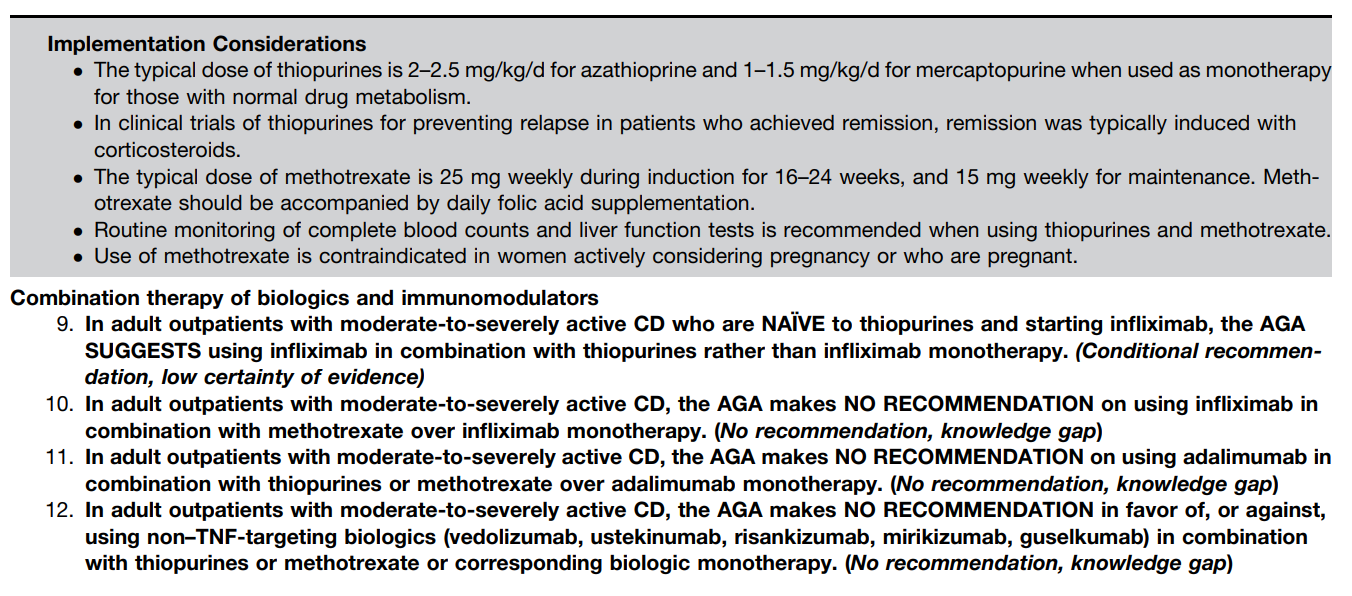
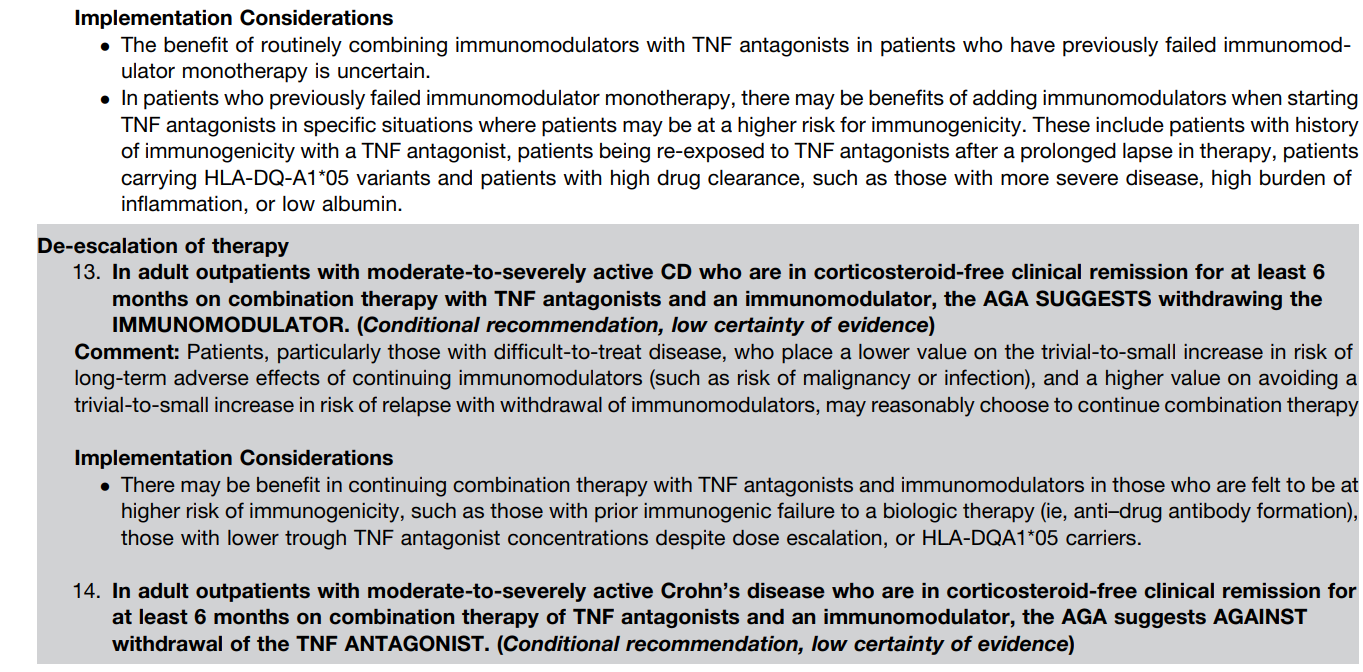
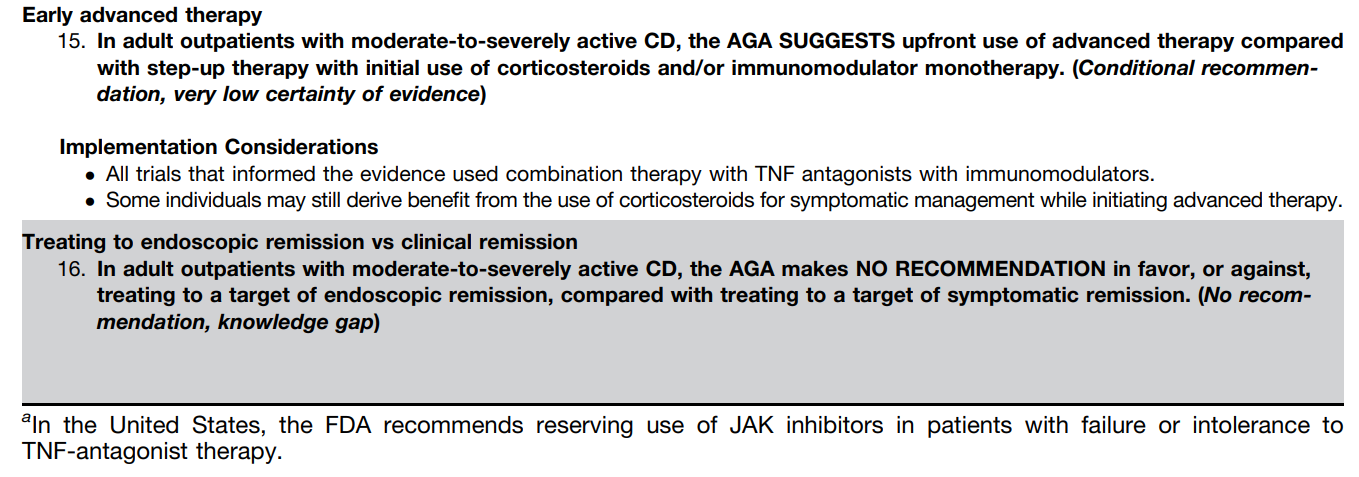
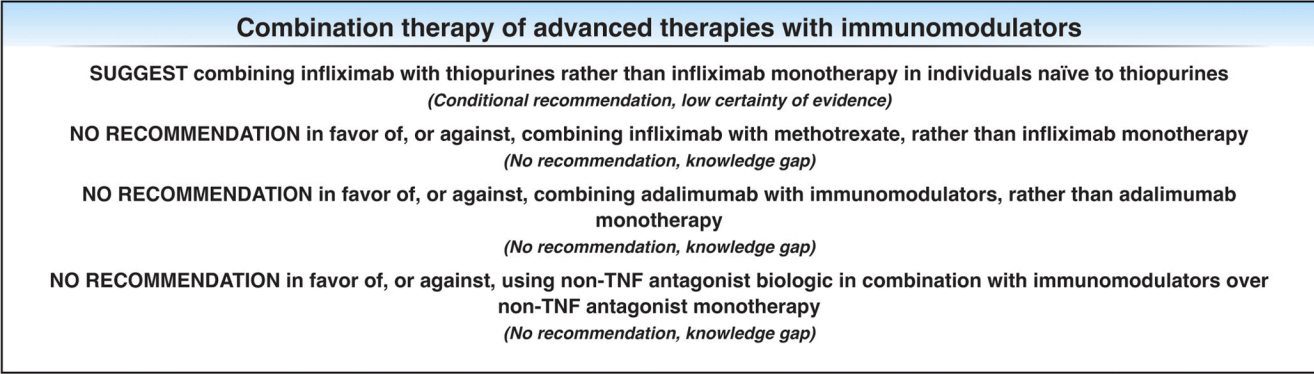
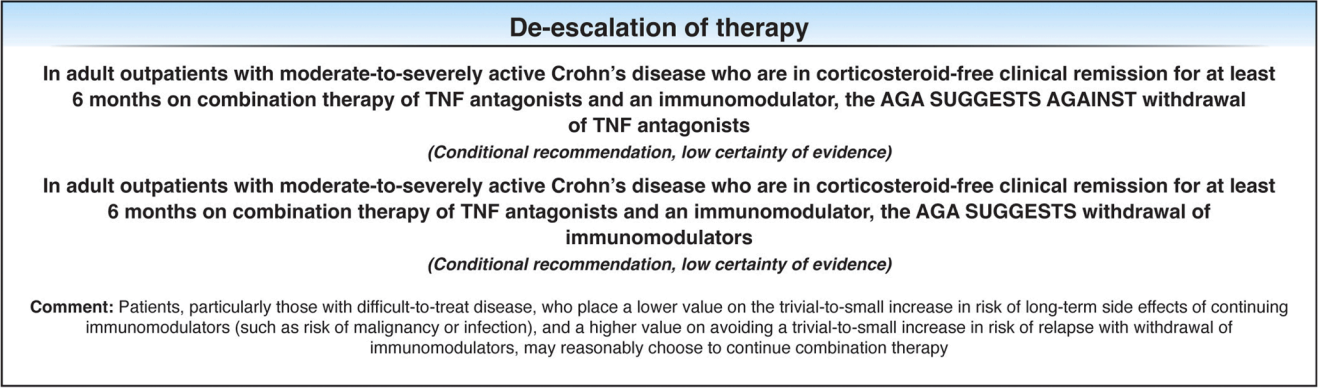
The guideline panel agreed on 16 recommendations. This highly-detailed report provides a comprehensive, patient-centered, evidence-based approach to the pharmacologic management of adult patients with moderate-to-severely active CD. Table 1 summarizes this lengthy 53-page report. Tomorrow’s post will be the “spotlight” summary which presents the recommendations in easier to read graphic.
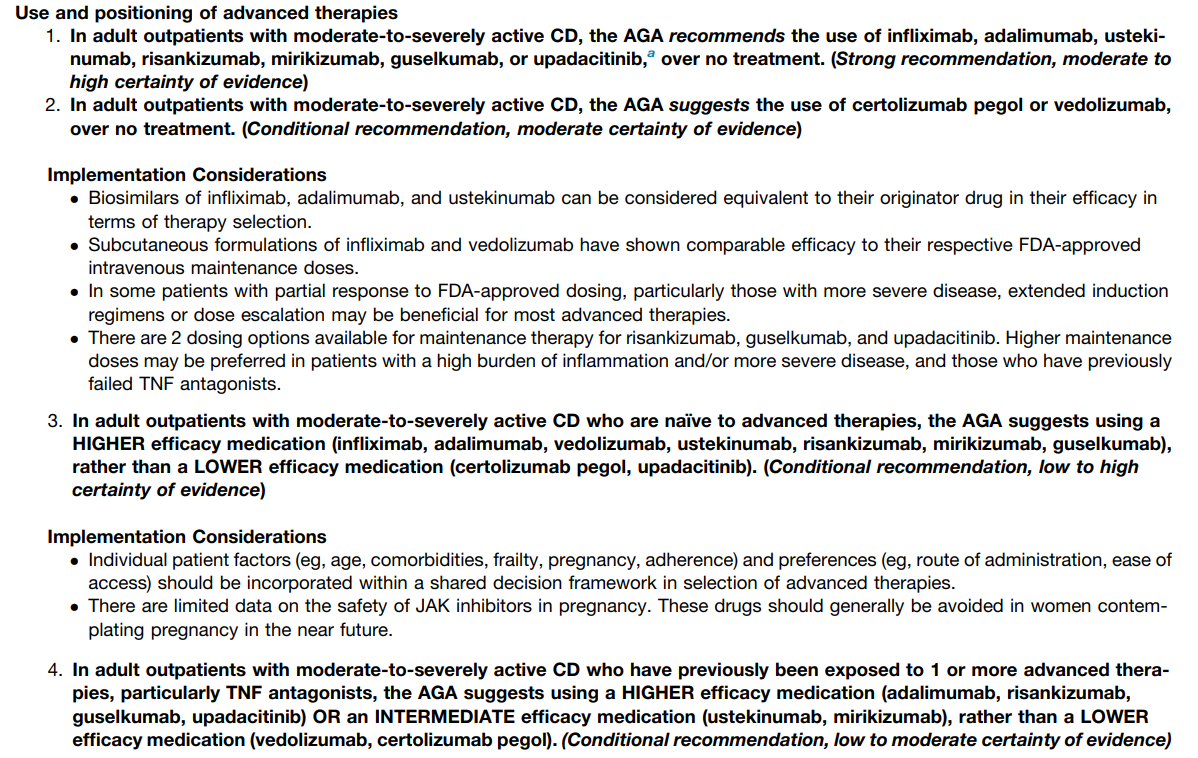
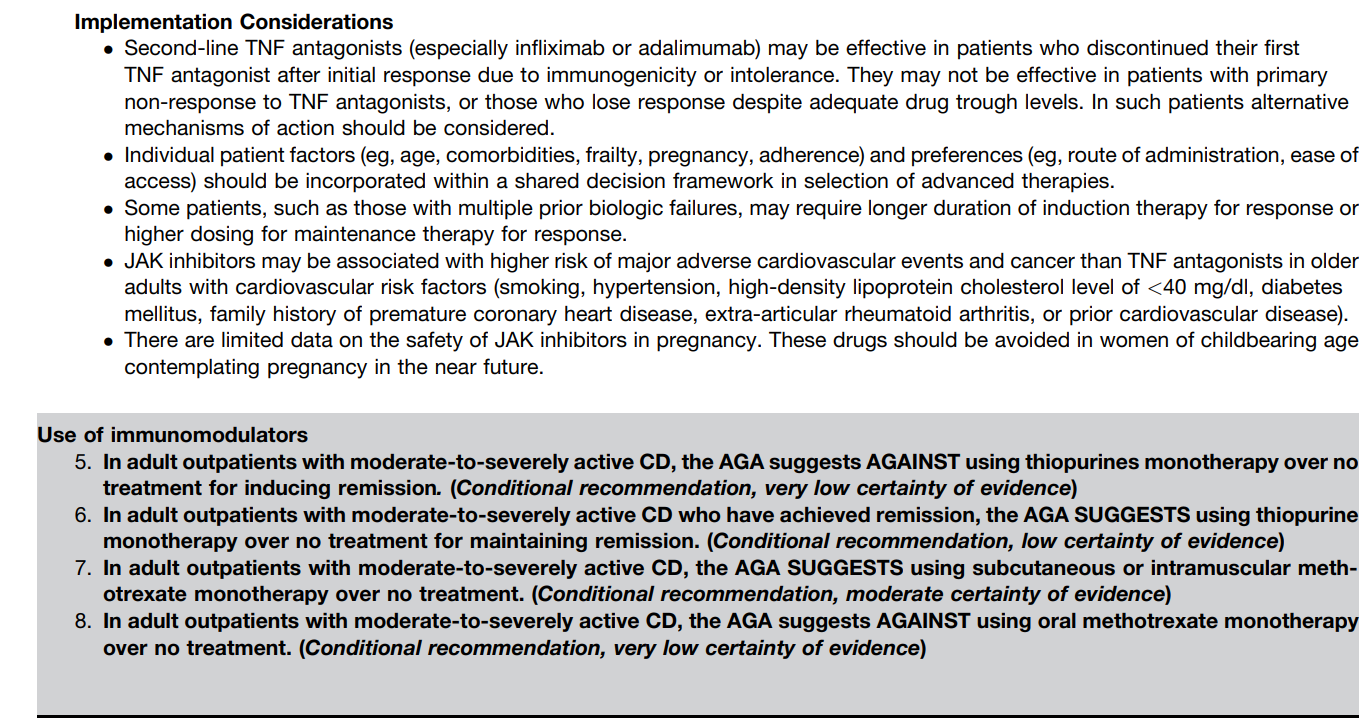
Key Points:
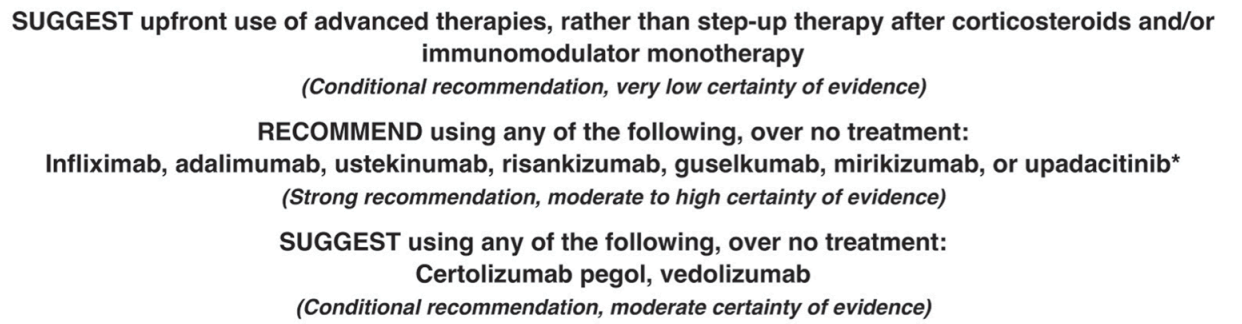
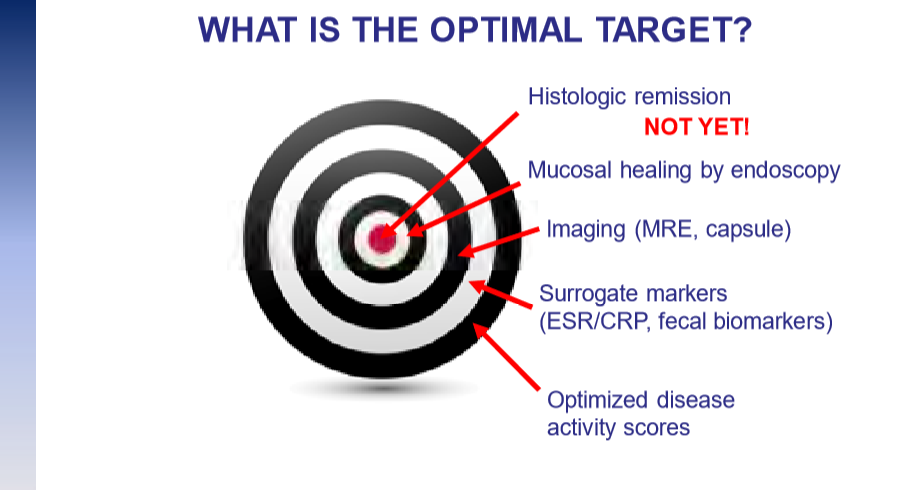
The guidelines are overall very helpful. They identify higher efficacy medications and recommend them. In addition, they support the use of combination therapy with thiopurines (which are less frequently used in pediatrics). It is interesting that the sixteenth recommendation clashes with prior expert recommendations. The sixteenth recommendation in this report makes no recommendation on using endoscopic surveillance compared to symptomatic clinical remission. Most experts advise “treat-to-target” therapy approaches.

In the discussion of this, the authors state the followiing:

Recent position statements from an international consortium of experts have advised that longitudinal targets for the management of IBD should include not only clinical remission but also endoscopic resolution of inflammation.31 Several studies have demonstrated that patients who achieve endoscopic remission (vs those with ongoing endoscopic activity) have favorable long-term outcomes…

There are limited RCTs assessing whether there is actual benefit in systematically treating toward endoscopic remission target vs symptomatic remission targets (ie, testing whether the target has been achieved, followed by algorithmic treatment adjustment, including escalating index therapy, adding an immunomodulator, followed by switching to an alternative advanced therapy and surgery). There was significant heterogeneity among the 2 reviewed studies, both in terms of the advanced therapy used, algorithms for therapy modification, and the cadence and frequency of endoscopic monitoring that challenge interpretation. Based on the significant uncertainty of evidence with regard to improving maintenance of remission or reducing the risks of adverse events, the guideline panel could not make a recommendation in relation to selecting endoscopic targets over clinical targets.

It is worth emphasizing that in both of the included trials, the majority of individuals in the endoscopic healing arms were not able to meet the goal of endoscopic healing despite an algorithmic approach. For example, in STARDUST, only 11% of individuals achieved endoscopic remission.149…There are specific patient populations, such as those who have recently undergone intestinal resection,155 in which endoscopic evaluation may be particularly valuable in clinical decision making...

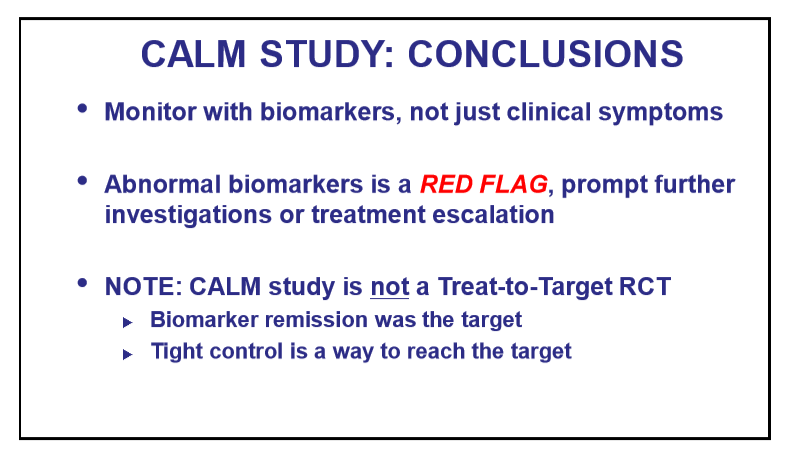
The benefit of a monitoring strategy incorporating biochemical monitoring over clinical monitoring alone was demonstrated in the CALM trial,152 and has been addressed in previous AGA guidelines on the role of biomarkers in patients with CD.12

My take: These “living” guidelines are likely to be quite influential in selecting Crohn’s disease therapy. In pediatrics, ImproveCareNow provides a similar role of guiding treatment.

Related blog posts:

Guidelines for UC:

Crohn’s Disease:

IBD Updates: Treat-to-Target Uptake, Long-Term Data on Ustekinumab Intensification, and Low Rates of C diff with Tofacitinib (& Clinical Pearl)

JL Yang et al. Inflamm Bowel Dis 2023; 29: 735-743. Utilization of Colonoscopy Following Treatment Initiation in U.S. Commercially Insured Patients With Inflammatory Bowel Disease, 2013-2019

In this study with 39,734 commercially-insured initiators of IBD medications (18-64 year old), 34% had a colonoscopy by 12 months and 42% at 15 months. The authors state that “it is evident that patients without any colonoscopy during this interval are not being followed under an optimal long-term T2T (treat-to-target) paradigm.”

RS Dalal et al. Inflamm Bowel Dis 2023; 29: 830-833. Long-Term Outcomes After Ustekinumab Dose Intensification for Inflammatory Bowel Diseases

This retrospective study examined 123 patients with Crohn’s disease and 40 with ulcerative colitis who had dose intensification with ustekinumab (to either every 4 weeks, n=91, or every 6 weeks, n=72). Dose escalation was effective in both achieving and maintaining corticosteroid-free clinical remission for 61% of patients with Crohn’s disease and 40% with ulcerative colitis at 24 months; endoscopic remission was noted in 43% with Crohn’s disease and 55% with ulcerative colitis.

EV Loftus et al. Inflamm Bowel Dis 2023; 29: 744-751. Open Access! Clostridium difficile Infection in Patients with Ulcerative Colitis Treated with Tofacitinib in the Ulcerative Colitis Program 

Using data from multiple studies with 1157 patients, only 9 tofacitinib patients developed Clostridioides difficile infection (CDI) which was lower than the placebo group. CDI were all mild–moderate in severity and resolved with treatment in 8 patients. Six of 9 patients continued tofacitinib treatment without interruption. The low rate of infection was likely in part due to screening for CDI prior to treatment. In addition, “it is possible than the lower rates of CDI …may be due to better-controlled disease…, thus reducing susceptibility to infection.”

One clinical pearl in the discussion: “When considering treatment [for CDI], initial therapy with oral vancomycin should be considered instead of metronidazole, and treating for at least 21 days should also be considered [in patients with IBD due to]…lower rates of CDI recurrence.”

Related blog posts:

Disclaimer: This blog, gutsandgrowth, assumes no responsibility for any use or operation of any method, product, instruction, concept or idea contained in the material herein or for any injury or damage to persons or property (whether products liability, negligence or otherwise) resulting from such use or operation. These blog posts are for educational purposes only. Specific dosing of medications (along with potential adverse effects) should be confirmed by prescribing physician.  Because of rapid advances in the medical sciences, the gutsandgrowth blog cautions that independent verification should be made of diagnosis and drug dosages. The reader is solely responsible for the conduct of any suggested test or procedure.  This content is not a substitute for medical advice, diagnosis or treatment provided by a qualified healthcare provider. Always seek the advice of your physician or other qualified health provider with any questions you may have regarding a condition.

Lego Art at Tucson Botanical Gardens

Pediatric Adoption of “Treat to Target” & Difficulty “Unlearning”

A good article for the next journal club: Clinical Practice Survey of Repeat Endoscopy in Pediatric Inflammatory Bowel Disease in North America (J Moses et al. JPGN 2021; 73: 61-66)

Key findings:

  • 65% of respondents (n=238 of 2300 responded to survey) perform repeat endoscopy to assess for endoscopic remission in pediatric IBD as part of routine clinical practice (usually 9 to 12 months later)
  • “Symptoms are not sufficient to follow IBD patients” was reported by 82% of those who repeat endoscopy
  • “I perform endoscopy based on clinical, biomarker, and/or imaging trends” was reported by 81% of those who do not repeat endoscopy
  • In those inclined to do repeat endoscopy (n=134 total), the authors state there was a significant difference based on years in practice but this is difficult to discern based on the data presented in Table 1; the numbers in both groups are much greater than the number of total patients in each group. They state in the repeat endoscopy group (n=134), the practitioner experience was n=58 (1-5 yrs), n=43 (6-10 yrs), n= 34 (11-15 yrs), and 70 (>15 yrs) and the “no repeat group” (n=67 total) was n=43 (1-5 yrs), n=33 (6-10 yrs), n=21 (11-15 yrs), and n=37 (>15 yrs). Apparently, according to the discussion, those in practice more than 15 years were less likely to recommend a ‘treat-to-target’ endoscopy.
  • There is also a discrepancy in the report with regard to ImproveCareNow participation, stated to be 63% in the abstract and 71% in the results section

Discussion: I would propose that the first part of a journal club start with these two lines from the discussion: “As the paradigm of clinical endpoints has evolved in the management of IBD, there has been a shift from using clinical symptoms to drive major therapeutic decisions to using endoscopic assessment. This lag time to adopt new practices in medicine has been highlighted in research demonstrating the slow adoption of new clinical practices by physicians, possibly related to the difficulty with “unlearning” common practices and shifting to new ones.” As an aside, 77% of the survey respondents were in an academic practice; it would be fun to see how the section chief views this assertion.

While the majority of survey respondents supported repeat endoscopy in all patients, the discussion point above is making a different distinction (“drive major therapeutic decisions”). I think a much higher proportion of practitioners would endorse endoscopy prior to major therapeutic decisions. However, with regard to supporting more widespread routine followup in all of those in clinical remission, the discussion references data from a single retrospective pediatric cohort study with 104 patients (Inflamm Bowel Dis 2017; 23: 1447-1453), that 30% of patients in clinical remission had active disease on endoscopy.

My take: As alluded to in the conclusion, long-term data from prospective studies are needed to determine the benefit (or lack of benefit) of followup endoscopy, especially in patients with combined clinical/biomarker remission.

Related blog posts:

Expert Guidance on Inflammatory Bowel Disease (Part 2)

A recent issue of Clinical Gastroenterology and Hepatology focused solely on the clinical features and management of inflammatory bowel disease. Even for those with expertise in IBD, there is a lot of useful information and concise reviews of what is known.

Here are some of my notes from this issue (part 2)

S Danese et al. Clinical Gastroenterol Hepatol: 2020; 18: 1280-90. Positioning Therapies in Ulcerative Colitis

This is a good article but recent AGA publications are probably better –there are some links below. One statement that was interesting: “the safety profile of vedolizumab seems even better than placebo in terms of risk of serious” adverse events. The authors favored infliximab in combination with azathioprine in those needing biologic therapy with moderate-severe UC.

Related blog posts:

S Vermeire et al. Clinical Gastroenterol Hepatol: 2020; 18: 1291-9. How, When, and for Whom Should We Perform Therapeutic Drug Monitoring?

“Although reactive TDM, testing at time of loss of response, is widely accepted in practice, especially for anti–tumor necrosis factor antibodies, there are less data for the other monoclonal antibodies belonging to other classes. Besides reactive testing, there is a movement toward proactively adjusting biologic dosing to prevent loss of response, in keeping with the tight control philosophy of inflammatory bowel disease care.” The authors favor proactive monitoring: “we are now beginning to see with well-powered proactive TDM studies” that proactive monitoring can maximize the benefits of TDM with “the potential to maximize durability of biologics and improve the outcomes of IBD patients.”

Related blog posts:

PS Dulai et al. Clinical Gastroenterol Hepatol: 2020; 18: 1300-8. How Do We Treat Inflammatory Bowel Diseases to Aim For Endoscopic Remission?

The initial part of this article reviews treatment targets -resolution of symptoms and resolution of endoscopic damage. The algorithm provides the authors’ suggested approach:

  • At initiation of therapy, patients should have a full assessment.  In addition to ileocolonoscopy, for patients with CD, the authors recommend cross-sectional imaging.
  • After treatment initiation, the authors recommend biomarker assessment every 3 months.  Mucosal assessment can occur 6-9 months after treatment initiation.
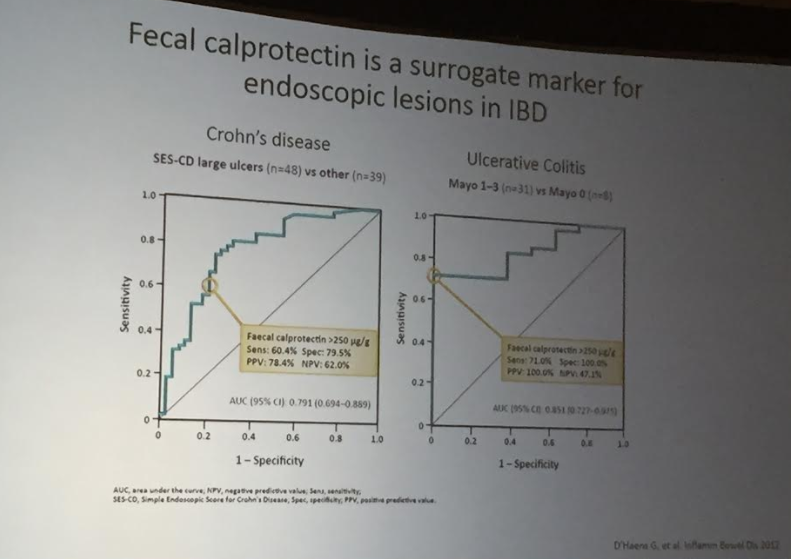
  • For UC, the authors note that fecal calprotectin (FC) “appears to be more stratightforward, and a cutoff of 250 mcg/g can be used reliably across all scenarios to make treatment adjustments.”  Though, they recommend endoscopic confirmation prior to transition to a biologic or small molecule therapy.
  • For CD, the authors suggest making treatment adjustments in those with FC >250 mcg/g and in those with lower values, followup colonoscopy is recommended.
  • The authors note that in the post-operative setting with CD, mucosal inflammation precedes symptomatic activity and “waiting for symptoms to emerge may unnecessary allow for disease progression.”
  • The authors suggest that tighter disease control will reduce disease-related complications, while acknowledging a lack of prospective clinical trials.
  • One thorny issue: :”For CD: it remains unclear what degree of residual mucosal healing is acceptable to impact important outcomes such as CD-related complications, hospitalizations, and surgeries.”

Related blog posts:

M Allocca et al. Clinical Gastroenterol Hepatol: 2020; 18: 1309-23. Use of Cross-Sectional Imaging for Tight Monitoring of Inflammatory Bowel Diseases

“Computed tomography is limited by the use of radiation, while the use of magnetic resonance enterography (MRE) is limited by its cost and access. There is growing interest in bowel ultrasound that represents a cost-effective, noninvasive, and well-tolerated modality in clinical practice, but it is operator dependent… Diffusion-weighted imaging (DWI) is a MR imaging technique that increasingly is used in both IBD and non-IBD conditions and has been shown to be a valuable and accurate tool for assessing and monitoring IBD activity.

L Beaugerie et al. Clinical Gastroenterol Hepatol: 2020; 18: 1324-35. Predicting, Preventing, and Managing Treatment-Related Complications in Patients With Inflammatory Bowel Diseases

The first part of this article reviews potential adverse effects from the medications used for IBD treatment, noting in Table 1 that there are not complications to monitor for with both vedolizumab and ustekinumab.

The article reviews infections, vaccination strategies and issues related to malignancy Some of the recommendations:

  • vaccine against pneumococcus should be given before patients begin immunosuppressive therapy
  • physicians should consider giving patients live vaccines against herpes zoster (in adults) before they begin immunosuppressive therapy or a recombinant vaccine, when available, at any time point during treatment
  • sun protection and skin surveillance from the time of diagnosis are recommended
  • despite concerns about therapy, the authors note that “the extensive use of immunosuppressive therapy leads to a substantial decrease in the incidence of IBD complications, with a globally favorable benefit-risk ratio, which can be optimized further thanks to a good degree of awareness and knowledge of drug complications.”

It is interesting that this article (and the entire issue) does not address mental health concerns related to the diagnosis of IBD.  This likely creates more morbidity and complications than most of the other issues that are discussed.

Above: Why did the picture go to jail? Because it was framed.

Disclaimer: This blog, gutsandgrowth, assumes no responsibility for any use or operation of any method, product, instruction, concept or idea contained in the material herein or for any injury or damage to persons or property (whether products liability, negligence or otherwise) resulting from such use or operation. These blog posts are for educational purposes only. Specific dosing of medications (along with potential adverse effects) should be confirmed by prescribing physician.  Because of rapid advances in the medical sciences, the gutsandgrowth blog cautions that independent verification should be made of diagnosis and drug dosages. The reader is solely responsible for the conduct of any suggested test or procedure.  This content is not a substitute for medical advice, diagnosis or treatment provided by a qualified healthcare provider. Always seek the advice of your physician or other qualified health provider with any questions you may have regarding a condition.

What is the Calprotectin Threshold for Disease Progression in Crohn’s Disease?
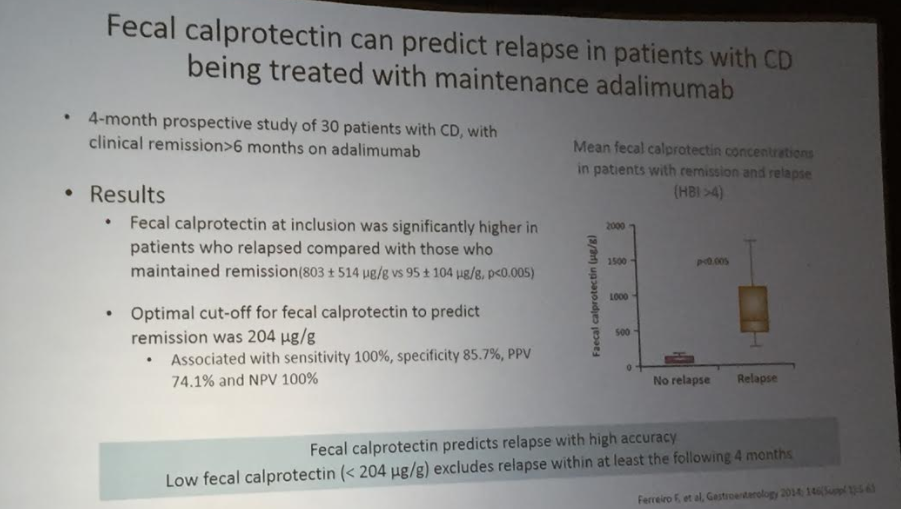
A recent retrospective study (NA Kennedy et al. Clin Gastroenterol Hepatol 2019; 17: 2269-76) with 918 patients with Crohn’s disease (CD) examined calprotectin levels and disease progression. Median followup was 50.6 months.

Key findings:

  • A calprotectin level cut-off of 115 mcg/g was identified as optimal for separation of those with and without disease disease progression.
  • The authors noted: “Several studies have identified a cut-off value of 250 mcg/g as being useful to distinguish active from inactive disease.  In the present study,…a lower threshold of 115 mcg/g (was identified) suggesting that lower levels of inflammatory activity still may be associated with an adverse outcome.”
  • The authors’ figure 2, as estimated by the empiric transition matrix method, shows disease progression over 30 years.  At that point,  the groups were nearly equally divide between stricturing disease, penetrating disease and inflammatory disease; in contrast at disease onset, ~80% had inflammatory disease behavior.

My take: As more effective therapies have become available, our goals for disease control have changed and focus on altering the disease course with more stringent endpoints.  For calprotectin, the lower number (115 compared to 250) indicates a much lower risk for disease progression.

Related blog posts:

Chicago

IBD Shorts: September 2019

S Olivia et al (including Stanley Cohen from GI Care for Kids) Clin Gastroenterol Hepatol 2019; 17: 2060-7.A Treat to Target Strategy Using Panenteric Capsule Endoscopy in Pediatric Patients with Crohn’s Disease”  In this prospective study with 48 children with Crohn’s disease, pan-enteric capsule endoscopy (PCE) detected inflammation in 34 (71%) at baseline, 22 (46%) at week 24, and 18 (39%) at week 52.  PCE results were used to manage treatment and resulted in change in therapy in 71% at baseline and 23% at week 24.  Furthermore, PCE increased the proportions of patients in deep remission, up to 58% at week 52.

M Wright, et al. J Pediatr 2019; 210: 220-5. This case report of a 4 year-old boy with a perianal abscess and granulomatous colitis identified a NCF4 mutation causing severe neutrophil dysfunction.  He developed osteomyelitis with anti-TNF therapy and did not respond to vedolizumab. He had an excellent outcome following a hematopoietic stem cell transplantation. This study reinforces the potential benefit of investigating VEO-IBD which could allow more targeted therapy. Related blog post:

P Zapater et al. Inflamm Bowel Dis 2019; 25: 1357-66. This study with 112 patients with Crohn’s disease showed that serum interleukin-10 levels were directly related to infliximab and adalimumab levels.  This suggests that serum anti-TNF levels are significantly influenced by immunological activation.

JE Axelrad et al. Clin Gastroenterol Hepatol 2019; 17: 1311-22.  This study, using the Swedish National Patient Register, showed that gastrointestinal infection increased the odds of developing IBD in a nationwide case-control study.  “Of the patients with IBD, 3105 (7%) had a record of previous gastroenteritis compared with 17,685 control subjects (4.1%). IBD cases had higher odds for an antecedent episode of gastrointestinal infection (aOR 1.64), bacterial gastrointestinal infection (aOR 2.02) and viral gastrointestinal infection (aOR 1.55)…a previous episode of gastroenteriitis remained associated with odds for IBD more than 10 years later (aOR 1.26).”  The authors note that they cannot formally exclude misclassification bias, but it appears that enteric infections contribute to the development of IBD in susceptible individuals.

#NASPGHAN18 Highlights (Part 2)

I did not make it to this year’s meeting but did get a chance to catch up on a lot information via the PG 2018 Syllabus and based on information posted online.

Here are a couple of highlights for me:

My favorite slide from postgraduate course -Dr. Robert Kramer

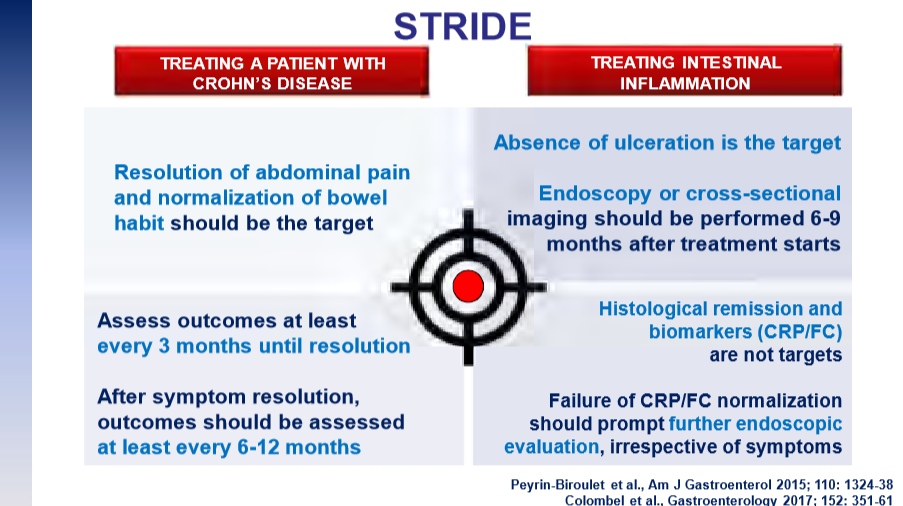
Slides regarding the topic of Treat-toTarget Dr. Eric Benchimol:

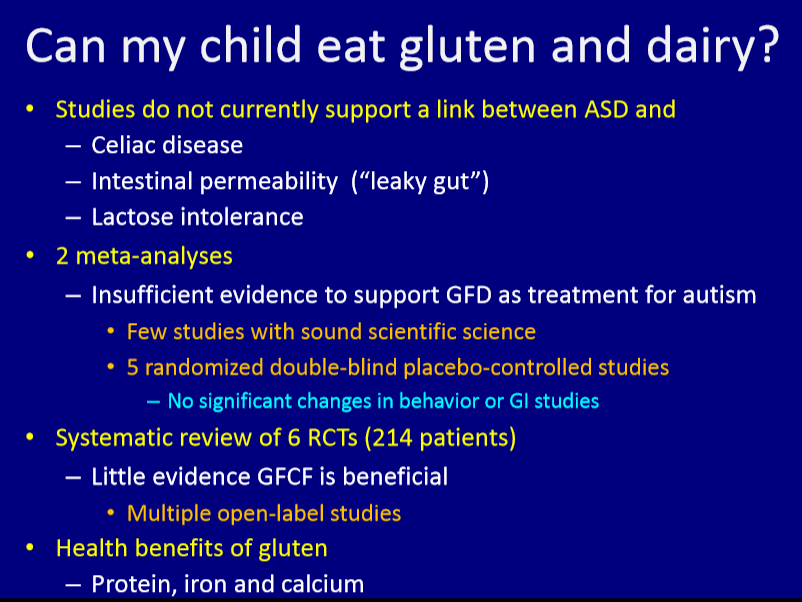
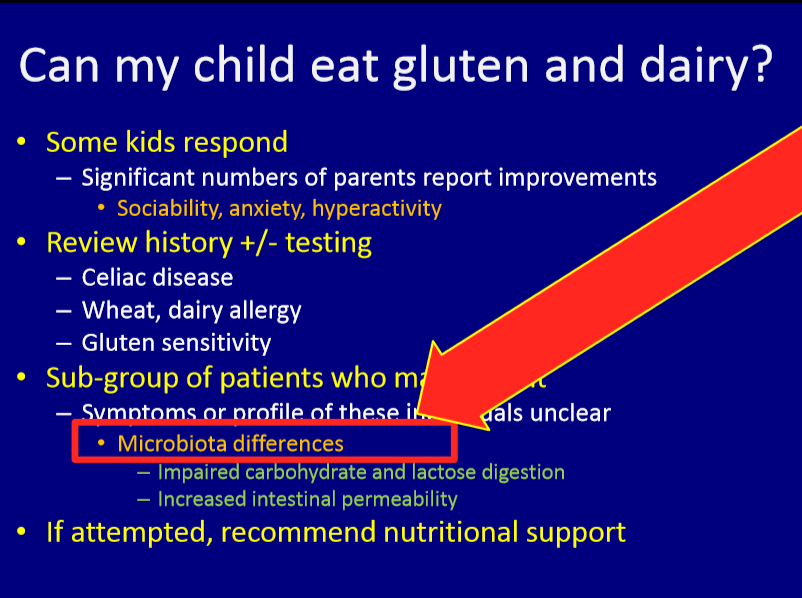
Slides regarding GI symptoms and autism from Dr. Kara Margolis:

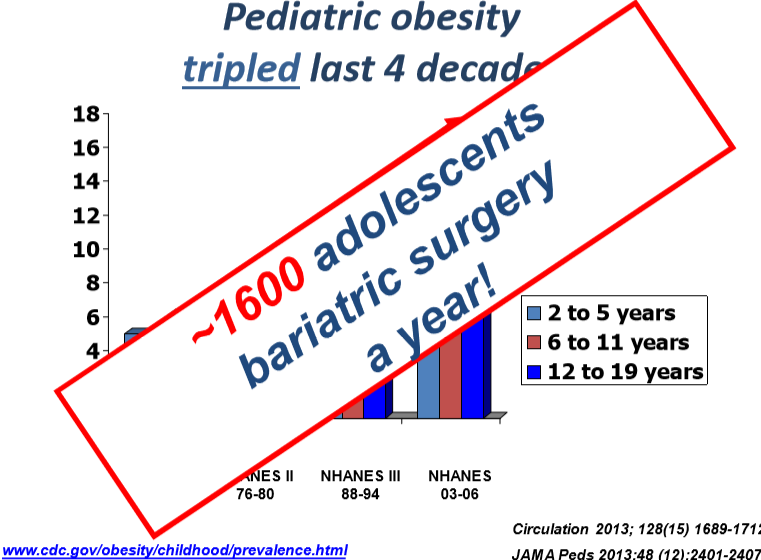
Slide regarding the frequency of bariatric surgery: Dr. Rohit Kohli:

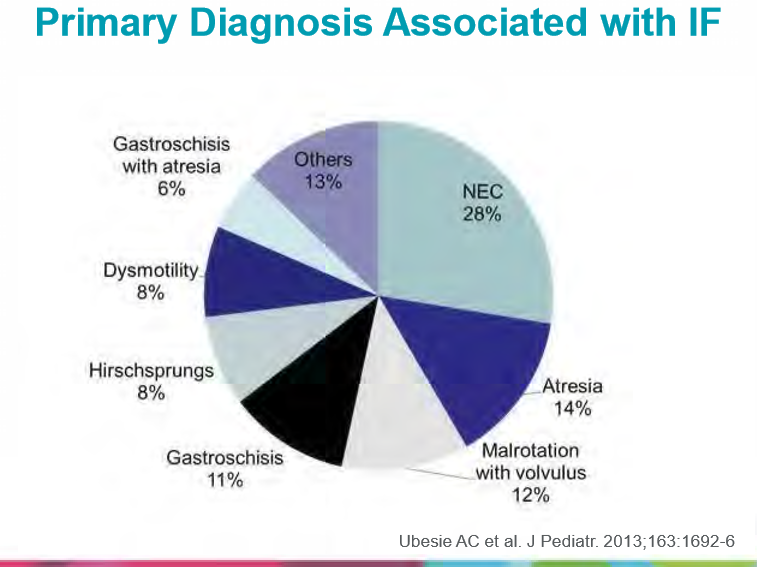
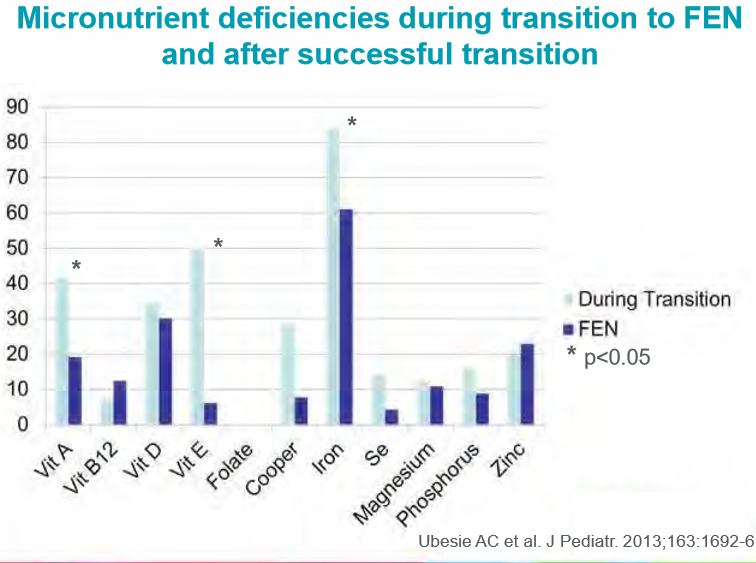
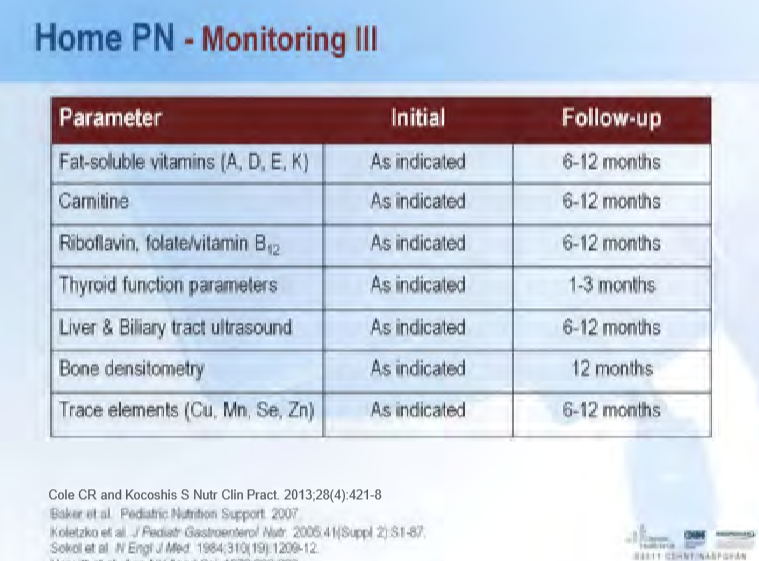
Slides regarding intestinal failure population from Dr. Conrad Cole:

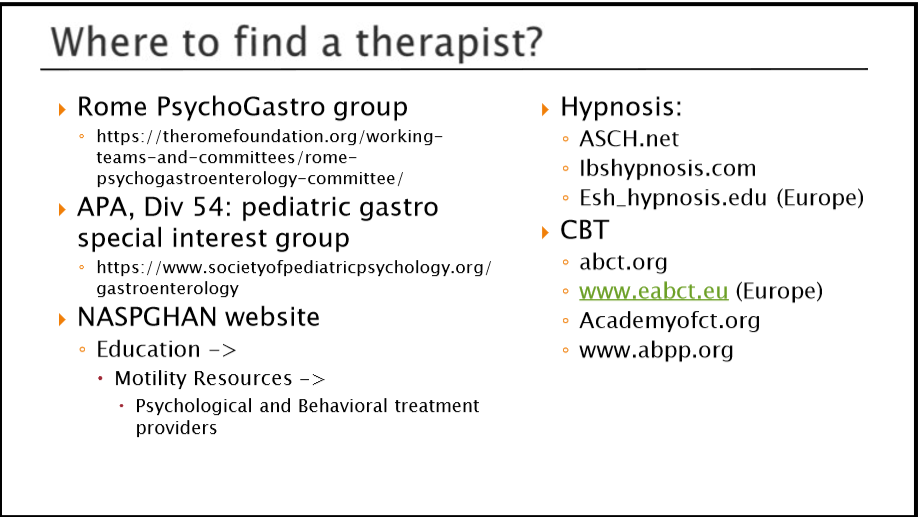
From Dr. Miranda van Tilburg regarding psychological therapies for functional GI disorders:

Disclaimer: These blog posts are for educational purposes only. Specific dosing of medications/diets (along with potential adverse effects) should be confirmed by prescribing physician/nutritionist.  This content is not a substitute for medical advice, diagnosis or treatment provided by a qualified healthcare provider. Always seek the advice of your physician or other qualified health provider with any questions you may have regarding a condition.

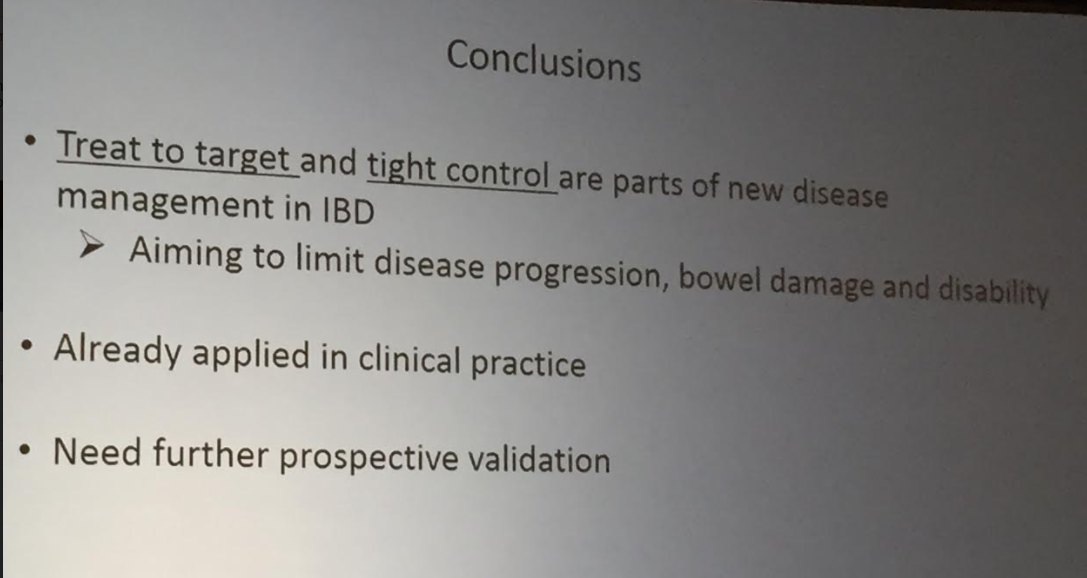
#NASPGHAN17 IBD Treat to Target and Tight Control

More information from this year’s annual NASPGHAN meeting.

This blog entry has abbreviated/summarized these presentations. Though not intentional, some important material is likely to have been omitted; in addition, transcription errors are possible as well.

IBD Treat to Target: Treat the Patient or Treat the Disease

Robert Baldassano  Children’s Hospital of Philadelphia

I missed the first few minutes of this presentation, even though I had highlighted this as one of my top priorities.  So, if anyone reading this post has some additional comments, they are certainly welcome.

Key points:

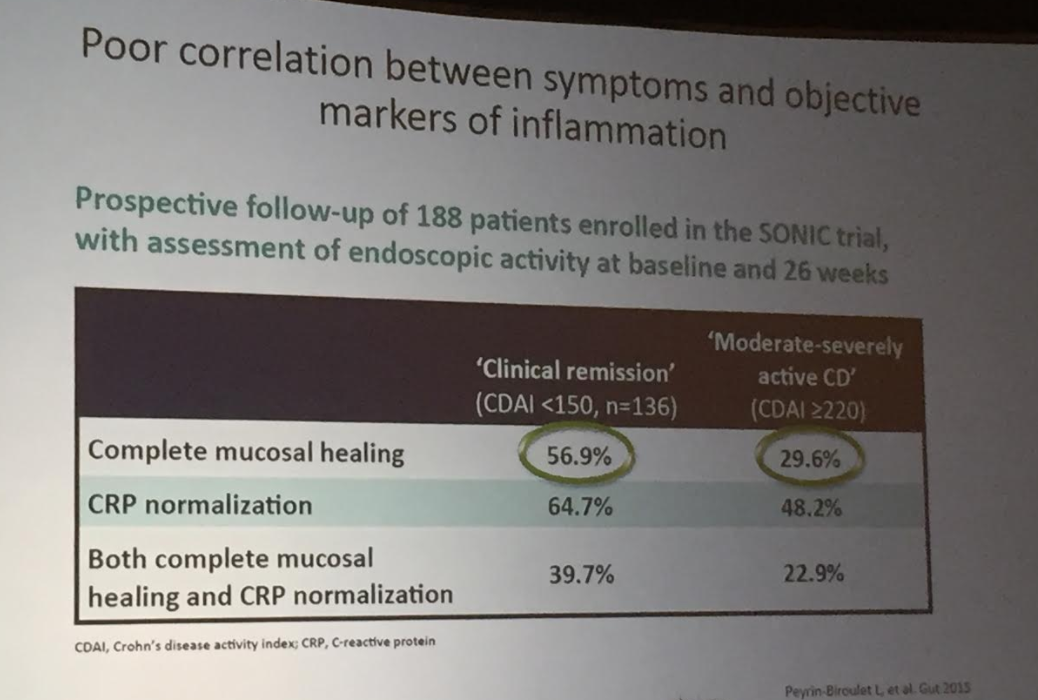
  • Do not rely on symptoms alone to assess patient improvement.
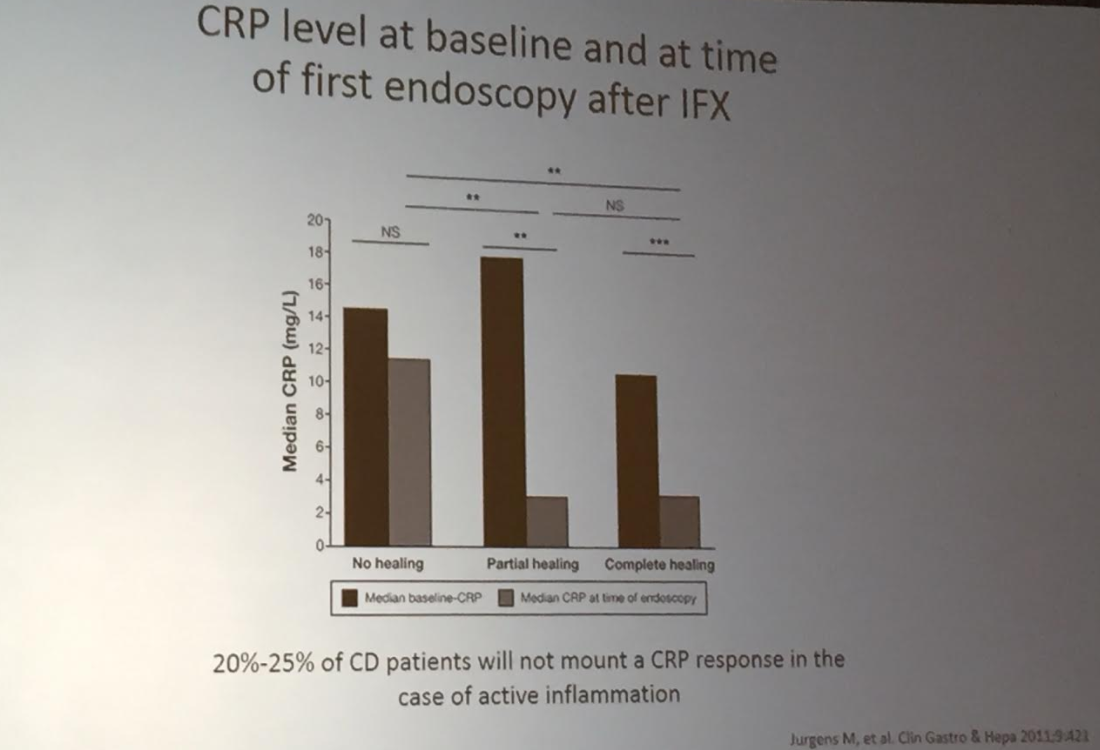
  • Best surrogate marker: calprotectin.  Frequent calprotectin levels can help determine objective improvement; it is much more helpful than CRP as ~25% of patients do not elevate their CRP levels
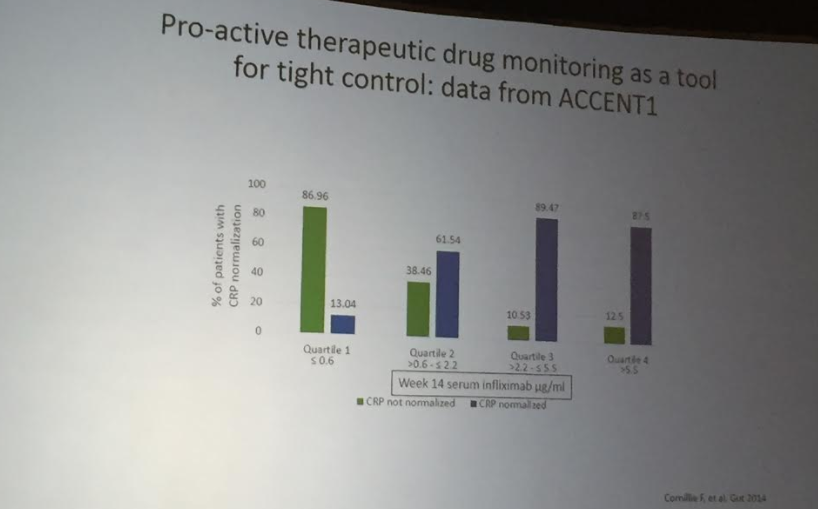
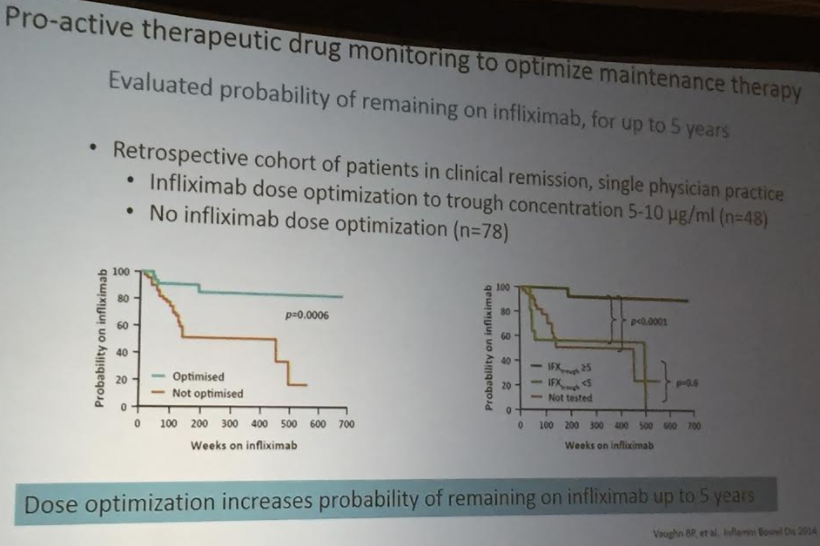
  • Therapeutic drug monitoring is important in improving outcomes. Dose optimization improves response rate and durability of infliximab response.
  • Evolving targets in ulcerative colitis.  Even histologic activity, in the absence of endoscopic activity, is associated with relapsing disease
  • Dr. Baldassano indicated that he no longer is starting patients on thiopurine therapy. There are “36 phase 3 trials underway.” Thus, many promising options for those who may burn through current treatments
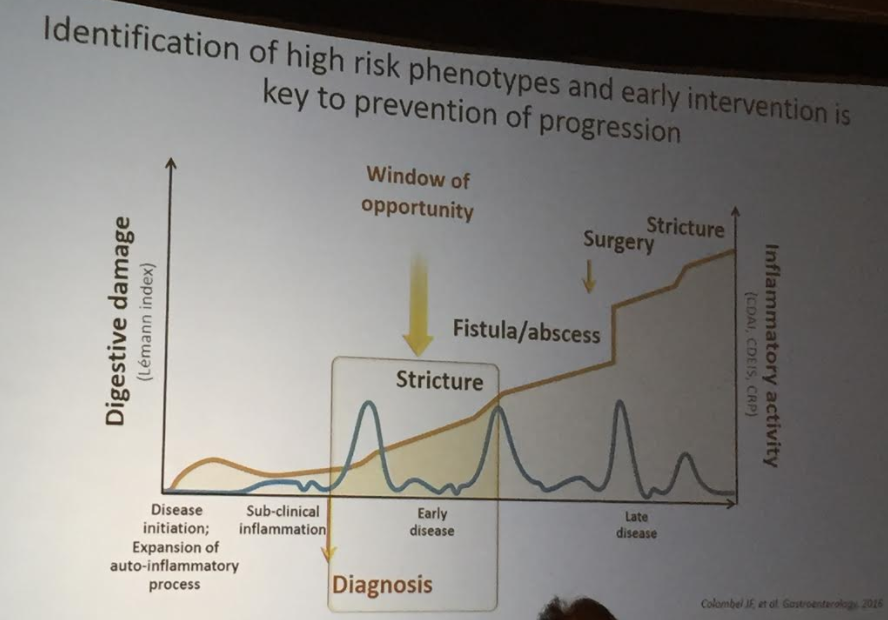
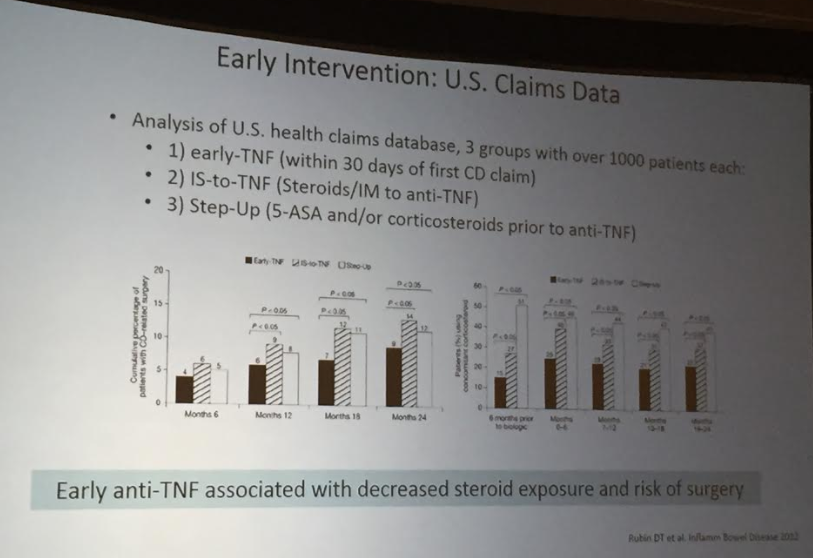
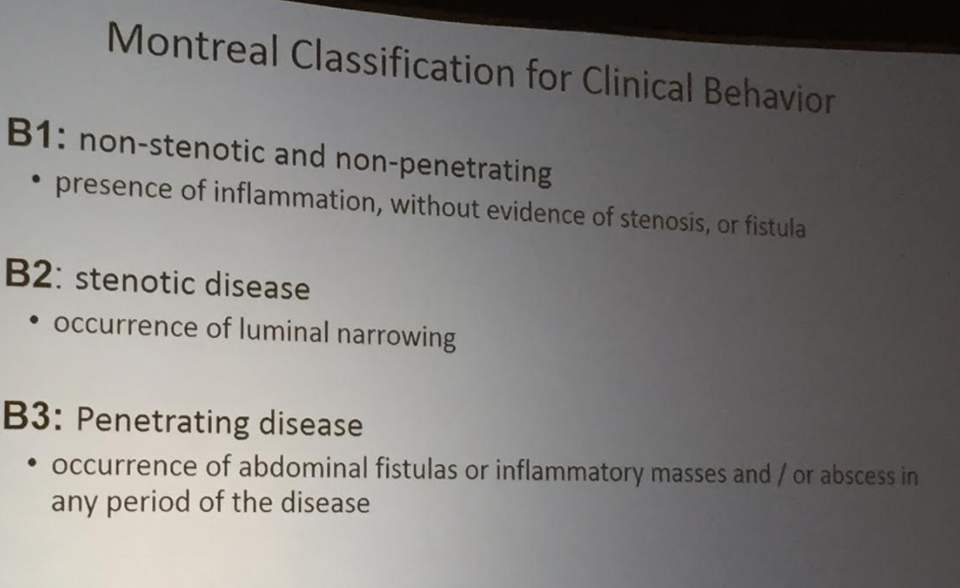
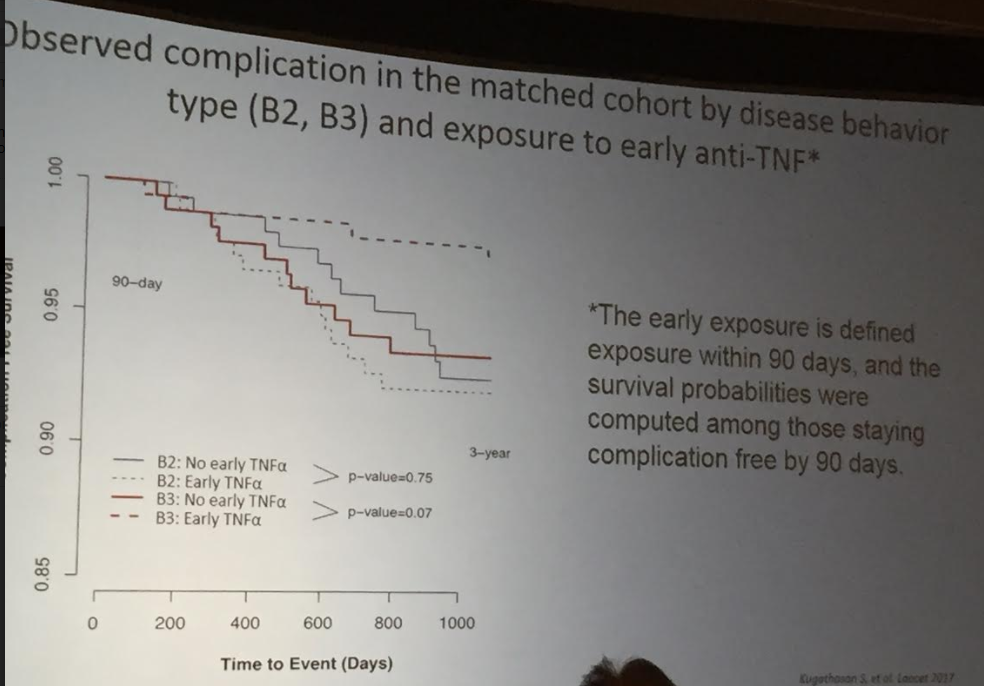
  • This lecture reviewed data from the RISK study showing that early (1st 90 days w/in diagnosis) TNF therapy helps prevent penetrating disease (related post: CCFA Update 2017/RISK study)

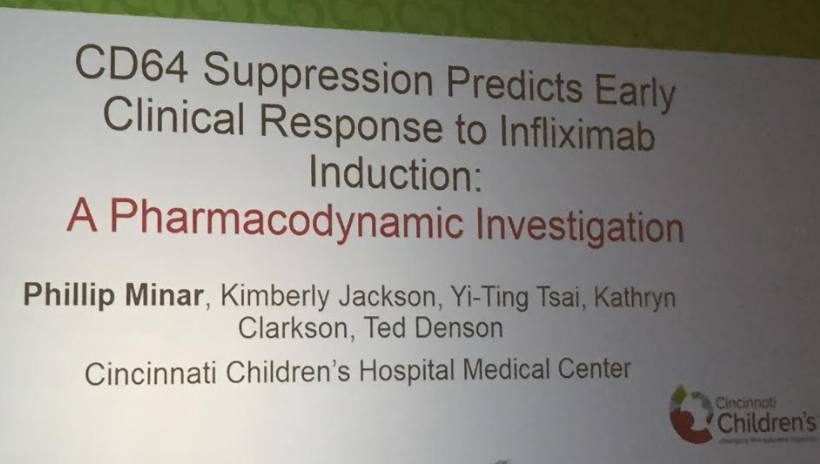
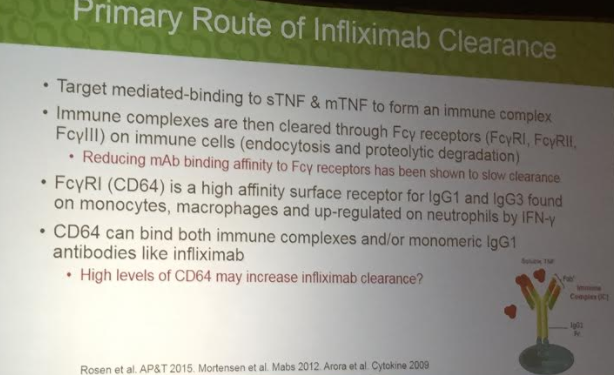
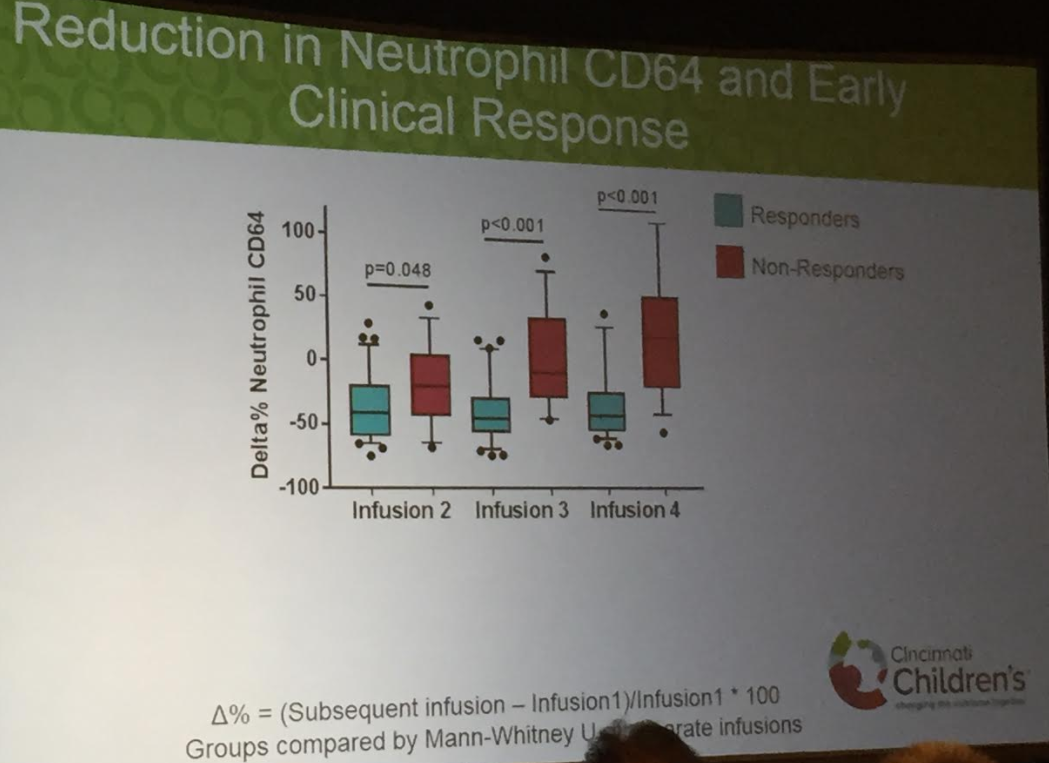
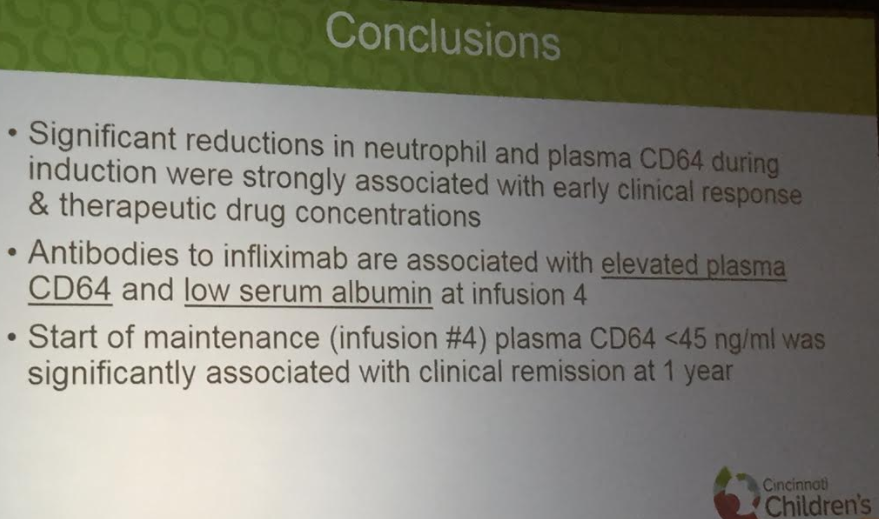
Another presentation by Philip Minar et al (Cincinnati Children’s Hospital Medical Center) shows that CD64 suppression is an early biomarker of response to infliximab therapy.

Pediatric IBD: Treating to Target

In 2014, an influential study by Sandborn et al (Clin Gastroenterol Hepatol 2014; 12: 978-85) described the importance of mucosal healing in a strategy termed “treating to target.”  The main findings (reviewed in a previous post Treating to Target) were the following:

  • Only half of the patients achieved MH.  “After a median follow-up of 62 weeks, 50.7% had MH and 61.1% had endoscopic improvement.”  79% of those who underwent adjustments achieved MH.
  • Clinical symptoms do not correlate with MH. “40.9% of patients experienced clinical symptoms despite MH and 18.8% of patients without clinical symptoms had significant endoscopic lesions.”
  • Biomarkers may be effective at predicting MH. “None of the patients with MH had an increased concentration of CRP.”
  • Adjusting treatment is needed if abnormal endoscopy; this is inherent in the philosophy of treating-to-target.

Now, my colleagues at Emory have published a single-center experience on mucosal healing (MH) (SL Santha, PR Shankar, A Pan, B Schoen, S Kugasthasan, CG Sauer. Inflamm Bowel Dis 2017; 23: 1447-53).  While this study has the typical limitations of a retrospective study, it makes several useful points.  It takes a little extra effort to interpret their findings as they describe their results based only on the 104 patients with clinical remission rather than based on the total of 182 patients who had at least two colonoscopies.  78 were excluded due to ‘acute GI symptoms.’

Of the 104 patients considered to be in clinical remission, 76 had Crohn’s disease and 28 patients had ulcerative colitis.

Key findings:

  • For patients with ulcerative colitis (UC) who were in clinical remission, 20 (71%) had MH per physician assessment, though only 10 patients (36%) had MH based on Mayo score of zero.  10 patients (36%) demonstrated histologic healing.
  • For patients with Crohn’s disease (CD) who were in clinical remission, 51 (67%) had MH per physician assessment, 34 (45%) had MH base on simple endoscopic score for CD, and 35 (46%) had histologic healing.
  • 21 of 25 CD patients and 8 of 8 patients with UC underwent escalation of therapy based on endoscopic evaluation. 9 patients underwent dose optimization of their biologic as the modification in their therapy; this step is now routinely done in pediatrics without followup endoscopy.

The discrepancy in MH rates based on physician assessment, endoscopic scores, and histologic healing is explained.  Generally, MH based on physician assessment would include normal and those with very mild mucosal disease.  “For CD, this included small and rare aphthous ulcers, and for UC, this included mild Mayo 1 erythema in only one segment of bowel.”

Questions about the approach to ‘treating to target:’

  • This study does not describe other alternative modalities to assess for mucosal healing. Is it feasible to use a biomarker like an abnormal calprotectin to target those in need of further evaluation? In those with abnormal biomarkers, dose escalation would not require a repeat scope.
  • The Emory group has used MRE extensively, but does not report MRE findings in this population.  Would MRE (which does not require sedation) be more useful in some patients?

As in adult patients, this study does show the need for objective markers in pediatric inflammatory bowel disease; 30% of patients who were considered to be in clinical remission had active disease with further investigation.  This finding has implications for ImproveCareNow which uses physician global assessment in tracking remission rates for pediatric IBD.

In their discussion, the authors state that “changes in medical therapy can increase the MH rate to nearly 80%, which could be even higher with additional changes in those who did not demonstrate MH on a second endoscopy.”  This sentence needs to be carefully interpreted.  The authors were able to show MH based on physician assessment in 82 of 104 patients (79%) who were in clinical remission.  This rate would be MUCH lower if the entire cohort of 182 were included, possibly no greater than 50%.

The authors conclude with “endoscopy should be considered in pediatric patients with IBD in clinical remission to identify those without MH who may require medication escalation despite the absence of clinical symptoms.”

My take: I agree with the authors that objective markers of clinical remission need to be obtained to assess the effectiveness of therapy.  However, I am not convinced that endoscopy is needed in every patient who is doing well on therapy; other biomarkers and imaging may be more beneficial.

Related blog posts:

Sign at Pisgah Fish Camp Restaurant: “On this site in 1897 nothing happened.”


What “Treat-to-Target” Could Look Like in Crohn’s Management

A recent study (treat to target full text -Bouguen G et al. Clin Gastroenterol Hepatol 2015; 13: 1042-50) proposes  a “new paradigm for the management of Crohn’s disease.”  The concept of treating-to-target has been discussed in several previous blogs:

The concern with the traditional management has been ongoing damage to the bowel in many patients and lack of optimizing long-term outcomes.  The authors in the report make the following points:

  • Only 10% of Crohn’s disease (CD) patients experience prolonged remission of symptoms
  • Even asymptomatic patients often have evidence of active inflammation on endoscopy
  • The majority of patients will require surgery
  • Two big obstacles: delay in initiation of highly effective therapy (eg. combined biologic/immunosuppressant) and underestimation of disease activity due to poor correlation of symptoms to actual disease activity

While the fact that the majority of patients are at risk, some populations are at increased risk including the following:

  • those who smoke cigarettes
  • patients younger than 40 years at diagnosis
  • stricturing or penetrating disease
  • need for surgery
  • inability to wean corticosteroids
  • deep ulcerations on endoscopy

However, the authors note that “the lack of adequate data in this area of research makes risk stratification very difficult in clinical practice.” The authors review several studies:

  • ACCENT-I
  • Step-Up Top-Down trial
  • IBSEN population-based cohort study
  • SONIC
  • The Leuven cohort study
  • EXTEND trial

The data from these studies is used to base their argument of pursuing mucosal healing/more aggressive treatment, though they acknowledge that one risk is potentially subjecting some patients to overtreatment.  The review indicates that mucosal healing (MH) is defined endoscopically as “the disappearance of ulceration” and that endoscopy is the tool for testing for MH for the near-term, but that other markers including MRE and surrogate biomarkers may be useful alternatives.

The authors’ Table 1 list their proposed recommendations for CD, modeled after similar recommendations for Rheumatoid Arthritis.  The Four Key points:

  1. The physician and patient need to agree on the treatment target strategy
  2. The primary target for treatment of CD should be absence of endoscopic ulceration
  3. The use of both clinical symptoms and objective measures of inflammation (endoscopic or imaging) is required in routine clinical practice to guide treatment decisions
  4. Until the desired treatment target is reached, MH should be assessed every 6 months until the disappearance of ulceration and every 1-2 years thereafter.  Drug therapy should be adjusted accordingly.

Limitations on this strategy:

  • Cost of assessment–both endoscopy and MRE are expensive
  • Cost of therapies
  • While MH can be achieved in a higher percentage of patients, there are some patients who will not respond to any of the currently available therapies
  • Risk of therapies.  Some patients will develop adverse effects from the available therapies which will limit their therapeutic options.
  • This proposed strategy has very limited data in clinical practice

Take-home message from the authors: The “natural history” is not likely to improve unless the overall, symptom-based, therapeutic strategy for CD is changed.

Atlanta Zoo, Wreathed Hornbill

Atlanta Zoo, Wreathed Hornbill