Cold vs Hot Polypectomy for Small Polyps

L-C Chang et al. Ann Intern Med. [Epub 21 February 2023]. doi:10.7326/M22-2189. Cold Versus Hot Snare Polypectomy for Small Colorectal Polyps

In this multicenter randomized open-label, single-blind trial of patients (n=4270) 40 years or older (mean age 62 years) with polyps of 4 to 10 mm, cold snare polypectomy (CSP) was compared with hot snare polypectomy (HSP).

Key findings:

  • Eight patients (0.4%) in the CSP group and 31 (1.5%) in the HSP group had delayed bleeding (w/in 14 days) (risk difference, −1.1% [95% CI, −1.7% to −0.5%]).
  • Severe delayed bleeding (drop in Hgb of 2 g/dL) was also lower in the CSP group (1 [0.05%] vs. 8 [0.4%] events; risk difference, −0.3% [CI, −0.6% to −0.05%])
  • The CSP group had fewer emergency service visits than the HSP group (4 [0.2%] vs. 13 [0.6%] visits
  • Polyp type (in Table 2): 70% were adenomas, 5% were sessile polyps, and 23% were nonneoplastic which includes hyperplastic polyps, inflammatory polyps, and nonsignificant lesions. ~56% had a “polypoid morphology” and ~ 44% had a “nonpolypoid morphology.”
  • “Besides an improved safety profile, another advantage of CSP is its high efficiency. This study’s results showed that the time required for polypectomy is reduced by 26.9% with CSP (difference in mean, -44.0 seconds)”

Why is CSP safer?

“The shallower resection depth in CSP is one of the factors contributing to the lower bleeding risk. Besides the tearing force, electrocautery also applies more energy to the soft tissue… (28). Profound submucosal destruction may occur in 60% of cases, and the muscularis propria may be damaged in 20% of patients receiving HSP; however, all cold resections are limited to the shallow submucosa. Because larger vessels are usually located in the deeper submucosa, the shallow resection depth of CSP causes less arterial injury, thereby reducing the risk for delayed bleeding (29).”

My take: It would be helpful to replicate these findings in children mainly due to differences in polyp types that are found. Nevertheless, this study suggests that it is likely more risky to use cautery for small polyps (“including persons using antiplatelet agents or anticoagulants”).

Related blog posts:

Disclaimer: This blog, gutsandgrowth, assumes no responsibility for any use or operation of any method, product, instruction, concept or idea contained in the material herein or for any injury or damage to persons or property (whether products liability, negligence or otherwise) resulting from such use or operation. These blog posts are for educational purposes only. Specific dosing of medications (along with potential adverse effects) should be confirmed by prescribing physician.  Because of rapid advances in the medical sciences, the gutsandgrowth blog cautions that independent verification should be made of diagnosis and drug dosages. The reader is solely responsible for the conduct of any suggested test or procedure.  This content is not a substitute for medical advice, diagnosis or treatment provided by a qualified healthcare provider. Always seek the advice of your physician or other qualified health provider with any questions you may have regarding a condition.

The Eosinophilic Esophagitis Diagnostic Cup is Half Empty with the Esophageal Sponge

JA Alexander et al. Clin Gastroenterol Hepatol 2023; 21: 299-306. Open Access! Use of the Esophageal Sponge in Directing Food Reintroduction in Eosinophilic Esophagitis

Methods: In this prospective non-blinded trial, 22 responders to 6-food elimination diets underwent sequential food reintroduction guided by esophageal sponge cytology

Key findings:

  • At the post food reintroduction evaluation, sponge cytology and biopsy histology were in agreement in 59% (13/22) of cases using a cutoff of <15 eos/hpf and 68% (15/22) of cases using a cutoff of <6 eos/hpf. With the cutoff of <15 eos/hpf, the median absolute difference was 38 eos/hpf.
  • Interestingly, the authors noted a high rate (23%) of dietary responders who had dietary reintroduction without a dietary trigger being identified; this is possibly related in part to lower sponge sensitivity, and possibly due to a short food reintroduction period of 2 weeks prior to testing.

The authors in their discussion note that it is unclear whether the values from the sponge or from the biopsy is more reliable.

My take: This is a disappointment for those of us waiting for a reliable non-invasive measure of EoE activity. Those with abnormal sponge results are fairly likely to have abnormal endoscopy; however, many of those with normal values with sponge testing are likely to have active EoE.

Related blog posts:

Briefly Noted: Kiwi for IBS-C

R Gearry et al. AJG 2022. DOI: 10.14309/ajg.0000000000002124.Open Access! Consumption of 2 Green Kiwifruits Daily Improves Constipation and Abdominal Comfort—Results of an International Multicenter Randomized Controlled Trial

Participants included healthy controls (n = 63), patients with functional constipation (FC, n = 60), and patients with constipation-predominant irritable bowel syndrome (IBS-C, n = 61). Mean age 35 years.

Key findings: Consumption of green kiwifruit was associated with a clinically relevant increase of ≥ 1.5 CSBM (complete spontaneous bowel movement) per week (Functional constipation; 1.53, P < 0.0001, IBS-C; 1.73, P = 0.0003) and significantly improved measures of GI comfort (GI symptom rating scale total score) in constipated participants (FC, P < 0.0001; IBS-C, P < 0.0001)

Related blog post: Small Study: Kiwi For Constipation

Tofacitinib Outperformed Vedolizumab in Anti-TNF-experienced Ulcerative Colitis

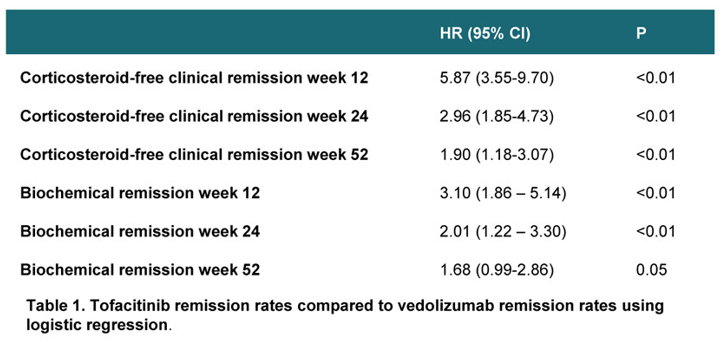
T Straamijer et al. Clin Gastroenterol Hepatol 2023; 21: 182-191. Open Access! Superior Effectiveness of Tofacitinib Compared to Vedolizumab in Anti-TNF-experienced Ulcerative Colitis Patients: A Nationwide Dutch Registry Study

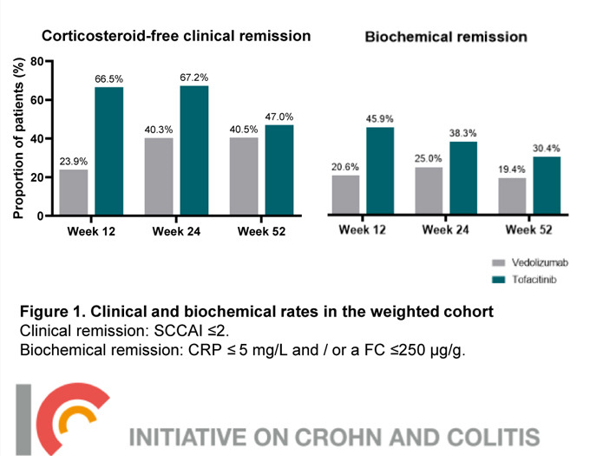
Methods: Adults with ulcerative colitis (UC) previously who failed anti-TNF treatment and initiated vedolizumab (n=83) or tofacitinib (n=65) treatment were identified in the Initiative on Crohn and Colitis Registry in the Netherlands.

Key findings (Vedolizumab is in gray):

  • There was no difference in infection rate or severe adverse events.

My take: Coupled with more recent reassuring safety data on JAK inhibitors, this study makes a strong case for positioning Tofacitinib (or other JAK inhibitor) earlier in patients with moderate-to-severe ulcerative colitis. Given that vedolizumab outperformed adalimumab in a head-to-head study, this indicates that tofacitinib is a very effective therapy.

Related article: B Chen et al. Gastroenterology 2022; 163: 1555-1568. Efficacy and Safety of Ivarmacitinib in Patients With Moderate-to-Severe, Active, Ulcerative Colitis: A Phase II Study This phase 2 study with 146 patients examined the effectiveness of the selective JAK inhibitor Ivarmacitinib found a week 8 clinical response in 46% of those receiving 8 mg per day. The week 8 clinical remission rate was 22%-24% in the treatment groups compared to 5% in the placebo group.

Related blog posts:

Disclaimer: This blog, gutsandgrowth, assumes no responsibility for any use or operation of any method, product, instruction, concept or idea contained in the material herein or for any injury or damage to persons or property (whether products liability, negligence or otherwise) resulting from such use or operation. These blog posts are for educational purposes only. Specific dosing of medications (along with potential adverse effects) should be confirmed by prescribing physician.  Because of rapid advances in the medical sciences, the gutsandgrowth blog cautions that independent verification should be made of diagnosis and drug dosages. The reader is solely responsible for the conduct of any suggested test or procedure.  This content is not a substitute for medical advice, diagnosis or treatment provided by a qualified healthcare provider. Always seek the advice of your physician or other qualified health provider with any questions you may have regarding a condition.
Safety Net for Celiac Disease?

JA Murray, JA Syage et al.Gastroenterol 2022; 163: 1510-1521. Open access! Latiglutenase Protects the Mucosa and Attenuates Symptom Severity in Patients With Celiac Disease Exposed to a Gluten Challenge

Background: Latiglutenase (IMGX003) is an investigational dual-enzyme drug candidate that acts to degrade gluten in vivo when consumed with a meal. The authors note that “despite strict adherence to a GFD, about half of CD patients show evidence of persistent small intestinal mucosal injury (Marsh grades II–III);’ thus, there is a need to improve treatment with other measures in addition to diet.

Methods: 43 patients (IMGX003, n = 21; placebo, n = 22) completed this double blind and placebo controlled study which assessed the efficacy and safety of a 1200-mg dose of IMGX003 in patients with celiac disease (CD) exposed to 2 g of gluten per day for 6 weeks study

Key findings:

  • In IMGX003-treated patients, there was less damage to mucosa. The mean change in the ratio of villus height to crypt depth (primary endpoint) for IMGX003 vs placebo was –0.04 vs –0.35 (P = .057). The mean change in the density of intraepithelial lymphocytes (secondary endpoint) for IMGX003 vs placebo was 9.8 vs 24.8 cells/mm epithelium (P = .018). 
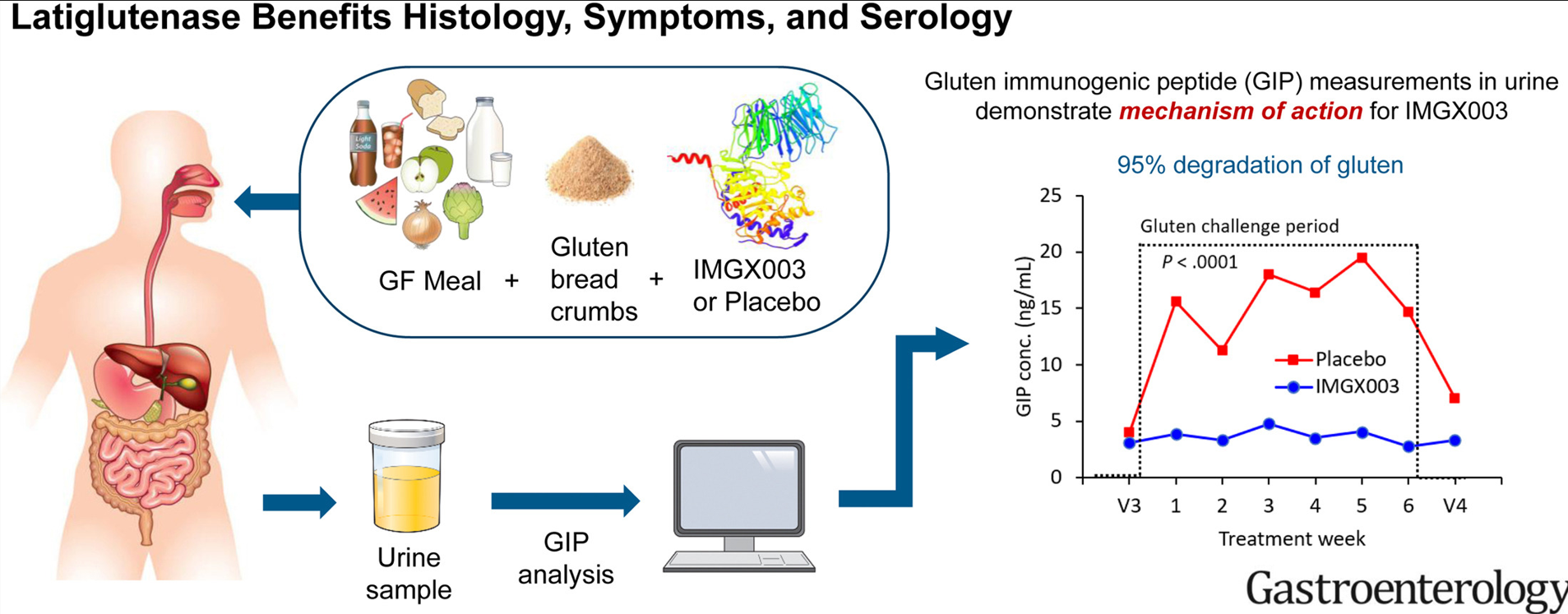
  • Measurements of gluten-immunogenic peptides (GIP) in urine indicated 95% gluten degradation in the stomach by latiglutenase.

The 2 g dose per meal of gluten allowed used in the study, “would likely substantially exceed that accidently occurring while on a GFD, 4 supporting such an approach for management for gluten-triggered symptoms in treated patients.”

Graphical abstract:

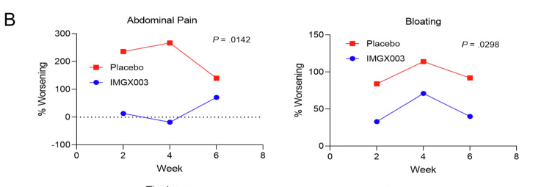
In both the placebo and IMGX003 groups, there was an increases in symptoms, but this was blunted in the treated group–Figure 2:

My take: This study shows the potential for latiglutenase to act as a ‘safety net’ to protect from CD from accidental gluten exposure. The findings reinforce the idea that this agent is not likely to be effective in the absence of gluten restriction. As an aside, I would be interested in finding out whether patients with presumed non-celiac gluten sensitivity would improve on this therapy.

Related blog posts:

2023 ACG Celiac Guidelines for Adult and Children

A Rubio-Tapia et al. Am J Gastroenterol 2023;118:59–76. Open Access! American College of Gastroenterology Guidelines Update: Diagnosis and Management of Celiac Disease Thanks to Ben Gold for this reference.

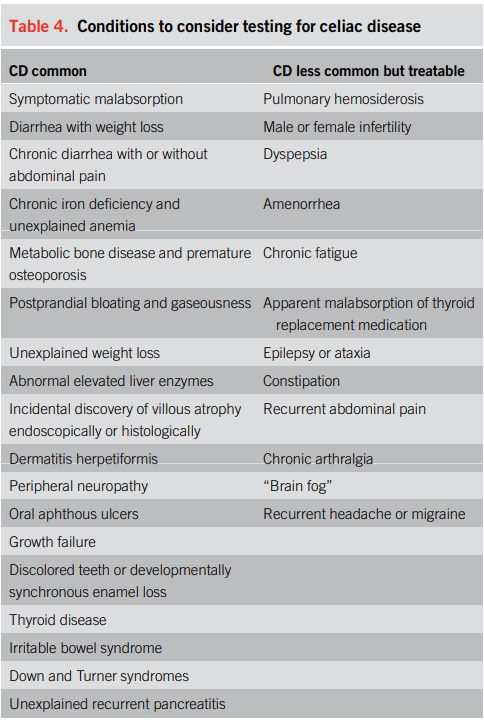
Here are some of the recommendations from updated ACG Celiac Guidelines:

Comments: The authors favor a non-biopsy approach for Celiac diagnosis in children with very elevated serology but not in adults. In adults, they cite a paucity of literature. “One multicenter international study of adults found that a 10-fold elevation of TTG IgA had a positive predictive value of 95% for CD (50). Given the life-long treatment implications of a GFD, this may be unacceptably low.”

The authors suggest assessing for mucosal healing after 2 years of treatment in all patients though they indicate a low quality of evidence for this recommendation. In those undergoing endoscopy, biopsies of the duodenal bulb along with at least 4 post-bulbar biopsies are recommended.

Figure 3 provides an algorithm for non-responsive celiac disease.

Related blog posts:

Picking Apart the SERENE-CD Study & Constipation Vibrating Capsule FDA Approved

Several recent letters to the editor provide some insight into some of the shortcomings of the SERENE-CD study which reported that higher adalimumab induction dosing and proactive therapeutic drug monitoring (TDM) were not associated with improved outcomes.

“The rerandomization design of SERENE CD, which selectively enrolled patients with clinical response at week 12 to the TDM vs CA part of the study, may have resulted in the exclusion of those who would have benefited the most from early adjustment of their anti-tumor necrosis factor (TNF) dose. The rerandomization design and the late adaptation of the proactive strategy at week 12 were 2 significant aspects of the design that may have led to the negative results. On the other hand, PAILOT, which showed beneficial effects of proactive TDM, randomized patients as early as week 4 and assessed the outcome at week 72. This is distinct from the 1-year time frame used in most other studies, including SERENE CD.8 A properly designed, adequately powered clinical trial is needed before we can make a judgement on the use of proactive TDM in patients with inflammatory bowel disease. Until then, the jury remains out.”

“The study design only allowed patients in the TDM group with adalimumab concentrations of ≥5 and ≤10 μg/mL to be escalated to 40 mg every week if their CD activity index was ≥220 or their high-sensitivity C-reactive protein level was ≥10 mg/L.. The goal of proactive TDM is to attain a threshold concentration regardless of disease activity. This design probably led the 2 groups to have similar drug concentrations at week 56…

Second, a rather low targeted drug concentration of 5 μg/mL was used, although previous studies have suggested that higher concentrations are more appropriate.5678 A study from Ungar et al5 showed that adalimumab concentrations of 8–12 μg/mL are required to achieve mucosal healing in 80%–90% of patients with IBD, and the prospective PANTS (The Personalised Anti-TNF Therapy in Crohn’s Disease Study) study identified an adalimumab concentration of 12 μg/mL at week 14 associated with remission at both week 14 and week 54.8..

Third, dose escalation for the TDM group could only happen at weeks 14, 28, or 42 (and not earlier and more often). In the PAILOT RCT, proactive TDM based on adalimumab concentration evaluations started as early as week 4 followed by week 8 and every 8 weeks thereafter until the end of the follow-up at week 72.3 Fourth, there was a rather short follow-up of the patients (44 weeks).”

” Even with the assumption of a 30% benefit of proactive TDM and that 20% of patients would have low drug levels in the absence of symptoms, the sample size for 80% power would range from 1228 to 2170. Thus, although SERENE CD1 and other clinical trials3,4 have suggested a lack of benefit of proactive TDM in adults with inflammatory bowel disease, all were likely substantially underpowered to do so.”

My take: While the SERENE-CD results have suggested that a strategy of proactive TDM may not be helpful, there are a lot of reasons to disregard these findings. Achieving a therapeutic level is a fundamental principle and proactive TDM, particularly in pediatrics, is well-supported by other studies.

Related blog posts:

Also noted:

Adalimumab Biosimilars on the Horizon (Finally) Plus Two Studies

GoodRx Health (Jan 3, 2023): Humira Biosimilar Boom: 8 Meds Launching in 2023 There are more than 17 billion reasons why there are 8 new adalimumab (Humira) biosimilars coming to the market.

Excerpts:

1. Amjevita

Amjevita (adalimumab-atto) will be available in prefilled autoinjector pens (40 mg) and prefilled syringes (20 mg, 40 mg). Amjevita products will come in low-concentration forms, but they will be citrate-free. It’s expected to launch on January 31, 2023.

2. Cyltezo

Cyltezo (adalimumab-adbm) became the first biosimilar to be designated as interchangeable with HumiraInterchangeable biosimilars go through additional studies to determine whether you can switch back and forth between the biosimilar and the original product without issues. Biosimilars without this designation haven’t gone through these same studies. 

Cyltezo will only be available in a prefilled syringe and will come in two doses: 20 mg and 40 mg. Both are low-concentration forms and citrate-free. Cyltezo is expected to launch in the U.S. as early as July 1, 2023.

3. Hyrimoz

Hyrimoz (adalimumab-adaz): a 40 mg dose will be available in both a pen and a syringe. A 10 mg syringe will also be available. Both are low-concentration forms. These products contain citric acid, which is closely related to citrate. Citric acid can also make injections more painful. A citrate-free high-concentration form of Hyrimoz is currently under FDA review. Hyrimoz is expected to launch in the U.S. on September 30, 2023.

4. Hadlima

Hadlima (adalimumab-bwwd) will be available in both an autoinjector and a syringe in a 40 mg dose. And it will come in both low- and high-concentration forms. The high-concentration form will be citrate-free. Hadlima is expected to launch in the U.S. on or after July 1, 2023.

5. Abrilada

Abrilada (adalimumab-afzb) will be available in a prefilled pen (40 mg) and in a syringe (10 mg, 20 mg, 40 mg). All Abrilada products will be low-concentration forms and citrate-free. Abrilada’s manufacturer has applied for interchangeable status with Humira. Abrilada is expected to launch in the U.S. as early as July 1, 2023.

6. Hulio

Hulio (adalimumab-fkjp) will be available in a prefilled pen (40 mg) and in a syringe (20 mg and 40 mg). All forms are low-concentration and citrate-free. Hulio is expected to launch in the U.S. on or after July 1, 2023.

7. Yusimry

Yusimry (adalimumab-aqvh) will only be available in a 40 mg prefilled syringe. It will be in a low-concentration form and citrate-free. Yusimry is expected to launch in the U.S. on or after July 1, 2023.

8. Idacio

Idacio (adalimumab-aacf) will be available in a 40 mg dose in both a pen and a syringe. Both forms will be low-concentration and citrate-free. Idacio is expected to launch in the U.S. as early as July 1, 2023.

My take: In high school, one of math teachers used to call me Hochman sub-1 and my twin brother Hochman sub-2. Perhaps, we can start designating biosimilars in a similar fashion?

Related blog posts:

Two other important studies I wanted to cite -both studies have Benjamin Gold, one of my better-known partners, as one of the authors:

  • KA Chien, C Thomas, V Cooley, T Weinstein, KF Murray, L Muir, C Hayes, BD Gold, LM Gerber, CG Sauer, G Tomer. JPGN 2023; 76: 25-32. Physician Burnout in Pediatric Gastroenterology In this survey with 408 responses (23% response rate), the authors found 29% reported high risk for emotional exhaustion, 18% reported high risk for depersonalization, and 33% reported overall burnout.
  • VC Cohran, BD Gold, DJ Spencer, CR Cole. JPGN 2022; 75: 689-691. Health Care Disparities in Gastroenterology: The Pediatric Gastroenterology Perspective This commentary reviewed survey results highlighting healthcare disparities which have been identified in IBD, NALFD, and liver transplantation. The authors outline some of the steps that NASPGHAN has taken as well as some of the work that is needed.

Coming to a GI Clinic Near You? Intestinal Ultrasound for Ulcerative Colitis

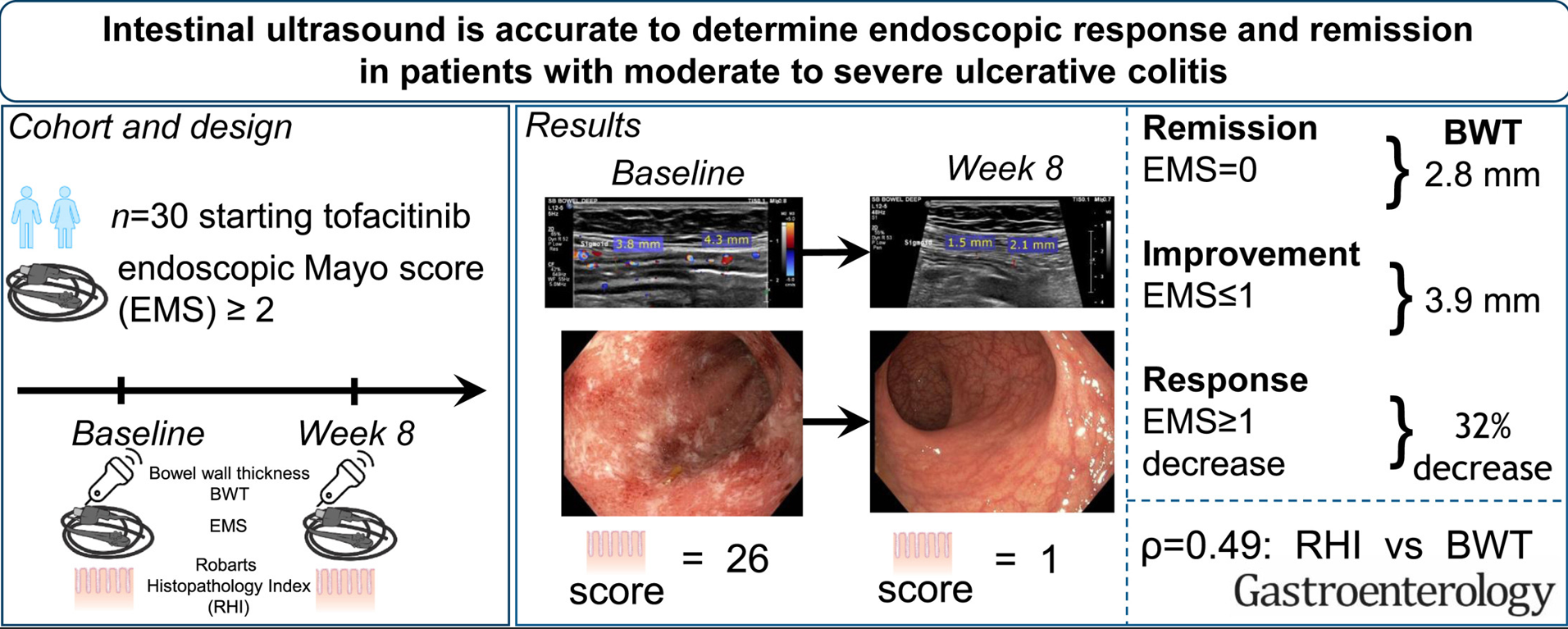
F De Voogd, et al. Gastroenterol 2022; 163: 1569-1581. Intestinal Ultrasound Is Accurate to Determine Endoscopic Response and Remission in Patients With Moderate to Severe Ulcerative Colitis: A Longitudinal Prospective Cohort Study

27 patients with moderate to severe ulcerative colitis (UC) completed followup in this single-center, prospective, longitudinal cohort study. Key findings:

  • Bowel wall thickness (BWT) correlated with endoscopic Mayo score. “The most accurate cutoff for BWT was 2.8 mm for endoscopic remission, 3.9 mm for improvement, and a decrease of 32% for response.”

The associated editorial (C Palmela, C Maaster. Gastroenterol 2022; 163: 1485-1487. Open Access! The Use of Intestinal Ultrasound in Ulcerative Colitis-More Than a Mucosal Disease?) details other studies showing the utility of intestinal ultrasound, including the TRUST%UC study which enrolled 253 patients with UC. “. At baseline, 88.5% of patients had increased bowel wall thickness (BWT). Response to therapy could be detected as early as 2 weeks after initiation of therapy, as shown by reduction of abnormal BWT.” In anothre study with severe UC, “BWT reduction of >20% being an excellent predictor of response to intravenous steroids at 48 hours, as shown recently by Ivemark et al.10

The editorial notes that intestinal ultrasound “is often thought as being operator dependent. Nonetheless, several studies have shown an excellent inter-observer agreement in IUS, especially for the assessment of BWT,7,12 as was also found in this [De Voogd] study.” An additional finding in the De Voogd study was that the “the submucosa was the most thickened layer, and after 8 weeks of therapy it was also the most responsive layer;” thus, UC is not simply a mucosal disease.

My take: This study shows that with more widespread adoption, many UC patients could be followed non-invasively with intestinal ultrasound (and calprotectin).

Related blog post: