Our group shared data yesterday on variation in individual provider level outcomes with regard to diagnostic yield and colonoscopy. In addition, the poster highlights the likelihood of diagnostic yield based on indications.



Our group shared data yesterday on variation in individual provider level outcomes with regard to diagnostic yield and colonoscopy. In addition, the poster highlights the likelihood of diagnostic yield based on indications.
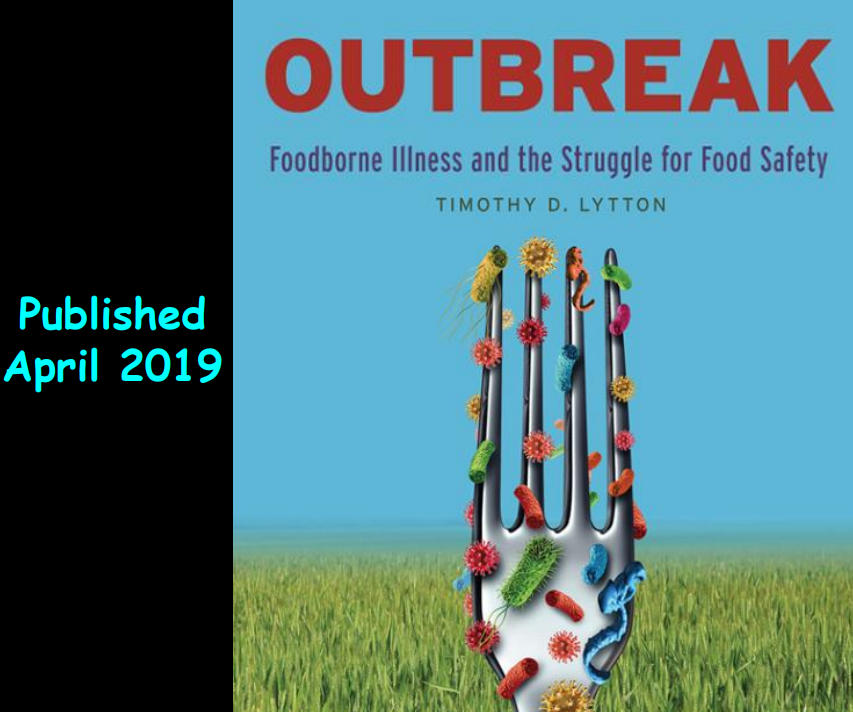
Yesterday, I posted a blog that tried to summarize some of William Balistreri’s talk on Global Health. He gave a 2nd Excellent Lecture on Food Safety at the Georgia AAP Nutrition Symposium. One audience member suggested that this lecture was well-paired with the previous lecture as the awareness of food-borne illnesses might deter gluttony.
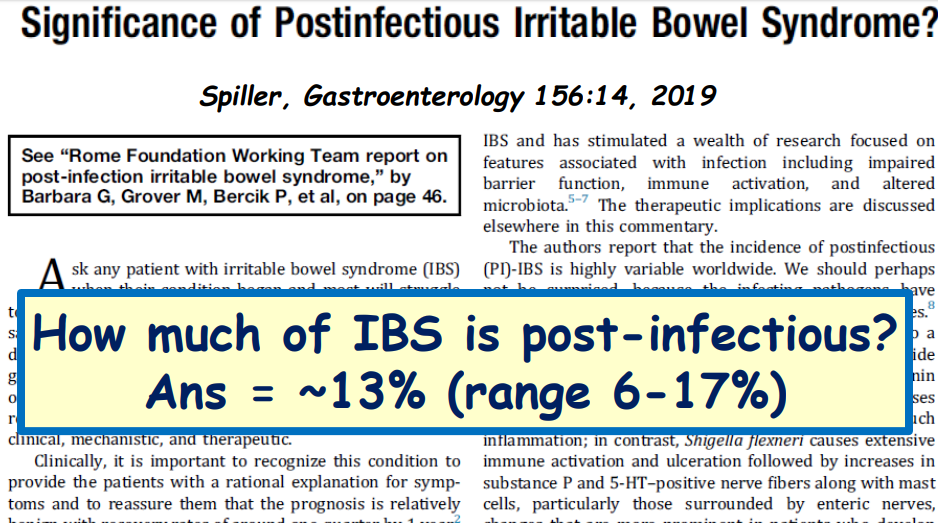
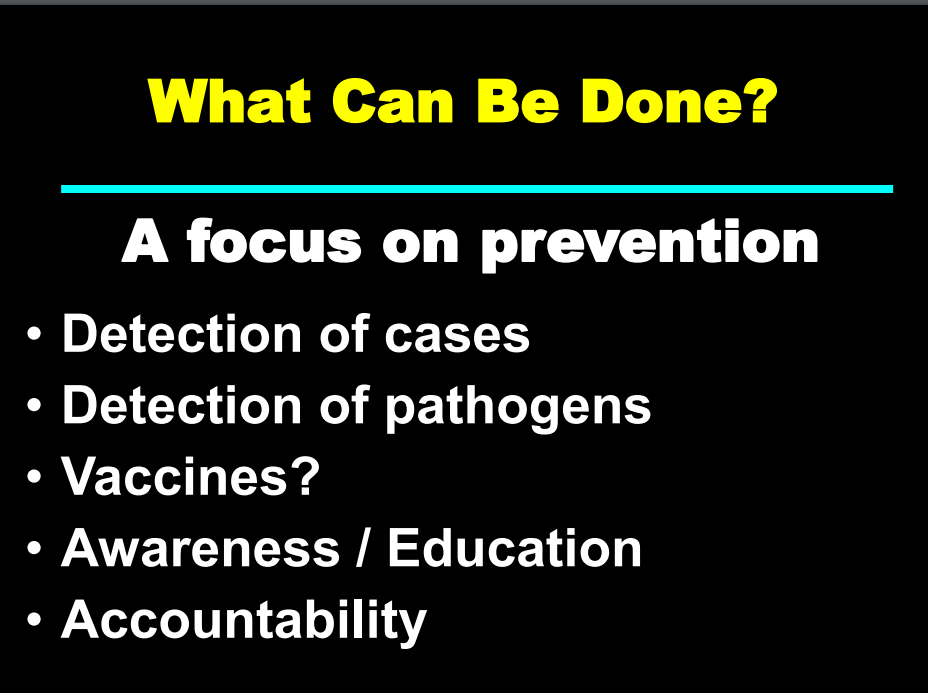
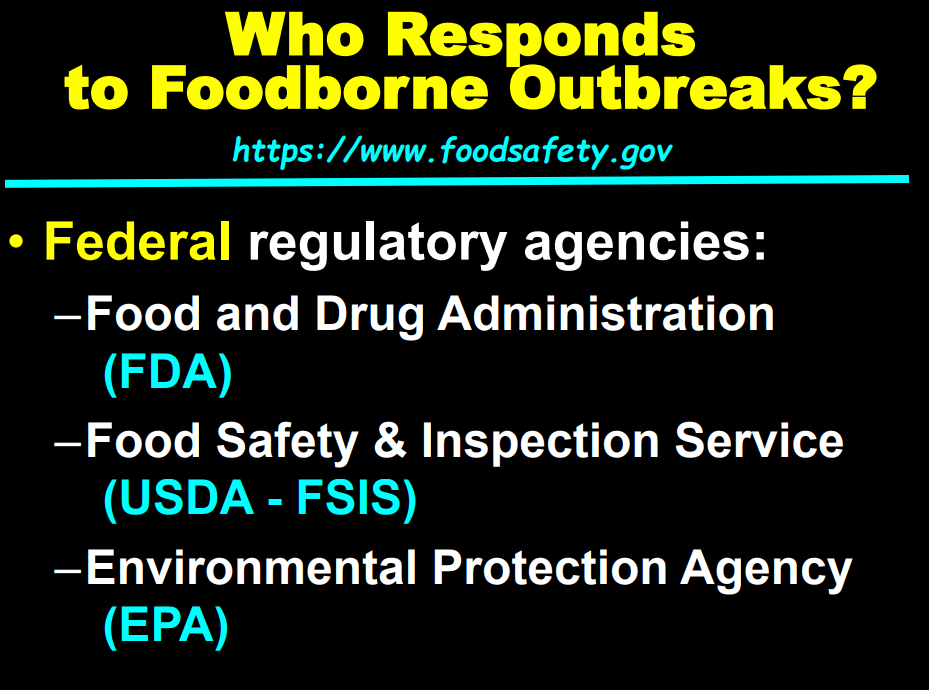
This lecture was packed with information regarding food safety; he highlighted the extensive and frequent food-borne illnesses.
Key points:
Resources:
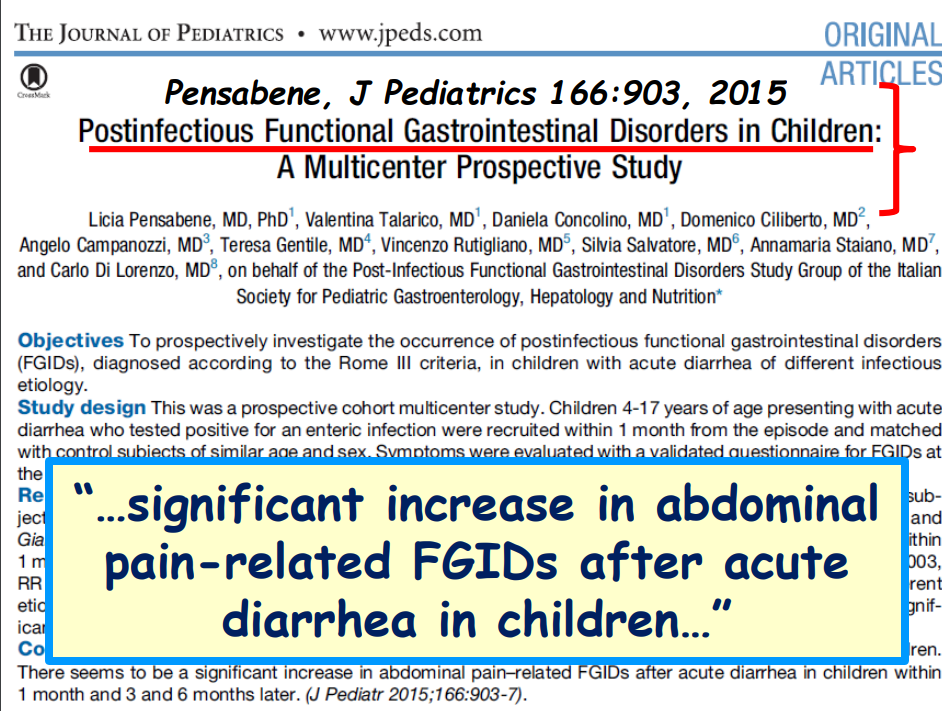
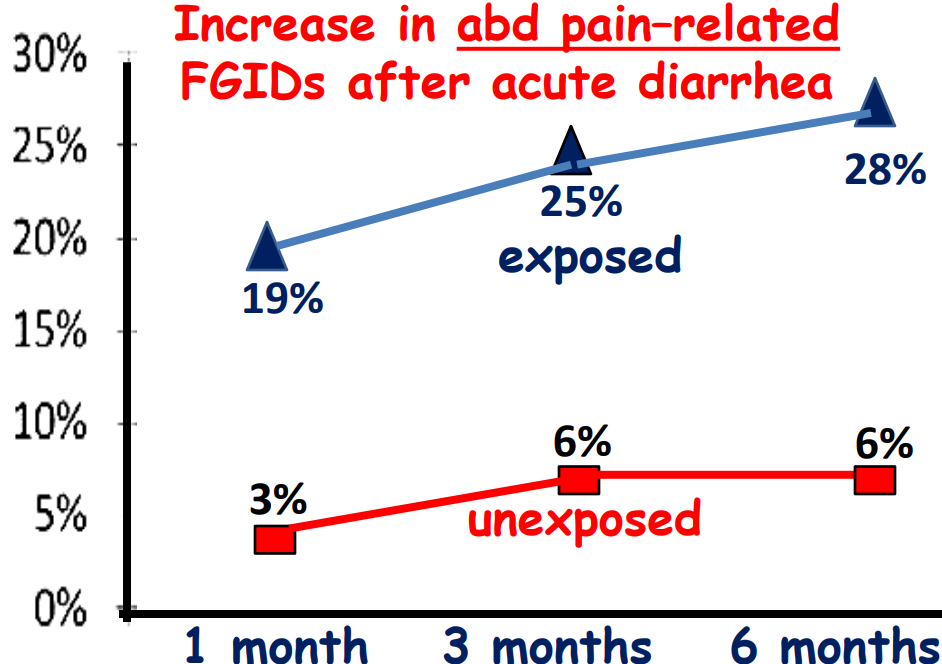
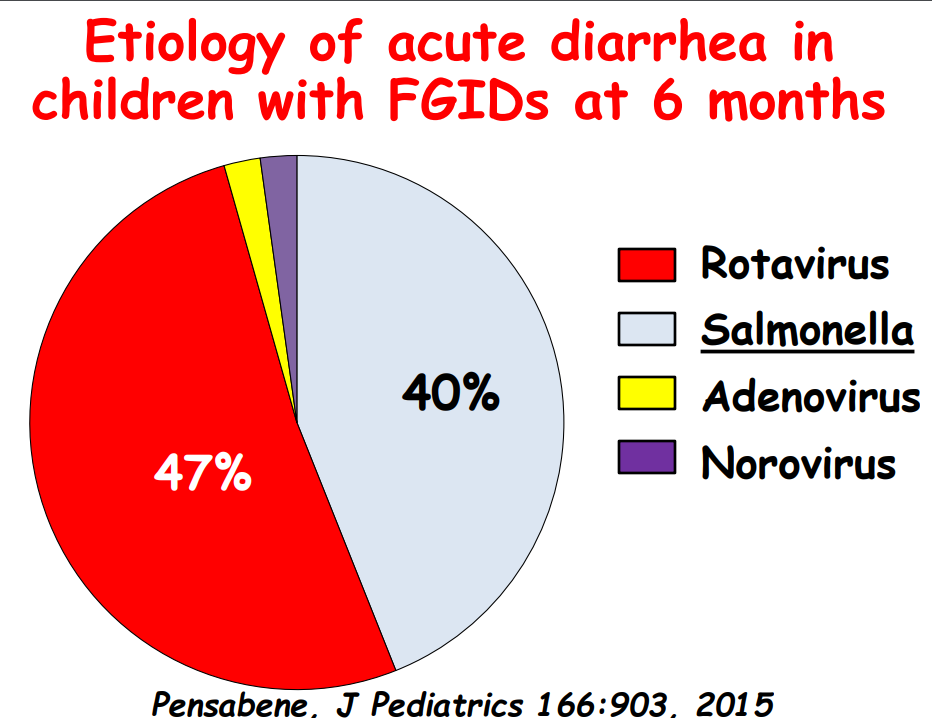
Link to full talk slides PDF: FOOD SAFETY (10-10-19) I have placed about 20 slides below which summarize much of the information that he conveyed.














A recent study (LE Targownik, EI Benchimol, J Witt et al. Inflamm Bowel Dis 2019; 25: 1718-28) shows that direct health care costs are increased with anti-TNF therapy.
In this retrospective study using the Manitoba IBD Database, the authors examined the direct costs associated with anti-TNF therapy initiation in 928 patients (676 CD, 252 UC). Only 84 subjects were <18 years.
Key findings:
Discussion:
Limitations:
My take: This study shows that saving money is not the main reason to use anti-TNF therapies; rather, their effects on improved health and fewer complications.
Related blog posts:

Haystack Rock, Cannon Beach OR
Briefly noted:
D Piovani et al. Gastroenterol 2019; 157: 647-59. This study examined environmental risk factors for inflammatory bowel disease after extensive literature review and assessment of meta-analysis.
9 factors that were associated with increased risk of IBD:
7 factors that associated with reduced risk of IBD:
EL Barnes et al. Inflamm Bowel Dis 2019; 1474-80. In this review which identified 12 studies and 4843 with an IPAA ( ileal pouch-anal anastomosis) for ulcerative colitis, 10.3% were ultimately diagnosed with Crohn’s disease. Link to full text and video explanation: The Incidence and Definition of Crohn’s Disease of the Pouch: A Systematic Review and Meta-analysis
EV Loftus et al. Inflamm Bowel Dis 2019; 1522-31. In this study with 2057 adalimumab-naive patients, “the proportion of patients in HBI remission increased from 29% (573 of 1969; baseline) to 68% (900 of 1331; year 1) and 75% (625 of 831; year 6). Patients stratified by baseline immunomodulator use had similar HBI remission rates.” Full text: Adalimumab Effectiveness Up to Six Years in Adalimumab-naïve Patients with Crohn’s Disease: Results of the PYRAMID Registry
The following study was summarized in previous blog: Oral Antibiotics For Refractory Inflammatory Bowel Disease Full text link: Efficacy of Combination Antibiotic Therapy for Refractory Pediatric Inflammatory Bowel Disease

Washington Park, Portland, OR
Briefly noted: NE Burr et al. Clin Gastroenterol Hepatol 2019; 17: 2042-49.
In a retrospective cohort (1994-2013) using a primary care database from England, the authors identified decreasing risk of surgeries with Crohn’s diseae (CD).
The reasons for this reduction are not certain but could include better clinical care or reduction in other risk factors (like smoking).

Atlanta Botanical Garden
A recent study (MR Khan et al. JPGN 2019; 69: 438-42) examined the rates of autoimmune disorders (AD) among patients with celiac disease (CD) (n=249) compared to a control group (n=498) over an 18 year period (1997-2015). The authors utilized the a database of medical records via the Rochester Epidemiology Project (Mayo Clinic/Olmstead County).
Key findings:
Limitations:
My take: Screening for AD periodically is worthwhile in patients with CD, particularly thyroid disorders and type 1 diabetes which accounted for ~80% of the autoimmune conditions identified.
Briefly noted: R Ahawat et al. JPGN 2019; 69: 449-54. In this study with 38 newly-diagnosed CD, the authors found a high prevalence of low vitamin D (25OHD) levels (65.8%) -defined as <30 ng/mL; however, the control population had a higher rate of 79.3%. While the authors advocate checking vitamin D levels due to the risk of bone disease, it is noted that bone mineral density and vitamin deficiencies frequently improve with a gluten-free diet (Related post: Celiac studies)
Related posts:

Barcelona
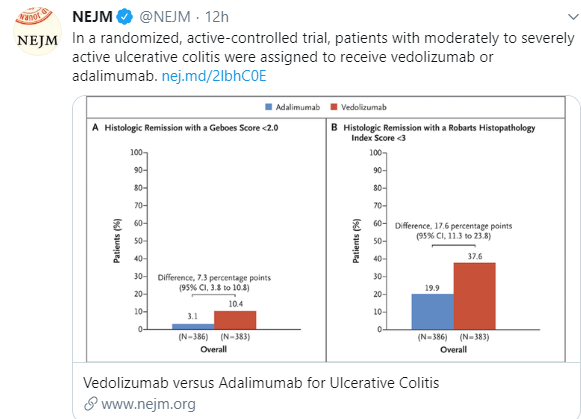
A previous blog post (Vedolizumab More Effective Than Adalimumb for Ulcerative Colitis) highlighted a preliminary report on the “VARSITY” study. The full report has now been published (BE Sands et al NEJM 2019; 381: 1215-26) and a little nuance is needed.
This double-blind, double-dummy randomized trial included 769 patients who underwent randomization to receive at least one dose of one of the study medications.
Key findings:
Limitations:
My take: In two of three key measures, vedolizumab outperformed adalimumab. This study provides a rationale for vedolizumab to be considered a first-line agent. That being said, in my clinical experience, infliximab is a much more frequently used anti-TNF agent in moderate-to-severe ulcerative colitis. So a head-to-head study with infliximab would be of interest.
The image below shows histologic remission differences at week 52
Related posts:
Here’s the link: Talking to your patients about ranitidine Thanks to John Pohl for sharing this information.
The recent FDA safety alert might be causing concern among your patients about their heartburn treatment.
The FDA recently released several safety alerts on ranitidine formulations, including the brand-name drug Zantac, that were found to contain a nitrosamine impurity called N-nitrosodimethylamine (NDMA) at low levels. NDMA is classified as a probable human carcinogen (a substance that could cause cancer) based on results from laboratory tests and animal studies. NDMA is a known environmental contaminant and found in water and foods, including meats, dairy products, and vegetables. This contaminant is similar to was recently found in losartan, an angiotensin II receptor blocker used to treat hypertension, that was recalled by the FDA.
The FDA is continuing to test ranitidine products from multiple manufacturers and is assessing the potential impact on patients who have been taking ranitidine.
With the voluntary recall of 14 lots of prescription ranitidine capsules distributed by Sandoz Inc., as well as the voluntary recall of over-the-counter (OTC) ranitidine tablets (75 mg and 150 mg), labeled by Walgreens, Walmart, and Rite-Aid and manufactured by Apotex Corp, your patients might be asking a lot of questions about whether to continue to using their medicines and what alternatives are available.
The FDA safety alerts have been covered by various media outlets since early September. This may cause your patients to question whether they should stay on or start using ranitidine products. When discussing the recall with your patients, let them know that:
Related blog post: Preliminary Recommendations from NASPGHAN on Ranitidine Warnings
A landmark study (BE Sands et al. NEJM 2019; 381: 1201-14) shows that ustekinumab (Stelara) can be an effective therapy for moderate-to-severe ulcerative colitis (UC); it is already an approved, established therapy for Crohn’s disease. This randomized placebo-controlled study included an 8-week induction trial (n=961) followed by a 44-week maintenance trial (n=523) for patients with response.
Clinical remission was defined as a total socre of ≤2 on the Mayo scale (range 0-12) and no subscore >11 on any of the four Mayo scale components.
Key findings:
In terms of dosing, the authors note that there was greater improvement in calprotectin values during induction in the group who received 6 mg/kg compared to those who received 130 mg. At week 44, using more objective and stringent end points (eg. endoscopic improvement), greater clinical benefit was observed with the every 8 week regimen.
Visual abstract from NEJM Twitter Feed:

The following image depicts patients response during the maintenance phase –the lightest color is placebo, followed by every 8 weeks, and then the darkest color is every 12 weeks. The x-axis measures (left to right) are clinical remission, maintenance of clinical response at week 44, endoscopic improvement, corticosteroid-free remission, and remission at 44 weeks in those with remission after induction.
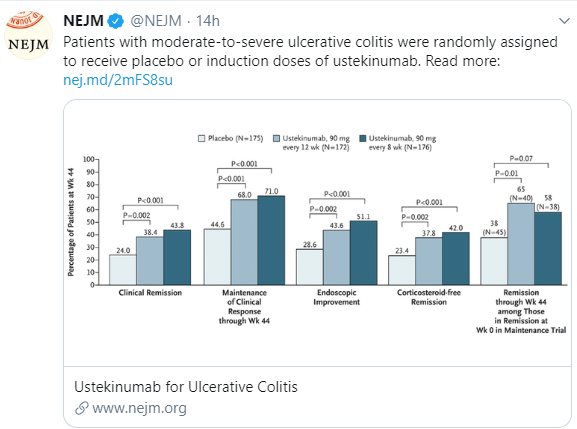
My take: Ustekinumab is more effective for placebo in patients with ulcerative colitis. More experience is needed to understand its long-term safety.
Related blog posts:
A recent study has cast some “shade” on the concept of the “bystander effect.”
From Washington Post: Forget What You May Have Been Told. New Study Shows Strangers Help 90 Percent of the Time
An excerpt:
Bystanders will intervene 9 times out of 10 to assist the victim in a public fight, an international team of researchers found in a study called “Would I be helped?,” published in American Psychologist this summer. After reviewing surveillance footage of more than 200 violent altercations around the world, the researchers concluded that having more bystanders around makes it more likely that someone will intervene…
On average, at least three people chose to intervene — and every additional bystander present increased the odds that the victim would receive assistance by roughly 10 percent.
Related blog posts:


