Good Bowel Sound Podcasts: Cow’s Milk Intolerance and Hirschspurng Disease

Two recent bowel sound podcasts had some useful clinical insights. Some of my summation below could be off a bit as I tend to listen to these while driving. So, it may be a good idea to hear the podcasts for yourself.

Victoria Martin discussed cow milk intolerance/allergic proctocolitis.

Listen now: http://buzzsprout.com/581062/12503492

Dr. Martin emphasized the importance of challenging children with these diagnoses; in many, the disorder is transient. A challenge is typically done 1 month after resolution of symptoms. In those with confirmed reactions, rechallenge 6 months later is typical. The reasons for doing this:

  1. This is in keeping with international guidelines
  2. Many children do not need to stay on expensive formulas or dietary restrictions (if breastfed)
  3. This is likely to reduce the risk of developing lifelong food allergies
  4. Other pointers: generally it is not helpful to follow stool heme testing (high number of normal infants with heme-positivity). Stool calprotectin is not helpful (wide variability in infants). Flexible sigmoidoscopy is rarely needed. In those with mild symptoms, it may be reasonable to watch without intervention, especially in breastfed infants.

Related blog posts:

Jacob Langer discussed Hirschsprung disease

Listen now: https://buzzsprout.com/581062/12359851

In terms of diagnosis, Dr. Langer recommended use of rectal suction biopsy as 1st step in smaller kids (less than 1 yr of age) and rectal manometry as 1st step in those older than 1 yr of age. He reviewed the three main operations:

  • Swenson -pulldown to anus
  • Duhamel -pouch: with an end-to-side anastomosis is performed with the remaining rectum
  • Soave -cuff: strip mucosa and leave a muscular cuff

He noted that he prefers Soave but that there is not clear superiority of one operation.

Other pointers:

  • Enterocolitis is #1 cause of mortality. If someone is coming in sick, worthwhile to start an in-and-out irrigation promptly. Irrigation information can be found on YouTube. From Colorado Children’s: Rectal Irrigations for Hirschsprung
  • He pioneered the use of Anal Botox for children post-operatively. Many children with obstructive symptoms related to sphincter malfunction will improve with time and this often allows a child to avoid a myectomy
  • He described workup for post-operative soiling and potential pathophysiology: muscle issues (manometry), sensory issues, functional retention with overflow, and hypermotility (sigmoid propelling stool rapidly which may improve with imodium)
  • Dr. Langer is also a musician — you can listen to his music here.

Related blog posts:

Prickly Pear Cactus, Tucson, AZ

Disclaimer: This blog, gutsandgrowth, assumes no responsibility for any use or operation of any method, product, instruction, concept or idea contained in the material herein or for any injury or damage to persons or property (whether products liability, negligence or otherwise) resulting from such use or operation. These blog posts are for educational purposes only. Specific dosing of medications (along with potential adverse effects) should be confirmed by prescribing physician.  Because of rapid advances in the medical sciences, the gutsandgrowth blog cautions that independent verification should be made of diagnosis and drug dosages. The reader is solely responsible for the conduct of any suggested test or procedure.  This content is not a substitute for medical advice, diagnosis or treatment provided by a qualified healthcare provider. Always seek the advice of your physician or other qualified health provider with any questions you may have regarding a condition.

When to Reinsert a GJ Tube After Intussusception

AT Abebe et al. JPGN 2023; 76: 379-384. Length of Bowel Rest Does Not Predict Gastrojejunostomy Tube-Associated Intussusception Recurrence

In this retrospective study, 46 GJ intussusceptions were identified; patients had a median age of 2.8 years. Key findings:

  • There were 7 recurrences (15.2%).
  • There was no difference in recurrence based on time of bowel rest (5 days in those without vs 6 days in those with, P = 0.30) nor a difference in recurrence with <72 hours of bowel rest compared to >72 hours (1/15, 6.7% vs 6/31, 19.3%)
  • In 15 patients who had a smaller GJ tube replaced, there were no recurrences compared with 7 recurrences among 29 (24%) that had the same caliber GJ tube replaced (P=0.08)

My take: This study indicates that prolonged removal of GJ is not needed with GJ intussusception and if feasible, consider replacement with a smaller (or shorter) GJ tube.

Related blog posts:

Image from JPGN Twitter

Life Expectancy Dropping in U.S.

NPR 3/25/23: ‘Live free and die’? The sad state of U.S. life expectancy

Life expectancy around the world decreased in 2020 due to COVID-19.
Most peer countries rebounded by 2021, while the U.S. continued to decline.

An excerpt:

  • Just before Christmas, federal health officials confirmed life expectancy in America had dropped for a nearly unprecedented second year in a row – down to 76 years. While countries all over the world saw life expectancy rebound during the second year of the pandemic after the arrival of vaccines, the U.S. did not….American life expectancy is lower than that of Cuba, Lebanon, and Czechia.
  • Then, last week, more bad news: Maternal mortality in the U.S. reached a high in 2021. Also, a paper in the Journal of the American Medical Association found rising mortality rates among U.S. children and adolescents…
  • The panel looked at American life and death in terms of the public health and medical care system, individual behaviors like diet and tobacco use, social factors like poverty and inequality, the physical environment, and public policies and values. “In every one of those five buckets, we found problems that distinguish the United States from other countries.”
  • Yes, Americans eat more calories and lack universal access to health care. But there’s also higher child poverty, racial segregation, social isolation, and more. Even the way cities are designed makes access to good food more difficult.
  • Two years difference in life expectancy probably comes from the fact that firearms are so available in the United States,” Crimmins says. “There’s the opioid epidemic, which is clearly ours – that was our drug companies and other countries didn’t have that because those drugs were more controlled. Some of the difference comes from the fact that we are more likely to drive more miles. We have more cars,” and ultimately, more fatal crashes.

My take (from authors): “the focus should… be on the fact that every other rich country has been able to figure out how to help people live longer, healthier lives. That means that Americans could do it too.” Meanwhile, lawmakers across the country are protecting kids from harm by stopping drag shows, banning books, and preventing care for transgender kids.

Related blog posts:

Radiographs and Constipation -Bad Practice and Good Study

A really good study, in my view, is one that provides useful data and 100% backs up what I want it to find.

N Yallanki et al JPGN 2023; 76: 295-299. Inter and Intraobserver Variation in Interpretation of Fecal Loading on Abdominal Radiographs

Methods: Electronic records of 100 children seen in the emergency room for gastrointestinal symptoms who had an abdominal radiograph performed were included. Four physicians from each specialty including gastroenterology, radiology, and emergency medicine interpreted the radiographs independently.

Key findings:

  • Overall agreement among all providers: 40.8%. Fixed margin kappa 0.18
  • Intradepartmental agreement: 41.5% for Peds GI, 36.7% for Peds EM, and 47.3% for Peds Radiology.

My takes:

  1. The only surprising finding was the low intradepartmental agreement for Peds EM; many of my colleagues have insisted that all Peds EM think everyone has a high fecal burden (so there should have been uniform agreement)
  2. This study reinforces expert guidance to avoid reliance on AXRs for the diagnosis of constipation

Related blog posts:

Chattahoochee River in Sandy Springs, GA

IBD Update: MMR Vaccine and Lower Rates of IBD, Humira Biosimilar Data, Oral Health Associated with IBD Activity, Low Chance of Reconnection After Fecal Diversion

C Kim et al. Inflamm Bowel Dis 2023; 29: 430-436. Vaccination Against Measles, Mumps, Rubella and Incident Inflammatory Bowel Disease in a National Cohort of Privately Insured Children

This retrospective cohort study (n = 1 365 447) using de-identified claims data from a national private payer (Optum Clinformatics Data Mart), between 2001 and 2018 found that receipt of at least 1 dose of MMR had lower risk for IBD than children who did not (hazard ratio, 0.71; 95% confidence interval, 0.59-0.85). This association persisted after adjustment for potential confounding factors.

My take: This study provides reassurance to encourage MMR vaccination

A Tursi et al. Inflamm Bowel Dis 2023; 29: 376-383. Comparison of Performances of Adalimumab Biosimilars SB5, ABP501, GP2017, and MSB11022 in Treating Patients with Inflammatory Bowel Diseases: A Real-Life, Multicenter, Observational Study

In this retrospective study (n=533), compare the efficacy and safety of ADA biosimilars SB5, ABP501, GP2017, and MSB11022 in treating IBD outpatients in a real-life Italian setting. Key findings:

  • Clinical remission was obtained in 79.6% of patients new to biologics and 59.2% of patients new to ADA but not to other biologics
  • Clinical remission was maintained in 81.0% of patients switched from the originator
  • No difference in efficacy and safety was found between ADA biosimilars.

My take: This study suggests that these biosimilars are equally effective; however, the fact that nearly 20% failed to maintain remission after switching from the originator ADA indicates more comparative (prospective) studies are needed

Related blog post: Adalimumab Biosimilars on the Horizon (Finally) Plus Two Studies

GR Madsen et al. Inflamm Bowel Dis 2023; 29: 396-404. The Impact of Periodontitis on Inflammatory Bowel Disease Activity

Key finding: In this questionnaire-based study among 1093 patients with inflammatory bowel disease (IBD), periodontitis and tooth loss were significantly associated with increased IBD-related disability and more disease activity in the preceding 12 month. This type of study does not allow one to draw conclusions about causality but does provide a good rationale to encourage regular attention to oral health/dentistry.

G Kassim et al. Inflamm Bowel Dis 2023; 29: 417-422. Long-Term Outcomes of the Excluded Rectum in Crohn’s Disease: A Multicenter International Study

Methods: In this retrospective study (n=197) reviewed all CD patients between 1990 and 2014 who had undergone diversionary surgery with retention of the excluded rectum for at least 6 months and who had at least 2 years of postoperative follow-up.

Key findings:

  • 92 (47%) of 197 patients ultimately underwent subsequent proctectomy; only 20 (10%) remained symptom-free with excluded rectums.
  • Only 28 (14.2%) of 197, and only 4 (5.9%) of 66 with initial perianal disease, were able to achieve reanastomosis without further problems

Related blog posts:

Is There An Increased Risk of Infections with Anti-TNF Therapy?

J Holmgren et al. Inflamm Bowel Dis 2023; 29: 339-348. Open Access! The Risk of Serious Infections Before and After Anti-TNF Therapy in Inflammatory Bowel Disease: A Retrospective Cohort Study 

Methods: Retrospective study with 980 patients at 5 centers participating in the Swedish IBD Quality Register. Serious infections, defined as infections requiring in-patient care, the year before and after the start of anti-TNF treatment were evaluated.

A decline in the incidence rate can first be seen beyond 1 year of treatment with anti-TNF, with an incidence rate of 1.22 (95% CI, 0.90-1.66) events per 100 person year compared with 2.19 (95% CI, 1.43-3.36) events per 100 person year the year before treatment. This is a significant reduction of infections, with an incidence rate ratio of 0.56 (95% CI, 0.33-0.95; P = .030).

Key findings:

  • A 72.0% reduction in the incidence rate of perianal abscesses and intra-abdominal abscesses during treatment with anti-TNF was found compared with before treatment.
  • Figures 2 & 3 show than most infection rates decreased with treatment. CMV infection did not change significantly with 0.10 per 100 person-years prior to treatment and 0.14 per 100 person-years after starting anti-TNF therapy
  • ” In the current study, patients younger than 20 years old experienced a substantial decrease of infection incidence rate ratio (0.11) with the introduction of anti-TNF treatment. The results could be explained by the fact that young patients have a more active disease with increased risk of infection before treatment with anti-TNF.”
  • “The most common type of infection after anti-TNF treatment was pneumonia. The high incidence of pneumonia confirms earlier data.9,36,37” However, the authors show that the rate of pneumonia dropped from 0.51 to 0.27 per 100 person-years after starting anti-TNF therapy.

The authors note that a prior study by “Zabana et al showed that patients with IBD had an increased risk for serious infection after starting immunosuppressive treatment compared with before treatment (median follow-up 3 years before and 5 years after)… the discrepancy in the result may be explained by selection bias. We included all patients starting anti-TNF treatment. However, Zabana et al included only patients who suffered from infections during immunosuppressive treatment and retrospectively examined the risk of infection before start of treatment.24

Limitations of study: several other important factors affecting infections were not captured in this study including steroid exposure and nutritional status.

My take (from authors): “The incidence rate of serious infection among IBD patients did not increase with anti-TNF therapy. Instead, serious infections seemed to decrease more than 1 year after initiation of anti-TNF treatment.”

Related blog posts:

Sharp Objects in GI Tract & Good Outcomes

P Quitadamo et al. JPGN 2023; 76: 213-217. Sharp-Pointed Foreign Body Ingestion in Pediatric Age

In this study with 580 children, consecutively recruited from 2016 to 2020, the authors examined outcomes after ingestion of sharp-pointed foreign bodies (FBs).

Key findings:

  • Mean age was 50 months.
  • Sharp/pointed FBs mainly included fragments of metal 270 of 580 (46.55%) and glass 180 of 580 (31%).
  • FBs were endoscopically removed in 79 of 580 (13.6%) children whereas the remaining FBs passed through the gastrointestinal tract over an overall mean time of 29 hours
  • No cases of intestinal perforation nor prolonged retention were observed.
  • The most common metal objects were earrings (n=72). Other objects: screws (n=20), dental works (n=20), nails (n=13), open safety pins (n=7), fish bones (n=65)

My take: I have not had a severe complication from sharp-pointed FBs (in nearly 30 yrs of pediatric GI practice); this article confirms the overall low risk that they pose.

Related blog posts:

Turtle at Chattahoochee Nature Center

Is It a ‘Waste’ to Do Colonic Manometry in Kids with Autism?

A Coe et al. JPGN 2023; 76: 154-159. Evaluation of Chronic Constipation in Children With Autism Spectrum Disorder

In this retrospective study with 56 patients with autism spectrum disorder (ASD) and 123 controls underwent colonic manometry (CM). Key findings:

  • The rate of abnormal CM findings between ASD and matched controls (24% vs 20%, P = 0.78) did not differ significantly
  • The authors noted that higher rates of abnormal CM with duration of constipation and with soiling in children with ASD. However, “even in the minority of cases with abnormal colonic motility, chronic stool retention due to functional constipation over time likely caused impaired motility in the majority of these cases. In 6 of the 8 ASD cases with abnormal CM finding, impaired motility was isolated to the distal colon while normal motility occurred in the proximal colon.”

My take: In this highly-selected group of patients with ASD from specialized motility centers, only 2 had abnormal colonic motility affecting the entire colon. Overall, patients with ASD did NOT have higher rates of abnormal CM studies. Hence, for most children with ASD, CM has little value.

Related blog posts:

Immune Dysregulation and Inflammatory Bowel Disease

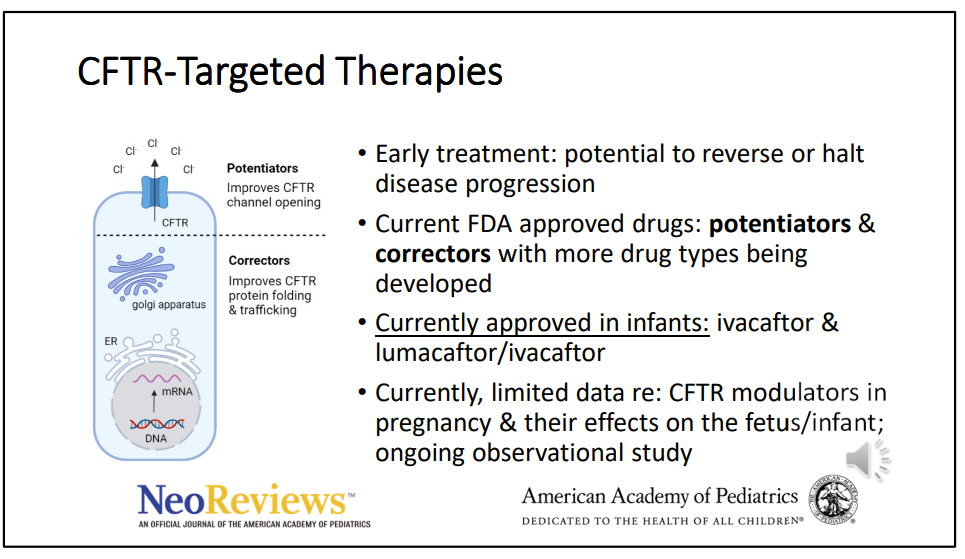
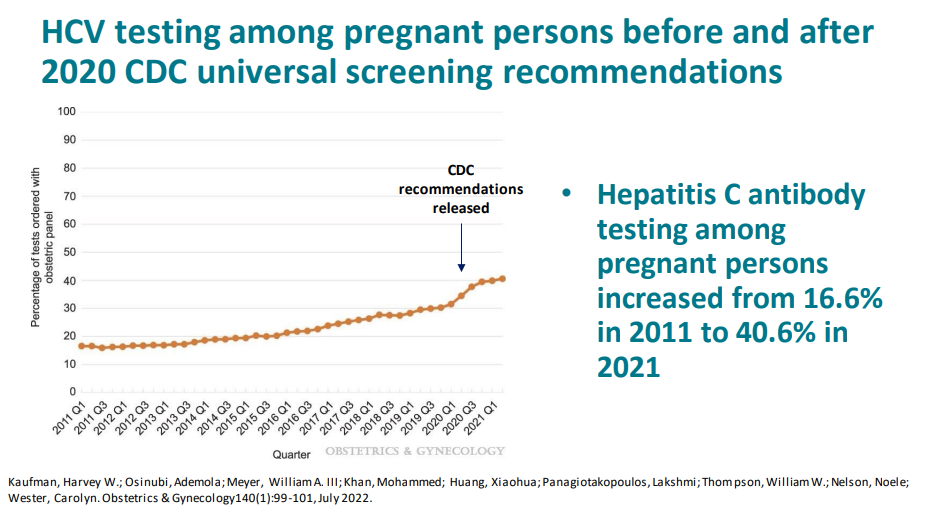
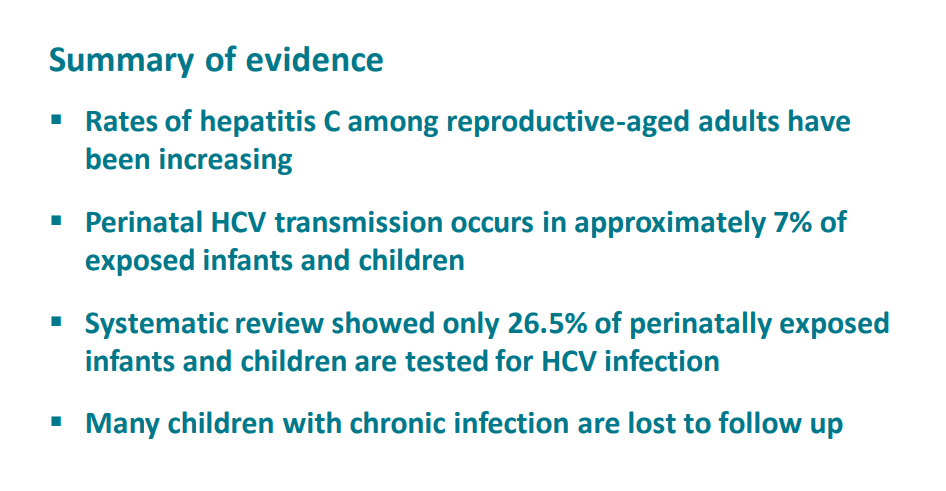
At our center, we are fortunate to work with an immune dysregulation clinic (Dr. Shanmuganathan Chandrakasan, Dr. Taylor Fitch) that helps sort out patients with inflammatory bowel disease with underlying monogenetic disorders. This is very important as specific treatments, including hematopoietic stem cell transplants (HCST), may be needed. The likelihood of an underlying monogenetic disorder is much more frequent in the VEO population. A recent talk on this topic by Taylor Fitch was given to our group. Here are some of the slides:

Generally, about 2% of those older than 6 years of age have monogenetic disorders, but it is much higher in those with severe or refractory disease.

This slide shows six major categories of immune defects.

This slide shows the high frequency of extraintestinal manifestations in patients with monogenetic disorders, particularly recurrent infections, skin/hair abnormalities, and autoimmunity. Perianal disease is also frequent in this population.

In the discussion, it was noted that DHR testing is often unreliable, especially if the specimen is not run promptly.

My take: I have had several patients with IBD/immune dysregulation, including a patient with CTLA4 and a patient with TTC7A. Making these diagnoses led to specific treatment recommendations. The patient with CTLA4 is doing well with abatacept therapy.

For those in Atlanta, a referral can be made via EPIC order and/or via contact with immune dysregulation team members. Epic order:

Related blog posts:

Disclaimer: This blog, gutsandgrowth, assumes no responsibility for any use or operation of any method, product, instruction, concept or idea contained in the material herein or for any injury or damage to persons or property (whether products liability, negligence or otherwise) resulting from such use or operation. These blog posts are for educational purposes only. Specific dosing of medications (along with potential adverse effects) should be confirmed by prescribing physician.  Because of rapid advances in the medical sciences, the gutsandgrowth blog cautions that independent verification should be made of diagnosis and drug dosages. The reader is solely responsible for the conduct of any suggested test or procedure.  This content is not a substitute for medical advice, diagnosis or treatment provided by a qualified healthcare provider. Always seek the advice of your physician or other qualified health provider with any questions you may have regarding a condition.

IBD Updates: Low Lymphoma Risk, Fewer Biopsies for Ulcerative Colitis, MRE Distinguishes Backwash Ileitis, Beta-Fructans and IBD Activity

M Egberg et al. AJC 2023: 118: 354-359. Low Risk of Lymphoma in Pediatric Patients Treated for Inflammatory Bowel Disease

Key finding:

  • Using a database with 10,777 pediatric patients (2007-2018) with more than 28,000 patient years, there were 5 lymphomas reported. 4 had received thiopurines and none received anti-TNF monotherapy.

My take: This is a very reassuring study for the safety of anti-TNF agents.

AE Mikolajczyk et al. Inflamm Bowel Dis 2023; 29: 222-227. Assessment of the Degree of Variation of Histologic Inflammation in Ulcerative Colitis

  • In this retrospective study with 92 patients (182 colonoscopies), the authors found “minimal variability between degree of inflammation among biopsy fragments within and among different colorectal segments in UC, suggesting that even a single biopsy would adequately reflect the inflammation of the entire colorectum.”

My take: This study suggests that taking biopsies from every segment of the colon (when it looks uniform) is usually not needed, unless the purpose is to look for dysplasia. Also, it is worth recognizing that individuals with primary sclerosing cholangitis often have greater histologic activity in the right colon.

References only: