Dupixent Data in 1-11 year olds:


Rumination -clinical diagnosis:

JAM Sleutjes et al. Inflamm Bowel Dis 2023; 29: 531-538. Open Access! Lipid Changes After Induction Therapy in Patients with Inflammatory Bowel Disease: Effect of Different Drug Classes and Inflammation
In this prospective study (n=198), the authors examined lipid profile changes at week 10 in patients starting IBD medications: corticosteroids, thiopurines, methotrexate, anti-TNF-α agents, vedolizumab, ustekinumab, and tofacitinib.
Key findings:
My take: Recent studies have provided some reassurance regarding tofacitinib and the risk of major adverse cardiovascular events (MACEs) (see posts below). Nevertheless, it seems prudent to monitor lipids in patients receiving JAK inhibitors.
Related blog posts:


KR Conover et al. JPGN 2023; 76: 440-446. Fecal Microbiota Transplantation for Clostridioides difficile Infection in Immunocompromised Pediatric Patients
In this multicenter retrospective cohort (n=42), the authors examined the efficacy and safety of fecal microbiota transplantation (FMT) in immunocompromised (IC) children with Clostridioides difficile infection (CDI). Etiology of IC included: solid organ transplantation (18, 43%), malignancy (12, 28%), primary immunodeficiency (10, 24%), or other chronic conditions (2, 5%)
Key findings:
My take: Though there are the potential for significant adverse effects, FMT is effective in a high percentage of immunocompromised children with CDI.
Related blog posts:


S Harpavat et al. Hepatology 2023; 77: 862-873. Open Access! Serum bile acids as a prognostic biomarker in biliary atresia following Kasai portoenterostomy
Methods: Participants with biliary atresia from the Childhood Liver Disease Research Network, in a prospective observational cohort, were included if they had normalized bilirubin levels 6 months after KP and stored serum samples from the 6‐month post‐KP clinic visit.
Key Findings:
My take: Only a fraction of children with BA normalize their bilirubin by 6 months after Kasai procedure. In those with normalized bilirubin (T bilirubin <1.5 mg/dL or conjugated <0.2 mg/dL), elevated serum bile acid levels indicate a high risk for progressive liver disease.

Related blog posts:
J Fernandez et al. JPGN 2023; 76: 475-479. Prevalence of Exocrine Pancreatic Dysfunction Based on Direct Function Testing in Pediatric Inflammatory Bowel Disease
Methods: Direct stimulated endoscopic pancreatic function test (ePFT) was performed in 74 children with IBD
Key findings:
In their discussion, the authors assert: “We can confidently recommend ePFT in established or new IBD patients who have stricturing and/or penetrating CD, weight loss, low weight Z-score, or qualify for the diagnosis of malnutrition.”
My take: In my real-world experience (~30 years), I have yet to have one patient presenting with IBD who needed pancreatic enzyme supplementation to reverse growth failure/malnutrition. As a consequence, I have a difficult time accepting the premise that more than 50% have EPI. To me, this suggests that testing children when they are acutely-ill or malnourished is yielding unreliable results.
Related blog posts:

M Boechler et al. J Pediatr 2023; 254: 61-67. Acid Suppression and Antibiotics Administered during Infancy Are Associated with Celiac Disease
Methods: A retrospective cohort study was performed using the Military Healthcare System database. N=968,524 children with 1704 cases of celiac disease (CD) in this group (from 2001 to 2013) with prescription for PPIs, H2RAs or antibiotics in first 6 months of life.
Key findings:
There have been previous studies indicating an increased risk of CD in patients given acid suppression (Lebwohl et al. Dig Liver Dis 2014; 46: 36-40) and conflicting data regarding the use of antibiotics. With regard to acid suppression, recent studies have indicated that these medications in infancy may increase the risk of food allergies as well. The authors speculate in their discussion that the increased risk for CD could be related to changes in protein degradation, mucosal permeability, microbiome changes, and immune reactivity. The authors note that their dataset did NOT show an increased risk of CD associated with C-section delivery.
One of the limitations of this study is that early presentations of CD could lead to prescriptions of agents to to help reduce symptoms rather than the medications increasing the risk of developing CD. However, this is unlikely as gluten introduction is often later in infancy.
My take: Better stewardship of antibiotics and acid blockers is needed. Use of acid suppression medications is associated with an increased risk of celiac disease as well as food allergies.
Related blog posts:
Additional posts on Celiac Disease

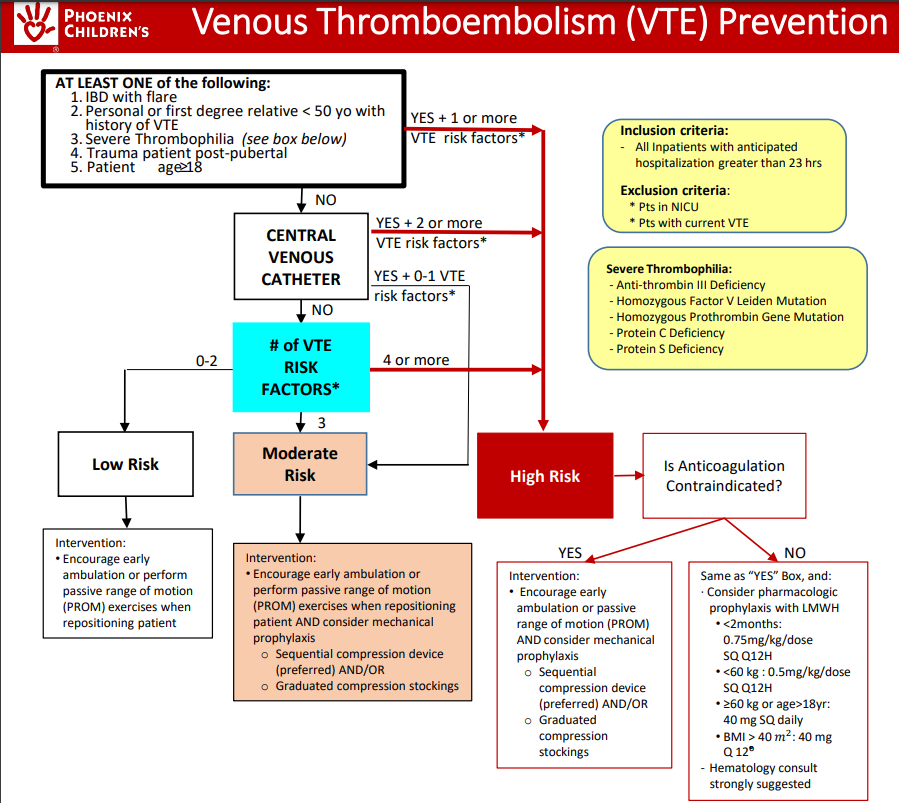
G Keefe et al. J Pediatr 2023; 253: 152-157. High Rate of Venous Thromboembolism in Severe Pediatric Intestinal Failure
This retrospective study (n=263) examined the rate of venous thromboembolism (VTE) in pediatric patients who required parenteral nutrition for at least 90 consecutive days.
Key findings:
The authors note that the true rate of VTE is likely even higher because only 42% categorized as not having a VTE had undergone dedicated venous imaging.
My take: A lot of patients with intestinal failure develop VTE. Given the risks of treatment, the role of prophylactic anticoagulation remains unclear. This is where a prospective study would be helpful.
Related blog posts:


EA Pasman et al. Clin Gastroenterol Hepatol 2023; 21: 1108-1110. Quantitative Analysis of Tug Sign: An Endoscopic Finding of Eosinophilic Esophagitis
Background: “Chronic inflammation can lead to tissue remodeling in the esophagus with fibrosis in the lamina propria that is partially responsible for symptoms and complications of EoE.3,4 At times, a firmness to the esophagus can be appreciated with a noticeable force required to obtain biopsies from EoE. This sensation has been described as the “tug” or “pull” sign.5,6“
Methods: in this prospective study with 159 patients (128 pediatric, 31 adult), the authors devised a digital force gauge to measure the force required to take biopsy specimens. The study included 88 patients with EoE and 71 controls.
Key finding:
My take: I had not heard of the term “Tug” sign for EoE, though it is something that is intuitive for GI providers who care for these patients. This study quantifies this problem.
“When you can measure what you are speaking about and express it in numbers, you know something about it; but when you cannot express it in numbers, your knowledge is of a meagre and unsatisfactory kind” –Lord Kelvin 1883
Related topic: Recent bowel sounds episode with Amanda Muir discussed eosinophilic esophagitis. A few pointers:


C-S Lee el al. JPGN 2023; 76: 418-423. A Pilot Study of Biliary Atresia Newborn Screening Using Dried Blood Spot Matrix Metalloproteinase-7
Methods: The study used stored DBS samples collected from 48 to 72 hours of life were retrieved from newborn screening centers in Taiwan (n=25 biliary atresia (BA), 107 non-BA)
Key findings:
In their discussion, the authors note that BA starts very early in life. Increase in MMP-7 within 3 days of birth, supports “speculation that most BA ” may start before birth (JPGN 2019; 69: 396-403, What Is The Evidence That Biliary Atresia Starts in Utero?).
My take: Incorporating MMP-7 testing with newborn screening needs to be looked at in a bigger study. Efforts to identify BA cases earlier have largely been unsuccessful over the past several decades despite the knowledge that delayed diagnosis leads to worse outcomes.

Related blog posts:

MD Edberg et al. Crohn’s and Colitis 360, 2023; https://doi.org/10.1093/crocol/otad003 Open Access! Trends in Surgical Recurrence Among Pediatric Crohn’s Disease Patients Using Administrative Claims Data
Methods: This study analyzed postresection pediatric (≤18 years) CD patients (n=434) identified in the 2007–2018 IQVIA Legacy PharMetrics administrative claims database
Key findings:
My take: Current recommendations include postoperative endoscopic surveillance 6-12 months after surgery. Would the surgical recurrence rate have been lower if there had been higher postoperatively endoscopic evaluation?
Related blog posts: