FDA IBD Workshop -Take-Home Points

From a previous blog lecture from Athos Bousvaros (NASPGHAN Postgraduate Course 2014)

Off-label does not equate to experimental

FDA Statement: The FD&C Act does not, however, limit the manner in which a physician may use an approved drug. Once a product has been approved for marketing, a physician may prescribe it for uses or in treatment regimens or patient populations that are not included in approved labeling. Such “unapproved” or, more precisely, “unlabeled” uses may be appropriate and rational in certain circumstances, and may, in fact, reflect approaches to drug therapy that have been extensively reported in medical literature.

A Bunch of Data on Vedolizumab

DE Yung et al. Inflamm Bowel Dis 2018; 24: 2327-38.  This systematic review and meta-analysis of four studies “did not detect an increased risk of postoperative complications with preoperative vedolizumab” (VDZ).  This study included 281 patients who received VDZ.

SC Ng et al. Inflamm Bowel Dis 2018; 24: 2431-41. The authors examined the frequency of opportunistic infection among 4 VDZ trials and postmarketing surveillance, accounting for ~114,000 patient-years of exposure. The most common infection was C difficile (0.5 per 100 patient-years); tuberculosis was reported at 0.1 per 100 patient years. This study showed “that the rate of serious opportunistic infections in patients receiving VDZ was low and most patients could continue VDZ treatment.”

SL Gold et al. Gastroenterol 2018; 155: 981-2. This clinical image showed a case of Henoch-Schonlein Purpura (HSP) that developed in a 53 year receiving VDZ.

E Shmidt et al. Inflamm Bowel Dis 2018; 24: 2461-7.  This retrospective review of a prospectively maintained IBD registry provides information of risk factors for VDZ loss of response and management. 444 patients out of 788 who received VDZ had a significant response.The majority of VDZ recipients 75) had failed prior anti-TNF Rx. Key points:

  • Loss of response (LOR) at 6 months and 12 months was 20% and 35% respectively
  • UC patients compared to Crohn’s disease (CD) patients were more likely to have LOR with R of 1.54.
  • Shortening VDZ infusion interval from q8 weeks to q4-6 weeks recaptured response in 49% and led to remission in 18% of this cohort.
  • LOR was more common (2-fold) among those who had a LOR to anti-TNF agent. Patients with primary nonresponse were less likely to have LOR with VDZ.

U Kopylov et al. Inflamm Bowel Dis 2018; 24: 2442-51. This retrospective multicenter study examined VDZ effectiveness among anti-TNF naive patients, n=184.

  • For CD, 42/50 (82%) responded by week 14, and 32 (64%) were in clnical remission. At last followup (30-52 weeks), clinical remission was noted in 24/35 (69%)
  • For UC, 116/134 (79%) responded at week 14 and 53 (40%) were in clinical remission.  At last followup (30-52 weeks), 67% were in remission (69/103)

The authors conclude that VDZ is similarly efffective for anti-TNF naive CD and UC patients.

My take: These studies show that we still have a lot to learn about the effectiveness of VDZ as its use becomes more widespread.

Related blog posts:

Jasper, Canada


Methotrexate -Not Effective as Monotherapy for Ulcerative Colitis

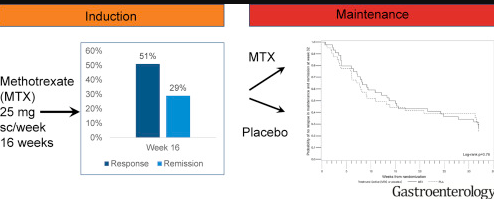
A recent study (H Hansfarth et al. Gastroenterol 2018; 155: 1098-1108) examined the use of methotrexate for ulcerative colitis (UC).  The authors performed a 48-week trial (MERIT-UC trial) with 179 patients with a mean age of 42 years in the induction period.  In those who improved during induction, methotrexate was continued in 44 patients and compared to 40 patients who received placebo; this was a double-blind, placebo-controlled trial.

Key findings:

  • During induction which included 16 weeks with methotrexate at 25 mg per week SC and a 12-week steroid taper, 51% had achieved a response.
  • During maintenance, 60% of patients receiving placebo and 66% of patients receiving methotrexate had a relapse of UC.  At 48 weeks, 30% in the placebo group and 27% in the methotrexate group were in steroid-free clinical remission.
  • No new safety signals were evident with methotrexate.

The associated editorial by Dulai (pg 967-69) which reviewed this study and a prior study (METEOR) comes to the conclusion that: “there is likely no place for methotrexate monotherapy in UC.”

Related blog posts:

Pediatric Experience with Infliximab Biosimilar in UK

Briefly noted: N Chanchlani et al. JPGN 2018; 67: 513-9.  The authors report on the use of infliximab biosimilar (IFX-B), n=82, compared to infliximab originator (IFX-O) in 175.

  • While the authors did not find a difference with the biosimilar in terms of efficacy and adverse effects, this finding is quite limited; only 28 in IFX-O and 19 in IFX-B had a physician global assessment data which was used to determine efficacy.
  • The authors noted that less than 20% of their patients had a baseline and 3-month followup PCDAI recorded.
  • In addition, of those with available data, less than half (44%) had screening for hepatitis B and tuberculosis.
  • The authors estimate that 875,000 pounds would have been saved for a 1-year period with universal adoption of biosimilars

My take: This study, due to incomplete data, does not add much to our knowledge about biosimilars.  It does indicate that better screening prior to infusions for HBV and tuberculosis is needed along with more well-documented experience.

Related blog posts:

Peyto Lake, Banff

IBD Shorts -November 2018

G Horneff et al. J Pediatr 2018; 201: 166-75.  This industry-funded analysis of 577 pediatric patients who received adalimumab (1440 patient-years) identified no new safety signals.  The most common serious infection was pneumonia (0.6 events per 100 patient-years).  The most common adverse events were respiratory tract infections/nasopharyngitis. Serious infections were more common in the subset of patients with Crohn’s disease (CD), (n=189), occurring in 13%.

PS Dulai et al. Gastroenterol 2018; 155: 687-95.  This study, using data from GEMINI 2 phase 3 trial with 814 patients, developed a clinical prediction tool for determining the likelihood of a clinical response to vedolizumab.  Common predictors for response:

  • No prior bowel surgery
  • No prior anti-TNF exposure
  • No prior fistulizing disease
  • Higher baseline albumin
  • Lower baseline CRP

R Matro et al. Gastroenterol 2018; 155: 696-704.  The authors performed a prospective study of women with IBD and their infants (n=72).  They “detected low concentrations of infliximab, adalimumab, certolizumab, natalizumab, and ustekinumab in breast milk samples.  We found breastfed intants of mothers on biologics, immunomodulators, or combination therapies to have similar risks of infection …compared to non-breastfed infants or infants unexposed to these drugs.”


#NASPGHAN18 Highlights (Part 2)

I did not make it to this year’s meeting but did get a chance to catch up on a lot information via the PG 2018 Syllabus and based on information posted online.

Here are a couple of highlights for me:

My favorite slide from postgraduate course -Dr. Robert Kramer

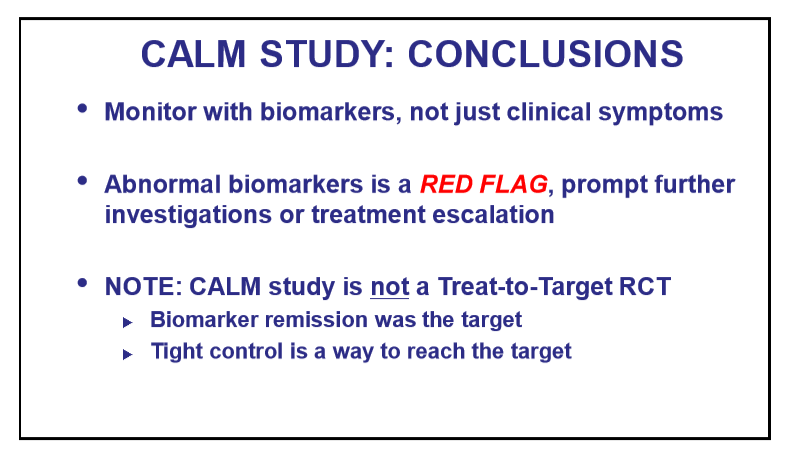
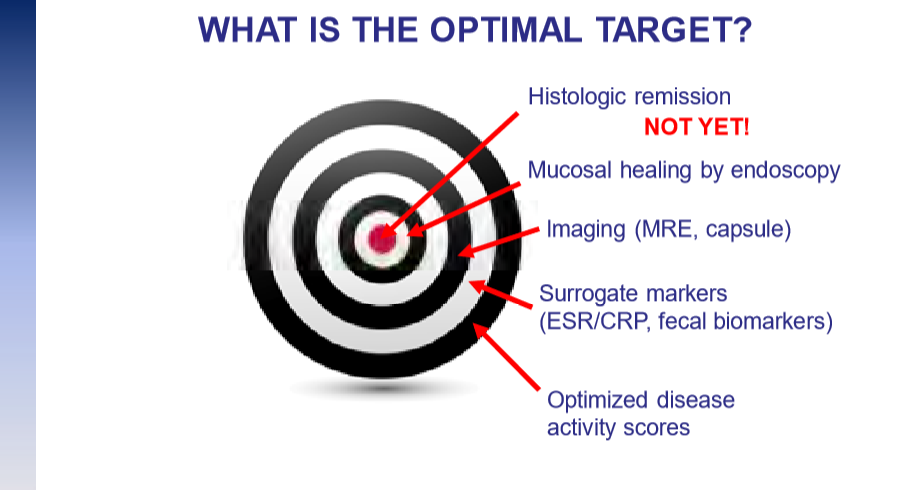
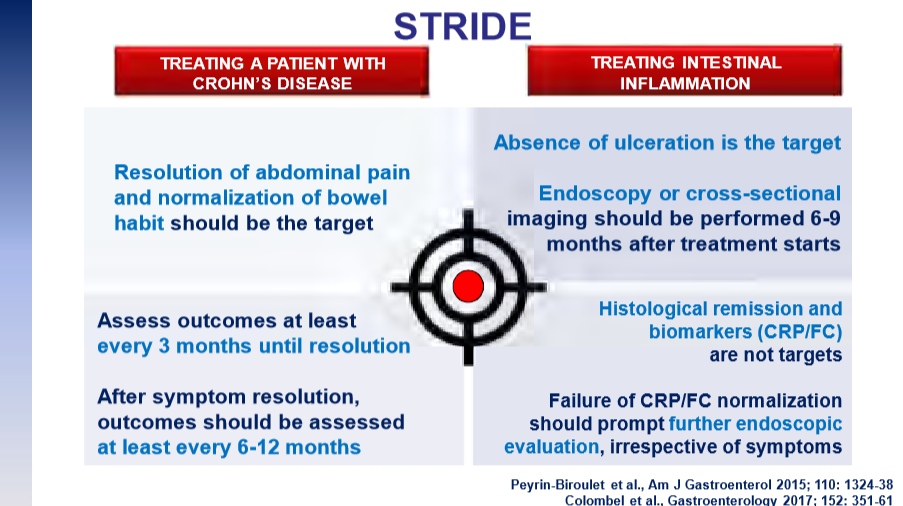
Slides regarding the topic of Treat-toTarget Dr. Eric Benchimol:

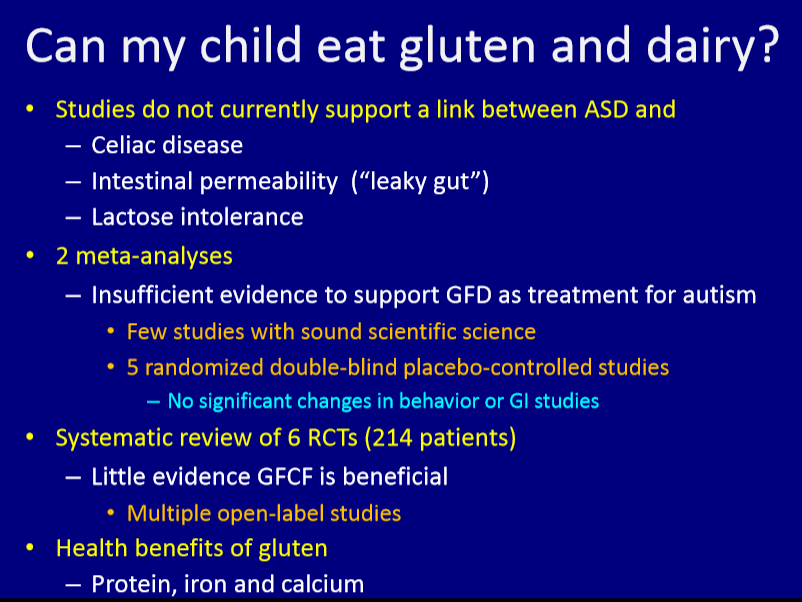
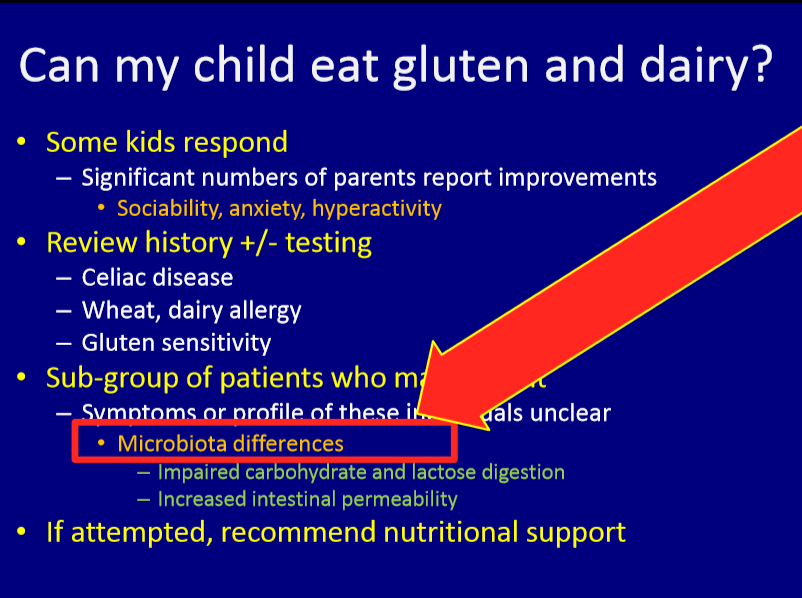
Slides regarding GI symptoms and autism from Dr. Kara Margolis:

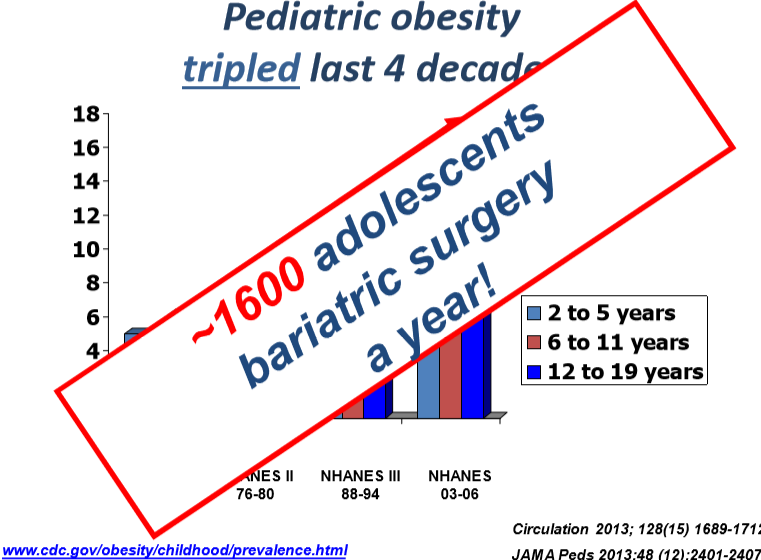
Slide regarding the frequency of bariatric surgery: Dr. Rohit Kohli:

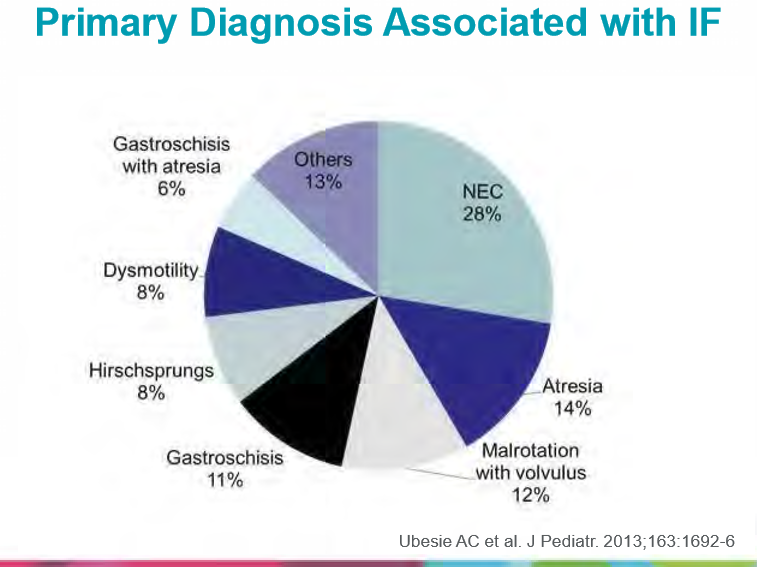
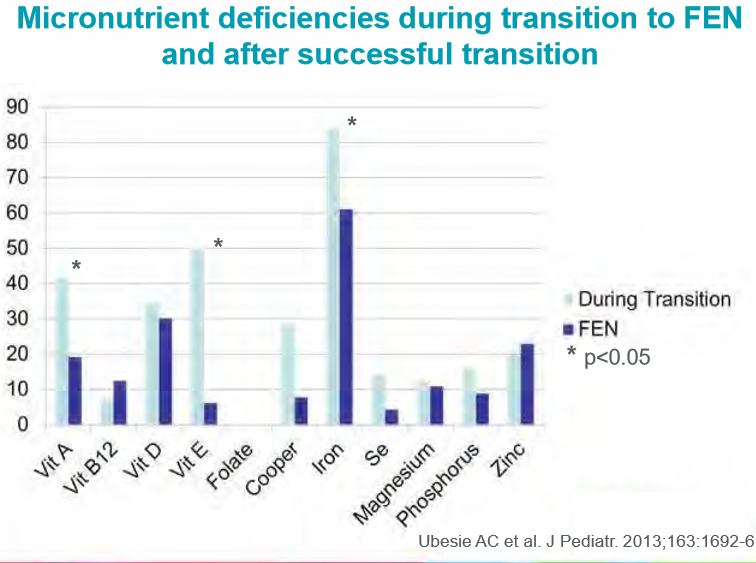
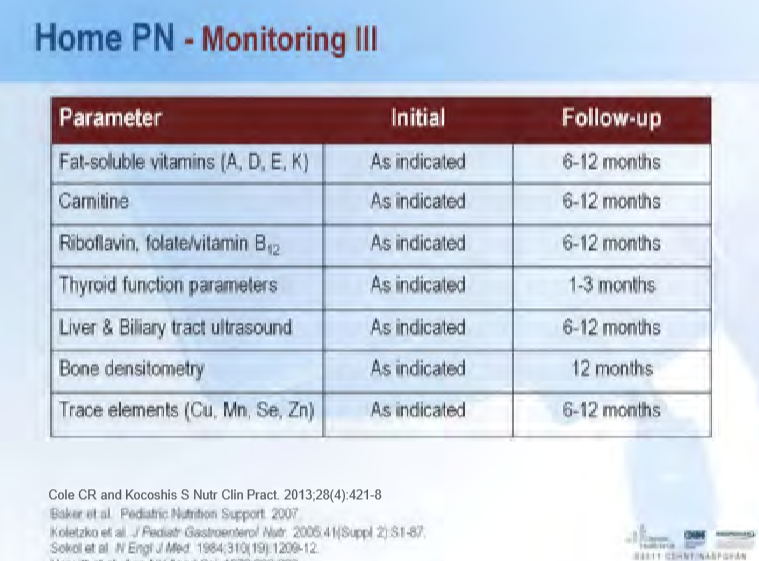
Slides regarding intestinal failure population from Dr. Conrad Cole:

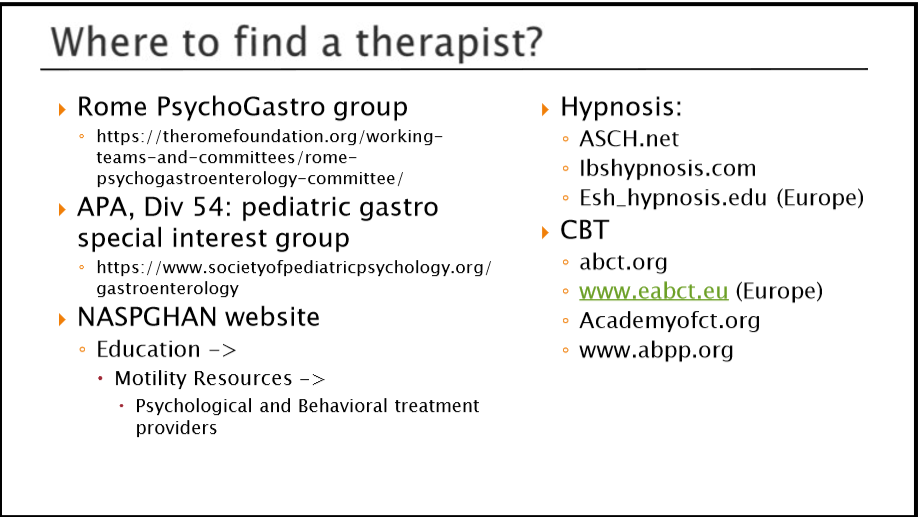
From Dr. Miranda van Tilburg regarding psychological therapies for functional GI disorders:

Disclaimer: These blog posts are for educational purposes only. Specific dosing of medications/diets (along with potential adverse effects) should be confirmed by prescribing physician/nutritionist.  This content is not a substitute for medical advice, diagnosis or treatment provided by a qualified healthcare provider. Always seek the advice of your physician or other qualified health provider with any questions you may have regarding a condition.

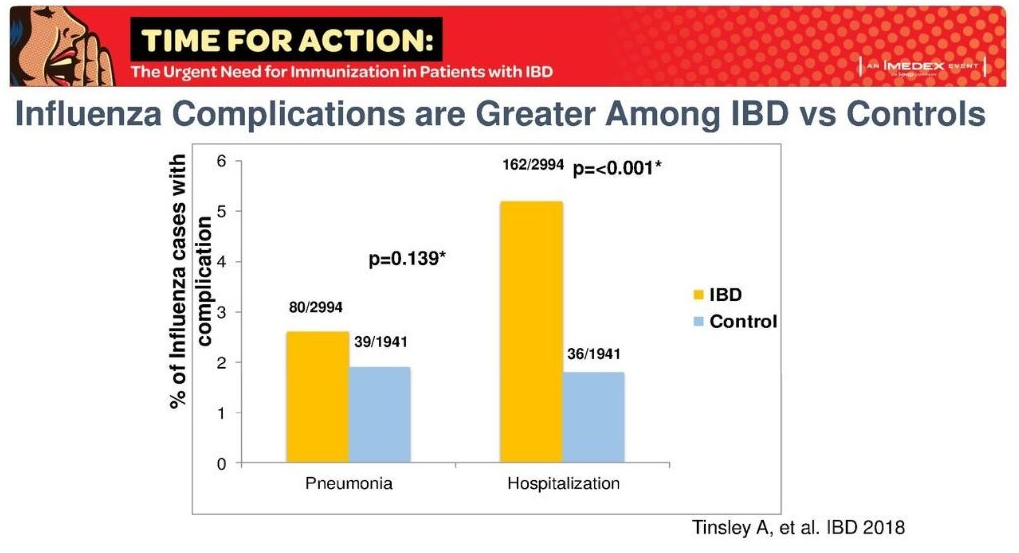
Almost Everybody Needs Flu Shot –IBD Patients at Higher Risk

Link: CDC Recommendations for Influenza Vaccination

  • Routine annual influenza vaccination is recommended for all persons aged ≥6 months who do not have contraindications.
  • Vaccination should be offered by end of October; however, vaccination should continue to be offered as long as influenza viruses are circulating and unexpired vaccine is available.


Tofacitinib -Where Does it Fit in Treatment Algorithm for Ulcerative Colitis?

A few recent articles provide a lot of practical information regarding implementation of tofacitinib into treatment regimens for ulcerative colitis (UC).

  • S Danese et al. Inflamm Bowel Dis 2018; 24: 2106–12. Review article on Tofacitinib.
  • J-F Colombel.  Inflamm Bowel Dis 2018; 24: 2173–80. Review article on Herpes Zoster due to JAK Inhibitors (eg Tofacitinib).
  • KL Winthrop et al.  Inflamm Bowel Dis 2018; 24:  2258-65. Clinical study detailing the risk of Herpes Zoster in patients with UC receiving Tofacitinib.

The first of these articles reviews the mechanism of action of tofacitinib (TFB) and the relevant studies showing efficacy for UC.  A summary of the results are listed in Table 1. Some of the reported results –with TFB dosed at 10 mg BID:

  • In 2012, Sandborn et al: clinical response in 61% at wk 8 and clinical remission of 48% at wk 8.
  • In 2017 (OCTAVE Induction 1): clinical response in 18.5% at wk 8 and clinical remission of 31.3% at wk 8.
  • In 2017 (OCTAVE Induction 2): clinical response in 16.6% at wk 8 and clinical remission of 28.4% at wk 8.
  • In 2017 (OCTAVE Sustain):clinical response in 40.6% at wk 8 and clinical remission of 45.7% at wk 8.
  • In all of these studies, TFB outperformed the placebo arm and has had a good safety profile

Most common adverse effects had similar rates in the placebo arm:

  • Nasopharyngitis
  • Arthralgia
  • Headache

Other adverse effects have included pneumonia, herpes zoster (HZ) infection, and increased lipid levels (more common than with placebo group).  Trials in patients with rheumatoid arthritis have indicated an increased incidence of nonmelanoma skin cancer, lymphoma, breast cancer, lung cancer, and gastric cancers.

Preclinical studies have shown that TFB could cause fetal malformations when given at much higher doses.  Though, clinical experience in humans have not found teratogenic effects; this is based on one study with 9815 RA/psoriasis patients and 47 women who became pregnant.

Role for tofacitinib:

  • “Tofacitinib could be used in patients suffering mild, moderate and severe UC…after aminosalicylates (5-ASA)…and as second-line therapy in patients who have been treated with TNF inhibitors.”

Advantages of tofacitinib:

  • Oral administration with rapid absorption
  • Short serum half-life
  • Good experience in large number of patients with rheumatoid arthritis
  • No immunogenicity.
  • Effective in patients who have had previous anti-TNF agents

More on Herpes Zoster Infection:

  • The other two references detail the risk of Herpes Zoster infections with TFB usage.
  • Winthrop et al identified 65 (5.6%) of patients developed HZ among phase II/III open-label, long-term extension trials.
  • The review by Colombel notes that patients with UC have “an increased risk of HZ compared with the general population, and this risk can be increase by the use of immunosuppressive therapy.  JAK inhibitors, including tofacitinib, have been associated with HZ risk…The majority of HZ casees are noncomplicated.”
  • In this review, Colombel details an algorithm for treatment of HZ cases and indicates that adults receiving TFB should consider vaccination to lower the risk of HZ.

My take: A significant portion of patients with UC either do not respond to anit-TNF agents or lose response.  Tofacitinib provides an alternative treatment with a different mechanism of action.  Given the few other non-surgical treatment options, I expect it will be rapidly incorporated into treatment algorithms.

Related blog posts:

IBD Shorts October 2018

C Ma et al. Clin Gastroenterol Hepaatol 2018; 16: 1407-19.  This study examined endpoints in randomized controlled trials (RCTs) of Crohn’s disease.  Key finding: Among 116 included RCTs (n=27,263 patients), there were 38 unique definitions of clinical response or remission and 32 definitions of loss of response. The most common endpoint was CD activity index.

RP Hirten et al. Clin Gastroenterol Hepatol 2018; 16: 1374-84. This review examines the topic of combining biologics in inflammatory bowel disease. Currently, there is little data in IBD.  From studies completed in rheumatology and dermatology, there are some safety concerns. One current study, the EXPLORER study, which is a phase 4 open label trial evaluating the use of vedolizumab in combination with adalimumab and methotrexate, will provide some useful information.  With regard to safety, gut-specific anti-integrin therapies are likely to be safer in combination than other biologic therapies.

RJ Colman et al. Inflamm Bowel Dis 2018; 24: 2135-41.  This systematic review and meta-analysis which included 14 eligible studies showed that the pooled clinical remission rate with methotrexate monotherapy for pediatric Crohn’s disease was 57.7% at 3-6 months and 37.1% at 1 year.

AA Wren et al. Inflamm Bowel Dis 2018; 24: 2093-2105. This study with 93,668 patients in a cohort from Truven MarketScan Database (2007-2015) identified a high rate of opioid therapy usage in U.S. adolescents and young adults (15-29 year olds).  Annual prevalence of chronic opioid use was 9.3% in 2007 and peaked at 12.2% in 2011. In 2015, the prevalence dropped to 10.8%.  Overall, 18.2% had received chronic opioid therapy.  Among the 2503 with chronic opioid usage who were followed longitudinally, 30.5% received opioids for 2 years and 5.3% for 4 years. The associated editorial (ME Kuenzig, EI Benchimol, pg 2140-5) note that these prevalence data may underestimate the true rate of opioid use due to the case definition of IBD used when analyzing the administrative data.

Lake Moraine, Banff

Do Biologics Alter the Natural History of Crohn’s Disease in Children?

An important recent study (B Kerur et al. Clin Gastroenterol Hepatol 2018; 16: 1467-73 & editorial C Ballengee S Kugasthasan 1398-1400) examined the impact of biologic therapies on Crohn’s disease progression and need for surgery in 1442 children (age, ≤16 y) between 2002-14. This study examined data from the Pediatric Inflammatory Bowel Disease Collaborative Research Group registry.

Key findings:

  • Early use of biologics (n=145) was associated with slowing of disease progression (hazard ratio 0.85, CI 0.76-0.95).  Those who received anti-TNF therapy within three months of diagnosis were less likely to develop stricturing (B2) or penetrating (B3) disease.
  • Early anti-TNF therapy did not effect progression to surgery. Surgery rates were 4% at 1 year, 13% at 5 years, and 26% at 10 years.
  • Of those who needed surgery, ~15% already had their first bowel-related surgery in the first 90 days after diagnosis.
  • The study cohort at diagnosis included only 51 with B2 disease, 27 with B3, and 11 with both B2 & B3.  Thus, these three disease phenotypes represented ~6% of the entire cohort.

In the editorial, the authors state that this study “is a sobering reminder that we apparently have not changed the long-term course of CD for our pediatric patients.”  Though, at the same time, they explain how this study had some limitations which could have affected some of the conclusions.

  • In contrast to the RISK study, this study classified patients as B1 who progressed to B2 or B3 in the first 3 months of diagnosis.  Including these patients decreased the chance to show improvement with early biologic therapy.
  • Also, this cohort included a lower percentage of African American patients compared to the RISK study (8% vs 13%).  This also lowered the likelihood of identifying improvement;  these patients are more likely to develop penetrating disease which can be prevented with early biologic therapy (RISK study: Kugasthasan S et al. Lancet 2017; 389: 1710-8).

Also, one other finding of the study was that there was a paradoxical increase in the risk of surgery in the first 5 years in the early biologic group. “This suggests that our practicing pediatric gastroenterologists may have selected the sicker patients to start biologics.”

My take: I think biologics do influence the natural history of Crohn’s disease in children.  However, this study suggests that the magnitude of that alteration is suboptimal.

Related blog post: CCFA update 2017 -RISK study presentation