Managing Drug-Induced Acne in IBD: A Guide for Gastroenterologists

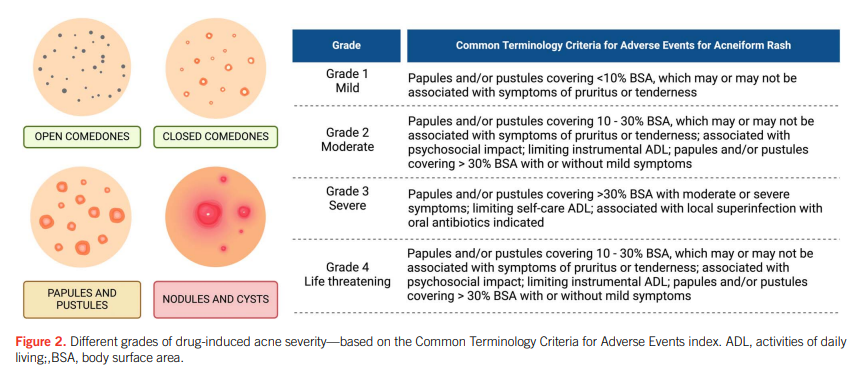
MJ Temido et al. Am J Gastroenterol 2025;120:125–134. Drug-Induced Acne in Inflammatory Bowel Disease: A Practical Guide for the Gastroenterologist

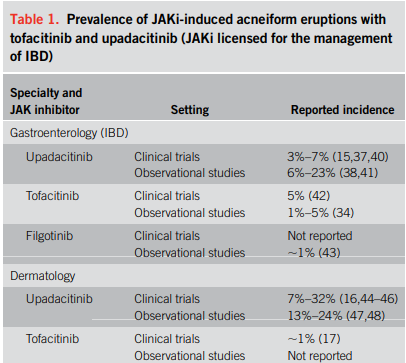
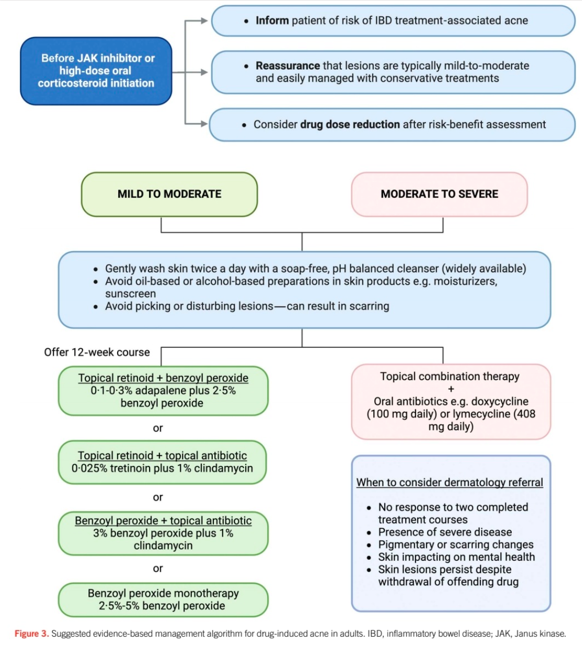
“Corticosteroids and Janus kinase inhibitors (JAKi) are commonly used for the treatment of inflammatory bowel disease (IBD) and are known to aggravate a prior tendency to acne or trigger the development of new acneiform eruptions. Both randomized controlled trials and real-world studies have identified acne as one of the most common treatment-emergent adverse events in JAKi… This review examines the characteristics of drug-induced acne in IBD treatments, provides a practical guide for gastroenterologists to manage mild-to-moderate occurrences, and highlights when to seek specialist dermatology advice.”

My take: This is a helpful review of acne management in the setting of IBD.

Related blog posts:

Disclaimer: This blog, gutsandgrowth, assumes no responsibility for any use or operation of any method, product, instruction, concept or idea contained in the material herein or for any injury or damage to persons or property (whether products liability, negligence or otherwise) resulting from such use or operation. These blog posts are for educational purposes only. Specific dosing of medications (along with potential adverse effects) should be confirmed by prescribing physician.  Because of rapid advances in the medical sciences, the gutsandgrowth blog cautions that independent verification should be made of diagnosis and drug dosages. The reader is solely responsible for the conduct of any suggested test or procedure.  This content is not a substitute for medical advice, diagnosis or treatment provided by a qualified healthcare provider. Always seek the advice of your physician or other qualified health provider with any questions you may have regarding a condition.


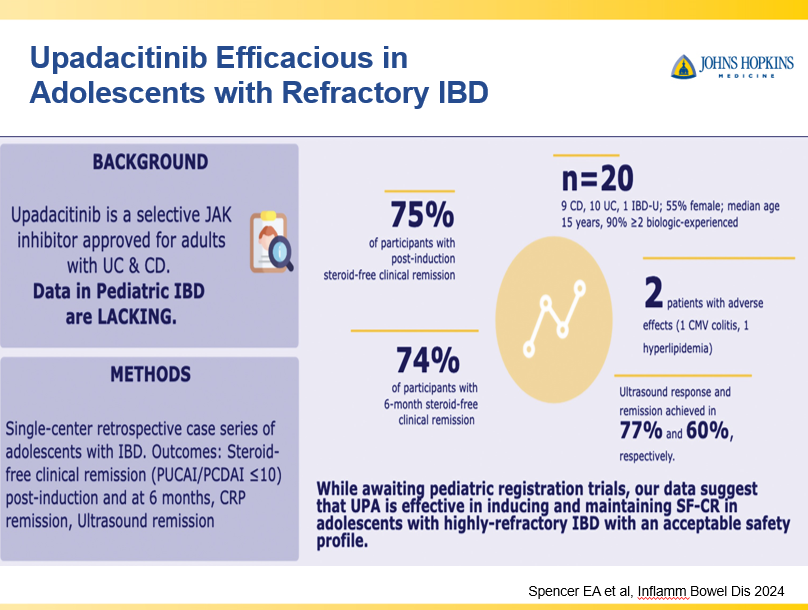
IBD Briefs: Upadacitinib in Children, Predicting Crohn’s Disease, and Autoimmune Diseases Associated with IBD

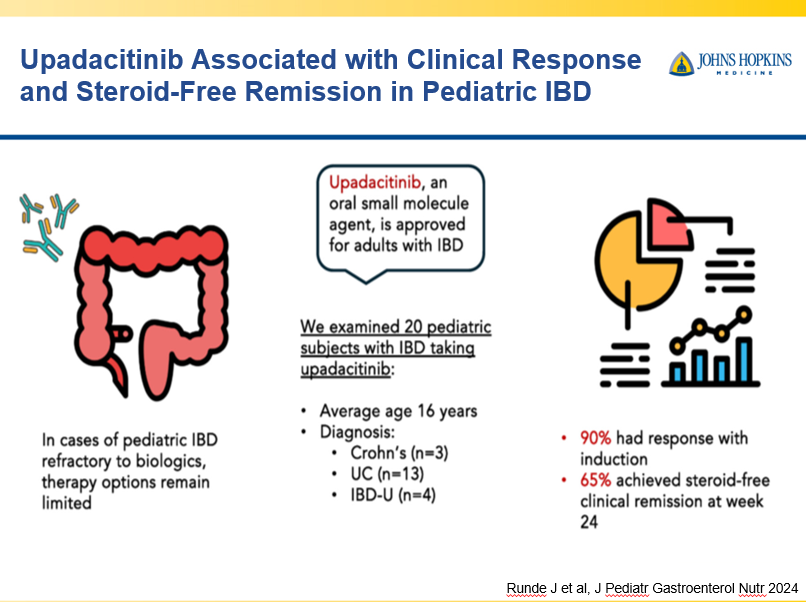
J Runde et al. J Pediatr Gastroenterol Nutr. 2025;80:133–140. Upadacitinib is associated with clinical response and steroid-free remission for children and adolescents with inflammatory bowel disease

In this single-center retrospective study, n=20 (3 CD, 13 UC, 4 IBD-U), steroid-free clinical remission (SF-CR) was seen in 75% (16/20) following induction and maintained in 65% (11/17) reaching Week 24 of therapy

J Gaifem et al. Nature Immunology 2024; 25: 1692-1703. Open Access! A unique serum IgG glycosylation signature predicts development of Crohn’s disease and is associated with pathogenic antibodies to mannose glycan.

“Analysis of preclinical serum samples, up to 6 years before IBD diagnosis (from the PREDICTS cohort), revealed the identification of a unique glycosylation signature on circulating antibodies (IgGs)…[which] elicits a proinflammatory immune pathway through the activation and reprogramming of innate immune cells.”

LR Jolving et al. Inflamm Bowel Dis 2025; 31: 87-94. Children and Adolescents Diagnosed With Inflammatory Bowel Disease Are at Increased Risk of Developing Diseases With a Possible Autoimmune Pathogenesis

Using Danish registry and 50-fold matched controls, there was a significant increase for a large number of autoimmune diseases: The adjusted hazard ratio after full follow-up was 4.72 for psoriatic arthritis, 5.21 for spondyloarthritis, 2.77 for celiac disease, 2.15 for rheumatoid arthritis, 1.69 and 1.64 for type 1 and type 2 diabetes, respectively. For thyroid disease, it was 1.16.

Related blog posts:

La Fortuna, Costa Rica

Is Breastfeeding Linked to IBD Risk in Offspring?

M Agrawal et al. Clin Gastroenterol Hepatol 2024; 22: 2459-2467. Open Access! Breastfeeding Duration Is Not Associated With Offspring Inflammatory Bowel Disease Risk in Three Population-Based Birth Cohorts

The authors utilized  prospectively collected data from 3 population-based birth cohorts (Danish National Birth Cohort, Norwegian Mother, Father, and Child Cohort, and All Babies in Southeast Sweden). This collectively included nearly 170,000 offspring.

Key findings:

  • During median follow-up of 16.3–22.3 years, between 1996 and 2021, 543 offspring were diagnosed with IBD
  • In each country, there was no association between exclusive breastfeeding duration and offspring IBD risk

Discussion:

“In contrast to majority of case-control studies, both cohort studies reported null association between breastfeeding, treated as a binary exposure (any versus no breastfeeding) or by duration, and offspring IBD risk. Similarly, 2 nested case-control studies, leveraging prospectively collected data on early life exposures as part of the population-based Jerusalem Perinatal Study and 2 United Kingdom birth cohorts (the 1946 National Survey of Health & Development and the 1958 National Child Development Study) reported null associations between breastfeeding and IBD risk.22,23 Data from these studies, which are more rigorous in methodology compared with case-control studies, are consistent with findings from our analyses.”

My take: While this study has some limitations inherent in observational data, this study with prospectively-collected data indicates that breastfeeding did not modulate the risk of developing IBD.

Related blog posts:

La Fortuna, Costa Rica

Frequency of Erythema Nodosum and Pyoderma Gangrenosum in 32,497 Pediatric Patients with Inflammatory Bowel Disease

MY Yousif et al. JPGN 2024; 79:1009–1016. Open Access! The association between erythema nodosum and pyoderma gangrenosum and pediatric inflammatory bowel disease

Using the ImproveCareNow prospective registry, the authors analyzed a total of 285,913 visits from 32,497 patients aged ≤ 21 years.

Key findings:

  • The occurrence of erythema nodousm (EN) was 1.57% and the occurrence of pyoderma gangrenosum (PG) was 0.90%. Co-occurrence of EN and PG was reported in 0.30% patients.
  • Both EN and PG were associated (p < 0.0001) with worse intestinal disease, lower remission, higher inflammatory markers, and extraintestinal manifestations (EIMs) arthritis and uveitis. 
  • Limitations: “imperfect and incomplete data entry that may introduce bias. However, due to the extensive longitudinal data, we expect any bias to be minimal.”

My take: This study clarifies how common these dermatologic findings occur in pediatric patients with IBD. Prompt recognition of these disorders is important. Recently, our group cared for a 20 yo patient with inadequately-treated PG by multiple internal medicine physicians; this led to prolonged hospitalization.

Related blog posts:

The Dancer by Auguste Renoir, National Gallery of Art

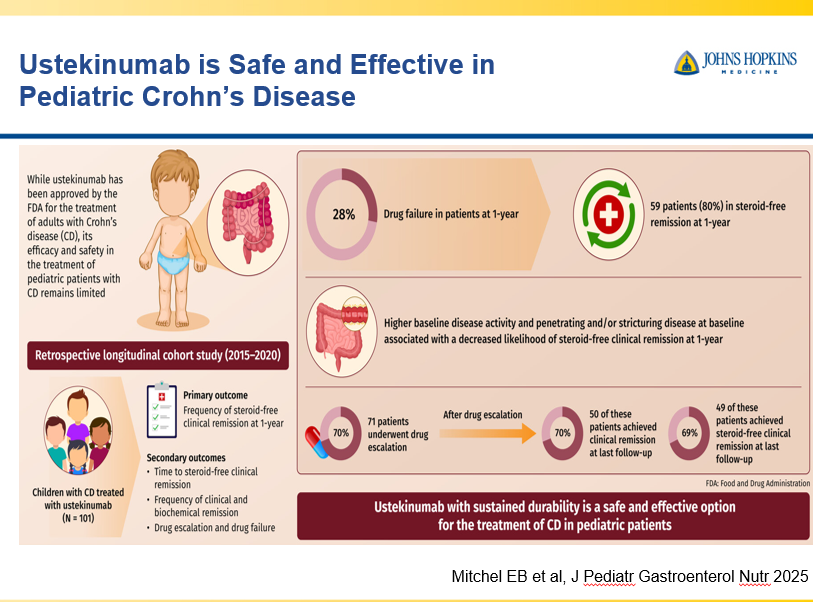
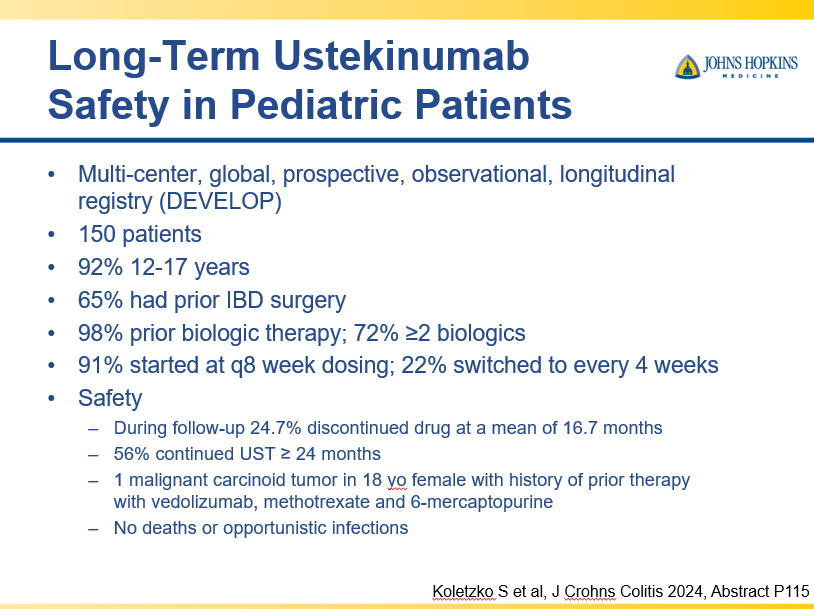
Pediatric Data for Ustekinumab Therapy in Crohn’s Disease

D Turner et al. JPGN 2024; 79:315–324. Ustekinumab in paediatric patients with moderately to severely active Crohn’s disease: UniStar study long-term extension results

Dosing: “Patients were randomised 1:1 and stratified by body weight (<40 or ≥40 kg) to receive a single induction dose of lower- or higher-dose IV ustekinumab (lower dose: 3 mg/kg [<40 kg] and 130 mg [≥40 kg]; higher dose: 9 mg/kg [<40 kg] and 390 mg [≥40 kg]). Doses specified as higher were selected to deliver ustekinumab exposure comparable to a reference adult population with CD.712 At Week 8, patients received a single SC maintenance dose of ustekinumab (2 mg/kg [<40 kg]; 90 mg [≥40 kg]).”

Key findings:

  • Of the 34 patients who entered the LTE, 25 patients with evaluable data completed Week 48, and 41.2% (14/34) achieved clinical remission at Week 48
  • Efficacy and PK through 1 year in ustekinumab-treated paediatric patients were comparable to those previously reported in adults. No new safety or immunogenicity signals were reported through 4 years of ustekinumab treatment.

My take (borrowed in part from authors): “Overall, long-term data support the SC dose regimens of 90 mg as maintenance therapy for the treatment of CD for a paediatric population with ≥40 kg body weight. A phase 3 study of ustekinumab (ClinicalTrials.gov Identifier: NCT04673357) is ongoing to further evaluate dose regimens for paediatric patients <40 kg and ≥40 kg.” This type of data is essential to support the use of advanced therapies like ustekinumab until they receive specific regulatory approval for children (often 8-10 years after approval in adults).

Related blog posts:

IBD Updates: SMART IBD App, SC Vedolizumab Durability, Risk Factors in Acute Severe Ulcerative Colitis

KA Hommel et al. JPGN 2024; 78:1273–1278. Pilot and feasibility of the SMART IBD mobile app to improve self-management in pediatric inflammatory bowel disease

The Self‐Management Assistance with Recommended Treatment (SMART) IBD app –Key findings:

  • Patients rated the app quality as good and accessed the app adequately overall, with some pages being used often.
  • Medication adherence increased over the course of the study and was associated with sleep duration, mood, and stool consistency and blood content.

My take: IBD Management apps could be quite helpful, especially for teens and young adults.


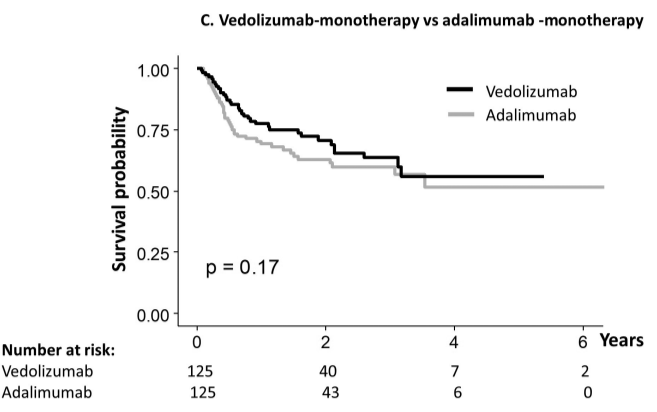
S Hsiang et al. Inflammatory Bowel Diseases, Volume 30, Issue 8, August 2024, Pages 1284–1294, https://doi.org/10.1093/ibd/izad166. Safety, Effectiveness, and Treatment Persistence of Subcutaneous Vedolizumab in IBD: A Multicenter Study From the United Kingdom

Methods: IBD patients (n=563) on IV vedolizumab across 11 UK sites agreed to transition to SC injections or otherwise continued IV treatment

Key findings:

  • Data from 563 patients, demonstrated no differences in disease activity, remission rates, and quality of life between the SC and IV groups at all time points
  • Drug persistence at week 52 was similar (81.1% vs 81.2%; P = .98)

Related blog posts:


CFD Li Wai Suen, et al. Inflammatory Bowel Diseases, Volume 30, Issue 8, August 2024, Pages 1389–1405https://doi.org/10.1093/ibd/izad183. Factors Associated With Response to Rescue Therapy in Acute Severe Ulcerative Colitis 

This systematic review identified 101 completed studies were eligible for inclusion.

Related blog posts:

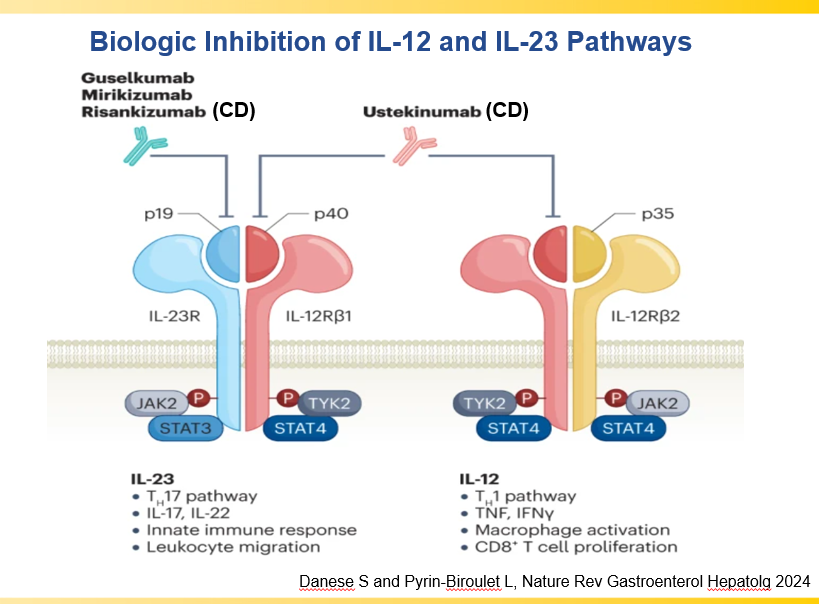
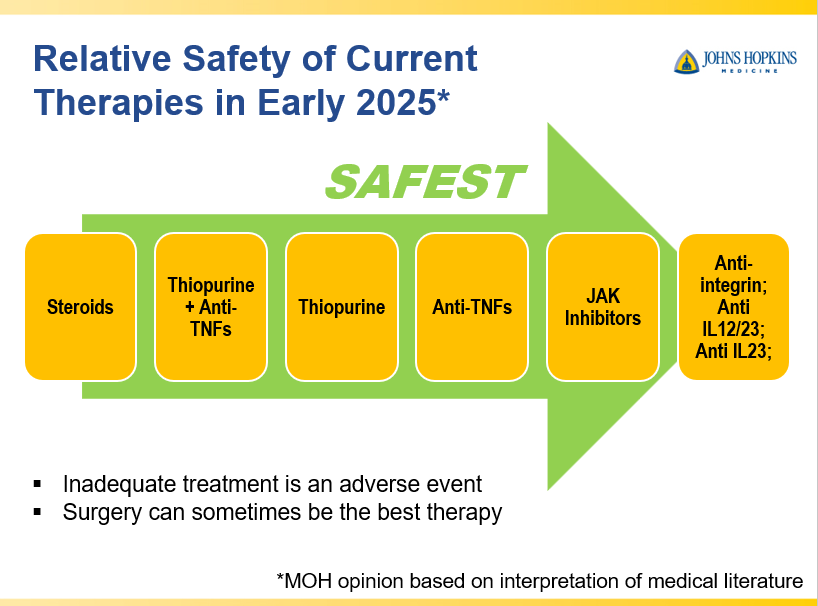
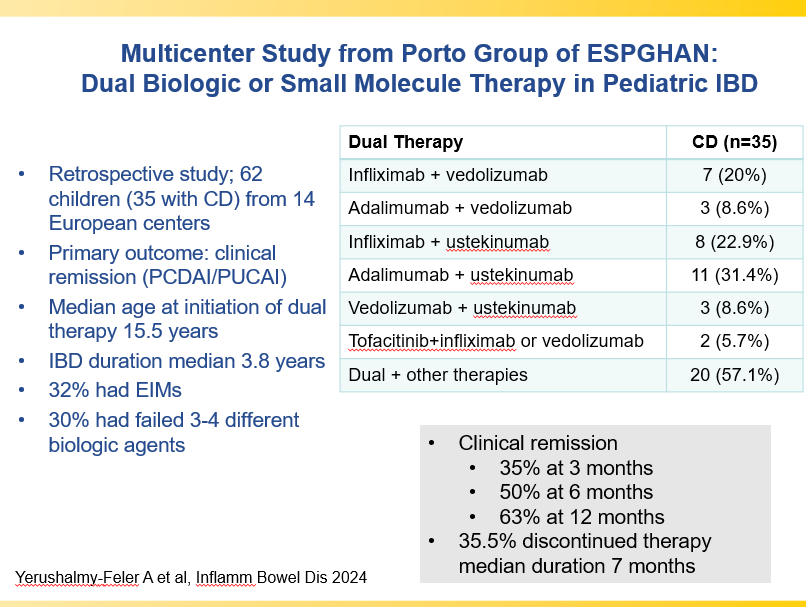
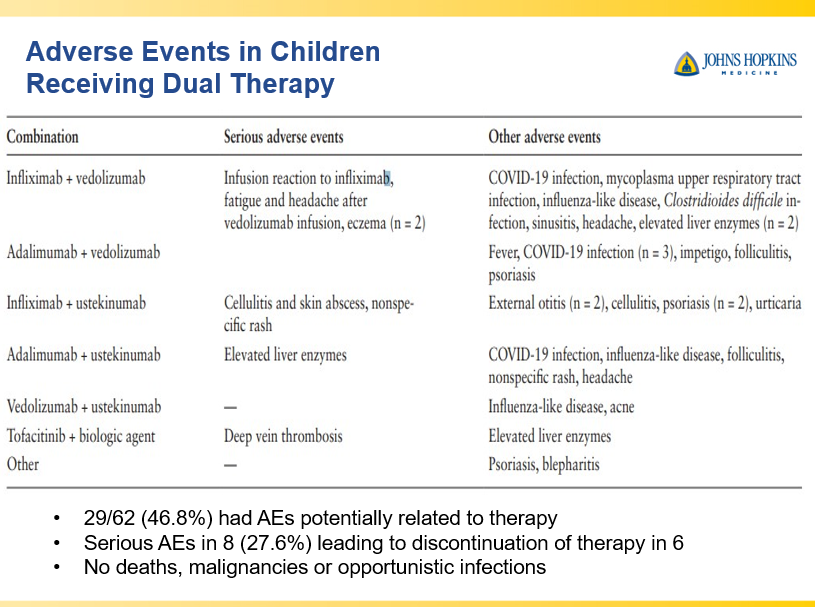
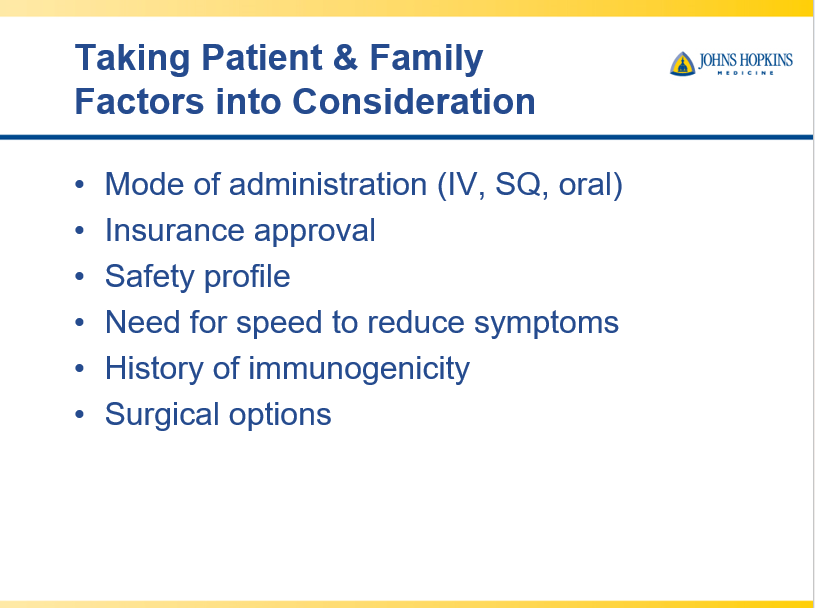
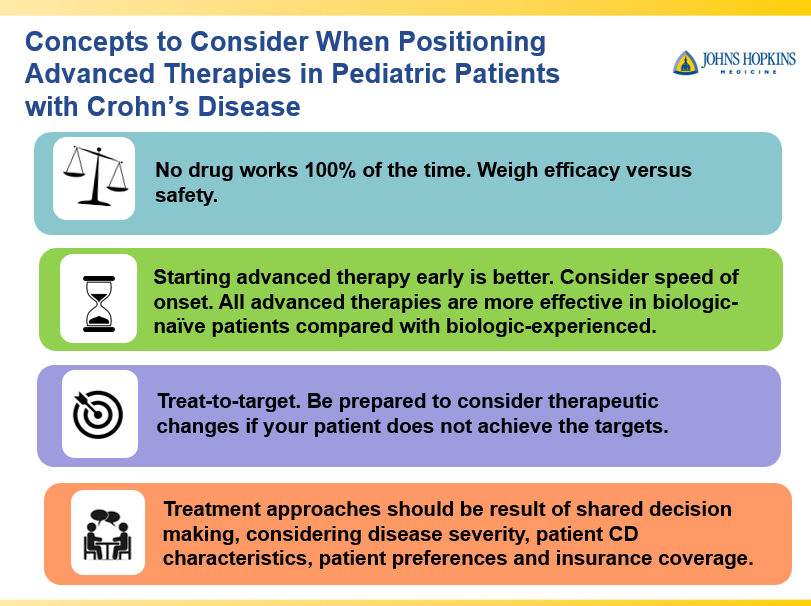
Dr. Joel Rosh: Positioning Therapies for Pediatric Ulcerative Colitis

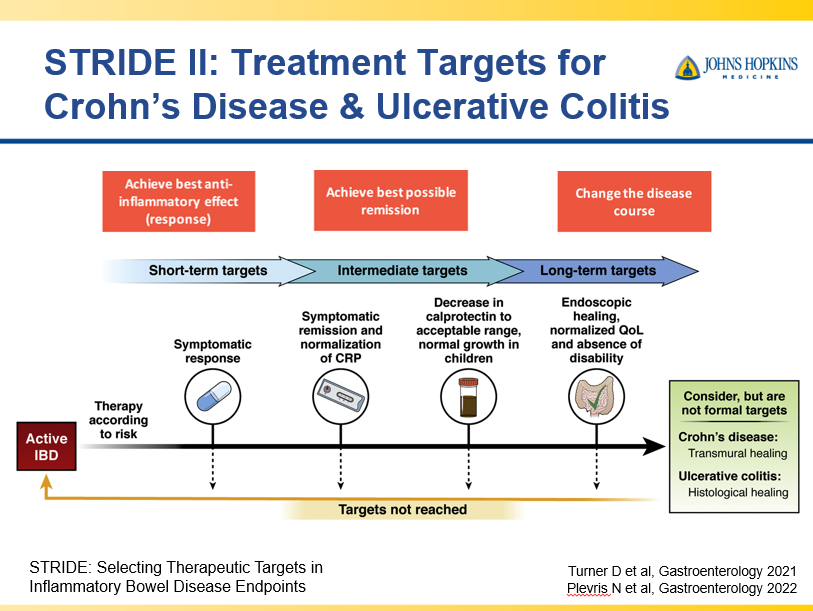
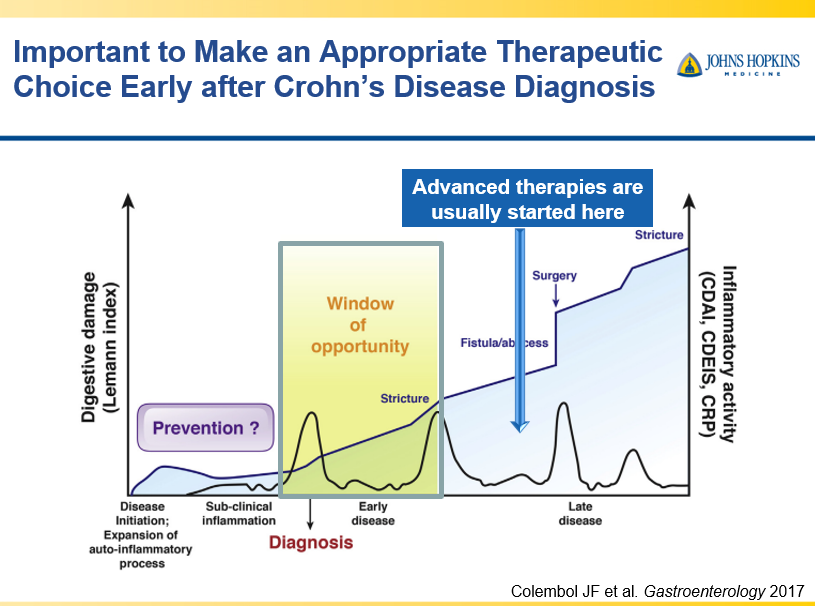
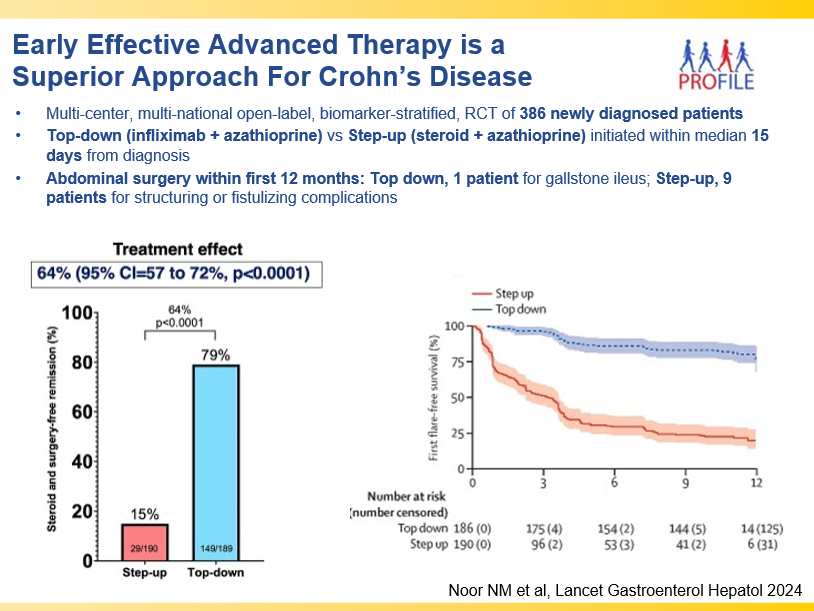
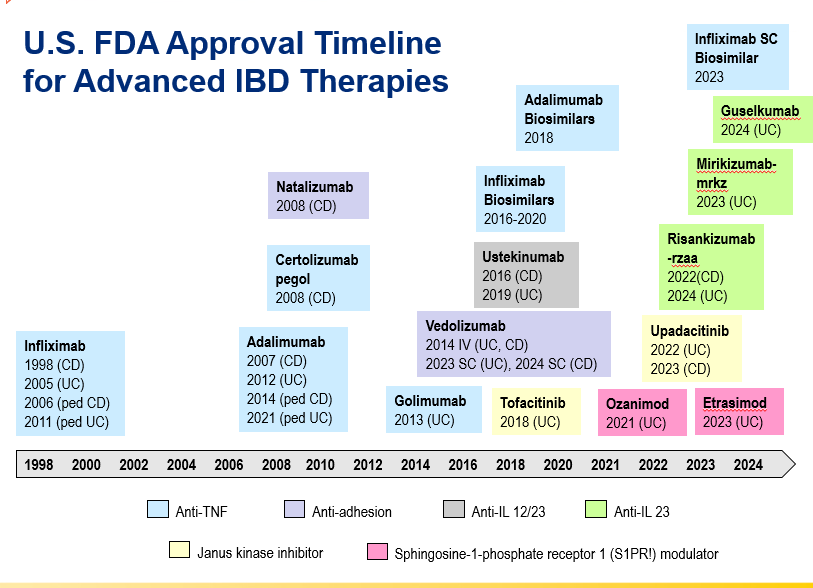
Dr. Joel Rosh gave our group an excellent update on sequencing therapy for ulcerative colitis (UC).  My notes below may contain errors in transcription and in omission. Along with my notes, I have included many of his slides.

  • There are only two FDA-approved biologics in pediatric Ulcerative Colitis. It typically takes 8-10 years for a medication with approval in adults to receive FDA approval in children
  • The concept of IBD as two diseases, Crohn’s disease and UC, is flawed; there are more than 200 susceptibility genes for inflammatory bowel disease
  • There has been an increasing incidence and prevalence of IBD. Some of this increase is likely due to our diet and its effects on the microbiome
  • Ultrasound is a nice tool to see what is going on in real time and shows that UC is really a transmural disease.  UC changes in the bowel can result in fibrosis
  • Consider cytokine-basis for disease as a way to conceptualize disease presentation compared to organ-based disease. Many autoimmune diseases (eg. JIA, RA, Psoriasis) are different manifestations related to cytokine-based autoimmunity
  • Almost all pediatric IBD can be considered higher risk based on known risk factors including disease extent (>80% of pediatric UC is pancolitis) and disease age of onset
  • Mesalamine steroid-free clinical remission rates are about 1/3rd after 1 year of treatment
  • Overall, there has been an improvement in colectomy rates since 2001; there still appears to be a bump in the colectomy rate after having UC for more than 10 years
  • Elevated CRP is less common in patients with UC, compared to Crohn’s disease, and is a marker for more severe disease activity
  • Dr. Rosh prefers to avoid some terms including biologic-naive and steroid failure; he favors biologic-unexposed for the former. For the latter, he tries to make it clear that the patient was not a steroid failure. Steroids failed the patient rather than the patient failing the steroids
  • Therapeutic drug monitoring (TDM) is mainly beneficial for anti-TNF agents at this time. Use of TDM can help monotherapy achieve similar results as combination therapy. For infliximab, Dr. Rosh’s ‘rule of thumb’ is 28-18-8 for 2 week trough, 6 week trough, and maintenance trough. Therapeutic levels will meet or exceed these trough levels.
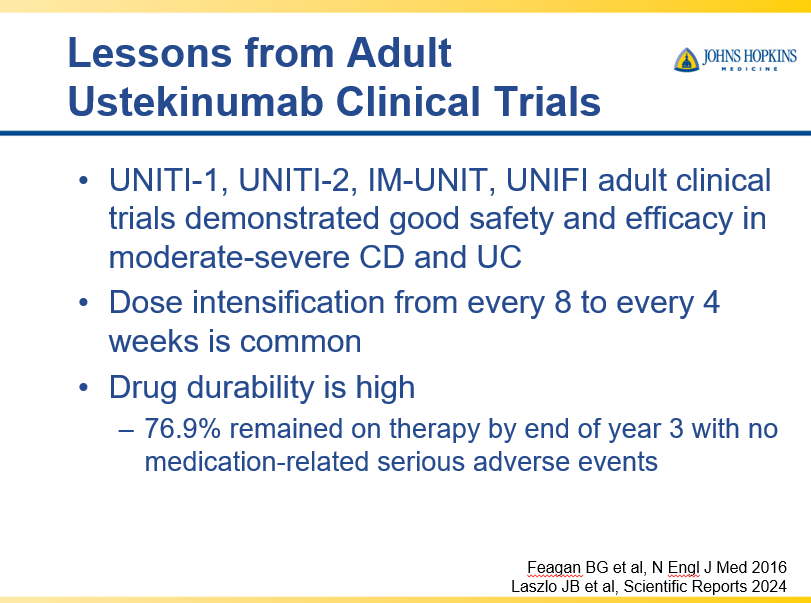
  • Combination therapy has not been shown to improve pharmacokinetics for vedolizumab or ustekinumab
  • Generally, a washout period is not needed when changing biologic therapies. In fact, having some overlap in the medications may have some therapeutic benefit
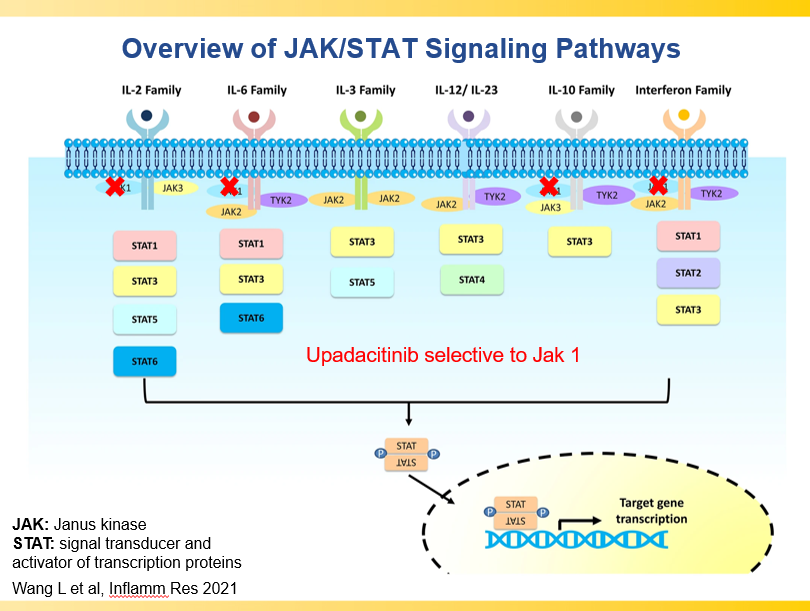
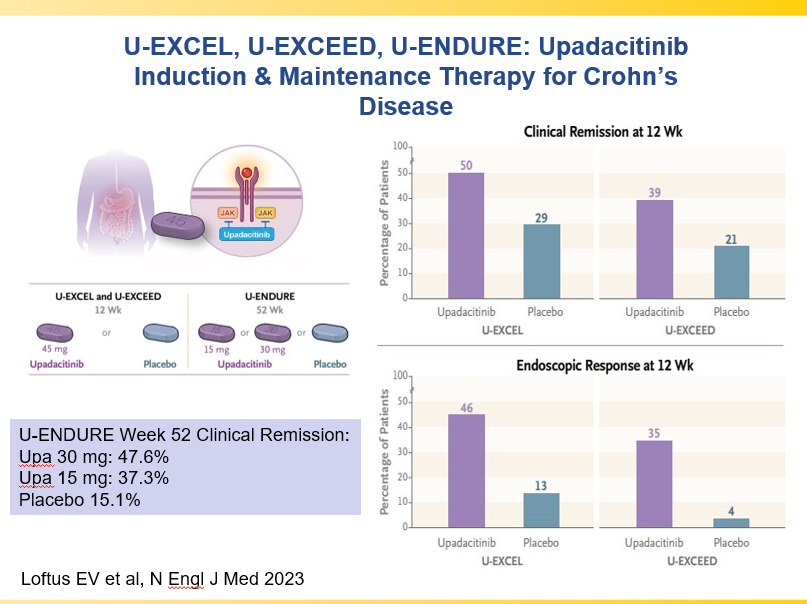
  • Upadacitinib (Rinvoq) appears to be the most effective JAK for IBD. It is labelled for use as a 2nd-line agent but may be superior for some sicker patients. Rinvoq could be considered as a ‘bridge’ medication in patients with acute severe ulcerative colitis with transition to another biologic like vedolizumab
  • It is important for families to be informed that there is a black box warning for the use of JAK inhibitors. However, major cardiac adverse events (MACE) do not appear to be increased in patients without preexisting cardiac disease risk factors

Related blog posts:

Disclaimer: This blog, gutsandgrowth, assumes no responsibility for any use or operation of any method, product, instruction, concept or idea contained in the material herein or for any injury or damage to persons or property (whether products liability, negligence or otherwise) resulting from such use or operation. These blog posts are for educational purposes only. Specific dosing of medications (along with potential adverse effects) should be confirmed by prescribing physician.  Because of rapid advances in the medical sciences, the gutsandgrowth blog cautions that independent verification should be made of diagnosis and drug dosages. The reader is solely responsible for the conduct of any suggested test or procedure.  This content is not a substitute for medical advice, diagnosis or treatment provided by a qualified healthcare provider. Always seek the advice of your physician or other qualified health provider with any questions you may have regarding a condition.
Proactive Monitoring Associated with Higher Rates of Transmural Healing

SR Fernades et al. Inflammatory Bowel Diseases, izad272, https://doi.org/10.1093/ibd/izad272 Proactive Infliximab Monitoring Improves the Rates of Transmural Remission in Crohn’s Disease: A Propensity Score–Matched Analysis 
Methods: Retrospective cohort study (n=195) including consecutive CD patients starting treatment with IFX. Rates of transmural remission were compared between patients with and without therapeutic drug monitoring (target level: 5-7 µg/mL).

Key findings:

  • The rates of transmural remission were higher in patients under proactive therapeutic drug monitoring (37.2% vs 18.3%; P = .004) with similar results in the propensity score–matched analysis (34.2% vs 17.1%; P = .025). 
  • In multivariate analysis, proactive therapeutic drug monitoring was independently associated with transmural remission (odds ratio, 2.95)

My take: Proactive therapeutic monitoring is beneficial in improving outcomes in patients with Crohn’s disease. Higher drug levels are likely to be particularly important to achieve adequate tissue penetration in transmural Crohn’s disease.

Related blog posts:

Ram Head Trail, St John

AGA Guidance: Nutritional Therapies for Inflammatory Bowel Disease

JG Hashash et al.Gastroenterology 166; 521-532. Open Access! AGA Clinical Practice Update on Diet and Nutritional Therapies in Patients With Inflammatory Bowel Disease: Expert Review

There are 12 “best practice” recommendations. Here are a few of them:

  • Best Practice Advice 1: Unless there is a contraindication, all patients with IBD should be advised to follow a Mediterranean diet rich in a variety of fresh fruits and vegetables, monounsaturated fats, complex carbohydrates, and lean proteins and low in ultraprocessed foods, added sugar, and salt for their overall health and general well-being. No diet has consistently been found to decrease the rate of flares in adults with IBD. A diet low in red and processed meat may reduce ulcerative colitis flares, but has not been found to reduce relapse in Crohn’s disease.
  • Best Practice Advice 3: Exclusive enteral nutrition using liquid nutrition formulations is an effective therapy for induction of clinical remission and endoscopic response in Crohn’s disease, with stronger evidence in children than adults. Exclusive enteral nutrition may be considered as a steroid-sparing bridge therapy for patients with Crohn’s disease.
  • Best Practice Advice 6: In patients with IBD who have an intra-abdominal abscess and/or phlegmonous inflammation that limits ability to achieve optimal nutrition via the digestive tract, short-term parenteral nutrition may be used to provide bowel rest in the preoperative phase to decrease infection and inflammation as a bridge to definitive surgical management and to optimize surgical outcomes.
  • Best Practice Advice 7: We suggest the use of parenteral nutrition for high-output gastrointestinal fistula, prolonged ileus, short bowel syndrome, and for patients with IBD with severe malnutrition when oral and enteral nutrition has been trialed and failed or when enteral access is not feasible or contraindicated.
  • Best Practice Advice 10: All patients with IBD should be monitored for vitamin D and iron deficiency. Patients with extensive ileal disease or prior ileal surgery (resection or ileal pouch) should be monitored for vitamin B12 deficiency.
  • Best Practice Advice 12: Breastfeeding is associated with a lower risk for diagnosis of IBD during childhood. A healthy, balanced, Mediterranean diet rich in a variety of fruits and vegetables and decreased intake of ultraprocessed foods have been associated with a lower risk of developing IBD.

AGA has a summary and video here: What you need to know about diet and nutritional therapies for IBD patients

Related blog posts:


Dr. YouTube for IBD Dietary Advice

K Gkikas et al. Inflamm Bowel Dis 2024; Volume 30, March 2024, 347–356. Open Access! YouTube as a Source of Information for Food, Diet-Related Items, and Advisory Comments for the Management of Inflammatory Bowel Disease

The authors assessed videos discussing dietary aspects (food, diet-related items, and advisory comments [FODRIACs]) on YouTube. Of 1800 videos screened, a total of 160 were included in the final analysis.

Background: “Currently, the only well-established dietary treatment in IBD is exclusive enteral nutrition (EEN), which is used for induction of remission mostly in pediatric CD.5,6 Over the past 2 decades, several food-based exclusion diets have been suggested as potential treatments for CD and UC, some of which demonstrated promising efficacy signals such as the CD-TREAT (Crohn’s disease treatment with eating) diet and the CDED (Crohn’s disease exclusion diet).7-9 Nonetheless, current societal guidelines do not recommend the use of any solid food–based exclusion diet as a treatment option for the induction or maintenance of clinical remission in IBD.6

Key findings:

  • Foods pertinent to a prudent dietary pattern (ie, fish, chicken, avocado, blueberries), foods high in pre- and probiotics, and certain food exclusion diets (eg, SCD) were primarily portrayed as beneficial.
  • Foods often associated with a Western dietary pattern, including processed foods, high-sugar foods and high-fat foods, red meat, and alcohol, were considered detrimental for disease outcomes in patients with IBD.
  • Neutral opinions were expressed about fiber and vegetables.
  • There was a higher video interaction rate and number of likes in patient-generated videos compared with videos from healthcare professionals.
  • Only 3% of all patient videos and 35% of videos from healthcare professionals cited any form of scientific evidence.
  • Problems with diet advice is that extensive dietary restrictions and adherence to extreme diets may lead to the development of disordered eating as well as nutrient deficiencies (nutritionist involvement is important to avoid this). In addition, reliance on unproven diets may lead some patients to forgo proven therapies.

My take: Though there are some overlapping advice in these videos, much of the dietary advice on YouTube (and elsewhere) is conflicting. In part, this reflects the lack of evidence-based dietary guidelines for IBD. Physicians should review information on dietary therapies at diagnosis and request that families contact them (or well-qualified nutritionists) when considering dietary modifications.

Related blog posts: