The Quality of Evidence for Dietary Treatments in Inflammatory Bowel Disease

BN Limketkai et al. Clin Gastroenterol Hepatol 2023; 21: 2508-2525. Open Access! Dietary Interventions for the Treatment of Inflammatory Bowel Diseases: An Updated Systematic Review and Meta-analysis

This was a systematic review of prospective controlled trials (n=27) of solid food diets for the induction or maintenance of remission in IBD.

Key findings:

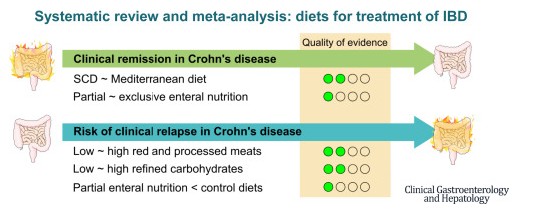
  • For induction of remission in Crohn’s disease (CD), the Mediterranean diet was similar to the Specific Carbohydrate Diet (low certainty of evidence), and partial enteral nutrition (PEN) was similar to exclusive enteral nutrition (very low certainty of evidence).
  • PEN reduced risk of relapse (very low certainty of evidence), whereas reduction of red meat or refined carbohydrates did not (low certainty of evidence).
  • For ulcerative colitis, diets were similar to controls (very low and low certainty of evidence).

My take: Most of the dietary treatments for IBD have low to very low certainty of evidence regarding their effectiveness. Dietary changes are very likely to be helpful but more studies with rigorous endpoints are still needed.

Related blog posts:

CCFA 2023 (Atlanta) Part 2

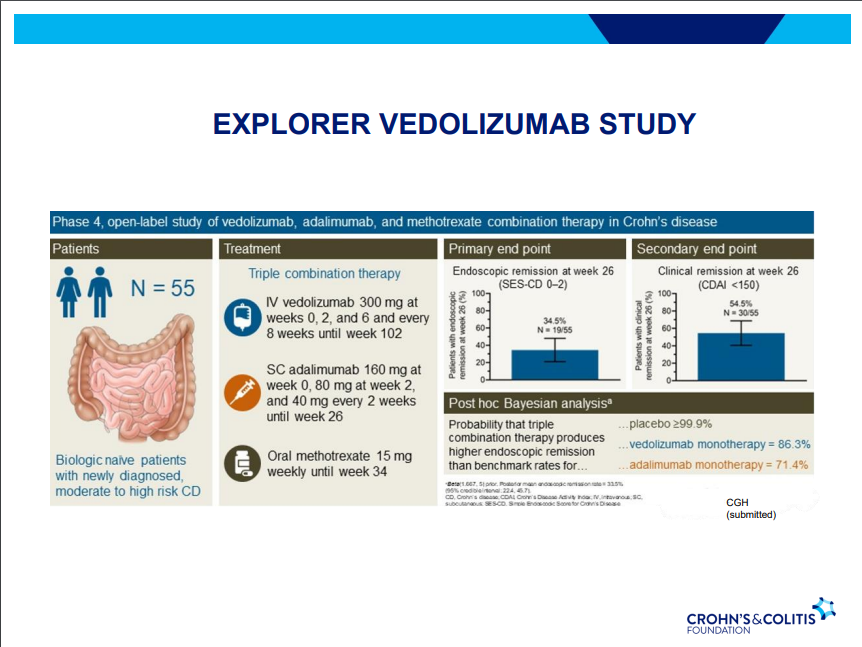
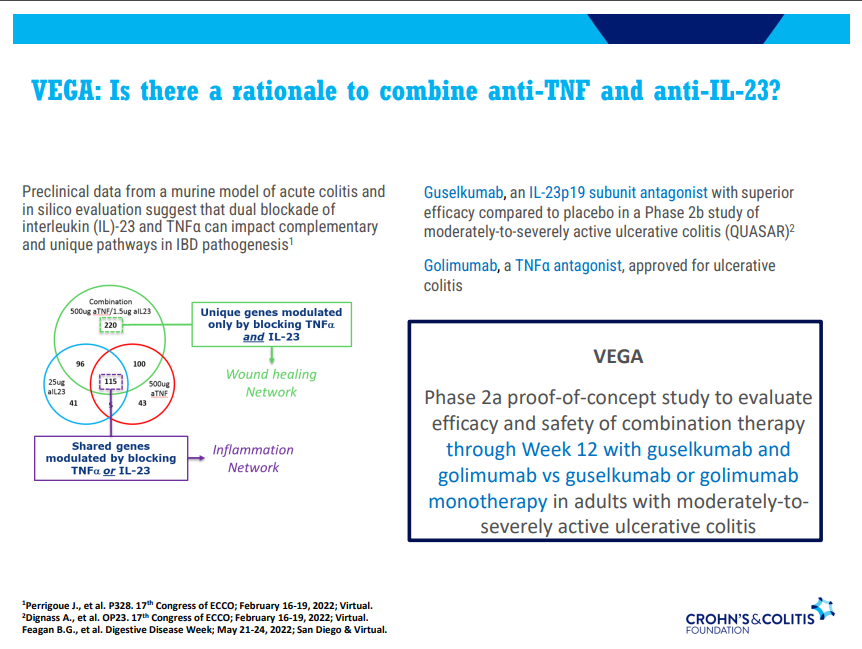
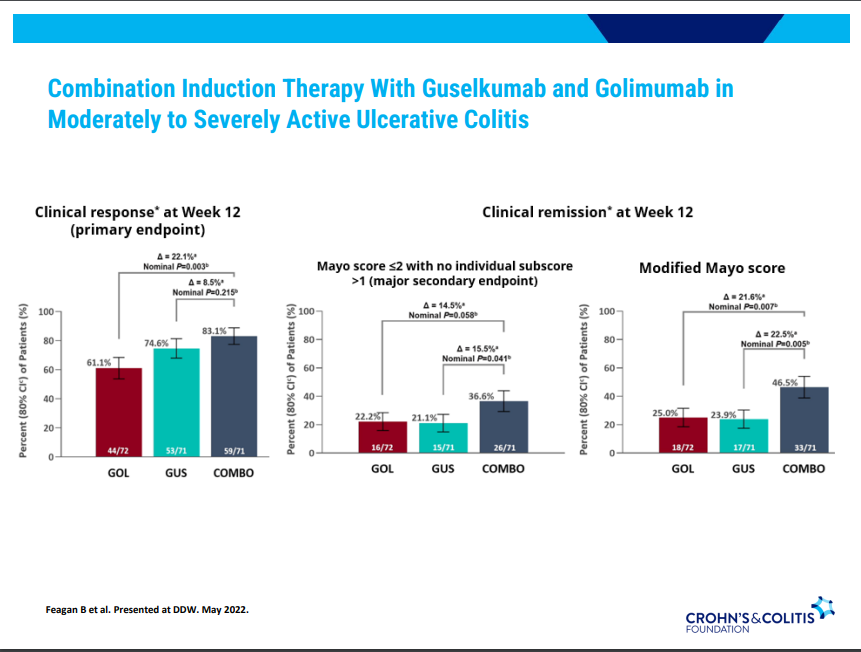
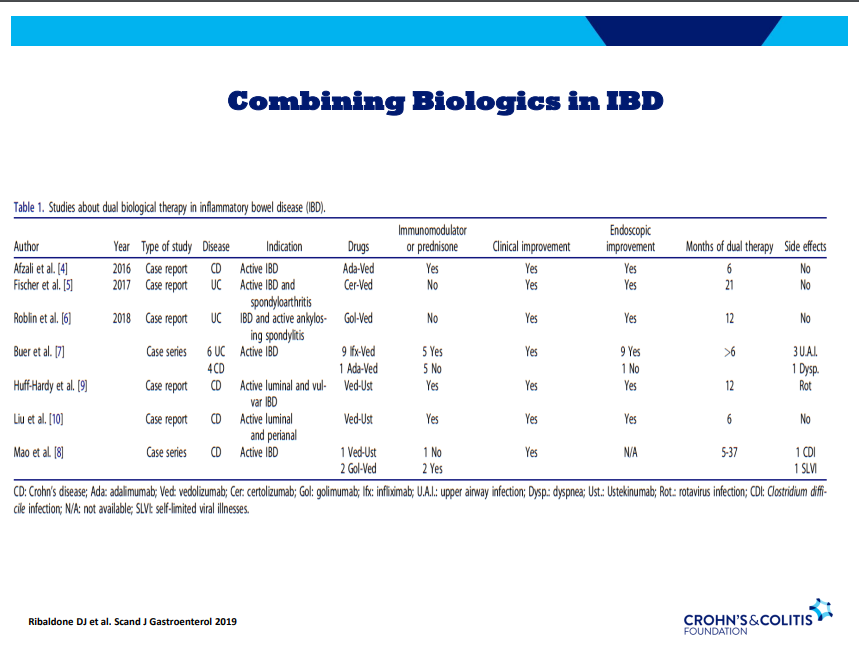
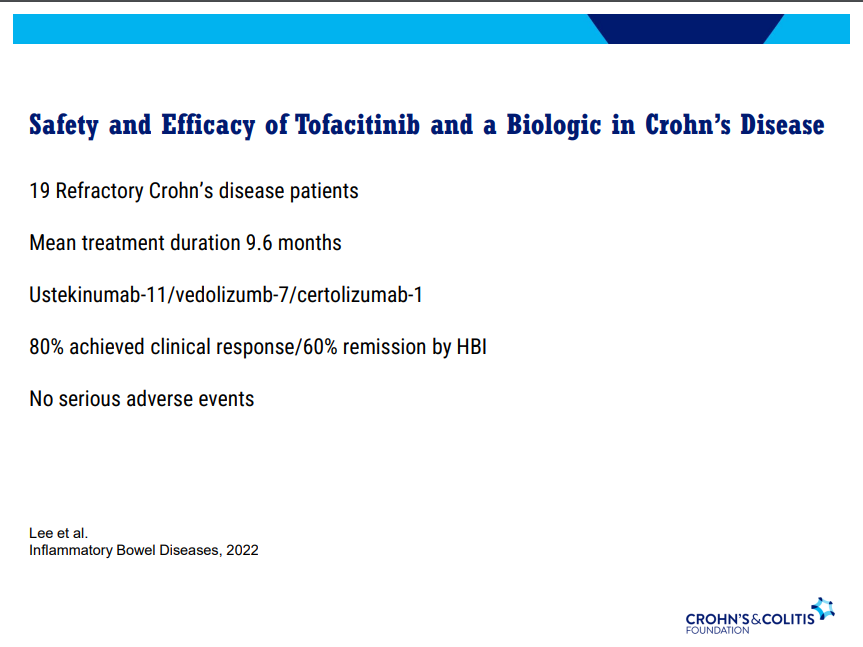
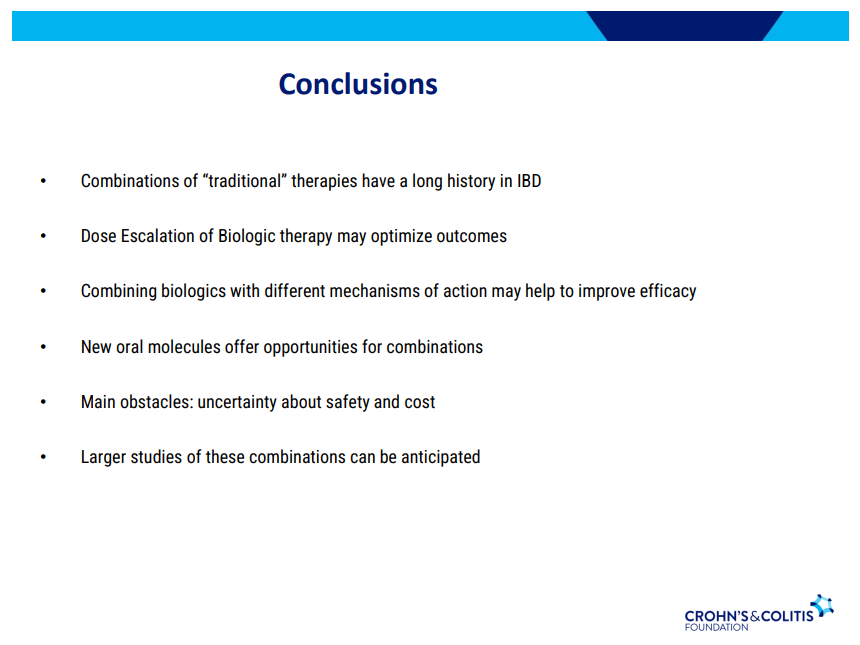
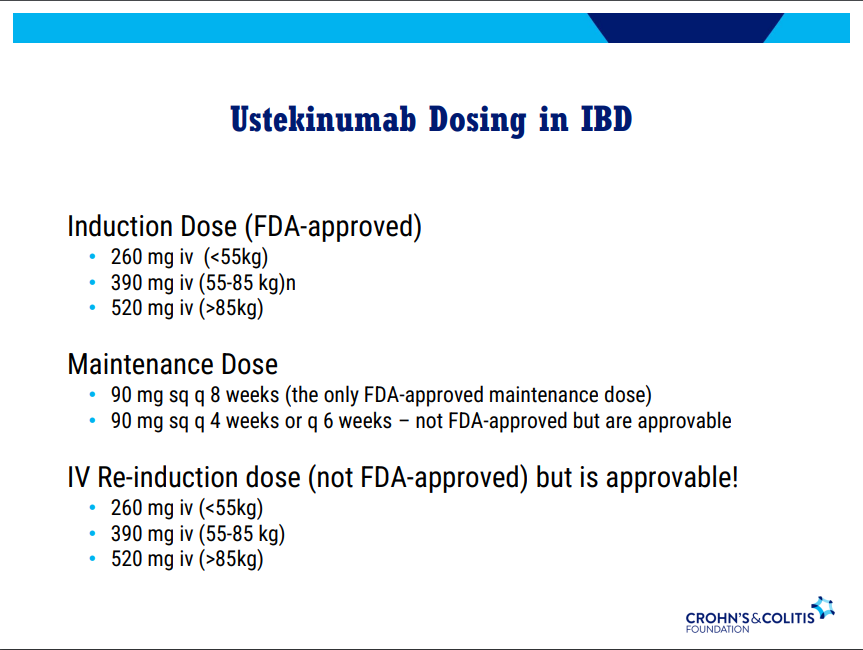
There were a bunch useful lectures at CCFA 2023 regional conference in Atlanta. Here are some of my notes and slides from Doug Wolf‘s lecture; my notes may have errors of omission or transcription. Can get access to full slide set (n=37) here: Dose Escalation of Biologic Therapy and Dual Biologic Therapy

  • If loss of response to anti-TNF, consider dose escalation by either re-induction or increasing (doubling) dose. Re-induction is less costly
  • Dose escalation generally not effective for vedolizumab
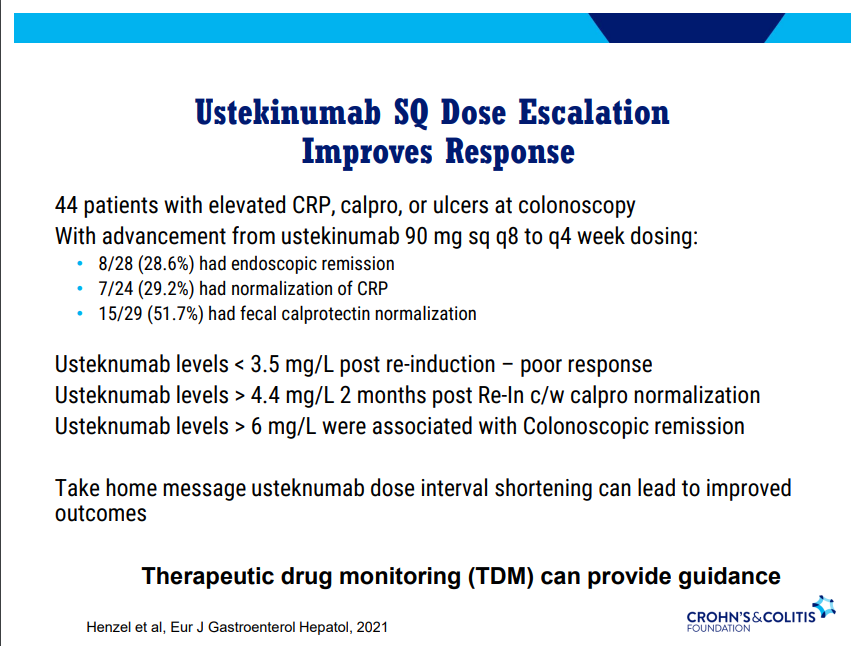
  • Dose escalation (increased frequency) with ustekinumab can be effective.  Therapeutic drug monitoring can provide guidance.  Re-induction can also be effective in half of patients (especially in patients with either no prior biologics or one prior biologic)
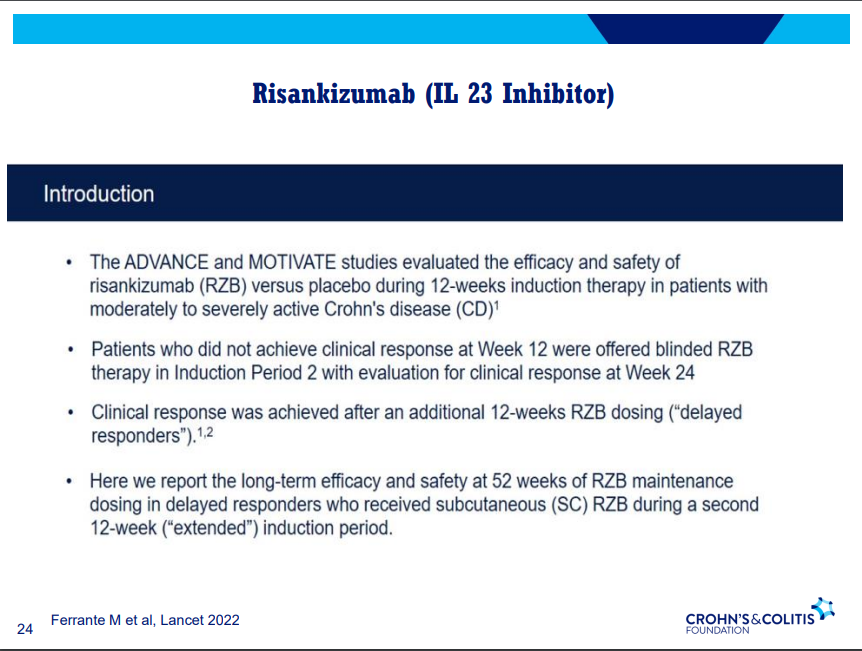
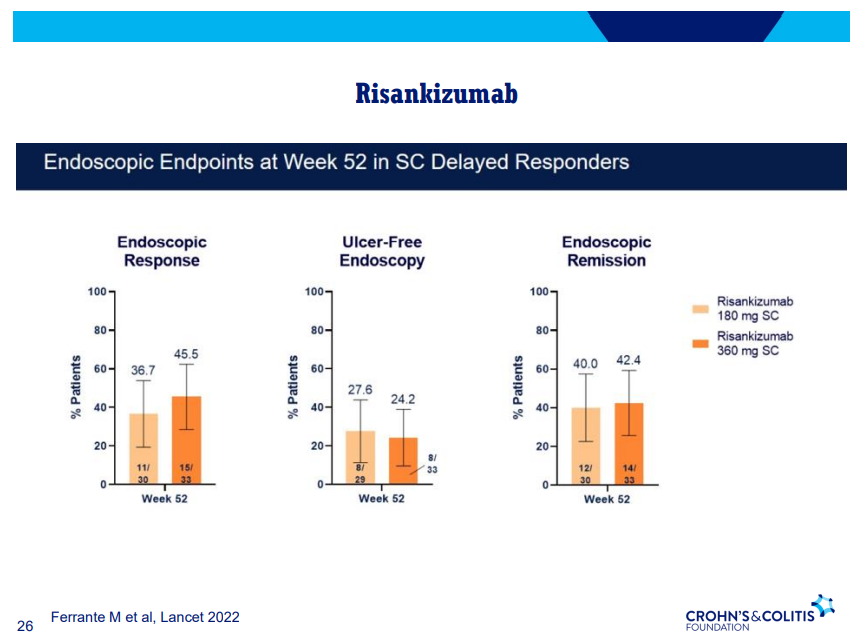
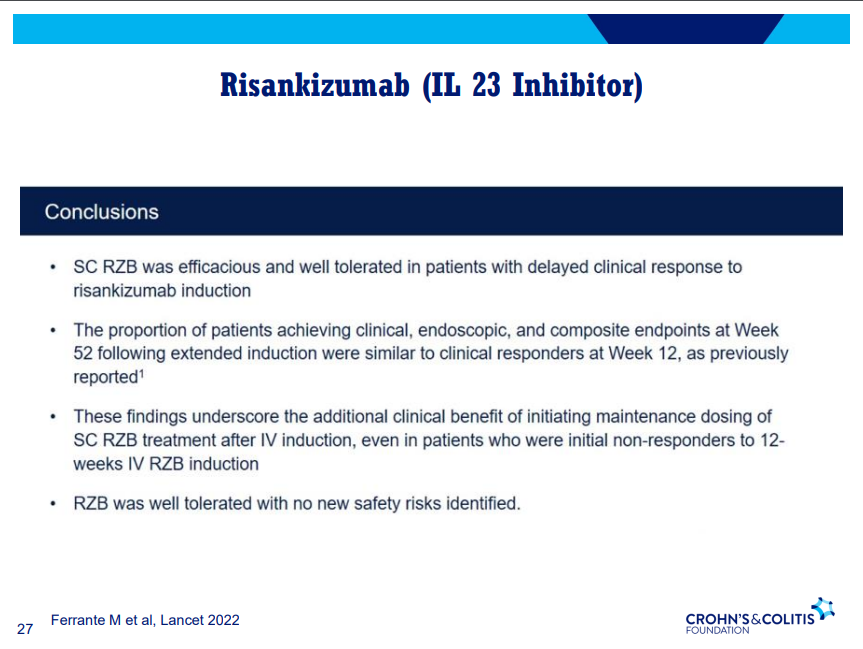
  • Risankizumab can still work in patients who had not responded by 12 weeks (delayed responders)
  • Discussed several combination treatments -no large studies thus far

Infliximab: Reach Higher and Be Stronger

M Gibson et al. JPGN 2023; 77: 207-213. Safety and Durability of Accelerated Infliximab Dosing Strategies in Pediatric IBD: A Single Center, Retrospective Study

This pediatric retrospective study (n=291, 2010-2020) showed a high response to infliximab in patients with inflammatory bowel disease (n=234 Crohn’s disease (CD), n=53 ulcerative colitis (UC)) over a 10-period. Mean duration of treatment among study participants was 2.9 years. Key findings:

  • 53% (n=135) started with doses of 10 mg/kg and 64% (n=87) of those who started on 5 mg/kg were dose-escalated; thus, approximately 76% of patients in their cohort needed doses of 10 mg/kg.
  • Only 12% of patients discontinued treatment over the observed timeframe.
  • Patients with UC (P ≤ 0.01) and patients with extensive disease (P = 0.01) had lower durability, despite a higher starting dose of IFX (P = 0.03).  Figure 2 indicated that durability in CD was ~93% compared to ~60% for UC with HR of 5.12. The HR for extensive disease (n=77) was 3.74 compared to those with limited disease (n=108). Still, ~75% of those with extensive disease continued on treatment
  • Common adverse events included 18 with skin findings (14 with psoriasis, 3 nonspecific rash, 1 with lupus), 23 with infusion reactions, 7 with AST/ALT >3 times ULN (or >120 IU/L), and 3 with serious infections.

Like the theme song from the 1996 Olympics (Reach, Gloria Estefan) reaching higher (dosing) resulted in being stronger (i.e.. better outcomes).

My take: This study showed really good outcomes associated with “accelerated” infliximab dosing.

Related blog posts:

The view before starting a climb at NRocks (Circleville, WV)
Highest point of our climb

Disclaimer: This blog, gutsandgrowth, assumes no responsibility for any use or operation of any method, product, instruction, concept or idea contained in the material herein or for any injury or damage to persons or property (whether products liability, negligence or otherwise) resulting from such use or operation. These blog posts are for educational purposes only. Specific dosing of medications (along with potential adverse effects) should be confirmed by prescribing physician.  Because of rapid advances in the medical sciences, the gutsandgrowth blog cautions that independent verification should be made of diagnosis and drug dosages. The reader is solely responsible for the conduct of any suggested test or procedure.  This content is not a substitute for medical advice, diagnosis or treatment provided by a qualified healthcare provider. Always seek the advice of your physician or other qualified health provider with any questions you may have regarding a condition.
Giving Tacrolimus Another Look for Severe Colitis

The retrospective study by Zimmerman et al involved 170 pediatric patients (IFX (n = 84) and TAC (n = 86)) with acute severe colitis (ASC) form 2005 to 2017; TAC was generally used prior to 2014 and patients were more likely to be receiving 6MP as a long-term maintenance agent; the mean TAC level was 10.7 ng/mL. The mean dose of infliximab (IFX) initially was 7 mg/kg. Key findings:

  • The rate of colectomy 6 months from rescue therapy was similar whether patients received IFX or TAC (22.6% vs 26.7%, respectively, P = 0.53).
  • The mean decline in Pediatric Ulcerative Colitis Activity Index scores from admission to discharge in those treated with IFX (31.9) or TAC (29.8) was similar (P = 0.63).
  • Similar rates of adverse effects were seen. 4 patients in the TAC group experienced neurologic symptoms.
  • About half of the steroid-refractory ASC patients failing either agent as initial rescue therapy required colectomy, even if they switched to the alternative agent.
  • 17.9% of patients receiving high-dose IFX required colectomy by 6 months compared to 25% in the “typical” IFX dosing group; this was not statistically significant, likely due to limitations of sample size.

In the systematic review/meta-analysis study by Bolia et al., the authors identified 7 studies with 166 children (111 steroid-refractory, 52 steroid-dependent, 3 no steroids). The majority of cases (150/166 [90%]) were naïve to biologics. None of the participants in these studies have been treated recently (only 10 patients since 2014 and none after 2016). The two most recently published studies in 2018 and 2019 had enrollment in 2014-2016 and 2000-2012, respectively. Key findings:

  • An initial response to tacrolimus therapy was seen in 84% 
  • No difference was observed between children with high (>10 ng/mL) or low tacrolimus levels (127/150 [85%] vs 12/16 [75%], P = 0.3).
  • The pooled frequency of 1-year colectomy-free survival in children treated with initial oral tacrolimus was 64% (95% CI: 53%–75%). Twelve (7.2%) patients required cessation of therapy because of side effects.

My take: Both of these studies indicate that tacrolimus could be a useful agent for ASC and may find a role as a bridge therapy for biologic agents with slower onset of action.

Related blog posts:

NRocks Climb in Circleville, WV

The Expanding Adalimumab Options

S White, R Morrow, I Pan, EF de Zoeten. JPGN 2023; 76: 701-703.
Riding the Wave of Adalimumab Biosimilars: Considerations for Pediatric Gastroenterologists

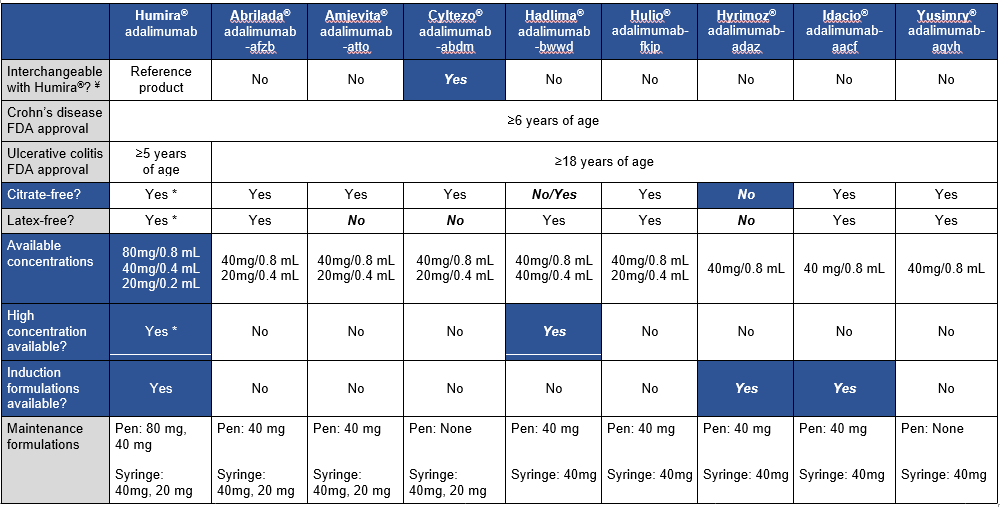
This article is a very handy update on approved adalimumab biosimilars, though even more biosimilars are expected to become available soon. The table below which is similar to a table in the article outlines the similarities and differences in these products compared to the reference product.

These biosimilars are FDA-approved for the treatment of adult and pediatric patients aged 6 and older with Crohn disease. “However, the biosimilar products are only approved for treatment of adult patients” (18 and older) with ulcerative colitis. “This may be due to the recent change in pediatric ulcerative colitis Humira FDA-approved dosing.”

My take (borrowed in part from authors): Insurance coverage decisions are likely to overlook some of these factors which are very important for pediatric patients. “The adalimumab biosimilars will likely provide a clinically effective, cost saving option for our patients, but consideration of a number of factors will be key when selecting between” them.

Related posts:

Disclaimer: This blog, gutsandgrowth, assumes no responsibility for any use or operation of any method, product, instruction, concept or idea contained in the material herein or for any injury or damage to persons or property (whether products liability, negligence or otherwise) resulting from such use or operation. These blog posts are for educational purposes only. Specific dosing of medications (along with potential adverse effects) should be confirmed by prescribing physician.  Because of rapid advances in the medical sciences, the gutsandgrowth blog cautions that independent verification should be made of diagnosis and drug dosages. The reader is solely responsible for the conduct of any suggested test or procedure.  This content is not a substitute for medical advice, diagnosis or treatment provided by a qualified healthcare provider. Always seek the advice of your physician or other qualified health provider with any questions you may have regarding a condition.

Early Postoperative Anti-TNF Therapy

JE Axelrad et al. Inflamm Bowel Dis 2023; 29: 888-897. Early Initiation of Antitumor Necrosis Factor Therapy Reduces Postoperative Recurrence of Crohn’s Disease Following Ileocecal Resection

This retrospective cohort study identified 1037 patients with Crohn’s disease who underwent ileocecal resection (ICR). Only 5.4% were younger than 18 yrs at the time of surgery. In this cohort, 278 (26%) received a biologic agent as prophylaxis to prevent recurrence with 80% receiving an anti-TNF agent. In those receiving an anti-TNF agent, 35% were started on therapy within 4 weeks of surgery and 65% were started between 4 and 12 weeks. Recurrence was defined by endoscopy (≥ i2b Rutgeerts score) or radiography (active inflammation in neoterminal ileum). Key findings:

  • After adjusting for factors associated with postoperative recurrence (POR), compared with no biologic prophylaxis, the initiation of an anti-TNF agent (n=223) within 4 weeks following an ICR was associated with a reduction in POR (adjusted hazard ratio, 0.61).
  • Prophylaxis after 4 weeks following an ICR or with vedolizumab or ustekinumab was not associated with a reduction in POR compared with those who did not receive prophylaxis –though sample size with vedolizumab (n=27) and ustekinumab (n=28) was very limited
  • Most patients receiving biologic prophylaxis had prior anti-TNF exposure including 73% of the anti-TNF group, 96% of the vedolizumab group, and 93% of the ustekinumab group.

In their discussion, the authors note that their findings reinforce previous studies which showed beneficial effects of anti-TNF therapy for POR, including the PREVENT trial. This randomized controlled trial with infliximab initiation within 45 days postoperatively in high risk individuals reduced endoscopic recurrence at 18 months (22.4% compared with 51% in placebo group).

My take: Anti-TNF therapy, even in those with prior exposure, likely improves outcomes in patients with Crohn’s disease following ileocecal resection. This study indicates that starting therapy within the first 4 weeks is more beneficial.

Related blog posts:

Watersound, FL

Do We Know How To Dilate Strictures Associated With Pediatric Crohn’s Disease?

O Ledder et al. JPGN 2023; 76: 799-806. Approach to Endoscopic Balloon Dilatation in Pediatric Stricturing Crohn Disease: A Position Paper of the Endoscopy Special Interest Group of ESPGHAN

This position paper regarding dilatation of strictures in Crohn’s disease provides mostly vague advice.

Here are a few examples:

  • Imaging: “The need for fluoroscopy is dependent on the stricture phenotype and the treating team…The advantage of live imaging is obvious: it provides greater certainty of balloon position and dilatation success; however, it is difficult and impractical in some centers…In simple strictures, where balloon passage and deployment can be performed with reasonable confidence under direct vision,…it is reasonable to dispense with imaging.”
  • Dilatation Size: “In the recent pediatric case series…a median of 15 mm was used” as a target dilatation….”It is wise to set reasonable goals for dilatation…Inherited wisdom recommended limiting esophageal dilatation to no more than 3 mm per session. However,…subsequently challenged in several studies demonstrating safe dilatation up to 5 mm per session…As an informal rule, the authors limit dilatation to 2 balloon sizes per session which roughly translates to 5-6 mm. An alternative approach…is to dilate to a maximum of three times the initial stricture diameter; however, neither of these approaches are based on any robust data.”

The main clear cut recommendations are to obtain careful consent, expecting a complication rate of ~4% (eg. bleeding, sepsis, perforation), and to have surgical backup.

My take: This “position paper” offers very few positions on management advice and gives little clear guidance in terms of dilating strictures in Crohn’s disease.

Related blog posts:

Infliximab Home Infusions

SR Gupta et al. JPGN 2023; 76: 776-781. Outcomes for Standardized Home and Hospital-Based Infusions of Infliximab for Children With Inflammatory Bowel Disease

In this retrospective study with 102 children, key findings:

  • There were similar outcomes among carefully-selected children receiving home infusions (HI), “drug durability, AOs [adverse outcomes], and laboratory values were similar between HI and hospital-based infusions.” 30% of eligible patients received HI.
  • Within 2 years, only 19% remained on 5 mg/kg every 8 week dosing and the remainder required increased dosing or decreased interval.  (Further supporting data showing that 5 mg/kg every 8 week dosing is inadequate in ~80%)

The authors note that HI were arranged with a single home health company with pediatric PALS-trained nurses. In addition, there was “direct communication between the home health nurse and IBD nurse after each infusion.”

Prior studies of HI have shown increased AOs in patients receiving HI including stopping therapy, ER visits, and hospitalizations (Clin Gastroenterol Hepatol 2020; 18: 257-258, Am J Gastroenterol 2020; 115: 1698-1706, JAMA New Open 2021; 4: e2110268).

My take: If set up properly, home infusions could be a reasonable alternative to hospital-based or office-based infusions.

In this article, from May 31, 2023: Sick Workers Tied to 40% of Food Poisoning Outbreaks, C.D.C. Says

“Each year, 48 million people become sick from a food-borne illness, according to C.D.C. estimates. Of those, 128,000 are hospitalized and 3,000 die.”

VTE Protocol for Hospitalized Kids with IBD

Tucson Botanical Gardens

LG Hamant et al JPGN 2023; 76: 610-615. Venous Thromboembolism Prophylaxis in Pediatric Inflammatory Bowel Disease Patients Hospitalized With a Central Line

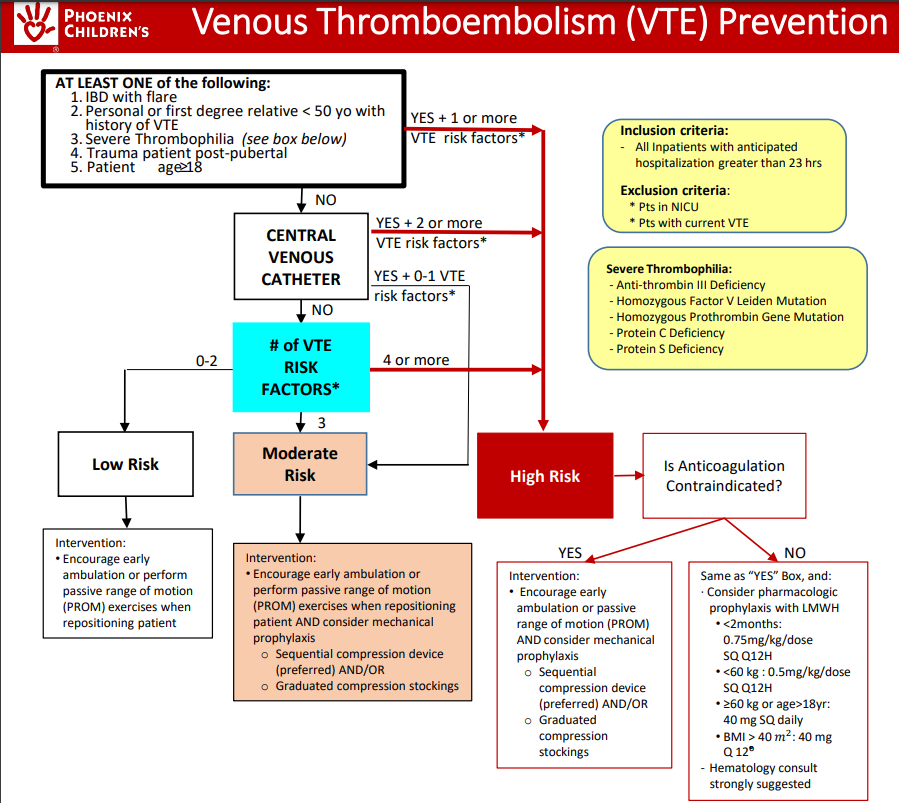
This article reviews the results of a venous thromboembolism (VTE) protocol that was implemented in 2018 in children with inflammatory bowel disease (IBD). A total of 313 hospitalizations across 187 different patients were identified that met criteria including IBD and central venous access. This retrospective review focused on children with IBD and and central venous catheter (CVC)  Key findings:

  • VTE prophylaxis increased from 5.24% (n = 12) prior to the intervention to 63.10% (n = 53) after the intervention
  • Rate of Doppler US increased from 9.17% (n = 21) prior to the intervention to 17.86% (n = 15) after the intervention
  • Diagnosis of VTE increased from 0.87% (n = 2) prior to the intervention to 7.14% (n = 6) after the intervention (attributed to better detection)

This article provides an algorithm for implementing VTE prophylaxis, recommending prophylaxis if 2 or more risk factors –both IBD and CVCs are risk factors. Mechanical prophylaxis (along with frequent ambulation, if feasible) is generally recommended if there are at least 2 risk factors, whereas anticoagulation prophylaxis is generally recommended if there are at least 4 risk factors. Other risk factors include being post-pubertal, obese, prolonged surgery (>90 minutes) within 2 weeks, altered mobility, and mechanical ventilation (see full protocol in article).

My take: In children at increased risk, the approach to reducing VTE in this article is quite sensible. Nevertheless, more research, especially with regard to institution of anticoagulation, is needed.

Related blog posts:

Disclaimer: This blog, gutsandgrowth, assumes no responsibility for any use or operation of any method, product, instruction, concept or idea contained in the material herein or for any injury or damage to persons or property (whether products liability, negligence or otherwise) resulting from such use or operation. These blog posts are for educational purposes only. Specific dosing of medications (along with potential adverse effects) should be confirmed by prescribing physician.  Because of rapid advances in the medical sciences, the gutsandgrowth blog cautions that independent verification should be made of diagnosis and drug dosages. The reader is solely responsible for the conduct of any suggested test or procedure.  This content is not a substitute for medical advice, diagnosis or treatment provided by a qualified healthcare provider. Always seek the advice of your physician or other qualified health provider with any questions you may have regarding a condition.
Durability of Biologics in Children with Inflammatory Bowel Disease

JL Kaplan et al. JPGN 2023; 76: 567-575. Open Access! Use, Durability, and Risks for Discontinuation of Initial and Subsequent Biologics in a Large Pediatric-Onset IBD Cohort

Methods: The authors analyzed pediatric inflammatory bowel disease (IBD) data from the ImproveCareNow Network registry (n= 17,649) between May 2006 and September 2016, including time to biologic initiation, choice of first subsequent biologics, biologic durability, and reasons for discontinuation

Key findings:

  • 7585 (43%) were treated with a biologic agent before age 18. 50% of children with Crohn’s disease (CD) received a biologic compared to 25% of children with ulcerative colitis (UC)
  • First biologic agents for all patients were anti-tumor necrosis factor agents (88% infliximab, 12% adalimumab)
  • Probability of remaining on first biologic in patients with CD: 93% at 6 months, 85% at 12 months, 79% at 24 months, and 74% at 36 months
  • Probability of remaining on first biologic in patients with UC: 84% at 6 months, 75% at 12 months, 66% at 24 months, and 55% at 36 months
  • First biologics were discontinued because of loss of response (39%), intolerance (23%), and nonresponse (19%).

My take: This is an important study that shows that anti-TNF therapy durability was 79% in patients with CD and 66% in patients with UC at 2 years. This pediatric-specific information will help with counseling families when starting biologic therapy. There was improvement in durability after 2013 compared to prior -so perhaps perhaps even better durability is occurring in 2023. It is a little ironic that this study is from ImproveCareNow given that the results are quite dated. There have been a lot of changes in the last seven years. These include the widespread use of dose optimization/therapeutic drug levels and the approval of several new classes of targeted medications.

Related blog posts:

Tucson Botanical Gardens