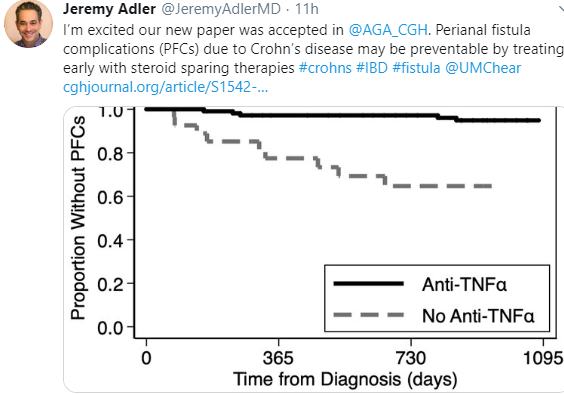
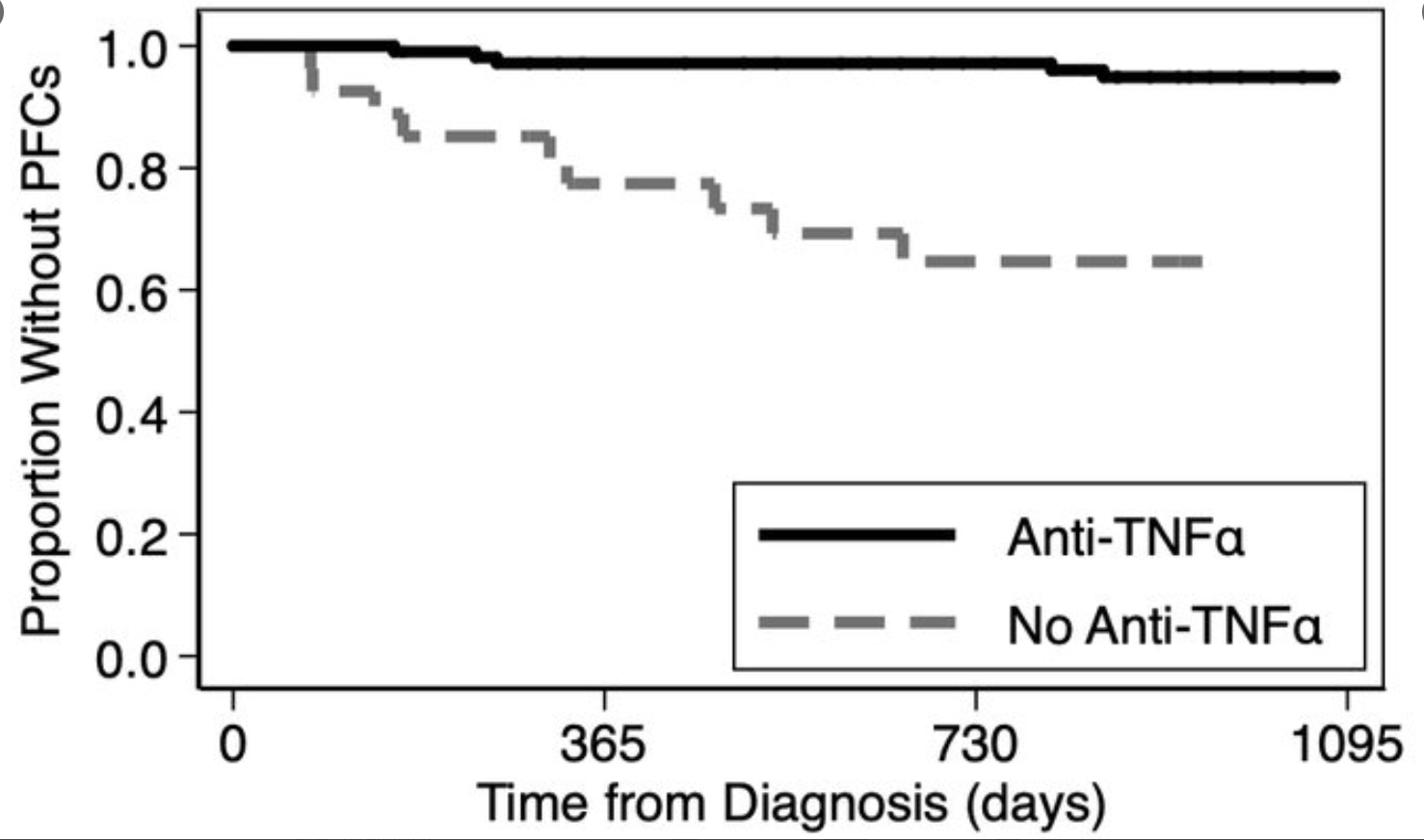
Early Treatment with Anti-TNF Agents and Development of Perianal Fistulas

AAM Singer, DA Bloom, J Adler. Clin Gastroenterol Hepatol 2020; In Press: Factors Associated With Development of Perianal Fistulas in Pediatric Patients With Crohn’s Disease
Also, related article:

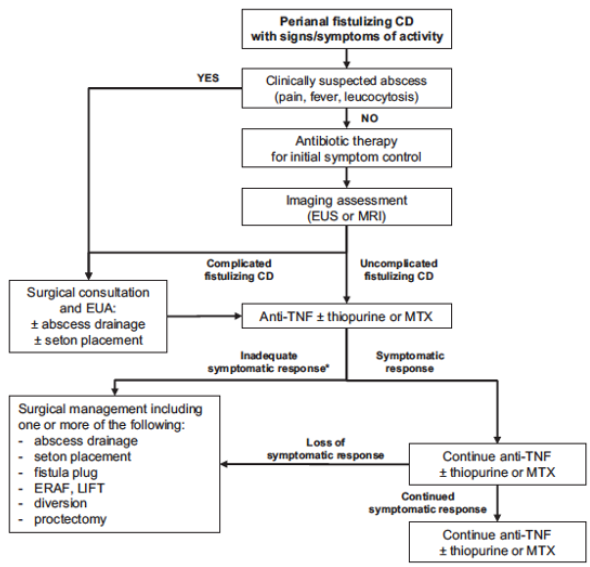
Full Text: 2019 Jan 1;25(1):1-13. doi: 10.1093/ibd/izy247. Clinical Practice Guideline for the Medical Management of Perianal Fistulizing Crohn’s Disease: The Toronto Consensus.

Related blog posts:

Disclaimer: This blog, gutsandgrowth, assumes no responsibility for any use or operation of any method, product, instruction, concept or idea contained in the material herein or for any injury or damage to persons or property (whether products liability, negligence or otherwise) resulting from such use or operation. These blog posts are for educational purposes only. Specific dosing of medications (along with potential adverse effects) should be confirmed by prescribing physician.  Because of rapid advances in the medical sciences, the gutsandgrowth blog cautions that independent verification should be made of diagnosis and drug dosages. The reader is solely responsible for the conduct of any suggested test or procedure.  This content is not a substitute for medical advice, diagnosis or treatment provided by a qualified healthcare provider. Always seek the advice of your physician or other qualified health provider with any questions you may have regarding a condition.

Briefly Noted: Shwachman-Diamond

S Cesaro et al. J Pediatr 2020; 219: 196-201.  This prospective study with 121 patients provides long-term survival information regarding Shwachman-Diamond syndrome which is characterized by exocrine pancreatic insufficiency, hematologic alterations, skeletal abnormalities and sometimes liver disease. Key findings:

  • Initial hematologic parameters included severe neutropenia in 25.8%  , thrombocytopenia in 25.5%, and anemia in 4.6%; cumulative incidence of these abnormalities at 30 years of age were 59.9%, 66.8%, and 20.2% respectively
  • 20-year cumulative incidence of myelodysplasia/leukemia was 9.8% and of bone marrow failure/severe cytopenia was 9.9%.
  • 15 (12.4%) underwent stem cell transplantation
  • 15 (12.4%) died with probability of survival at 10 yrs: 95.7% and at 20 yrs 87.4%

My take: This study shows the hematologic morbidities associated with Shwachman-Diamond –important information for the pediatric gastroenterologist following these children for pancreatic insufficiency or liver-related abnormalities.

Related blog posts:

Also, a previous post (Do Button Battery Guidelines Need to be Revised?) reviewed an abstract suggesting that gastric button batteries could result in mucosal injury.  This has now been published: (Gastrointestinal Endoscopy, DOI: https://doi.org/10.1016/j.gie.2020.04.037 In press) Gastric injury secondary to button battery ingestions: a retrospective multicenter review

Curbside humor: How do you make a tissue dance?  Put a little boogie in it.

Island Ford National Recreation Area/Chattahoochee River


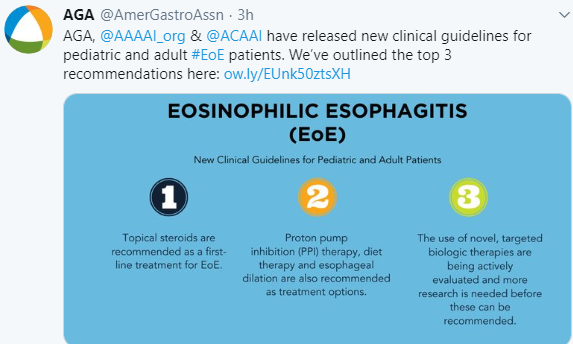
New 2020 Eosinophilic Esophagitis Guidelines

Full text (I Hirano et al. Gastroenterol 2020; 158: 1776-86): AGA Institute and the Joint Task Force on Allergy-Immunology Practice Parameters Clinical Guidelines for the Management of Eosinophilic Esophagitis

Full text: PDF

This guideline was developed through a collaboration between AGA and the Joint Task Force for Allergy-Immunology Practice Parameters, which comprises the American Academy of Allergy, Asthma & Immunology and the American College of Allergy, Asthma & Immunology. This guideline is jointly published in Gastroenterology and Annals of Allergy, Asthma and Immunology.

Technical review article (MA Rank et al. Gastroenterol 2020; 158: 1789-1810): Technical Review on the Management of Eosinophilic Esophagitis: A Report From the AGA Institute and the Joint Task Force on Allergy-Immunology Practice Parameters


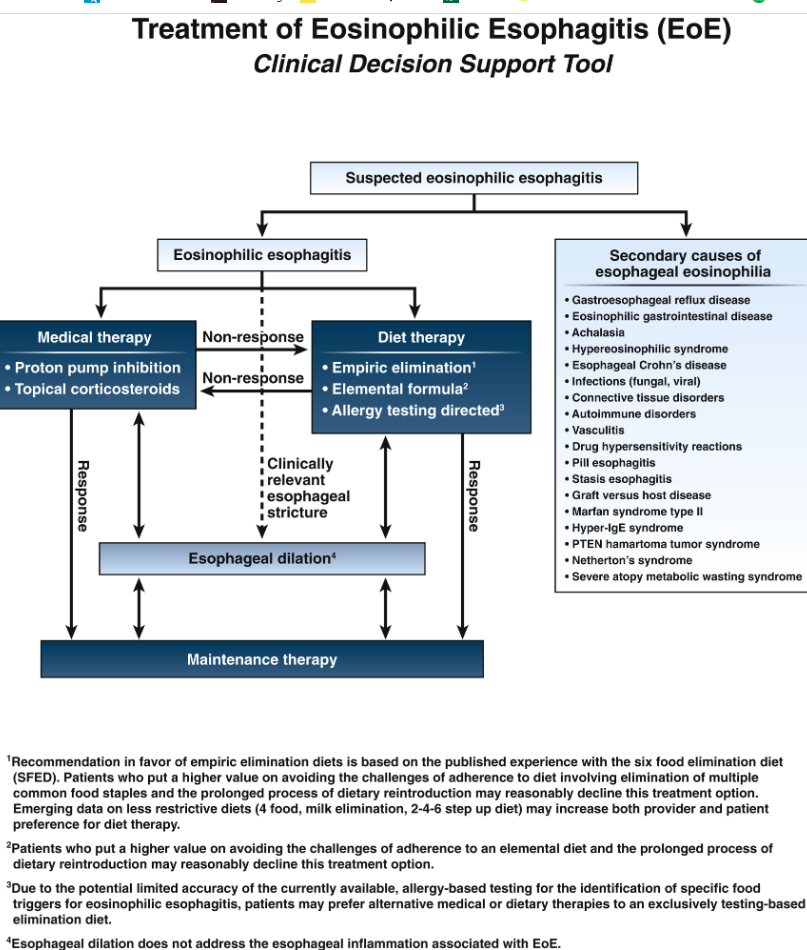
Link: Clinical Decision Support Tool

Link: Treatment of EoE Spotlight Poster

Related blog posts:

Great Issue: We Need More Negative Studies (Published)

A recent ACG “Negative Issue” had some terrific articles –thanks to Ben Gold for sharing his issue.

Here are a few of the studies:

  1. Buspirone had similar efficacy as placebo in a randomized clinical trial for childhood functional abdominal pain, (n=117)  Full text: Comparison of the Efficacy of Buspirone and Placebo in Childhood Functional Abdominal Pain Key finding: Treatment response rates for buspirone and placebo were 58.3% and 59.6% at week 4 (P = 0.902) and 68.1% and 71.1% at week 12 (P = 0.753), respectively.
  2. IBS does not increase mortality in a nationwide cohort study (>300,000 in study)  Full text: Mortality Risk in Irritable Bowel Syndrome Key finding: After adjustment for confounders, IBS was not linked to mortality (HR = 0.96; 95% CI = 0.92–1.00) …and patients with IBS not undergoing a colorectal biopsy were at no increased risk of death (HR = 1.02; 95% CI = 0.99–1.06).
  3. Mongerson was not effective for active Crohn’s disease in a large phase 3 study, n=701 Full text: Mongersen (GED-0301) for Active Crohn’s Disease Key finding: The primary endpoint, clinical remission achievement (CD Activity Index score <150) at week 12, was attained in 22.8% of patients on GED-0301 vs 25% on placebo (P = 0.6210). At study termination, proportions of patients achieving clinical remission at week 52 were similar among individual GED-0301 groups and placebo.
  4. Treatment of H pylori did not increase the risk of C difficile infection (retrospective study)  Full text: Treatment of Helicobacter pylori & Clostridium difficile  Key finding: Of these 38,535 patients with H pylori based on endoscopic pathology, urea breath testing, or stool antigen, 284 (0.74%) had subsequent CDI. Those who developed CDI were less likely to have received treatment for HP within the VHA (66.2% vs 74.8%, P < 0.001)
  5. Percutaneous liver biospy was not safer when done by experienced clinician compared to a fellow, n=212 biopsies  Full text: Major Complications of Pediatric Percutaneous Liver Biopsy Do Not Differ Among Physicians With Different Degrees of Training  Key finding: No significant differences were found between groups (fellows vs staff) regarding number of punctures (median of 1.7 for both), nonrepresentative biopsies (4.2% vs 2.6%), and hemoglobin drop (median of 0.7 vs 0.5 g/L).  Interestingly, in the discussion, the authors assert: “previous studies do not support the conclusion that ultrasound-guided biopsies are superior in terms of safety or adequacy when compared with the use of ultrasound to mark the puncture” (this is based on a study referenced from 2007:  J Gastroenterol Hepatol 2007;22(9):1490–3.)  However, given that severe complications from liver biopsy are infrequent, this current study may be underpowered to detect a small difference between experienced clinicians and fellows.

Related blog posts:


It’s come to this:  Link: YouTube: Dirty Dancing Remake -Safest with a Lamp (this link is for Bernsie). 4 minute video.

Why Ingestion of Caustic Substances is Not A Good Idea

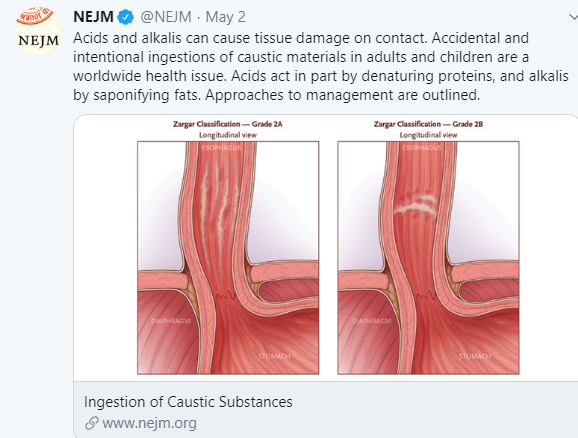
The week that the U.S. President suggested that using disinfectants to treat the coronavirus could be helpful, there was a spike in calls to poison control centers: Calls to poison control centers spike after Trump disinfectant comments.  In addition, coincidentally, a review article was published: Ingestion of Caustic Substances (RS Hoffman et al. NEJM 2020; 382: 1739-48).

Background:

  • Chevalier Jackson (1865-1958), an otolaryngologist and often called the ‘father of endoscopy,’ advocated for warning labels on bottles that contained caustic agents.
  • U.S. Federal Caustic Poison Act 1927 mandated labeling and U.S. Poison Prevention Packaging Act 1970 mandated child-resistant containers
  • Currently, poison control centers in the U.S. advise storage “up and away” of caustic agents (Great website for families: www.upandaway.org)

Epidemiology:

  • Nearly 1000 children are hospitalized each year with caustic ingestions.
  • In younger children, ingestions typically involve smaller amounts than in adolescents and adults (in which ingestions are usually deliberate attempts at self-harm)

Clinical Outcomes:

  • GI: Caustics (both acid and alkali) may result in esophageal perforations with mediastinitis, as well as bowel perforation and bleeding.  Esophageal strictures can develop weeks to months afterwards
  • ENT: May compromise airway
  • Eye/Skin: Splash may cause eye injuries and skin burns

Approach to Management:

The authors present an algorithm (Figure 1) –Key points:

  • For adults and adolescents, when there are oropharyngeal findings with intentional ingestions, there is a high likelihood of gastroesophageal injury. In younger children, the presence of oropharyngeal findings is much less likely to be associated with gastroesophageal injury due to smaller ingested quantities.
  • The authors advocate a selective approach towards endoscopy in young children.  “For children with only vomiting or drooling and those who refuse to drink, overnight observation is routine, and endoscopy is performed only if symptoms persist and the child remains unable to take oral fluids”  If there is vomiting and drooling or stridor alone, endoscopy is recommended.
  • Endoscopy, when indicated, “should be performed in the first 24 to 48 hours.”  Delayed endoscopy may increase the risk of perforation.
  • Clinical attempts to empty the stomach can potentially increase injury. However, “use of water immediately after ingestion (usually at home) to irrigate adherent materials” may be useful if patient can swallow safely and breathe without difficulty.

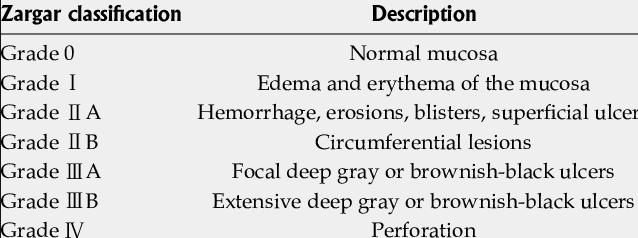
Grading Esophageal Injury -Zargar Classification:

For patients too ill to undergo endoscopy, CT is an alternative

Use of Corticosteroids:

This issue is discussed at length.  Though routine use of steroids failed to show benefit in several (underpowered) studies, the authors not that Usta et al (Pediatrics 2014; 133: E1518-24) “randomly assigned children with grade 2B esophageal injuries to 3 days of methylprednisolone ( 1 g per 1.73m2 of BSA per day) or placebo, plus 1 week of ceftriaxone and ranitidine…A significant benefit was reported in the methylprednisolone group.”  Thus, “patients with grade 2B injuries, who have a high risk of progression to stricture and a low risk of perforation, are most likely to benefit from…glucocorticoid therapy.”  The authors state this is in agreement with current guidelines (JPGN 2017; 64: 133-53).

Other Management:

  • Consider placement of nasogastric tube at time of endoscopy
  • Sucralfate has been shown to help with esophageal healing
  • Mitomycin C has been studied and has some data indicating fewer dilatations were needed for caustic-induced strictures.  Long-term risk of malignancy with mitomycin C is uncertain.

My take: Most children with caustic ingestions will not need endoscopy.  Sucralfate is a useful adjunct.  A subset of children may benefit from 3 days of methylprednisolone.

Related blog posts:


Disclaimer: This blog, gutsandgrowth, assumes no responsibility for any use or operation of any method, product, instruction, concept or idea contained in the material herein or for any injury or damage to persons or property (whether products liability, negligence or otherwise) resulting from such use or operation. These blog posts are for educational purposes only. Specific dosing of medications (along with potential adverse effects) should be confirmed by prescribing physician.  Because of rapid advances in the medical sciences, the gutsandgrowth blog cautions that independent verification should be made of diagnosis and drug dosages. The reader is solely responsible for the conduct of any suggested test or procedure.  This content is not a substitute for medical advice, diagnosis or treatment provided by a qualified healthcare provider. Always seek the advice of your physician or other qualified health provider with any questions you may have regarding a condition

COVID-19: Failing the Test, What We Know About Aerolization, Georgia DPH Revisions, CDC COVID-19 Projections

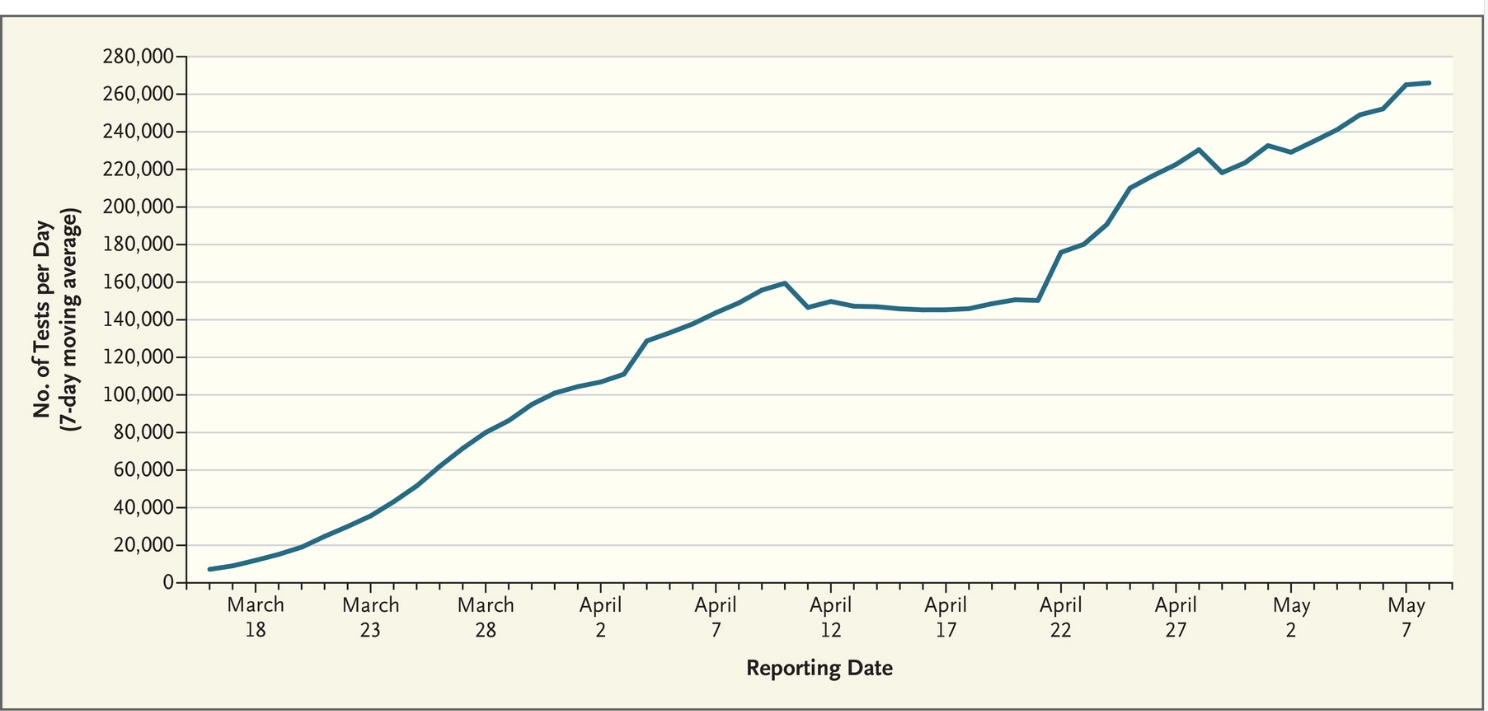
Yesterday –E Schneider NEJM commentary (DOI: 10.1056/NEJMp2014836) on how the U.S. has lagged behind other countries in SARS-CoV-2 testing  Full Text: Failing the Test

An excerpt:

Tragically, the United States, unable to match other countries’ response, has tallied the most cases and deaths in the world — and recent data suggest that those tallies are underestimates. Why has the U.S. response been so ineffectual? One key answer is testing, which has been a cornerstone of Covid-19 control elsewhere…

Having failed to test early enough to contain outbreaks, the country has fallen back on two mitigation strategies: accelerating drug and vaccine development and an unprecedented strategy of nonpharmacologic interventions (NPIs) involving draconian school and business closures, stay-at-home orders, and physical distancing

March 16 -May 8, 2020

______________________________________________________________________

T Lewis. Scientific American (May 12):  How Coronavirus Spreads through the Air: What We Know So Far

An excerpt:

According to the U.S. Centers for Disease Control and Prevention and the World Health Organization, the novel coronavirus is primarily spread by droplets from someone who is coughing, sneezing or even talking within a few feet away. But anecdotal reports hint that it could be transmissible through particles suspended in the air…

 “There is not much convincing evidence that aerosol spread is a major part of transmission” of COVID-19, Perlman says. That assessment does not mean it is not occurring, however…

Cowling hypothesizes that many respiratory viruses can be spread through the airborne route—but that the degree of contagiousness is low…

Most researchers still think the new coronavirus is primarily spread via droplets and touching infected people or surfaces. So diligent hand washing and social distancing are still the most important measures people can take to avoid infection.


From AJC: Georgia’s Latest Errors in Reporting COVID-19 Data 

In the latest bungling of tracking data for the novel coronavirus, a recently posted bar chart on the Georgia Department of Public Health’s website appeared to show good news: new confirmed cases in the counties with the most infections had dropped every single day for the past two weeks.

In fact, there was no clear downward trend. The data is still preliminary, and cases have held steady or dropped slightly in the past two weeks.

DPH’s page has led readers to think that cases were dropping dramatically, even though lower case numbers were the result of a lag in data collection.

My take: Though, the number of reported cases has been fairly steady in Georgia, the amount of testing has increased; thus, even if the numbers hold steady, this likely reflects some improvement in the absolute number of infected individuals.


Big Study on Intralesional Steroid Injection for Esophageal Anastomotic Strictures & 8 Truths on COVID-19

A recent retrospective study (PD Ngo et al. JPGN 2020; 70: 462-7) describes the largest published experience with intralesional steroid injection (ISI) for esophageal anastomotic strictures; the population studied in this report were strictures associated with esophageal atresia (EA) repair.

Key Details:

  • 158 patients, 2010-2017, were included
  • 1055 balloon dilatations and 452 ISI+
  • Triamcinolone acetate (10 mg/mL) was injected into the scar tissue “at a typical doses of 1 to 2 mg/kg with a weight-based maximum of 20mg and not >40 mg per procedure (typically 10-20 mg).  The total injected dose was divided into 4 or more injection sites.”
  • Dilatation was performed with controlled radial expansion (CRE) balloons.
  • Prior to dilatation, a brief intraoperative contrast esophagram with half-strength ioversol 68% (Optiray 320) was performed.  This allowed estimation of the anastomotic diameters. In some cases with poor contrast distention, the estimation was completed using the endoscope diameter or biopsy forceps size.

Key findings:

  • The median change in stricture diameter was significantly greater in the ISI+ group compared to the ISI-neg group with stricture dilatation, with an adjusted odds ratio of 3.24
  • The likelihood of ISI injection being helpful was more pronounced with the first three sessions, with a median change of 1 mm compared to 0.5mm (after the first three).  The authors note that after the first 3 ISI+-dilatations, there was not a statistically-significant difference in stricture dilatation between those receiving ISI and those with balloon alone
  • There was no difference in perforation rates with ISI than without
  • The authors noted that patients who received ISI were less likely to be subsequently characterized as refractory

The study has a number of limitations including lack of precision/reproducibility with stricture diameter with dilatation; in addition, it was non-randomized and retrospective.

My take: This study, completed in a highly-specialized center, provides evidence that stricture dilatation following esophageal atresia repair is likely to be more successful with steroid injection.

Related blog posts:

Also, a good read (thanks to 33mail Bryan Vartabedian for this reference): Can We Discuss Flatten-the-Curve in COVID19? My Eight Assertions by JOHN MANDROLA, MD

” I will argue that the cumulative deaths from COVID19 will not be reduced significantly by flatten-the-curve policies. And that this virus will be as dangerous to vulnerable patients in 6 months to a year. We should be allowed to debate this.”

Key points: flattening of the curve does not mean that we will substantially lower the total mortality related to COVID-19 –though hospitals now have had time to avoid being overwhelmed.  The virus is not contained, tests will underperform, new treatments do not help much (thus far), the overall mortality is ~1%, it may be difficult for a vaccine to prove its effectiveness, and COVID-19 (& our response) will likely lead to a large number of deaths not due to COVID-19.

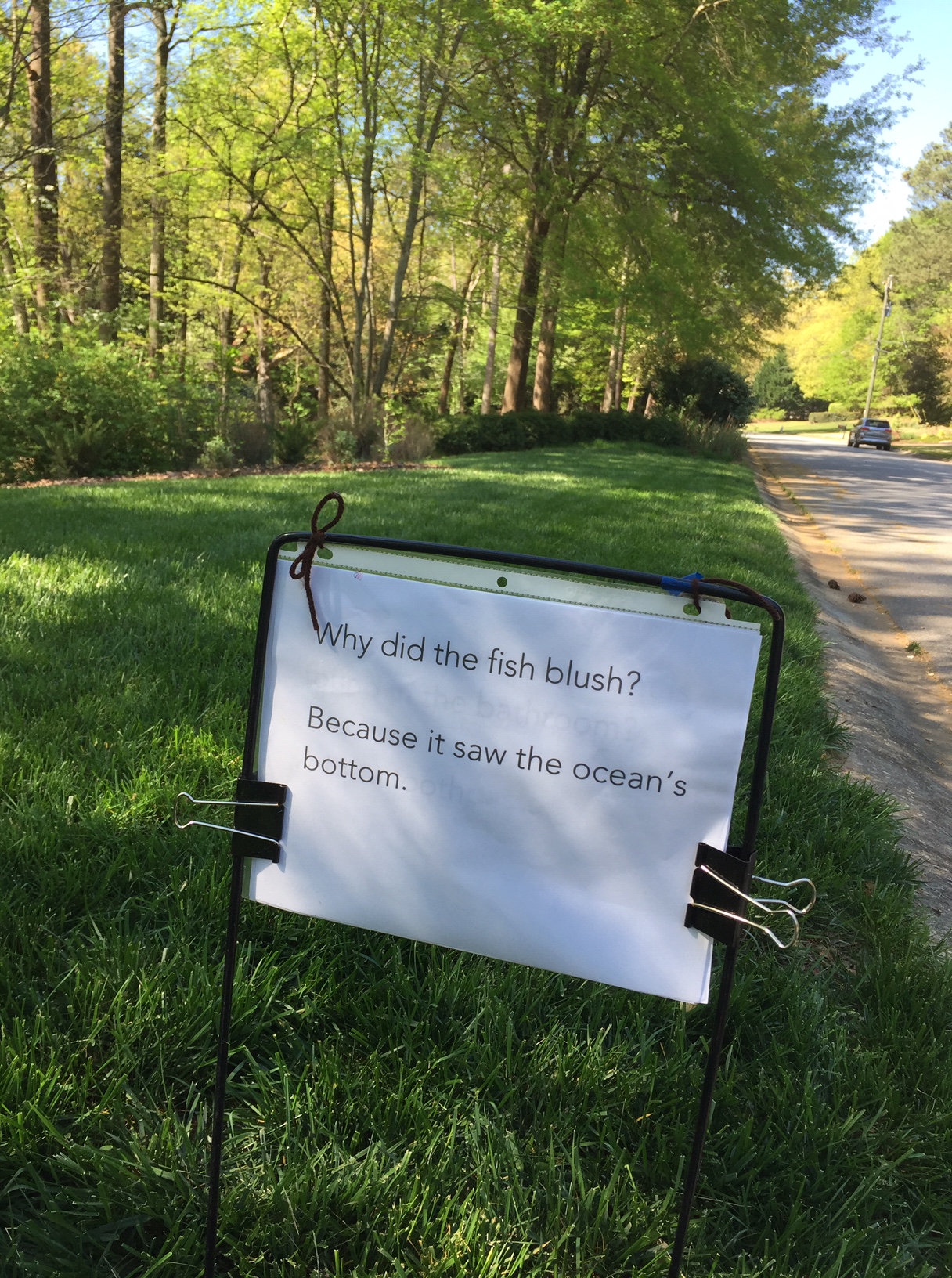
Curbside Humor

Is A Gluten-Free Diet Possible? DOGGIE BAG Study. And Face Mask Use in U.S.

A recent study (JA Silvester et al. Gastroenterol 2020; 158: 1497-99)  examined the diet of 18 participants with celiac disease who endorsed no intentional gluten ingestion.

From BeyondCeliac website: CELIAC DISEASE RESEARCHERS EXAMINE THE CONTENT OF PATIENTS’ DOGGIE BAGS

There are two ways you could interpret the name of the new Doggie Bag study, which investigates how much gluten people with celiac disease are getting in their diets. And each would be correct.

Participants in the study provided portions of all the food they ate over 10 days – what you could think of as the doggie bag you bring home from a restaurant. They also provided stool samples, which might bring to mind the bags dog owners use to clean up after their pets.

Either way, the name reflects the commitment made by 18 celiac disease patients on the gluten-free diet who took part in the 10-day review of all the gluten going in and coming out of their bodies. Urine samples were also collected.

Celiac disease researchers tested all the samples for the presence of gluten immunogenic peptides (GIP) and concluded that 66 percent of the patients trying to follow a strict gluten-free diet showed evidence, by one measure or another, of being exposed to gluten. The amount of gluten varied from .23 milligrams (mg) to more that 40 mg with each exposure. Up to 10 mg of gluten per day is generally considered a safe level of gluten consumption for most people with celiac disease, according to the University of Chicago Celiac Disease Center.

Key findings:

  • 25 of 313 (8%) of food samples from 9 participants had detectable gluten with a median of 11 parts per million
  • 12 of 18 with good or excellent GFD adherence based on standardized self-report were exposed to gluten within the 10-day study period
  • Among the 12 with gluten detected in their diet, 5 (42%) had abnormal TTG IgA antibody levels and 8 (66%) had Marsh 3A histology; in the 6 with no gluten detected, 2 (33%) had abnormal TTG IgA antibody levels and 2 (33%) had Marsh 3A histology

My take: For many patients with celiac disease, a “GFD may be more aspirational than achievable, even by highly committed and knowledgeable individuals.”

Related blog posts:


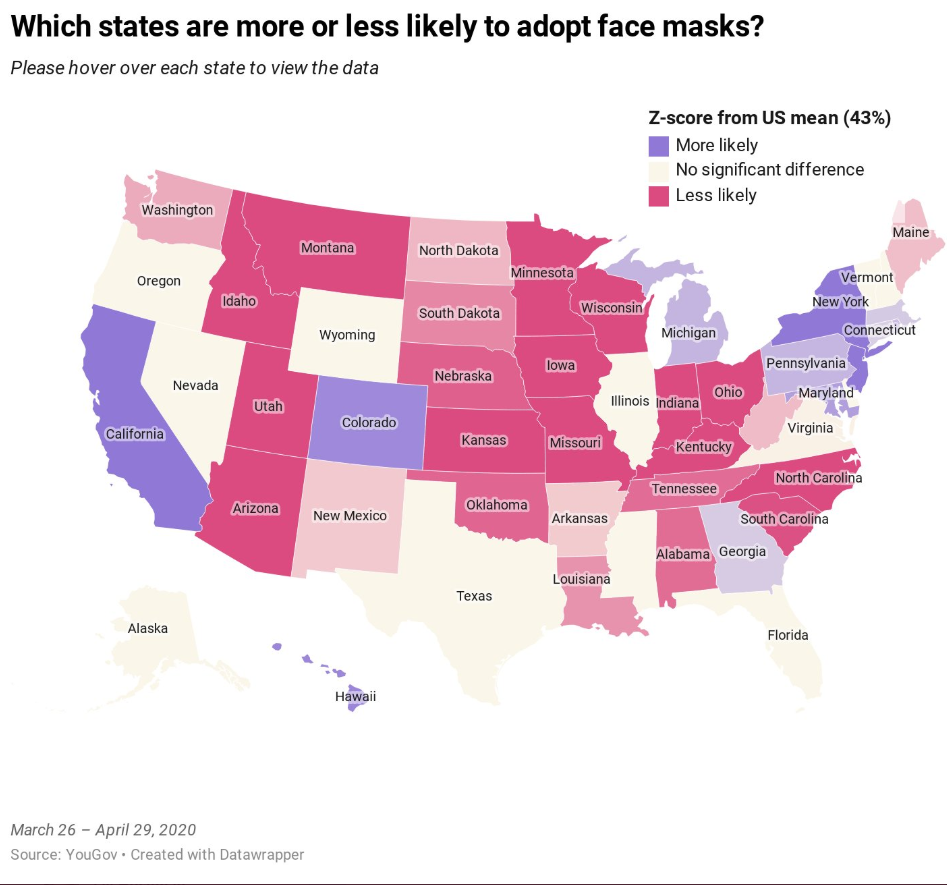
From YouGov survey: The states that are more and less likely to adopt face masks

  • Methodology: The survey is based on the interviews of 89,347 US adults aged 18 and over between March 26-April 29, 2020. All interviews were conducted online and the results have been weighed to be nationally representative.
  • During the course of April, the share of Americans who wore face masks while out in public surged from 17 percent at the start of the month to 63 percent by month’s end
  • A state-by-state analysis reveals some states are significantly more likely to adopt face masks than others. Georgia was ahead of nationwide average during study period (45% compared to 43% nationwide)


Disclaimer: This blog, gutsandgrowth, assumes no responsibility for any use or operation of any method, product, instruction, concept or idea contained in the material herein or for any injury or damage to persons or property (whether products liability, negligence or otherwise) resulting from such use or operation. These blog posts are for educational purposes only. Specific dosing of medications (along with potential adverse effects) should be confirmed by prescribing physician.  Because of rapid advances in the medical sciences, the gutsandgrowth blog cautions that independent verification should be made of diagnosis and drug dosages. The reader is solely responsible for the conduct of any suggested test or procedure.  This content is not a substitute for medical advice, diagnosis or treatment provided by a qualified healthcare provider. Always seek the advice of your physician or other qualified health provider with any questions you may have regarding a condition