Correlating Calprotectin with Disease Severity in Pediatric IBD

E Crawford et al. JPGN Reports 2021; 22 – Issue 4 – p e129. Open Access: Association of Fecal Calprotectin With Endoscopic and Histologic Activity in Pediatric Inflammatory Bowel Disease

This retrospective study used data from 331 patients (n=107 with IBD). Fecal calprotectin (FC) was done between 30 days and 1 day before colonoscopy.

Key findings:

  • Correlation with endoscopy: median FC was lowest for all IBD patients with no active disease (181 μg/g) and highest in severe disease (921 μg/g), with significant difference between no disease and moderate and severe disease (P = 0.019, 0.003), and between mild and severe disease (P = 0.012)
  • Correlation with histology: median FC was lowest with no active disease (328 μg/g) and highest in severe disease (895 μg/g), with significant difference between no disease and moderate and severe disease (P = 0.021, 0.018)
  • The control population had median FC of 35.5 compared to 181 μg/g for the IBD population in endoscopic remission (P = 0.018).

My take: Calprotectin levels are particularly helpful as a screen for IBD (probably using threshold of at least 120) and its use to monitor clinical response. This study shows it has some utility in predicting disease severity.
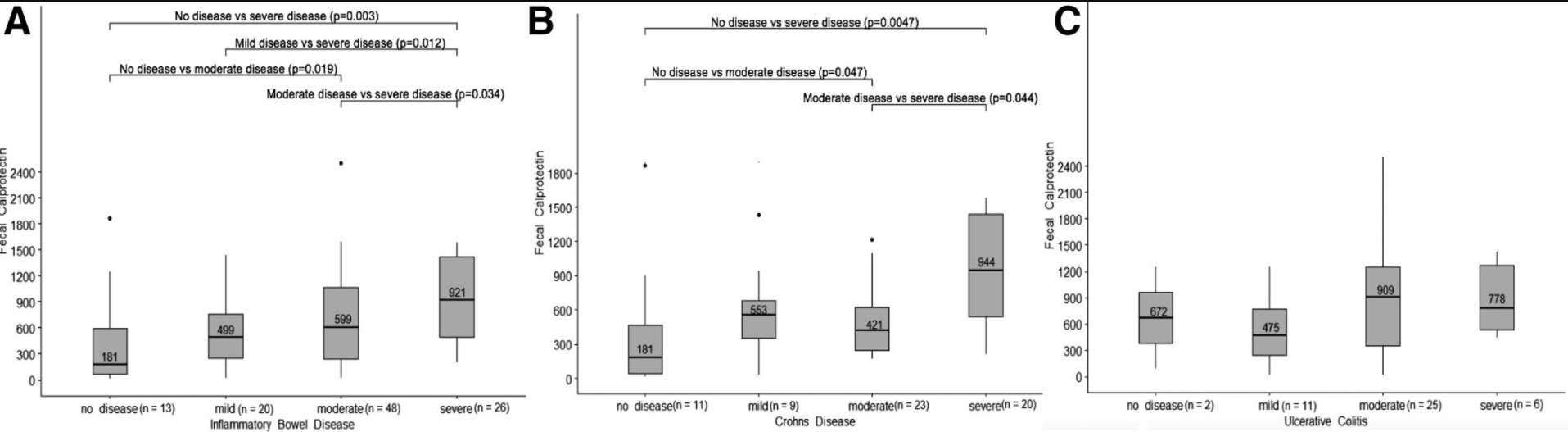
Figure 1: Fecal calprotectin association with endoscopic disease severity of IBD
(A), Crohn’s disease (B) and ulcerative colitis (C). IBD = inflammatory bowel disease.

“How to Remember What Your Doctor Says”

NY Times (October 26, 2021): How to Remember What Your Doctor Says

Key points:

  1. “When faced with someone in a white coat, don’t go mute. Assert yourself, particularly if you’re confused. Try repeating what you’re hearing”
  2. “People recalled less than half of what their doctors told them a week earlier”
  3. ”In practice, though, patients bring up as many as 15 different issues during a visit. Show up with a list of the three main things you want to talk about, and go over all three before your doctor starts talking.”
  4. “Communication onus should be on medical providers. Still, as a patient, you have agency. ‘When people participate, they remember better'”

My take: This article makes some good points. I think in this era, more written information (after visit instructions) are being provided which helps as well.

Related blog posts:

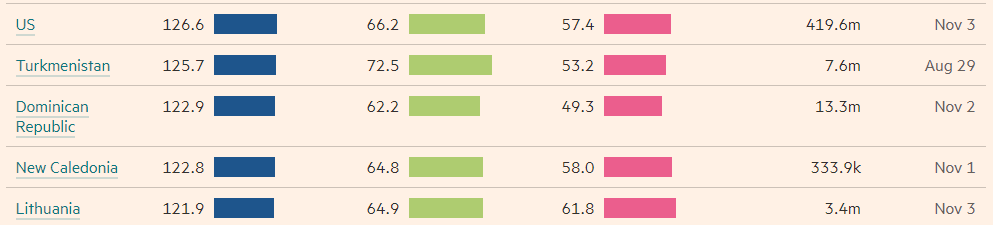
Also, briefly noted, U.S was rated as being in 54th place in its vaccine rates compared to other countries.

Financial Times: Global Vaccine Tracker

Recurrent PSC in Children After Liver Transplantation

M Martinez et al. Hepatology 2021; 74: 2047-2057. Recurrence of Primary Sclerosing Cholangitis After Liver Transplant in Children: An International Observational Study

In this retrospective study, the authors examined recurrent PSC (rPSC) in children who had undergone liver transplantation (LT) with 3 yrs of median followup. Key findings:

  • rPSC occurred in 36 children, representing 10% and 27% of the subjects at 2 years and 5 years following LT, respectively
  • Subjects with rPSC were younger at LT (12.9 vs. 16.2 years), had faster progression from PSC diagnosis to LT (2.5 vs. 4.1 years), and had higher alanine aminotransferase (112 vs. 66 IU/L) at LT (all P < 0.01)
  • After LT, rPSC subjects had more episodes of biopsy-proved acute rejection (mean 3 vs. 1; P < 0.001), and higher prevalence of steroid-refractory rejection (41% vs. 20%; P = 0.04)

My take: rPSC, not surprisingly, was associated with a more agressive, immunoreactive phenotype prior to LT characterized by younger age, faster progression to end-stage liver disease, higher prevalence of IBD and more frequent/difficult allograft rejection

Related blog posts:

Bahamas (courtesy of Mark Martin)

Carlo DiLorenzo: Lessons Learnt Over 30 Years

Recently, Carlo DiLorenzo came to Atlanta as the speaker for the William Meyers Lectureship. He provided a terrific talk and was the perfect speaker for this lectureship which honors Billy.

Some of the key points:

  • When giving a lecture, often ‘a great study is one that supports the speaker’s view’
  • Physicians often have biases against patients with functional disorders as compared to those who have “rightful” suffering (eg. cancer, pancreatitis)
  • Key part of patient-physician relationship is listening (by the physician). Patients report better satisfaction and perceive to be understood better when a physician is sitting (while listening). “The most important technological advance in the practice of medicine was the invention of the chair. For you to sit in. While you take the history” (Mark Reid, MD)
  • Diagnoses have side effects
  • Families remember our words for years
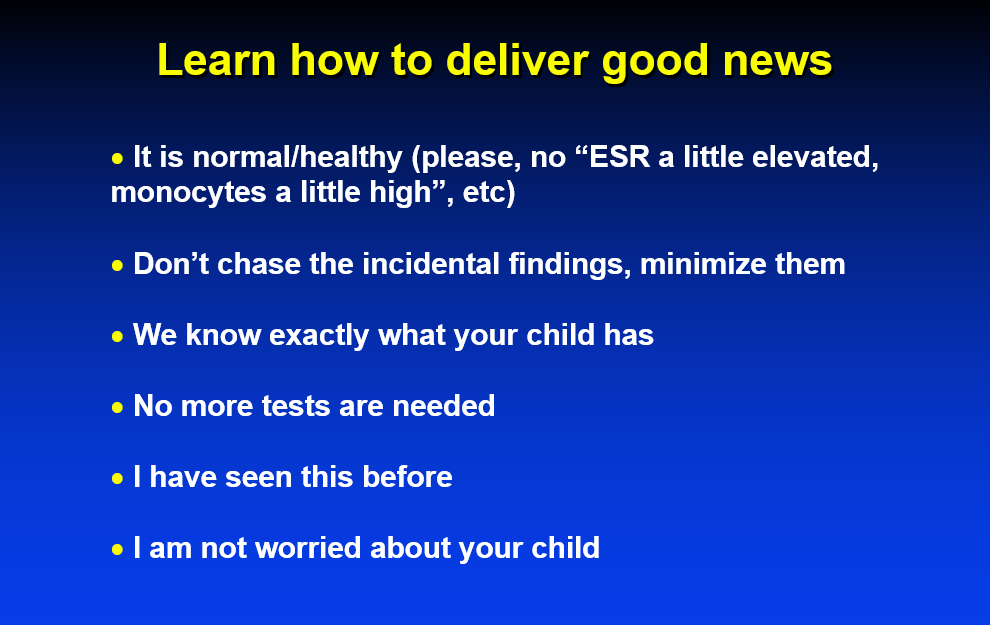
  • We are not well-equipped to deliver good news: “This is one of the best colons I have ever seen…Your child has irritable bowel and no other tests are needed.”
  • The most under prescribed treatment: 30 minutes of physical activity everyday
  • 2nd most under prescribed treatment is a good night’s sleep.  Increased symptoms when tired
  • “Psychobezoar,” referring to a fear of discomfort with eating, could be used as an alternative to ARFID
  • Most effective treatment for IBS: cognitive behavioral therapy
  • Distraction is helpful tool for pain but need to teach parents to accept this tool
  • Some of the axioms in the lecture are attributed to Mark Reid, MD

Related blog post: #NASPGHAN19 Postgraduate Course -part 3

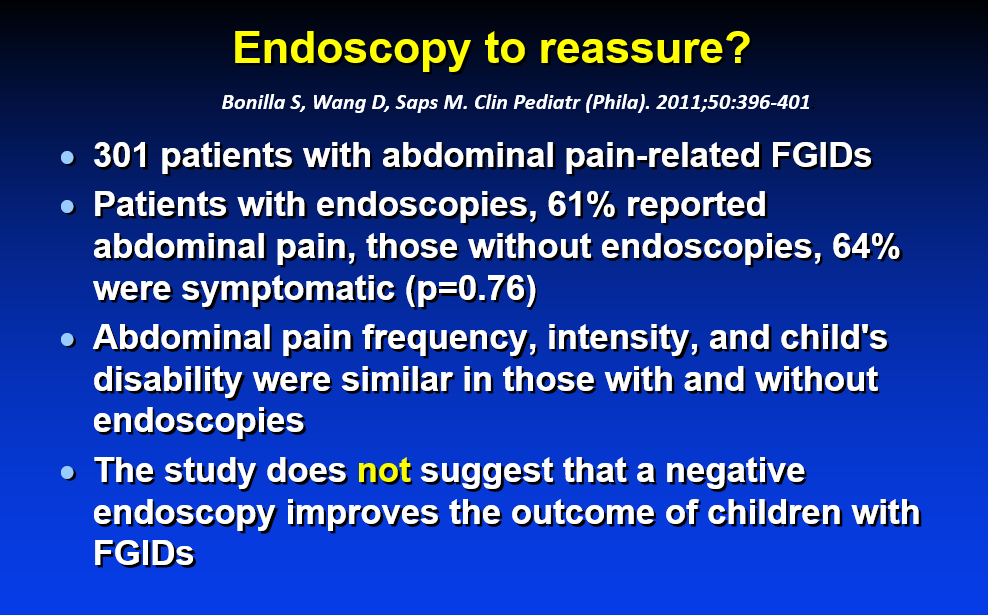
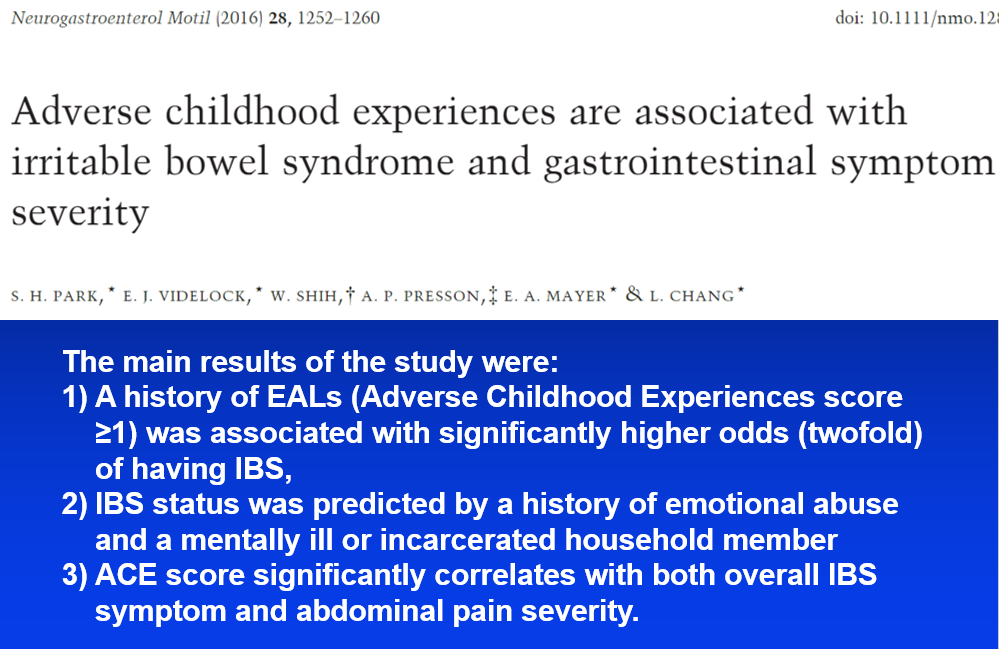
Here are some of the slides from this talk:

“Esophageal Hypervigilance” and Outcomes in Eosinophilic Esophagitis

TH Taft et al. Gastroenterol 2021; 161: 1133-1144. Open Access: Esophageal Hypervigilance and Symptom-Specific Anxiety in Patients with Eosinophilic Esophagitis

Commentary: RD Naik, DA Patel. Gastroenterol 2021; 161: 1099-1110. Open Access: Unlocking the Mind Might Be Critical in Management of Eosinophilic Esophagitis: Expanding Beyond Drugs, Dilation, and Diet

Taft et al performed a retrospective study of 103 adult patients with eosinophilic esophagitis. Patients completed the following questionnaires immediately before to endoscopy:

  • Esophageal Hypervigilance and Anxiety Scale (EHAS)
  • Brief Esophageal Dysphagia Questionnaire (BEDQ)
  • Eosinophilic Esophagitis Symptom Activity Index (EEsAI)
  • Northwestern Esophageal Quality of Life Scale (NEQOL).

Endoscopic severity of EoE was graded using the EoE Endoscopic Reference Score System (EREFS). Dysphagia was the primary symptom in 73% of the patients.

Key findings:

  • Patient’s symptom severity (via EEsAI or BEDQ) did not correlate with histology (distal or proximal peak eosinophil count), endoscopic severity of the disease (EREFS), or the distensibility index (measured via functional lumen imaging probe)
  • Symptom severity was correlated with the Esophageal Hypervigilance and Anxiety Scale (EHAS)
  • There was no correlation between EHAS and histologic activity, endoscopic severity (EREFS), or the presence of a stricture

The associated commentary emphasizes some of the study limitations including taking surveys prior to endoscopy (increased anxiety).

My take: This study indicates that with eosinophilic esophagitis, similar to other organic diseases (eg. IBD), patient symptoms do not always correlate with disease severity, and addressing the impact of anxiety and hypervigilance is critical, especially in refractory symptoms.

Figure 1 from commentary

Anonymous Nondirected Liver Donors

D Yoeli et al. Liver Transplantation 2021; 27: 1392-1400. Challenging the Traditional Paradigm of Supply and Demand in Pediatric Liver Transplantation Through Nondirected Living Donation: A Case Series

This case series of 13 nondirected liver donors (ND-LLDs) (from 2012-2020) helps highlight this increasing trend of motivated donors who do not have a predetermined recipient. The Scientific Registry of Transplant Recipients documented 105 patients who underwent a living donor liver transplantation (LDLT) from ND-LLDs 2000-2019, with 39 in 2019 alone.

Key points:

  • While the article states that carefully selected ND-LLDs at high volume centers have excellent outcomes, the associated editorial (pg 1373-74) notes that there is a 0.2% living donor operative mortality. And, a significant number experience negative physical and socioeconomic effects of donation
  • The authors advocate more use of SPLIT livers to increase the donor pool (currently at 10 centers) to lower pediatric deaths on the waitlist
  • The authors note that the likelihood of receiving a LT is increased at high-volume pediatric centers (85%) compared to low-volume centers (41%). “Center expertise and volume is an important consideration…especially true for pediatric liver transplantation, which is relatively infrequent…551 [in 2019]” compared to 8345 adult liver transplants.

The commentary places some context regarding the donors.

  • 70% had previously donated a kidney (“Repetitive donor disorder?”)
  • Yet, “in some sense, nondirected donors may be the best qualified donors, as they are free of coercion”
  • The authors advocate for a “safe, well-informed” process and for national guidelines to address risks and the components of evaluation, medical and psychosocial

My take: It is amazing how much some individuals are willing to sacrifice to help others, especially in age when some react so harshly to being asked to consider the needs of their community.

Related blog posts:

Hyde Farm, Marietta, GA

Does It Matter If Fatty Liver Disease Is Called MAFLD or NAFLD?

H Lee, et al. Clin Gastroenterol Hepatol 2021; 19: 2138-2147. Metabolic Dysfunction-Associated Fatty Liver Disease and Incident Cardiovascular Disease Risk: A Nationwide Cohort Study

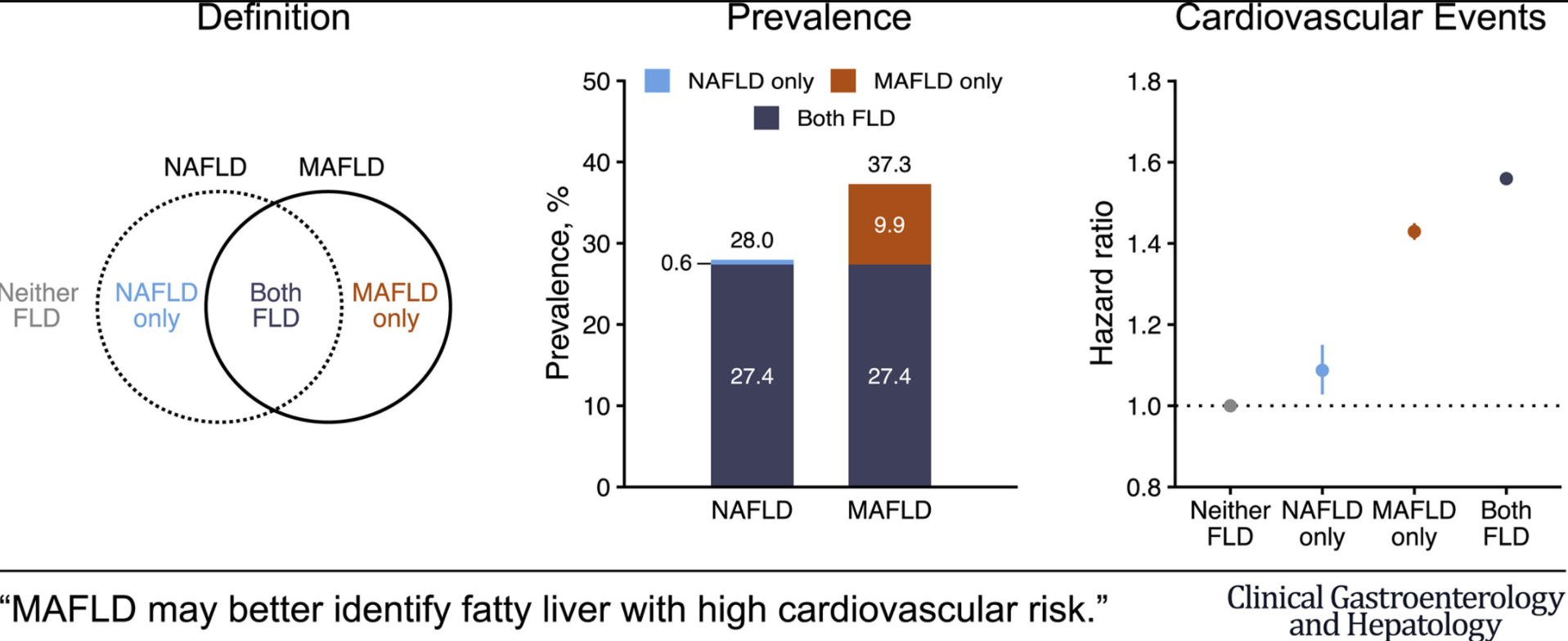
A recent study from South Korea with 9.5 million participants (followed for 10 years) shows that changing to metabolic dysfunction–associated fatty liver disease (MAFLD) as a name change from nonalcoholic fatty liver disease (NAFLD) changes the prevalence of at-risk individuals.

Key findings:

  • Prevalence of NAFLD and MAFLD were 28.0% and 37.3%, respectively
  • NAFLD and MAFLD were each associated with significantly higher risk for CVD events: multivariable-adjusted hazard ratios (95% confidence interval) for CVD events were 1.09 (1.03-1.15) in the NAFLD-only group, 1.43 (1.41-1.45) in the MAFLD-only group, and 1.56 (1.54-1.58) in the Both-FLD group
  • In the same issue, a study from Hong Kong showed similar prevalence rates between MAFLD (25.9%) and NAFLD (25.7%) (Clin Gastroenterol Hepatol 2021; 19: 2161-2171). This study noted that many people with hepatic steatosis at baseline have less severe metabolic burden.
  • Also, in the same issue, using a well-define population of more than 13,000 from NHANES III, this retrospective study (Clin Gastroenterol Hepatol 2021; 19: 2172-2181) found that Non-NAFLD MAFLD patients had the highest all-cause and cardiovascular-cause related mortality. In addition, this group had the highest rate of advanced fibrosis >7% (compared to <2% in other groups.

My take (borrowed from authors of first study): “The change from NAFLD to MAFLD criteria may identify a greater number of individuals with metabolically complicated fatty liver and increased risk for CVD.”

Another related article: M Eslam, AJ Sanyal, J George. MAFLD: A Consensus-Driven Proposed Nomenclature for Metabolic Associated Fatty Liver Disease (2020). This article similar to a previous article (Improving Fatty Liver Nomenclature) suggests changing the name for NAFLD to MAFLD.

MAFLD Criteria in this study:

MAFLD is diagnosed based on the presence of hepatic steatosis with one or more of the following:

  1. diabetes mellitus
  2. overweight/obesity (BMI >/= 23)
  3. at least 2 metabolic abnormalities: a) Waist circumference ≥90 cm in men and 80 cm in women. b) Blood pressure ≥130/85 mmHg or under anti-hypertension therapy. c) High-density lipoprotein cholesterol (HDL-C) <40 mg/dL for males and <50 mg/dL for females. d) Triglyceride (TG) ≥150 mg/dL or specific drug treatment. e) fasting glucose ≥100 f) Homeostasis model assessment-insulin resistance (HOMA-IR) score ≥2.5; and g) Hypersensitive C-reactive protein (hs-CRP) level >2 mg/L.

NAFLD Criteria in this study:

The presence of hepatic steatosis without 1. excessive drinking ( ≥30 g/day in men, ≥20 g/day in women) and 2. concomitant liver diseases

Ketorolac After ERCP -Pediatric Study

JA Mark, RE Kramer. JPGN 2021; 73: 542-547. Ketorolac Is Safe and Associated With Lower Rate of Post-Endoscopic Retrograde Cholangiopancreatography Pancreatitis in Children With Pancreatic Duct Manipulation

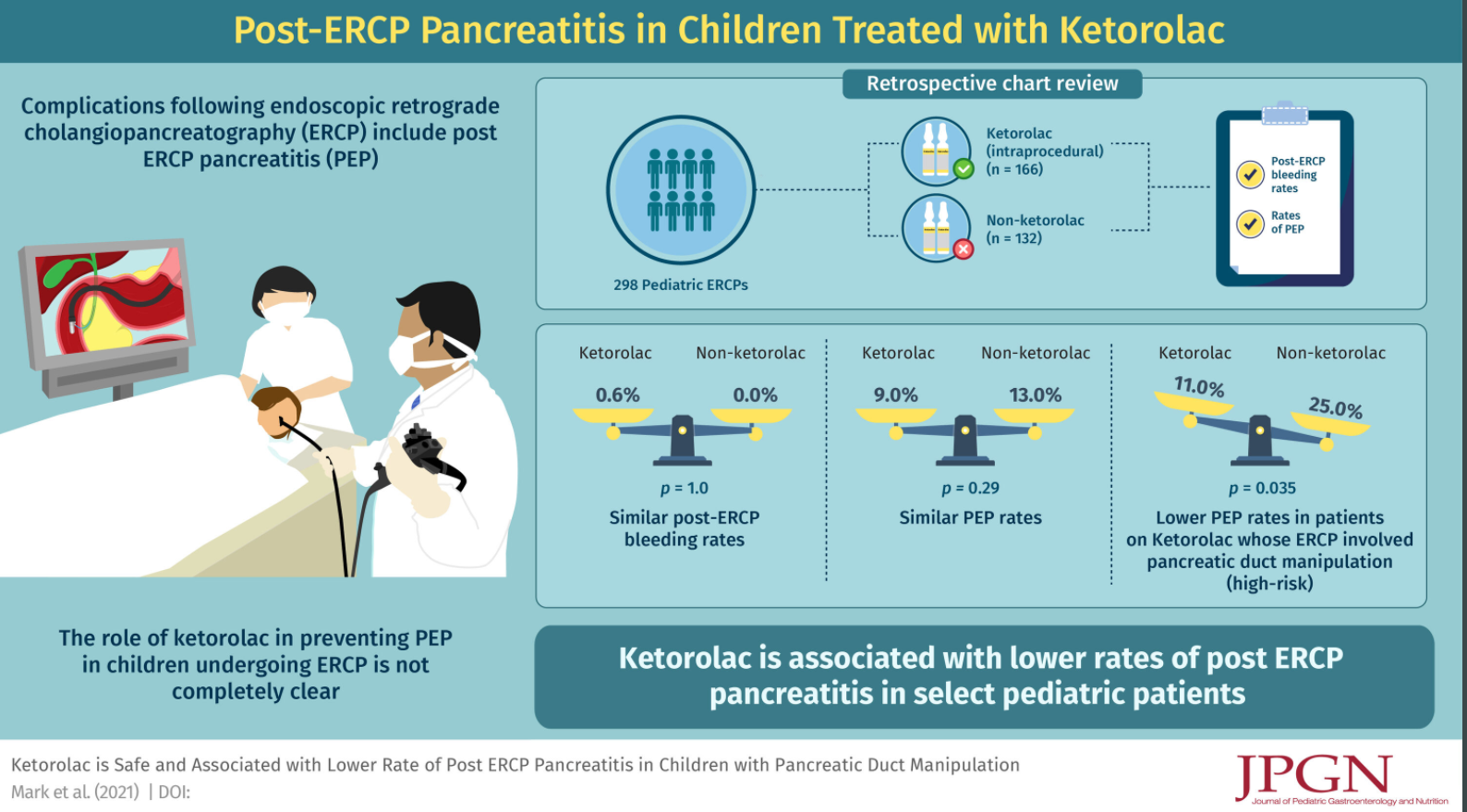
Methods: This retrospective chart review (n=298) examined the outcomes of pediatric patients who receivied ketorolac during ERCP compared to those who did not; ketorolac, was dosed using weight-based dosing (0.5 mg/kg/dose max 30 mg).

Key findings:

  • Most common indications for ERCP were choledocholithiasis, biliary stricture, and chronic/recurrent pancreatitis
  • Therapeutic ERCP: 91% of ketorolac group and 89% of non-ketorolac group; sphincterotomy was performed in 55% of both groups
  • Post-ERCP bleeding rates were not significantly different between ketorolac and non-ketorolac groups (0.6% vs 0%, P = 1)
  • PEP (post-ERCP pancreatitis) rates were not significantly different between the ketorolac and no ketorolac group 15/166 vs 17/132 (9% vs 13%, P = 0.29)
  • Patients who had cannulation and/or injection of the PD had significantly higher rates of PEP (23/140 (16%) vs 9/158 (6%), P < 0.003)
  • For high-risk pediatric patients with injection of contrast into and/or cannulation of the pancreatic duct, the rates of PEP were significantly lower for patients who received ketorolac (11% vs 25%, P = 0.035). In Table 2, the authors indicate that PEP in this high risk group occurred in 11/88 (12.5%) [mild discrepancy from abstract of 11%] of ketorolac group and 13/52 (25%)

It is possible that ketorolac (or other NSAIDs) in all patients may be beneficial but difficult to demonstrate without a larger cohort. In adults, “indomethacin reduces risk and severity of PEP in both high and average risk adults…and there is some evidence that NSAIDS given before ERCP may be more effective than those given later.” Thus, the authors state that use of ketorolac could be administered to all ERCP patients beforehand (w/o contraindication) or limited to the higher risk patients.

My take: In pediatric patients needing an ERCP, those with high-risk features (eg. injection of contrast into and/or cannulation of the pancreatic duct), use of ketorolac is likely to reduce the frequency of post-ERCP pancreatitis.

Related blog posts:

Getting a Seat at the Liver Counter

R Rosenblatt et al. Hepatology 2021; 74: 1523-1532. Black Patients Have Unequal Access to Listing for Liver Transplantation in the United States

“It was Feb. 1, 1960, when four black students sat down at Woolworth’s lunch counter in Greensboro, N.C., and ordered coffee” (Time: Why the Woolworth’s Sit-In Worked)

This lunch counter sit-in was a big step in the civil rights movement. The article cited above shows that there is still a lot of work to make sure black patients have equal access to the liver counter too.

Using two databases (CDC WONDER, and UNOS) for 2014-2018, the authors identified 135,367 patients who died of ESLD, 54,734 patients who were listed for transplant, and 26,571 who underwent transplant.

Key findings:

  • The national LDR (listing-to-death ratio) was 0.40, significantly lowest in Black patients (0.30), P < 0.001. The highest LDRs clustered in the Northeast and the lowest in the Southeast and Northwest
  • The national transplant to listing ratio was 0.48, highest in Black patients (0.53), P < 0.01
  • The national transplant to death ratio was 0.20, lowest in Black patients (0.16), P < 0.001

“The most desirable outcome is a high transplant to death ratio—which was present in states like Maryland as well as Georgia, Nebraska, and Wisconsin.” (State values are provided in Tables 1, 3, and 4). Overall, these data show low listing rates for black patients relative to deaths from ESLD. Due to the adoption of MELD score which has objective criteria, the lower transplant rates indicate that Black patients face a disparity in access to liver transplantation.

The authors point out potential roadblocks:

  • ESLD first needs to be identified and patient referred to a liver transplant center
  • Black patients “were much less likely to understand the LT process”
  • Timing is critical, “especially in patients with HCC, which presents a more advanced in Black patients”
  • Insurance: “Black patients are more likely to be uninsured or to have public insurance, which is associated with poor access to listing and LT”

My take: This study shows that Black patients face disparities prior to transplant listing. In order to improve outcomes, patients first need to get a seat at the table.

Related blog post: Disparity in the Care of Black Inflammatory Bowel Disease Patients

Hyde Farm Trail, Marietta, GA

“How to Approach a Patient with Difficult-to-Treat IBS”

L Chang. Gastroenterol 2021; 163: 1092-1098. How to Approach a Patient with Difficult-to-Treat IBS

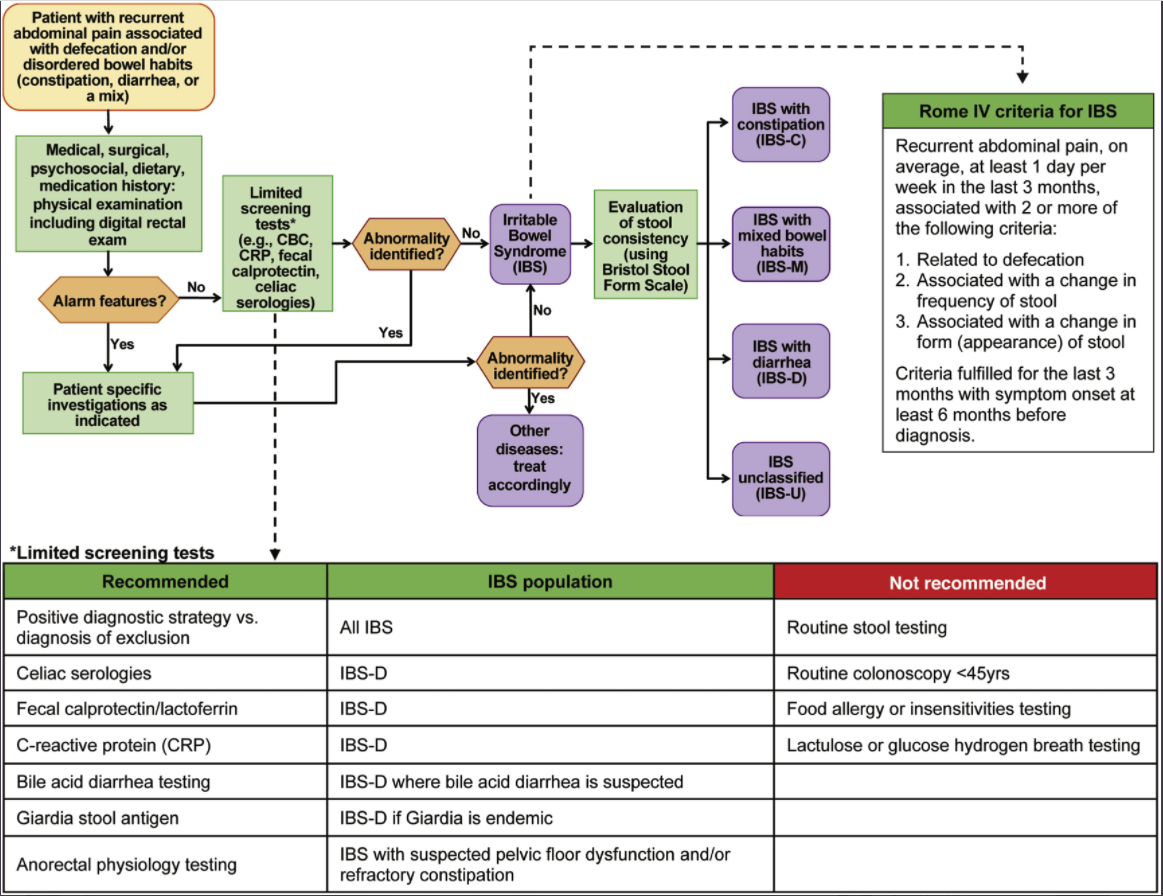
For a short article, this review provides a lot of practical advice. Challenges with IBS include the lack of objective biomarkers and “patients are often dissatisfied with a positive diagnostic approach or even after multiple negative tests.” The author recommends the following:

  • Confidently communicate the diagnosis of IBS
  • Explain visceral hypersensitivity and its associated with pain, and bloating and why central neuromodulators and behavioral therapy are often used. Explain that IBS can be associated with high-amplitude propagating contractures which can cause pain/diarrhea
  • Treatment focused on ‘RESET’ =Relationship with patient-provider, Education/reassurance, Symptom assessment, Exacerbating/alleviating factors, and Targeting treatment (see Table 1)

Treatment may need to target gut, brain and/or both

  • Dietary treatments considered 1st line approach
  • Treatment pharmacology options for IBS-D include antidiarrheals, antispasmotics, rifaximin, eluxadoline, alosetron (rarely, can cause ischemic colitis), bile acid sequestrants
  • Treatment pharmacology options for IBS-C include polyethylene glycol, lubiprostone, linaclotide, plecanatide, and tegaserod (restricted to women <65 yrs w/o cardiovascular dz)
  • Treatment pharmacology options for all IBS include TCAs (start with low dose and can titrate upwards; amitriptyline for IBS-C, nortriptyline or desipramine for IBS-M or IBS-C), SNRI (eg. duloxetine (may be better than TCAs in patients with IBS-C and comorbidities like fibromyalgia and depression), mirtazapine (small studies demonstrated benefit for IBS-D and functional dyspepsia), SSRIs (“consider…in patients with predominant anxiety and/or depression…advise against its use as primary treatment for IBS w/o comorbid psychological disorder”), delta ligand agent (eg. pregabalin) (consider if refractory to other treatments), and brain-gut therapies (eg. CBT, GDH)

Related blog posts:

Disclaimer: This blog, gutsandgrowth, assumes no responsibility for any use or operation of any method, product, instruction, concept or idea contained in the material herein or for any injury or damage to persons or property (whether products liability, negligence or otherwise) resulting from such use or operation. These blog posts are for educational purposes only. Specific dosing of medications (along with potential adverse effects) should be confirmed by prescribing physician.  Because of rapid advances in the medical sciences, the gutsandgrowth blog cautions that independent verification should be made of diagnosis and drug dosages. The reader is solely responsible for the conduct of any suggested test or procedure.  This content is not a substitute for medical advice, diagnosis or treatment provided by a qualified healthcare provider. Always seek the advice of your physician or other qualified health provider with any questions you may have regarding a condition.