Vedolizumab More Effective Than Adalimumab for Ulcerative Colitis

Gastroendonews: Tea Leaves No More: Biologics Head-to-Head Produces a Winner

An excerpt:

In the first head-to-head trial of biologic treatments for inflammatory bowel disease, vedolizumab (Entyvio, Takeda) was nearly 50% more effective than adalimumab (Humira, AbbVie) in inducing clinical and mucosal remission in patients with moderate to severe ulcerative colitis…

They enrolled 771 patients with moderate to severe ulcerative colitis in the VARSITY study and randomly assigned them to receive 52 weeks of treatment with either vedolizumab or adalimumab…

They had failed other conventional therapies, including 25% in each group that had received an anti–tumor necrosis factor (TNF) agent…

  • 31.3% of vedolizumab recipients and 22.5% of those taking adalimumab were in clinical remission after 52 weeks (P=0.0061). Clinical remission was defined as a complete Mayo score of 2 or lower and no subscore greater than 1
  • Nearly 40% of patients who received vedolizumab achieved mucosal healing at 52 weeks, compared with 27.7% of adalimumab recipients (P=0.0005).

My take: This study provides a rationale for vedolizumab to be used as a first-line biologic agent for ulcerative colitis.

Related posts:

Is Red Meat More Likely to Cause High Cholesterol than White Meat?

A recent study -full text link: N Bergeron et al. Effects of red meat, white meat, and nonmeat protein sources on atherogenic lipoprotein measures in the context of low compared with high saturated fat intake: a randomized controlled trial. The American Journal of Clinical Nutrition, nqz035, https://doi.org/10.1093/ajcn/nqz035

This study which randomized 177 patients to 4 week trials of each protein source: red meat, white meat, or non-meat protein found no significant differences in cholesterol levels.

From CNN:  White meat is just as bad for you as red beef when it comes to your cholesterol level, study says

An excerpt:

The red meat or white meat debate is a draw: Eating white meat, such as poultry, will have an identical effect on your cholesterol level as eating red beef, new research indicates.

The long-held belief that eating white meat is less harmful for your heart may still hold true, because there may be other effects from eating red meat that contribute to cardiovascular disease, said the University of California, San Francisco researchers. This needs to be explored in more detail, they added.
Non-meat proteins such as vegetables, dairy, and legumes, including beans, show the best cholesterol benefit, according to the new study published Tuesday in the American Journal of Clinical Nutrition.
From Twitter -CDC Messaging on Dangers of Smoking While Pregnant:


Vaccine Injury Claims Are Rare

NY Times: Vaccine Injury Claims Are Few and Far Between

An excerpt:

The data comes from the National Vaccine Injury Compensation Program, a no-fault system begun in 1988 after federal law established it as the place where claims of harm from vaccines must be filed and evaluated. It currently covers claims related to 15 childhood vaccines and the seasonal flu shot.

Over the past three decades, when billions of doses of vaccines have been given to hundreds of millions of Americans, the program has compensated about 6,600 people for harm they claimed was caused by vaccines. About 70 percent of the awards have been settlements in cases in which program officials did not find sufficient evidence that vaccines were at fault…

The Centers for Disease Control and Prevention has estimated that vaccines prevented more than 21 million hospitalizations and 732,000 deaths among children over a 20-year period….

There were about two claims of injury for every one million doses of all vaccines distributed in the United States from 2006 through 2017, the period for which the injury compensation program has dosage data. It says more than 3.4 billion vaccine doses were distributed during that time.

The rarity of claims is especially notable because the program aims to make it easy to file a petition…

A growing proportion of recent claims, about half of all petitions since 2017, do not involve the content of vaccines themselves. Instead, they refer to shoulder injuries, usually in adults, that occurred because a health provider injected a vaccine too high on the shoulder, or into the joint space instead of into muscle tissue. That may cause an inflammatory response leading to shoulder pain and limited motion.

My take (from Paul Offit, MD): “The most dangerous aspect of giving your child vaccines is driving to the office to get them.”

Related blog posts:

Do Anti-TNF Agents Reduce Surgeries and Hospitalizations?

Briefly noted:

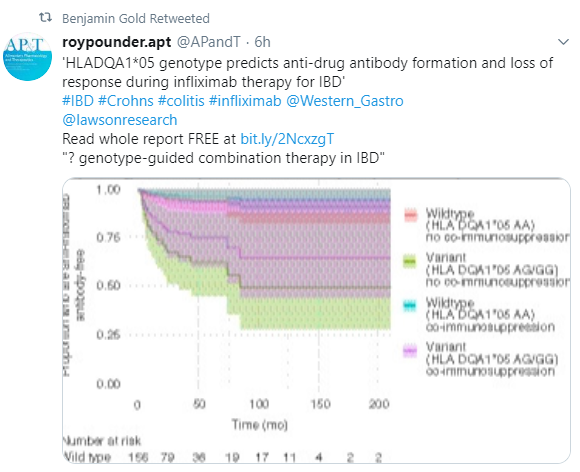
A recent study (http://dx.doi.org/10.1136/gutjnl-2019-318440; SK Murthy et al. BMJ indicates that anti-TNF therapy has not been effective in significantly lowering CD-related hospitalizations or surgeries.

Full Text Link (from Eric Benchimol twitter feed): Introduction of anti-TNF therapy has not yielded expected declines in hospitalisation and intestinal resection rates in inflammatory bowel diseases: a population-based interrupted time series study)

My take: While big changes in the frequency of these outcomes were not demonstrated in this large study, prior studies, including the RISK study, have shown that anti-TNF therapy can be disease-modifying and reduce the risk of penetrating disease in Crohn’s disease.

Related blog post: CCFA Updates in IBD


Gun Carrying Adolescents –Why We Are Going to See More School Shootings

A recent cross-sectional study (RMC Kagawa et al. J Pediatr 2019; 209: 198-203) shows a high rate of gun carrying among adolescents in the U.S.

Key findings:

  • Based on a sample of 10,112 adolescent who completed surveys, 2.4% of adolescents reported carrying a gun in the prior 30 days.
  • Carrying a gun was more common among adolescents with a conduct disorder (adjusted prevalence ratio 1.88), drug use disorders (APR 1.91) and patients with specific phobias (APR 1.54)
  • The authors estimate that 1.1% of adolescents with a disorder associated with self- or other-directed violence also carry guns.  This extrapolates to 272,000 adolescents with both risk factors.
  • Nearly two-thirds of adolescents who report gun carrying had a mental health disorder

My take:

  1. Guns are everywhere.  Gun carrying among adolescents, while only a small percentage of all adolescents, represent a grave risk; especially, since the majority who report carrying guns (in this study) have mental health issues.
  2. Safe storage needs to be a requirement of gun ownership.  Gun access and misuse by adolescents is a ‘clear and present danger’ (apologies to Tom Clancy).

Related blog posts:
El Retiro Park, Madrid

Early Psychosocial Environment and Cardiometabolic Risk

“It is easier to build strong children that to repair broken men”

-Frederick Douglass

This quote comes from a previous lecture on adverse childhood experiences (ACEs) and comes to mind after reading a recent study: JR Doom et al. J Pediatr 2019; 209; 85-91.

This study examined 588 adolescents (16-18 yrs) from a longitudinal cohort that began in infancy (in Chile).

Methods: Psychosocial environmental factors including depressive symptoms, stressful life events, poor support for child development, father absence, and socioeconomic status was reported by mothers at 6-12 months of age.  These factors were analyzed to determine association with adolescent cardiometabolic parameters including BMI, higher blood pressure, anthropometric risk factors for cardiovascular disease, biomarkers for cardiovascular disease (e.g. triglycerides, HOMA, cholesterol) and metabolic syndrome
Key findings:

  • Infants with poor psychosocial environments had higher BMIs at 10 years and in adolescence, higher blood pressures, greater anthropometric risk, worsened cardiovascular biomarkers, and higher likelihood of metabolic syndrome (aOR 1.5)
  • The Figure in the article shows sequential worsening by quartiles -those with the highest risk based on psychosocial stress composite were worse on these outcomes compared to the 2nd highest risk factor quartile group. And in turn, the 2nd highest risk group >3rd highest risk group >lowest quartile.
  • “It is unknown whether these associations may be reversible.”

My take: While these results show a clear association of early life factors and worsened cardiovascular/metabolic outcomes, the mechanism for this is unclear.  Is this related to diet, less physical activity, stress hormones, a combination or other factors?

Related blog post:

How Often is Arthritis a Presenting Feature of Pediatric IBD & How to Make the Right Diagnosis

A recent retrospective study (R Levy et al. J Pediatr 2019; 209: 233-5) analyzed the musculoskeletal presenting manifestations of pediatric inflammatory bowel disease (IBD).

In their cohort of 715 patients with IBD, 137 had arthritis and/or arthralgia.  28 of these 137 patients (3.9% of total cohort) had arthritis preceding the diagnosis of IBD and were eligible for this study.  Only 23 had complete data and were compared with 46 children with arthritis due to JIA (n=21), FMF (n=7), and postinfectious arthritis (n=18).

Key findings:

  • Patients with subsequent IBD diagnosis were more likely to have sacroiliac involvement (34.8% vs. 2.2%), more likely to have anemia (mean hgb 10.5 vs 12), more likely to have low albumin (mean 3.5 vs 4.3) and to have higher inflammatory markers (ESR 81 vs 46; CRP 6.6 vs 4.5 mg/dL)
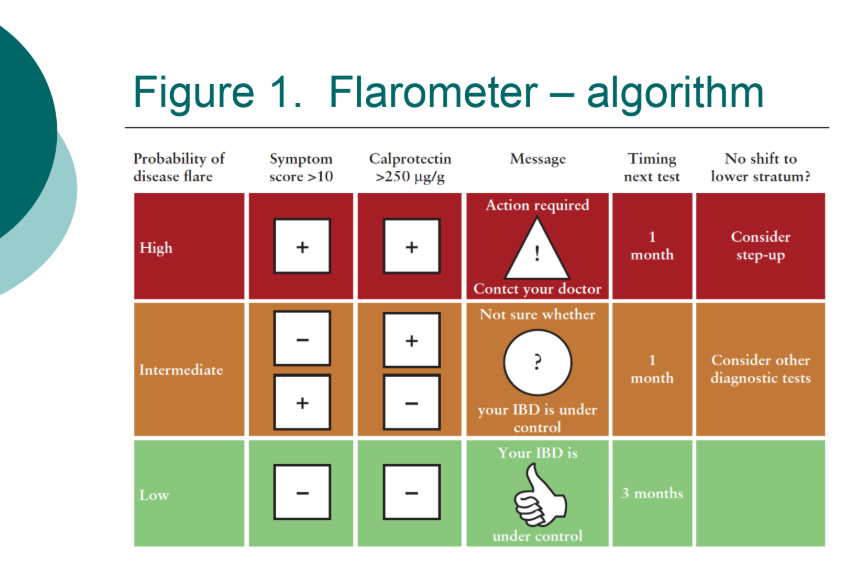
  • In patients with calprotectin levels, 5 of 6 were >300 mg/kg and one was borderline
  • On direct questioning at time of IBD diagnosis, prolonged gastrointestinal symptoms (e.g. abdominal pain, diarrhea, weight loss, aphthous ulcers) were evident in 78%.
  • 4 of the 23 (17.3%) were diagnosed with IBD during the primary investigation. Ultimately, Crohn’s diagnosis was established in 87% of the IBD group.

My take: This study is important for pediatricians and rheumatologists. ~4% of children presenting with arthritis have IBD.  Careful interrogation for GI symptoms (and perianal exam) will avoid diagnostic delay in most patients as would a stool calprotectin. Features like sacroileitis, and abnormal labs should also increase the suspicion for IBD.

Briefly noted: In a study discussing pediatrician beliefs about JIA (MR Pavo, J de Inocencio, J Pediatr 2019; 209: 236-9) there is an important caveat for GI doctors:

“It is clear that booster vaccinations against measles, mumps, rubella, or varicella zoster virus, can be considered in patients receiving < 15 mg/m-squared/week of MTX [methotrexate]”  (Pediatr Rheumatol Online J 2018; 16: 46).

Related blog post:

  • IBD Update Feb 2019 -last entry shows study indicating that patients with IBD and arthritis were more likely to require biologics.

Calprotectin:

El Retiro Park, Madrid


Good Nutrition News in Our Schools –Why Not a Press Release?

Washington Post: Why is the USDA downplaying good news

An excerpt:

The best news was that the Healthy Eating Index (HEI-2010), a multicomponent measure of diet quality, shot up dramatically for both school-provided breakfasts and lunches.

For the 2009-2010 school year, the score for breakfast was an abysmal 49.6 out of 100 (even lower than the overall American average of 59), rising to 71.3 by the 2014-2015 school year. In that same time frame, the lunch score went from 57.9 to 81.5. The score for whole grains in school meals went from 25 to 95 percent of the maximum score, and the score for greens and beans rose from 21 to 72 percent.

In addition, there was greater participation in school meal programs at schools with the highest healthy food standards. And the study found food waste, a troubling national problem in the lunchroom, remained relatively unchanged.

The 52-page summary of study findings is chockablock with other good news, so why isn’t Agriculture Secretary Sonny Perdue crowing about it?…

In December, Perdue announced the USDA was weakening school nutrition standards for whole grain, nonfat milk and sodium, all of which had been tightened during the Obama administration. He cited food waste and nonparticipation as key rationales for the shift