Treating Pediatric Metastatic Crohn’s Disease

E Chang et al. JPGN Reports. 2025;1–8. DOI: 10.1002/jpr3.70022. Open Access! Genital Crohn’s disease in pediatrics and genetic associations

This case report of four patients provides a good review of metastatic Crohn’s disease (MCD). MCD indicates that there is noncontiguous dermatological spread of CD involving the genitalia and perineum.

Key points:

  • “Less than 100 cases of pediatric MCD have been reported in the literature to date. These lesions are characterized by swelling, plaques, nodules, fissures, ulcerations, or crusts. In children, MCD typically presents as genital swelling with or without erythema in approximately 85% of cases.”
  • “Prior studies have shown that MCD co-occurs with CD in 50.8% of children, while others may develop GI symptoms after MCD diagnosis (15.3%) or even lack signs of CD (11.9%).”
  • “Scrotal histopathology revealed granulomatous inflammation, and genetic testing identified pathogenic variants in NOD2, COL7A1, and Chek2, as well as additional variants of uncertain significance.”
  • The optimal treatment is not clear. “Prior case reports and case series have shown positive responses to TNF-α inhibitors, but relapses may be common. Similarly, only partial improvement was noted in our patients treated with infliximab and adalimumab.”

Discussion: “Many patients do not demonstrate GI symptoms and may experience significant delays in diagnosis.”

My take: This article provides a good review of metastatic Crohn’s disease which is a rare problem. I have had two patients with this disorder. This problem fits the adage of “the more you see, the more you know; and, the more you know, the more you see.”

Related blog posts:

Springway Trail in Sandy Springs, GA

Semaglutide’s Efficacy in Phase 3 MASH Trial

AJ Sanyal et al. NEJM 2025; DOI: 10.1056/NEJMoa2413258. Phase 3 Trial of Semaglutide in Metabolic Dysfunction–Associated Steatohepatitis

The results of this just-published study were alluded to in a previous post: More Data Indicating GLP-1 Efficacy for MASH

Methods:  In this phase 3, multicenter, randomized, double-blind, placebo-controlled trial, the authors assigned 1197 patients with biopsy-defined MASH and fibrosis stage 2 or 3 in a 2:1 ratio to receive once-weekly subcutaneous semaglutide at a dose of 2.4 mg or placebo for 240 weeks

Key findings:

  • Resolution of steatohepatitis without worsening of fibrosis occurred in 62.9% of the 534 patients in the semaglutide group and in 34.3% of the 266 patients in the placebo group (P<0.001)
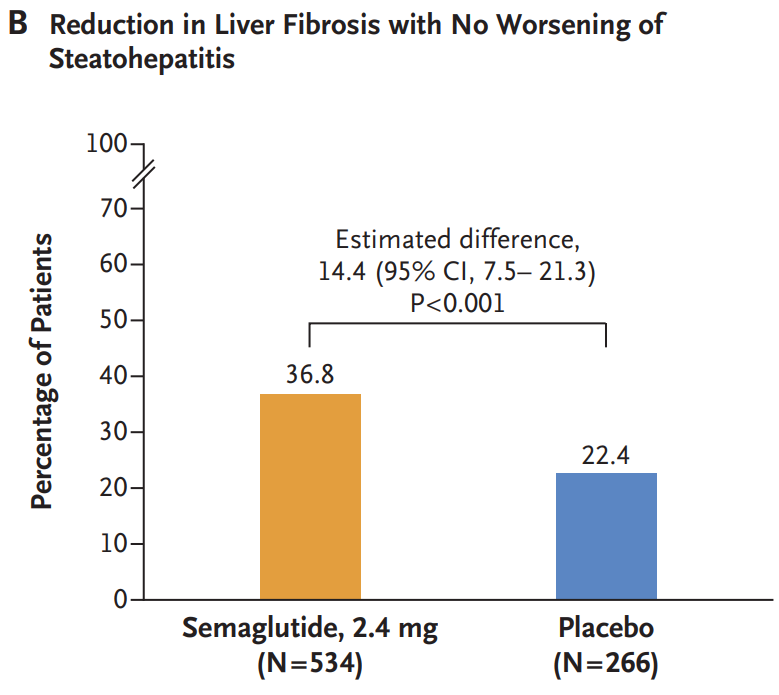
  • A reduction in liver fibrosis without worsening of steatohepatitis was reported in 36.8% of the patients in the semaglutide group and in 22.4% of those in the placebo group (P<0.001). 
  • The mean change in body weight was −10.5% with semaglutide and −2.0% with placebo (P<0.001)
  • Gastrointestinal adverse events were more common in the semaglutide group. The incidence of acute pancreatitis was similar in the two groups: Nausea 290/800 (36.2%) vs. 52/395 (13.2%), Diarrhea 215/800 (26.9%) vs. 48/395 (12.2%), Constipation 178/800 (22.2%) vs. 33/395 (8.4%) and Vomiting 149/800 (18.6%) vs. 22/395 (5.6%)
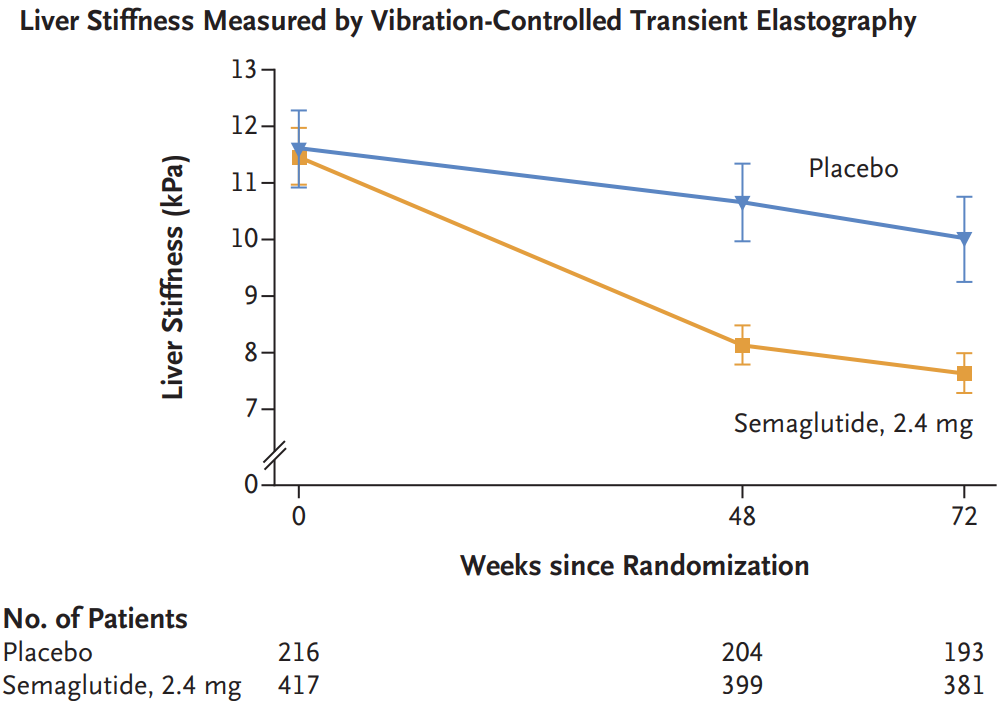
  • Semaglutide improved multiple cardiometabolic features, including glycemic control and insulin resistance. “These findings are important because metabolic dysfunction is an upstream event driving hepatic lipotoxicity and, subsequently, steatohepatitis and fibrogenesis. Thus, semaglutide treatment addressed the primary pathogenic driver of MASH”
  • Side effects leading to people dropping out of the trial were 2.6% for the semaglutide group and 3.3% for the placebo group

Discussion notes that “although semaglutide can be safely used in patients with
cirrhosis, its efficacy in this population has not been established.”

My take: Semaglutide appears to be effective in patients with MASH.with stage 2 or 3 fibrosis.

Related blog post:

Prospective Study: Safety of Live Rotavirus Vaccine in Infants with In Utero Exposure to Biologics

K Ernest-Suarez et al. Clin Gastroenterol Hepatol 2025; 23: 835-845. Open Access! Live Rotavirus Vaccination Appears Low-risk in Infants Born to Mothers With Inflammatory Bowel Disease on Biologics

Background: “Caution regarding live vaccine administration emerged following reports of 5 fatal outcomes following the administration of the Bacille Calmette-Guérin vaccine in biologic-exposed infants.9 This has resulted in gastroenterology guidelines recommending that biologic-exposed infants should avoid live vaccines within the first 6 to 12 months of life or until drug concentrations are no longer detectable in the infant’s blood to reduce potential risks.2,10 [J Crohns Colitis. 2023; 17:1-27, Gastroenterology. 2021; 161:669-680.e0]. Contrary to this, inadvertent administration of the live oral rotavirus vaccine in biologic-exposed individuals has not been associated with significant adverse effects.7,11 Withholding the rotavirus vaccine has implications, given that rotavirus infection in infants is a leading cause of severe, dehydrating diarrhea in children under the age of 5 years globally.12,13

This prospective cohort study enrolled 57 biologic-exposed infants, including infliximab (n = 21), adalimumab (n = 19), vedolizumab (n = 10), and ustekinumab (n = 7), in the third trimester.

Key findings:

  • Immunologic assessments validated for age were normal in all infants despite median infliximab concentrations of 6.1 ug/mL, adalimumab concentrations of 1.7 ug/mL, ustekinumab concentrations of 0.6 ug/mL, and undetectable for vedolizumab at median of 10.7 weeks of age
  • The live oral rotavirus vaccine series was provided to 50 infants with the first dose given at a median of 13 weeks of age. No adverse effects following immunization were reported

Discussion:

  1. “Administration of the live rotavirus vaccine appeared low-risk in biologic-exposed infants born to mothers with IBD”
  2. “Routine drug concentration testing in the infant should not be utilized to determine the safety of live rotavirus vaccination”
  3. “Physicians should advise patients to ‘be more concerned about active disease rather than active medications’ and to continue effective therapy through pregnancy and lactation”

My take: Given the difficulty in excluding rare adverse outcomes, it is unlikely that formal vaccine recommendations will change in infants exposed to biologics; however, inadvertent administration of a live oral rotavirus vaccine poses a very lowl risk based on current studies.

Related blog posts:

Floating flowers -seen in several places in Thailand

Disclaimer: This blog, gutsandgrowth, assumes no responsibility for any use or operation of any method, product, instruction, concept or idea contained in the material herein or for any injury or damage to persons or property (whether products liability, negligence or otherwise) resulting from such use or operation. These blog posts are for educational purposes only. Specific dosing of medications (along with potential adverse effects) should be confirmed by prescribing physician.  Because of rapid advances in the medical sciences, the gutsandgrowth blog cautions that independent verification should be made of diagnosis and drug dosages. The reader is solely responsible for the conduct of any suggested test or procedure.  This content is not a substitute for medical advice, diagnosis or treatment provided by a qualified healthcare provider. Always seek the advice of your physician or other qualified health provider with any questions you may have regarding a condition.

Rapid Gut Microbiome Recovery: Diet Outperforms Microbial Transplant

Briefly noted: MS Kennedy et al. Nature (2025). https://doi.org/10.1038/s41586-025-08937-9. Diet outperforms microbial transplant to drive microbiome recovery in mice

Methods:  Here we characterize the trajectory by which the gut microbiome recovers its taxonomic and functional profile after antibiotic treatment in mice on regular chow (RC) or Western Diet (WD).

Key findings: “Only mice on RC undergo a rapid successional process of recovery. Metabolic modelling indicates that a RC diet promotes the development of syntrophic cross-feeding interactions, whereas in mice on WD, a dominant taxon monopolizes readily available resources without releasing syntrophic byproducts. Intervention experiments reveal that an appropriate dietary resource environment is both necessary and sufficient for rapid and robust microbiome recovery, whereas microbial transplant is neither.”

Conclusion (from authors): “Our data challenge widespread enthusiasm for faecal microbiota transplant (FMT) as a strategy to address dysbiosis, and demonstrate that specific dietary interventions are, at a minimum, an essential prerequisite for effective FMT, and may afford a safer, more natural and less invasive alternative.”

My take: This study suggests that the best way to get a “healthy” microbiome is to eat a healthy diet rather than to try to alter with FMT. This finding likely would be the same for probiotics as well.

Related blog posts:

Andaman Sea (Thailand)

Increased Mortality in Pediatric Steatotic Liver Disease Plus One

From UCSD 4/28/25: Children with Liver Disease Face Dramatically Higher Risk of Early Death (via Jeff Schwimmer’s X feed)

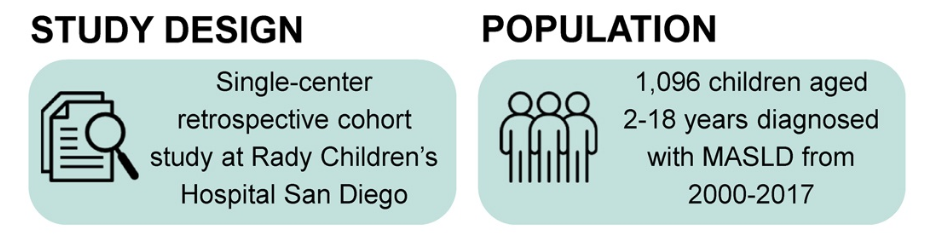
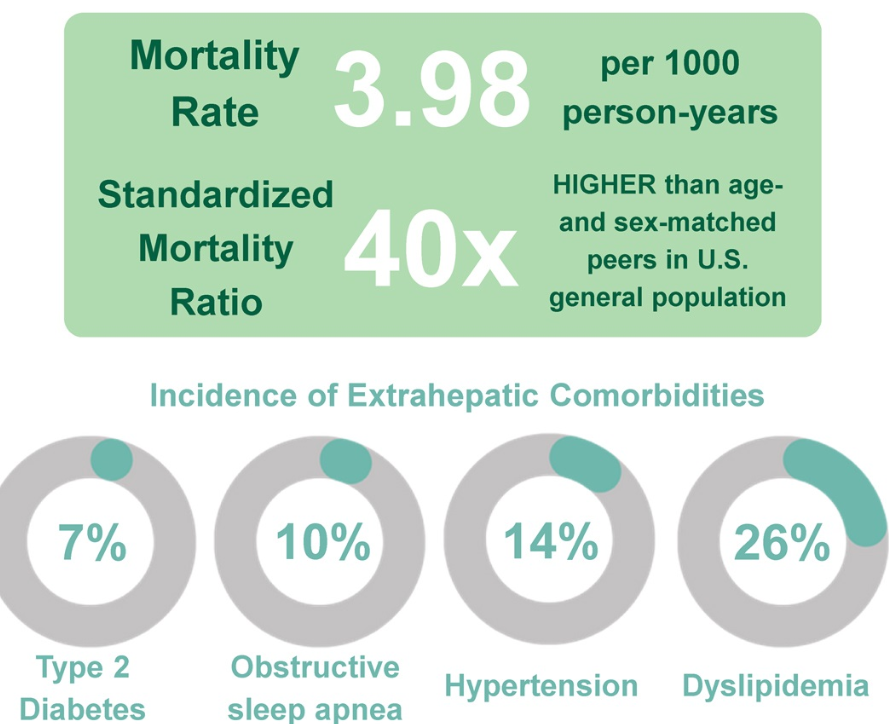
The findings, published April 22, 2025 in Hepatology, the scientific journal of the American Association for the Study of Liver Diseases, come from the Longitudinal InVestigation Evaluating Results of Steatosis (LIVERS) study, which followed 1,096 children over an average of 8.5 years. Nearly half of all deaths in the cohort were liver-related, and the overall mortality rate was 40 times higher than that of similar peers in the general U.S. population...

The retrospective cohort study used medical records and National Death Index data to follow children ages 2 to 18 who were diagnosed with MASLD between 2000 and 2017. Over an average of 8.5 years of follow-up, 3.4% of children had died

In addition to the risk of early death, many children in the study developed serious health problems while still in their teens or twenties. These included high blood pressure (14%), obstructive sleep apnea (9.5%) and type 2 diabetes (7.3%). Problems with blood fats, such as high triglycerides or low HDL, were even more common — making dyslipidemia, the presence of abnormal levels of fats (lipids) in the blood, the most frequent complication overall.

Link to study: JB Scwimmer et al Hepatology ():10.1097/HEP.0000000000001357. Long-term mortality and extrahepatic outcomes in 1,096 children with MASLD: A retrospective cohort study

My take: Since this was a retrospective single center study, the severity of the findings may be different with a more-representative national cohort. Nevertheless, this study shows that MASLD has serious consequences including premature death and numerous comorbidities.

Related article: J Panganiban et al. Obesity Pillars 2025: 14. https://doi.org/10.1016/j.obpill.2025.100164. Open Access! Metabolic dysfunction-associated steatotic liver disease (MASLD) in children with obesity: An Obesity Medicine Association (OMA) and expert joint perspective 2025. This Obesity Medicine Association (OMA) Expert Joint Perspective is a comprehensive review (~28 pages) of steatotic liver disease (SLD), metabolic dysfunction-associated steatotic liver disease (MASLD), and metabolic dysfunction-associated steatohepatitis (MASH) in children with obesity.

Related blog posts:

Safe for Patients with Celiac Disease to Kiss after Partner’s Gluten Ingestion

An excerpt from News Medical:

Researchers recruited 10 couples, each with one partner who has celiac disease, for a two-part study. In each session, the non-celiac partner ate 10 saltine crackers, and then the couple kissed for 10 seconds. In one session, the partners waited five minutes before the kiss, and in the other, they drank 4 ounces of water before kissing…

Although gluten was still found in saliva after kissing a partner who had consumed gluten and then had a glass of water, in all cases the amount was less than 20 parts per million, the level allowed in gluten-free products, which is considered safe.

“Patients with celiac disease can be more relaxed, knowing that the risk of gluten cross-contact through kissing a partner who has consumed gluten can be brought down to safe levels if food is followed by a small glass of water.”

From NBC article:

In the first scenario — waiting five minutes before kissing — two of the celiac participants had more than 20 parts per million of gluten in their saliva sample. 

In the scenario in which non-celiac partners drank 4 ounces of water before the kiss, everyone’s saliva tests contained fewer than 20 ppm of gluten

My take: Sounds like a fun study. Best to drink water before kissing your partner who has celiac disease.

Reference: Anne Lee. DDW Abstract Mo1242, 5/5/25: “Assessing gluten transfer via kissing; a prospective study of celiac-discordant couples”

When an Inflammatory Bowel Disease Diagnosis is Far Away

JF McLaughin et al. Clin Gastroenterol Hepatol 2025; 23: 825-834. Travel Time to Treating Center Is Associated With Diagnostic Delay in Pediatric Inflammatory Bowel Disease

This was a cross-sectional study of newly diagnosed pediatric patients (n=869) with IBD at 22 United States sites from 2019 to 2022. 57% were diagnosed with CD, 34% with UC, and 4% with IBD-U.

Key findings:

  • Overall, the mean time from symptom onset to diagnosis was 265.9 days
  • Factors associated with longer diagnosis time included CD vs UC (odds ratio [OR], 2.6), and longer travel time to clinic (>1 hour [OR, 1.7], >2 hours [OR, 1.8] each vs <30 minutes)
  • There was no association with race, ethnicity, birth country, gender, parent education, household income, insurance type, health literacy, and health system distrust

The finding that there is a longer diagnostic delay with CD than UC is consistent with prior studies. The longer travel time has not been widely recognized as a factor associated with delayed diagnosis, though it has been associated with other negative outcomes like higher mortality with chronic liver disease.

Regarding the lack of a negative impact from factors like race/ethnicity and income, my suspicion is that this is probably related to several factors:

  • Overall, the pediatric age group has a very high rate of being insured as most children without commercial insurance currently qualify for Medicaid. This helps improve access to needed/timely health care
  • A recent study showed that pediatric GI specialists do not have disparities in treatment compared to pediatric GI providers with an IBD focus; thus, pediatric specialists are more likely to minimize treatment delay (Treatment Disparities in Adult vs. Pediatric IBD Care Related to Provider Specialization)
  • Parents help limit diagnostic delay in their children

My take: There are many places that are far away from pediatric specialists. This results in diagnostic delays.

Related blog posts:

Mai Khao Beach, Phuket, Thailand

Triple Therapy for Cystic Fibrosis May Improve Liver Damage

S Diemer et al. JPGN 2025; DOI: 10.1002/jpn3.70050. Open Access! The effect of elexacaftor–tezacaftor–ivacaftor on liver stiffness in children with cystic fibrosis

In this retrospective study, 12 of 21 patients had cystic fibrosis hepato-biliary involvement (CFHBI). The authors examined the liver stiffness after administration of the new and highly potent CF transmembrane conductance regulator modulator therapy, elexacaftor–tezacaftor–ivacaftor (ETI). All of the patients in this cohort had normal liver enzymes.

Key findings:

  • Analyzing liver stiffness in CwCF with CFHBI showed a decline to 5.7 kPa median (IQR: 3.9–7.1) during ETI treatment, and this decline was statistically significant (W = −60, n = 12, p = 0.0161) (Figure 3B) (after at least 3 months of ETI treatment)
Liver stiffness over time in patients with CFHBI

Discussion Points:

“Our findings of a clear improvement of liver stiffness in CwCF and CFHBI during ETI treatment is in line with the recently published study by Terlizzi et al.28  Calvo et al. prospectively investigated liver stiffness and liver enzyme development in a single-centre cohort with a starting point before ETI and a follow-up at 1, 3 and 6 months on ETI…A significant overall reduction in mean liver stiffness was found at 6 months, and already after 1 month of ETI, a decline in liver stiffness was observed in those with values ≥5 kPa.29

My take: Liver stiffness is a biomarker for chronic liver damage. Longer term studies will be needed to determine how important triple therapy is for liver health in persons with cystic fibrosis. Thus far, there has not been improvement in the number of patients with CF needing a liver transplant; however, there has been a marked improvement in the need for lung transplantation.

Related blog posts:

Impact of Disease Severity on Eosinophilic Esophagitis Treatment Responses

CC Reed et al. Clinical Gastroenterology and Hepatology 2025; Worsening Disease Severity as Measured by I-SEE Associates With Decreased Treatment Response to Topical Steroids in Eosinophilic Esophagitis Patients

This was a retrospective study with children and adults with eosinophilic esophagitis (EoE). Among 1312 patients, there were 657 (50%), 461 (35%), and 194 (15%) with mild, moderate, and severe disease by I-SEE, respectively. Disease activity was categorized as mild (I-SEE 1–6), moderate (I-SEE 7–14), or severe (I-SEE ≥15).

Key findings:

  • Patients with severe disease were less likely to have histologic response (49% (severe) vs 55% (moderate) vs 64% (mild); P = .03 for <15 eosinophils per high-power field) 
  • Patients with severe EoE also had lower global symptom response rates (53% vs 79% vs 83%, respectively) and higher post-treatment EoE Endoscopic Reference Scores (EREFS; 3.6 ± 2.3 vs 2.4 ± 1.8 vs 1.6 ± 1.6, respectively)

My take: More severe disease is harder to treat with EoE (and most everything else too).

Related blog posts:

Link: I-SEE Tool Scoring Table

Crazy wiring in Chiang Mai, Thailand (but prevalent in many areas of Thailand)

How Gut Bacteria Might Increase Colon Cancer Risk in Young Adults

Will Stone, NPR 4/25/25: Damage from gut bacteria may play a role in the rise in colon cancer in young adults

An excerpt:

It’s unclear why colon cancer cases have doubled in people under 55 over the past two decades, a staggering rise that has alarmed doctors and cancer researchers.

But part of the story could be colibactin, a toxin made by certain strains of E. coli and other bacteria. In a study out this week, researchers have identified a strong link between this DNA-damaging toxin and colon cancer among younger patients.

The team, based at the University of California, San Diego, analyzed tissue samples from close to 1,000 colorectal cancer patients across four continents. They found the majority had cancers bearing mutations that signaled a past encounter with colibactin.

“You can think of it as the weapon system of a bacteria to fight other bacteria and to defend themselves,” says Ludmil Alexandrov, the lead author of the study, which was published in Nature this week.

Strikingly, those under the age of 40 with early-onset colon cancer were three to five times more likely to have these mutations than those in their 70s and older.

The thinking goes that in some people, this bacterial weaponry — technically called a “genotoxin” — can get directed at their gut cells, seeding mutations that put them at increased risk of developing colorectal cancer.

According to their data, this exposure isn’t ongoing when the cancer is diagnosed. Instead, it appears to have happened during childhood.

“Our estimate is that it happens within the first 10 years of life,” Alexandrov says. “So if you get that mutation at age 5, that puts you 20 to 30 years ahead of schedule for getting colorectal cancer.”

While the study shows a strong association, the data can’t prove colibactin caused these patients to develop cancer at a younger age. And researchers in the field don’t expect E. coli, or any single microbe for that matter, to be the skeleton key for the surge in colorectal cancer.

Related article: M Diaz-Gay, et al. Nature https://doi.org/10.1038/s41586-025-09025-8 (2025). Geographic and age variations in mutational processes in colorectal cancer

Related blog posts:

View from plane over Thailand