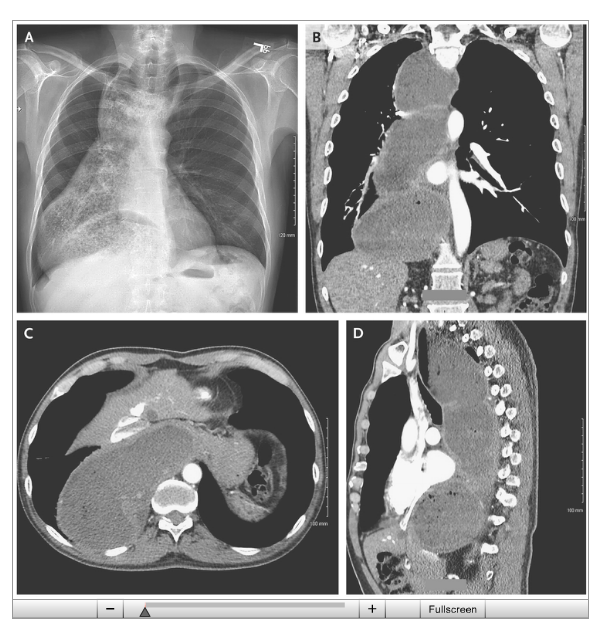
“Good Job Making the Diagnosis”

Briefly noted: JA Leon et al. Gastroenterol 2015; 149: 1697-99.  Case report of Job syndrome (Autosomal-Dominant Hyper-IgE syndrome) mimicking Crohn’s disease in a 37 yo with perianal fistula, and weight loss. Clues to the diagnosis: “Recurrent skin abscesses and respiratory infections, eczema, marked elevation of serum IgE, eosinophilia, and mucocutaneous candidiasis are the hallmark of the infectious and immunologic features…Boils and furuncles almost always occur and characteristically lack of the usual inflammatory findings…”cold” abscesses…associated with markedly increase IgE or eosinophil levels, should always raise a suspicion for AD-HIES.”

Related blog post: Add it to the list | gutsandgrowth

The Push to Improve Diagnosis

The Institute of Medicine’s (now called the National Academy of Medicine) “Improving Diagnosis in Health Care” (the link includes a link to a 1-hour briefing) is receiving a lot of attention. One recent commentary (H Singh, ML Graber. NEJM 2015; 373: 2493-95) elaborates on this issue. The IOM reports notes that “diagnostic errors affect at least 1 in 20 U.S. adults in outpatient settings each year, or 12 million adults per year.”

The report recommends “strengthening teamwork, reforming the teaching of diagnosis, ensuring that health information technology (IT) supports the diagnostic process, measuring and learning from errors in real-world practice, promoting a culture of diagnostic safety, reforming the malpractice and reimbursement systems, and increasing research funding.”

My take: This report highlights an enormous challenge for the healthcare system.  While IT support in theory sounds like it could help, right now IT isn’t helping much.  Many physicians are bogged down inputting data and trying to find enough time for critical thinking.  There is a lot of work ahead.

Burden of GI Diseases in U.S.

A useful article (AF Peery et al. Gastroenterol 2015; 149: 1731-41) provides data on the huge impact that GI & Liver diseases have.

Here are some key findings:

Leading GI symptoms (Ambulatory visits) in 2010 (Table 1):

  • Abdominal pain 27.1 million
  • Diarrhea 5.6 million
  • Vomiting 5.5 million
  • Nausea 4.7 million
  • Bleeding 3.6 million

Most Common Diagnosis from Hospital Admissions in 2012 (Table 5):

  • GI hemorrhage 507,440 admissions
  • Cholelithiasis with cholecystitis 389,180 admissions
  • Acute pancreatitis 275,170 admissions
  • Intestinal obstruction 256,775 admissions
  • Appendicitis 248,080 admissions
  • Chronic liver disease/viral hepatitis 243,170 admissions

Causes of Death in U.S. in 2012 (Table 7):

  • Colorectal cancer 51,139
  • Pancreatic cancer 38,797
  • Liver/bile duct cancer 22,973
  • Cirrhosis 17,495
  • Alcoholic liver disease 17,419
Gastroenterology Cover

Gastroenterology Cover

Should Methotrexate Be Used For Ulcerative Colitis?

A recent study (F Carbonnel et al. Gastroenterol http://dx.doi.org/10.1053/j.gastro.2015.10.050, article in press; thanks to KT Park twitter feed for reference) with 111 patients provides more questions than answers.  It appears that methotrexate improved clinical remission but the overall difference is fairly small; the abstract is below.

My initial impression: Immunomodulators (including methotrexate and thiopurines) have some efficacy as monotherapy agents in patients with inflammatory bowel disease. Their role as part of combination therapy (with anti-TNF agents) has been associated with improved outcomes but how long to use combination therapy and at what dosage is still being worked out.

Here’s the abstract and a link: Methotrexate is not Superior to Placebo in Inducing Steroid-free Remission, but Induces Steroid-free Clinical Remission in a Larger Proportion of Patients with Ulcerative Colitis

Background & Aims

Parenteral methotrexate is an effective treatment for patients with Crohn’s disease but has never been adequately evaluated in patients with ulcerative colitis (UC). We conducted a randomized controlled trial to determine its safety and efficacy in patients with steroid-dependent UC.

Methods

We performed a double-blind, placebo-controlled trial to evaluate the efficacy of parenteral methotrexate (25 mg/week) in 111 patients with corticosteroid-dependent UC at 26 medical centers in Europe, from 2007 through 2013. Patients were given prednisone (10 to 40 mg/day) when the study began, and randomly assigned to groups (1:1) given placebo or methotrexate (intramuscularly or subcutaneously, 25 mg weekly) for 24 weeks. The primary endpoint was steroid-free remission (defined as a Mayo score ≤ 2 with no item > 1 and complete withdrawal of steroids) at week 16. Secondary endpoints included clinical remission (defined as a Mayo clinical subscore ≤ 2 with no item > 1) and endoscopic healing without steroids at weeks 16 and/or 24, remission without steroids at week 24, and remission at both weeks 16 and 24.

Results

Steroid-free remission at week 16 was achieved by 19/60 patients given methotrexate (31.7%) and 10/51 patients given placebo (19.6%)—a difference of 12.1% (95% confidence interval [CI], –4.0% to 28.1%; P=.15). The proportions of patients in steroid-free clinical remission at week 16 were 41.7% in the methotrexate group and 23.5% in the placebo group, for a difference of 18.1% (95% CI, 1.1%–35.2%; P=.04). The proportions of patients with steroid-free endoscopic healing at week 16 were 35% in the methotrexate group and 25.5% in the placebo group—a difference of 9.5% (95% CI, –7.5% to 26.5%; P=.28). No differences were observed in other secondary endpoints. More patients receiving placebo discontinued the study because of adverse events (47.1%), mostly caused by UC, than patients receiving methotrexate (26.7%; P=.03). A higher proportion of patients in the methotrexate group had nausea and vomiting (21.7%) than in the placebo group (3.9%; P=.006).

Conclusions

In a randomized controlled trial, parenteral methotrexate was not superior to placebo for induction of steroid-free remission in patients with UC. However, methotrexate induced clinical remission without steroids in a significantly larger percentage of patients, resulting in fewer withdrawals from therapy due to active UC.

Related blog posts:

Banning Mills

Banning Mills

Optimism for New Treatment in Inflammatory Bowel Disease: AJM300

Yesterday’s post on “Eternal Nutrition” had a link to podcasts on enteral nutrition as therapy for Crohn’s disease.  I listened to the podcasts and they were helpful (Enteral Therapy as Primary Therapy for Crohn’s Disease Podcast).  A few points that were made included the following:

  1. Try to have the right person teach/place the nasogastric feeding tube.  If the first experience is bad, this may make further attempts quite difficult.  At CHOP, their facility has an education center and they schedule 3-hour learning session for enteral feeds.  Teaching the teen to place the NG tube is preferred.
  2. Many pediatric gastroenterologists in U.S. are not informing their patients that enteral feedings are a treatment option.
  3. In most parts of the world, induction with enteral nutrition involves virtually 100% of diet as enteral nutrition for ~8-12 weeks.  CHOP modification involves 80-90% of calories delivered enterally, typically over an overnight drip.  If someone is not responding to enteral feeds, CHOP may increase calories delivered enterally.
  4. For maintenance with CHOP modification, gradually reduction from 7 days per week to 5 days per week is attempted.  At CHOP, they prefer hydrolysate for enteral tube feedings and think more rapid gastric emptying could be helpful.  However, the podcast state that specific formulas have not been shown to be superior in trials to date.  At CHOP, if formula is taken orally, then an intact protein formula is selected.
  5. If someone uses enteral formula for maintenance, then consideration of a gastrostomy tube (after 3 months) is reasonable.  They have not had local issues at sites due to Crohn’s disease.
  6. Resources include the Oley.org website and the Crohn’s Survival Guide.
  7. Enteral therapy seems to work in small bowel as well as colonic disease, despite early reports suggesting less efficacy with colonic disease.

———————

A recent phase II study (N Yoshimura et al. Gastroenterol 2015; 149: 1775-83) indicates that an oral antagonist of α4 integrin may be quite useful for ulcerative colitis.

This double-blind, placebo-controlled trial with 102 patients found the following:

  • A clinical response rate at 8 weeks of 62.7% in the treatment group and 25.5% for placebo)
  • Rates of remission were 23.5% in the treatment group  compared with 3.9% in the placebo group.
  • Mucosal healing were 58.8%% in the treatment group  compared with 29.4% in the placebo group.
  • No serious adverse events were noted.

In the commentary by  BG Levesque and S Ghosh (pg 1669-72), it is noted that subsequent oral integrins will be compared to vedolizumab and similar safety concerns exist; that is making sure that there are no cases of progressive multifocal leukoencephalopathy (PML) which has been associated with natalizumab therapy.  For vedolizumab, the RAMP safety monitoring program has NOT identified PML in 2884 IBD patients.

The commentary (in blue) discusses several integrins as potential therapeutic targets and outlines future therapies.

Nontargeted therapies:

  • A) Induction: corticosteroids, 5- aminosalicylates, cyclosporin, and tacrolimus
  • B) Maintenance: thiopurines, methotrexate, 5-aminosalicylates, and tacrolimus.

Targeted therapies (those in development phase in italics)

  • A) Monoclonal antibodies (induction and maintenance): tumor necrosis factor inhibitors, vedolizumab, other integrin/adhesion molecule inhibitors, interleukin-12/23 inhibitors, and interleukin-6 inhibitors.
  • B) Oral synthetic (induction and maintenance or stop and start): Jakinibs, integrin blockers, sphingosine-1-phosphate (s1P) regulators, and SMAD7 antisense oligonucleotide.

“The results of AJM300 demonstrate feasibility of such an approach, and we anticipate a proliferation of such approaches given the robust evidence supporting integrins as a target, especially if the drug can be targeted or delivered in a gut-specific manner.”

My take: There are a number of therapies being developed that are likely to transform the treatment of inflammatory bowel disease; future treatments will be more precise, more effective and have many more options.

Related blog posts:

Banning Mills

Banning Mills


“Eternal Nutrition” Therapy

NASPGHAN twitter feed (with links to enteral therapy podcasts) was probably a typo &/or autocorrect issue:

“Podcast series must! Eternal Nutrition as Primary Therapy for Crohn’s disease.

Related blog posts:

Trying to Understand Gastroparesis

…all I know is that I know nothing. –Socrates

Perhaps Socrates was a gastroenterologist.  So much of what we think we know, we are finding out is poorly understood.  This applies to gallbladder dyskinesia, sphincter of Oddi dysfunction and now gastroparesis.

A recent study (PJ Pasricha et al. Gastroenterol 2015; 149: 1762-74, commentary 1666-68) and commentary show how little we understand about gastroparesis.

The study was a large prospective surgery of 262 adult patients with gastroparesis (either diabetic or idiopathic).

Key findings:

  • 28% had improvement in the gastroparesis cardinal symptom index (GCSI) at 48 weeks.  Beyond 48 weeks, there were no significant reductions through week 192.
  • Favorable characteristics: male gender, age 50 and older, initial infectious prodrome (18% of cohort), antidepressant usage, and 4-hour gastric retention greater than 20%.
  • Unfavorable characteristics: obesity, smoking, use of pain modulators, moderate to severe abdominal pain, severe reflux, and moderate to severe depression.

The commentary suggests that those with the higher GCSI improved, in part, because of a regression toward the mean bias.  Other important commentary:

  • “More severely delayed gastric emptying was associated with a greater likelihood of improvement”
  • “There was no differences in outcome between diabetic or idiopathic gastroparesis.”
  • Gastric emptying tests are not reliable:  “Pathophysiologic tests are useful in clinical practice if they are reproducible, explain the symptoms, guide therapeutic choices, and determine response to therapy and long-term prognosis.  Despite its popularity, the gastric emptying test scores low on most of these criteria.”
  • “A metaanalysis found no correlation between the change in gastric emptying rate and the symptom response during prokinetic therapy…A 5-year prospective follow-up study of …functional dyspepsia…found that more than 50% improved…with no relation to the presence of delayed gastric emptying.”
  • “Using the term gastroparesis also can lead to premature closure in our efforts to understand the pathophysiology of symptoms…can lead to botulinum injections into the pylorus or placement of gastric stimulators (formerly called gastric pacemakers) for gastroparesis, both of which have been shown to be nonefficacious in controlled trials.”

My take: It is unclear “when to consider gastric emptying testing and how to use it in patient management.”  For the pediatric population, gastroparesis is more likely to be associated with a prodromal infection which increases the likelihood of recovery.

Related blog posts:

Banning Mills

Banning Mills

Using Ustekinumab for Crohn’s Disease

From GI & Hepatology News: New targeted Crohn’s therapy performs well in phase III trial.

This study of Ustekinumab (aka Stelara) was different than previous studies (see previous gutsandgrowth blog from 2012: Ustekinumab for Crohn’s disease) in that this study targeted patients who were NOT ant-TNF failures; however, about 80% of patients had failed corticosteroids.

An excerpt:

Ustekinumab, a monoclonal antibody targeted against interleukins 12 and 23 (IL-12 and IL-23)…

 The trial, called UNITI-2, enrolled patients with moderate to severe Crohn’s disease who had failed traditional therapies but were naive to or at least had not failed a tumor necrosis factor (TNF) inhibitor…

In UNITI-2, 628 patients were randomized to placebo, 130 mg of ustekinumab in a fixed subcutaneous dose of 130 mg, or a weight-based dose of 6 mg/kg of subcutaneous ustekinumab…The primary endpoint was a CDAI reduction of at least 100 points at 6 weeks. Clinical remission at 8 weeks, defined as CDAI less than 150, was a secondary endpoint.

The primary endpoint was reached by 28.7% randomized to placebo, 51.7% of those randomized to the fixed dose of ustekinumab, and 55.5% of those randomized to weight-based dosing. The advantage for the active treatment arms was statistically significant (both P less than .001). For the secondary endpoint of clinical remission at 8 weeks, the rates were 19.6% for placebo, 30.6% (P = .009 vs. placebo) for fixed-dose ustekinumab, and 40.2% (P less than .001 vs. placebo) for the weight-based dose…

Ustekinumab was well tolerated with similar rates and types of adverse events reported in the active treatment and placebo groups.

My take: This study indicates that ustekinumab is likely to be another treatment option for patients with Crohn’s disease.