Increasing Rates of Professional Burnout

A recent study (T Shanafelt et al. Mayo Clin Proc. 2015;90(12):1600-1613) indicates that there may be increasing rates of physicians with “Professional Burnout.”  The study is limited by suboptimal response rates but provides some useful information on this topic.

Full text article: Changes in Burnout and Satisfaction With Work-Life Balance in Physicians and the General US Working Population Between 2011 and 2014

Results: Of the 35,922 physicians who received an invitation to participate, 6880 (19.2%) completed surveys. When assessed using the Maslach Burnout Inventory, 54.4% (n=3680) of the physicians reported at least 1 symptom of burnout in 2014 compared with 45.5% (n=3310) in 2011 (P<.001). Satisfaction with work-life balance also declined in physicians between 2011 and 2014 (48.5% vs 40.9%; P<.001). Substantial differences in rates of burnout and satisfaction with work-life balance were observed by specialty.  In contrast to the trends in physicians, minimal changes in burnout or satisfaction with work-life balance were observed between 2011 and 2014 in probability-based samples of working US adults, resulting in an increasing disparity in burnout and satisfaction with work-life balance in physicians relative to the general US working population.  After pooled multivariate analysis adjusting for age, sex, relationship status, and hours worked per week, physicians remained at an increased risk of burnout (odds ratio, 1.97; 95% CI, 1.80-2.16; P<.001) and were less likely to be satisfied with work-life balance (odds ratio, 0.68; 95% CI, 0.62-0.75; P<.001).

The indices that the authors studied included measures of the following (Table 2):

  • Emotional exhaustion
  • Depersonalization
  • Personal Accomplishment
  • Depression: 38% (2011) –>39% (2014)
  • Suicidal ideation: 6.4% (2011) and 6.4% (2014)
  • Burned out rate: 45.5% (2011) –>54.4% (2014)
  • Career satisfaction (would become a doctor again): 70% (2011) –>67% (2014)

Satisfaction with work life balance (Figure 1):

  • Pediatrics generally better than other fields, but close to 50% in 2014 were not satisfied compared with about 40% in 2011 (P <.05).

Take-home message from authors:

Burnout and satisfaction with WLB among US physicians are getting worse. American medicine appears to be at a tipping point with more than half of US physicians experiencing professional burnout. Given the extensive evidence that burnout among physicians has effects on quality of care, patient satisfaction, turnover, and patient safety, these findings have important implications for society at large. 11-20.  There is an urgent need for systematic application of evidence-based interventions addressing the drivers of burnout among physicians. These interventions must address contributing factors in the practice environment rather than focusing exclusively on helping physicians care for themselves and training them to be more resilient.

Related blog posts:

Zion National Park

Zion National Park


Journals Supplanting Textbooks: Managing Liver Disease

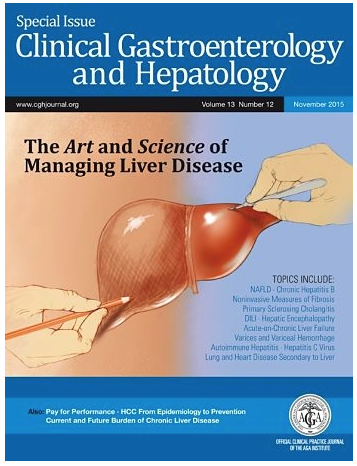
Between Journals and online resources, textbooks are increasingly less useful.  Case in point -this past month, Clinical Gastroenterology and Hepatology published a special issue: The Art and Science of Managing Liver Disease.  Some of the articles are excellent reviews.

Screen Shot 2015-11-21 at 5.35.44 PM

With autoimmune hepatitis (AIH), the authors make a number of useful points and concisely summarized diagnosis and management.  A few points:

  • Anti-soluble liver antigen/liver-pancreas (SLA/LP) and Asialoglycoprotein receptor (ASGPR) useful in diagnosis of AIH type 1 or 2 and is prognostic for severe disease.
  • In U.S. current guidelines suggest an azathioprine dose of 50 mg (for adults) whereas in Europe the dose is typically 1-2 mg/kg/day.  The authors suggest that the U.S. guidelines could lead to undertreatment, particularly with increasing rates of obesity.
  • The authors state that routine “testing for TPMT deficiency before AZA treatment of AIH is unnecessary, because severe TPMT deficiency occurs in 0.3%-0.5% of the general population and does not invariably cause AZA-induced bone marrow toxicity.” [I will probably continue to check TPMT activity.] They do recommend TPMT testing in cirrhotic patients and those with cytopenias.
  • The authors note that successful long-term withdrawal can occur in 19-40% but recommend biochemical remission (>12-24 months) and histologic remission.  They caution against withdrawal in patients after a relapse due to increased risks of progression to cirrhosis and/or death.
  • When discussing alternative therapies, the authors note that mycophenolate mofetil (MMF) is typically effective for patients intolerant to AZA but not likely to work in AZA nonresponders.
  • Alternative agents reviewed included tacrolimus, cyclosporine, sirolimus/everolimus, rituximab, and infliximab.

Other topics in this issue included NAFLD, HCC, Varices, Hepatic encephalpathy, HBV, HCV, Acute-on-Chronic Liver Failure, PSC and Malignancy, DILI, and noninvasive imaging for liver fibrosis.

Tipping Point for Obesity?

A bit of encouraging news from California where investigators showed a small drop in the prevalence of childhood obesity from 2008 to 2013 (C Koebnick et al. J Pediatr 2015; 167: 1264-71).  Using a population-based cohort of ~1.3 million patients, the authors found the following:

  • Obesity prevalence decreased from 19.1% (2008) to 17.5% (2013).  This was observed across all ages, sexes, races, and socioeconomic groups but with variability.
  • Younger children had a greater decline in obesity prevalence compared with adolescents: ages 2-5 years:  -15.4% decline, ages 6-11 years: -11,8% decline and in 12-19 years: -4.5%.

My take: This is a good indication that increased awareness of the obesity epidemic may be leading to some improvement.

Related blog posts:

Lights at Life University

Lights at Life University

Hypothyroidism with ATP8B1 Deficiency

A recent study (L Li et al. J Pediatr 2015; 157: 1334-9) indicated that hypothyroidism may be another extrahepatic feature of patients with ATP8B1 deficiency; this mutation’s main manifestation has been intrahepatic cholestasis in either progressive familial intrahepatic cholestasis (PFIC type 1) or benign recurrent intrahepatic cholestasis (BRIC type 1).

In this study, 3/13 were hypothyroid and an additional 2/13 had subclinical hypothyroidism.  These patients were compared with a cohort of children with ABCB11 deficiency (PFIC type 2 or BRIC type 2) in which 0/19 had hypothyroidism.

Related blog posts:

Zonulin –Possible Biomarker for Gluten Sensitivity?

A recent abstract indicated that there are high levels of zonulin in patients with gluten sensitivity as well as in patients with celiac disease.  These results are preliminary but could indicate a potential biomarker for this condition.  Here is a link to a review of these findings from NPR which includes commentary from Alessio Fasano: A Protein In The Gut May Explain Why Some Can’t Stomach Gluten

An excerpt:

Zonulin is an inflammatory protein first discovered by Fasano and his team in 2000. It helps regulate leakiness in the gut by opening and closing the spaces or “junctions” between cells in the lining of the digestive tract…

Giovanni Barbara and a team of researchers at the University of Bologna measured blood levels of zonulin in four groups of individuals: those with celiac disease, those with irritable bowel syndrome marked by diarrhea, those with self-diagnosed gluten sensitivity and healthy volunteers. Both celiacs and gluten sensitives turned up with remarkably high levels of zonulin in their blood. Those with IBS had elevated levels but less than half of celiacs or gluten sensitive individuals. Healthy volunteers had negligible blood levels of zonulin.

The results were presented in October as an abstract at the 23rd United European Gastroenterology Week in Barcelona, Spain.

Related blog posts:

“Changing Paradigm in Hemolytic Uremic Syndrome”

A recent study from the January 2016 Pediatrics (thanks to Michael Hart for this reference) demonstrates that more aggressive early volume expansion improved outcomes in hemolytic uremic syndrome compared with historical controls.  The full abstract is below.  An associated editorial (Shifting the Paradigm in Hemolytic Uremic Syndrome by David N. Cornfield) makes several points:

1. “The elegantly simple study design led to a relatively straightforward, yet palpably important conclusion that upon presentation, timely administration of sufficient intravenous fluids to increase the child’s body weight by 10% meaningfully decreases length of stay, need for admission to a PICU, use of renal replacement therapy, and the incidence of long-term sequelae.”

2. “The authors were willing, and able, to effectively challenge the standard approach for treatment of STEC-HUS. Over the course of the past several decades, care providers were wary of providing intravenous fluids in the context of renal insufficiency, owing to concerns over potential for fluid overload.”

3. “That the authors were able to demonstrate efficacy after enrolling only 38 children is remarkable. Outcomes were improved for almost every end point studied. The important end points that did not reach statistical significance, death, and central nervous system involvement likely result from a justifiable type 2 error.”

Abstract

BACKGROUND: Hemolytic uremic syndrome associated with Shiga toxin–producing Escherichia coli (STEC-HUS) is a severe acute illness without specific treatment except supportive care; fluid management is concentrated on preventing fluid overload for patients, who are often oligoanuric. Hemoconcentration at onset is associated with more severe disease, but the benefits of volume expansion after hemolytic uremic syndrome (HUS) onset have not been explored.

METHODS: All the children with STEC-HUS referred to our center between 2012 and 2014 received intravenous infusion targeted at inducing an early volume expansion (+10% of working weight) to restore circulating volume and reduce ischemic or hypoxic tissue damage. The short- and long-term outcomes of these patients were compared with those of 38 historical patients referred to our center during the years immediately before, when fluid intake was routinely restricted.

RESULTS: Patients undergoing fluid infusion soon after diagnosis showed a mean increase in body weight of 12.5% (vs 0%), had significantly better short-term outcomes with a lower rate of central nervous system involvement (7.9% vs 23.7%, P = .06), had less need for renal replacement therapy (26.3% vs 57.9%, P = .01) or intensive care support (2.0 vs. 8.5 days, P = .02), and needed fewer days of hospitalization (9.0 vs 12.0 days, P = .03). Long-term outcomes were also significantly better in terms of renal and extrarenal sequelae (13.2% vs 39.5%, P = .01).

CONCLUSIONS: Patients with STEC-HUS had great benefit from early volume expansion. It is speculated that early and generous fluid infusions can reduce thrombus formation and ischemic organ damage, thus having positive effects on both short- and long-term disease outcomes.

Related study showing that more aggressive fluid management also helpful in a pediatric cohort with clinical sepsis/shock: AA Arikan et al. J Pediatr 2015; 1301-5. “A protocol-driven implementation of a resuscitation bundle in the pediatric ED decreased acute kidney injury and need for renal-replacement therapy, as well as PICU and hospital LOS and mortality. Compared with patients prior to this bundle, there was increased fluid given (mean 56 mL/kg vs. 49 mL/kg) and initial bolus was given sooner (mean 34 min compared to 65 min).

Mt. Ranier

Mt. Ranier

NEJM: Functional Dyspepsia

A recent NEJM had a concise review of functional dyspepsia (Talley NJ, Ford AC. NEJM 2015; 373: 1853-63).

With regard to functional dyspepsia in adults, the authors note that using the Rome III criteria, the global prevalence is between 5% and 11%.

While symptoms do not reliably distinguish organic and functional dyspepsia, they note that “with a relatively low rate of identification of organic disease, it is neither desirable nor realistic to perform this test [upper gastrointestinal endoscopy] in all patients with dyspepsia.”

Their review suggests several criteria to consider to help determine who needs endoscopy including age >55 yrs, GI bleeding, dysphagia, persistent vomiting, unintentional weight loss, family history of gastric or esophageal cancer, and iron-deficiency anemia.

With regard to workup, they suggest testing for H pylori non invasively with either breath testing or stool antigen testing.  The review covers treatment approaches including acid suppression (“effect is modest”), antidepressants (“tricyclic antidepressants…should be preferred over selective serotonin-reuptake inhibitors”), prokinetic agents, psychological treatments, and complementary approaches.  Figure 3 provides a helpful algorithm.

With regard to prognosis, “approximately 15 to 20% of people with functional dyspepsia have persistent symptoms and 50% have resolution of symptoms; in the remaining 30 to 35% of patients symptoms will fluctuate and meet the criteria for another functional gastrointestinal disorder.”

Briefly noted: “Acute Anxiety and Anxiety Disorders are Associated with Impaired Gastric Accommodation in Patients with Functional Dyspepsia” HG Ly et al. Clin Gastroenterol Hepatol 2015; 13: 1584-91.

Related blog posts:

Sunrise in Sandy Springs

Sunrise in Sandy Springs

Why Does Enteral Nutrition Work for Crohn’s Disease? Is it due to the Microbiome?

A recent study (K Gerasimidis et al. Am J Gastroenterol advance online publication 3 November 2015; doi: 10.1038/ajg.2015.357. Full Text: Extensive Modulation of the Fecal Metagenome in Children With Crohn’s Disease During Exclusive Enteral Nutrition) finds that treatment with Exclusive Enteral Nutrition further reduces microbiome diversity compared to healthy controls. This was an unexpected finding as the authors state: “we would expect EEN treatment to normalize the perceived ‘dysbiotic’ microbiota toward a healthier state.”

Reference from KT Park’s twitter feed. Here’s the abstract:

OBJECTIVES:

Exploring associations between the gut microbiota and colonic inflammation and assessing sequential changes during exclusive enteral nutrition (EEN) may offer clues into the microbial origins of Crohn’s disease (CD).

METHODS:

Fecal samples (n=117) were collected from 23 CD and 21 healthy children. From CD children fecal samples were collected before, during EEN, and when patients returned to their habitual diets. Microbiota composition and functional capacity were characterized using sequencing of the 16S rRNA gene and shotgun metagenomics.

RESULTS:

Microbial diversity was lower in CD than controls before EEN (P=0.006); differences were observed in 36 genera, 141 operational taxonomic units (OTUs), and 44 oligotypes. During EEN, the microbial diversity of CD children further decreased, and the community structure became even more dissimilar than that of controls. Every 10 days on EEN, 0.6 genus diversity equivalents were lost; 34 genera decreased and one increased during EEN. Fecal calprotectin correlated with 35 OTUs, 14 of which accounted for 78% of its variation. OTUs that correlated positively or negatively with calprotectin decreased during EEN. The microbiota of CD patients had a broader functional capacity than healthy controls, but diversity decreased with EEN. Genes involved in membrane transport, sulfur reduction, and nutrient biosynthesis differed between patients and controls. The abundance of genes involved in biotin (P=0.005) and thiamine biosynthesis decreased (P=0.017), whereas those involved in spermidine/putrescine biosynthesis (P=0.031), or the shikimate pathway (P=0.058), increased during EEN.

CONCLUSIONS:

Disease improvement following treatment with EEN is associated with extensive modulation of the gut microbiome.

My take: We really don’t know why EEN works and we have a lot to learn about a ‘healthy’ microbiome.

Related blog posts:

New Hepatitis B Treatment Guidelines

Link to full article: Updated Hepatitis B Treatment Guidelines from AASLD

With regard to pediatrics:

9A. The AASLD suggests antiviral therapy in HBeAg-positive children (ages 2 to <18 years) with both elevated ALT and measurable HBV DNA levels, with the goal of achieving sustained HBeAg seroconversion.

“Most studies required ALT elevation (>1.3 times ULN) for at least 6 months with HBV DNA elevations for inclusion. Given that HBV DNA levels are typically very high during childhood (>106 IU/mL), there is no basis for a recommendation for a lower-limit value with respect to treatment. However, if a level <104 IU/mL is observed, therapy might be deferred until other causes of liver disease and spontaneous HBeAg seroconversion are excluded.”

“Duration of treatment with oral antivirals that has been studied is 1-4 years. It may be prudent to use HBeAg seroconversion as a therapeutic endpoint when oral antivirals are used, continuing treatment for an additional 12 months of consolidation, as recommended in adults. It is currently unknown whether a longer duration of consolidation would reduce rates of virological relapse.”

“Children who stop antiviral therapy should be monitored every 3 months for at least 1 year for recurrent viremia, ALT flares, and clinical decompensation.”

9B. The AASLD recommends against use of antiviral therapy in HBeAg-positive children (ages 2 to <18 years) with persistently normal ALT, regardless of HBV DNA level.

Another nice summary of current treatment recommendations: P Martin et al. Clin Gastroenterol Hepatol 2015; 13: 2071-87.  Table 5 lists recommendations for treatment of HBeAg-positive.

  • The main group needing treatment (entecavir, tenofovir, or PEGinterferon alfa-2a) are those with HBV DNA >2000 IU/mL and elevated ALT.  Table 6 lists recommendations for those with HBeAg-negative.  Main group needing treatment are the same (HBV DNA >2000 IU/mL and elevated ALT).
  • With both groups (HBe-Ag negative and positive), “consider liver biopsy or transient elastography” if elevated HBV DNA >2000 and normal ALT.  If histologic disease present, consider treatment.
  • One point the authors make about therapy regards duration: “Historically, HBeAg seroconversion was considered a durable response, and discontinuation of antiviral therapy was recommended after a period of consolidation therapy of 6-12 months from the time of HBeAg seroconversion. However, patients who discontinue therapy …can experience recurrent viremia and ALT flares.  Thus, long-term therapy is justified.”
  • For HBeAg negative patients who have compensated liver disease, loss of HBsAg for 6-12 months may be discontinued from therapy.

Hepatitis C Prevalence Underestimated

A recent study (BR Edlin et al. Hepatology 2015; 62: 1353-63) provides data suggesting that Hepatitis C virus (HCV) infection has been underestimated.

The number most commonly used is derived from the 2003-2010 National Health and Nutrition Examination Survey (NHANES) which showed 3.6 million in the U.S. with antibodies to HCV and 2.7 million currently infected.

The authors performed a systemic review and note that ~1 million people were excluded from this survey including a large number at high risk for HCV: ~500,000 incarcerated people, and 220,000 homeless people.

Based on their analysis, they conclude that “the number of US residents who have been infected with hepatitis C is unknown but is probably at least 4.6 million…and of these, at least 3.5 million… are currently infected.”

Related blog posts: