NASPGHAN Postgraduate Course 2014 -Nutriton Module

Thanks to those who attended yesterday’s talk (10/24/14) at the clinical practice session and to those who provided helpful feedback.

This blog entry has abbreviated/summarized the presentations. Though not intentional, some important material is likely to have been omitted; in addition, transcription errors are possible as well.  If you make it to the bottom of this post, you will find some useful patient resources along with previous related blog entries.

Diet and the Microbiome –Robert Baldassano (CHOP) pg 140 in Syllabus

This was a very effective lecture; it brought together a lot of useful information.

Trying to sort out balance between health and disease and role of dysbiosis (altered microbiome)

  • Things that we ingest such as food (diet), antibiotics, and xenobiotics shape the composition of the gut microbiota and serve as substrates for the gut microbiota to produce metabolites
  • We are not the only organism consuming what we eat

Specific studies:

  • Wu G, et al. Science. 2011 Oct 7;334(6052):105-8  The Bacteroides enterotype was highly associated with animal protein and saturated fats, which equates to frequent meat consumption as in a Western diet. The Prevotella enterotype high values for carbohydrates and simple sugars, indicating association with a carbohydrate-based diet more typical of agrarian societies.
  • De Filippo C, et al. PNAS 2010: 14691-96: African children (compared with European) with more bacterial diversity & richness along with higher levels of short-chain fatty acids
  • Holmes et al. Cell Met 2012; 16: 559. Diet serves as a substrate for the microbiota to produce certain metabolites.

IBD and diet (Hou JK et al. American Journal of Gastro 2011;106:563-73)

  • High dietary intakes of total fats, PUFAs, omega-6 and meat were associated with an increased risk of CD and UC
  • High fiber and fruit intakes were associated with decreased CD risk
  • High vegetable intake was associated with decreased UC risk.
  • Consumption of meat, particularly red and processed meat increased the likelihood of relapse (Jowett et al Gut 2004)
  • Enteral diet for IBD can improve stool calprotectin within 1-2 weeks.

Take-home messages: Don’t tell your patients with non-stricturing IBD to eat a low fiber diet.  Reduced red meat and reduced oral iron may be helpful.  Vegetarian diet and Mediterranean diets may be helpful.

Related blog posts:

FODMAP: Navigating this Novel Diet –Bruno Chumpitazi, MD, MPH (Texas Children’s Hospital) -page 152 in Syllabus

  • Fermentable Oligosaccharides Disaccharides and Polyols (FODMAPs): Poorly absorbed, osmotically active, rapidly fermented (produce gas)
  • Higher FODMAPs increase breath hydrogen (Murray K et al. Am J Gastroenterol 2014;109:110-9)
  • Higher FODMAPs increase stool/ileostomy output (Barret JS et al. Aliment Pharmacol Ther 2010;31:874-882,Halmos EP J Gastroenterol Hepatol 2013;28(Suppl4):25-28)

Evidence for use of low FODMAPs diet is best in adult irritable bowel syndrome.

  • Shepherd SJ et al. Clin Gastroenterol Hepatol 2008;6:765-71
  • Staudacher HM et al J Nutr 2012;142:1510-18
  • Ong DK et al. J Gastroenterol Hepatol 2010;25:1366-1373
  • Halmos EP et al. Gastroenterology 2014;146:67-75

Limited studies in children.

  • Chumpitazi BP et al. NASPGHAN 2014 abstract n=33 pediatric IBS.  Favorable response noted to low FODMAP diet.

Dietary recommendations were reviewed along with the caveat that obtaining the assistance of a dietician/nutritionist is recommended.

Resources:

Related blog posts:

Nutrition in the Child with Neurological Disabilities –Kathleen Motil (Baylor College of Medicine) pg 162 in Syllabus

  • Nutritional disorders are highly prevalent in children with neurological disabilities: 29-46% are underweight; 8-14% are overweight.
  • Improved nutrition improves behavior, activity level, improves growth, and reduces infections.
  • Cause of nutritional disorders mostly related to inappropriate dietary intake but other factors can play a role
  • Growth/anthropometric measures are key determinant of nutritional assessment
  • Key questions: Is child taking all day to eat? Is child choking with feedings?
  • Critical BMI <12 kg/m-squared
  • Goal for BMI ~25%

Reasons for gastrostomy:

  • Flat growth >6 months/weight below curve
  • Parental request
  • Medication administration
  • Aspiration

Resource:

www.feedingtubeawareness.com  This site contains a terrific PDF download which explains enteral tubes in an easy to understand style along with good graphics. “What You Need to Know Now, A Parent’s Introduction to Tube Feeding is the guide book that every parent wished they had when they were first introduced to feeding tubes.”

Related blog posts:


Social Media -Why It is Useful for Physicians

Just now, I participated in a 5K run to support The NASPGHAN Foundation.  My suggestion is to move this to a Saturday or Sunday next year to allow more support from the community at large.  That being said, I was pleased to be able to participate in this inaugural race.

Later today, I am giving a talk at our national pediatric gastroenterology meeting on social media.  On one of my first slides, I disclose that I have no financial conflicts and that I am not an expert on social media. The truth is that most teenagers are much more knowledgeable about social media than I am.  Perhaps the perspective that I lend to this area is that I have some experience on how social media can be helpful for physicians.

Here’s a link to my talk: StayingInformed WhyDoctorsNeedTwitter

If you have some suggestions, let me know soon.

“Genetic Testing and the Future of Pediatric Gastroenterology”

Last night, a symposium on “Genetic Testing and the Future of Pediatric Gastroenterology” sponsored by Children’s Healthcare of Atlanta took place.  The speakers included Dr. Ben Gold from our pediatric GI group (GI Care for Kids), Dr. Saul Karpen and Dr. Subra Kugasthasan (Emory), and Dr. Robert Heuckeroth (CHOP).

This blog entry has abbreviated/summarized the presentations. Though not intentional, some important material is likely to have been omitted; in addition, transcription errors are possible as well.  All of the speakers had terrific presentations.

GI Genetic Testing –Subra Kugathasan

Reasons for genetic testing:

  • Predicting prognosis: predicting stricturing/fibrosis in Crohn’s, predicting cancer in ulcerative colitis; BRCA1 in breast cancer
  • Choosing the right medicine: pharmcogenomics
  • Precision medicine: prevention of disease, slowing progression of disease.

Examples in current medicine:

  • Recurrent pancreatitis –novel mutations identified in SPINK1.  Also now hereditary pancreatitis may be due to mutations in CPA1, GGT1, CLDN2, MMP1, MTHFR in addition to CTRC, SPINK1, CFTR, and PRSS1.
  • Inflammatory bowel disease (IBD):IL10 Receptor mutation , TTC7A –>VEO IBD; IPEX gene (can worsen with immunosuppression). Panel testing now available for 40 genes –4 of 22 patients identified with IBD.  Identifying cause of VEO IBD may lead to treatment: bone marrow transplantation.
  • IBD: CLIA/CAP certified Emory Genetics panel ~50 genes (genetics.emory.edu/egl/tests/view.php?testid=4420). Dr. Kugathasan indicated that this testing is likely to be a better 1st step then exome testing. Yield with exome sequencing (in highly selected populations) about 25% at this time but likely to increase. If negative, can proceed with whole exome sequence.  Numerous problems with exome sequencing; for example, exome sequencing may identify genes of unknown significance and identifying genetic problems unrelated to clinical issue.

Who/When to test?

  • Very early onset disease (<10 years), atypical presentation, perhaps treatment-refractory.

Take-home point: “All GI diseases have genetic testing in future.” Testing for highly selected patients for gene defects can be accomplished with gene panel and if negative, whole exome testing.

Related blog posts:

Liver: Cholestatic & Metabolic Diseases of Infants and Children —Saul Karpen

Potential areas for genetic testing:

  • Neonatal cholestasis: PFIC, Metaboic, Biliary Atresia
  • NAFLD
  • Transplant

“Why bother…they all get transplanted anyway…”  According to Dr. Karpen, this view needs to be reconsidered.

Neonatal cholestasis:

  • (Front Pediatr 2014; 2: 65)  41% with biliary atresia, 13% idiopathic, and a lot of others.  N=82. Other etiologies: Genetic disorders; Biliary disease (eg. Caroli), transporter defects (PFICs/BRICs), Metabolic (Niemann-Pick C, tyrosinemia, HFI, Peroxisomal, GSDs, Peroxisomal, Mitochondrial, A1AT). Thus, panels to identify these disorders can be very helpful.
  • Emory Cholestasis 56+ Gene Panel. Testing is cheaper than endoscopy

PFIC: Progressive Familial Intrahepatic Cholestasis

  • PFIC1: ATP8B1 (Byler) –besides cholestasis, patients often with diarrhea, hearing loss, very itchy; can have cirrhosis at 2 years of life
  • PFIC2: ABCB11 (BSEP deficiency) –can have cirrhosis at 6 mo, prone to HCC (as early as 13 mo), very itchy
  •  PFIC3 (high GGT) ABCB4 –can have cirrhosis at 5 mo, can cause problems at later ages as well (eg. intrahepatic cholestasis of pregnancy, gallstones); increase risk for HCC/cholangiocarcinoma.
  • Identifying PFIC (could mimic PSC) and BRIC (Benign Recurrent Intrahepatic Cholestasis)–is helpful in following patients for specific management when symptoms recur and to screen for complications (eg. HCC).

Biliary Atresia:

  • No clear genetics in most
  • Laterality defects in 5-10% -asplenia/polysplenia, cardiac defects
  • GPC1 gene is a susceptibility gene in zebrafish
  • ADD3 gene identified in Han Chinese OR 2.38 –may be a susceptibility gene. (30% of cases, 17% of controls)

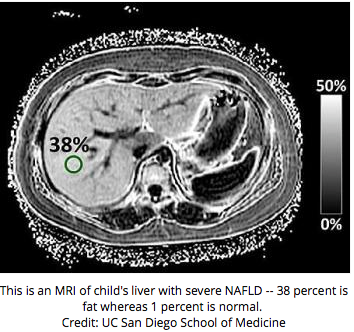
NAFLD: Associated with increased mortality compared with matched controls. Patients develop thicker atherosclerotic plaques. PNPLA3 gene identified as a susceptibility gene for NAFLD and is highly prevalent in Hispanic populations.  Similarly, PNPLA3 has been associated with NASH in Italian populations.  If you have this genotype, this increases risk of liver fat in the face of increased sugar consumption.

Transplant medicine: Deoxyguanosine Kinase Deficiency (DGUOK) –rapid sequencing for this gene pretransplant –If positive, should not be transplanted. These individuals have systemic disease that cannot be cured with liver transplantation.

Who/When for genetic testing?: DGUOK in liver failure patients, and in infants without diagnosis after liver biopsy/exclusion of A1AT

Take-home message: Genetic testing has a role in pediatric liver disease and it is affordable.

Related blog posts:

GI –Single Microbes to the Microbiome and GI Disease —Ben Gold

  • Described why changes in our environment can trigger development of disease due to changes in microbiome (eg. immigrants/children with IBD in developed countries at much higher rate than at developing countries)
  • Discussed Helicobacter pylori –‘how a single microbe which may have been good turned bad’
  • Described pathogenesis. What you get exposed to early on may lead to an exaggerated response by T-cells/immune system.  Healthy microbiota is critical to train the immune system via GALT to protect host and decrease the chances for immune overexpression.

Key points:

  • 100 trillion bacteria that live in our GI tract. 10x number of human cells in our body and 100x as many genes as there are in the human genome.  Partnership between humans and their microbiome developed over thousands of years.
  • Vaginal delivery is NOT sterile. Are there consequences to C-section? Food allergy for infant –OR 2.5 if Mom with food allergy delivers vaginally vs OR 7.8 if Mom has food allergy and delivers via C-section. Also, some data indicates increased risk of EoE if born via C-section.  From DAY 1, microbiome can be influence by environmental factors.
  • Influencing microbiome happens mainly during first three years of life.

Why the microbiome is so important/more pointers:

  1. Since 1950, there has been a huge decline in infectious diseases like measles, mumps, hepatitis A, tuberculosis, etc
  2. Coincident with these decreases there has been increased multiple sclerosis, Crohn’s disease, asthma, food allergy, autoimmune diseases
  3. Sanitized food supply, decrease in naturally fermented foods, urban lifestyle, antibiotics, C-section all lead to lower microbial exposure and altered intestinal microbiota. This in turn may lead to an inadequate immune response.
  4. Elie Metchnikoff 1845-1916: suggested ingested bacteria could be healthy. Probiotics/prebiotics are not a new idea!
  5. Obese patients had very high levels of Firmicutes and low Bacteroidetes.
  6. Fecal microbial transplantation (FMT)–reseeding GI microbiome. FMT may be beneficial to many diseases and is being  studied.

Helicobacter pylori -evidence of H pylori as far back as 60,000 years ago and has evolved with humans. H pylori may have helped provided a positive immune response in children and adults.

Bottomline: Human genetic diseases may be heavily influenced by the 300 trillion bacteria and their genes; these bacteria are susceptible to environmental disease.

Related blog posts:


Genetic Basis of Motility —Robert Heuckeroth

  • Basic machinery controlling motility described –enteric neurons, muscles, pacemaker cells.
  • Very little clinical overlap between modern genetic testing and applicable motility disorders: achalasia, gastroparesis, pseudoobstruction, Hirschsprung’s or irritable bowel
  • Focused testing for suspected diagnosis is being displaced by broader testing in serious disease, especially since more extensive genetic testing may be more cost-effective. When to do exome sequencing?

Hirschsprung’s disease:

  • 1:5000 children.
  • 100X higher risk in Down Syndrome.
  • Prenatal testing not helpful at this time. There may be >360 genes that increase risk (variable degree of risk) of Hirschsprung’s disease; hence prenatal testing not that helpful at this time.
  • 30 associated genetic syndromes with Hirschsprung’s, >12 known gene defects.  Hirschsprung’s disease: 25% with RET haploinsufficiency.  RET haploinsufficiency –increases risk of Hirschsprung’s disease >2500-fold risk.
  • Gene environment interactions can increase risk of developing Hirschsprung’s disease –if vitamin A deficient, mice with increased risk.
  • RET gene –>too little RET increases risk of Hirschsprung’s
  • RET gene –>too much RET increases risk of MEN2B, MEN2A.  Though 7.5% of MEN2A have Hirschsprung’s –works out to be 1 in 100 kids with Hirschsprung’s have MEN2A mutations.  ??test for this??

Pseudoobstruction genetic basis– a number of genes identified, including ACTG2 (smooth muscle actin gene).  If you understand etiology, this may lead to prevention and treatment.

Take-home message: Currently biggest problem with genetic testing, especially with motility disorders, is identifying genetic defect of unknown significance.  Thus, testing needs to be done as part of research studies.

Related blog posts:


Telaprevir-Based HCV Therapy is Expensive Too

With the arrival of newer expensive hepatitis C virus (HCV) therapies, there has been an effort to prove that the costs are within reason.  One study (Hepatology 2014; 60: 1187-95) looking at this issue examines the cost of a sustained virological response (SVR) with the previous best therapy: Telaprevir-Based Triple Therapy.

Design: Records from 147 patients who received telaprevir-based triple therapy in 2011 were reviewed.

According to the authors (supported by Gilead Sciences), median cost of care was $83,721 per patient and the median cost per SVR was $189,338.  The costs of two of the drugs, telaprevir and pegylated interferon, accounted for 85% of the total costs.  Other costs included adverse management (8%), ribavirin (4%), professional fees (2%), and laboratory fees (1%).

The main reason besides pharmaceutical prices for the high costs were the SVR rate of 44%.

Bottomline: If a patient requires HCV therapy, the newer, more effective, expensive agents are likely to compare favorably with the less new, less effective, expensive medications.

Related blog posts:

Also noted: Hepatology 2014; 60: 1211-21.  “WELCOME” Study tested whether 15-18 months of docosahexaenoic acid (DHA) plus eicosapentaenoic acid (EPA) decreased liver fat and histology in nonalcoholic fatty liver disease (NAFLD). n=101, with 51 in treatment group. Findings the DHA+EPA had a “trend toward improvement in liver fat” percentage but no improvement in fibrosis.

Link to NASPGHAN Lectures and Postgraduate Course

Later this week, our national pediatric GI meeting (North American Society for Pediatric Gastroenterology Hepatology and Nutrition) is starting in Atlanta.  Many in my group are involved and presenting.

The following link (with permission from NASPGHAN) is to the website with links to all of these lectures:

NASPGHAN 2014 Atlanta meeting

For those interested only in the Syllabus for the Postgraduate Course:  NASPGHAN 2014 Postgraduate Course.

Topics include in this 200 page (online) book: primary sclerosing cholangitis, jaundiced infant, acute liver failure, “dreaded” endoscopy wake up calls, endoscopy for biliary tract disease, extraesophageal manifestations of gastroesophageal reflux, constipation, eosinophilic esophagitis, motility disorders, FODMAPs diet, nutrition for neurologically impaired, early onset inflammatory bowel disease, “luminitis” due to non-IBD causes, new IBD treatments, and diet-microbiome.

Should be great!

Also, to plan your meeting -go to NASPGHAN home page and use mobile guidebook: NASPGHAN 2014 has gone mobile using Guidebook!

Anti-TNF Therapies: Safe in Pregnancy

According a review (Inflamm Bowel Dis 2014; 20: 1862-69) of 5 studies with 1216 patients, “the use of anti-TNFα therapy does not seem to increase the risk of unfavorable pregnancy outcomes among women with IBD, although the optimal timing of therapy through pregnancy and the postpartum period was not assessed.”

Other important points:

  • “Current recommendations suggest that anti-TNFα therapies be continued during the first 2 trimesters of pregnancy.”  Withholding of infliximab and adalimumab during the third trimester is due to concerns of increased drug levels in infants.
  • Live virus vaccination should “be avoided for the first 6 months in children who had exposure to anti-TNFα therapies in utero.”

Related blog posts:

Back to Basics: Acid-Base Disturbances

A good review on acid-base disturbances: NEJM 2014; 371: 1434-45.  This is good reading for those needing a refresher on any of the following:

  • Metabolic acidosis: -high anion-gap vs. low anion-gap (Table 2)
  • Metabolic alkalosis -mainly due to loss of gastric fluid and use of diuretics.
  • Respiratory acidosis -associated with hypoventilation
  • Respiratory alkalosis -associated with hyperventilation

Here’s a link: http://www.nejm.org/doi/full/10.1056/NEJMra1003327

A few useful pointers:

  • Lactic acidosis  –“roughly half the patients with serum lactate levels between 3.0 and 5.0 mmol per liter have an anion gap within the reference range.”
  • Anion gap is affected by hypoalbuminemia.  “For every decrement of 1 g per deciliter in the serum albumin concentration, the calculated anion gap should be increased by approximately 2.3 to 2.5 mmol per liter.”
  • Low anion gap mainly due to loss of bicarbonate: GI conditions (like diarrhea or other GI fluid losses), renal losses of bicarbonate (RTAs, medicine-induced), decreased renal acid excretion, or other (eg. saline resuscitation, hyperalimentation (lysine, histidine, or argentine hydrochloride, cholestyramine, and other causes).
  • High anion gap: overproduction of acid (lactic acidosis, ketoacidosis –DKA, alcoholic).  Lactic acidosis can be due to D-lactic acidosis in short bowel syndrome or due to L-lactic acidosis (type A hypoxic, type B nonhypoxic -related to numerous medicines/intoxications/thiamine deficiency), advanced renal failure, impaired lactic clearance in liver failure, rhabdomyolysis, penicillin-derived antibiotics, and pyroglutamic acid.

Figure 1 provides an algorithm for sorting out acedemias including use of urinary anion gaps and Figure 2 does the same for alkalemias.

Case Report of Poor Growth, Splenomegaly, and Pneumopathy

From AGA twitter feed link/Gastroenterology Volume 147, Issue 4, Pages e3–e4, October 2014.:

Question: A 6-year-old Caucasian boy presented with recurrent episodes of fatigue, abdominal pain, and diarrhea. In between these episodes, he had good exercise tolerance. He has never traveled outside Hawaii and Western Europe, had no known allergies, and was not taking any medication. An unexplained splenomegaly had first been discovered 6 months ago.

Clinical examination was unremarkable except for growth below the expected range (Figure A) and splenomegaly with a palpable spleen 4 cm below coastal margin. There was no heart murmur, dyspnea, clubbing, icterus, eczema, or lymphadenopathy. Neurologic development was adequate for age.

Laboratory workup showed no anemia and normal lymphocyte subsets. The thrombocytes were in the low normal range (155 × 109/L) and aspartate transaminase (56 U/L) was mildly elevated. The fecal pancreatic elastase and calprotectin were in the normal range. Ultrasonography revealed enlarged liver and spleen without evidence of portal vein thrombosis or focal lesions. A chest x-ray displayed bilateral interstitial lung disease with a reticulonodular pattern.

What is the most likely diagnosis? 

Here’s the link: Answer and explanation.

Lack of Value of Breakfast for Weight Loss

In contrast to previous reports (see previous blog: Skipping breakfast -boomerang effect for obesity …), a recent Study Indicates Lack of Weight Loss by Adding Breakfast (from USA Today).  Here’s an excerpt

Grandmothers, marketers and researchers alike have long touted breakfast as a must-have meal, praising its ability to rev up metabolism, stave off hunger, help calorie watchers keep their weight in check and improve concentration and cognitive function.

But for all the glowing endorsements, there have also been warnings against over-hyping the power of breakfast.

That concern was raised again this summer when a study comparing groups of overweight and obese adults dieters found that eating or skipping breakfast made no difference in how much weight was lost over a 16-week period.

“Our simple question was (when it comes to weight loss), does it help to eat breakfast? And the answer seems to be probably not,” says David Allison, director of the University of Alabama at Birmingham Nutrition Obesity Research Center and senior investigator of the study reported in the American Journal of Clinical Nutrition.

Scarier than Ebola -the Flu

Scarier than Ebola  — From NY Times (an excerpt)

Do me a favor. Turn away from the ceaseless media coverage of Ebola in Texas — the interviews with the Dallas nurse’s neighbors, the hand-wringing over her pooch, the instructions on protective medical gear — and answer this: Have you had your flu shot? Are you planning on one?

During the 2013-2014 flu season, according to the Centers for Disease Control and Prevention, only 46 percent of Americans received vaccinations against influenza, even though it kills about 3,000 people in this country in a good year, nearly 50,000 in a bad one….

On CNN on Monday night, a Dallas pediatrician was asked about what she had advised the families she sees. She said that she urged them to have their children “vaccinated against diseases that we can prevent,” and that she also stressed frequent hand-washing. Ebola or no Ebola, it’s a responsible — and frequently disregarded — way to lessen health risks.

So are these: fewer potato chips. Less sugary soda. Safer sex. Tighter restrictions on firearms. More than 30,000 Americans die from gunshots every year. Anyone looking for an epidemic to freak out about can find one right there.”