AGA Guidance: Biomarkers for Crohn’s Disease

AN Ananthakrishnan, J Adler et al. Gastroenterol 2023; 165: 1367-1399. Open Access! AGA Clinical Practice Guideline on the Role of Biomarkers for the Management of Crohn’s Disease

Key points:

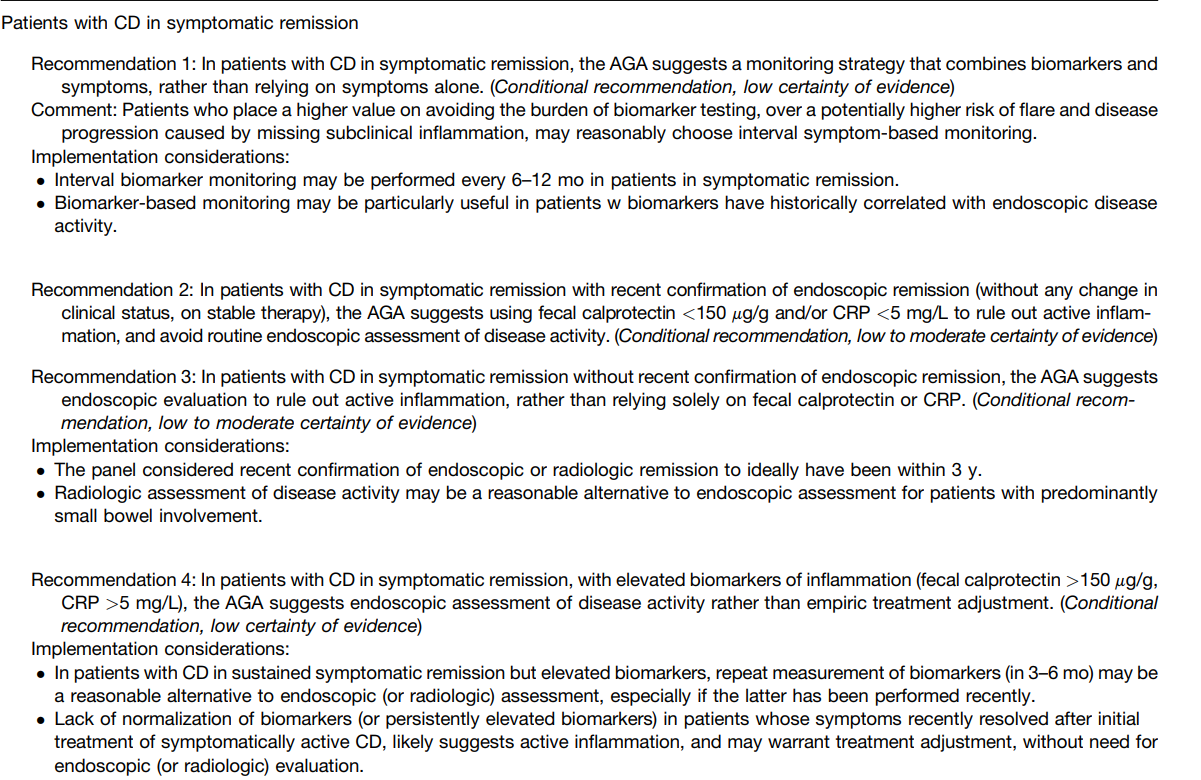
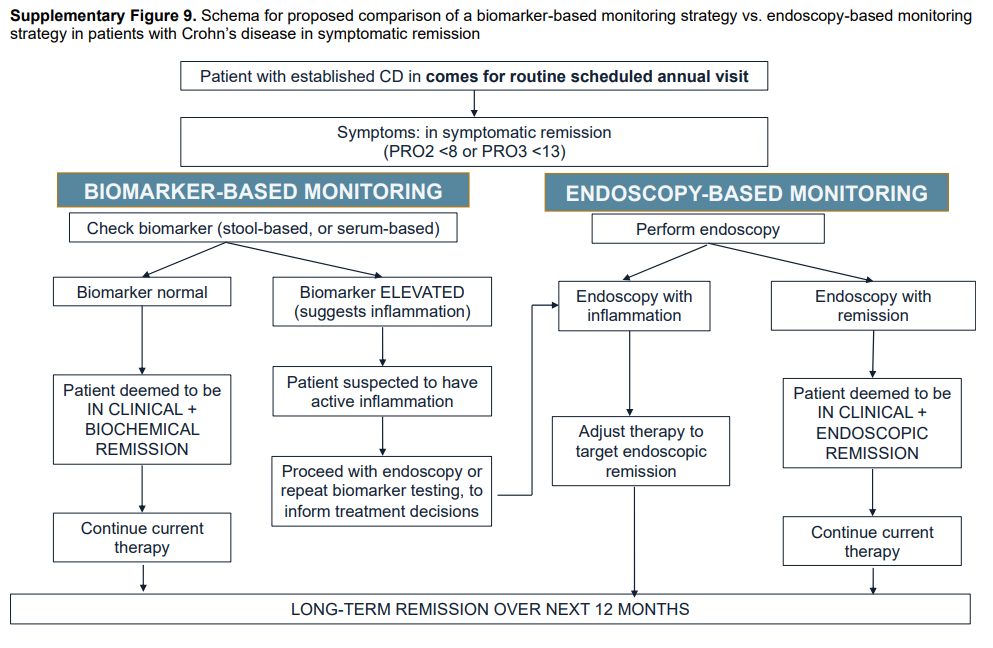
  • Recommendation #2: In patients in symptomatic remission with recent endoscopic evaluation (w/in 3 yrs), a fecal calprotectin <150 μg/g and normal CRP rules out active inflammation, avoiding endoscopic evaluation for assessment of disease activity. However, elevated biomarkers in this setting merit confirmation with endoscopy before treatment adjustment.
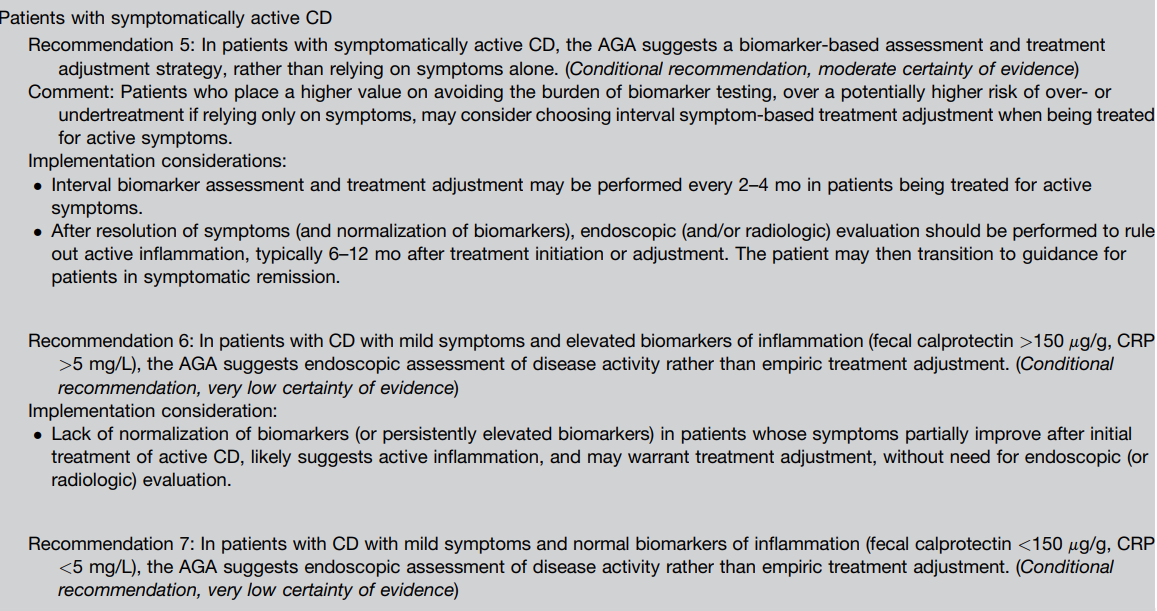
  • Recommendations #6, #7: In patients with CD with mild symptoms, neither normal nor elevated biomarkers alone are sufficiently accurate to determine endoscopic activity.
  • Recommendations #8, #9: In patients with CD with moderate to severe symptoms, elevated fecal calprotectin or serum CRP suggests endoscopic activity, precluding routine endoscopic assessment for disease activity. In those with moderate to severe symptoms but normal biomarkers, endoscopic assessment is recommended rather than empiric adjustment in treatment.
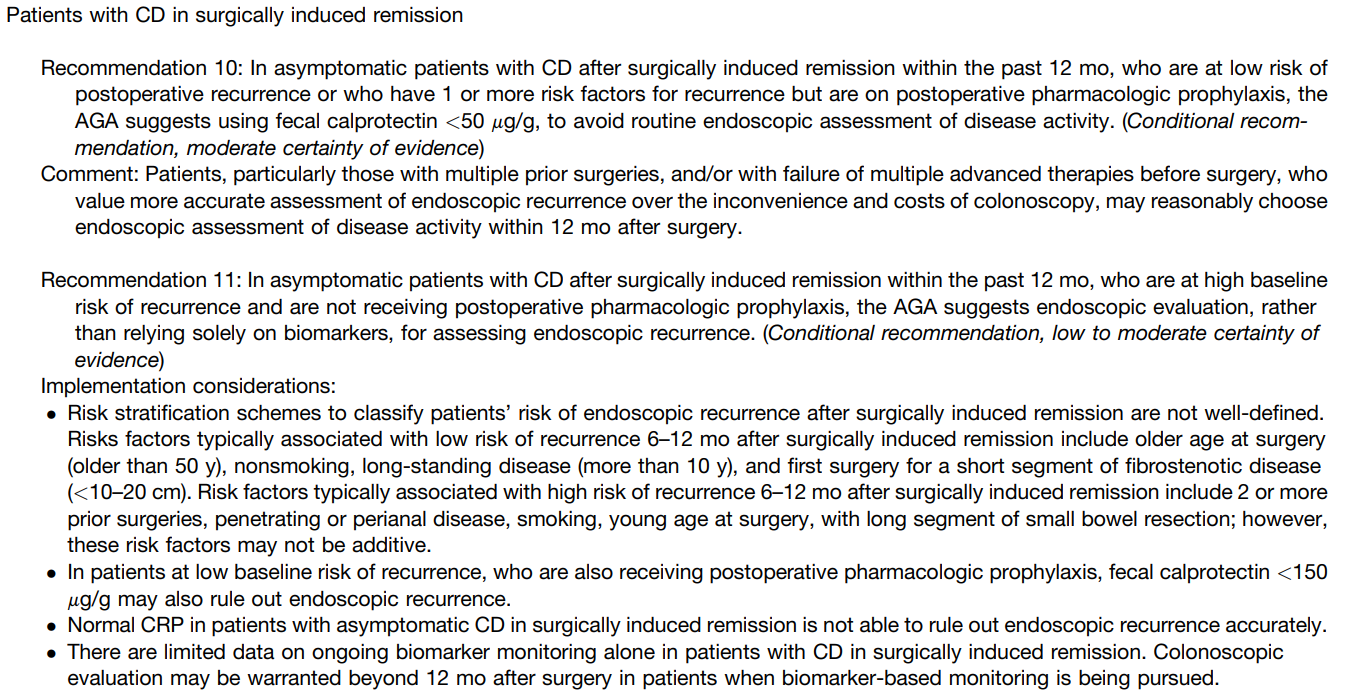
  • Recommendation #10: In patients with CD in surgically induced remission in low-risk patients on pharmacologic prophylaxis, a normal fecal calprotectin (<50 mcg/gm) reliably rules out endoscopic recurrence.

More Recommendations:

#1 In patients with CD in symptomatic remission, the AGA suggests a monitoring strategy that combines biomarkers and symptoms, rather than relying on symptoms alone.

#3 In patients with CD in symptomatic remission without recent confirmation of endoscopic remission, the AGA suggests endoscopic evaluation to rule out active inflammation, rather than relying solely on fecal calprotectin or CRP. 

#5 In patients with symptomatically active CD, the AGA suggests a biomarker-based assessment and treatment adjustment strategy, rather than relying on symptoms alone.

My take: This practical guidance will help target endoscopy in patients with Crohn’s disease. In those who are feeling well with normal biomarkers, frequent endoscopic evaluation is a low-value procedure. Similarly, in those with very elevated biomarkers and who are very symptomatic (with normal infectious studies), endoscopic evaluation is often unnecessary. The AGA expert recommendations should help persuade insurance companies to include biomarkers in their coverage.

Summary of all recommendations -see below from Figure 9 and Table 3.
Related blog posts:

Endoscopy of the Ileal Pouch Anal Anastomosis

A Bousvarous et al. JPGN 2023; 77: 691-694. Endoscopy of the Ileal Pouch Anal Anastomosis

This is a terrific review with some good pictures.

  • The authors note that in their practice in their IBD center, a pouchoscopy is performed 1-2 years after ileostomy closure irrespective of symptoms; in those with symptoms, it is performed sooner.
  • Some complications like strictures and ulcers can occur with few symptoms
  • Table 1 reviews common complications like strictures, cuffitis, infectious pouchitis, Crohn’s disease like pouch inflammation, pouch ischemia, and irritable pouch syndrome. Figure 2 provides useful endosopic picture

Related blog posts:

Another article on pouch management/evaluation:

P Santiago et al. Am J Gastroenterol 2023; 118(11):p 1931-1939 | DOI: 10.14309/ajg.0000000000002348. Open access: Classification and Management of Disorders of the J Pouch

Mesalamine in Pediatric Crohn’s Disease is Still Not Effective

DD Young et al. JPGN Reports 2023; e379. Open Access! Natural History of Pediatric Patients With Crohn’s Disease Treated With Mesalamine Therapy

Background: “Despite their [5-aminosalicylates (5-ASA)] lack of efficacy in Crohn disease (CD), they are still used in real-world practice.”

Methods: In this pediatric retrospective study with 61 patients with ileocolonic disease, 24 received concomitant immunomodulator therapy.

Key findings:

  • The majority of patients (85%) required escalation to biologics. 71% of those receiving an immunomodulator required escalation to a biologic and all but 35 of 37 on mesalamine monotherapy required escalation to a biologic
  • There was no difference between those who continued 5-ASA at time of biologic initiation compared to those who did not continue the medication
  • Patients who discontinued 5-ASA had an average annual cost savings of $6741

My take: In those with very mild Crohn’s disease, the best option may be a dietary approach. Mesalamine therapy remains a good option in patients with ulcerative colitis.

Related blog posts:

Disclaimer: This blog, gutsandgrowth, assumes no responsibility for any use or operation of any method, product, instruction, concept or idea contained in the material herein or for any injury or damage to persons or property (whether products liability, negligence or otherwise) resulting from such use or operation. These blog posts are for educational purposes only. Specific dosing of medications (along with potential adverse effects) should be confirmed by prescribing physician.  Because of rapid advances in the medical sciences, the gutsandgrowth blog cautions that independent verification should be made of diagnosis and drug dosages. The reader is solely responsible for the conduct of any suggested test or procedure.  This content is not a substitute for medical advice, diagnosis or treatment provided by a qualified healthcare provider. Always seek the advice of your physician or other qualified health provider with any questions you may have regarding a condition.

More amazing stone work on walking areas in Lisbon

NASPGHAN YouTube Video for Eosinophilic Esophagitis

NASPGHAN has developed a useful ~6 minute video for families reviewing the treatments (diet and medications) for eosinophilic esophagitis. When I visited the site, it had not garnered much traction yet (very few views). I would recommend this video to families:

NASPGHAN & GIKids -YouTube Video: Ways to Treat Eosinophilic Esophagitis (EoE)

Related links:

Briefly noted: Aerodigestive Medicine and Budesonide for Eosinophilic Esophagitis

A shout out to Ben Gold who is a coauthor on several new publications:

A Krasaelap et al. JPGN 2023; 77: 460-467. Pediatric Aerodigestive Medicine: Advancing Collaborative Care for Children With Oropharyngeal Dysphagia

This is a terrific review of the dysphagia and the multidisciplinary approach to management. Many pearls are in this article. For example, laryngo-tracheo-esophageal cleft (LTEC), “while rare, 1 in 10,000-20,000 live births, the incidence of LTEC is higher (7.6%-22%) in children with aerodigestive issues such as a chronic cough.” [As an aside, this should be repeated given the changing population of patients being seen.]

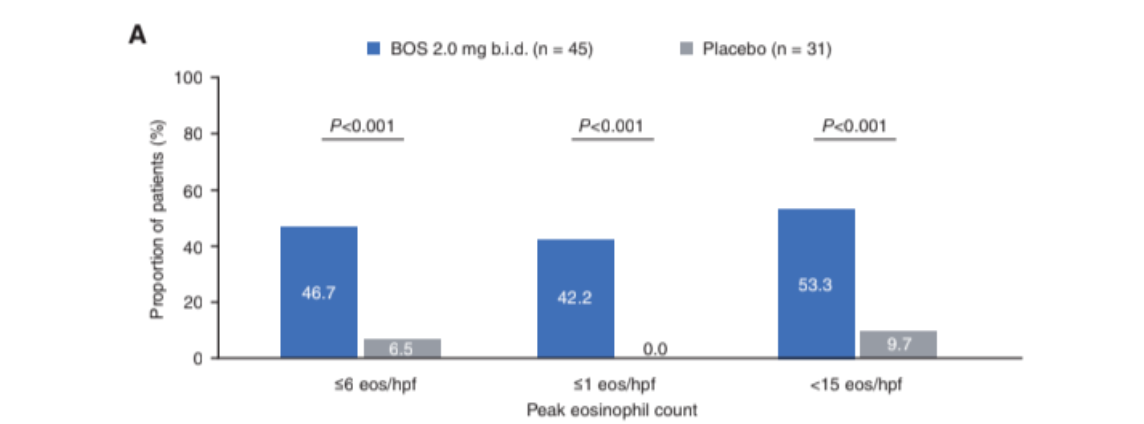
VA Mukkada, SK Gupta, BD Gold et al. JPGN 2023; 77: 760-768. Pooled Phase 2 and 3 Efficacy and Safety Data on Budesonide Oral Suspension in Adolescents with Eosinophilic Esophagitis

Key finding: Significantly more patients who received BOS (2mg BID) than placebo achieved histologic responses (≤6 eos/hpf: 46.7% vs 6.5%; ≤1 eos/hpf: 42.2% vs 0.0%; <15 eos/hpf: 53.3% vs 9.7%; P < 0.001)

Related blog posts:

View from Rua Augusta Arch in Lisbon

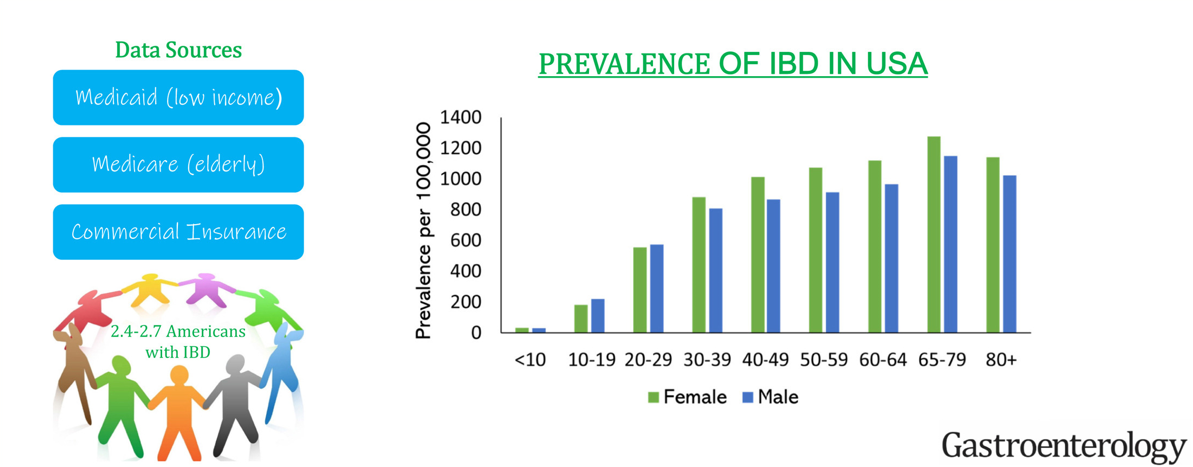
U.S. IBD Prevalence: 7 in 1000

JD Lewis et al. Gastroenterology 2023 Nov;165(5):1197-1205.e2. doi: 10.1053/j.gastro.2023.07.003. Incidence, Prevalence, and Racial and Ethnic Distribution of Inflammatory Bowel Disease in the United States

This “INPUT” (INcidence, Prevalence, Treatment and OUTome in Patients with IBD) study used 4 different data sets to provide “the clearest depiction to date of IBD [epidemiology] in the U.S.

Key findings:

  • The age-, sex- and insurance-standardized prevalence of IBD was 721 per 100,000 population. This equates to estimated 2.39 million Americans with IBD.
  • Sub-category prevalence: the prevalence of IBD per 100,000 population was 812 in White, 504 in Black, 403 in Asian, and 458 in Hispanic Americans.

My take: The prevalence of IBD continues to increase and the U.S. has one of the highest rates in the world.

Related blog posts:

Helicobacter Pylori Stool Susceptibility in Children –How Good Is It?

S Bonilla et al. JPGN 2023; 77: 623-627. Helicobacter pylori Antimicrobial Resistance Using Next-Generation Sequencing in Stool Samples in a Pediatric Population

Background: Stool H pylori testing “has become available and is based on the detection of mutations in H pylori genome associated with antimicrobial resistance and corresponds well with resistance determined by culture”

Methods: The authors obtained stool susceptibility testing using a novel NGS-based analysis and compared results with the current “gold standard” of gastric biopsy culture via agar dilution in 20 pediatric patients with evidence of H pylori in gastric biopsies. Stool samples were sent to American Molecular Laboratories (description in supplemental material). Gastric samples were sent to Mayo Laboratories.

Key findings:

  • Stool NGS-based antimicrobial susceptibility analysis was highly concordant with agar dilution (gastric biopsies) for no resistance (100% agreement), as well as clarithromycin, levofloxacin, and amoxicillin resistance (100%, 67%, and 100% agreement, respectively) but not concordant for metronidazole in our cohort of patients.
  • 35% of patients had antibiotic resistance identified

My take: Since H pylori is difficult to treat, identifying susceptibility patterns can be very helpful. This study shows that stool specimens have good agreement with gastric biopsy testing. While the results for metronidazole are not as good, resistance to metronidazole can often be overcome as part of multidrug regimens.

Lisbon and the Tegas River

Related blog posts:

Disclaimer: This blog, gutsandgrowth, assumes no responsibility for any use or operation of any method, product, instruction, concept or idea contained in the material herein or for any injury or damage to persons or property (whether products liability, negligence or otherwise) resulting from such use or operation. These blog posts are for educational purposes only. Specific dosing of medications (along with potential adverse effects) should be confirmed by prescribing physician.  Because of rapid advances in the medical sciences, the gutsandgrowth blog cautions that independent verification should be made of diagnosis and drug dosages. The reader is solely responsible for the conduct of any suggested test or procedure.  This content is not a substitute for medical advice, diagnosis or treatment provided by a qualified healthcare provider. Always seek the advice of your physician or other qualified health provider with any questions you may have regarding a condition.

New Target For Clostridioides Difficile Treatment

From Boston Children’s (10/25/23): A new approach to C. diff? Targeting the inflammation, not the bacteria

An excerpt:

A new and promising approach — which Dong, Rao, and their colleagues describe in the journal Nature — focuses on curbing intestinal inflammation rather than fighting the bacteria directly…

In response to the toxin, the sensory neurons secrete the neuropeptides substance P and calcitonin gene-related peptide (CGRP), while the pericytes, which surround blood vessels, produce pro-inflammatory cytokines. In a mouse model, this drove intense neurogenic inflammation and tissue damage —the same kind of damage that occurs in patients…

FDA-approved drugs already exist to block the triggering neuropeptides. Aprepitant, used for nausea and vomiting, blocks substance P signaling. Small molecules related to olcegepant or monoclonal antibodies such as fremanezumab, used for migraines, inhibit CGRP signaling.

In the mouse model, these drugs reduced inflammation and tissue damage. Somewhat surprisingly, they even reduced the burden of C. diff bacteria in the animals’ intestines.

My take: Clinical trials are needed to see if these therapies can improve outcomes more than current treatments.

Related blog posts

Atlanta Beltline Mural

NASPGHAN Alert: Flovent HFA Discontinuation

12/7/23 NASPGHAN Alert: Guidance for Flovent HFA Upcoming Discontinuation Used For The Treatment of Eosinophilic Esophagitis

Situation:
Brand name Flovent HFA will no longer be manufactured after December 31, 2023.

Background:
• Flovent HFA is a commonly utilized swallowed topical steroid treatment for patients with eosinophilic esophagitis (EoE). It works by the patient swallowing the aerosolized medication dispensed by a metered dose inhaler (MDI).
• Both Medicaid and many private insurance formularies have transitioned to breath-actuated inhalers as their preferred inhaled steroid formulation, which cannot be used for EoE because they cannot be swallowed.
• GlaxoSmithKline will be discontinuing manufacture of brand Flovent HFA after December 31, 2023. While an authorized generic fluticasone HFA is available, it is not listed on many insurance formularies and for those that do include it, it is typically not listed as a preferred medication.
• Two other steroid MDIs are available on the market – Alvesco HFA (ciclesonide) and Asmanex HFA (mometasone). Limited data is available regarding dosing and efficacy in EoE 1,2.
• We are actively working to raise these concerns with major payors.

Assessment & Recommendation:
Given upcoming Flovent HFA discontinuation, patients needing this formulation of drug could be switched to generic fluticasone HFA. For many insurances this may require a prior authorization, which may delay initiation of the medication and families should be counselled accordingly.

In those whom generic fluticasone HFA is denied despite submission of a prior authorization, alternative options include:
• Oral viscous budesonide
• Swallowed topical Asmanex (mometasone) HFA or Alvesco (ciclesonide) HFA. Data on dosing in EoE is limited and these medications are also likely to require a PA.

References:
1. Tytor J, Larsson H, Bove M, Johansson L, Bergquist H. Topically applied mometasone furoate improves dysphagia in adult eosinophilic esophagitis – results from a double-blind, randomized, placebo-controlled trial. Scand J Gastroenterol. 2021 Jun;56(6):629-634. doi: 10.1080/00365521.2021.1906314. Epub 2021 Apr 8. PMID: 33831327.
2. Nistel M, Nguyen N, Atkins D, Miyazawa H, Burger C, Furuta GT, Menard-Katcher C. Ciclesonide Impacts Clinicopathological Features of Eosinophilic Esophagitis. J Allergy Clin Immunol Pract. 2021 Nov;9(11):4069-4074. doi: 10.1016/j.jaip.2021.06.058. Epub 2021 Jul 19. PMID: 34293498.

The information provided is intended solely for educational purposes and not as medical advice. It is not a substitute for care by a trained medical provider. NASPGHAN does not endorse any of these products and is not responsible for any omissions. For additional information please email floventquestions@naspghan.org.

Any substitution should only be done under the recommendation and supervision of a healthcare professional. 

Teduglutide-Induced Polyps

J Salazar et al. JPGN Reports 4(4):p e389. Open Access! Gastric Foveolar Hyperplastic Polyps in 2 Children With Short Bowel Syndrome on Long-Term Teduglutide

I have not been an enthusiastic early adopter of teduglutide. Though it has been shown to reduce HAL volumes in those with short bowel syndrome (SBS), this tends to revert with cessation of treatment. In addition, it has a very high cost and long-term adverse effects are unclear. Currently the manufacturer recommends a colonoscopy after 1 year of treatment.

This case report by Salazar et al identified two children who developed foveolar hyperplastic gastric polyps after receiving teduglutide.

Discussion points:

  • “There have been increasing reports of both benign and malignant small bowel polyp development. In trials of pediatric patients, limited to 12 and 24 weeks, initial upper endoscopy and colonoscopies were not required. In addition, postexposure upper endoscopy and colonoscopy was not the standard of care (9,13,16). Thus, the incidence of intestinal polyp formation on teduglutide treatment in pediatric patients remains unknown.”
  • “A recent retrospective review of adult patients with SBS showed increased small bowel polyp formation in 8 out of 35 patients (22.9%) on long-term teduglutide use… 3 were identified as adenomas with low-grade dysplasia… (14)”
  • “In general, isolated foveolar hyperplasia has not been identified as a premalignant lesion…The connection between foveolar hyperplasia and development of dysplasia, though, remains poorly understood, and further work delineating the natural history of foveolar polyps in the context of teduglutide is important.”

Related article: A Fifi et al. JPGN 2023; 77: 666-671. This is a post-hoc analysis showing improving stool consistency in 101 patients treated in open-label studies. Patients had mean drop of 20 mL/kg/day in parental fluid volume (compared to 7 mL/kg/day in the standard care treatment group).

My take: This case report indicates that endoscopic monitoring (possibly both upper endoscopy and colonoscopy) is needed in teduglutide-exposed patients. In addition, careful consent of the patients is prudent indicating the uncertain long-term effects. Finally, it would be a good idea to enroll all patients in a registry as well.

Related blog posts:

Tile mosaic in Lagos, Portugal