Masks Work -Here’s the Data

Open Access: MMWR: Effectiveness of Face Mask or Respirator Use in Indoor Public Settings for Prevention of SARS-CoV-2 Infection — California, February–December 2021

Methods: This interview-questionnaire study used a test-negative case-control design, enrolling persons who received a positive (case-participants) or negative (control-participants) SARS-CoV-2 test result, from among all California residents, without age restriction, who received a molecular test result for SARS-CoV-2 during February 18–December 1, 2021. A total of 652 case- and 1,176 control-participants were enrolled in the study equally across nine multi-county regions in California.

Limitations included the following:

  • This study did not account for other preventive behaviors that could influence risk (eg distancing)
  • This analysis relied on an aggregate estimate of self-reported face mask or respirator use across, for some participants, multiple indoor public locations
  • Estimates do not account for face mask or respirator fit
  • Data collection occurred before the expansion of the SARS-CoV-2 B.1.1.529 (Omicron) variant
  • Face mask or respirator use was self-reported
  • Variability of exposures
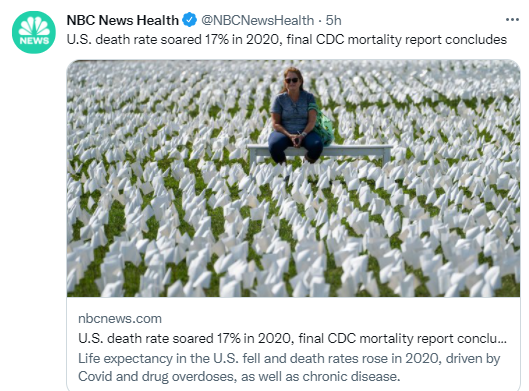
COVID-19 Outcomes in U.S -Why It Has Been So Bad

NY Times (2/1/22): U.S. Has Far Higher Covid Death Rate Than Other Wealthy Countries

An excerpt:

Some of the reasons for America’s difficulties are well known. Despite having one of the world’s most powerful arsenals of vaccines, the country has failed to vaccinate as many people as other large, wealthy nations. Crucially, vaccination rates in older people also lag behind certain European nations.

The United States has fallen even further behind in administering booster shots, leaving large numbers of vulnerable people with fading protection as Omicron sweeps across the country...

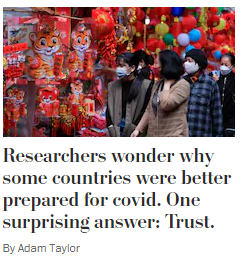
Washington Post (2/1/22): Researchers are asking why some countries were better prepared for covid. One surprising answer: Trust.

An excerpt:

new study [Lancet] of pandemic preparedness across 177 countries and territories appears to have found a key element in Vietnam’s success: trust...

These factors were key for pre-coronavirus rankings such as the Global Health Security Index, which in 2019 listed the United States and Britain as most prepared for a catastrophic biological event, like a pandemic — and Vietnam 74th out of 117 countries.

Instead, better outcomes appear to have gone hand in hand with high levels of trust in government and other citizens. Perception of government corruption was correlated with worse outcomes. Researchers measured trust with polling data from the World Values Survey and Gallup...

The pandemic has “eroded trust in the government,” Bang Petersen said. “It actually seems as if the pandemic has worsened the problem that this study identified.”

Quantifying the Risk of Serious Infections in Pediatric Patients with Inflammatory Bowel Disease

JF Ludvigsson et al. J Pediatr 2021; 238: 66-73. Open Access PDF Serious Infections in Pediatric Inflammatory Bowel Disease 2002-2017—A Nationwide Cohort Study

This study utilized the Swedish nationwide health registry (2002-2017; n = 5767 with IBD) and controls from the general population (n= 58,418). One reason for this study is the increased frequency and changing patterns of immunosuppressive medications that are being used in pediatric IBD. Key findings:

  • 672 serious infections (38.6/1000 person-years) occurred among the children with IBD compared with 778 serious infections in the control group (4.0/1000 person years; adjusted HR 9.46 ). HRs were increased for children with ulcerative colitis 8.48, Crohn’s disease 9.30, and IBD unclassified 12.1
  • Particularly high HRs were also seen in the first year of diagnosis with HR of 12.1 and n children with IBD undergoing surgery, HR 17.1. This 17-fold risk translates to an average of 6 per 100 children having a serious infection among those with operations.
  • 340 of the 672 serious infections were gastrointestinal, including 34 due to Clostridium difficile
  • 20 opportunistic infections were identified during 19,000 person-years

Potential risk factors for infection, besides medications, include malnutrition, chronic inflammation, impaired response to vaccination, and dysregulation of immune responses. A limitation of this study is ascertainment bias as families/patients with underlying disease may be more likely to seek medical attention for otherwise self-limited infections.

My take: This report confirms and quantitates daily clinical practice: children with IBD are more frequently hospitalized due to infections.

Related blog post: Infection or Flareup in IBD: GI PCR Panel Helps

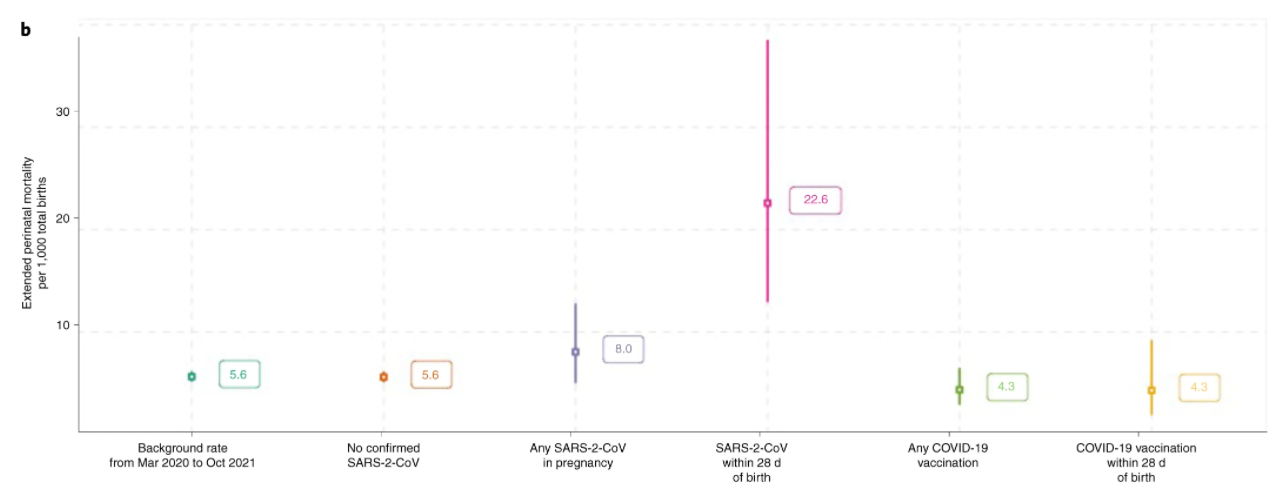
Stillbirths associated with COVID-19: Stillbirths increased from 5.6 per 1,000 baseline to 8 per 1,000 if COVID-19 anytime during pregnancy and to 22.6 per 1,000 if COVID-19 infection began within 28 days of birth in a study of more than 130,000 Scottish births (12/1/20-10/21/21).
Reference: Stock, S.J., Carruthers, J., Calvert, C. et al. SARS-CoV-2 infection and COVID-19 vaccination rates in pregnant women in ScotlandNat Med (2022). https://doi.org/10.1038/s41591-021-01666-2

Omicron Data

This data from NY Times shows that deaths due to COVID-19 are following a familiar pattern and spiking about 3 weeks after a spike in cases; this time the spike is being driven by omicron cases. However, this wave may in fact have lower severity per case; with this current wave, the number of reported cases is probably undercounted by a greater degree than in previous spikes due to widespread availability of home testing and the likelihood of more asymptomatic cases. Thus, it could be that the death rate per case would/will be significantly lower if/when all cases are accounted for.

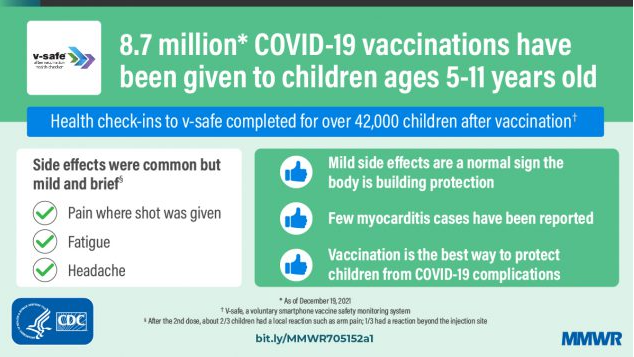
MMWR: COVID-19 Vaccine Safety 8.7 Million Doses in 5-11 year olds

MMWR: Open Access: COVID-19 Vaccine Safety in Children Aged 5–11 Years — United States, November 3–December 19, 2021

From Discusssion:

My take: Cardiac complications related to COVID-19 appear to be much more likely than adverse cardiac events due to vaccination.

Related blog post: Vaccination Reduces Risk of COVID-19 Associated MIS-C & New Quarantine Guidelines

Favorite Posts of 2021

I am happy to say that this is the last nightcall that I will have this year!

Today, I’ve compiled some of my favorite posts from the past year. I started this blog a little more than 10 years ago. I am grateful for the encouragement/suggestions from many people to help make this blog better. Also, I want to wish everyone a Happy New Year.

GI:

IBD:

LIVER:

Nutrition:

Other Topics:

Thanks to Jennifer

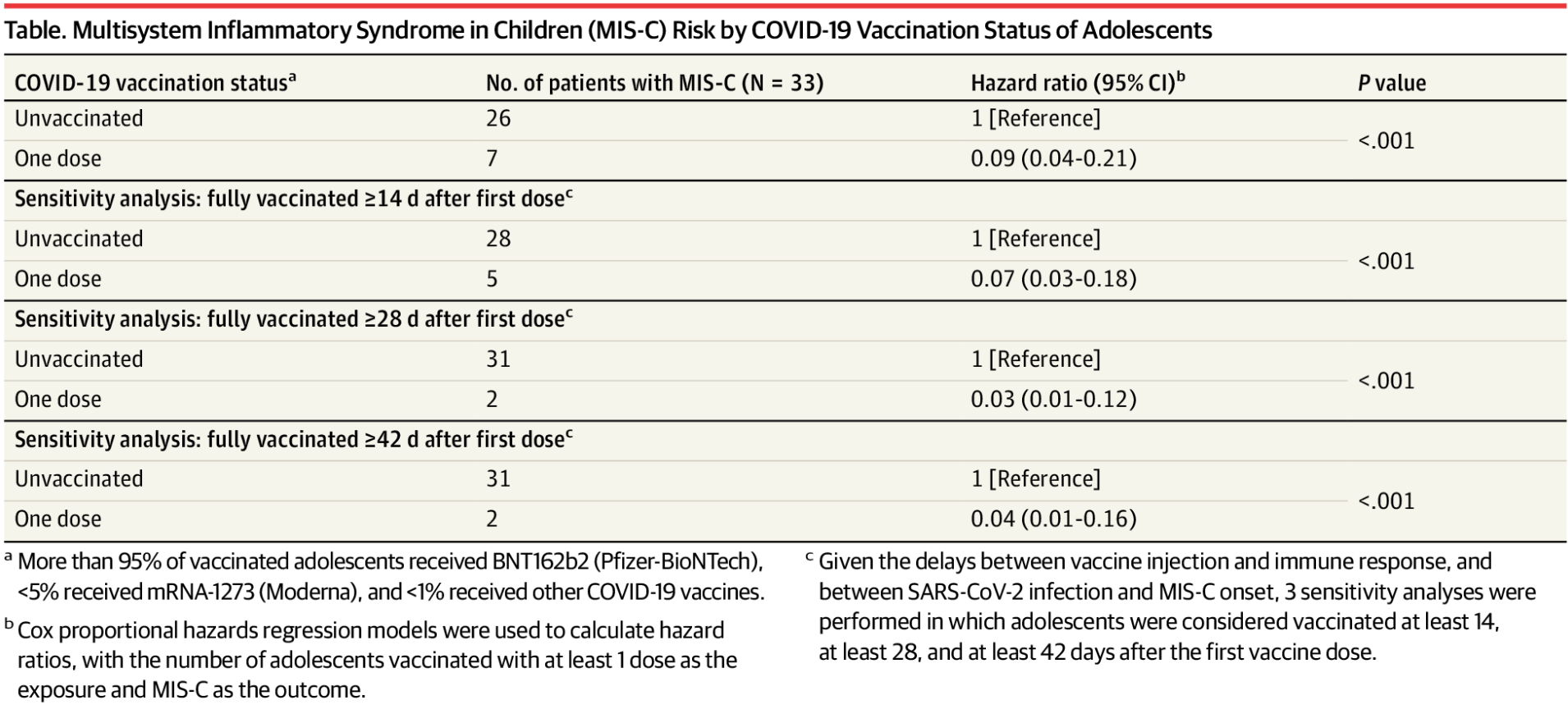
Vaccination Reduces Risk of COVID-19 Associated MIS-C & New Quarantine Guidelines

M Levy et al. JAMA. Published online December 20, 2021. doi:10.1001/jama.2021.23262. Open Access: Multisystem Inflammatory Syndrome in Children by COVID-19 Vaccination Status of Adolescents in France

Key findings:

  • From September 1, 2021, to October 31, 2021, a total of 107 children with MIS-C were hospitalized in France…33 (31%) were adolescents eligible for vaccination
  • Among those with MIS-C, 0 had been fully vaccinated, 7 had received 1 dose with a median (IQR) time between vaccine injection and MIS-C onset of 25 (17-37) days, and 26 had not been vaccinated. The HR for MIS-C was 0.09 (95% CI, 0.04-0.21; P < .001) after the first vaccine dose compared with unvaccinated adolescent. Because there were no MIS-C cases in those who were vaccinated, an HR cannot be calculated in this group.
  • The study had limitations, including the low number of patients, use of national data to calculate HR without considering regional variations, and inability to control for individual risks of MIS-C, such as sex, race and ethnicity, and comorbidities

My take: This study indicates that COCID-19 vaccination likely results in a marked decrease in the risk of MISC-C. This finding provides an additional reason favoring vaccination in adolescents in terms of risk-benefit calculation for immunization.

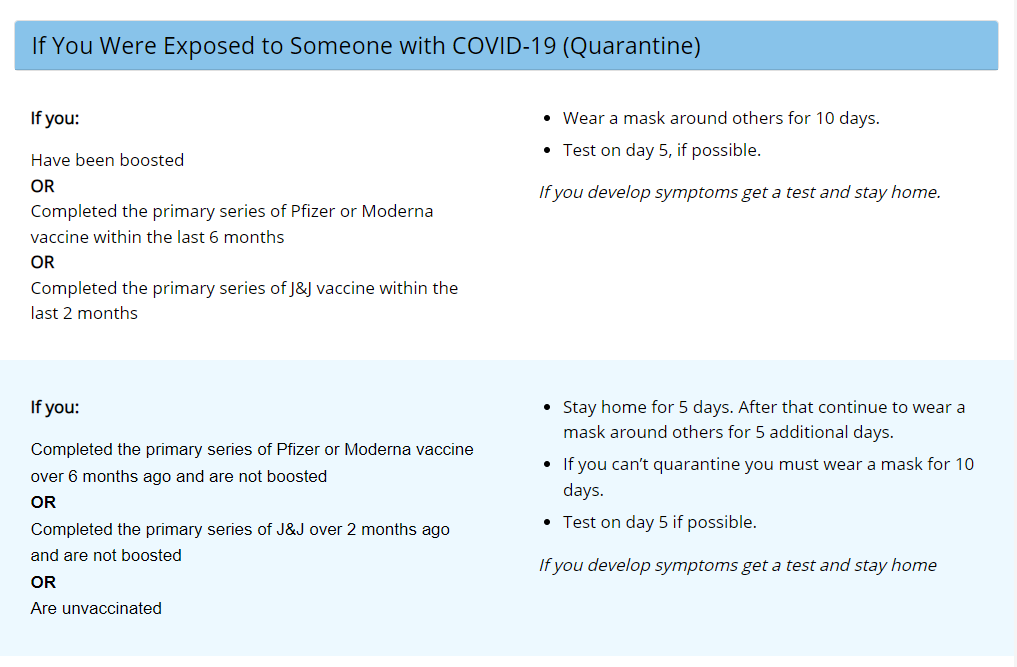
12/27/21: CDC Updates and Shortens Recommended Isolation and Quarantine Period for General Population

Latest CDC Recommendations: Work Restrictions for Healthcare Workers with COVID-19 and Exposures

12/23/21: CDC Releases Emergency Guidance for Healthcare Facilities to Prepare for Potential Omicron Surge

  • Healthcare workers with COVID-19 who are asymptomatic can return to work after 7 days with a negative test, and that isolation time can be cut further if there are staffing shortages.
  • Healthcare workers who have received all recommended COVID-19 vaccine doses, including a booster, do not need to quarantine at home following high-risk exposures.

And this, from NBC News:

What We Know Right Now About Omicron and About Boosters

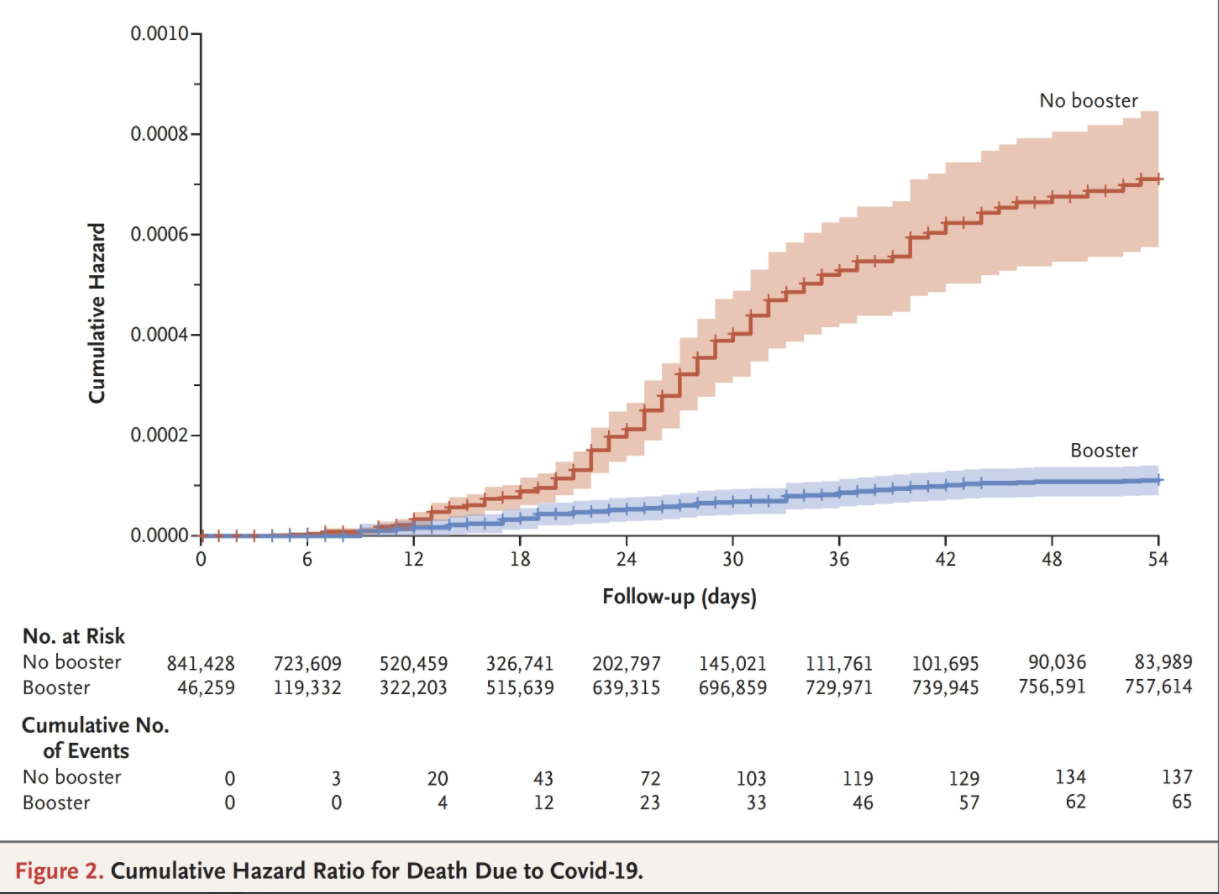
This article shows that the booster shot lowers the risk of death by 90% compared to those who did not receive the booster shot in those 50 years of age or older. R Arbel et al. NEJM 2021; DOI: 10.1056/NEJMoa2115624. Open Access: BNT162b2 Vaccine Booster and Mortality Due to Covid-19

Key Findings:

  • A total of 843,208 participants (50 years and older) met the eligibility criteria, of whom 758,118 (90%) received the booster during the 54-day study period. Death due to Covid-19 occurred in 65 participants in the booster group (0.16 per 100,000 persons per day) and in 137 participants in the nonbooster group (2.98 per 100,000 persons per day). The adjusted hazard ratio for death due to Covid-19 in the booster group, as compared with the nonbooster group, was 0.10 (95% confidence interval, 0.07 to 0.14; P<0.001).

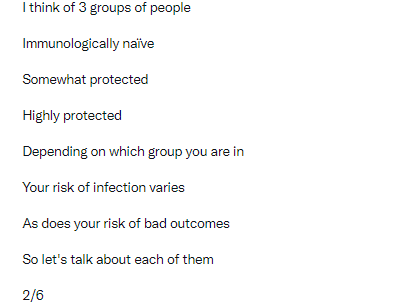
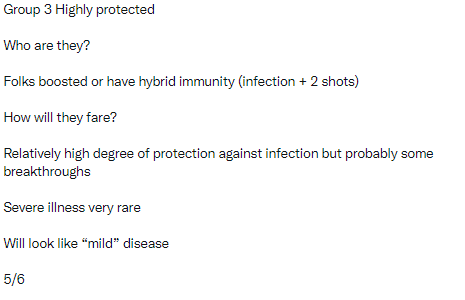
This twitter thread from Ashish Jha provides insight into the current understanding of the Omicron variant.