“We Have Ruined Childhood” and Possible Link to Depression, Anxiety and Suicide

A recent NY Times commentary (We Have Ruined Childhood) details the rising rates of depression, anxiety, and suicide and suggests a link between these mental health issues and a lack of childhood free play.

An excerpt:

No longer able to rely on communal structures for child care or allow children time alone, parents who need to work are forced to warehouse their youngsters for long stretches of time. School days are longer and more regimented…

The role of school stress in mental distress is backed up by data on the timing of child suicide. “The suicide rate for children is twice what it is for children during months when school is in session than when it’s not in session,..

For many children, when the school day is over, it hardly matters; the hours outside school are more like school than ever…

The areas where children once congregated for unstructured, unsupervised play are now often off limits. And so those who can afford it drive their children from one structured activity to another. Those who can’t keep them inside. Free play and childhood independence have become relics, insurance risks, at times criminal offenses

Many parents and pediatricians speculate about the role that screen time and social media might play in this social deficit. But it’s important to acknowledge that simply taking away or limiting screens is not enough. Children turn to screens because opportunities for real-life human interaction have vanished.

Related blog posts:
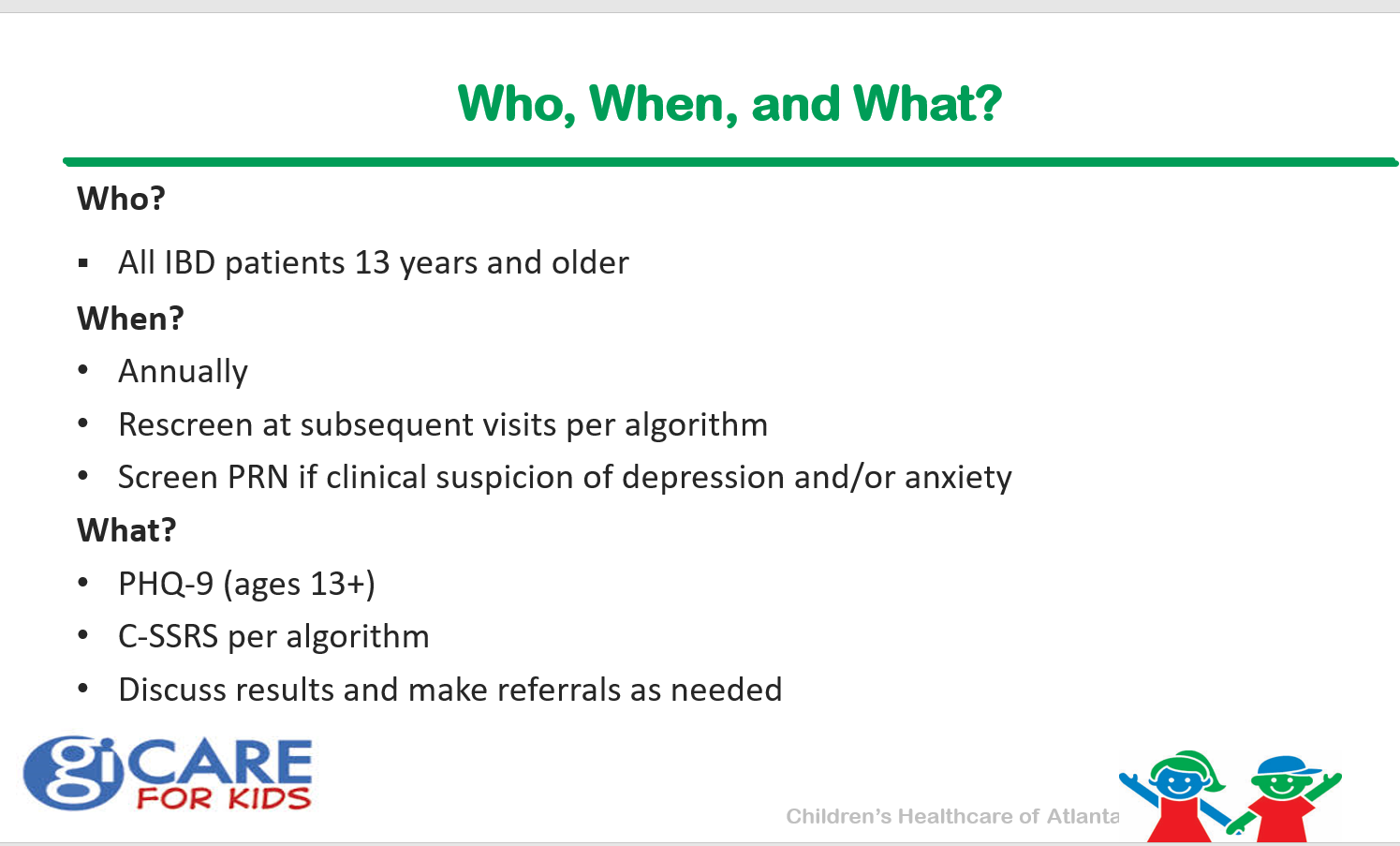
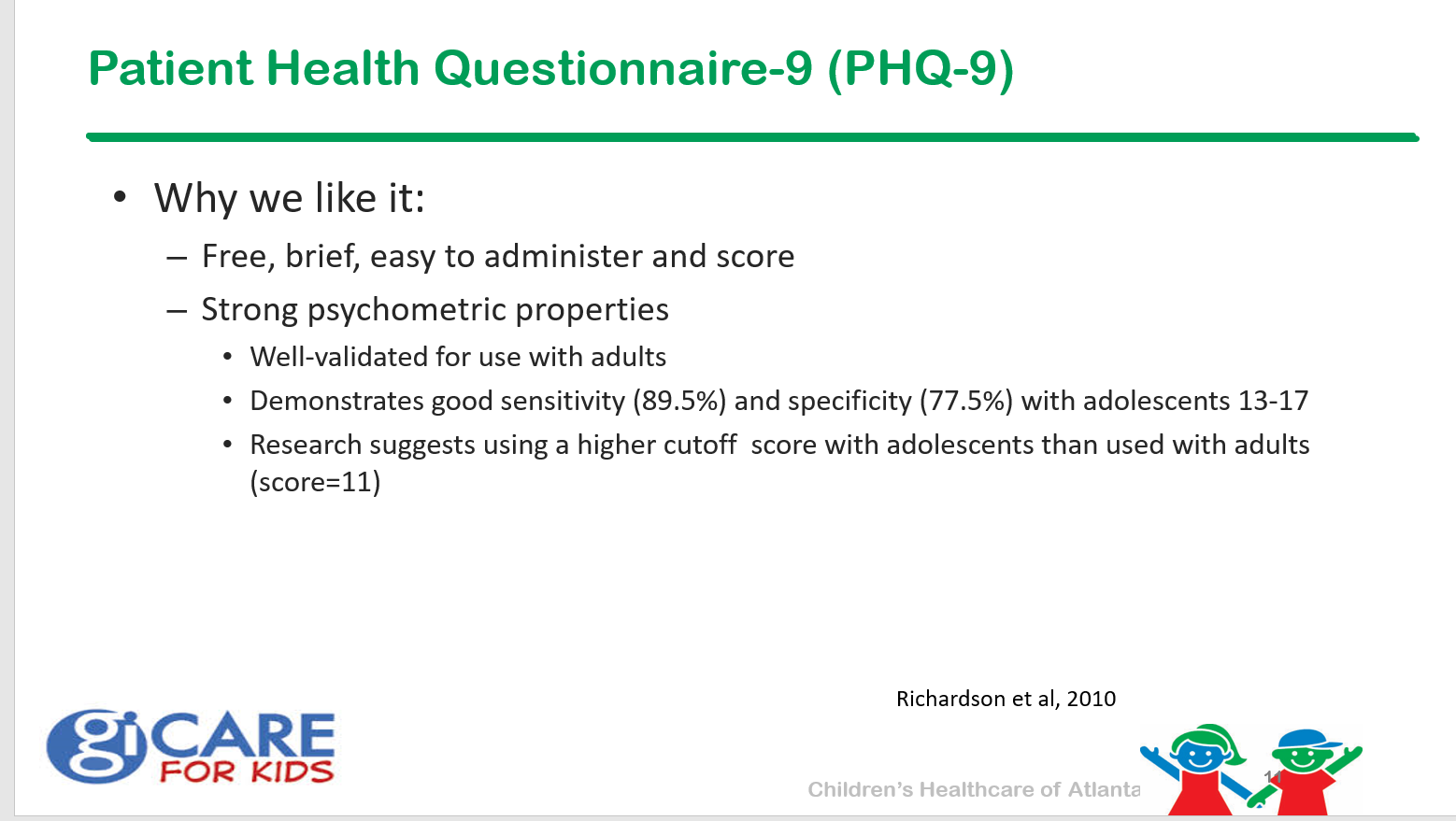
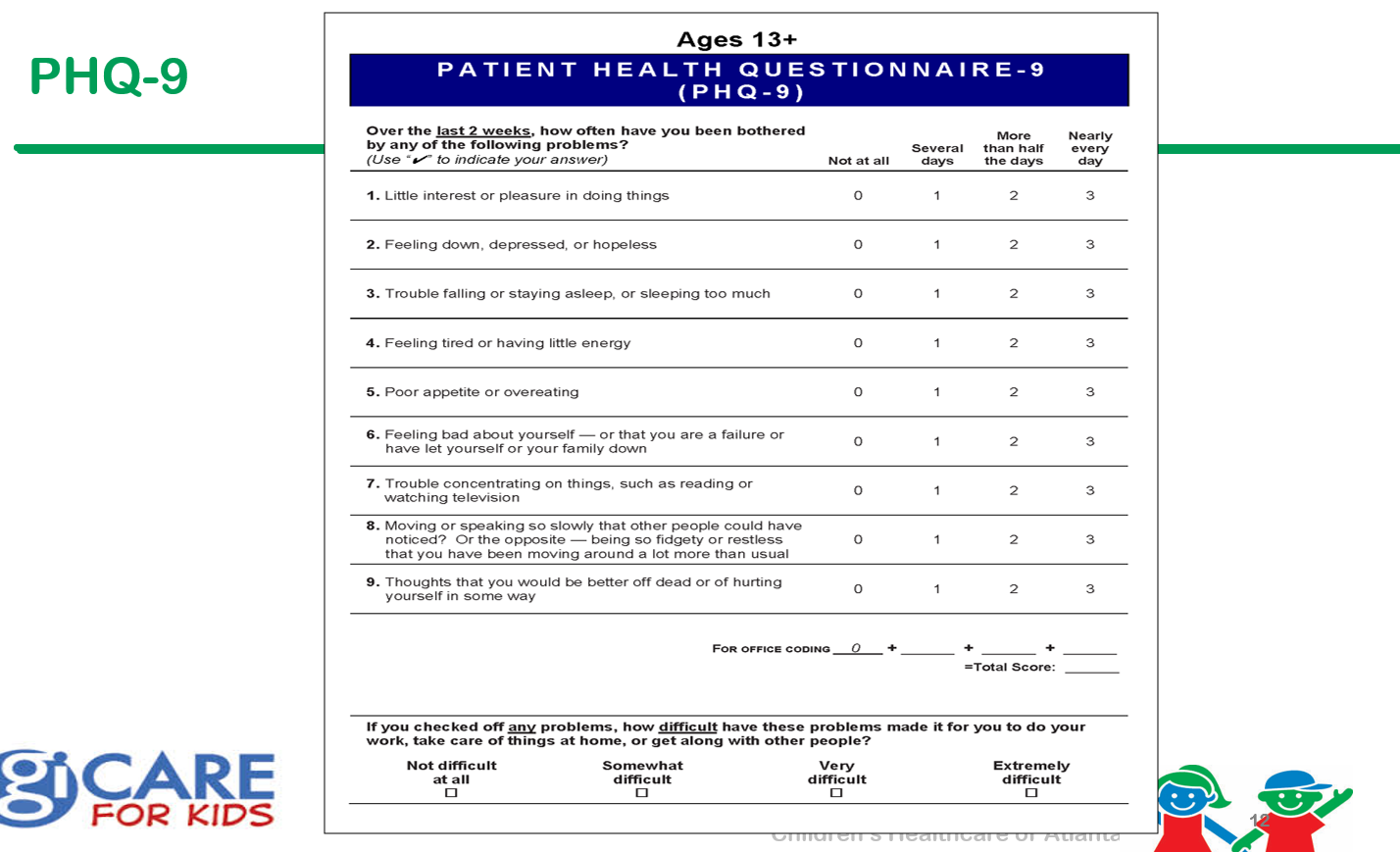
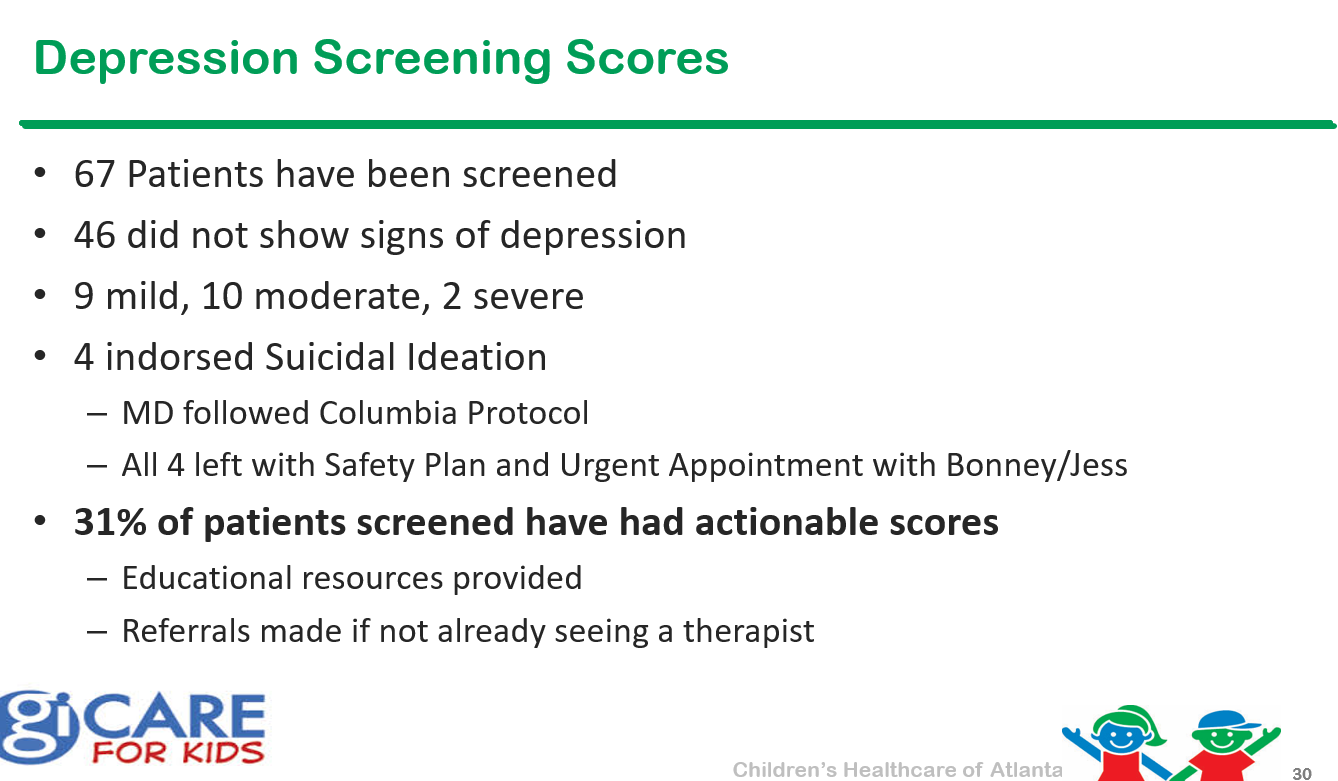
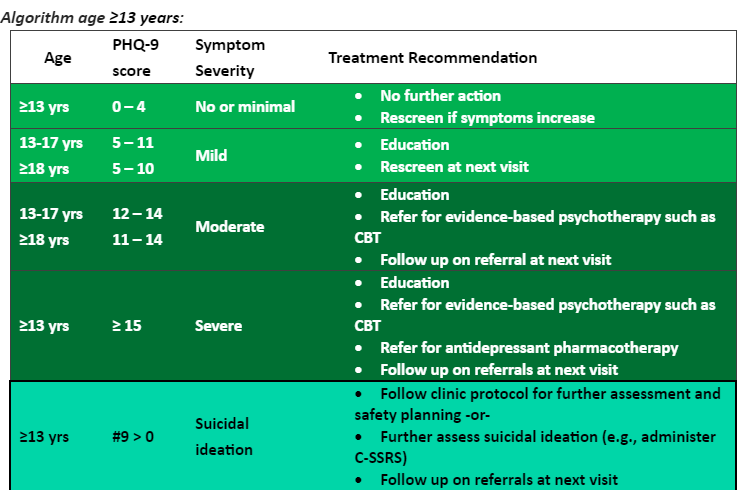
Depression Screening for Pediatric Patients with IBD

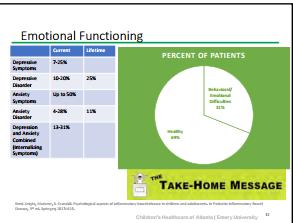
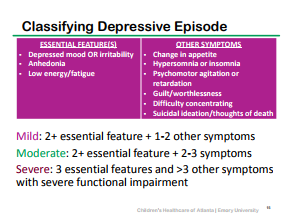
Recently, we had a morning conference to review depression screening for pediatric patients with IBD.  This lecture was led by Chelly Dykes, MD. Many of these slides were adapted from resources developed by the (ImproveCareNow) ICN Psychosocial Professionals group.

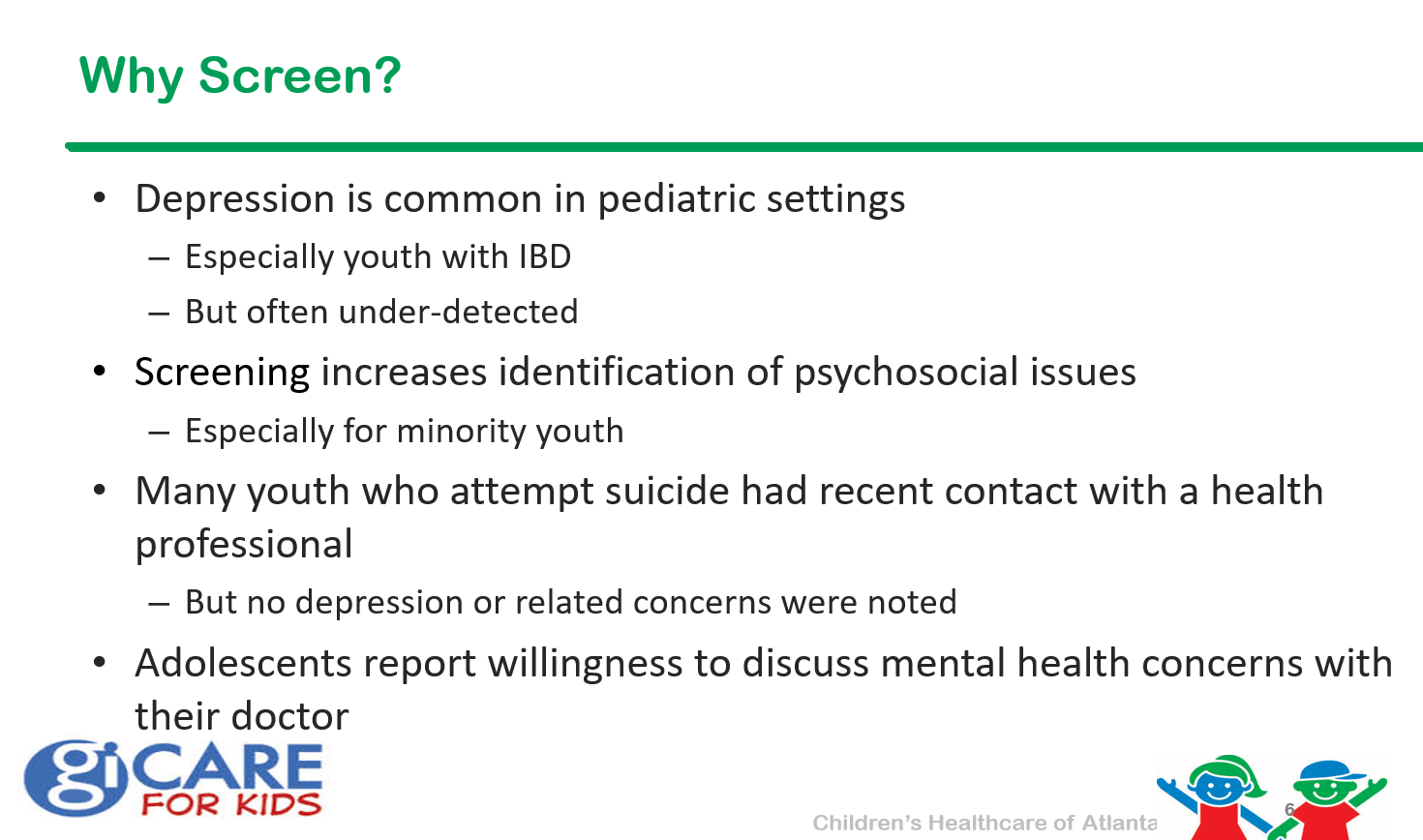
We have started depression screening with a subset of our patients and soon will start screening all children 13 years and older.  When this is working well, younger ages may be targeted as well.

Some of the key points:

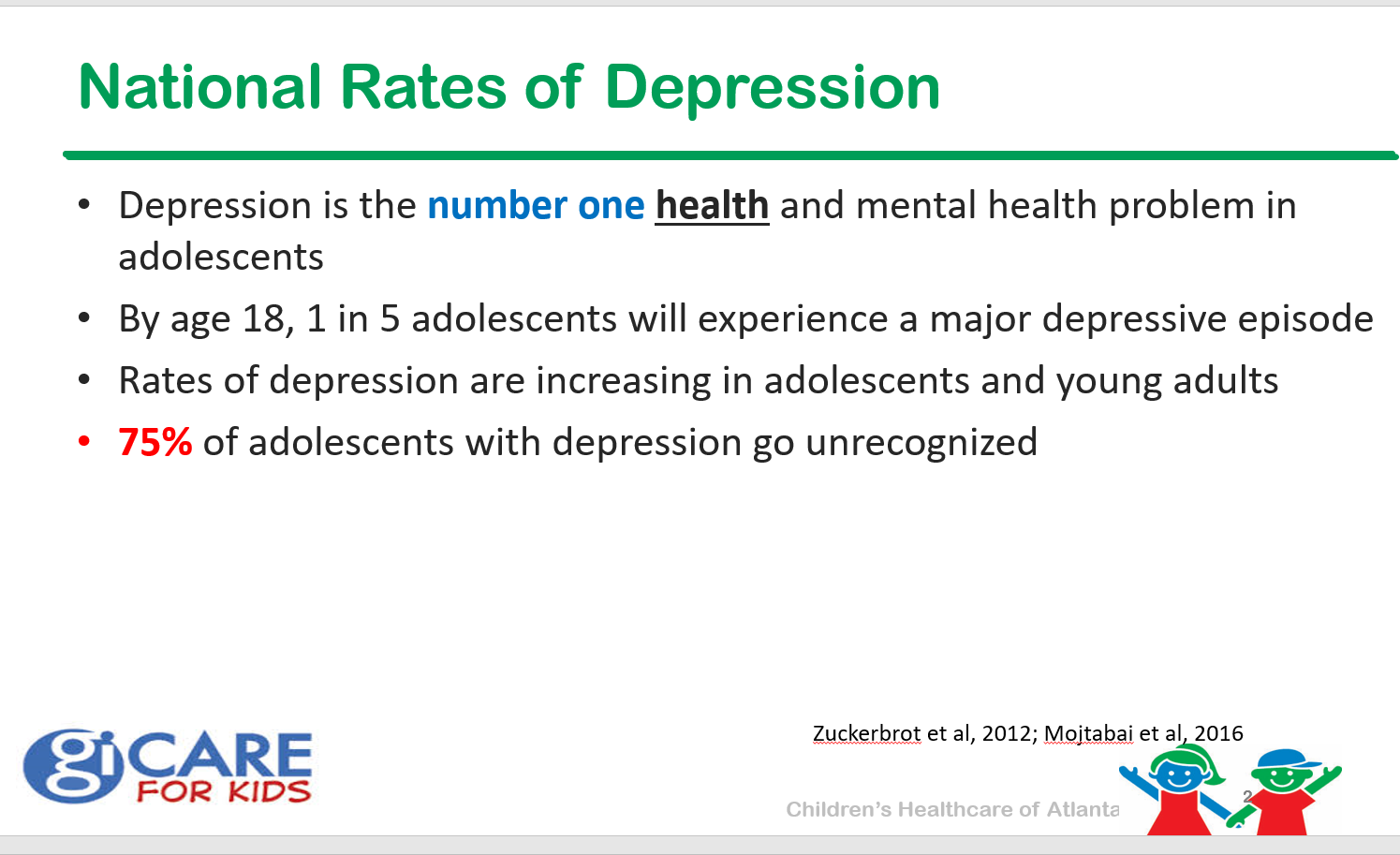
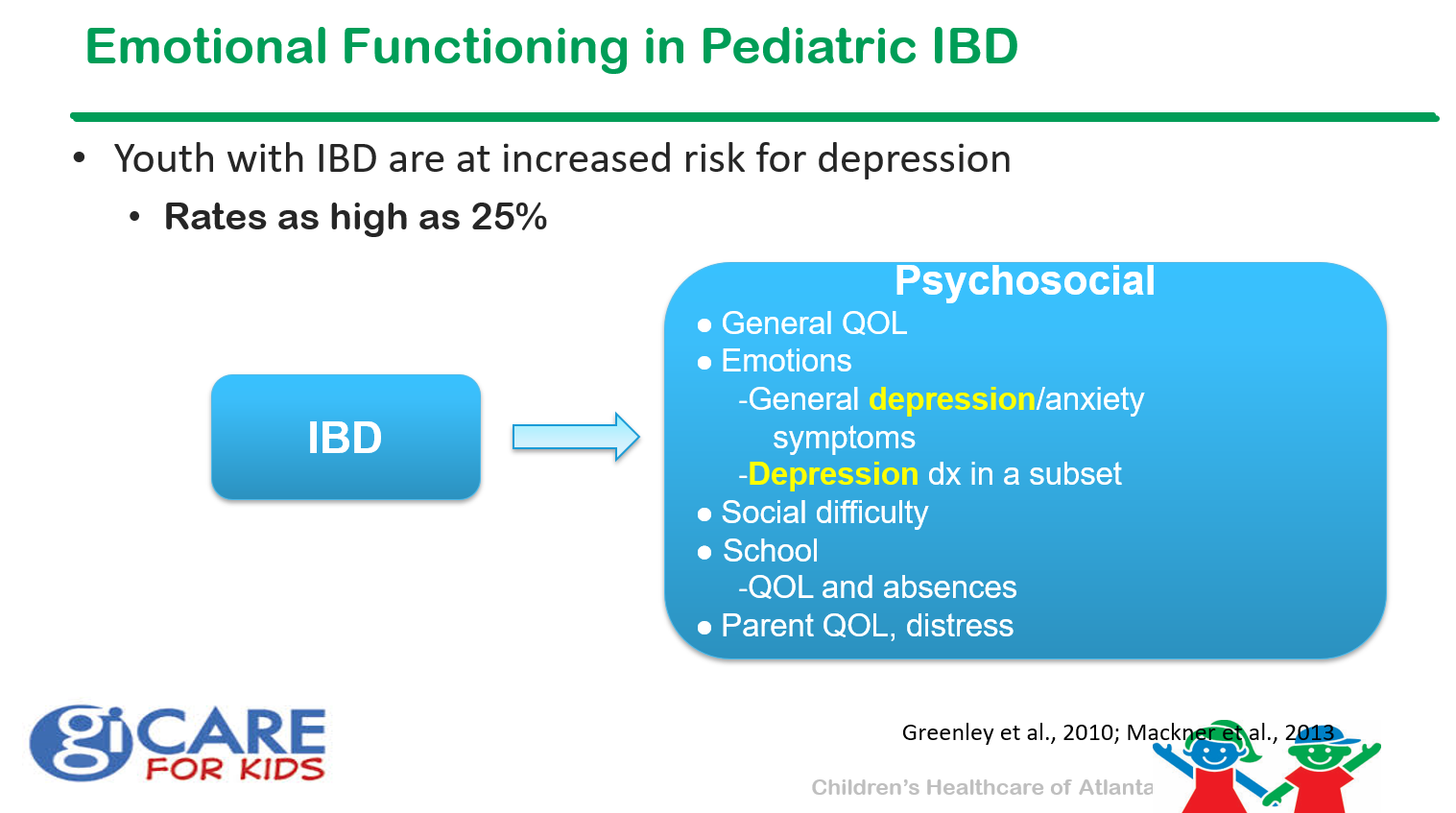
  • Depression/anxiety are common, particularly in patients with inflammatory bowel disease
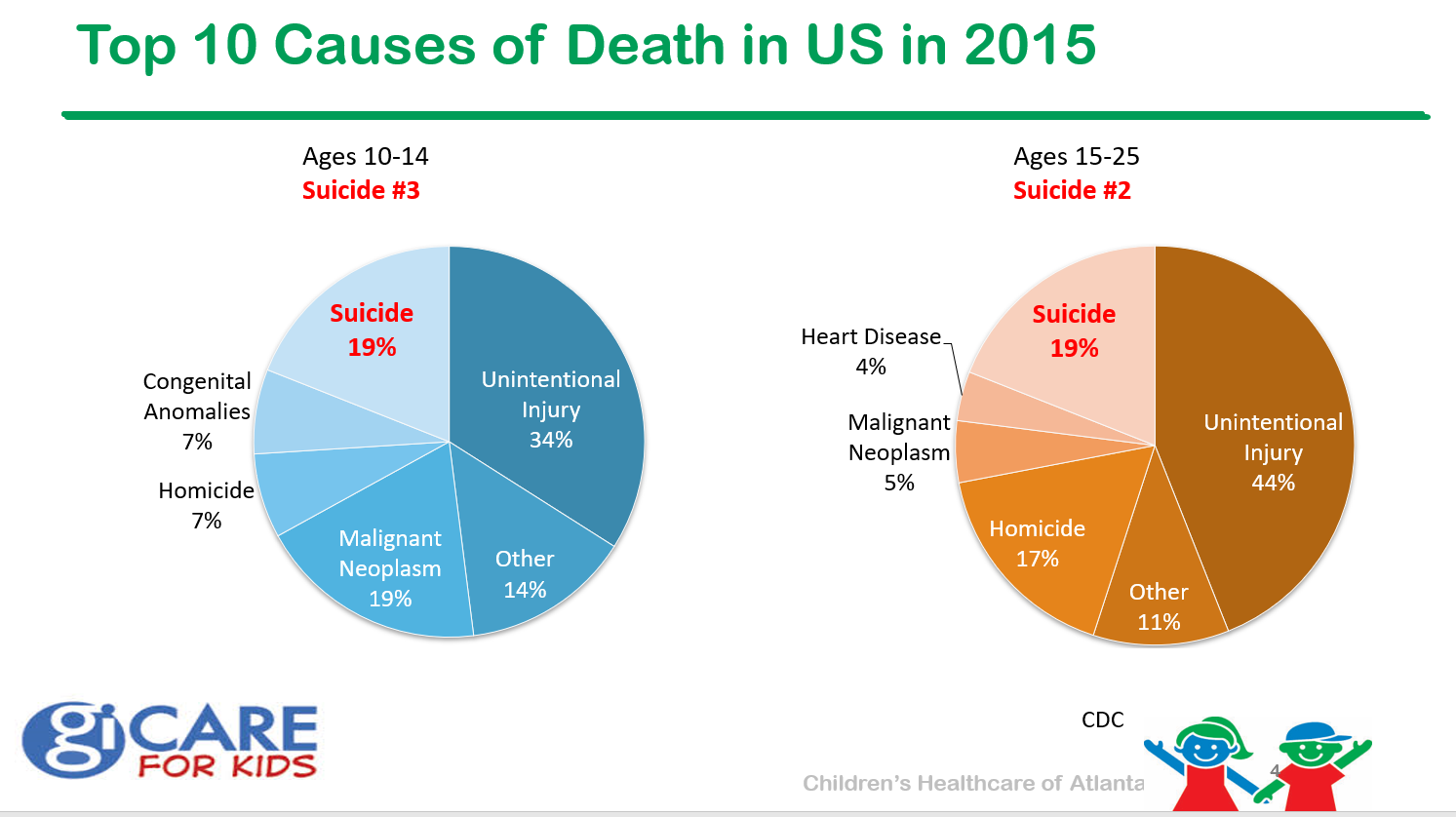
  • National rates of suicide have been increasing
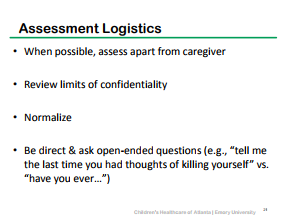
  • Asking about suicide does not increase the risk of suicidality
  • We are fortunate to work closely with two psychologists, Bonney Reed-Knight and Jessica Buzenski

Some of the slides are listed below.

Related blog posts:
Disclaimer: These blog posts are for educational purposes only. Specific dosing of medications/diets (along with potential adverse effects) should be confirmed by prescribing physician/nutritionist.  This content is not a substitute for medical advice, diagnosis or treatment provided by a qualified healthcare provider. Always seek the advice of your physician or other qualified health provider with any questions you may have regarding a condition.

IBD Briefs: May 2019 (Part 1)

H Khalili et al. Clin Gastroenterol Hepatol 2019; 17: 123-29.  Using data from two prospective Swedish cohort sutdies with 83,042 participants (age 44-83 yrs), the authors determined that there was “no evidence for association between consumption of sweetened beverages and later risk of” Crohn’s disease or Ulcerative Colitis.

WJ Sandborn et al. Gastroenterol 2019; 156: 946-57.  This study published data from 354 patients who received subcutaneous abrilumab, an anti-alpha4beta7 antibody as a treatment for moderate-to-severe colitis. This 8 week treatment increased the odds of remission compared with placebo.

B Wynne et al. Gastroenterol 2019; 156: 935-45. This study showed that a psychological intervention termed “acceptance and commitment therapy (ACT)” was effective in a randomized controlled trial in reducing stress and depression in patients with quiescent or mildly-active IBD (n=122). With ACT, the “primary aim is to encourage subjects to adopt positive life values and to accept adverse experiences, including thoughts, feelings and sensations that are an inevitable consequence of life.”  All program materials are available in article supplement: Full text and supplement: https://doi.org/10.1053/j.gastro.2018.11.030

D Duricova et al. Inflamm Bowel Dis 2019; 25:789-96. This study included 72 consecutive children born to mothers with IBD treated with anti-TNF therapy during pregnancy (2007-16) along with 69 unexposed controls.  Key findings: Anti-TNF therapy exposure in utero was NOT associated with a negative impact on postnatal complications, including infections, allergy, growth, or psychomotor development. Findings are limited by the small number of participants.

AW Gridnal et al. Inflamm Bowel Dis 2019; 25:642-45.  The authors examined the frequency of financial conflicts of interest (FCOI) among authors of 11 relevant clinical practice guidelines for IBD in the US,  the UK, Canada, and Europe. Key finding: FCOI were frequently present with 19% prevalence among US authors, 56% in UK, 84% in Canada, and 94% in Europe.

KN Weaver et al. Inflamm Bowel Dis 2019; 25:767-74. This retrospective study examined the efficacy of ustekinumab for Crohn’s disease of the pouch in 56 patients; 73% had previously been treated with anti-TNF therapy, vedolizumab or both. Key finding: 83% demonstrated a clinical response 6 months and 60% with endoscopic improvement after induction with ustekinumab. Clinical response was defined as “any improvement in symptoms …including a decrease in bowel movements, pain, or fistula drainage.”

Retiro Park, Madrid
Thanks to Jennifer


Prevalence of Anxiety, Depression, and Conduct Disorders

For any physician, it is easy to think that the entire world is sick since that is what we see all day long.  In a pediatric GI office, there are high rates of anxiety and depression. A recent study (RM Ghandour et al. J Pediatr 2019; 206: 256-67) shows that not everyone is afflicted.  Using data from the 2016 National Survey of Children’s Health (children 3-17 years), which relies on self-administered surveys, the authors found the following:

  • 7.1% had current anxiety problems
  • 7.4% had a current behavioral problem
  • 3.2% had current depression.
  • Nearly 3 of 4 children with depression had concurrent anxiety, whereas 1 in 3 children with anxiety had concurrent depression.

The study includes detailed tables examining age, gender, ethnicity, region of country, rural/urban, insurance status, financial status, educational attainment, and health status. While this study relies on parent/caregiver reports, the authors note that  “research has shown good agreement between parental report and clinical records.”

My take: Problems with anxiety, depression, and behavioral problems are common but not universal.

Related blog posts:


What to Do For Friends and Family Who Are Depressed

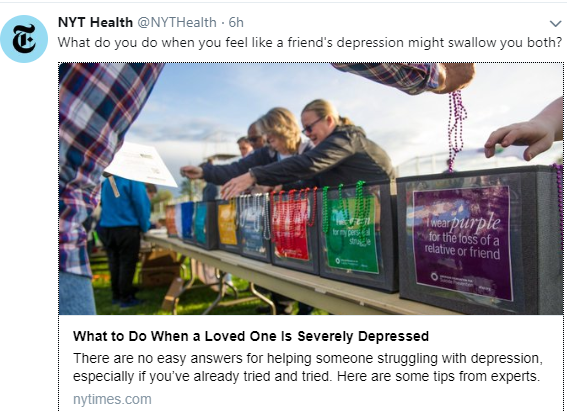
In light of the troubling news of recent suicides, I wanted to reference a recent NY Times article which provides useful guidance on What to Do When a Loved One is Severely Depressed

Here are the key points/excerpts:

  • Don’t underestimate the power of showing up
  • Don’t try to cheer him up or offer advice

“Your job as a support person is not to cheer people up. It’s to acknowledge that it sucks right now, and their pain exists,” she said…

Instead of upbeat rebuttals about why it’s not so bad, she recommended trying something like, “It sounds like life is really overwhelming for you right now.”

  • It’s O.K. to ask if she is having suicidal thoughts
  • Take any mention of death seriously

If this person is seeing a psychiatrist or therapist, get him or her on the phone…

If that’s not an option, have the person you’re worried about call a suicide prevention line, such as a 1-800-273-TALK, or take her to the hospital emergency room; say aloud that this is what one does when a loved one’s life is in danger.

  • Make getting to that first appointment as easy as possible

You alone cannot fix this problem, no matter how patient and loving you are. A severely depressed friend needs professional assistance from a psychologist, psychiatrist, social worker or another medical professional.

  • Take care of yourself and set boundaries

Still, just because someone is depressed is not a reason to let their abusive behavior slide. Set clear boundaries with straightforward language such as, “It sounds like you’re in a lot of pain right now. But you can’t call me names.”..

It’s O.K. not to be available 24-7, but try to be explicit about when you can and cannot help. One way to do this, Ms. Devine advised, is to say: “I know you’ve been really struggling a lot, and I really want to be here for you. There are times that I physically can’t do that.”

  • Remember, people do recover from depression

Disclaimer: These blog posts are for educational purposes only. Specific dosing of medications/diets (along with potential adverse effects) should be confirmed by prescribing physician/nutritionist.  This content is not a substitute for medical advice, diagnosis or treatment provided by a qualified healthcare provider. Always seek the advice of your physician or other qualified health provider with any questions you may have regarding a condition.

Also, it is worth noting that the suicide rate has been increasing.

#NASPGHAN17 Psychosocial Problems in Adolescents with IBD

This blog entry has abbreviated/summarized this presentation. Though not intentional, some important material is likely to have been omitted; in addition, transcription errors are possible as well.

Slides from syllabus: APGNN Syllabus 2017

Key points:

  • ~30% of pediatric IBD patients have anxiety or depression.  This has not been shown to be related to disease activity.
  • Advice for parents: “Listen more and talk less.”
  • Antidepressants, when indicated, are about 6 times more likely to be helpful than detrimental

In the following slide, the term “normalize” indicates that checking on emotional health is part of a routine (eg. ‘we ask all our patients to complete this screening’)

Is there a link between the microbes in your colon and depression?

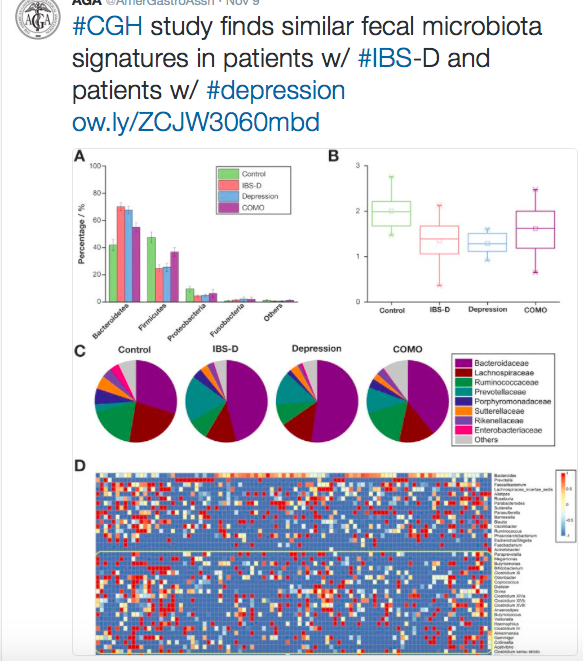
A recent study (Y Liu et al. Clin Gastroenterol Hepatol 2016; 14: 1602-11) showed that fecal microbiota signatures were similar between patients with diarrhea-predominant irritable bowel syndrome (IBS-D) and in patients with depression.

The authors analyzed stool samples from 100 Chinese subjects.  In addition to analyzed stool microbiota, the authors evaluated visceral hypersensitivity with a barostat and assessed for mucosal disease with immunohistochemical analyses of sigmoid biopsies.

In both IBS-D patients and patients with depression, the stool diversity was much less than controls and had similar abundance of many alterations, including higher proportions of Bacteroides and Prevotella (see below).

My take: It is interesting to speculate on whether changes in our microbiome could trigger/be related to the pathogenesis of not only IBS-D but other non-GI disorders like depression.

In the screenshot below, the term “COMO” refers to the 25 subjects who had both IBS and depression.

screen-shot-2016-11-14-at-12-10-03-pm

Increasing Rates of Professional Burnout

A recent study (T Shanafelt et al. Mayo Clin Proc. 2015;90(12):1600-1613) indicates that there may be increasing rates of physicians with “Professional Burnout.”  The study is limited by suboptimal response rates but provides some useful information on this topic.

Full text article: Changes in Burnout and Satisfaction With Work-Life Balance in Physicians and the General US Working Population Between 2011 and 2014

Results: Of the 35,922 physicians who received an invitation to participate, 6880 (19.2%) completed surveys. When assessed using the Maslach Burnout Inventory, 54.4% (n=3680) of the physicians reported at least 1 symptom of burnout in 2014 compared with 45.5% (n=3310) in 2011 (P<.001). Satisfaction with work-life balance also declined in physicians between 2011 and 2014 (48.5% vs 40.9%; P<.001). Substantial differences in rates of burnout and satisfaction with work-life balance were observed by specialty.  In contrast to the trends in physicians, minimal changes in burnout or satisfaction with work-life balance were observed between 2011 and 2014 in probability-based samples of working US adults, resulting in an increasing disparity in burnout and satisfaction with work-life balance in physicians relative to the general US working population.  After pooled multivariate analysis adjusting for age, sex, relationship status, and hours worked per week, physicians remained at an increased risk of burnout (odds ratio, 1.97; 95% CI, 1.80-2.16; P<.001) and were less likely to be satisfied with work-life balance (odds ratio, 0.68; 95% CI, 0.62-0.75; P<.001).

The indices that the authors studied included measures of the following (Table 2):

  • Emotional exhaustion
  • Depersonalization
  • Personal Accomplishment
  • Depression: 38% (2011) –>39% (2014)
  • Suicidal ideation: 6.4% (2011) and 6.4% (2014)
  • Burned out rate: 45.5% (2011) –>54.4% (2014)
  • Career satisfaction (would become a doctor again): 70% (2011) –>67% (2014)

Satisfaction with work life balance (Figure 1):

  • Pediatrics generally better than other fields, but close to 50% in 2014 were not satisfied compared with about 40% in 2011 (P <.05).

Take-home message from authors:

Burnout and satisfaction with WLB among US physicians are getting worse. American medicine appears to be at a tipping point with more than half of US physicians experiencing professional burnout. Given the extensive evidence that burnout among physicians has effects on quality of care, patient satisfaction, turnover, and patient safety, these findings have important implications for society at large. 11-20.  There is an urgent need for systematic application of evidence-based interventions addressing the drivers of burnout among physicians. These interventions must address contributing factors in the practice environment rather than focusing exclusively on helping physicians care for themselves and training them to be more resilient.

Related blog posts:
Zion National Park

Zion National Park


Quitting Smoking Associated with Better Mental Health

Given the amount of information about the negative consequences of smoking that is currently available, some might say that you would have to be mentally-ill to start smoking.  The good news is that stopping smoking has been associated with improvements in mental health (BMJ 2014; 348: g1151 dii 10.1136/bmj.g1151 -thanks to Mike Hart for this reference).  Free full-text BMJ article PDF

From Abstract:

Design Systematic review and meta-analysis of observational studies.

Eligibility criteria for selecting studies Longitudinal studies of adults that assessed mental health before smoking cessation and at least six weeks after cessation or baseline in healthy and clinical populations.

Results 26 studies that assessed mental health with questionnaires designed to measure anxiety, depression, mixed anxiety and depression, psychological quality of life, positive affect, and stress were included…. the standardised mean differences (95% confidence intervals) were anxiety −0.37 (95% confidence interval −0.70 to −0.03); depression −0.25 (−0.37 to −0.12); mixed anxiety and depression −0.31 (−0.47 to −0.14); stress −0.27 (−0.40 to −0.13). Both psychological quality of life and positive affect significantly increased between baseline and follow-up in quitters compared with continuing smokers 0.22 (0.09 to 0.36) and 0.40 (0.09 to 0.71), respectively). There was no evidence that the effect size differed between the general population and populations with physical or psychiatric disorders.

Conclusions Smoking cessation is associated with reduced depression, anxiety, and stress and improved positive mood and quality of life compared with continuing to smoke. The effect size seems as large for those with psychiatric disorders as those without. The effect sizes are equal or larger than those of antidepressant treatment for mood and anxiety disorders.

Figure 2 shows the relationship of the individual studies and the mental health outcomes.  In every study except one, there was improvement in those who quit smoking, though many of the studies had confidence limits that indicated that the results did not meet statistical significance.

Bottomline: This study indicates that quitting smoking can improve rather than worsen mental health.

CCFA Conference Notes 2014 (part 2)

Yesterday’s notes highlighted the most useful discussion at this year’s meeting regarding mucosal healing (MH) in inflammatory bowel disease.

Many points were intriguing but often at odds. For example, the speakers noted that symptoms and scoring systems like CDAI are unreliable in establishing remission.  It was noted that the FDA is mandating more objective measures (like endoscopic improvement) in future studies. Yet, the studies cited for their arguments often were derived from studies which did not use objective endpoints. Similarly, some of the arguments were based on small studies and yet experts often caution to use evidence-based medicine.

Bo Shen (Cleveland Clinic) “Surgerical Options in IBD”

  • 50-71% of CD patients require some type of surgery within 10 years of diagnosis
  • End-ileostomy may be a cure for some CD patients,  For UC, end-ileostomy 98% are cured.  2% develop enteritis.
  • Can use infliximab after surgery.  Immune system different after surgery and may work even
  • ‘Don’t operate until a CD patient develops a complication. But, don’t wait until further complications develop.’

Different type strictures –web-like strictures are suitable for dilatation, others are more difficult: spindle-like (longer) , ulcerated stricture, and anastomotic.

  • Classification: Gast Endosc 2013; 78: 8181-35.
  • Etiology: primary, secondary (anastomotic), benign, malignant
  • Short-long: Length (<4cm) if dilating
  • Degree: high-grade, low-grade
  • Number: single, multiple
  • Associated conditions: abscess, others

Determining resection margin –does not depends on absence of histologic activity (Ann Surg 1996; 224: 563-71).  Try to save as much bowel as possible, often based on how thick bowel is rather than histologic margins.

Save the gut –stricturoplasty.  1st surgery –usually is a resection rather than stricture plasty.  Heineke-Mikulicz (most common) <10 cm for short , Finney for strictures 10-20 cm, Michelassi >20 cm (sid-to-side isoperistaltic). (Dis Colon Rectum 2007) Stricturoplasty –best for mid small bowel, minimum inflammation, no fistula

Fistula –Hollow-organ to hollow-organ fistula –treat surgically. Whereas if fistula is perianal, start with medical treatment. Perianal fistulas often treated with seton; seton often kept in place for a long time (“forever if not bothering patient”).

Abscess—avoid surgical drainage if possible.  Delineate anatomy and consider elective surgery later.  If less than 3 cm, could aspirate and not leave in drain. If >3 cm, start with interventional radiology

Post-op management –Ruttgerts score.  Rescope 6 months post-op to determine if needs more aggressive treatment.

UC Surgery: issues: preoperative biologics, 2- or 3-stage operations, what type of pouch

  • There may be increased risk with biologics (studies have not shown this consistently) –depends on type of surgery.  If very sick, use 3-stage rather than 2-stage operation.  Don’t do pouch at time of 1st operation if very sick DCR 2013; 56: 1243-52).
  • J-pouch now standard.  Kock pouch –catheterize pouch/no ostomy.  S-pouch –problemswith mechanical obstruction.
  • Even with mucosectomy (vs. stapler/no mucosectomy)–can still develop cuffitis and malignancy.  Mucosectomy may increase risk of incontinence.

Edward Loftus (Mayo Clinic) “Optimizing Biologic Therapy: Maximizing Benefit and Minimizing Risk”

Is azathioprine an effective drug? Should we be using biologics sooner?

Key points:

  • ACT1 and ACT2 were pivotal studies for infliximab approval for UC.  1/3rd chance of going into full remission, 1/3rd chance of response, 1/3rd chance of not responding.  Infliximab lowers risk of colectomy.  Favorable studies of other anti-TNFs as well: adalimumab (Gastroenterol 2012; 142: 257-65) and golimumab (Gastroenterol 2014; 46: 85-95 & 96-109). No head-to-head anti-TNF trials.
  • Crohn disease:  5-ASA products don’t work for Crohn disease.  Reviewed pivotal trials of anti-TNF agents (infliximab, adalimumab, certolizumab)-30% in remission.
  • Natalizumab (anti-alpha 4 integrin) for refractory disease was discussed (NEJM 2005; 353: 1912-25).  Takes longer to work then anti-TNFs but maintenance data look good. PML risk: 395 cases among 118,100 patients treated as of August 2013.  Lots of paperwork and physicians have to be certified.  If you are JC virus serology is negative, “your risk is about 1 in one million in the next year. If you are positive, about a 1% risk in the following year.”
  • Azathioprine (AZA) not very effective (Gastroenterol 2013; 145: 766-74 & 758-65).  Prospective double-blind Spanish study (n=131) –no statitistical benefit.  2nd reference is French study. N=132. No significant difference at 36 months in patients with added AZA.  In U.S., most “thought leaders” going straight to anti-TNFs.
  • Combination therapy works best in adults (SONIC study for Crohn disease, UC Success for UC).  UC Success only studied 16 weeks, no maintenance therapy trial.  However, methotrexate (MTX) with anti-TNFs combination has not been proven to be effective (Gastroenterol 2014; 146: 681-8).  Reason this was a negative study, per lead author, may have been related to steroid use.

Other pointers:

  • Don’t rely on symptoms alone.  Symptoms/CDAI do not correlate with CDEIS (endoscopic improvement).  FDA mandating all future trials have an endoscopic endpoint and not rely on use of CDAI alone. Other factors cause symptoms including IBS, infections, and bacterial overgrowth. Take-home point: Need to look (endoscopy) if someone is not doing well.
  • In the SONIC trial –if there was inflammation on endoscopy, there was an impressive 30% delta in response to treatment (with combination therapy compared with AZA monotherapy). Whereas if you have no lesions, combination therapy no more effective than either monotherapy agent.  Patients whose complaints are due to irritable bowel rather than inflammation do not respond well to treatment.
  • OLD paradigm –treat based on symptoms.  NEW paradigm–treat based on biologic/radiographic markers or endoscopic findings.  “Treat to target” has been approach used by Dr. Sandborn. Target mucosal healing and then assess mucosal healing every 6 months until target achieved, then less frequently.  Yet mucosal healing cannot be achieved in many/most patients.
  • Therapeutic drug monitoring.  For example, 6-TGN >235 associated with better response to AZA (OR 5.0)
  • Pharmacokinetics of anti-TNFs: lower clearance if concomitant use of immunomodulators, increased clearance if high CRP, higher BMI
  • New drugs: Ustekinumab –three phase 3 trials underway.  Should be available in about 2 yrs for Crohn disease. Vedolizumab –under FDA review (NEJM 2013; 369: 699-710).  Infusion (similar to remicade frequency). Blocks lymphocyte homing in the gut. UC data much more robust than with CD, but probably will be approved for both.  Rate of adverse events were low. Etrolizumab—similar to Vedolizumab, but SC administered. Currently, this drug is in phase 2 studies.

Eva Szigethy (Pittsburgh Pediatrics) “Psychological evaluation and assessment in IBD”

Key points:

  • Anxiety/depression ~25-40% of pediatric IBD.  Occurs in both active and inactive disease.
  • IBD effects on brain: inflammation, drugs (steroids, biologics)–both have direct effects on brain.
  • 15% of kids and 25% of adults are having thoughts of death on screening tools. Pain is frequent trigger for suicidal thoughts.
  • Simple depression screen: Mood, Energy, Sleep, Suicide/Self-esteem, Anhedonia (lack of pleaure), Guilt, Eating (change in appetite)
  • We should not ignore adjustment disorders.  We may be able to prevent a full-blown psychiatric disorder.  Each time we let problems like anxiety or depression go untreated, this can leave long-term changes in brain.
  • Anxiety screen: Tense, Tired, Recurrent worries/fear, Restless, Avoidance, Poor sleep/nightmares, Poor concentration
  • Important to look at patient perspective of their disease: identity (what they see as their symptoms), cause/etiology, timeline (how long the patient believes that the illness will last), consequences, cure/control.
  • Catastrophizing –more persistent pain and increased visceral hyperalgesia.  Abnormal brain activation. Poor coping drives development of depression and anxiety.
  • With adult IBD, 20% of patients consume up to 80% of medical costs.  Chronic pain and depression are key factors (Binion et al 2010).
  • Management of anxiety/depression: Cognitive Behavioral therapy –changing behaviors and thinking, problem-solving. ACT –activities, calm (relaxation, guided imagery, hypnosis), think positive (cognitive reframing). Antidepressants: TCA, SSRI, SNRI.  SSRI/SNRI –few side effects or drug interactions.  Overdose risk is highest with TCA (but typically using low doses of these agents).  No pediatric studies in IBD and only small studies in adults. If inactive IBD, SSRI often 1st line. If active IBD, Bupropion often used as 1st line.
  • For anxiety, most likely use SSRI if comorbid anxiety
  • For pain, most likely use SNRI  or low dose TCA
  • Opiates are problematic due to psychological/physical dependence, increased mortality/infection risk, narcotic bowel
  • Sleep –don’t go to bed if not tired, aim for consistency, if not asleep in 20 minutes, then do something else.  1st line pharmacology: consider antihistamines or melatonin.

Sachin Kunde (Michigan State University, Helen DeVos Children’s Hospital) “FMT for IBD”

Key points:

  • Microbial diversity altered in IBD –can we modulate dysbiosis to treat IBD?
  • Issues with cause and effect.  Is dysbiosis due to IBD or causing IBD.
  • FMT –“the ultimate probiotic.” Application of FMT.  For recurrent C difficile, cure rate nearly 90% –?better with lower GI route. For any indication besides C difficile infection (CDI), can only be given through clinical trials (FDA IND).  Currently 9 ongoing trials for IBD (1 pediatric, 3 in U.S).

FMT in IBD: Studies:

  1. -Anderson et al.  Aliment Phar Ther 2012: 13/18 without CDI had some resolution of IBD symptoms.
  2. -Kunde et al JPGN 2013: n=10. PUCAI decrease by 15 indicated response found in 78% (7/9) at 1 week, and 67% (6/9) at 1 month, 3 (33%) went into remission.
  3. -Kump et al IBD 2013: n=6. FMT for UC was not effective.  Transient improvement in 2/6 patients, 1/6 improved on Mayo sub score.

Bottomline for FMT & IBD: More questions than answers: efficacy, route of administration, # of infusions needed, fresh vs. frozen, adverse effects, best donor, etc.

For today’s post today and yesterday’s post, I may have made some transcription errors and these notes were not reviewed with the speakers.  Also, due to brevity, some useful information was not included.  Thus, the disclaimer with these posts is particularly important.

Disclaimer: These blog posts are for educational purposes only. Specific dosing of medications (along with potential adverse effects) should be confirmed by prescribing physician.  This content is not a substitute for medical advice, diagnosis or treatment provided by a qualified healthcare provider. Always seek the advice of your physician or other qualified health provider with any questions you may have regarding a condition.

Related blog posts: