Rapid Gut Microbiome Recovery: Diet Outperforms Microbial Transplant

Briefly noted: MS Kennedy et al. Nature (2025). https://doi.org/10.1038/s41586-025-08937-9. Diet outperforms microbial transplant to drive microbiome recovery in mice

Methods:  Here we characterize the trajectory by which the gut microbiome recovers its taxonomic and functional profile after antibiotic treatment in mice on regular chow (RC) or Western Diet (WD).

Key findings: “Only mice on RC undergo a rapid successional process of recovery. Metabolic modelling indicates that a RC diet promotes the development of syntrophic cross-feeding interactions, whereas in mice on WD, a dominant taxon monopolizes readily available resources without releasing syntrophic byproducts. Intervention experiments reveal that an appropriate dietary resource environment is both necessary and sufficient for rapid and robust microbiome recovery, whereas microbial transplant is neither.”

Conclusion (from authors): “Our data challenge widespread enthusiasm for faecal microbiota transplant (FMT) as a strategy to address dysbiosis, and demonstrate that specific dietary interventions are, at a minimum, an essential prerequisite for effective FMT, and may afford a safer, more natural and less invasive alternative.”

My take: This study suggests that the best way to get a “healthy” microbiome is to eat a healthy diet rather than to try to alter with FMT. This finding likely would be the same for probiotics as well.

Related blog posts:

Andaman Sea (Thailand)

Fecal Microbiota Transplantation for Severe Constipation in Children

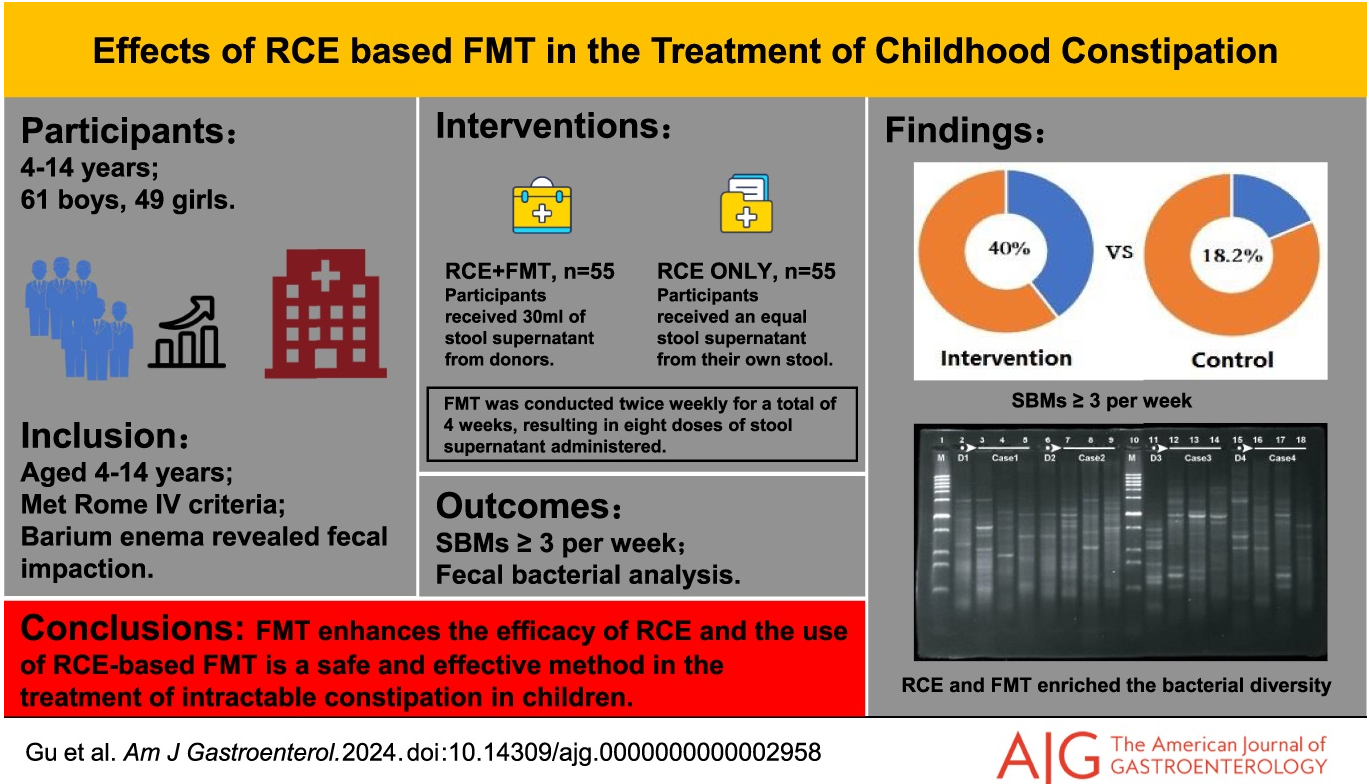
Methods: The efficacy of retrograde colonic enema (RCE) with fecal microbiota transplantation (FMT) was studied in a randomized, double-blind, controlled trial with 110 children. The initial cohort recruited was 576 patients; however, 466 were excluded for not meeting inclusion criteria. All participants received a daily RCE, followed by a 4-week FMT treatment (twice a week) and a 12-week follow-up period. 

Key findings:

  • At the end of the follow-up period, 22 patients (40.0%) in the FMT with RCE group and 10 patients (18.2%) in the placebo with RCE group had ≥ 3 spontaneous bowel movements per week

There was a low response to RCE alone which the authors attributed in part to the severity of constipation in the cohort. It is unclear the degree of compliance with the treatment protocol which was done in the home setting. There was a prior open-label study with NJ FMT which improved constipation in half of participants.

My take: Modulating the microbiome can have beneficial effects on stool frequency. This can be through diet and possibly FMT in severe cases of constipation. The availability of capsules could make this type of therapy easier but perhaps less palatable. Even if FMT proves to be a useful treatment, the optimal treatment regimen is not clear.

Related blog posts:

Data on Fecal Microbiota Transplantation for Ulcerative Colitis and Case Report of Vancomycin for Refractory Ulcerative Colitis

NEH Chehade et al. Inflamm Bowel Dis 2023; 29: 808-817. Efficacy of Fecal Microbiota Transplantation in the Treatment of Active Ulcerative Colitis: A Systematic Review and Meta-Analysis of Double-Blind Randomized Controlled Trials

HS Almomen, B Al-Bawardy. Inflamm Bowel Dis 2023; 29: 837-838. Oral Vancomycin Induced and Maintained Clinical and Endoscopic Remission in Ulcerative Colitis and Primary Sclerosing Cholangitis Post-liver Transplantation

In the first study by Chehade et al, the authors analyzed six RCTs involving 324 patients. Key findings:

  • Compared with placebo, FMT has significant benefit in inducing combined clinical and endoscopic remission (odds ratio, 4.11; 95% confidence interval, 2.19-7.72; P < .0001)
  • clinical remission with FMT was 46.2% compared 22.5% for placebo
  • clinical response with FMT was 51.6% compared to 30.1% for placebo
  • endoscopic remission with FMT was 18.9% compared to 6.1% for placebo
  • endoscopic response with FMT was 36.7% compared to 22.4% for placebo

Discussion Points:

  • “The studies included in our article indicate that there is a shift in the microbiota composition of responders in the FMT group to resemble the profile of healthy donors”
  • FMT delivery via upper GI tract was equally effective as delivery via lower GI tract in these studies in inducing combined remission
  • The understanding of FMT effectiveness for IBD is in its infancy.”

In the case report by Alomomen et al, a 34 year old with refractory ulcerative colitis and PSC (post-transplant) had not responded to infliximab, vedolizumab, adalimumab, tofacitinib or 10 months of ustekinumab (every 4 weeks). In addition, he was receiving tacrolimus therapy due to his liver transplant. His colonoscopy demonstrated a continuous Mayo 3 colitis. Subsequently, vancomycin therapy was added to his treatment (500 mg BID); he continued ustekimumab. Six months afterwards, his fecal calprotectin had dropped to 277 from 1600 and his CRP and hemoglobin had normalized. Repeat colonoscopy demonstrated complete endoscopic healing.

My take: There are many patients who do not respond to current IBD therapies. These two studies show that both FMT and vancomycin could be useful in selected patients.

Related blog posts:

Lego Art at Tucson Botanical Gardens
Lego Lion
Lego Panther

Disclaimer: This blog, gutsandgrowth, assumes no responsibility for any use or operation of any method, product, instruction, concept or idea contained in the material herein or for any injury or damage to persons or property (whether products liability, negligence or otherwise) resulting from such use or operation. These blog posts are for educational purposes only. Specific dosing of medications (along with potential adverse effects) should be confirmed by prescribing physician.  Because of rapid advances in the medical sciences, the gutsandgrowth blog cautions that independent verification should be made of diagnosis and drug dosages. The reader is solely responsible for the conduct of any suggested test or procedure.  This content is not a substitute for medical advice, diagnosis or treatment provided by a qualified healthcare provider. Always seek the advice of your physician or other qualified health provider with any questions you may have regarding a condition.

One If By Colon and Two If By Capsule For Clostridioides difficile

Well, this study is not exactly Paul Revere territory; nevertheless, the blog title seemed better than “Eat Shit for C diff.”

BP Vaughn et al. Clin Gastroenterol Hepatol 2023; 21: 1330-1337. Effectiveness and Safety of Colonic and Capsule Fecal Microbiota Transplantation for Recurrent Clostridioides difficile Infection

Methods: Clinical outcomes and adverse events after FMT performed for rCDI at 6 sites (n=269) were captured in a prospective registry. FMT was performed using either freeze-dried/encapsulated or frozen-thawed/liquid.  

The authors note that the cohort with a mix of academic and private practices reflects real-world use of FMT. Since the study products were free of charge, providers and patients selected treatment based on their preference (65% selected oral capsule).

Key findings:

  • At 1 month, rCDI cure rate was 91% for FMT-colonoscopy and 84% for FMT-capsule (no significant difference, p=0.12)
  • At 2 months, rCDI were 83% and 81% for FMT-colonoscopy and FMT-capsule respectively
  • Use of non-CDI antibiotics increased failure rates: 28% at 2 months compared to 10% who did not receive antibiotics
  • One serious adverse event was related to colonoscopy (aspiration pneumonia), otherwise no new safety signals were identified

My take: This study indicates similar effectiveness of FMT-capsule to FMT-colonoscopy. FMT-capsule is easier and avoids risks associated with colonoscopy. But, it does require patients to eat (encapsulated) feces

Related blog posts:

More Pics from Tucson -above picture near Wasson Peak

IBD Briefs -October 2020

EV Loftus et al.  AP&T  2020; 52: 1343-1365. Full text: Long‐term safety of vedolizumab for inflammatory bowel disease

GEMINI long‐term safety (LTS) study results –initiated 2009:

  • Enrolled patients (UC, n = 894; CD, n = 1349) received vedolizumab 300 mg IV every 4 weeks. Total of 7999 patient years of vedolizumab exposure.
  • Vedolizumab discontinuation due to AEs occurred in 15% (UC) and 17% (CD) of patients.
  • There were no new trends for infections, malignancies, infusion‐related reactions, or hepatic events, and no cases of progressive multifocal leukoencephalopathy
  • Conclusion from authors: “The safety profile of vedolizumab remains favourable with no unexpected or new safety concerns.”

Related blog posts:

AS Faye et al. Inflamm Bowel Dis 2020; 26: 1368-1376. Fertility Impact of Initial Operation Type for Female Ulcerative Colitis Patients (link includes video abstract)

Surgical options include Ileal pouch–anal anastomosis (IPAA), rectal-sparing colectomy with end ileostomy (RCEI), and ileorectal anastomosis (IRA). Conclusions based on “a patient-level state transition microsimulation in TreeAge Pro:”… “Despite an increased risk of infertility, our model results suggest that IPAA may be the optimal surgical strategy for female UC patients aged 20–30 years who desire children. For patients aged 35 years, RCEI should additionally be considered, as QALYs for RCEI and IPAA were similar.”   In older age group, RCEI’s increase rate of childbirth (28%), decrease time to childbirth (14 months) and 77% reduction in IVF are important factors.

Related blog posts:

R Tariq et al. Inflamm Bowel Dis 2020; 26: 1415-1422. Efficacy of Fecal Microbiota Transplantation for Recurrent C. Difficile Infection in Inflammatory Bowel Disease

In this retrospective study with 145 patients,  the overall cure rate of CDI after FMT was 80.0%, without CDI recurrence at median follow-up of 9.3 (range, 0.1–51) months. The authors concluded that “fecal microbiota transplantation effectively treats recurrent CDI in IBD patients but has no apparent beneficial effect on the IBD course.”

Related blog posts:

Isle of Palms (July 2020)


Large Study Shows FMT Efficacy/Safety in Children

Clinical Gastroenterol Hepatol 2019. In press: Efficacy of Fecal Microbiota Transplantation for Clostridium difficile Infection in Children Thanks to Ben Gold for this reference.

Abstract

Background & Aims

Fecal microbiota transplantation (FMT) is commonly used to treat Clostridium difficile infection (CDI). CDI is an increasing cause of diarrheal illness in pediatric patients, but the effects of FMT have not been well studied in children. We performed a multi-center retrospective cohort study of pediatric and young adult patients to evaluate the efficacy, safety, and factors associated with a successful FMT for the treatment of CDI.

Methods

We performed a retrospective study of 372 patients, 11 months to 23 years old, who underwent FMTs at 18 pediatric centers, from February 1, 2004 to February 28, 2017; 2-month outcome data were available from 335 patients. Successful FMT was defined as no recurrence of CDI in the 2 months following FMT. We performed stepwise logistic regression to identify factors associated with successful FMT.

Results

Of 335 patients who underwent FMT and were followed for 2 months or more, 271 (81%) had a successful outcome following a single FMT and 86.6% had a successful outcome following a first or repeated FMT. Patients who received FMT with fresh donor stool (odds ratio [OR], 2.66; 95% CI, 1.39–5.08), underwent FMT via colonoscopy (OR, 2.41; 95% CI, 1.26–4.61), did not have a feeding tube (OR, 2.08; 95% CI, 1.05–4.11), or had 1 less episode of CDI before FMT (OR, 1.20; 95% CI, 1.04–1.39) had increased odds for successful FMT. Seventeen patients (4.7%) had a severe adverse event during the 3-month follow-up period, including 10 hospitalizations.

Conclusion

Based on the findings from a large multi-center retrospective cohort, FMT is effective and safe for the treatment of CDI in children and young adults. Further studies are required to optimize the timing and method of FMT for pediatric patients—factors associated with success differ from those of adult patients.

Related blog posts:

Park Guell, Barcelona

Clostridium difficile and Inflammatory Bowel Disease

My view is that Clostridium difficile infection (CDI) in children with inflammatory bowel disease is often overdiagnosed due to detection of a carrier state in many when tested by PCR assays and the overlapping clinical features.  This is particularly important when considering fecal microbiota transplantation (FMT) due to the potential risks of this treatment.

Recently, I had a letter to the editor (J Pediatr 2018; 199: 283) on this topic that was accepted:

The author’s reply suggested that their approach followed IDSA guidelines by checking CDI with PCR in those who were clinically-symptomatic.  Yet, the IDSA guidelines (link here: IDSA C diff guidelines) do not focus on the issue of IBD flare-ups which cause identical symptoms.  Expert IBD specialists have recommended the following for identifying CDI in patients with IBD:

“Start with enzyme immunoassay-based tests with a reflex to PCR test for discordant enzyme immunoassay results.”  Rationale: “PCR is quite sensitive for the presence of toxigenic C difficile, it may increase the detection of asymptomatic colonization and shedding.” (K Rao, PDR Higgins. Inflamm Bowel Dis 2016; 22: 1744-54.)

Related blog posts:


#NASPGHAN17 Annual Meeting Notes (Part 2): Year in Review

This blog entry has abbreviated/summarized this presentation. Though not intentional, some important material is likely to have been omitted; in addition, transcription errors are possible as well.

This first slide shows the growth in NASPGHAN membership:

Year in Review

Melvin Heyman  Editor, JPGN

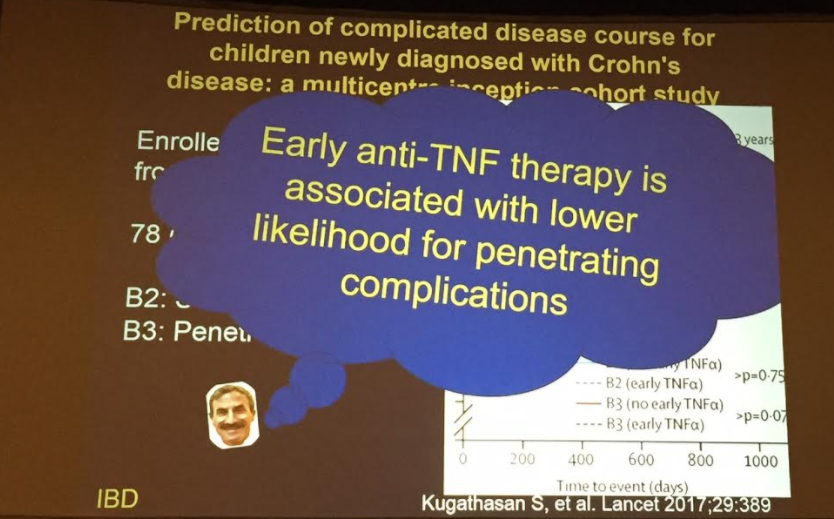
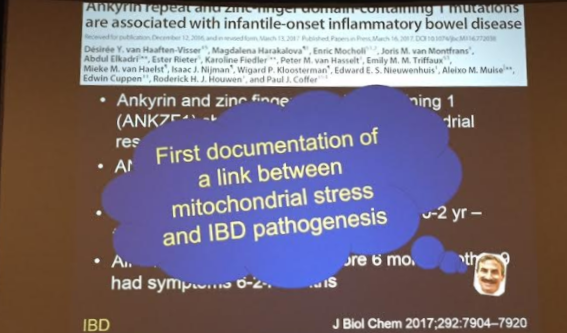
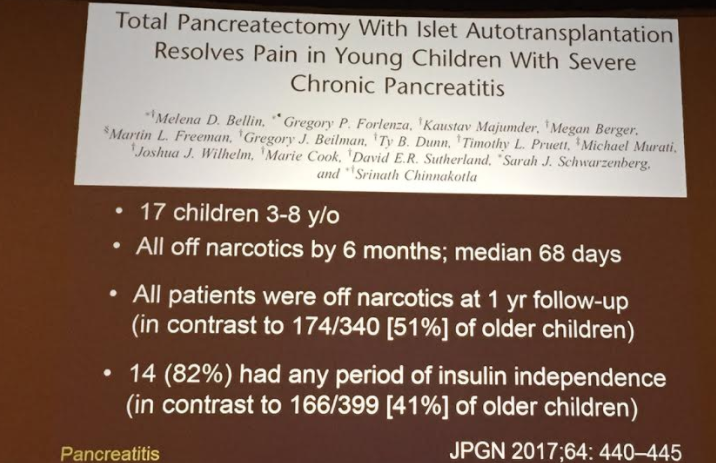
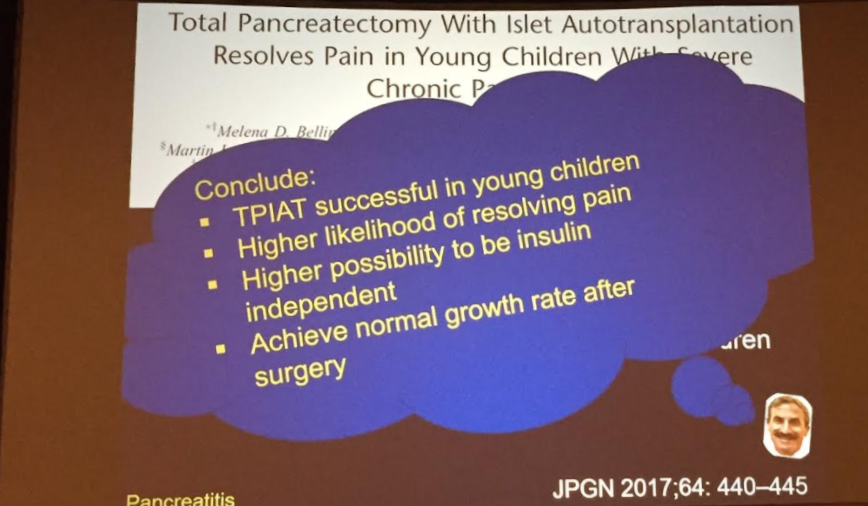
This lecture reviewed a number of influential studies that have been published in the past year.  After brief review of the study, Dr. Heyman summarized the key take-home point.


Liver Briefs May 2017

Briefly noted:

O Jeanniard-Malet et al. JPGN 2017; 64: 524-7. This survey of 28 centers in France assessed clinical practice with regard to primary prophylaxis in portal hypertension. More than 75% use endoscopy to screen for varices in patients with chronic liver conditions. “In cases of grade 2 varices with red marks and grade 3 varices >90% of centres perform sclerotherapy or endoscopic variceal ligation.”

Y-D Ren et al. Hepatology 2017; 65: 1765-8. FMT for chronic HBV? This small study with 5 patients who received fecal microbiota transplantation in an effort to clear HBeAg.  There were 13 controls.  Patients in both group received either ongoing entecavir or tenofovir antiviral therapy (& had received for at least 3 years). FMT was given every 4 weeks (1 to 7 treatments). HBeAg declined gradually after each round.  Three patients in the FMT arm cleared HBeAg compared with none in the control arm.  Two of the three cleared HBeAg after on FMT and the third after two rounds of FMT.
Y Sun et al. Hepatology 2017; 65: 1438-50.  In this report, the authors propose to augment the liver biopsy classification in patients with Hepatitis B.  Their goal is to provide more information about dynamic changes regarding fibrosis using three terms:

  • Predominantly progressive: thick/broad/loose/pale septa with inflammation
  • Predominantly regressive: delicate/thin/dense/splitting septa
  • Indeteminate

Using this new designation, they characterized 71 paired liver biopsies before and after entecavir for 78 weeks.  Before treatment: 58%, 29%, and 13% for progressive, regressive and indeterminate; after treatment: 11%, 11%, and 78% respectively.

Rodin Museum, Gates of Hell


How Much Do We Really Know About Fecal Microbiota Transplantation?

A recent study (SJ Ott et al. Gastroenterol 2017; 152: 799-811) followed 5 patients who were treated with a sterile fecal filtrate (via nasojejunal tube) for recurrent Clostridium difficile infection (CDI) for a minimum of 6 months.  This open-label study noted that this fecal filtrate transfer eliminated the symptoms of CDI in all 5 patients.

A summary of this important study is available in the AGA blog:

Here’s an excerpt: What is the Active Ingredient in FMT for CDI?

Stool was collected from 5 donors selected by the patients and fully characterized according to FMT standards. The stool was then sterile filtered to remove small particles and bacteria, and the filtrate was transferred to patients in a single administration via nasojejunal tube.

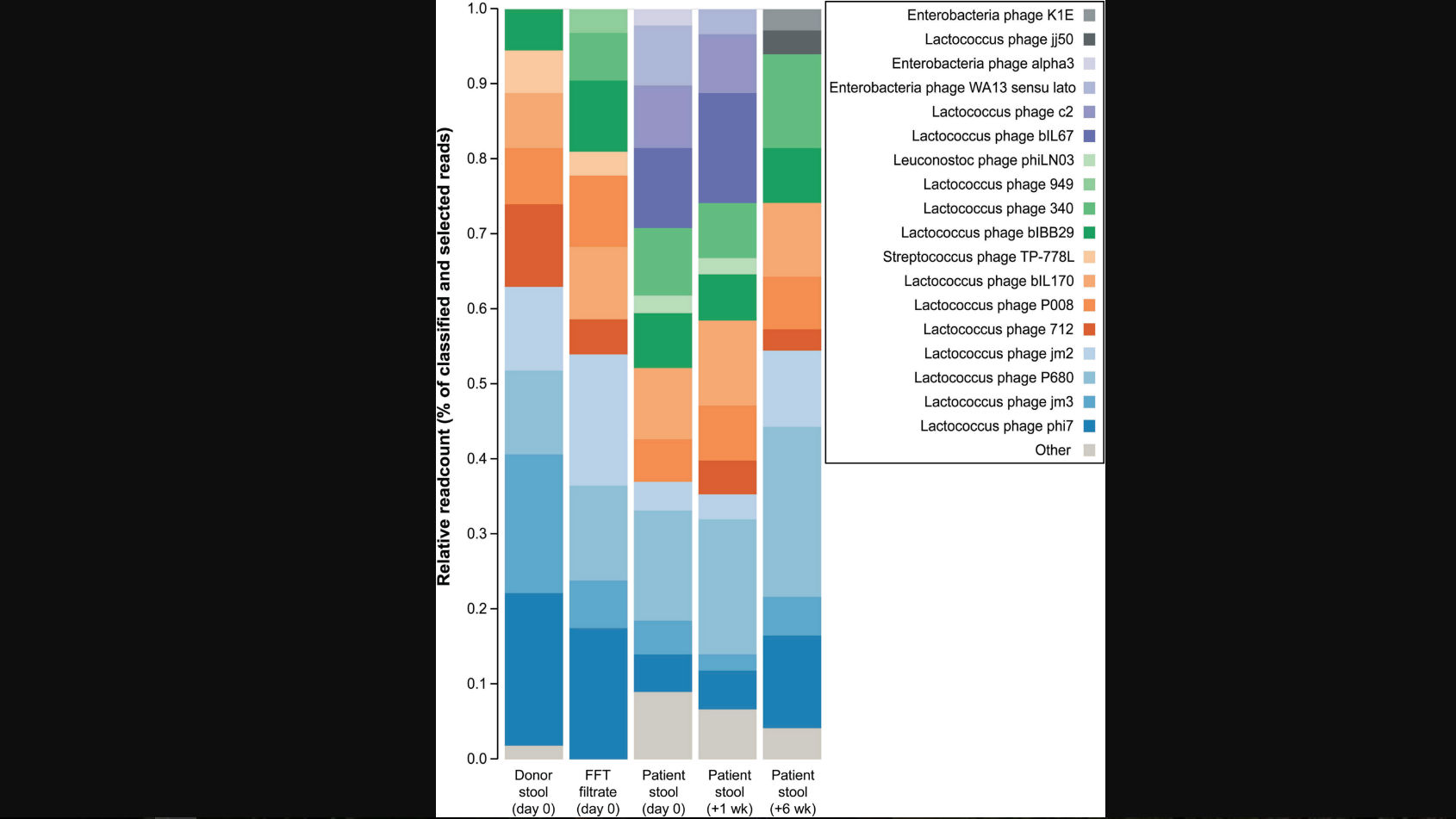
Fecal samples were collected from patients before and at 1 week and 6 weeks after FFT. Microbiome, virome, and proteome profiles of donors and patients were compared….

They identified about 300 different proteins in each of the filtrates they analyzed—most proteins were of human origin, but the filtrates also contained 20–60 bacterial and fungal proteins. The major human proteins in the filtrate proteome were human enzymes such as intestinal-type alkaline phosphatase, chymotrypsin-like elastases, and α amylases. Bacterial proteins included metabolic enzymes and redox proteins without obvious microbiome-modifying properties, such as glyceraldehyde-3-phosphate dehydrogenase, phosphoenolpyruvate carboxykinase, glutaredoxin-1, or thioredoxin-1…

Ott et al propose that the active component of FMT therapy might not be living bacteria, but bacterial components, antimicrobial compounds of bacterial origin (bacteriocins), or bacteriophages that contribute to a healthy intestinal microenvironment. These could be common to all successful FMT therapies and even rather unspecific regarding the bacterial strain(s) used for therapies. They propose that bacteriophages affect community dynamics of gut microbiota to resolve dysbiosis.

My take: This is a provocative study that challenges us to rethink how FMT works. Ultimately, treating CDI needs to be more precise.

Related blog posts: