Giving Tacrolimus Another Look for Severe Colitis

The retrospective study by Zimmerman et al involved 170 pediatric patients (IFX (n = 84) and TAC (n = 86)) with acute severe colitis (ASC) form 2005 to 2017; TAC was generally used prior to 2014 and patients were more likely to be receiving 6MP as a long-term maintenance agent; the mean TAC level was 10.7 ng/mL. The mean dose of infliximab (IFX) initially was 7 mg/kg. Key findings:

  • The rate of colectomy 6 months from rescue therapy was similar whether patients received IFX or TAC (22.6% vs 26.7%, respectively, P = 0.53).
  • The mean decline in Pediatric Ulcerative Colitis Activity Index scores from admission to discharge in those treated with IFX (31.9) or TAC (29.8) was similar (P = 0.63).
  • Similar rates of adverse effects were seen. 4 patients in the TAC group experienced neurologic symptoms.
  • About half of the steroid-refractory ASC patients failing either agent as initial rescue therapy required colectomy, even if they switched to the alternative agent.
  • 17.9% of patients receiving high-dose IFX required colectomy by 6 months compared to 25% in the “typical” IFX dosing group; this was not statistically significant, likely due to limitations of sample size.

In the systematic review/meta-analysis study by Bolia et al., the authors identified 7 studies with 166 children (111 steroid-refractory, 52 steroid-dependent, 3 no steroids). The majority of cases (150/166 [90%]) were naïve to biologics. None of the participants in these studies have been treated recently (only 10 patients since 2014 and none after 2016). The two most recently published studies in 2018 and 2019 had enrollment in 2014-2016 and 2000-2012, respectively. Key findings:

  • An initial response to tacrolimus therapy was seen in 84% 
  • No difference was observed between children with high (>10 ng/mL) or low tacrolimus levels (127/150 [85%] vs 12/16 [75%], P = 0.3).
  • The pooled frequency of 1-year colectomy-free survival in children treated with initial oral tacrolimus was 64% (95% CI: 53%–75%). Twelve (7.2%) patients required cessation of therapy because of side effects.

My take: Both of these studies indicate that tacrolimus could be a useful agent for ASC and may find a role as a bridge therapy for biologic agents with slower onset of action.

Related blog posts:

NRocks Climb in Circleville, WV

Comparative Efficacy of Biologics for Crohn’s Disease

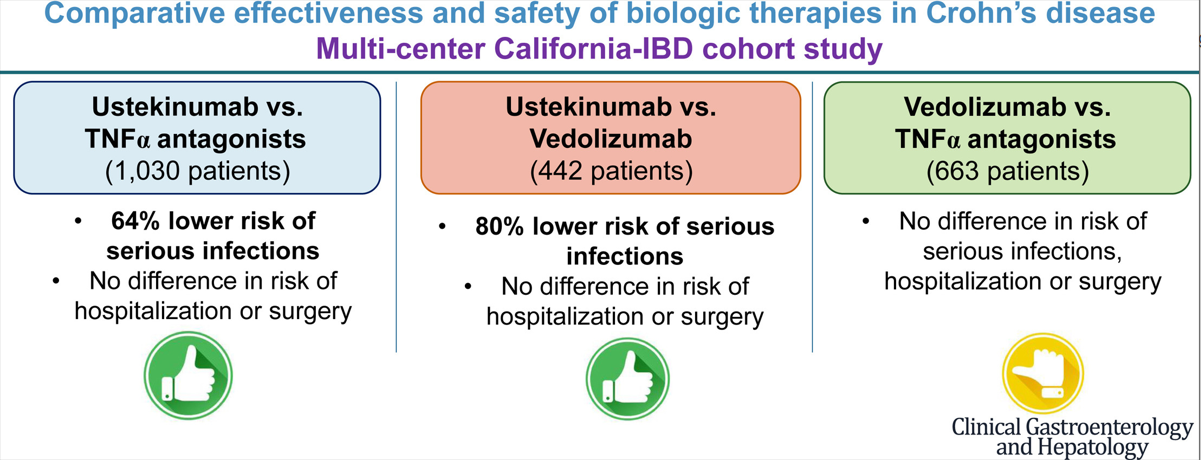
S Singh et al. Clin Gastroenterol Hepatol 2023; 21: 2359-2369. Open Access! Comparative Safety and Effectiveness of Biologic Therapy for Crohn’s Disease: A CA-IBD Cohort Study

There is limited head-to-head data comparing the effectiveness of the biologics used for inflammatory bowel disease. In this study, the authors used a “series of propensity score (PS)-matched cohort studies comparing TNF-α antagonists vs vedolizumab vs ustekinumab in a large, diverse, multicenter, electronic health record (EHR)-based cohort.”

This graphical abstract summarizes the findings, though the first cohort (ustekinumab vs TNFalpha population is actually 1545 not 1030):

Key findings:

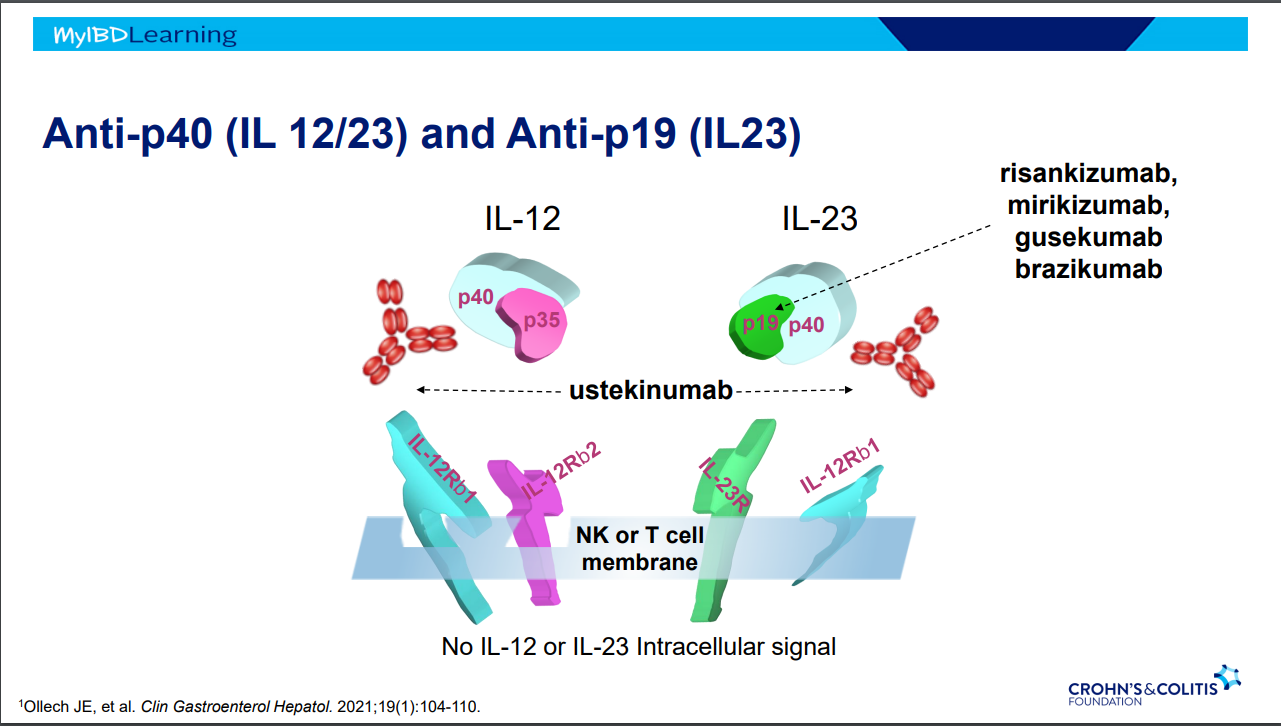
  • Ustekinumab-treated patients with CD (n = 515) experienced a lower risk of serious infections (hazard ratio [HR], 0.36), without any difference in the risk of hospitalization (HR, 0.99) or surgery (HR, 1.08) -compared to patients receiving TNF alpha antagonists (n=1030)
  • Ustekinumab-treated patients with CD (n = 221) experienced a lower risk of serious infections (HR, 0.20), without significant differences in risk of hospitalization (HR, 0.76) or surgery (HR, 1.42) -compared to vedolizumab-treated patients (n=221)
  • Compared with TNF-α antagonists (n = 442), vedolizumab-treated patients with CD (n = 221) had a similar risk of serious infections (HR, 1.53), hospitalization (HR, 1.32), and surgery (HR, 0.63).

The increase rate of infections with vedolizumab compared to ustekinumab could be an indication of lower efficacy with vedolizumab as the medication itself has a high safety profile.

In the discussion, the authors comment further on head-to-head studies and lack of these as well. “Biemans et al23 observed that ustekinumab-treated patients were more likely to achieve corticosteroid-free clinical remission (69 patients in each arm, vs vedolizumab; 46.4% vs 29.0%; P = .04) and biochemical remission (42.1% vs 13.2%; P = .01) at 12 months, although these rates were not significant at earlier time points.”

My take: This study provides further evidence that ustekinumab is a good option for Crohn’s disease with regard to both safety and efficacy.

Related blog posts:

Comparative Efficacy: Infliximab vs. Ustekinumab

ECL Wong et al. Inflamm Bowel Dis 2023; 29: 1015-1023. Open Access! Comparative Efficacy of Infliximab vs Ustekinumab for Maintenance of Clinical Response in Biologic Naïve Crohn’s Disease

This post hoc analysis included data from separate trials examined the response of 220 biologic-naïve CD participants to either inflximab biosimilar or ustekinumab.

Key findings:

  • Clinical remission: One-year clinical remission (CR) and corticosteroid-free CR rates were similar between infliximab-treated and ustekinumab-treated patients (CR, 66 of 110 [60.0%] vs 63 of 110 [57.3%]; adjusted odds ratio [aOR], 1.15), corticosteroid-free CR, 11 of 28 (39.3%) vs 27 of 51 [52.9%]; aOR, 0.58)
  • Endoscopic response/remission:  infliximab-treated participants were more likely to achieve 1-year endoscopic response (43 of 92 [46.7%] vs 6 of 30 [20.0%], aOR, 3.59) and endoscopic remission (31 of 92 [33.7%] vs 4 of 30 [13.3%]; aOR, 3.35)

In the discussion, the authors note only 1 head-to-head study in CD with ustekinumab. “The SEAVUE trial (NCT03464136) compared adalimumab and ustekinumab among biologic-naïve CD patients. Ustekinumab demonstrated similar efficacy for the achievement of clinical and endoscopic outcomes compared with adalimumab.23 Similar rates of CR at 1 year were reported in SEAVUE (64.9% ustekinumab vs 61% adalimumab) as in our analysis (57.3% ustekinumab vs 60% infliximab)…ustekinumab demonstrated longer retention and lower immunogenicity and has practical advantages over adalimumab, including less frequent dosing intervals (every 8 weeks for ustekinumab vs every 2 weeks for adalimumab) while providing similar efficacy.”

My take: This study suggests that infliximab may be a little better than ustekimumab in biologic-naive patients due to the higher endoscopic response; however, the study was unpowered to provide a definitive answer. A prior study suggested similar endoscopic healing rates (P Riviere et al. Inflamm Bowel Dis 2023; 29: 923-931).

Related blog posts:

Waters off the Cap d’Ail Trail (near Eze, France)

Which is a More Effective First-Line for Crohn’s Disease: Ustekinumab or anti-TNF agents?

P Riviere et al. Inflamm Bowel Dis 2023; 29: 923-931. Comparative Effectiveness of Ustekinumab and Anti-TNF Agent as First-Line Biological Therapy in Luminal Crohn’s Disease: A Retrospective Study From 2 Referral Centers

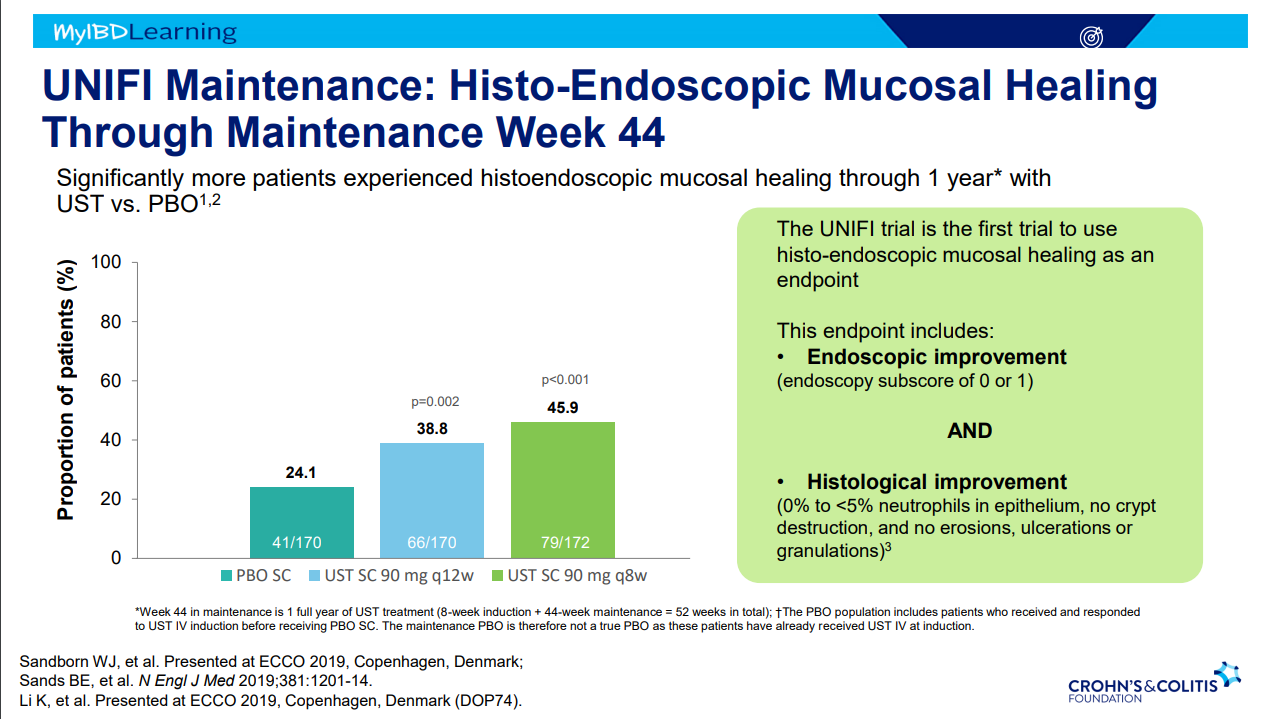
A previous study (SEAVUE) has suggested similar efficacy of ustekinumab and adalimumab in biologic-naive patients (post: SEAVUE: Head-to-Head Ustekimumab vs. Adalimumab) with ~60-65% clinical response at 52 weeks and ~30% endoscopic remission.

This current retrospective study sought to obtain ‘real-world’ data comparing anti-TNF agents (95 adalimumab, 61 infliximab) to ustekinumab (n=50). In the anti-TNF group, 44% (n=68) received concomitant immunomodulator therapy. Key findings:

  •  At 3 months, clinical response rates were 86% in anti-TNF groups and 64% in the ustekinumab.
  • At 12 months, in adjusted multivariate analysis, clinical remission (based on Harvey-Bradshaw Index) was independently associated with the biological therapy received (odds ratio, 2.6 for anti-TNF agent vs ustekinumab; P = .02).
  • “In our sensitivity analysis, a significant difference in terms of efficacy was only found between infliximab and ustekinumab.”
  • In those with ileocolonoscopy, endoscopic healing was similar (between 6-18 months): 58% of anti-TNF group and 61% of ustekinumab group.
  • 2% of patients in the anti-TNF group had severe adverse events compared to none in the ustekinumab group; among patients receiving adalimumab, 1 patient had cerebral aspergillosis, 1 had a postinfectious macrophage activation syndrome, and 1 had severe folliculitis needing abscess drainage.
  • Drug persistence at 12 months was 87% in anti-TNF group and 88% in ustekinumab group.

The discussion notes that ‘real-world’ data is important as only ~30% of patients in a regular practice would fulfill the criteria to be included in clinical trials. However, in this retrospective (non-randomized) study, there were differences in the patient population that could affect response to treatment, including a higher rate of smokers in the anti-TNF group (29% compared to 12% in the ustekinumab group).

My take: While anti-TNF therapy, particularly infliximab, may be a little better based on clinical remission, the most objective marker of efficacy, endoscopic healing, was similar. Thus, it is not clear if anti-TNF therapy is more effective than ustekinumab. To achieve optimal results, many in the anti-TNF group received immunomodulator cotherapy and dose escalation.

Related blog posts:

Joel Andres, Chef & Philanthropist, World Central Kitchen

Disclaimer: This blog, gutsandgrowth, assumes no responsibility for any use or operation of any method, product, instruction, concept or idea contained in the material herein or for any injury or damage to persons or property (whether products liability, negligence or otherwise) resulting from such use or operation. These blog posts are for educational purposes only. Specific dosing of medications (along with potential adverse effects) should be confirmed by prescribing physician.  Because of rapid advances in the medical sciences, the gutsandgrowth blog cautions that independent verification should be made of diagnosis and drug dosages. The reader is solely responsible for the conduct of any suggested test or procedure.  This content is not a substitute for medical advice, diagnosis or treatment provided by a qualified healthcare provider. Always seek the advice of your physician or other qualified health provider with any questions you may have regarding a condition.


Infliximab Home Infusions

SR Gupta et al. JPGN 2023; 76: 776-781. Outcomes for Standardized Home and Hospital-Based Infusions of Infliximab for Children With Inflammatory Bowel Disease

In this retrospective study with 102 children, key findings:

  • There were similar outcomes among carefully-selected children receiving home infusions (HI), “drug durability, AOs [adverse outcomes], and laboratory values were similar between HI and hospital-based infusions.” 30% of eligible patients received HI.
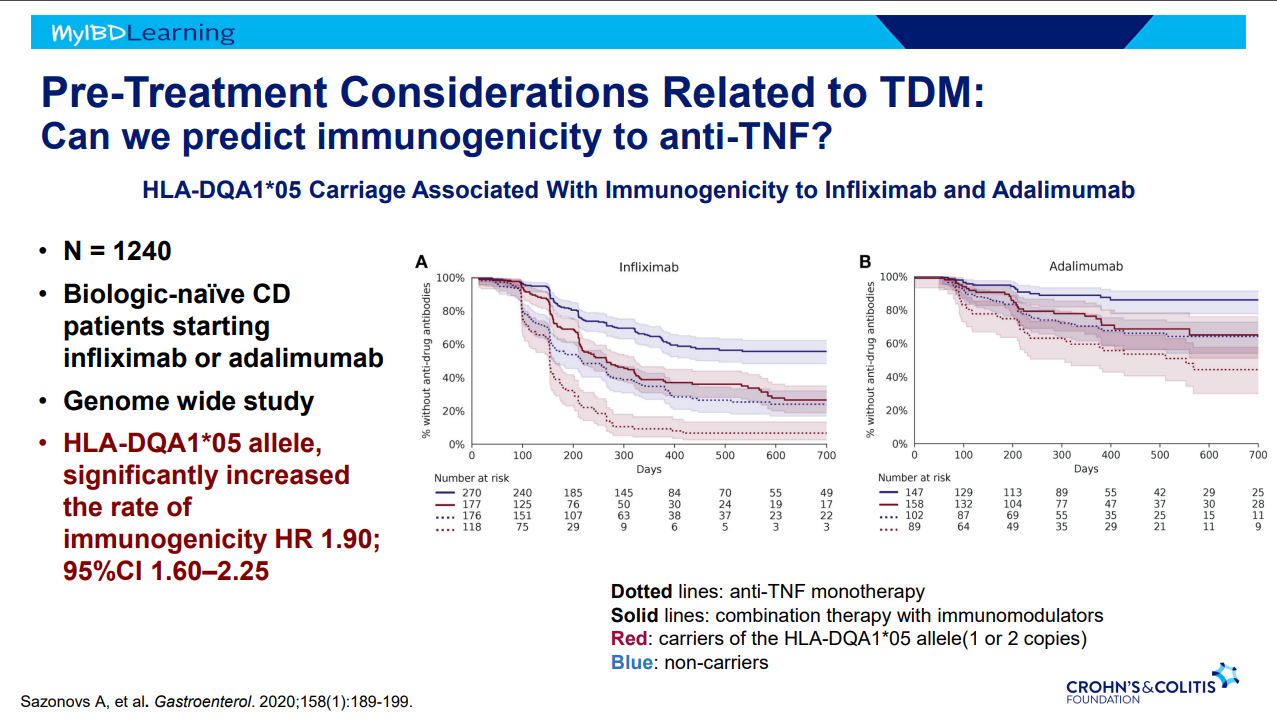
  • Within 2 years, only 19% remained on 5 mg/kg every 8 week dosing and the remainder required increased dosing or decreased interval.  (Further supporting data showing that 5 mg/kg every 8 week dosing is inadequate in ~80%)

The authors note that HI were arranged with a single home health company with pediatric PALS-trained nurses. In addition, there was “direct communication between the home health nurse and IBD nurse after each infusion.”

Prior studies of HI have shown increased AOs in patients receiving HI including stopping therapy, ER visits, and hospitalizations (Clin Gastroenterol Hepatol 2020; 18: 257-258, Am J Gastroenterol 2020; 115: 1698-1706, JAMA New Open 2021; 4: e2110268).

My take: If set up properly, home infusions could be a reasonable alternative to hospital-based or office-based infusions.

In this article, from May 31, 2023: Sick Workers Tied to 40% of Food Poisoning Outbreaks, C.D.C. Says

“Each year, 48 million people become sick from a food-borne illness, according to C.D.C. estimates. Of those, 128,000 are hospitalized and 3,000 die.”

Durability of Biologics in Children with Inflammatory Bowel Disease

JL Kaplan et al. JPGN 2023; 76: 567-575. Open Access! Use, Durability, and Risks for Discontinuation of Initial and Subsequent Biologics in a Large Pediatric-Onset IBD Cohort

Methods: The authors analyzed pediatric inflammatory bowel disease (IBD) data from the ImproveCareNow Network registry (n= 17,649) between May 2006 and September 2016, including time to biologic initiation, choice of first subsequent biologics, biologic durability, and reasons for discontinuation

Key findings:

  • 7585 (43%) were treated with a biologic agent before age 18. 50% of children with Crohn’s disease (CD) received a biologic compared to 25% of children with ulcerative colitis (UC)
  • First biologic agents for all patients were anti-tumor necrosis factor agents (88% infliximab, 12% adalimumab)
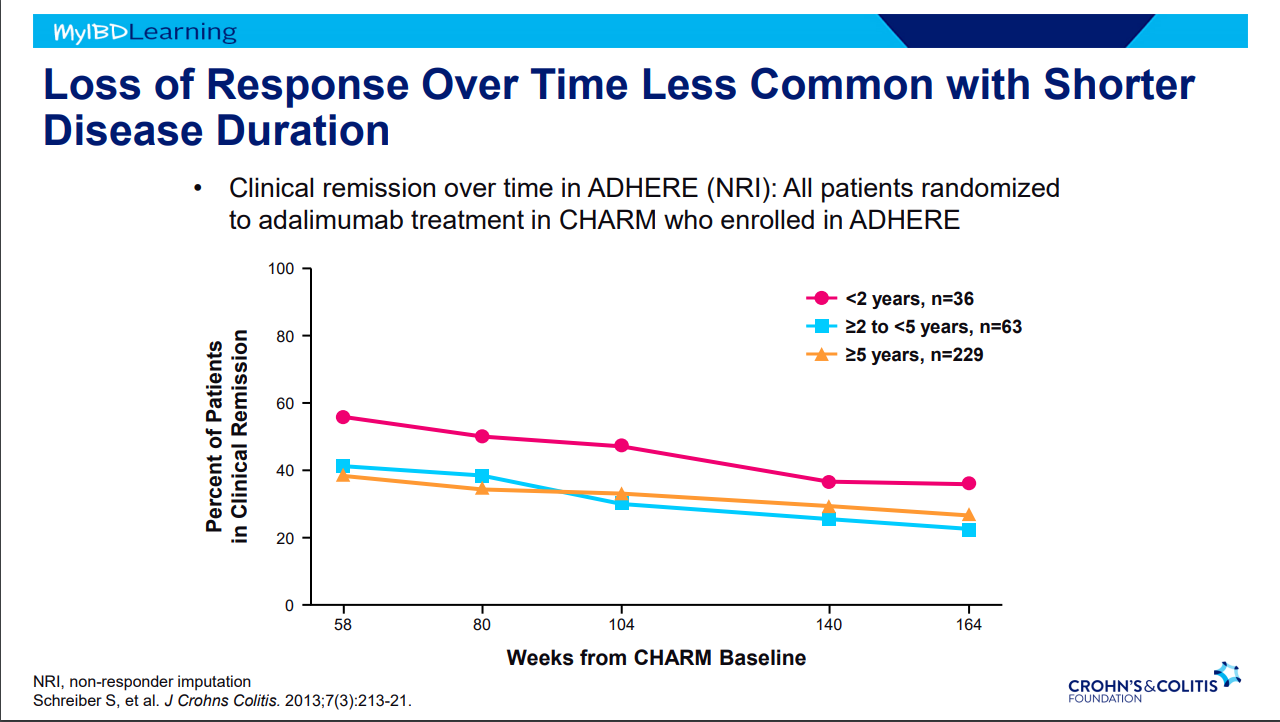
  • Probability of remaining on first biologic in patients with CD: 93% at 6 months, 85% at 12 months, 79% at 24 months, and 74% at 36 months
  • Probability of remaining on first biologic in patients with UC: 84% at 6 months, 75% at 12 months, 66% at 24 months, and 55% at 36 months
  • First biologics were discontinued because of loss of response (39%), intolerance (23%), and nonresponse (19%).

My take: This is an important study that shows that anti-TNF therapy durability was 79% in patients with CD and 66% in patients with UC at 2 years. This pediatric-specific information will help with counseling families when starting biologic therapy. There was improvement in durability after 2013 compared to prior -so perhaps perhaps even better durability is occurring in 2023. It is a little ironic that this study is from ImproveCareNow given that the results are quite dated. There have been a lot of changes in the last seven years. These include the widespread use of dose optimization/therapeutic drug levels and the approval of several new classes of targeted medications.

Related blog posts:

Tucson Botanical Gardens

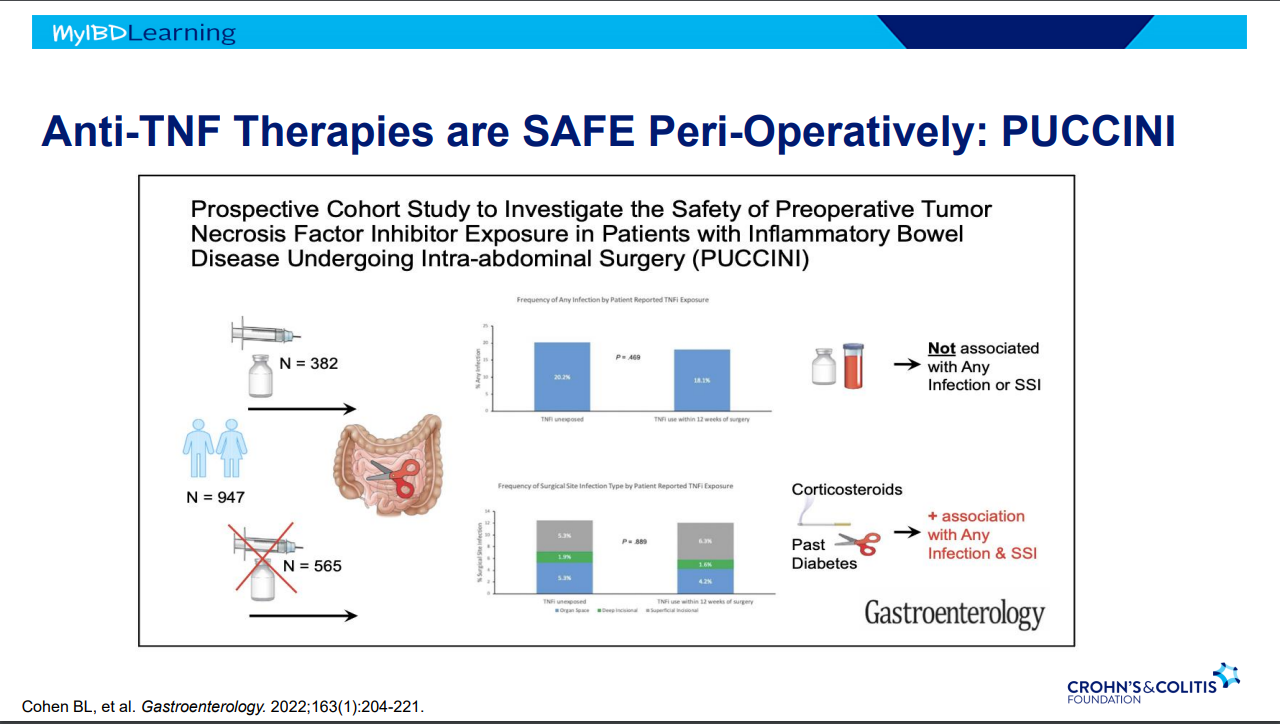
Is There An Increased Risk of Infections with Anti-TNF Therapy?

J Holmgren et al. Inflamm Bowel Dis 2023; 29: 339-348. Open Access! The Risk of Serious Infections Before and After Anti-TNF Therapy in Inflammatory Bowel Disease: A Retrospective Cohort Study 

Methods: Retrospective study with 980 patients at 5 centers participating in the Swedish IBD Quality Register. Serious infections, defined as infections requiring in-patient care, the year before and after the start of anti-TNF treatment were evaluated.

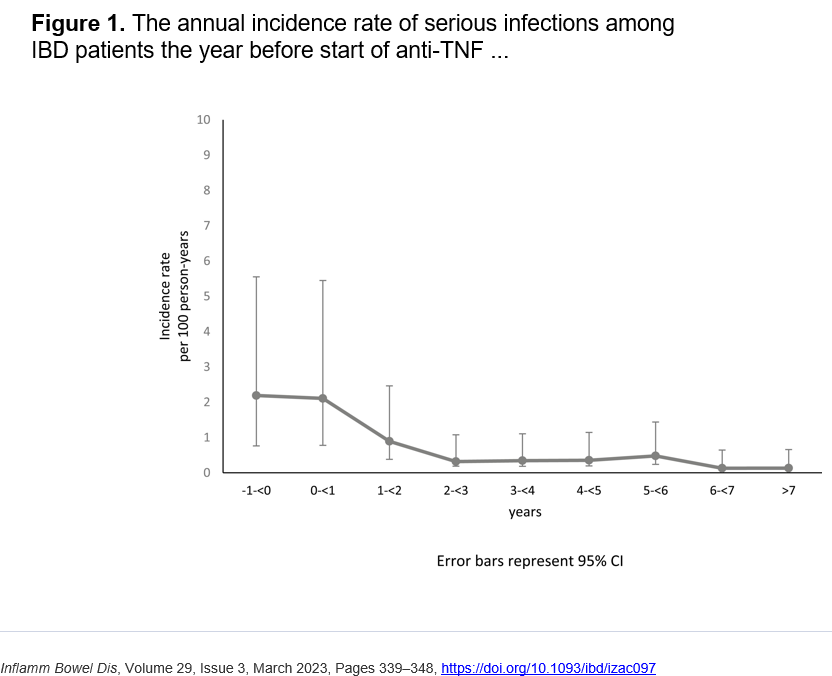
A decline in the incidence rate can first be seen beyond 1 year of treatment with anti-TNF, with an incidence rate of 1.22 (95% CI, 0.90-1.66) events per 100 person year compared with 2.19 (95% CI, 1.43-3.36) events per 100 person year the year before treatment. This is a significant reduction of infections, with an incidence rate ratio of 0.56 (95% CI, 0.33-0.95; P = .030).

Key findings:

  • A 72.0% reduction in the incidence rate of perianal abscesses and intra-abdominal abscesses during treatment with anti-TNF was found compared with before treatment.
  • Figures 2 & 3 show than most infection rates decreased with treatment. CMV infection did not change significantly with 0.10 per 100 person-years prior to treatment and 0.14 per 100 person-years after starting anti-TNF therapy
  • ” In the current study, patients younger than 20 years old experienced a substantial decrease of infection incidence rate ratio (0.11) with the introduction of anti-TNF treatment. The results could be explained by the fact that young patients have a more active disease with increased risk of infection before treatment with anti-TNF.”
  • “The most common type of infection after anti-TNF treatment was pneumonia. The high incidence of pneumonia confirms earlier data.9,36,37” However, the authors show that the rate of pneumonia dropped from 0.51 to 0.27 per 100 person-years after starting anti-TNF therapy.

The authors note that a prior study by “Zabana et al showed that patients with IBD had an increased risk for serious infection after starting immunosuppressive treatment compared with before treatment (median follow-up 3 years before and 5 years after)… the discrepancy in the result may be explained by selection bias. We included all patients starting anti-TNF treatment. However, Zabana et al included only patients who suffered from infections during immunosuppressive treatment and retrospectively examined the risk of infection before start of treatment.24

Limitations of study: several other important factors affecting infections were not captured in this study including steroid exposure and nutritional status.

My take (from authors): “The incidence rate of serious infection among IBD patients did not increase with anti-TNF therapy. Instead, serious infections seemed to decrease more than 1 year after initiation of anti-TNF treatment.”

Related blog posts:

Kids Are Different: Therapeutic Drug Monitoring

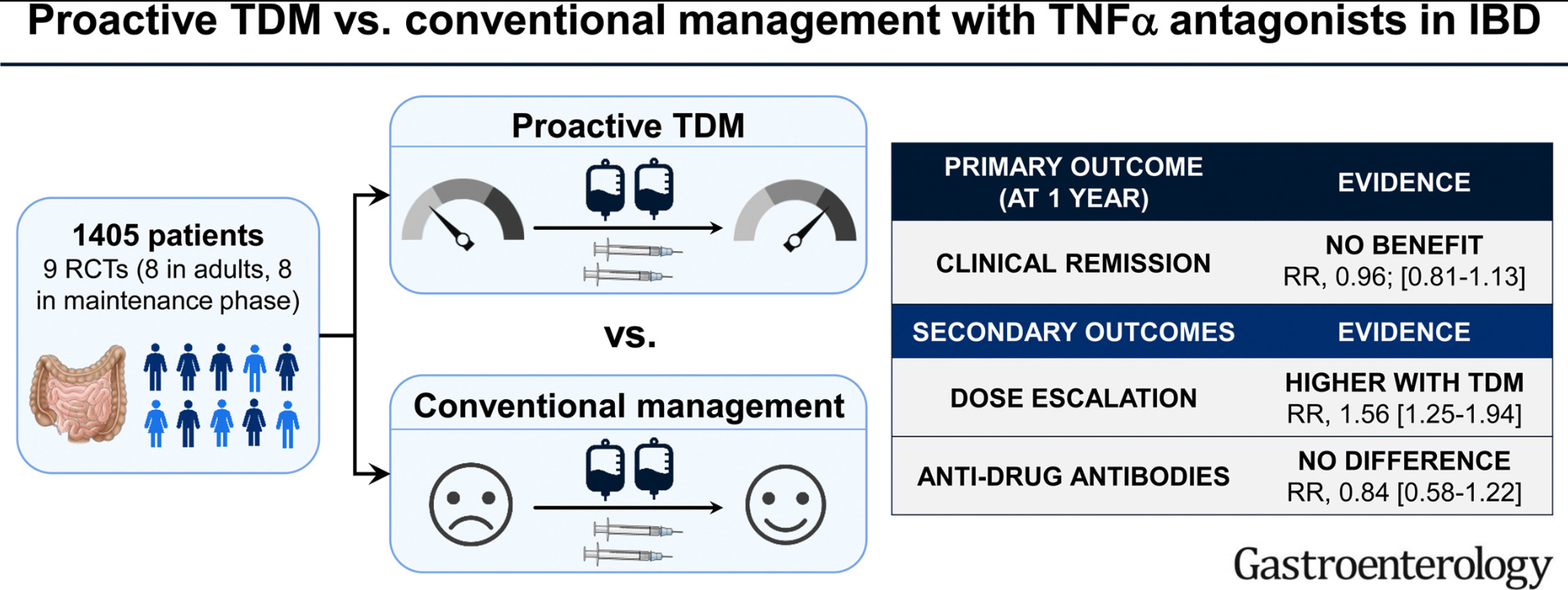
NH Nguyen et al. Gastroenterol 2022; 163: 937-949. Open Access! Proactive Therapeutic Drug Monitoring Versus Conventional Management for Inflammatory Bowel Diseases: A Systematic Review and Meta-Analysis

Key finding:

  • On meta-analysis of 9 RCTs (8 RCTs in adults, and focusing on maintenance phase), there was no significant difference in the risk of failing to maintain clinical remission in patients who underwent proactive TDM (267/709; 38%) vs conventional management (292/696; 42%) (relative risk [RR], 0.96)

The discussion in this paper makes some important points, as there are some populations in which proactive TDM is more likely to be beneficial.

Pediatrics:

“The impact of proactive TDM in pediatric patients also merits further consideration. This concept may be particularly important in pediatrics due to the variability in size of patients, which may not be adequately addressed by weight-based dosing.33 This is especially important in younger children, where it has been shown that standard TNFα antagonist regimens and trough levels may not be applicable in this age group, and may require more frequent escalation of therapy.34,35 In the PAILOT trial, proactive TDM in children with clinical response to adalimumab was associated with higher rates of maintaining sustained corticosteroid-free clinical remission at all visits from week 8–72, compared with reactive TDM in which physicians were informed of trough concentration only after loss of response.”

Induction Dosing (Adults and Children):

“It is possible that the early measurement of biologic drug concentrations, to identify patients who may have accelerated clearance, and optimization of a subset of these patients early in the course of therapy may offer benefit.1,30 …Ongoing trials such as OPTIMIZE (NCT04835506) and TITRATE (NCT03937609) in which infliximab is optimized during the induction phase through a pharmacokinetic dashboard in patients with Crohn’s disease and acute severe ulcerative colitis will shed further light on this.”

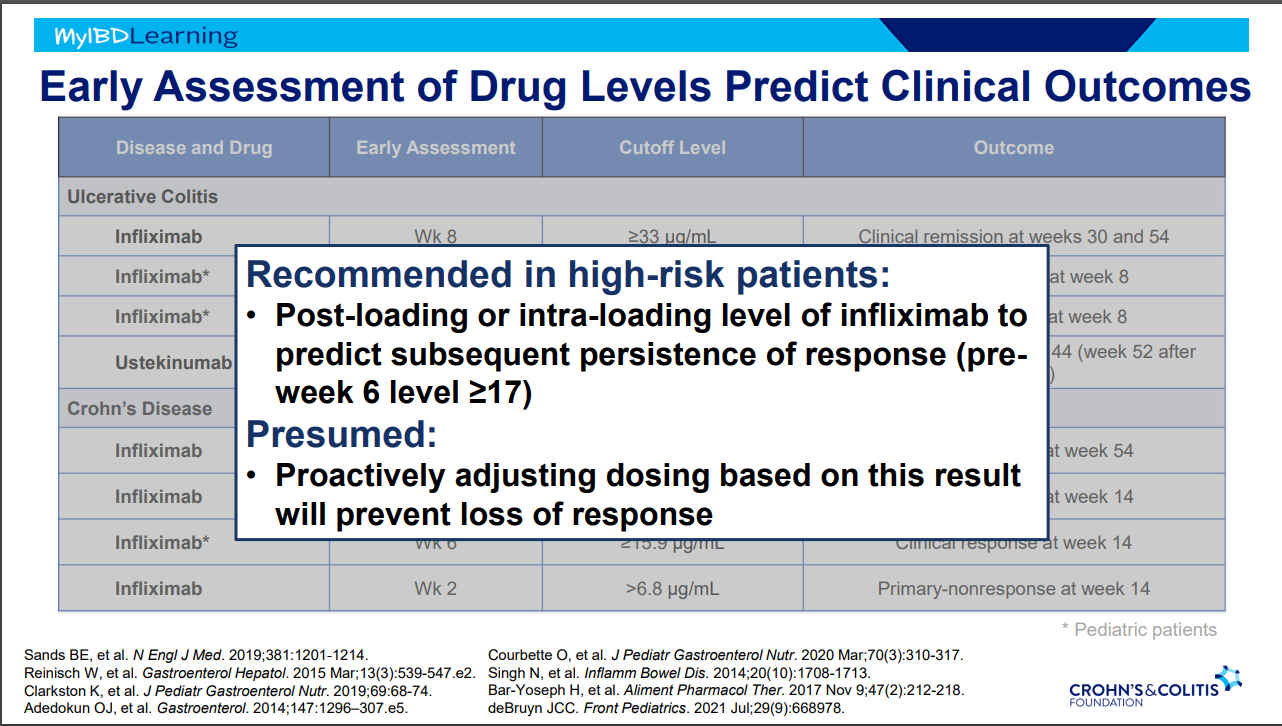
My take: So far, studies in adults have not shown that proactive therapeutic drug monitoring has been effective in improving clinical outcomes. This may change particularly if studies focus on patients on monotherapy who are at increased risk of subtherapeutic levels. No matter what happens in adults, there is sufficient data showing that proactive therapeutic drug monitoring is essential in children. This is especially important as ‘routine” dosing of infliximab in children may be subtherapeutic in nearly 80%.

Related blog posts:

What Happens When Infliximab is Stopped in Patients in Deep Remission Plus One

S Buhl et al. NEJM 2022; DOI:https://doi.org/10.1056/EVIDoa2200061. Discontinuation of Infliximab Therapy in Patients with Crohn’s Disease

Design: This was a multicenter, randomized, double-blind, placebo-controlled withdrawal study of infliximab in patients (n=115) with Crohn’s disease who were in clinical, biochemical, and endoscopic remission after standard infliximab maintenance therapy for at least 1 year. Patients were randomly assigned 1:1 to continue infliximab therapy or to receive matching placebo for 48 weeks.

Key finding:

  • At the end of the trial at week 48, relapse-free survival was 100% in the infliximab-continuation group and 51% in the infliximab-discontinuation group

My take (borrowed from authors): Discontinuation of infliximab for patients with Crohn’s disease receiving long-term infliximab therapy and in clinical, biochemical, and endoscopic remission leads to a considerable risk of relapse

Related blog posts:

Figure from NEJM Evidence Twitter Feed

S Sassine et al. AJG 2022; Volume 117 – Issue 4 – p 637-646. doi: 10.14309/ajg.0000000000001650. Risk Factors of Clinical Relapses in Pediatric Luminal Crohn’s Disease: A Retrospective Cohort Study

Key findings–The following variables were associated with clinical relapse:

  • female sex (adjusted hazard ratio [aHR] = 1.52, P = 0.0007)
  • exposure to oral 5-ASA (aHR = 1.44, P = 0.04),
  • use of immunomodulatory agents compared with tumor necrosis factor-alpha inhibitors (methotrexate aHR = 1.73, P = 0.003; thiopurines aHR = 1.63, P = 0.002)
  • presence of granulomas (aHR = 1.34, P = 0.02)
  • increased eosinophils on intestinal biopsies (aHR = 1.36, P = 0.02)
  • high levels of C-reactive protein (aHR = 1.01, P < 0.0001)
  • fecal calprotectin (aHR = 1.08, P < 0.0001)
  • low serum infliximab levels (<7 mcg/mL) (aHR = 2.32P = 0.001).

Head-to-Head (Sort of): Infliximab vs Ustekinumab for Crohn’s Disease

N Narula et al. Clin Gastroenterol Hepatol 2022; 20: 1579-1587. Comparative Efficacy and Rapidity of Action for Infliximab vs Ustekinumab in Biologic Naïve Crohn’s Disease

Using a post hoc analysis of 2 large Crohn’s disease (CD) trial with 420 biologic-naive adult patients, the authors found the following Key Findings:

  • At week 6, a comparable number of patients achieved clinical remission with infliximab compared with patients treated with ustekinumab (44.9% vs 37.9%; adjusted odds ratio [aOR], 1.22)
  • At week 6 the clinical response rates were not significantly different (58.4% infliximab vs 54.9% ustekinumab; aOR, 1.25)
  • At week 6, 42.3% infliximab vs 34.7% ustekinumab had fecal calprotectin level less than 250 mcg/L in those with increased values at baseline

My take: A true head-to-head trial, rather than a post-hoc analysis, would more definitively determine relative efficacy and relative time to response. This study indicates that both agents have similar efficacy by week 6.

Related blog posts:

Fountain at Forsyth Park in Savannah