Unknown's avatar

About gutsandgrowth

I am a pediatric gastroenterologist at GI Care for Kids (previously called CCDHC) in Atlanta, Georgia. The goal of my blog is to share some of my reading in my field more broadly. In addition, I wanted to provide my voice to a wide range of topics that often have inaccurate or incomplete information. Before starting this blog in 2011, I would tear out articles from journals and/or keep notes in a palm pilot. This blog helps provide an updated source of information that is easy to access and search, along with links to useful multimedia sources. I was born and raised in Chattanooga. After graduating from the University of Virginia, I attended Baylor College of Medicine. I completed residency and fellowship training at the University of Cincinnati at the Children’s Hospital Medical Center. I received funding from the National Institutes of Health for molecular biology research of the gastrointestinal tract. During my fellowship, I had the opportunity to work with some of the most amazing pediatric gastroenterologists and mentors. Some of these individuals included Mitchell Cohen, William Balistreri, James Heubi, Jorge Bezerra, Colin Rudolph, John Bucuvalas, and Michael Farrell. I am grateful for their teaching and their friendship. During my training with their help, I received a nationwide award for the best research by a GI fellow. I have authored numerous publications/presentations including original research, case reports, review articles, and textbook chapters on various pediatric gastrointestinal problems. In addition, I have been recognized by Atlanta Magazine as a "Top Doctor" in my field multiple times. Currently, I am the vice chair of the section of nutrition for the Georgia Chapter of the American Academy of Pediatrics. In addition, I am an adjunct Associate Clinical Professor of Pediatrics at Emory University School of Medicine. Other society memberships have included the North American Society for Pediatric Gastroenterology Hepatology and Nutrition (NASPGHAN), American Academy of Pediatrics, the Food Allergy Network, the American Gastroenterology Association, the American Association for the Study of Liver Diseases, and the Crohn’s and Colitis Foundation. As part of a national pediatric GI organization called NASPGHAN (and its affiliated website GIKids), I have helped develop educational materials on a wide-range of gastrointestinal and liver diseases which are used across the country. Also, I have been an invited speaker for national campaigns to improve the evaluation and treatment of gastroesophageal reflux disease, celiac disease, eosinophilic esophagitis, hepatitis C, and inflammatory bowel disease (IBD). Some information on these topics has been posted at my work website, www.gicareforkids.com, which has links to multiple other useful resources. I am fortunate to work at GI Care For Kids. Our group has 17 terrific physicians with a wide range of subspecialization, including liver diseases, feeding disorders, eosinophilic diseases, inflammatory bowel disease, cystic fibrosis, DiGeorge/22q, celiac disease, and motility disorders. Many of our physicians are recognized nationally for their achievements. Our group of physicians have worked closely together for many years. None of the physicians in our group have ever left to join other groups. I have also worked with the same nurse (Bernadette) since I moved to Atlanta in 1997. For many families, more practical matters about our office include the following: – 14 office/satellite locations – physicians who speak Spanish – cutting edge research – on-site nutritionists – on-site psychology support for abdominal pain and feeding disorders – participation in ImproveCareNow to better the outcomes for children with inflammatory bowel disease – office endoscopy suite (lower costs and easier scheduling) – office infusion center (lower costs and easier for families) – easy access to nursing advice (each physician has at least one nurse) I am married and have two sons (both adults). I like to read, walk/hike, bike, swim, and play tennis with my free time. I do not have any financial relationships with pharmaceutical companies or other financial relationships to disclose. I have helped enroll patients in industry-sponsored research studies.

Rewarding Restraint vs. Reality

Congratulations to Jeff Lewis, MD.  He has been selected from the Georgia Dept. of Public Health to receive the Maternal & Child Health Treating Children with Special Healthcare Needs Award.  This award will be presented at the Georgia- American Academy of Pediatrics Annual Awards Luncheon at Pediatric on the Perimeter on Friday Oct. 31, 2014 from Noon-1:30 pm.

Previously this blog noted the low usage of bronchiolitis guidelines (If a Guideline Falls in The Woods, and No One Hears It …) More information on this subject and why it is important has been published (J Pediatr 2014; 165: 786-92, ed 655-57).

Why this is important:

  1. Bronchiolitis is one area that has been well-studied and the evidence is strong regarding unnecessary medications and evaluations.
  2. Bronchiolitis is common.  It is the fourth most common reason for hospital care in US children’s hospitals.
  3. Four of five “Choose Wisely” targets in pediatrics focus on bronchiolitis care, including not routinely ordering chest xrays (in uncomplicated cases), avoiding bronchodilators, not using systemic corticosteroids, and not using pulse oximetry when off supplemental oxygen.

However, when one looks at Figure 1 (from the study) -resource utilization over time and Figure 2 – heat map for adjusted use by 42 separate hospitals –it is apparent that only about 5 of the hospitals are successful in at least 3 of 5 areas (albuterol, racemic epinephrine, steroids, chest radiographs, and antibiotics).  The data from these figures is derived from 64,994 hospitalizations that were analyzed.

Median hospital use of nonrecommended tests/treatments:

  • Albuterol 52.4% with range: 3.5% to 81%
  • Racemic epinephrine 20.1% with range: 0.6% to 78.8%
  • Corticosteroids 10.9% with range: 4.1% to 46.6%
  • Chest xray: 54.9% with range 24.1% to 76.6%
  • Antibiotics: 38.4% with range 27.1% to 50.1%

From editorial: “Many of us practice in environments that reward “doing more” as a sign of thoroughness and better clinical care.  Nowhere is this truer than in our acadmeic centers…we need a culture change in our training centers toward role modeling and rewarding restraint in testing and treatment as part of high value care efforts.”

Take-home message: If excessive testing and treatments is rampant for problems like bronchiolitis in which they have been proven to be of low value, what chance is there for restraint in more murky areas?

Related blog post: Trying to make Cents out of Value Care |


Clinical Science Year in Review in Pediatric GI – NASPGHAN 2014

For many participants at NASPGHAN, the “year in review” presentations are a highlight.  This year was no exception.

This blog entry has abbreviated/summarized this presentation. Though not intentional, some important material is likely to have been omitted; in addition, transcription errors are possible as well.

William Balistreri –Clinical Science Year in Review 

Lay press remains excellent source of information.

Benefit of microbiome. (from NPR) Now there is elephant poop coffee -$645/lb ($70/cup).  Link: No. 1 Most Expensive Coffee Comes From Elephant’s No. 2 : The ... Collecting elephant poop is probably a less ideal job than what most of us have.  As for coffee, “make mine de-crap.”

Elephant Microbiome Collector

Topic of the year: Hepatitis C

  • 25 years since identification of Hepatitis C in 1989
  • Now approaching cure (Related blog post: Wiping out Hepatitis C | gutsandgrowth). All-oral highly effective regimen –newest regimen as easy as one pill per day for 8-12 weeks. Direct-acting antivirals (DAAs). Moving past 1st generation of DAAs: telaprevir/boceprevir with interferon/ribavirin.(refs = Pawlotsky, Gastroenterology 146:1176, 2014 and Schmidt, Clinical Gastroent Hepatol 12:728, 2014)
  • New drugs for HCV –just in time –increasing risk of HCV complications. Ann Intern Med 2014; 160: 293.
  • Goal –SVR –sustained virological response
  • Reviewed large number of articles: Sofosbuvir, Simeprevir, Sofosbuvir/Ledipasvir (Harvoni).  3-D regimen: ABT-450, ABT-267, ABT-333 –will be approved in coming weeks (Related blog post:Have You Heard of Harvoni? | gutsandgrowth)
    • Gane, NEJM 368:34, 2013
    • Zeuzem, NEJM 370:1993,2014
    • Kowdley, N Engl J Med 370:1879, 2014
    • Lawitz, Lancet 383:515, 2014
    • Feld, New England Journal of Medicine, 370:1594, 2014
  • Mild side effects with newer drug therapies
  • Awaiting pediatric studies.
  • Costly $1000/pill –“if dog swallows it,” may have to look for it in the stool
  • Stay updated with recommendations: www.hcvguidelines.org  (AASLD/IDSA)

Hepatitis B –success of vaccination.

  • Preventing perinatal transmission with HBIG/vaccine. JAMA 2013; 310: 974. Those born after 1984, with much lower HCC. Ann Intern Med 2014; 160: 828; Hepatology 2014; 60: 448
  • Give antivirals (eg. telbivudine) for HBeAg-positive mothers prior to delivery. (Related blog post: Hepatology Update -Summer 2014 | gutsandgrowth) Greenup, Journ of Hepatology 61:502, 2014 AND Zhang, Hepatology 60:468, 2014
  • Antiviral therapy lowers the risk of HCC. Hepatology 2014; 147: 143 (Wu et al).
  • Make sure children with IBD are being screened for hepatitis B. ~13% may not be immune. Moses, Am J Gastro 107:133, 2012

Trend of the Year: Social Media

  • Genome sequencing –tremendous advance. Families may push for this option on their own.
  • Magnets –banned. Social media allowed this problem to be quickly identified. (Related blog post: Buckyball Recall –It’s Official | gutsandgrowth)
  • Social media allows family to share information and get answers. Internet blogging allows families to reach out to scientists.
    • Schumacher, Pediatrics 133:e1345, 2014
    • Enns, Genetics in Medicine, March 2014
  • BiliCam –can take picture with mobile phones.

Biliary Atresia

Threat of the Year: Obesity along with NAFLD

  •  NAFLD can have significant liver histologic abnormalities even with normal ALT levels. J Pediatr 2014; 164: 707.
  • Clinical burden of NAFLD is not restricted to liver-related morbidity or mortality Armstrong, HEPATOLOGY 59:1174, 2014. Also, concern for obstructive sleep apnea and cardiovascular disease.  Sundaram, J Pediatr 164:699, 2014. Pacifico, HEPATOLOGY 59:461, 2014
  • Elastography is promising tool. Xanthakos, J Peds 164:186, 2014
  • Current treatment –lifestyle changes. Snacking contributes to fatty liver. Sleep curtailment is associated with obesity. Spaeth. SLEEP 36:981, 2013, Taveras, Pediatrics 133:1013, 2014, Mitchell, Pediat 131:e1428, 2013
  • Increased antibiotics in early life associated with obesity due to alteration of microbiome. Bailey, JAMA Pediatrics, Sept 29, 2014
  • Suggestion for future: “Diet Water.”

Diet Water.jpg

For those who want to learn more from Dr. Balistreri directly, I would recommend the Aspen Conference:

Aspen Meeting

Related link: Dr. Balistreri’s Review of the Growth and Development of the Pediatric Gastroenterology Specialty.


Wrongful Conviction: HCV Acquitted of Causing Diabetes & a Word on Ebola

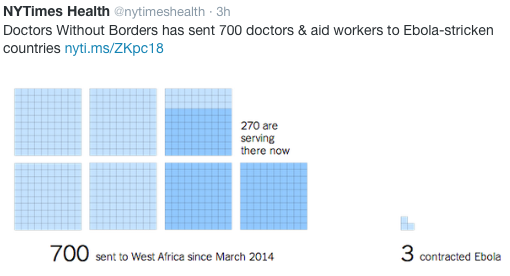
First about Ebola –here’s the Ebola recommendation from the NEJM editors regarding quarantine:

An excerpt:

The governors of a number of states, including New York and New Jersey, recently imposed 21-day quarantines on health care workers returning to the United States from regions of the world where they may have cared for patients with Ebola virus disease. We understand their motivation for this policy — to protect the citizens of their states from contracting this often-fatal illness. This approach, however, is not scientifically based, is unfair and unwise, and will impede essential efforts to stop these awful outbreaks of Ebola disease at their source, which is the only satisfactory goal…We should be honoring, not quarantining, health care workers who put their lives at risk not only to save people suffering from Ebola virus disease in West Africa but also to help achieve source control, bringing the world closer to stopping the spread of this killer epidemic.

Take-home message: Read the entire editorial why quarantine is not the right approach for asymptomatic returning health care workers.

Direct Ebola Risk to Health Care Workers

Direct Ebola Risk to Health Care Workers

Now in followup to yesterday’s post about HCV and diabetes:

Even Perry Mason would have had a difficult time proving hepatitis C virus (HCV) did not cause diabetes until a recent publication (Hepatology 2014; 60: 1139-49, editorial 1121-23).

In this study using population-based data from the U.S. National Health and Nutrition Examination Survey (NHANES) with 15,128 adult participants, the authors show that the prevalence of diabetes and prediabetes did not differ by HCV status.  The authors used standardized definitions for diabetes and prediabetes and adjusted for major confounders.  The authors did note a relationship between elevated alanine aminotransferase (ALT) with diabetes regardless of HCV status.  In their cohort, 56.7% had normal glucose, 32.8% had prediabetes, 3.2% had undiagnosed diabetes, and 7.3% had diagnosed diabetes.  The mean age progressively increased in these groups: 40.8 years, 51.9 years, 58.9 years, and 59.2 years respectively.

Among those with diabetes, 10.5% were HCV RNA-negative and 12.0% were HCV RNA-positive –unadjusted for ALT values; the unadjusted HCV antibody status was nearly identical at 10.5% and 10.2% respectively. After adjustment, the OR for being HCV RNA-positive was 1.06 (P=0.53) with confidence limits of 0.59-1.90.

In examining the evidence, the editorial and the discussion review previous evidence of a significant association between HCV infection, insulin resistance, and diabetes.  The odds ratio for this association (HCV and diabetes) was estimated to be about 1.7.  The problems with this association were the following:

  • Much of the work was reported from tertiary care centers
  • Advanced liver disease (of any type) is a well-established risk factor for type 2 diabetes (T2DM)
  • Many studies may have included patients with nonalcoholic fatty liver disease which is another risk factor for diabetes
  • These studies did not control for ALT values

Bottomline (from editorial): This study “calls one to reconsider the dogma on the role of IR [insulin resistance] in the pathogenesis of HCV infection and its association with T2DM.” If there is an association, it is much smaller than previous estimates.

Related blog post: Treating HCV Helps Diabetics | gutsandgrowth

Diabetes and Hepatitis C –A Bad Combination

Until recently (see next post tomorrow), it has been well-recognized that there is a connection between chronic hepatitis C infection and diabetes mellitus (DM) (related previous post: Treating HCV Helps Diabetics | gutsandgrowth).  More data confirms that the development of diabetes is associated with increased risk of poor outcomes in HCV-infected patients.

  • Hepatology 2014; 60: 807-14
  • Hepatology 2014; 60: 823-31

In the first study, the authors used a nation-wide cohort comprising >99% of the Taiwanese population.  Among a random sample of 1 million enrollees, 6,251 adult chronic HCV patients were identified from 1997-2009.  Among those who developed DM during the study period (not before), after adjustment for confounding variables, diabetes was an independent predictor for cirrhosis (hazard ratio (HR) =2.5, P<0.001) and hepatic decompensation (HR=3.56, P+0.003).

In the second study, the authors identified consecutive chronic HCV-infected patients with cirrhosis who were hospitalized between 2006-2008 (n=348).  At baseline, 40% had DM.  DM was independently associated with development of ascites (P=0.057), renal dysfunction (P=0.004), bacterial infections (P=0.007), and hepatocellular carcinoma (P=0.016).  The authors suggest that improving diabetes control may improve the outcome of cirrhosis.

Take-home message: New-onset diabetes is a marker for progressive liver disease in patients with chronic HCV infection.  Whether diabetes has a causal role in HCV patient deterioration remains unclear.

Also noted, from Healio Gastroenterology, a recent study suggests that sofusbuvir/ledipasvir reduces HCV-related complications, here’s link: Sofusbuvir/ledipasvir Abstract

NASPGHAN Awards 2014

I wanted to congratulate/recognize this year’s awardees at NASPGHAN and to summarize some of the associated presentations.

This blog entry has abbreviated/summarized the presentations. Though not intentional, some important material is likely to have been omitted; in addition, transcription errors are possible as well.

Major Awards:

  1. Harry Shwachman Award: Peter Whitington (Children’s Hospital of Chicago) This award is given for major life long scientific contribution to the field of pediatric gastroenterology.
  2. Distinguished Service Award: Melvin Heyman (UCSF Division Chief and JPGN editor). This award is given for excellence and service in the field of pediatric gastroenterology.
  3. AAP Murray Davidson Award: Jeffrey Hyams (Division Chief Connecticut Children’s)This award is given to an outstanding clinician, scientist and educator.

Fellow Research Award: “Bile Acid Signatures in Children Confer Protection From Clostridium Difficil Infection” ME Tessier et al (Baylor College of Medicine). Conclusions: Stool bile acids profiles are different in children with C difficile infection and could be a predisposing factor.  C diff toxins may alter bile acid profiles via inducing epithelial FGF-19 production.

Young Investigator Award “Analysis of Candidate Genes by Whole Exome Sequencing in Very Early-Onset IBD” J Kelsen (CHOP), et al. VEO-IBD cohort. Excellent presentation! (Related blog post: Just the Beginning: Mutations in Very Early Onset ..)

  • Children <5 years/extensive controls.
  • Mutation Findings: IL10RA/IL21R variants, RAG2/PIK3R1 variants
  • Presentation included phenotypic description (clinical and immunity/functional analysis)
  • Gut microbiome development being studied as well
  • Trying to combine microbiome data with genomic data.

William Balistreri Prize “A Prospective Newborn Screening Study for Biliary Atresia” Sanjiv Harpavat (Baylor College of Medicine) et al.   Excellent talk!

Background: 67 infants with biliary atresia (2007-2014) on retrospective review—ALL had elevated conjugated/direct bilirubin levels in first 24-48 hours of life. (Related blog post: Diagnosing biliary atresia earlier | gutsandgrowth)

Repeat testing at 2 weeks can identify those infants that need to be followed closely.  Workup needed for those who remained abnormal at 2 weeks of life.

This algorithm was studied at 4 different hospitals in Houston with 2-12% premature infants)

In newborn period:

  • N=11,636 –121 abnormal on newborn testing (based on hospital’s normative values -usually direct bilirubin >0.4)
  • When repeated at 2 weeks: 102 of these 121 were normal/only 12 continued to test high (2 with BA, 1 A1AT, 1 Rh disease, 8 resolved).  The two patients detected with biliary atresia is in line with the expected frequency of ~1 in 5000.
  • 7 missed retesting. 3 died (congenital heart disease), 2 missed followup, 2 had PCP refuse retesting.
  • Testing results: 100% sensitivity. Good specificity with repeat testing.

Baylor Workup approach to cholestasis:

  • 3-4 day evaluation
  • Day 1: liver panel, A1AT typing, U/S, CXR
  • Days 2-4: liver biopsy/percutaneous cholangiogram, +/- Kasai

Current AAP recommendation (per Ronald Sokol) is for all infants to have fractionated bilirubin.

Take-home message: How can we diagnose every infant on time? Possibly check every infant for direct/conjugated bilirubin in first 48 hours.

Young Clinical Investigator Award: “Poop-MD: A mobile health application accurately identifies acholic stools.” Douglas Mogul

Problem of delayed diagnosis has been improved in some studies with stool color cards. With emergence of smart phones (80% of 18-35 year olds have smart phones), opportunity to identify echoic stools with new technology.

  • PoopMD. Software determines whether stool is bloody, acholic, etc. Can email doctor and place reminder. FREE app.
  • Parents takes the picture of stool and then app analyzes.
  • Pilot study with 45 initial photographs reviewed by panel of 7 pediatricians
  • When at least 6 physicians agreed on stool color as being acholic (n=7), this was tested against app
  • App: 100% sensitivity for acholic stools. 89% specificity.
  • Working on Spanish version and improved interface.

Other awards:

NASPGHAN Foundation Awards

NASPGHAN Foundation Awards

Sponsored Awards

Sponsored Awards

NASPGHAN Postgraduate Course 2014 -Nutriton Module

Thanks to those who attended yesterday’s talk (10/24/14) at the clinical practice session and to those who provided helpful feedback.

This blog entry has abbreviated/summarized the presentations. Though not intentional, some important material is likely to have been omitted; in addition, transcription errors are possible as well.  If you make it to the bottom of this post, you will find some useful patient resources along with previous related blog entries.

Diet and the Microbiome –Robert Baldassano (CHOP) pg 140 in Syllabus

This was a very effective lecture; it brought together a lot of useful information.

Trying to sort out balance between health and disease and role of dysbiosis (altered microbiome)

  • Things that we ingest such as food (diet), antibiotics, and xenobiotics shape the composition of the gut microbiota and serve as substrates for the gut microbiota to produce metabolites
  • We are not the only organism consuming what we eat

Specific studies:

  • Wu G, et al. Science. 2011 Oct 7;334(6052):105-8  The Bacteroides enterotype was highly associated with animal protein and saturated fats, which equates to frequent meat consumption as in a Western diet. The Prevotella enterotype high values for carbohydrates and simple sugars, indicating association with a carbohydrate-based diet more typical of agrarian societies.
  • De Filippo C, et al. PNAS 2010: 14691-96: African children (compared with European) with more bacterial diversity & richness along with higher levels of short-chain fatty acids
  • Holmes et al. Cell Met 2012; 16: 559. Diet serves as a substrate for the microbiota to produce certain metabolites.

IBD and diet (Hou JK et al. American Journal of Gastro 2011;106:563-73)

  • High dietary intakes of total fats, PUFAs, omega-6 and meat were associated with an increased risk of CD and UC
  • High fiber and fruit intakes were associated with decreased CD risk
  • High vegetable intake was associated with decreased UC risk.
  • Consumption of meat, particularly red and processed meat increased the likelihood of relapse (Jowett et al Gut 2004)
  • Enteral diet for IBD can improve stool calprotectin within 1-2 weeks.

Take-home messages: Don’t tell your patients with non-stricturing IBD to eat a low fiber diet.  Reduced red meat and reduced oral iron may be helpful.  Vegetarian diet and Mediterranean diets may be helpful.

Related blog posts:

FODMAP: Navigating this Novel Diet –Bruno Chumpitazi, MD, MPH (Texas Children’s Hospital) -page 152 in Syllabus

  • Fermentable Oligosaccharides Disaccharides and Polyols (FODMAPs): Poorly absorbed, osmotically active, rapidly fermented (produce gas)
  • Higher FODMAPs increase breath hydrogen (Murray K et al. Am J Gastroenterol 2014;109:110-9)
  • Higher FODMAPs increase stool/ileostomy output (Barret JS et al. Aliment Pharmacol Ther 2010;31:874-882,Halmos EP J Gastroenterol Hepatol 2013;28(Suppl4):25-28)

Evidence for use of low FODMAPs diet is best in adult irritable bowel syndrome.

  • Shepherd SJ et al. Clin Gastroenterol Hepatol 2008;6:765-71
  • Staudacher HM et al J Nutr 2012;142:1510-18
  • Ong DK et al. J Gastroenterol Hepatol 2010;25:1366-1373
  • Halmos EP et al. Gastroenterology 2014;146:67-75

Limited studies in children.

  • Chumpitazi BP et al. NASPGHAN 2014 abstract n=33 pediatric IBS.  Favorable response noted to low FODMAP diet.

Dietary recommendations were reviewed along with the caveat that obtaining the assistance of a dietician/nutritionist is recommended.

Resources:

Related blog posts:

Nutrition in the Child with Neurological Disabilities –Kathleen Motil (Baylor College of Medicine) pg 162 in Syllabus

  • Nutritional disorders are highly prevalent in children with neurological disabilities: 29-46% are underweight; 8-14% are overweight.
  • Improved nutrition improves behavior, activity level, improves growth, and reduces infections.
  • Cause of nutritional disorders mostly related to inappropriate dietary intake but other factors can play a role
  • Growth/anthropometric measures are key determinant of nutritional assessment
  • Key questions: Is child taking all day to eat? Is child choking with feedings?
  • Critical BMI <12 kg/m-squared
  • Goal for BMI ~25%

Reasons for gastrostomy:

  • Flat growth >6 months/weight below curve
  • Parental request
  • Medication administration
  • Aspiration

Resource:

www.feedingtubeawareness.com  This site contains a terrific PDF download which explains enteral tubes in an easy to understand style along with good graphics. “What You Need to Know Now, A Parent’s Introduction to Tube Feeding is the guide book that every parent wished they had when they were first introduced to feeding tubes.”

Related blog posts:


Social Media -Why It is Useful for Physicians

Just now, I participated in a 5K run to support The NASPGHAN Foundation.  My suggestion is to move this to a Saturday or Sunday next year to allow more support from the community at large.  That being said, I was pleased to be able to participate in this inaugural race.

Later today, I am giving a talk at our national pediatric gastroenterology meeting on social media.  On one of my first slides, I disclose that I have no financial conflicts and that I am not an expert on social media. The truth is that most teenagers are much more knowledgeable about social media than I am.  Perhaps the perspective that I lend to this area is that I have some experience on how social media can be helpful for physicians.

Here’s a link to my talk: StayingInformed WhyDoctorsNeedTwitter

If you have some suggestions, let me know soon.

“Genetic Testing and the Future of Pediatric Gastroenterology”

Last night, a symposium on “Genetic Testing and the Future of Pediatric Gastroenterology” sponsored by Children’s Healthcare of Atlanta took place.  The speakers included Dr. Ben Gold from our pediatric GI group (GI Care for Kids), Dr. Saul Karpen and Dr. Subra Kugasthasan (Emory), and Dr. Robert Heuckeroth (CHOP).

This blog entry has abbreviated/summarized the presentations. Though not intentional, some important material is likely to have been omitted; in addition, transcription errors are possible as well.  All of the speakers had terrific presentations.

GI Genetic Testing –Subra Kugathasan

Reasons for genetic testing:

  • Predicting prognosis: predicting stricturing/fibrosis in Crohn’s, predicting cancer in ulcerative colitis; BRCA1 in breast cancer
  • Choosing the right medicine: pharmcogenomics
  • Precision medicine: prevention of disease, slowing progression of disease.

Examples in current medicine:

  • Recurrent pancreatitis –novel mutations identified in SPINK1.  Also now hereditary pancreatitis may be due to mutations in CPA1, GGT1, CLDN2, MMP1, MTHFR in addition to CTRC, SPINK1, CFTR, and PRSS1.
  • Inflammatory bowel disease (IBD):IL10 Receptor mutation , TTC7A –>VEO IBD; IPEX gene (can worsen with immunosuppression). Panel testing now available for 40 genes –4 of 22 patients identified with IBD.  Identifying cause of VEO IBD may lead to treatment: bone marrow transplantation.
  • IBD: CLIA/CAP certified Emory Genetics panel ~50 genes (genetics.emory.edu/egl/tests/view.php?testid=4420). Dr. Kugathasan indicated that this testing is likely to be a better 1st step then exome testing. Yield with exome sequencing (in highly selected populations) about 25% at this time but likely to increase. If negative, can proceed with whole exome sequence.  Numerous problems with exome sequencing; for example, exome sequencing may identify genes of unknown significance and identifying genetic problems unrelated to clinical issue.

Who/When to test?

  • Very early onset disease (<10 years), atypical presentation, perhaps treatment-refractory.

Take-home point: “All GI diseases have genetic testing in future.” Testing for highly selected patients for gene defects can be accomplished with gene panel and if negative, whole exome testing.

Related blog posts:

Liver: Cholestatic & Metabolic Diseases of Infants and Children —Saul Karpen

Potential areas for genetic testing:

  • Neonatal cholestasis: PFIC, Metaboic, Biliary Atresia
  • NAFLD
  • Transplant

“Why bother…they all get transplanted anyway…”  According to Dr. Karpen, this view needs to be reconsidered.

Neonatal cholestasis:

  • (Front Pediatr 2014; 2: 65)  41% with biliary atresia, 13% idiopathic, and a lot of others.  N=82. Other etiologies: Genetic disorders; Biliary disease (eg. Caroli), transporter defects (PFICs/BRICs), Metabolic (Niemann-Pick C, tyrosinemia, HFI, Peroxisomal, GSDs, Peroxisomal, Mitochondrial, A1AT). Thus, panels to identify these disorders can be very helpful.
  • Emory Cholestasis 56+ Gene Panel. Testing is cheaper than endoscopy

PFIC: Progressive Familial Intrahepatic Cholestasis

  • PFIC1: ATP8B1 (Byler) –besides cholestasis, patients often with diarrhea, hearing loss, very itchy; can have cirrhosis at 2 years of life
  • PFIC2: ABCB11 (BSEP deficiency) –can have cirrhosis at 6 mo, prone to HCC (as early as 13 mo), very itchy
  •  PFIC3 (high GGT) ABCB4 –can have cirrhosis at 5 mo, can cause problems at later ages as well (eg. intrahepatic cholestasis of pregnancy, gallstones); increase risk for HCC/cholangiocarcinoma.
  • Identifying PFIC (could mimic PSC) and BRIC (Benign Recurrent Intrahepatic Cholestasis)–is helpful in following patients for specific management when symptoms recur and to screen for complications (eg. HCC).

Biliary Atresia:

  • No clear genetics in most
  • Laterality defects in 5-10% -asplenia/polysplenia, cardiac defects
  • GPC1 gene is a susceptibility gene in zebrafish
  • ADD3 gene identified in Han Chinese OR 2.38 –may be a susceptibility gene. (30% of cases, 17% of controls)

NAFLD: Associated with increased mortality compared with matched controls. Patients develop thicker atherosclerotic plaques. PNPLA3 gene identified as a susceptibility gene for NAFLD and is highly prevalent in Hispanic populations.  Similarly, PNPLA3 has been associated with NASH in Italian populations.  If you have this genotype, this increases risk of liver fat in the face of increased sugar consumption.

Transplant medicine: Deoxyguanosine Kinase Deficiency (DGUOK) –rapid sequencing for this gene pretransplant –If positive, should not be transplanted. These individuals have systemic disease that cannot be cured with liver transplantation.

Who/When for genetic testing?: DGUOK in liver failure patients, and in infants without diagnosis after liver biopsy/exclusion of A1AT

Take-home message: Genetic testing has a role in pediatric liver disease and it is affordable.

Related blog posts:

GI –Single Microbes to the Microbiome and GI Disease —Ben Gold

  • Described why changes in our environment can trigger development of disease due to changes in microbiome (eg. immigrants/children with IBD in developed countries at much higher rate than at developing countries)
  • Discussed Helicobacter pylori –‘how a single microbe which may have been good turned bad’
  • Described pathogenesis. What you get exposed to early on may lead to an exaggerated response by T-cells/immune system.  Healthy microbiota is critical to train the immune system via GALT to protect host and decrease the chances for immune overexpression.

Key points:

  • 100 trillion bacteria that live in our GI tract. 10x number of human cells in our body and 100x as many genes as there are in the human genome.  Partnership between humans and their microbiome developed over thousands of years.
  • Vaginal delivery is NOT sterile. Are there consequences to C-section? Food allergy for infant –OR 2.5 if Mom with food allergy delivers vaginally vs OR 7.8 if Mom has food allergy and delivers via C-section. Also, some data indicates increased risk of EoE if born via C-section.  From DAY 1, microbiome can be influence by environmental factors.
  • Influencing microbiome happens mainly during first three years of life.

Why the microbiome is so important/more pointers:

  1. Since 1950, there has been a huge decline in infectious diseases like measles, mumps, hepatitis A, tuberculosis, etc
  2. Coincident with these decreases there has been increased multiple sclerosis, Crohn’s disease, asthma, food allergy, autoimmune diseases
  3. Sanitized food supply, decrease in naturally fermented foods, urban lifestyle, antibiotics, C-section all lead to lower microbial exposure and altered intestinal microbiota. This in turn may lead to an inadequate immune response.
  4. Elie Metchnikoff 1845-1916: suggested ingested bacteria could be healthy. Probiotics/prebiotics are not a new idea!
  5. Obese patients had very high levels of Firmicutes and low Bacteroidetes.
  6. Fecal microbial transplantation (FMT)–reseeding GI microbiome. FMT may be beneficial to many diseases and is being  studied.

Helicobacter pylori -evidence of H pylori as far back as 60,000 years ago and has evolved with humans. H pylori may have helped provided a positive immune response in children and adults.

Bottomline: Human genetic diseases may be heavily influenced by the 300 trillion bacteria and their genes; these bacteria are susceptible to environmental disease.

Related blog posts:


Genetic Basis of Motility —Robert Heuckeroth

  • Basic machinery controlling motility described –enteric neurons, muscles, pacemaker cells.
  • Very little clinical overlap between modern genetic testing and applicable motility disorders: achalasia, gastroparesis, pseudoobstruction, Hirschsprung’s or irritable bowel
  • Focused testing for suspected diagnosis is being displaced by broader testing in serious disease, especially since more extensive genetic testing may be more cost-effective. When to do exome sequencing?

Hirschsprung’s disease:

  • 1:5000 children.
  • 100X higher risk in Down Syndrome.
  • Prenatal testing not helpful at this time. There may be >360 genes that increase risk (variable degree of risk) of Hirschsprung’s disease; hence prenatal testing not that helpful at this time.
  • 30 associated genetic syndromes with Hirschsprung’s, >12 known gene defects.  Hirschsprung’s disease: 25% with RET haploinsufficiency.  RET haploinsufficiency –increases risk of Hirschsprung’s disease >2500-fold risk.
  • Gene environment interactions can increase risk of developing Hirschsprung’s disease –if vitamin A deficient, mice with increased risk.
  • RET gene –>too little RET increases risk of Hirschsprung’s
  • RET gene –>too much RET increases risk of MEN2B, MEN2A.  Though 7.5% of MEN2A have Hirschsprung’s –works out to be 1 in 100 kids with Hirschsprung’s have MEN2A mutations.  ??test for this??

Pseudoobstruction genetic basis– a number of genes identified, including ACTG2 (smooth muscle actin gene).  If you understand etiology, this may lead to prevention and treatment.

Take-home message: Currently biggest problem with genetic testing, especially with motility disorders, is identifying genetic defect of unknown significance.  Thus, testing needs to be done as part of research studies.

Related blog posts:



Telaprevir-Based HCV Therapy is Expensive Too

With the arrival of newer expensive hepatitis C virus (HCV) therapies, there has been an effort to prove that the costs are within reason.  One study (Hepatology 2014; 60: 1187-95) looking at this issue examines the cost of a sustained virological response (SVR) with the previous best therapy: Telaprevir-Based Triple Therapy.

Design: Records from 147 patients who received telaprevir-based triple therapy in 2011 were reviewed.

According to the authors (supported by Gilead Sciences), median cost of care was $83,721 per patient and the median cost per SVR was $189,338.  The costs of two of the drugs, telaprevir and pegylated interferon, accounted for 85% of the total costs.  Other costs included adverse management (8%), ribavirin (4%), professional fees (2%), and laboratory fees (1%).

The main reason besides pharmaceutical prices for the high costs were the SVR rate of 44%.

Bottomline: If a patient requires HCV therapy, the newer, more effective, expensive agents are likely to compare favorably with the less new, less effective, expensive medications.

Related blog posts:

Also noted: Hepatology 2014; 60: 1211-21.  “WELCOME” Study tested whether 15-18 months of docosahexaenoic acid (DHA) plus eicosapentaenoic acid (EPA) decreased liver fat and histology in nonalcoholic fatty liver disease (NAFLD). n=101, with 51 in treatment group. Findings the DHA+EPA had a “trend toward improvement in liver fat” percentage but no improvement in fibrosis.

Link to NASPGHAN Lectures and Postgraduate Course

Later this week, our national pediatric GI meeting (North American Society for Pediatric Gastroenterology Hepatology and Nutrition) is starting in Atlanta.  Many in my group are involved and presenting.

The following link (with permission from NASPGHAN) is to the website with links to all of these lectures:

NASPGHAN 2014 Atlanta meeting

For those interested only in the Syllabus for the Postgraduate Course:  NASPGHAN 2014 Postgraduate Course.

Topics include in this 200 page (online) book: primary sclerosing cholangitis, jaundiced infant, acute liver failure, “dreaded” endoscopy wake up calls, endoscopy for biliary tract disease, extraesophageal manifestations of gastroesophageal reflux, constipation, eosinophilic esophagitis, motility disorders, FODMAPs diet, nutrition for neurologically impaired, early onset inflammatory bowel disease, “luminitis” due to non-IBD causes, new IBD treatments, and diet-microbiome.

Should be great!

Also, to plan your meeting -go to NASPGHAN home page and use mobile guidebook: NASPGHAN 2014 has gone mobile using Guidebook!