The Rise of Oral Obesity Therapies: Semaglutide and Orforglipron

SWharton et al. N Engl J Med 2025;393:1077-1087. Oral Semaglutide at a Dose of 25 mg in Adults with Overweight or Obesity

Methods: The participants were randomly assigned in a 2:1 ratio to receive oral semaglutide (25 mg) or placebo once daily, plus lifestyle interventions.

Key Findings:

In their discussion, the authors note that the reasons why “patients may prefer oral administration over the subcutaneous route are most often needle aversion and local skin reactions.7,8 In addition, unlike injectable agents, oral agents may not require a refrigerated chain of delivery and could widen the reach of obesity care in many regions of the world where a lack of refrigeration represents a barrier to access.”

In addition, the results were similar to the “STEP 1 (Semaglutide Treatment Effect in People with Obesity) trial of weekly subcutaneous semaglutide at a dose of 2.4 mg (12.4 percentage points more than that with placebo),16

As with prior trials of semaglutide, “treatment was also associated with substantial reductions in cardiometabolic risk factors including BMI, waist circumference, and levels of glycated hemoglobin, fasting plasma glucose, fasting serum insulin, lipids (very-low-density lipoprotein and triglycerides), and C-reactive protein.”

My take: Effective oral therapy is a big advance for management of obesity. The entire field of pharmacology for obesity has seen remarkable advances in the past few years. For me, it is reminiscent of the proliferation of published studies for hepatitis C around 10 years ago.

Related article in same NEJM issue: J Rosenstock et al. N Engl J Med 2025;393:1065-1076. Orforglipron, an Oral Small-Molecule GLP-1 Receptor Agonist, in Early Type 2 Diabetes

In the ACHIEVE-1 Trial: Key Findings (n=559 adults):

The associated editorial by DB Lowe (N Engl J Med 2025;393:1133-1134) notes that Orforglipron is a small molecule that manages to mimic the effects of glucagon-like peptide-1 (GLP-1) at the GLP-1 receptor. “The incretins, like many peptide hormones, are fairly small as proteins go — a few dozen amino acids long. But that makes them gigantic as compared with small-molecule drugs. Their molecular weights are at least 10 times as high as the 300 to 500 mass units that medicinal chemists have traditionally aimed for, and being peptides, they have generally undesirable properties as well. Many have short half-lives in the circulation, which can be a desirable feature for endogenous peptides but is nowhere near what is needed for the administration of a once-daily dose.”

Related blog posts:


AI for GI

This month’s Gastroenterology issue is devoted solely to the use/expected uses as well as risks of artificial intelligence (AI) for gastroenterology and hepatology.

DL Shung, M Iacucci. Gastroenterol 2025; 169: 391-392. Artificial Intelligence in Gastroenterology and Hepatology: Potential and Perils

An excerpt:

“AI is reshaping the landscape of gastroenterology and hepatology with the promise of better, faster, more objective, and standardized care of delivery. However, behind the algorithms lies a more insidious risk: the erosion of trust in human providers…Information risk …include both error commission (ie, when the models generate false statements, introduce nonsensical concepts, or fabricate sources) and error omission (ie, summaries that omit critical information)…

When AI becomes the center of care, patients may perceive their doctors as intermediaries…diminishing the therapeutic effect of the patient-physician relationship…This arrangement can dilute clinical training, increase physician burnout, and lead to medicolegal implications…Other risks include perpetuating bias from nonrepresentative training data and amplifying uncertainty of AI due to lack of real-world validation…

We hope that AI systems will allow us to spend more, not less, time with patients and empower us to provide personalized care by leveraging high-quality multimodal data.”

Most of the articles are behind a paywall in this issue. There are five that are open access articles:

My take: These articles provide a good deal of information about the applications and risks of AI. In my view, physicians will be needed more than ever to help interpret/manage the huge amount of information available.

Related blog posts:

Upadacitinib for Crohn’s Disease: U-ENDURE Study

R Panaccione et al. Clin Gastroenterol Hepatol 2025; (In press) Open Access! Upadacitinib Maintenance Therapy in Crohn’s Disease: Final Results From the Randomized Phase 3 U-ENDURE Study

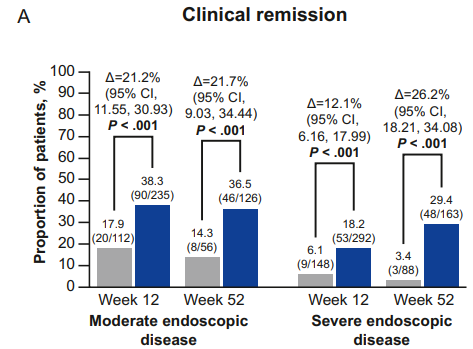
Methods: Clinical responders to 12 weeks of upadacitinib 45 mg once daily (QD) induction were randomized (1:1:1) to receive upadacitinib 15 mg QD (n = 221), upadacitinib 30 mg QD (n = 229), or placebo (n = 223) as maintenance therapy for 52 weeks

**This study presents data from the entire cohort (n=673); a previous report from ENDURE-3 analyzed data on 502 patients (though findings were nearly identical). EV Loftus et al. N Engl J Med 2023; 388:1966-1980 (Related post: Landmark Study: Oral Biologic for Crohn’s –Upadacitinib)

Key findings:

  • At week 52, more upadacitinib-treated vs placebo patients achieved CDAI clinical remission (upadacitinib 15 mg, 36.2% and upadacitinib 30 mg, 51.5% vs placebo, 15.2%)
  • The rates of endoscopic response were 27.3% for upadacitinib 15 mg and 40.7% for upadacitinib 30 mg vs 7.2% for placebo
  • Herpes zoster infections occurred more frequently in the upadacitinib groups compared with placebo; all were nonserious, and most involved a single dermatome
  • In U-ENDURE, no dose-dependent risk for MACE, VTE, or malignancy (excluding NMSC) was observed during the 52-week maintenance period

My take: Upadacitinib is a effective in a good number of patients with with moderately to severely active Crohn’s disease who have been refractory to other advanced therapies.

Related blog posts:

What Caught My Eye in a Recent Anti-IL23 Commentary

This recent commentary on the all-subcutaneous induction and maintenance treatment with guselkumab, an anti-IL23 agent, reviewed the GRAVITI study. Related post: Guselkumab for Crohn’s Disease: Pivotal GRAVITI Study

However, what captured my attention was the last sentence: “The convenience of subcutaneous induction enhances patient friendliness, positioning guselkumab as a strong market contender. Could an oral anti–IL-23 formulation be the next game changer?14

Johnson & Johnson (NYSE: JNJ) today announced positive topline results from ANTHEM-UC, a Phase 2b study of icotrokinra (JNJ-2113), the first investigational targeted oral peptide that selectively blocks the IL-23 receptor, in adults with moderately to severely active ulcerative colitis (UC)…

In the ANTHEM-UC study (n=252), three doses of once daily icotrokinra were tested with all meeting the primary endpoint of clinical response at Week 12. A response rate of 63.5% for patients treated with the highest dose of icotrokinra was achieved at Week 12 versus 27% for placebo (p<0.001). Further, 30.2% of patients treated with the highest dose of icotrokinra demonstrated clinical remission at Week 12 versus 11.1% of patients who received placebo (p<0.01). Remission and response rates continued to improve through Week 28.

  • Clinical response is defined as decrease from baseline in the modified Mayo score by greater than or equal to (>=) 30 percent (%) and >=2 points, with either a >=1-point decrease from baseline in the rectal bleeding subscore or a rectal bleeding subscore of 0 or 1.
  • Clinical remission is defined as a Mayo stool frequency subscore of 0 or 1 and not increased from induction baseline, a Mayo rectal bleeding subscore of 0, and a Mayo endoscopy subscore of 0 or 1 with no friability present on the endoscopy.”

My take: It would be terrific for patients with inflammatory bowel disease (and other immune-mediated diseases) to have another excellent oral therapy. A prior study of plaque psoriasis indicated that an oral IL-23 medication is feasible (Related post: In Trials: An Oral IL-23 Antagonist Peptide).

Related joke (regarding “caught my eye” in the title of this post):

A man who lived in a block of apartments thought it was raining and put his head out the window to check.  As he did so a glass eye fell into his hand. He looked up to see where it came from in time to see a young woman looking down. “Is this yours?” he asked.

She said, “Yes, could you bring it up?” and the man agreed. On arrival she was profuse in her thanks and offered the man a drink. Shortly afterwards she said, “I’m about to have dinner.  There’s plenty; would you like to join me?” He readily accepted her offer and both enjoyed a lovely meal. As the evening was drawing to a close the lady said, “I’ve had a marvelous evening.  Would you like to stay the night?”  The man hesitated then said, “Do you act like this with every man you meet?”

“No,” she replied, “only those who catch my eye.”

The Manneporte by Claude Monet (at the Metropolitan Museum of Art)

Global Evidence of Gastric Cancer Prevention with Helicobacter pylori Eradication

Several recent articles have confirmed the benefits of H pylori eradication on reducing the risk of gastric cancer. This is in both Western and Eastern populations.

In this retrospective study from Nordic countries (Denmark, Sweden, Norway, Finland, and Iceland), researchers followed outcomes among ~700,000 people treated for H. pylori infection. The incidence of gastric adenocarcinoma was twice that of the general population in the first 5 years after treatment, likely reflecting H. pylori–related carcinogenesis that already was underway, but after 11 years, the incidence fell to that of the general population and remained there.

Discussion points:

  • The results of this study from 5 entire Western countries are in line with systematic reviews from Asian populations, indicating that H pylori eradication reduces the risk of gastric cancer
  • In addition, it has been proposed that eradication of H pylori might increase the risk of esophageal adenocarcinoma, but our recent study based on the NordHePEP found no such increase (Ref: Gastroenterology. 2024; 167:485-492.e3)

In this population-based study with more than 900,000 individuals, gastric cancer incidence and mortality rates were significantly lower in H pylori-treated individuals than in the general population.

In this meta-analysis of 11 randomized trials and 13 cohort studies researchers compared outcomes in treated and untreated H. pylori–positive adults. In both groups of studies, gastric cancer incidence was 40% lower in people who underwent H. pylori eradication. All but two of these studies were from eastern Asia.

 “In 2025, the IARC Working Group has issued a new report reaffirming H pylori eradication as a globally actionable and cost-effective intervention for the primary prevention of GC.18…Also, addressing the global public health challenge of antibiotic resistance remains essential, necessitating the development of susceptibility-guided or empirically optimized regimens tailored to local resistance patterns.

My take (borrowed from the commentary): “Despite the challenges, collectively, the emerging evidence from diverse populations reinforces the significant benefits of H pylori eradication in reducing GC incidence and mortality. These findings continuously support that H pylori eradication remains an effective preventive strategy across demographic settings, highlighting its relevance as a critical public health measure globally.”

Related blog posts:

IBS Impact: Survey Reveals Daily Life Struggles

AGA GastroNews, AGA IBS in America survey reveals IBS major burden despite advances in treatment (8/7/25):

Methods: The Harris Poll on behalf of AGA in 2024, among 2,013 U.S. adults age 18+ who have been diagnosed by a health care provider with IBS-C (1,005) or IBS-D (1,008). In addition, U.S. health care provider research was conducted online among 600 health care providers including gastroenterologists (n=200), primary care physicians (PCPs, n=200), gastroenterology nurse practitioners (NP)/physician assistants (PA) (n=100), and PCP NP/PAs (n=100)

Key findings:

  • IBS symptoms interfere with patients’ productivity at work/school for nearly 11 days per month on average
  • IBS symptoms disrupt personal activities eight days per month on average
  • 69% say their symptoms make them feel like they’re not “normal”
  • 77% avoid situations where bathroom access is limited.
  • 72% find it difficult to plan activities due to unpredictable symptoms.
  • 72% stay home more often because of their symptoms

My take: This sample of patients with IBS likely has more severe symptoms than a more general population of patients with IBS. Nevertheless, it highlights the impact of IBS symptoms on daily living.

Link: AGA IBS Toolkit

Related blog posts:

Westminster Abbey, London


“Are Marathons and Extreme Running Linked to Colon Cancer?”

NY Times 8/19/25: Are Marathons and Extreme Running Linked to Colon Cancer?

An excerpt:

A small, preliminary study found that marathoners were much more likely to have precancerous growths. Experts aren’t sure why…

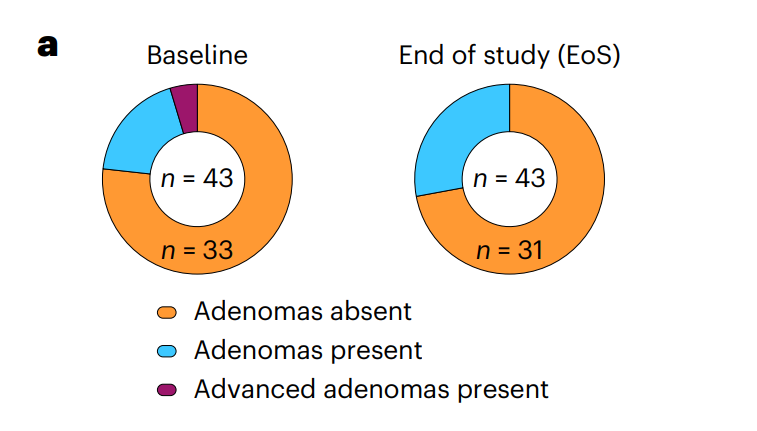
Dr. Cannon, an oncologist with Inova Schar Cancer in Fairfax, Va., launched a study, recruiting 100 marathon and ultramarathon runners aged 35 to 50 to undergo a colonoscopy.

The results were staggering. Almost half the participants had polyps, and 15 percent had advanced adenomas likely to become cancerous. The rate of advanced adenomas was much higher than that seen among adults in their late 40s in the general population, which ranges from 4.5 percent to 6 percent, according to recent studies.

The research was presented at an American Society of Clinical Oncology conference but has not yet been published in a medical journal…

Dr. David Rubin, chief of gastroenterology and director of the Inflammatory Bowel Disease Center at the University of Chicago, said the study was important but limited. It lacked a control arm consisting of similar young adults who were not long-distance runners, he noted, and the family histories of colon cancer among the marathoners were not entirely known…

Runners often develop gastrointestinal symptoms that they dismiss as benign — so-called runner’s trots, for example. The symptoms can be caused by ischemic colitis, a condition that develops when blood flow to the colon is temporarily reduced as it is redirected to muscles in other parts of body (like a runner’s legs).

My take: While this is a small study, it indicates that extreme runners could have an increased risk of colonic polyps and cancer. If there are symptoms (especially rectal bleeding and weight loss), a low threshold for further evaluation is needed.

Related blog posts:

View of Statue of Liberty from Governor’s Island

IBD Management in Pregnancy: Global Consensus

U Mahadevan et al. Clinical Gastroenterology and Hepatology 2025 (published ahead of print). Open Access! Global Consensus Statement on the Management of Pregnancy in Inflammatory Bowel Disease

Addendum -updated reference: U Mahadevan et al. Clinical Gastroenterology and Hepatology 2025; 23: S1-S60. Open Access! Global Consensus Statement on the Management of Pregnancy in Inflammatory Bowel Disease

This is a 60 page open access article. Table 1 lists 34 “GRADE” statements and Table 2 lists 35 consensus statements. This article is also jointly published in the following:

  • Gut
  • Am J Gastroenterol
  • Inflammatory Bowel Diseases
  • Journal of Crohn’s and Colitis
  • Aliment Pharmacol Ther

For Moms:

For Babies:

My take: This is a useful reference –mainly helpful for gastroenterologists rather than pediatric providers.

Related blog posts:

Can Smartphone Use Increase the Risk of Hemorrhoids?

There are many reasons NOT to use a phone while you are on the toilet. Now a small study indicates that smartphone use is associated with longer time on the toilet and increased rate of endoscopically-detected hemorrhoids.

An excerpt from the NBC summary:

“The longer you sit on the toilet, the worse it is for you,” said Dr. Trisha Pasricha, director of the Beth Israel Deaconess Medical Center’s Institute for Gut-Brain Research Institute in Boston. Pasricha is also an author of the study, which was published Wednesday in PLOS One

Pasricha and colleagues surveyed 125 adults just before they were about to have a routine colonoscopy to screen for colorectal cancer. Eighty-three (66%) of the participants admitted to using their phones in the bathroom — mostly to catch up on news of the day and scroll through social media.

Gastroenterologists performing the colonoscopies looked for evidence of inflamed veins, or hemorrhoids. People who said they took their phone into the bathroom were 46% more likely to have hemorrhoids compared to the others…

The experts agreed that business on the toilet should take no longer than 5 minutes. More than 37% of study participants who used a smartphone in the bathroom stayed for longer than that, compared to 7% of people who kept their phones out of the bathroom.

My take: This study has a number of limitations; so, a definite link between smartphones and hemorrhoids has not been established. For example, there could be reverse causation. In this case, individuals who expected to be on the toilet longer may be more likely to use their smartphones rather than the smartphones making them stay longer. Nevertheless, I think multitasking on the toilet is generally not a good idea.

Brooklyn Bridge, August 2025

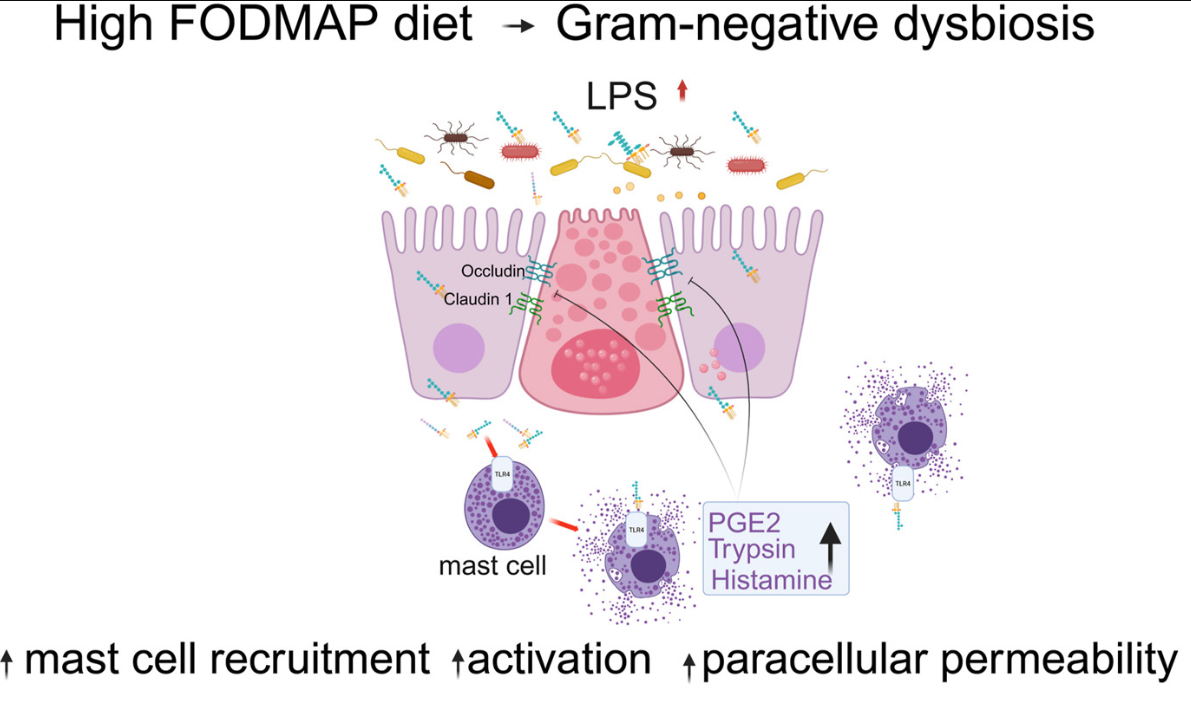
Expert Advice for GI Manifestations of Hypermobile Ehlers-Danlos Syndrome Including Association with POTS and Mast Cell Activation Syndrome (MCAS)

Q Aziz et al. Clinical Gastroenterology and Hepatology, Volume 23, Issue 8, 1291 – 1302. Open Access! AGA Clinical Practice Update on GI Manifestations and Autonomic or Immune Dysfunction in Hypermobile Ehlers-Danlos Syndrome: Expert Review

This review and practice update includes 16 “best practice advice” statements. Here are nine of them:

  • #1: Clinicians should be aware of the observed associations between hEDS or HSDs and POTS and/or MCAS and their overlapping gastrointestinal (GI) manifestations; while theoretical explanations exist, experimental evidence of the biological mechanisms that explain relationships is limited and evolving.
  • #2: Testing for POTS/MCAS should be targeted to patients presenting with clinical manifestations of POTS/MCAS, but universal testing for POTS/MCAS in all patients with hEDS/HSDs is not supported by the current evidence.
  • #3: Gastroenterologists seeing patients with DGBI should inquire about joint hypermobility and strongly consider incorporating the Beighton score for assessing joint hypermobility into their practice as a screening tool; if the screen is positive, gastroenterologists may consider applying 2017 diagnostic criteria to diagnose hEDS (https://www.ehlers-danlos.com/wp-content/uploads/2017/05/hEDS-Dx-Criteria-checklist-1.pdf) or offer appropriate referral to a specialist where resources are available.
  • #4: Testing for POTS through postural vital signs (eg, symptomatic increase in heart rate of 30 beats/min [40 beats/min for 12-19 yo] or more with 10 minutes of standing during an active stand or head-up tilt table test in the absence of orthostasis) and referral to specialty practices (eg, cardiology or neurology) for autonomic testing should be considered in patients with hEDS/HSDs and refractory GI symptoms who also report orthostatic intolerance after exclusion of medication side effects and appropriate lifestyle or behavioral modifications (eg, adequate hydration and physical exercise) have been attempted but is not required for all patients with hEDS/HSDs who report GI symptoms alone.
  • #5: In patients presenting to gastroenterology providers, testing for mast cell disorders including MCAS should be considered in patients with hEDS/HSDs and DGBI who also present with episodic symptoms that suggest a more generalized mast cell disorder (eg, visceral and somatic pain, pruritus, flushing, sweating, urticaria, angioedema, wheezing, tachycardia, abdominal cramping, vomiting, nausea, diarrhea, urogynecological and neurological complaints) involving 2 or more physiological systems (eg, cutaneous, GI, cardiac, respiratory, and neuropsychiatric), but current data do not support the use of these tests for routine evaluation of GI symptoms in all patients with hEDS/HSDs without clinical or laboratory evidence of a primary or secondary mast cell disorder.
  • #6: If MCAS is suspected, diagnostic testing with serum tryptase levels collected at baseline and 1–4 hours following symptom flares may be considered by the gastroenterologist; increases of 20% above baseline plus 2 ng/mL are necessary to demonstrate evidence of mast cell activation.
  • #12: Medical management of GI symptoms in hEDS/HSDs and POTS/MCAS should focus on treating the most prominent GI symptoms and abnormal GI function test results. In addition to general DGBIs and GI motility disorder treatment, management should also include treating any symptoms attributable to POTS and/or MCAS.
  • #13: Treatment of POTS may include increasing fluid and salt intake, exercise training, and use of compression garments. Special pharmacological treatments for volume expansion, heart rate control, and vasoconstriction with integrated care from multiple specialties (eg, cardiology, neurology) should be considered in patients who do not respond to conservative lifestyle measures.
  • #14: When MCAS is suspected, patients can benefit from treatment with histamine receptor antagonists and/or mast cell stabilizers, in addition to avoiding triggers such as certain foods, alcohol, strong smells, temperature changes, mechanical stimuli (eg, friction), emotional distress (eg, pollen, mold), or specific medications (eg, opioids, nonsteroidal anti-inflammatory agents, iodinated contrast).

Background: “Clinical gastroenterologists are encountering an increasing number of patients with chronic GI symptoms who also appear to experience comorbid hEDS/HSDs, POTS, and/or MCAS.15,16 Recognizing and treating GI symptoms in patients with hEDS/HSDs and comorbid POTS or MCAS present major challenges for clinicians, who often feel under equipped to address their needs.”

The article provides guidance on measuring hypermobility (Beighton Scoring System), Diagnosis/classification of mast cell activation (Table 1) and treatments for these disorders (Table 2)

My take: This is a useful reference for the overlap of DGBIs with hypermobile Ehlers-Danlos, POTS and Mast cell Activation. Nevertheless, the relationship between these disorders is unclear. In fact, there have been some studies indicating that joint mobility is not associated with an increase in functional GI disorders. Some of the association may be related to a surveillance bias.

Related blog posts: