Short Bowel Syndrome is a Full Time Job

C Belza et al. J Pediatr 2022; 250: 75-82. Carrying the Burden: Informal Care Requirements by Caregivers of Children with Intestinal Failure Receiving Home Parenteral Nutrition

This was a cross-sectional study of caregivers of children (n=34) with intestinal failure receiving long-term parenteral nutrition. 97% of caregivers were the child’s mother and median duration of providing care among respondents was 3.4 years.

Key findings:

  • Caregivers reported a median of 29.2 hours per week (IQR, 20.8-45.7 hours per week) of direct medical care. 6.1 hours was spent on providing PN and care of the central venous catheter. 6.3 hours was spent on enteral nutrition and enteral tube care.

In the associated editorial (pgs 10-12 by S Mauskar, JG Berry. Open Access! “Failing to Support Families’ Burden of Care for Children with Intestinal Failure“), the authors note that in the U.S. there has been a growing population of children at home with greater medical complexity and reliance on medical technology and that the need for home nursing support “greatly exceeds the supply, leaving many families on their own to care for their children.”

They also note that the medical literature (over the last 25 years) on caregiver burden for children notes it is associated with “marital discord, loss of employment, and financial struggle…In the U.S. a substantial portion of children with medical complexity assisted with technology live in single-parent households, in poverty, and are exposed to adverse childhood events…very vulnerable to the effects of high caregiving burden.”

My take: This study shows that while we have an effective treatment for intestinal failure, the burden of this treatment is very high even with care coordination and social worker help. Understanding this burden could help medical providers be more empathetic for the family who is struggling with home medical care (eg. child with recurrent admissions for central line infections).

Related blog posts:

Island Ford National Recreational Area. Sandy Springs, GA

When Are UGI Polyps Important for Familial Adenomatous Polyposis?

According to ESPGHAN guidelines -see blog: What I Like About ESPGHAN Familial Adenomatous Polyposis Position Paper

  • Recommendation 5: Despite the presence of gastric polyps in children, and the
    later risk of duodenal polyposis and ampullary cancer in adult practice, there is no justification to commence routine UGI surveillance until the age of 25 years.
    (weak recommendation, low-quality evidence, consensus agreement 90%)

A recent study questions this recommendation: T Middleton, I Sugarman. JPGN Reports Feb 2023: doi: 10.1097/PG9.0000000000000269. Open Access: Upper Gastrointestinal Screening of Polyp Load in Children With Familial Adenomatous Polyposis: Is It Required?

Methods: A prospective record of all upper GI endoscopies in children (aged 9 to 17) with FAP was kept across a 12-year period

Key finding:

  • Thirty-eight esophagogastroduodenoscopies (79%) identified at least 1 gastric or duodenal polyp in 22 (79%) patients; 10 (36%) patients had gastric adenomas
  • Eight (29%) patients showed very high numbers of polyps
  • All 21 patients who had duodenal polyps had adenomas
  • No patients had malignancy

My take: This is a provocative study. Is there a benefit for the patient in identifying gastric/duodenal polyps at a younger age?

Figure 1

Treatments for “Bad” Inflammatory Bowel Disease (Part 3)

D Tarabar et al. Inflamm Bowel Dis 2022; 28: 1549-1554. A Prospective Trial with Long Term Follow-up of Patients With Severe, Steroid-Resistant Ulcerative Colitis Who Received Induction Therapy With Cyclosporine and Were Maintained With Vedolizumab

As noted previously, in my view, “bad” inflammatory bowel disease (IBD) occurs when treatments are not working; though, many would argue that any IBD is bad IBD. Today’s post concludes several reviewed articles that focus on the problem of IBD that is not responding well to treatment.

Methods: Seventeen steroid-resistant adult UC patients were treated with cyclosporine in combination with vedolizumab, with a follow up of 52 weeks. Only 2 patients in this chort had failed infliximab therapy. The authors administered IV cyclosporine at a dose of “2 to 4 mg/kg/d IV for 7 days, titrated to a goal trough level of 300 to 400 ng/mL.” In those with a response, patients were started on oral therapy along with IV vedolizumab. During oral therapy (for 8 weeks), goal trough levels were 150 to 250 ng/mL (measured weekly).

Key findings:

  • Fifteen (88%) of 17 patients initially responded to cyclosporine and were started on vedolizumab
  • At week 10, 11 (73%) of 15 patients had achieved endoscopic remission with a Mayo score of ≤1. 
  • At week 26, 14 (93%) of 15 of the patients were in clinical remission and 11 (73%) were in endoscopic remission.
  • At week 52 of follow-up, 10 (71%) of 14 of these patients continued to be in endoscopic remission and 11 (79%) of 14 were in clinical remission.
  • Colectomy-free survival rate was 82% (n = 14 of 17) at 1 year and mean C-reactive protein, erythrocyte sedimentation rate, and fecal calprotectin levels were 3.2 mg/L, 16.1 mm/h, and 168.3 µg/g, respectively

My take: Cyclosporine is a fast-acting medication and thus appropriate as a salvage therapy in those with severe disease. Concerns for adverse effects have led most pediatric GIs to favor infliximab for refractory severe UC. However, in selected patients, it could be a useful “bridge” to slower-acting long-term treatments. It is possible (likely) that insurance issues would be less with cyclosporine than tofacitinib as a bridge therapy.

**An alternative agent to cyclosporine is tacrolimus. Hamel B, Wu M, Hamel EO, Bass DM, Park KT. Outcome of tacrolimus and vedolizumab after corticosteroid and anti-TNF failure in paediatric severe colitis. BMJ Open Gastroenterol. 2018;5(1):e000195 (“Positioning Biologic Therapies in the Management of Pediatric Inflammatory Bowel Disease” & 14% of U.S. Infected with COVID-19)

Related blog posts:

Disclaimer: This blog, gutsandgrowth, assumes no responsibility for any use or operation of any method, product, instruction, concept or idea contained in the material herein or for any injury or damage to persons or property (whether products liability, negligence or otherwise) resulting from such use or operation. These blog posts are for educational purposes only. Specific dosing of medications (along with potential adverse effects) should be confirmed by prescribing physician.  Because of rapid advances in the medical sciences, the gutsandgrowth blog cautions that independent verification should be made of diagnosis and drug dosages. The reader is solely responsible for the conduct of any suggested test or procedure.  This content is not a substitute for medical advice, diagnosis or treatment provided by a qualified healthcare provider. Always seek the advice of your physician or other qualified health provider with any questions you may have regarding a condition.

Island Ford National Recreational Area, Sandy Springs GA

Treatments for “Bad” Inflammatory Bowel Disease (Part 2) & Reassuring Data on Tofacitinib

As noted yesterday, in my view, “bad” inflammatory bowel disease (IBD) occurs when treatments are not working; though, many would argue that any IBD is bad IBD. Over the next few days, reviewed articles will focus on the problem of IBD that is not responding well to treatment. This article reports on the use of tofacitinib to avoid colectomy in children with severe ulcerative colitis.

BD Constant et al. JPGN 2022; 75: 724-730. Tofacitinib Salvage Therapy for Children Hospitalized for Corticosteroid- and Biologic-Refractory Ulcerative Colitis

This small (n=11) retrospective single-center cohort study of consecutive hospitalized pediatric patients initiating tofacitinib for refractory ulcerative colitis from 2018 to 2021. All patients demonstrated nonresponse to both intravenous corticosteroids and anti-TNF therapy prior to tofacitinib initiation.

Key findings:

  • Eight of 11 patients remained colectomy-free at 90 days following hospital admission and 6 remained colectomy-free over median 182-day follow-up, including 4 of whom remained on tofacitinib
  • The authors note that three patients started with TID dosing and eight received BID dosing (10 mg per dose). The higher dosing was influenced by a case control study by Bernstein et al which showed a 15% 90-day colectomy rate among adults with acute severe ulcerative colitis (ASUC), particularly those dosed at TID (Open Access: Clin Gastroenterol Hepatol 2021; 19: 2112-2120. Tofacitinib for Biologic-Experienced Hospitalized Patients With Acute Severe Ulcerative Colitis: A Retrospective Case-Control Study)
  • “Remission rates peaked at 12-16 weeks and decreased at 6 months…tofacitinib may …bridge to slower-acting and possibly safer long-term therapies such as ustekinumab or vedolizumab”
  • The median time to corticosteroid discontinuation was 89 days
  • No serious tofacitinib-related adverse events were observed

My take: Given the small numbers, this is clearly an area where cooperation (& ImproveCareNow) could be helpful in determining the safety and effectiveness of tofacitinib for pediatric ASUC. Also, if tofacitinib is used as a ‘bridge’ this is likely to present insurance coverage issues.

Related article:

Hoisnard L, Pina Vegas L, Dray-Spira R, et al. Annals of the Rheumatic Diseases Published Online First: 05 October 2022. doi: 10.1136/ard-2022-222824. Risk of major adverse cardiovascular and venous thromboembolism events in patients with rheumatoid arthritis exposed to JAK inhibitors versus adalimumab: a nationwide cohort study Methods: This was a nationwide population-based cohort study (n=15,835) of the French national health data system, the exposed group initiating a JAKi and non-exposed group initiating adalimumab Key findings:  Risk of major adverse cardiovascular events (MACEs) for the exposed versus non-exposed group was not significant: HRw 1.0 (95% CI 0.7 to 1.5) (p=0.99), nor was risk of VTEs significant: HRw 1.1 (0.7 to 1.6) (p=0.63). This study provides reassuring data regarding the risks of MACEs and VTEs in patients initiating a JAKi versus adalimumab, including patients at high risk of cardiovascular diseases.

Related blog posts:

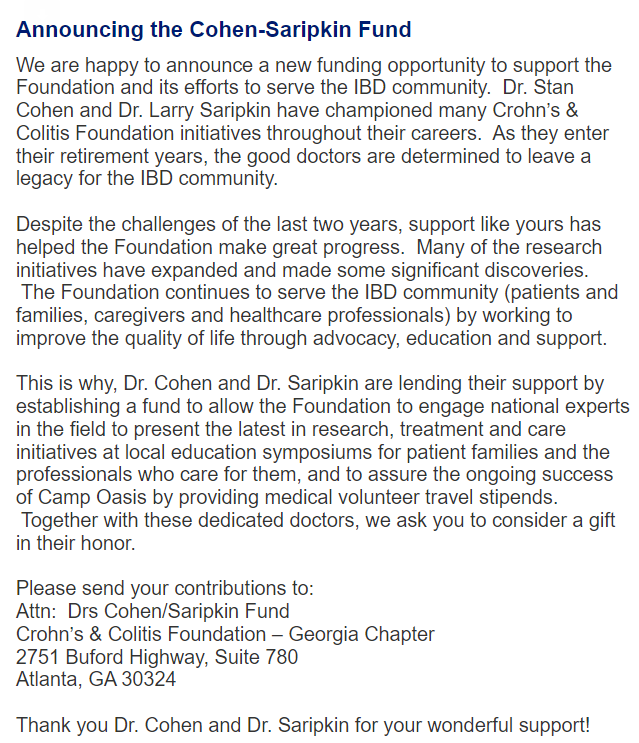
From Crohn’s and Colitis Foundation, Georgia Chapter, December Newsletter: Donate to Cohen-Saripkin Fund

Treatments for “Bad” Inflammatory Bowel Disease (Part 1)

Generally, in my view, “bad” inflammatory bowel disease (IBD) occurs when treatments are not working; though, many would argue that any IBD is bad IBD. Over the next few days, reviewed articles will focus on the problem of IBD that is not responding well to treatment.

A Yerushalmy-Feler et al. JPGN 2022; 75: 717-723. Safety and Potential Efficacy of Escalating Dose of Ustekinumab in Pediatric Crohn Disease (the Speed-up Study): A Multicenter Study from the Pediatric IBD Porto Group of ESPGHAN

In this retrospective study with 69 children with Crohn’s disease (CD) from 25 centers, the authors looked at the effectiveness of ustekinumab (UST) dose escalation which entailed reducing frequency to less than every 8 weeks. Most children were biologic (98.6%)- and immunomodulator (86.8%)- experienced.

Key findings:

  • Clinical response and remission were observed at 3 months after UST escalation in 46 (67%) and 29 (42%) children, respectively.
  • Fecal calprotectin level from 1100 (500–2300) to 515 (250–1469) µg/g (P = 0.012) 3 months post-escalation
  • Endoscopic and transmural healing were achieved in 3 of 19 (16%) and 2 of 15 (13%) patients, respectively

In their discussion, the authors note that UST has not received FDA approval despite the fact that it has become a common second- and third-line biologic therapy for pediatric CD.

My take: This study supports the common practice of escalation of UST for children with active CD despite treatment at every 8 weeks.

Related Ustekinumab Studies:

Related blog posts:

Deepdene Park, Atlanta. Part of Olmstead Linear Park

Disclaimer: This blog, gutsandgrowth, assumes no responsibility for any use or operation of any method, product, instruction, concept or idea contained in the material herein or for any injury or damage to persons or property (whether products liability, negligence or otherwise) resulting from such use or operation. These blog posts are for educational purposes only. Specific dosing of medications (along with potential adverse effects) should be confirmed by prescribing physician.  Because of rapid advances in the medical sciences, the gutsandgrowth blog cautions that independent verification should be made of diagnosis and drug dosages. The reader is solely responsible for the conduct of any suggested test or procedure.  This content is not a substitute for medical advice, diagnosis or treatment provided by a qualified healthcare provider. Always seek the advice of your physician or other qualified health provider with any questions you may have regarding a condition.

How Successful Are Pediatric GIs at Completing Pediatric ERCPs

DM Troendle et al. JPGN 2022; 75: 755-760. Technical Outcomes in Pediatric Endoscopic Retrograde Cholangiopancreatography: Data from an International Collaborative

In this prospective cohort study with 1124 ERCPs (n=857 patients), 92% were performed in 15 centers by a pediatric gastroenterologist. Key findings:

  • Common indications included choledocholithiasis (41%), improved drainage for chronic pancreatitis (14%), stricture (17%), plan for sphincterotomy (5%) and bile leak (3%)
  • Procedures were technically successful in 90.5%
  • Only 26 cases (2.3%) were completed in infants (<1 yr) and 35 cases (3.1%) in 1-3 yrs. In these age groups, technical success was much lower: 80% (all children 3 yrs of age or less). Similarly, technical success was 76% in those <10 Kg.
  • ASGE difficulty grades 1 & 2 had success rates of 94% compared to 86% for grades 3 & 4. (ASGE classification adds one level in those 3 years of age or younger). ASGE grade 1, 2, 3 & 4 accounted for 13%, 47%, 34%, and 5% respectively.
  • Adverse effects were reported in 9.5%, though most were mild. Three perforations and 5 bouts of cholangitis were reported; however, there were no deaths or serious morbidity reported.
  • Post-ERCP pancreatitis (PEP) prophylaxis was associated with a decreased odds of PEP (OR 2.1, P=<0.01); among specific PEP prophylaxis, only rectal indomethacin neared statistical significance (P=0.07)

My take: Well-trained pediatric gastroenterologists are capable of doing high-quality ERCPs. In very young children, technical success is more difficult and probably requires the highest skillset.

Related blog posts:

Deepdene Park part of Olmstead Linear Park (Atlanta, GA)

Postcolectomy Enteritis and Witch Testing

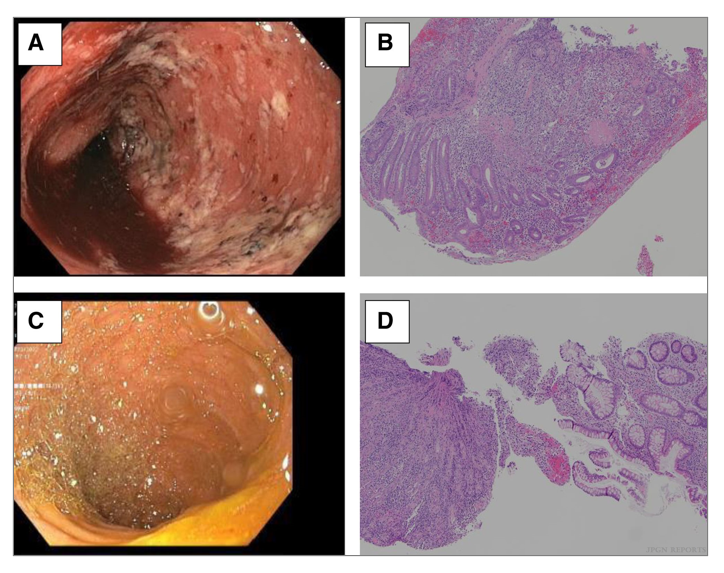
K Hawa et al. JPGN Reports 2022; doi: 10.1097/PG9.0000000000000255. Open Access! Postcolectomy Enteritis in a Pediatric Patient With Ulcerative Colitis

In this case report, the authors describe a 16 yo male with ulcerative colitis who on postoperative day 4 after colectomy developed an early onset of non-infectious enteritis. Treatment included corticosteroids “without significant improvement over 2 weeks. As his corticosteroid dose was tapered by 5 mg/day each week, ostomy output decreased, and abdominal pain and distension improved.” He continued to improve without further interventions. “6 weeks postoperatively, repeat upper endoscopy and ileoscopy demonstrated resolution of his duodenitis and ileitis grossly.”

“This is the first published case of a pediatric patient with PCE [postcolectomy enteritis], an entity previously only described in adults. PCE may be difficult to diagnose; in patients initially diagnosed with UC who develop small bowel inflammation following colectomy, the concern is often misdiagnosed Crohn’s disease.” The authors note that the “presentation is differentiated from Crohn’s disease based on timing [days to months after surgery], histology and diffuse pattern of mucosal involvement (3).”

My take: Rare cases PCE (a self-limited enteritis) occur and can be difficult to distinguish from Crohn’s disease. With PCE, if findings improve, this would suggest PCE whereas if symptoms persist, then this would suggest Crohn’s disease.

This case reminds me of the swimming test for a witch. Sinking to the bottom indicated that the accused was innocent while floating indicated a guilty verdict. Which is to say that we don’t have a great test to tell if someone has PCE at presentation.

(A) Initial ileoscopy image—diffuse inflammation characterized by erythema, exudate, and friability. (B) Initial ileal histopathology—severe active ileitis, erosion, and focal crypt irregularity (magnification 100×).

Repeat ileoscopy image– (C) normal mucosa. (D) Repeat ileal histopathology—nonspecific changes including patchy lamina propria lymphoplasma cell infiltrate, eosinophilia, and spotty glandular and intraepithelial lymphocytosis (magnification 100×).

Improving MRE Utility in Pediatric Crohn’s

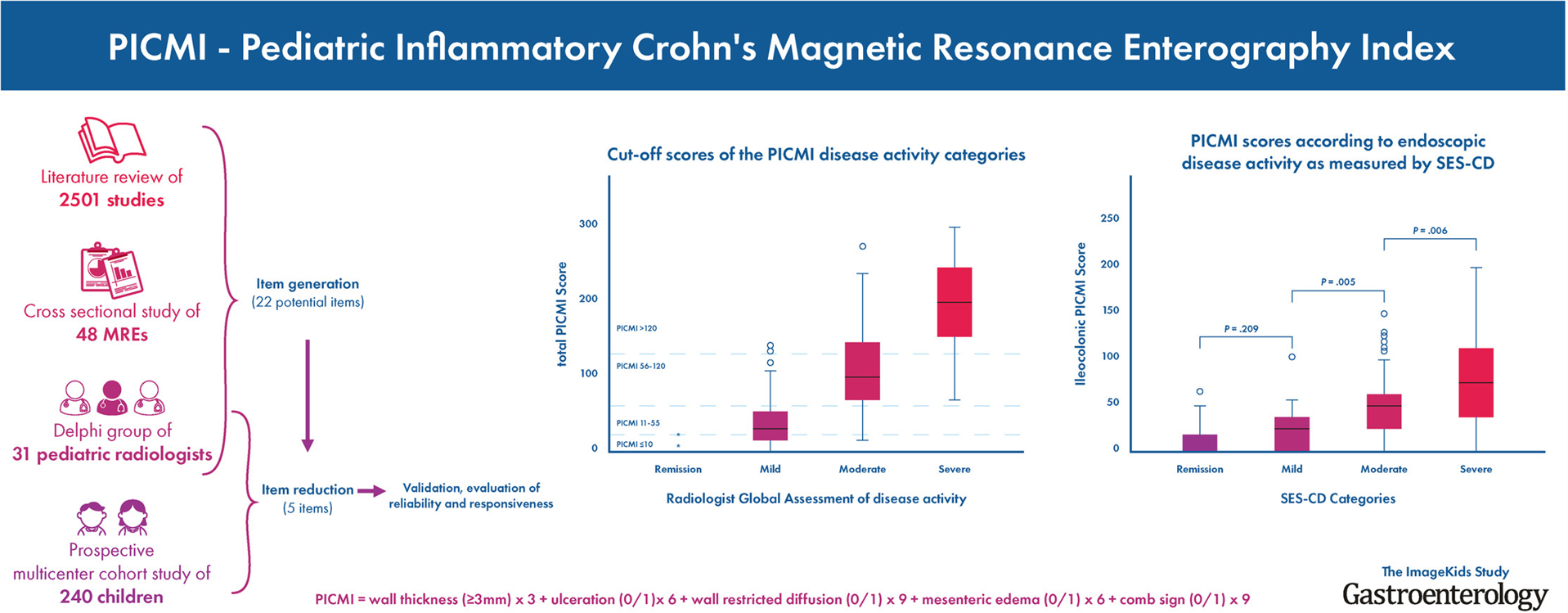
G Focht et al. Gastroenterol 2022; 163: 1306-1320. Open Access! Development, Validation, and Evaluation of the Pediatric Inflammatory Crohn’s Magnetic Resonance Enterography Index From the ImageKids Study

In this prospective study of children (n-240) with Crohn’s disease, the authors utilized ileocolonoscopy and MREs (n=159) and followed for 18 months.

Key findings:

  • 5 MRE findings were identified to generate a PICMI (Pediatric Inflammatory Crohn’s Magnetic Resonance Enterography Index): wall thickness, wall diffusion weighted imaging, ulcerations, mesenteric edema, and comb sign
  • In the validation cohort of 81 MREs, the weighted global PICMI correlated well with the radiologist global assessment (r = 0.85; P < .001) and with the simple endoscopic score in a subsample with ileocolonic disease (r = 0.63; P < .001).
  •  Interobserver and test-retest reliability were high (interclass correlation coefficients, 0.84 and 0.81, respectively; both P < .001)
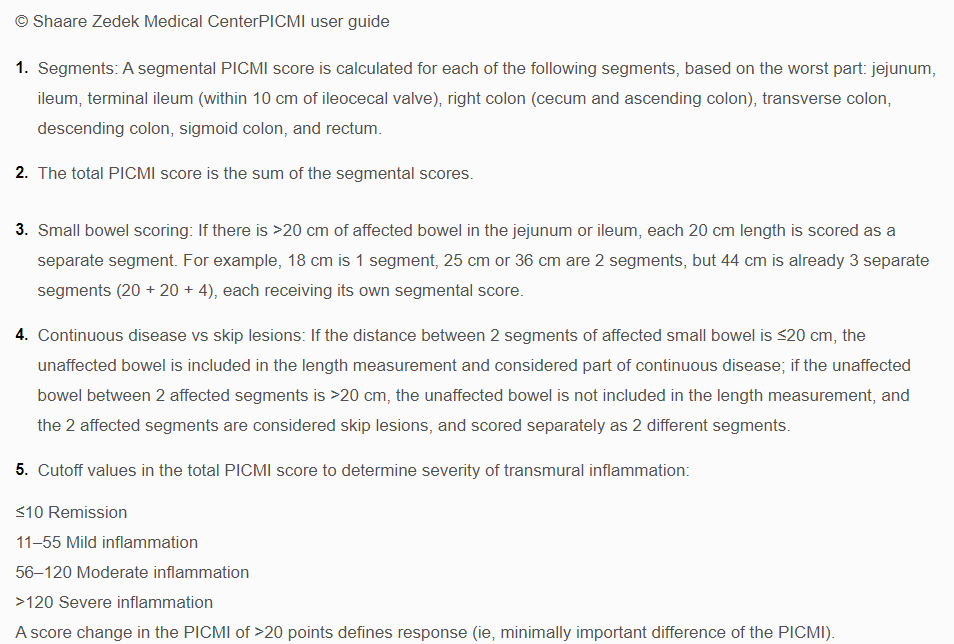
  • Transmural healing was defined as PICMI ≤10 and response as a change of >20 points with excellent discriminative validity (area under the receiver operating characteristic curve = 0.96

My take: This study identifies a specific MRI index (PICMI) that is reliable for assessing the entire bowel in pediatric CD and does not require intravenous gadolinium or rectal enema. By using a standardized tool, similar to SEMA-CD for ileocolonoscopy, this will improve the usefulness of MREs.

Also noted: Link: Clinical support tool (sponsored by AGA) that provides individualized information on 2nd line therapy effectiveness (ustekinumab and vedolizumab) with regard to probability of achieving clinical remission, how quick to expect a response, and whether therapeutic drug monitoring is needed.

Related blog posts:

What Really Causes Obesity and Weight Bias

  1. NY Times 11/21/22: Scientists Don’t Agree on What Causes Obesity, but They Know What Doesn’t
  2. B Rosen. Practical Gastroenterology, October 2022, pg 32-42.: Open Access (PDF): Reducing Weight Bias in GI Practice to Improve the Clinician/Patient Relationship

In the NY Times article, a few key excerpts:

  • “Scientists were arguing about ‌‌the causes of obesity, which affects more than 40 percent of U.S. adults and costs the health system about $173 billion each year. At the meeting’s closing session, ‌John Speakman, a biologist, offered ‌‌this conclusion on the subject: ‌ “There’s no consensus whatsoever about what the cause of it‌ is. That’s not to say the researchers disagreed on everything. The three-day meeting was infused with an implicit understanding of what obesity is not: a personal failing.
  • “No scientist spoke of any of the supposed fixes that fill diet books and store shelves‌‌, with the exception of the carbohydrate discussion. There wasn’t serious dialogue about cleanses, diet apps‌‌ or intermittent fasting. No one suggested that supplements could help people lose weight or that metabolisms need boosting. The sole presenter on the gut microbiome argued that the human trials in obesity to date have mostly disappointed.”
  • “Researchers have repeatedly found fat shaming promotes weight gain and harms. At least some of obesity’s negative health consequences are thought to be driven by stigma and discrimination, which results in poorer health care. “

In the Practical Gastroenterology article, the article stresses that being overweight does not in itself confer bad health outcomes. “There is an abundance of epidemiological research showing that “obesity” is associated with longer survival with diabetes, cancer, and cardiovascular diseases than thinner people with the same diagnoses….The main assumption made in weight-centric healthcare that contributes to and perpetuates weight bias is that higher weight is synonymous with poorer health. While much research exists
that correlates fatness with disease states, causation cannot be assumed. Often, these studies neglect to control for factors such as fitness level, activity, nutrient intake, weight cycling, socioeconomic status, and experienced or internalized weight bias…In all BMI categories, sedentary behavior was linked with mortality.”

Other key points:

  • “Weight cycling increases inflammation, and inflammation increases the risk of many diseases”
  • Moving away from using weight as a determinant of health and instead focusing on health behaviors “to achieve health rather than weight loss” may be a better model.

My take: In children and adults, these articles suggest that the best current approach is to focus on health behaviors (consuming healthy foods, and increasing activity) rather than weight and stop thinking of obesity as a personal failure.

Related blog posts:

Chattahoochee River near Azalea Road

Improving Natural History of Pediatric Crohn’s Disease with Biologic Therapy -Two Studies

D Ley et al. Clin Gastroenterol Hepatol 2022; 20: 2588-2597. Open Access! New Therapeutic Strategies Have Changed the Natural History of Pediatric Crohn’s Disease: A Two-Decade Population-Based Study

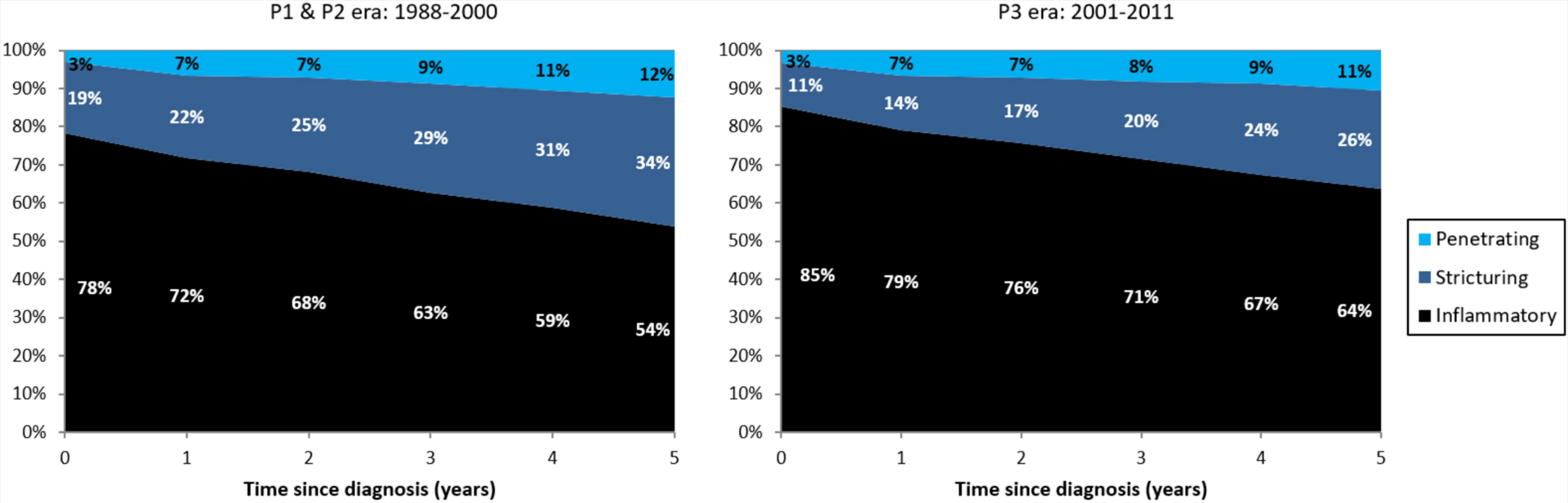
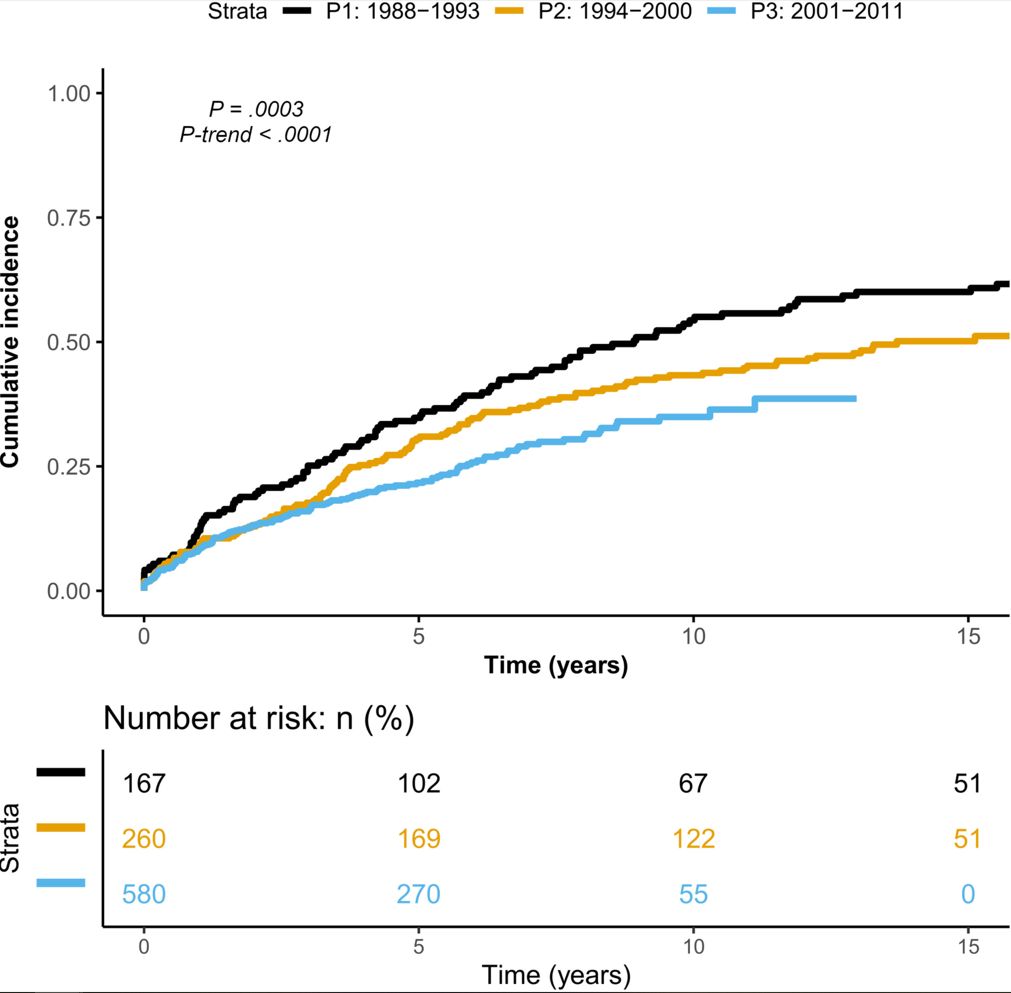
This retrospective study dating back to 1988 examined 1007 patients diagnosed with CD who were followed up for a median duration of 8.8 years.

Key findings:

  • The risk for intestinal resection at 5 years decreased significantly over time (P1, 35%; P2, 31%; and P3, 22%; P = .0003. This decrease in resections coincided with increased use of immunosuppressive (IS) and anti-TNF therapy: IS and anti-TNF exposure rate at 5 years increased from 33.9% (in P1) to 76.5% (in P3) and from 0% (in P1) to 50.5% (in P3).
  • The risk for progression from inflammatory to stricturing behavior decreased significantly over time (P1, 27%; P2, 28%; and P3, 20%)

LE Targownik et al. Clin Gastroenterol Hepatol 2022; 20: 2607-2618. Earlier Anti-TNF Initiation Leads to Long-term Lower Health Care Utilization in Crohn’s Disease but Not in Ulcerative Colitis

Methods: The authors “used health administrative data from Manitoba, Canada to identify all persons with a new diagnosis of inflammatory bowel disease (IBD) between 2001 and 2018 who received tumor necrosis factor antagonists (anti-TNF) therapy and had at least 1 year of post anti-TNF initiation follow-up.”

Key findings:

  • Among 742 persons with CD, early anti-TNF initiators had fewer IBD-specific and overall hospitalizations over the 5 years following the start of therapy
  • Incidence of resective surgery was also lower in earlier anti-TNF initiators with CD if the first year following initiation was excluded from the analysis.
  • In 318 cases of UC, there was no impact of the timing of anti-TNF therapy on the rates of hospitalization and surgery.

My take: These two studies show that use of biologic therapy is associated with better outcomes in Crohn’s disease including fewer intestinal resections and fewer hospitalizations. It appears that earlier use may alter the natural history in part by reducing the likelihood of stricturing disease. Interestingly, the RISK study showed a reduction in penetrating disease with early use of biologics but not a reduction in stricturing disease (Related blog post: CCFA: Updates in Inflammatory Bowel Disease 2017 (part 3))