Bigger Data Needed and Other IBD Updates April 2020

R Pittayanon et al. Gastroenterol 2020; 158: 930-46.  In this systematic review of the relationship between gut microbiota and inflammatory bowel disease, 48 studies and 45 articles were included from a total of 2631 citations.  Overall, the authors found inconsistent results with differences in the abundances of some bacteria in IBD. My take: These microbiota studies use ‘big data’ to look for abnormal patterns in patients with IBD.  Overall, most of these studies support a reduced diversity among patients with IBD.  Specific variation in microbes varies widely and remains unclear if they are a cause or a consequence of IBD.

J Piercy et al. JPGN 2020; 70: 318-23. Among 90 adolescents with IBD, “perfectionistic concerns (self-critical and socially prescribed perfectionism) were associated with higher rates of adolescent-reported externalizing symptoms” Thus, perfectionism may help with self-management but lead to more stress and psychosocial symptoms.

S Jardine et al. Gastroenterol 2020; 158: 1000-15. This study used both TTC7A-knockout cells and a zebrafish model to screen compounds that have been FDA approved for treatment of inflammatory bowel disease caused by TTC7A deficiency.  The authors identified leflunomide that reduces apotosis and levels of active caspase 3 in TTC-7A-knockout cells and restored gut motility along with improvement of intestinal cell survival in zebrafish. This study has some amazing figures detailing the changes induced by leflunomide. My take: Although some centers have offered hematopoetic stem cell transplant (with dismal results), there is NOT a currently accepted treatment for TTC7A deficiency-induced IBD.  This study suggests an agent which may help.

CLD Prevost et al. AP&T 2020. https://doi.org/10.1111/apt.15681 Key finding:  Among patients exposed to anti‐TNF, the Lémann Index was lower in those who were exposed in the first 2 years of their disease (P = 0.015).  My take: Early treatment with anti-TNF agents can reduce risk of permanent bowel damage. This was seen as well in the RISK study which showed that anti-TNF therapy reduced the development of penetrating disease. (Related post: CCFA Update 2017, Part 3)
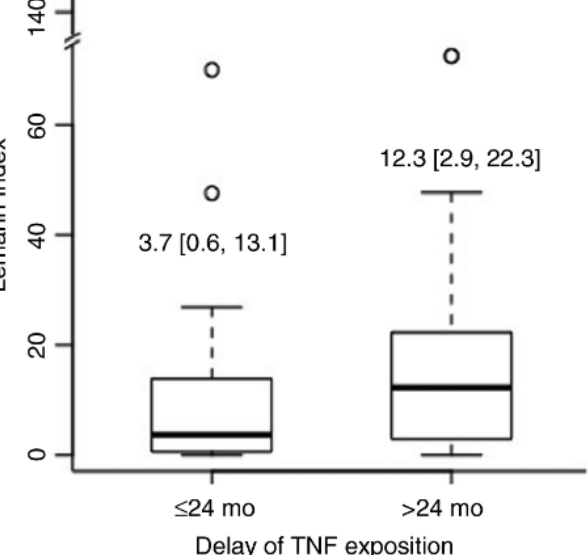
Full link: Bowel damage and disability in Crohn’s disease: a prospective study in a tertiary referral centre of the Lémann Index and Inflammatory Bowel Disease Disability Index

What Happens After The First Anti-TNF Agent Doesn’t Work?

A recent intriguing retrospective study (MJ Casanova et al. Inflamm Bowel Dis 2020; 26: 606-16, editorial 617-18) examines a large cohort (n=1122) who received either a 2nd or 3rd anti-TNF agent.  This relied on the ENEIDA registry which is a prospectively maintained registry from Spain with 11,866 patients. In this study, clinical remission was gauged with a Harvey Bradshaw Index score of ≤4 in Crohn’s disease (CD) or a partial Mayo score of ≤2 in ulcerative colitis (UC).

Key findings:

  • 45% of patients achieved remission with the second anti-TNF at 12 weeks (short-term); loss of response was 19% per patient-year subsequently. Patients with intolerance to the first drug had higher remission rates compared to those who switched due to secondary failure (52% vs 42%) or primary failure (52% vs 39%).
  • Among the 45% who responded to a second anti-TNF agent, 77% maintained remission at 1 year following switch.
  • There was similar initial response to a second anti-TNF among patients with CD and UC: 46% vs 41%, though patients with UC were more likely to lose efficacy.
  • Combination therapy was associated with a higher likelihood of failure, HR 2.4 (possibly as an indicator of more aggressive disease)
  • Among the 71 patients who progressed to a 3rd anti-TNF agent, 55% achieved remission at 12 weeks. 

Discussion:

  • The authors in their discussion not that “primary failure is considered a class effect phenomenon…However, our results indicate that remission may still be achieved with a second anti-TNF in approximately 50% of patients.”
  • The editorial notes that the results need to be interpreted with caution.  Therapeutic drug monitoring (TDM) which is not incorporated in this study is crucial in optimizing response and switching.  “Importantly, nearly two-thirds of patients with therapeutic drug levels in the study form the Mayo Clinic had no active inflammation.  Thus, a change in therapy would be inappropriate in this population.”

My take: This study indicates that a 2nd anti-TNF agent can be effective in those who do not respond to a 1st.  At the same time, careful assessment including TDM is needed when changing agents, especially in view of the limited number of effective therapies.

Related blog posts:

From Atlanta Botanical Garden

Ups (mostly) and Downs with IBD Epidemiology

Two articles describe both increasing and decreasing trends in the prevalence of inflammatory bowel disease (IBD).

  • Y Ye et al. Inflamm Bowel Dis 2020; 26: 619-25, editorial 626-27
  • M Torabi et al. Inflamm Bowel Dis 2020; 26: 581-90, editorial 591-92 

The first study by Ye et al provides the familiar message that IBD prevalence has been increasing in pediatrics and adults.  This study examined 2 large claims databases.  The Optum database covered ~18 million annually during the study period (total ~57 million from 2007-2017) and Truven covered ~44 million annually (total ~240 million since 1995)

Key findings:

  • Pediatric IBD prevalence increased by 133% from 2007 to 2016: from 33 per 100,000 to 77 per 100,000. Crohn’s disease (CD) was twice as prevalent as ulcerative colitis (UC) in the pediatric population (46 vs 22)
  • Adult IBD prevalence increased by 123% from 2007 to 2016: from 215 per 100,000 to 478 per 100,000. The prevalence rates of CD and UC were similar in adults: 198 vs 181)
  • The Northeast region had the highest prevalence of IBD, followed by Midwest, South and then West.
  • Based on these prevalence data, there are an estimated 58,000 children (2-17) and 1.2 million adults with IBD in U.S.   Or, 1 in 1299 children and 1 in 209 adults.

Limitations:

  • Diagnosis and data derived from claims database
  • Cases can vary significantly based on how sensitive the definition for IBD is in a given study.  In this study, the authors indicate in supplementary material, that the prevalence rates could be doubled in adults if they chose a more sensitive/less specific case definitions.

The second study by Torabi et al, which utilized the Manitoba Epidemiology Database (n=1.2 million) showed a decrease in IBD incidence.  The authors examined 296 small geographic areas (SGAs) and found that many had persistently high IBD incidence rates.

Key findings:

  • The incidence of IBD decreased from 1990 when it was 23.6 per 100,000 to 16.2 per 100,000 in 2012.
  • In the study period (1990-2012), there were 3114 cases of CD and 3499 cases of UC diagnosed in Manitoba

In the discussion, the authors speculate on the reasons for the decline in IBD incidence in an area with high rates of IBD.  Some of the change may be related to changes in the population mix –more immigrants from areas with lower rates of IBD.  In the editorial, it is noted that a recent systematic review (Lancet 2018; 390: 2769-78) indicated that the “incidence of IBD is stabilizing in Western countries.”

My take: There are a lot kids and adults with IBD.  The preponderance of epidemiology studies point to increasing incidence and prevalence.

Related blog posts:

Rock art during “social distancing”

Dose Escalation of Ustekinumab & Support Tool “Should I Have IBD Surgery?”

A recent large retrospective study (Effectiveness of Ustekinumab Dose Escalation in Patients with Crohn’s Disease. JE Ollech, et al. Clinical Gastroenterology and Hepatology, EPUB) shows that increasing the frequency of ustekinumab from every 8 weeks to every 4 weeks improves outcomes in those who are not responding optimally. Among 506 patients receiving ustekinumab, 110 had dose escalation.

From abstract:

Results

Following dose interval shortening, the patients’ median HBI [Harvey Bradshaw index] decreased from 4.5 to 3 (P=.002), the median level of CRP decreased from 8 mg/l to 3 mg/l (P=.031), and median level of fecal calprotectin decreased from 378 μg/g to 157 μg/g (P=.57). Among patients who had an HBI >4, a level of CRP ≥5mg/dl, a level of fecal calprotectin >250ug/g, or endoscopic evidence for disease activity before dose interval shortening, after the dose interval was shortened, 28% achieved clinical remission (an HBI score ≤4), 22% had a normal level of CRP (<5 mg/dl), 50% had reduced levels of fecal calprotectin, and 36% achieved endoscopic remission.

My take (borrowed from authors): “Shortening the ustekinumab 90 mg dose interval to 4 weeks for patients with CD who did not respond to doses every 8 weeks improved clinical and biological indices of disease activity. Patients who lose response to the standard dose of ustekinumab might benefit from dose interval shortening, which was effective and safe.”

Related blog posts:

From ImproveCareNow: Should I Have Surgery? A Shared Decision Making Tool  –Recommended for families in working through this difficult treatment decision.

Tiny door on the Atlanta Beltline

What is Going On With Pouchitis? & No More Handshakes

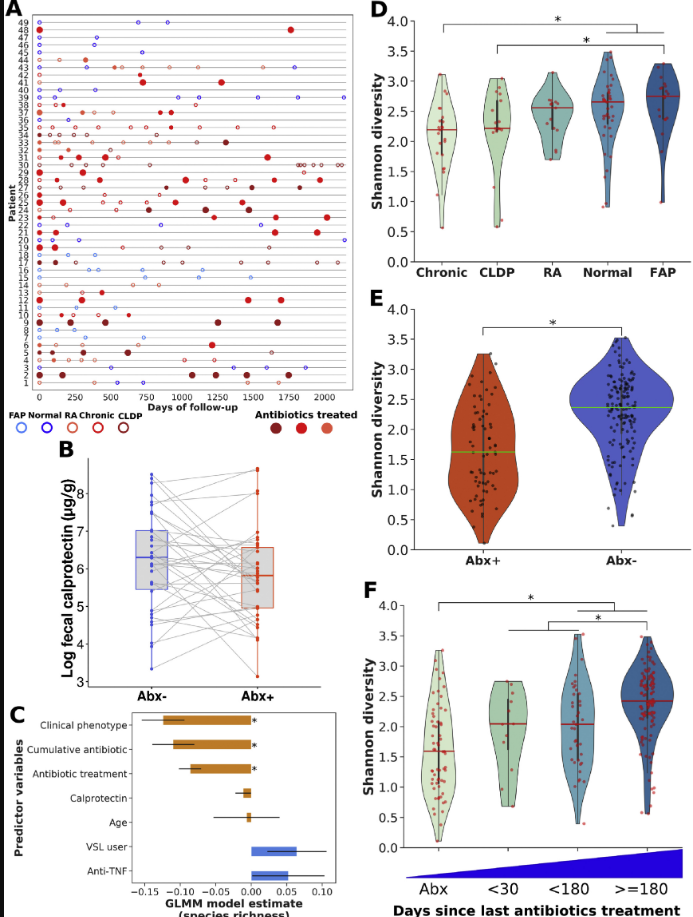
A prospective study (V Dubinsky et al. Gastroenterol 2020; 158: 610-24) followed 49 patients who had undergone pouch surgery for ulcerative colitis or for familial adenomatous polyposis (FAP).

The authors followed multiple parameters including calprotectin, metagenomes/bacterial diversity, antibiotic resistance testing, and virulence factors/toxins. 33 patients received antibiotics for a median of 425 days.  Most patients were treated with a combination of ciprofloxacin and metronidazole.

Full text link: Predominantly Antibiotic-resistant Intestinal Microbiome Persists in Patients With Pouchitis Who Respond to Antibiotic Therapy

Key findings:

  • Pouch phenotype: normal from UC (n=10), recurrent acute pouchitis (n=6), chronic pouchitis and Crohn’s-like disease of the pouch (n=27), and normal from FAP (n=6)
  • 79% of antibiotic-treated patients had a clinical response to each course of antibiotics
  • 89% of those who completed a 4-week course relapsed within 3 months
  • Median calprotectin values decreased by 40% in response to antibiotics
  • Antibiotic treatment reduced disease-associated bacteria including Clostridium perfringens, Ruminococcus gnavus, and Klebsiella pnneumoniae. However, F prausnitzii, a putative anti-inflammatory species, also decreased during antibiotic treatment
  • While antibiotic resistance was noted, these strains had a tendency toward lower potential for virulence and “did not induce secretion of inflammatory cytokines by epithelial cells”

Why do patients become antibiotic-dependent?

“We observed a drastic shift in microbiome composition on antibiotics cessation, characterized by blooms of nonintestinal bacteria, especially those originating from the oral cavity, as well as of opportunistic pathogens. Intestinal colonization by oral bacteria has been associated with UC and Crohn’s disease, and shown to trigger severe intestinal inflammation in germ-free mice…[this] drug-resistant microbiome may be fragile and unable to prevent colonization by exogenous bacteria that are ecologically fitter once antibiotics are discontinued.”

My take: This study provides insight into how antibiotics improve pouchitis; namely, they reduce disease-associated bacteria and promote an antibiotic-resistant microbiome with lower inflammatory potential.

Related blog posts:

Figure 1:

Link:  34 AAP Publications regarding COVID-19 and children

Pipeline Medications for Ulcerative Colitis (Part 2)

To continue with topic of new medications for ulcerative colitis started yesterday -two more articles:

  • WJ Sandborn et al. Gastroenterol 2020; 158: 537-49
  • S Danese. Gastroenterol 2020; 158: 467-70 (commentary)

The first reference describes a randomized phase 2 study of mirikizumab with 249 patients.  Mirikizumab is a monoclonal antibody to the p19 subunit of IL23. A similar agent, ustekinumab is a monoclonal antibody directed at the p40 subunit of IL23 and IL12; thus mirikuzumab is more selective targeting of IL23. the authors examined response to the study drug at 3 doses: 50 mg, 200 mg, and 600 mg and compared to intravenous placebo.  All patients received dosing at weeks 0, 4, and 8. A subset of patients continued with subcutaneous treatment starting at week 12, with 47 receiving 200 mg every 4 weeks and 46 receiving 200 mg every 12 weeks. 63% of patients in this trial had previous exposure to biologics.

Key findings:

  • At week 12, 15.9% (50 mg), 22.6% (200 mg), and 11.5 % (600 mg) in the treatment groups achieved clinical remission compared to 4.8% of the placebo group
  • Clinical responses occurred in 41.3%, 59.7%, and 49.2% in the respective treatment groups compared to 20.6% in placebo group
  • At week 52, clinical remission was achieved in 46.8% of SC every 4 weeks and 37.0% every 12 weeks.

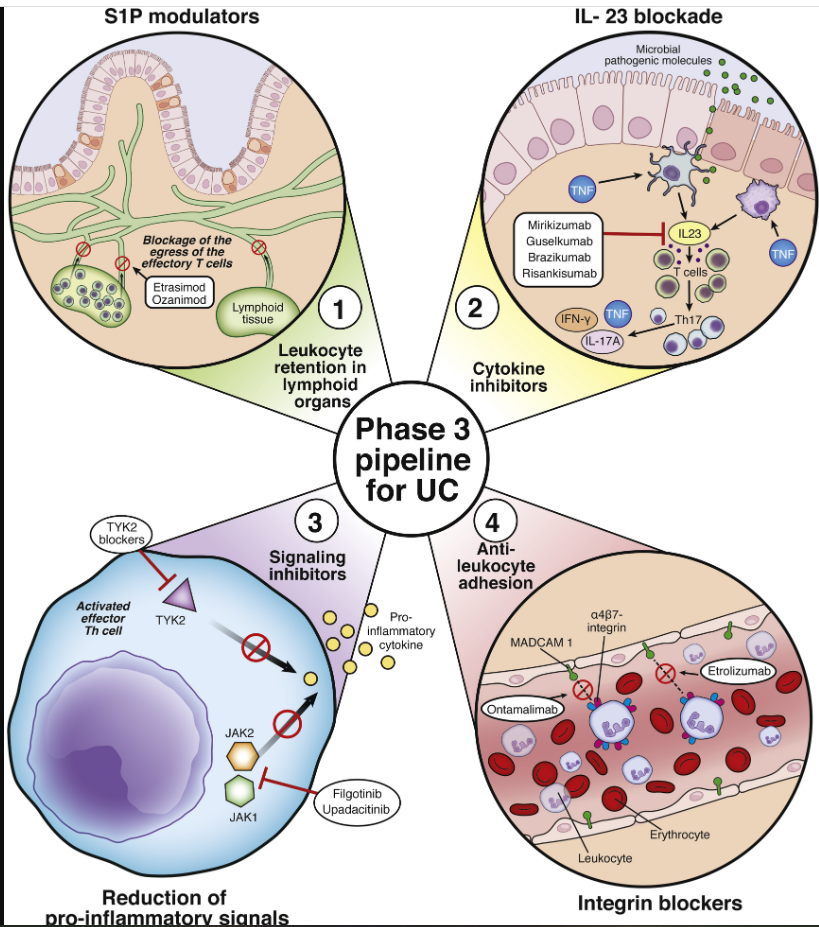
In the commentary, Danese reviews the pipeline of new drugs emerging for ulcerative colitis.  Full Text Link: New Drugs in the Ulcerative Colitis Pipeline: Prometheus Unbound

A couple of key points:

  • “Like Prometheus, who gave fire to humans and paid with the price of eternal torment, so the gift of new drugs in ulcerative colitis brings the consequence of patients with heterogeneous disease being cycled indiscriminately through similarly modestly effective agents.”
  • “Predictive biomarkers are needed” to optimize treatment and avoid ineffective and potentially harmful treatments

My take: The emergence of new treatments is welcome given the frequent loss of response or lack of response to current therapies.  Two questions: How will we decide which agent(s) is the best one to use? When will pediatric studies be available?


Pipeline Medications for Ulcerative Colitis (Part 1) & Face Mask Shortages

Before getting to today’s post, I wanted to provide a link on why we are desperately short of face masks in the midst of this crisis: NY Times: How the World’s Richest Country Ran Out of a 75-Cent Face Mask

An excerpt:

The answer to why we’re running out of protective gear involves a very American set of capitalist pathologies — the rise and inevitable lure of low-cost overseas manufacturing, and a strategic failure, at the national level and in the health care industry, to consider seriously the cascading vulnerabilities that flowed from the incentives to reduce costs…

Given the vast global need for masks — in the United States alone, fighting the coronavirus will consume 3.5 billion face masks, according to an estimate by the Department of Health and Human Services — corporate generosity will fall short. People in the mask business say it will take a few months, at a minimum, to significantly expand production…

Hospitals began to run out of masks for the same reason that supermarkets ran out of toilet paper — because their “just-in-time” supply chains, which call for holding as little inventory as possible to meet demand, are built to optimize efficiency, not resiliency.

My take: Conserve, conserve, conserve PPE -supply chains meeting the need is NOT imminent.

—————

Several articles from Gastroenterology highlight emerging medications for ulcerative colitis (UC).

Two of the studies:

  • WJ Sandborn et al. Gastroenterol 2020; 158: 550-61.
  • WJ Sandborn et al. Gastroenterol 2020; 158: 562-72.

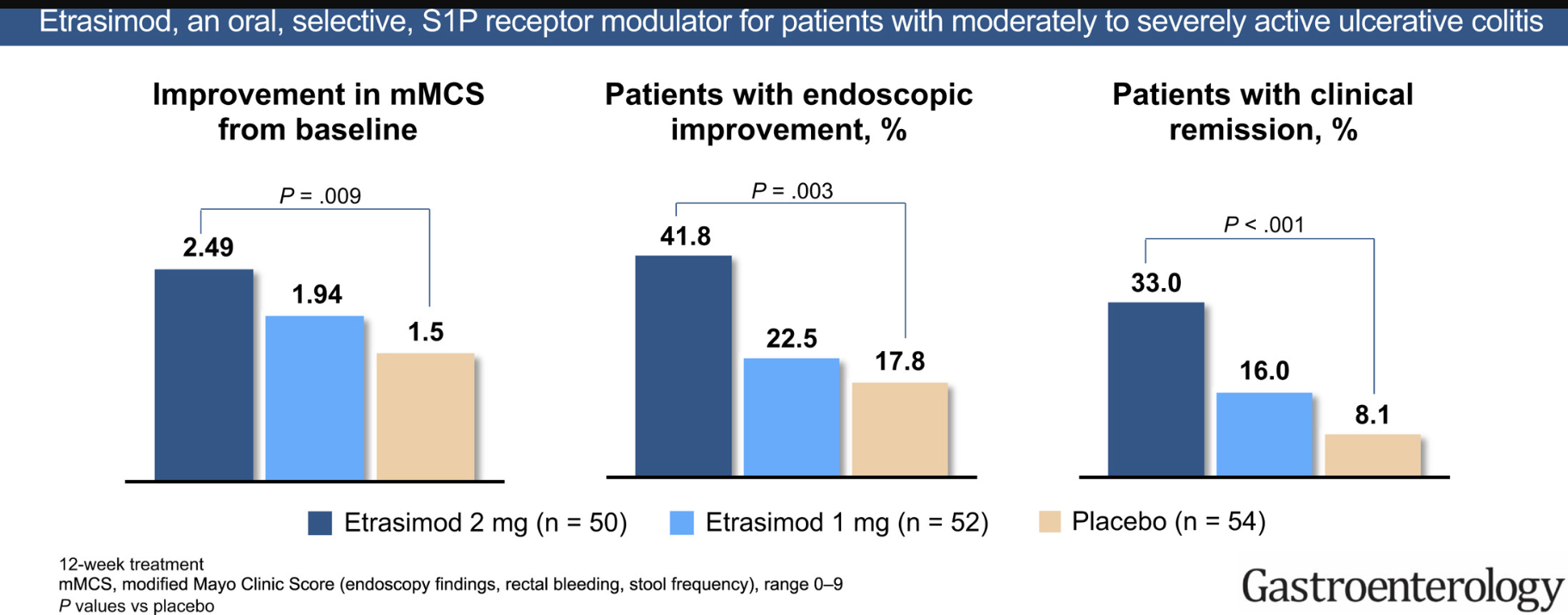
The first study was a phase 2 randomized trial of etrasimod which is an oral selective sphingosine 1-phosphate receptor modulator.  A total of 156 patients were randomized into 3 groups: placebo, 1 mg etrasimod, and 2 mg etrasimod.

Key findings (graphical abstract):

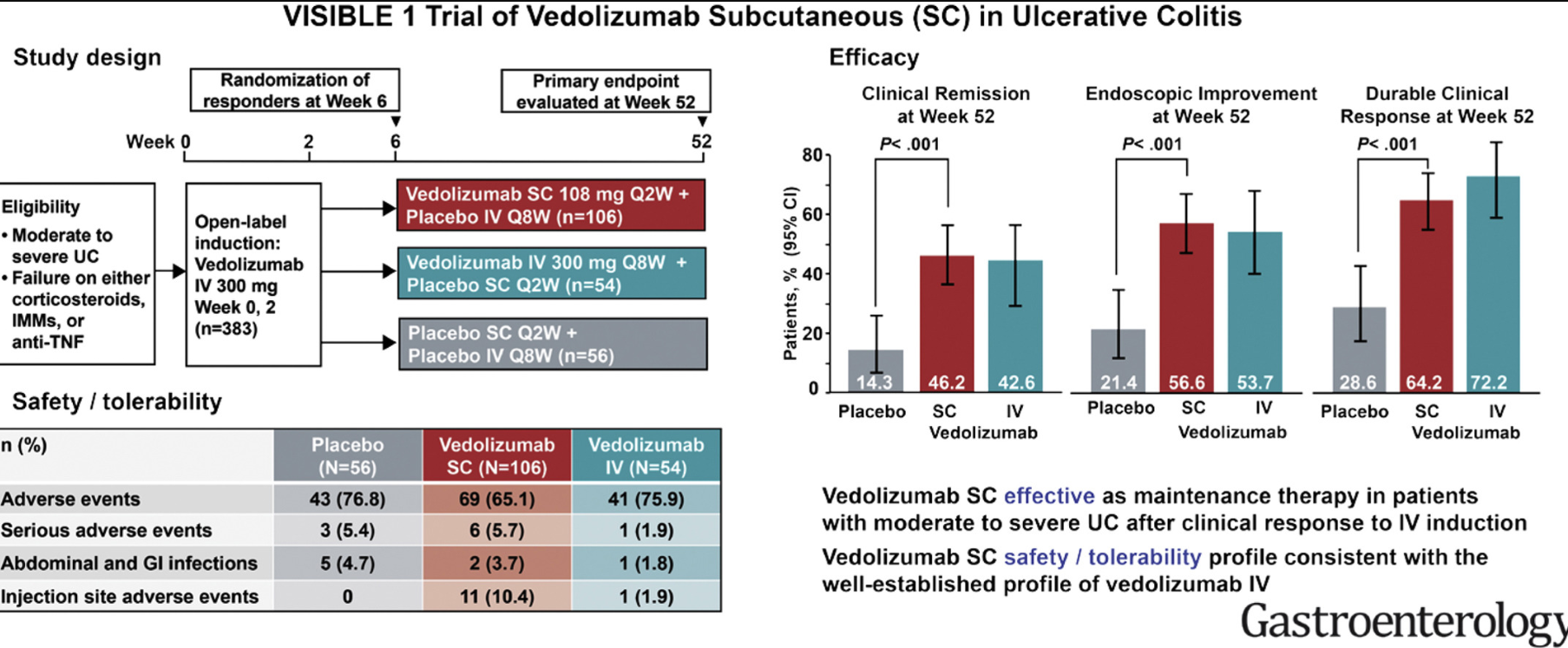
In the second phase 3, double-blind, double-dummy study, Sandborn et al show that, after the initial 2 intravenous doses,  among patients with an initial response subcutaneous vedolizumab (108 mg every 2 weeks) had similar effectiveness to intravenous vedolizumab (300 mg every 8 weeks); both SC and IV vedolizumab resulted in higher clinical remission rates compared to placebo at 52 weeks in the 216 patients: 46.2%, 42.6%, and 14.3% respectively.

Full text link: Efficacy and Safety of Vedolizumab Subcutaneous Formulation in a Randomized Trial of Patients With Ulcerative Colitis

Iron Injectables

At bottom of post, more information on COVID-19.

——————————————————-

At a recent Pharmacy, Nutrition, and Therapeutics (PNT) meeting, one of the topics that we reviewed was injectable iron agents, primarily iron sucrose (Venofer ®) and ferric carboxymaltose (Injectafer®).  Iron dextran is mainly used as a supplement in parenteral nutrition in our patient population.

Also, this topic is reviewed in Practical Gastroenterology Jan 2020 (M Auerbach et al. January 2020 • Volume XLIV, Issue 1: Treatment of Iron Deficiency in Gastroenterology: A New Paradigm

Key points:

  • Venofer® is much less expensive and currently has an FDA indication for children. To provide 1500 mg, Venofer®, 5 doses of 300 mg (~$75/dose)~$375. Injectafer®, 2 doses of 750 mg (~$600/dose) ~1200.  This does not include potential travel and other ancillary costs.
  • Dosing: Injectafer® can give large amounts of iron; in adults, typical dose is 750 mg given 7 days apart (in children 15 mg/kg/dose with 750 mg max).  FDA approved method is to administer over 15 minutes. Venofer® in children is 5-7 mg/kg/dose with 300 mg max per dose.
  • Injectafer® has been associated with hypophosphatemia (in 27%, <2 mg/dL); Hypophosphatemia has also been reported with iron sucrose.  The reported incidence of hypophosphatemia is higher with ferric carboxymaltose vs iron sucrose.
  • Other Adverse Effects
Iron Sucrose (Venofer®) Ferric Carboxy (Injectafer®)
Nausea 8.6% 7.2%
Vomiting 5% 1.7%
Diarrhea 7.2% <1%
Dizziness 6.5% 2%
Hypertension 6.5% 3.8%

Oral vs IV Iron for IBD: Auerbach et al recommends that “iron should only be given orally to IBD patients with inactive disease, mild anemia, and good tolerance of oral iron; in patients with active IBD oral iron should be avoided.”  They state that “oral iron has been shown to exacerbate intestinal inflammation of IBD independent of anemia, and cause luminal changes in microbiota and bacterial metabolism, which may negatively alter the microbiome.” (Has IV iron’s effect on the microbiome been studied/compared to oral iron?)

Safety of intravenous iron: “In a recent meta-analysis, the results of more than 10,000 patients who were treated with intravenous iron were reported. Compared to oral iron, placebo, and even intramuscular iron (which should never be given), while minor infusion reactions were observed with IV iron, there was no increase in serious adverse events compared to any comparator including placebo.”

My take: Injectafer® is likely preferable to Venofer® in the outpatient setting as adequate dosing can be given in 1 or 2 infusions.

Related blog posts:

Trail on Blood Mountain

Disclaimer: This blog, gutsandgrowth, assumes no responsibility for any use or operation of any method, product, instruction, concept or idea contained in the material herein or for any injury or damage to persons or property (whether products liability, negligence or otherwise) resulting from such use or operation. These blog posts are for educational purposes only. Specific dosing of medications (along with potential adverse effects) should be confirmed by prescribing physician.  Because of rapid advances in the medical sciences, the gutsandgrowth blog cautions that independent verification should be made of diagnosis and drug dosages. The reader is solely responsible for the conduct of any suggested test or procedure.  This content is not a substitute for medical advice, diagnosis or treatment provided by a qualified healthcare provider. Always seek the advice of your physician or other qualified health provider with any questions you may have regarding a condition

————————————

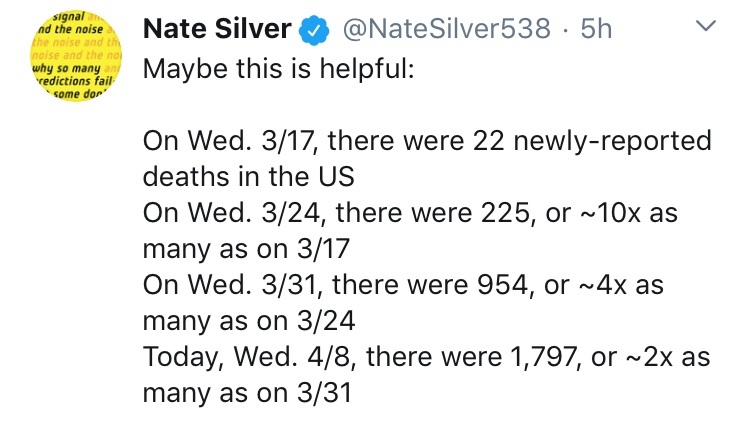
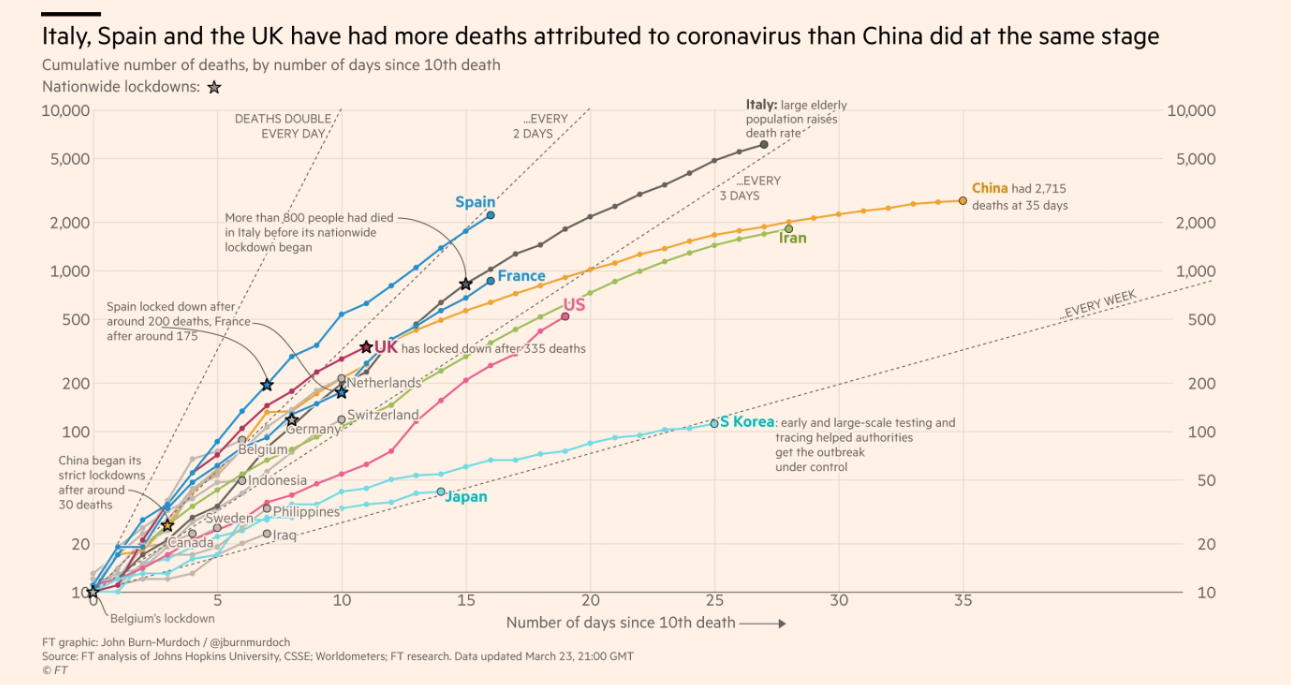
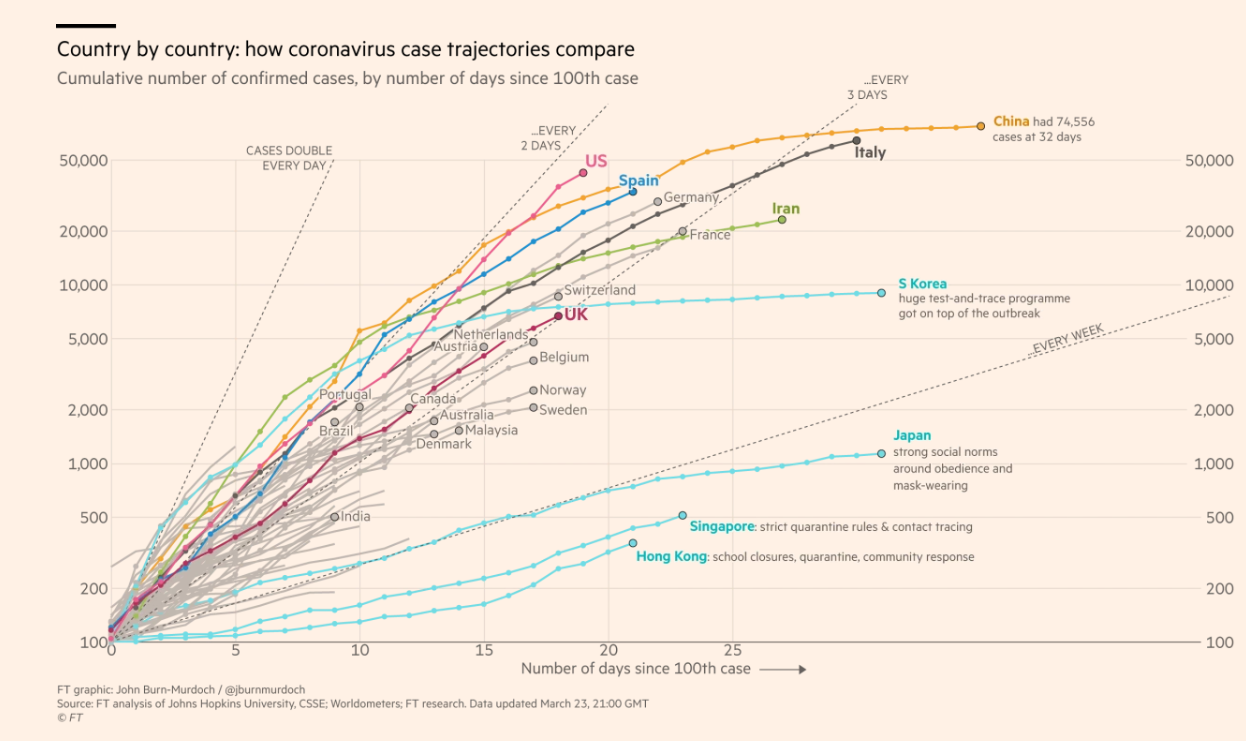
Here’s a link to Financial Times COVID-19 Tracker –includes logrithmic charts plotting the rates of reported infection and deaths and allows quick comparison between countries and high-volume locations (eg. Madrid, Lombardia, NY City).  Some figures from March 23, 2100 GMT noted below; unfortunately, the U.S is likely to the world leader in number of reported cases quite soon.

Other relevant tweets:


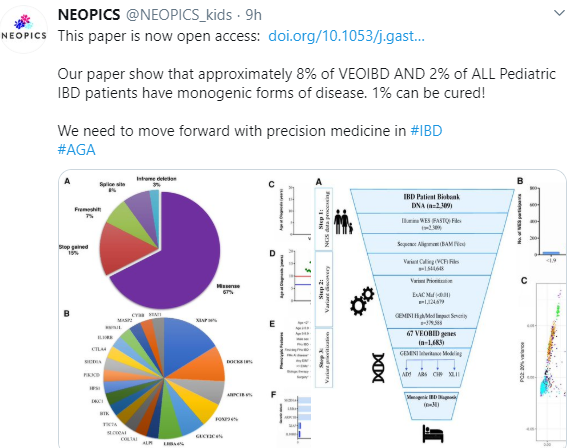
Underlying Genetic Disease in Pediatric Inflammatory Bowel Disease

Link to text of accepted study (Gastroenterology, ahead of publication): Prevalence and Clinical Features of Inflammatory Bowel Diseases Associated with Monogenic Variants, Identified by Whole-exome Sequencing in 1000 Children at a Single Center 

Abstract:

Background & Aims: A proportion of infants and young children with inflammatory bowel diseases (IBD) have subtypes associated with a single gene variant (monogenic IBD). We aimed to determine the prevalence of monogenic disease in a cohort of pediatric patients with IBD.

Methods: We performed whole-exome sequencing analyses of blood samples from an
unselected cohort of 1005 children with IBD, 0–18 y old (median age at diagnosis, 11.96 y) at a single center in Canada and their family members (2305 samples total). Variants believed to cause IBD were validated using Sanger sequencing. Biopsies from patients were analyzed by immunofluorescence and histochemical analyses.

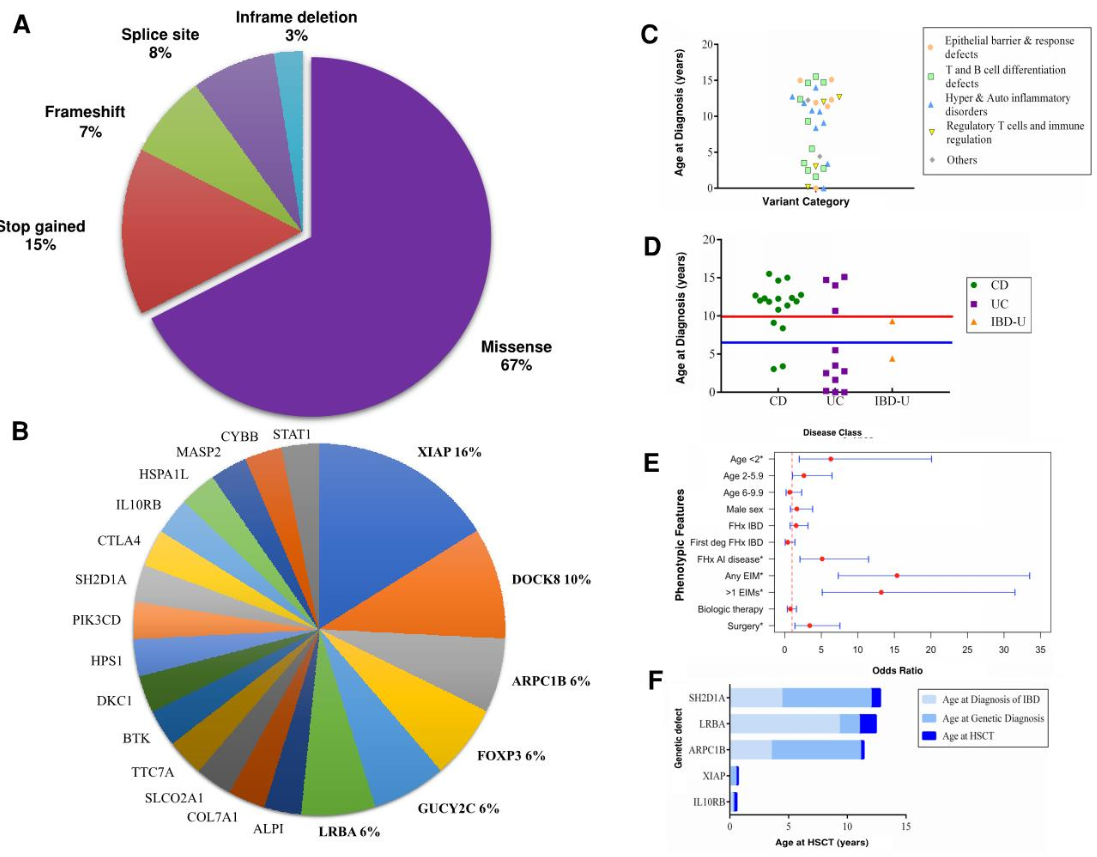
Results: We identified 40 rare variants associated with 21 monogenic genes among 31 of the 1005 children with IBD (including 5 variants in XIAP, 3 in DOCK8, and 2 each in FOXP3, GUCY2C, and LRBA). These variants occurred in 7.8% of children younger than 6 y and 2.3% of children 6–18 y old. Of the 17 patients with monogenic Crohn’s disease, 35% had abdominal pain, 24% had non-bloody loose stool, 18% had vomiting, 18% had weight loss, and 5% had intermittent bloody loose stool. The 14 patients with monogenic ulcerative colitis or IBD unclassified received their diagnosis at a younger age, and their most predominant feature was bloody loose stool (78%). Features associated with monogenic IBD, compared to cases of IBD not associated with a single variant, were age of onset younger than 2 y (odds ratio [OR], 6.30; P=.020), family history of autoimmune disease (OR, 5.12; P=.002), extraintestinal manifestations (OR, 15.36; P<.0001), and surgery (OR, 3.42; P=.042). Seventeen patients had variants in genes that could be corrected with allogeneic hematopoietic stem cell transplantation.

Conclusions: In whole-exome sequencing analyses of more than 1000 children with IBD at a single center, we found that 3% had rare variants in genes previously associated with pediatric IBD. These were associated with different IBD phenotypes, and 1% of the patients had variants that could be potentially corrected with allogeneic hematopoietic stem cell transplantation. Monogenic IBD is rare but should be considered in analysis of all patients with pediatric onset of IBD.
KEY WORDS: HSCT, genetics, risk factor, prevalence


VEO-IBD -Useful “Position” Paper is Really a Review

A recent publication (Full text: NASPGHAN Position Paper on the Evaluation and Management for Patients with Very Early-onset Inflammatory Bowel Disease. JR Kelsen et al. JPGN 2020; 70: 389-403) is more of a review than a true position paper. A related upcoming study (highlighted tomorrow) indicates that ~8% of VEO-IBD patients have underlying monogenetic forms of IBD.

While the article makes numerous useful points, explicit recommendations are not clearly stated.

Key Points:

  • Epidemiology: 6-15% of pediatric IBD population presents at <6 years of age
  • Children with VEO-IBD need careful immunologic evaluation.  Some of the specific disorders that need to be considered include Chronic Granulomatous Disease (can check DHR) and XIAP (can check a flow cytometry-based assay).
  • Besides panendoscopy, the article recommends close collaboration with the pathologist to identify specific features of the numerous VEO-IBD disorders (most listed/described in Table 1)
  • Identification of VEO-IBD disorders with genetic testing (either whole exome or targeted gene panel) helps determine specific medical therapies and/or stem cell transplantation for disorders like CTLA4B deficiency, LRBA defects, IL-10 deficiency, XIAP, STXBP2, and FOXP3 deficiency.
  • Infliximab does not work as well in VEO-IBD patients.  A recent study found only 12% remained on infliximab 3 years after initiation.
  • VEO-IBD were much more likely to need surgery with rates of 50% for those with onset before 1 year and ~30% for those after 1 year of age.  Colectomy should be considered with caution due to the overlapping presentation of Crohn’s disease and ulcerative colitis in this age group.

One topic that was not discussed was the potential role for dietary therapy in this age group.

Related blog posts:

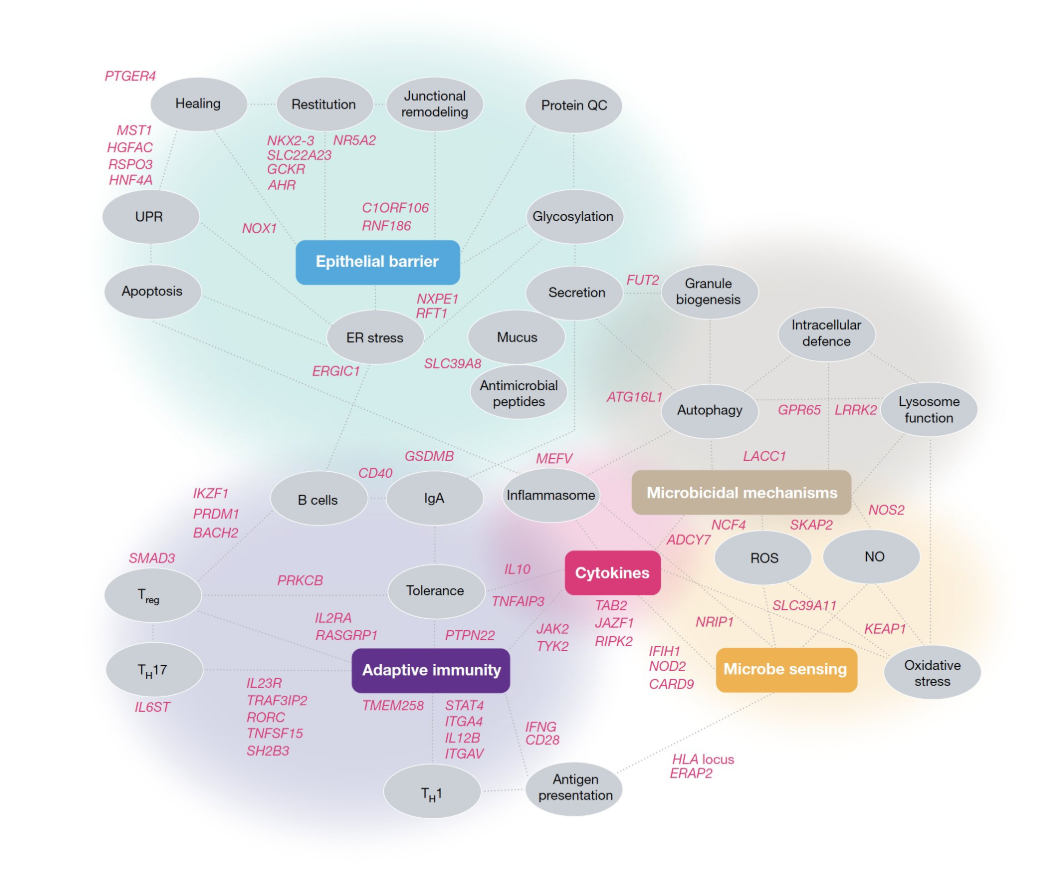
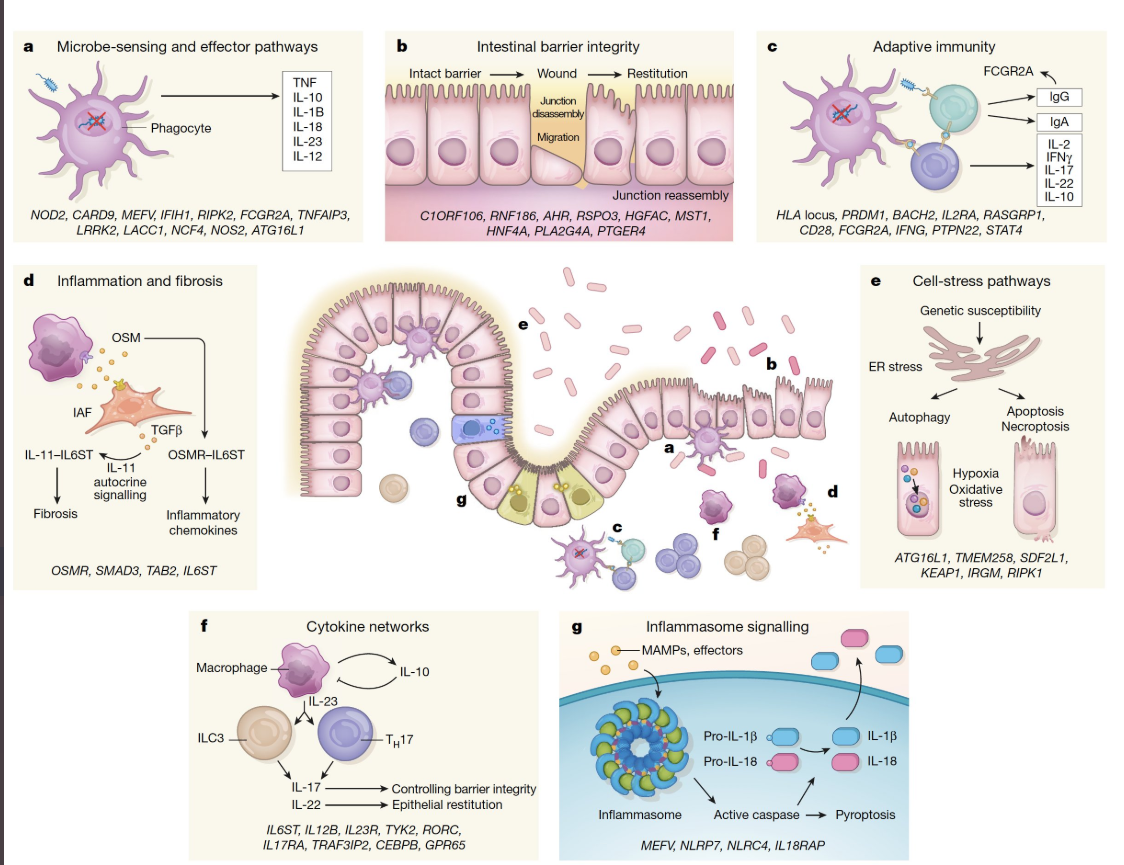
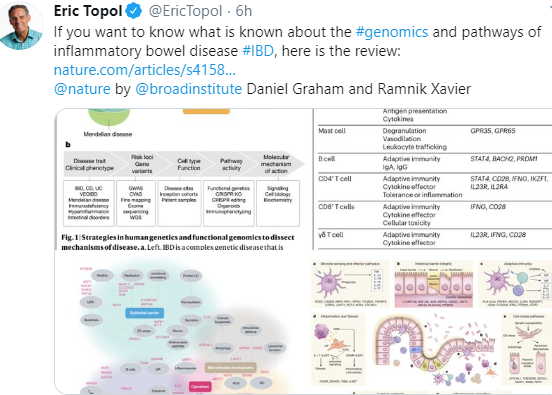
The following related images are from Eric Topol’s twitter feed and share figures from a Nature review.

Seen on Eric Benchimol’s twitter feed