How Primary Sclerosing Cholangitis Alters Outcomes in Inflammatory Bowel Disease

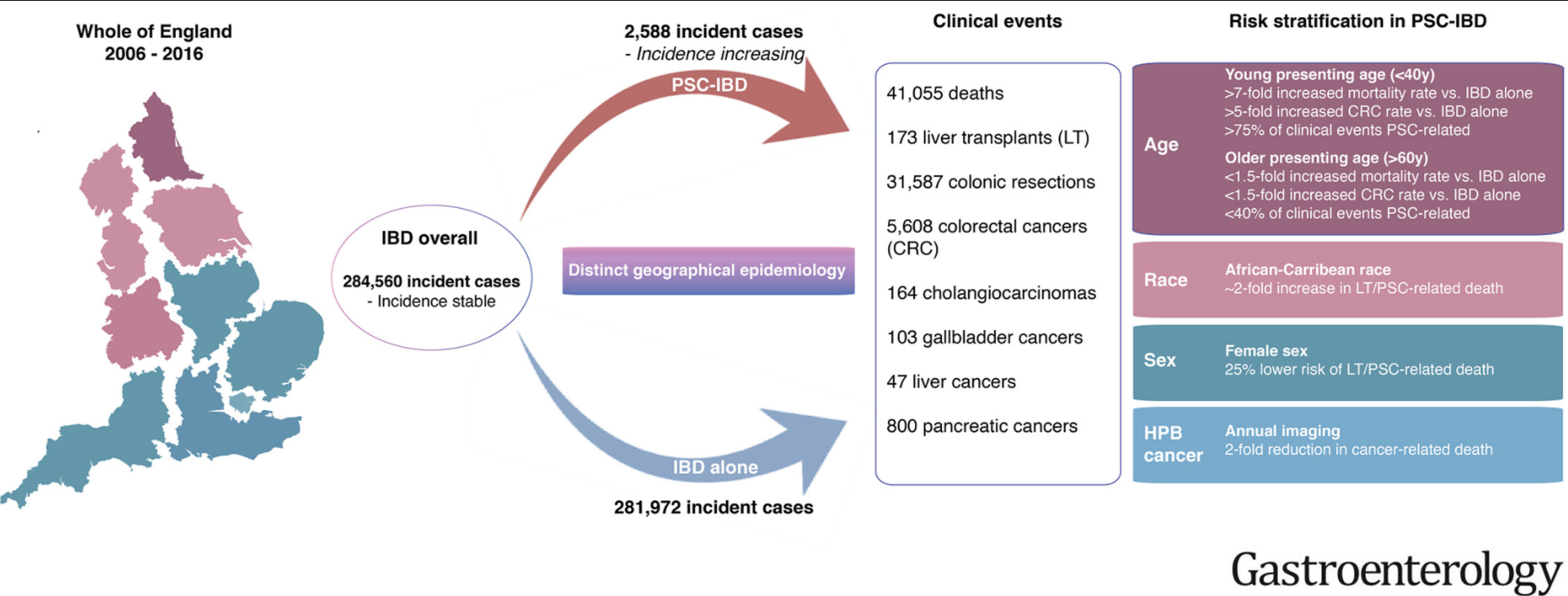
PJ Trivedi et al. Gastroenterol 2020; 159: 915-928. Effects of Primary Sclerosing Cholangitis on Risks of Cancer and Death in People With Inflammatory Bowel Disease, Based on Sex, Race, and Age

Methods: The authors linked prospectively collected data from national health care registries maintained for all adults in England on hospital attendances, imaging and endoscopic evaluations, surgical procedures, cancer, and deaths.

Key findings:

  • Over 10 years, we identified 284,560 incident cases of IBD nationwide; of these, 2588 patients developed PSC. This study excluded patients <18 years of age.
  • Development of PSC was associated with increased risk of death and CRC (hazard ratios [HRs], 3.20 and 2.43, respectively; P < .001) and a lower median age at CRC diagnosis (59 y vs 69 y without PSC; P < .001)
  • Compared to patients with IBD alone, patients with PSC-IBD had a 4-fold higher risk of CRC if they received a diagnosis of IBD at an age younger than 40 years
  • Development of PSC also increased risks of cholangiocarcinoma (HR, 28.46), hepatocellular carcinoma (HR, 21.00), pancreatic cancer (HR, 5.26), and gallbladder cancer (HR, 9.19) ( P < .001 for all)
  • The greatest difference in mortality between the PSC-IBD alone group vs the IBD alone group was for patients younger than 40 years
  • Patients with PSC-UC had >40% risk of colonic resection compared to patients with IBD alone (aHR 1.65)

My take: This study shows the impact the added diagnosis of PSC has for patients with IBD. One of the limitations in assessing outcomes is determining whether someone with IBD has PSC as there are a lot of patients with IBD who have asymptomatic changes in their biliary tree.
Related blog posts:

Should We Be Screening for Eating Disorders in Teenagers with Constipation?

HB Murray et al. Clin Gastroenterol Hepatol 2020; 18: 2471-2478. Frequency of Eating Disorder Pathology Among Patients With Chronic Constipation and Contribution of Gastrointestinal-Specific Anxiety

Key findings:

  • In an analysis (n= 279 adults, 70% female, average age 47 years) of patients with chronic constipation at a tertiary center who were referred for anorectal manometry, 19% had symptoms consistent with an eating disorder; this assessment was based on the Eating Attitudes Test (EAT-26).
  • “Gastrointestinal-specific anxiety fully mediated the relationship between the severity of ED pathology and constipation (standardized β, 0.11–0.16; P = .026–.024).”

The authors note that screening for eating disorders “is of particular importance before prescribing dietary interventions.”

My take: While this was a study with adults, it is likely that chronic constipation may be a presenting feature of an eating disorder in teenagers as well.

“Surprise Billing for Colonoscopy: The Scope of the Problem”

JM Scheiman et al. Annals of Internal Medicine. 2020; https://doi.org/10.7326/M20-2928. Surprise Billing for Colonoscopy: The Scope of the Problem

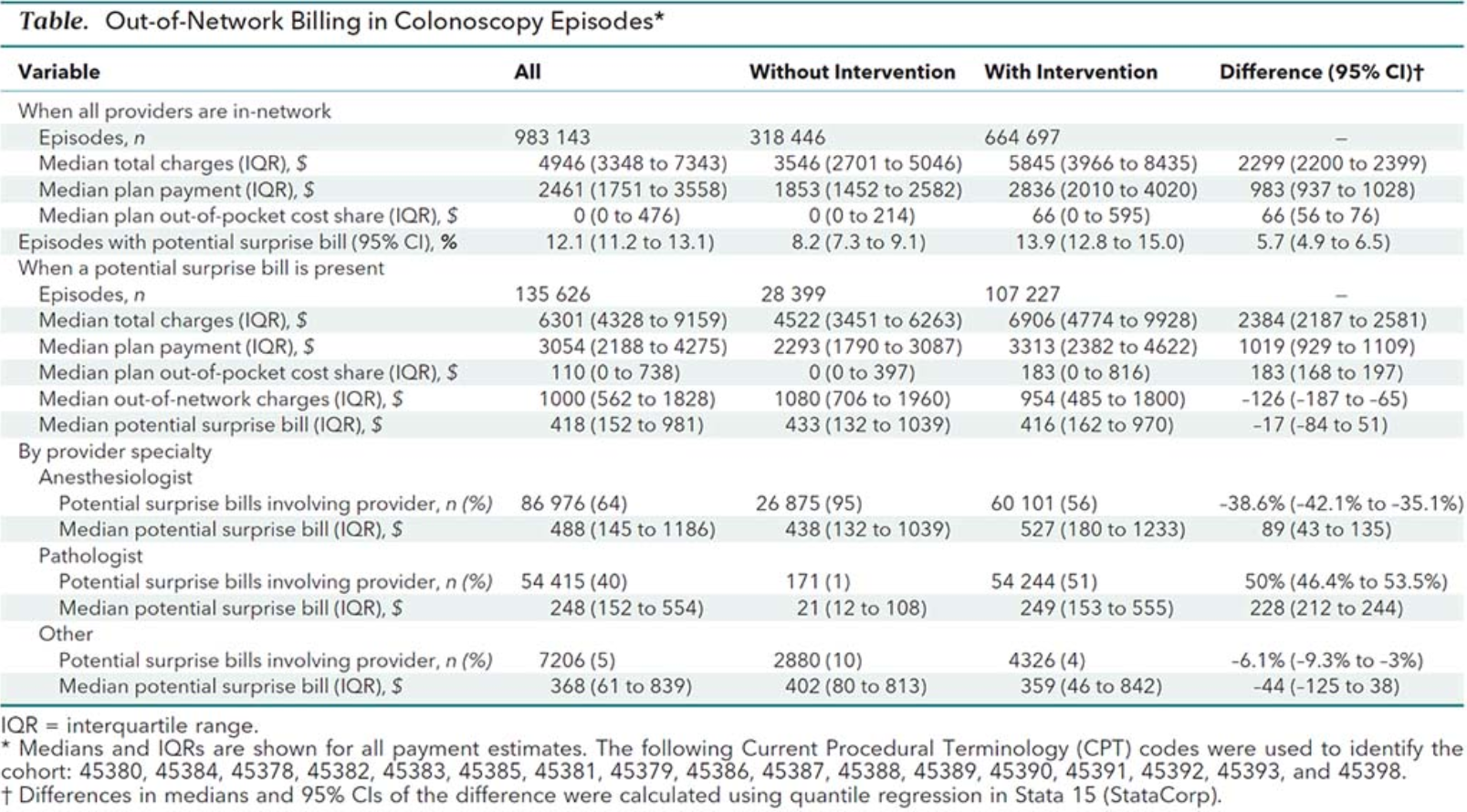
Background: “Federal law eliminates consumer cost sharing for multiple methods of colorectal cancer screening, including colonoscopy when done by an in-network provider. However, some patients having screening incur considerable out-of-pocket costs because out-of-network bills are not included in federal mandates. “Surprise billing” articles are widespread in the research literature and lay press . To date, the frequency of unexpected patient costs for screening colonoscopy have yet to be rigorously quantified.”

This study with ~983,000 procedures, which was conducted between 2012-2017, shows that it is common to get additional charges from a screening colonoscopy (which is supposed to be covered). Despite using an in-network physician, these charges can be due to “out-of-network” costs from anesthesia or pathology. This can also occur when anesthesia bills the colonoscopy as a diagnostic procedure rather than as a screening procedure.

From Annals of Internal Medicine Twitter Feed

Related blog posts:

Complications More Common If Language Barrier

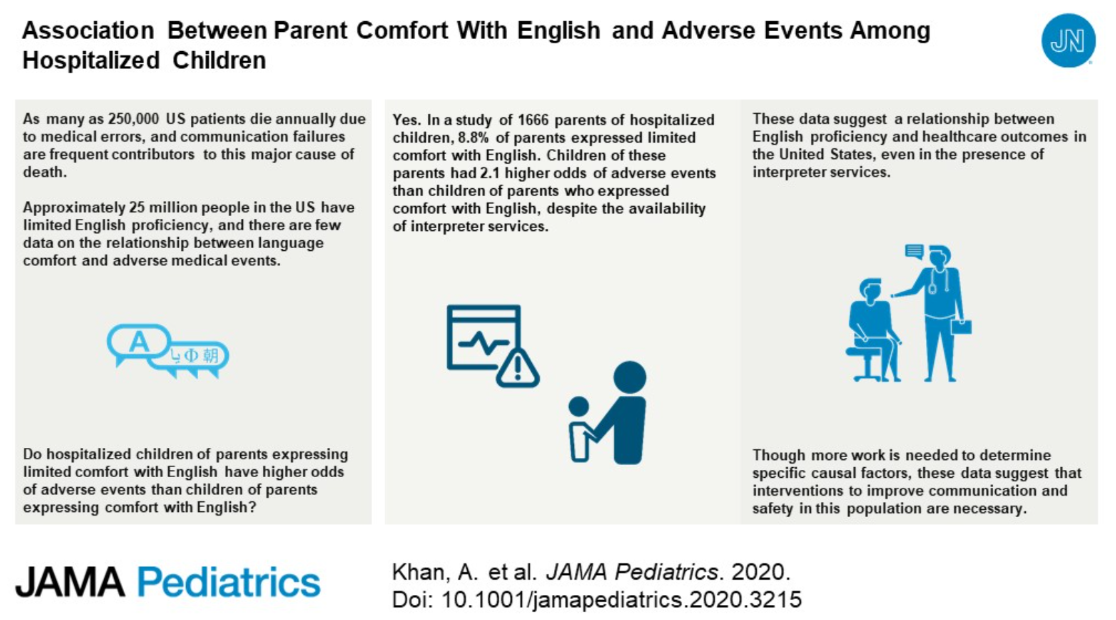
Abstract: Association Between Parent Comfort With English and Adverse Events Among Hospitalized Children

Key finding:  Children of parents expressing LCE (limited comfort with English) had 2.1 higher odds of adverse events than children of parents who expressed comfort with English, after controlling for other factors.

Related blog post: No Habla Appendicitis

Nutrition Pearls -Fiber in Short Bowel and Good Growth with Cystic Fibrosis

One useful resource for NASPGHAN members (NASPGHAN Nutrition Pearls) has been the short monthly nutrition pearl videos (about 10 of them so far). Here are some pointers from the most recent of these.

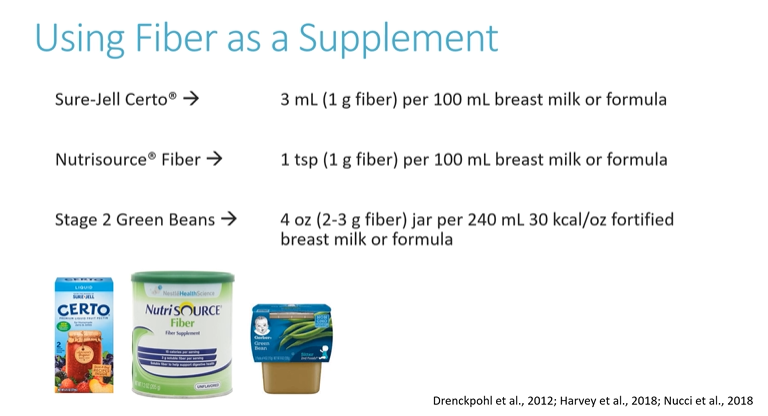
In October: Fiber for Short Bowel Syndrome –Beneficial for those with a colon in continuity:

Commercial products with limited data supporting use in short bowel syndrome
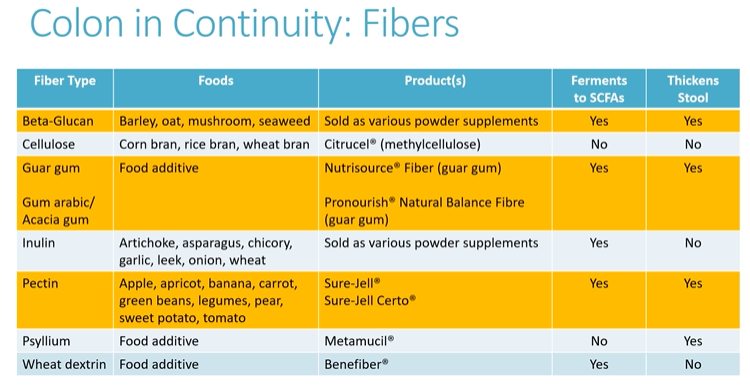
All of the fiber products are fermented in colon and may be beneficial. Highlighted products are more likely to help with stool consistency (thickening).

In September: Growth in Cystic Fibrosis

Related blog posts for Short Bowel Syndrome:

Related blog posts for Cystic Fibrosis:

Ustekinumab Effectiveness for Ulcerative Colitis Over Two Years

R Pannacionne et al. AP&T. 2020; https://doi.org/10.1111/apt.16119. Full text link: Ustekinumab is effective and safe for ulcerative colitis through 2 years of maintenance therapy

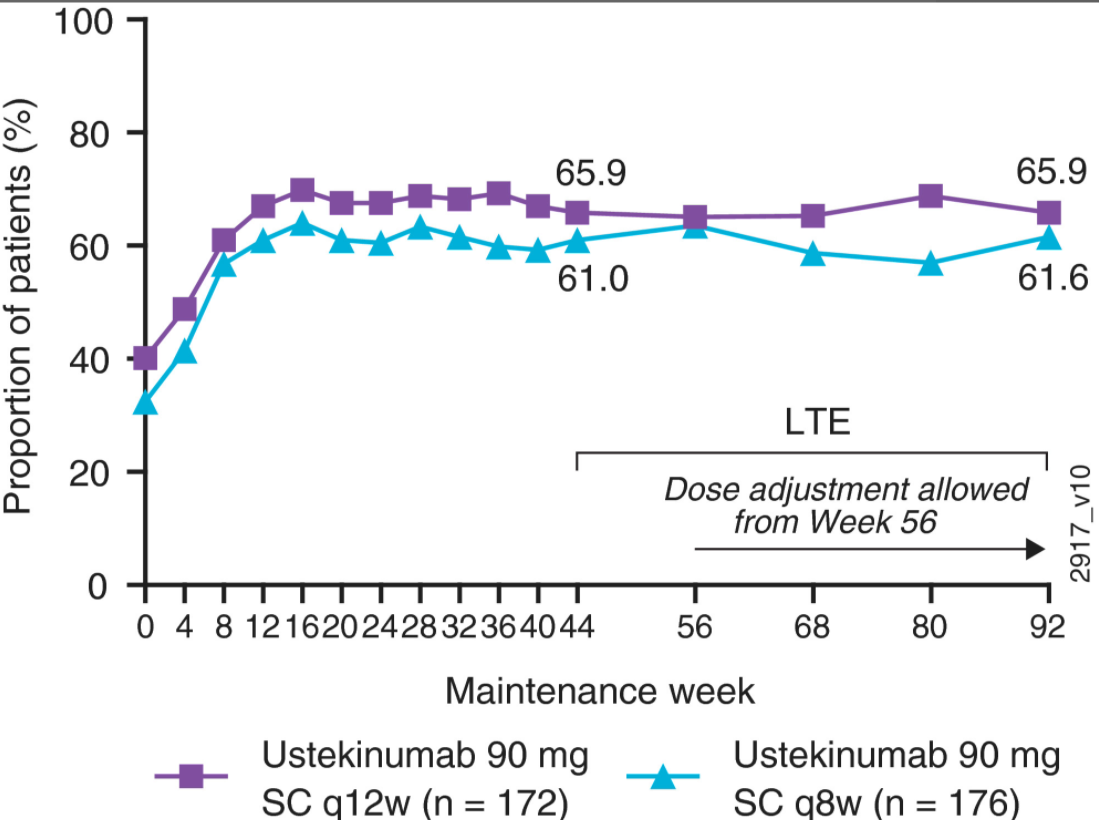
Methods: Overall, 399 (adult) “responders to intravenous ustekinumab induction and who were randomised to maintenance therapy were treated in the long‐term extension (115 received subcutaneous placebo, 141 received ustekinumab 90 mg every 12 weeks [q12w], and 143 received ustekinumab 90 mg q8w). Placebo treatment was discontinued at unblinding after week 44”

Key Findings:

  • Symptomatic remission rates (stool frequency = 0/1; rectal bleeding = 0) at week 92 were, 64.5% and 67.6% in the ustekinumab q12w and q8w groups, respectively ((Intent-to-treat population).
  • At week 44 of maintenance, measures of UC disease activity (eg Mayo scores) were generally comparable among patients randomised to ustekinumab q12w and q8w with 46.1% and 52.4% in clinical remission and 56.7% and 61.5% with endoscopic improvement respectively
  • Among randomised patients treated in the long‐term extension, 78.7% and 83.2% of patients receiving q12w and q8w, respectively, attained symptomatic remission at week 92; >95% of patients in symptomatic remission at week 92 were corticosteroid‐free
  • No new safety signals were observed
Steroid-free Remission (Intent-to-treat population)

Related blog posts:

Disclaimer: This blog, gutsandgrowth, assumes no responsibility for any use or operation of any method, product, instruction, concept or idea contained in the material herein or for any injury or damage to persons or property (whether products liability, negligence or otherwise) resulting from such use or operation. These blog posts are for educational purposes only. Specific dosing of medications (along with potential adverse effects) should be confirmed by prescribing physician.  Because of rapid advances in the medical sciences, the gutsandgrowth blog cautions that independent verification should be made of diagnosis and drug dosages. The reader is solely responsible for the conduct of any suggested test or procedure.  This content is not a substitute for medical advice, diagnosis or treatment provided by a qualified healthcare provider. Always seek the advice of your physician or other qualified health provider with any questions you may have regarding a condition

Achalasia -More Complexity to Pathophysiology?

RK Mittal et al. Gastroenterol 2020; 159: 864-72. Three-Dimensional Pressure Profile of the Lower Esophageal Sphincter and Crural Diaphragm in Patients with Achalasia Esophagus

This prospective study combined 3-dimensional high-resolution manometry (3D-HRM) with detailed analysis of computed tomography images to study the EGJ (esophagogastric junction) in patients with achalasia (n=12) and healthy controls (n=10). Key finding: Besides LES, the 3D pressure profile of the EGJ can indicate anatomic and functional abnormalities of the crural diaphragm muscle in patients with achalasia esophagus

Full text editorial: DA Katzka, M Fox. Gastroenterol 2020: 159: 821- 23. Achalasia: When a Simple Disease Becomes Complex

“In this edition of Gastroenterology, researchers led by Ravi Mittal …demonstrated an asymmetric, extrinsic CD (crural diaphragm) component to EGJ pressure superimposed on the intrinsic LES.”

Related blog posts:

The Link Between Celiac Disease and Inflammatory Bowel Disease

IM Pinto-Sanchez et al. Gastroenterol 2020; 159: 884-903. Association Between Inflammatory Bowel Diseases and Celiac Disease: A Systematic Review and Meta-Analysis

Methods: The authors identified 65 relevant studies after searching databases including MEDLINE, EMBASE, CENTRAL, Web of Science, CINAHL, DARE, and SIGLE through June 25, 2019 for studies assessing the risk of CeD in patients with IBD, and IBD in patients with CeD

Key findings:

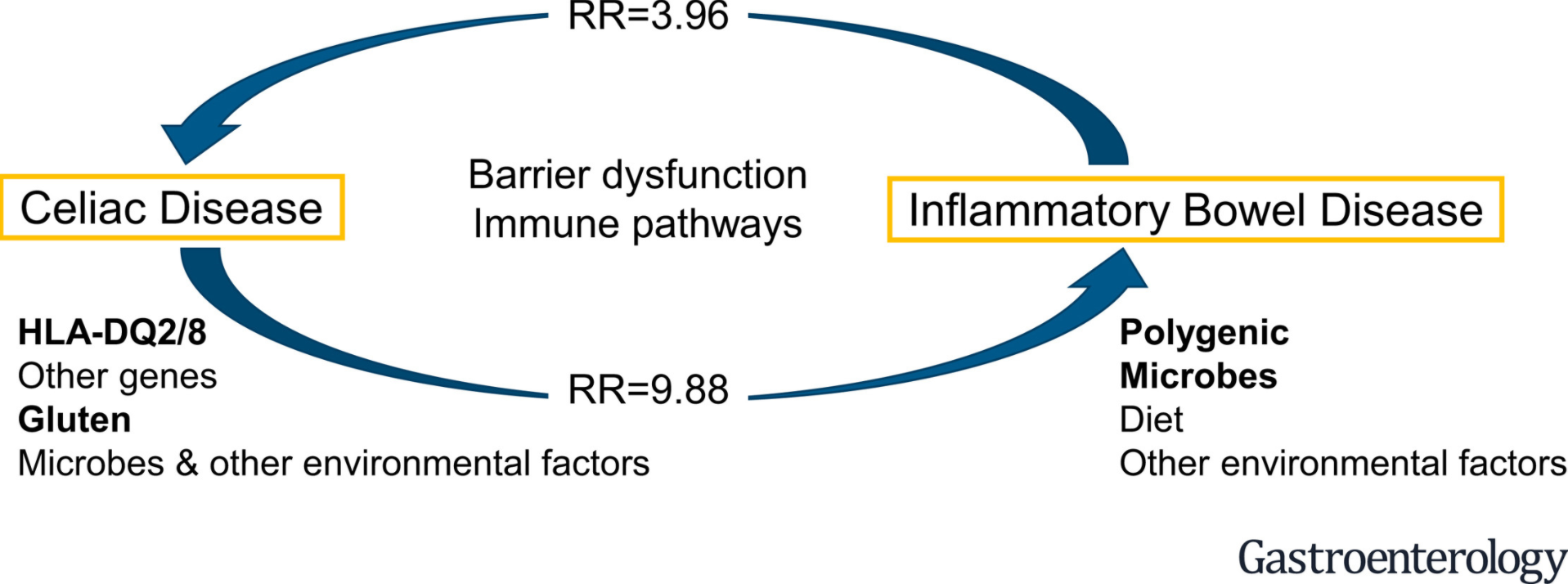
  • Among patients with celiac disease, there was an increased risk of IBD vs controls (RR 9.88; 95% CI 4.03–24.21); the risk was greater for Crohn’s disease than ulcerative colitis
  • Among patients with inflammatory bowel disease, there was an increased risk of celiac disease vs controls (risk ratio [RR] 3.96; 95% confidence interval [CI] 2.23–7.02); however, this finding needs to be interpreted with a lot more caution.
    • The population-based studies that identified this risk relied on ICD codes.
    • Celiac diagnosis is much more difficult in patients with IBD. Overdiagnosis is possible due to increased surveillance, and misinterpretation of serology (eg. false positive serology). In addition, the pooled prevalence in this study of 0.75%, while greater than the controls of 0.3%, remains lower that the current worldwide prevalence of approximately 1%.
    • Only more prospective cohort studies will prove a definitive increase in risk.

My take: In patients with either IBD or celiac disease, clinicians should consider additional diagnoses in patients with ongoing symptoms.

Bariatric Surgery Helps NASH

G Lassailly et al. Gastroenterol 2020; 159: 1290-1301. Bariatric Surgery Provides Long-term Resolution of Nonalcoholic Steatohepatitis and Regression of Fibrosis

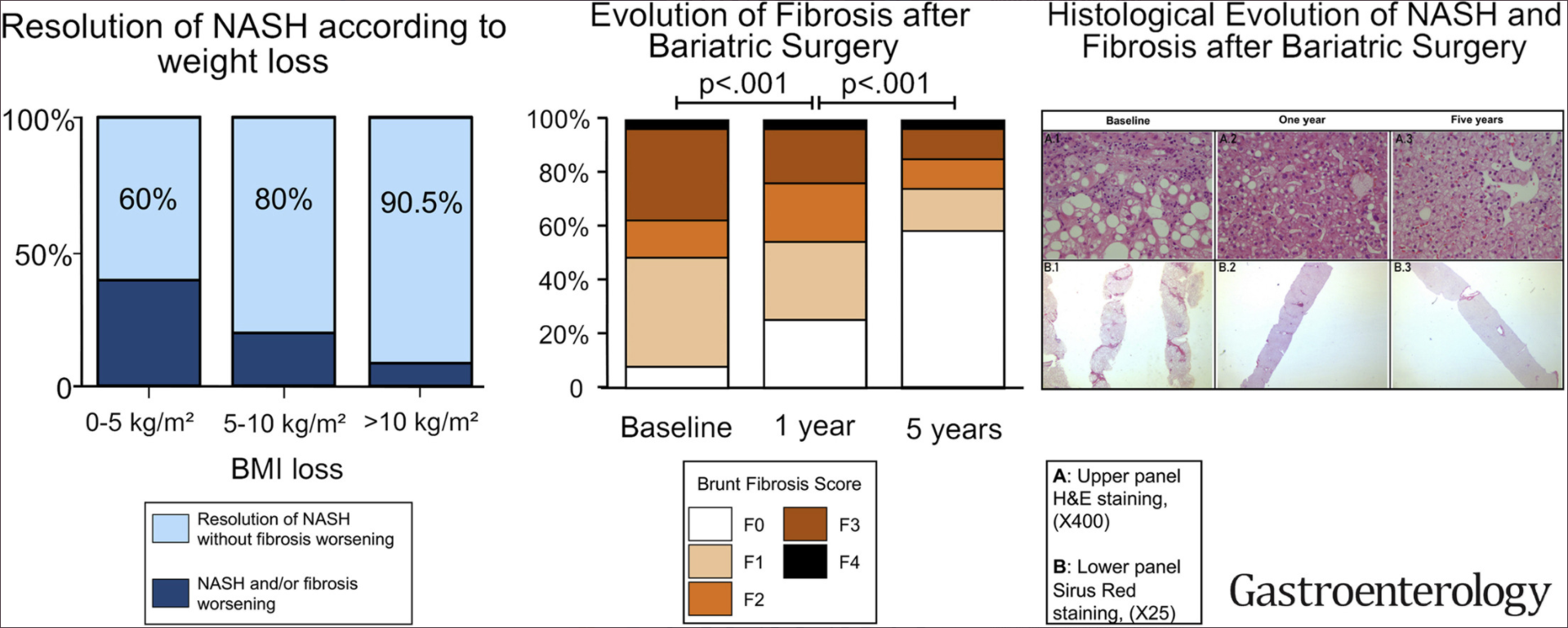
This was a  prospective study of 180 severely obese patients with biopsy-proven NASH.

Key findings:

  • NASH: At 5 years after bariatric surgery, NASH was resolved, without worsening fibrosis, in samples from 84% of patients (n = 64; 95% confidence interval, 73.1%-92.2%). 
  • Fibrosis: Fibrosis decreased, compared with baseline, in samples from 70.2% of patients (95% CI, 56.6%-81.6%). Fibrosis disappeared from samples from 56% of all patients (95% CI, 42.4%-69.3%) and from samples from 45.5% of patients with baseline bridging fibrosis. 
Graphic Abstract

My take: This study showed that patients with NASH who underwent bariatric surgery had resolution of NASH in liver samples from 84% of patients 5 years later. The reduction of fibrosis was progressive, beginning during the first year and continuing through 5 years.

Related blog posts:

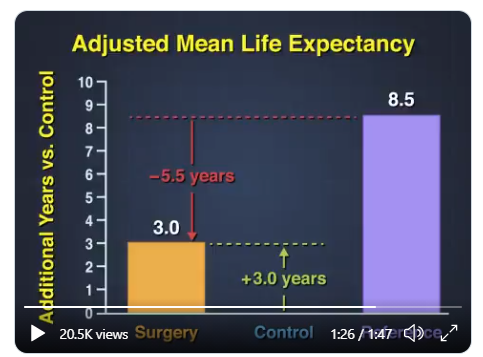
Bariatric Surgery Reduced Obesity’s Premature Death from 8 years to 5 years in SOS Study

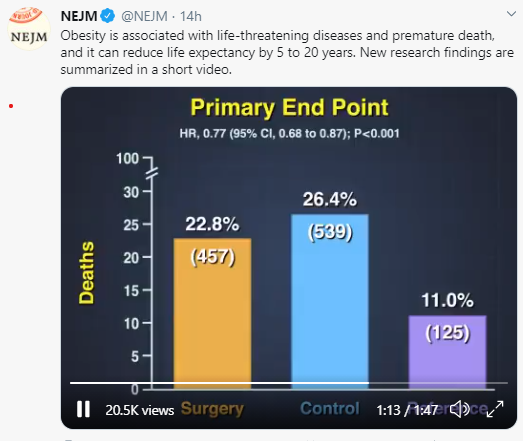
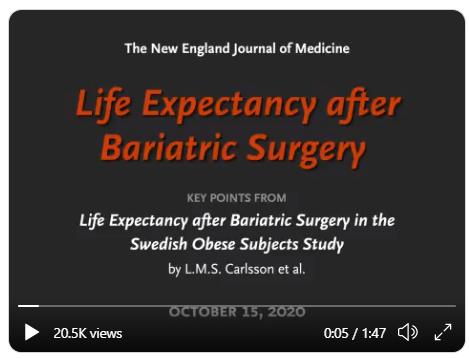
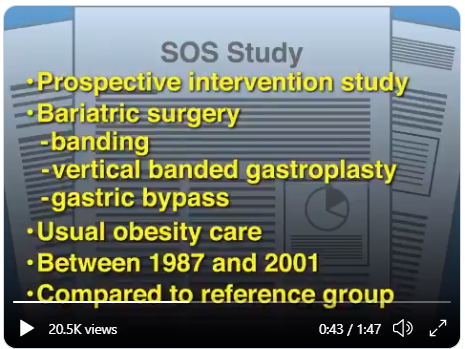
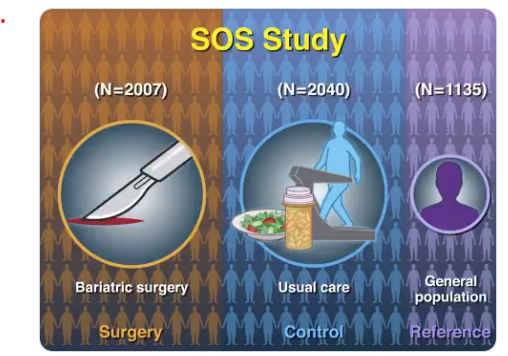
A recent study (LMS Carlsson et al. NEJM 2020; 383: 1535-43) was summarized in a quick take. Essentially, obese subjects who underwent bariatric surgery survived three years longer than a control group who had not undergone surgery but lived 5 years shorter than a reference group without obesity.

The authors speculate on the reasons why the bariatric subjects continued to have a lower life expectancy than controls after surgery:

  • Above-normal BMI even after surgery
  • Irreversible effects of obesity-related metabolic dysfunction
  • Surgical complications
  • Higher risk of alcohol abuse, suicide, and trauma (including fall-related); these factors were identified in the SOS study more often than in those who had not undergone bariatric surgery

Since there have been improvements in bariatric surgery since the time of this cohort underwent surgery (1987-2001), it is possible that the average gain in life expectancy would be greater.

Here are a few screenshots: