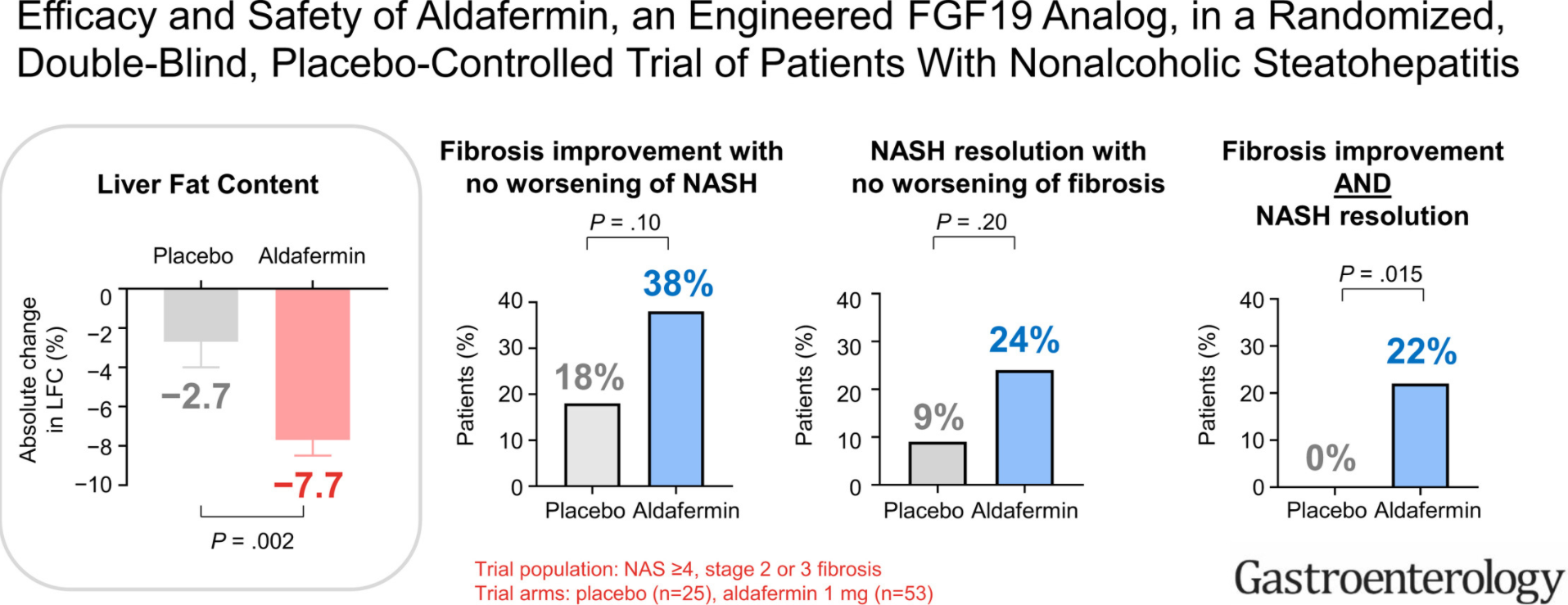
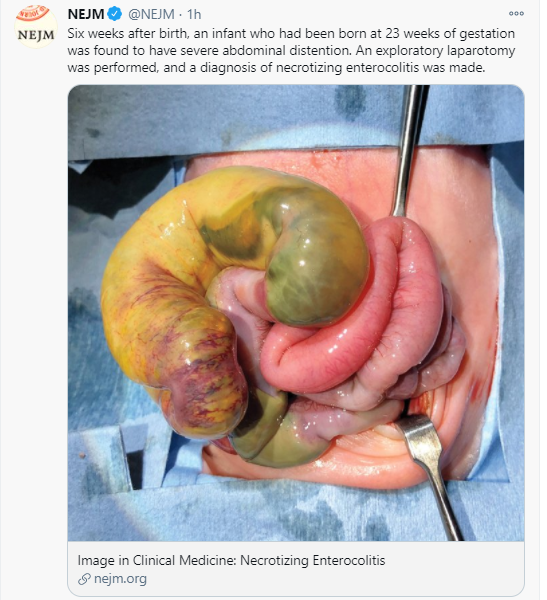
I want to thank all of you who take an interest in my blog, particularly those who give suggestions, references, and encouragement. The following posts were the most popular from the past year.
Full Text: All About COVID-19 Vaccines (Thanks to Seth Marcus for the reference). This article explains how the vaccines work, who essential workers are, and the effectiveness of the vaccines.
Methods: Single course of oral encapsulated fecal microbiome from 4 healthy lean donors or saline placebo.
Key findings:
In this randomized, double-masked, placebo-controlled trial of 87 adolescents with obesity, FMT alone did not lead to weight loss at 6 weeks.
There were no observed effects on insulin sensitivity, liver function, lipid profile, inflammatory markers, blood pressure, total body fat percentage, gut health, and health-related quality of life
In post-hoc exploratory analyses among participants with metabolic syndrome at baseline, FMT led to greater resolution of this condition (18 to 4) compared with placebo (13 to 10) by 26 weeks (adjusted odds ratio, 0.06; 95% CI, 0.01-0.45; P = .007)
This study looked at 105 patients receiving combination therapy; the a median duration of combination therapy was 2.1 years, with infliximab and either methotrexate (53) or azathioprine (52). 89 patients had Crohn’s disease.
Key findings:
11 (10.5%) patients experienced a clinical relapse over a median duration of follow-up of 12.0 months after stopping the immunomodulator.
In the patients who did not relapse, the median IFX trough level at IM discontinuation was 6.2; the IFX trough level was 3.8 μg/mL in those who relapsed.
In their discussion, the authors urge caution in discontinuation of immunomodulators in those with clinically-severe Crohn’s disease and those with low infliximab levels.
Disclaimer: This blog, gutsandgrowth, assumes no responsibility for any use or operation of any method, product, instruction, concept or idea contained in the material herein or for any injury or damage to persons or property (whether products liability, negligence or otherwise) resulting from such use or operation. These blog posts are for educational purposes only. Specific dosing of medications (along with potential adverse effects) should be confirmed by prescribing physician. Because of rapid advances in the medical sciences, the gutsandgrowth blog cautions that independent verification should be made of diagnosis and drug dosages. The reader is solely responsible for the conduct of any suggested test or procedure. This content is not a substitute for medical advice, diagnosis or treatment provided by a qualified healthcare provider. Always seek the advice of your physician or other qualified health provider with any questions you may have regarding a condition
A recent review article (E Sararino et al. Am J Gastroenterol 2020; 115: 1786-06. Use of the Functional Lumen Imaging Probe in Clinical Esophagology) is a terrific article for understanding Functional Lumen Imaging Probe (FLIP) techonology and uses. Thanks to Ben Gold for this reference.
The FLIP “measures luminal cross sectional area (CSA) and pressure in the esophagus using impedance planimetry and serves as an adjunct to existing esophageal investigative tests. A distensible balloon encasing a catheter with multiple pairs of impedance electrodes is used, and the balloon is distended with fluid of known conductivity and volume.”
FLIP can be done at time of endoscopy.
Distensibility index (DI). This is the ratio of EGJ cross sectional area to intraballoon pressure is generally considered the most useful FLIP metric. Normal DI values in adults range from 3.1 to 9.0 m3/mm Hg. Lower values indicated reduced EGJ opening.
FLIP can complement the diagnosis of achalasia when manometry and barium studies are inconclusive or negative in patients with typical symptoms.
FLIP can be used to assess fibrostenotic remodeling of the esophagus in eosinophilic esophagitis.
Lumen diameter measured using FLIP in complex strictures can potentially guide management.
This review has several helpful figures to illustrate the type of visual data available. It also provides a standard protocol for using FLIP. The current limitations for FLIP include the lack of real-time software analysis of the data which hinders reporting, and limited data supporting use.
The Nutrition4Kids website (developed by my partner Stan Cohen) has a lot of useful information for families. Here is a link to a recent addition: 5 Signs Your Child Needs a Feeding Tube
An excerpt:
Reasons for needing a feeding tube…
Medical necessity, where the child can’t meet their calorie needs due to a medical condition (like, say, a heart defect, neurologic and neuromuscular disorders, or a digestive disorder.)
Failure to thrive, often because of food aversions…
Trouble learning to suck, swallow, and breathe
Here are some of the most common signs your child may benefit from a feeding tube.
Sign #1: Your Physician Brings It Up
Sign #2: You’ve Noticed Development Delays
Sign #3: They’re Malnourished or Chronically Dehydrated
Sign #4: You’ve Tried Other Options Without Success
Sign #5: You’re Feeling Helpless as the Caregiver
If your child does end up needing enteral nutrition, understand that it doesn’t always mean it’s a forever situation.
www.feedingtubeawareness.com This site contains a terrific PDF download which explains enteral tubes in an easy to understand style along with good graphics. “What You Need to Know Now, A Parent’s Introduction to Tube Feeding is the guidebook that every parent wished they had when they were first introduced to feeding tubes.”
Health insurance is a complicated financial product, and studyafterstudy has shown that people routinely pick bad plans, even choosing options that leave them worse off financially in every possible scenario…
Many Americans don’t understand terms like “deductible” or “coinsurance” very well. And few are good at predicting what sort of health care needs they will have in the coming year…
A recent study in the Netherlands, which offers insurance to everyone through an Obamacare-like marketplace, found that only 5 percent of Dutch customers did a better job at choosing an ideal plan than they would have by choosing a plan at random… People with less education and income, who tend to be in worse health, were very likely to choose a plan that cost them more to cover their health care — a situation that might leave them skimping on needed medicine or procedures.
My take: This article is so true. When I choose health insurance, this is always a complicated task despite my familiarity and expertise. I would expect that computer-aided decision-making could be developed and be helpful.
Pediatrics has provided free full publication access to what they consider their best 10 articles and 5 influential COVID-19 publications: Pediatrics –2020 Best Articles Link
Among 172 549 apparently healthy children from a retrospective database, the incidence of 30-day mortality, postoperative complications, and serious adverse events were 0.02%, 13.9%, and 5.7%, respectively. Compared with their white peers, AA children had 3.43 times the odds of dying within 30 days after surgery (odds ratio: 3.43; 95% CI: 1.73–6.79)
At age 6 to 7 years, compared with those with a healthy weight, children with overweight had higher metabolic syndrome risk scores by 0.23 SD units (95% confidence interval 0.05 to 0.41) and with obesity by 0.76 SD units (0.51–1.01), with associations almost doubling by age 10 to 11 years. Thus, overweight and obesity from early childhood onward were strongly associated with higher cardiometabolic risk at 11 to 12 years of age.
In addition, obesity but not overweight had slightly higher outcome carotid intima-media thickness (0.20–0.30 SD units) at all ages