Ionizing Radiation Exposure in Adults with Inflammatory Bowel Disease

From The Onion:


In the largest reported cohort to date, GC Nguyen et al (Inflamm Bowel Dis 2020; 26: 898-906) describe the ionization radiation exposure (IRE) in individuals (≥18 years) with inflammatory bowel disease (IBD).

Methods: N=72,933 with IBD,1994-2016. During 1st 5 yrs after diagnosis, IRE was estimated in a retrospective matched cohort in Ontario.

Key findings:

  • IBD patients were exposed to nearly 6-fold IRE due to abdominal imaging compared to controls: 18.6 mSv vs 2.9 mSv
  • Patients with CD had higher IRE than UC: 26 mSv vs 12 mSv (P<0.001).  CD patients were more likely to have >50 mSv exposure (15.6% vs 6.2%) and >100 mSv 5.0% vs 2.1%
  • Women were less likely to have high IRE compared to males
  • Residents in the poorest neighborhoods were 27% more likely to have IRE >100 mSv.  Socioeconomic status was an independent factor after accounting for comorbidities. The authors speculate that this could be related to increased use of emergency rooms where they may be more likely to receive a CT.
  • The use of CT scan began to decline after 2007…likely explained by the rise of MRE studies.

While strict guidelines on IRE are lacking, the International Commission on Radiological Protection has suggested that occupational exposure (eg. nuclear workers) should be limited to <100 mSv over 5 years and not more than 50 mSv in a single year.

My take: We need to continue efforts to reduce IRE due to concerns about subsequent secondary malignancies. This likely means avoiding CT for non-emergencies and working with our ED colleagues to think carefully about lifetime IRE in IBD patients.

Related blog posts:

Additional references:

  • -AJR 2001; 176: 289-96. Estimated risks of radiation-induced fatal cancer from pediatric CT
  • -Br J Radiol 2012; 85: 523-28.  Justification of CTs -some not needed
  • -AJR 2010; 194: 868-73.  Lower CT radiation doses in pediatric patients.  ‘Image gently’
  • -Arch Intern Med 2009; 169: 2078-86.

From LA Times:


Medical Progress: Toward Hepatitis C Elimination

JE Squires, WF Balistreri. J Pediatr 2020; 221: 12-22. Full text: Treatment of Hepatitis C: A New Paradigm toward Viral Eradication

This is a terrific article describing the improvements in treatment and challenges ahead for hepatitis C infection.

The authors note that widespread treatment has led to recommendations that primary health providers manage treatment in most adults.  Given the safety and effectiveness of these newer agents, the authors propose a similar algorithm for children (Figure 3).

The authors note the following:

“Just as has occurred in adults, the rate of discovery related to pediatric HCV therapy is outpacing traditional publication methods and many recommendations are no sooner published than they are “outdated” as newer data re-shapes the therapeutic landscape. To combat this challenge, the AASLD and IDSA have partnered to create an updated web experience resource to facilitate rapid access to treatment information (https://www.hcvguidelines.org/). A section of this document is dedicated to children, however, as of this writing, a similar comprehensive ‘living’ document is not available for pediatric populations, thus, care teams should be cognizant of the most current published data and increase their awareness of upcoming studies and DAA’s ‘in the pipeline’ that may soon be available.”

My take (borrowed from authors):

  • “Every child deserves equitable access to a cure for HCV.”
  • “Progress toward elimination of HCV infection in the US is at hand; however, both community/primary care practices and federal commitment will be required.”
  • “The role of the primary care practitioner will be enhanced [and needs to be incentivized]. It is likely that the new paradigm will be to screen and to initiate DAA treatment in patients with HCV infection.”
  • “Consultation with a hepatologist/infectious disease specialist would, thus, be reserved for selected patients (nonresponsive or those with advanced fibrosis).”

Related blog posts:

1st Cases of COVID-19 in Pediatric Inflammatory Bowel Disease –All Mild

A recent case series, D Turner et al. JPGN June 2020 – Volume 70 – Issue 6 – p 727-733 doi: 10.1097/MPG.0000000000002729: Full text: Corona Virus Disease 2019 and Paediatric Inflammatory Bowel Diseases

  • Eight PIBD children had COVID-19 globally, all with mild infection without needing hospitalization despite treatment with immunomodulators and/or biologics. ..
  • Preliminary data for PIBD patients during COVID-19 outbreak are reassuring. Standard IBD treatments including biologics should continue at present through the pandemic, especially in children who generally have more severe IBD course on one hand, and milder SARS-CoV-2 infection on the other.

Related blog posts:

Expert Guidance on Inflammatory Bowel Disease (Part 3)

A recent issue of Clinical Gastroenterology and Hepatology focused solely on the clinical features and management of inflammatory bowel disease. Even for those with expertise in IBD, there is a lot of useful information and concise reviews of what is known.

Here are some of my notes from this issue (part 3):

RP Hirten et al. Clinical Gastroenterol Hepatol: 2020; 18: 1336-45. A User’s Guide to De-escalating Immunomodulator and Biologic Therapy in Inflammatory Bowel Disease

This article emphasizes the need for assessment of bowel disease activity before attempting de-escalation and provides a list of risk factors for flare-up off therapy.

Some of the Risk factors for Disease Flare with De-escalation:

  • Disease activity/abnormal biomarkers (CRP, WBC, Hemoglobin, Calprotectin)
  • Perianal disease
  • Penetrating disease
  • Extensive disease involvement
  • Abnormal bowel wall thickening on MRE
  • Young age at diagnosis
  • Short treatment duration
  • Prior surgeries

Key points:

  • In individuals on combination therapy, dropping immunomodulator therapy (but not biologic therapy) did NOT increase the short term risk of a flare up in a recent Cochrane review.  However, this did impact anti-TNF kinetics and lowers anti-TNF troughs.
  • With regard to stopping biologics, among patients in deep remission, the authors advise counseling patients (CD and UC) that stopping biologic agents results in a “40-50% relapse over the following 2 years that will further increase over time.”
  • Careful followup is recommended if a patient elects to stop biologic therapy. “CD and UC are progressive relapsing conditions…and approximately 80% of subjects” require re-initiation of biologic therapy with 7 years.”
  • “Repeat colonoscopy or imaging should be performed if a significant change in symptoms occurs or abnormal biomarkers are detected.”
  • In patients who resume infliximab, the authors advocate for an initial induction of 0, 4, and 8 weeks.  The presence of antidrug antibodies at week 2 “precludes drug administration and alternative agent should be started.”

Related blog posts:

M Kaur et al Clinical Gastroenterol Hepatol 2020; 18: 1346-55. Inpatient Management of Inflammatory Bowel Disease-Related Complications

This article reviews the approach to acute severe ulcerative colitis which has been discussed recently on this blog post and offers management recommendations for complications related to Crohn’s disease including abscesses, strictures/bowel obstruction.  With regard to abscess management, the authors note that medical therapy is more likely to be effective in those with a first-time abscess, spontaneous origin, right lower quadrant location, and smaller abscess size (<3 cm).  Stricture with upstream dilatation of bowel, multi-loculated abscesses and steroid use are features that make therapy less likely to be successful.

Related blog posts -ASUC:

Abscess-related blog posts:

EL Barnes et al Clinical Gastroenterol Hepatol 2020; 18: 1356-66. Perioperative and Postoperative Management of Patients With Crohn’s Disease and Ulcerative Colitis

This article reviews risk factors for disease recurrence after surgery, presurgical management (eg. minimize steroids, improve nutrition, do not delay surgery based on preoperative biologic exposure), postoperative strategies and management of pouchitis.

  • In those at high risk for postoperative disease recurrence, the authors advocate anti-TNF therapy plus an immunomodulator with colonoscopy at 6-12 months. In those at low risk, many are placed on no medications and have a colonoscopy at 6 months postoperatively.
  • The section on pouchitis lists alternatives to metronidazole and ciprofloxacin if these lose efficacy.  This includes amoxicillin-clavulanate, sulfamethoxazole-trimethoprim, doxycycline and vancomycin.
  • Related blog post: What’s Going on With Pouchitis?

S Singh et al Clinical Gastroenterol Hepatol 2020; 18: 1367-80. Management of Inflammatory Bowel Diseases in Special Populations: Obese, Old, or Obstetric

A Levine et al Clinical Gastroenterol Hepatol 2020; 18: 1381-92. Dietary Guidance From the International Organization for the Study of Inflammatory Bowel Diseases

  • The authors recommend more vegetables and fruits with CD (but low insoluble fiber if stricture present)
  • “Prudent to reduce intake of red and processed meat” with UC
  • “Prudent to increase dietary omega-3 fatty acids” from marine fish but not from dietary supplements with UC
  • ‘Prudent to use a low FODMAP diet for patients with persistent symptoms for CD and UC despite resolution of inflammation’

M Collins et al Clinical Gastroenterol Hepatol 2020; 18: 1393-1403.Management of Patients With Immune Checkpoint Inhibitor-Induced Enterocolitis: A Systematic Review

This study reviews colitis induced by immune checkpoint inhibitors which are similar to young patients with inherent CTLA4b deficiency.

Related blog posts:

Disclaimer: This blog, gutsandgrowth, assumes no responsibility for any use or operation of any method, product, instruction, concept or idea contained in the material herein or for any injury or damage to persons or property (whether products liability, negligence or otherwise) resulting from such use or operation. These blog posts are for educational purposes only. Specific dosing of medications (along with potential adverse effects) should be confirmed by prescribing physician.  Because of rapid advances in the medical sciences, the gutsandgrowth blog cautions that independent verification should be made of diagnosis and drug dosages. The reader is solely responsible for the conduct of any suggested test or procedure.  This content is not a substitute for medical advice, diagnosis or treatment provided by a qualified healthcare provider. Always seek the advice of your physician or other qualified health provider with any questions you may have regarding a condition.

Need/Benefit of Widespread Use of Masks

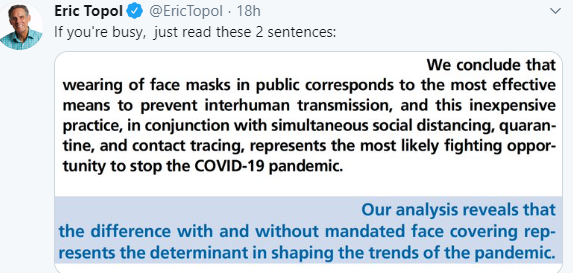
NPR interview (5 minutes) with Atul Gawande: How The Widespread Mask Use Could Slow The Coronavirus Pandemic

“NPR’s Mary Louise Kelly talks with Dr. Atul Gawande, a staff writer for the New Yorker, about the efficacy of different face masks and why masks remain essential in dealing with the coronavirus”


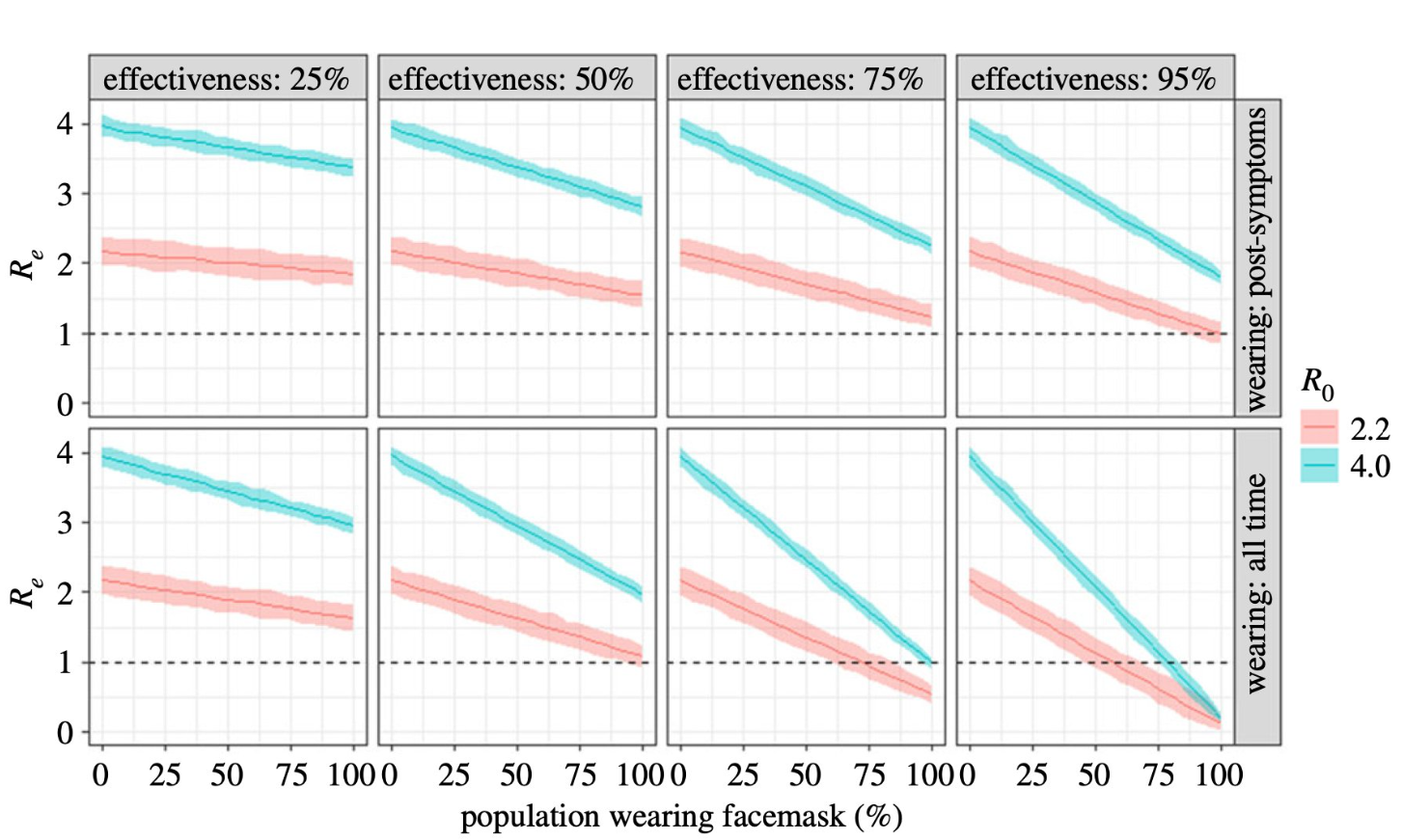
Proceedings of the Royal Society A. Published: https://doi.org/10.1098/rspa.2020.0376 Full Text Link: A modelling framework to assess the likely effectiveness of facemasks in combination with ‘lock-down’ in managing the COVID-19 pandemic

Related blog posts:


Expert Guidance on Inflammatory Bowel Disease (Part 2)

A recent issue of Clinical Gastroenterology and Hepatology focused solely on the clinical features and management of inflammatory bowel disease. Even for those with expertise in IBD, there is a lot of useful information and concise reviews of what is known.

Here are some of my notes from this issue (part 2)

S Danese et al. Clinical Gastroenterol Hepatol: 2020; 18: 1280-90. Positioning Therapies in Ulcerative Colitis

This is a good article but recent AGA publications are probably better –there are some links below. One statement that was interesting: “the safety profile of vedolizumab seems even better than placebo in terms of risk of serious” adverse events. The authors favored infliximab in combination with azathioprine in those needing biologic therapy with moderate-severe UC.

Related blog posts:

S Vermeire et al. Clinical Gastroenterol Hepatol: 2020; 18: 1291-9. How, When, and for Whom Should We Perform Therapeutic Drug Monitoring?

“Although reactive TDM, testing at time of loss of response, is widely accepted in practice, especially for anti–tumor necrosis factor antibodies, there are less data for the other monoclonal antibodies belonging to other classes. Besides reactive testing, there is a movement toward proactively adjusting biologic dosing to prevent loss of response, in keeping with the tight control philosophy of inflammatory bowel disease care.” The authors favor proactive monitoring: “we are now beginning to see with well-powered proactive TDM studies” that proactive monitoring can maximize the benefits of TDM with “the potential to maximize durability of biologics and improve the outcomes of IBD patients.”

Related blog posts:

PS Dulai et al. Clinical Gastroenterol Hepatol: 2020; 18: 1300-8. How Do We Treat Inflammatory Bowel Diseases to Aim For Endoscopic Remission?

The initial part of this article reviews treatment targets -resolution of symptoms and resolution of endoscopic damage. The algorithm provides the authors’ suggested approach:

  • At initiation of therapy, patients should have a full assessment.  In addition to ileocolonoscopy, for patients with CD, the authors recommend cross-sectional imaging.
  • After treatment initiation, the authors recommend biomarker assessment every 3 months.  Mucosal assessment can occur 6-9 months after treatment initiation.
  • For UC, the authors note that fecal calprotectin (FC) “appears to be more stratightforward, and a cutoff of 250 mcg/g can be used reliably across all scenarios to make treatment adjustments.”  Though, they recommend endoscopic confirmation prior to transition to a biologic or small molecule therapy.
  • For CD, the authors suggest making treatment adjustments in those with FC >250 mcg/g and in those with lower values, followup colonoscopy is recommended.
  • The authors note that in the post-operative setting with CD, mucosal inflammation precedes symptomatic activity and “waiting for symptoms to emerge may unnecessary allow for disease progression.”
  • The authors suggest that tighter disease control will reduce disease-related complications, while acknowledging a lack of prospective clinical trials.
  • One thorny issue: :”For CD: it remains unclear what degree of residual mucosal healing is acceptable to impact important outcomes such as CD-related complications, hospitalizations, and surgeries.”

Related blog posts:

M Allocca et al. Clinical Gastroenterol Hepatol: 2020; 18: 1309-23. Use of Cross-Sectional Imaging for Tight Monitoring of Inflammatory Bowel Diseases

“Computed tomography is limited by the use of radiation, while the use of magnetic resonance enterography (MRE) is limited by its cost and access. There is growing interest in bowel ultrasound that represents a cost-effective, noninvasive, and well-tolerated modality in clinical practice, but it is operator dependent… Diffusion-weighted imaging (DWI) is a MR imaging technique that increasingly is used in both IBD and non-IBD conditions and has been shown to be a valuable and accurate tool for assessing and monitoring IBD activity.

L Beaugerie et al. Clinical Gastroenterol Hepatol: 2020; 18: 1324-35. Predicting, Preventing, and Managing Treatment-Related Complications in Patients With Inflammatory Bowel Diseases

The first part of this article reviews potential adverse effects from the medications used for IBD treatment, noting in Table 1 that there are not complications to monitor for with both vedolizumab and ustekinumab.

The article reviews infections, vaccination strategies and issues related to malignancy Some of the recommendations:

  • vaccine against pneumococcus should be given before patients begin immunosuppressive therapy
  • physicians should consider giving patients live vaccines against herpes zoster (in adults) before they begin immunosuppressive therapy or a recombinant vaccine, when available, at any time point during treatment
  • sun protection and skin surveillance from the time of diagnosis are recommended
  • despite concerns about therapy, the authors note that “the extensive use of immunosuppressive therapy leads to a substantial decrease in the incidence of IBD complications, with a globally favorable benefit-risk ratio, which can be optimized further thanks to a good degree of awareness and knowledge of drug complications.”

It is interesting that this article (and the entire issue) does not address mental health concerns related to the diagnosis of IBD.  This likely creates more morbidity and complications than most of the other issues that are discussed.

Above: Why did the picture go to jail? Because it was framed.
Disclaimer: This blog, gutsandgrowth, assumes no responsibility for any use or operation of any method, product, instruction, concept or idea contained in the material herein or for any injury or damage to persons or property (whether products liability, negligence or otherwise) resulting from such use or operation. These blog posts are for educational purposes only. Specific dosing of medications (along with potential adverse effects) should be confirmed by prescribing physician.  Because of rapid advances in the medical sciences, the gutsandgrowth blog cautions that independent verification should be made of diagnosis and drug dosages. The reader is solely responsible for the conduct of any suggested test or procedure.  This content is not a substitute for medical advice, diagnosis or treatment provided by a qualified healthcare provider. Always seek the advice of your physician or other qualified health provider with any questions you may have regarding a condition.

Expert Guidance on Current Management of IBD (Part 1)

A recent issue of Clinical Gastroenterology and Hepatology focused solely on the clinical features and management of inflammatory bowel disease. Even for those with expertise in IBD, there is a lot of useful information and concise reviews of what is known.

Here are some of my notes from this issue:

AN Ananthakrishnan et al. Clin Gastroenterol Hepatol 2020; 18: 1252-60. Changing Global Epidemiology of Inflammatory Bowel Diseases: Sustaining Health Care Delivery Into the 21st Century

Reviews risk factors and recommends the following as ways to lower risk of developing IBD for at-risk individuals:

  • Breastfeeding in infancy
  • Do not start smoking
  • Avoid vitamin D deficiency
  • Minimize non-steroidal anti-inflammatory drug use
  • Minimize antibiotic use especially for young children and during pregnancy
  • Encourage moderate physical activity, healthy weight, low stress and regular sleep
  • Diet high in fruit, vegetables, fiber, and fish

Reviews the epidemiology and notes that there has been a evidence of a decline in incidence in IBD in (at least) the Western world; however, because of compounding prevalence, it is expected that the number of individuals with IBD will continue to rise.  In Canada, for example, it is expected that the prevalence will rise from 0.7% in 2018 to 1% by 2030.

In newly industrialized countries, it is expected that rising incidence is going to substantially increase the global disease burden. The authors note the following as areas needed in research and clinical care to meet global IBD care burden:

  • tools for early diagnosis
  • early effective intervention to prevent irreversible bowel damage
  • precision medicine to select the right treatment for the right patient
  • need for less costly and more safe therapies
  • simple tools to monitor disease activity
  • primary disease prevention strategies, especially for those at high risk

CA Siegel, CN Bernstein. Clin Gastroenterol Hepatol 2020; 18: 1261-7. Identifying Patients With Inflammatory Bowel Diseases at High vs Low Risk of Complications

This article’s disease-stratification information overlaps with subsequent articles which detail the positioning of therapies for Crohn’s disease (CD) and ulcerative colitis (UC) respectively.

NH Nguyen, S Singh, WJ Sandborn. Clin Gastroenterol Hepatol 2020; 18: 1267-79. Positioning Therapies in the Management of Crohn’s Disease.

Some of the information summarized in this article:

Table 2 -Comparative Efficacy of Biologics for Moderate to Severe Active Crohn’s Disease (CD):

  • Infliximab: For induction: OR compared to placebo for remission: 5.90 (2.78-12.51); probability of remission 60%. For maintenance in those with clinical response: probability of remission SUCRA ranking: 48%; 0.68
  • Adalimumab: For induction: OR compared to placebo for remission: 3.80 (1.76-8.18); probability of remission 49%. For maintenance in those with clinical response: probability of remission SUCRA ranking: 58%; 0.97
  • Ustekinumab: For induction: OR compared to placebo for remission: 2.75 (1.76-4.32); probability of remission 41%.  For maintenance in those with clinical response: probability of remission SUCRA ranking: 39%; 0.36
  • Vedolizumab: For induction: OR compared to placebo for remission: 2.69 (1.36-5.32); probability of remission 40%.  For maintenance in those with clinical response: probability of remission SUCRA ranking: 42%; 0.52
  • Certolizumab pegol: For induction:  OR compared to placebo for remission: 1.36 (0.89-2.08); probability of remission 25%.  For maintenance in those with clinical response: probability of remission SUCRA ranking: 42%; 0.48

In deciding therapy, the authors specify factors that help classify as high-risk CD Table1):

  • Structural damage: large or deep mucosal lesions, fistula or perianal abscess, prior resections (especially if >40 cm)
  • Inflammatory burden: extensive disease involvement (ileal disease >40 cm or pancolitis), increased C-reactive protein, low albumin
  • Impact on quality of life: presence of stoma, >10 loose stools/week, lack of symptomatic improvement with prior biologics and/or immunomodulators, presence of anorectal symptoms, anemia, daily abdominal pain
  • Emerging predictors: antimicrobial antibody pattern, antimicrobial genetic peptide signature

Though the authors note a lack of adequate head-to-head comparative studies, they make some recommendations for treatment:

  • For severe disease, they suggest first-line therapy for CD would be infliximab or adalimumab in combination therapy regimen (with infliximab favored for higher disease severity)
  • For second-line therapy, they suggest ustekinumab for most patients in combination therapy or 2nd anti-TNF in those with loss or response due to immunogenicity or intolerance
  • For those with higher risk factors for adverse events (or preference) and moderate disease severity, the authors recommend vedolizumab as 1st line and ustekinumab as 2nd line.  For this same group with higher disease severity, they suggest ustekinumab as 1st line treatment.

Other key points:

  • In terms of risk of malignancy, the authors note that in a comprehensive systematic review of 23 RCTs of TNF-alpha antagonists in IBD, there was NO significant increase in the risk of malignancy with TNF-alpha antagonists.
  • In terms of combination therapy, the authors note that their has been an observed benefit which is “at least partly attributed to achieving a higher biologic trough concentration….no differences in efficacy of combination therapy vs infliximab were observed when evaluating patients by quartiles of infliximab trough concentration; however, currently this represents association rather than causation, and it is possible that superior remission rates drove higher trough concentrations, rather than vice versa.”

Disclaimer: This blog, gutsandgrowth, assumes no responsibility for any use or operation of any method, product, instruction, concept or idea contained in the material herein or for any injury or damage to persons or property (whether products liability, negligence or otherwise) resulting from such use or operation. These blog posts are for educational purposes only. Specific dosing of medications (along with potential adverse effects) should be confirmed by prescribing physician.  Because of rapid advances in the medical sciences, the gutsandgrowth blog cautions that independent verification should be made of diagnosis and drug dosages. The reader is solely responsible for the conduct of any suggested test or procedure.  This content is not a substitute for medical advice, diagnosis or treatment provided by a qualified healthcare provider. Always seek the advice of your physician or other qualified health provider with any questions you may have regarding a condition.

Eight States with Increasing COVID-19 Problems

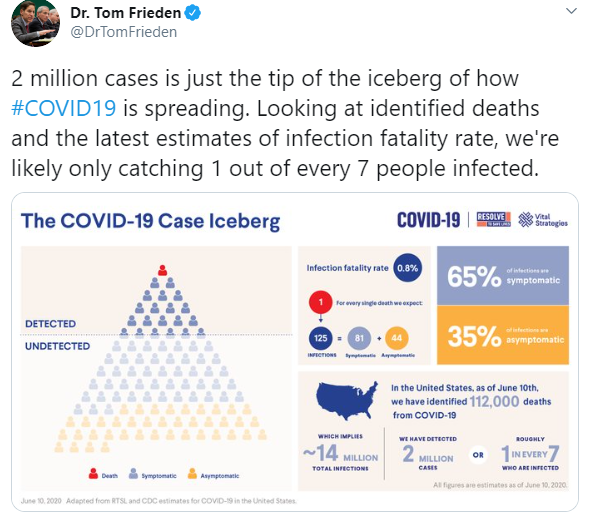
States with unfavorable trends: Arizona, Arkansas, Florida, North Carolina, South Carolina, Tennessee, Texas, and Utah.  From Eric Topol Twitter feed:

Also recent modeling indicates that face masks lower transmission rate –from Reuters: Widespread mask-wearing could prevent COVID-19 second waves: study

Related blog posts:

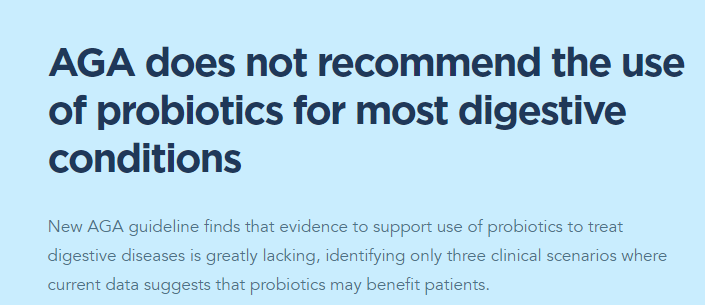
AGA Practice Guidelines: Probiotics NOT Helpful for Most GI Conditions

Here is a link to the EPUB draft of AGA clinical report (G Su et al. Gastroenterology DOI: https://doi.org/10.1053/j.gastro.2020.05.059): AGA Clinical Practice Guidelines on the Role of Probiotics in the Management of Gastrointestinal Disorders

Here is a link to the pre-draft technical review by GA Preidis et al. Gastroenterology DOI: https://doi.org/10.1053/j.gastro.2020.05.060 AGA Technical Review on the Role of Probiotics in the Management of Gastrointestinal Disorders

  • The report recommends NOT using probiotics outside of clinical trials for irritable bowel syndrome, Clostridium difficile infection treatment, Crohn’s disease, and gastroenteritis.
  • It recommends a specific probiotic for pouchitis and for prevention of necrotizing enterocolitis in preterm infants <37 weeks and 3 probiotics for patients who are receiving antibiotics (to prevent Clostridium difficile infection)

CNN summary: Probiotics don’t do much for most people’s gut health despite the hype, review finds

“While our guideline does highlight a few use cases for probiotics, it more importantly underscores that the public’s assumptions about the benefits of probiotics are not well-founded,” said Dr. Grace L. Su, a professor of medicine and chief of gastroenterology at the University of Michigan, Ann Arbor, in a news statement. She was the chair of the panel that issued the new guidance….

“The industry is largely unregulated and marketing of product is often geared directly at consumers without providing direct and consistent proof of effectiveness,” said the new guidelines. “This has led to widespread use of probiotics with confusing evidence for clinical efficacy,” it said…

“Not all probiotics are created equal. Some probiotic strains and mixtures are very effective for some types of diseases and should not be overlooked due to studies that lump all probiotics together as one”

My take: Probiotics are overhyped and underperform for most conditions. This report suggests that most people should NOT be taking probiotics.

Related blog posts: