One More Problem with HIDA Scans

A recent case study (A Adeyemi et al. J Pediatr 2020; 220: 245-8) provides information on 6 infants with a subsequent diagnosis of biliary atresia who had HIDA scans which reported excretion.

Methods: HIDA scans from 1992-2012 were reviewed from CHOP, this included 223 infants up to 4 months of age.

Key findings:

  • While there were six cases with HIDA scans that showed excretion into the bowel, none of these infants had truly normal HIDA scans.
  • 4 of the 6 patients had excretion qualified as slight, mild, or subtle and faint.
  • 5 of the 6 patients did not have the gallbladder visualized on HIDA.

Commentary:

  • HIDA scans are well-known to have a high sensitivity but a low specificity for biliary atresia (even with pretreatment choleretic agents). Liver biopsies have a higher diagnostic accuracy.
  • Since biliary atresia is a progressive disease, some excretion on HIDA does not exclude the diagnosis.  Though, age at HIDA was not a significant variable in this small series.

My takes:

  • Don’t rely too much on any test, including HIDA scans.  Equivocal findings need to be reported as such.
  • Fortunately, MMP-7 has emerged as another quick way with good (not perfect) specificity for biliary atresia.
  • Another related caveat is to look carefully at ultrasounds in this age group.  Often a small or retracted gallbladder is overlooked and could be an important clue to the diagnosis of biliary atresia.

Related blog posts:

Rhododendron Flowers (Spring 2020)

High Risk Workers Need N95 Masks

NY Times article that summarized recent Lancet study: Medical Workers Should Use Respirator Masks, Not Surgical Masks

Original Lancet Study (DK Chu et al. June 1, 2020
https://doi.org/10.1016/S0140-6736(20)31142-9): Physical distancing, face masks, and eye protection to prevent person-to-person transmission of SARS-CoV-2 and
COVID-19: a systematic review and meta-analysis

An excerpt from NY Times article:

The surgical masks used in risky settings like hospitals offer much less protection against the coronavirus, an analysis found…

The results, published on Monday in The Lancet, make it clear that the W.H.O. and the Centers for Disease Control and Prevention should recommend that essential workers like nurses and emergency responders wear N95 masks, not just surgical masks

N95 masks offered 96 percent protection, the analysis found, while the figure for surgical masks was 77 percent. The findings are particularly important as the United States moves to reopen the economy, Dr. Michaels said…

Workers in health care settings are not the only ones at high risk of coronavirus infection: employees in meatpacking plants and some farms are all also at high risk of coronavirus infection and could benefit from N95 masks..

The new analysis also suggests that covering the eyes with face shields, goggles and glasses may provide additional safeguards for health care workers and people in the community.

Related blog posts:

Does Stopping Cannabis Improve Cyclic Vomiting Syndrome?

Cannabis use has been linked to hyperemesis. However, a recent cross-sectional study (T Venkatesan et al. Clin Gastroenterol Hepatol 2020; 18: 1082-90) that stopping cannabis rarely results in improvement in cyclic vomiting syndrome (CVS).

This study enrolled 140 patients who had CVS with a mean age of 37 years, all seen at a specialized clinic; 41% were current cannabis users and were classified as regular users (≥4/wk, n=30) or occasional users (<4/wk, n=26).

Key findings:

  • Only 1 of 56 (2%) reported that cannabis abstinence (for a month) resolved their CVS symptoms and 1 of 56 (2%) noted improvement with cannabis abstinence.
  • 27 of 56 (56%) reported that cannabis abstinence worsened their CVS symptoms; 19 (40%) reported no change with cannabis abstinence
  • Only 1 patient taking cannabis met Rome IV criteria for cannabinoid hyperemesis syndrome (CHS). This patient subsequently resumed cannabis with a higher proportion of CBD (less THC) without recurrence of CVS symptoms.  This provides some support to the idea that THC in cannabis is responsible for CHS.

My take: (borrowed from authors) “If a patient with CVS and chronic regular cannabis use is refractory to standard therapy, we recommend a period of abstinence of at least 6 months or a duration of time that exceeds at least 3 consecutive cycles.”

Related blog posts:

Disclaimer: This blog, gutsandgrowth, assumes no responsibility for any use or operation of any method, product, instruction, concept or idea contained in the material herein or for any injury or damage to persons or property (whether products liability, negligence or otherwise) resulting from such use or operation. These blog posts are for educational purposes only. Specific dosing of medications (along with potential adverse effects) should be confirmed by prescribing physician.  Because of rapid advances in the medical sciences, the gutsandgrowth blog cautions that independent verification should be made of diagnosis and drug dosages. The reader is solely responsible for the conduct of any suggested test or procedure.  This content is not a substitute for medical advice, diagnosis or treatment provided by a qualified healthcare provider. Always seek the advice of your physician or other qualified health provider with any questions you may have regarding a condition


Nutritional Risks in Adolescents After Bariatric Surgery; Prevention of Childhood Obesity; Convalescent Serum for COVID-19

S Xanthakos et al. Clin Gastroenterol Hepatol 2020; 18: 1070-81. Full Text: Nutritional Risks in Adolescents After Bariatric Surgery

This was a multicenter prospective cohort study with 226 adolescents (mean age 16.5 years, mean BMI of 52.7) who had either Roux-en-Y bypass (RYGB, n=161) or vertical sleeve gastrectomy (VSG, n=67).

Key findings:

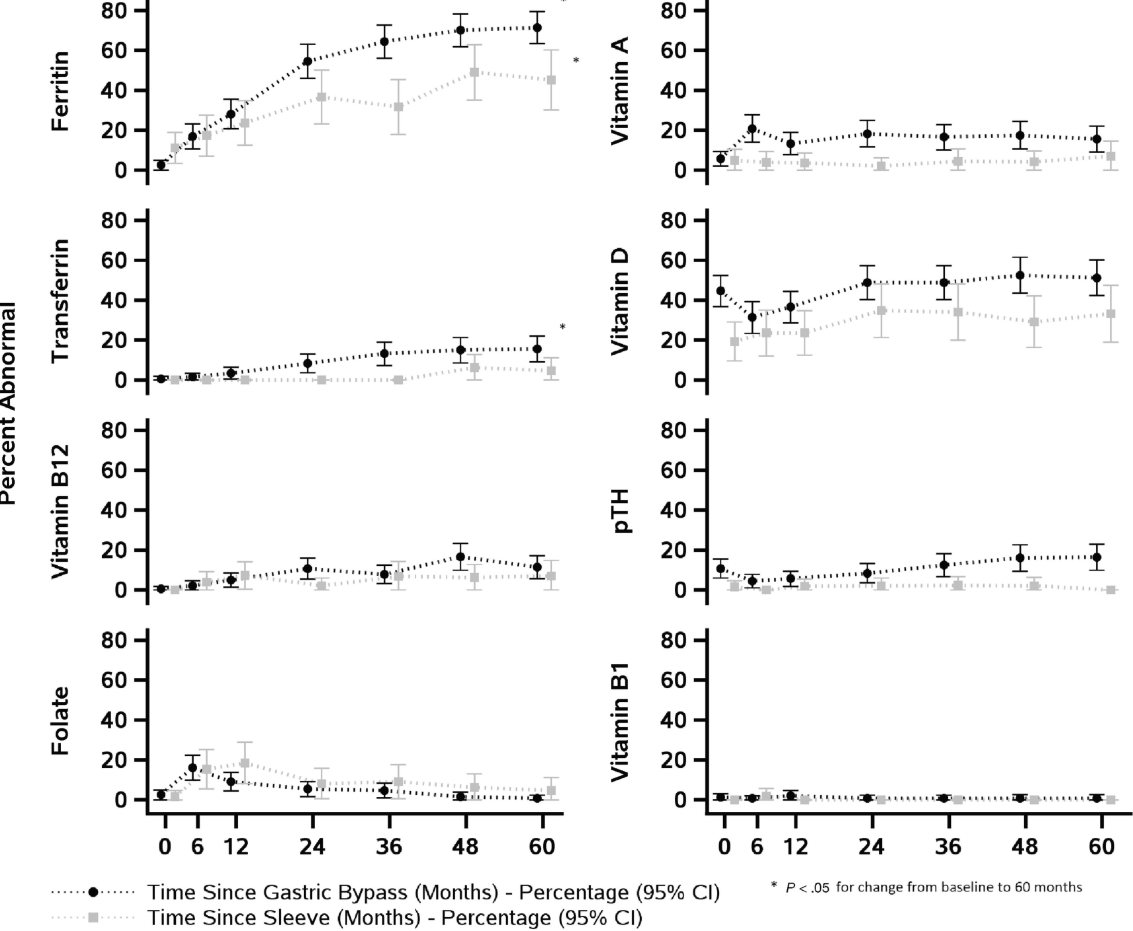
  • At 5 years, 59% of RYGB and 27% of VSG had ≥2 nutritional deficiencies
  • The most prevalent abnormality we observed was hypoferritinemia, which affected nearly twice as many RYGB recipients by Year 5 compared with VSG.
  • Vitamin B12 status likewise worsened disproportionately after RYGB, despite similar trajectories of weight loss after VSG
  • Image below shows the prevalence of abnormal values for vitamins over time

My take: This study shows that adolescents undergoing VSG had fewer nutritional deficiencies than RYGB and provides data supporting nutritional monitoring after bariatric surgery.

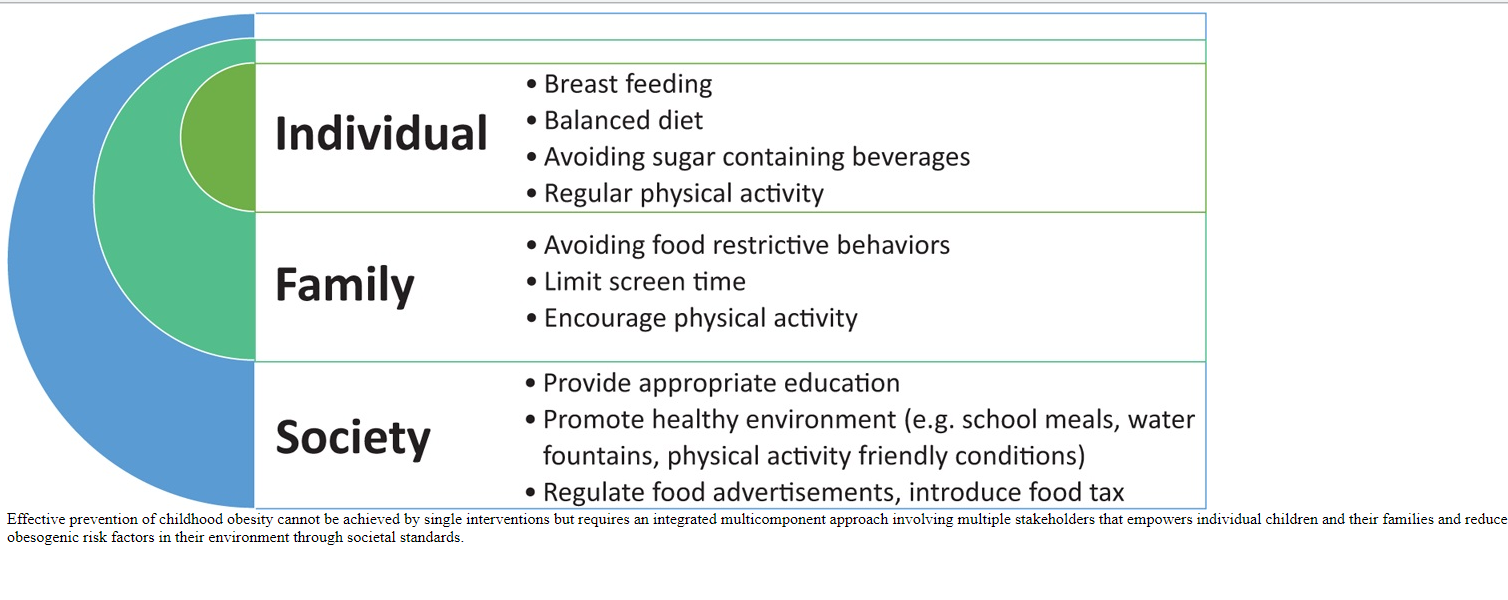
B Koletzko et al. JPGN 2020 70: 702-10. Full Text: Prevention of Childhood Obesity: A Position Paper of the Global Federation of International Societies of Paediatric Gastroenterology, Hepatology, and Nutrition (FISPGHAN)

Related blog posts (Bariatric Surgery):

Related blog posts (Obesity):


Relative Efficacy of Medications for Irritable Bowel Syndrome with Constipation

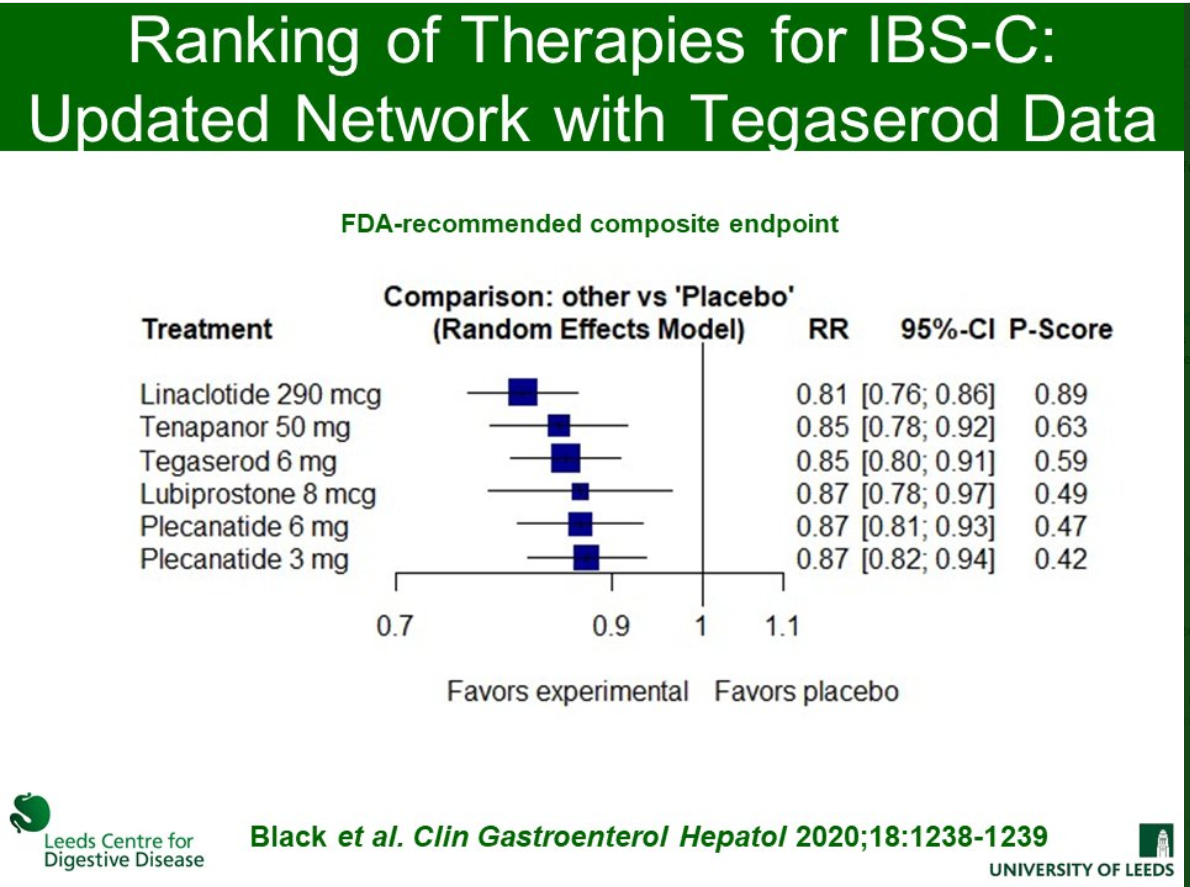
A recent systematic review and network meta-analysis (CJ Black, et al. Clin Gastroenterol Hepatol 2020; 18: 1238-39) reviewed the relative efficacy of medications for irritable bowel syndrome with constipation. In total, the 14 trials randomized 9113 patients.

Key points:

  • All treatments were significantly more effective than placebo
  • Linaclotide was ranked most effective; however, indirect comparison of active treatments revealed no significant differences between the individual drugs

Liver Shorts -May 2020 & CDC Recommendations for Office (NY Times Summary)

NY Times:  C.D.C. Recommends Sweeping Changes to American Offices


FDA Approves Hepatitis C Pangenomic Treatment for Children (Mar 19, 2020):

The U.S. Food and Drug Administration today approved a supplemental application for Epclusa (sofosbuvir and velpatasvir) to treat hepatitis C virus (HCV) in children ages 6 years and older or weighing at least 37 pounds (17 kilograms) with any of the six HCV genotypes—or strains—without cirrhosis (liver disease) or with mild cirrhosis.

Review: NAFLD in China 1999-2018 J Zhou et al. Hepatology 2020; 71: 1851-4.

  • NALFD increased by 8-9% in prevalence, to 29.1%.  This means there are more than 230 million individuals with NAFLD in China.

Use of HCV-positive donors for liver transplantation to HCV-negative recipients. N Anwar et al. Liver Transplantation 2020; 26: 673-80. Key finding: HCV-positive organs had similar outcomes regarding graft function, patient survival and post-LT complications.

Recent Decline in Hepatocellular Carcinoma Rates in U.S. MS Shiels, TR O’Brien. Gastroenterol 2020; 158: 1503-5. Using SEER-21 population based cancer registries covering 37% of U.S. population, the authors found a recent decline in rates of HCC:

  • 2000-2016: 119,078 cases of HCC in SEER-21 registries, 5.84/100,000
  • Rates increased b 5.6% per year from 2000-2007, then by 2.7% per year from 2007 to 2013, subsequent rate reached a plateau and declined with drop of 1.4% per year (P=.12)
  • Improvement could have been due in part to improvement in viral hepatitis treatment; a less favorable explanation could be that the drop occured due to a death from another cause (eg. non-HCC death due to cirrhosis, opioid-related death

Related blog posts:

Potential Treatment for Nonalcoholic Steatohepatitis N Chalasani et al. Gastroenterol 2020; 158: 1334-45. The study explored the use of Belapectin, an inhibitor of Galectin-3, in patients with nonalcoholic steatohepatitis and cirrhosis. n=162, phase 2 randomized, double-blind study. Key finding: 1 year of every 2 week infusions were safe but not associated with significant reductions in hepatic venous pressure gradient (HVPG) or fibrosis. However, in a subgroup without varices, there was lowered HVPG and lowered risk of new varices.

Treatment Options for Minimal Hepatic EncephalopathyRK Dhiman et al. Clin Gastroenterol Hepato 2020; 18: 800-12.  This meta-analysis which included 25 trials (n=1563) found the following:

  • For reversing minimal hepatic encephalopathy (MHE), rifaximin (OR 7.53) and lactulose  (OR 5.39) were effective with moderate quality evidence.  Probiotics had OR 3.89 and L-ornithine L-aspartate had OR 4.45 —both with low quality evidence.
  • For prevention of HE, L-ornithine L-aspartate had OR 0.19 (‘high moderate’ quality), and lactulose had OR 0.22 (moderate quality) were effective. Probiotics had OR 0.27 with low quality evidence.
  • The authors conlude that lactulose is the most effective agent for prevention and reversal of MHE.

Related blog posts:


Curbside Humor


How to Get Rid of the Placebo Effect in Inflammatory Bowel Disease Trials

A recent study (M Duijvestein et al. Clin Gastroenterol Hepatol 2020; 18: 1121-32, editorial 1030-32) analyzed data from recent randomized, double-blind, placebo-controlled trials for Crohn’s disease (CD).  In these induction trials fro eldelumab, filgotinib, risankizumab, and ustekinumab, the authors found very low rates of placebo response (n=188 in placebo arms).

Key findings:

  • Based on endoscopic assessment of CD activity, response rate to placebo was 16.2%; response indicated >50% reduction in the simple endoscopic score for CD.
  • The rate of remission was 5.2%
  • Even lower rates of response were noted in those with elevated CRP at baseline (OR 0.93) and those with history of anti-TNF therapy (OR 0.31)

Commentary:

  • The key to lowering the placebo response are to use objective biologic markers rather than relying exclusively on clinical symptoms.
  • Central reading of endoscopic endpoints also is thought to minimize placebo effect
  • The editorial notes that the use of placebo in clinical trials “must be justified by the importance of the additional scientific value gained, and placebo should be used in trials only if there is genuine equipoise between the active treatment and placebo.”
  • “Because of ethical questions concerning placebo and the emergence of head-to-head trials, placebo arms may disappear from future IBD trials.”

My take: In reality, very few individuals with CD improve without adequate treatment.  Use of objective criteria is crucial to finding out what really works, both in clinical trials and in clinical practice.

Related blog posts:

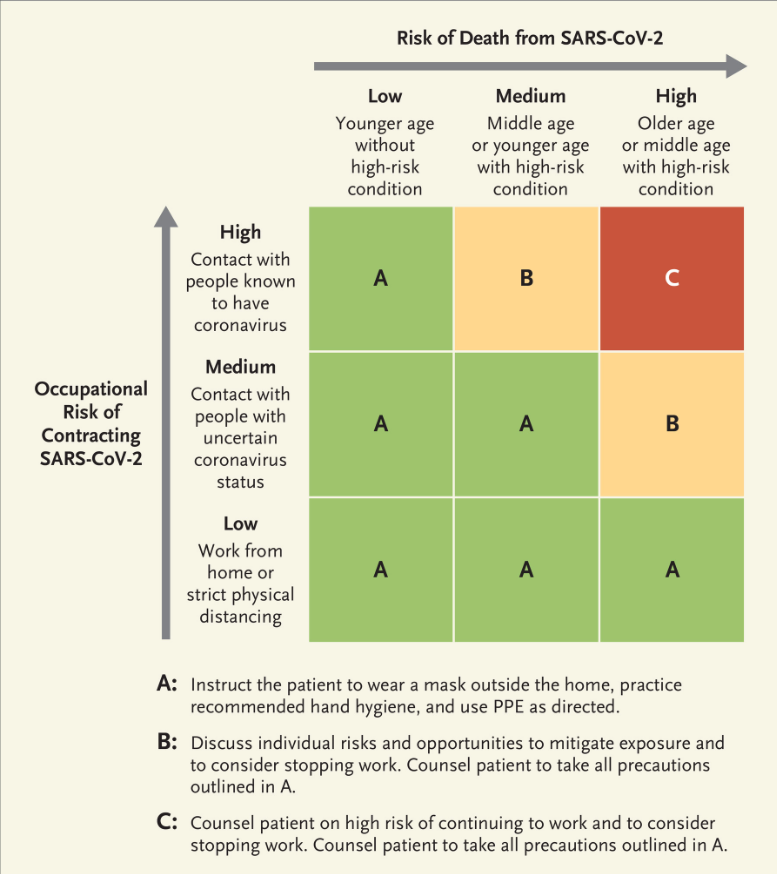
Is It Safe for Me to Go to Work?

Just for fun —YouTube (~3 minute video): The Swish Machine: 70 Step Basketball Trickshot (Rube Goldberg Machine)


Full text —MR Larochelle. DOI: 10.1056/NEJMp2013413. NEJM: Is It Safe for Me to Go to Work?

An excerpt:

I believe that a strategy to protect at-risk workers needs at least three components: a framework for counseling patients about the risks posed by continuing to work, urgent policy changes to ensure financial protections for people who are kept out of work, and a data-driven plan for safe reentry into the workforce…

The Occupational Safety and Health Administration has published guidance and proposed a scheme for classifying the risk of SARS-CoV-2 infection as high, medium, or low based on potential contact with persons who may or do have the virus (www.osha.gov/Publications/OSHA3990.pdf. opens in new tab). Low-, medium-, and high-risk categories of individual risk of death from Covid-19 are based on age and the presence of high-risk chronic conditions identified by the CDC…

As states move to reopen their economies, millions of nonessential employees will join essential employees in putting themselves at risk for contracting SARS-CoV-2 at work. Physicians should engage patients in individualized risk assessments. Our society has the moral imperative and means to provide vulnerable employees a financial safety net until we can better ensure their workplace safety.

Related blog post: @Atul_Gawande: How to Reopen

“Coronavirus Disease 2019 and the Pediatric Gastroenterologist”

Full Text: KF Murray, BD Gold, R Shamir et al. JPGN 2020; 70: 720-6. Coronavirus Disease 2019 and the Pediatric Gastroenterologist. This article includes CME availability too!

Some excerpts:

  • The latest global count updates can be found at: https://www.who.int/emergencies/diseases/novel-coronavirus-2019/situation-reports/.
  • SARS-CoV-2 is a positive-sense, single-stranded RNA virus belonging to the genus Betacoronavirus, and phylogenetically related (88%–89% similarity) to the two bat-derived SARS-like coronaviruses, bat-SL-CoVZC45 and bat-SL-CoVZXC21….
  • Routine gastroenterology practice poses increased risk of exposure and potential viral transmission during ambulatory interaction, especially during endoscopic procedures…
  • The use of telemedicine is now a critical tool for the pediatric gastroenterologists and their patients, whether in the academic setting or private practice…The recently published AAP guideline, entitled Telehealth Payer Policy in Response to COVID-19 (https://downloads.aap.org/DOPA/Telehealth_2_rev.pdf and https://www.aap.org/en-us/professional-resources/practice-transformation/telehealth/Pages/compendium.aspx), which outlines policy changes aiming to alleviate barriers to telehealth care, along with a webinar on telehealth and guidance on structuring your practice during the pandemic are tools that can be employed in both the academic and private practice pediatric gastroenterologist office to facilitate ongoing quality care of their patients

My take: This article provides a concise update and numerous resources.  As the information about the coronavirus is rapidly changing, the recommendations will continue to evolve.

Also, JPGN has a large number of articles available on its COVID-19 page: Link: COVID-19 page This page includes articles related to endoscopy, PPE, telemedicine, and central line infections.  Also, based on a personal communication, there will be a link to a recently published article soon on “Pediatric Crohn’s Disease and Multisystem Inflammatory Syndrome in Children (MIS-C) and COVID-19 Treated With Infliximab.”(Dolinger M T, Person H, Smith R, et al. Journal of Pediatric Gastroenterology & Nutrition 2020;  PMID: 32452979 DOI: 10.1097/MPG.0000000000002809)