Adverse Childhood Experiences

Recently, I attended the 17th Annual Donald Schaffner lecture.  This lecture honors the legacy of an outstanding surgeon who I had the opportunity to work with many years ago.  One of my partners, Dr. Jeff Lewis, has been instrumental in arranging these annual lectures.

This terrific lecture by Emory physician, Dr. Stan Sonu, focused on Adverse Childhood Experiences (ACEs).  While this has been a pervasive long-standing problem, there has been heightened interest in this topic following the shameful policy of promoting childhood separations at the U.S.-Mexico border.

This lecture explained how widespread the problem of ACEs is among children born in the U.S., even among the affluent.  Much of the lecture focused on the ACEs study which included a cohort of 17,000 –all of whom were insured and 75% were white and 75% were college educated.

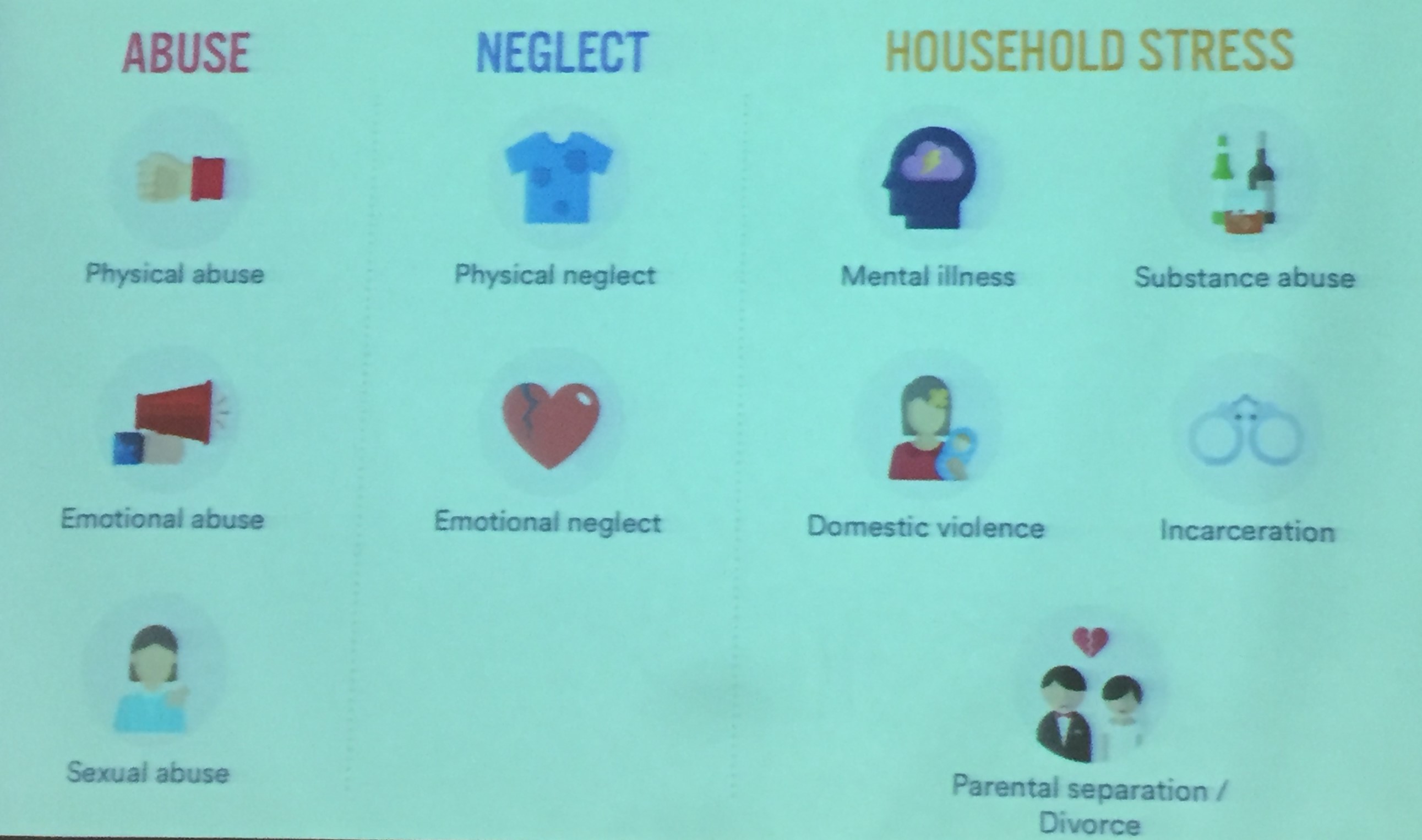
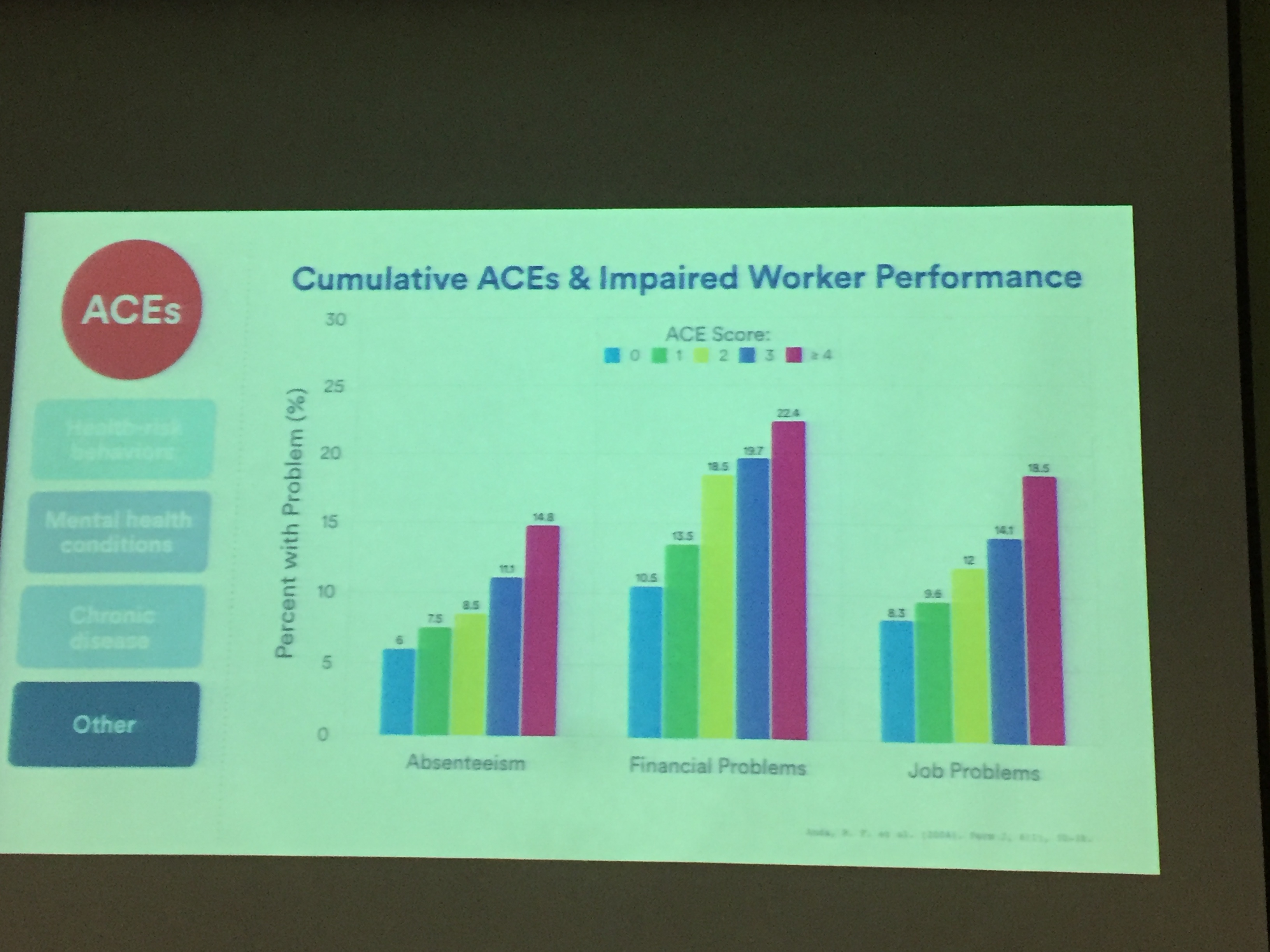
Here are pictures of some of the slides -which explain the scope the problem and the consequences of ACEs:
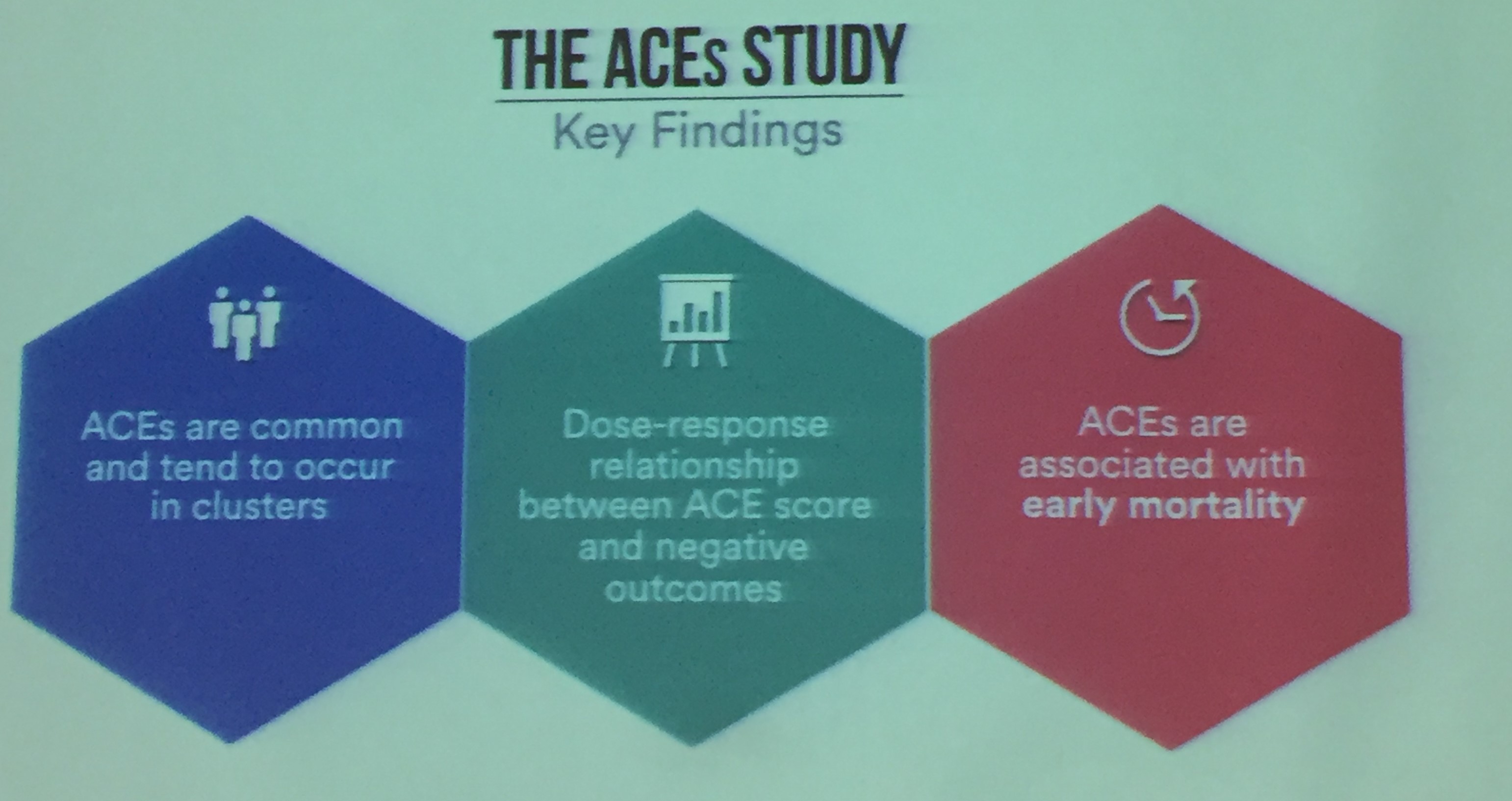
The above slide provides the three take home points.

The slide above shows associations between ACEs and smoking drinking, and IV drug use. The slides below shows associations between ACEs and negative mental health outcomes,  chronic diseases, and poor work performance.

The slide above demonstrates that adverse health effects are increased even among 18-34 year olds. The slide below showed that learning problems are associated with ACEs as well; thus, the effects of ACEs start in childhood.
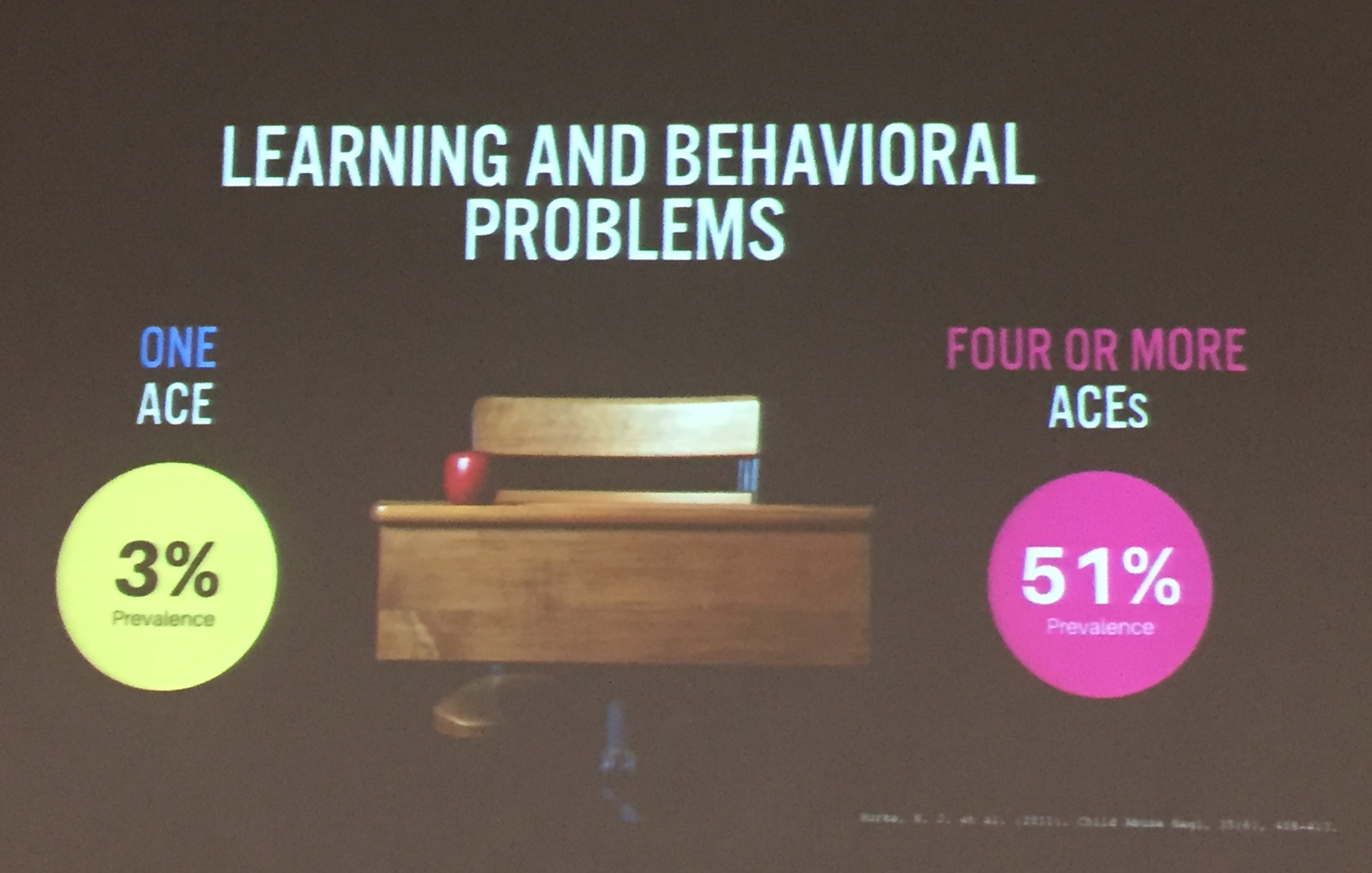
The slide above coincided with discussions (&other slides) of how toxic stress can result in physical changes to the brain.
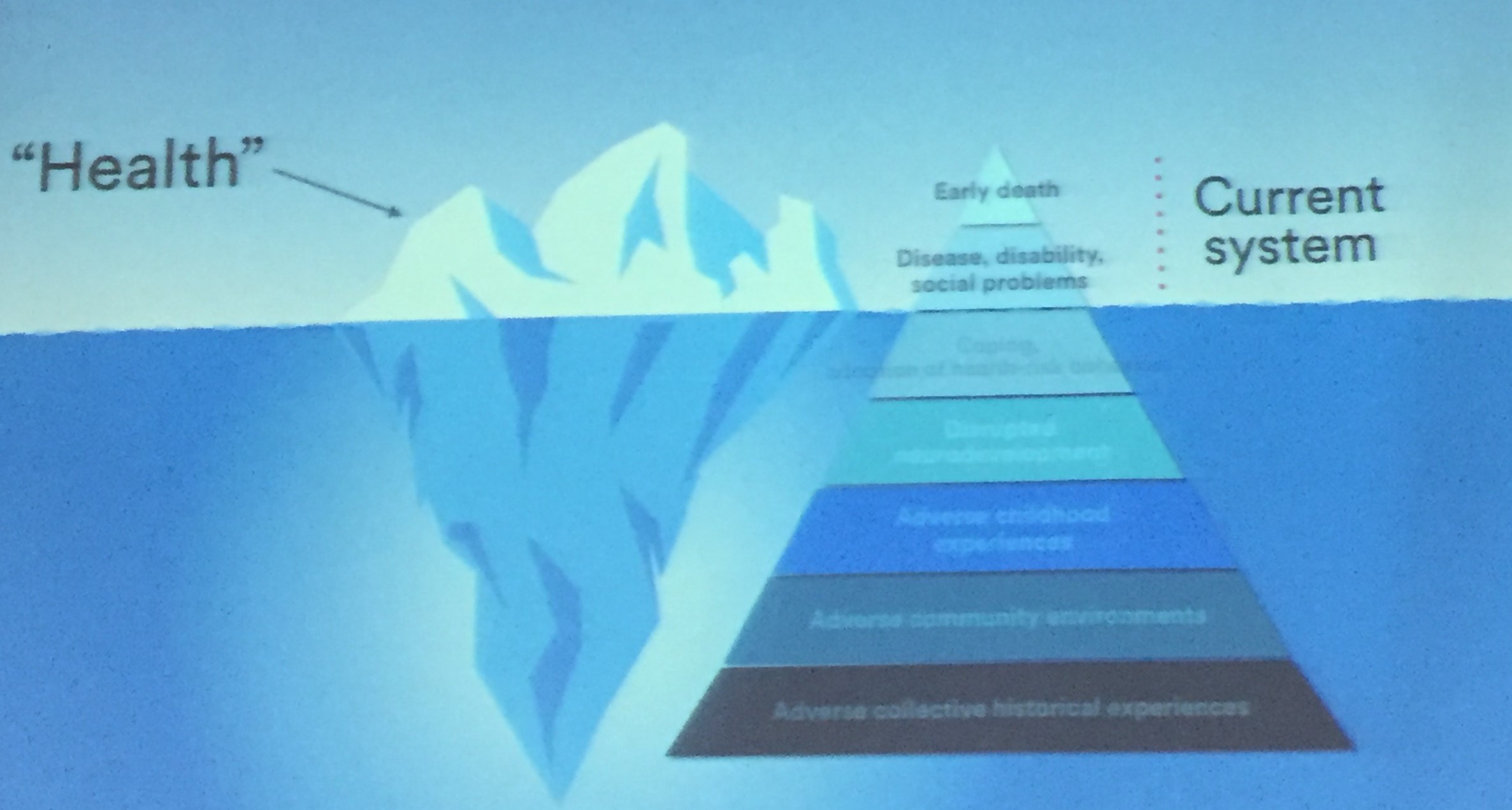
The slide above (which is difficult to see)  indicates that while we see the health effects, we often are not seeing ACEs directly.

Dr. Sonu stated the single most protective factor was having a stable relationship with caregiver.




Liver Shorts November 2018

J Ge et al. Hepatology 2018; 68: 1101-10.  This study reviewed liver donation offers between 2010 to 2014.  This study found that 5.6% of men (293/5202) and 6.2% of women (179/2899) received a pediatric donor as a first offer.  Women, but not men, who received a pediatric first offer had a lower risk of waitlist mortality than with those who received adult organ offers. The authors recommend that “offers of pediatric donor liver be prioritized to women, who are generally shorter stature, once alllocation to the entire…pediatric waitlist pool has occurred.”

CA Chapin et al. Hepatology 2018; 68: 1087-1100.  This study found that patients with indeterminate pediatric acute liver failure (iPALF) have a unique pattern of dense CD8+ T-cell infiltrate that is also perforin-positive adn CD103-positive.  These CD8+ cells are a biomarker for immune dysregulation. These CD8+ dense pattern was found in the 27 of 33 patients with iPALF; 3 had moderate and 3 had minimal staining pattern (per table 2).  The dense CD8+ pattern was seen in 3 of 9 with autoimmune hepatitis and in 1 of 14 with other liver diseases.

E-D Pfister et al. Liver Transplantation 2018; 24: 1186-98.  This study examined patient (n=338) and graft survival in the pediatric population (median age 14.0 years) with Wilson’s disease (1968-2013).  Overall, patient survival was 87% at 1 year, 84% at 5 years, and 81% at 10 years.  Though, the survival was much improved since 2009.

JA Bezzerra et al. Hepatology 2018; 68: 1163-73. This review summarized a research workshop (June 2017) focused on the clinical and research challenges for biliary atresia.

Banff

Methotrexate -Not Effective as Monotherapy for Ulcerative Colitis

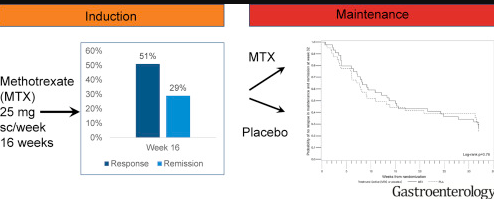
A recent study (H Hansfarth et al. Gastroenterol 2018; 155: 1098-1108) examined the use of methotrexate for ulcerative colitis (UC).  The authors performed a 48-week trial (MERIT-UC trial) with 179 patients with a mean age of 42 years in the induction period.  In those who improved during induction, methotrexate was continued in 44 patients and compared to 40 patients who received placebo; this was a double-blind, placebo-controlled trial.

Key findings:

  • During induction which included 16 weeks with methotrexate at 25 mg per week SC and a 12-week steroid taper, 51% had achieved a response.
  • During maintenance, 60% of patients receiving placebo and 66% of patients receiving methotrexate had a relapse of UC.  At 48 weeks, 30% in the placebo group and 27% in the methotrexate group were in steroid-free clinical remission.
  • No new safety signals were evident with methotrexate.

The associated editorial by Dulai (pg 967-69) which reviewed this study and a prior study (METEOR) comes to the conclusion that: “there is likely no place for methotrexate monotherapy in UC.”

Related blog posts:

Are Patients (but not Doctors) Better Off with EMRs?

A terrific piece by Atul Gawande explores the issues related to adoption of EMRs (electronic medical records): Why Doctors Hate Their Computers

He reviews in-depth many of the reasons why doctors face difficulties with their EMRs:

  • Spending twice as long in front of computer screen instead of with patients
  • Longer days
  • Endless problem lists
  • Inability to delegate some tasks (that previously were done by staff) and needing to provide more information on orders

“Gregg Meyer … the chief clinical officer at Partners HealthCare, Meyer supervised the software upgrade.

‘We think of this as a system for us and it’s not,’ he said. ‘It is for the patients.’

While some sixty thousand staff members use the system, almost ten times as many patients log into it to look up their lab results, remind themselves of the medications they are supposed to take, read the office notes that their doctor wrote in order to better understand what they’ve been told. Today, patients are the fastest-growing user group for electronic medical records.”

Hospital systems can use EMRs in various ways:

Other topics:

  • the emergence of scribes, including scribes in places like India where doctors transcribe recorded patient visits.
  • physician burnout
  • alarm/signal fatigue
  • ” the inevitability of conflict between our network connections and our human connections.”

My take: This is a terrific article and shows why physicians are struggling with EMRs; this article explains the problem in a way that is easy for non-physicians to grasp.  It shows that other professions face similar challenges.

Related blog posts on EMRs:


Hep B-related Hepatocellular Carcinoma in Kids: 8 Needles in 4 Haystacks

Over a 25-year period, investigators (DB Mogul et al. JPGN 2018; 67: 437-440) from 4 medical centers identified 8 patients (8-17 years) with hepatocellular carcinoma (HCC) associated with hepatitis B virus (HBV).

The authors indicate that all of the cases were thought to have acquired HBV via vertical transmission.

Key features:

  • 3 were asymptomatic; 50% reported abdominal pain
  • Only 1 case presented to a hepatologist
  • 4 patients had ALT values <1.5 times the upper limit of normal
  • Among those with documented HBeAg (n=3), all were negative and all were positive for anti-HBeAb
  • Alphafetoprotein was elevated in 3 patients, normal in 2 patients and not documented in 3 patients.

My take: HCC rarely occurs in children with HBV.  The most effective way to reduce HCC is through prevention, particularly vaccination.  The role of regular imaging which could detect tumors earlier remains unclear (in the absence of a risk factor like cirrhosis); in this series, only one patient presented to a hepatologist.

Related blog posts:

Lake Agnes, Banff

Changing Liver Mortality Trends Since 2007

A recent study (D Kim et al. Gastroenterol 2018; 155: 1154-63) used a CDC database which captures >99% of deaths in the U.S. to analyze mortality trends from 2007 through 2016.  Full text link available online: Changing Trends in Etiology-Based Annual Liver Mortality

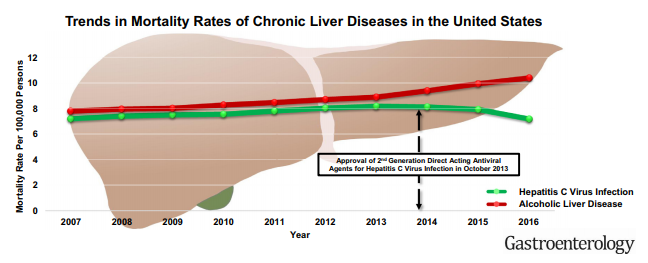
When looking at all-cause mortality, there has been a significant decline in deaths associated with hepatitis C (HCV) but not in deaths associated with alcoholic liver disease (ALD).  The image below shows the trend and the impact of direct-acting antivirals.  Deaths associated with nonalcholic fatty liver disease (NAFLD) and due to hepatitis B (HBV) are described in this study as well, though both together account for less than 1/4th deaths associated with ALD.  Interestingly, mortality related to NAFLD was increasing slowly over the study period.

Related blog posts:


Pediatric Experience with Infliximab Biosimilar in UK

Briefly noted: N Chanchlani et al. JPGN 2018; 67: 513-9.  The authors report on the use of infliximab biosimilar (IFX-B), n=82, compared to infliximab originator (IFX-O) in 175.

  • While the authors did not find a difference with the biosimilar in terms of efficacy and adverse effects, this finding is quite limited; only 28 in IFX-O and 19 in IFX-B had a physician global assessment data which was used to determine efficacy.
  • The authors noted that less than 20% of their patients had a baseline and 3-month followup PCDAI recorded.
  • In addition, of those with available data, less than half (44%) had screening for hepatitis B and tuberculosis.
  • The authors estimate that 875,000 pounds would have been saved for a 1-year period with universal adoption of biosimilars

My take: This study, due to incomplete data, does not add much to our knowledge about biosimilars.  It does indicate that better screening prior to infusions for HBV and tuberculosis is needed along with more well-documented experience.

Related blog posts:

Peyto Lake, Banff

IBD Shorts -November 2018

G Horneff et al. J Pediatr 2018; 201: 166-75.  This industry-funded analysis of 577 pediatric patients who received adalimumab (1440 patient-years) identified no new safety signals.  The most common serious infection was pneumonia (0.6 events per 100 patient-years).  The most common adverse events were respiratory tract infections/nasopharyngitis. Serious infections were more common in the subset of patients with Crohn’s disease (CD), (n=189), occurring in 13%.

PS Dulai et al. Gastroenterol 2018; 155: 687-95.  This study, using data from GEMINI 2 phase 3 trial with 814 patients, developed a clinical prediction tool for determining the likelihood of a clinical response to vedolizumab.  Common predictors for response:

  • No prior bowel surgery
  • No prior anti-TNF exposure
  • No prior fistulizing disease
  • Higher baseline albumin
  • Lower baseline CRP

R Matro et al. Gastroenterol 2018; 155: 696-704.  The authors performed a prospective study of women with IBD and their infants (n=72).  They “detected low concentrations of infliximab, adalimumab, certolizumab, natalizumab, and ustekinumab in breast milk samples.  We found breastfed intants of mothers on biologics, immunomodulators, or combination therapies to have similar risks of infection …compared to non-breastfed infants or infants unexposed to these drugs.”


Endoscopic Incisional Therapy for Esophageal Strictures

MA Manfredi et al. JPGN 2018; 464-8. This retrospective chart review describes the use of endoscopic electrocautery incisional therapy as a treatment for refractory benign esophageal anastomotic strictures (n=57) from 2011-2017.

The authors define refractory as inability to achieve an adequate esophageal lumen diameter after 5 dilatations to the following:

  • Age <9 months: at least 8 mm
  • 9-23 months: at least 10 mm
  • 24 months to 5 years: at least 12 mm
  • 6 years or older: at least 14 mm

Key findings:

  • The median number of dilatations prior to EIT was 8 in the refractory group (n=36) and 3 in the nonrefractory group
  • In the 2 years following EIT the median number of dilatations was 2 in the refractory group and 1 in the nonrefractory group
  • Major complications were reported in 3 (2.3%) —>”non-contained” leak. All healed without surgical intervention. There were an additonal 4 cases of contained fluid leaks (total of 5.3% of esophageal leaks)
  • The authors had a 61% treatment success in children with refractory anastomotic strictures.  Their definition of success “no stricture resection, appropriate diameter for age, and fewer than 7 dilatations in the 2 years following the first EIT session.”
  • The authors note that patients were generally referred for stricture resection in the refractory group after the first or second EIT session IF there was not improvement in esophageal diameter.

Role of this therapy/technical aspects:

  • The authors note that this technique is particularly suited to an asymmetric stricture rather than a completely circular stricture.  With a circular stricture, typical balloon or bougie dilatations exert force equally in all directions and “will more likely tear less dense tissue adjacent to the thicker shelf.”
  • Fluoroscopy during a conventional dilatation may facillitate identification of stricture asymmmetry.
  • In the associated editorial (J Mack, MR Narkewicz) note that the technique should be limited to short (<1 cm) refractory strictures
  • In the technique for EIT, the authors note that combining EIT with balloon dilatation frequently allows a more shallow incision and likely lowers the risk of perforation.

My take: This is a promising treatment for a stubborn problem though its use will require advanced therapeutic experience. As an aside, I think their definition of success is at odds with common sense.

Related blog posts:

The first bear I saw in Banff

Big Advance in Cystic Fibrosis –Who Will Benefit?

Recent studies point to huge advances in cystic fibrosis (CF) therapy. Though as noted in a previous blog (Why Do Canadians with Cystic Fibrosis Live Longer?), medical advances may have limited effect based on a lot of issues including access to care.

Despite that note of caution, it is hard not to be excited about a couple of recent publications which show that triple cystic fibrosis transmembrane conductance regulator (CFTR) modulator therapy has great potential to improve outcomes for CF patients.

  • JC Davies et al. NEJM 2018; 379: 1599-611.
  • D Keating et al. NEJM 2018; 379: 1612-20.
  • Editorial: F Holguin, 1671-2

Background: In the editorial, the pathophysiology of the defect of CF is discussed and how the newer medicines either act as a potentiator of the CFTR (ivacaftor) or as corrector (lumacaftor and tezacaftor).  Potentiators increase CFTR channel opening at the cell surface whereas correctors increase the amount of CFTR protein at the cell surface. One caveat has been that these therapies had not been proven effective, individually, for Phe508del CFTR mutation which occurs in “approximately two thirds of patients.”  Combination therapy has helped in most of this group but not in those with Phe508del-minimal function (MF).

The new studies examine triple therapy with the addition of two new-generation small molecule correctors: VX-445 and VX-659. These new correctors target different sites of the CFTR protein.

Key findings:

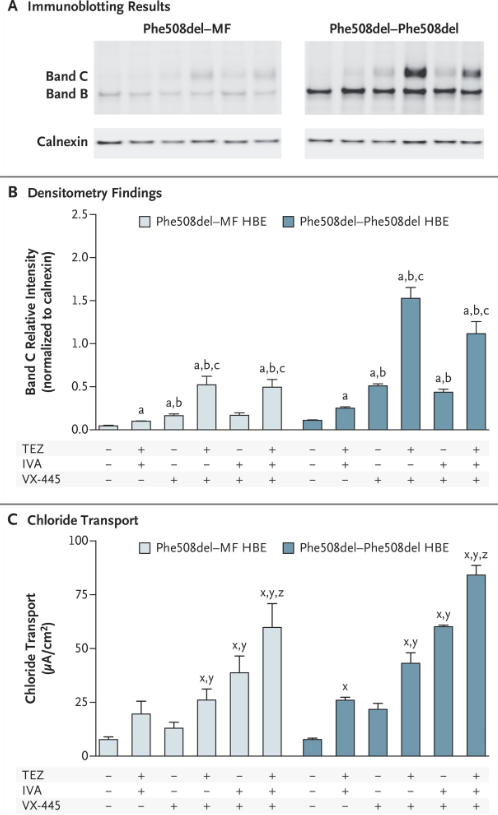
  • in the Davies (VX-659) trial, “4 weeks of triple therapy …increased the primary end point of predicted percentage of FEV1, in the Phe508del-MF and Phe508del-Phe508del groups by an averae of 13.3% and 9.7% respectively”
  • In the Keating (VX-445) trial, triple therapy “significantly increased FEV1 in patients with those genotypes by 13.8% and 11.0% respectively.”
  • Overall, triple therapy “improved the percentage of predicted FEV1 more than double-combination therapy” in patients with a Phe508del-Phe508del mutation.  And reported efficacy in the patients with Phe508del-MF CFTR mutation.
  • The majority of patients had at least one adverse event. 3 of the 122 in the VX-445 trial discontinue treatment due to severe adverse events.

My take: These reports “represent a major breakthrough…for improving health and possibly survival in all patients who carry the most common CFTR mutation.”  Long-term outcomes will need to be followed to confirm these findings.

Related blog posts:

This is Figure 2 from Davies study showing immunoblot findings, densitometry findings, and chloride transport in bronchial cells. The most robust responses were with triple therapy