More on the Flu -5 Reasons for the Flu Shot

Last year’s deadly flu was likely due in part due to a low rate of vaccination.

From NPR: 5 Reasons Why You Need the Flu Shot

Last year “more than 80,000 people died from flu-related illnesses in the U.S. — the highest death toll in more than 40 years.” So 5 reasons to get your shot:

1. You are vulnerable.

People 65 and older are at higher risk of flu-related complications, but the flu can knock young, healthy people off their feet, too. It does every year.

2. Getting a flu shot is your civic duty.

“Nobody wants to be the dreaded spreader,” says Schaffner. But everybody gets the flu from somebody else.

3. You can still get the flu, but you won’t be as sick.

After last winter’s severe season, some people are skeptical. They say: “I got the flu shot, but I still caught the flu.”

4. Pregnant women who get the flu shot protect their babies from flu.

Women who are pregnant should be vaccinated to protect themselves. The vaccine also offers protection after babies are born

5. You cannot get flu from the flu vaccine.

It’s still a common misperception: the idea that you can get the flu from the flu shot.

Related blog posts:


#NASPGHAN18 Highlights (Part 2)

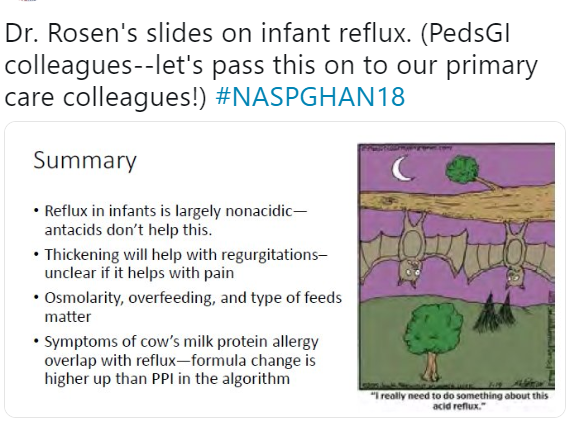
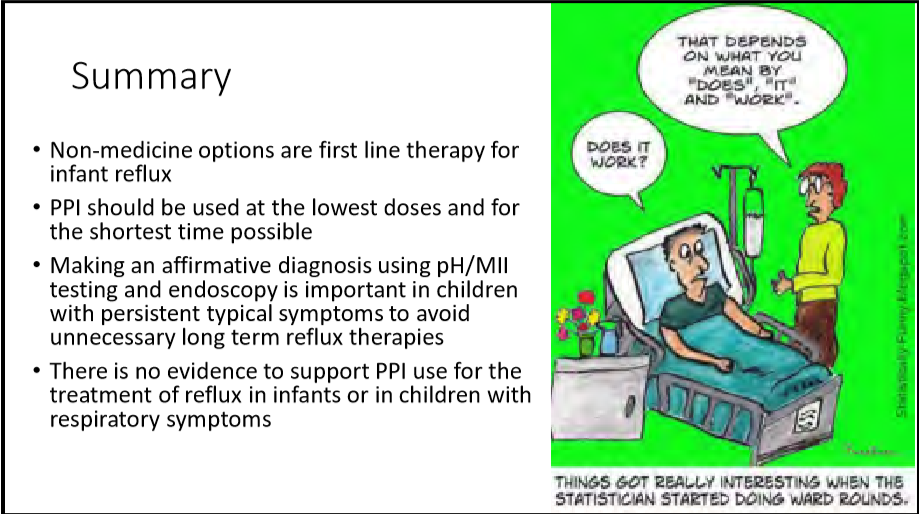
I did not make it to this year’s meeting but did get a chance to catch up on a lot information via the PG 2018 Syllabus and based on information posted online.

Here are a couple of highlights for me:

My favorite slide from postgraduate course -Dr. Robert Kramer

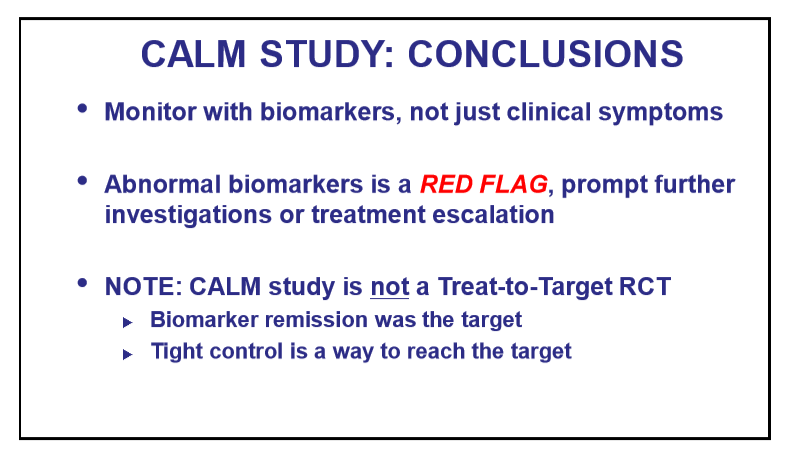
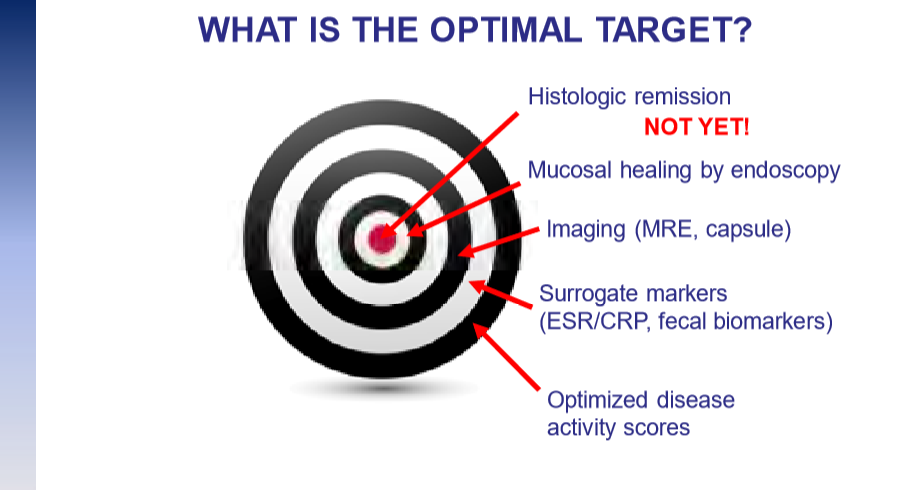
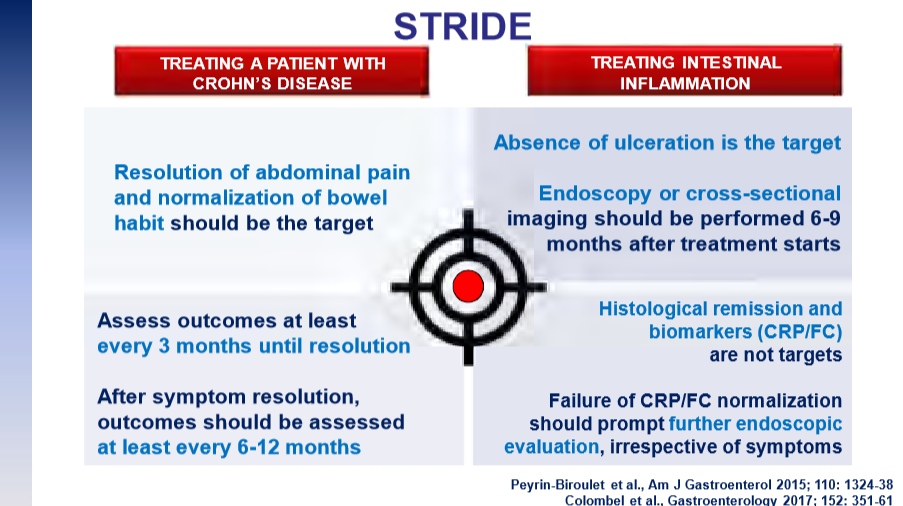
Slides regarding the topic of Treat-toTarget Dr. Eric Benchimol:

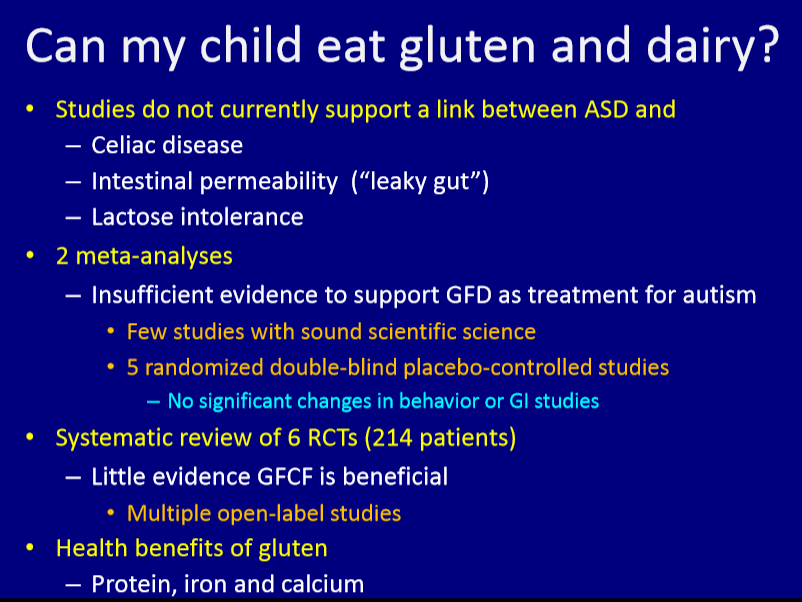
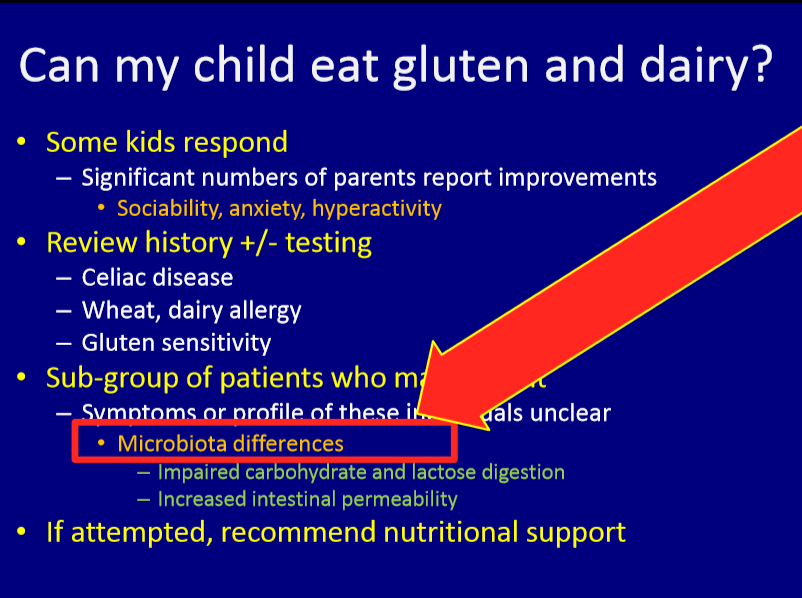
Slides regarding GI symptoms and autism from Dr. Kara Margolis:

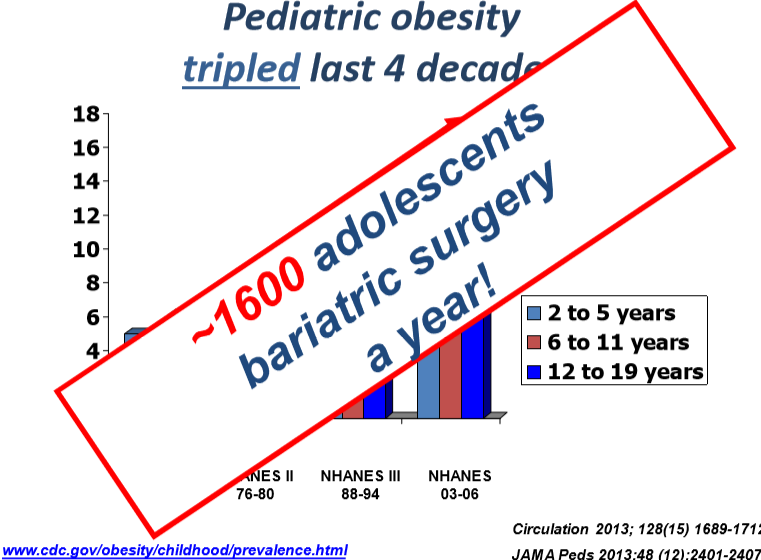
Slide regarding the frequency of bariatric surgery: Dr. Rohit Kohli:

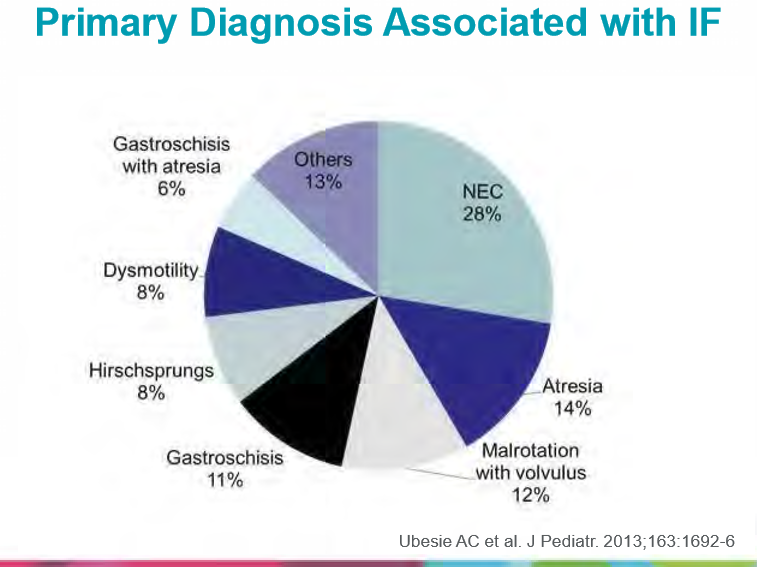
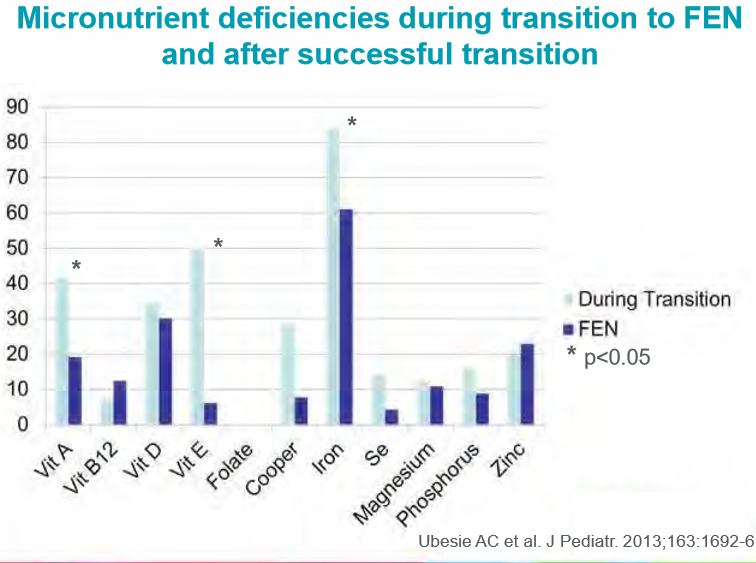
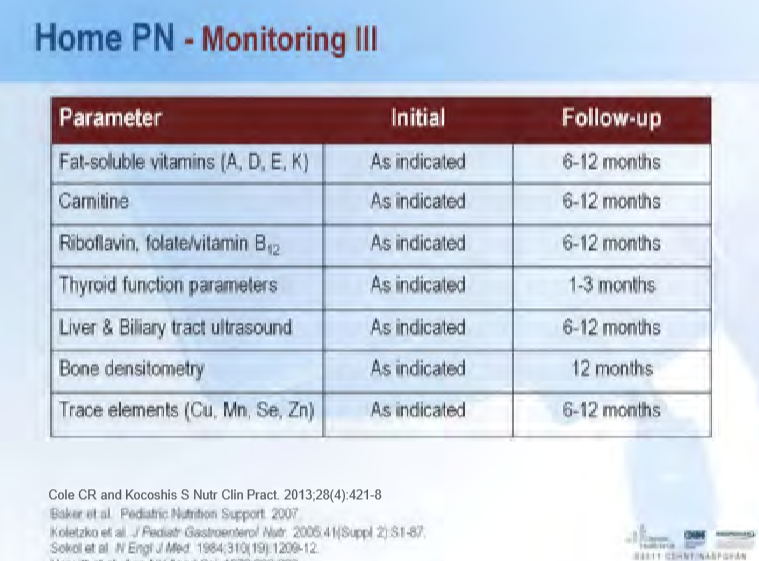
Slides regarding intestinal failure population from Dr. Conrad Cole:

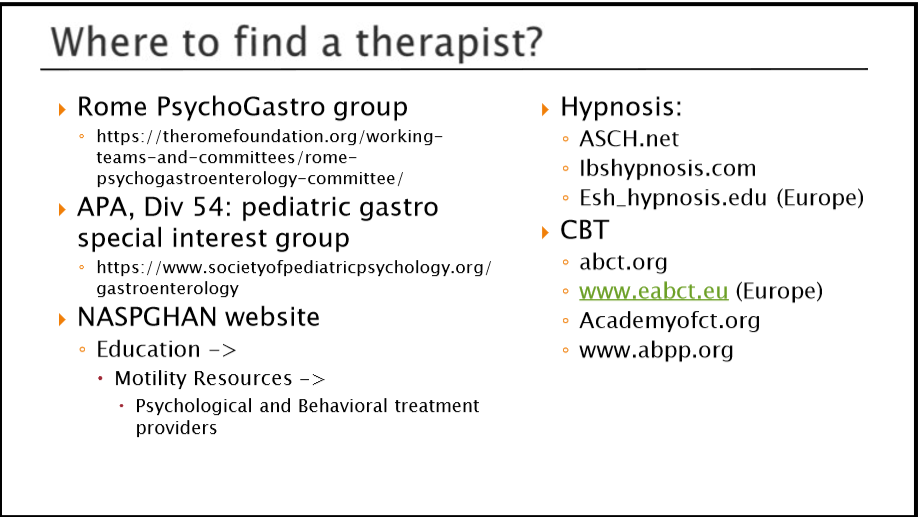
From Dr. Miranda van Tilburg regarding psychological therapies for functional GI disorders:

Disclaimer: These blog posts are for educational purposes only. Specific dosing of medications/diets (along with potential adverse effects) should be confirmed by prescribing physician/nutritionist.  This content is not a substitute for medical advice, diagnosis or treatment provided by a qualified healthcare provider. Always seek the advice of your physician or other qualified health provider with any questions you may have regarding a condition.

#NASPGHAN18 Highlights and Tweets (part 1)

I did not make it to this year’s meeting but did get a chance to catch up on a lot information via the PG 2018 Syllabus and based on information posted online.

Here are a couple of highlights for me:

Slides from postgraduate course on CVS from Dr. Katja Kovacic

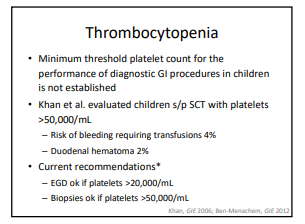
The slide from Dr. Lightdale (pg 22 in Syllabus) below suggests it is OK for scope if platelets >20K and OK for biopsies if platelets >50K. It is worth noting that some adult data indicate that even lower biospy thresholds are reasonable for biopsies (Post: Lower Endoscopic Thresholds for Thrombocytopenia). As always, one needs to consider carefully the risks compared with the benefits.

From Postgraduate Course


Disclaimer: These blog posts are for educational purposes only. Specific dosing of medications/diets (along with potential adverse effects) should be confirmed by prescribing physician/nutritionist.  This content is not a substitute for medical advice, diagnosis or treatment provided by a qualified healthcare provider. Always seek the advice of your physician or other qualified health provider with any questions you may have regarding a condition.

New Button Battery Guidelines –with Honey and Vinegar

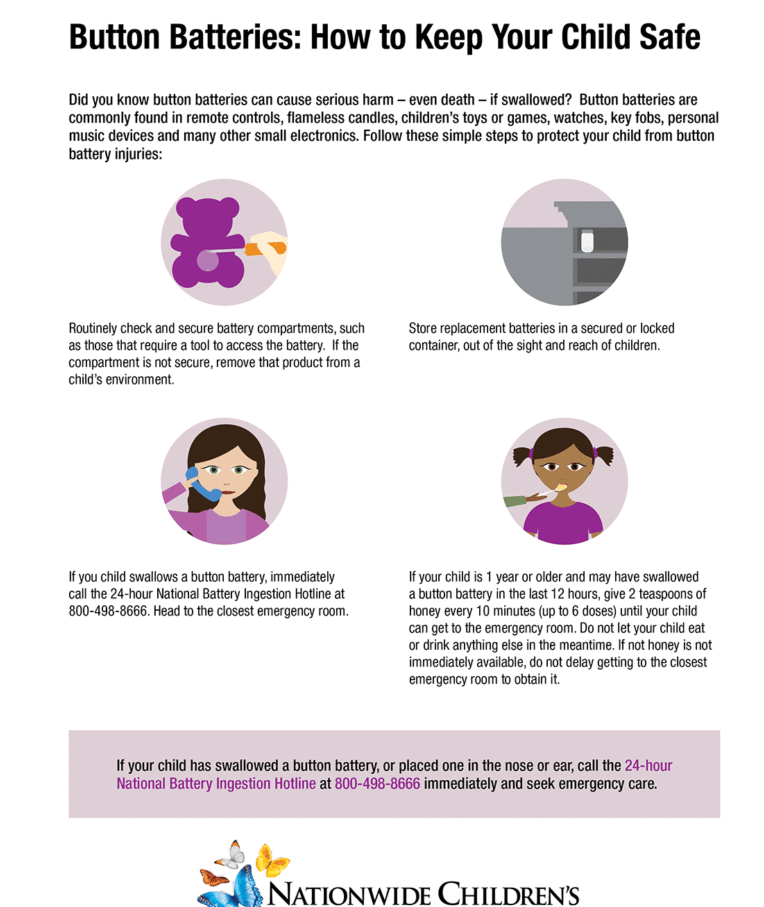
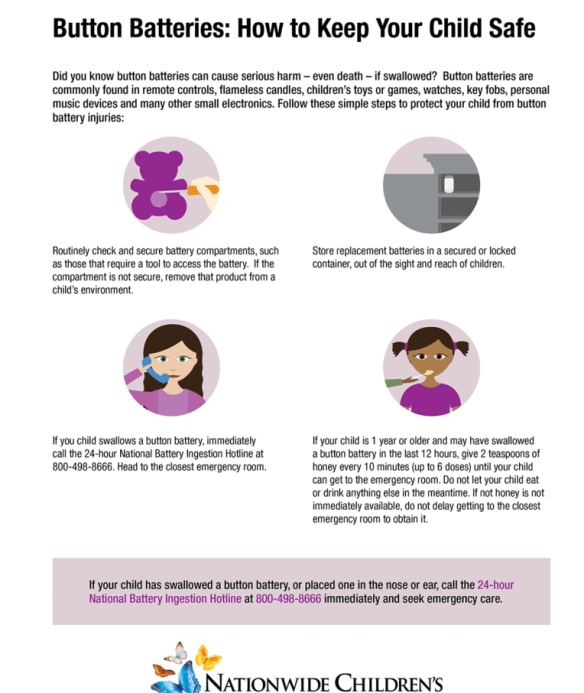
Button batteries –definitely more scary than Halloween.  Here is a link to new guidelines from Poison Control: New Button Battery Guidelines 2018

A recent report from Nationwide Childrens, How Sweet It Is: Honey Attenuates Button Battery-Induced Esophageal Damage, highlights two important advances in button battery management that are now incorporated into the new button battery guidelines:

  1. At time of endoscopy,  “a weak acetic acid rinse (sterile vinegar) can help neutralize tissue pH and protect the esophagus from continued tissue breakdown after battery removal. This irrigation concept has now been successfully used in children around the world with good clinical outcomes.”
  2. Prior to endoscopy, “both honey and sucralfate (Carafate®) were able to effectively neutralize the tissue pH and reduce visible injury.”

“More than 3,000 cases occur per year, mostly among children younger than age 6, and severe cases are on the rise. Lodged button batteries can cause rapid injury, including permanent bilateral vocal cord paralysis and even death.”

Guideline recommendations with regard to acetic acid:

After a battery is removed from the esophagus, inspect the area endoscopically for evidence of perforation. If none is evident, irrigate the injured areas with 50 mL to 150 mL of 0.25% sterile acetic acid (obtained from the hospital pharmacy). Irrigate in increments and suction away excess fluid and debris through the endoscope. For decades toxicologists have advised against neutralization for fear of causing a thermal injury. However, a recent study (Jatana, 2016) using piglet esophagus preparations after button battery removal, showed only a minimal increase in temperature (0-3 oC), effective tissue surface pH neutralization, and decrease in the visible injury using this neutralization strategy. The tissue surface pH neutralization may reduce the development of progressive, delayed-onset esophageal injury after battery removal.

From guideline with regard to honey:

Administer honey immediately and while en route to the ER, if:

  1. A lithium coin cell may have been ingested (if you don’t know what kind of button battery was swallowed, assume it is a lithium coin cell unless it is a hearing aid battery);
  2. The child is 12 months of age or older (because honey is not safe in children younger than one year);
  3. The battery was swallowed within the prior 12 hours (because the risk that esophageal perforation is already present increases after 12 hours);
  4. The child is able to swallow; and
  5. Honey is immediately available.

How to dose honey:

      1. Give 10 mL (2 teaspoons) of honey by mouth every 10 minutes for up to 6 doses. Do not worry about the exact dose or timing.
      2. Use commercial honey if available, rather than specialized or artisanal honey (to avoid inadvertent use of large amounts of honey produced from potentially toxic flowers).
      3. Honey is NOT a substitute for immediate removal of a battery lodged in the esophagus. Honey slows the development of battery injury but won’t stop it from occurring. Do not delay going to an ER.

Why give honey?

Honey is administered to coat the battery and prevent local generation of hydroxide, thereby delaying alkaline burns to adjacent tissue. Efficacy is based on a 2018 study (Anfang et al) assessing the in vitro protective effects of various liquids in the cadaveric porcine esophagus and in vivoprotective effects of honey and sucralfate (Carafate®) compared to saline irrigations of batteries placed in the esophagus of live piglets. Both honey and sucralfate (Carafate®) effectively prevented the expected battery-induced pH increase and decreased the depth of the resulting esophageal injury.

References:

  1. Anfang RR, Jatana KR, Linn RL, Rhoades K, Fry J, Jacobs IN. pH-neutralizing esophageal irrigations as a novel mitigation strategy for button battery injury. The Laryngoscope. 2018 Jun 11. [Epub ahead of print]
  2. Jatana KR, Rhoades K, Milkovich S, Jacobs IN. Basic mechanism of button battery ingestion injuries and novel mitigation strategies after diagnosis and removalThe Laryngoscope. 2017 Jun;127(6):1276-1282.

Related blog posts:
Disclaimer: These blog posts are for educational purposes only. Specific dosing of medications/diets (along with potential adverse effects) should be confirmed by prescribing physician/nutritionist.  This content is not a substitute for medical advice, diagnosis or treatment provided by a qualified healthcare provider. Always seek the advice of your physician or other qualified health provider with any questions you may have regarding a condition.

 

#NASPGHAN18 Abstract: LR for Pancreatitis & Pumpkin Shot

At NASPGHAN18, an abstract provided more information that indicates that lactated ringer’s is probably the best intravenous fluid for most children with acute pancreatitis

Related blog posts:


2018 Pumpkin for our House

Endoscopic Experts Needed In Pediatrics

A recent study (A Schmidt et al. Gastroenterol 2018; 155: 674-86) shows how a new endoscopic technique, over-the-scope clips (OTSC), are more effective than standard endoscopic therapy for patients with recurrent bleeding of peptic ulcers.

Key finding: A multicenter prospective randomized unblinded study with 66 patients (33 in each arm) with found that hemostasis with OTSC had a failure rate (further bleeding) of 15.2% compared with 57.6% in those with standard therapy.

The authors note that standard endoscopic techniques are effective in more than 90% with rebleeding rates of 2-10%.  In those with rebleeding, followup endoscopy has a much lower success rate.

My take:

  • This study highlights a problem in pediatric endoscopy –the lack of expertise in these rare cases.  To learn even ‘standard’ endoscopic therapy, most pediatric GI fellows will need to collaborate with adult gastroenterologists in order to have exposure to a sufficient number of cases.
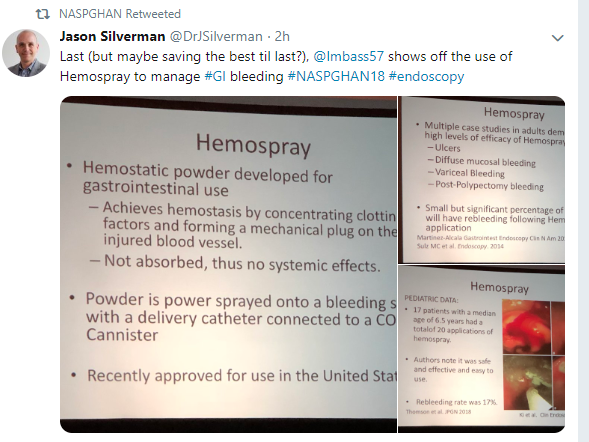
  • The development of alternatives like hemospray (Hemospray for GI Bleeding) which is technically-easy should be helpful for pediatric endoscopists with less endoscopic training.

Related article: 

P Tran et al. JPGN 2018; 67: 458-63.  This retrospective analysis of 11 pediatric cases (median age 14.7 yrs) reported technical success in all cases, though 2 patients with anastomotic ulcers requred additional medical intervention. The article has some pretty cool pictures.
Related blog posts:


Lake Agnes, Banff

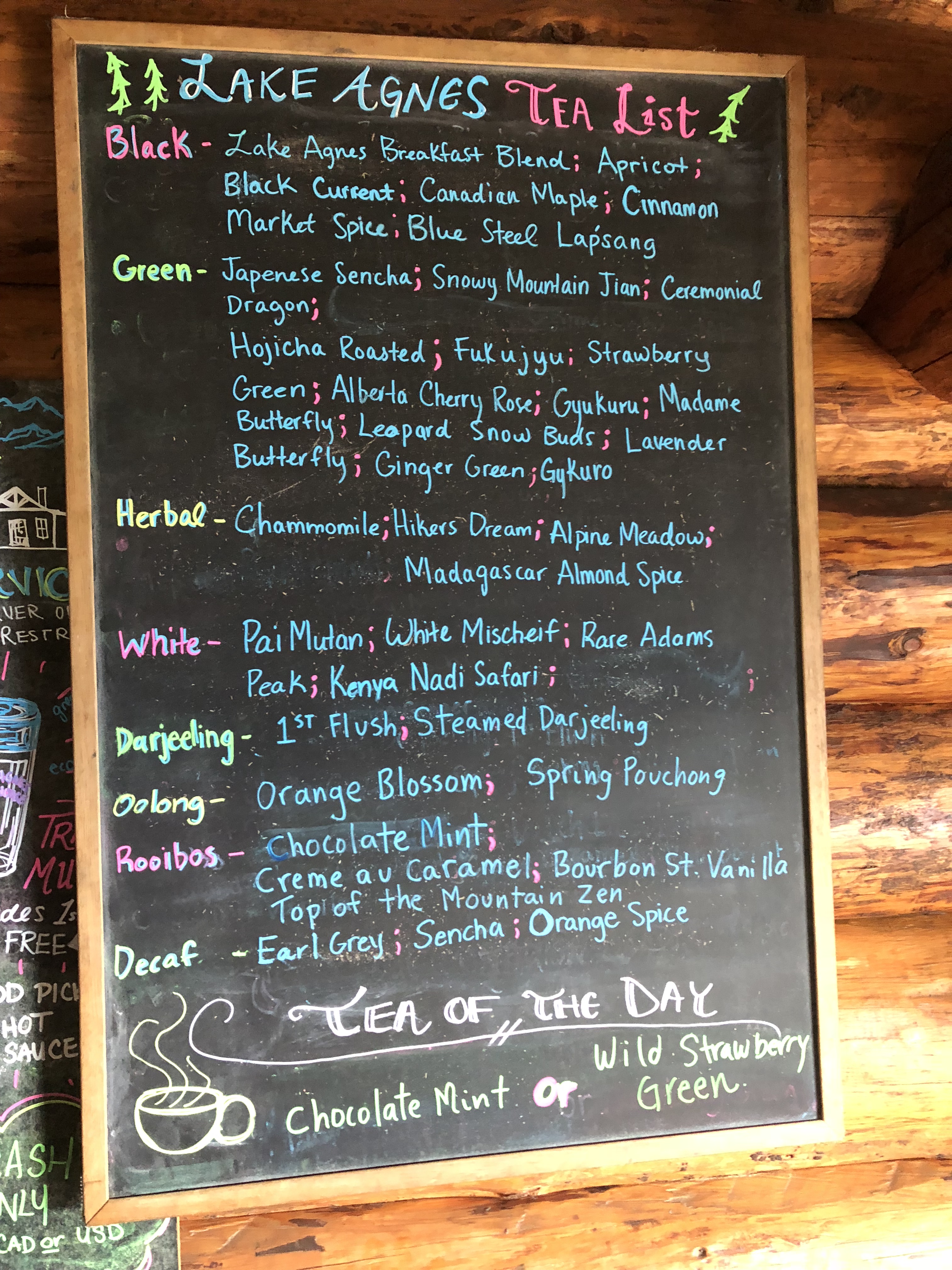
Lake Agnes Teahouse Menu


Briefly Noted: Progression of Fatty Liver Disease on MRI

M Mouzaki  et al. J Pediatr 2018; 201: 86-92. This study with 65 patients evaluated nonalcoholic fatty liver disease (NAFLD) progression between two MRI studies, with a median time span of 27 months.

Key findings:

  • There was no correlation between change in liver stiffness and change in ALT; there was a weak correlation between ALT change and fat fraction.

  • MRI fat fraction and stiffness decreased in 29% and 20% of patients respectively and increase in 25% and 22% respectively.

My take: When we find effective therapies, we will need better non-invasive markers to follow NAFLD progression.

Related blog posts

Tea House Trail, near Lake Louise, Banff

Briefly noted: Selective Serotonin Reuptake Inhibitors (SSRIs) and Linear Growth

CA Calarge et al. J Pediatr 2018; 201: 245-51. This study analyzed data from 4 separate trials with a total of 267 boys treated with risperidone.  In this cohort, 71% had taken an SSRI.

Key finding: The duration and cumulative dose of SSRI was inversely associated with height z score, especially during Tanner 3 and 4 stages.  The effect was approximately 1 cm for every year of treatment.

The authors speculate that SSRIs could “alter serotonin signaling, which is known to control GH secretion.”

My take:

  1. This study shows an association between SSRIs and linear growth but it remains unclear if this affects adult height (could postpone growth).
  2. This potential adverse effect needs to be considered in the clinical picture of the severe impairment and distress that can occur due to untreated depression and anxiety.

Related blog post: Brave New World: Psychotropic Manipulation and Pediatric Functional GI Disorders

Lake Louise, Banff