Briefly: Notable Recent IBD Publications

Vermeire S et al. Lancet 2017; 389: 266-75.  The “FITZROY ” study examined clinical remission in patients with moderate-to-severe Crohn’s disease treated with filgotinib, a orally administered selective JAK inhibitor.  This agent is 30 times more selective fo rJAK1 over JAK3. This study enrolled 174 patients in a phase II study. Key findings:

  • Among patients naive to anti-TNF agents, clinical remission (based on CDAI <150 at week 10) noted in 47% of filgotinib-treated compared with 23% of placebo group (P=.0077)
  • Among patients naive to anti-TNF agents, clinical response was noted in 67% of filgotinib-treated compared with 44% in the placebo group.

H Singh et al. Gastroenterol 2017; 153: 430-8.  Using the large Manitoba Epidemiology Database with 1.3 million population (2005-2014), the authors found that individuals with IBD had a 4.8 fold increase risk of Clostridium difficile infection.

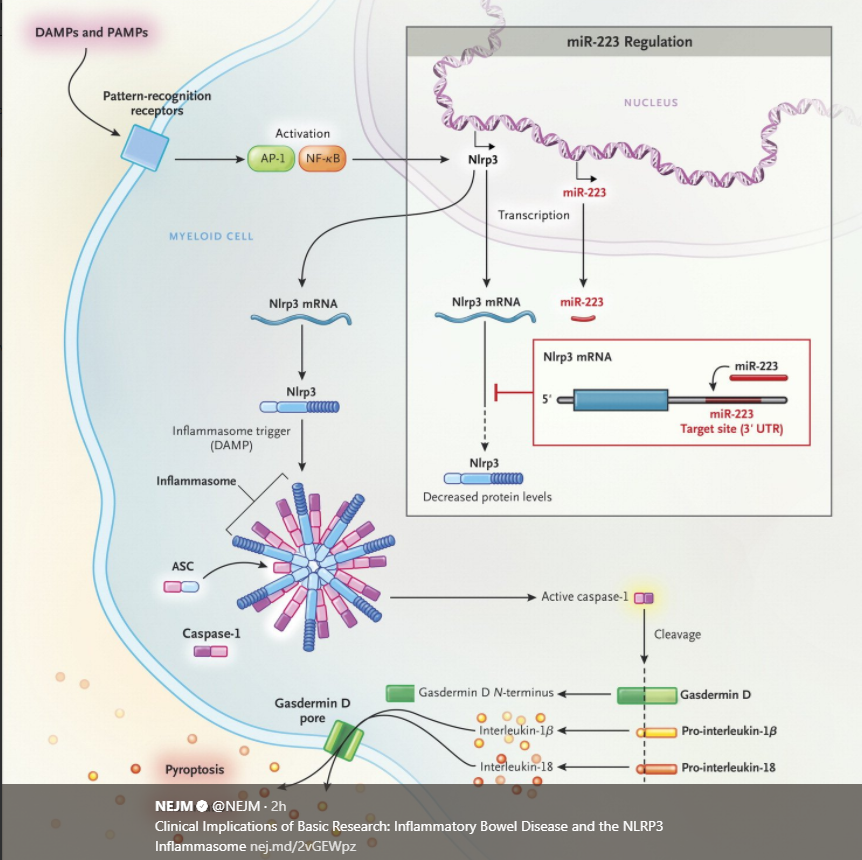
T-D Kanneganti. NEJM 2017; 377: 694-6. This review examined the NLRP3 Inflammasome.  Neudecker et al (J Exp Med 2017; 214: 1737-52) identified microRNA miR-223 which functions “to suppress the Nlrp3 inflammasone during acute colitis.” Other useful points in this review of basic research:

  • “The majority of the immune cells in the body are located in the intestine, where they are spatially separated from more than 10 trillion microorganisms by a layer of mucus and a layer of epithelial cells.  Deterioration of this physical barrier …underlies inflammatory bowel disease.”
  • miR-223 is increased in the inflamed colon. “During inflammation, the expression of miR-223 is also upregulated..and the molecule binds to its complementary sequence in a regulatory part of Nlrp3 mRNA…lead[ing] to decreased Nlrp3 expression and the consequent dampening of interleukin-1β maturation and associated inflammation.”
Autoimmune Hepatitis and Hepatocellular Carcinoma

Briefly noted:

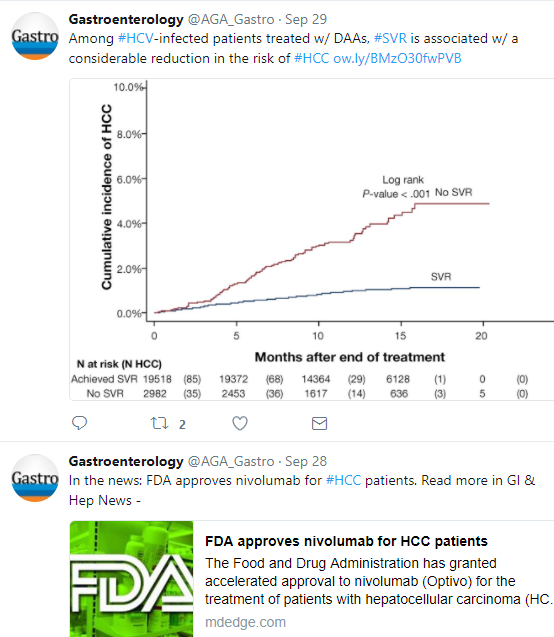
A Tansel et al. Clin Gastroenterol Hepatol 2017; 15: 1207-17.  This systematic review and meta-analysis identified 25 studies and 6528 patients examining the relationship between autoimmune hepatitis (AIH) and hepatocellular carcinoma (HCC) .  In these studies the median followup was 8.0 years.  Key findings:

  • The pooled incidence of HCC was 3.06 per 1000 patient-years
  • 92 of 93 patients who had HCC had evidence of cirrhosis before or at the time of their diagnosis

My take: This study demonstrates that AIH patients with cirrhosis are at increased risk for HCC.  In patients with AIH who do not have cirrhosis, there does not appear to be a significant risk of HCC.

Also: Link for Online Resource for Hepatopulmonary Syndrome (Canadian Sponsored site). This site has content for patients and for practitioners, including a useful video.


Related blog posts:

Probiotics Lower Risk of Sepsis in Newborns

Summary of recent study from NPR: Probiotic Bacteria Can Protect Newborns from Deadly Infections

Previous studies have shown that probiotics lower the risk of necrotizing enterocolitis in premature infants.  Now, a study (full text link below) from India examines whether probiotics could lower other infections.

An excerpt:

Feeding babies the microbes dramatically reduces the risk newborns will develop sepsis, scientists report Wednesday in the journal Nature.

Sepsis is a top killer of newborns worldwide. Each year more than 600,000 babies die of the blood infections, which can strike very quickly…

Babies who ate the microbes [Lactobacillus plantarum] for a week — along with some sugars to feed the microbes — had a dramatic reduction in their risk of death and sepsis. They dropped by 40 percent, from 9 percent to 5.4 percent.

But that’s not all. The probiotic also warded off several other types of infections, including those in the lungs. Respiratory infections dropped by about 30 percent…

The only significant side effect seen in the study was abdominal distension, which occurred in six babies. But there were more cases reported in the placebo group than in the group that got the probiotic.

Full text link (thanks to Kipp Ellsworth’s twitter feed for this link): A randomized synbiotic trial to prevent sepsis in newborns in rural India. P Panigrahi et al.

My take: Whether probiotics would be useful broadly in full-term infants in developed countries is uncertain –more studies are needed.

Related blog posts:


We Are Last in Health Care Among High-Income Countries

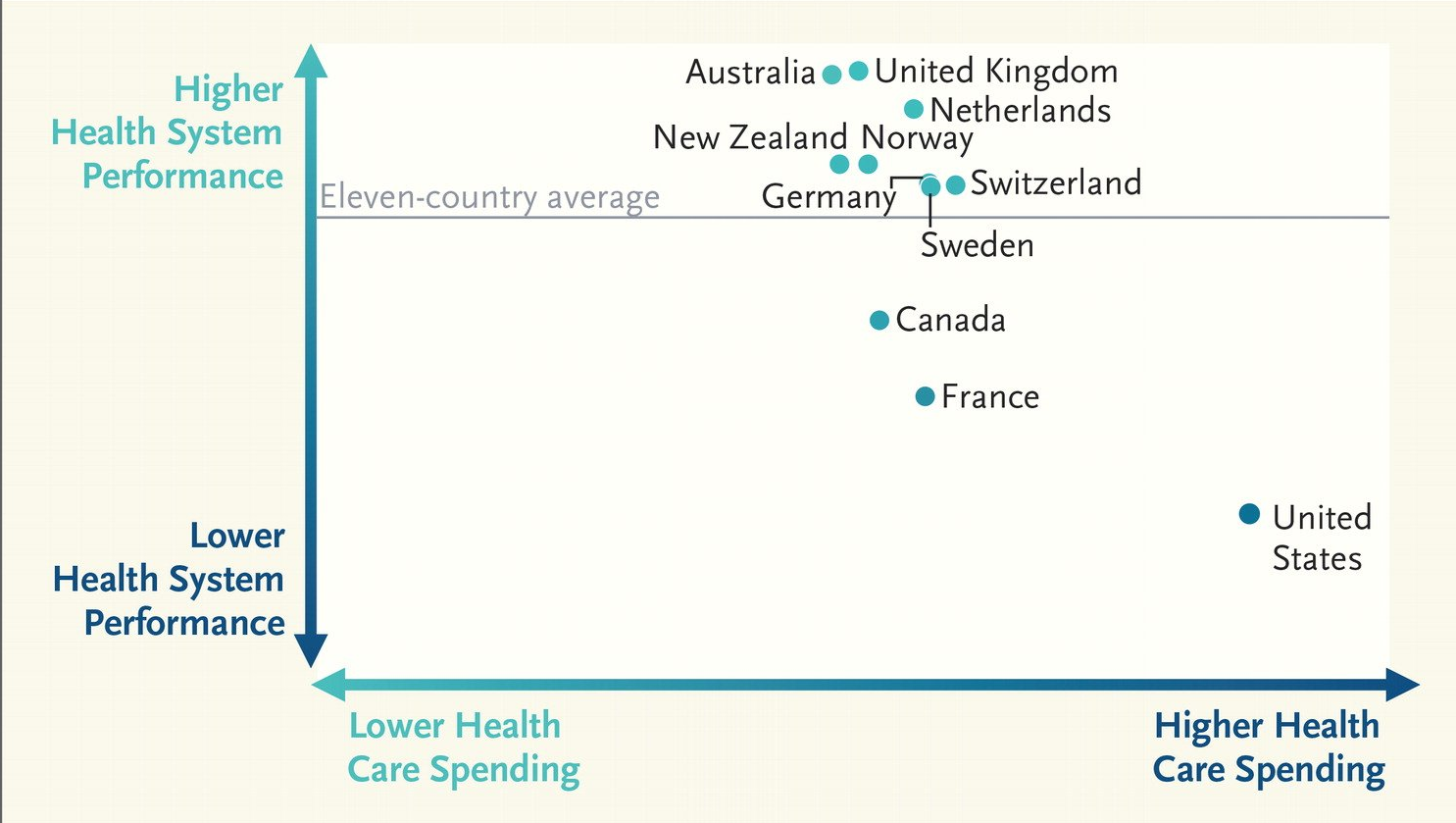
In a recent commentary (EC Schneider, D Squires. NEJM 2017; 377: 901—4) explains why the U.S. Health Care System is last among high-income countries.

Overall, the U.S. “begins with a challenge: its population is sicker and has higher mortality than those of other high-income countries.”  The U.S. has a rate of death from “conditions that can be managed and treated effectively (referred to as ‘mortality amenable to health care’) is far higher than in other high-income countries.

Four areas that have to be addressed to help U.S. move from last to first:

  • U.S. must confront lack of access to health care. The top-ranked countries offer universal insurance coverage with minimal out-of-pocket costs for preventive and primary care.
  • Underinvestment in primary care. In other countries, a higher percentage of “the professional workforce is dedicated to primary care than to specialty care.”
  • Administrative inefficiency. “Both patients and professionals In the United States are baffled by the complexity of obtaining care and paying for it.”
  • Disparities in the delivery of care. This may be mediated in part by a less robust social safety net than other high-income countries.  “Social spending [for] stable housing, educational opportunities, nutrition, and transportation may reduce the demand for” many health care services.

My take: It makes me mad that our health care system performs so poorly compared to other countries.

Related blog posts:

Statin Use for Patients with Cirrhosis

There have been a number of studies suggesting a beneficial effect of statins for individuals chronic liver disease due to HBV infection, HCV infection, and nonalcoholic steatohepatitis. The potential reasons include lower portal hypertension due to increased nitric oxide availability, anti-inflammatory effects through reduction in some cytokines, and antifibrotic effects. In addition, statins may inhibit tumor initiation/hepatocellular carcinoma (HCC).

The background on these prior studies is detailed in a new population-based study (F-M Chang et al Hepatology 2017; 66: 896-907, editorial 697-9) of statins in patients with cirrhosis. In this nested case-control study from Taiwan, the authors examined patients (n=1350) with cirrhosis from 2000 to 2013.  The index cases of cirrhosis were identified among a representative, well-validated general population database of 1,000,000 people.

Key findings:

  • “Statin use decreased the risk of decompensation, mortality, and HCC in a dose-dependent manner.”
  • Risk of decompensation among chronic HBV statin users, HR 0.39
  • Risk of decompensation among chronic HCV statin users, HR 0.51
  • Risk of decompensation among alcohol-related cirrhosis patients taking statins, HR 0.69

My take: In adults with cirrhosis, particularly HBV-related and HCV-related, taking a statin was associated with a 50-60% lower likelihood of decompensation. A prospective study could confirm these findings.

Prague -Charles Bridge

WIC Formula Selection in Infants and Children

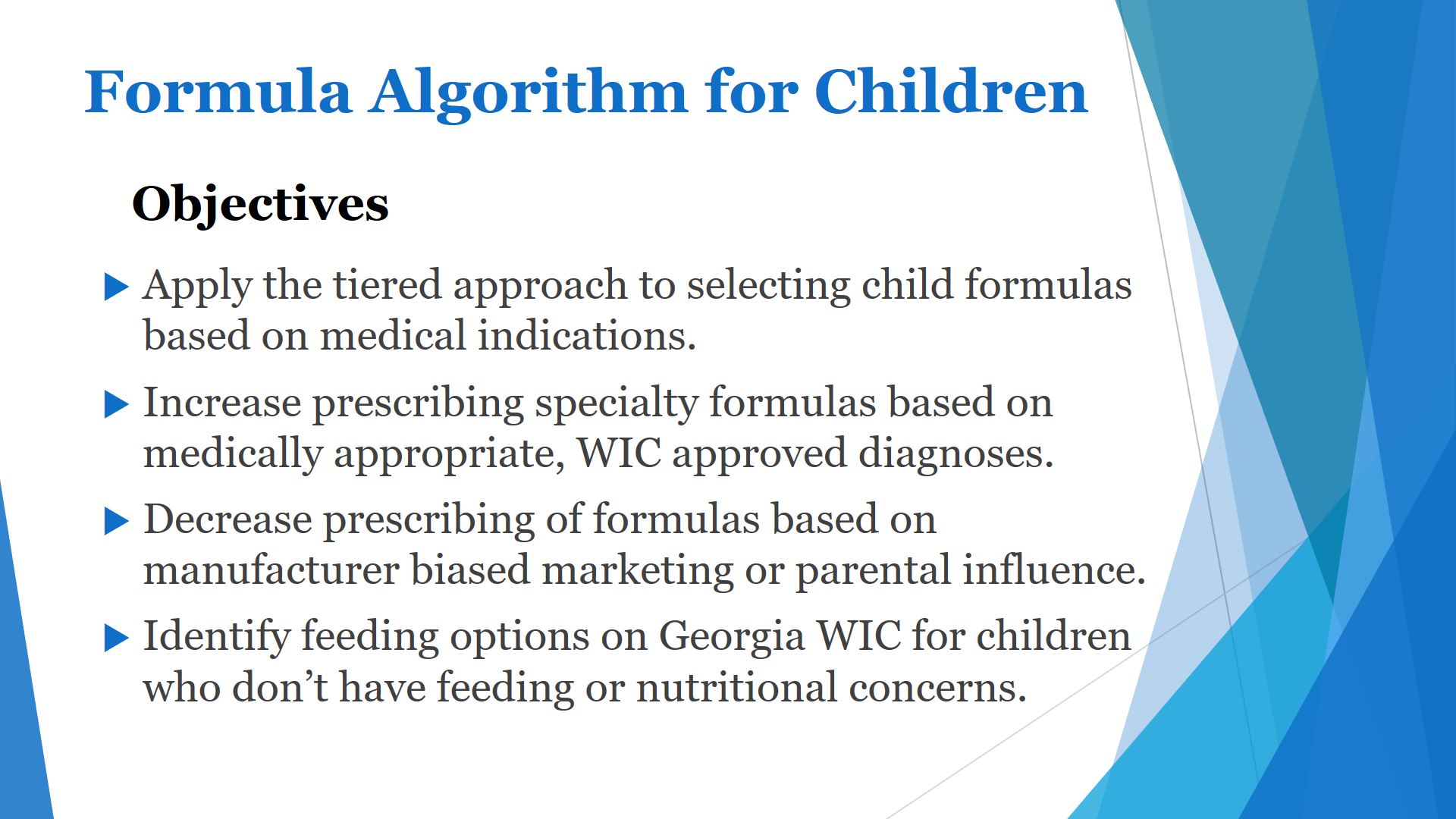
Over the past year, I have been working with the Georgia Chapter of the American Academy of Pediatrics alongside Stan Cohen, MD and Kylia Crane RDN, LD to develop an algorithm to improve formula selection for young children who use the WIC program.  This project was modeled after a similar project for infants.  Here are two of the slides and then the entire slideset is included below:

Link to slideset: AAPformulaAlgorithmsWIC

Intestinal Failure -Concise Review

A recent review (CP Duggan, T Jaksic. NEJM 2017; 377: 666-75) concisely reviews recent advances in pediatric intestinal failure.  Most of the review has been covered elsewhere in this blog.  A couple of key points:

Outcomes of intestinal failure:

  • The authors note that a 2012 study identified a 25% mortality rate of infants enrolled between 2000-2004.  “More recent advances have resulted in substantially improved survival rates (>90%).”

Epidemiology of intestinal failure:

  • Using a definition of needing parenteral nutrition for more than 42 days after bowel resection or a residual small-bowel length of less than 25% of normal (for gestational age), intestinal failure was identified in 24.5 cases per 100,000 live births
  • Among infants with birth weight <1500 g, the incidence is 7 per 1000 live births.
  • Frequent causes: necrotizing enterocolitis, gastroschisis

Adaptation of Intestine:

  • Improved chances of attaining enteral autonomy if longer residual small bowel, younger age at time of intestinal resection, preservation of ileocecal valve, absence of severe liver disease, diagnosis of necrotizing enterocolitis, and normal motility.

Parenteral nutrition:

  • Lower rates of liver disease noted with routine restriction of soy-based fat emulsions to 1 g per kilogram
  • Fish oil preparations (with n-3 fatty acids): switching to fish oil preparation “reduces biochemical measures of cholestasis.”
  • Newer preparations of fat emulsions: Smoflipid, Clinolipid are FDA-approved for adults.  Smoflipid, in small studies, is associated with lower conjugated bilirubin compared with soy-based lipids.

Enteral nutrition:

  • “Prompt initiation of enteral feeding after bowel resection has been reported to improve the rate of enteral autonomy….little justification for prolonged ‘gut rest'”
  • The authors note that human milk is often chosen for enteral nutrition and when unavailable, amino acid based formulas are typically chosen due to “more favorable outcomes than protein hydrolysates.”
  • Chronic diarrhea is improved with drip feedings, though bolus feeds may have trophic effects.  “In our experience, a combined approach (e.g. continuous feeding at night and bolus feeding during the day) is feasible.”
  • Oral motor stimulation is important.  Thus, try to give oral human milk feeds when feasible.

Medical Therapies:

  • Acid blockers: used for hyperacidity after massive resection
  • Loperamide
  • Bile acid sequestrants (eg. cholestyramine)
  • NOT evaluated in intestinal failure: octreotide, racecadotril, crofelemer
  • Motility agents
  • Antibiotics for bacterial overgrowth.  “Cyclical use (1 week per month) of broad-spectrum antibiotics…is the mainstay of therapy…at many centers.”
  • Probiotics: “No evidence of benefit in small studies; risk of sepsis”
  • Pancreatic enzymes: rarely used. Indicated if pancreatic atrophy or exocrine insufficiency
  • Growth factors: Teduglutide -licensed for adults, studies in children are ongoing

Surgical Therapies:

  • Central lines
  • Gastrostomy Tubes
  • STEP procedure or possibly lengthening procedure (Bianchi).  STEP procedure is less technically difficult.

Previous related blog entries:

Firearm Mortality -Tragic Inertia

When it comes to gun violence, the U.S. is the leader among developed nations.  It is sad how that despite the magnitude of this problem there are not significant efforts to mitigate this tragedy.

We know from Australia’s experience that changes in gun laws can make a big difference: Link: Gun Law Reforms and Firearm Mortality, Australia 1979-2013

Politico report: The gun lobby: See how much your representative gets

Related blog posts:


The Non-Biopsy Diagnosis of Pediatric Celiac Disease

In some corners, experts have suggested the need for a followup intestinal biopsy to assure that celiac disease is responding to a gluten-free diet (Related blog post: Are followup biopsies necessary in celiac disease? Look beyond the headlines).  Meanwhile, many are looking at performing zero biopsies –at diagnosis or later. A recent study (J Wolf et al. Gastroenterol 2017; 153: 410-9) involved a prospective enrollment of 898 children undergoing duodenal biopsy to confirm or rule out celiac disease (CD).  Patients had tissue transglutaminase IgA (TTG IgA), total IgA and deamidated gliadin IgG (DGL-IgG) measured.

Key findings:

  • 592 had CD and 345 did not have CD.  24 did not have a final diagnosis.
  • In examining non-IgA deficient patients that had either TTG IgA >10 times ULN or normal (<1 times ULN), the positive predictive value for CD was 0.988 and the negative predictive value was 0.934.
  • In examining patients with both TTG IgA elevation (>10 times ULN) and DGP-IgG (>10 times ULN) or normal labs, the positive predictive value (PPV) for CD was also 0.988 and the negative predictive value (NPV) was 0.958.  The authors estimated that the PPV and NPV would remain >0.95 even at disease prevalence rates as low as 4%.
  • In this high prevalence population, the authors note that only 23% would have required an endoscopy to confirm or exclude CD; however, they note that in another study using consecutive serologic data, a much higher proportion (57%) needed biopsies due to serology that was <10 times ULN.
  • The authors note that HLA status genotyping, which has been recommended as needed in non-biopsy diagnosis, is not helpful.  Compatible HLA status was noted in all 277 cases of TTG-IgA >10 times ULN and was deemed “unnecessary” by the study authors in those with high titers.

The ESPGHAN guidelines for non-biopsy diagnosis indicate that a repeat serologic study should be performed to exclude a sample mix-up and to only forego biopsies in symptomatic patients.

My take: This study show\ed that individuals with high celiac serology titers have celiac disease >98% of the time.  This information should be discussed with families in determining whether endoscopic biopsy is needed.  Among those who pursue a non-biopsy approach, some individuals could have competing etiologies for their symptoms; thus, a low threshold for evaluation is needed in those who do not respond to a gluten free diet

Related blog posts:

Disclaimer: These blog posts are for educational purposes only. Specific dosing of medications (along with potential adverse effects) should be confirmed by prescribing physician.  This content is not a substitute for medical advice, diagnosis or treatment provided by a qualified healthcare provider. Always seek the advice of your physician or other qualified health provider with any questions you may have regarding a condition.

Rotunda View at UVa


Followup Biopsies in Pediatric Celiac Disease?

Last December, this blog site discussed a widely-reported, provocative study suggesting that “1 in 5 pediatric celiac disease patients on gluten-free diet sustain persistent intestinal damage” (Are followup biopsies necessary for Celiac disease? Look beyond the headlines).

Apparently a great number of celiac disease (CD) experts took exception to the authors’ conclusion that “neither the presence of symptoms nor positive serology were predictive of a patient’s histology at the time of repeat biopsy. These findings suggest a revisitation of monitoring and management criteria of celiac disease in childhood.” 

A recent commentary (S Koletzko et al. JPGN 2017; 65: 267-9) from the CD working group of ESPGHAN critiques the limitations of the study. Limitations included the following:

  • Selection bias -70% of patients in this retrospective study had repeat endoscopy were symptomatic
  • Retrospective study
  • Including children with admitted non-adherence to gluten-free diet (GFD)
  • Including ~25% of children who were rebiopsied within 17 months of starting GFD
  • Lack of standardized tTG testing
  • Lack of blinding of pathologist

Their conclusions:

  • “We do not think that the data..give sufficient support…that routine biopsies should be performed in all children at diagnosis and after the initiation of GFD.”
  • The CD working group of ESPGHAN strongly advises against regular rebiopsy in children on a GFD…Re-endoscopy should be reserved for symptomatic patients–in particular when seronegative.”

The authors of the initial study (MM Leonard, A Fasano. JPGN 2017; 65: 270-1) were given an opportunity to defend their conclusions. Their commentary was much less provocative in my view, and titled: “Zero, One, or Two Endoscopies to Diagnosis and Monitor Pediatric Celiac Disease? The Jury is Still Out”

They note that there is a lack of data to know whether there are “no real clinical consequences” of persistent enteropathy, as stated by S Koletzko et al.  They state that until further research is completed a “personalized approach to follow-up care is needed.”  It is encouraging that they have started a prospective study to address the limitations of their retrospective study.

My commentary:

  • For patients with CD who are strictly-adherent, asymptomatic and with normal serology, repeat endoscopy is of questionable benefit.  If there are abnormalities in the histology, what is the appropriate intervention?
  • There has been a study (Gastroenterology 2010; 139: 763) which showed that mortality was NOT worsened in undiagnosed CD (identified by review of serology) in Olmstead County. In this population, the main long-term detrimental effect was reduced bone density. My inference is that for CD patients who are asymptomatic, particularly those with normalized serology, they are unlikely to have easily-identifiable adverse effects noted, even if their histology is abnormal.

My take (unchanged from last year): I think it is premature to recommend routine followup biopsies in asymptomatic patients with normal serology.

Prague Castle -clever door knocker