
Unknown's avatar

About gutsandgrowth

I am a pediatric gastroenterologist at GI Care for Kids (previously called CCDHC) in Atlanta, Georgia. The goal of my blog is to share some of my reading in my field more broadly. In addition, I wanted to provide my voice to a wide range of topics that often have inaccurate or incomplete information. Before starting this blog in 2011, I would tear out articles from journals and/or keep notes in a palm pilot. This blog helps provide an updated source of information that is easy to access and search, along with links to useful multimedia sources. I was born and raised in Chattanooga. After graduating from the University of Virginia, I attended Baylor College of Medicine. I completed residency and fellowship training at the University of Cincinnati at the Children’s Hospital Medical Center. I received funding from the National Institutes of Health for molecular biology research of the gastrointestinal tract. During my fellowship, I had the opportunity to work with some of the most amazing pediatric gastroenterologists and mentors. Some of these individuals included Mitchell Cohen, William Balistreri, James Heubi, Jorge Bezerra, Colin Rudolph, John Bucuvalas, and Michael Farrell. I am grateful for their teaching and their friendship. During my training with their help, I received a nationwide award for the best research by a GI fellow. I have authored numerous publications/presentations including original research, case reports, review articles, and textbook chapters on various pediatric gastrointestinal problems. In addition, I have been recognized by Atlanta Magazine as a "Top Doctor" in my field multiple times. Currently, I am the vice chair of the section of nutrition for the Georgia Chapter of the American Academy of Pediatrics. In addition, I am an adjunct Associate Clinical Professor of Pediatrics at Emory University School of Medicine. Other society memberships have included the North American Society for Pediatric Gastroenterology Hepatology and Nutrition (NASPGHAN), American Academy of Pediatrics, the Food Allergy Network, the American Gastroenterology Association, the American Association for the Study of Liver Diseases, and the Crohn’s and Colitis Foundation. As part of a national pediatric GI organization called NASPGHAN (and its affiliated website GIKids), I have helped develop educational materials on a wide-range of gastrointestinal and liver diseases which are used across the country. Also, I have been an invited speaker for national campaigns to improve the evaluation and treatment of gastroesophageal reflux disease, celiac disease, eosinophilic esophagitis, hepatitis C, and inflammatory bowel disease (IBD). Some information on these topics has been posted at my work website, www.gicareforkids.com, which has links to multiple other useful resources. I am fortunate to work at GI Care For Kids. Our group has 17 terrific physicians with a wide range of subspecialization, including liver diseases, feeding disorders, eosinophilic diseases, inflammatory bowel disease, cystic fibrosis, DiGeorge/22q, celiac disease, and motility disorders. Many of our physicians are recognized nationally for their achievements. Our group of physicians have worked closely together for many years. None of the physicians in our group have ever left to join other groups. I have also worked with the same nurse (Bernadette) since I moved to Atlanta in 1997. For many families, more practical matters about our office include the following: – 14 office/satellite locations – physicians who speak Spanish – cutting edge research – on-site nutritionists – on-site psychology support for abdominal pain and feeding disorders – participation in ImproveCareNow to better the outcomes for children with inflammatory bowel disease – office endoscopy suite (lower costs and easier scheduling) – office infusion center (lower costs and easier for families) – easy access to nursing advice (each physician has at least one nurse) I am married and have two sons (both adults). I like to read, walk/hike, bike, swim, and play tennis with my free time. I do not have any financial relationships with pharmaceutical companies or other financial relationships to disclose. I have helped enroll patients in industry-sponsored research studies.

Here’s Why Therapeutic Drug Monitoring Should Work

RC Ungaro et al. Inflamm Bowel Dis 2022; 28: 649-651. Impact of Thiopurine Exposure on Immunogenicity to Infliximab Is Negligible in the Setting of Elevated Infliximab Concentrations

Background: Whether proactive therapeutic drug monitoring (pTDM) is superior to reactive TDM (rTDM) is not entirely clear, though some studies have shown better outcomes with pTDM. Additionally, Colombel et al (Clin Gastroenterol Hepatol 2019; 17: 1525-32) showed that antidrug antibodies during combination therapy were detected only in those with the lowest quartile of infliximab trough levels; this suggests that optimized monotherapy should be similarly effective to combination therapy.

Methods: The authors retrospectively analyzed a commercial laboratory database (Prometheus) with 3970 patients and paired 6-thioguanine (6-TGN) levels with infliximab (IFX) and antibodies to infliximab (ATIs)

Key findings:

  • “Those with higher levels of IFX had negligible benefit from concomitant thiopurine treatment in preventing ATIs.”
  • ATIs were detected in 9.9% of all patients. IFX level of >5 mcg/mL were associated with a very low risk of ATI (OR 0.05). “Immunogenicity was negligible (<3%) in the presence of IFX concentrations greater than 5 mcg/mL.”
  • 6-TGN levels (>125) were associated with lower risk of ATI, OR 0.42; though, this effect had a significant impact, only for those with with IFX <5 mcg/mL.
  • The authors note the prospective OPTIMIZE study (NCT04835506) should help determine the effectiveness of pTDM.

My take: In patients with IFX levels >5 mcg/mL, there does not appear to be much benefit for most patients from the addition of a thiopurine; this may not be true for those who are switching to a 2nd anti-TNF agent due to antidrug antibodies. This study supports pTDM to assure adequate IFX levels.

Related blog posts:

Disclaimer: This blog, gutsandgrowth, assumes no responsibility for any use or operation of any method, product, instruction, concept or idea contained in the material herein or for any injury or damage to persons or property (whether products liability, negligence or otherwise) resulting from such use or operation. These blog posts are for educational purposes only. Specific dosing of medications (along with potential adverse effects) should be confirmed by prescribing physician.  Because of rapid advances in the medical sciences, the gutsandgrowth blog cautions that independent verification should be made of diagnosis and drug dosages. The reader is solely responsible for the conduct of any suggested test or procedure.  This content is not a substitute for medical advice, diagnosis or treatment provided by a qualified healthcare provider. Always seek the advice of your physician or other qualified health provider with any questions you may have regarding a condition

White Sands National Park, New Mexico

Tweetorial: Refractory Gastroparesis

Tweetorial from “The Emoroid Digest”(posted 5/2/22):

Related blog posts:

Disclaimer: This blog, gutsandgrowth, assumes no responsibility for any use or operation of any method, product, instruction, concept or idea contained in the material herein or for any injury or damage to persons or property (whether products liability, negligence or otherwise) resulting from such use or operation. These blog posts are for educational purposes only. Specific dosing of medications (along with potential adverse effects) should be confirmed by prescribing physician.  Because of rapid advances in the medical sciences, the gutsandgrowth blog cautions that independent verification should be made of diagnosis and drug dosages. The reader is solely responsible for the conduct of any suggested test or procedure.  This content is not a substitute for medical advice, diagnosis or treatment provided by a qualified healthcare provider. Always seek the advice of your physician or other qualified health provider with any questions you may have regarding a condition.

Shifting of Infectious Diseases Due to Climate Change

CDC (January 2022): Open Access PDF: Our Risk of Infectious Diseases Is Increasing Because of Climate Change

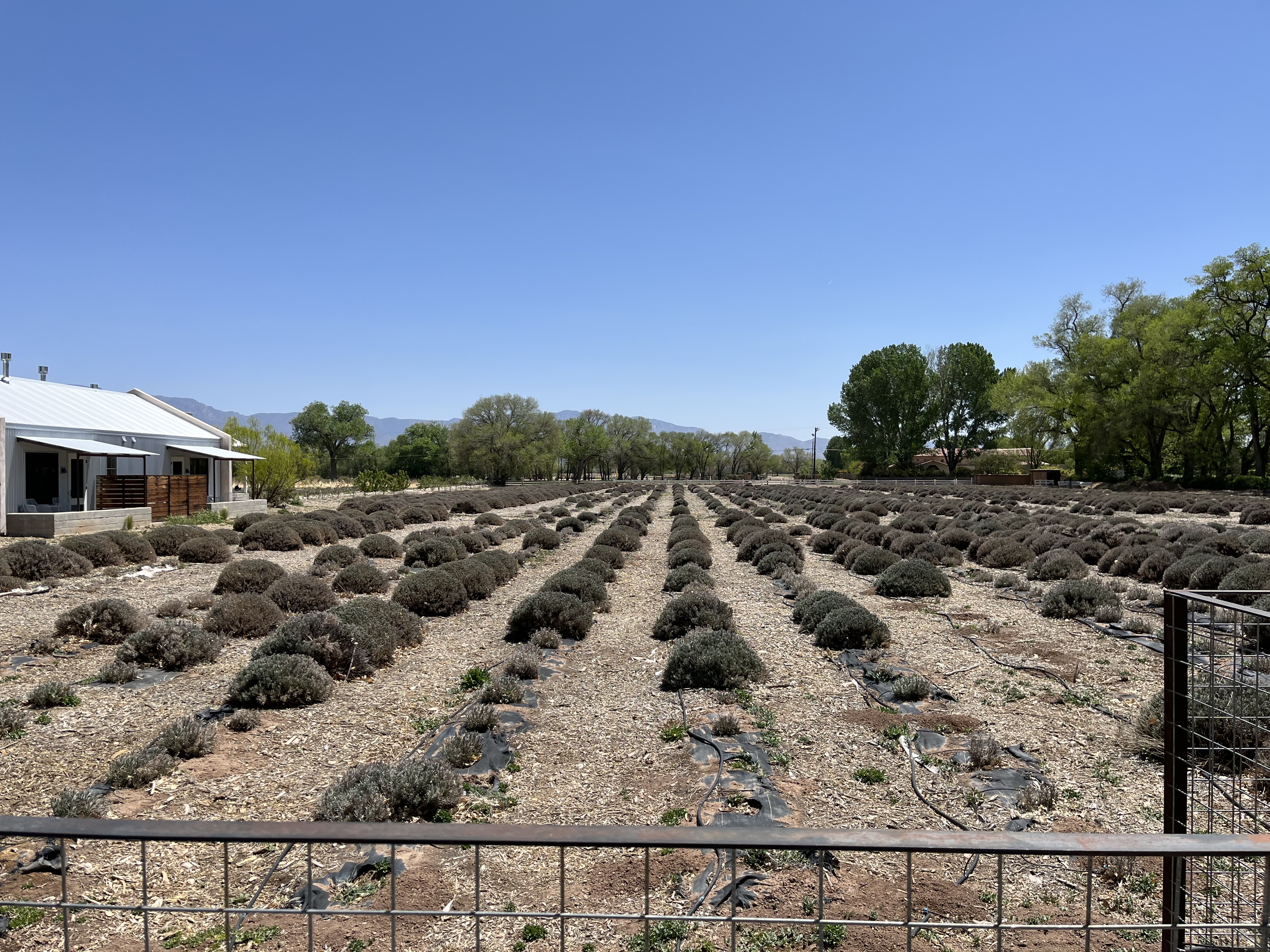
“Between 2004 and 2018, the number of reported illnesses from mosquito, tick, and flea bites more than doubled, with more than 760,000 cases reported in the United States. Nine new germs spread by mosquitoes and ticks were discovered or introduced into the United States during this period. The geographic ranges where ticks spread Lyme disease, anaplasmosis, ehrlichiosis, and spotted fever rickettsiosis have expanded, and experts predict that tickborne diseases will continue to increase.”

EPA: Climate Change Indicators: Lyme Disease This EPA website has links to many other climate change indicators.

The lack of dots in Massachusetts in 2018 is due to a difference in
reporting standards, not an absence of Lyme disease

Related blog posts:

AGA Expert Clinical Practice Update for Adults with GERD

R Yadiatpati et al. Clin Gastroenterol Hepatol 2022; 20: 984-994. AGA Clinical Practice Update on the Personalized Approach to the Evaluation and Management of GERD: Expert Review

The general approach, outlined in Figure 1, is to empirically treat patients with typical GERD symptoms for 4-8 weeks with single-dose PPI. In those with response, the goal is to use the lowest effective dose and consider reflux testing (“offer endoscopy with prolonged wireless reflux monitoring”) if needing prolonged treatment (>1 yr). In those without a response, adjusting treatment (possibly change medication or change to twice a day) should be considered and reflux testing (off treatment) is recommended as well in those lacking response to treatment.

Some of the recommendations/best practice advice:

  • Clinicians should provide standardized educational material on GERD mechanisms, weight management, lifestyle and dietary behaviors, relaxation strategies, and awareness about the brain-gut axis relationship to patients with reflux symptoms.
  • Clinicians should emphasize safety of proton pump inhibitors (PPIs) for the treatment of GERD.
  • Clinicians should provide patients presenting with troublesome heartburn, regurgitation, and/or non-cardiac chest pain without alarm symptoms a 4- to 8-week trial of single-dose PPI therapy. With inadequate response, dosing can be increased to twice a day or switched to a more effective acid suppressive agent once a day. When there is adequate response, PPI should be tapered to the lowest effective dose.
  • If troublesome heartburn, regurgitation, and/or non-cardiac chest pain do not respond adequately to a PPI trial or when alarm symptoms exist, clinicians should investigate with endoscopy and, in the absence of erosive reflux disease (Los Angeles B or greater) or long-segment (≥3 cm) Barrett’s esophagus, perform prolonged wireless pH monitoring off medication (96-hour preferred if available) to confirm and phenotype GERD or to rule out GERD.
  • Clinicians should perform upfront objective reflux testing off medication (rather than an empiric PPI trial) in patients with isolated extra-esophageal symptoms and suspicion for reflux etiology.
  • Clinicians should provide pharmacologic neuromodulation, and/or referral to a behavioral therapist for hypnotherapy, cognitive behavioral therapy, diaphragmatic breathing, and relaxation strategies in patients with functional heartburn or reflux disease associated with esophageal hypervigilance reflux hypersensitivity and/or behavioral disorders.
  • In patients with proven GERD, laparoscopic fundoplication and magnetic sphincter augmentation are effective surgical options, and transoral incisionless fundoplication is an effective endoscopic option in carefully selected patients.

Related blog posts:

World’s Largest Pistachio (with my favorite pistachio eater). Alamogordo, New Mexico

America’s Formula Shortages –The Bigger Picture

A recent article (The Dispatch, Scott Lincicome: America’s Infant Formula Crisis and the ‘Resiliency’ Mirage) explains that the reasons we are facing formula shortages go beyond the Abbott recall.

Excerpts:

The infant formula crisis isn’t simply another case of a one-off event causing pandemic-related supply chain pressures to boil over. Instead, U.S. policy has exacerbated the nation’s infant formula problem by depressing potential supply….all part of our government’s longstanding subsidization and protection of the politically powerful U.S. dairy industry…

[Additionally, there] are strict FDA labeling and nutritional standards that any formula producer wishing to sell here must meet….These regulatory barriers are probably well-intentioned, but that doesn’t make them any less misguided—especially for places like Europe, Canada, or New Zealand that have large dairy industries and strict food regulations

The combination of trade and regulatory barriers to imported infant formula all but ensures that our almost $2 billion U.S. market is effectively captured by a few domestic producers—despite strong demand for foreign brands. What German company, for example, is willing to spend the time and money meeting all the FDA requirements—registration, clinical trials, labeling and nutritional standards, inspections, etc.—only to then face high import taxes that make its product uncompetitive except during emergencies? The answer: almost none…

Meanwhile, Abbott is in full-on crisis mode and has turned to flying in formula produced at an FDA-registered Irish affiliate…

WIC program’s use of sole supplier contracts has created a problem specific to the current crisis because … the big FDA recall just happened to hit the very producer—Abbott—holding most of the WIC contracts. 

My take: This article explains why there is not a simple switch to flip to fix the current formula bottlenecks.

Related blog posts:

White Sands National Park, New Mexico

Antimicrobial Stewardship for Helicobacter Pylori

Yesterday, this blog discussed what is needed to achieve high cure rates for H pylori. One of my microbiology colleagues informed me that until recently there have only been susceptibility standards for clarithromycin from the Clinical Laboratory Standards.  Now, the European Committee on Antimicrobial Susceptibility Testing has criteria for clarithromycin, tetracycline, amoxicillin, levofloxacin, metronidazole, and rifampin. Given the difficulty culturing H pylori, his view is that stool testing is the most promising avenue for susceptibility testing because we now have the genes that determine resistance delineated for all of these drugs.

A related issue is antimicrobial stewardship: DY Graham. J-M Liou. Clin Gastroenterol Hepatol 2022; 20: 973-983. Open Access: Primer for Development of Guidelines for Helicobacter pylori Therapy Using Antimicrobial Stewardship

Key points:

  • “Therapies that fail to achieve at least a 90% cure rate should be abandoned as unacceptable”
  • “Antibiotics in the access group have lower resistance potential … They should be widely available and affordable. Amoxicillin, tetracycline, and metronidazole are classified as the access group. In contrast, clarithromycin and levofloxacin have higher resistance potential and are classified as the watch group. They should be prioritized as key targets of stewardship program and monitoring”
  • “Therapies that contain antibiotics which do not contribute to outcome should be eliminated”
  • The “full antisecretory activity of PPIs requires 3–4 days. This makes the actual duration of effective therapy shorter than the days it is administered…However, pharmaceutical companies often have chosen to shorten the recommended duration of therapy to obtain a marketing advantage at the expense of reduced effectiveness”
  • “Currently most H pylori infections receive empiric therapy, and the clinician does not know or even have access to treatment guidance based on local or regional antimicrobial susceptibility patterns…few hospitals or clinics offer susceptibility testing”
  • Even without susceptibility testing, clinicians could achieve much better results if test of cure data were carefully collected and analyzed
  • “Metronidazole-containing bismuth quadruple therapy is unique in that it appears that metronidazole resistance can be partially or completely overcome by increasing the dose and duration of therapy…metronidazole resistance as assessed in vitro does not correlate well with its effectiveness in vivo, especially when used as a component of a triple or quadruple therapy”

H pylori is difficult to eradicate:

  • Location: “the organisms reside within the highly acid stomach, which is physically outside of the body and thus poorly accessible to blood-borne antibiotics and the immune system”
  • Inoculum effect: “H pylori is also typically present in vast numbers, resulting in an inoculum effect … the inoculum effect is largely responsible for the failure of dual therapy with PPIs clarithromycin, metronidazole, or levofloxacin, as their effectiveness is undermined by emergence of resistance during therapy”
  • Biofilm and intracellular: “A proportion of H pylori attach to the surface of gastric cells, leading to a biofilm phenomenon, and some are present intracellular by requiring the use of antibiotics capable of penetrating into cells”
  • Dormant state: “H pylori can become dormant in part because they can replicate only when the pH is approximately 6…this results in a persister effect”

My take: The lack of action on H pylori susceptibility despite the current tools is a bad look for the GI community. Would this still be the case if the treatment were relegated to our infectious disease colleagues? Antibiotic stewardship is coming for H pylori -children and adults with this infection should have higher cure rates and easier treatment regimens.

Related blog posts:

White Sands National Park, New Mexico

How To Achieve Helicobacter Pylori Cure Rates of >95%

Related to yesterday’s blog, here is an SNL commercial for the “Koohl” toilet (also with Benedict Cumberbatch) in 2016: SNL Koohl Toilet

————————————

DY Graham, SF Moss. Am J Gastroenterol 2022. 117: 524-528. Antimicrobial Susceptibility Testing for Helicobacter pylori Is Now Widely Available: When, How, Why

Key points:

  • Susceptibility testing for H pylori is widely available in the U.S. and should help optimize treatments to get success rates >95%. Testing is now available for the most common treatment antibiotics: amoxicillin, metronidazole, tetracycline, levofloxacin, clarithromycin, and rifabutin.
  • Handling/shipping specimens properly is important with susceptibility testing
  • The authors recommend a PPI which is minimally-affected by CYP2C19 metabolism, namely rabeprazole or esomeprazole.
  • Provide careful instructions to patient/family regarding treatment

Susceptibility Testing Labs (see Table 1):

  • Quest: Our Quest representative indicated code: 36994 (H. pylori culture with reflex to susceptibility). Preferred Specimen: 3 mm Gastric/Antral or Duodenal biopsy collected in Brucella broth or Trypticase Soy Broth (TSB) with 10-20% glycerol
  • LabCorp: Helicobacter pylori Culture Test Code Test Code 180885
  • ARUP: Helicobacter pylori Culture Test Code 2006686
  • Culture (Catalog HELIS) or Stool PCR testing (Catalog HPFRP) can be done by Mayo Clinic
  • Reflex stool testing as well as PCR gastric testing from formalin is available through by American Molecular laboratories

A treatment algorithm is listed:

  • In the absence of highly effective empiric treatment or after treatment failure, the authors recommend susceptibility testing.
  • If clarithromycin susceptible, then a 14-day clarithromycin triple therapy course is recommended
  • If clarithromycin resistant but metronidazole susceptible, then 14-day metronidazole triple therapy
  • If resistant to both clarithromycin and metronidazole, then either a 14-day bismuth quadruple therapy, or a rifabutin triple therapy are preferred. However, if H pylori organisms are levofloxacin susceptible, then 14-day levofloxacin triple therapy may be a good option.
  • The authors recommend quinolone therapy only in the setting of susceptibility testing due to the FDA warnings about long-term adverse effects.

My take: Perhaps H pylori susceptibility testing availability needs to be a quality metric for hospitals and endoscopy centers.


Related blog posts:

AAP Guidelines for Down Syndrome & Screening for Celiac Disease Plus One (How to Fix Diarrhea)

The AAP has updated recommendations for Down syndrome: MJ Bull et al. Pediatrics (2022) 149 (5): e2022057010. Open Access: Health Supervision for Children and Adolescents With Down Syndrome

For gastroenterologists, one area of concern is screening for celiac disease in this population due to a mildly increased risk.

Here is what is recommended in children after 1 year of age:

“For children on a diet that contains gluten, review for symptoms potentially related to celiac disease at each health supervision visit because children with Down syndrome are at increased risk. These symptoms include diarrhea or protracted constipation, slow growth, unexplained failure to thrive, anemia, abdominal pain or bloating, or refractory developmental or behavioral problems.9799  For those with symptoms, obtain a tissue transglutaminase immunoglobulin A (TTG IgA) concentration and simultaneous quantitative IgA. The quantitative IgA is important, because an IgA deficiency renders the TTG IgA unreliable. Refer patients with abnormal laboratory values for specialty assessment. Do not institute a gluten-free diet before confirmation of the diagnosis, because lack of gluten can make interpretation of endoscopic results difficult. There is no evidence that routine screening of asymptomatic individuals would be beneficial. There are neither data nor consensus that would indicate whether patients with persistent symptoms who had normal laboratory values on initial evaluation should have further laboratory tests.”

In addition to celiac disease, the AAP article has a ton of useful resources regarding Down syndrome for clinicians and families.

My take: Celiac disease is difficult to diagnose and is much more common in children with Down syndrome. It is worth noting that other Down syndrome groups, NICE and NASPGHAN have recommended screening for celiac in all children with Down syndrome. (Ref: M Pavlovic et al. World J Clin Cases. 2017 Jul 16; 5(7): 264–269. Open Access: Screening of celiac disease in Down syndrome – Old and new dilemmas)

Related blog posts:

White Sands National Park, New Mexico

Also, a keen observation from Carlo Di Lorenzo’s twitter feed:

The corollary of this is how miraculous it is when a child who has not stooled for 3 weeks straight has no residual markers after swallowing a Sitz capsule.

Understanding Rapid COVID-19 Testing Compared to PCR Testing

VT Chu et al. JAMA Intern MedPublished online April 29, 2022. doi:10.1001/jamainternmed.2022.1827. Open Access: Comparison of Home Antigen Testing With RT-PCR and Viral Culture During the Course of SARS-CoV-2 Infection

Background: This was a prospective cohort study of 225 adults and children comparing reverse transcription–polymerase chain reaction (RT-PCR)–confirmed SARS-CoV-2 infection with antigen testing (QuickVue At-Home OTC COVID-19 Test) and viral culture (January to May 2021)

Key findings:

  • Rapid testing (antigen) sensitivity was 64% and viral culture sensitivity was 84% when compared with same-day RT-PCR and viral culture
  • Rapid testing (antigen) sensitivity peaked 4 days after illness onset (77%); a second test 1 to 2 days later showed improved sensitivity (81%-85%)

My take: This study shows that a single rapid test is NOT adequate to exclude SARS-CoV-2 infection, especially if they are symptomatic (need to recheck 1-2 days later if negative rapid test). The reliability/accuracy/sensitivity is likely to vary greatly between different rapid tests and may change significantly with different viral variants.