Unknown's avatar

About gutsandgrowth

I am a pediatric gastroenterologist at GI Care for Kids (previously called CCDHC) in Atlanta, Georgia. The goal of my blog is to share some of my reading in my field more broadly. In addition, I wanted to provide my voice to a wide range of topics that often have inaccurate or incomplete information. Before starting this blog in 2011, I would tear out articles from journals and/or keep notes in a palm pilot. This blog helps provide an updated source of information that is easy to access and search, along with links to useful multimedia sources. I was born and raised in Chattanooga. After graduating from the University of Virginia, I attended Baylor College of Medicine. I completed residency and fellowship training at the University of Cincinnati at the Children’s Hospital Medical Center. I received funding from the National Institutes of Health for molecular biology research of the gastrointestinal tract. During my fellowship, I had the opportunity to work with some of the most amazing pediatric gastroenterologists and mentors. Some of these individuals included Mitchell Cohen, William Balistreri, James Heubi, Jorge Bezerra, Colin Rudolph, John Bucuvalas, and Michael Farrell. I am grateful for their teaching and their friendship. During my training with their help, I received a nationwide award for the best research by a GI fellow. I have authored numerous publications/presentations including original research, case reports, review articles, and textbook chapters on various pediatric gastrointestinal problems. In addition, I have been recognized by Atlanta Magazine as a "Top Doctor" in my field multiple times. Currently, I am the vice chair of the section of nutrition for the Georgia Chapter of the American Academy of Pediatrics. In addition, I am an adjunct Associate Clinical Professor of Pediatrics at Emory University School of Medicine. Other society memberships have included the North American Society for Pediatric Gastroenterology Hepatology and Nutrition (NASPGHAN), American Academy of Pediatrics, the Food Allergy Network, the American Gastroenterology Association, the American Association for the Study of Liver Diseases, and the Crohn’s and Colitis Foundation. As part of a national pediatric GI organization called NASPGHAN (and its affiliated website GIKids), I have helped develop educational materials on a wide-range of gastrointestinal and liver diseases which are used across the country. Also, I have been an invited speaker for national campaigns to improve the evaluation and treatment of gastroesophageal reflux disease, celiac disease, eosinophilic esophagitis, hepatitis C, and inflammatory bowel disease (IBD). Some information on these topics has been posted at my work website, www.gicareforkids.com, which has links to multiple other useful resources. I am fortunate to work at GI Care For Kids. Our group has 17 terrific physicians with a wide range of subspecialization, including liver diseases, feeding disorders, eosinophilic diseases, inflammatory bowel disease, cystic fibrosis, DiGeorge/22q, celiac disease, and motility disorders. Many of our physicians are recognized nationally for their achievements. Our group of physicians have worked closely together for many years. None of the physicians in our group have ever left to join other groups. I have also worked with the same nurse (Bernadette) since I moved to Atlanta in 1997. For many families, more practical matters about our office include the following: – 14 office/satellite locations – physicians who speak Spanish – cutting edge research – on-site nutritionists – on-site psychology support for abdominal pain and feeding disorders – participation in ImproveCareNow to better the outcomes for children with inflammatory bowel disease – office endoscopy suite (lower costs and easier scheduling) – office infusion center (lower costs and easier for families) – easy access to nursing advice (each physician has at least one nurse) I am married and have two sons (both adults). I like to read, walk/hike, bike, swim, and play tennis with my free time. I do not have any financial relationships with pharmaceutical companies or other financial relationships to disclose. I have helped enroll patients in industry-sponsored research studies.

ACG Review (Zobair Younassi, MD): NAFLD and NASH

For PDF copy of slides: NAFLD and NASH

Dr. Zobair Younassi gave a recent virtual grand rounds –here are some of the slides:

Epidemiology:

Natural History:

  • Progression of disease is not linear
  • Fatty liver disease is a multisystem disorder.  Cardiovascular disease is leading cause of death in patients with fatty liver disease
  • Fatigue (~50%) is common with fatty liver disease

Main treatment:

  • Weight loss -Mediterranean diet may be helpful
  • Exercise
  • No FDA-approved treatments, though pioglitizone supported by AASLD for biopsy-proven NASH
  • Public health interventions are needed

Iodine Deficiency in Extremely Low Gestational Age Newborns Receiving Parenteral Nutrition

Briefly noted: N Kanike et al. Nutrients 202012(6), 1636; https://doi.org/10.3390/nu12061636 (from Kipp Ellsworth Twitter feed)

Full text: Risk of Iodine Deficiency in Extremely Low Gestational Age Newborns on Parenteral Nutrition

Background/Methods: Extremely Low Gestational Age Newborns (ELGAN) do not receive Iodine supplementation while on parenteral nutrition (PN)….We measured urine iodine levels and thyroid function tests in 50 mother–infant dyads at birth, at 1 week, 1, 2, 3 months and near discharge. In our study, 64% of mothers were iodine deficient at the time of delivery.

Key findings:

  • At 1 month of age, ELGAN on PN developed iodine deficiency (p = 0.017) and had high thyroglobulin levels of 187 (156–271) ng/mL
  • Iodine levels improved with enteral feeds by 2 months of age (p = 0.01).

My take: The authors note that “Iodine supplementation during pregnancy and postnatally should be considered to avoid iodine deficiency.”  In addition, in those at risk, there needs to be monitoring and treatment of hypothyroidism.

Related blog posts:

Blog Case Report: Colonic Polyp & Elevated Calprotectin

Last week, a 7 year old with a 6 month history of loose stools and rectal bleeding underwent a panendoscopy.  Prior to endoscopy, she had a calprotectin level of 1000 mcg/gram.

  • Findings: Huge (>5 cm) multilobulated polyp which was removed at stalk.  A second pass to revise stalk was completed subsequently. The histology report noted that the polyp was a benign juvenile polyp.

This case was interesting to me due to the unusual size/configuration of the polyp and the very elevated calprotectin.  I was aware of elevated calprotectin levels with polyposis (in part from a recent review of our experience with ~400 colonoscopies in our center: Full Text Link: Diagnostic Yield Variation with Colonoscopy among Pediatric Endoscopists)

Two views of large polyp from scope in descending colon

Related blog posts:


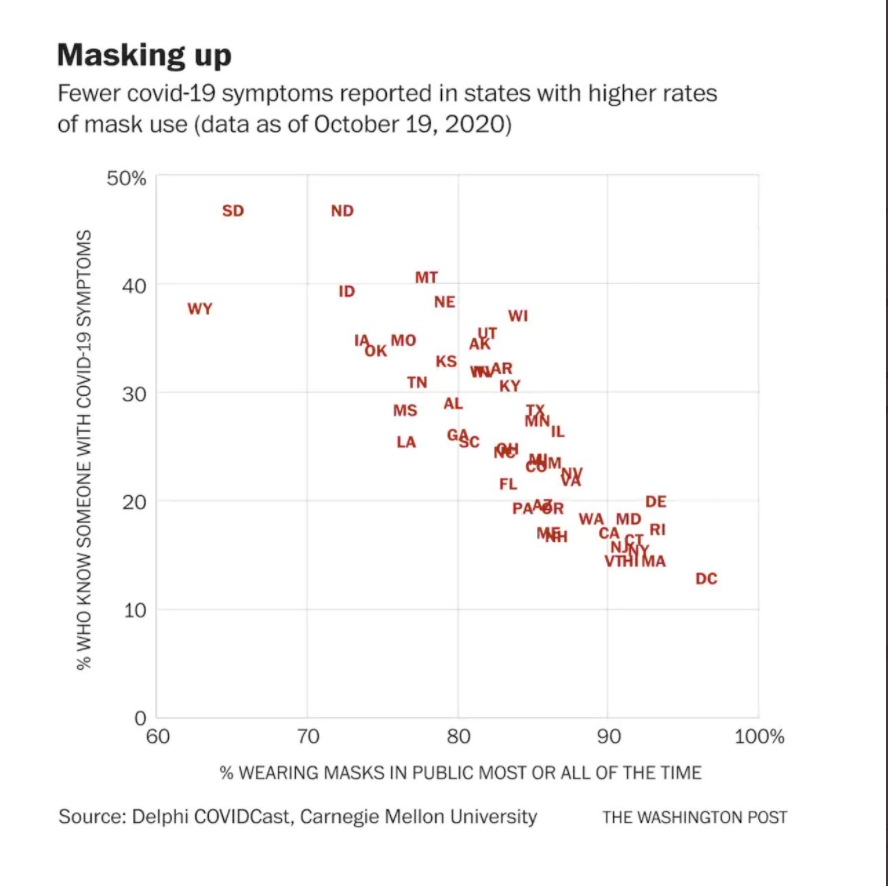
Data on Mask Efficacy and COVID-19 Safety –How U.S. Compares

According to this ranking, U.S. is 58th in the world:

From Health Affairs, Full Text: Community Use Of Face Masks And COVID-19: Evidence From A Natural Experiment Of State Mandates In The US

Related blog posts:

Healthy Microbiome: A Work in Progress, Plus Microbiome-Drug Metabolism

A recent study (G Galazzo, N Van Best, et al. Gastroenterol 2020; 158: 1584-96) highlights the changes in microbiota diversity from birth until 11 years of age.

Full text: Development of the Microbiota and Associations With Birth Mode, Diet, and Atopic Disorders in a Longitudinal Analysis of Stool Samples, Collected From Infancy Through Early Childhood

Methods: We collected 1453 stool samples, at 5, 13, 21, and 31 weeks postpartum (infants), and once at school age (6–11 years), from 440 children (49.3% girls, 24.8% born by cesarean delivery; all children except for 6 were breastfed for varying durations; median 40 weeks; interquartile range, 30–53 weeks).

Key findings:

  • Most bacteria within the Bacteroidetes and Proteobacteria phyla were already present at 5 weeks after birth, whereas many bacteria of the Firmicutes phylum were acquired at later times in infancy.
  • At school age, many new Actinobacteria, Firmicutes, and Bacteroidetes bacterial taxa emerged.
  • The largest increase in microbial diversity occurred after 31 weeks of life.
  • Vaginal, compared with cesarean delivery, was most strongly associated with an enrichment of Bacteroides species at 5 weeks through 31 weeks.
  • From 13 weeks onward, diet became the most important determinant of microbiota composition; cessation of breastfeeding, rather than solid food introduction, was associated with changes.
  • When we adjusted for confounding factors, we found fecal microbiota composition to be associated with development of atopic dermatitis, allergic sensitization, and asthma. Members of the Lachnospiraceae family, as well as the genera Faecalibacterium and Dialister, were associated with a reduced risk of atopy.

My take: We are still learning a lot about the microbiome.  Though a ‘healthy’ microbiome is still not straight-forward determination, a good diet with plenty of fruits and vegetables has been associated with more favorable attributes.

Plus One: Bahar Javdan, et al. Personalized Mapping of Drug Metabolism by the Human Gut MicrobiomeCell, 2020; DOI: 10.1016/j.cell.2020.05.001

In this study, the authors found how variations in the microbiome had unique effects on drug metabolism.  From ScienceDaily, Can gut microbiome alter drug safety and efficacy?  The authors tested 575 FDA-approved drugs to see if they are chemically modified by one of the 21 cultured microbiomes, and then tested a subset of the drugs with all the cultured microbiomes. Here, they found microbiome-derived metabolites that had never been previously reported

Related blog posts:


Reducing Gastrostomy Tube Placement in Children with Aspiration & COVID-19 Tracking

From The COVID Tracking Project: Effective Reproduction Number

These are up-to-date values for Rt, a key measure of how fast the virus is growing. It’s the average number of people who become infected by an infectious person. If Rt is above 1.0, the virus will spread quickly. When Rt is below 1.0, the virus will stop spreading.  All 50 states listed below (but hard to see) -these numbers adjust for testing frequency:

The site has each state -here are Georgia and Florida:


A recent study (McSweeney M, Meleedy-Rey P, Kerr J, Yuen JC, Fourneir G, Norris K, Larson K, Rosen R. A quality improvement initiative to reduce gastrostomy tube placement in aspirating patients. Pediatrics. 2020, 145: e20190325; DOI: https://doi.org/10.1542/peds.2019-0325) was highlighted by John Pohl in Practical Gastroenterology:

Full text summary: Reducing Gastrostomy Placement in Children with Aspiration

An excerpt:

Children equal to or less than 2 years of age with aspiration demonstrated on VFSS were included in the study…If a VFSS was abnormal and the child was less than 52 weeks gestational age, then the child either was admitted to the hospital for a trial of nasogastric (NG) breastmilk or oral thickened formula with NG breast milk. The patient then continued to work with SLP… If a repeat VFSS showed improvement in the swallowing mechanism, then work with SLP and trialing with thickened feeds continued until the aspiration had resolved as demonstrated by VFSS. However, if a repeat VFSS still showed aspiration, a child was considered a candidate for gastrostomy placement…

In total, 6125 patients at 2 years of age or less underwent a VFSS during the 4-year study period, and 1668 of these patients had aspiration or penetration… 94 of the patients with aspiration or aspiration and penetration on their first VFSS (12.2%) and 31 of the patients with penetration only on their first VFSS (3.4%) eventually required gastrostomy placement…

Gastrostomy placement in this patient population fell from 10.9% at the beginning of the study to 5.2% at the end…

The number of emergency room visits and hospitalizations in the patient group without gastrostomies did not increase during the study with this same patient group having significantly less emergency room visits and hospitalizations compared to those children who had undergone gastrostomy placement

My take: This study shows that conservative therapy allows most children (<2 yrs) to avoid gastrostomy tube placement

Related blog posts:


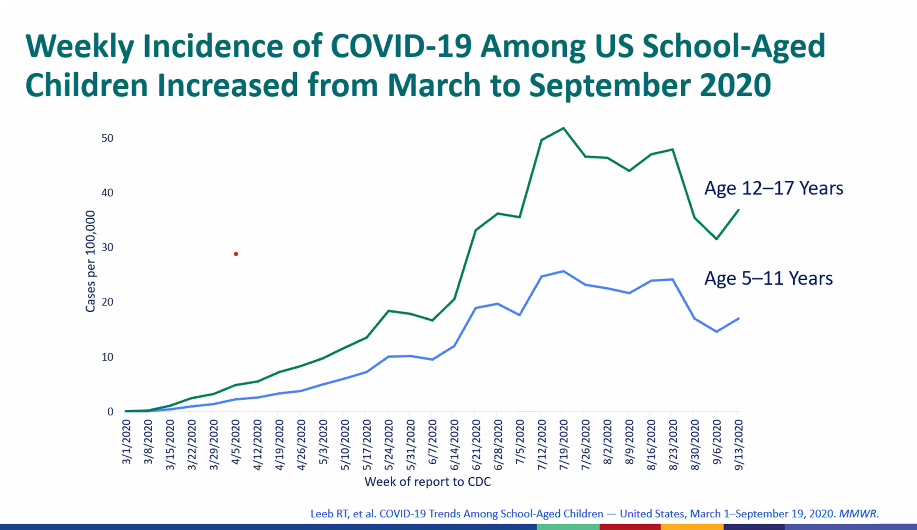
Pandemic Is NOT Taking a Summer Holiday

More data indicate that the coronavirus pandemic is NOT taking a summer holiday.  Projections from IHME indicate that Georgia is likely to have 4 times as many deaths by October (~2500 to  >10,000) and Florida 6 times as many (~3000 to >18,000) due to COVID-19. If projections do not worsen, the U.S. will still have more than 200,000 deaths by October.

In Europe which had at one point accounted for ~80% of new infections, the daily toll is ~10%. From Financial Times website:

From Financial Times website

From Financial Times website

From CNN/Johns Hopkins

NPR: Younger Adults Are Increasingly Testing Positive for Coronavirus

The fact that younger adults account for a large fraction of the new cases is likely a significant reason why the number of daily deaths has not spiked (& improved).

Data from Broward County, FL

Related blog posts:

Can Microscopic Colitis Lead to Crohn’s Disease or Ulcerative Colitis?


A recent prospective cohort “ESPRESSO” study (H Khalili et al. Gastroenterol 2020; 158: 1574-83) from 1990-2017 examined the risk of incident inflammatory bowel disease (IBD) in subjects with microscopic colitis, n=13,957 (& each matched with 5 controls). ESPRESSO = Epidemiology Strengthened by histoPathology Reports in Sweden.

Key findings:

  • In the microscopic colitis group, there were 323 incident cases of ulcerative colitis (UC) and 108 cases of Crohn’s disease (CD)
  • Mean times to diagnosis were 3.2 years for UC and 3.3 years for CD
  • Microscopic colitis was associated with an aHR of 12.6 for CD and 17.3 fo rUC
  • The absolute excess risk compared to matched control over a 10-year period were 2.6% for UC and 0.9% for CD

My take: Individuals with microscopic colitis are at increased risk of developing UC and CD.

Related blog post/related article:


IBD Briefs June 2020

SA Draiweesh et al. Safety of Combination Biologic and Antirejection Therapy Post-Liver Transplantation in Patients with Inflammatory Bowel Disease. Inflamm Bowel Dis 2020; 26: 949-59. In this case series of 19 patients, 14 who had liver transplantation for PSC, there was no increased risk of serious infections among patients receiving biologic therapy in combination with antirejection medications.

A Malian et al. Pedictors [sic] of Perianal Fistula Relapse in Crohn’s Disease. Inflamm Bowel Dis 2020; 26: 926-31. In this retrospective study with 137 patients, fistula relapse rates were not different in patients receiving infliximab or adalimumab (P = 0.66). In patients treated by anti-TNF at inclusion, discontinuation of anti-TNF therapy (odds ratio 3.49, P = 0.04), colonic location (OR 6.25, P = 0.01), and stricturing phenotype (odds ratio 4.39, P = 0.01) were independently associated with fistula relapse in multivariate analysis.

M-H Wang et al. Unique Phenotypic Characteristics and Clinical Course in Patients With Ulcerative Colitis and Primary Sclerosing Cholangitis: A Multicenter US Experience. Inflamm Bowel Dis 2020; 26: 774-81. Among 522 patients with UC, 56 (10.7%) had PSC. Compared with UC alone, patients with UC-PSC were younger (younger than 20 years) at diagnosis (odds ratios [OR], 2.35; adjusted P = 0.02) and had milder UC severity (adjusted P = 0.05), despite having pancolonic involvement (OR, 7.01; adjusted P < 0.001).  In the biologics era (calendar year 2005 to 2015), patients with UC-PSC less commonly received anti-TNF therapy compared with patients with UC (OR, 0.38; adjusted P = 0.009), but their response rates were similar.

B Barberio et al. Matrix Metalloproteinase 3 Predicts Therapeutic Response in Inflammatory Bowel Disease Patients Treated with Infliximab. Inflamm Bowel Dis 2020; 26: 756-62. Retrospectively, 73 IBD patients who had received IFX for at least 1 year were enrolled: 35 patients were responders and 38 were nonresponders at 52 weeks…The MMP3 levels were similar at baseline (19.83 vs 17.92 ng/mL), but at postinduction, patients who failed to respond at 1 year had significantly higher levels than patients who responded (26.09 vs 8.68 ng/mL, P < 0.001); the difference was confirmed at week 52 (29.56 vs 11.48 ng/mL, P < 0.001)…The MMP3 serum determination may represent an early marker of response to infliximab.


Growth in Children at Risk for Celiac Disease & Emapalumab for Hemophagocytic Lymphohistiocytosis

Briefly noted:  R Auricchio et al. Archives of Disease in Childhood 2020; http://dx.doi.org/10.1136/archdischild-2019-317976. Growth rate of coeliac children is compromised before the onset of the disease Thanks to Mike Hart for the reference.

Methods:   We analysed the growth patterns of infants at genetic risk of CD, comparing those who developed CD by 6 years of age (CD ‘cases’, 113 infants) versus those who did not develop CD by 6 years (no CD ‘controls’, 831 infants).

Key finding: The growth of children at risk of CD rarely fell below ‘clinical standards’. However, growth rate was significantly lower in cases than in controls. Our data suggest that peculiar pathways of growth are present in children who develop CD, long before any clinical or serological signs of the disease appear.

F Locatell et al. NEJM 2020; 382: 1811-22. This open-label study (n=34) investigated emapalumab, a human anti-interferon-gamma antibody, for the treatment of primary hemophagocytic lymphohistiocytosis (HLH). Of the 26 patients who completed the study, approximately 65% had a response (based on clinical and lab features) and were able to proceed to transplantation.

Related blog posts: