Unknown's avatar

About gutsandgrowth
I am a pediatric gastroenterologist at GI Care for Kids (previously called CCDHC) in Atlanta, Georgia. The goal of my blog is to share some of my reading in my field more broadly. In addition, I wanted to provide my voice to a wide range of topics that often have inaccurate or incomplete information. Before starting this blog in 2011, I would tear out articles from journals and/or keep notes in a palm pilot. This blog helps provide an updated source of information that is easy to access and search, along with links to useful multimedia sources. I was born and raised in Chattanooga. After graduating from the University of Virginia, I attended Baylor College of Medicine. I completed residency and fellowship training at the University of Cincinnati at the Children’s Hospital Medical Center. I received funding from the National Institutes of Health for molecular biology research of the gastrointestinal tract. During my fellowship, I had the opportunity to work with some of the most amazing pediatric gastroenterologists and mentors. Some of these individuals included Mitchell Cohen, William Balistreri, James Heubi, Jorge Bezerra, Colin Rudolph, John Bucuvalas, and Michael Farrell. I am grateful for their teaching and their friendship. During my training with their help, I received a nationwide award for the best research by a GI fellow. I have authored numerous publications/presentations including original research, case reports, review articles, and textbook chapters on various pediatric gastrointestinal problems. In addition, I have been recognized by Atlanta Magazine as a "Top Doctor" in my field multiple times. Currently, I am the vice chair of the section of nutrition for the Georgia Chapter of the American Academy of Pediatrics. In addition, I am an adjunct Associate Clinical Professor of Pediatrics at Emory University School of Medicine. Other society memberships have included the North American Society for Pediatric Gastroenterology Hepatology and Nutrition (NASPGHAN), American Academy of Pediatrics, the Food Allergy Network, the American Gastroenterology Association, the American Association for the Study of Liver Diseases, and the Crohn’s and Colitis Foundation. As part of a national pediatric GI organization called NASPGHAN (and its affiliated website GIKids), I have helped develop educational materials on a wide-range of gastrointestinal and liver diseases which are used across the country. Also, I have been an invited speaker for national campaigns to improve the evaluation and treatment of gastroesophageal reflux disease, celiac disease, eosinophilic esophagitis, hepatitis C, and inflammatory bowel disease (IBD). Some information on these topics has been posted at my work website, www.gicareforkids.com, which has links to multiple other useful resources. I am fortunate to work at GI Care For Kids. Our group has 17 terrific physicians with a wide range of subspecialization, including liver diseases, feeding disorders, eosinophilic diseases, inflammatory bowel disease, cystic fibrosis, DiGeorge/22q, celiac disease, and motility disorders. Many of our physicians are recognized nationally for their achievements. Our group of physicians have worked closely together for many years. None of the physicians in our group have ever left to join other groups. I have also worked with the same nurse (Bernadette) since I moved to Atlanta in 1997. For many families, more practical matters about our office include the following: – 14 office/satellite locations – physicians who speak Spanish – cutting edge research – on-site nutritionists – on-site psychology support for abdominal pain and feeding disorders – participation in ImproveCareNow to better the outcomes for children with inflammatory bowel disease – office endoscopy suite (lower costs and easier scheduling) – office infusion center (lower costs and easier for families) – easy access to nursing advice (each physician has at least one nurse) I am married and have two sons (both adults). I like to read, walk/hike, bike, swim, and play tennis with my free time. I do not have any financial relationships with pharmaceutical companies or other financial relationships to disclose. I have helped enroll patients in industry-sponsored research studies.

Today’s Children in Crisis: YOYO

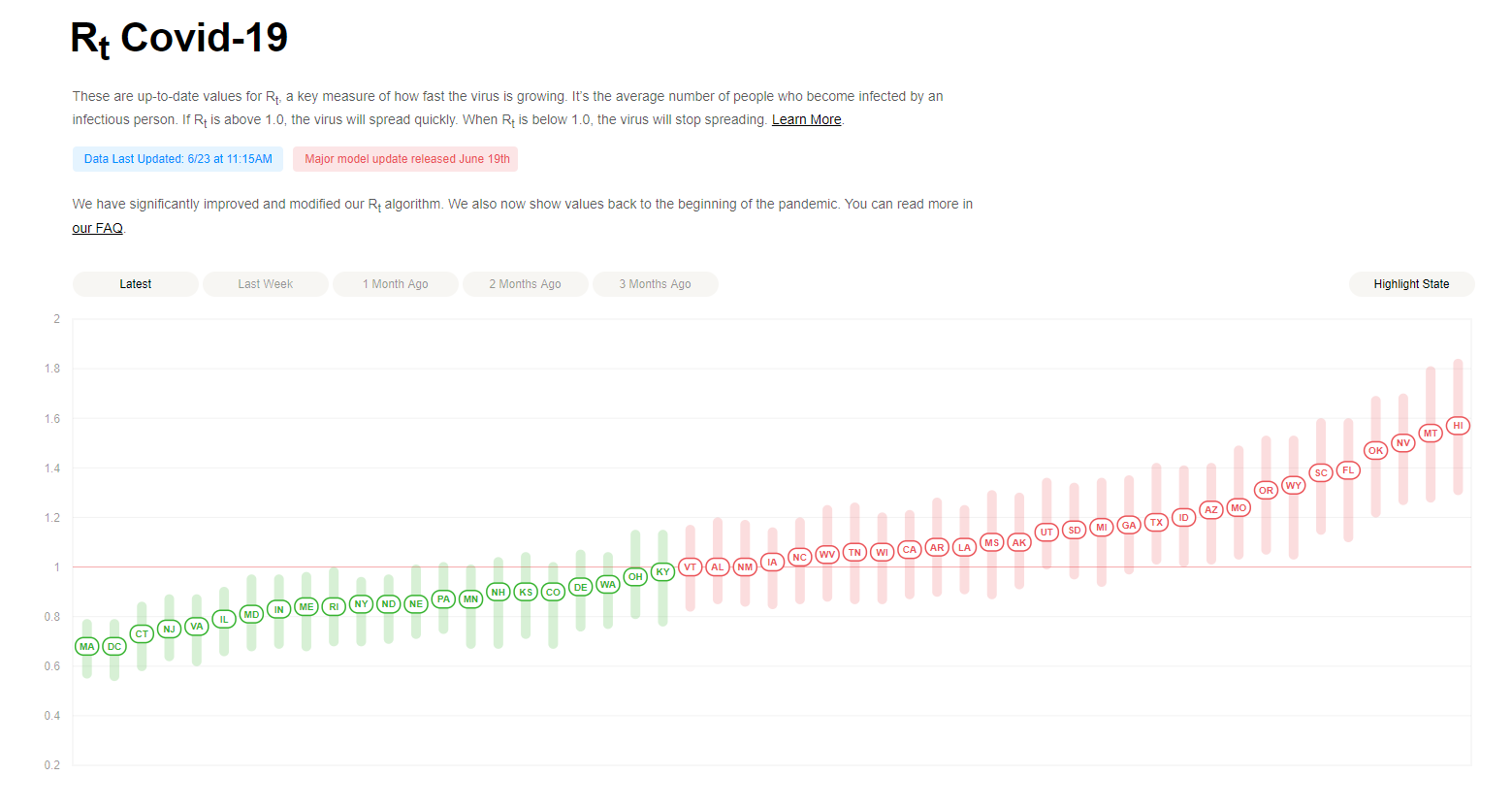
Predictive Modeling on COVID19 in U.S. from NYTimes: How Much Worse the Coronavirus Could Get, in Charts

Modeling comments from Nate Silver: It’s important to keep in mind that many of these models describe projections *without* changes in behavior. This is mentioned in the article (good for NYT, a lot of articles omit this context). So behavioral changes and testing are key. I slightly worry that some of the headlines contribute to a sense of fatalism, when the real message is more like “this is probably gonna be bad, but it could be considerably less bad if we get our act together and much worse if we don’t.”

———-

Besides the current outbreak, what else has been happening to children:

So, is it surprising at all that there is no interest in limiting products shown to be dangerous for children?  Today’s children are being told: ‘you’re on your own’ (YOYO)

An ongoing concern for pediatric gastroenterologists, magnet ingestions, was highlighted in a Politco report -thanks to Ben Gold for sharing this report: Toddlers eat shiny objects….

Here are a few excerpts:

Once ingested, high-powered magnets find each other inside the body and shred any tissue, such as bowel, trapped in between….

In early 2012, this coalition [led by NASPGHAN] approached the Consumer Product Safety Commission with one simple ask: eliminate these high-powered magnet sets from the market…the agency ultimately recalled high-powered magnet sets …

One company, Zen Magnets, remained unconvinced, and sued the CPSC, fighting… the recall on existing magnets…

The rule [ban] set was struck down by two judges on the 10th Circuit Court of Appeals with the deciding vote cast by now-Supreme Court Justice Neil Gorsuch. These judges ignored the expertise of the CPSC epidemiologists and economists; ignored the compelling medical testimony, overwhelming expert evidence and dire safety consequences and substituted their own opinion in favor of promoting “government restraint” on regulating industry…

The nation’s poison control centers recorded six times more magnet ingestions―totaling nearly 1,600 cases in 2019 alone—after the 10th circuit court decision allowed magnets back on the market…

The article details how the CPSC’s change in regulation has also led to deaths related to delays in recalling faulty infant inclined sleeps, with defective RZR All Terrain Vehicles, and the mismanaged recall of IKEA’s Malm dressers.

A related article was published in USA Today this week by Dr. Bryan Rudolph: Children can easily swallow high-powered magnets, it’s time to ban them for good

My take: What’s next up for our children? Outlawing lifeguards for pools? Repealing seat belt laws?  Perhaps it won’t matter –there are so many bigger threats that are not even on the radar.  YOYO.

Related blog posts:

Image from Politico

Biliary Atresia Biomarkers 2020

Two recent studies provide more information on biliary atresia (BA) biomarkers.

  • OG Behairy et al. JPGN 2020; 70: 344-9.
  • S Shamkar et al. JPGN 2020; 70: 350-5.

Behairy et al report on the use of serum IL-33 in a cohort of 90 infants, 30 with BA, 30 with cholestasis due to other causes, and 30 healthy infants.

  • Using a cut-off of 20.8 pg/mL, IL-33 had a specificity of 95% and sensitivity of 96.7% for identifying BA.
  • Interestingly, the test performed better in those with advanced fibrosis.  The mean value of IL-33 in those with grade 3/6 was 88.2 compared to 37.2 for 1/6 and 70.9 for 2/6. In comparison, the children with cholestasis due to other liver disease had a level of 18.5 for those with 3/6 fibrosis

The authors note in a prior study that IL-33 was higher in BA infants than those with a choledochal cyst.

While this is a small study, I disagree with the editorial (pg 278-9) which largely discounted the potential role of IL-33.  “IL-33 is elevated with many other diseases (bronchopulmonary dysplasia, asthma, allergy, and more) It, therefore, cannot easily be used as a highly specific marker for fibrosis. Furthermore, the use of IL-33 as a prognostic marker, is from a clinical point of view not of great importance, as follow-up clinical decisions are generally made based on patients’ clinical course.”

Shankar et al provide data on GGT values in BA (n=113 infants).

These infants underwent Kasai procedure at a median of 61 days

  • 12.3% had normal (<200) GGT values.
  • Those with normal GGT had worse outcomes: earlier need for liver transplantation (14 vs 20 months) and poorer transplant survival.
  • 9/14 (64%) with normal GGT and 53/99 (53.5%) of elevated GGT underwent liver transplantation

The authors note that decreased levels of GGT has been associated with reduced glutathione metabolism which could impari adaptive response to oxidative stress, leading to further hepatocyte injury.

My take: In my experience, I have had very few BA patients with GGT values <200 (lower than 10%).  The development of other biomarkers like MMP-7 and IL-33 increase the likelihood that BA will be recognized sooner and if elevated, could obviate the need for a liver biopsy prior to operative cholangiogram.  Nevertheless, practitioners cannot wholly rely on any the current biomarkers.

Related blog posts:

Fall on UNC Campus, Chapel Hill

It’s Complicated: The Relationship Between Milk and Health

  • GutsandGrowth Milestone: this is the 3000th blog post
  • New COVID19/IBD worldwide registry (so far zero cases reported.  Can report cases at the following: SECURE-IBD Registry

——

A provocative review (WC Willett, DS Ludwig. NEJM 2020; 182: 644-54) provides a rationale for why a healthy diet may not need milk.

Key points:

  • “The current recommendation to greatly increase consumption of dairy foods to 3 or more servings per day does not appear to be justified.”
  • All the nutrients in milk can be obtained from other sources (including calcium and vitamin D). If diet quality is low, especially for children, dairy foods can improve nutrition. “If diet quality is high, increased intake is unlikely to provide substantial benefits, and harms are possible.”
  • Overall evidence does not support high dairy consumption will reduce fractures
  • Total dairy consumption has not been clearly related to weight control or to risks of diabetes or cardiovascular disease
  • The reported health benefits of milk depend strongly on what food it is being compared to; dairy intake is generally more favorable than processed red meat or sugar-sweetened beverages but less compared to plant-protein sources (eg. nuts)
  • No clear benefit of consuming reduced-fat milk compared to whole milk
  • Milk intake in childhood is associated with greater attained height which confers both risks and benefits

More details:

The authors review the composition of cow’s milk and compare it to human milk and cheddar cheese (Table 1). They note that cows have been bred to produce higher levels of insulin-like growth factor 1 (IGF-1) and that they are pregnant for most of the time they are milked; this greatly increases hormones like progestins and estrogens in milk.

The authors review how milk can promote growth and development in children.  Tall stature, associated with milk intake, is associated with lower risks of cardiovascular disease but with higher risks of many cancers, hip fractures, and pulmonary emboli.

Bone health and fracture risk: “paradoxically, countries with the highest intakes of milk and calcium tend to have the highest rates of hip fractures;” this, however, may not be causal as their are a lot of confounding factors (eg. Vitamin D status, ethnicity).  The authors also note that U.S. studies have shown calcium intake was unrelated to bone mineral density in the hip.  Further, the authors point out the discrepancies between U.S. and U.K with regard to daily calcium requirements; at age 4-8 yrs, U.S RDA is 1000 mg per day compared to 450-550 mg in UK.  Estimation of the calcium requirement is “problematic.”

Body weight and obesity.  “Studies of milk consumption and body weight in children are few and are subject to confounding and reverse causation.”  Available studies, however, have shown that whole milk and 2% milk are associated with lower risk of obesity than low-fat or skim milk.

Blood pressure, lipids, and cardiovascular disease in relation to milk consumption:  Ultimately, whether milk is beneficial is mainly related to the comparison foods.

Milk and the development of diabetes:  intake of dairy products has been associated with a modestly lower risk of type 2 diabetes.  Despite some hypothetical risks for type 1 diabetes, children weaned to “hydrolyzed protein instead of cow’s milk did not have fewer autoantibodies to beta cells after 7 years than children who drank cow’s milk.”

Milk intake and cancer.  Milk consumption is associated with a lower risk of colorectal cancer (likely due to its high calcium intake) and an increased risk of breast cancer, prostate cancer, and endometrial cancer; these effects may be mediated by the sex-hormones in milk.

Allergies to milk may affect up to 4% of infants.  In addition, lactose intolerance “limits consumption of milk worldwide.”

Total mortality and its association with milk intake:  “in a meta-analysis that included 29 cohort studies, intake of milk (total, high-fat, and low-fat) were not associated with overall mortality.”  Again, the risk is related to what food is substituted for milk intake.

Organic/grass-fed production and potential detrimental environmental effects from milk production; the latter includes pollution, antibiotic resistance, and greenhouse gas production.

My take: These authors are not going to get any funding from the dairy industry.  Dairy is typically an important nutrient source in children. Particularly in adults, lower intakes of dairy may be warranted.

Related blog posts:


Island Ford, Sandy Springs

Silent Anal Fistulas –Sounds Bad, Is It?

A recent prospective study (PH Kim et al. Clin Gastroenterol Hepatol 2020; 18: 415-23) with 440 consecutive adults (mean age 29.6 years) with Crohn’s disease (CD) identified asymptomatic anal fistulas with MRE (including anal MRI) studies. 36 patients were newly diagnosed and the remainder had established CD.

Key findings:

  • In all of these patients, none of whom had clinical fistulas, an MRE identified “perianal tracts” in 53 (12%).
  • 37 of 290 (12.8%) of patients without a perianal fistula history and 16 of 150 (10.7%) with a history of healed perianal fistula had perianal tracts identified on MRE
  • No patients had any lesions that required treatment after examination by a surgeon
  • MRE detection of asymptomatic tracts was independently associated with later need for perianal treatment: 17.8% cumulative incidence at 37 months (aHR 3.06)

My take: Abnormal perianal tracts on MRE in asymptomatic patients indicate an increased risk of developing clinically-significant perianal disease –though most do not.

More on COVID19:

  • No children with IBD have been reported thus far from ESPGHAN which includes a 100 sites (mainly Europe) (as of March 10th); to report cases: ESPGHAN COVID19 Case Report Page
  • There is some discussion that biologic therapy for IBD may have some protective effects


Does Reflux Really Worsen After Gastrostomy Placement in Children?

A recent prospective longitudinal cohort study (J Franken et al. JPGN 2020; 70: e41-47) examined the development of gastroesophageal reflux (GER) in 50 children  who underwent gastrostomy tube (GT) placement between 2012-2014.

Key findings:

  • GER symptoms were present before and after GT placement: in 44% and 40% respectively.

Among the 25 who underwent pre- and post-operative impedance-pH analysis

  • there was not a significant change in acid exposure: 6.2% vs. 6.1%
  • there was not a significant change in reflux episodes
  • Prior to GT placement, 18 of 25 (72%) had pathologic reflux.  Afterwards, 18 of 25 (72%) had pathologic reflux –though this included 4 with new onset reflux and 4 with resolved reflux

My take: This study shows that reflux symptoms and documented reflux are commonplace in children undergoing GT placement.  Based on this limited sample size, it appears that GER does not appreciably change following GT placement.

Related blog posts:

Island Ford, Sandy Springs

IBD Shorts March 2020

Ustekinumab Predictor. At recent ACG meeting, PS Dulai presented data on 781 adult patients that was used to determine likelihood of ustekinumab response. Source: GIHepNews: New ustekinumab response predictor in Crohn’s called ‘brilliant’

Variable  & Points:

  • No prior anti-TNF agents:  2 points
  • No prior bowel surgery: 2 points
  • No smoking (current or prior): 1 point
  • No active fistulas: 1 point
  • Baseline albumin: >4.3    3 points, >3.9-4.3     2 points, >.3.2-3.9   0 points,     >2.5-3.2    -1 point, 2.5 or less   -3 points

Probability of Response Interpretation:

  • High if ≥5 points
  • Intermediate if 2-4 points
  • Low if 0 or 1 points

Infliximab outperformed golimumab for moderate-to-severe ulcerative colitis. S Singh et al. Clin Gastroenterol Hepatol 2020; 18: 424-31. Using data from three phase 3 trials (1793 patients), the authors found that infliximab worked more rapidly and with greater efficacy than golimumab.  At week 6, patient reported outcome of clinical remission was 50.0% and 38.9% (aOR 2.0).  After adjusting for patient variables, infliximab was superior in achieving clinical remission with aOR 3.01 (39% vs. 21%).

Increasing incidence of inflammatory bowel disease in Latin America and Caribbean. PG Kotze et al. Clin Gastroenterol Hepatol 2020; 18: 304-12. This systematic review examined incidence & prevalence of IBD over the last 30 years. In Brazil, for example, the incidence of Crohn’s disease jumped from 0.08 per 100,000 person-years in 1988 to 5.5 per 100,000 person-years in 2015.

IBD Passport Website: IBD Passport homepage. “IBD Passport is an award winning website that aims to provide comprehensive, practical and reliable information on all aspects of travelling with Crohn’s Disease or Ulcerative Colitis (Inflammatory Bowel Disease). IBD Passport is the first website to combine this information into one resource to make planning your trip easy. IBD Passport is a UK registered non-profit charity (Registered number: 1171268) with a global reach aimed to support IBD travellers of all nations and regions in the world.”

Adverse Effects of Low-Dose Methotrexate (≤20 mg/week). DH Solomon et al. Ann Intern Med. 2020. DOI: 10.7326/M19-3369. n=4786, median age 66 years. This was a secondary analyses of a double-blind, placebo-controlled, randomized trial. “With the exception of increased risk for skin cancer (HR, 2.05 [CI, 1.28 to 3.28]), the treatment groups did not differ in risk for other cancer or mucocutaneous, neuropsychiatric, or musculoskeletal AEs.” There were increased risks of gastrointestinal, infectious, pulmonary, and hematologic AE.


Could Immunotherapy (EPIT) Work For Eosinophilic Esophagitis? & Coronavirus Up-to-Date Tally

A recent double-blind pilot study (n=20) (JM Spegel et al. Clin Gastroenterol Hepatol 2020; 18: 328-36) explored the use of epicutaneous immunotherapy (EPIT) in children with milk-induced eosinophilic esophagitis (EoE). 15 children received active treatment with a “Viaskin” milk allergen extract patch and 5 children received a placebo.

The premise of EPIT for EoE has been based on animal models (mouse & piglet) which have shown that epicutaneous desensitization to peanuts has been successful in preventing development of EoE.

The design of the study involved EPIT during a 9 month milk-free period followed by a milk-containing diet for 2 months.  Biopsies were taken and then there was an additional 11 month open-label phase in which all patients received EPIT.

Key findings:

  • No significant differences in mean eos/hpf in the two groups: 50 vs 48 in EPIT compared to placebo respectively.
  • There were 9 of 19 (47%) had a significant drop in eosinophil count with less than 15 eos/hpf at the end of the open-label phase.
  • Overall, adverse events were similar in both groups, though the EPIT group had more frequent GI adverse events than the placebo group (67% vs. 40%)

My take: The primary and secondary endpoints were not reached in this study.  However, based on the open-label phase response, further studies are warranted.

Related blog posts:

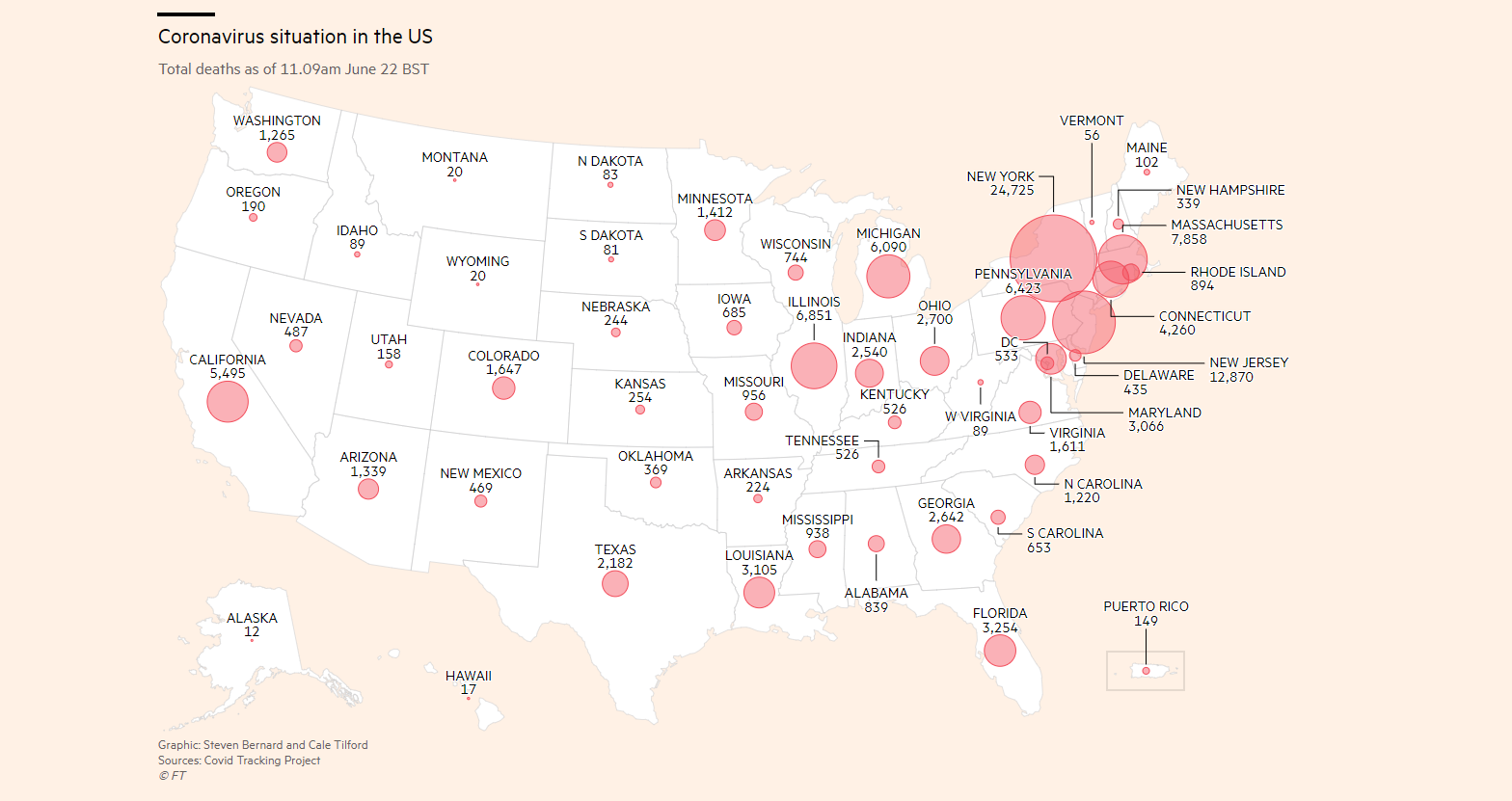
Also, from Johns Hopkins: COVID19 Caseload & Outcomes Worldwide

This screenshot was taken at 2:53 pm on 3/7/20


NY Times: What’s Behind $urprise Billing

NY Times: Who’s Behind Your Outrageous Medical Bills?

This article describes how “surprise bills are just the latest in a decades-long war between players in the health care industry over who gets to keep the fortunes generated each year from patient illness — $3.6 trillion in 2018.”

Key points:

  • “Forty years a go, …billed rates were far lower…and insurer mostly just paid them…That’s when a more entrepreneurial streak kicked in…If someone is paying you whatever you ask, why not ask for more?”
  • “Surprise bills are the latest tactic: when providers decided that an insurer’s contracted payment offerings were too meager, they stopped participating in the insurer’s network; they walked away or the insurer left them out. In some cases, physicians decided not to participate in any networks at all. That way, they could charge whatever they wanted when they got involved in patient care and bill the patient directly.  For their part, insurers didn’t really care if those practitioners demanding more money left.”
  • Members of Congress can address this problem and “tackle the obvious injustice. Will they listen to hospitals, doctors, insurers? Or, in this election year, will they finally heed their voter-patients?”

My take: When physicians/hospitals and insurance companies are at odds, patients/families are the ones paying the price.

Related article: NY Times: My $145,000 Surprise Medical Bill What my brief glimpse into the financial abyss taught me about the American health care system.

Garden at UNC Chapel Hill

Abdominal Pain in Children Increases With Age and With Psychological Factors

A recent study (MP Jones et al. Clin Gastroenterol Hepatol 2020; 18: 360-7) provides granular data on a well-recognized phenomenon: stomach pain is more common in older children than younger children and is associated with psychosocial factors.

Design: “All Babies in Southeast Sweden” Study with 1781 children (born 1997-99).  Families answered questionnaires at birth, 1 year, 2.5 years, 5 years, 8 years and 10-12 years.

Key findings:

  • Abdominal pain prevalence increased linearly with age -each year the rate increased .  At 2 yrs, the prevalence was ~6%, at 5 yrs ~8%, at 8 yrs ~9.5%, and at 12 yrs ~12% (Figure 2)
  • Psychosocial factors associated with abdominal pain included lower emotional control at 2 yrs of age, parental concern for child at 2 yrs of age, and measures of parental stress.

My take: This study reinforces the idea that psychosocial factors increase the development of non-organic abdominal pain.  If they could be addressed better, GI clinics would be less busy.

Related blog posts:

Old Well, UNC Chapel Hill, Fall