How Will We Afford the Future of Medicine?

NY Times 2/19/24, Elizabeth Currid-Halkett: The Future of Medicine Is Unfolding Before Us. Are We Nurturing It?

This essay describes the terrific response of the author’s son with Duchenne Muscular Dystrophy to Elevidys. “At $3.2 million per patient, Elevidys is the second-most-expensive drug in the world.”

“D.M.D. prevents the production of dystrophin, a protein needed to protect and repair muscle cells. It is caused by a genetic mutation on the X chromosome, thus the disease almost exclusively affects boys (one in 3,300). Over time, children with D.M.D. lose muscle mass and thus the ability to do basic things like run and walk. Eventually they lose their ability to breathe, and they experience heart failure.”

She argues that “every child afflicted with a life-threatening disease deserves the chance Eliot has been given.” The article argues that the FDA should broaden the indications to cover older children with DMD in which the data are less convincing.

While this article discusses some ways to lower costs like reducing regulatory hurdles to get approval from FDA, it mainly discusses ways to force insurance companies to cover the cost. Disappointingly, the author (a public policy professor) does not address the reality that these costs are shared by everyone. For DMD alone, if the full cost is unchanged, that’s nearly $1000 for every person in the country. Yet, there are numerous other costly genetic therapies (for spinal muscular atrophy, hemophilia, Crigler-Najjar, others) in addition to extremely expensive treatments for cancer, inflammatory bowel disease, cystic fibrosis, rheumatoid arthritis, Alzheimer’s, obesity and many others.

My take: The ability to cure severe diseases like DMD is amazing. But, there is not a plan for how to deliver/afford these expensive therapies. If we cannot provide these treatments, it will be agonizing to watch patients deteriorate while a cure is just out of reach.

Meanwhile, we are not spending enough to address our biggest drivers of poor national health including poverty, education and poor diet.

Related blog posts:

Turk’s Cap Cactus. St John

Primary Prevention of Obesity Still Needed

SL Gortmaker, SN Bleich, DR Williams. NEJM 2024; 390: 681-683. Childhood Obesity Prevention — Focusing on Population-Level Interventions and Equity

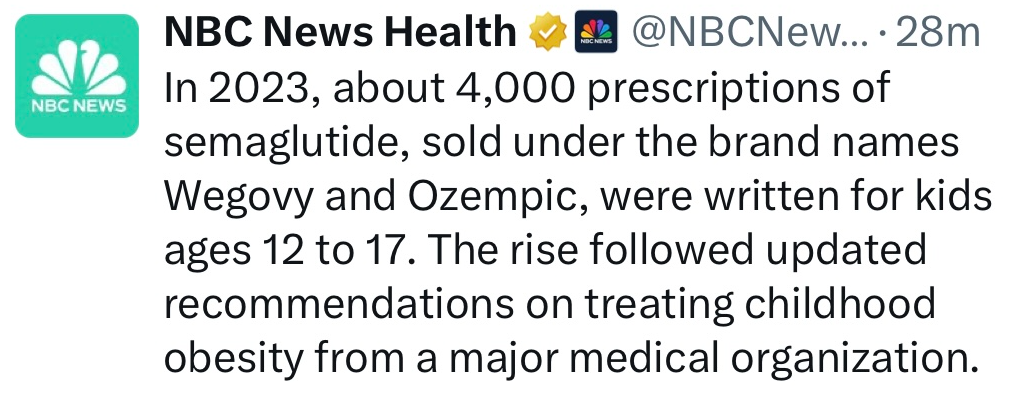
Despite the exciting advances in obesity pharmacology, most children and adults are unlikely to benefit from these expensive therapies anytime in the near future.

This commentary’s key points:

  • “Scholars and policymakers shouldn’t lose sight of population-level strategies that can prevent excess weight gain and obesity among children in the first place.”
  • The authors identify three successful policy examples: 1. Revision of WIC food packages to improve nutritional quality at a cost about $18 per child. 2. Improving school lunch standards (2010 Healthy, Hunger-Free Kids Act) at a cost of about $30 per child. 3. Excise tax on sugar-sweetened beverages. “In California, an analysis found that such a tax would be cost-saving, would prevent 42,700 cases of obesity in children and 223,000 cases in adults statewide over 10 years because of projected reductions in consumption of sugar-sweetened beverages.”
  • “Leveraging these strategies won’t fix the problem of childhood obesity overnight, but it could (and has already begun to) slow the development of new cases, particularly among members of historically underserved populations — a major public health achievement.”

My take: There is not a simple solution for widespread obesity in children and adults. We need to chip away at this problem from every angle. It is crucial to use public policy changes as one of our tools.

Related blog posts:

Near Leduck Island off St John

When Is It Safe To Replace a Central Line in the Setting of Candida Infection?

D Katz et al. JPGN Reports 4(4):p e358, November 2023. | DOI: 10.1097/PG9.0000000000000358 Open Access! Early Central Venous Catheter Replacement After Candida in Pediatric Intestinal Failure Patients.

Background:

  • The Infectious Diseases Society of America (IDSA) recommends the removal of both short- and long-term catheters in patients with catheter-related bloodstream infection (CRBSI) due to fungi (1). 
  • In addition to source control, antifungal treatment and blood culture-confirmed clearance are recommended for all cases of CRBSI due to candida…In contrast, little is known about the optimal timing for the replacement of a CVC in the setting of candidemia (5–7). As a result, practices greatly vary between practitioners.

Methods: This was a retrospective, single-center review of children with intestinal failure (IF). Patients were divided into early (<7 days after their first negative culture), and late (≥7 days after their first negative culture) CVC replacement following uncomplicated candidemia. 

Key findings:

  • Early replacement occurred in 18 encounters and late replacement in 21 encounters. The median time to CVC replacement or exchange in the early group was 4 days, compared to 10 days in the late group (P < 0.001).
  • The median duration of the hospitalization in the early group was 12 days compared to 21 days in the late group (P = 0.011).
  • None of the patients were reinfected with candida within 30 days.

My take: This small study provides reassurance that earlier replacement of  CVCs after clearance of uncomplicated candidemia is beneficial.

Related blog posts:

Income and Health Outcomes in Pediatric Short Bowel Syndrome

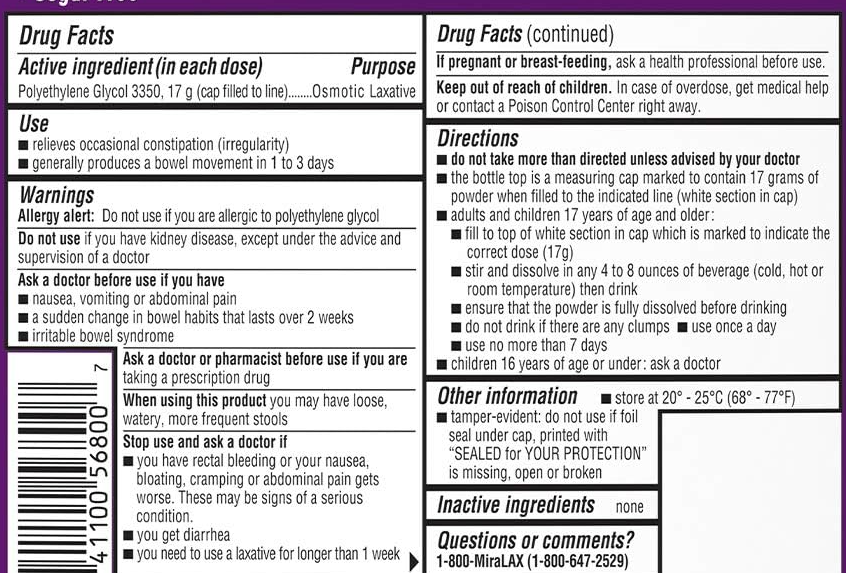
Clarification: Yesterday’s post on the safe use of polyethylene glycol (Long Term Use of Polyethylene Glycol (PEG 3350)) noted the labeling indicates “‘to not use these medications for more than 7 days.” However, Ben Enav pointed out that the label also states the following in bold: “do not take more than directed unless advised by your doctor.” The actual label is shown below.

———

SA Gutierrez et al. J Pediatr 2024; 265: 113819. Neighborhood Income Is Associated with Health Care Use in Pediatric Short Bowel Syndrome

Methods: The authors used the Pediatric Health Information System (PHIS) database to evaluate associations between neighborhood income and hospitalization data for children with short bowel syndrome (SBS). This included 4289 children with 16,347 hospitalizations from 43 institutions.

Key findings:

  • 2153 of the 4289 (50%) patients were readmitted during the study period (2006-2015)
  • Children living in low-income neighborhoods were more likely to be Black, Hispanic, have public health insurance, and live in the Southern U.S.
  • Children from low-income neighborhoods had a 38% increased risk for all-cause hospitalizations (rate ratio [RR] 1.38), an 83% increased risk for CLABSI hospitalizations (RR 1.83) and increased hospital length of stay.
  • 2.4% of patients in this cohort experienced 10 or more CLABSI hospitalizations

One of the study’s limitations is that ‘there is no singular ICD-9 code for SBS.’

My take: It is speculation about the reasons why children in low income neighborhoods have higher rates of hospitalizations and CLABSI hospitalizations. It could be that more parents in these households have less time and resources to manage a child with SBS. It is possible that these households have more chaotic environments. Regardless of the reason, it takes a lot of work and meticulous care to prevent CLABSI hospitalizations in children with SBS.

Related blog posts:

A lot of Turk’s Cap Cacti along the Ram Head Trail, St John

Long Term Use of Polyethylene Glycol (PEG 3350)

A Bautista-Casasnovas et al. JPGN Reports 4(4):p e353, November 2023. Open access! Multicentre Study Into the Use of Polyethylene Glycol With Electrolytes Over at Least 6 Months to Treat Constipation in Paediatric Populations

Background: PEG 3350 with electrolytes (PEG+E) is the most widely used osmotic laxative in Europe, and it is normally prescribed for short or limited periods in children, such that there is little information regarding its long-term use (≥6 months).

Methods: This was a retrospective, observational, descriptive, longitudinal, and multicentre study was carried out on 74 children diagnosed with functional constipation.

Patient characteristics:  The mean (±SD) duration of the symptoms of constipation before starting PEG+E treatment was >1 year (15.6 ± 8.4 months). Fecal disimpaction was necessary in 49 children (66.2%) .

Key findings:

  • The mean PEG+E dose used was 1.0 (±0.8) g/kg.
  • The mean duration of PEG+E use was 18.6 (±13.4) months (range 8–73 months), and 59.45% (n = 44) of the patients took the treatment for more than 1 year.
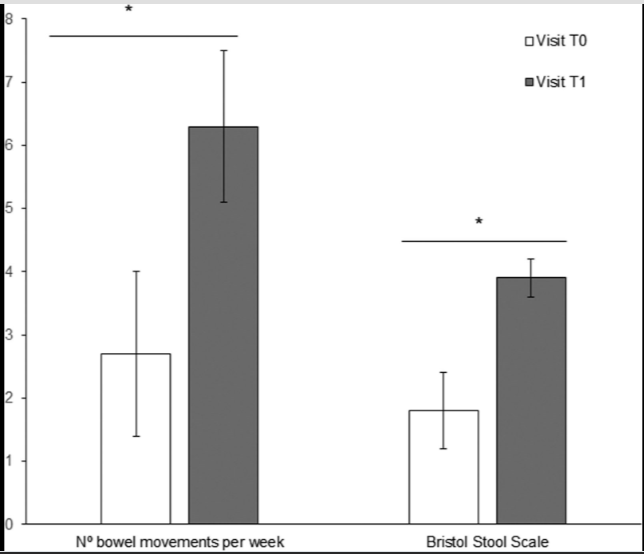
  • 81% (n = 60) of the patients achieved 4 or more weekly bowel movements after having taken PEG+E for at least 3 weeks.
  •  All clinical symptoms (abdominal pain, gassiness/bloating) were reduced considerably, with the resolution of the anal fissures, bleeding, and soiling in all patients.

Polyethylene glycol (the active ingredient in Miralax) is considered a first-line treatment for pediatric constipation and for fecal impaction. “However, caregivers may be hesitant to administer medication over long periods due to a fear of a rebound effect or addiction (23). Indeed, early withdrawal of laxatives is the commonest cause of recurrence (4,5), highlighting the need for longer follow-up studies (8).”

My take: It is helpful to have long term studies of PEG 3350 showing its effectiveness and safety, especially as the medication labels state to not use these medications for more than 7 days.

Related blog posts:

Clarification: However, Ben Enav pointed out that the label also states the following in bold: “do not take more than directed unless advised by your doctor.” The actual label is shown below.

Delayed Commentary

I was a little disappointed (aka first world problem) that this commentary appeared in the February print edition of The Journal of Pediatrics about 4 months after the publication of the analyzed study. This blog commented on this study in October: Disparities Are Abundant in Pediatrics -4 Studies on IBD, SUID, Specialty Referrals and in the NICU re: J Smith et al. J Pediatr 2023; 260: 113522.

DJ Spencer. J Pediatr 2024; DOI:https://doi.org/10.1016/j.jpeds.2023.113839. Open Access! Understanding Health Outcomes in Pediatric Inflammatory Bowel Diseases: Contributing Factors that Aren’t so Black and White

“In this issue of The Journal, Smith et al report the results of an historical cohort analysis of 519 children and adolescents with newly diagnosed IBD (2013-2020)… Smith et al ask the question of whether the greater rate of complicated disease in Black patients is related more to delayed diagnosis or access to therapy rather than inherent race-based differences in response to treatment.”

Key points:

  • “In this study, Smith et al importantly identified no difference in initiating standard medical therapies based on race. Specifically, they report no difference in initial corticosteroid usage, time to initiation of maintenance therapy, or time to initiate antitumor necrosis factor therapy. In patients receiving biologics, both Black and White patients received similar loading doses and frequency of therapeutic drug monitoring.”
  • Despite comparable disease presentation and approach to medical therapy in this study cohort, Black patients strikingly remained only one-half as likely to reach corticosteroid-free remission at 12 months compared with White patients (OR 0.52, 95% CI 0.3-0.9).”
  • ” Black patients were less likely to be seen in gastroenterology specialty clinic for follow-up, more likely to present to the emergency department, and more likely to be hospitalized.”
  • “This study described poorer outcomes in Black patients despite similar treatments. However, the authors fail to arrive at a definitive answer as to why this is the case.”

My take: Black patients, even when offered similar IBD treatment, clearly experience inferior outcomes. While access and social determinants of health are important, there may be biological/phenotypic factors (eg. more aggressive disease) that are involved as well. More studies are needed. This editorial is a helpful review -the timing of the editorial in the print edition many months later, though, is a head-scratcher.

Unrelated topic: CDC COVID-19 Recommendation

The Centers for Disease Control and Prevention announced new isolation guidance for Covid-19 this week. At the start of the pandemic, people were recommended to stay home for 10 days after testing positive. At the height of the Omicron wave, that was revised to 5 days. This week, isolation time was revised to 24 hours without a fever and symptoms improving, which is similar to the recommendations for other illnesses.

St Johns Honeymoon Beach

Related blog posts:

Effective and Durable Hepatitis E Vaccine (Phase III Study)

Background (from MedPage Today): HEV is a leading cause of acute viral hepatitis worldwide, resulting in an estimated 20 million infections worldwide and 70,000 deaths every year. HEV primarily occurs in Africa, Central America, and Asia…U.S. incidence of HEV infection is largely unknow in part because of a lack of surveillance or an FDA-approved, commercially available HEV assay. However, an analysis of seroprevalence of HEV among blood donors in the U.S. showed approximately 10% seropositivity for HEV immunoglobulin G (IgG), reflecting past infection, and 0.58% for HEV IgM, indicating recent infection.

Genotypes HEV-1 and HEV-2 are transmitted via contaminated water and are specific to humans. However, HEV-3 and HEV-4 are zoonotically transmitted, often by eating uncooked or undercooked meat and offal of boar, deer, and pig. 

Safety data of the vaccine were reported in an earlier study, showing no serious adverse effects attributed to the vaccine (though data is scarce in vulnerable populations including pregnant women and children)

S Huang et al. The Lancet 2024: DOI:https://doi.org/10.1016/S0140-6736(23)02234-1. Long-term efficacy of a recombinant hepatitis E vaccine in adults: 10-year results from a randomised, double-blind, placebo-controlled, phase 3 trial

In this randomized placebo-controlled study with 112 604 healthy Chinese adults aged 16–65 years, the key findings:

  • During the 10-year study period, there were 13 infections in the vaccine group (0·2 per 10 000 person-years) and 77 in the placebo group (1·4 per 10 000 person-years), corresponding to a vaccine efficacy of 83·1% in the modified intention-to-treat analysis and 86·6% in the per-protocol analysis.
  • In a subset of patients, 254 (87·3%) of 291 vaccinees had vaccine-induced antibodies detectable at the 8·5-year mark.

My take: This HEV vaccine markedly decreases the likelihood of acquiring HEV infection.

Related blog posts:

View from Ram Head Trail, St John

Is It RISKy Not To Use Anti-TNF Therapy for Pediatric Crohn’s Disease?

D Geem et al (Senior author: Subra Kugasthasan). Clin Gastroenterol Hepatol 2024; 22: 368-376. Progression of Pediatric Crohn’s Disease Is Associated With Anti–Tumor Necrosis Factor Timing and Body Mass Index Z-Score Normalization

Congratulations to my colleagues at Emory who led/participated in this study.

This study examined 5-year longitudinal data from the pediatric multicenter RISK cohort (n=1075). RISK=risk stratification and identification of immunogenetic and microbial markers of rapid disease progression in children

Key findings:

  • For children with a low BMIz at diagnosis (n = 294), BMIz normalization within 6 months of diagnosis were associated with a decreased risk for surgery (HR 0.47). Patients without BMIz normalization were enriched for genes in cytokine production and inflammation.
  • Unsurprisingly, baseline B2 (stricturing disease) and B2+B3 (stricturing and penetrating disease) were associated with increased risk of surgery with HR, 4.20 and HR, 8.24 respectively
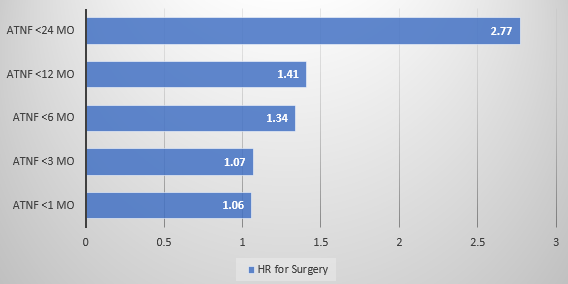
  • Earlier anti-TNF therapy was associated with a lower hazard rate (HR) of needing surgery


My take: It appears that early anti-TNF therapy lowers the risk of surgery. Improved BMI with treatment is another good prognostic variable. There may be an early window in which effective treatment prevents long-term damage to the GI tract in pediatric patients with Crohn’s disease.

This study has overlapping findings (also with RISK cohort) by Adler et al showing early treatment preventing perianal fistulas. Blog post: Early Treatment Can Prevent Fistulas in Pediatric Crohn’s Disease

Related article: JC McCurdy et al. Clin Gastroenterol Hepatol 2024; 22: 377-385. Open Access! Comparative Effectiveness of Biologic Therapies in Preventing Penetrating Complications in Patients With Crohn’s Disease

In this observational retrospective study with 40,693 patients: 93% anti-TNF, 3% UST (ustekinumab), and 4% VDZ (vedolizumab), “Anti-TNF therapy was associated with a lower risk of LPD and PPD [luminal and perianal penetrating disease] compared with VDZ, and lower risk of LPD compared with UST.”

Related blog posts:

Practical Tips for Eosinophilic Esophagitis

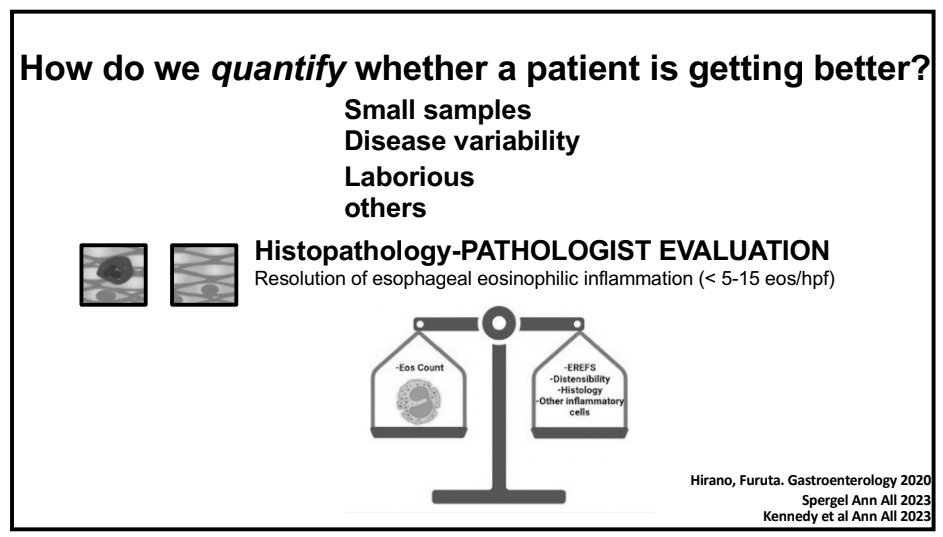
We recently had Glenn Furuta, MD give our group a terrific lecture on eosinophilic esophagitis (EoE).

Some of the key points:

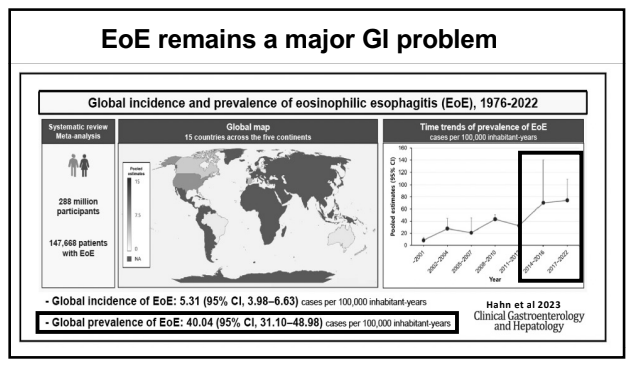
  • The burden of EoE continues to increase.
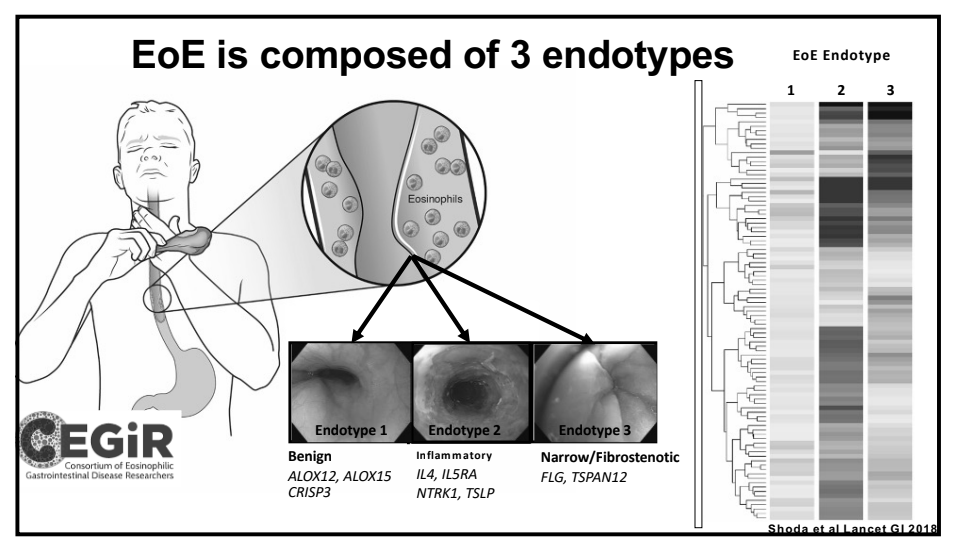
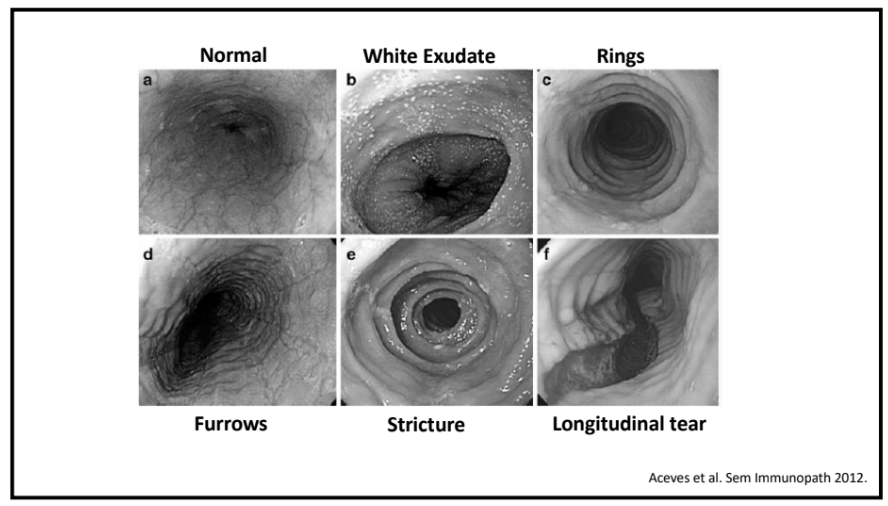
  • There are clearly several phenotypes of EoE. Some patients may never develop stricturing/fibrostenotic disease  but natural history data continues to evolve.
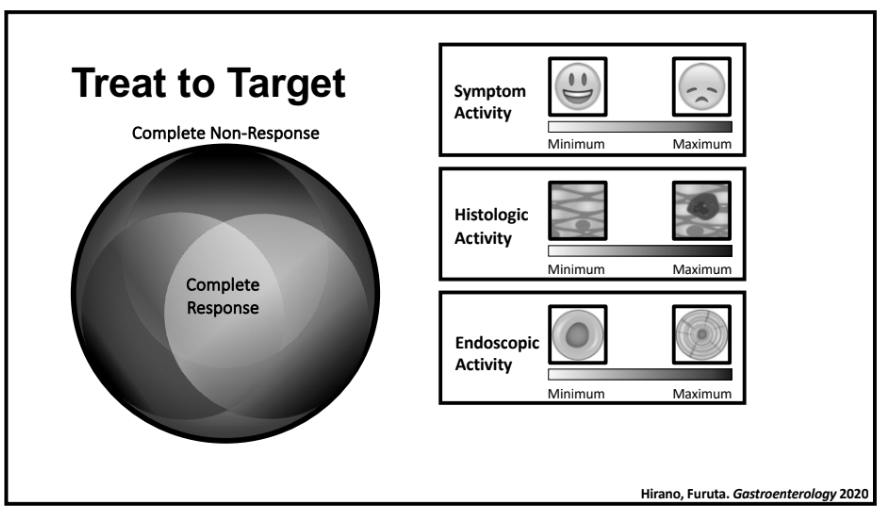
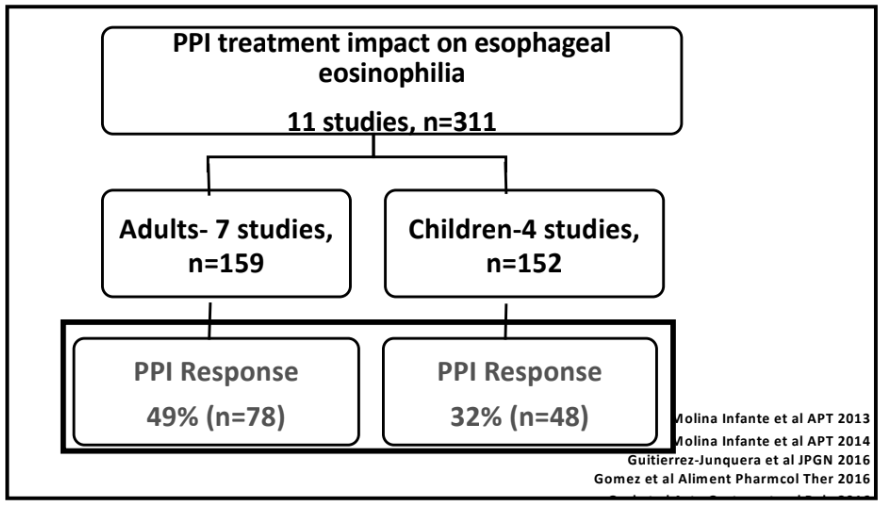
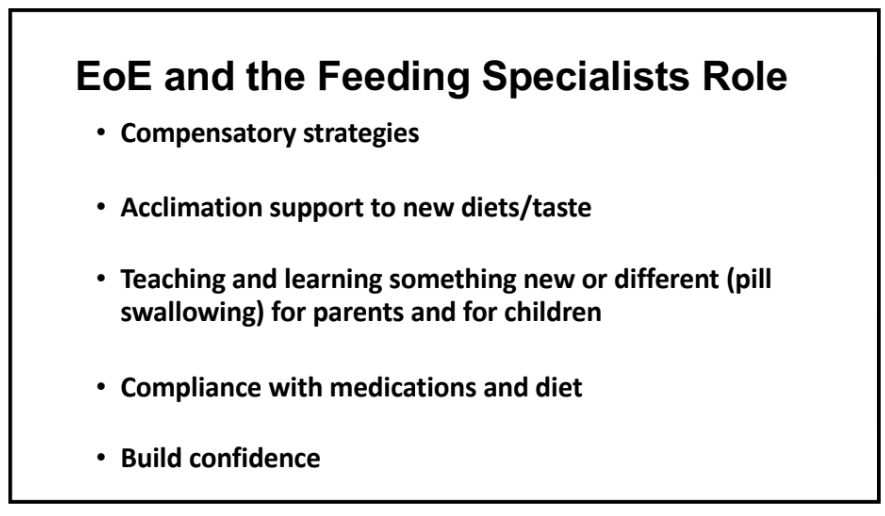
  • After treatment response, many patients can continue with symptoms. In adults and adolescents, this has been termed ‘esophageal hypervigilance.’ Feeding therapy may be helpful in this circumstance.
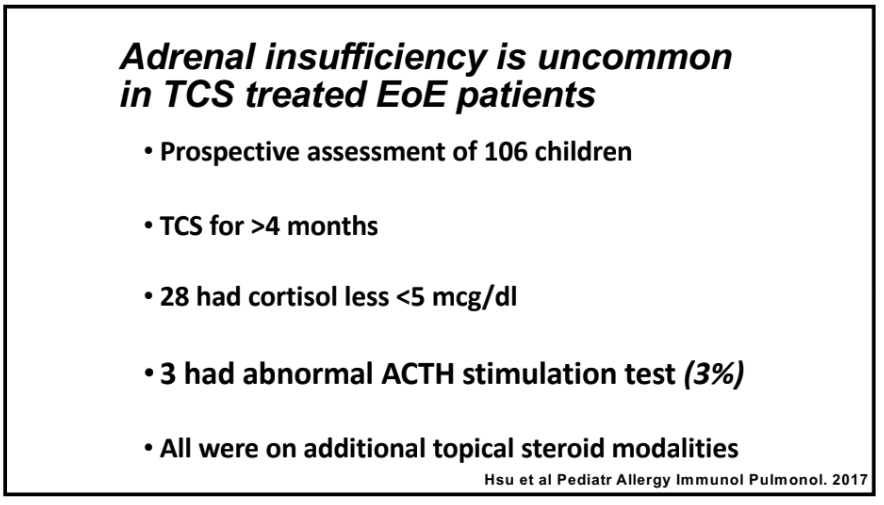
  • Adrenal insufficiency: Currently their group tries to screen for this after 4 months of topical corticosteroids and then yearly. It is unusual for them identify adrenal insufficiency if the patient is receiving only a single steroid agent; patients receiving steroids for other conditions like asthma are at higher risk.
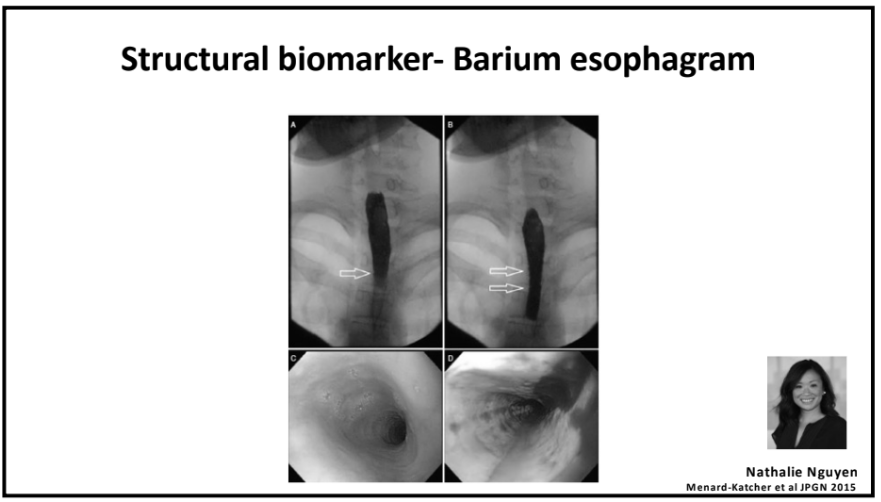
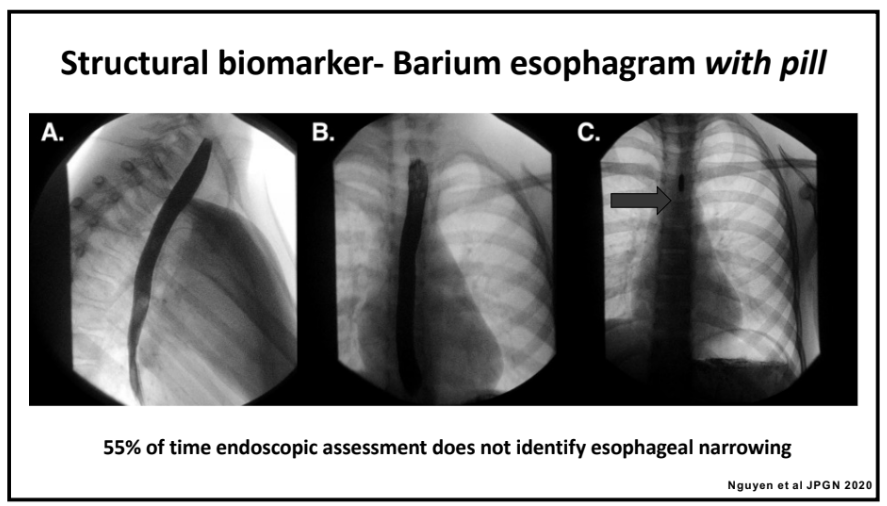
  • An esophagram with a barium coated pill can be a useful adjunct to determine if there is esophageal narrowing (this can be missed on endoscopy).
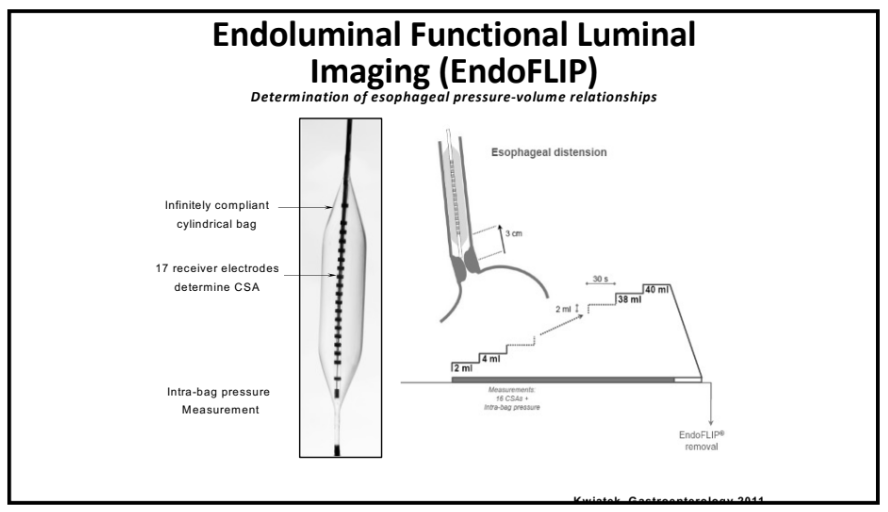
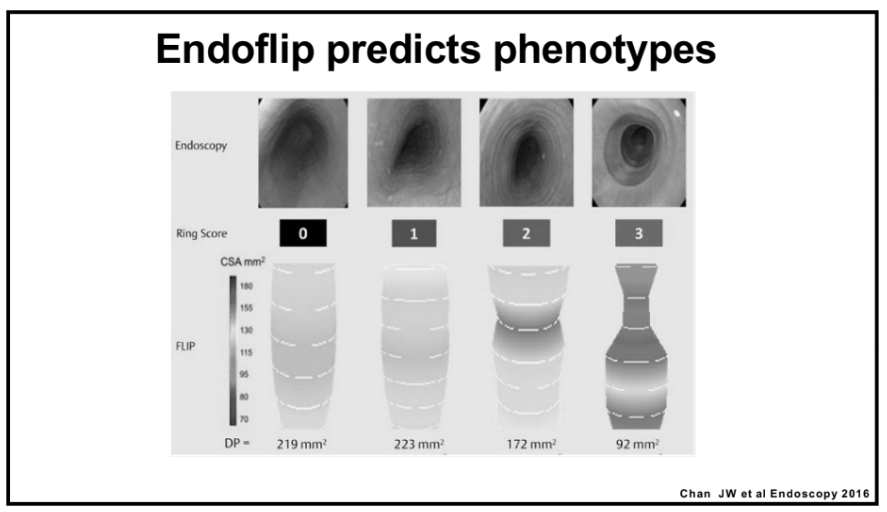
  • For select patients, endoFLIP can characterize distensibility/esophageal function
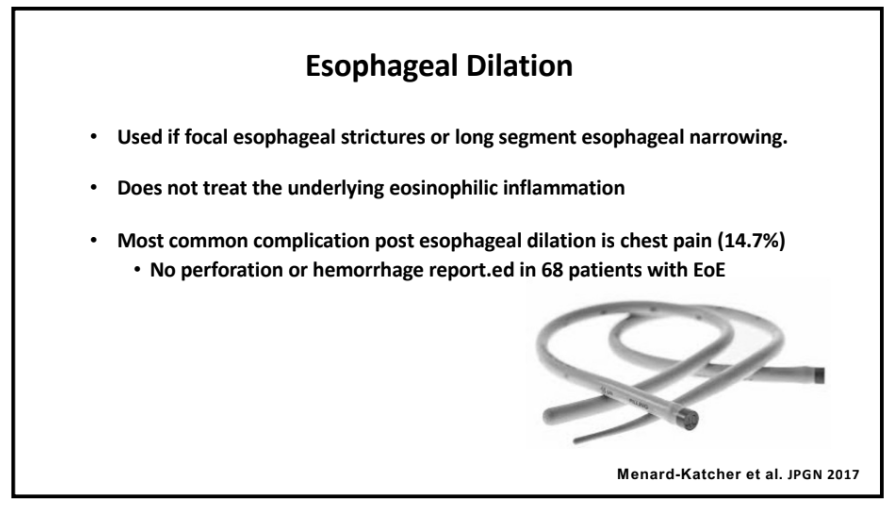
  • Esophageal strictures: Their group uses Bougie dilators and has had a good experience. No perforations. ~15% with chest pain afterwards.
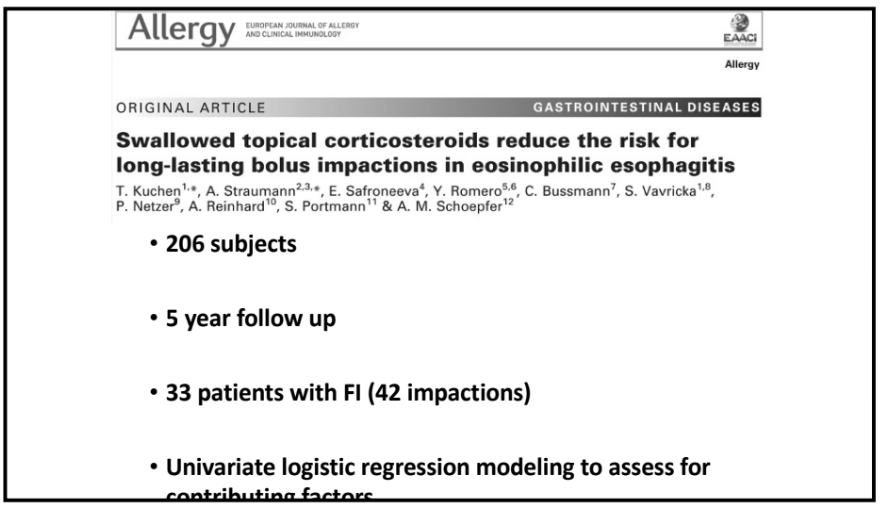
  • Corticosteroids (topical) can reduce the risk of food impactions in adults.
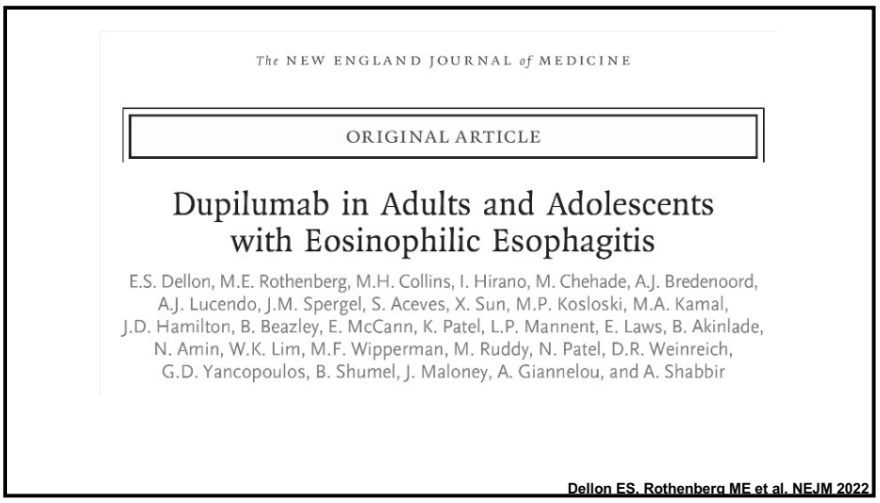
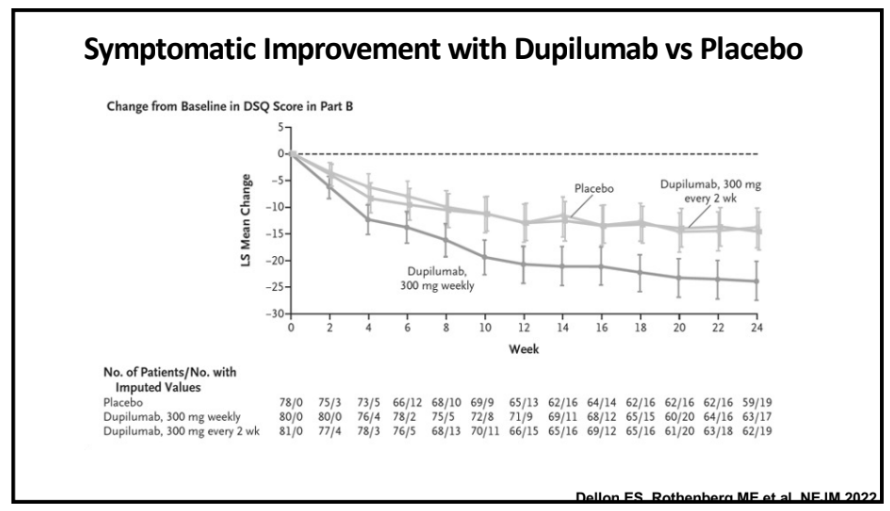
  • Reviewed use of Dupilimab and its recent approval in EoE for children as young as 1 yr of age (>15 kg)

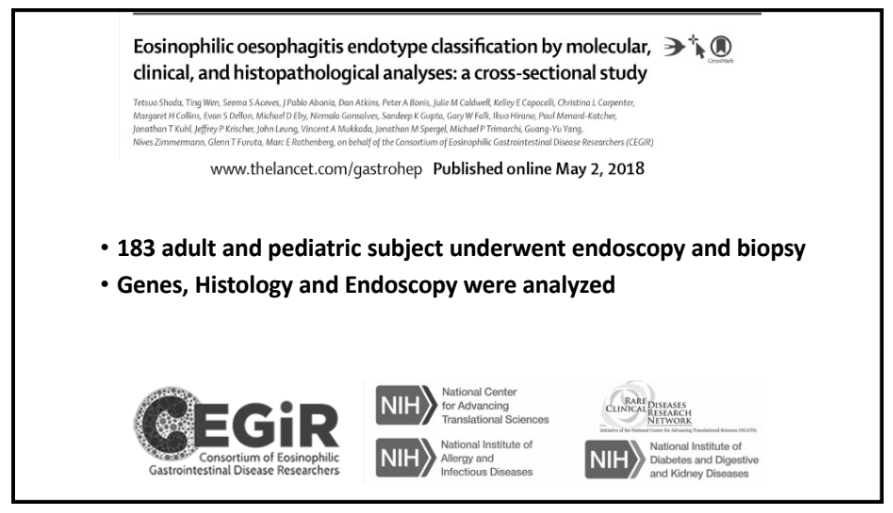
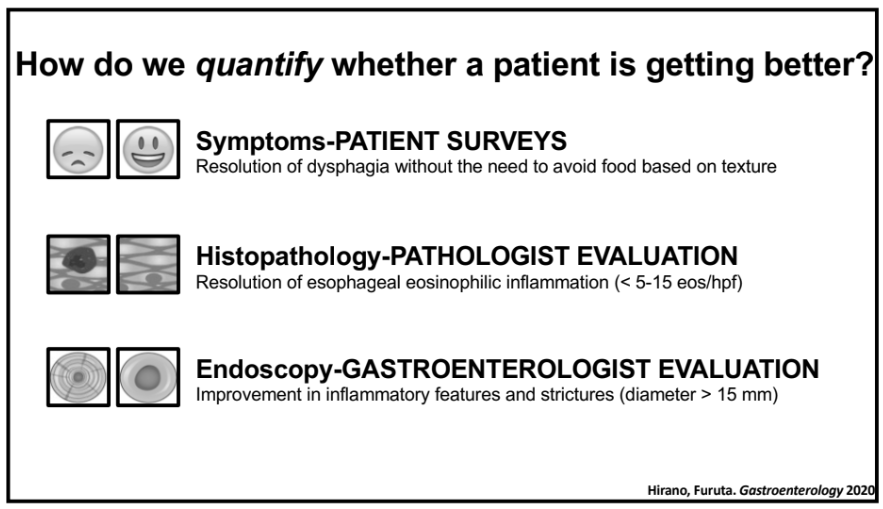
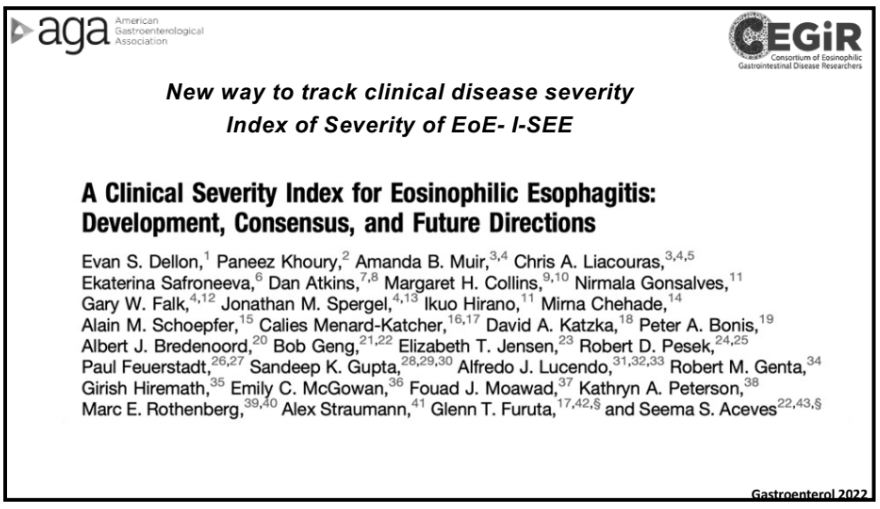
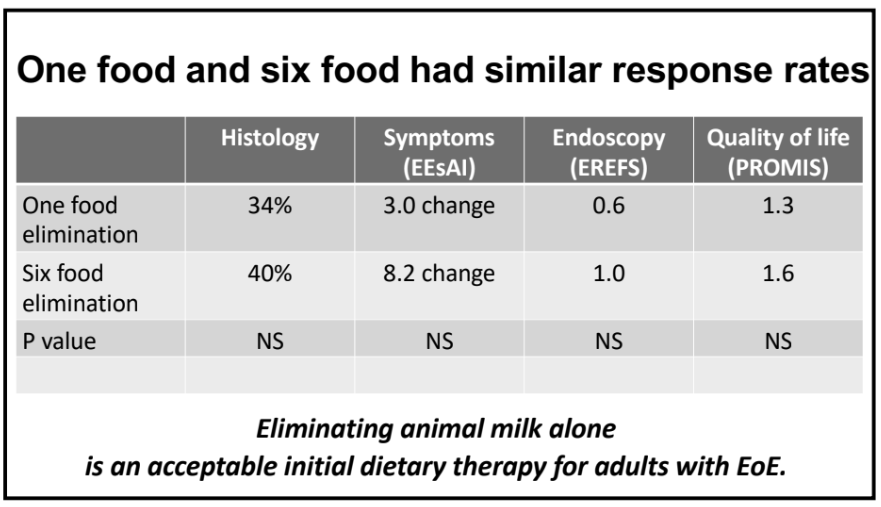
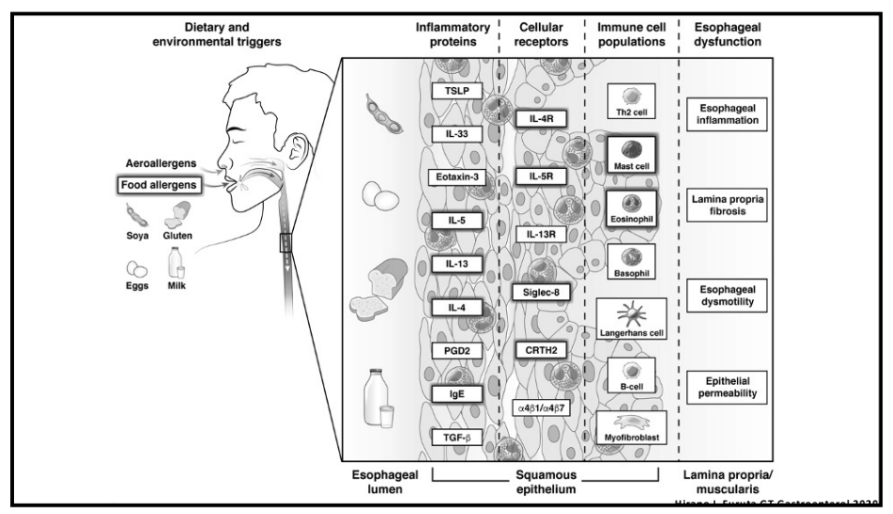
Some selected slides:

Related blog posts:

IBD Updates: Dual Advanced Therapies in Pediatrics, IL23 agents/Psoriasis

A Yerushalmy-Feler et al. Inflammatory Bowel Diseases, Volume 30, Issue 2, February 2024, Pages 159–166. Open Access! Dual Biologic or Small Molecule Therapy in Refractory Pediatric Inflammatory Bowel Disease (DOUBLE-PIBD): A Multicenter Study from the Pediatric IBD Porto Group of ESPGHAN

In this retrospective study with 62 children (35 Crohn’s disease, 27 ulcerative colitis) with extensive and severe IBD that was refractory to various therapies, the authors examined the outcomes of combination therapies: the dual therapy included an anti-tumor necrosis factor agent and vedolizumab in 30 children (48%), anti-tumor necrosis factor and ustekinumab in 21 (34%) children, vedolizumab and ustekinumab in 8 (13%) children, and tofacitinib with a biologic in 3 (5%) children.

Key findings:

  • Clinical remission was observed in 21 (35%), 30 (50%), and 38 (63%) children at 3, 6, and 12 months, respectively.
  • Normalization of C-reactive protein and decrease in fecal calprotectin to <250 µg/g were achieved in 75% and 64%, respectively, at 12 months 
  • Twenty-nine (47%) children sustained adverse events, 8 of which were regarded as serious and led to discontinuation of therapy in 6.
  • Among the 43% that were receiving steroids at the start of dual therapy, twenty (74%) of them could be successfully weaned within 3 months after the initiation of dual therapy.
  • Only 2 of 23 (8.7%) had endoscopic healing

My take (borrowed partly from authors):

  1. “Dual biologic therapy may be effective in children with refractory IBD. The potential efficacy should be weighed against the risk of serious adverse events” and affordability.
  2. “There are currently no data for identifying the patients that are more likely to benefit from dual therapy….The ideal selection of dual biologic regimens remains to be determined.”

A Al-Janabi et al.JAMA Dermatol. 2024;160(1):71-79. doi:10.1001/jamadermatol.2023.4846 Open Access! Risk of Paradoxical Eczema in Patients Receiving Biologics for Psoriasis

This study examined more than 13,000 patients enrolled in a prospective cohort study from the British Association of Dermatologists Biologics and Immunomodulators Register for adults treated with biologics for plaque psoriasis.

Key findings:

  •  A total of 273 exposures (1%) were associated with paradoxical eczema.
  • The adjusted incidence rates were 0.94 per 100 000 person-years for TNF inhibitors, 0.80 per 100 000 person-years for IL-12/23 inhibitors, and 0.56 per 100 000 person-years for IL-23 inhibitors.  IL-23 inhibitors were associated with a lower risk of paradoxical eczema (hazard ratio [HR], 0.39)

My take (from authors): The overall incidence of paradoxical eczema was low in biologic-treated patients with psoriasis. The risk was lowest in patients receiving IL-23 inhibitors. Increasing age, female sex, and history of AD or hay fever were associated with higher risk of paradoxical eczema.

Chattahoochee River in Sandy Springs, GA