Efficacy of Anti-TNF Agents for Internal Fistulas and Study of Antibiotics and Development of IBD

G Bougen et al. Clin Gastroenterol Hepatol 2020; 18: 628-36.  This retrospective study (n=156, median age 32 years) found that anti-TNF therapy delays or prevents surgery for almost half of patients with Crohn’s disease who had luminal fistulas.  Key findings:

  • With a median followup of 3.5 years, “68 patients (43.6%) underwent a major abdominal surgery.”
  • Fistula healing occurred on average 1 year after the introduction of anti-TNF treatment
  • The presence of a stricture or abscess increased the likelihood of surgery.
  • Three patients died from intestinal adenocarcinomas, one patient died from melanoma (6 months after initiation of anti-TNF therapy), one patient died from sepsis (3 months after initiation of anti-TNF therapy, and 32 patients (20.5%) developed an intestinal abscess.

My take: Therapy with anti-TNF agent, in the setting of a luminal fistula, is a reasonable option, especially in the absence of a concurrent stricture.

FS Troelsen, S Jick. Inflamm Bowel Dis 2020; 26: 440-7, editorial 448-9. Using a UK database, the authors identified 461 cases of ulcerative colitis (UC) and 863 cases of Crohn’s disease (CD) and then matched each case to 4 controls. Key findings:

  • There was no association between ever use of antibiotics and UC, OR 1.02 or CD, OR 1.01 compared to never use of antibiotics
  • CD was associated with antibiotic exposure before age 5 (OR 2.2) in analysis restricted to individuals followed from birth
  • A slight increase was seen for CD in ever users of quinolones (OR 1.76, CI 1.00-3.11) and metronidazole (OR 1.43, CI 0.87-2.34)

In the editorial, Charles Bernstein notes that “it may be that specific types of antibiotics…at specific times in a person’s life have differential risks for IBD development. Also, it may be that what triggers IBD in children is different than what triggers IBD later in life.”

Duke University -late Fall 2019

IBD Pediatric Costs & Cannabis Still No Data for IBD

Happy birthday to my favorite follower!!!


A recent single-center study (AW Fondell et al. Inflamm Bowel Dis 2020; 26: 635-40, editorial by Joel Rosh, 641-2) examined the first-year costs of children with inflammatory bowel disease (IBD) in 2016.  There were 67 patients (43 with Crohn’s disease (CD), and 24 with ulcerative colitis (UC)).

Key findings:

  • Mean cost was $45,753; $43,095 for CD, $50,516 for UC
  • Severe CD (n=11) was $71,176 and severe UC (n=5) was $134,178; it is notable that only one patient with CD had surgery and only one patient with UC had surgery.
  • Overall cost distribution: 37% from infusion costs, 25% hospital costs, 18% outpatient procedures, 10% outpatient oral medications, 7% outpatient imaging and 3% outpatient visits.
  • 69% of CD patients and 33% of UC patients received biologics
  • 21% (n=9) of CD patients and 45% (n=11) of UC patients were hospitalized
  • Private payer reimbursement was a mean of $51,269 compared to $24,610 mean for Medicaid.

Limitations: 

  • In any cost analysis, many assumptions are needed.  For medications, for example, the author used pharmaceutical retail prices.  The actual costs are near-impossible to calculate as every insurance policy and every hospital system has a multitude of charges based on proprietary negotiations.
  • While this data comes from a referral center, all of the patients in the study were from Connecticut.

Due to the expense of care, Dr. Rosh points out that many insurers have often mandated the use of “standard dosing” of biologic therapy, “ignoring that robust data” indicate that this dosing is “the exception rather than the rule in pediatric IBD patients.”  These type of short-sighted interventions could affect long-term medical outcomes.

My take: There clearly are areas where costs can be reduced (eg. lower infusion costs, lower endoscopy costs, biosimilars).  However, no amount of cost cutting will change the conclusion that good care for IBD is expensive.

Briefly noted: TS Kafil et al. Inflamm Bowel Dis 2020; 26: 502-9.   This study examined evidence for cannabis effectiveness in IBD.  After performing a literature search, the authors could only identify five randomized controlled trials (n=185).  Each study used different doses, formulations and routes of administration.  No studies evaluated maintenance treatment and relapse in CD or UC.  Findings: “no firm conclusions can be made regarding the safety and effectiveness of cannabis and cannabionoids in adults with CD and UC.”

Related blog posts:


Cobb County -Concord Covered Bridge Historic District


Narrowing the Workup for Chronic Abdominal Pain –Carlo DiLorenzo Was Right!

In the good old days when we could have large meetings, Carlo DiLorenzo gave a terrific summary of recurrent abdominal pain (#NASPGHAN19 Postgraduate Course -part 3).  One of the slides, shown below, is supported by a new study (J Zeevenhooven et al. J Pediatr 2020; 219: 76-82)

In this recent reterospective study, the authors examined 853 patients, of whom 102 (12%) had an organic disorder; all had abdominal pain >2 months. The authors compared two diagnostic strategies:

  • Group 1: anti-TTG IgA, fecal calprotectin, Giardia, along with blood tests (hemoglobin, CRP, ESR)
  • Group 2: anti-TTG IgA, fecal calprotectin, and Giardia (if diarrhea)

Calprotectin was considered normal if <50 mcg/g,  “gray zone” if 51-250, mildly elevated if 251-1000, and elevated/active inflammation if >1000.

Key findings:

  • Sensitivity of the strategies was 90% and 88% for Group 1 and Group 2 respectively
  • In the presence of 1 or more alarm symptoms, the sensitivity was 92% for both strategies.
  • The sensitivity/specificity of calprotectin varied based on the cutoff value.
    • For >50, the sensitivity 75%, specificity 87%, PPV 44%, and NPV 96%
    • For >250, the sensitivity 48%, specificity 99%, PPV 82%, and NPV 93%
    • For >1000, the sensitivity 38%, specificity 100%, PPV 98%, and NPV 92%

Alarm symptoms

  • Alarm symptoms that were statistically different in the organic group included the following:
    • Chronic diarrhea (P <.001), occurred in 32% organic compared to 6% functional
    • GI blood loss (P <.001) , occurred in 35% organic compared to 5% functional
    • Recurrent vomiting (P=.029), occurred in 10% organic compared to 5% functional
    • Perianal complications (P=.001), occurred in 6% organic compared to 1% functional
    • Impaired growth (P=.023), occurred in 4% organic compared to 1% functional
  • Interestingly, the study found that having a positive family history of IBD/celiac/FMF did not differentiate functional and organic patients, occuring in 12% and 15% respectively.
  • Pain in RUQ or lower region also did not differentiate functional and organic patients, occuring in 3% and 4% respectively.
  • The authors note that 30 (29%) patients with organic disease did not have an identified alarm symptom -this compares to 479 (64%) patients with functional disease did not have an identified alarm symptom

From my experience with our recent study (Digestive Diseases (Full Text): Diagnostic Yield Variation with Colonoscopy among Pediatric Endoscopists) which focused on diagnostic yield with colonoscopy, it is clear that there are significant limitations with data collection in a retrospective study regarding recurrent abdominal pain.  Even the definition of chronic diarrhea may vary considerably among practitioners.  At the same time, we did find that an abnormal calprotectin had the highest diagnostic yield (See related blog post for summary: Our Study: Provider Level Variability in Colonoscopy Yield)

It is surprising to me that only 10 patients (1%) in their cohort were identified as having impaired growth.

My take: This study shows that anti-TTG testing and calprotectin are the most useful tests in children with persistent abdominal pain.  The addition of hemoglobin, CRP, and ESR “can be left out in the clinical evaluation of chronic abdominal pain in children.”  The authors advocate, as well, for a prospective cohort study to confirm their observations.

Related blog posts:

Disclaimer: This blog, gutsandgrowth, assumes no responsibility for any use or operation of any method, product, instruction, concept or idea contained in the material herein or for any injury or damage to persons or property (whether products liability, negligence or otherwise) resulting from such use or operation. These blog posts are for educational purposes only. Specific dosing of medications (along with potential adverse effects) should be confirmed by prescribing physician.  Because of rapid advances in the medical sciences, the gutsandgrowth blog cautions that independent verification should be made of diagnosis and drug dosages. The reader is solely responsible for the conduct of any suggested test or procedure.  This content is not a substitute for medical advice, diagnosis or treatment provided by a qualified healthcare provider. Always seek the advice of your physician or other qualified health provider with any questions you may have regarding a condition

Brief Updates: COVID-19/Hydroxychloroquine, GALD, Anorexia Nervosa, and Esophaeal-gastric Dissociation Outcomes

Recent reports indicate that hydroxychloroquine is not likely effective for COVID-19.  Submitted manuscript: Outcomes of hydroxychloroquine usage in United States veterans hospitalized with Covid-19 Commentary from Politco: More deaths, no benefit from malaria drug in VA virus study

An excerpt: A malaria drug widely touted by President Donald Trump for treating the new coronavirus showed no benefit in a large analysis of its use in U.S. veterans hospitals….The study was posted on an online site for researchers and has been submitted to the New England Journal of Medicine, but has not been reviewed by other scientists….About 28% who were given hydroxychloroquine plus usual care died, versus 11% of those getting routine care alone. About 22% of those getting the drug plus azithromycin died too, but the difference between that group and usual care was not considered large enough to rule out other factors that could have affected survival…The NIH and others have more rigorous tests underway.

HS Fischer et al. JPGN 2020; 70: 444-9. This study examined outcomes of 12 patients with gestational alloimmune liver disease over an 11 year period. Key findings:

  • Median age at diagnosis of neonatal acute liver failure (NALF): 2 days
  • All 12 received exchange transfusion ET).  Common signs: hypoglycemia, hyperferritinemia, cholestasis, and coagulopathy. Direct bilirubin typically increased after ET.
  • Outcomes: survival without transplantation occurred in 10 of 12.  Two patients died including one after liver transplantation.
  • “Most cases of NALF are due to GALD and should be timely treated with ET and IVIG.”  Current testing is lacking with regard to sensitivity and specificity, “early ET [and IVIG] before reaching a definitive diagnosis was associated with favorable outcomes.”

Related blog posts:

JE Mitchell, CB Peterson. Anorexia Nervosa (good review). NEJM 2020; 382: 1343-51.

Key points: 

  • Anorexia nervosa is a severe psychiatric disorder
  • Indications for hospitalization include profound hypotension or dehydration, severe electrolyte abnormalities, arrhythmias or severe bradycardia, suicide risk or BMI ≤15

Related blog posts:

S Battaglia et al. JPGN 2020; 70: 457-61. This retrospective study examined outcomes in 30 patients with severe neurologic impairment who underwent esophageal-gastric dissociation (E-GD) between 2000-18 and had a median follow-up of 3.5 years. E-GD was completed at a median age of 6.5 years. “Primary” E-GD was done in 23 and “Rescue” (after fundoplication) was done in 7 patients.

  • Hospitalizations and episodes of chest infections significantly decreased; weight improved
  • Vomiting and reflux resolved in all patients
  • 6 (20%) experienced early complications including 3 who needed surgery (1 obstruction, 1 volvulus, and 1 pyloric obstruction); 3 (10%) had late complications (adhesions/obstruction in 1, incisional hernia in 1, large para-esophageal hernia in 1)
  • There were no surgery-related deaths

The authors, in their discussion, compare primary E-GD with fundoplication.  Many of the referenced studies indicate that E-GD may have improved outcomes in the population of children with severe neurologic impairment, but also with a higher frequency of complications.  They conclude that E-GD “is a valid alternative to fundoplication…but is is just as effective and feasible when undertaken as a ‘Rescue’ procedure following failed surgical antireflux treatment.”

My take: The frequency of fundoplication operations have dropped markedly with increasing use of gastrojejunal tube placement.  In my view, I would usually recommend E-GD for ‘rescue’ after fundoplication failure.

A recent yard sign from my wife for neighborhood walkers during the pandemic


Bigger Data Needed and Other IBD Updates April 2020

R Pittayanon et al. Gastroenterol 2020; 158: 930-46.  In this systematic review of the relationship between gut microbiota and inflammatory bowel disease, 48 studies and 45 articles were included from a total of 2631 citations.  Overall, the authors found inconsistent results with differences in the abundances of some bacteria in IBD. My take: These microbiota studies use ‘big data’ to look for abnormal patterns in patients with IBD.  Overall, most of these studies support a reduced diversity among patients with IBD.  Specific variation in microbes varies widely and remains unclear if they are a cause or a consequence of IBD.

J Piercy et al. JPGN 2020; 70: 318-23. Among 90 adolescents with IBD, “perfectionistic concerns (self-critical and socially prescribed perfectionism) were associated with higher rates of adolescent-reported externalizing symptoms” Thus, perfectionism may help with self-management but lead to more stress and psychosocial symptoms.

S Jardine et al. Gastroenterol 2020; 158: 1000-15. This study used both TTC7A-knockout cells and a zebrafish model to screen compounds that have been FDA approved for treatment of inflammatory bowel disease caused by TTC7A deficiency.  The authors identified leflunomide that reduces apotosis and levels of active caspase 3 in TTC-7A-knockout cells and restored gut motility along with improvement of intestinal cell survival in zebrafish. This study has some amazing figures detailing the changes induced by leflunomide. My take: Although some centers have offered hematopoetic stem cell transplant (with dismal results), there is NOT a currently accepted treatment for TTC7A deficiency-induced IBD.  This study suggests an agent which may help.

CLD Prevost et al. AP&T 2020. https://doi.org/10.1111/apt.15681 Key finding:  Among patients exposed to anti‐TNF, the Lémann Index was lower in those who were exposed in the first 2 years of their disease (P = 0.015).  My take: Early treatment with anti-TNF agents can reduce risk of permanent bowel damage. This was seen as well in the RISK study which showed that anti-TNF therapy reduced the development of penetrating disease. (Related post: CCFA Update 2017, Part 3)

Full link: Bowel damage and disability in Crohn’s disease: a prospective study in a tertiary referral centre of the Lémann Index and Inflammatory Bowel Disease Disability Index

Two Studies: 1. COVID-19 Transmissibility 2.Fecal Microbiota Transplantation in 372 Children

A study in Nature suggests that more than 40% of SARS-CoV-2 infections (COVID-19 viral infections) are spread in the presymptomatic stage: Temporal dynamics in viral shedding andtransmissibility of COVID-19 (Thanks to Steven Liu for this reference).

An excerpt:
We report temporal patterns of viral shedding in 94 patients with laboratory-confirmed COVID-19 and modeled COVID-19 infectiousness profiles from a separate sample of 77 infector–infectee transmission pairs. We observed the highest viral load in throat swabs at the time of symptom onset, and inferred that infectiousness peaked on or before symptom onset. We estimated that 44% (95% confidence interval, 25–69%) of secondary cases were infected during the index cases’ presymptomatic stage, in settings with substantial household clustering, active case finding and quarantine outside the home. Disease control measures should be adjusted to account for probable substantial presymptomatic transmission.

——————————-

A recent retrospective multi-center study (MR Nicholson et al. Clin Gastroenterol Hepatol 2020; 18: 612-9) provides data on fecal microbiota transplantation (FMT) for Clostridium difficile infection (CDI). Congratulations to one of my partners, Jeffery Lewis, who is one of the coauthors. This paper’s abstract is noted in a separate blog: Large Study Show FMT Efficacy/Safety in Children.

Though this is a pediatric study, the authors included patients up to 23 years.  335 of the patients had followup for at least 2 months following FMT.

Key findings:

  • 81% of patients had a successful outcome after a single FMT and 86.6% after single or repeated FMT
  • Higher success rates were associated with fresh donor stool (OR 2.66), FMT via colonoscopy (OR 2.41), and with not having a feeding tube (OR 2.08)
  • Though not reaching statistical significance, patients with inflammatory bowel disease had a high failure rate of 23% (26/111).  Short bowel syndrome patients had a 50% failure rate (5/10), solid organ transplant recipients had a 56% failure rate (5/9), and patients with feeding tubes had a 32% failure rate (21/65).
  • Seventeen patients (4.7%) had a severe adverse event during the 3-month follow-up period, including 10 hospitalizations; however, the majority were unrelated to FMT. Specific adverse reactions that were related or may have been included aspiration pneumonia on day of procedure (n=1), IBD flare/colectomy (n=5), and vomiting/dehydration (n=1)
  • Common adverse reactions included diarrhea, abdominal pain, and bloating. (These symptoms have been reported in up to 70% of adults following FMT.)

The authors note that a prior systematic review had indicated that delivery of FMT via colonoscopy was more successful in adults (95% vs 88%), though there are some additional risks with colonoscopy.

It is worth considering that the failure rate in some patients could be due to misdiagnosis, particularly in certain populations like patients with IBD and or organ transplant recipients.  In these populations, PCR assays may result in false-positive diagnosis and should be confirmed with an ELISA assay.   While eradication of CDI with FMT improves clinical symptoms and reduces the use of antibiotics the true benefit and risks will not be known for a long time.  Does FMT increase or reduce the risk of downstream infections, autoimmune disease, and metabolic syndrome?

My take: Many of the concerns with FMT can only be adequately addressed with prospective studies (with strict definitions of CDI) and longer followup.

Related blog posts:

Island Ford, Sandy Springs

What Happens After The First Anti-TNF Agent Doesn’t Work?

A recent intriguing retrospective study (MJ Casanova et al. Inflamm Bowel Dis 2020; 26: 606-16, editorial 617-18) examines a large cohort (n=1122) who received either a 2nd or 3rd anti-TNF agent.  This relied on the ENEIDA registry which is a prospectively maintained registry from Spain with 11,866 patients. In this study, clinical remission was gauged with a Harvey Bradshaw Index score of ≤4 in Crohn’s disease (CD) or a partial Mayo score of ≤2 in ulcerative colitis (UC).

Key findings:

  • 45% of patients achieved remission with the second anti-TNF at 12 weeks (short-term); loss of response was 19% per patient-year subsequently. Patients with intolerance to the first drug had higher remission rates compared to those who switched due to secondary failure (52% vs 42%) or primary failure (52% vs 39%).
  • Among the 45% who responded to a second anti-TNF agent, 77% maintained remission at 1 year following switch.
  • There was similar initial response to a second anti-TNF among patients with CD and UC: 46% vs 41%, though patients with UC were more likely to lose efficacy.
  • Combination therapy was associated with a higher likelihood of failure, HR 2.4 (possibly as an indicator of more aggressive disease)
  • Among the 71 patients who progressed to a 3rd anti-TNF agent, 55% achieved remission at 12 weeks. 

Discussion:

  • The authors in their discussion not that “primary failure is considered a class effect phenomenon…However, our results indicate that remission may still be achieved with a second anti-TNF in approximately 50% of patients.”
  • The editorial notes that the results need to be interpreted with caution.  Therapeutic drug monitoring (TDM) which is not incorporated in this study is crucial in optimizing response and switching.  “Importantly, nearly two-thirds of patients with therapeutic drug levels in the study form the Mayo Clinic had no active inflammation.  Thus, a change in therapy would be inappropriate in this population.”

My take: This study indicates that a 2nd anti-TNF agent can be effective in those who do not respond to a 1st.  At the same time, careful assessment including TDM is needed when changing agents, especially in view of the limited number of effective therapies.

Related blog posts:

From Atlanta Botanical Garden

Ups (mostly) and Downs with IBD Epidemiology

Two articles describe both increasing and decreasing trends in the prevalence of inflammatory bowel disease (IBD).

  • Y Ye et al. Inflamm Bowel Dis 2020; 26: 619-25, editorial 626-27
  • M Torabi et al. Inflamm Bowel Dis 2020; 26: 581-90, editorial 591-92 

The first study by Ye et al provides the familiar message that IBD prevalence has been increasing in pediatrics and adults.  This study examined 2 large claims databases.  The Optum database covered ~18 million annually during the study period (total ~57 million from 2007-2017) and Truven covered ~44 million annually (total ~240 million since 1995)

Key findings:

  • Pediatric IBD prevalence increased by 133% from 2007 to 2016: from 33 per 100,000 to 77 per 100,000. Crohn’s disease (CD) was twice as prevalent as ulcerative colitis (UC) in the pediatric population (46 vs 22)
  • Adult IBD prevalence increased by 123% from 2007 to 2016: from 215 per 100,000 to 478 per 100,000. The prevalence rates of CD and UC were similar in adults: 198 vs 181)
  • The Northeast region had the highest prevalence of IBD, followed by Midwest, South and then West.
  • Based on these prevalence data, there are an estimated 58,000 children (2-17) and 1.2 million adults with IBD in U.S.   Or, 1 in 1299 children and 1 in 209 adults.

Limitations:

  • Diagnosis and data derived from claims database
  • Cases can vary significantly based on how sensitive the definition for IBD is in a given study.  In this study, the authors indicate in supplementary material, that the prevalence rates could be doubled in adults if they chose a more sensitive/less specific case definitions.

The second study by Torabi et al, which utilized the Manitoba Epidemiology Database (n=1.2 million) showed a decrease in IBD incidence.  The authors examined 296 small geographic areas (SGAs) and found that many had persistently high IBD incidence rates.

Key findings:

  • The incidence of IBD decreased from 1990 when it was 23.6 per 100,000 to 16.2 per 100,000 in 2012.
  • In the study period (1990-2012), there were 3114 cases of CD and 3499 cases of UC diagnosed in Manitoba

In the discussion, the authors speculate on the reasons for the decline in IBD incidence in an area with high rates of IBD.  Some of the change may be related to changes in the population mix –more immigrants from areas with lower rates of IBD.  In the editorial, it is noted that a recent systematic review (Lancet 2018; 390: 2769-78) indicated that the “incidence of IBD is stabilizing in Western countries.”

My take: There are a lot kids and adults with IBD.  The preponderance of epidemiology studies point to increasing incidence and prevalence.

Related blog posts:

Rock art during “social distancing”

Celiac Studies -Increasing Prevalence (Italy) and Nonadherence Risks

S Gatti et al. Clin Gastroenterol Hepatol 2020; 18: 596-603.   The authors screened 4570 children (5-11 year olds) from 2015-16; this study included 80% of eligible children from two metropolitan areas in Italy.

Key findings:

  • 77 cases of children met diagnostic criteria for celiac disease (54 met criteria and 23 prior known cases)
  • Prevalence in this population, overall, was 1.58% (2015-16); in 1993-95, the adjusted prevalence was 0.88%
  • Celiac disease autoimmunity was noted in 96 .
  • 1960 (43%) had celiac disease associated haplotypes

A Myleus et al. Clin Gastroenterol Hepatol 2020; 18: 562-73.  In this systematic review, 49 studies (out of initial 703) were included in final analysis to determine risk factors and outcomes with nonadherence to treatment with gluten free diet.

Key findings:

  • Large range of adherence rates: 23% to 98% (median rates were 75-87%).
  • Adolescents were at increased risk of non-adherence
  • Children whose parents had good knowledge had higher adherence rates
  • There was not improved adherence over time, despite improvement in palatable gluten-free foods.

One of the other findings in the study was the lack of consensus about what defines strict adherence and how to measure it.

My take: The first study is in agreement with many others which have demonstrated higher prevalence of celiac disease now compared to previously.  The second study shows that adherence with treatment is highly variable and difficult to measure.

Related blog posts:

Screenshot (797)

UNC Campus Pic (Chapel Hill)

Dose Escalation of Ustekinumab & Support Tool “Should I Have IBD Surgery?”

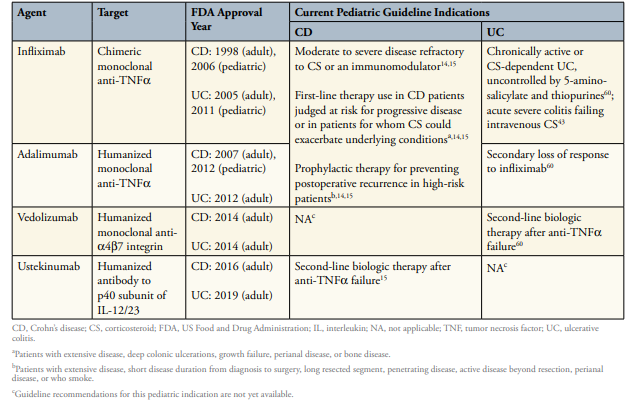
A recent large retrospective study (Effectiveness of Ustekinumab Dose Escalation in Patients with Crohn’s Disease. JE Ollech, et al. Clinical Gastroenterology and Hepatology, EPUB) shows that increasing the frequency of ustekinumab from every 8 weeks to every 4 weeks improves outcomes in those who are not responding optimally. Among 506 patients receiving ustekinumab, 110 had dose escalation.

From abstract:

Results

Following dose interval shortening, the patients’ median HBI [Harvey Bradshaw index] decreased from 4.5 to 3 (P=.002), the median level of CRP decreased from 8 mg/l to 3 mg/l (P=.031), and median level of fecal calprotectin decreased from 378 μg/g to 157 μg/g (P=.57). Among patients who had an HBI >4, a level of CRP ≥5mg/dl, a level of fecal calprotectin >250ug/g, or endoscopic evidence for disease activity before dose interval shortening, after the dose interval was shortened, 28% achieved clinical remission (an HBI score ≤4), 22% had a normal level of CRP (<5 mg/dl), 50% had reduced levels of fecal calprotectin, and 36% achieved endoscopic remission.

My take (borrowed from authors): “Shortening the ustekinumab 90 mg dose interval to 4 weeks for patients with CD who did not respond to doses every 8 weeks improved clinical and biological indices of disease activity. Patients who lose response to the standard dose of ustekinumab might benefit from dose interval shortening, which was effective and safe.”

Related blog posts:

From ImproveCareNow: Should I Have Surgery? A Shared Decision Making Tool  –Recommended for families in working through this difficult treatment decision.

Tiny door on the Atlanta Beltline