Online Aspen Webinar (Part 1)

Online Webinar –Annual Aspen Conference  —July 14, 2000

Below I’ve included a few slides and some notes; my notes may have errors of omission or transcription.

Can We Skip Liver Biopsies in Infants with Cholestasis? Jim Squires

Key points:

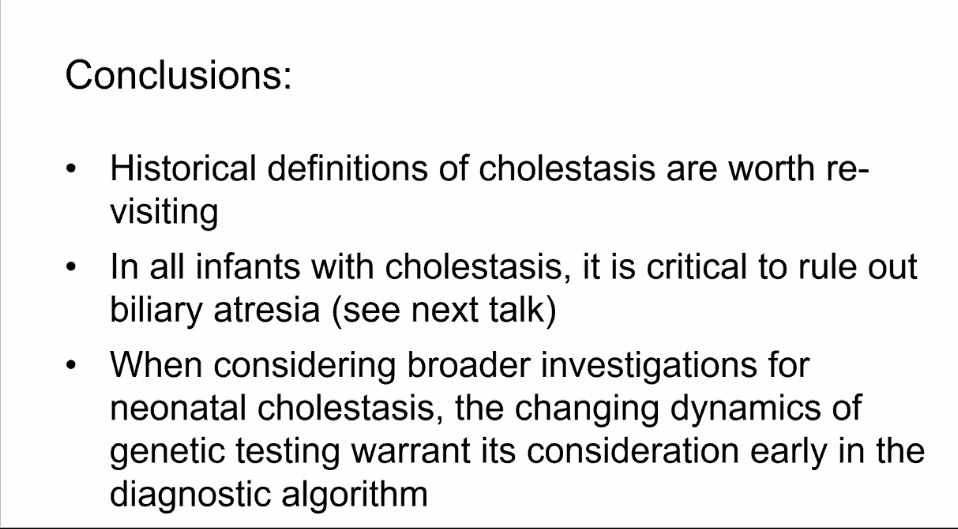
  • Data suggest that cholestasis in infants needs to be defined as direct bilirubin/conjugated bilirubin >0.3 (if TB <5) or 10% if TB >5.
  • Identifying cholestasis is challenging as cholestasis occurs in ~1 in 2500 whereas jaundice occurs in 15% of all infants
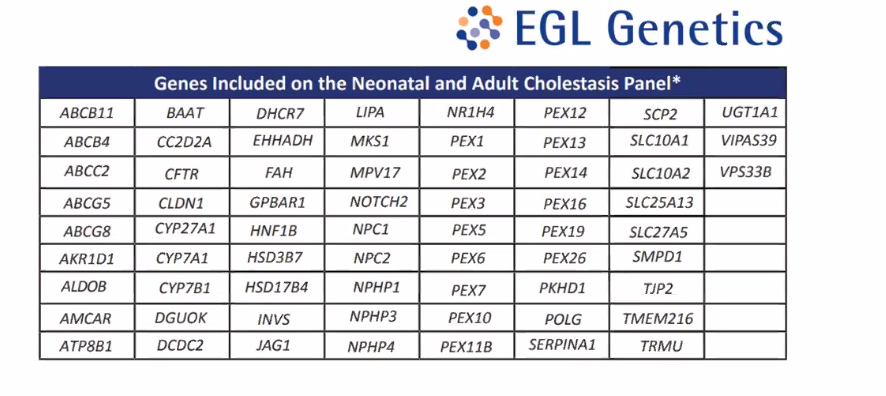
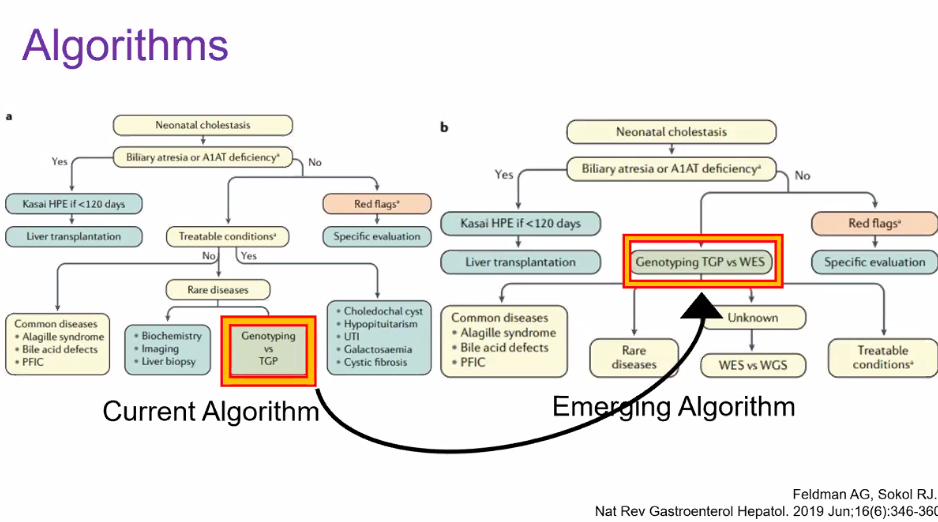
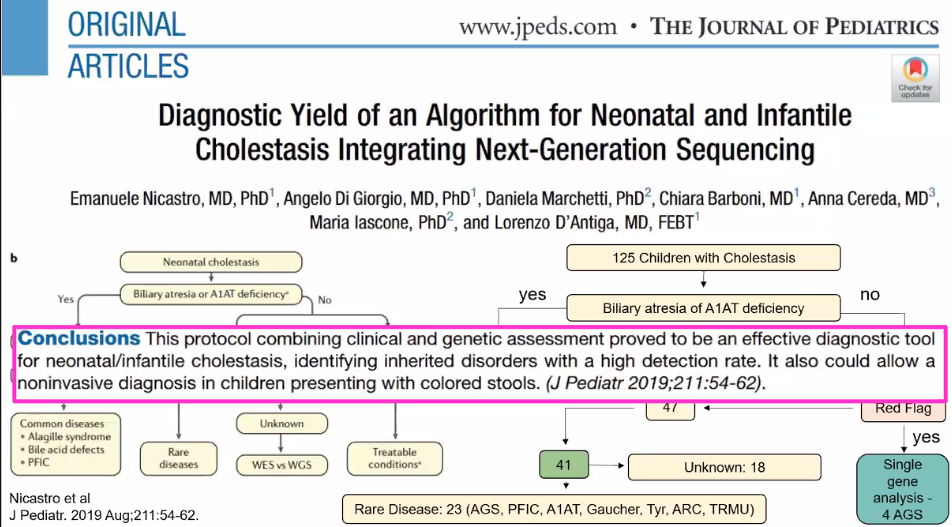
  • Genetic testing (eg. Cholestasis Panel, or exome) needs to be moved up earlier in diagnostic algorithm, after ultrasound completed and after A1AT & biliary atresia considered

Related blog posts:


Not part of webinar:

One More Problem with HIDA Scans

A recent case study (A Adeyemi et al. J Pediatr 2020; 220: 245-8) provides information on 6 infants with a subsequent diagnosis of biliary atresia who had HIDA scans which reported excretion.

Methods: HIDA scans from 1992-2012 were reviewed from CHOP, this included 223 infants up to 4 months of age.

Key findings:

  • While there were six cases with HIDA scans that showed excretion into the bowel, none of these infants had truly normal HIDA scans.
  • 4 of the 6 patients had excretion qualified as slight, mild, or subtle and faint.
  • 5 of the 6 patients did not have the gallbladder visualized on HIDA.

Commentary:

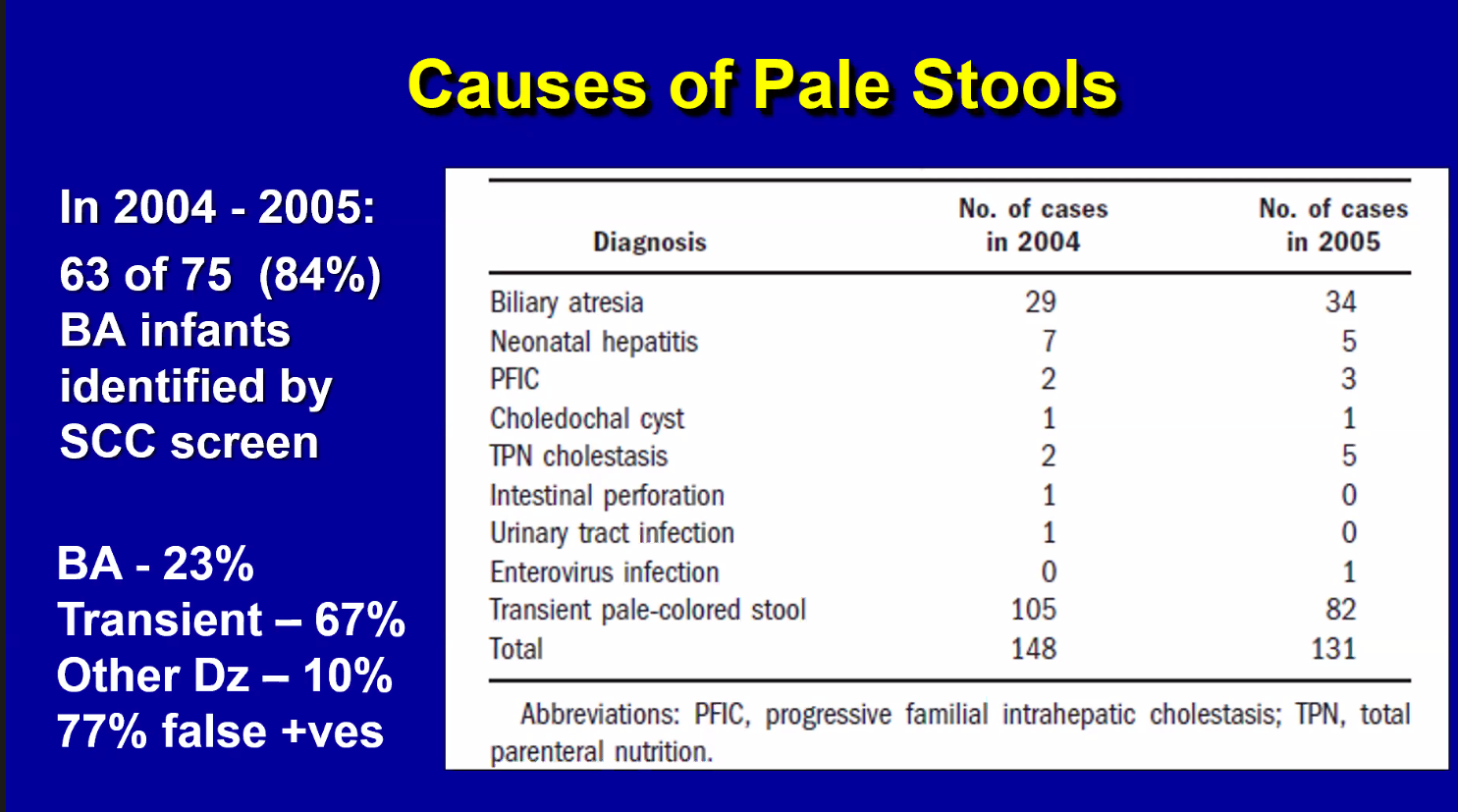
  • HIDA scans are well-known to have a high sensitivity but a low specificity for biliary atresia (even with pretreatment choleretic agents). Liver biopsies have a higher diagnostic accuracy.
  • Since biliary atresia is a progressive disease, some excretion on HIDA does not exclude the diagnosis.  Though, age at HIDA was not a significant variable in this small series.

My takes:

  • Don’t rely too much on any test, including HIDA scans.  Equivocal findings need to be reported as such.
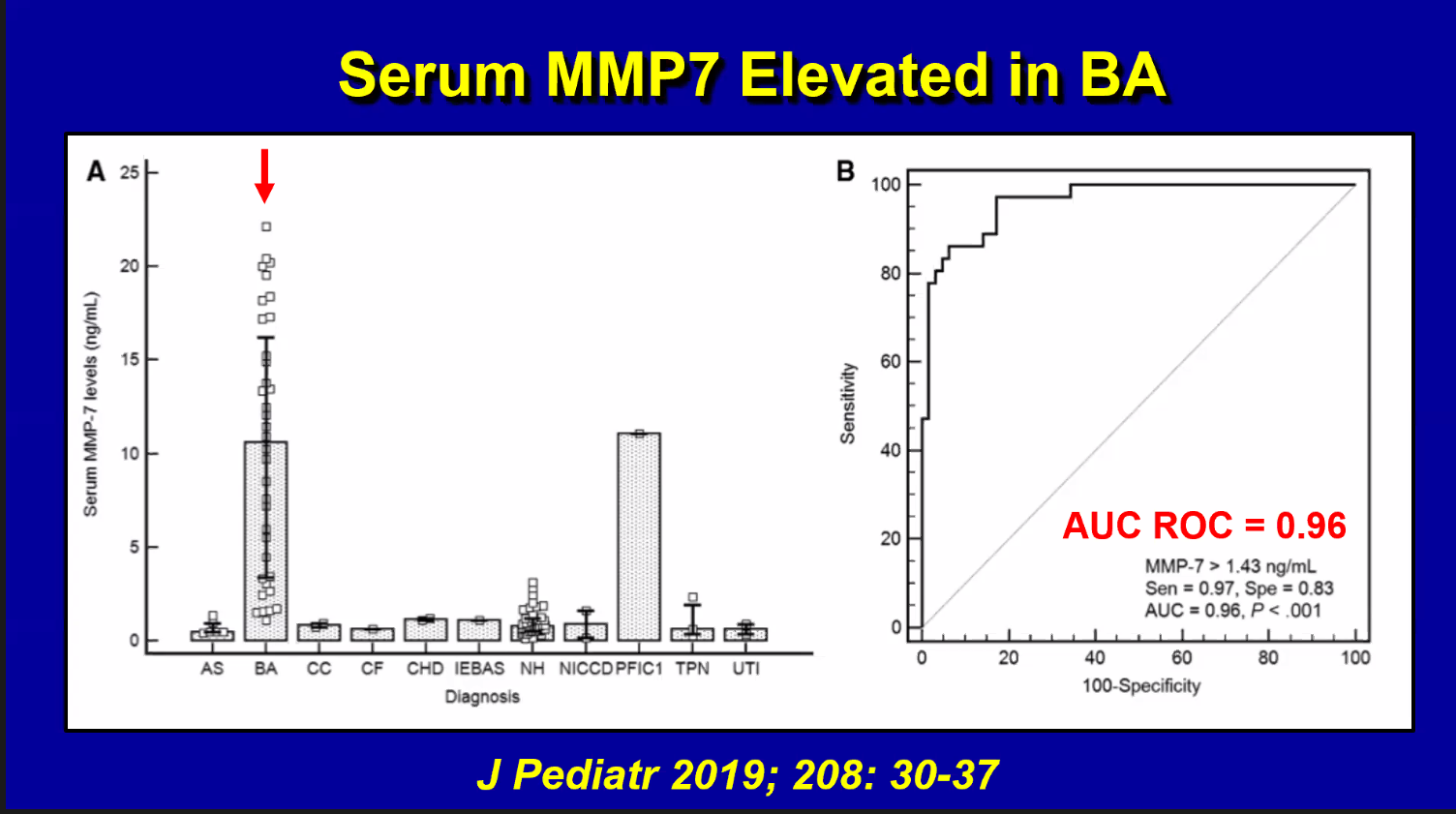
  • Fortunately, MMP-7 has emerged as another quick way with good (not perfect) specificity for biliary atresia.
  • Another related caveat is to look carefully at ultrasounds in this age group.  Often a small or retracted gallbladder is overlooked and could be an important clue to the diagnosis of biliary atresia.

Related blog posts:

Rhododendron Flowers (Spring 2020)

High Survival Rates for Biliary Atresia Patients Needing Liver Transplantation

A recent retrospective study (SA Taylor et al. J Pediatr 2020; 219; 89-97) examined patients enrolled in the Society of Pediatric Liver Transplantation (SPLIT) registry, including 547 before 2002 and 1477 after 2002.

Key findings:

  • Before 2002, patient and graft survival were 81% and 90%.
  • After 2002, patient and graft survival were 90% and 97%. This improvement is perhaps more impressive as there was evidence of increased disease severity at time of transplantation in the later cohort.
  • The reasons for these improved outcomes include reduced relisting for transplant, less rejection, less culture-proven infection, fewer reoperations, and less vascular complications (eg. hepatic artery thrombosis and portal vein thrombosis).
  • Donor age (0-5 months) was a risk factor for graft loss; compared to 1-17 years, the hazard ratio was 5.525.  However, in the later group, recipient age of ≤11 months was no longer a risk factor for patient death.
  • Bacterial infection or sepsis remain the leading cause of death after transplantation.

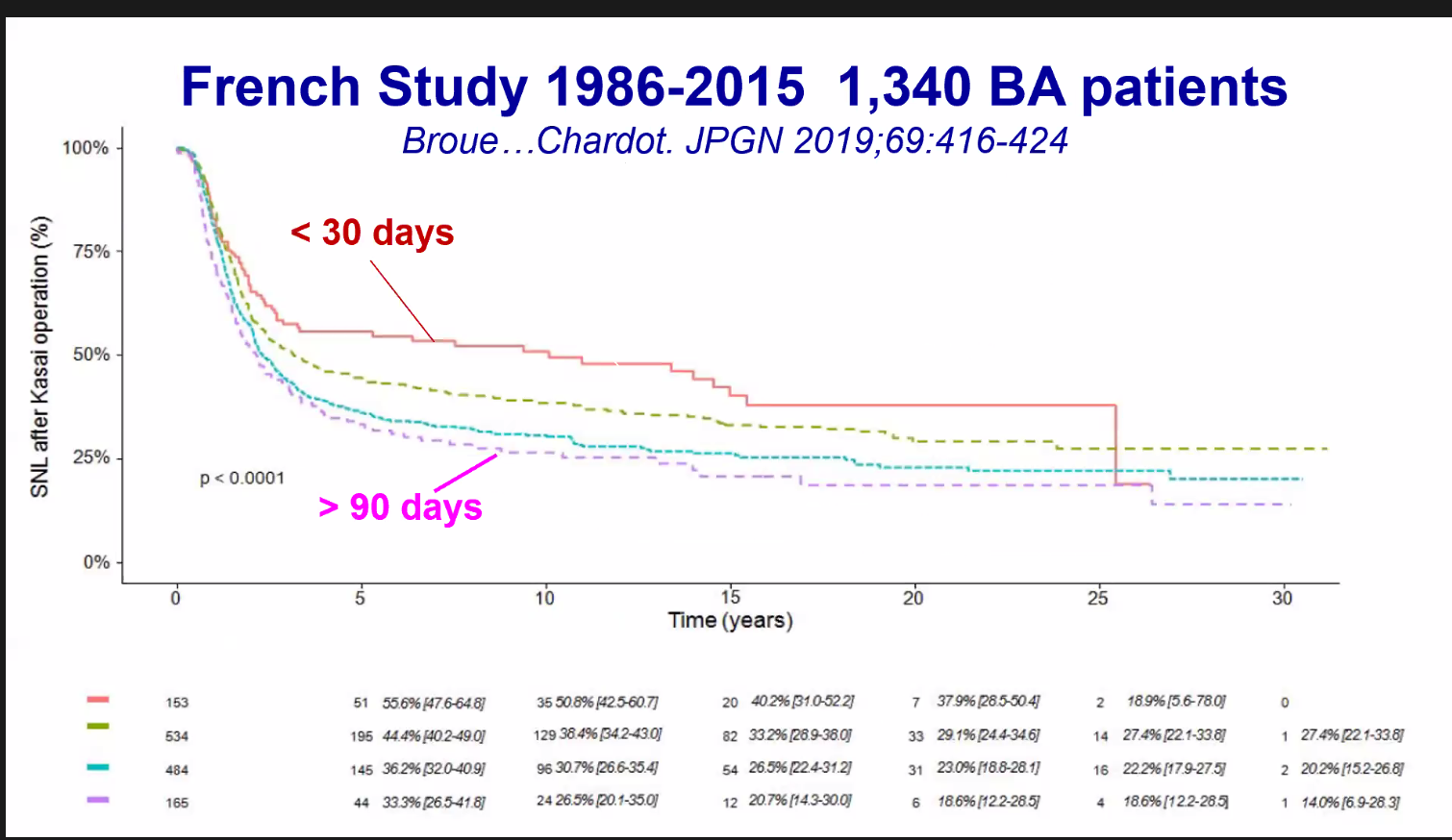
Due to improvement in survival, the authors note that some have advocated for primary liver transplantation instead of Kasai portoenterostomy.  “A report of 626 patients with biliary atresia, of whom 50% underwent primary liver transplantation without Kasai portoenterostomy, demonstrated improved survival.” (JAMA Surg 2019; 154: 26-32)

My take: This information about survival is certainly encouraging –though many challenges remain, especially to improve comorbidities.

Related blog posts:

Island Ford Nat’l Recreational Area, Sandy Springs

Biliary Atresia Biomarkers 2020

Two recent studies provide more information on biliary atresia (BA) biomarkers.

  • OG Behairy et al. JPGN 2020; 70: 344-9.
  • S Shamkar et al. JPGN 2020; 70: 350-5.

Behairy et al report on the use of serum IL-33 in a cohort of 90 infants, 30 with BA, 30 with cholestasis due to other causes, and 30 healthy infants.

  • Using a cut-off of 20.8 pg/mL, IL-33 had a specificity of 95% and sensitivity of 96.7% for identifying BA.
  • Interestingly, the test performed better in those with advanced fibrosis.  The mean value of IL-33 in those with grade 3/6 was 88.2 compared to 37.2 for 1/6 and 70.9 for 2/6. In comparison, the children with cholestasis due to other liver disease had a level of 18.5 for those with 3/6 fibrosis

The authors note in a prior study that IL-33 was higher in BA infants than those with a choledochal cyst.

While this is a small study, I disagree with the editorial (pg 278-9) which largely discounted the potential role of IL-33.  “IL-33 is elevated with many other diseases (bronchopulmonary dysplasia, asthma, allergy, and more) It, therefore, cannot easily be used as a highly specific marker for fibrosis. Furthermore, the use of IL-33 as a prognostic marker, is from a clinical point of view not of great importance, as follow-up clinical decisions are generally made based on patients’ clinical course.”

Shankar et al provide data on GGT values in BA (n=113 infants).

These infants underwent Kasai procedure at a median of 61 days

  • 12.3% had normal (<200) GGT values.
  • Those with normal GGT had worse outcomes: earlier need for liver transplantation (14 vs 20 months) and poorer transplant survival.
  • 9/14 (64%) with normal GGT and 53/99 (53.5%) of elevated GGT underwent liver transplantation

The authors note that decreased levels of GGT has been associated with reduced glutathione metabolism which could impari adaptive response to oxidative stress, leading to further hepatocyte injury.

My take: In my experience, I have had very few BA patients with GGT values <200 (lower than 10%).  The development of other biomarkers like MMP-7 and IL-33 increase the likelihood that BA will be recognized sooner and if elevated, could obviate the need for a liver biopsy prior to operative cholangiogram.  Nevertheless, practitioners cannot wholly rely on any the current biomarkers.

Related blog posts:

Fall on UNC Campus, Chapel Hill

Useful Data on Cholangitis Following Kasai Portoenterostomy

A recent retrospective study (SH Baek et al. JPGN 2020; 70: 171-77) provide useful information on cholangitis following a Kasai portoenterostomy in patients (n=160) with biliary atresia (BA).

Key points:

  • 126 of 160 (79%) had at least one episode of cholangitis during the study period (2006-2015).  Median followup was 49 months in those who had cholangitis compared to 33 months for those who did not develop cholangitis.
  • Age at time of Kasai: 63 days in those with cholangitis and 55 days in those without (P=0.42)
  • 76% of patients had recurrent cholangitis
  • Yield from blood culture was 9%.  In those with culture-proven cholangitis, Enterococcus faecium was most common pathogen (28%), followed by E. coli (15%), Enterobacter cloacae (11%), and Klebsiella pneumoniae (9%)
  • In their institution, there was a fairly-low susceptibility of gram-negative bacteria to cefotaxime (8/21, 38%). Almost all gram-negative isolates were susceptible to meropenem.
  • In their institution, there was fairly-low susceptibility of gram-positive organisms to ampicillin (8/19, 42%) and 100% susceptibility to vancomycin.
  • The authors noted that their empiric choice for treatment had been cefotaxime but this has now been reviewed; and a newer regimen, “a frequent alternative,” is the use of vancomycin along with an aminoglycoside.

It is worth noting that Up-to-Date has several recommended regimens for acute cholangitis (in adults).  For lower-risk infections, the authors recommend either a single agent like piperacillin-tazobactam or dual therapy with specific cephalosporins (eg. cefotaxime, ceftriaxone) and metronidazole.  For higher-risk infections, the Up-to-Date recommendations include meropenem or piperacillin-tazobactam as single agents or one of two cephalosporins (cefepime or ceftazidime) along with metronidazole.

My take: Cholangitis is common after biliary atresia.  Familiarity with changing susceptibility, particularly local patterns, will help optimize outcomes.

Related blog posts:

Piedmont Park

Disclaimer: This blog, gutsandgrowth, assumes no responsibility for any use or operation of any method, product, instruction, concept or idea contained in the material herein or for any injury or damage to persons or property (whether products liability, negligence or otherwise) resulting from such use or operation. These blog posts are for educational purposes only. Specific dosing of medications (along with potential adverse effects) should be confirmed by prescribing physician.  Because of rapid advances in the medical sciences, the gutsandgrowth blog cautions that independent verification should be made of diagnosis and drug dosages. The reader is solely responsible for the conduct of any suggested test or procedure.  This content is not a substitute for medical advice, diagnosis or treatment provided by a qualified healthcare provider. Always seek the advice of your physician or other qualified health provider with any questions you may have regarding a condition.


Neurodevelopmental Outcomes: Biliary Atresia

A recent study from the Netherlands (LH Rodijk et al. J Pediatr 2020; 217: 118-24) which included 46 children provides data on the suboptimal neurodevelopmental outcomes of children with biliary atresia (BA).  This cohort did not exclude children born prematurely or those with a history of intracranial hemorrhage; the children had undergone Kasai portoenterostomy (KPE) between 2002-2012 and had a median age of 11 years.

Key findings:

  • 36 of 46 (78%) had undergone liver transplantation
  • Median age at time of KPE was 60 days
  • 12 (25%) received special education (vs. 2.4% in ‘normal’ population)
  • Motor outcomes were affected with up to half scoring low on motor skills
  • Total IQ was 91 (compared with 100 in norms)
  • There were no significant differences in the cognitive outcomes of the patients with their native livers compared to those who had undergone liver transplantation (*small sample size)

Potential explanations:

  • Detrimental affects of cholestasis
  • Major surgery/anesthesia may result in impaired neurodevelopment

My take: This study documents a fairly high rate of neurodevelopmental problems in children with BA.  The information we need now –how to mitigate this.

VL NG et al. J Pediatr 2018; 196: 139-47. This study with 148 children examined the neurodevelopmental outomes of young children with biliary atresia (ChiLDRen Study). Key finding: Children with their native livers were at increased risk for neurodevelopmental delays at 12 and 24 months.  This risk was more than 4-fold increased among those with unsuccessful Kasai procedure.

Related blog posts:

Liver Shorts -January 2020

S Nagai et al. Clin Gastroenterol Hepatol 2019; 17: 2759-68. For patients who underwent liver transplantation during 2016–2017, a significantly lower proportion of patients with NASH survived for 1 year after transplantation than patients with HCV (P = .004) or ALD (P < .001). 1-year patient survival rates: NASH 90.4%, HCV 92.8%, ALD 93.5%. Full Text: Increased Risk of Death in First Year After Liver Transplantation Among Patients With Nonalcoholic Steatohepatitis vs Liver Disease of Other Etiologies

JE Squires et al. JPGN 2020; 70: 79-86.  Using a prospective, longitudinal database, this study from ChiLDReN network with 93 children with biliary atresia and native liver found that NO increased prevalence of neurodevelopmental delays. Markers of advanced liver disease (high bilirubin/GGT for those ≤5 yrs, and portal hypertension for those >5 years) did negatively affect neurodevelopmental measures.

C Jaramillo et al. JPGN 2020; 70: 87-92.  This pilot study with 21 patients found that degree of fibrosis, quantified by collagen hybridizing peptide, at time of Kasai, was associated with the risk of requiring a liver transplantation by age 4 years.  Total bilirubin >2 mg/dL and Albumin ❤ g/dL at 3 months post-Kasai were also associated significantly with need for liver transplantation.

H-S Chen et al. Hepatology 2019; 70: 1903-12. In this study from Taiwan with 182 children (median age of 10.6 at enrollment) with hepatitis B and a normal ALT, a baseline anti-HBc titer of >500 IU/mL was associated with spontaneous HBeAg seroconversion with hazard ratio of 2.81.  Over the median follow-up of 19.8 years, 85 subjects (46.7%) had HBeAg seroconversion. Thus, anit-HBc reflects anti-HBV immune response in the HBeAg-positive patients with normal ALT.

Year in Review: My Favorite 2019 Posts

Yesterday, I listed the posts with the most views.  The posts below were the ones I like the most.

General/General Health:

Nutrition:

Liver:

Endoscopy:

Intestinal Disorders:


Disclaimer: This blog, gutsandgrowth, assumes no responsibility for any use or operation of any method, product, instruction, concept or idea contained in the material herein or for any injury or damage to persons or property (whether products liability, negligence or otherwise) resulting from such use or operation. These blog posts are for educational purposes only. Specific dosing of medications (along with potential adverse effects) should be confirmed by prescribing physician.  Because of rapid advances in the medical sciences, the gutsandgrowth blog cautions that independent verification should be made of diagnosis and drug dosages. The reader is solely responsible for the conduct of any suggested test or procedure.  This content is not a substitute for medical advice, diagnosis or treatment provided by a qualified healthcare provider. Always seek the advice of your physician or other qualified health provider with any questions you may have regarding a condition.


Most Popular Posts of 2019

The following are the most viewed posts from the past year:

Wishing friends, family and colleagues a healthy and happy New Year.

Morning in Sandy Springs, GA


Precision Prediction of Biliary Atresia Survival

Though young age at the time of Kasai and surgical experience have been identified as factors in the long-term outcome of patients with biliary atresia (BA), why is it that some with timely intervention still fail to respond?  Conceptually, I’ve considered those who had progressive disease as probably having an intrahepatic component of their biliary disease that a Kasai operation cannot help.

New research (Z Luo, P Shivakumar, R Mourya, S Gutta, JA Bezerra. Gastroenterol 2019; 157: 1138-52) identifies genetic factors that are likely a more powerful predictor of Kasai response then the traditional clinical factors.

The science in this study is fascinating –combining genetic heat maps, and survival curves.  The prediction with a 14-gene signature is amplified with serum total bilirubin at 3 months post-Kasai.  In addition, these studies are combined with a mouse model treated with N-acetylcysteine (NAC).  Histologic changes were then assessed.

Key findings:

  • The 14-gene mRNA expression pattern predicted shorter and longer survival times in both the discovery (n=121) and validation sets (n=50) of children with BA (see figure below: red curve vs blue curve)
  • When this 14-gene expression pattern was paired with total bilirubin level 3 months after Kasai, this identified children who survived with their native liver at 24 months with an area under the curve of 0.948 in the discovery set and 0.813 in the validation set (P<.001).
  • In those with transplant-free survival, many of the mRNAs expressed had increased scores for glutathione metabolism.  Subsequently, mice with BA were treated with NAC (which promotes glutathione metabolism) & had reduced bile duct obstruction, liver fibrosis, and increased survival times.
  • In children with lower survival rates, there was increased mRNA expression of proteins encoding fibrosis genes in the liver tissues.

My take: This 14-gene signature has the potential to change our approach to children with BA.  Also, when evaluating surgical success rate, these underlying genetic factors will need to be incorporated.

Image available online

Related blog posts: