What Our Office Is Recommending: School and Pediatric IBD Patients

We are getting a lot of calls from families trying to figure out what they should be doing for their children with inflammatory bowel disease in regards to school attendance.  Here is what our ICN team has developed:

School guidance during Covid pandemic:

With the flood of information in the lay and scientific media, GI Care for Kids wanted to assure that our patients and families who had children with inflammatory bowel disease (IBD), Crohn’s or ulcerative colitis, had some guidance in making important decisions about beginning the 2020-2021 school year.  Currently, research shows that just having IBD, DOES NOT put a person more at risk for acquiring (i.e. catching) coronavirus (COVID-19) infection.  In addition, research suggests that biologics (e.g. Remicade, Humira) DO NOT seem to increase the risk for more severe Covid related illnesses.

However, steroids, thiopurines (e.g. 6-MP; azathioprine, immuran) and prograf DO appear to have a larger effect on increasing risk for more severe coronavirus infection and COVID-19 disease.  Additional research is being carried out with oldest patients (e.g. > 65 years of age) who appear to be at increased risk for infection and COVID-related disease, and, other co-morbid conditions (e.g. obesity, diabetes, cardiovascular disease) being at highest risk for COVID-19 disease as well.

All patients should practice good hand hygiene, wear masks at all times outside of the house, and observe social distancing.  If your family does not feel that return to a traditional school building is in your child’s best interest, please let us know, and we will help make sure we support you from a medical standpoint. 

For further information on the status of coronavirus in people with IBD world-wide, young or old, please go to: www.covidibd.org.

Additional information about the status of COVID-19 can be found at the following websites:


Also, this:

Facebook link (1:22 min): This is what happens when a Special Effects guy stays at home with his son during lockdown


Disclaimer: This blog, gutsandgrowth, assumes no responsibility for any use or operation of any method, product, instruction, concept or idea contained in the material herein or for any injury or damage to persons or property (whether products liability, negligence or otherwise) resulting from such use or operation. These blog posts are for educational purposes only. Specific dosing of medications (along with potential adverse effects) should be confirmed by prescribing physician.  Because of rapid advances in the medical sciences, the gutsandgrowth blog cautions that independent verification should be made of diagnosis and drug dosages. The reader is solely responsible for the conduct of any suggested test or procedure.  This content is not a substitute for medical advice, diagnosis or treatment provided by a qualified healthcare provider. Always seek the advice of your physician or other qualified health provider with any questions you may have regarding a condition

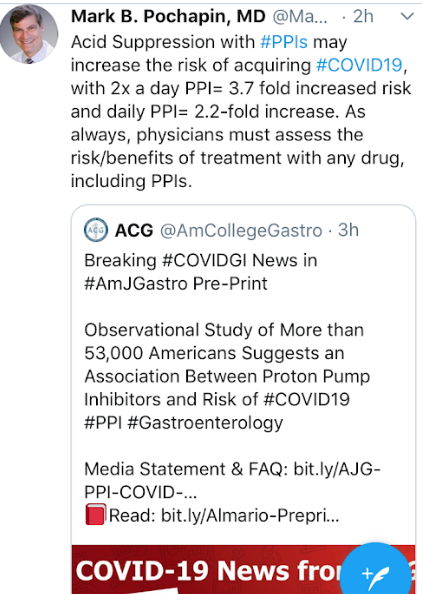
PPIs Associated with Increased Risk of COVID-19 Infection

Here is link to original study: Increased Risk of COVID-19 Among Users of Proton Pump Inhibitors 

Almario CV, Chey WD, Spiegel BMR. Increased risk of COVID-19 among users of proton pump inhibitors. Am J Gastroenterol 2020 (pre-print posted online July 7, 2020)

From ACG:  Information Sheet and FAQs About Proton Pump Inhibitors (PPIs) and Risk of COVID-19

This study shows an association but does not prove that PPIs increase risk of COVD-19.  Patients taking PPIs may have other attributes that increase their risk compared to those who are not taking PPIs.

Here is some more information on twitter thread of this topic:

Phase 3 Trial of Budesonide for Eosinophilic Esophagitis & COVID-19 Deaths in U.S.

NY Times article:  U.S. Coronavirus Cases Are Rising Sharply, but Deaths Are Still Down

This article explains why deaths from COVID-19 have not increased despite increasing number of infections.  Three main reasons: increased testing -detects many with less severe symptoms, younger population are being infected, and new treatment approaches may be helping.  However, “the dip in coronavirus mortality will not necessarily last. As more people socialize, those with milder infections might end up ferrying the pathogen to vulnerable individuals…Recent upswings in coronavirus case numbers leave experts apprehensive of what’s to come. Death, when it occurs, tends to trail infection by about two to four weeks.”


The Budesonide Oral Suspension (BOS) resulted in 62% of BOS patients meeting the threshold of < 15 eos/hpf compared to 1% of placebo patients. From lead author, Ikuo Hirano: “the results of the BOS trial showed that BOS successfully treated both the symptoms and signs of EoE. The positive results will hopefully lead to an approved, safe and effective therapy for EoE.”

Abstract from ACG Meeting October 2019:

Abstract: Efficacy of Budesonide Oral Suspension for Eosinophilic Esophagitis in Adolescents and Adults: Results From a Phase 3, Randomized, Placebo-Controlled Trial

Introduction: Eosinophilic esophagitis (EoE) is a chronic immune-mediated disease for which there is an unmet clinical need for new therapies. The safety and efficacy of budesonide oral suspension (BOS) for the treatment of EoE has been demonstrated in a previous phase 2 study. The current phase 3 study evaluated the efficacy and safety of BOS in a large cohort of patients with EoE. 

Methods: This randomized, double-blind, placebo-controlled trial (SHP621-301; NCT02605837) investigated the safety and efficacy of BOS in patients (11–55 years) with EoE and dysphagia. Patients were randomized 2:1 to 2.0 mg BOS or placebo twice daily (b.i.d.) for 12 weeks (Figure 1). Co-primary endpoints were histologic (peak eosinophil count ≤6 eosinophils/high-powered field [eos/hpf]) and dysphagia symptom (≥30% decrease in symptoms as measured by the Dysphagia Symptom Questionnaire [DSQ]) responses after 12 weeks of therapy. Secondary endpoints included change in DSQ score and change in EoE Endoscopic Reference Score (EREFS) from baseline to final treatment period. Safety was also assessed.

Results: A total of 322 patients were randomized (BOS, n=215; placebo, n=107), of whom 318 patients received at least one dose of double-blind therapy (BOS, n=213; placebo, n=105) (Table). The primary outcomes were achieved, with significantly more histologic and symptom responders in the BOS-treated than the placebo-treated group (53.1% vs 1.0%, p< 0.001; 52.6% vs 39.1%, p=0.024, respectively; Figure 2). Improvements in mean DSQ score from baseline to week 12 were significantly greater in the BOS group (n=197) than the placebo group (n=89) (−13.0 vs −9.1; p=0.015). Similarly, improvements in mean EREFS scores were significantly greater with BOS (n=202) than placebo (n=93) (−4.0 vs −2.2; p< 0.001). In total, 61.0% of patients reported a treatment-emergent adverse event (TEAE) (BOS, 61.0%; placebo, 61.0%). Only 2.5% of patients experienced a TEAE leading to dose discontinuation (BOS, 1.4%; placebo, 4.8%). Few patients had severe or serious TEAEs on BOS or placebo.  No life-threatening TEAEs were reported.

Discussion: This phase 3 trial demonstrated the efficacy of BOS as induction therapy for EoE. BOS resulted in significant improvements in histologic, symptomatic and endoscopic endpoints compared with placebo. The majority of TEAEs were mild to moderate and comparable between placebo and BOS. A double-blind, placebo-controlled maintenance study (SHP621-302) is ongoing.

Related blog posts:

Island Ford, Sandy Springs


Curcumin Was NOT Effective For Post-operative Crohn’s Disease, Goldman Sachs Take on Masks

NBC/NY Link: Goldman Sachs Says National Mask Mandate Could Slash Infections, Save Economy From 5% Hit


Briefly noted: G Bommelear et al. Clin Gastroenterol Hepatol; 2020; 18: 1553-60. Oral Curcumin No More Effective Than Placebo in Preventing Recurrence of Crohn’s Disease After Surgery in a Randomized Controlled Trial

Methods:

  • Double-blind randomized controlled trial at 8 referral centers in France, from October 2014 through January 2018, with 62 consecutive patients with CD undergoing bowel resection.
  • Patients received azathioprine (2.5 mg/kg) and were randomly assigned to groups given oral curcumin (3 g/day; n = 31) or an identical placebo (n = 31) for 6 months, and were then evaluated by colonoscopy.
  • The primary endpoint: postoperative recurrence of CD in each group (Rutgeerts’ index score ≥i2) at month 6

Key findings:

  • Postoperative recurrence at 6 months: (Rutgeerts’ index score ≥i2): 58% receiving curcumin vs 68% receiving placebo (P = .60).
  • Severe recurrence: 55% receiving Curcumin 55%vs 26% receiving placebo –had a severe recurrence of CD (Rutgeerts’ index score ≥i3) (P = .034).
  • Clinical recurrence of CD (CD activity index score >150) at 6 months: 30% with curcumin compared with 45%  receiving placebo (P = .80)

My take: Curcumin was ineffective in preventing recurrent post-operative Crohn’s disease

Related blog posts:


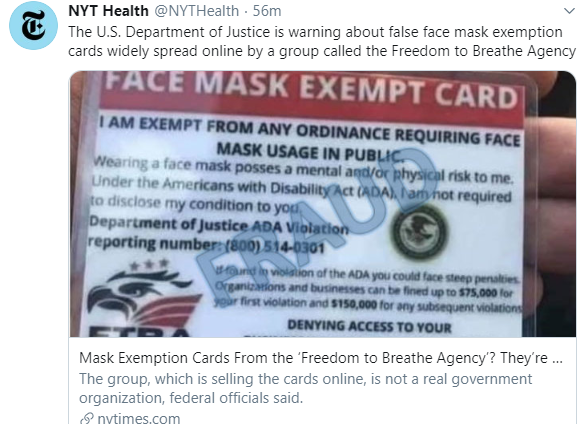
Weekend News: Elevators, Maskne, Fraudulent Mask Exemptions, Vaccine Optimism, and Taking Healthcare from Millions

Weekend News:

:NY Times: Maskne Is the New Acne, and Here’s What Is Causing It

Maskne — the most common kind of which is acne mechanica, a.k.a. the type of acne a football player may get where the helmet rubs — is also enough of a thing that the Covid-19 task force of the American Academy of Dermatology (A.A.D.) felt compelled to release advice on the subject.

The article describes how mask can trigger acne and ways to prevent/treat this.

Related: American Academy of Dermatology: 9 WAYS TO PREVENT FACE-MASK SKIN PROBLEMS

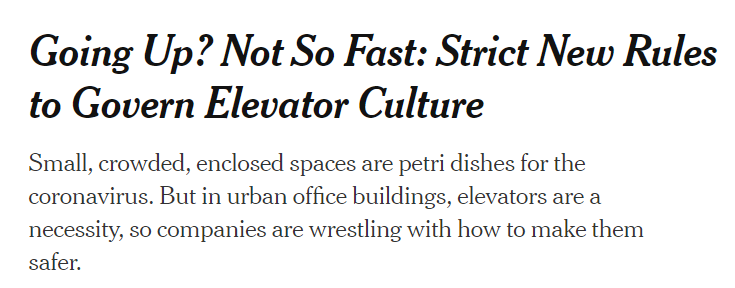
NY Times: Don’t Whistle on the Elevator. Don’t Even Talk. (print version article title)

“The good news is: If you don’t like small talk in the elevator, those days are over,”…“Imagine if you have a 30-story office building in New York City and you’re trying to get 5,000 people in between 7 and 9 in the morning,”

From NPR:

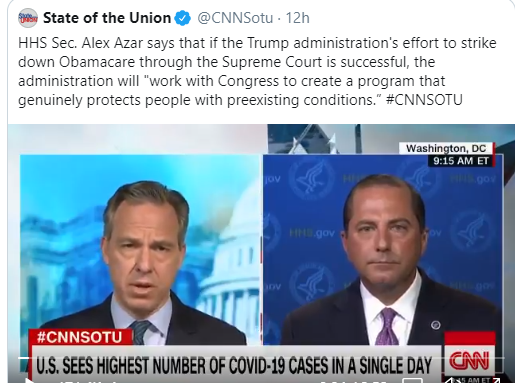
This administration should present its ‘plan’ and pass it before taking healthcare insurance from millions.


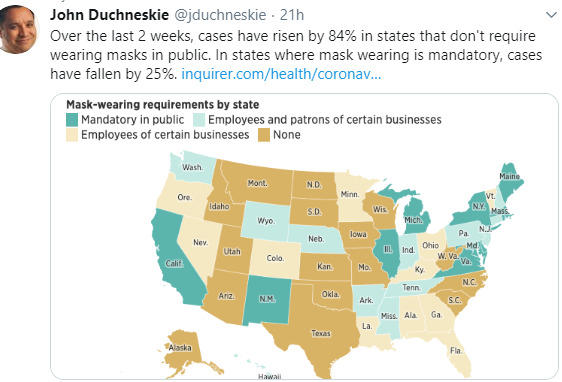
Data on Mask Efficacy and COVID-19 Safety –How U.S. Compares

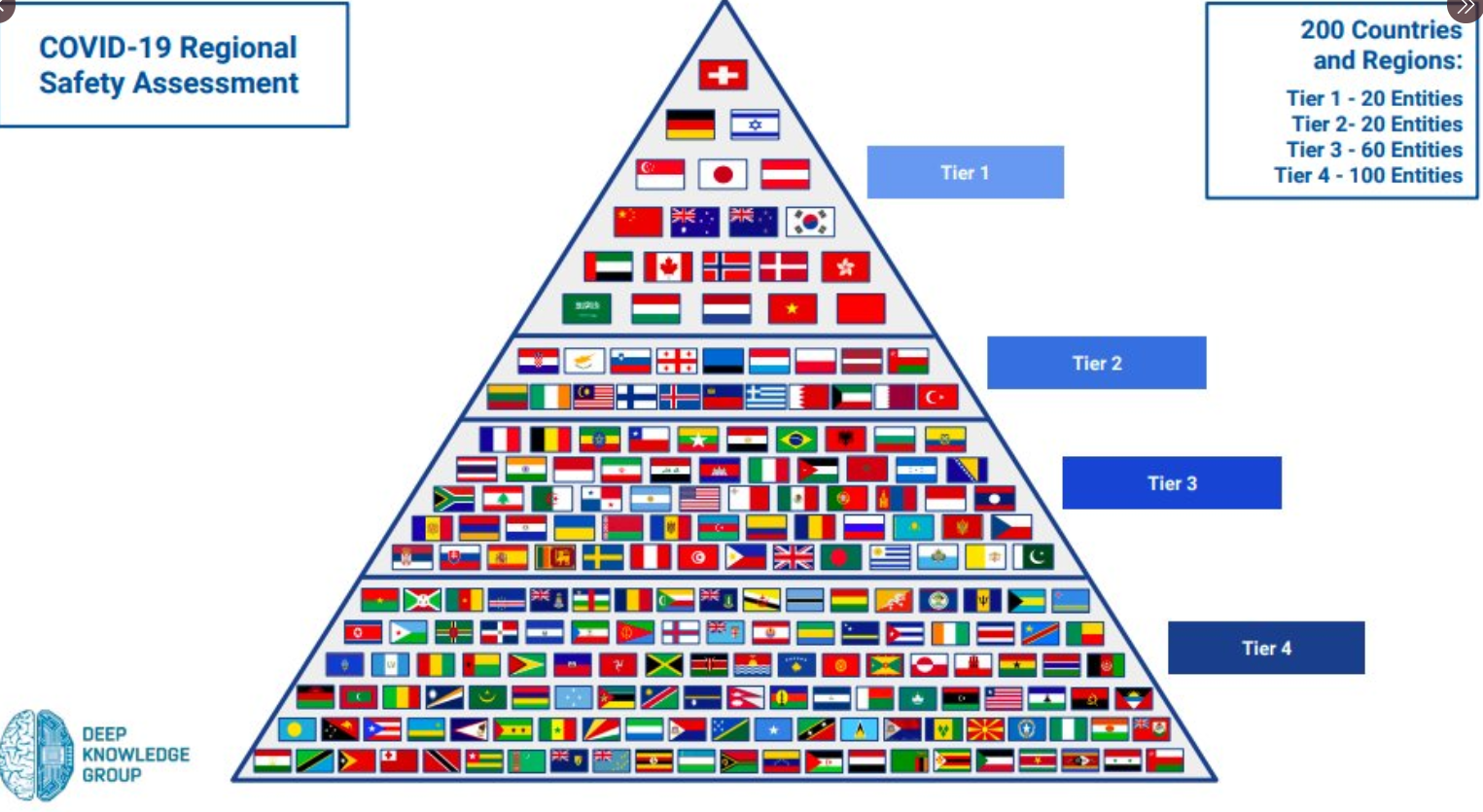
According to this ranking, U.S. is 58th in the world:

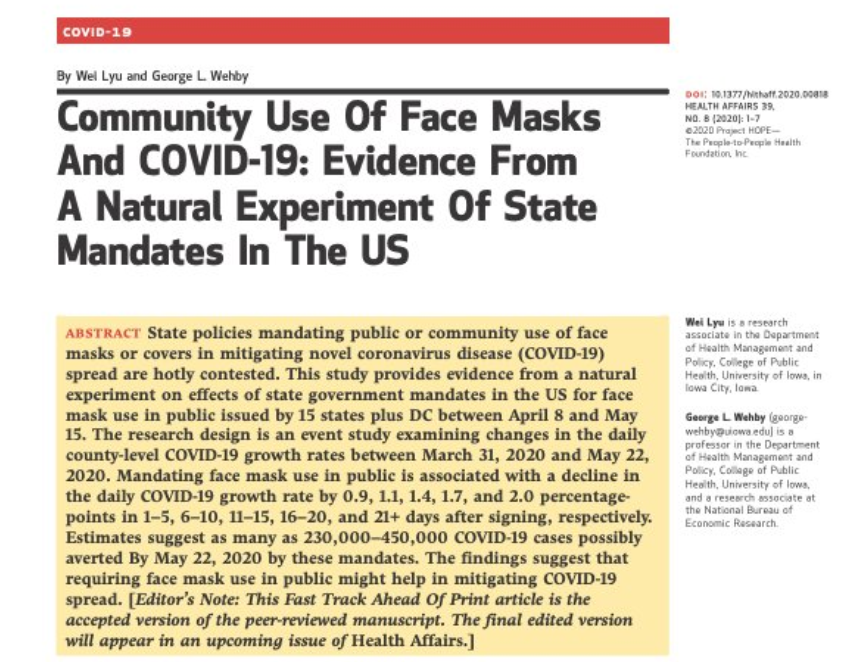
From Health Affairs, Full Text: Community Use Of Face Masks And COVID-19: Evidence From A Natural Experiment Of State Mandates In The US

Related blog posts:

Reducing Gastrostomy Tube Placement in Children with Aspiration & COVID-19 Tracking

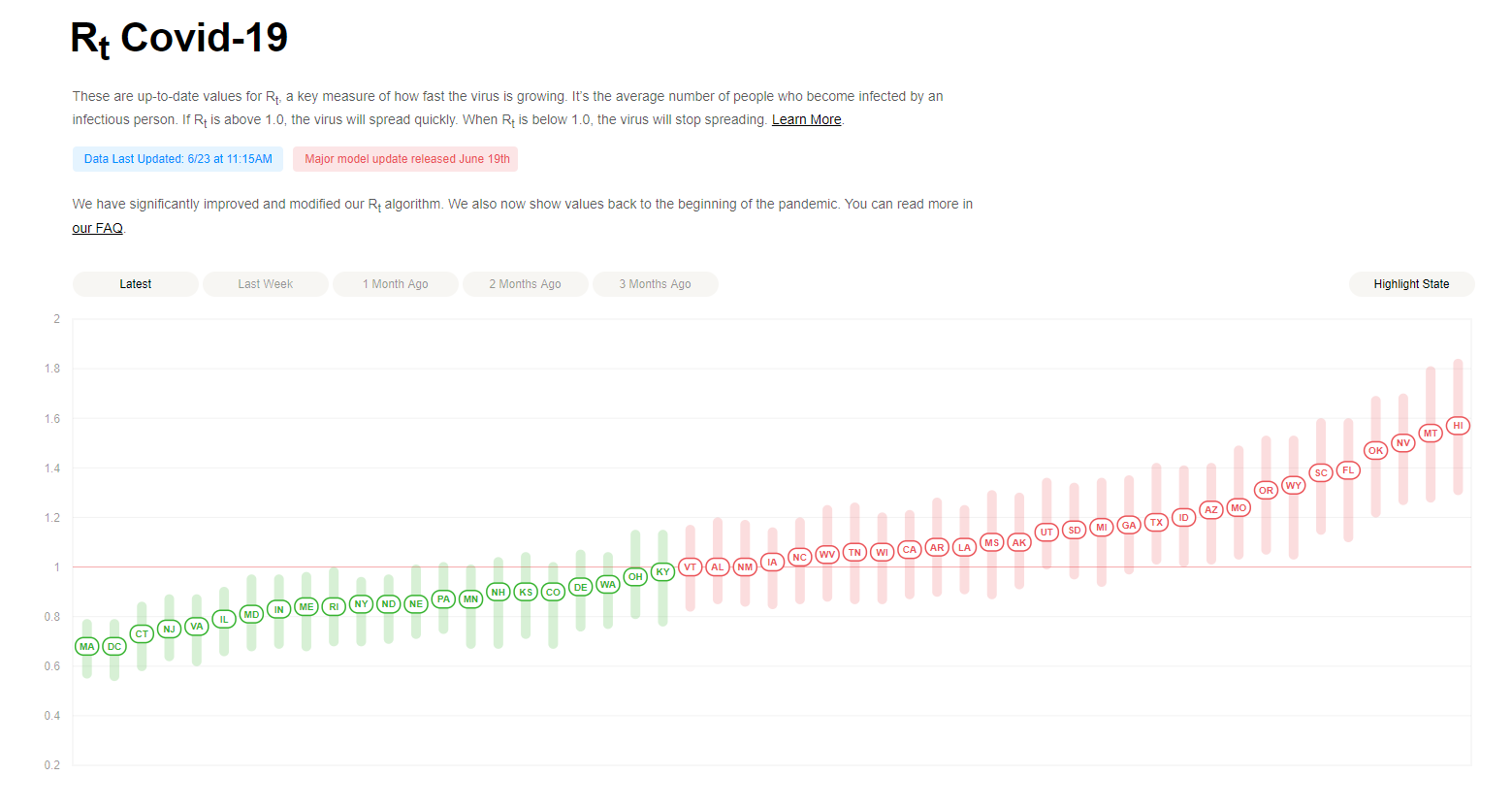
From The COVID Tracking Project: Effective Reproduction Number

These are up-to-date values for Rt, a key measure of how fast the virus is growing. It’s the average number of people who become infected by an infectious person. If Rt is above 1.0, the virus will spread quickly. When Rt is below 1.0, the virus will stop spreading.  All 50 states listed below (but hard to see) -these numbers adjust for testing frequency:

The site has each state -here are Georgia and Florida:


A recent study (McSweeney M, Meleedy-Rey P, Kerr J, Yuen JC, Fourneir G, Norris K, Larson K, Rosen R. A quality improvement initiative to reduce gastrostomy tube placement in aspirating patients. Pediatrics. 2020, 145: e20190325; DOI: https://doi.org/10.1542/peds.2019-0325) was highlighted by John Pohl in Practical Gastroenterology:

Full text summary: Reducing Gastrostomy Placement in Children with Aspiration

An excerpt:

Children equal to or less than 2 years of age with aspiration demonstrated on VFSS were included in the study…If a VFSS was abnormal and the child was less than 52 weeks gestational age, then the child either was admitted to the hospital for a trial of nasogastric (NG) breastmilk or oral thickened formula with NG breast milk. The patient then continued to work with SLP… If a repeat VFSS showed improvement in the swallowing mechanism, then work with SLP and trialing with thickened feeds continued until the aspiration had resolved as demonstrated by VFSS. However, if a repeat VFSS still showed aspiration, a child was considered a candidate for gastrostomy placement…

In total, 6125 patients at 2 years of age or less underwent a VFSS during the 4-year study period, and 1668 of these patients had aspiration or penetration… 94 of the patients with aspiration or aspiration and penetration on their first VFSS (12.2%) and 31 of the patients with penetration only on their first VFSS (3.4%) eventually required gastrostomy placement…

Gastrostomy placement in this patient population fell from 10.9% at the beginning of the study to 5.2% at the end…

The number of emergency room visits and hospitalizations in the patient group without gastrostomies did not increase during the study with this same patient group having significantly less emergency room visits and hospitalizations compared to those children who had undergone gastrostomy placement

My take: This study shows that conservative therapy allows most children (<2 yrs) to avoid gastrostomy tube placement

Related blog posts:


Pandemic Is NOT Taking a Summer Holiday

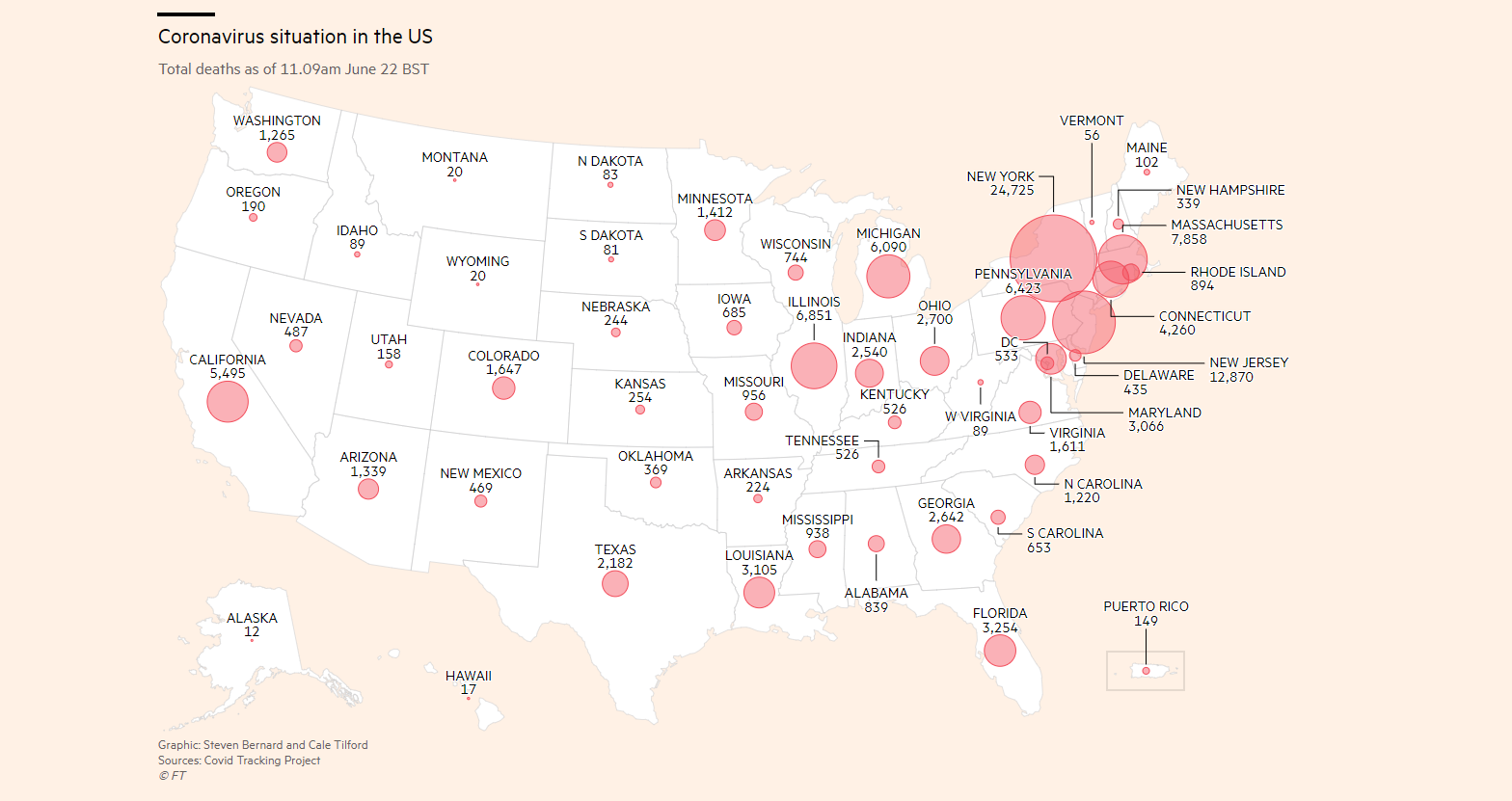
More data indicate that the coronavirus pandemic is NOT taking a summer holiday.  Projections from IHME indicate that Georgia is likely to have 4 times as many deaths by October (~2500 to  >10,000) and Florida 6 times as many (~3000 to >18,000) due to COVID-19. If projections do not worsen, the U.S. will still have more than 200,000 deaths by October.

In Europe which had at one point accounted for ~80% of new infections, the daily toll is ~10%. From Financial Times website:

From Financial Times website

From Financial Times website

From CNN/Johns Hopkins

NPR: Younger Adults Are Increasingly Testing Positive for Coronavirus

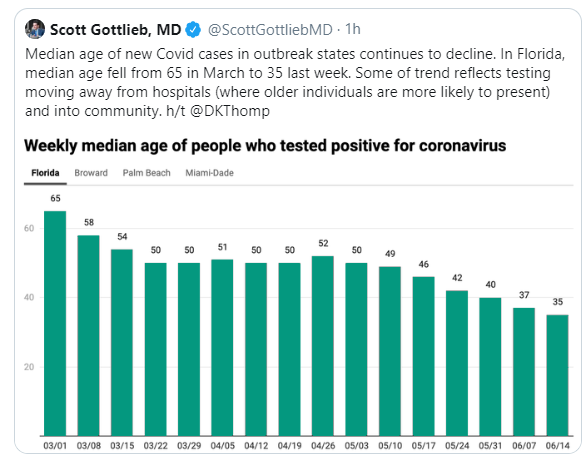
The fact that younger adults account for a large fraction of the new cases is likely a significant reason why the number of daily deaths has not spiked (& improved).

Data from Broward County, FL

Related blog posts:

Summer Georgia AAP Board Meeting: COVID-19, Pediatric Practices, and Resources

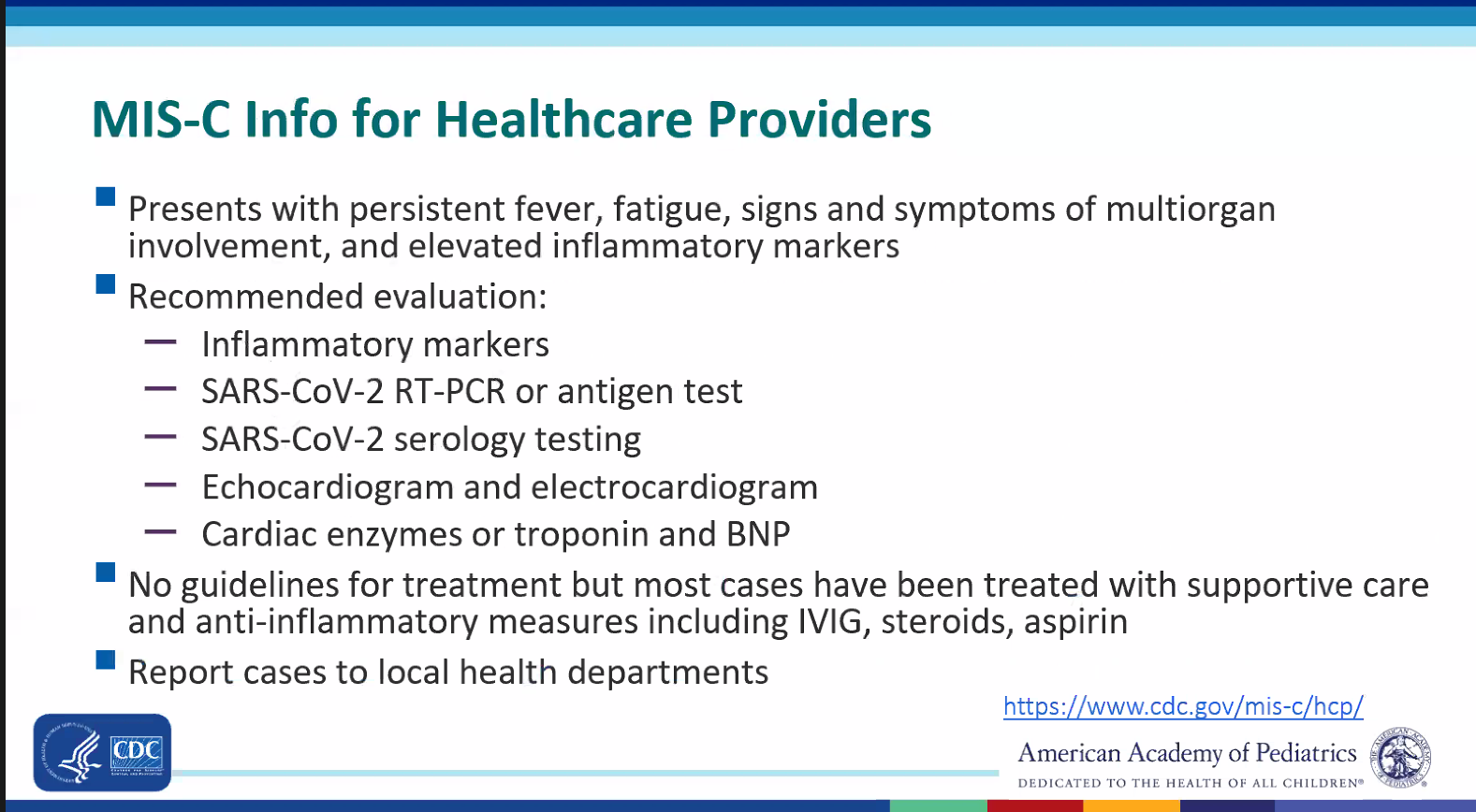
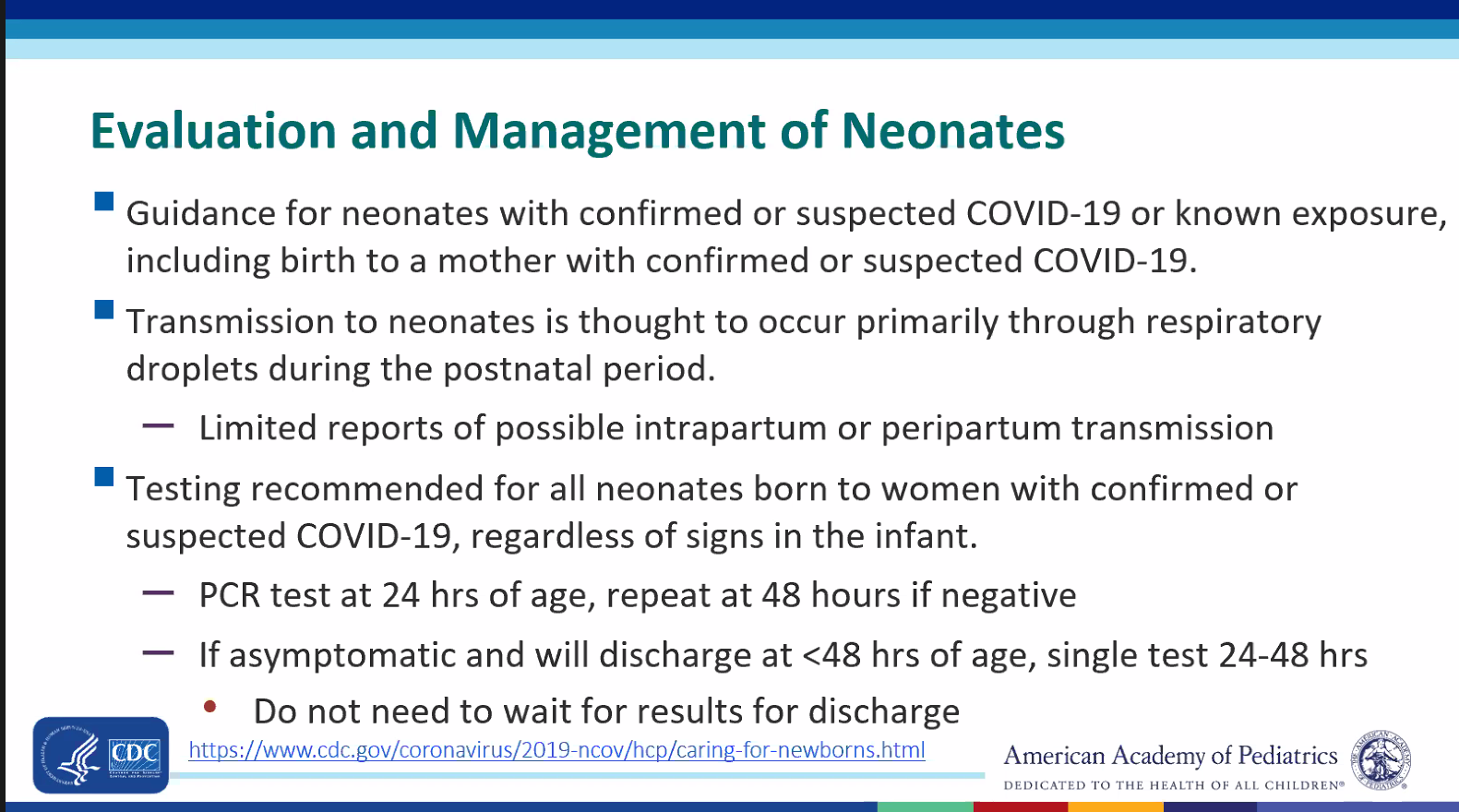
This year’s Summer Georgia AAP Board Meeting included presentations from Kathleen Toomey (commissioner of the Department of Public Health), Sally Goza (National AAP President),Kristie Clarke/Anne Kimball (CDC Liaison) and Evan Anderson (infectious disease committee).  Also a fair amount of information was shared by more than 75 participants.

Useful Links:

  • RIVM Children and COVID-19 Describes experience with opening schools in Europe and Australia. “Schools have now reopened in various other European countries. RIVM is in close contact with sister organisations in these countries to evaluate the impact of this policy on the spread of the novel coronavirus there. Denmark was the first country to reopen childcare and primary education, as of 15 April. They have not reported any negative effects after reopening the schools and are not seeing any increase in the reproduction number. ”  There were several studies showing no transmission
  • Nature (June 11) Why children avoid the worst coronavirus complications might lie in their arteries Evidence is mounting that healthy blood vessels protect children from serious effects of COVID-19, such as stroke
  • Georgia Department of Public Health: DPH COVID-19 Website: One fatality due to COVID-19 in Georgia Pediatric population, 0-17 years.

From Dr. Goza -AAP website/resources/agenda:

From Dr Goza: AAP has been working on health equity and racism prior to recent events, including policy statement last year.  Now with additional input:

From Kristie Clarke/Anne Kimball –they note that recent MMWR reports that the pediatric population now representing 5% of COVID-19  cases with more widespread testing.


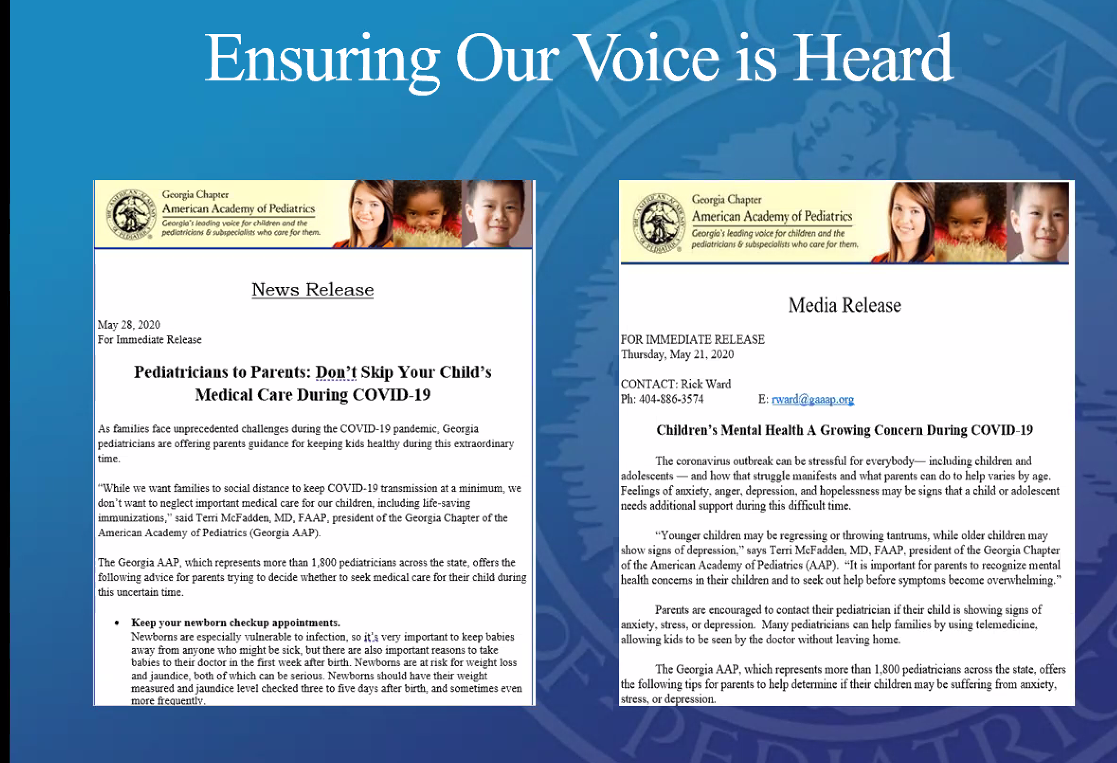
From Dr. Terri McFadden (Ga. AAP Chair):

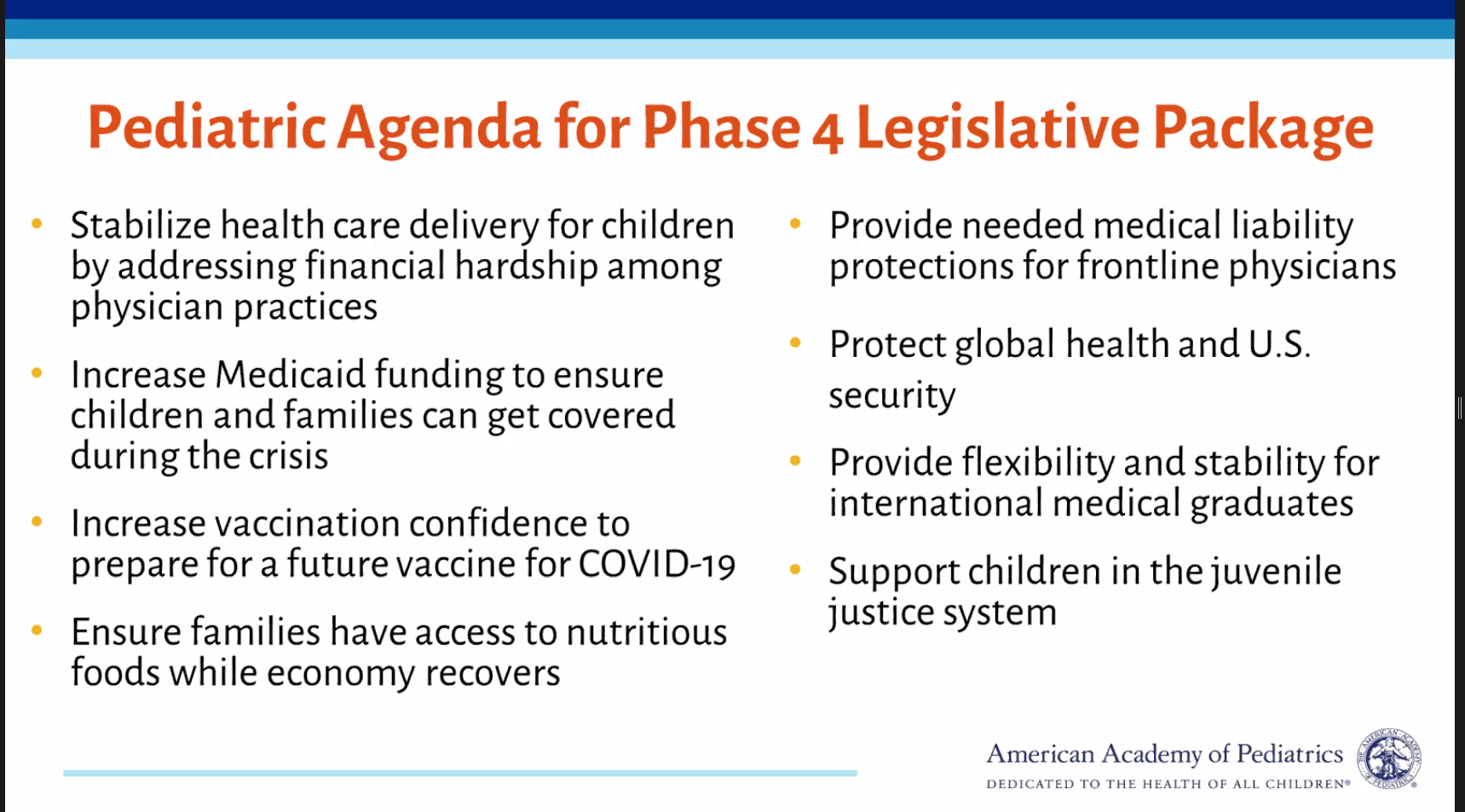
Related material from The Children’s Care Network: Website: Call Your Pediatrician Video -Dr. Anna Kuo (2 minutes) “Now, more than ever, it is important that practices actively reach out to families to educate them on the importance of staying connected to their medical home. Kids Health First partnered with Dr. Anna Kuo from Peachtree Park Pediatrics, to create a video aimed towards parents. This video highlights the importance of scheduling patient visits, staying up-to-date on immunizations and assuring families of the safety measures practices are implementing to ensure the health and well-being for all. “

Ionizing Radiation Exposure in Adults with Inflammatory Bowel Disease

From The Onion:


In the largest reported cohort to date, GC Nguyen et al (Inflamm Bowel Dis 2020; 26: 898-906) describe the ionization radiation exposure (IRE) in individuals (≥18 years) with inflammatory bowel disease (IBD).

Methods: N=72,933 with IBD,1994-2016. During 1st 5 yrs after diagnosis, IRE was estimated in a retrospective matched cohort in Ontario.

Key findings:

  • IBD patients were exposed to nearly 6-fold IRE due to abdominal imaging compared to controls: 18.6 mSv vs 2.9 mSv
  • Patients with CD had higher IRE than UC: 26 mSv vs 12 mSv (P<0.001).  CD patients were more likely to have >50 mSv exposure (15.6% vs 6.2%) and >100 mSv 5.0% vs 2.1%
  • Women were less likely to have high IRE compared to males
  • Residents in the poorest neighborhoods were 27% more likely to have IRE >100 mSv.  Socioeconomic status was an independent factor after accounting for comorbidities. The authors speculate that this could be related to increased use of emergency rooms where they may be more likely to receive a CT.
  • The use of CT scan began to decline after 2007…likely explained by the rise of MRE studies.

While strict guidelines on IRE are lacking, the International Commission on Radiological Protection has suggested that occupational exposure (eg. nuclear workers) should be limited to <100 mSv over 5 years and not more than 50 mSv in a single year.

My take: We need to continue efforts to reduce IRE due to concerns about subsequent secondary malignancies. This likely means avoiding CT for non-emergencies and working with our ED colleagues to think carefully about lifetime IRE in IBD patients.

Related blog posts:

Additional references:

  • -AJR 2001; 176: 289-96. Estimated risks of radiation-induced fatal cancer from pediatric CT
  • -Br J Radiol 2012; 85: 523-28.  Justification of CTs -some not needed
  • -AJR 2010; 194: 868-73.  Lower CT radiation doses in pediatric patients.  ‘Image gently’
  • -Arch Intern Med 2009; 169: 2078-86.

From LA Times: