CCFA 2023 (Atlanta) -Part 1

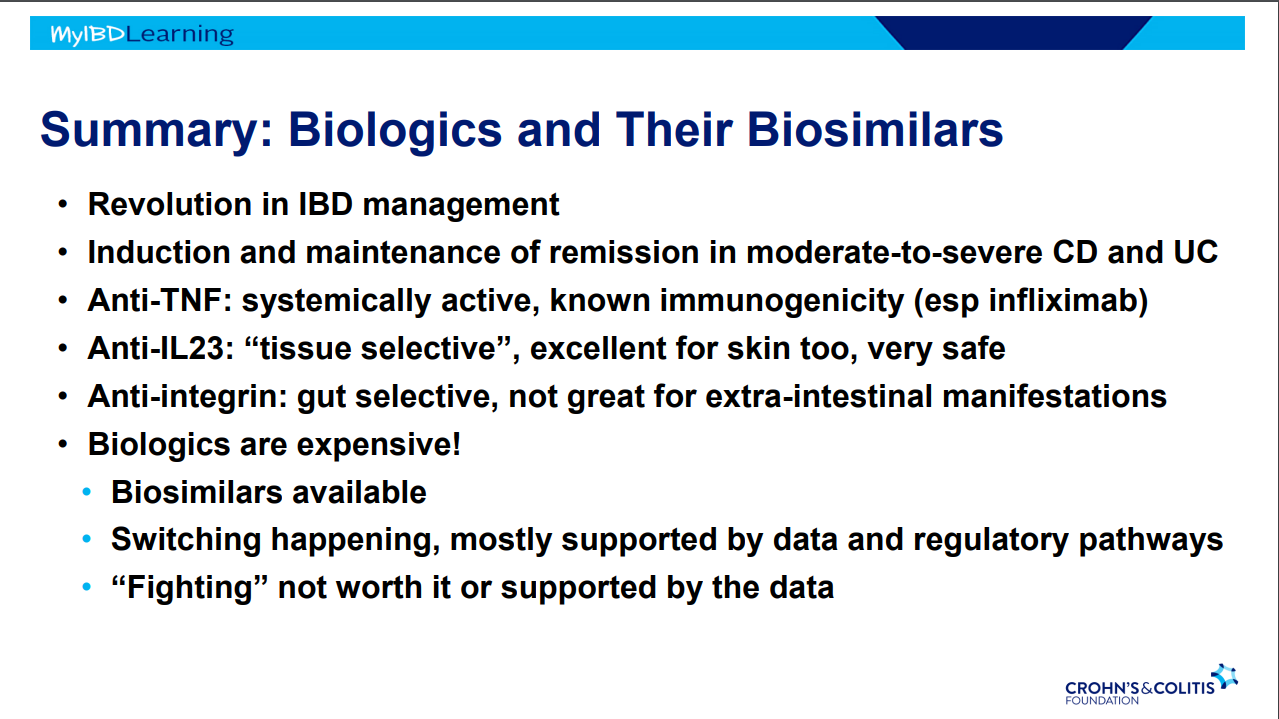
I recently attended a regional CCFA conference. David Rubin gave several terrific lectures. Here are some of my notes and some slides from this lecture. My notes may contain transcription errors as well as important omissions. Can get access to full set of slides here: Biologics and Their Biosimilars

“Biologics and Their Biosimilars“

What is a Biologic Therapy?

Dr. Rubin makes a point of explaining the term to patients.  It is a protein made in a living cell that targets another protein.  Term “biologic” can sound scary to patients.  Usually given IV because they cannot be absorbed through the small bowel.

IBD Treatment Revolutions

  • Steroids -overnight changed mortality in IBD
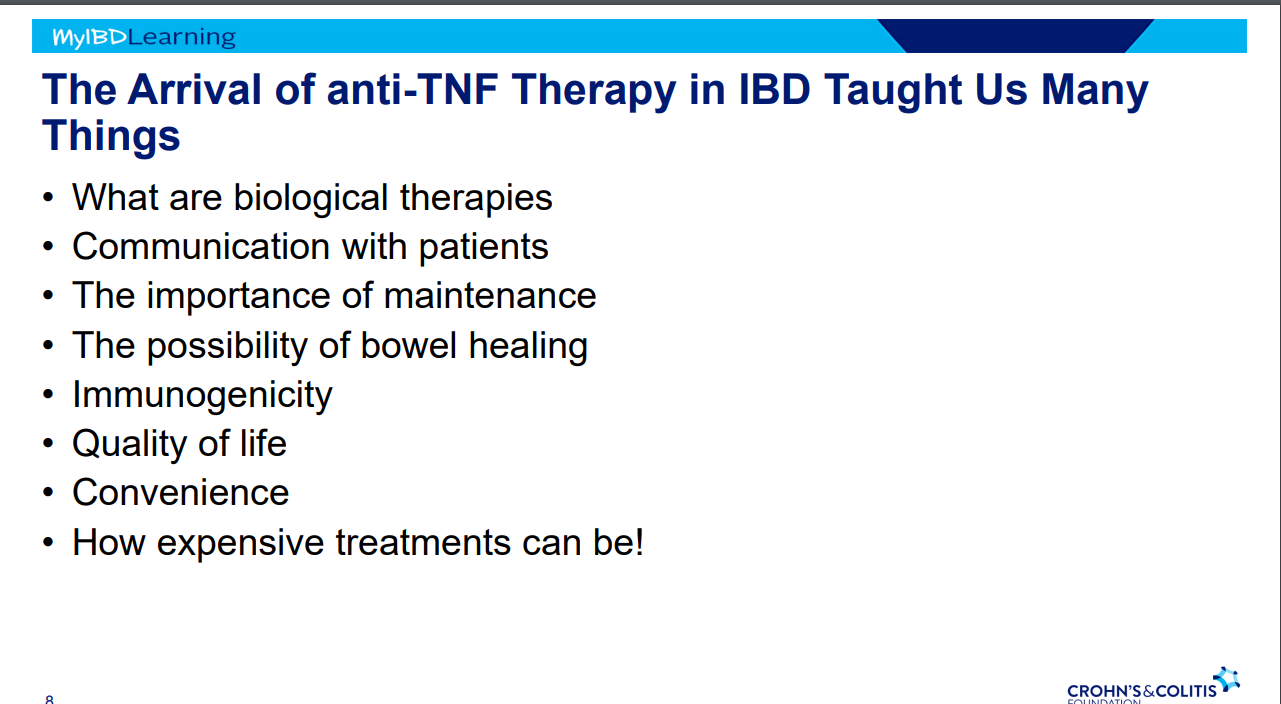
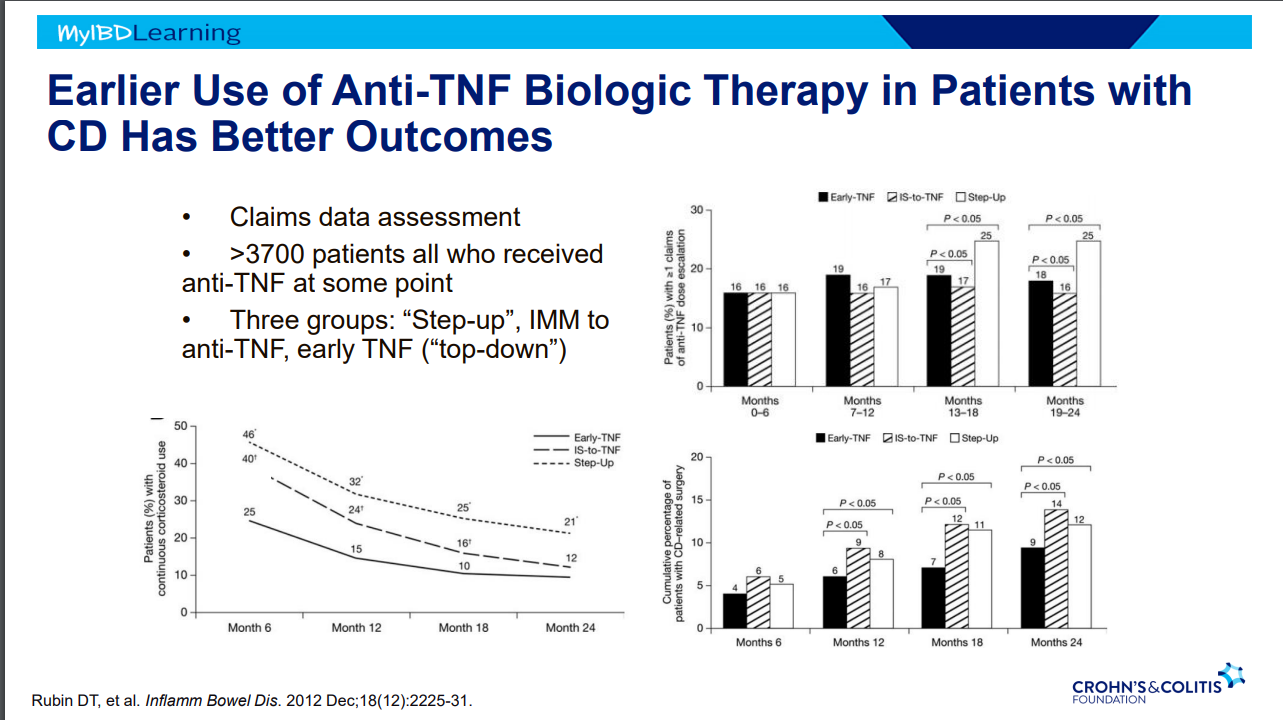
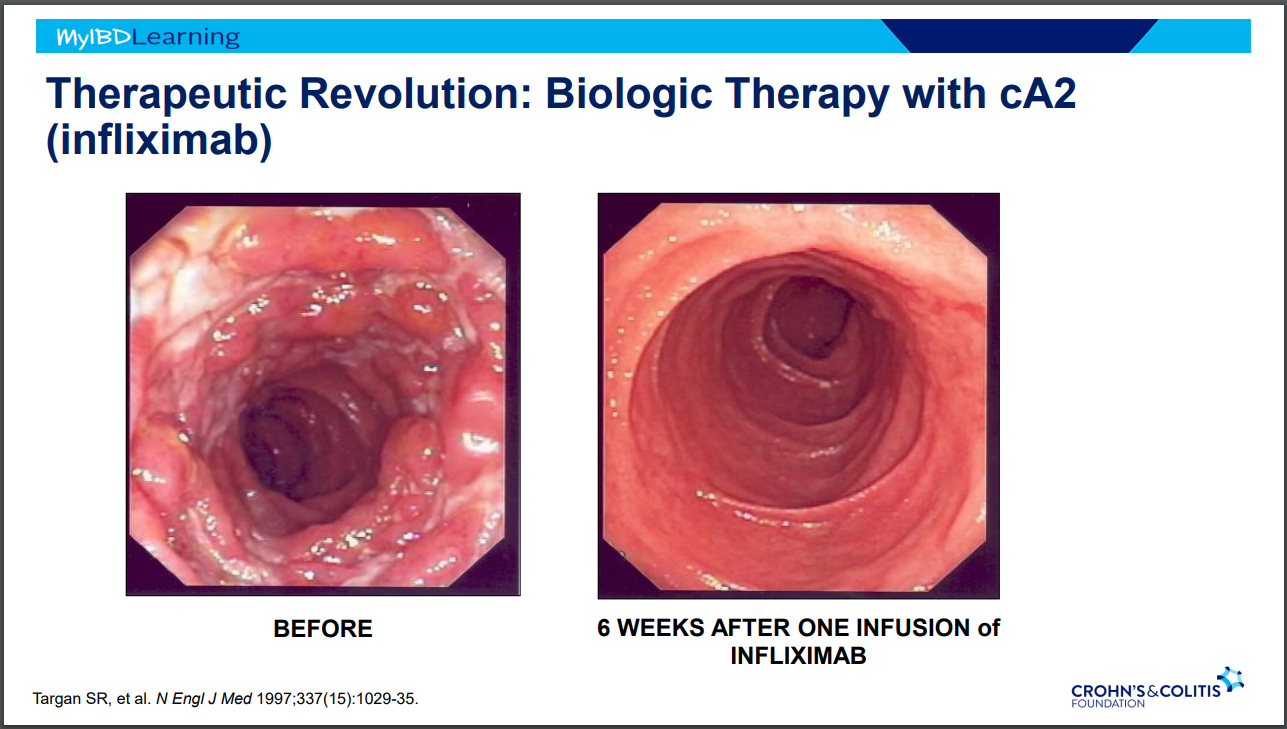
  • Anti-TNF Therapy in IBD -taught many lessons. Treat earlier –>better outcomes. 

Anti-TNF Therapy

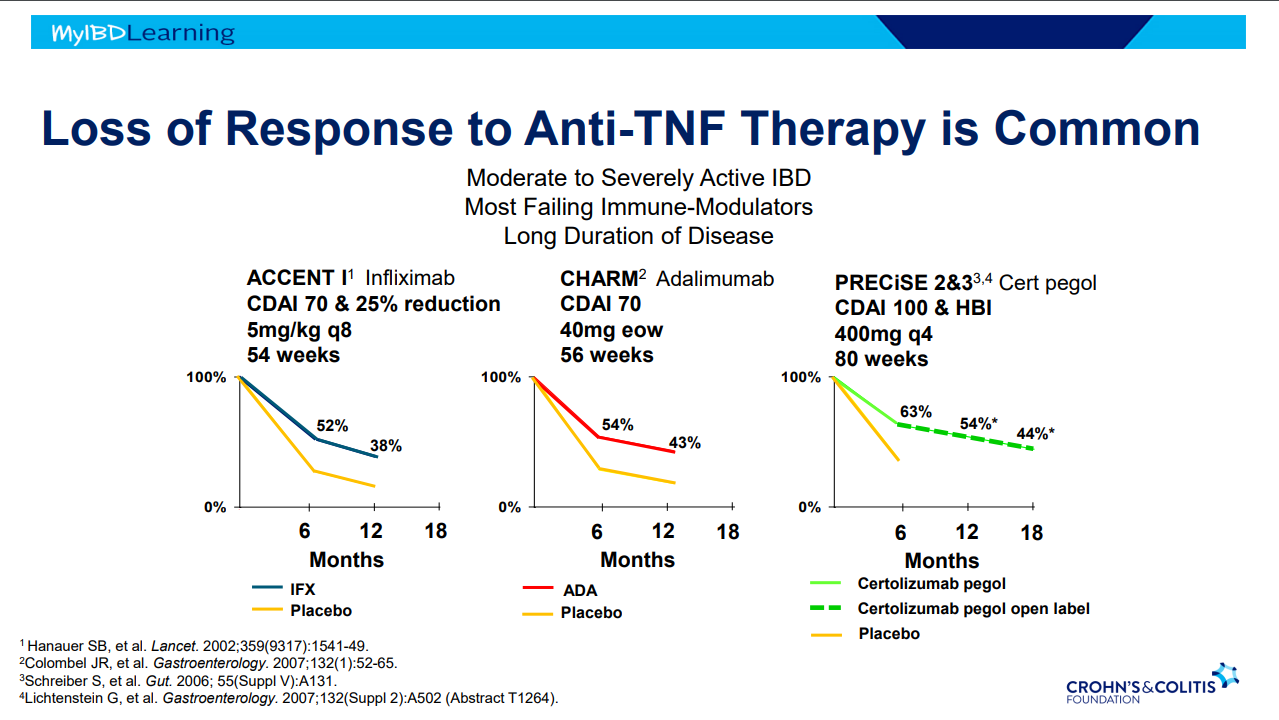
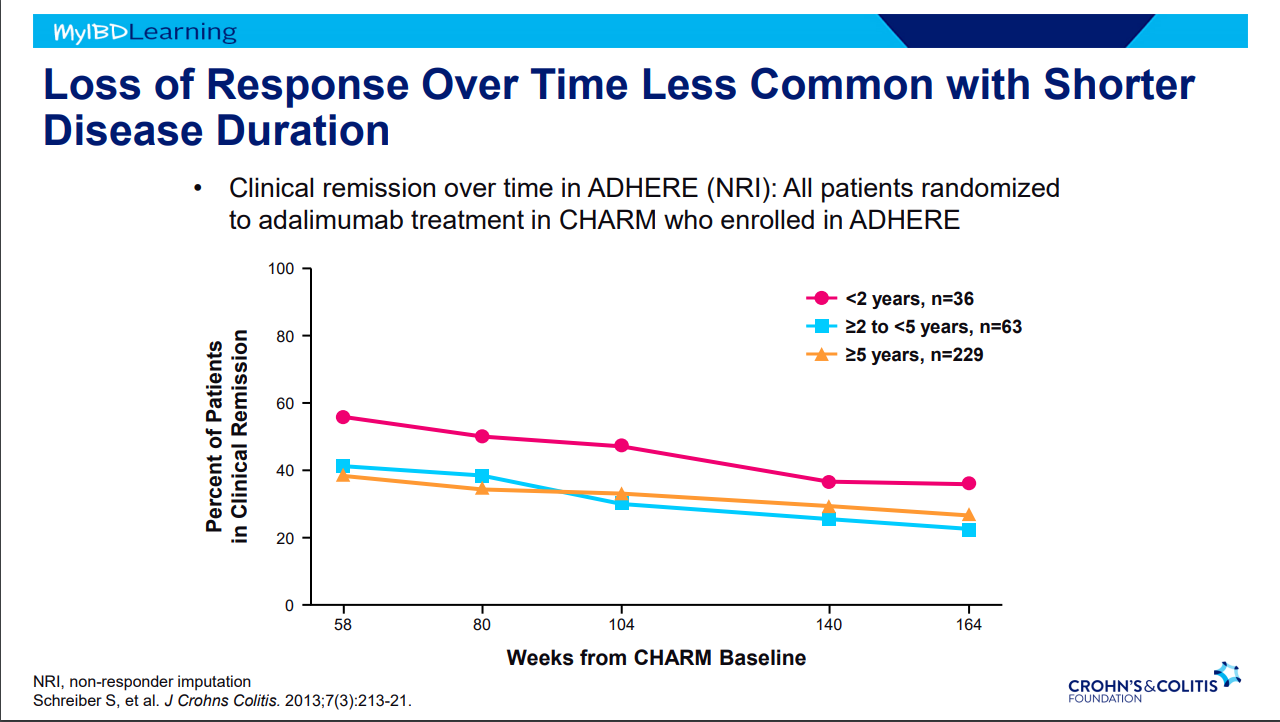
  • Frequent loss of response.
  • Earlier treatment with biologics result in better outcomes.
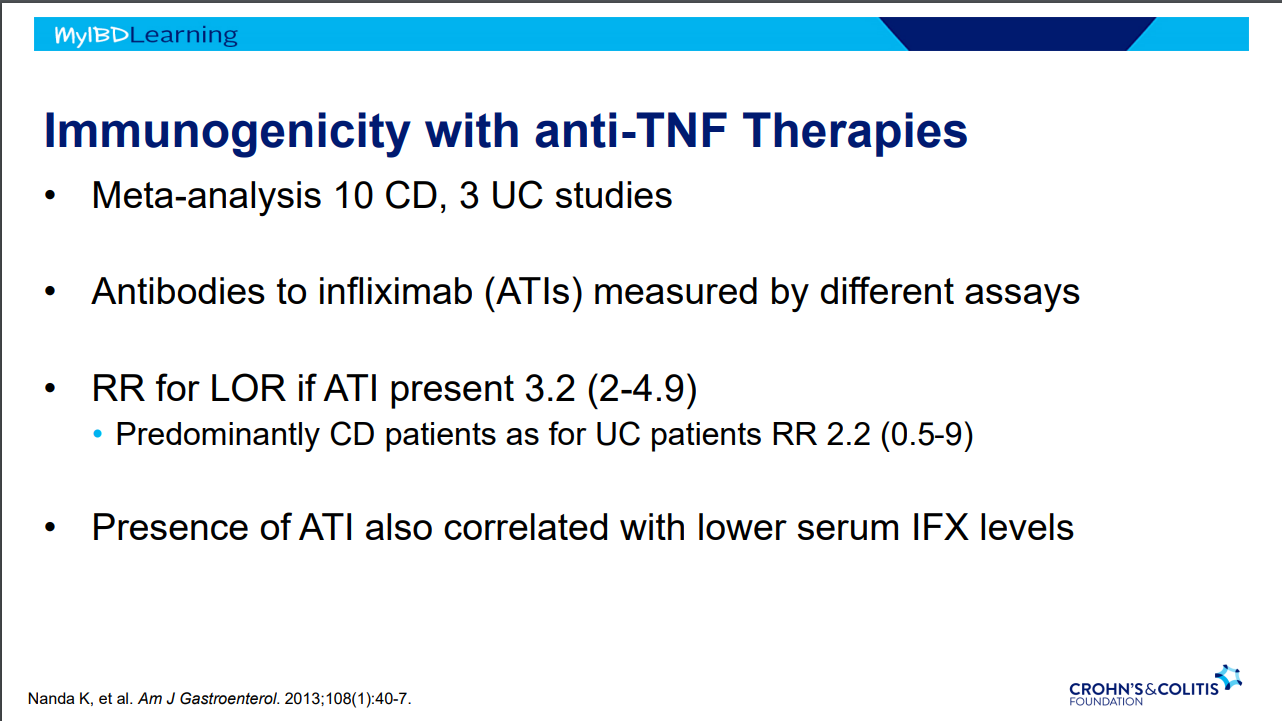
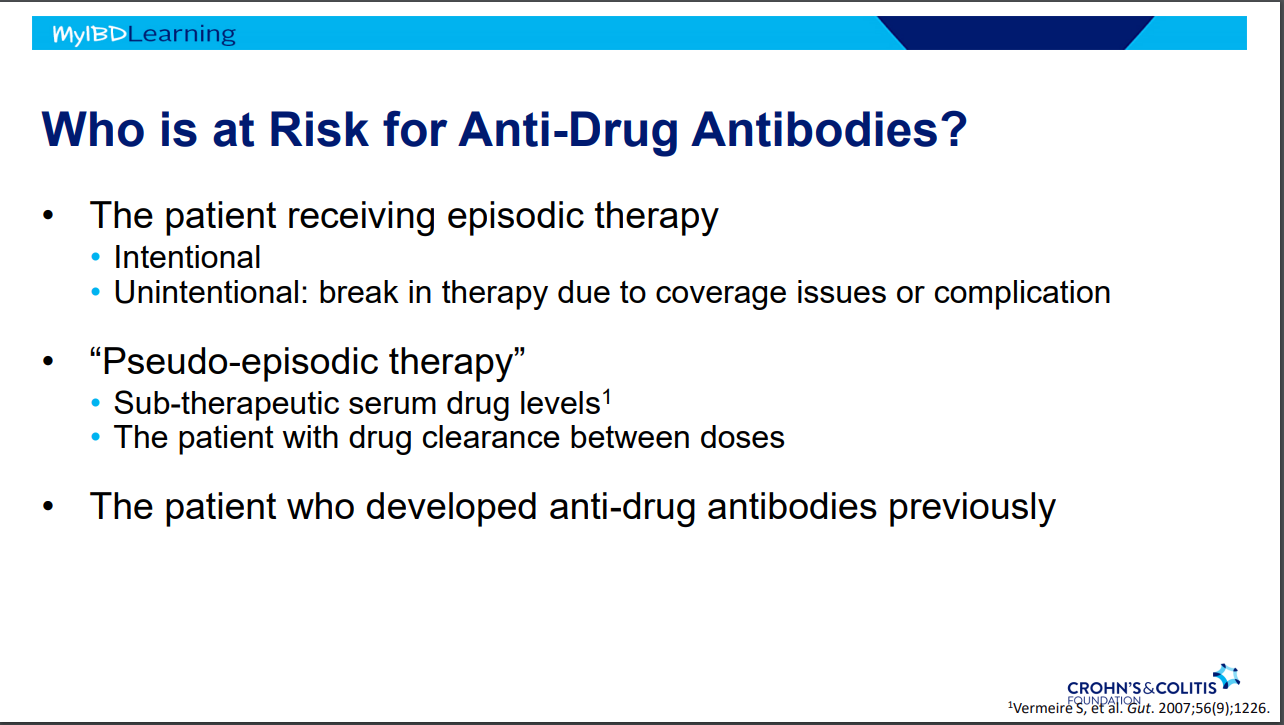
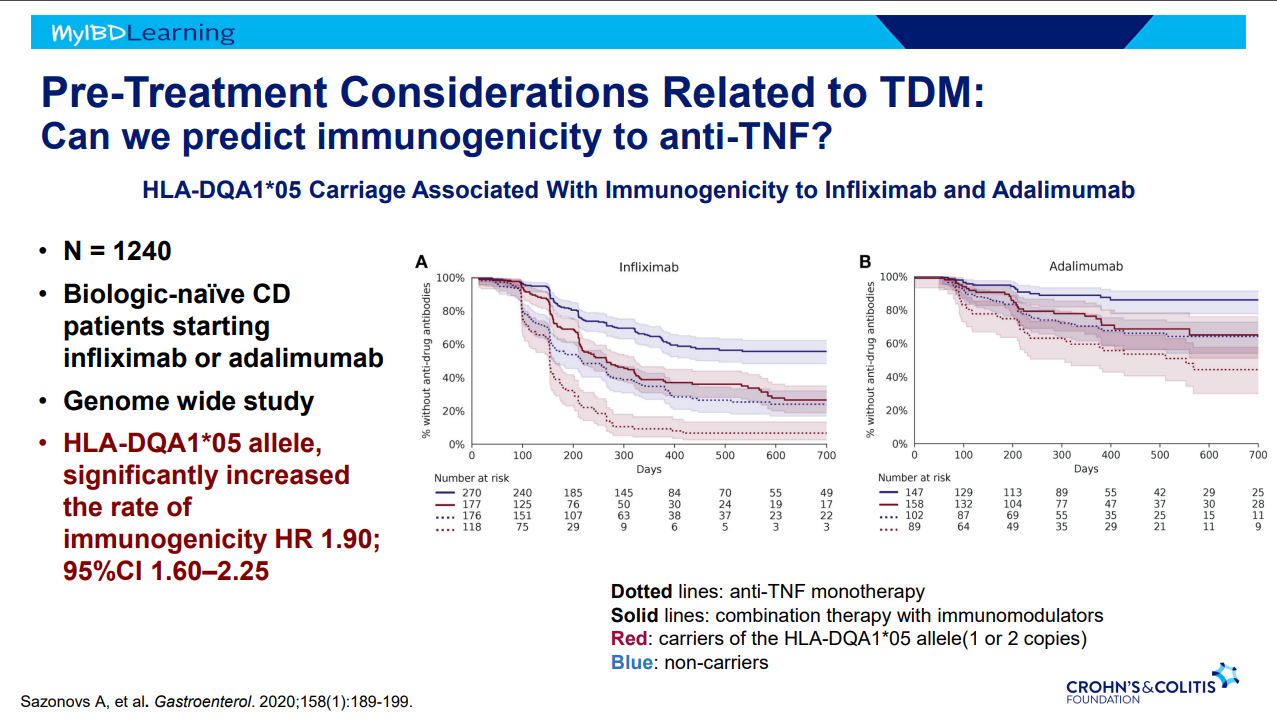
  • Immunogenicity is mainly an issue with anti-TNF agents and not much of an issue with other biologics. Episodic therapy is a big risk factor for anti-drug antibodies. 
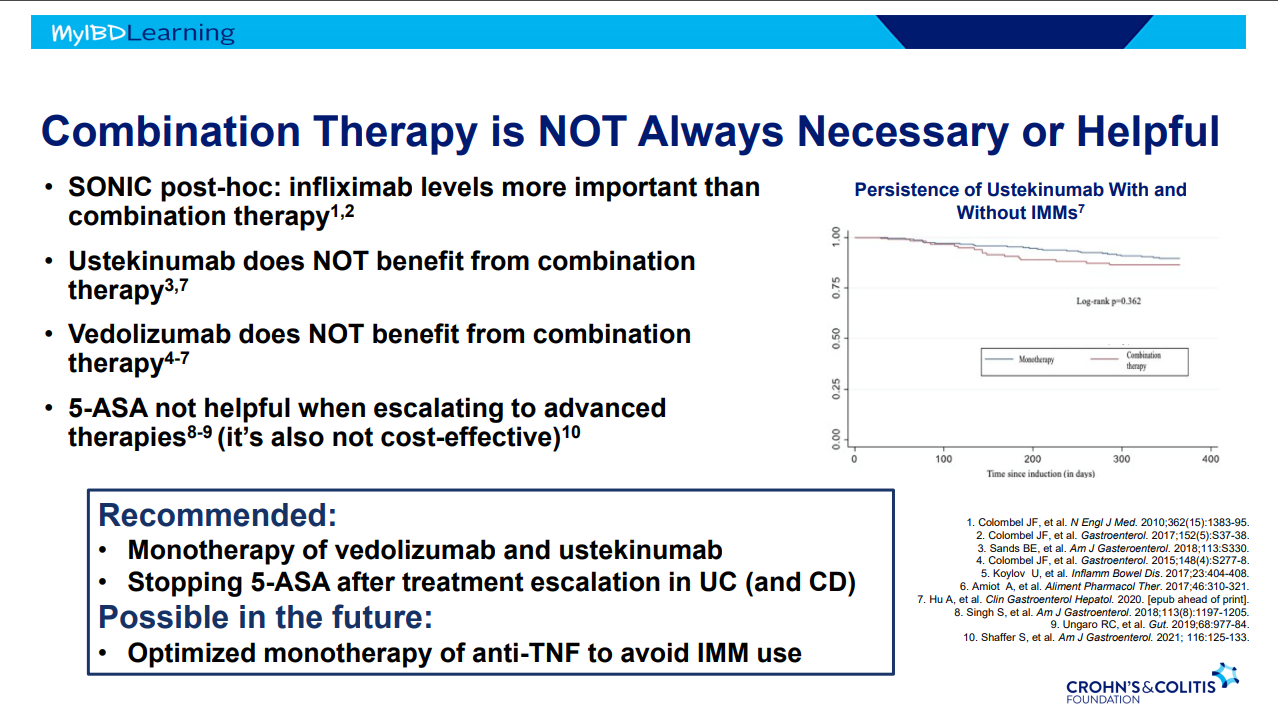
  • If staying with in-class medication, after anti-drug antibodies, need to take additional measures to prevent anti-drug antibodies (eg. Immunomodulators).
  • Combination therapy is more effective (SONIC, UC SUCCESS trials).  This is due to using multiple mechanisms of disease control, reduction in anti-drug antibodies, and elevated serum drug levels.
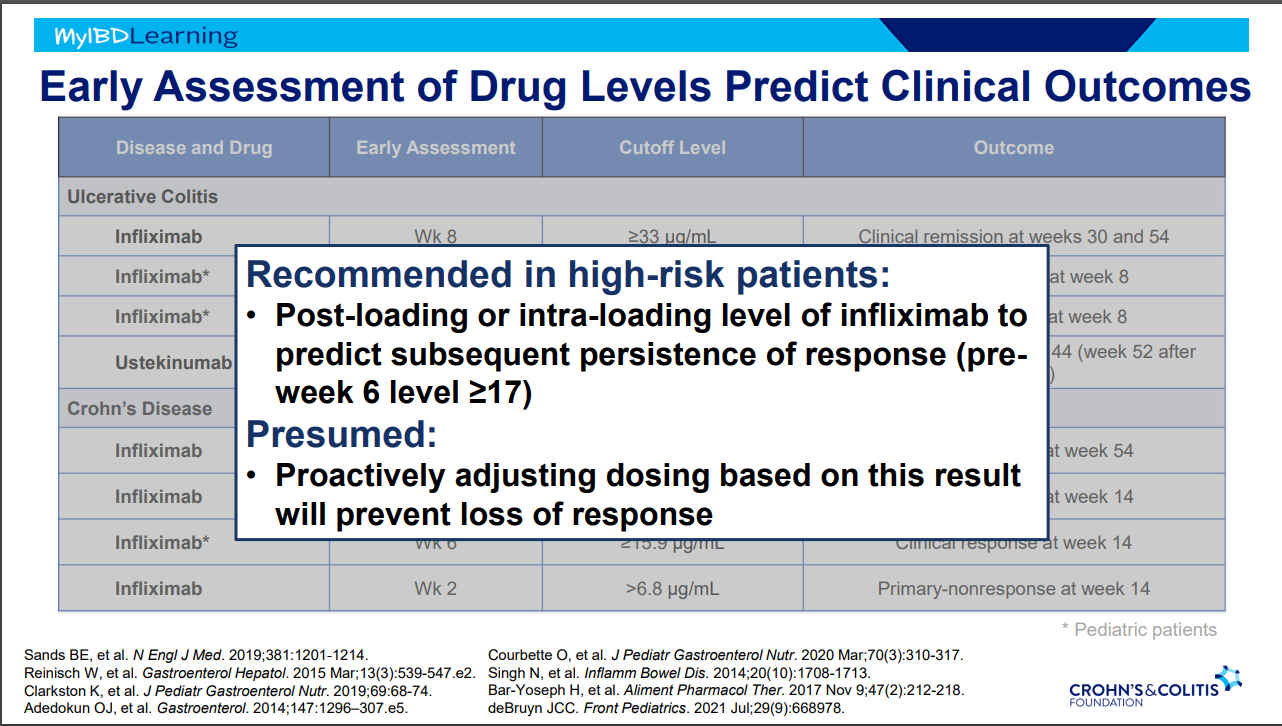
  • Good therapeutic levels appears to deliver similar results as combination therapy
  • Pre-week 6 level of 17 or greater, associated with good response in maintenance.  If level is low, presumption is that higher dosing will be beneficial.
  • Higher levels of infliximab trough levels needed for perianal fistula healing (improved with ciprofloxacin).  Higher levels could be causally-related to healing or could be a marker that there is less inflammation and a patient is responding.
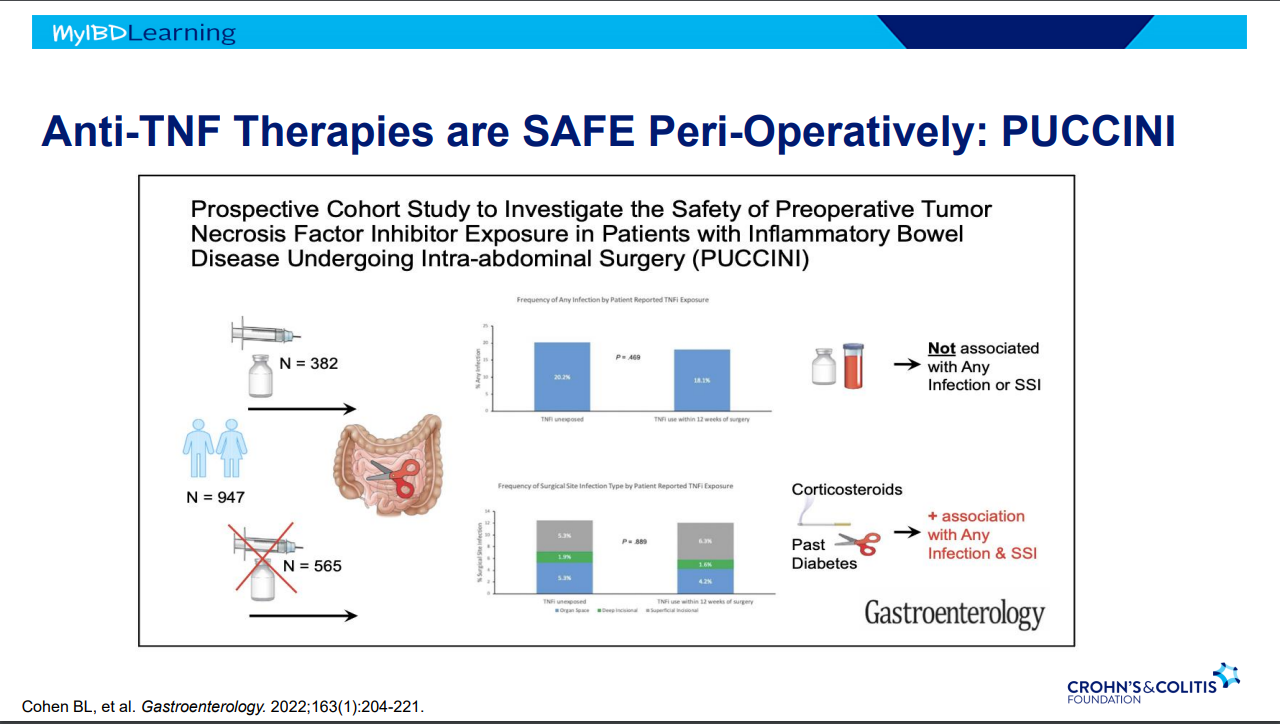
  • Anti-TNFs do not appear to increase risk of infections (see PUCCINI study)
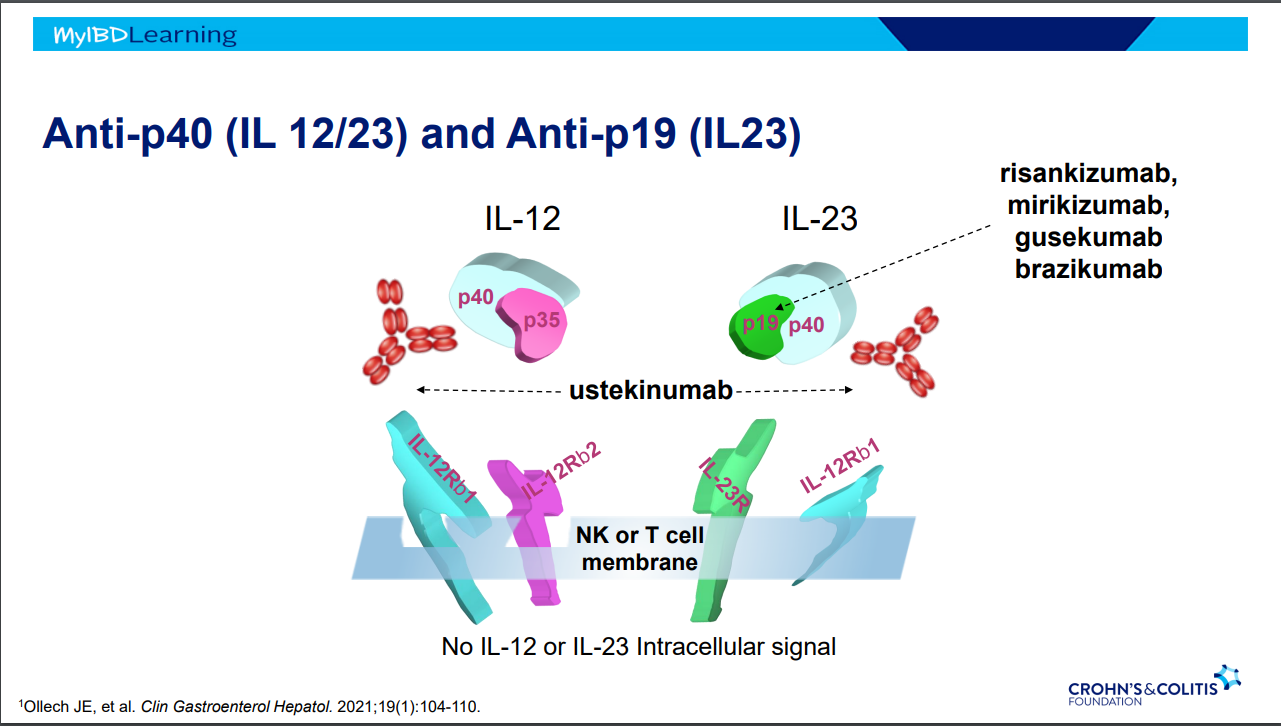
Anti-23 and Anti-IL-12/IL-23

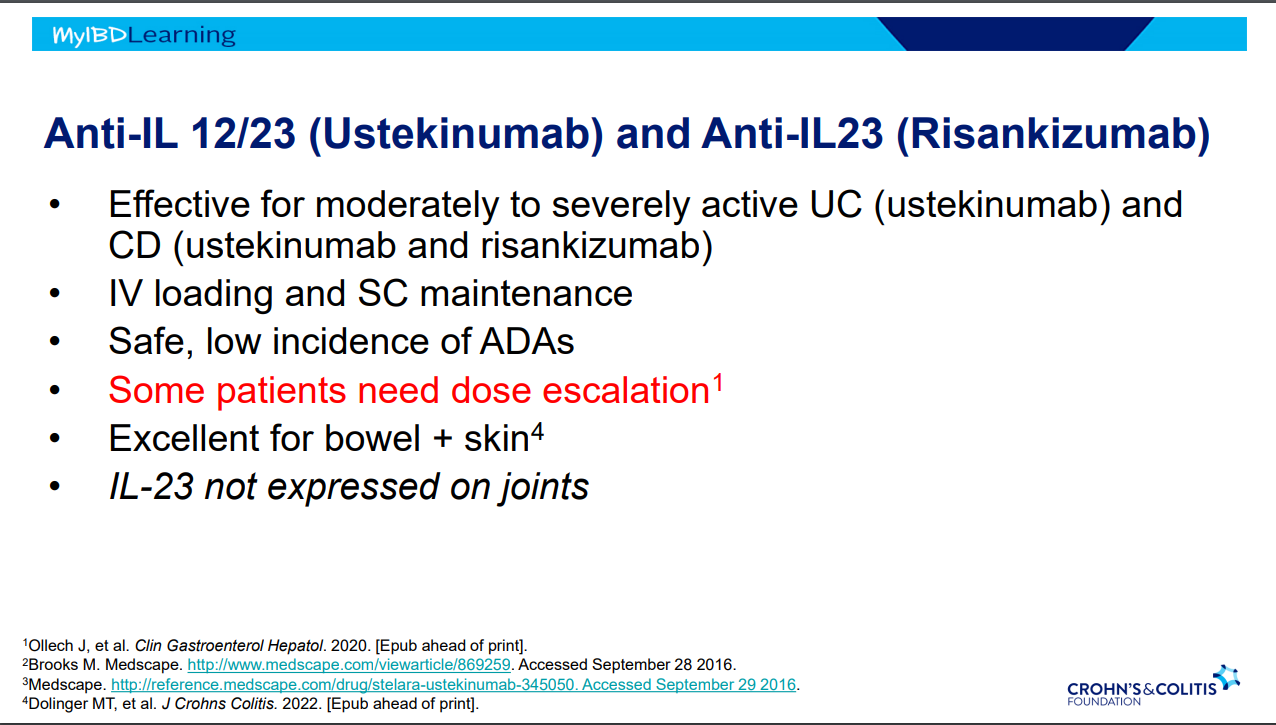
  • Tissue selective targeted therapy –>excellent safety profile
  • IV loading and SC maintenance
  • Excellent for bowel and skin
  • IL-23 is not expressed in joints
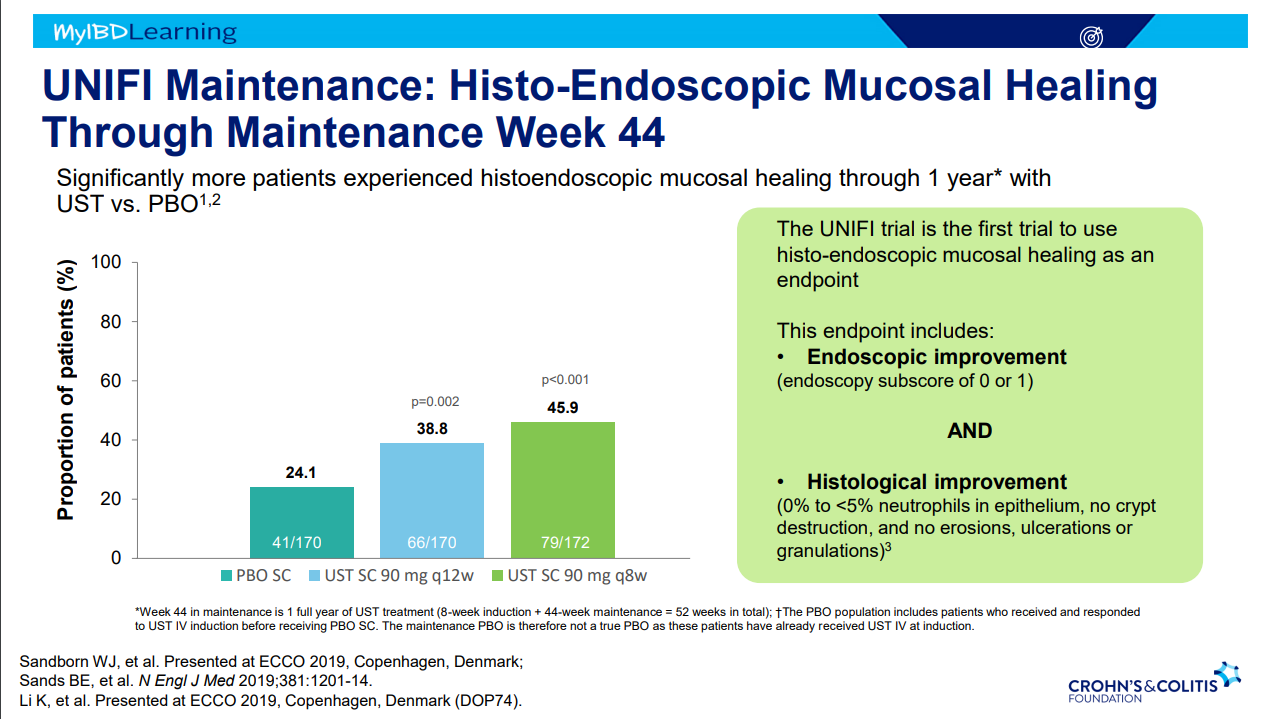
  • Ustekinumab is effective for perianal disease and ulcerative colitis
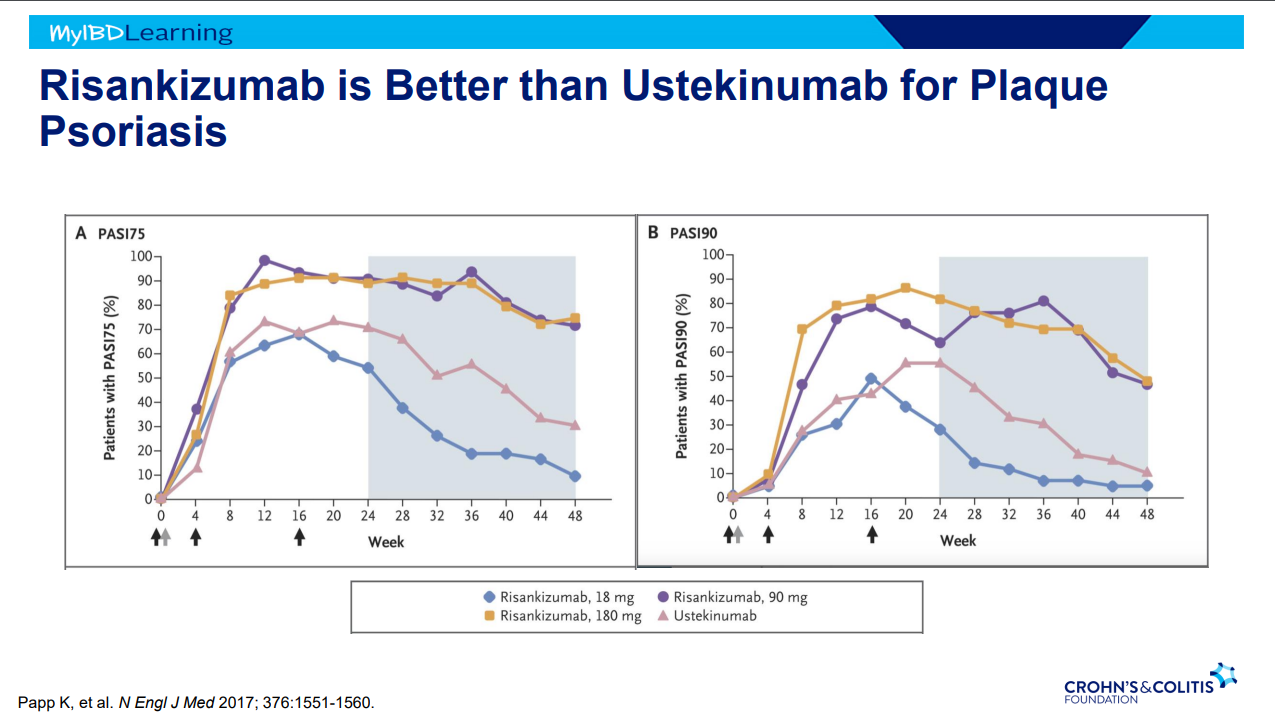
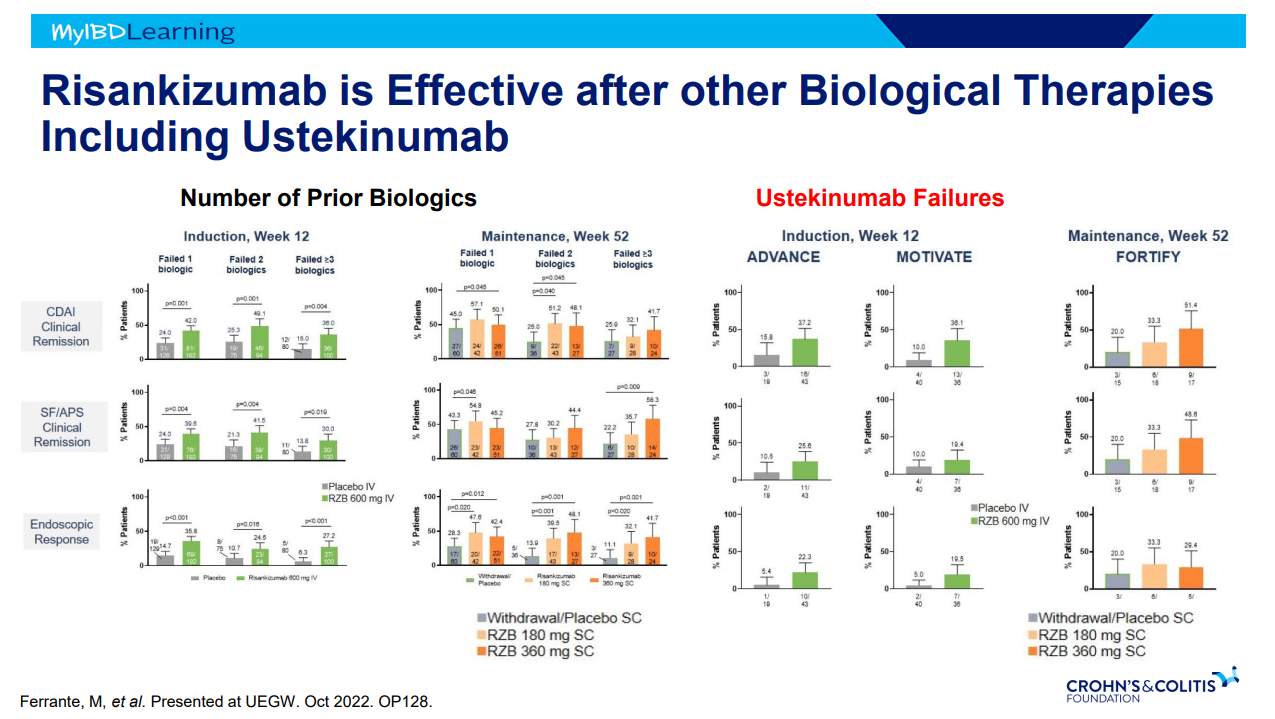
  • Risankizumab is superior to ustekinumab in plaque psoriasis.  If loss of response to ustekinumab, can still respond to Risankizumab
Anti-Integrins:

  • Natalizumab (not used frequently in IBD)
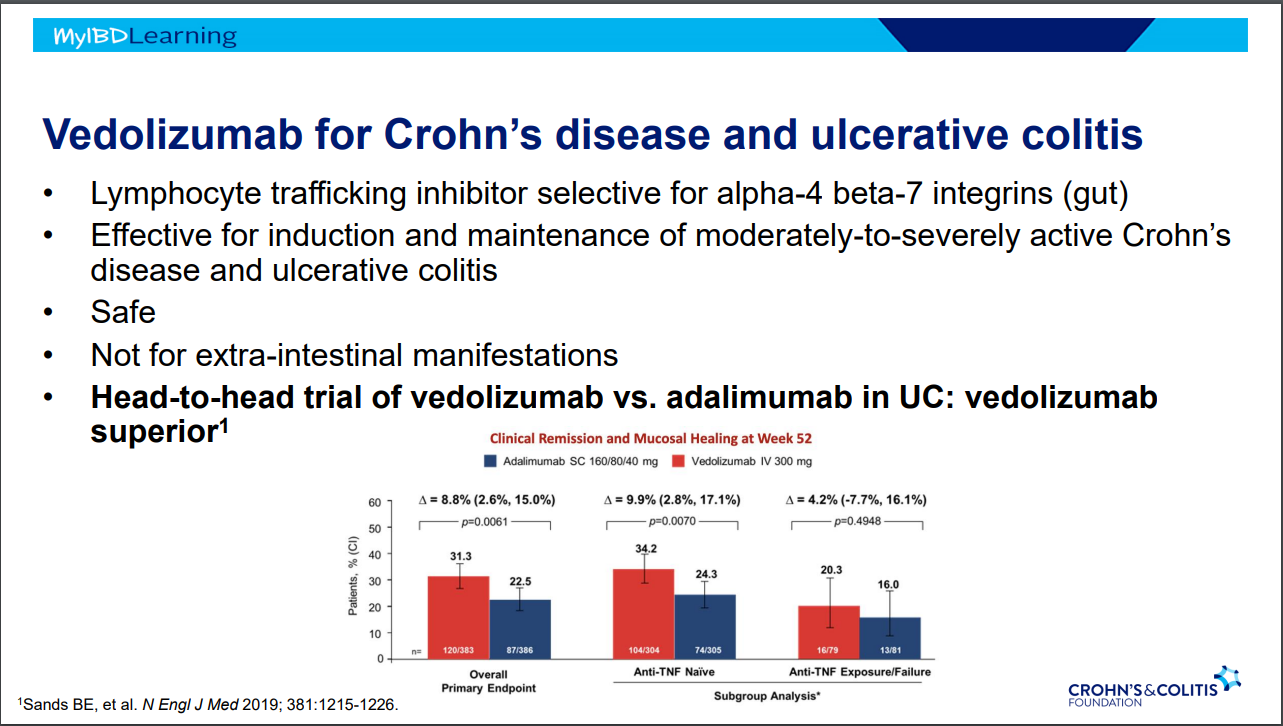
  • Vedolizumab.  Affects mucosa (can explain frequent nasopharyngitis)
  • Vedolizumab -terrific safety profile.  No PML, no malignancy risk
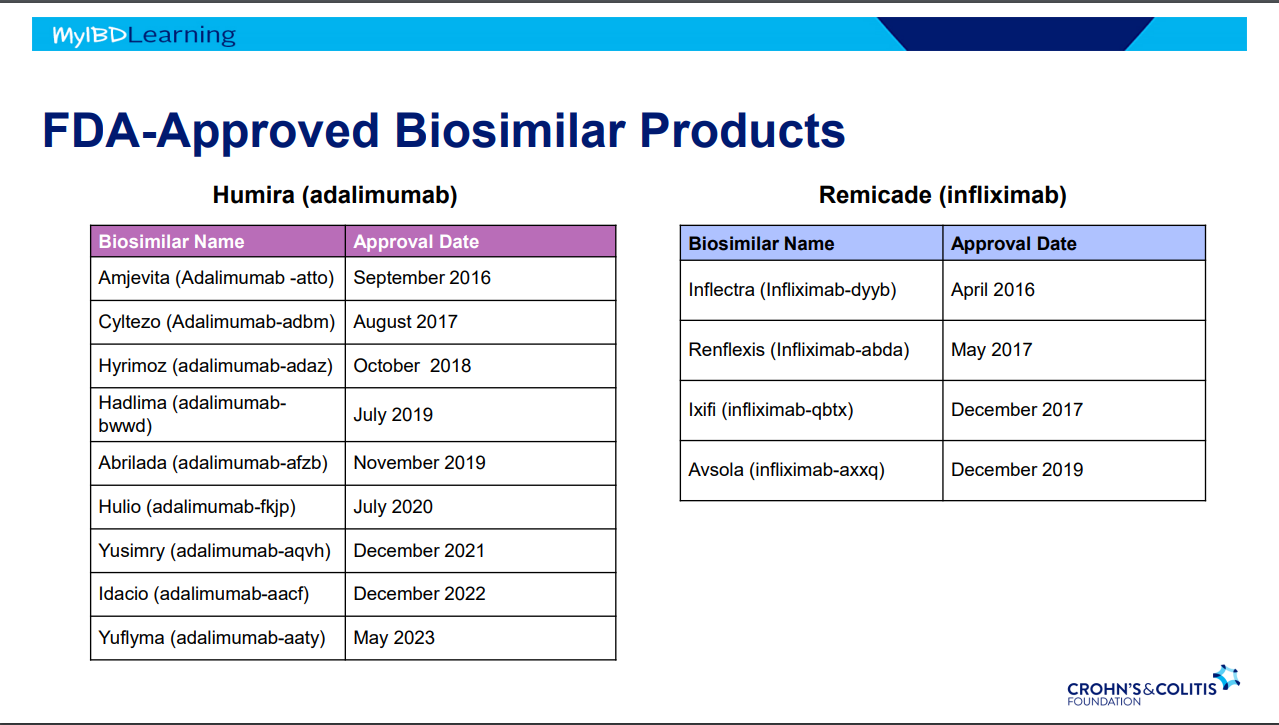
Biosimilars:

  • If biosimilar found effective for one approved condition, extrapolation given to all indications
  • IBD switching studies have NOT shown increased loss of response.  Consider reassess prior to switch to help determine if patient truly in remission prior to switch. Switching often blamed for loss of response when many times the disease was not under good control prior to switch
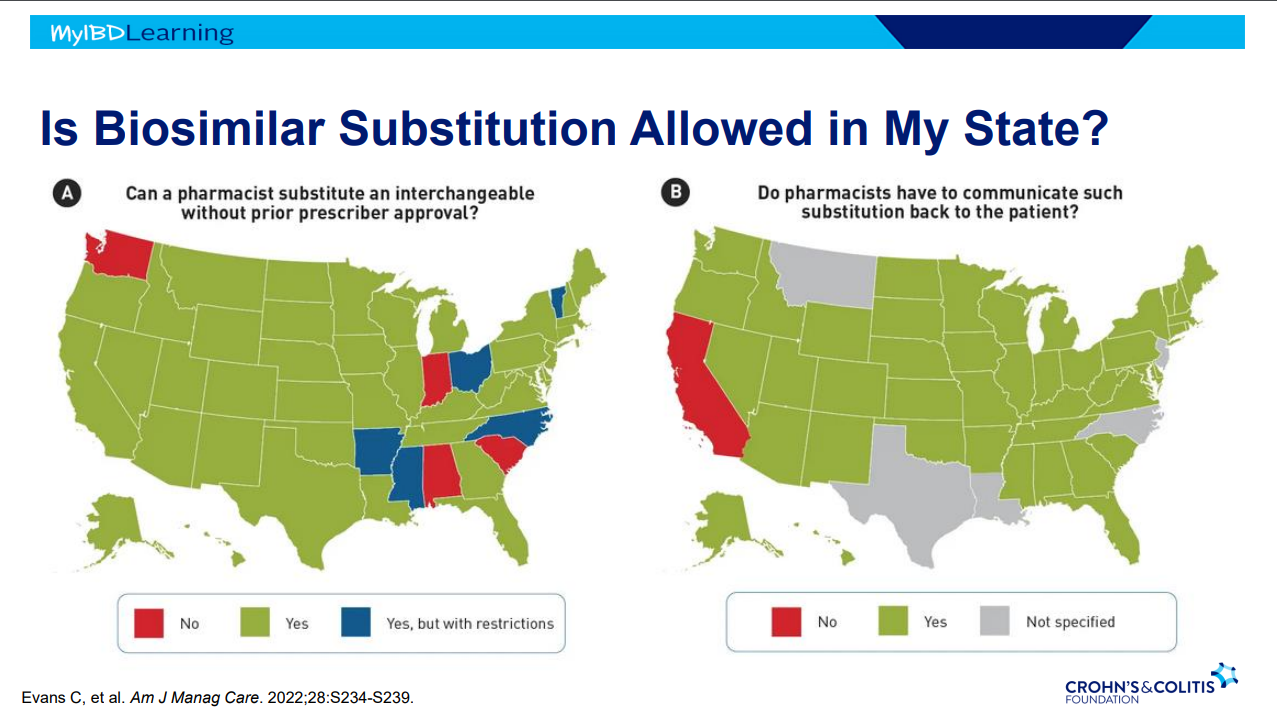
  • Interchangeable indicates that the drug can be switched by pharmacists
  • Biosimilars are saving insurers money but no proof that this is saving patients money
  • Anti-drug antibodies will cross-react to biosimilars
Disclaimer: This blog, gutsandgrowth, assumes no responsibility for any use or operation of any method, product, instruction, concept or idea contained in the material herein or for any injury or damage to persons or property (whether products liability, negligence or otherwise) resulting from such use or operation. These blog posts are for educational purposes only. Specific dosing of medications (along with potential adverse effects) should be confirmed by prescribing physician.  Because of rapid advances in the medical sciences, the gutsandgrowth blog cautions that independent verification should be made of diagnosis and drug dosages. The reader is solely responsible for the conduct of any suggested test or procedure.  This content is not a substitute for medical advice, diagnosis or treatment provided by a qualified healthcare provider. Always seek the advice of your physician or other qualified health provider with any questions you may have regarding a condition.

REMSWITCH: Infliximab IV to SC Study

A Buisson et al. Clin Gastroenterol Hepatol 2023; 21: 2338-2346. Open Access! Effectiveness of Switching From Intravenous to Subcutaneous Infliximab in Patients With Inflammatory Bowel Diseases: the REMSWITCH Study

In this study, 133 ot 184 patients in clinical remission agreed to switch to subcutaneous infliximab. Key findings:

  •  At visit 3, a relapse occurred in 10.2% (n = 6 of 59), 7.3% (n = 3 of 38), 16.7% (n = 3 of 18), and 66.7% (n = 10 of 15) (P < .001) of patients receiving 5 mg/kg every 8 weeks (5Q8W), 10Q8W, 10Q6W, and 10Q4W, respectively. 
  • Dose escalation to 240 mg every other week led to recapture clinical remission in 93.3% (n = 14 of 15).
  • Infliximab serum levels increased after the switch (P < .0001) except for patients receiving 10 mg/kg every 4 weeks.
  • Conclusion (borrowed from authors): Switching from intravenous to subcutaneous infliximab 120 mg every other week is safe and well accepted, leading to a low risk of relapse in IBD patients except for those receiving 10Q4W; these patients likely require 240 mg every other week

EV Loftus et al. Clin Gastroenterol Hepatol 2023; 21: 2193. Open Access! Therapeutic Drug Monitoring for Subcutaneous Infliximab? Too Early to Conclude (Editorial) This editorial provides a terrific analysis of the above-mentioned study. A few of the points:

  • Reduced (41.7%) or stable (36.8%) serum levels of IFX after the switch (difference: V1-V0) were associated with higher risk of relapse than increased serum levels (>1 μg/mL; 12.7%; P = .020 and P = .019, respectively)
  • Patients receiving IV infusion of IFX 10Q4W had a higher risk of relapse (odds ratio, 12.4; P = .017). In addition to having significantly higher serum levels than in other IFX IV regimens, this group of patients did not see a rise in IFX concentrations at V1, in contrast to other IFX regimens. 
  • Being overweight increases the clearance of CT-P13 SC, with an increase in clearance of 43.2% for a weight increase from 70 to 120 kg. The presence of antibodies to IFX also increases clearance by 39%. Finally, a decrease in serum albumin level (42 g/L vs 3.2 g/L) increases the clearance by 30.1%. 

My take:

  1. Monitoring IFX levels would be helpful in patients switching from IV to SC administration, especially in higher risk groups (eg. high baseline dosing, positive anti-drug antibodies, low serum albumin, overweight individuals)
  2. My experience with SC biologics has been that there is a much higher rate of non-adherence than with IV infusions. If/when SC biologics are used more often, I will need to implement more intensive followup to assure patients receive both the needed medication and the needed monitoring.

Related blog posts:

Festive Street in Antibes, France

Comparative Efficacy of Biologics for Crohn’s Disease

S Singh et al. Clin Gastroenterol Hepatol 2023; 21: 2359-2369. Open Access! Comparative Safety and Effectiveness of Biologic Therapy for Crohn’s Disease: A CA-IBD Cohort Study

There is limited head-to-head data comparing the effectiveness of the biologics used for inflammatory bowel disease. In this study, the authors used a “series of propensity score (PS)-matched cohort studies comparing TNF-α antagonists vs vedolizumab vs ustekinumab in a large, diverse, multicenter, electronic health record (EHR)-based cohort.”

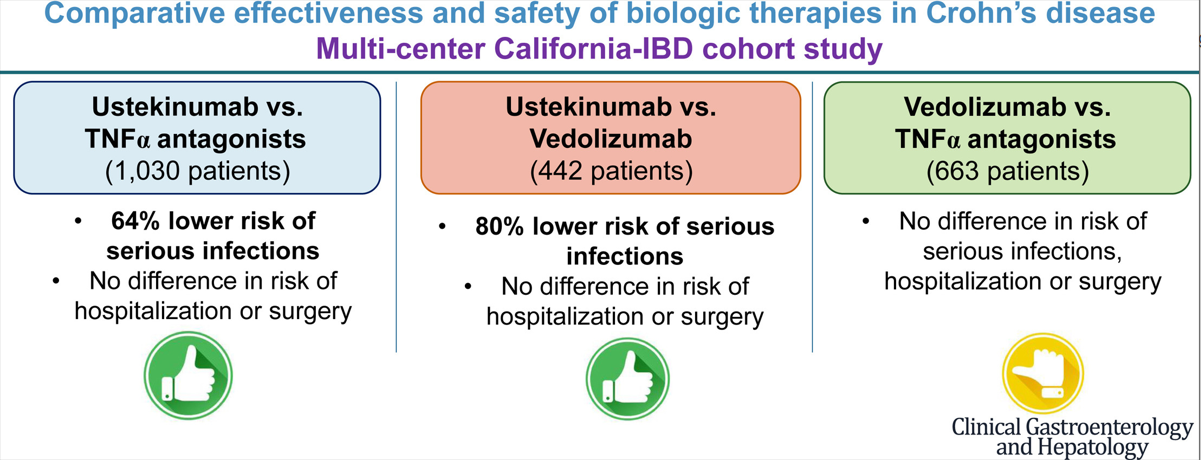
This graphical abstract summarizes the findings, though the first cohort (ustekinumab vs TNFalpha population is actually 1545 not 1030):

Key findings:

  • Ustekinumab-treated patients with CD (n = 515) experienced a lower risk of serious infections (hazard ratio [HR], 0.36), without any difference in the risk of hospitalization (HR, 0.99) or surgery (HR, 1.08) -compared to patients receiving TNF alpha antagonists (n=1030)
  • Ustekinumab-treated patients with CD (n = 221) experienced a lower risk of serious infections (HR, 0.20), without significant differences in risk of hospitalization (HR, 0.76) or surgery (HR, 1.42) -compared to vedolizumab-treated patients (n=221)
  • Compared with TNF-α antagonists (n = 442), vedolizumab-treated patients with CD (n = 221) had a similar risk of serious infections (HR, 1.53), hospitalization (HR, 1.32), and surgery (HR, 0.63).

The increase rate of infections with vedolizumab compared to ustekinumab could be an indication of lower efficacy with vedolizumab as the medication itself has a high safety profile.

In the discussion, the authors comment further on head-to-head studies and lack of these as well. “Biemans et al23 observed that ustekinumab-treated patients were more likely to achieve corticosteroid-free clinical remission (69 patients in each arm, vs vedolizumab; 46.4% vs 29.0%; P = .04) and biochemical remission (42.1% vs 13.2%; P = .01) at 12 months, although these rates were not significant at earlier time points.”

My take: This study provides further evidence that ustekinumab is a good option for Crohn’s disease with regard to both safety and efficacy.

Related blog posts:

Does a Liver Transplantation Improve the Course of Inflammatory Bowel Disease?

AR Safarpour et al. Inflamm Bowel Dis 2023; 29: 973-985. Alterations in the Course of Inflammatory Bowel Disease Following Liver Transplantation: A Systematic Review and Meta-analysis

The authors identifed 25 studies which met inclusion criteria. Key findings:

  • In the analysis of studies with 3-category outcomes (n = 13), the pooled frequencies of patients (n=646) with improved, unchanged, or aggravated IBD course after LT were 29.4%, 51.4% (, and 25.2%.
  • Subgroup analyses revealed that patients with ulcerative colitis (UC), younger age at LT, or shorter duration of follow-up were more likely to have an improved disease course.
  • In the analysis of studies with 2-category outcomes (n = 12), the pooled frequencies of patients (n=672) with improved/unchanged or aggravated IBD course were 73.6% and 24.1%, respectively

My take: Despite the intensification of immunosuppression, most often the course of IBD is unchanged in patients following a liver transplantation.

Related blog posts:

View from L’Jaardin Exotique in Eze, France

Only 30% Ready for Transition from Pediatric IBD to Adult Practice

A Foster et al. J Pediatr 2023; 258: 113403. Transition Readiness in Youth with Inflammatory Bowel Disease

In this cross-sectional multicenter study evaluating transition readiness in individuals (n=186, prospectively recruited ) with IBD 16-19 years old, the authors used the validated ON Taking Responsibility for Adolescent to Adult Care (ON TRAC) questionnaire. 

Key findings:

  • ON TRAC scores determined that 26.6% of AYAs at pediatric and 40.4% at adult centers reached the threshold of readiness. The findings are limited by potential nonresponse & sampling bias.
  • Disease remission negatively (P = .03) associated with ON TRAC scores.
  • A significant percentage of AYAs reported moderate-to-severe depression (21.7%) and generalized anxiety (36%); however, neither were significantly associated with ON TRAC scores

The authors suggest that a joint clinic with adult/pediatric providers may be helpful to improve transition.

MB Cohen. J Pediatr 2023; 258. DOI:https://doi.org/10.1016/j.jpeds.2023.113556 Are You Ready to Transition? In commentary on this article, Dr. Cohen writes the following: “a novel finding was that transition readiness was inversely related to disease remission; this confirms what had been previously suggested.1 Patients who are doing well may not be as engaged in developing skills for transition readiness and knowledge about their chronic illness, unlike those with more significant disease or symptoms.”

My take: Many studies show that adolescents and young adults with IBD are not fully prepared to transition to adult medical practices. In my view, it would be better to encourage the young adult to continue engaging with his/her parents until readiness is achieved rather than try to change to a multispecialty clinic.

Related blog posts:

Castle Hill Park, Nice France

Infliximab Injections Coming Soon

  1. L Gianolio et al JPGN 2023; 77(2):p 235-239, August 2023. Effectiveness of Switching to Subcutaneous Infliximab in Pediatric Inflammatory Bowel Disease Patients on Intravenous Maintenance Therapy

Key findings: After switching from IV infliximab to SC 120 mg every other week, 6 of 7 patients remained in clinical remission with no significant changes in laboratory markers and median infliximab trough levels (12.3 µg/mL at baseline; 13.9 and 14.0 µg/mL at 6 and 40 weeks respectively). 

2. Gastroenterology & Endoscopy News (7/31/23) Safety, Efficacy of Subcutaneous Infliximab Supported by Trial

Excerpt:

In this multinational trial, called LIBERTY-CD, the median trough level was 16 mcg/mL, which is higher than that typically associated with IV dosing, according to Dr. Hanauer, who presented the results at Digestive Disease Week 2023 (abstract 1028)… “most professional societies to recommend a trough of 10 mcg/mL,” Dr. Hanauer said….

All patients received induction doses of infliximab by IV at weeks 0, 2 and 6. Those who achieved at least a 100-point reduction in the Crohn’s Disease Activity Index (CDAI), which accounted for 86% of the 396 patients initially enrolled, were randomized in a 2:1 ratio to receive 120 mg of subcutaneous infliximab (CT-P13) or placebo every two weeks.

The proportion of patients meeting the end point of clinical remission, defined on the basis of CDAI, was 62.3% for active therapy and 32.1% for placebo (P<0.0001). The proportion of patients in the active treatment arm achieving an endoscopic response was nearly three times higher than the proportion in the placebo arm (51.1% vs. 17.9%; P<0.0001).

My take: This study shows that SC infliximab (after IV induction) should be effective. A study showing that the SC product is not inferior to the IV dosing would be helpful. It is likely that vedolizumab will receive approval in U.S. for a similar IV induction followed by maintenance subcutaneous therapy in the next year.

Eze, France

Comparative Efficacy: Infliximab vs. Ustekinumab

ECL Wong et al. Inflamm Bowel Dis 2023; 29: 1015-1023. Open Access! Comparative Efficacy of Infliximab vs Ustekinumab for Maintenance of Clinical Response in Biologic Naïve Crohn’s Disease

This post hoc analysis included data from separate trials examined the response of 220 biologic-naïve CD participants to either inflximab biosimilar or ustekinumab.

Key findings:

  • Clinical remission: One-year clinical remission (CR) and corticosteroid-free CR rates were similar between infliximab-treated and ustekinumab-treated patients (CR, 66 of 110 [60.0%] vs 63 of 110 [57.3%]; adjusted odds ratio [aOR], 1.15), corticosteroid-free CR, 11 of 28 (39.3%) vs 27 of 51 [52.9%]; aOR, 0.58)
  • Endoscopic response/remission:  infliximab-treated participants were more likely to achieve 1-year endoscopic response (43 of 92 [46.7%] vs 6 of 30 [20.0%], aOR, 3.59) and endoscopic remission (31 of 92 [33.7%] vs 4 of 30 [13.3%]; aOR, 3.35)

In the discussion, the authors note only 1 head-to-head study in CD with ustekinumab. “The SEAVUE trial (NCT03464136) compared adalimumab and ustekinumab among biologic-naïve CD patients. Ustekinumab demonstrated similar efficacy for the achievement of clinical and endoscopic outcomes compared with adalimumab.23 Similar rates of CR at 1 year were reported in SEAVUE (64.9% ustekinumab vs 61% adalimumab) as in our analysis (57.3% ustekinumab vs 60% infliximab)…ustekinumab demonstrated longer retention and lower immunogenicity and has practical advantages over adalimumab, including less frequent dosing intervals (every 8 weeks for ustekinumab vs every 2 weeks for adalimumab) while providing similar efficacy.”

My take: This study suggests that infliximab may be a little better than ustekimumab in biologic-naive patients due to the higher endoscopic response; however, the study was unpowered to provide a definitive answer. A prior study suggested similar endoscopic healing rates (P Riviere et al. Inflamm Bowel Dis 2023; 29: 923-931).

Related blog posts:

Waters off the Cap d’Ail Trail (near Eze, France)

More Data: Upadacitinib “is Effective and Safe” Plus 2 in Kids

S Friedberg et al. Clin Gastroenterol Hepatol 2023; 21: 1913-1923. Open Access! Upadacitinib Is Effective and Safe in Both Ulcerative Colitis and Crohn’s Disease: Prospective Real-World Experience

Methods: “We performed a prospective analysis of clinical outcomes on upadacitinib in patients with UC and CD using predetermined intervals at weeks 0, 2, 4, and 8 as part of a formalized treatment protocol.” 84 met inclusion criteria  (44 UC patients, 40 CD patients) -though complete data was available for only a fraction of these. All of the patients had received prior anti-TNF therapy and 89% had received 2 or more advanced therapies. 

Key findings:

  • Ulcerative colitis: At 4 and 8 weeks of treatment, 19 of 25 (76.0%) and 23 of 27 (85.2%) achieved clinical response and 18 of 26 (69.2%) and 22 of 27 (81.5%) achieved clinical remission, respectively. Of those who previously were tofacitinib-exposed, 7 of 9 (77.8%) achieved clinical remission by 8 weeks.
  • Crohn’s disease: In CD, 13 of 17 (76.5.%) achieved clinical response and 12 of 17 (70.6%) achieved clinical remission by 8 weeks. Of those with increased fecal calprotectin and C-reactive protein levels, 62% and 64% normalized by week 8, respectively. 
  • Results were seen as early as week 2 in both UC and CD, with clinical remission rates of 36% and 56.3.%,
  • Acne was the most commonly reported adverse event, occurring in 24 of 105 patients (22.9%) (Table 4). Six patients stopped upadacitinib due to adverse effects.

My take: “In this large real-world experience in medically resistant patients with UC or CD, we report that upadacitinib is rapidly effective and safe, including in those who had prior tofacitinib exposure.” In pediatrics, the effectiveness of this upadacitinib is a logical target for ImproveCareNow. More pediatric data will be needed to garner FDA approval.

Related articles:

LV Collen. Inflamm Bowel Dis 2023; 29: 1175-1176. Rapid Clinical Remission With Upadacitinib in a Pediatric Patient With Refractory Crohn’s Disease A pediatric patient with Crohn’s disease refractory to anti-tumor necrosis factor therapy, vedolizumab, ustekinumab, and 6-mercaptopurine achieved rapid clinical remission with upadacitinib.

A Bousvaros, BAR Schmidt, M Kurtz. Gastroenterology & Hepatology 2023; 19: 401-403. Open Access! “Treatment of Genital Crohn’s Disease with Upadacitinib in a Male Child: A Case Report”. This report describes the rapid response to upadacitinib in a 12 yo with refractory Crohn’s ileocolitis (x 5 yrs) with associated “granulomatous lymphangitis” affecting the penis and scrotum. It notes that “anti-TNF therapy was described as the most effective treatment, with either improvement or resolution of scrotal swelling in most patients. However, intermittent penile swelling persisted in a subset of the patients.18“…”Although data on the use of JAK inhibitors to treat pediatric IBD are limited, the fact that these are small molecules with wide systemic effects suggests that JAK inhibitors may be useful in the treatment of extraintestinal manifestations of IBD….[and]  that JAK inhibitors such as upadacitinib may play an important role in the treatment of such refractory patients.”

Related blog posts:

On an adventurous day, we climbed the Nietzsche trail to get from the coast to the top of Eze, France.

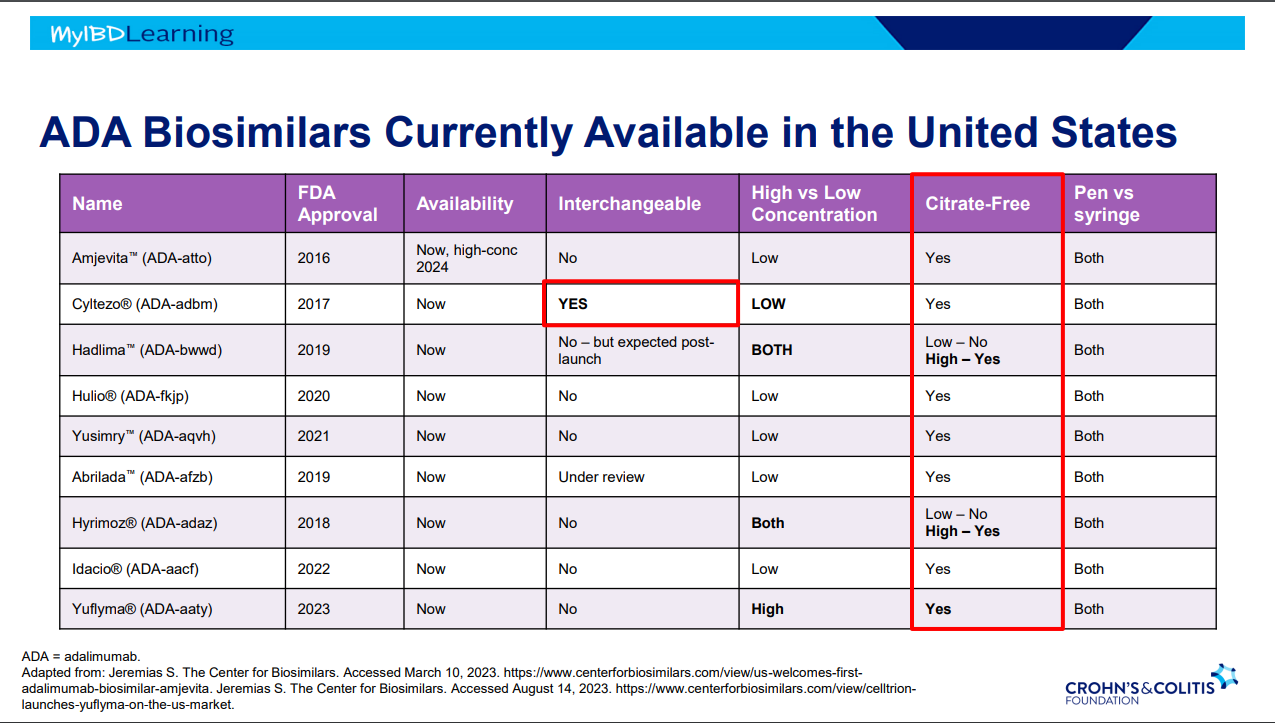
The Expanding Adalimumab Options

S White, R Morrow, I Pan, EF de Zoeten. JPGN 2023; 76: 701-703.
Riding the Wave of Adalimumab Biosimilars: Considerations for Pediatric Gastroenterologists

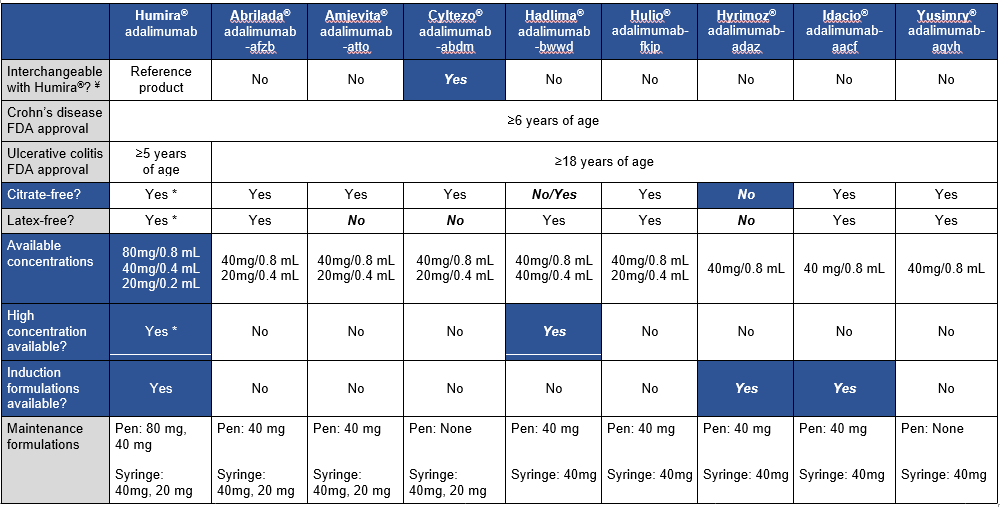
This article is a very handy update on approved adalimumab biosimilars, though even more biosimilars are expected to become available soon. The table below which is similar to a table in the article outlines the similarities and differences in these products compared to the reference product.

These biosimilars are FDA-approved for the treatment of adult and pediatric patients aged 6 and older with Crohn disease. “However, the biosimilar products are only approved for treatment of adult patients” (18 and older) with ulcerative colitis. “This may be due to the recent change in pediatric ulcerative colitis Humira FDA-approved dosing.”

My take (borrowed in part from authors): Insurance coverage decisions are likely to overlook some of these factors which are very important for pediatric patients. “The adalimumab biosimilars will likely provide a clinically effective, cost saving option for our patients, but consideration of a number of factors will be key when selecting between” them.

Related posts:

Disclaimer: This blog, gutsandgrowth, assumes no responsibility for any use or operation of any method, product, instruction, concept or idea contained in the material herein or for any injury or damage to persons or property (whether products liability, negligence or otherwise) resulting from such use or operation. These blog posts are for educational purposes only. Specific dosing of medications (along with potential adverse effects) should be confirmed by prescribing physician.  Because of rapid advances in the medical sciences, the gutsandgrowth blog cautions that independent verification should be made of diagnosis and drug dosages. The reader is solely responsible for the conduct of any suggested test or procedure.  This content is not a substitute for medical advice, diagnosis or treatment provided by a qualified healthcare provider. Always seek the advice of your physician or other qualified health provider with any questions you may have regarding a condition.

Which is a More Effective First-Line for Crohn’s Disease: Ustekinumab or anti-TNF agents?

P Riviere et al. Inflamm Bowel Dis 2023; 29: 923-931. Comparative Effectiveness of Ustekinumab and Anti-TNF Agent as First-Line Biological Therapy in Luminal Crohn’s Disease: A Retrospective Study From 2 Referral Centers

A previous study (SEAVUE) has suggested similar efficacy of ustekinumab and adalimumab in biologic-naive patients (post: SEAVUE: Head-to-Head Ustekimumab vs. Adalimumab) with ~60-65% clinical response at 52 weeks and ~30% endoscopic remission.

This current retrospective study sought to obtain ‘real-world’ data comparing anti-TNF agents (95 adalimumab, 61 infliximab) to ustekinumab (n=50). In the anti-TNF group, 44% (n=68) received concomitant immunomodulator therapy. Key findings:

  •  At 3 months, clinical response rates were 86% in anti-TNF groups and 64% in the ustekinumab.
  • At 12 months, in adjusted multivariate analysis, clinical remission (based on Harvey-Bradshaw Index) was independently associated with the biological therapy received (odds ratio, 2.6 for anti-TNF agent vs ustekinumab; P = .02).
  • “In our sensitivity analysis, a significant difference in terms of efficacy was only found between infliximab and ustekinumab.”
  • In those with ileocolonoscopy, endoscopic healing was similar (between 6-18 months): 58% of anti-TNF group and 61% of ustekinumab group.
  • 2% of patients in the anti-TNF group had severe adverse events compared to none in the ustekinumab group; among patients receiving adalimumab, 1 patient had cerebral aspergillosis, 1 had a postinfectious macrophage activation syndrome, and 1 had severe folliculitis needing abscess drainage.
  • Drug persistence at 12 months was 87% in anti-TNF group and 88% in ustekinumab group.

The discussion notes that ‘real-world’ data is important as only ~30% of patients in a regular practice would fulfill the criteria to be included in clinical trials. However, in this retrospective (non-randomized) study, there were differences in the patient population that could affect response to treatment, including a higher rate of smokers in the anti-TNF group (29% compared to 12% in the ustekinumab group).

My take: While anti-TNF therapy, particularly infliximab, may be a little better based on clinical remission, the most objective marker of efficacy, endoscopic healing, was similar. Thus, it is not clear if anti-TNF therapy is more effective than ustekinumab. To achieve optimal results, many in the anti-TNF group received immunomodulator cotherapy and dose escalation.

Related blog posts:

Joel Andres, Chef & Philanthropist, World Central Kitchen

Disclaimer: This blog, gutsandgrowth, assumes no responsibility for any use or operation of any method, product, instruction, concept or idea contained in the material herein or for any injury or damage to persons or property (whether products liability, negligence or otherwise) resulting from such use or operation. These blog posts are for educational purposes only. Specific dosing of medications (along with potential adverse effects) should be confirmed by prescribing physician.  Because of rapid advances in the medical sciences, the gutsandgrowth blog cautions that independent verification should be made of diagnosis and drug dosages. The reader is solely responsible for the conduct of any suggested test or procedure.  This content is not a substitute for medical advice, diagnosis or treatment provided by a qualified healthcare provider. Always seek the advice of your physician or other qualified health provider with any questions you may have regarding a condition.