Expert Guidance on Inflammatory Bowel Disease (Part 2)

A recent issue of Clinical Gastroenterology and Hepatology focused solely on the clinical features and management of inflammatory bowel disease. Even for those with expertise in IBD, there is a lot of useful information and concise reviews of what is known.

Here are some of my notes from this issue (part 2)

S Danese et al. Clinical Gastroenterol Hepatol: 2020; 18: 1280-90. Positioning Therapies in Ulcerative Colitis

This is a good article but recent AGA publications are probably better –there are some links below. One statement that was interesting: “the safety profile of vedolizumab seems even better than placebo in terms of risk of serious” adverse events. The authors favored infliximab in combination with azathioprine in those needing biologic therapy with moderate-severe UC.

Related blog posts:

S Vermeire et al. Clinical Gastroenterol Hepatol: 2020; 18: 1291-9. How, When, and for Whom Should We Perform Therapeutic Drug Monitoring?

“Although reactive TDM, testing at time of loss of response, is widely accepted in practice, especially for anti–tumor necrosis factor antibodies, there are less data for the other monoclonal antibodies belonging to other classes. Besides reactive testing, there is a movement toward proactively adjusting biologic dosing to prevent loss of response, in keeping with the tight control philosophy of inflammatory bowel disease care.” The authors favor proactive monitoring: “we are now beginning to see with well-powered proactive TDM studies” that proactive monitoring can maximize the benefits of TDM with “the potential to maximize durability of biologics and improve the outcomes of IBD patients.”

Related blog posts:

PS Dulai et al. Clinical Gastroenterol Hepatol: 2020; 18: 1300-8. How Do We Treat Inflammatory Bowel Diseases to Aim For Endoscopic Remission?

The initial part of this article reviews treatment targets -resolution of symptoms and resolution of endoscopic damage. The algorithm provides the authors’ suggested approach:

  • At initiation of therapy, patients should have a full assessment.  In addition to ileocolonoscopy, for patients with CD, the authors recommend cross-sectional imaging.
  • After treatment initiation, the authors recommend biomarker assessment every 3 months.  Mucosal assessment can occur 6-9 months after treatment initiation.
  • For UC, the authors note that fecal calprotectin (FC) “appears to be more stratightforward, and a cutoff of 250 mcg/g can be used reliably across all scenarios to make treatment adjustments.”  Though, they recommend endoscopic confirmation prior to transition to a biologic or small molecule therapy.
  • For CD, the authors suggest making treatment adjustments in those with FC >250 mcg/g and in those with lower values, followup colonoscopy is recommended.
  • The authors note that in the post-operative setting with CD, mucosal inflammation precedes symptomatic activity and “waiting for symptoms to emerge may unnecessary allow for disease progression.”
  • The authors suggest that tighter disease control will reduce disease-related complications, while acknowledging a lack of prospective clinical trials.
  • One thorny issue: :”For CD: it remains unclear what degree of residual mucosal healing is acceptable to impact important outcomes such as CD-related complications, hospitalizations, and surgeries.”

Related blog posts:

M Allocca et al. Clinical Gastroenterol Hepatol: 2020; 18: 1309-23. Use of Cross-Sectional Imaging for Tight Monitoring of Inflammatory Bowel Diseases

“Computed tomography is limited by the use of radiation, while the use of magnetic resonance enterography (MRE) is limited by its cost and access. There is growing interest in bowel ultrasound that represents a cost-effective, noninvasive, and well-tolerated modality in clinical practice, but it is operator dependent… Diffusion-weighted imaging (DWI) is a MR imaging technique that increasingly is used in both IBD and non-IBD conditions and has been shown to be a valuable and accurate tool for assessing and monitoring IBD activity.

L Beaugerie et al. Clinical Gastroenterol Hepatol: 2020; 18: 1324-35. Predicting, Preventing, and Managing Treatment-Related Complications in Patients With Inflammatory Bowel Diseases

The first part of this article reviews potential adverse effects from the medications used for IBD treatment, noting in Table 1 that there are not complications to monitor for with both vedolizumab and ustekinumab.

The article reviews infections, vaccination strategies and issues related to malignancy Some of the recommendations:

  • vaccine against pneumococcus should be given before patients begin immunosuppressive therapy
  • physicians should consider giving patients live vaccines against herpes zoster (in adults) before they begin immunosuppressive therapy or a recombinant vaccine, when available, at any time point during treatment
  • sun protection and skin surveillance from the time of diagnosis are recommended
  • despite concerns about therapy, the authors note that “the extensive use of immunosuppressive therapy leads to a substantial decrease in the incidence of IBD complications, with a globally favorable benefit-risk ratio, which can be optimized further thanks to a good degree of awareness and knowledge of drug complications.”

It is interesting that this article (and the entire issue) does not address mental health concerns related to the diagnosis of IBD.  This likely creates more morbidity and complications than most of the other issues that are discussed.

Above: Why did the picture go to jail? Because it was framed.

Disclaimer: This blog, gutsandgrowth, assumes no responsibility for any use or operation of any method, product, instruction, concept or idea contained in the material herein or for any injury or damage to persons or property (whether products liability, negligence or otherwise) resulting from such use or operation. These blog posts are for educational purposes only. Specific dosing of medications (along with potential adverse effects) should be confirmed by prescribing physician.  Because of rapid advances in the medical sciences, the gutsandgrowth blog cautions that independent verification should be made of diagnosis and drug dosages. The reader is solely responsible for the conduct of any suggested test or procedure.  This content is not a substitute for medical advice, diagnosis or treatment provided by a qualified healthcare provider. Always seek the advice of your physician or other qualified health provider with any questions you may have regarding a condition.
IBD Updates: Depression and Crohn’s Disease, Blood Tests in Pediatric IBD

LW Gaines et al. Inflamm Bowel Dis 2020; 26: 423-8. In this study with 3307 adults with Crohn’s disease (CD) and baseline demographics, CD activity and an affective-cognitive index of depression, the authors used structural equation models to determine the likelihood of whether depression triggers CD activity or whether CD activity triggers depression.  Key findings: “The hypothesis that an affective-cognitive depression predicts patient-reported exacerbation of CD is 218 times more likely to account for the data than the converse.”   (Depression is likely to increase CD activity rather than be due to CD activity).

JJ Ashton et al. Inflamm Bowel Dis 2020; 26: 469-76. Among 256 patients (dx 2013-17) in Southhampton-PIBD database, there were 151 with CD, 95 with UC and 10 IBD-unclassified.  Key findings:

  • 9% presented with all normal blood tests (tests analyzed if available: CRP, ESR, Albumin, platelets, packed cell volume, wbc, ALT)
  • Normal labs were more common with UC compared to CD: 14.4% vs 5.3%

RC Ungaro et al. AP&T; 2020; DOI: 10.1111/apt.15685.  (Thanks to Ben Gold for this reference).  Systematic review with meta-analysis: efficacy and safety of early biologic treatment in adult and paediatric patients with Crohn’s disease. A total of 18 471 patients were studied, with  a median follow-up of 64 weeks (range 10-416). Meta-analysis found that early use of biologics was associated with higher rates of clinical remission (OR 2.10 [95% CI: 1.69-2.60], n = 2763, P < 0.00001), lower relapse rates (OR 0.31 [95% CI: 0.14-0.68], n = 596, P = 0.003) and higher mucosal healing rates (OR 2.37 [95% CI: 1.78-3.16], n = 994, P < 0.00001) compared with late/conventional management. Conclusions: Early biologic treatment is associated with improved clinical outcomes in both adult and paediatric CD patients, not only in prospective clinical trials but also in real-world settings.

RS Boneh et al. Dietary Therapies Induce Rapid Response and Remission in Pediatric Patients With Active Crohn’s Disease Clin Gastroenterol Hepatol (online April 14, 2020, in press) Thanks to KT Park’s Twitter feed for this reference.

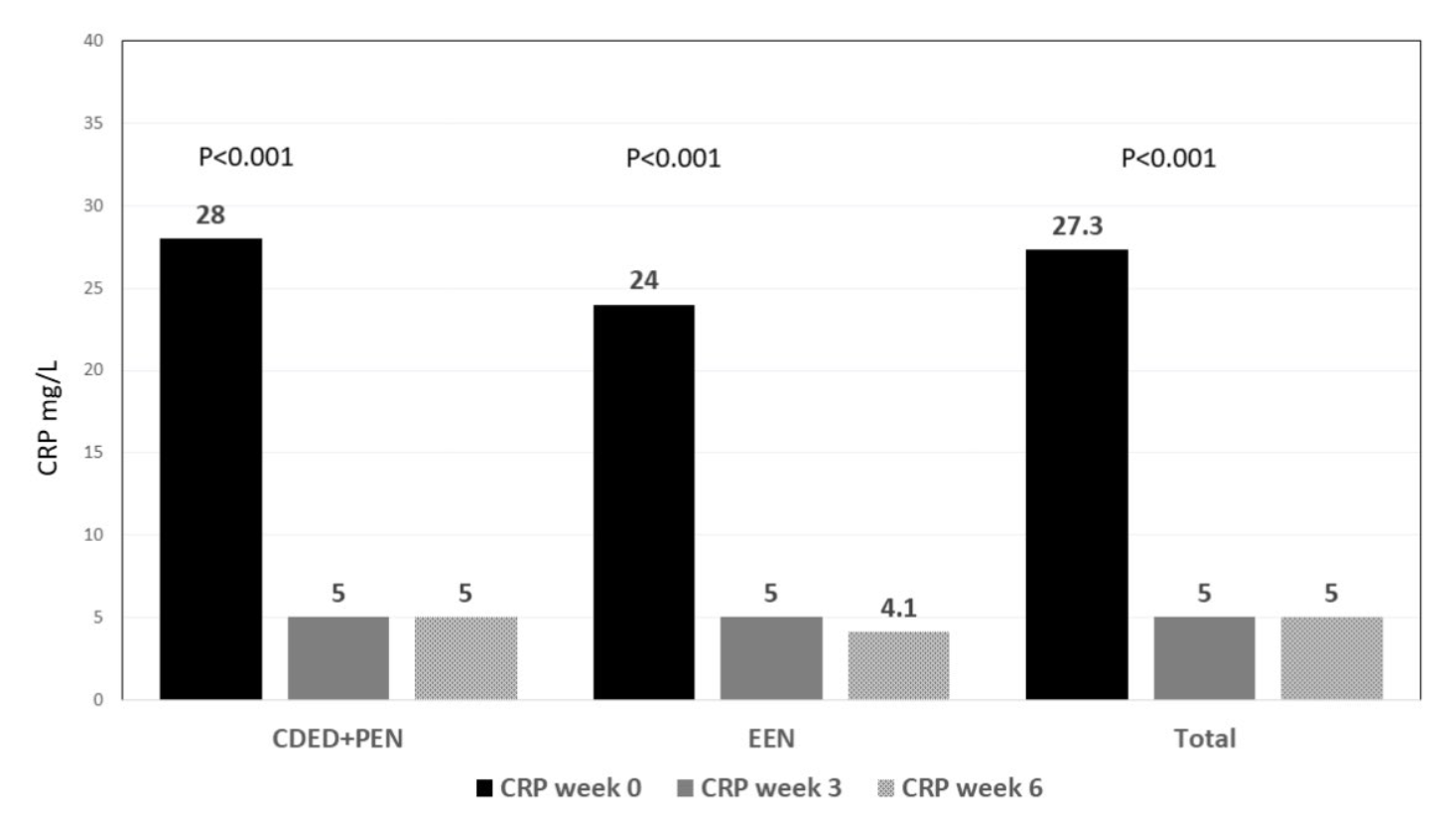
  • Methods: We collected data from the multicenter randomized trial of the CD exclusion diet (CDED). We analyzed data from 73 children with mild to moderate CD (mean age, 14.2±2.7 y) randomly assigned to groups given either exclusive enteral nutrition (EEN, n=34) or the CDED with 50% (partial) enteral nutrition (n=39). Patients were examined at baseline and at weeks 3 and 6 of the diet. Remission was defined as CD activity index scores below 10 and response was defined as a decrease in score of 12.5 points or clinical remission. Inflammation was assessed by measurement of C-reactive protein.
  • Results: At week 3 of the diet, 82% of patients in the CDED group and 85% of patients in the EEN group had a dietary remission (DiRe). Median serum levels of C-reactive protein had decreased from 24 mg/L at baseline to 5.0 mg/L at week 3 (P<.001). Among the 49 patients in remission at week 6, 46 patients (94%) had a DiRe and 81% were in clinical remission by week 3. In multivariable analysis, remission at week 3 increased odds of remission by week 6 (odds ratio, 6.37; 95% CI, 1.6–25; P=.008) whereas poor compliance reduced odds of remission at week 6 (odds ratio, 0.75; 95% CI, 0.012–0.46; P=.006).
  • Conclusions: For pediatric patients with active CD, dietary therapies (CDED and EEN) induce a rapid clinical response (by week 3).

Related blog posts:

Disclaimer: This blog, gutsandgrowth, assumes no responsibility for any use or operation of any method, product, instruction, concept or idea contained in the material herein or for any injury or damage to persons or property (whether products liability, negligence or otherwise) resulting from such use or operation. These blog posts are for educational purposes only. Specific dosing of medications (along with potential adverse effects) should be confirmed by prescribing physician.  Because of rapid advances in the medical sciences, the gutsandgrowth blog cautions that independent verification should be made of diagnosis and drug dosages. The reader is solely responsible for the conduct of any suggested test or procedure.  This content is not a substitute for medical advice, diagnosis or treatment provided by a qualified healthcare provider. Always seek the advice of your physician or other qualified health provider with any questions you may have regarding a condition


AGA Guidelines: Moderate to Severe Ulcerative Colitis

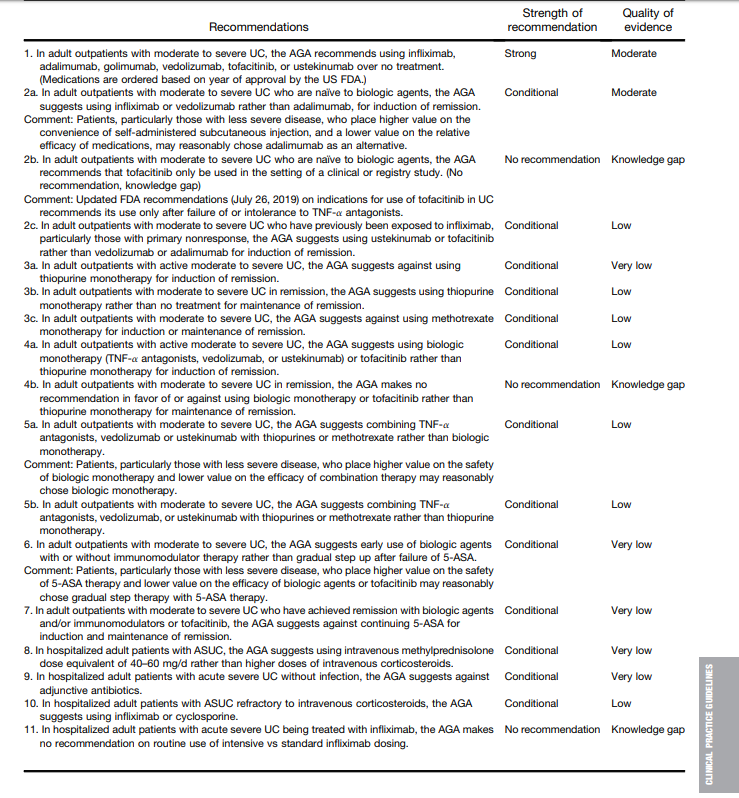
Full Text: JD Feuerstein et al. Gastroenterol 2020; 158: 1450-61. AGA Clinical Practice Guidelines on the Management of Moderate to Severe Ulcerative Colitis

Full Tex PDF: AGA Clinical Practice Guidelines on the Management of Moderate to Severe Ulcerative Colitis


Associated articles included the following:

  • Clinical decision support tool (1462-63)
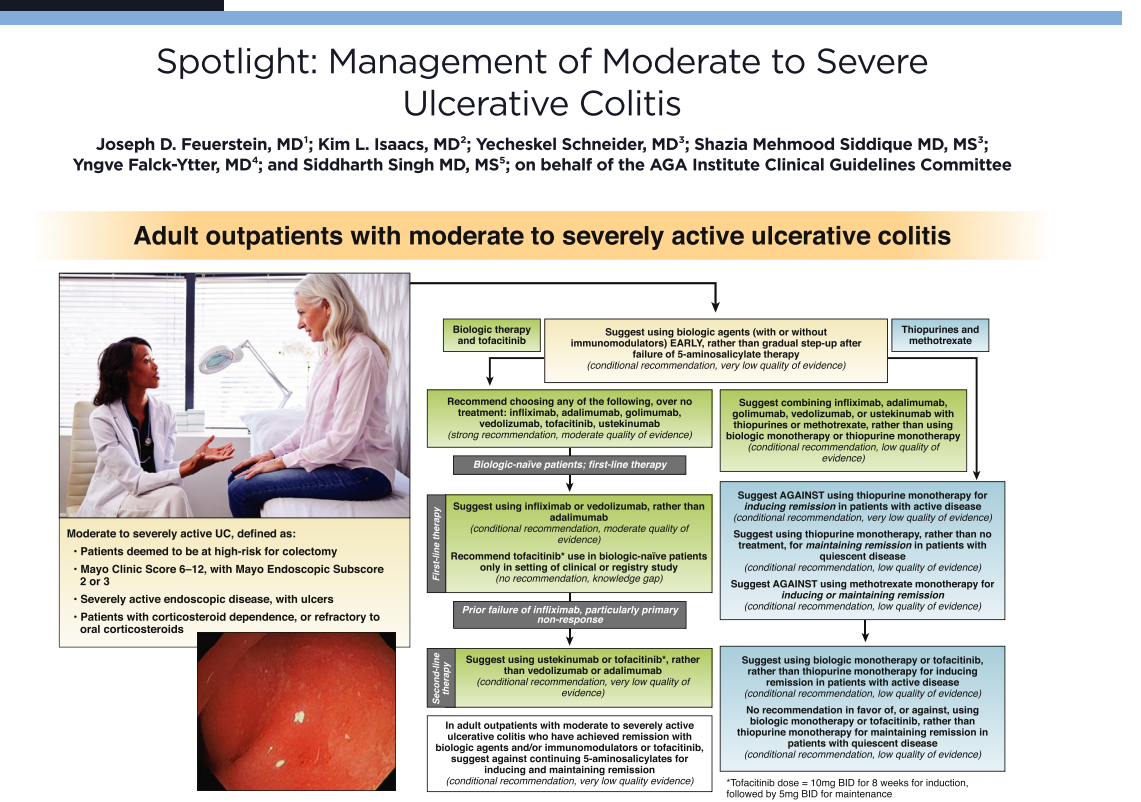
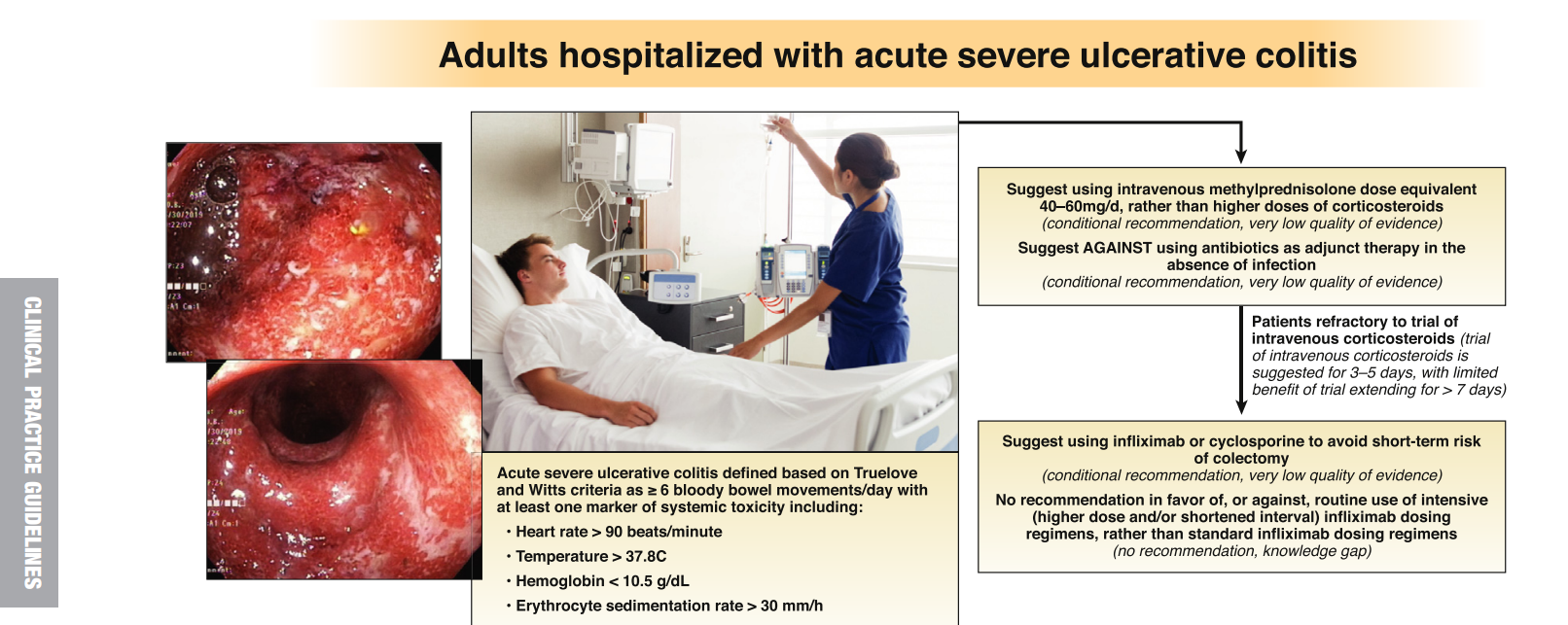
  • PDF: Spotlight (summary -images above) (1464)
  • Technical Review (1465-96)

Key recommendations:

  • 2a. In adult outpatients with moderate to severe UC who are naïve to biologic agents, the AGA suggests using infliximab or vedolizumab rather than adalimumab, for induction of remission. Comment: Patients, particularly those with less severe disease, who place higher value on the convenience of self-administered subcutaneous injection, and a lower value on the relative efficacy of medications, may reasonably chose adalimumab as an alternative
  • 2c. In adult outpatients with moderate to severe UC who have previously been exposed to infliximab, particularly those with primary nonresponse, the AGA suggests using ustekinumab or tofacitinib rather than vedolizumab or adalimumab for induction of remission.
  • 6. In adult outpatients with moderate to severe UC, the AGA suggests early use of biologic agents with or without immunomodulator therapy rather than gradual step up after failure of 5-ASA. Comment: Patients, particularly those with less severe disease, who place higher value on the safety of 5-ASA therapy and lower value on the efficacy of biologic agents or tofacitinib may reasonably chose gradual step therapy with 5-ASA therapy.
  • 10. In hospitalized adult patients with ASUC refractory to intravenous corticosteroids, the AGA suggests using infliximab or cyclosporine

Summary of recommendations:

Related blog posts:

Disclaimer: This blog, gutsandgrowth, assumes no responsibility for any use or operation of any method, product, instruction, concept or idea contained in the material herein or for any injury or damage to persons or property (whether products liability, negligence or otherwise) resulting from such use or operation. These blog posts are for educational purposes only. Specific dosing of medications (along with potential adverse effects) should be confirmed by prescribing physician.  Because of rapid advances in the medical sciences, the gutsandgrowth blog cautions that independent verification should be made of diagnosis and drug dosages. The reader is solely responsible for the conduct of any suggested test or procedure.  This content is not a substitute for medical advice, diagnosis or treatment provided by a qualified healthcare provider. Always seek the advice of your physician or other qualified health provider with any questions you may have regarding a condition

Ups (mostly) and Downs with IBD Epidemiology

Two articles describe both increasing and decreasing trends in the prevalence of inflammatory bowel disease (IBD).

  • Y Ye et al. Inflamm Bowel Dis 2020; 26: 619-25, editorial 626-27
  • M Torabi et al. Inflamm Bowel Dis 2020; 26: 581-90, editorial 591-92 

The first study by Ye et al provides the familiar message that IBD prevalence has been increasing in pediatrics and adults.  This study examined 2 large claims databases.  The Optum database covered ~18 million annually during the study period (total ~57 million from 2007-2017) and Truven covered ~44 million annually (total ~240 million since 1995)

Key findings:

  • Pediatric IBD prevalence increased by 133% from 2007 to 2016: from 33 per 100,000 to 77 per 100,000. Crohn’s disease (CD) was twice as prevalent as ulcerative colitis (UC) in the pediatric population (46 vs 22)
  • Adult IBD prevalence increased by 123% from 2007 to 2016: from 215 per 100,000 to 478 per 100,000. The prevalence rates of CD and UC were similar in adults: 198 vs 181)
  • The Northeast region had the highest prevalence of IBD, followed by Midwest, South and then West.
  • Based on these prevalence data, there are an estimated 58,000 children (2-17) and 1.2 million adults with IBD in U.S.   Or, 1 in 1299 children and 1 in 209 adults.

Limitations:

  • Diagnosis and data derived from claims database
  • Cases can vary significantly based on how sensitive the definition for IBD is in a given study.  In this study, the authors indicate in supplementary material, that the prevalence rates could be doubled in adults if they chose a more sensitive/less specific case definitions.

The second study by Torabi et al, which utilized the Manitoba Epidemiology Database (n=1.2 million) showed a decrease in IBD incidence.  The authors examined 296 small geographic areas (SGAs) and found that many had persistently high IBD incidence rates.

Key findings:

  • The incidence of IBD decreased from 1990 when it was 23.6 per 100,000 to 16.2 per 100,000 in 2012.
  • In the study period (1990-2012), there were 3114 cases of CD and 3499 cases of UC diagnosed in Manitoba

In the discussion, the authors speculate on the reasons for the decline in IBD incidence in an area with high rates of IBD.  Some of the change may be related to changes in the population mix –more immigrants from areas with lower rates of IBD.  In the editorial, it is noted that a recent systematic review (Lancet 2018; 390: 2769-78) indicated that the “incidence of IBD is stabilizing in Western countries.”

My take: There are a lot kids and adults with IBD.  The preponderance of epidemiology studies point to increasing incidence and prevalence.

Related blog posts:

Rock art during “social distancing”

What is Going On With Pouchitis? & No More Handshakes

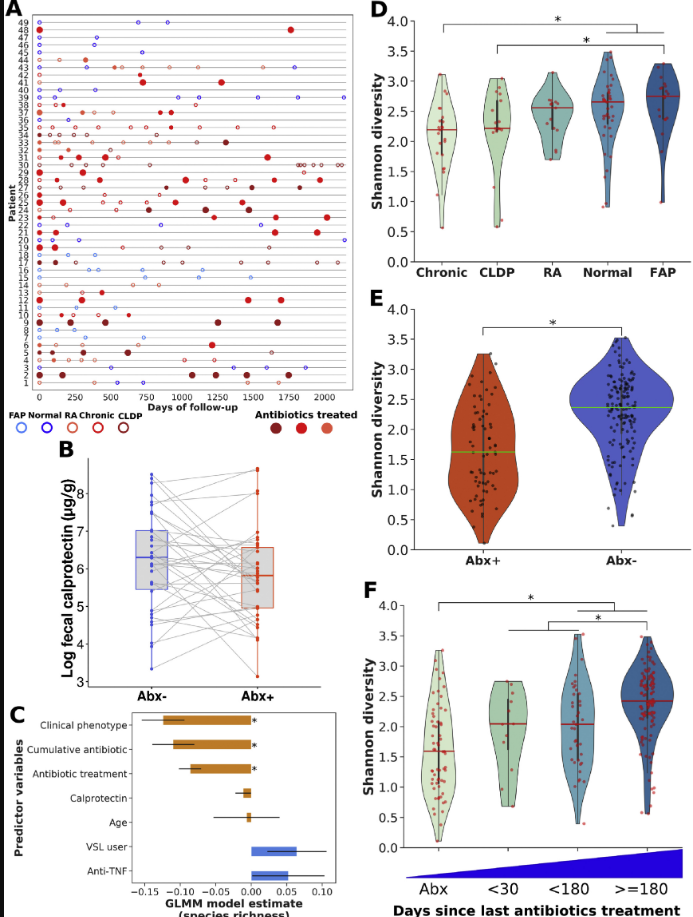
A prospective study (V Dubinsky et al. Gastroenterol 2020; 158: 610-24) followed 49 patients who had undergone pouch surgery for ulcerative colitis or for familial adenomatous polyposis (FAP).

The authors followed multiple parameters including calprotectin, metagenomes/bacterial diversity, antibiotic resistance testing, and virulence factors/toxins. 33 patients received antibiotics for a median of 425 days.  Most patients were treated with a combination of ciprofloxacin and metronidazole.

Full text link: Predominantly Antibiotic-resistant Intestinal Microbiome Persists in Patients With Pouchitis Who Respond to Antibiotic Therapy

Key findings:

  • Pouch phenotype: normal from UC (n=10), recurrent acute pouchitis (n=6), chronic pouchitis and Crohn’s-like disease of the pouch (n=27), and normal from FAP (n=6)
  • 79% of antibiotic-treated patients had a clinical response to each course of antibiotics
  • 89% of those who completed a 4-week course relapsed within 3 months
  • Median calprotectin values decreased by 40% in response to antibiotics
  • Antibiotic treatment reduced disease-associated bacteria including Clostridium perfringens, Ruminococcus gnavus, and Klebsiella pnneumoniae. However, F prausnitzii, a putative anti-inflammatory species, also decreased during antibiotic treatment
  • While antibiotic resistance was noted, these strains had a tendency toward lower potential for virulence and “did not induce secretion of inflammatory cytokines by epithelial cells”

Why do patients become antibiotic-dependent?

“We observed a drastic shift in microbiome composition on antibiotics cessation, characterized by blooms of nonintestinal bacteria, especially those originating from the oral cavity, as well as of opportunistic pathogens. Intestinal colonization by oral bacteria has been associated with UC and Crohn’s disease, and shown to trigger severe intestinal inflammation in germ-free mice…[this] drug-resistant microbiome may be fragile and unable to prevent colonization by exogenous bacteria that are ecologically fitter once antibiotics are discontinued.”

My take: This study provides insight into how antibiotics improve pouchitis; namely, they reduce disease-associated bacteria and promote an antibiotic-resistant microbiome with lower inflammatory potential.

Related blog posts:

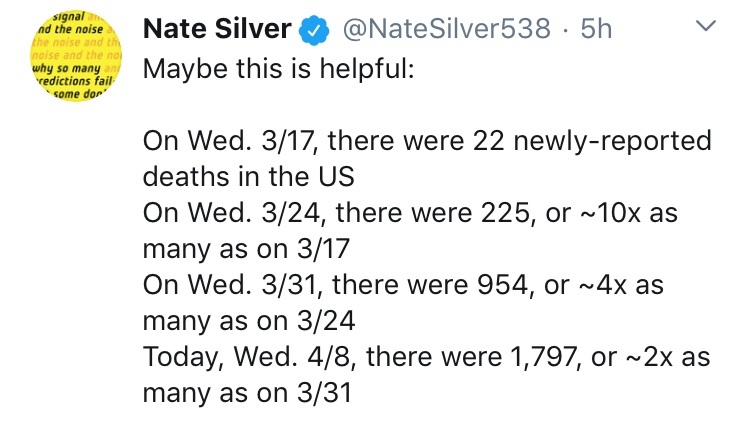
Figure 1:

Link:  34 AAP Publications regarding COVID-19 and children

Pipeline Medications for Ulcerative Colitis (Part 2)

To continue with topic of new medications for ulcerative colitis started yesterday -two more articles:

  • WJ Sandborn et al. Gastroenterol 2020; 158: 537-49
  • S Danese. Gastroenterol 2020; 158: 467-70 (commentary)

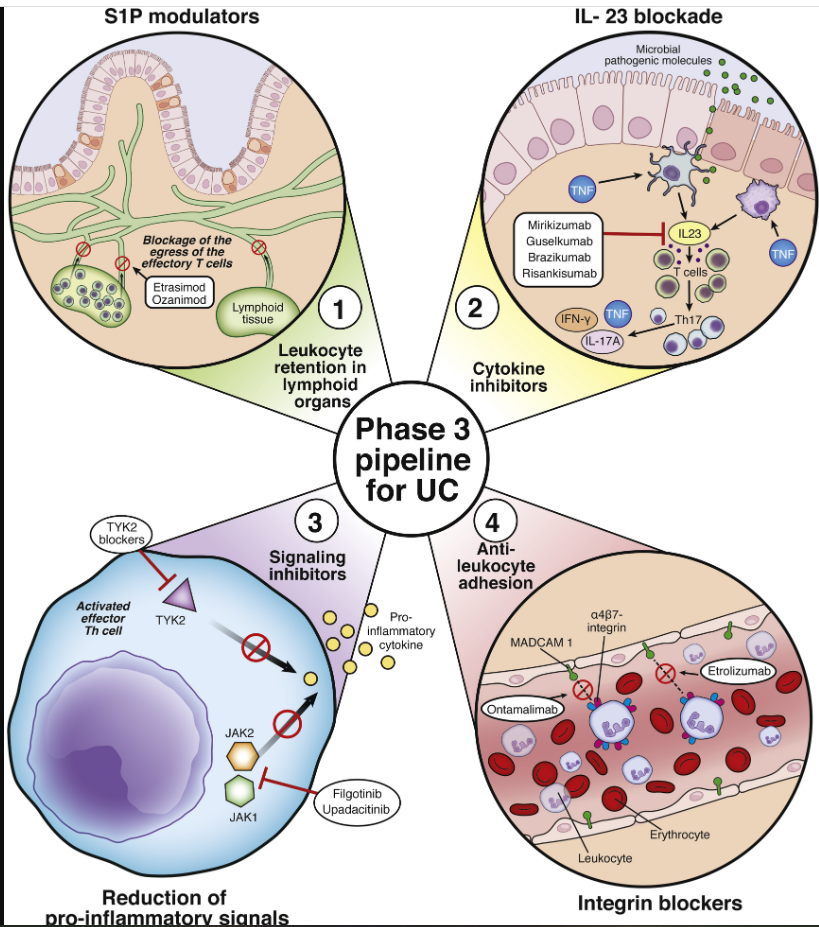
The first reference describes a randomized phase 2 study of mirikizumab with 249 patients.  Mirikizumab is a monoclonal antibody to the p19 subunit of IL23. A similar agent, ustekinumab is a monoclonal antibody directed at the p40 subunit of IL23 and IL12; thus mirikuzumab is more selective targeting of IL23. the authors examined response to the study drug at 3 doses: 50 mg, 200 mg, and 600 mg and compared to intravenous placebo.  All patients received dosing at weeks 0, 4, and 8. A subset of patients continued with subcutaneous treatment starting at week 12, with 47 receiving 200 mg every 4 weeks and 46 receiving 200 mg every 12 weeks. 63% of patients in this trial had previous exposure to biologics.

Key findings:

  • At week 12, 15.9% (50 mg), 22.6% (200 mg), and 11.5 % (600 mg) in the treatment groups achieved clinical remission compared to 4.8% of the placebo group
  • Clinical responses occurred in 41.3%, 59.7%, and 49.2% in the respective treatment groups compared to 20.6% in placebo group
  • At week 52, clinical remission was achieved in 46.8% of SC every 4 weeks and 37.0% every 12 weeks.

In the commentary, Danese reviews the pipeline of new drugs emerging for ulcerative colitis.  Full Text Link: New Drugs in the Ulcerative Colitis Pipeline: Prometheus Unbound

A couple of key points:

  • “Like Prometheus, who gave fire to humans and paid with the price of eternal torment, so the gift of new drugs in ulcerative colitis brings the consequence of patients with heterogeneous disease being cycled indiscriminately through similarly modestly effective agents.”
  • “Predictive biomarkers are needed” to optimize treatment and avoid ineffective and potentially harmful treatments

My take: The emergence of new treatments is welcome given the frequent loss of response or lack of response to current therapies.  Two questions: How will we decide which agent(s) is the best one to use? When will pediatric studies be available?


Pipeline Medications for Ulcerative Colitis (Part 1) & Face Mask Shortages

Before getting to today’s post, I wanted to provide a link on why we are desperately short of face masks in the midst of this crisis: NY Times: How the World’s Richest Country Ran Out of a 75-Cent Face Mask

An excerpt:

The answer to why we’re running out of protective gear involves a very American set of capitalist pathologies — the rise and inevitable lure of low-cost overseas manufacturing, and a strategic failure, at the national level and in the health care industry, to consider seriously the cascading vulnerabilities that flowed from the incentives to reduce costs…

Given the vast global need for masks — in the United States alone, fighting the coronavirus will consume 3.5 billion face masks, according to an estimate by the Department of Health and Human Services — corporate generosity will fall short. People in the mask business say it will take a few months, at a minimum, to significantly expand production…

Hospitals began to run out of masks for the same reason that supermarkets ran out of toilet paper — because their “just-in-time” supply chains, which call for holding as little inventory as possible to meet demand, are built to optimize efficiency, not resiliency.

My take: Conserve, conserve, conserve PPE -supply chains meeting the need is NOT imminent.

—————

Several articles from Gastroenterology highlight emerging medications for ulcerative colitis (UC).

Two of the studies:

  • WJ Sandborn et al. Gastroenterol 2020; 158: 550-61.
  • WJ Sandborn et al. Gastroenterol 2020; 158: 562-72.

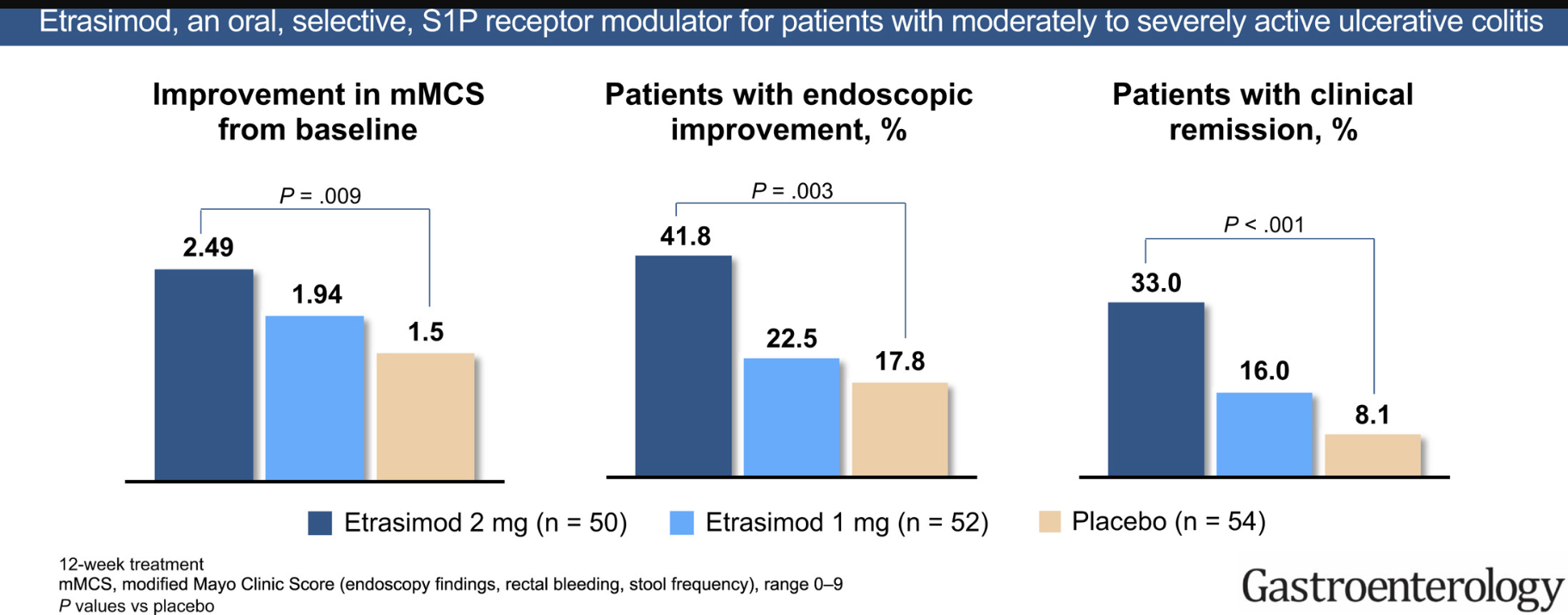
The first study was a phase 2 randomized trial of etrasimod which is an oral selective sphingosine 1-phosphate receptor modulator.  A total of 156 patients were randomized into 3 groups: placebo, 1 mg etrasimod, and 2 mg etrasimod.

Key findings (graphical abstract):

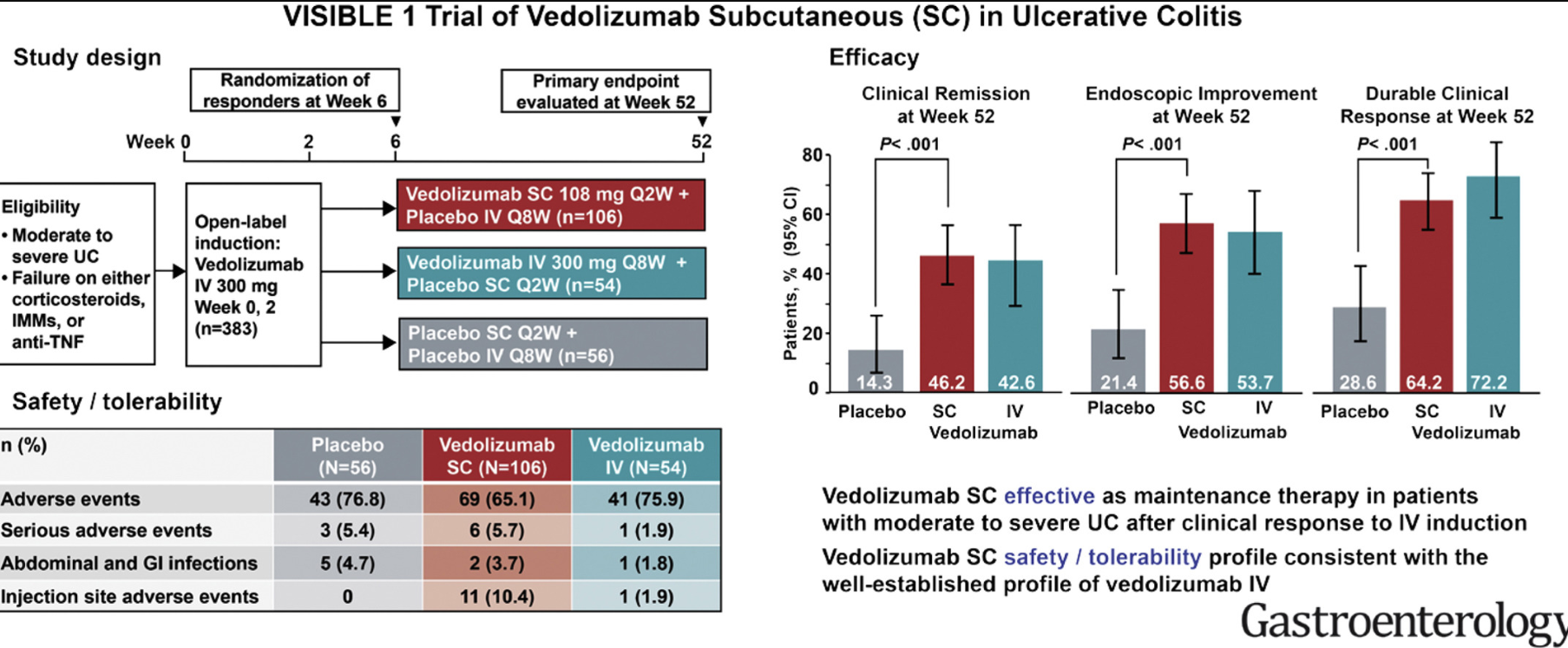
In the second phase 3, double-blind, double-dummy study, Sandborn et al show that, after the initial 2 intravenous doses,  among patients with an initial response subcutaneous vedolizumab (108 mg every 2 weeks) had similar effectiveness to intravenous vedolizumab (300 mg every 8 weeks); both SC and IV vedolizumab resulted in higher clinical remission rates compared to placebo at 52 weeks in the 216 patients: 46.2%, 42.6%, and 14.3% respectively.

Full text link: Efficacy and Safety of Vedolizumab Subcutaneous Formulation in a Randomized Trial of Patients With Ulcerative Colitis

Working Together to Improve Outcomes for Children with Inflammatory Bowel Disease

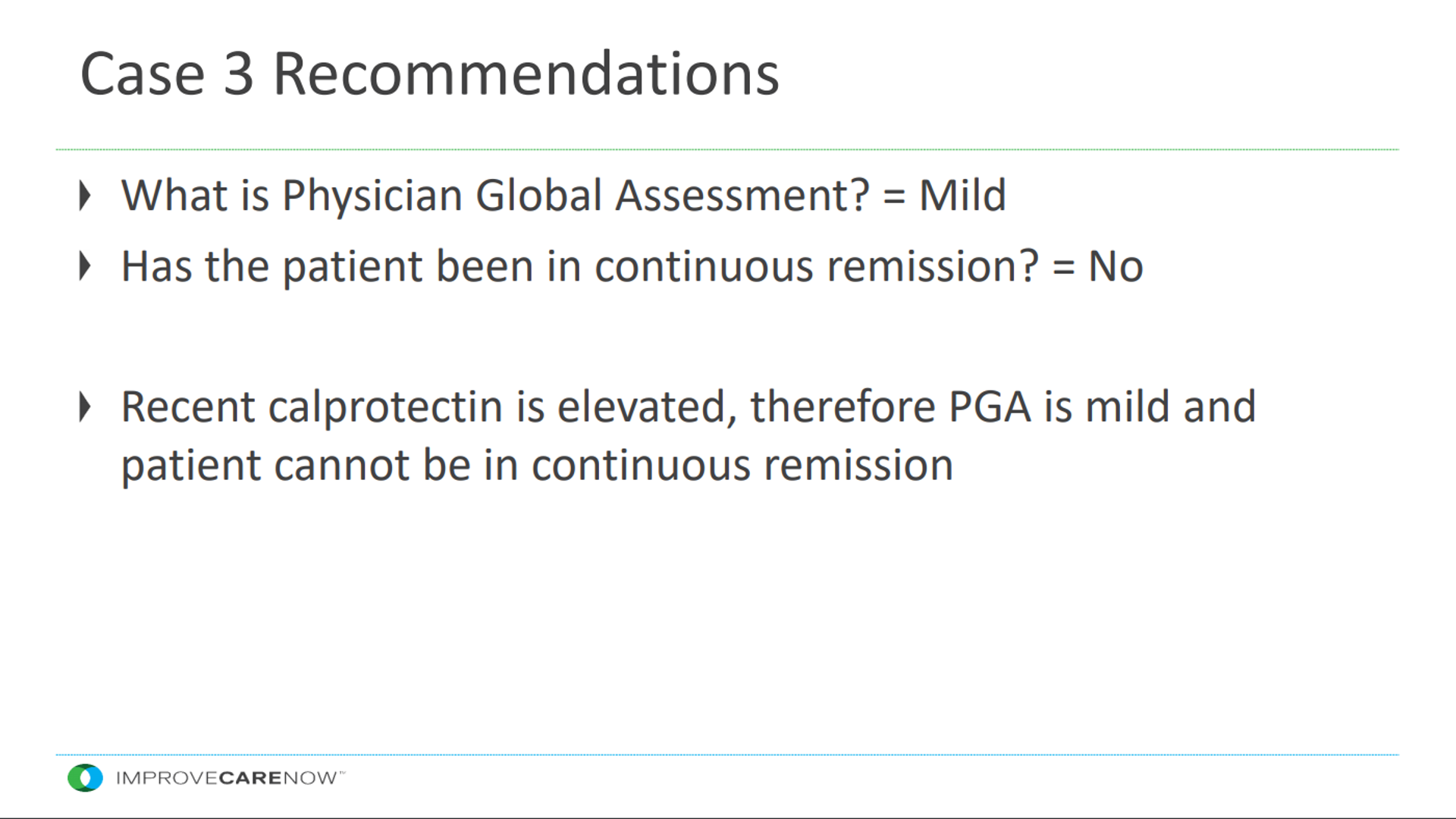
Recently, we had an “ImproveCareNow Population Management” meeting.  At these regular meetings, we typically review at least one topic of interest, review data on how patients are doing (eg. hospitalizations, clinical remission, surgeries, followup visits), and discuss patients who have challenging clinical problems.  Credit for making these meetings work go to Clair Talmadge, PA-C, Samantha Gomez (ICN coordinator), and Chelly Dykes (physician leader).  Also, with regards to depression screening, we are fortunate to have the support of Bonney Reed-Knight and Jessica Buzenski.

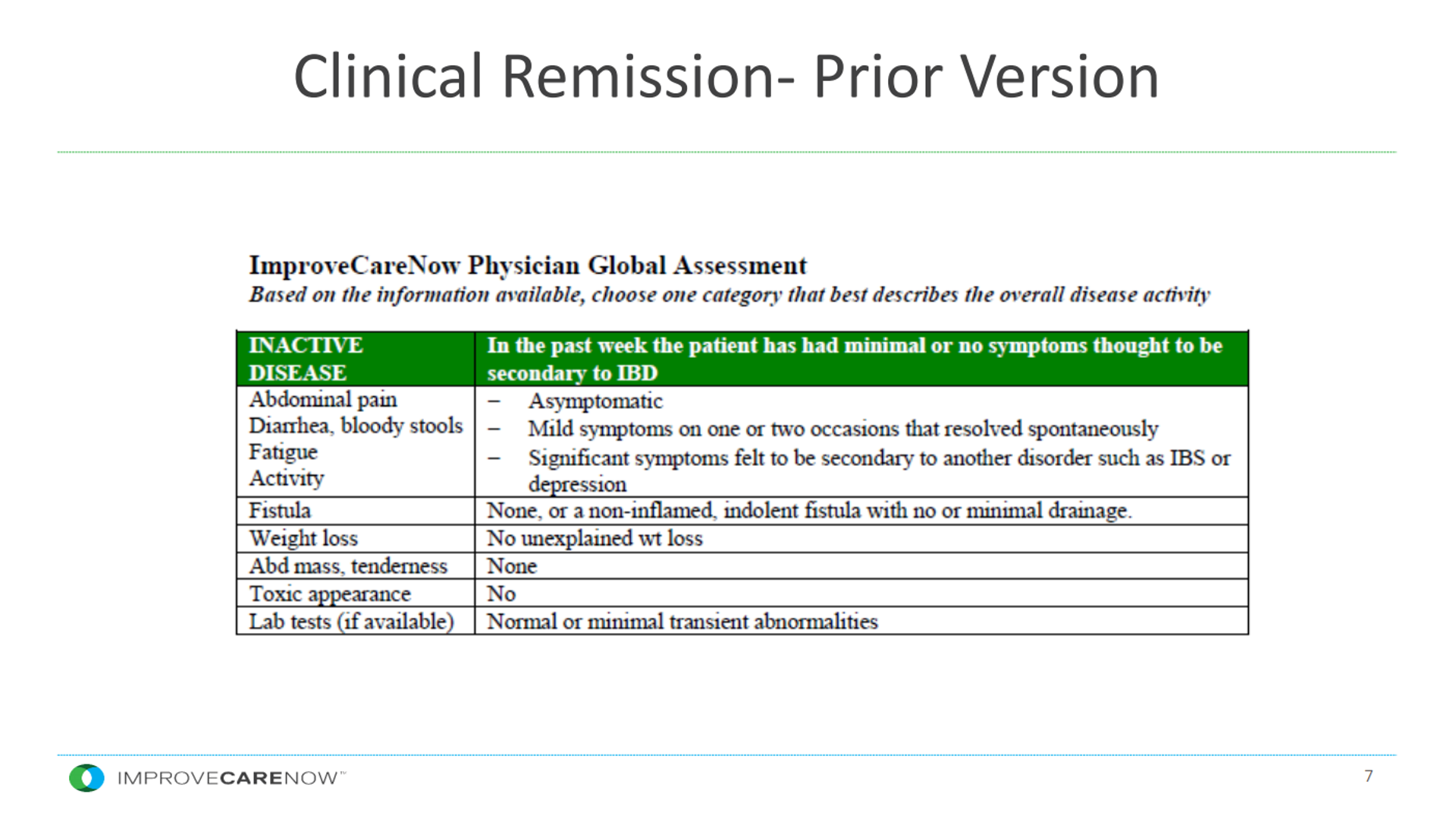
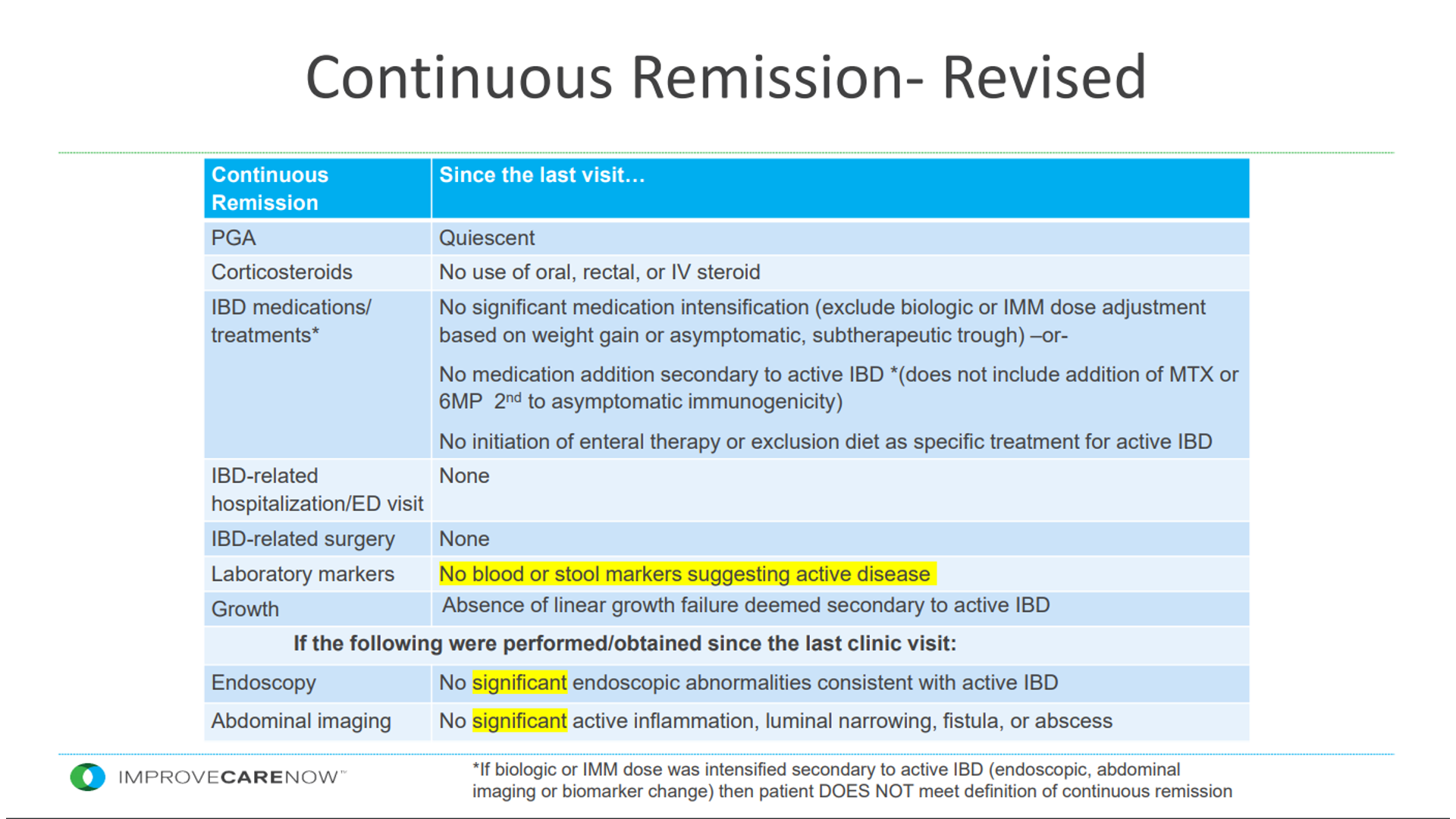
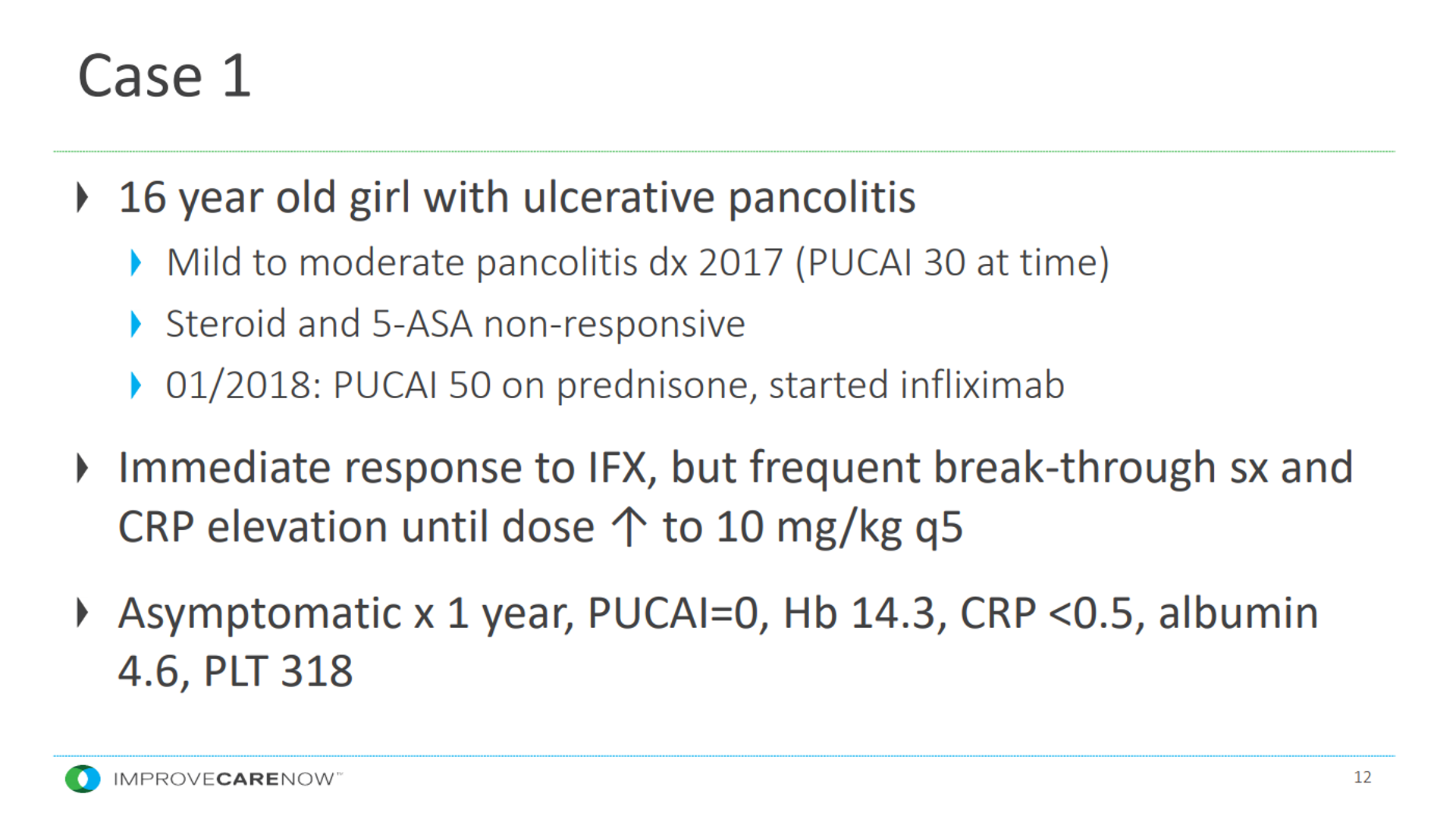
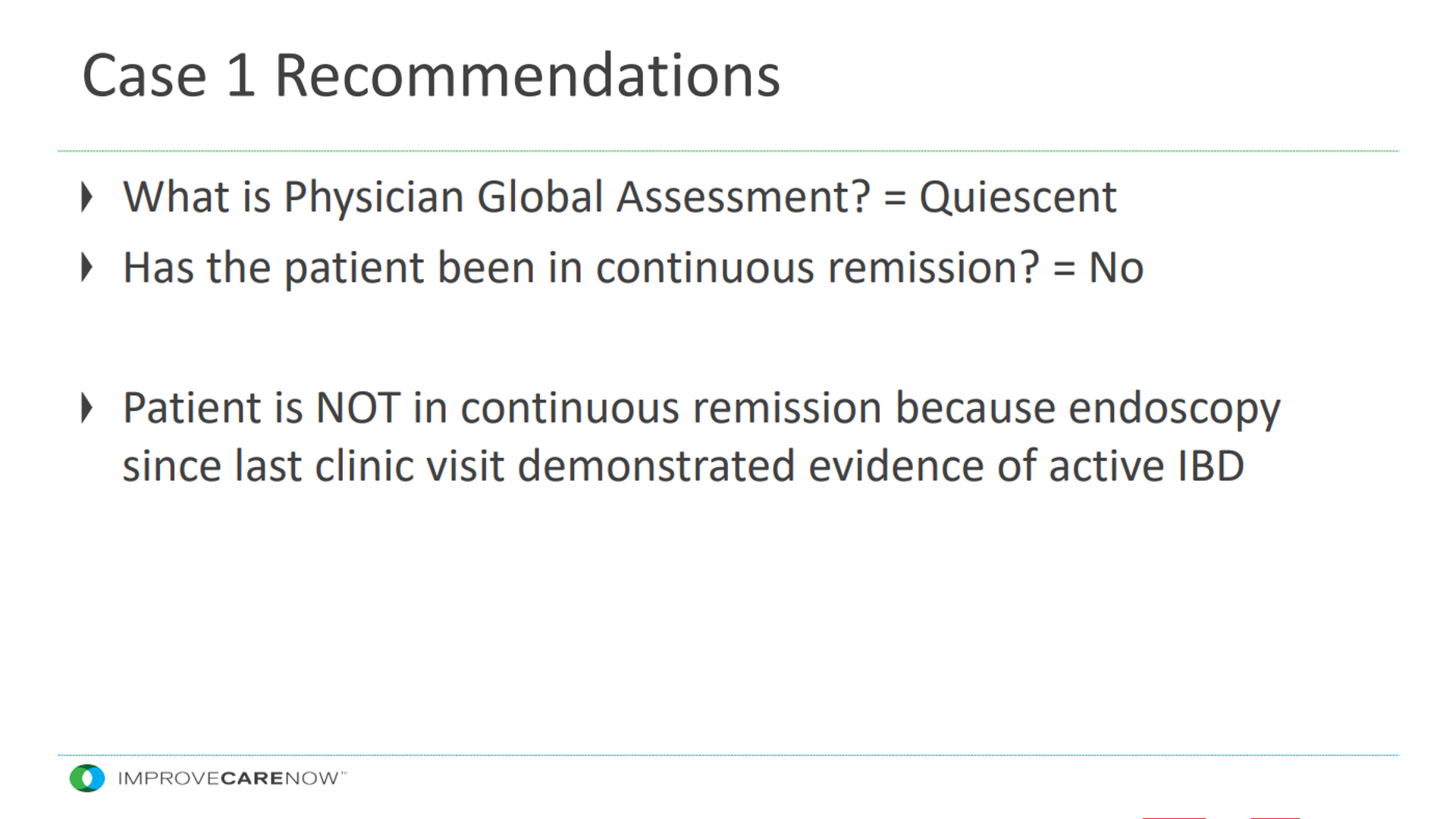
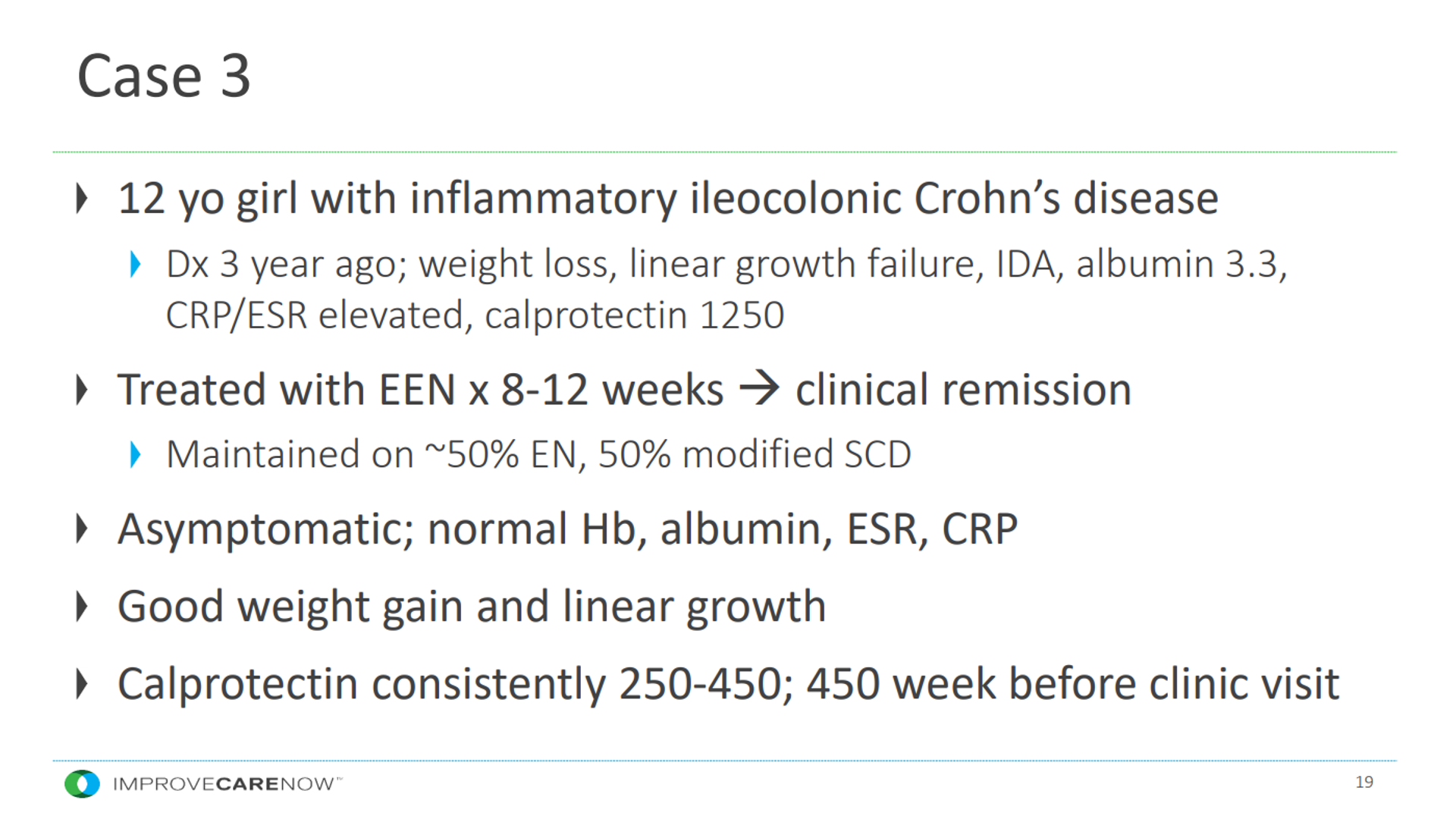
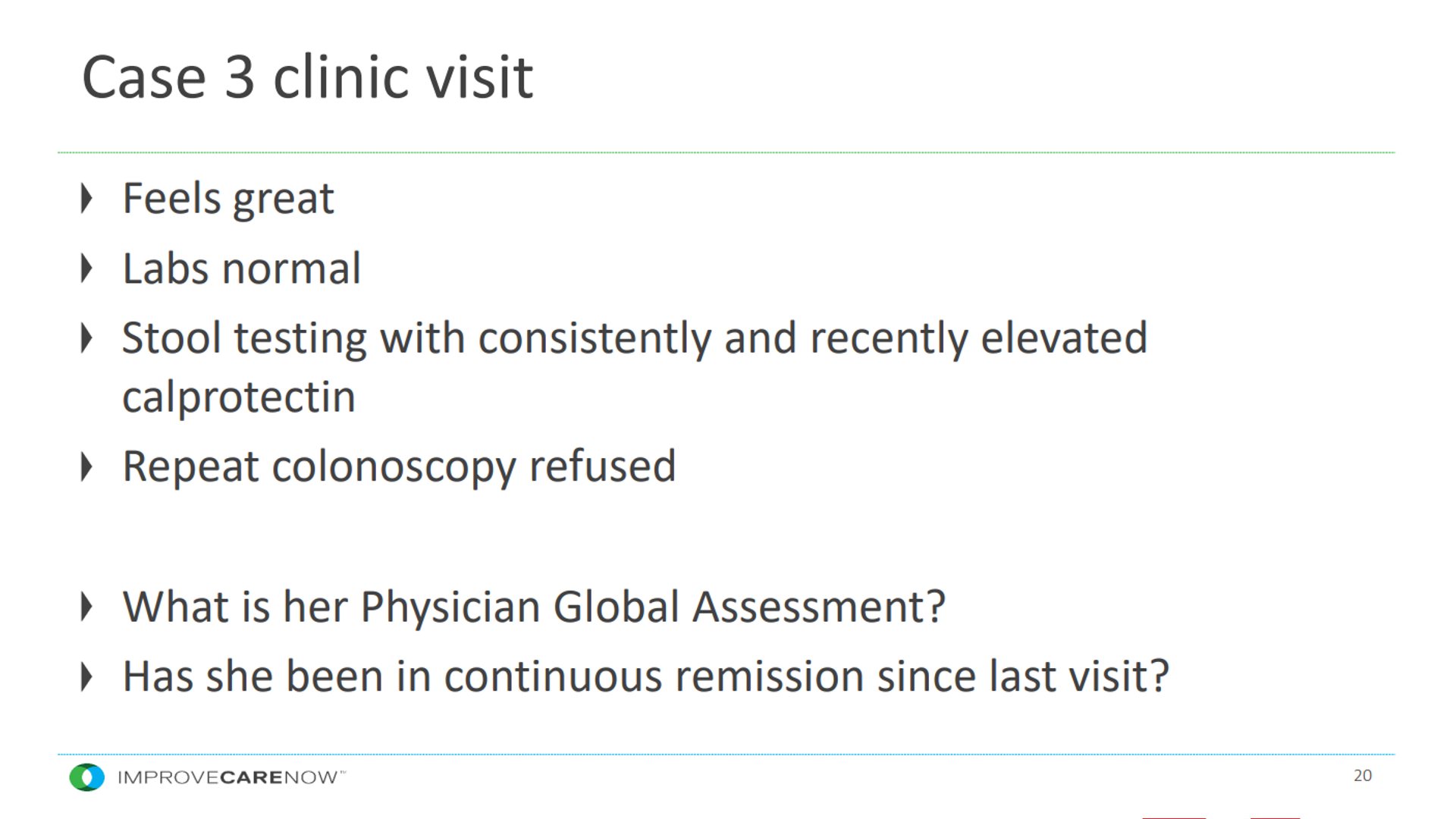
At the latest meeting, we discussed our recent implementation of depression screening, expanded definitions of clinical remission/sustained clinical remission, and family support projects.

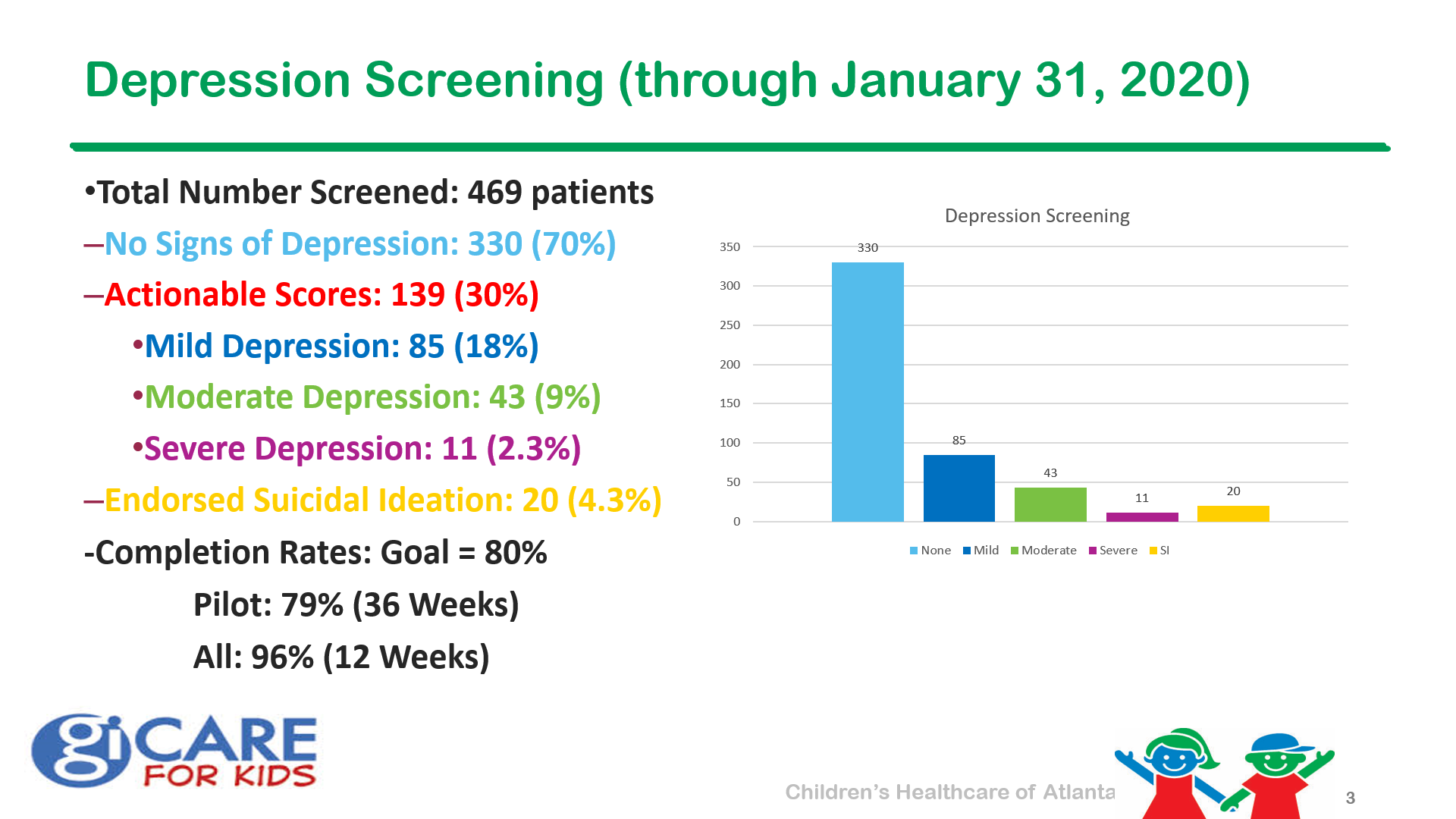
With regard to depression screening, we are finding that ~30% had actionable screens indicating some level of depression and ~4% screened as suicidal (requiring urgent attention).

My take: Each of these meetings and the work that goes into them make tangible improvements in outcomes.

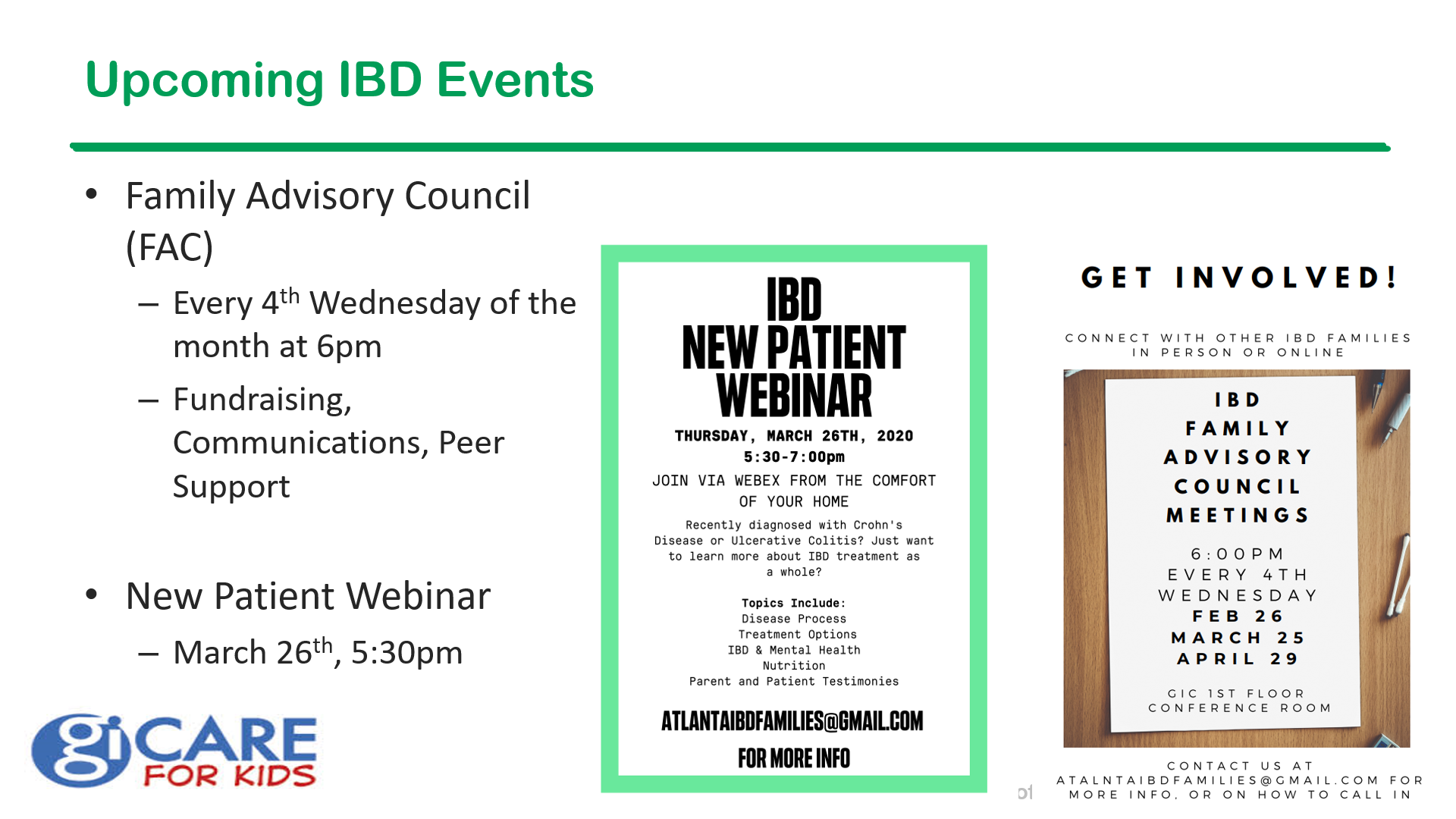
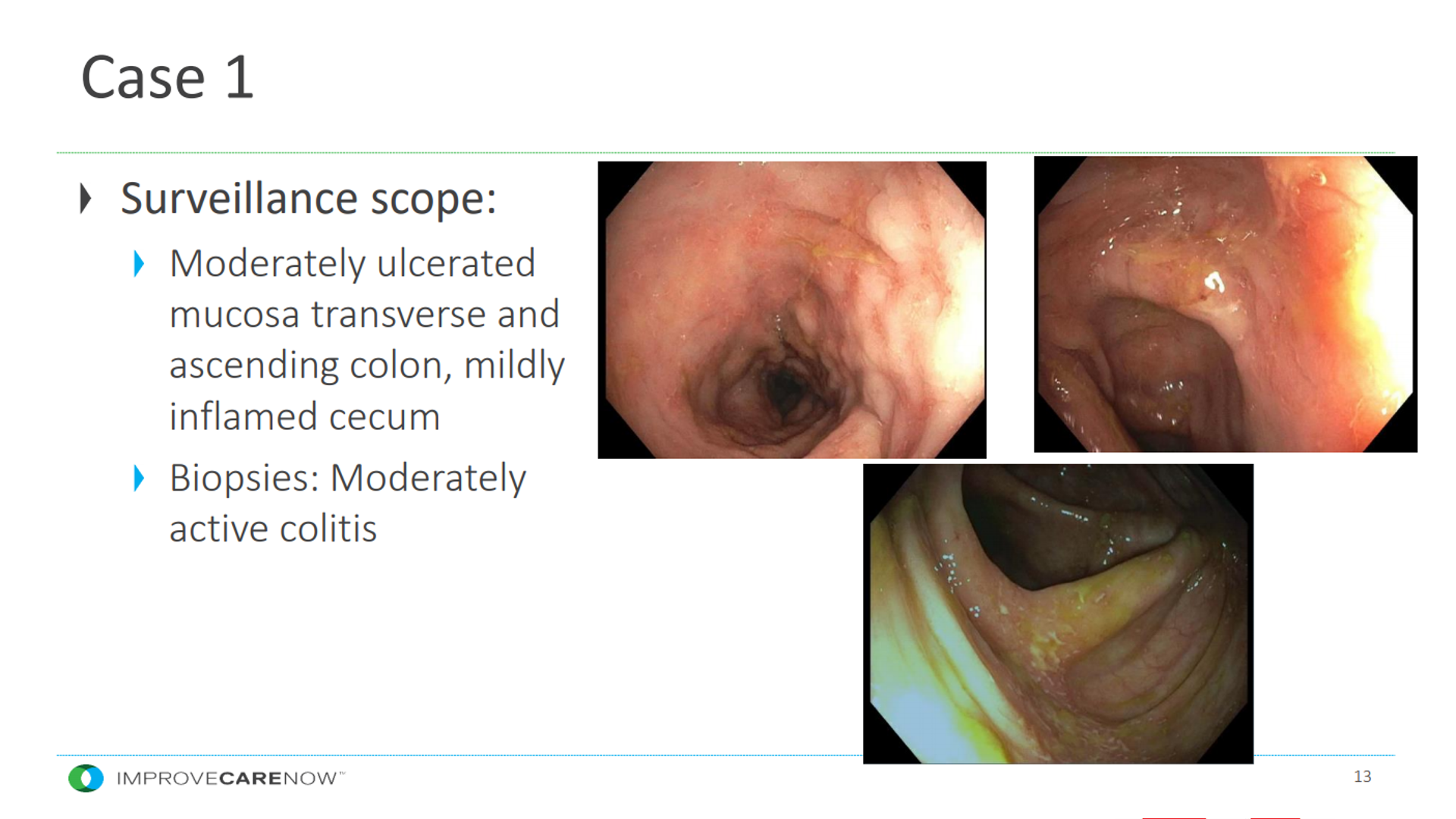
Some of the slides are shown below.

Related blog posts:

Disclaimer: This blog, gutsandgrowth, assumes no responsibility for any use or operation of any method, product, instruction, concept or idea contained in the material herein or for any injury or damage to persons or property (whether products liability, negligence or otherwise) resulting from such use or operation. These blog posts are for educational purposes only. Specific dosing of medications (along with potential adverse effects) should be confirmed by prescribing physician.  Because of rapid advances in the medical sciences, the gutsandgrowth blog cautions that independent verification should be made of diagnosis and drug dosages. The reader is solely responsible for the conduct of any suggested test or procedure.  This content is not a substitute for medical advice, diagnosis or treatment provided by a qualified healthcare provider. Always seek the advice of your physician or other qualified health provider with any questions you may have regarding a condition.
IBD and Immune-Mediated Diseases

J Burisch et al. Clin Gastroenterol Hepatol 2019; 17: 2704-12.  In this nationwide cohort from Denmark with 14,377 adult patients with IBD (median age 45.8 yrs) and 71,885 controls; immune-mediated diseases (IMID) were present in 22.5% of those with IBD.

Most common IMID:

  • psoriasis
  • asthma
  • type 1 diabetes
  • iridocyclitis

Other IMID:

  • multiple sclerosis
  • pyoderma gangrenosum
  • rheumatoid arthritis
  • ankylosing spondylitis,
  • celiac
  • primary scelorsing cholangitis,
  • primary biliary cholangitis
  • sarcoidosis
  • Graves’ disease

Findings:

  • Patients receiving infliximab were at a reduced risk of developing an IMID with aOR of 0.52 for Crohn’s disease (CD) and 0.47 for Ulcerative Colitis. (UC)
  • 80.3% of IMID were noted prior to onset of IBD
  • The presence of IMID was associated with an increased risk of surgery in patients with CD with aOR of 2.30 but not in patients with UC

My take: About 1 in 4 patients with IBD have at least 1 other immune-mediated disease.  The presence of an immune-mediated disease is associated with a higher likelihood of needing a biologic therapy and with surgery in patients with Crohn’s disease. In patients with numerous immune-mediated diseases, one needs to consider the possibility of other etiologies (eg. CTLA4 defiency)

Related blog posts:

Saint Jerome (not far from Montreal)

This blog, gutsandgrowth, assumes no responsibility for any use or operation of any method, product, instruction, concept or idea contained in the material herein or for any injury or damage to persons or property (whether products liability, negligence or otherwise) resulting from such use or operation. These blog posts are for educational purposes only. Specific dosing of medications (along with potential adverse effects) should be confirmed by prescribing physician.  Because of rapid advances in the medical sciences, the gutsandgrowth blog cautions that independent verification should be made of diagnosis and drug dosages. The reader is solely responsible for the conduct of any suggested test or procedure.  This content is not a substitute for medical advice, diagnosis or treatment provided by a qualified healthcare provider. Always seek the advice of your physician or other qualified health provider with any questions you may have regarding a condition

Development of Primary Sclerosing Cholangitis in Pediatric Patients with Inflammatory Bowel Disease

A recent study (A Chandrakumar et al. J Pediatr 2019; 215: 144-51) followed 190 children with inflammatory bowel disease from 2011 to 2018 in a longitudinal population-based cohort in Manitoba and examined the development of primary sclerosing cholangitis (PSC).  The diagnosis of PSC was made on discretion of the treating physician; thus, only a subset of patients underwent extensive evaluations for PSC.

Key findings:

  • 9 developed PSC-UC (9/95) and overall 11 developed PSC-IBD (11/190)
  • Among children with PSC-UC, 8 had high GGT (>50) at baseline and only 1 had a normal GGT at baseline.
  • All UC patients who developed PSC were diagnosed withing 6 months of their UC diagnosis.
  • At baseline, 22 patients with UC had an elevated GGT and 73 had a normal GGT.  Thus, about one-third of patients with an elevated GGT developed PSC (possibly more as all patients were not subjected to extensive testing)

My view: This study reinforces two concepts: 1) GGT is valuable as a screening test 2) PSC (often asymptomatic) is fairly common in UC and needs to be considered especially in the first year of diagnosis.  What this study does not do is help us figure out what should be done about children with asymptomatic PSC as there are no proven therapies.

Related blog posts:

More Pics from P’tit Train du Nord Linear Park