Unknown's avatar

About gutsandgrowth

I am a pediatric gastroenterologist at GI Care for Kids (previously called CCDHC) in Atlanta, Georgia. The goal of my blog is to share some of my reading in my field more broadly. In addition, I wanted to provide my voice to a wide range of topics that often have inaccurate or incomplete information. Before starting this blog in 2011, I would tear out articles from journals and/or keep notes in a palm pilot. This blog helps provide an updated source of information that is easy to access and search, along with links to useful multimedia sources. I was born and raised in Chattanooga. After graduating from the University of Virginia, I attended Baylor College of Medicine. I completed residency and fellowship training at the University of Cincinnati at the Children’s Hospital Medical Center. I received funding from the National Institutes of Health for molecular biology research of the gastrointestinal tract. During my fellowship, I had the opportunity to work with some of the most amazing pediatric gastroenterologists and mentors. Some of these individuals included Mitchell Cohen, William Balistreri, James Heubi, Jorge Bezerra, Colin Rudolph, John Bucuvalas, and Michael Farrell. I am grateful for their teaching and their friendship. During my training with their help, I received a nationwide award for the best research by a GI fellow. I have authored numerous publications/presentations including original research, case reports, review articles, and textbook chapters on various pediatric gastrointestinal problems. In addition, I have been recognized by Atlanta Magazine as a "Top Doctor" in my field multiple times. Currently, I am the vice chair of the section of nutrition for the Georgia Chapter of the American Academy of Pediatrics. In addition, I am an adjunct Associate Clinical Professor of Pediatrics at Emory University School of Medicine. Other society memberships have included the North American Society for Pediatric Gastroenterology Hepatology and Nutrition (NASPGHAN), American Academy of Pediatrics, the Food Allergy Network, the American Gastroenterology Association, the American Association for the Study of Liver Diseases, and the Crohn’s and Colitis Foundation. As part of a national pediatric GI organization called NASPGHAN (and its affiliated website GIKids), I have helped develop educational materials on a wide-range of gastrointestinal and liver diseases which are used across the country. Also, I have been an invited speaker for national campaigns to improve the evaluation and treatment of gastroesophageal reflux disease, celiac disease, eosinophilic esophagitis, hepatitis C, and inflammatory bowel disease (IBD). Some information on these topics has been posted at my work website, www.gicareforkids.com, which has links to multiple other useful resources. I am fortunate to work at GI Care For Kids. Our group has 17 terrific physicians with a wide range of subspecialization, including liver diseases, feeding disorders, eosinophilic diseases, inflammatory bowel disease, cystic fibrosis, DiGeorge/22q, celiac disease, and motility disorders. Many of our physicians are recognized nationally for their achievements. Our group of physicians have worked closely together for many years. None of the physicians in our group have ever left to join other groups. I have also worked with the same nurse (Bernadette) since I moved to Atlanta in 1997. For many families, more practical matters about our office include the following: – 14 office/satellite locations – physicians who speak Spanish – cutting edge research – on-site nutritionists – on-site psychology support for abdominal pain and feeding disorders – participation in ImproveCareNow to better the outcomes for children with inflammatory bowel disease – office endoscopy suite (lower costs and easier scheduling) – office infusion center (lower costs and easier for families) – easy access to nursing advice (each physician has at least one nurse) I am married and have two sons (both adults). I like to read, walk/hike, bike, swim, and play tennis with my free time. I do not have any financial relationships with pharmaceutical companies or other financial relationships to disclose. I have helped enroll patients in industry-sponsored research studies.

An “Ally” For Hepatitis C Genotype 3

A new study (Hepatology 2015; 61: 1127-35) shows that an all-oral 12 week treatment of daclatasvir (DCV) with sofosbuvir (SOF) is effective in the difficult-to-treat Hepatitis C virus (HCV) genotype 3 patients. In this study, the “Ally-3” phase III study, 101 treatment-naïve and 51 treatment experienced patients were treated with a daily regimen of DCV 60 mg and SOF 400 mg.

Key findings:

  • SVR12 was 90% in treatment-naïve, and 86% among in treatment experienced.
  • Among patients without cirrhosis, the SVR12 was 96%, compared with 63% of those with cirrhosis (based on FibroTest scores)

Related blog posts:

Bottomline: This new regimen is a promising addition to the new crop of HCV drugs which will be affordable when?

A second study (Hepatology 2015; 61: 1174-82) examined the minimum target pricing for direct-acting antivirals (DAA) for HCV.  Using data on manufacturing costs, derived in large part from experience with HIV antivirals, the authors calculate that a minimum cost for a 12-week course of combination DAA could be US $171-360 per person without genotyping and the drug costs alone from US $122-192 per person.  Of course, these costs are completely theoretical and complete fantasy, at least until 2027 when some of the patents expire.

Related post: HCV Treatments: “Sticker Shock” or “Low Value …

Briefly noted: Hepatology 2015; 61: 1261-68.  N=986 Koreans with HBsAg carrier status and 40 years of age or older.  FIB-4 is highly predictive of hepatocellular carcinoma (HCC) risk in those with chronic hepatitis B. FIB-4 was defined based on age x AST , PLTS, and ALT.  Since a high FIB-4 reflects liver fibrosis, it is not unexpected that high levels were associated with HCC. A FIB-4 >/= 2.4 showed an adjusted Hazard Ratio of 21.34.

Prospective Monitoring of Calprotectin for Crohn’s Disease

A recent study (full text link: Wright EK, et al. Gastroenterol May 2015 Volume 148, Issue 5, Pages 938–947) shows that stool calprotectin levels can be useful to monitor Crohn’s disease (Links from AGA twitter feed).  This study measured levels as part of The Post-Operative Crohn’s Endoscopic Recurrence (POCER) study.

Here’s the abstract, followed by some comments:

Background & Aims

Crohn’s disease (CD) usually recurs after intestinal resection; postoperative endoscopic monitoring and tailored treatment can reduce the chance of recurrence. We investigated whether monitoring levels of fecal calprotectin (FC) can substitute for endoscopic analysis of the mucosa.

Methods

We analyzed data collected from 135 participants in a prospective, randomized, controlled trial, performed at 17 hospitals in Australia and 1 hospital in New Zealand, that assessed the ability of endoscopic evaluations and step-up treatment to prevent CD recurrence after surgery. Levels of FC, serum levels of C-reactive protein (CRP), and Crohn’s disease activity index (CDAI) scores were measured before surgery and then at 6, 12, and 18 months after resection of all macroscopic Crohn’s disease. Ileocolonoscopies were performed at 6 months after surgery in 90 patients and at 18 months after surgery in all patients.

Results

Levels of FC were measured in 319 samples from 135 patients. The median FC level decreased from 1347 μg/g before surgery to 166 μg/g at 6 months after surgery, but was higher in patients with disease recurrence (based on endoscopic analysis; Rutgeerts score, ≥i2) than in patients in remission (275 vs 72 μg/g, respectively; P < .001). Combined 6- and 18-month levels of FC correlated with the presence (r = 0.42; P < .001) and severity (r = 0.44; P < .001) of CD recurrence, but the CRP level and CDAI score did not. Levels of FC greater than 100 μg/g indicated endoscopic recurrence with 89% sensitivity and 58% specificity, and a negative predictive value (NPV) of 91%; this means that colonoscopy could have been avoided in 47% of patients. Six months after surgery, FC levels less than 51 μg/g in patients in endoscopic remission predicted maintenance of remission (NPV, 79%). In patients with endoscopic recurrence at 6 months who stepped-up treatment, FC levels decreased from 324 μg/g at 6 months to 180 μg/g at 12 months and 109 μg/g at 18 months.

Conclusions

In this analysis of data from a prospective clinical trial, FC measurement has sufficient sensitivity and NPV values to monitor for CD recurrence after intestinal resection. Its predictive value might be used to identify patients most likely to relapse. After treatment for recurrence, the FC level can be used to monitor response to treatment. It predicts which patients will have disease recurrence with greater accuracy than CRP level or CDAI score.

Some key points from the discussion:

  • The POCER study recently showed that postoperative endoscopic monitoring, together with treatment intensification for early recurrence, is superior to standard drug therapy alone in preventing disease recurrence, at least in the short term. However, such endoscopic monitoring is invasive, expensive, cannot be repeated frequently, and, in some patients, will yield a normal result.” [De Cruz, P., Kamm, M.A., Hamilton, A.L. et al. Crohn’s disease management after intestinal resection: a randomised trial. Lancet2014; (Epub ahead of print)]
  • The POCER study had all postoperative patients receive 3 months of metronidazole.  High-risk patients also received thiopurine or adalimumab (if thiopurine intolerant) therapy.  High-risk was defined as patients who were smokers, patients with perforating disease, or patients with 1 or more previous resections.
  • “In our study we have shown that FC concentration is increased markedly before surgery and decreases substantially after resection of all macroscopic disease at 6 months”
  • The present study has shown that FC concentration is sufficiently sensitive to monitor for recurrence of Crohn’s disease, and has a high enough negative predictive value to be confident that few patients with recurrence will be missed.” The authors, though, recommend serial measurement rather than relying on a single assay.
  • Calprotectin: “At each time point in our study, a cut-off value of 100 μg/g had an NPV of 90% or greater, with the best combination of sensitivity and specificity.”
  • An important limitation of these findings is that patients had to have all macroscopic disease removed at the time of surgery.  Thus, these findings are not generalizable to patients with residual upper gastrointestinal disease.
  • “These results confirm the accuracy, utility and superiority of fecal calprotectin compared with CRP or CDAI as a monitoring tool and screening test for endoscopic recurrence of Crohn’s disease in the postoperative population.”

Additional summary of this information on AGA Journals blog:  Measurement of Fecal Calprotectin.  An excerpt:

In an editorial that accompanies the article, Alain M. Schoepfer and James D. Lewis explain that the role of fecal calprotectin in assessing post-operative recurrence has been debated because of inconsistent results in mainly small studies. The strengths of the study of Wright et al include its large size, prospective design, endoscopic validation, and longitudinal inter-individual measurements of fecal calprotectin.

Tests for biomarkers such as fecal calprotectin can be repeated more frequently than colonoscopies. This advantage could overcome the lower levels of sensitivity with which single measurements of biomarkers detect recurrence. Schoepfer and Lewis say that studies are needed to determine the optimal frequency for measuring fecal calprotectin.

However, they conclude that measurement of fecal calprotectin could have an important role in monitoring Crohn’s disease recurrence after intestinal resection; it is clearly superior to measurement of c-reactive protein or CDAI score.

Proposed algorithm for using calprotectin: In the editorial, they propose that patients with low or medium risk of “permanent bowel dysfunction as a consequence of post-operative recurrence” could use fecal calprotectin measurements every 3-6 months.  They propose a cut-off of 50 mcg/g in those with medium risk and a cut-off of 100 mcg/g in those with low risk.  Those who exceeded cut-off would need colonoscopy.  Among high risk patients, they recommend proceeding directly to colonoscopy every 6-12 months to assess for recurrence.  All patients who had recurrence of disease greater than i1 would need treatment for recurrence. (Related gutsandgrowth blog: Only One Chance to Make a First Impression).

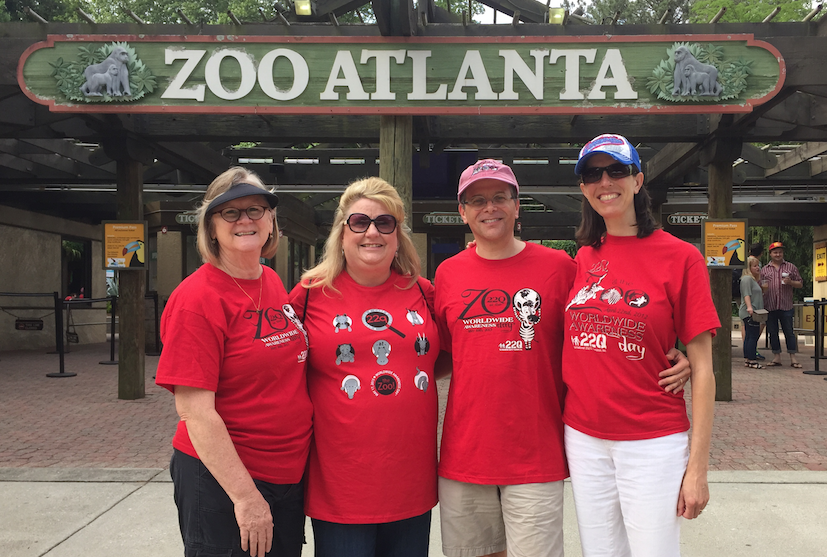
This year’s 22Q at the zoo was on May 17th, 2015:

22Q at the Zoo.  More than 100 zoos across the world participate to improve awareness of 22Q deletion syndrome

22Q at the Zoo. More than 100 zoos across the world participate to improve awareness of 22Q deletion syndrome.  With Karlene Coleman, Nancy Morris, and Jennifer Hochman.

Mediterranean Diet and Better Cognitive Function

The Mediterranean diet has been associated with a number of health benefits.  A recent study in JAMA Internal Medicine indicates that this diet may result in better cognitive function.

A summary of this study from NBC News: Diet That Helps You Live Longer May Keep Your Mind Sound

Here’s an excerpt:

They singled out 447 volunteers considered at high risk of heart disease. Heart disease and dementia are already linked — people with a higher risk of one usually have a higher risk of the other, also.

Two groups were assigned to follow the Mediterranean diet and told to add either five 5 tablespoons of extra virgin olive oil a day or a handful of mixed nuts. The third group got the low-fat advice….

The volunteers, who had an average age of 67, were tested from time to time on memory skills. The group who ate the extra nuts did better in terms of memory and the group given extra virgin olive oil performed better on tests that required quick thinking…

Just over 13 percent of those who got extra olive oil were diagnosed with mild cognitive impairment, which may or may not lead to Alzheimer’s disease. Just 7 percent of those who got nuts were diagnosed with mild cognitive impairment, while around 13 percent of those who got neither developed memory loss.

But many of the patients actually saw their memories get better over the four years. On average, those in the low-fat-only group lost some memory and thinking skills, but those who got extra nuts had their memory skills improve on average, while those who got olive oil had improvements in problem-solving and planning skills…

The findings fit in with research that has shown a Mediterranean-style diet can lower the risk of Alzheimer’s disease.

Related blog posts:

Zoo Atlanta, Eastern Diamond Rattlesnake

Zoo Atlanta, Eastern Diamond Rattlesnake

Why ImproveCareNow is Needed

A few recent articles make a strong argument for collaborative networks, like ImproveCareNow, to improve data collection to determine the most effective therapies.

  1. Kierkus J, et al. JPGN 2015; 60: 580-85.
  2. Audu GK, et al. JPGN 2015; 60: 586-91
  3. Dotson JL, et al. Inflamm Bowel Dis 2015; 21: 1109-14
  4. Saps M, et al. JPGN 2015; 60: 645-53.

A brief description of each study.

1. This study presented a multi-center randomized open-label trial of 99 pediatric patients with Crohn’s disease (CD) who were administered infliximab (IFX) along with an immunomodulator (azathioprine or methotrexate).  After a 10 week induction, 84 were randomized to either monotherapy for 54 weeks or dual therapy for 26 weeks. The authors did not find significant differences in response between the groups.  However, they reached a conclusion: “Twenty-six weeks likely represent (sic) the safe duration of combined IFX/immunomodulator therapy in our sample of pediatric patients with CD.”

2. The second study described three cases of chronic recurrent multifocal ostesomyelitis (CRMO) associated with inflammatory bowel disease.  They tried to identify all pediatric cases in UK in the last 10 years. (As an aside, I have treated one teenager with CRMO and ulcerative colitis.)

3. The third study is a retrospective single center of 30 patients with pediatric Crohn’s disease (CD) who developed intra-abdominal abscesses (IAA) over a 12-year period.  The authors note that this is “the largest single-center review of children and adolescents with CD and IAA to date.” Yet due to the small sample size, the study provides little guidance on this important medical problem; there were no predictors of successful medical or percutaneous drainage therapy.  In addition, with the increasing use of biologics, the authors note that “the issue of which patients will eventually require surgery is even less clear.” Changes in imaging (eg. MRE) and changes in medical management (eg. more enteral nutrition and less corticosteroids) are not discussed.

4. The fourth study is a comprehensive review of randomized placebo-controlled pharmacological clinical trials in children with functional abdominal pain disorders.  They found “no evidence to support the use of most commonly used drugs in children. Only 7 pharmacological RCTs on AP-FGIDs in children were found. Most studies were single center based and had a small sample size.  The methods and outcomes were heterogeneous…We found a considerable risk of bias in most studies…There is an urgent need for well-designed randomized clinical trials using age-appropriate validated outcome measures.”

Each of these studies makes a compelling argument for collaborative research networks.  The first study had a relatively small number of patients, short follow-up period, lack of blinding, and numerous methodological limitations.  How did the authors determine that 26 weeks was the time to stop dual therapy? Among adults with CD, a well-designed SONIC study (NEJM 2010; 362: 1383) showed the superiority of dual therapy during the study period.  In children, because of concerns about thiopurine safety, the best approach is still unclear. The second study identified only three patients despite examining a large population.  Similarly, the third study describes 30 patients with a common complication of CD but provides little insight.

The fourth study is a cautionary tale illustrating the lack of progress due to the absence of collaborative research.  Reports indicate a high prevalence of functional abdominal pain; one study indicated that abdominal pain affects “38% of school children weekly” (J Pediatr 2009; 154: 322-6).  In fact, studies on the high prevalence of this disorder dates back for 60 years (Apley, 1975; Apley & Hale, 1973; Apley & Naish, 1958). Despite the prevalence of this problem, the data for all of the treatments is poor.  The lack of progress in defining treatments for functional abdominal pain is multifactorial, including the following:

  • Cost: For many of the available treatments, there is not a financial incentive to conduct research.
  • Biomarker: lack of objective markers for improvement
  • Disease Stigma: many people attribute functional disorders as being due solely to psychological factors
  • Physician Champions: in pediatric gastroenterology, it took concerted physician efforts over many years to develop ImproveCareNow.  Similar physician champions would be needed to improve the outcomes for children with functional disorders

Bottomline: While ImproveCareNow has a lot of work ahead including improving data reliability and ascertaining accurate outcome measures, I think the effort is forward-thinking and will make a difference in understanding and treating children with IBD.  ImproveCareNow has more than 600 participating pediatric gastroenterologists and more than 20,000 patients. What I would like to see is a sister network to address the morbidity from functional disorders so that in 60 years (or sooner), we will be better equipped to treat children with abdominal pain that is not due to IBD.

Related blog posts:

Fox Theater

Fox Theater

Clinical Features of Byler Disease

A recent article (Morris AL, et al. JPGN 2015; 60: 460-6) provides a detailed analysis of six cases of Byler disease during their first two years of life.  These cases were strictly defined and defined by homozygous c.923G>T mutation of ATP8b1.

Presenting features:

  • 2 with newborn direct hyperbilirubinemia
  • 2 with complications of coagulopathy. “Bleeding diathesis is a particular issue in the Amish community where home delivery is common and vitamin K may not be administered perinatally.”
  • 1 with failure to thrive and rickets
  • 1 was a sibling identified with newborn genetic testing

Key features:

  • Intensive fat-soluble vitamin supplementation was needed. “Vitamin K deficiency can be lethal.”
  • Poor growth was frequent (Figure 2): “growth trajectories were generally at the low end of percentiles and did not reflect parental size.” It was “typically responsive to supplementation with medium-chain triglyceride-based formula. and/or use of 30 cal per ounce formulae.”
  • Elevated serum bile acids and low normal GGT (Υ-glutamyltranspeptidase)
  • Diarrhea was commonly reported
  • Intractable pruritus in 4 of 6 children which developed between 6-12 months of age;  in two patients rifampin therapy was effective.
  • Partial external biliary diversion was used in 4 children during 2nd year of life; there was a “generally favorable response to PEBD.”
  • There were not issues noted with portal hypertension

Bottomline: This report shares some practical experience with this rare disorder.

Related blog posts:

New Mutations: Achalasia, Pseudoobstruction, & IBD

The ability to use whole exome sequencing and widely available genetic testing is yielding a plethora of new information regarding the genetic causes for many conditions.  In gastroenterology, here are a few recent examples:

  • Shteyer E, et al. “Truncating mutation in the nitric oxide synthase 1 gene is associated with infantile achalasia.” Gastroenterology. 2015 Mar;148(3):533-536.e4. doi: 10.1053/j.gastro.2014.11.044. Epub 2014 Dec 3.
  • Bonora E, et al. “Mutations in RAD21 Disrupt Regulation of APOB in Patients with Chronic Intestinal Pseudo-Obstruction” Gastroenterology 2015; 148: 771-82.  Genetic defect in RAD21 identified in Turkish family with consanguinity; in addition, APOB48 serum levels was identified as a potential biomarker for intestinal pseudo-obstruction and intestinal ganglion numbers.
  • Alonso A, et al. “Identification of Loci for Crohn’s Disease Phenotypes Using a Genome-Wide Association Study.” Gastroenterology 2015; 148: 794-805. Variants in MAG11, CLCA2, 2q24.1, LY75 identified as associated with Crohn’s phenotypes.

For me, I am not sure whether these findings should be considered mundane or amazing. On the one hand, each of the findings helps understand these diseases; yet, I came across all of these articles in the span of 24 hours and from the same journal.

Reaching Consensus on Bariatric Intervention in Children and Adolescents

A recent medical position paper (Nobili V, et al. JPGN 2015; 60: 550-61) provides guidance for bariatric surgery intervention in children and adolescents with and without nonalcoholic fatty liver disease (NAFLD).

While the authors acknowledge that bariatric surgery can “dramatically reduce the risk of adulthood obesity and obesity-related diseases,” they advocate its use in adolescents with the following:

  • BMI >40 kg/m-squared with severe comorbidities: type 2 diabetes mellitus, moderate-to-severe sleep apnea, pseudotumor cerebri, or NASH with advanced fibrosis (ISHAK score >1)
  • BMI >50 kg/m-squared with mild comorbidities: hypertension, dyslipidemia, psychological distress, gastroesophageal reflux, anthropathies, NASH, impairment in activities of daily living, mild obstructive sleep apnea, panniculitis, chronic venous insufficiency, urinary incontinence
  • Additional criteria: have attained 95% of adult stature, failed behavioral/medical treatments, psychological evaluation perioperatively, avoid pregnancy for 1 year after surgery, will adhere to nutritional guidelines after surgery, informed assent from teenager (along with parental consent)

Key points:

  • “There is a lack of randomized controlled trials examining the effects of bariatric surgery on NAFLD or NASH.”  In Table 3, the authors provide a summary of 16 previous studies/outcomes; though none of the studies enrolled more than 60 patients.
  • In an adult prospective study with 381 patients (Mathurin P et al. Gastroenterol 2009; 137: 532-40), there was a significant decline in the severity/prevalence of steatosis and resolution of NASH at 1 and 5 years.
  • Bariatric surgery, in adult studies, have improved diabetes, insulin resistance, hypertension, and dyslipidemia.
  • Patients who have “undergone bariatric surgery show higher suicide rates than the general population.”  Psychological evaluation should be integrated with surgical decision.
  • Type of surgery: Roux-en-Y Gastric Bypass (RYGB) is favored by the authors; they also discuss studies with Laparoscopic Adjustable Gastric Banding (LAGB).  “RYGB and LAGB are the 2 main surgical procedures that have been used in pediatric obesity.  RYGB is considered a safe and effective option for adolescents with extreme obesity, as long as appropriate long-term follow-up is provided. LAGB has not been approved by Food and Drug Administration for use in adolescents, and there should be considered investigational only.”

It is interesting that the authors are so deferential to the Food and Drug Administration.  It is clear from their position paper that LAGB has similar evidence supporting its use in adolescents as RYGB.  They even note that it has potential for reversibility and “an excellent safety profile with a lower risk of postoperative vitamin deficiencies when compared with biliopancreatic diversion and RYGB.”

Bottomline: Given the continuation of the obesity epidemic, additional pediatric medical expertise will be needed to help evaluate adolescents for bariatric surgery and to follow them postoperatively.

Related blog posts:

The Costs of Unnecessary Care –What’s Wrong with “I want everything ruled out?”

A great article for understanding a lot of what needs to be improved in our health care system –“America’s Epidemic of Unnecessary Care” from Atul Gawande & The New Yorker (Thanks to Kayla Lewis for this reference).  Here are some excerpts:

Well, as a doctor, I am far more concerned about doing too little than doing too much. It’s the scan, the test, the operation that I should have done that sticks with me—sometimes for years…It is different, however, when I think about my experience as a patient or a family member.


Dr. Gawande describes several anecdotes:

  • He relates how his mother had unnecessary testing done and only afterwards was a history and physical completed that would have obviated the need for any testing.
  • He relates a story about his friend Bruce. Bruce’s father had a stroke during cardiac surgery. However, the likelihood of that surgery helping Bruce’s father was much lower than the risk of surgery.
  • Ray from Car Talk: Even reputable professionals with the best intentions tend toward overkill, he said. To illustrate the point, he, too, had a medical story to tell. Eight months earlier, he’d torn a meniscus in his knee doing lunges…Ray went for a second opinion, to a physical therapist, who, of course, favored physical therapy, just as the surgeon favored surgery. Ray chose physical therapy.  What Ray recommended to his car-owning listeners was the approach that he adopted as a patient—caveat emptor. He did his research. He made informed choices. He tried to be a virtuous patient.

Other Important Points:

  • The virtuous patient is up against long odds, however. One major problem is what economists call information asymmetry. In 1963, Kenneth Arrow, who went on to win the Nobel Prize in Economics, demonstrated the severe disadvantages that buyers have when they know less about a good than the seller does.
  • The United States is a country of three hundred million people who annually undergo around fifteen million nuclear medicine scans, a hundred million CT and MRI scans, and almost ten billion laboratory tests. Often, these are fishing expeditions, and since no one is perfectly normal you tend to find a lot of fish.
  • What’s more, the value of any test depends on how likely you are to be having a significant problem in the first place…Experts recommend against doing electrocardiograms on healthy people, but millions are done each year, anyway.
  • Overtesting has also created a new, unanticipated problem: overdiagnosis. This isn’t misdiagnosis—the erroneous diagnosis of a disease. This is the correct diagnosis of a disease that is never going to bother you in your lifetime. 

Dr. Gawande explains how some conditions (including cancers) are more like turtles and some are more like rabbits. Diagnosing a turtle results in increased risk, increased cost and little likelihood of benefit.

  • With regard to cost, he updates the situation in McAllen, Tx: Six years ago, in “The Cost Conundrum,” I compared McAllen with another Texas border town, El Paso. They had the same demographics—the same levels of severe poverty, poor health, illegal immigration—but El Paso had half the per-capita Medicare costs and the same or better results…McAllen, in large part because of changes led by primary-care doctors, has gone from a cautionary tale to something more hopeful.

Take-home point (from article): Right now, we’re so wildly over the boundary line in the other direction that it’s hard to see how we could accept leaving health care the way it is. Waste is not just consuming a third of health-care spending; it’s costing people’s lives. As long as a more thoughtful, more measured style of medicine keeps improving outcomes, change should be easy to cheer for. Still, when it’s your turn to sit across from a doctor, in the white glare of a clinic, with your back aching, or your head throbbing, or a scan showing some small possible abnormality, what are you going to fear more—the prospect of doing too little or of doing too much?

Related blog posts:

Weight Loss Improves NASH

A recent study (http://dx.doi.org/10.1053/j.gastro.2015.04.005) helps confirm the notion that the most effective therapy for nonalcoholic steatohepatitis is weight loss. (From Rohit Kohli twitter feed).

Abstract:

Background & Aims

It is not clear how weight loss affects histologic features of liver in patients with nonalcoholic steatohepatitis (NASH). We examined the association between the magnitude of weight loss through lifestyle modifications and changes in histologic features of NASH.

Methods

We conducted a prospective study of 293 patients with histologically proven NASH who were encouraged to adopt recommended lifestyle changes to reduce their weight over 52 weeks, from June 2009 through May 2013, at a tertiary medical center in Havana, Cuba. Liver biopsies were collected when the study began and at week 52 of the diet, and analyzed histologically.

Results

Paired liver biopsies were available from 261 patients. Among 293 patients who underwent lifestyle changes for 52 weeks, 72 (25%) achieved resolution of steatohepatitis, 38 (47%) had reductions in NAFLD activity scores (NAS), and 56 (19%) had regression of fibrosis. At week 52, 88 subjects (30%) had lost 5% or more of their weight. Degree of weight loss was independently associated with improvements in all NASH-related histological parameters (odds ratios, 1.1–2.0;P<.01). A higher proportion of subjects with 5% weight loss or more had NASH resolution (51/88, 58%) and a 2-pt reduction in NAS (72/88, 82%) than subjects that lost less than 5% of their weight (P<.001). All patients who lost 10% of their weight or more had reductions NAS, 90% had resolution of NASH, and 45% had regression of fibrosis. All patients who lost 7%−10% of their weight and had few risk factors also had reduced NAS. In patients with baseline characteristics that included female sex, body mass index ≥35, fasting glucose >5.5 mmol/L, and many ballooned cells, NAS scores decreased significantly with weight reductions of 10% or more.

Conclusions

A greater extent of weight loss, induced by lifestyle changes, is associated with the level of improvement in histologic features of NASH. The highest rates of NAS reduction, NASH resolution, and fibrosis regression occurred in patients with weight losses of 10% or more.

Hard-to-Treat Shigella Infections

From the CDC (4/2/15): Multidrug-resistant Shigellosis Spreading in the U.S.

International travelers are bringing a multidrug-resistant intestinal illness to the United States and spreading it to others who have not traveled, according to a report released today by the Centers for Disease Control and Prevention (CDC). Shigella sonnei bacteria resistant to the antibiotic ciprofloxacin sickened 243 people in 32 states and Puerto Rico between May 2014 and February 2015…

In the United States, most Shigella is already resistant to the antibiotics ampicillin and trimethoprim/sulfamethoxazole. Globally, Shigella resistance to Cipro is increasing…

Until recently, Cipro resistance has occurred in just 2 percent of Shigella infections tested in the United States, but was found in 90 percent of samples tested in the recent clusters.

Because Cipro-resistant Shigella is spreading, CDC recommends doctors use lab tests to determine which antibiotics will effectively treat shigellosis. Doctors and patients should consider carefully whether an infection requires antibiotics at all…

For more information on Shigella, please visit: www.cdc.gov/shigella.

Travelers can learn more about food and water precautions to prevent Shigella at: http://wwwnc.cdc.gov/travel/yellowbook/2014/chapter-2-the-pre-travel-consultation/food-and-water-precautions.

To view the full MMWR report, please click here.

Related blog posts:

Sandy Springs

Sandy Springs