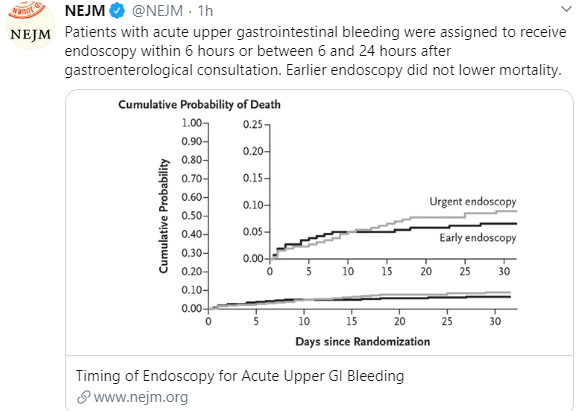
Rifabutin-based Triple Therapy for H pylori

From NEJM Journal Watch (5/8/20): A New First-Line Treatment Regimen for H. pylori Infection

In this industry-funded, phase III trial conducted in the U.S., 455 H. pylori-treatment–naive patients with dyspepsia and a confirmed H. pylori diagnosis were randomized to treatment with capsules containing rifabutin, amoxicillin, and omeprazole or capsules containing amoxicillin and omeprazole for 14 days. Participants took 4 capsules every 8 hours. The eradication rate in the rifabutin-based therapy group was significantly higher (84%) compared with the comparison group (58%). In patients with confirmed adherence to treatment, the eradication rates were 90% versus 65%, respectively. No H. pylori resistance to rifabutin was detected, and side effects were similar between groups.

My take: More treatment options are needed due to drug resistance.  Also, “further studies are needed to compare this new triple therapy with current quadruple therapies.”

Related blog posts:

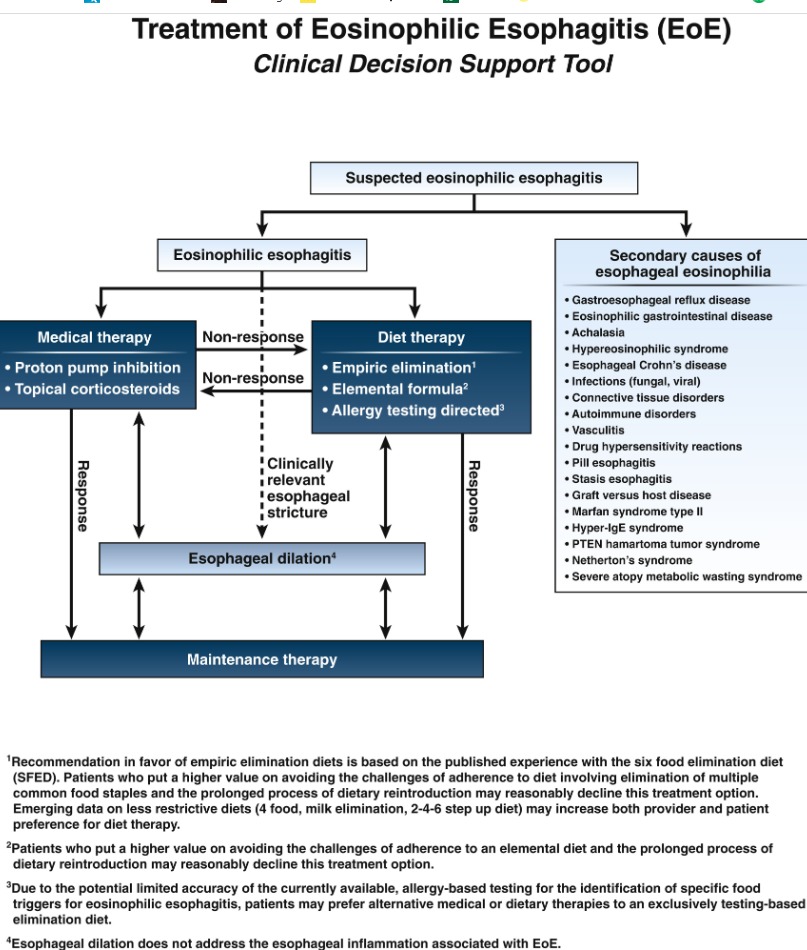
New 2020 Eosinophilic Esophagitis Guidelines

Full text (I Hirano et al. Gastroenterol 2020; 158: 1776-86)AGA Institute and the Joint Task Force on Allergy-Immunology Practice Parameters Clinical Guidelines for the Management of Eosinophilic Esophagitis

Full text: PDF

This guideline was developed through a collaboration between AGA and the Joint Task Force for Allergy-Immunology Practice Parameters, which comprises the American Academy of Allergy, Asthma & Immunology and the American College of Allergy, Asthma & Immunology. This guideline is jointly published in Gastroenterology and Annals of Allergy, Asthma and Immunology.

Technical review article (MA Rank et al. Gastroenterol 2020; 158: 1789-1810): Technical Review on the Management of Eosinophilic Esophagitis: A Report From the AGA Institute and the Joint Task Force on Allergy-Immunology Practice Parameters


Link: Clinical Decision Support Tool

Link: Treatment of EoE Spotlight Poster

Related blog posts:

Great Issue: We Need More Negative Studies (Published)

A recent ACG “Negative Issue” had some terrific articles –thanks to Ben Gold for sharing his issue.

Here are a few of the studies:

  1. Buspirone had similar efficacy as placebo in a randomized clinical trial for childhood functional abdominal pain, (n=117)  Full text: Comparison of the Efficacy of Buspirone and Placebo in Childhood Functional Abdominal Pain Key finding: Treatment response rates for buspirone and placebo were 58.3% and 59.6% at week 4 (P = 0.902) and 68.1% and 71.1% at week 12 (P = 0.753), respectively.
  2. IBS does not increase mortality in a nationwide cohort study (>300,000 in study)  Full text: Mortality Risk in Irritable Bowel Syndrome Key finding: After adjustment for confounders, IBS was not linked to mortality (HR = 0.96; 95% CI = 0.92–1.00) …and patients with IBS not undergoing a colorectal biopsy were at no increased risk of death (HR = 1.02; 95% CI = 0.99–1.06).
  3. Mongerson was not effective for active Crohn’s disease in a large phase 3 study, n=701 Full text: Mongersen (GED-0301) for Active Crohn’s Disease Key finding: The primary endpoint, clinical remission achievement (CD Activity Index score <150) at week 12, was attained in 22.8% of patients on GED-0301 vs 25% on placebo (P = 0.6210). At study termination, proportions of patients achieving clinical remission at week 52 were similar among individual GED-0301 groups and placebo.
  4. Treatment of H pylori did not increase the risk of C difficile infection (retrospective study)  Full text: Treatment of Helicobacter pylori & Clostridium difficile  Key finding: Of these 38,535 patients with H pylori based on endoscopic pathology, urea breath testing, or stool antigen, 284 (0.74%) had subsequent CDI. Those who developed CDI were less likely to have received treatment for HP within the VHA (66.2% vs 74.8%, P < 0.001)
  5. Percutaneous liver biospy was not safer when done by experienced clinician compared to a fellow, n=212 biopsies  Full text: Major Complications of Pediatric Percutaneous Liver Biopsy Do Not Differ Among Physicians With Different Degrees of Training  Key finding: No significant differences were found between groups (fellows vs staff) regarding number of punctures (median of 1.7 for both), nonrepresentative biopsies (4.2% vs 2.6%), and hemoglobin drop (median of 0.7 vs 0.5 g/L).  Interestingly, in the discussion, the authors assert: “previous studies do not support the conclusion that ultrasound-guided biopsies are superior in terms of safety or adequacy when compared with the use of ultrasound to mark the puncture” (this is based on a study referenced from 2007:  J Gastroenterol Hepatol 2007;22(9):1490–3.)  However, given that severe complications from liver biopsy are infrequent, this current study may be underpowered to detect a small difference between experienced clinicians and fellows.

Related blog posts:


It’s come to this:  Link: YouTube: Dirty Dancing Remake -Safest with a Lamp (this link is for Bernsie). 4 minute video.

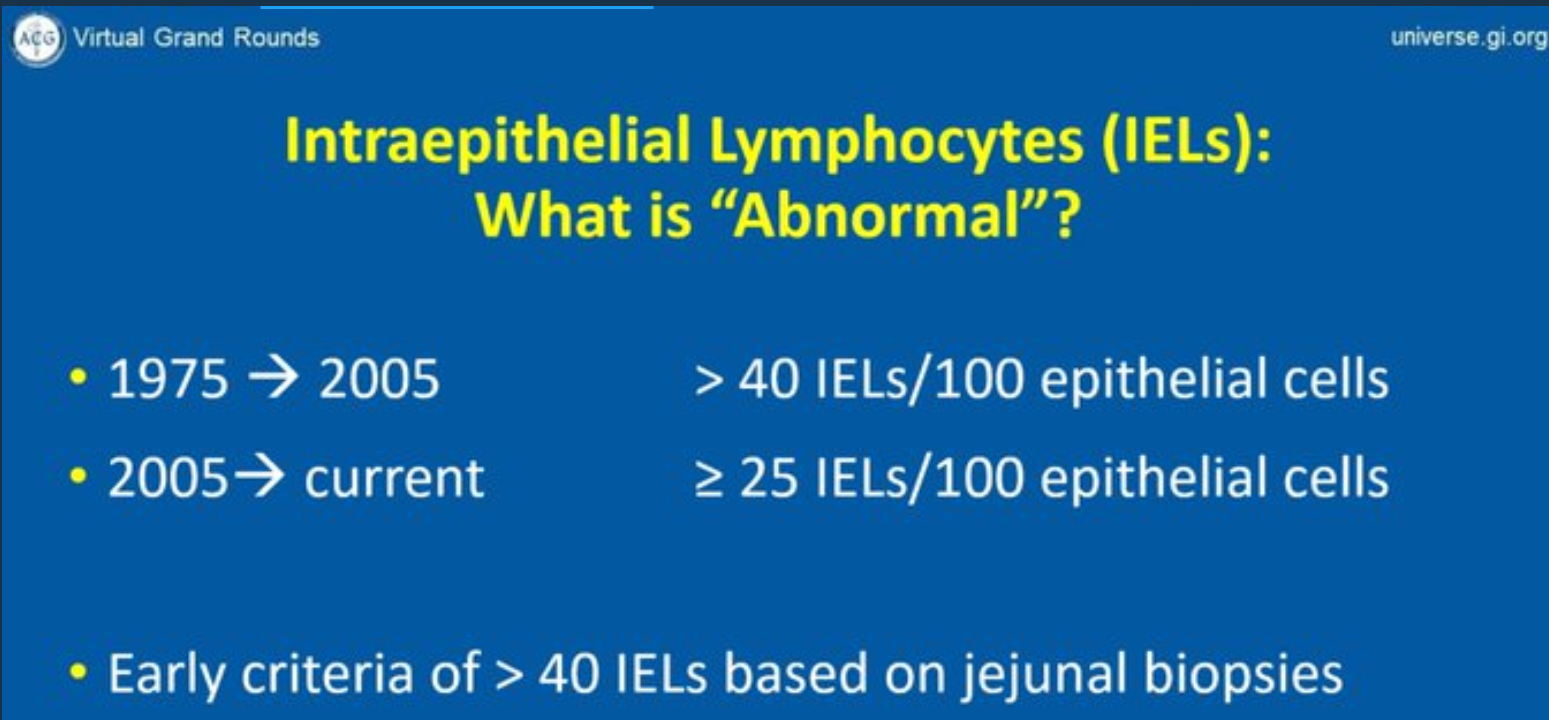
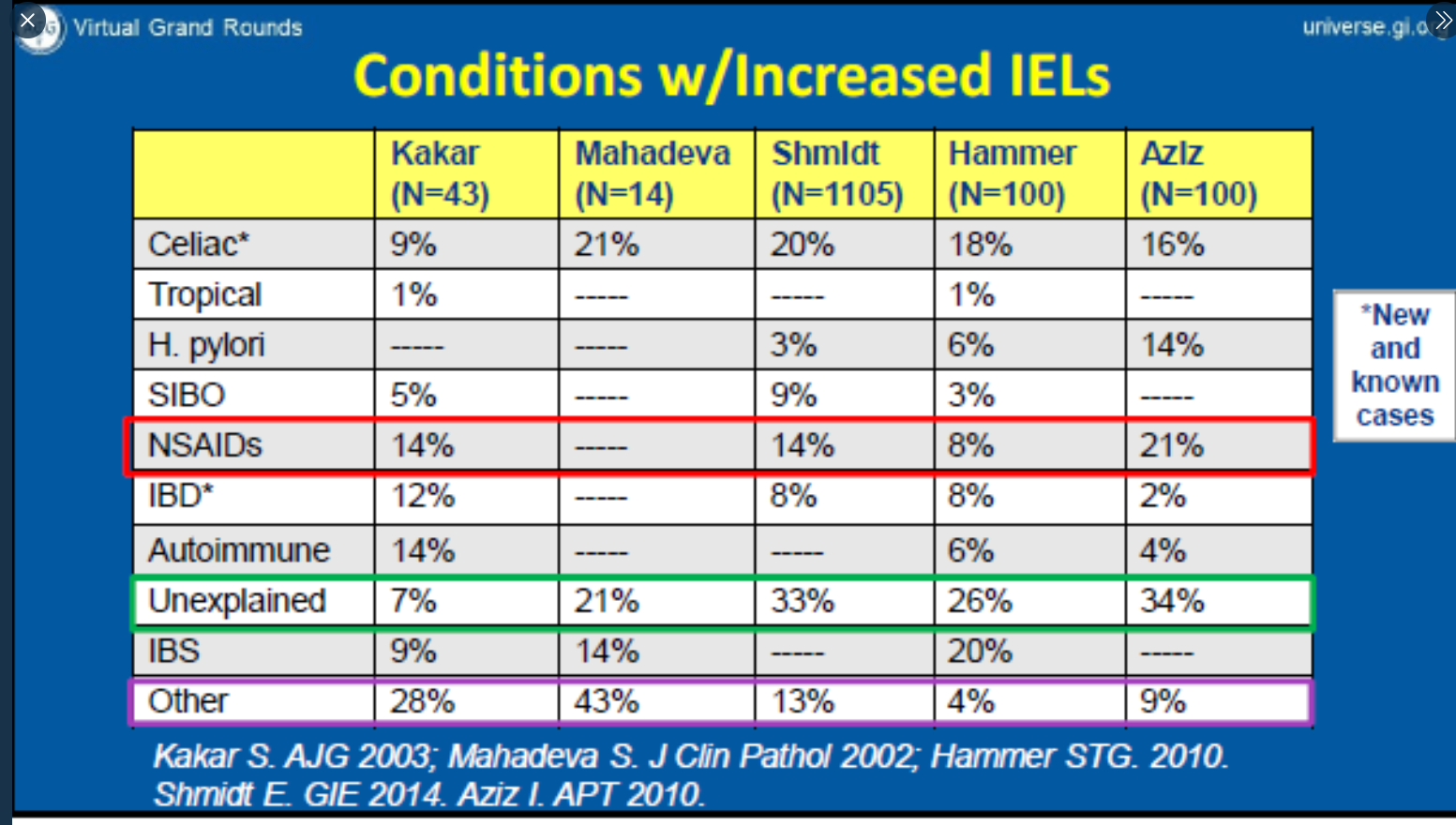
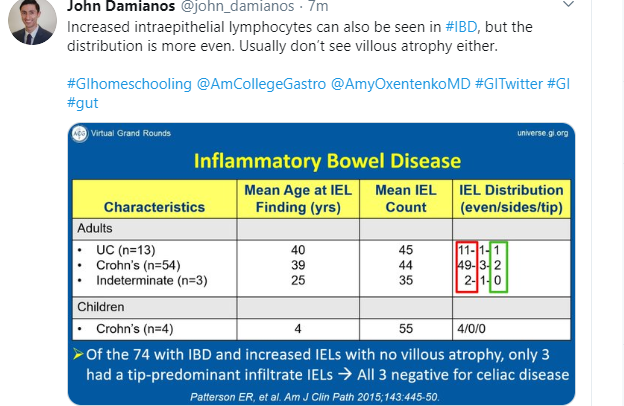
@AmyOxentenkoMD: Celiac Disease and Mimics

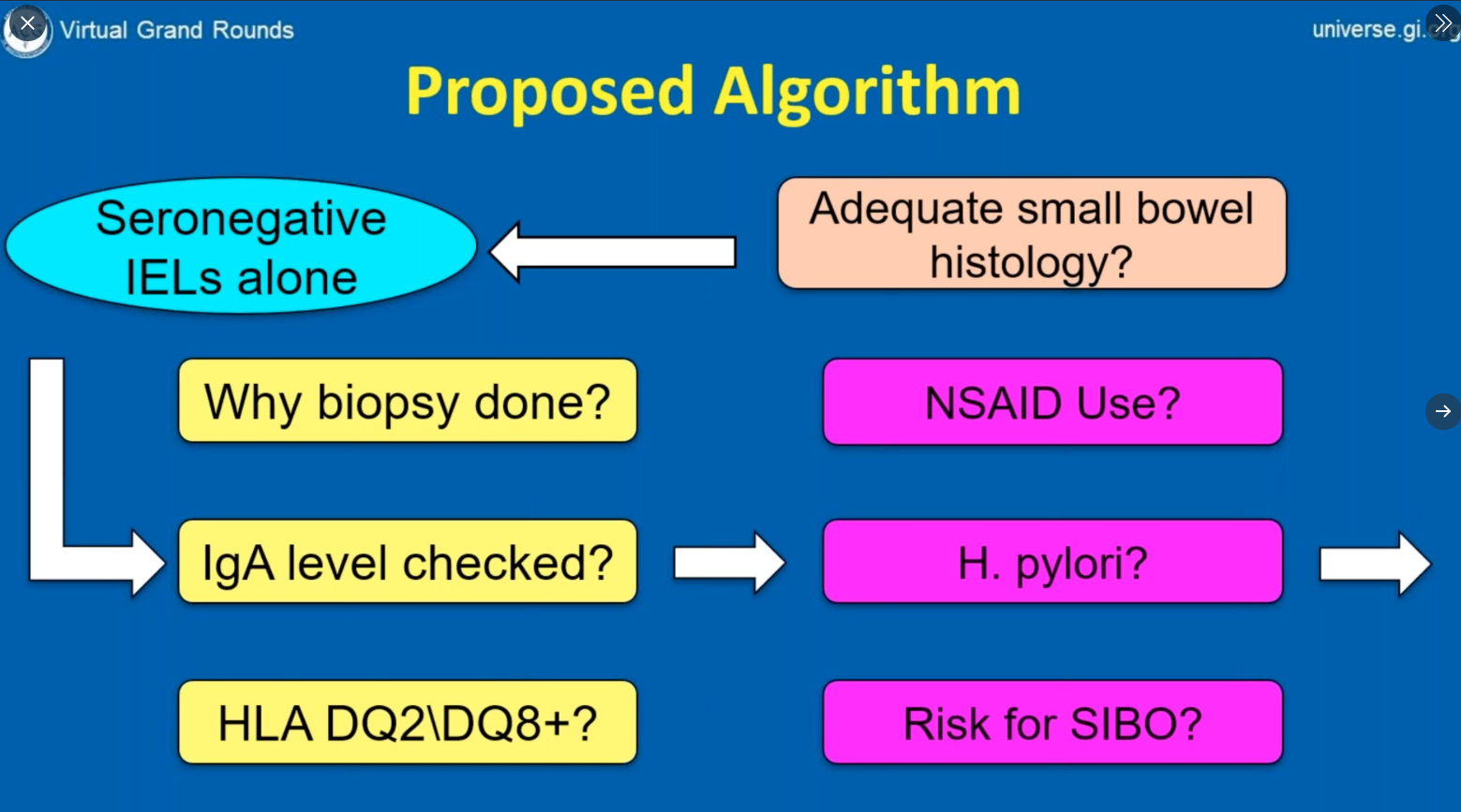
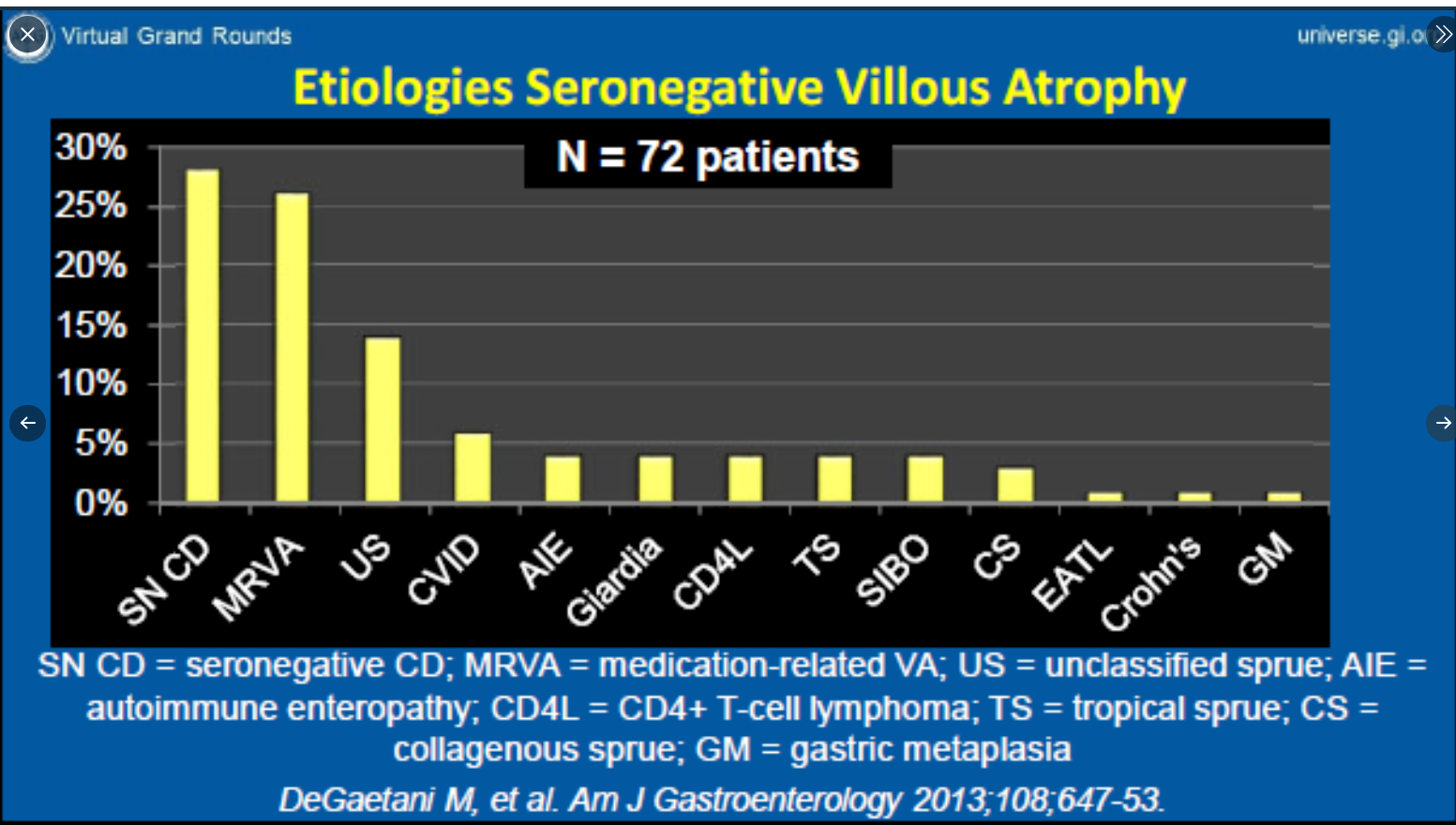
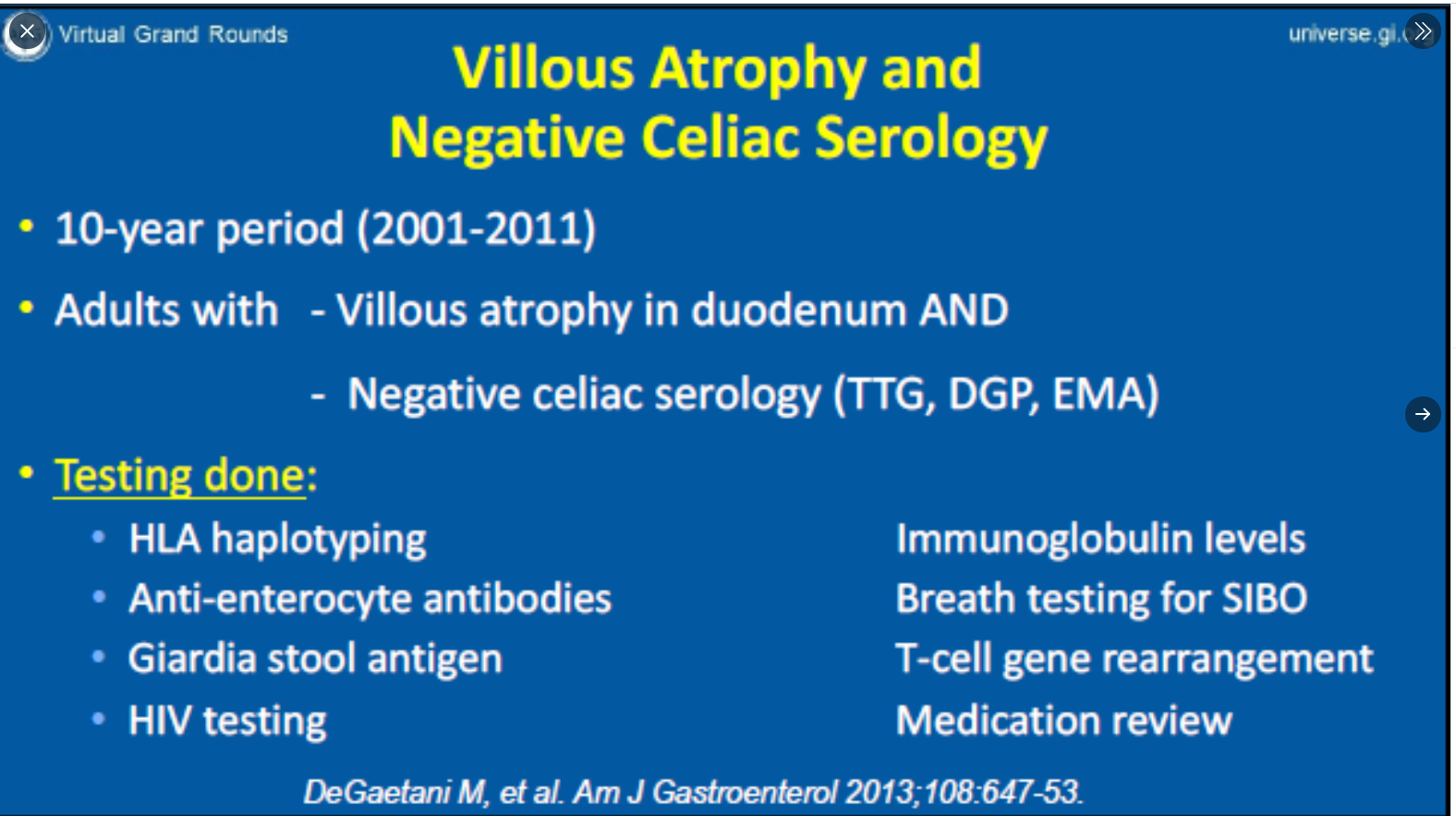
One trend lately has been the use of twitter for virtual lectures (ACG Free Virtual Grand Round Lectures).  A recent example from ACG highlighted Celiac disease. Reviewed topics included seronegative celiac disease as well as other conditions that can create similar histology findings.

Here is a link to full slide set PDF: Celiac Disease Or Not?

Here are some of the slides:

Job Security Study: Lots of People Have Reflux Symptoms & COVID-19 Due To Singing

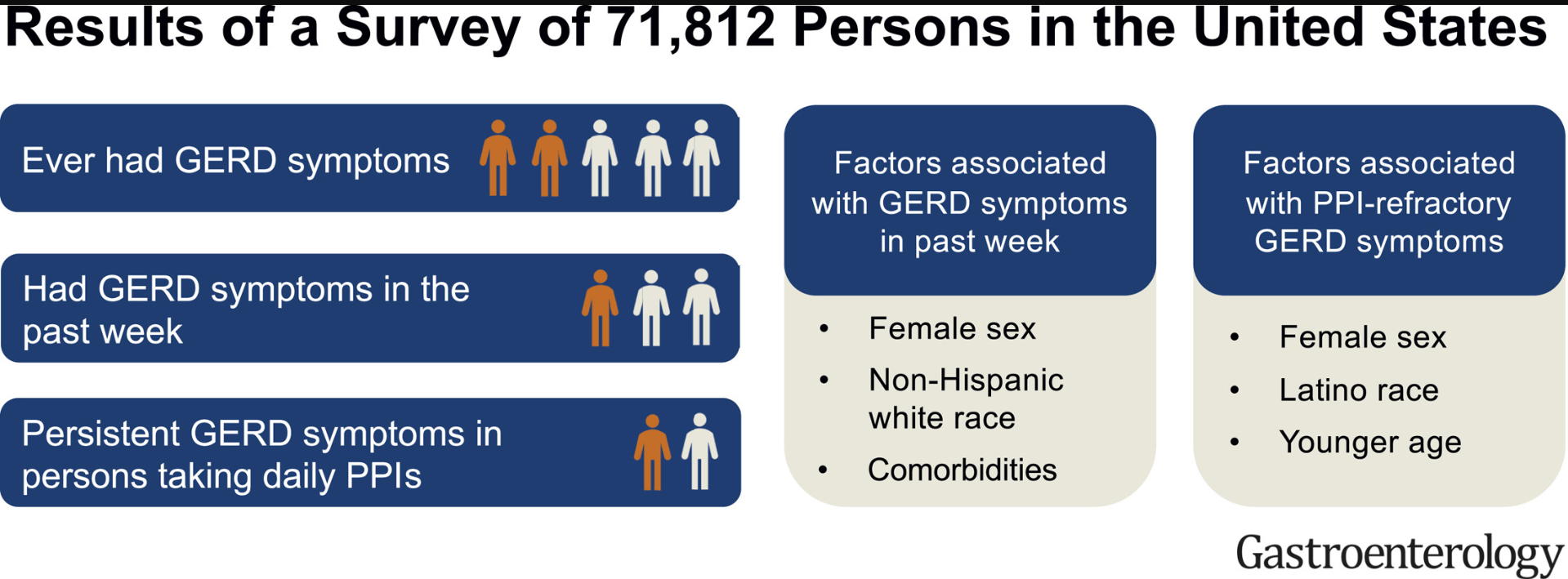
A recent study (SD Delshad, CV Almario et al. Gastroenterol 2020; 158: 1250-61) used survey data from an APP, MyGiHealth, to assess prevalence of reflux symptoms and symptoms that had not responded to proton pump inhibitor treatment.

Key findings:

  • In 2015, among 71,812 participants, 32,878 (44.1%) reported reflux symptoms previously and 23,039 (30.9%) reported reflux symptoms in previous week
  • 35% with reflux symptoms were currently receiving treatment: 55% PPIs, 24% H2RAs, and 24% antacids
  • Of the 3229 taking daily PPIs, 54% reported persistent reflux symptoms (≥2 days per week)
  • Age range of respondents was 33% for 18-29, 27% for 30-39, 17% for 40-49, 15% for 50-59, and 8% ≥60

Limitations: 

  • Potential selection bias as there was only a 5.5% response rate among the entire eligible population of 1.3 million
  • Reflux symptoms frequently is not due to reflux disease

My take: There are a lot of folks with reflux symptoms and many have ongoing symptoms despite treatment; hence, lots of opportunity to help (and job security)

Related blog posts:

Also from NY Times: Coronavirus Ravaged a Choir. But Isolation Helped Contain It.

“One sick singer attended choir practice, infecting 52 others, two of whom died. A study released by the C.D.C. shows that self-isolation and tracing efforts helped contain the outbreak.”  Only 8 of the 61 choir members did not get sick.

Graphical Abstract

Reducing Inappropriate Proton Pump Inhibitor Usage & U.S. Children with COVID-19

D Lin et atl. Clin Gastroenterol Hepatol 2020; 18: 763-6.  In a retrospective chart review, the authors examined pharmacy data from patients in the Harris Health System (Harris county -Houston, TX) which had more than 1.9 million outpatient clinic visits in 2017.

In January 2018, multiple efforts were made to try to reduce inappropriate proton pump inhibitor (PPI) usage.  This included grand rounds and system-wide emails to providers.  In addition, a suggested tapering algorithm (order in EPIC) was given to reduce the likelihood of rebound acid hypersecretion which could undermine the goal of stopping PPI.

Key points:

  • Taper: When ready to taper, start with “a PPI every other day for 2 weeks, followed by a PPI every 4 days for 2 additional weeks before discontinuation.”
  • De-escalation: Before educational intervention, in 2017, there were 66,261 unique PPI prescriptions. After educational intervention, in 2018, there were 55,322 unique PPI prescriptions (16.5% decrease). This equates to ~800,000 fewer capsules or pills dispensed in 1 calendar year
  • The most “important driver” for de-escalation was the initiation of the discussion by the ambulatory primary care provider
  • The authors recommend clinic followup within a month after starting de-escalation and gastroenterology evaluation for patients with severe symptoms or those refractory to PPI treatment

My take: This study indicates that 1 in 6 PPI users were able to de-escalate off treatment.  Physician initiative is crucial to improve appropriate medication use.

Related blog posts:
Recent study from JAMA Pediatrics (5/11/20) -Full text: Characteristics and Outcomes of Children With Coronavirus Disease 2019 (COVID-19) Infection Admitted to US and Canadian Pediatric Intensive Care Units

Of the 48 children with COVID-19 admitted to participating PICUs (14 hospitals)… Forty patients (83%) had significant preexisting comorbidities; 35 (73%) presented with respiratory symptoms and 18 (38%) required invasive ventilation….At the completion of the follow-up period, 2 patients (4%) had died and 15 (31%) were still hospitalized, with 3 still requiring ventilatory support and 1 receiving extracorporeal membrane oxygenation. The median (range) PICU and hospital lengths of stay for those who had been discharged were 5 (3-9) days and 7 (4-13) days, respectively.

NY Times Summary of Study: Details of U.S. Children Severely Affected by Coronavirus

Disclaimer: This blog, gutsandgrowth, assumes no responsibility for any use or operation of any method, product, instruction, concept or idea contained in the material herein or for any injury or damage to persons or property (whether products liability, negligence or otherwise) resulting from such use or operation. These blog posts are for educational purposes only. Specific dosing of medications (along with potential adverse effects) should be confirmed by prescribing physician.  Because of rapid advances in the medical sciences, the gutsandgrowth blog cautions that independent verification should be made of diagnosis and drug dosages. The reader is solely responsible for the conduct of any suggested test or procedure.  This content is not a substitute for medical advice, diagnosis or treatment provided by a qualified healthcare provider. Always seek the advice of your physician or other qualified health provider with any questions you may have regarding a condition

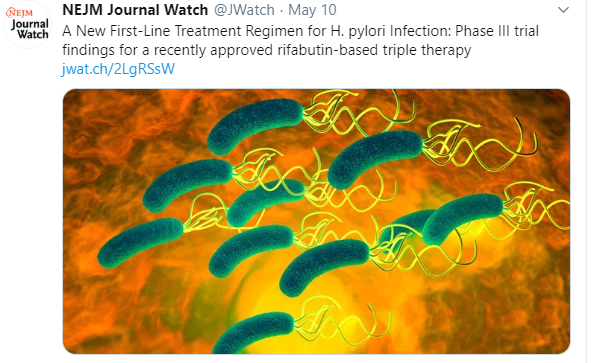
Gastroesophageal Reflux Phenotypes and “Where Rome, Lyon, and Montreal Meet”

A useful review (DA Katzka et al. Clin Gastroenterol Hepatol 2020; 18: 767-76) discusses the phenotypes of gastroesophageal reflux and related disorders.   The authors note that consensus initiatives (Montreal, Rome, and Lyon) have looked at these disorders from different perspectives and their goal was to merge their perspectives.

Table 1 lists the major phenotypes:

  • Nonerosive reflux disease
  • Reflux hypersensitivity
  • Functional heartburn
  • Erosive esophagitis (low grade and high grade).  LA grade A esophagitis “can be found in approximately 6% of asymptomatic controls”
  • Barrett’s esophagus
  • Reflux chest pain syndrome
  • Regurgitation-dominant reflux disease: “need to differentiate from rumination and achalasia”
  • Laryngopharyngeal reflux
  • Chronic cough  “although reflux may contribute, it is rarely the dominant pathophysiology… more amenable to GERD therapy when accompanied by typical reflux symptoms”

Figure 1 provides a model for the pathogenesis of GERD. Figure 2 describes the relationship between reflux phenotypes and PPI responsiveness:

In those with typical reflux symptoms: 

  • esophagitis healing 84% with PPI Rx compared to 28% with placebo (NNT =1.8)
  • heartburn relief (with and without esophagitis) 56% with PPI Rx compared to 16% with placebo (NNT =4.4)
  • heartburn relief without esophagitis 40% with PPI Rx compared to 13% with placebo (NNT =3.7)
  • regurgitation relief (with and without esophagitis) 47% with PPI Rx compared to 30% with placebo (NNT =5.9)

In those with atypical reflux symptoms:

  • chest pain relief with objective GERD 74% with PPI Rx compared to 20% with placebo (NNT =1.6) (Studies used a 50% reduction in pain as opposed to complete elimination…opens the door for a greater placebo response)
  • chest pain relief without objective GERD 29% with PPI Rx compared to 23% with placebo (NNT =16.7) (Studies used a 50% reduction in pain as opposed to complete elimination…opens the door for a greater placebo response)
  • chronic cough with objective GERD 33% with PPI Rx compared to 9% with placebo (NNT =4.2)
  • chronic cough without objective GERD 31% with PPI Rx compared to 27% with placebo (NNT =25)
  • reflux laryngitis (without heartburn, complete resolution) 15% with PPI Rx compared to 16% with placebo
  • poorly-controlled asthma (without heartburn)-exacerbations per year: 2.5 with PPI Rx compared to 2.3 with placebo 
  • *references for this figure provided

Other useful points:

  • “An exception to the de-emphasizing the relationship of GERD to an extraesophageal syndrome is with lung transplantation, which …has unique considerations…the sequelae of untreated GERD …may lead to accelerated mortality from allograft injury…data have suggested that PPIs may be effective at prolonging allograft survival.”
  • The authors state that escalating PPI/antisecretory treatments for esophagitis is often effective but this approach has limited applicability for other indications and can result in overuse. “Similarly, failing to recognize the modulating effects of anxiety, hypervigilance, and visceral and central hypersensitivity on symptom severity has greatly oversimplified the problem.”

My take (borrowed in part from authors): PPIs work well for esophagitis and documented reflux; “the broad spectrum of syndromes [are] much less amenable to PPI therapy in any dose.”

Related blog posts:

Curbside Humor


AGA Guidelines: Moderate to Severe Ulcerative Colitis

Full Text: JD Feuerstein et al. Gastroenterol 2020; 158: 1450-61. AGA Clinical Practice Guidelines on the Management of Moderate to Severe Ulcerative Colitis

Full Tex PDF: AGA Clinical Practice Guidelines on the Management of Moderate to Severe Ulcerative Colitis


Associated articles included the following:

  • Clinical decision support tool (1462-63)
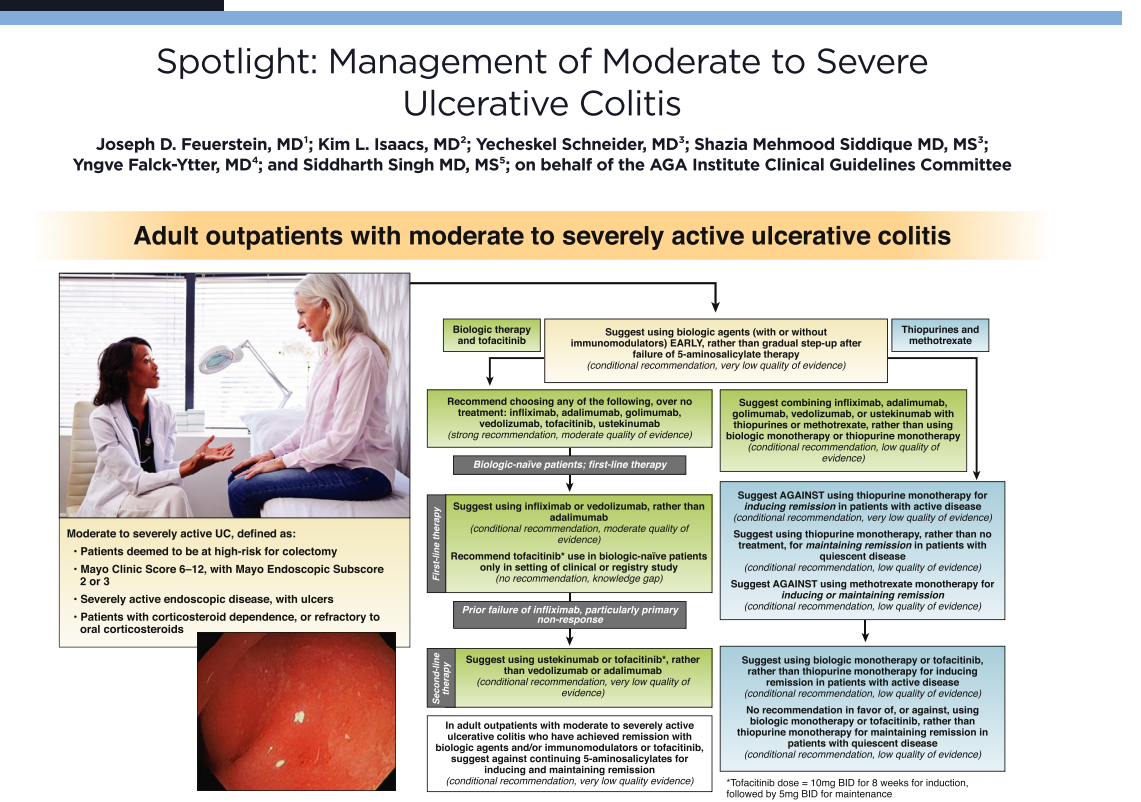
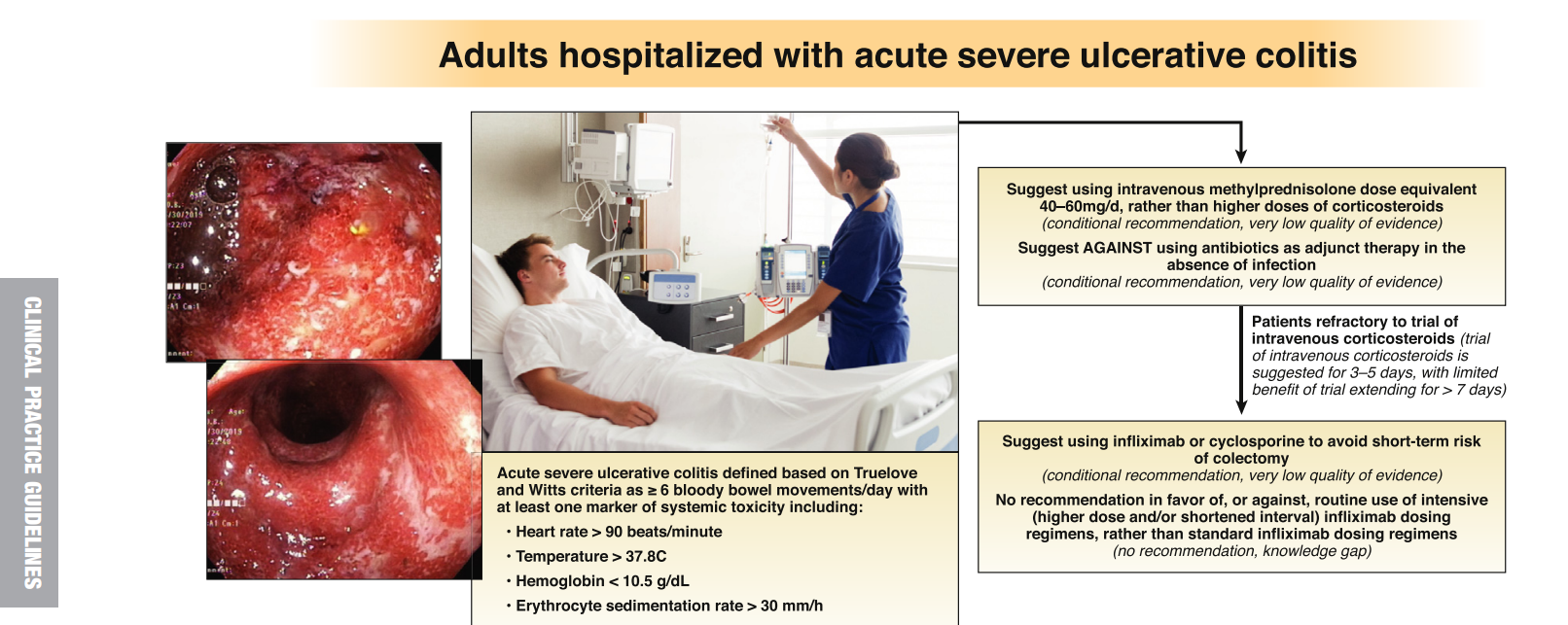
  • PDF: Spotlight (summary -images above) (1464)
  • Technical Review (1465-96)

Key recommendations:

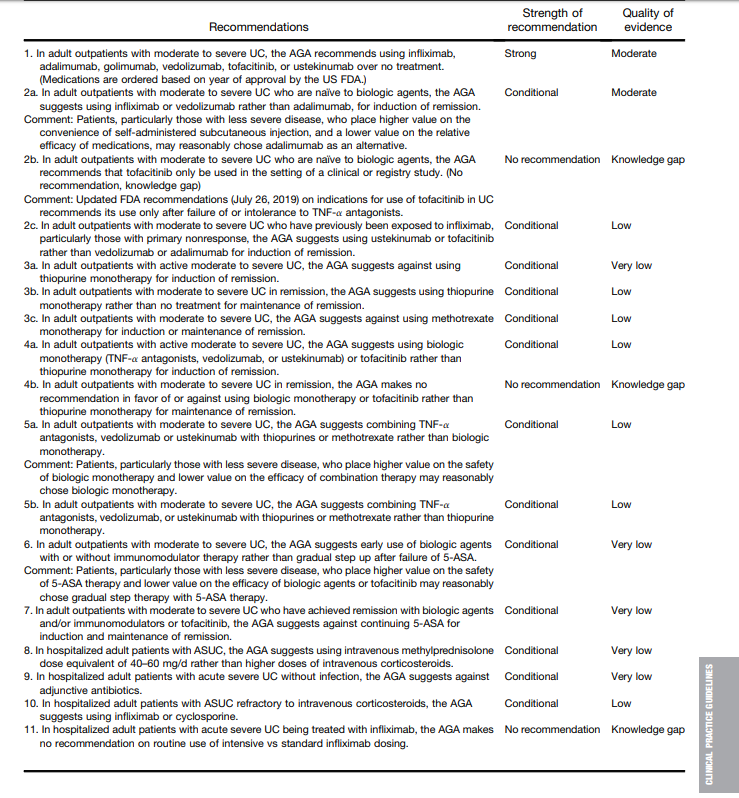
  • 2a. In adult outpatients with moderate to severe UC who are naïve to biologic agents, the AGA suggests using infliximab or vedolizumab rather than adalimumab, for induction of remission. Comment: Patients, particularly those with less severe disease, who place higher value on the convenience of self-administered subcutaneous injection, and a lower value on the relative efficacy of medications, may reasonably chose adalimumab as an alternative
  • 2c. In adult outpatients with moderate to severe UC who have previously been exposed to infliximab, particularly those with primary nonresponse, the AGA suggests using ustekinumab or tofacitinib rather than vedolizumab or adalimumab for induction of remission.
  • 6. In adult outpatients with moderate to severe UC, the AGA suggests early use of biologic agents with or without immunomodulator therapy rather than gradual step up after failure of 5-ASA. Comment: Patients, particularly those with less severe disease, who place higher value on the safety of 5-ASA therapy and lower value on the efficacy of biologic agents or tofacitinib may reasonably chose gradual step therapy with 5-ASA therapy.
  • 10. In hospitalized adult patients with ASUC refractory to intravenous corticosteroids, the AGA suggests using infliximab or cyclosporine

Summary of recommendations:

Related blog posts:

Disclaimer: This blog, gutsandgrowth, assumes no responsibility for any use or operation of any method, product, instruction, concept or idea contained in the material herein or for any injury or damage to persons or property (whether products liability, negligence or otherwise) resulting from such use or operation. These blog posts are for educational purposes only. Specific dosing of medications (along with potential adverse effects) should be confirmed by prescribing physician.  Because of rapid advances in the medical sciences, the gutsandgrowth blog cautions that independent verification should be made of diagnosis and drug dosages. The reader is solely responsible for the conduct of any suggested test or procedure.  This content is not a substitute for medical advice, diagnosis or treatment provided by a qualified healthcare provider. Always seek the advice of your physician or other qualified health provider with any questions you may have regarding a condition
Timing of Upper Endoscopy with GI Bleeding -Is It Safer to Wait a Bit?

YouTube Video –Adley.TV: What We Should ALL Be Doing Right Now (COVID-19 Humor)

——————-

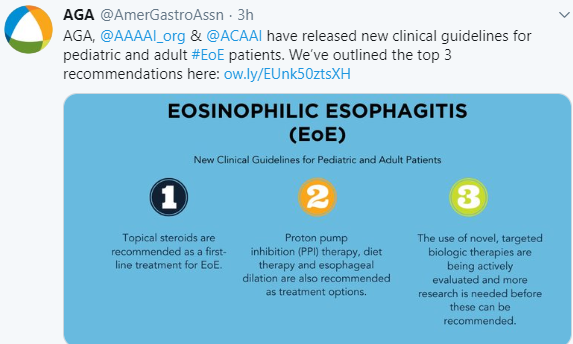
A recent study (JYW Lau et al. NEJM 2020; 382: 1299-1308, editorial by L Laine 1361-2) indicates that performing an upper endoscopy within the first 6 hours of presentation to the hospital is NOT associated with better outcomes.

516 patients who were predicted to be at high risk for further bleeding or death were randomly assigned to undergo endoscopy within 6 hours or between 6-24 hours. Key findings:

  • 30-day mortality: 8.9% in the <6 hr group (<6G) compared to 6.6% in the 6-24 hr group (6-24G)
  • Endoscopic treatment was administered to 60.1% of <6G compared to 48.4% in 6-24G
  • Re-bleeding within 30 days in 10.9% of <6G compared to 7.8% in 6-24G

The editorial notes that guidelines recommend endoscopy be performed within 24 hours following hemodynamic resuscitation and attention to other coexisting conditions before endoscopy.

My take: This is good news for endoscopists -no need to rush to the endoscopy suite/operating room in the middle of the night!

Link NEJM: Two minute quick take on article

Related blog posts:


Impedance May Help in Borderline Reflux Disease Assessment

A recent retrospective study (A Rengarajan et al. Clin Gastroenterol Hepatol 2020; 18: 589-95), with a cohort of 371 patients (mean age 54 years) shows how impedance testing may help identify patients who are likely to respond to reflux management when pH probe testing is equivocal.  The cohort included adults with persistent reflux symptoms.  Response to antireflux therapy was defined as >50% improvement in esophageal symptoms.

Key points:

  • 107 (28.8%) had pathologic acid exposure time (AET) (pH<4 for >6%)
  • 234 (63.1%) had abnormal mean nocturnal baseline impedance (MNBI) (<2292 ohms). MNBI was calculated using baseline values at 10-minute periods between 1-3 am from the 5 cm channel to correspond to total distal AET.
  • Figure 1, shows the combined use of AET and MNBI.  Only 106/107 patients with AET>6, had an abnormal MNBI.  In the borderline category of AET 4-6%, 62/68 (91.2%) had abnormal MNBI values. In those with AET <4, MNBI was abnormal in 66/196 (33.7%)

Response to Treatment:

  • Among patients with AET >6, 66/89 (74%) responded to medical therapy and 18/23 (78%) responded to surgical therapy; among patients with AET 4-6%, 37/56 (66%) responded to medical therapy and 14/17 (82%) responded to surgical therapy. In those with AET <4, 39/185 (21%) responded to medical therapy and 16/23 (70%) responded to surgical therapy
  • Among patients with a low MNBI, 119/198 (60%) responded to medical therapy and 41/50 (82%) to surgical therapy.  In those with a normal MNBI, 23/132 (17%) responded to medical therapy and 7/13 (54%) responded to surgical treatment
  • In those with AET >6, 84/111 (76%) responded to treatment. For those with AET 4-6%, of those with low MNBI, 49/67 (73%), responded (similar to those with AET >6%).  In those with low MNBI and AET <4, 27/70 (39%) responded to treatment
  • 28/138 (20.2%) with normal AET <4 and with normal MNBI responded to treatment

My take: The big takeaway is that all of our tests for pathologic reflux are highly flawed; impedance may (to a small degree) help stratify patients with equivocal evaluation based on AET.  Normal tests do not exclude response treatment (especially surgery).

Related blog posts:

Island Ford, Sandy Springs