My Favorite Posts from the Past Year

Recently, I listed the posts that had the most views in the past year –some dating back to 2012.  The following list includes less viewed but some of my favorite posts from 2018:

GI:

Nutrition:

LIVER:

Miscellaneous:

Flowers in Calgary

Most Popular Posts 2011-2018

Since this blog’s inception, there are now more than 2500 posts; these are the most popular (most views):

Most of these posts are referenced in more recent posts on the same or similar subjects.

Near Banff


PEG-B-ACTIVE Study: Efficacy of Peginterferon for Children with Hep B

A recent randomized controlled, open-label study (S Wirth et al. Hepatology 2018; 68: 1681-94) examined the use of weekly peginterferon alfa-2a (PEG) in 161 children (3-18 yrs) with immune-active HBe-Ag-positive children.  The two main groups were for those without advanced fibrosis: a PEG group (n=101) and a placebo group (n=50).  A third group enrolled 10 patients with advanced fibrosis who all received PEG. The treatment period was 48 weeks with ongoing observation for an additional 24 weeks.

Key findings:

  • The PEG group had HBeAg seroconversion of  8% at 48 weeks and 26% at 72 weeks; the placebo group had HBeAg seroconversion of 6% at both timepoints. At 72 weeks, the odds ratio was 5.43 for the PEG group and P=0.0043.
  • HBsAg clearance rates were higher in the PEG group: 8.9% vs 0% in placebo group.
  • The authors showed response (loss of HBeAg) by age and those <5 years had the highest response 43% (6 of 14).  The rate of seroconversion was 30.2% in those <12 years compared with 20.8% in those ≥12 years.
  • The authors showed response (loss of HBeAg) those with ALT values between 2-<5 had the highest response of 35% (15 of 43).
  • Adverse events were frequent –among the 101 treated patients: 49 with pyrexia, 30 with headache, 19 with abdominal pain, 15 with influenza-like illness, 14 with vomiting, 61 with ALT >5 x ULN, 25 with ALT >10 x ULN, 19 with neutropenia (ANC <750), and two with self-limited increased thyroid-stimulating hormone. These were all much higher than in the placebo group

My take: This study does not answer the question about which treatment is optimal for hepatitis B in children–direct-acting antivirals (eg. entecavir, and tenofovir) or peginterferon.  It does shows that weekly peginterferon alfa-2a was associated with HBeAg seroconversion in 26% of recipients at week 72.  Although a high number of patients experienced adverse effects, there were no new safety signals identified.

Related blog posts:

View from Parker Ridge, near Banff

Bilary Atresia Prognosis After 2-Year Survival with Native Liver

A recent study (M Witt et al. JPGN 2018; 689-94) indicates that among patients with biliary atresia who reached 2 years of life with native liver survival (NLS), they continued to be at risk for progressive liver failure.

Key findings:

  • Upon a median follow-up of 16.4 years, NLS rates at 5, 10, 15, 18 years of age were 89%, 72%, 60%, 54%, respectively.
  • Corresponding overall survival rates were 98%, 90%, 87%, 87%, respectively
  • NLS ended in 37% by liver transplantation (LTx) and in 6% by (pre-transplant) mortality.
  • Abstract Link: Prognosis of Biliary Atresia After 2-year Survival With Native Liver

My take: This data provides more precise information for families about prognosis and reinforces the need for careful followup.

Related blog posts:

Parker Ridge, near Banff


Pediatric Liver Enzyme Reference Values

A recent study (S Bussler et al. Hepatology 2018; 1319-1330)  provides reference age-related reference values for ALT, AST, and GGT for children from 11 months of age through 16 years.  This study from Leipzig used the LIFE Child prospective longitudinal population-based cohort with 3,131 cases (normal weight).

  • Figure 2 provides age- and sex-related percentiles for ALT.  At all ages and in both genders, the 90% cutoff was ~30 IU (or less).
  • Figure 3 provides age- and sex-related percentiles for AST.  There was a negative sloping curve with both genders, such that the 90% cutoff was ~60 IU at ~1 yr and ~40 IU at ~13 yr. Females tended to have modestly higher values.
  • Figure 4 provides age- and sex-related percentiles for GGT.  At all ages and in both genders, the 90% cutoff was ~25 IU. Males tended to have modestly higher values.

These values overall are similar to previous studies. From NASPGHAN NAFLD Guidelines: For ALT: “In the United States, sex-specific biologically based cutoffs have been determined from nationally representative data and have been validated in a fairly diverse cohort. These cutoffs are 22 mg/dL for girls and 26 mg/dL for boys. A Canadian study found the upper limit of normal for ALT to be 30 mg/dL in children 1 to 12 years of age, and 24 mg/dL in those between 13 and 19 years”

Related blog post: Pediatric NAFLD Guidelines 2017

Near Banff


Liver Shorts November 2018

J Ge et al. Hepatology 2018; 68: 1101-10.  This study reviewed liver donation offers between 2010 to 2014.  This study found that 5.6% of men (293/5202) and 6.2% of women (179/2899) received a pediatric donor as a first offer.  Women, but not men, who received a pediatric first offer had a lower risk of waitlist mortality than with those who received adult organ offers. The authors recommend that “offers of pediatric donor liver be prioritized to women, who are generally shorter stature, once alllocation to the entire…pediatric waitlist pool has occurred.”

CA Chapin et al. Hepatology 2018; 68: 1087-1100.  This study found that patients with indeterminate pediatric acute liver failure (iPALF) have a unique pattern of dense CD8+ T-cell infiltrate that is also perforin-positive adn CD103-positive.  These CD8+ cells are a biomarker for immune dysregulation. These CD8+ dense pattern was found in the 27 of 33 patients with iPALF; 3 had moderate and 3 had minimal staining pattern (per table 2).  The dense CD8+ pattern was seen in 3 of 9 with autoimmune hepatitis and in 1 of 14 with other liver diseases.

E-D Pfister et al. Liver Transplantation 2018; 24: 1186-98.  This study examined patient (n=338) and graft survival in the pediatric population (median age 14.0 years) with Wilson’s disease (1968-2013).  Overall, patient survival was 87% at 1 year, 84% at 5 years, and 81% at 10 years.  Though, the survival was much improved since 2009.

JA Bezzerra et al. Hepatology 2018; 68: 1163-73. This review summarized a research workshop (June 2017) focused on the clinical and research challenges for biliary atresia.

Banff


Hep B-related Hepatocellular Carcinoma in Kids: 8 Needles in 4 Haystacks

Over a 25-year period, investigators (DB Mogul et al. JPGN 2018; 67: 437-440) from 4 medical centers identified 8 patients (8-17 years) with hepatocellular carcinoma (HCC) associated with hepatitis B virus (HBV).

The authors indicate that all of the cases were thought to have acquired HBV via vertical transmission.

Key features:

  • 3 were asymptomatic; 50% reported abdominal pain
  • Only 1 case presented to a hepatologist
  • 4 patients had ALT values <1.5 times the upper limit of normal
  • Among those with documented HBeAg (n=3), all were negative and all were positive for anti-HBeAb
  • Alphafetoprotein was elevated in 3 patients, normal in 2 patients and not documented in 3 patients.

My take: HCC rarely occurs in children with HBV.  The most effective way to reduce HCC is through prevention, particularly vaccination.  The role of regular imaging which could detect tumors earlier remains unclear (in the absence of a risk factor like cirrhosis); in this series, only one patient presented to a hepatologist.

Related blog posts:

Lake Agnes, Banff

#NASPGHAN18 Highlights (Part 2)

I did not make it to this year’s meeting but did get a chance to catch up on a lot information via the PG 2018 Syllabus and based on information posted online.

Here are a couple of highlights for me:

My favorite slide from postgraduate course -Dr. Robert Kramer

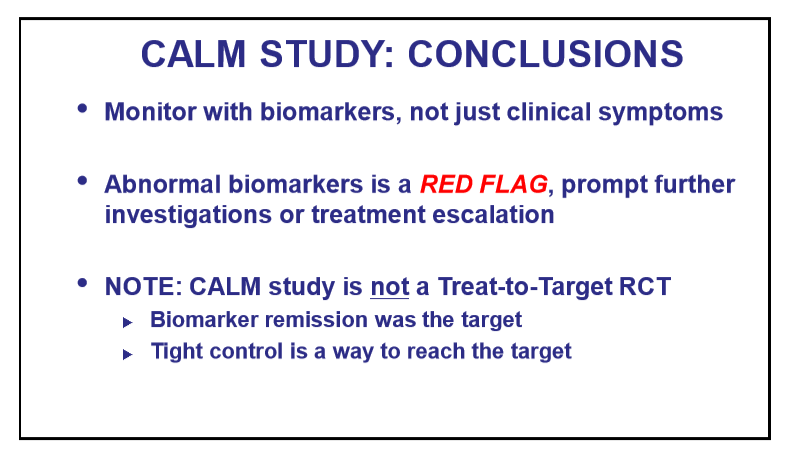
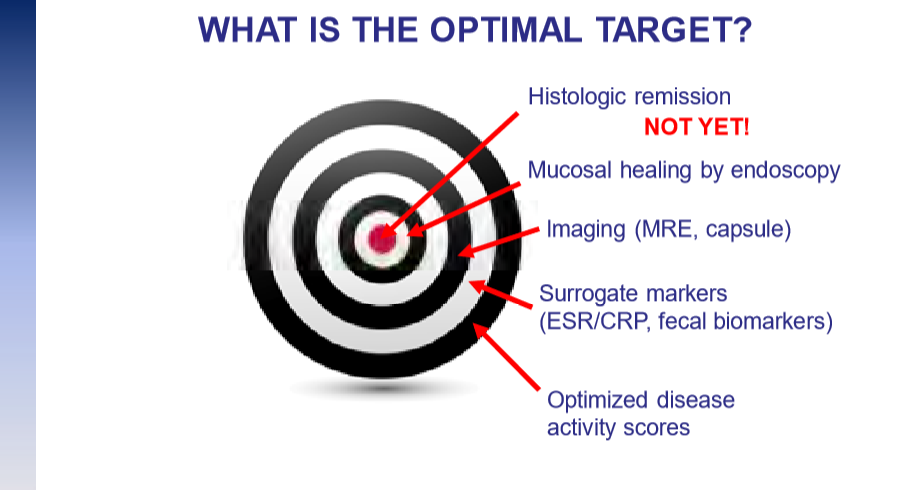
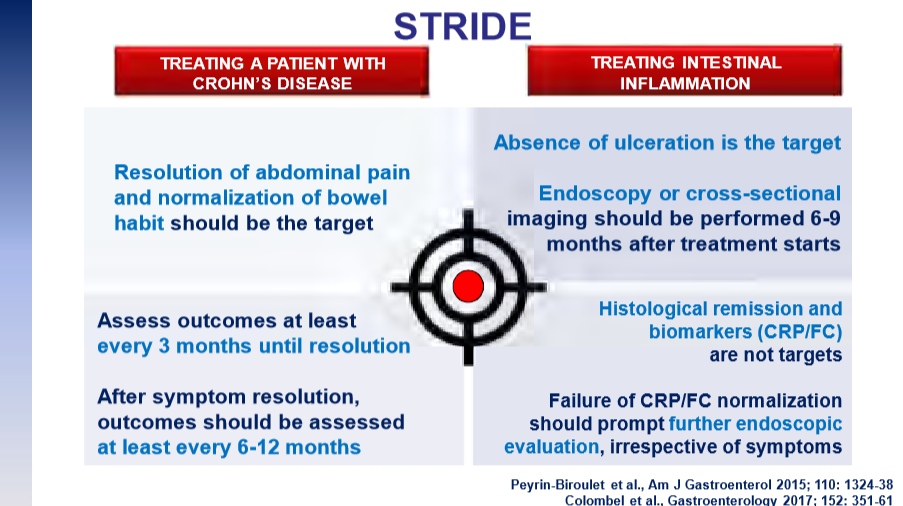
Slides regarding the topic of Treat-toTarget Dr. Eric Benchimol:

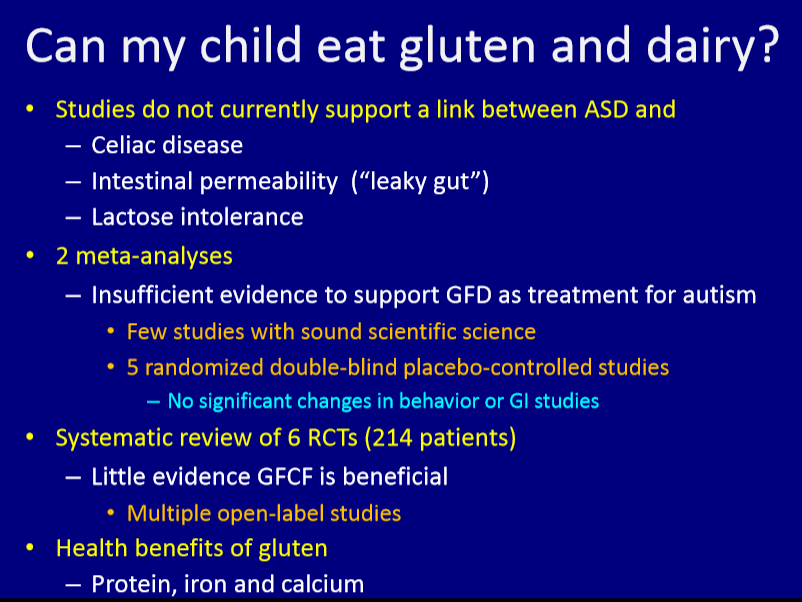
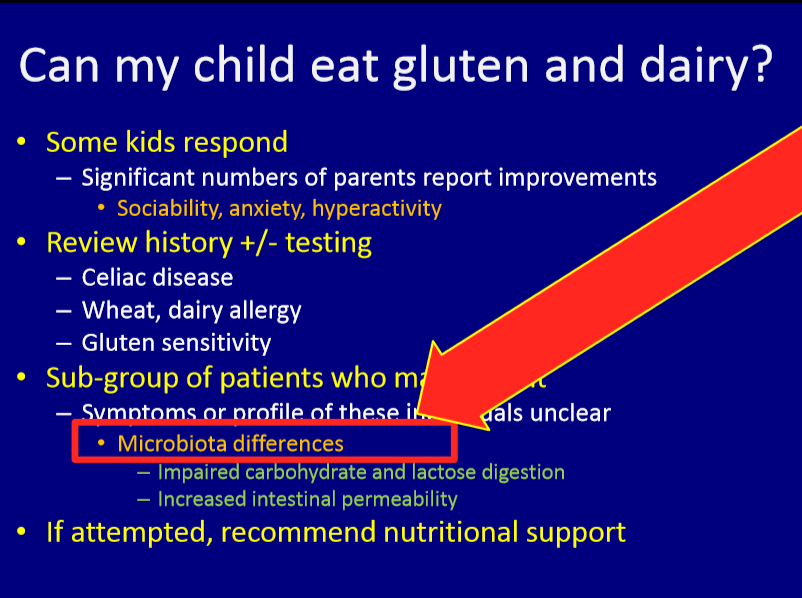
Slides regarding GI symptoms and autism from Dr. Kara Margolis:

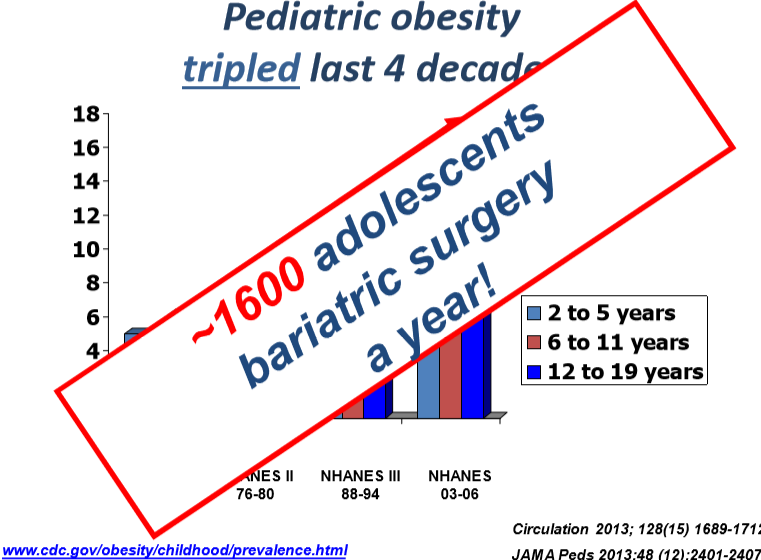
Slide regarding the frequency of bariatric surgery: Dr. Rohit Kohli:

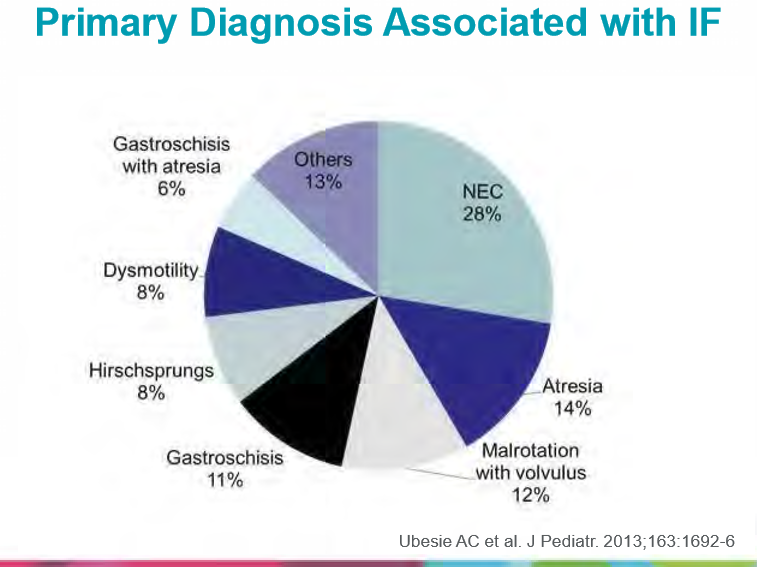
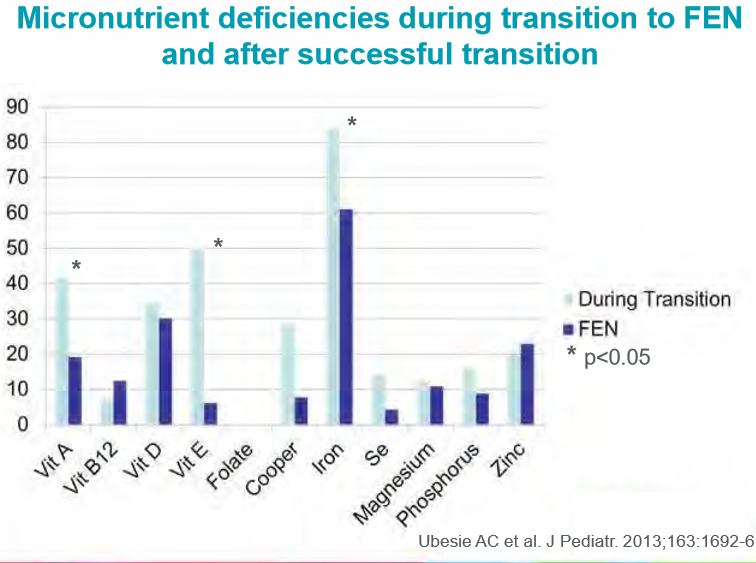
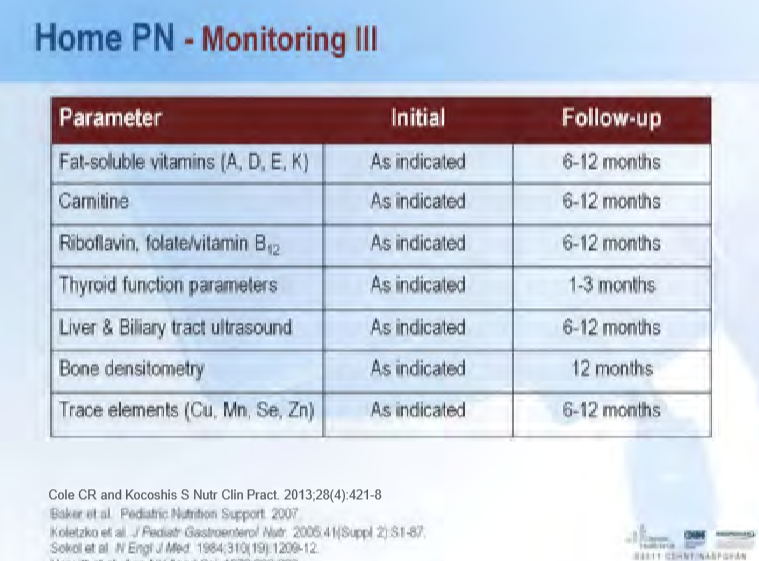
Slides regarding intestinal failure population from Dr. Conrad Cole:

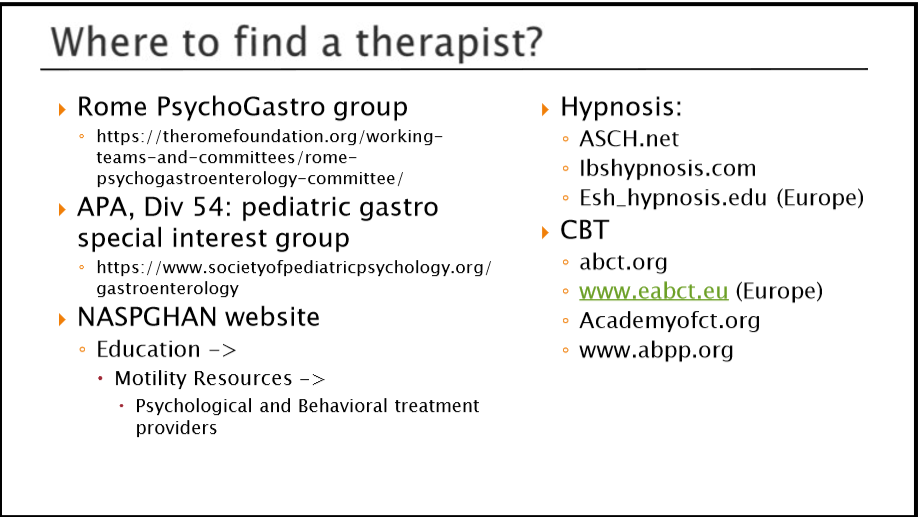
From Dr. Miranda van Tilburg regarding psychological therapies for functional GI disorders:

Disclaimer: These blog posts are for educational purposes only. Specific dosing of medications/diets (along with potential adverse effects) should be confirmed by prescribing physician/nutritionist.  This content is not a substitute for medical advice, diagnosis or treatment provided by a qualified healthcare provider. Always seek the advice of your physician or other qualified health provider with any questions you may have regarding a condition.

Briefly Noted: Progression of Fatty Liver Disease on MRI

M Mouzaki  et al. J Pediatr 2018; 201: 86-92. This study with 65 patients evaluated nonalcoholic fatty liver disease (NAFLD) progression between two MRI studies, with a median time span of 27 months.

Key findings:

  • There was no correlation between change in liver stiffness and change in ALT; there was a weak correlation between ALT change and fat fraction.
  • MRI fat fraction and stiffness decreased in 29% and 20% of patients respectively and increase in 25% and 22% respectively.

My take: When we find effective therapies, we will need better non-invasive markers to follow NAFLD progression.

Related blog posts

Tea House Trail, near Lake Louise, Banff