NAFLD Guidance from American Association for the Study of Liver Diseases

Link: AASLD Guidance for the Diagnosis and Management of Nonalcoholic Fatty Liver Disease

This guidance provides a 2018 review of NAFLD and current diagnostic/management recommendations in both adults and children.  Some points from this practice guidance:

  • “Liver-related mortality is the second or third cause of death among patients with NAFLD.” Cardiovascular disease remains the number one and cancer-related mortality is in the top three.
  • “Routine screening for NAFLD in high-risk groups attending primary care, diabetes, or obesity clinics is not advised at this time because of uncertainties surrounding diagnostic tests and treatment options.” Likewise, screening of family members is not recommended.
  • In children: “Because of a paucity of evidence, a formal recommendation cannot be made with regard to screening for NAFLD in children with overweight and obesity.”
  • In patients undergoing evaluation with suspected NAFLD, the authors specifically recommend checking ferritin, iron saturation, and autoantibodies that could indicate autoimmune liver disease.
  • In patients with suspected NAFLD, the authors recommend evaluation for comorbities including dyslipidemia, diabetes, hypothyroidism, polycystic ovary syndrome, and sleep apnea.
  • “Liver biopsy should be considered in patients with NAFLD who are at increased risk of having…advanced fibrosis” and in “whom competing etiologies…cannot be excluded without a liver biopsy.”
  • Pharmacologic therapies are not recommended in those without biospy-proven NASH and fibrosis.  Specifically, the authors suggest consideration of pioglitazone and vitamin E and recommend against metformin, GLP-1 agonists, omega-3 fatty acids, and ursodeoxycholic acid.
  • “Weight loss (7%-10%) is needed to improve the majority of histopathological features of NASH.”
  • In patients with cirrhosis due to NASH, screening for varices is recommended and consideration of screening for HCC.

My take: This practice guidance is quite reasonable.  At this time, more focus on systemic measures to counter overweight and obesity is crucial.  Pharmacologic therapies for NAFLD will need to be effective for the cardiovascular, metabolic, and liver-related problems.

Related blog posts:

Bright Angel Trail, Grand Canyon
Unbound Bilirubin and Prematurity

A recent prospective study (SB Amin, H Wang. J Pediatr 2018; 192: 47-52) indicates that premature infants have lower bilirubin binding affinity which could place them at risk for neurological complications.

Background: Very high levels of unconjugated bilirubin can lead to bilirubin-induced neurotoxicity/kenricterus.  There is increased susceptibility in newborns, particularly premature infants.  Unbound bilirubin (not bound to protein) can cross blood-brain barrier.  However, unbound bilirubin, rather than total serum bilirubin, is a better predictor of abnormal neurological outcomes.

Key findings:

  • Among 166 infants, peak unbound bilirubin significant correlated with bilirubin-albumin binding affinity (Ka) (r=-0.44, P=.001)
  • Gestational age was a significant modifier for the association between Ka and peak unbound bilirubin.
  • Peak unbound bilirubin was primarily associated with a decrease in binding affinity in infants ≤30 weeks gestational age

Implications of study: “Phototherapy as a sole intervention may be insufficient in preventing or reducing bilirubin-induced neurotoxicity”

My take: If there is low bilirubin binding affinity, among premature infants ≤30 weeks gestational age, some neurologic toxicity could occur even with bilirubin levels that have been considered safe previously.

Related blog posts:

Bright Angel Trail, Grand Canyon

Last Year’s Most Popular Posts

I want to thank the many people who have helped me with this blog –now with 2180 posts over more than 6 years.  This includes my wife, my colleagues at GICareforKids, and colleagues from across the country who have provided critical feedback as well as useful publications to review.  I hope this blog continues to be a useful resource.

Here are the top dozen most popular blog posts from 2017:


Fatty Liver Disease with Craniopharyngioma and with Down Syndrome

A recent retrospective study (SY Yung et al. Ann Pediatr Endocrinol Met 2017; 22 https://doi.org/10.6065/apem.2017.22.3.189 –thanks to Jeff Schwimmer for this reference) describes the problem of nonalcoholic fatty liver disease (NAFLD) in long-term survivors of childhood-onset (CO) craniopharyngioma.

This study reviewed 75 children with CO-craniopharyngioma who had surgery prior to 15 years of age. The mean followup was 4.3 years.

Key findings:

  • 51 had either elevated AST or ALT above 40 IU/L. ALT ≥60 IU/mL was observed in 15 patients.
  • Estimated prevalence of NAFLD based on mainly imaging was 47%. 27 underwent ultrasonography and 5 underwent CT scan.
  • Among those with available growth data, 41% were obese and 18% were overweight.
  • NAFLD developed within a year after surgery in many patients.

This study had many limitations, including reliance of ultrasonography for diagnosis and incomplete evaluations.  Despite this, it is clear that hypothalamic obesity places patients at a high risk for developing NAFLD.  In addition, NAFLD in this population may be more aggressive.

My take: This study documents the well-recognized phenomenon of NAFLD in CO-craniopharyngioma with obesity.  Current treatment relies on trying to preserve hypothalamic function and optimizing lifestyle/nutrition.

Briefly noted: D Valentini et al. J Pediatr 2017; 189: 92-7.  Using ultrasound in 280 Italian children with Down syndrome, the authors identified NAFLD in 45% of those considered nonobese and 82% of those overweight/obese. In a related commentary (pg 11-13 Full text: Down syndrome and Pediatric NAFLD …), the authors (AD Matteo, P Vajro) note that Down syndrome patients may have increased NAFLD due to less activity, more obesity including possible excess adiposity in those with normal BMI, obstructive sleep apnea, or perhaps other mechanisms.

Related blog posts:


Autoimmune Liver Disease in Children with Sickle Cell Disease

A recent retrospective study (S Jitaruch et al. J Pediatr 2017; 189: 79-85) documents the important association of autoimmune liver disease in children with sickle cell disease (SCD).  I have seen  children with hemoglobinopathy and autoimmune hepatitis.

Key findings:

  • 13 of 77 patients with SCD were diagnosed with autoimmune liver disease
  • 2 patients presented with acute liver failure
  • 6 patients had cholangiopathy on cholangiogram “suggesting autoimmune sclerosing cholangitis”
  • At median follow-up of 3.8 years, 5 achieved full remission, 4 partial remission, 1 had liver transplant, 1 died of subdural hemorrhage (prior to liver disease treatment), and 2 were lost to followup

My take: this report is a good reminder that though there are a good number of reasons for abnormal liver blood tests in children with SCD, it is important to follow these children closely and to obtain serology (including ANCA) in those with persistent elevations.

Related blog post: Blood is not enough

South Kaibab Trail at the basin of the Grand Canyon (Colorado River)


Liver Articles: Short Takes

DBE van Wessel et al. JPGN 2017; 65: 370-74.  This retrospective study showed an increase in biliary atresia incidence in preterm infants compared with full-term: 1.06 per 10,000 compared with 0.52/10,000. In addition, 4-year transplant-free survival rates were significantly worse at 21%, whereas 4-year survival rates was 61%. Clearance of jaundice (with Kasai) was achieved in only 23%.

Related post: Biliary Atresia More Common in Preterm Infants

ES Björnsson et al. Clin Gastroenterol Hepatol 2017; 15: 1635-36. This study examined response to steroids in 18 patients with drug-induced autoimmune hepatitisKey findings: 14 patients had elevated antinuclear antibodies & there were none with elevated smooth muscle antibodies. Infliximab was most frequent agent (n=11) and nitrofurantoin was other frequent agent (n=3).  Overall, 40% improved after discontinuation of medication, the remainder had prompt responses to corticosteroids.  Relapse did not occur when corticosteroids were discontinued.  Among the infliximab group, there was no evidence of liver injury after transitioning to alternative tumor necrosis factor-α inhibitor.

M Balwani et al. Hepatology 2017; 66: 1314-22. Acute Hepatic Porphyrias -Review. Current recommendations include gene sequencing to confirm all biochemical cases. Biochemical tests are spot urine testing of porphobilinogen (PBG), 5-aminolevulinic acid (ALA), and porphyrins. A normal urine PBG in symptomatic patients “excludes the three most common acute hepatic porphyrias.”  For those with abnormal studies, this reference is a handy.

S Wirth et al. Hepatology 2017; 66: 1102-10.  This study examined the effectiveness of sofosbuvir and weigh-based ribavirin dosing in 12-17 year olds with genotype 2 & 3 Hepatitis C infection.  Duration of treatment was 12 weeks for genotype 2 and 24 weeks for type 3.  Overall, SVR12 was achieved in 51 of 52 (98%); one patient with genotype 3 did not achieve SVR12.

Related post: New HCV Treatment Effective in Adolescents (Genotype 1 study)

F Kanwal et al. Gastroenterol 2017; 153: 996-1005. This study, a retrospective cohort of 22,500 VA patients treated for hepatitis C infection, showed that direct-acting antivirals (DAAs) lowered, but did not eliminate, the risk of hepatocellular carcinoma (HCC). Among the 87% who achieved an SVR, the adjusted hazard ratio for HCC was 0.28.  This was true as well as among patients with cirrhosis.. Hazard ratio for those with compensated cirrhosis was 0.32 compared with 0.18 among those without cirrhosis.

#NASPGHAN17 Selected Abstracts

Some of the abstracts that were presented at this year’s meeting –see below.  For a listing of the titles/authors presented, use this link: NASPGHAN Annual Mtg 2017

For complete abstracts: NASPGHAN 2017 Scientific Abstracts

Using a standardized approach along with a protocol for oral cleanouts and saline enemas if needed, the authors showed a marked decline in admissions for fecal impaction:

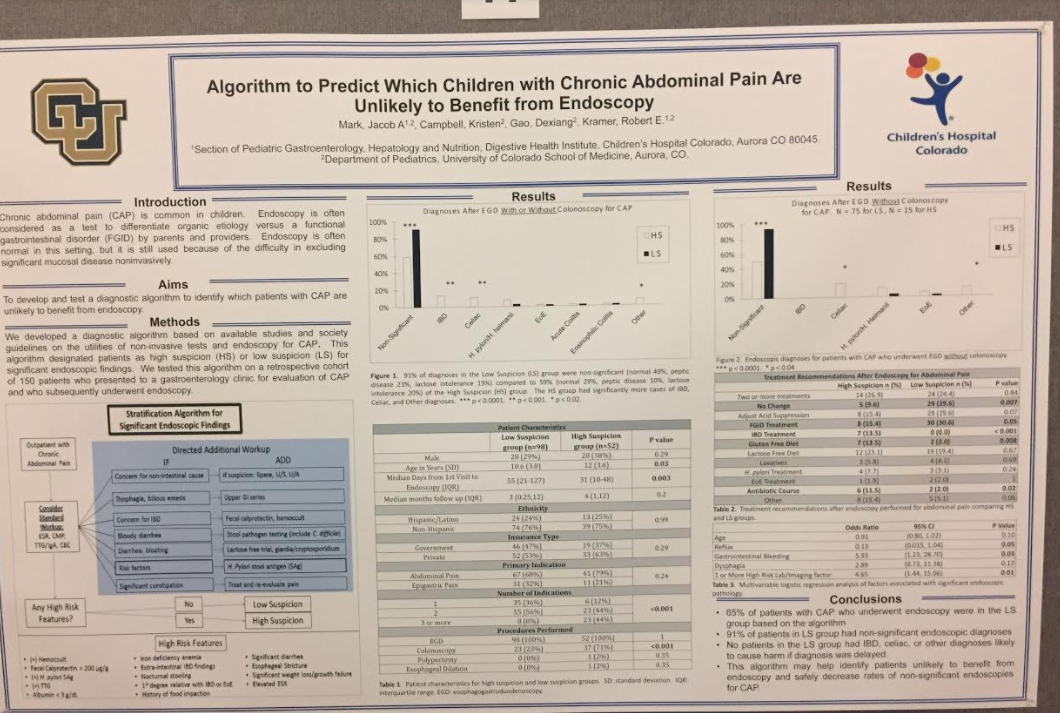
In this study, the authors found that low risk patients had a 91% likelihood of a negative scope.  However, on closer inspection, this rate OVERESTIMATES the likelihood of finding anything significant.  Most findings in the low risk group had questionable benefit from being identified on endoscopy including “acute colitis,” and H pylori.

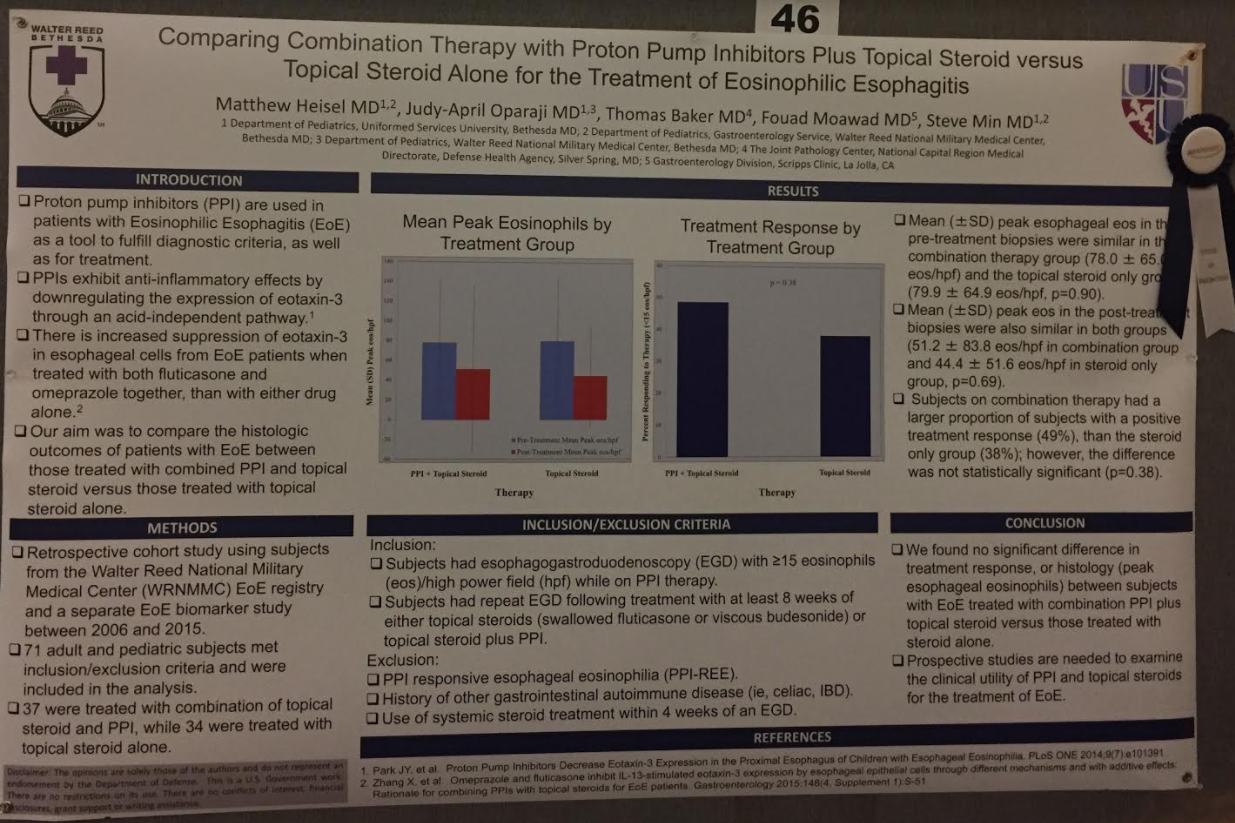
The following abstract showed that in patients with EoE and not PPI-REE that topical steroids alone were as effective as PPI with topical steroids.

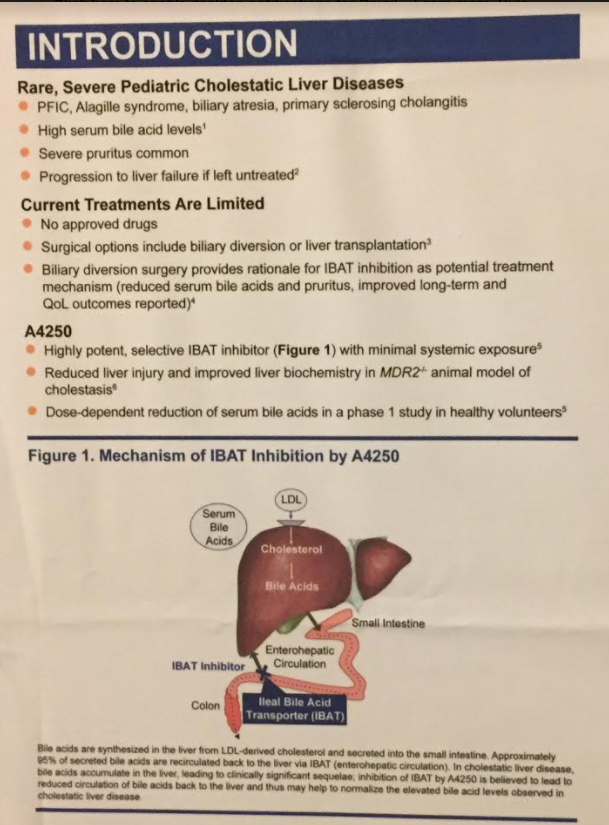
The following slides indicate the development of A4250, a bile acid transporter, which reduces pruritus. The presenter stated that this drug essentially is a chemical diversion which could replace biliary diversion for pruritic conditions like PFIC and Alagille syndrome.

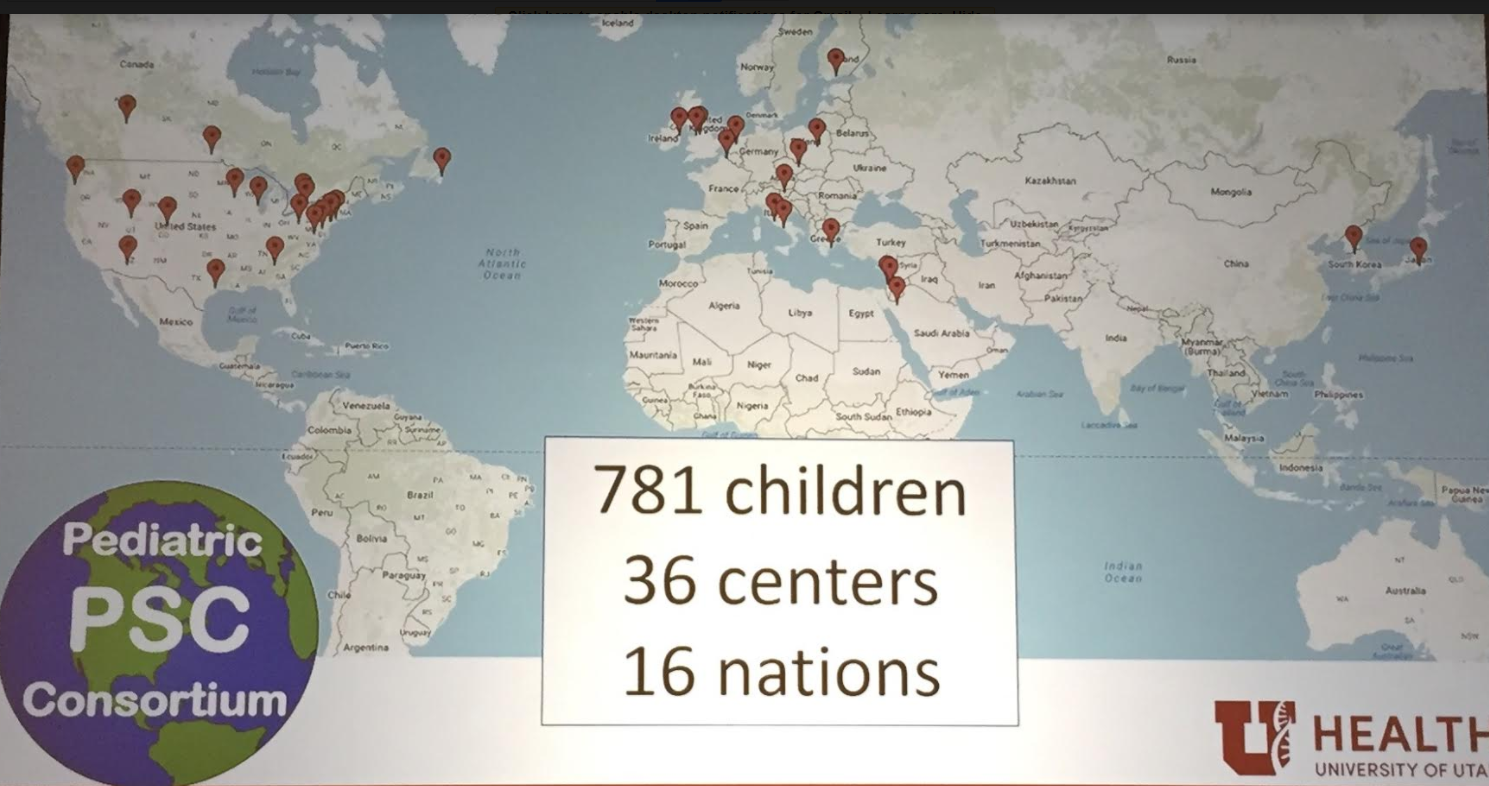
#NASPGHAN17 Presentations at Annual Meeting: GGT in PSC, Nutrition for Intestinal Failure

This blog entry has abbreviated/summarized this presentation. Though not intentional, some important material is likely to have been omitted; in addition, transcription errors are possible as well.

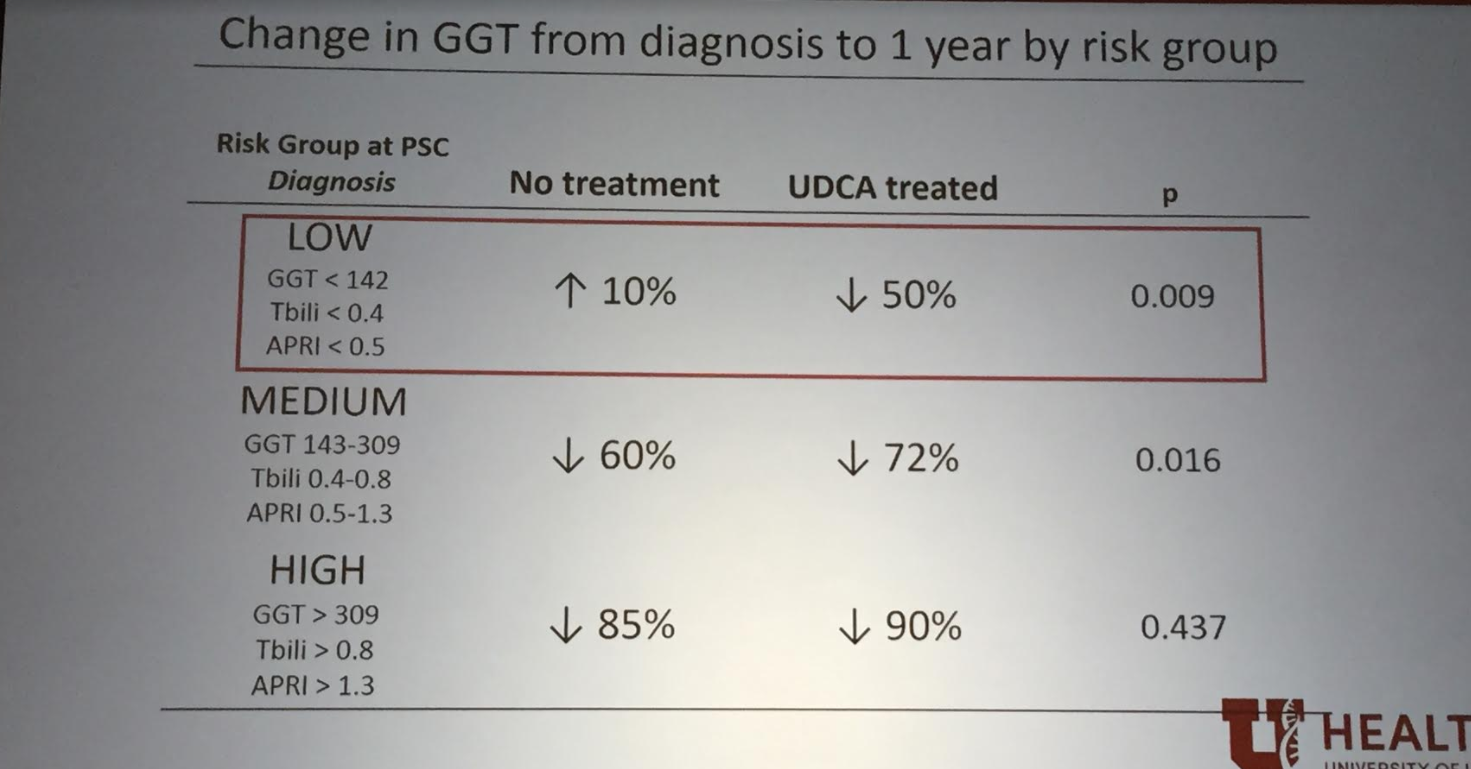
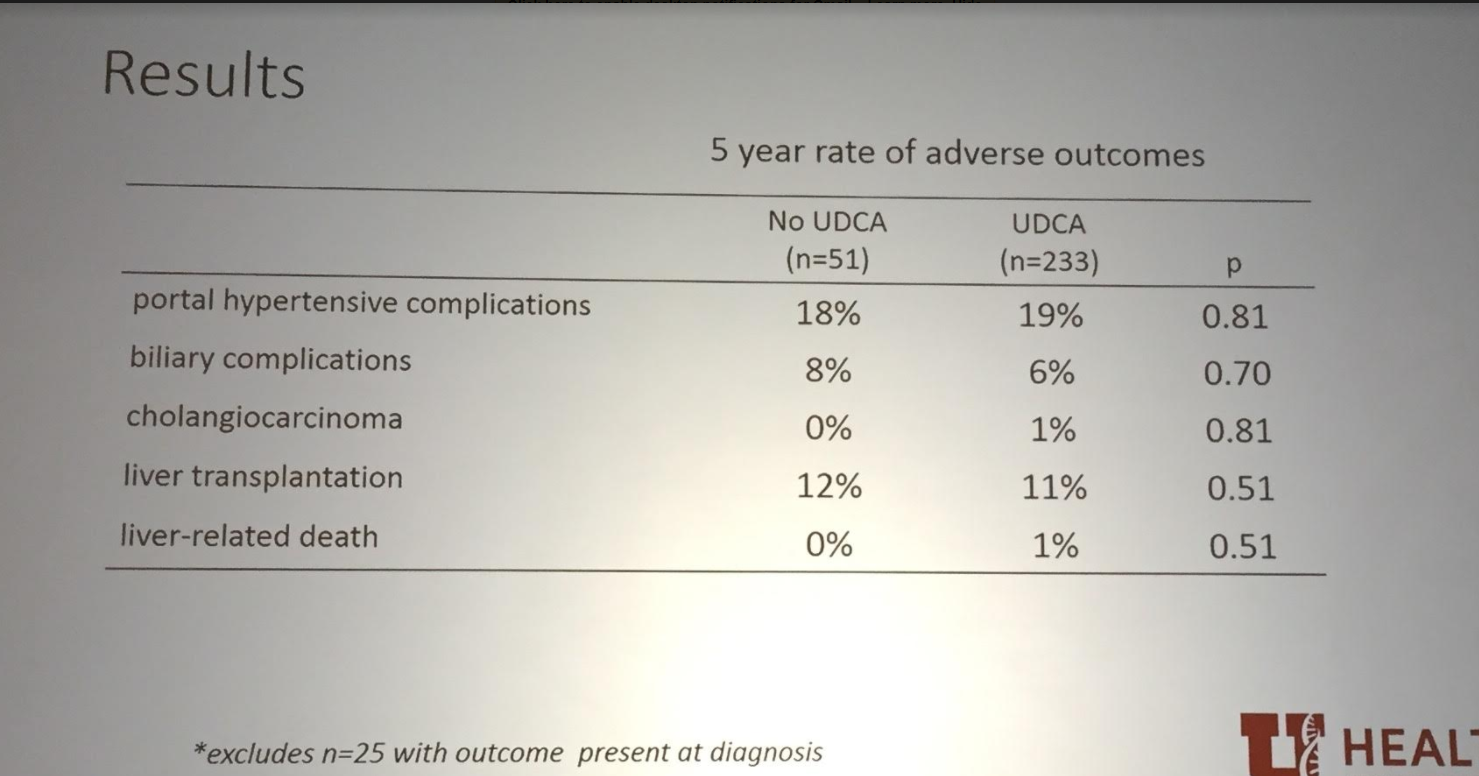
Improvement in GGT Predicts Event-free Survival in Primary Sclerosing Cholangitis Regardless of Ursodeoxycholic Acic Treatment. 

Mark Deneau et al. (Grand Watkins Prize).

Key points:

  • PSC is difficult to study due to its rarity and due to its slow progression; thus surrogate biomarkers are needed.
  • Alkaline phosphatase is not a good biomarker in children
  • GGT level at one year after diagnosis was predictive of prognosis
  • Ursodeoxycholic acid does not appear to be effective

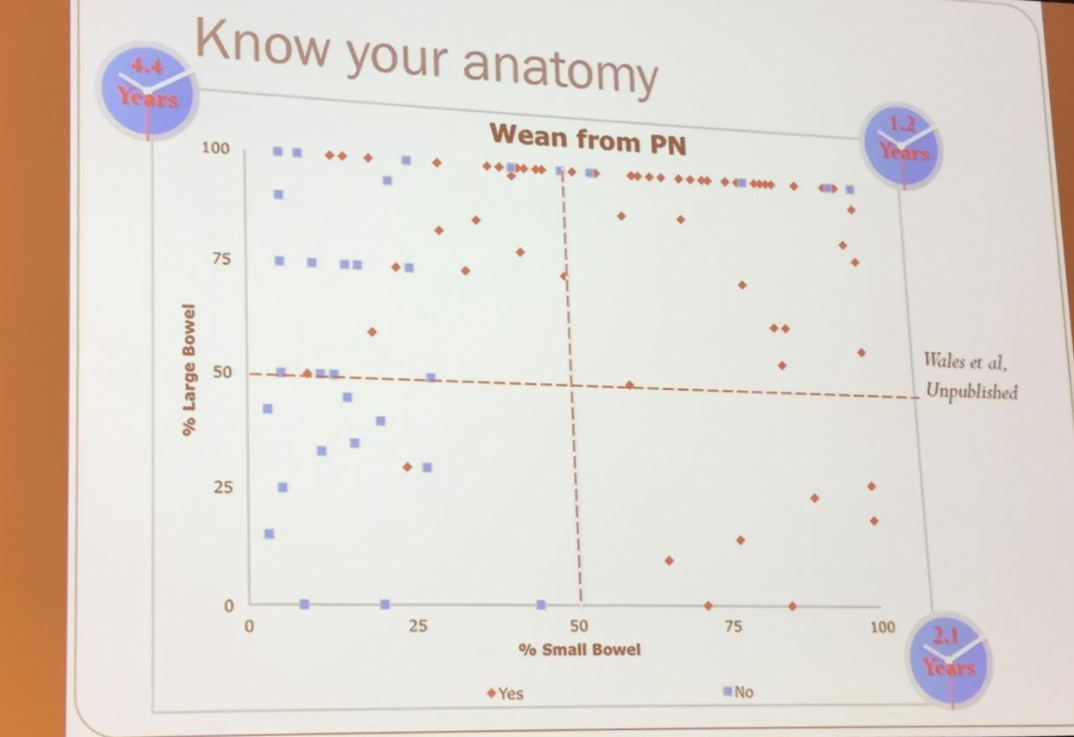
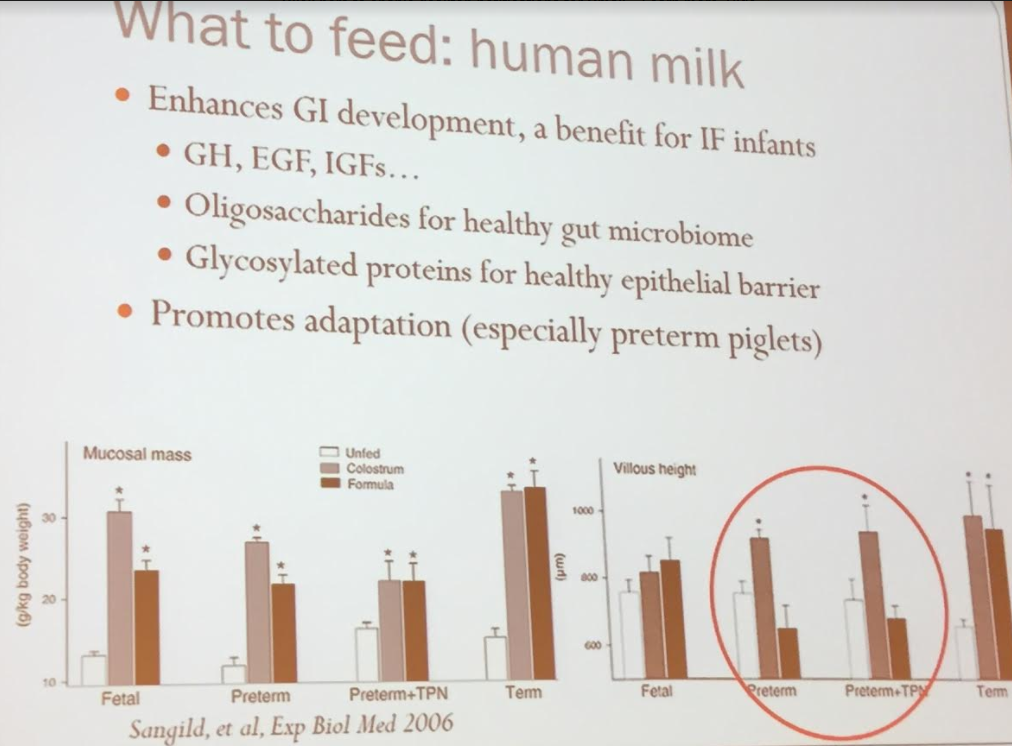
Optimizing Nutrition in Intestinal Failure

Justine Turner, University of Alberta

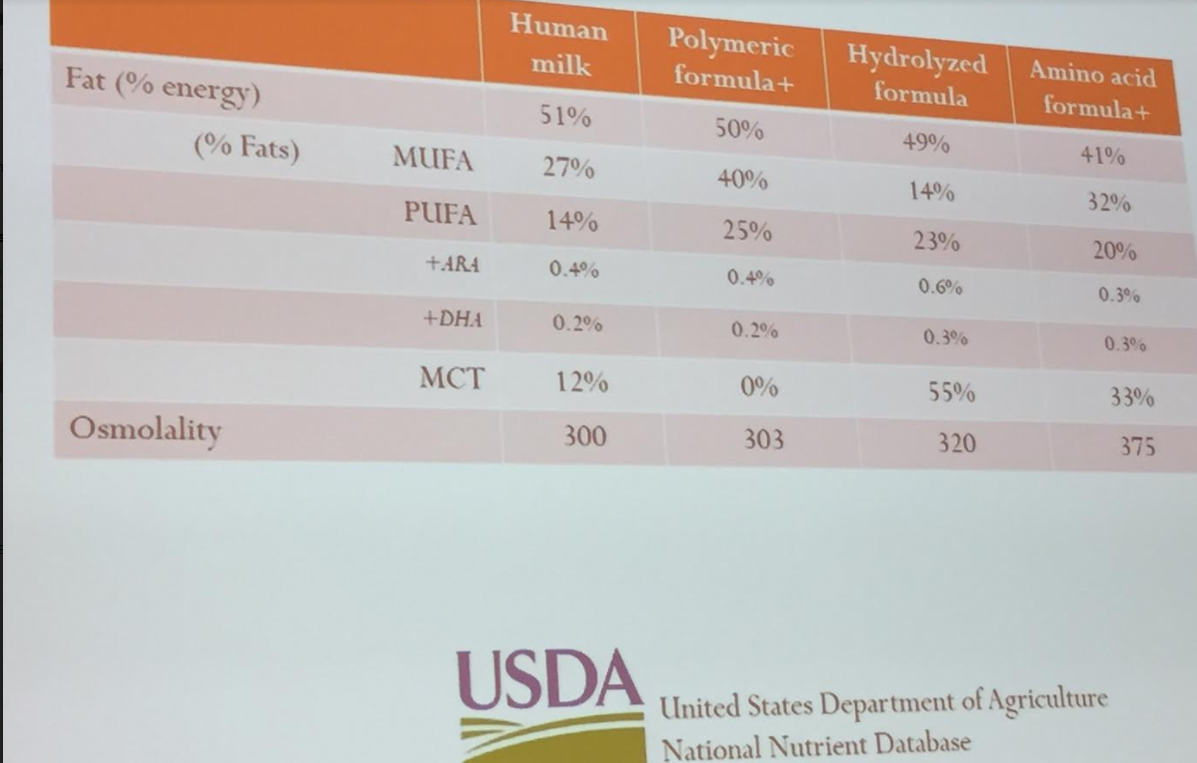
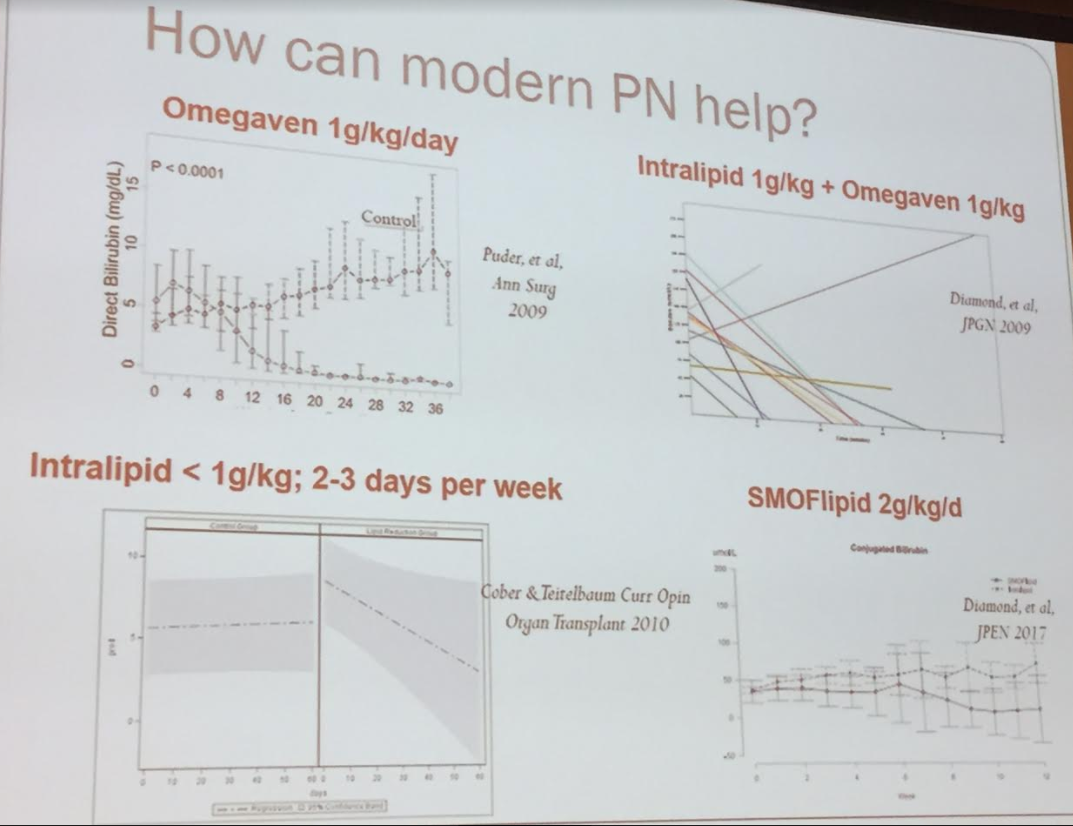
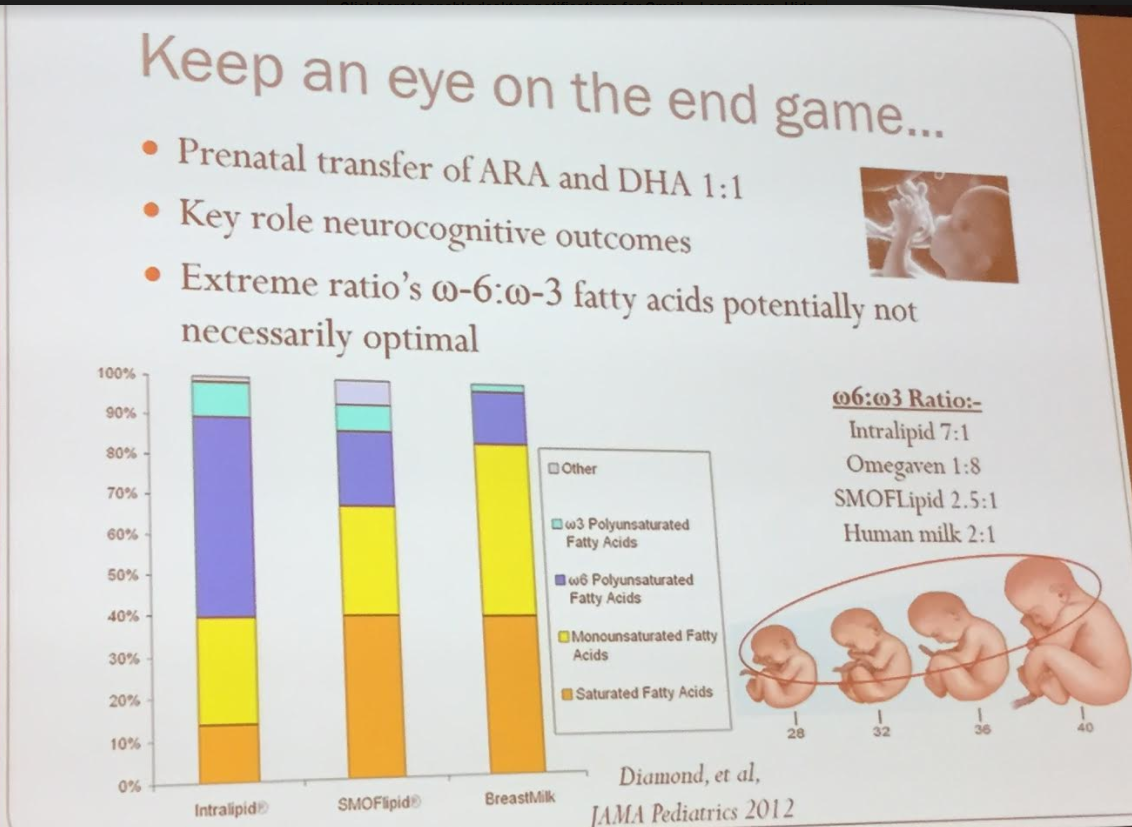
Key points:

  • Human milk is an ideal “formula” for infants, including those with intestinal failure
  • Oral feedings are important
  • Combination of bolus feeds and continuous feeds is reasonable
  • SMOFlipid allows higher lipid dose administration without hepatoxicity; this may improve cognitive outcomes
  • Amino acid based formulas have higher osmolality which can contribute to diarrhea

Patients with >50% of small bowel and >50% of colon were most likely to achieve enteral autonomy (GIFT registry)


#NASPGHAN17 Annual Meeting Notes (Part 2): Year in Review

This blog entry has abbreviated/summarized this presentation. Though not intentional, some important material is likely to have been omitted; in addition, transcription errors are possible as well.

This first slide shows the growth in NASPGHAN membership:

Year in Review

Melvin Heyman  Editor, JPGN

This lecture reviewed a number of influential studies that have been published in the past year.  After brief review of the study, Dr. Heyman summarized the key take-home point.


#NASPGHAN17 Annual Meeting Notes (Part 1): Neurostimulation for RAP, PSC-IBD, Organoids

This blog entry has abbreviated/summarized these presentations. Though not intentional, some important material is likely to have been omitted; in addition, transcription errors are possible as well.

William Balistreri Prize: Katja Kovaic et al. Neurostimulation for functional abdominal pain disorders in children –a randomized, double-blind, sham-controlled trial. This study enrolled 104 patients.  Lancet Gastroenterol Hepatol 2017; 2: 727-37.

Summary slide:

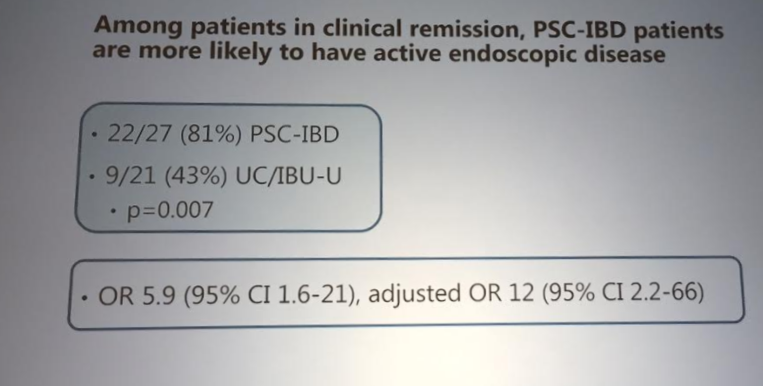
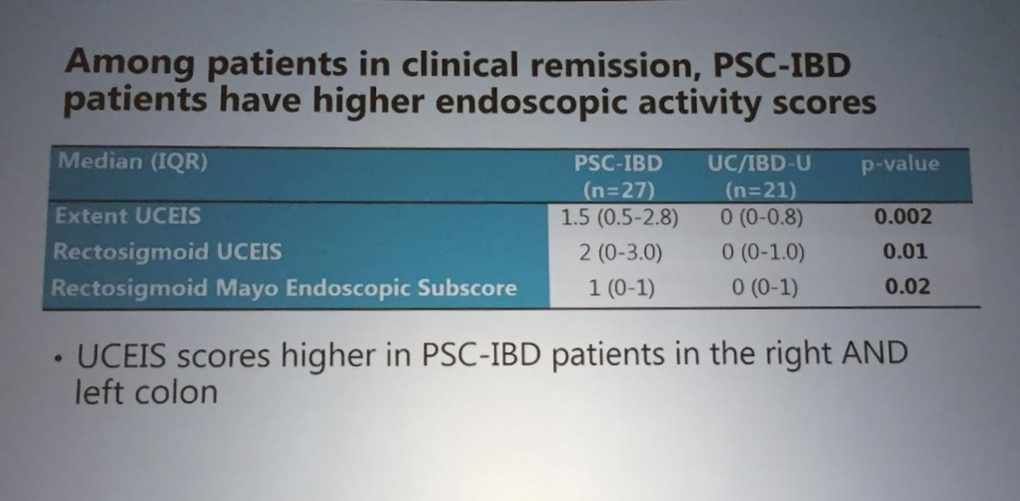
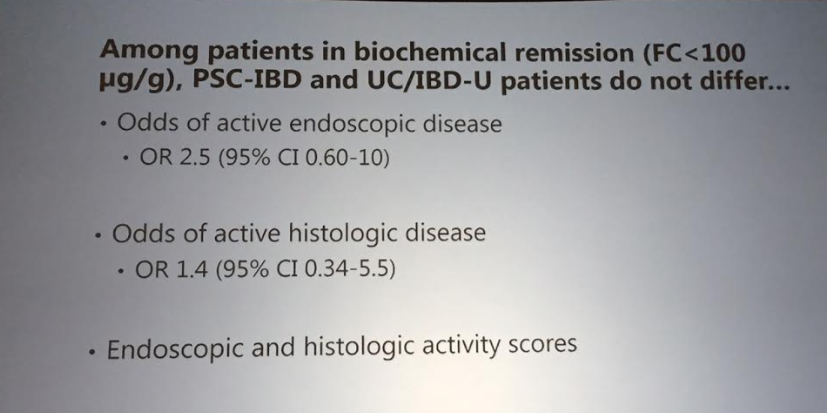
Fellow Research Award: Symptoms Underestimate Endoscopic Activity in PSC-IBD. Amanda Ricciuto et al. Hospital for Sick Children.

Key points:

  • In patients with IBD-PSC, clinical remission based on clinical symptoms is not reliable indicator of histologic remission.
  • Patients with PSC-IBD are more likely to have active endoscopic disease even when in “clinical remission”
  • Calprotectin levels (not PUCAIs) are helpful in confirming clinical remission.  A calprotectin <93 mcg/g was optimal level in determining clinical remission
  • Better control of disease could improve clinical outcomes (eg. colon cancer, liver progression)

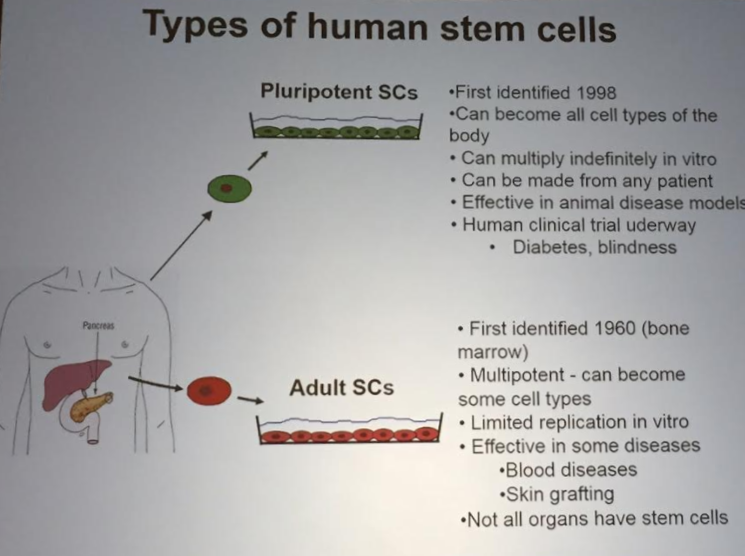
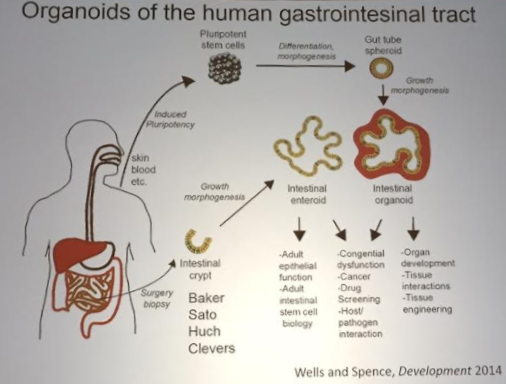
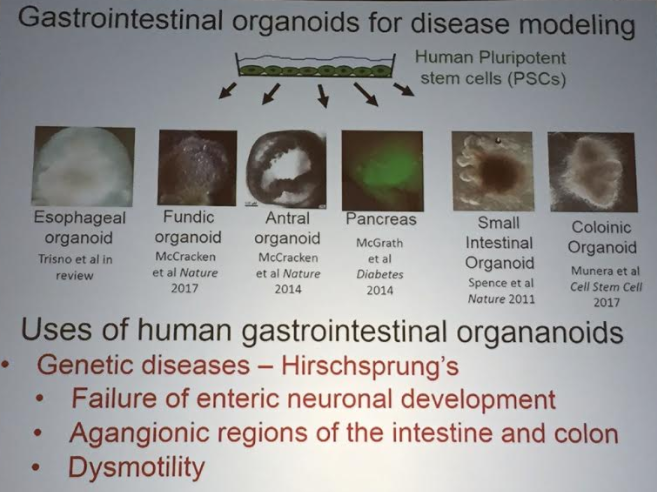
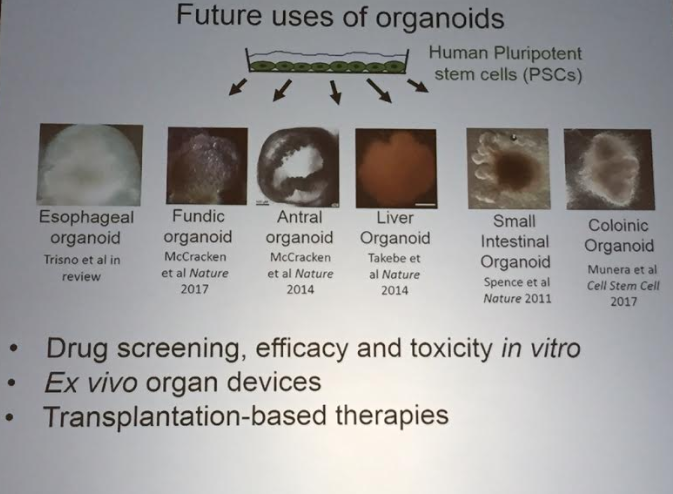
Keynote Address: Organoids: Current and future promise for changing treatment of gastrointestinal and liver disorders.  James Wells Cincinnati Children’s Hospital Medical Center.

This was a terrific lecture.

  • Example of use of pluripotent stem cell usage: Diabetes. Phase 1 study has been started.
  • Organoids are in essence miniature versions of organs in a dish and with complex combination of cell types.
  • Organoids allow easier testing on these tissues for treatment and diagnosis of diseases
  • Organoids will allow for personalized testing of medications.  Some patients will respond differently.  This technology could be used to grow a specific organoid for a specific person and determine response on the organoid before giving to the patient.
  • Can engraft organoids into mice which can provide blood supply and allow larger organoids.
  • Clinical projects for organoids: Hirschsprung’s,  H pylori, Clostridium difficile, Short bowel syndrome, Fatty liver disease