



A recent opinion piece from FoodSafetyNews highlights the lack of transparency from the FDA regarding food-borne outbreaks (several more listed below).
Bill Marler: Publisher’s Platform: A bit more about the FDA and lack of Transparency
Here’s an excerpt:
The Halloween disclosure of a multistate E. coli outbreak linked to romaine lettuce raises another concern about the FDA and transparency — the failure to disclose where consumers purchased the tainted product..
Under the Freedom of Information Act and Title 21 of the Code of Regulations, government agencies — and specifically, the FDA — are told to exempt trade secrets and commercial information from any of their releases…
Formulations, ingredients and how products are made are trade secrets. Who supplied the tainted raw material, who made the tainted product and where the tainted product was sold are not a trade secrets – especially during an outbreak. Simplicity, transparency and consistency allows for a visible supply chain and one that consumers can have confidence in.
Recent outbreaks (thanks to colleague for these references):
Multistate Salmonella Outbreak Linked To Ground Beef Causes One Death, Eight Hospitalizations
Previously Undisclosed E. Coli Outbreak Linked To Romaine Lettuce Sickened Nearly Two Dozen People, FDA Says
My take: Food-borne illnesses cause 48 million cases in U.S. each year (CDC estimates) and 3000 deaths (MMWR 64:2, 2015). More transparency is needed.
Related blog post: Food Safety Lecture-It’s Still A Jungle Out There

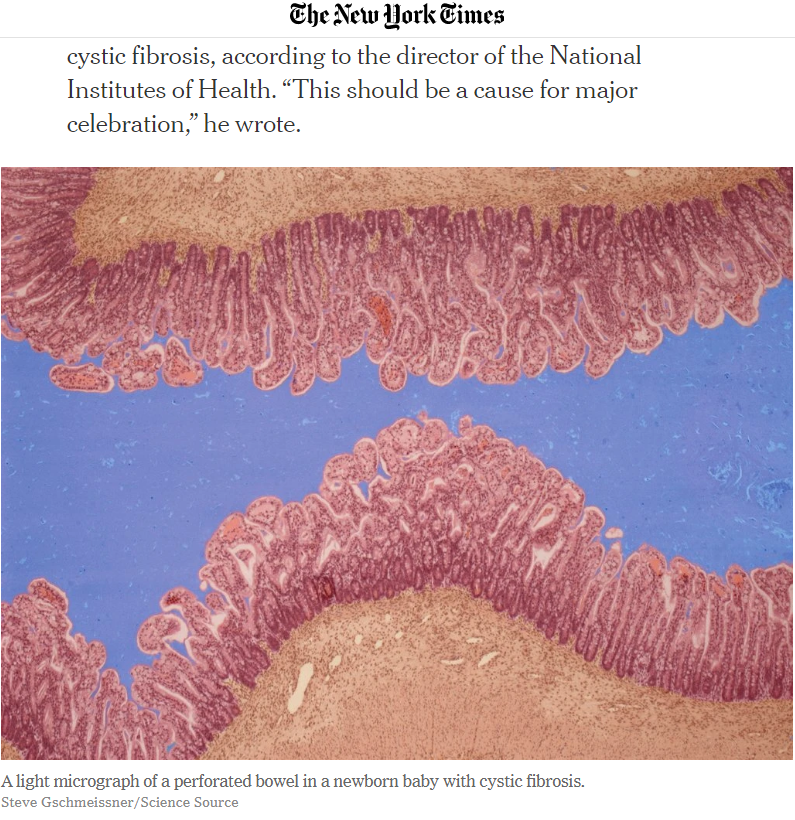
More information related to today’s earlier post: In the News: Big Therapeutic Advance for Cystic Fibrosis

Cystic fibrosis is caused by mutations in the gene encoding the cystic fibrosis transmembrane conductance regulator (CFTR) protein, and nearly 90% of patients have at least one copy of the Phe508del CFTR mutation. In a phase 2 trial involving patients who were heterozygous for the Phe508del CFTR mutation and a minimal-function mutation (Phe508del–minimal function genotype), the next-generation CFTR corrector elexacaftor, in combination with tezacaftor and ivacaftor, improved Phe508del CFTR function and clinical outcomes.
We conducted a phase 3, randomized, double-blind, placebo-controlled trial to confirm the efficacy and safety of elexacaftor–tezacaftor–ivacaftor in patients 12 years of age or older with cystic fibrosis with Phe508del–minimal function genotypes. Patients were randomly assigned to receive elexacaftor–tezacaftor–ivacaftor or placebo for 24 weeks. The primary end point was absolute change from baseline in percentage of predicted forced expiratory volume in 1 second (FEV1) at week 4.
A total of 403 patients underwent randomization and received at least one dose of active treatment or placebo. Elexacaftor–tezacaftor–ivacaftor, relative to placebo, resulted in a percentage of predicted FEV1 that was 13.8 points higher at 4 weeks and 14.3 points higher through 24 weeks, a rate of pulmonary exacerbations that was 63% lower, a respiratory domain score on the Cystic Fibrosis Questionnaire–Revised (range, 0 to 100, with higher scores indicating a higher patient-reported quality of life with regard to respiratory symptoms; minimum clinically important difference, 4 points) that was 20.2 points higher, and a sweat chloride concentration that was 41.8 mmol per liter lower (P<0.001 for all comparisons). Elexacaftor–tezacaftor–ivacaftor was generally safe and had an acceptable side-effect profile. Most patients had adverse events that were mild or moderate. Adverse events leading to discontinuation of the trial regimen occurred in 1% of the patients in the elexacaftor–tezacaftor–ivacaftor group.
Elexacaftor–tezacaftor–ivacaftor was efficacious in patients with cystic fibrosis with Phe508del–minimal function genotypes, in whom previous CFTR modulator regimens were ineffective. (Funded by Vertex Pharmaceuticals; VX17-445-102 ClinicalTrials.gov number, NCT03525444. opens in new tab.)
Washington Post: Long-Awaited Drug Could Turn Deadly Disease into Manageable Condition
An excerpt:
A new cystic fibrosis therapy dramatically improved patients’ lung function and showed clear signs of targeting the genetic root of the disease, instead of just alleviating symptoms — a breakthrough so long-sought that many doctors and patients are moved to tears when talking about it.
The data, being unveiled Thursday at a national conference in Tennessee and simultaneously published in two leading medical journals, was so persuasive that the Food and Drug Administration last week approved the three-drug combination, called Trikafta — five months ahead of the agency’s deadline. The drug could benefit 90 percent of patients with the disease, a major advance over previous drugs that worked in a tiny fraction of the people with the disease or had more modest effects…
Sarah Carollo, 28, a special needs teacher in Lee’s Summit, Mo., started Trikafta through a clinical trial in late 2018. Carollo… couldn’t walk down a hallway without stopping to rest and catch her breath…
A few days after she began taking the pill, her doctors tested her lung function and were so stunned at the improvement that they had to check whether they were really looking at the results from the right patient. Two weeks ago, Carollo ran a 5K race with another patient, Laurana Blackburn, who was also taking the drug through the clinical trial…
There are more than 1,700 gene mutations that can cause the protein to malfunction, but in the most common mutation, the protein is misfolded and can’t reach the right spot in the cell — and even if it does reach that spot, it doesn’t work properly. The new combination therapy includes one drug that corrects the misfolded protein and two that activate the correctly folded protein when it reaches the right spot in the cell.
In the largest trial, reported in the New England Journal of Medicine, 403 patients who had at least one copy of the most common gene mutation underlying cystic fibrosis received either Trikafta or a placebo. There were improvements in objective tests of lung function, decreases in lung problems and hospitalizations and an increase in people’s quality of life…
It also remains to be seen whether patients have an easy time gaining access to the drug, which will cost $311,000 a year. While that is a tremendous amount, orphan drugs for small patient populations typically carry very large price tags, and physicians are optimistic that insurers will cover the drug.
The NY Times reported on the FDA approval (October 2019), Studies Yield ‘Impressive’ Results in Fight Against Cystic Fibrosis, and noted that the “Institute for Clinical and Economic Review, which evaluates the cost-effectiveness of drugs, found that the cystic fibrosis drugs the company sells should cost as much as 77 percent less. ”
A recent cross-sectional pediatric study (SH Orkin et al. J Pediatr 2019; 213: 143-8), with a prospective clinical database, provides data on children presenting with acute pancreatitis, n=112 (2013-16).
Acute pancreatitis (AP): requires at least 2 of 3 criteria:
Key points:
The authors note that lipase has a delayed peak and longer duration of elevation with AP. Amylase normalizes more rapidly.
My take: This study reinforces the view that an elevated lipase is more sensitive than amylase and that imaging (especially ultrasound) is frequently normal in AP.
Related blog posts:

Island Ford Park, Chattahoochee River


Our Spooky Pumpkin
Here are some notes and a few slides from NASPGHAN’s plenary session. There could be errors of transcription in my notes.
Benjamin Gold, NASPGHAN president and part of our GI group, GI Care For Kids, welcomed everyone to the meeting.
Link to NASPGHAN_Annual_Meeting_Program 2019
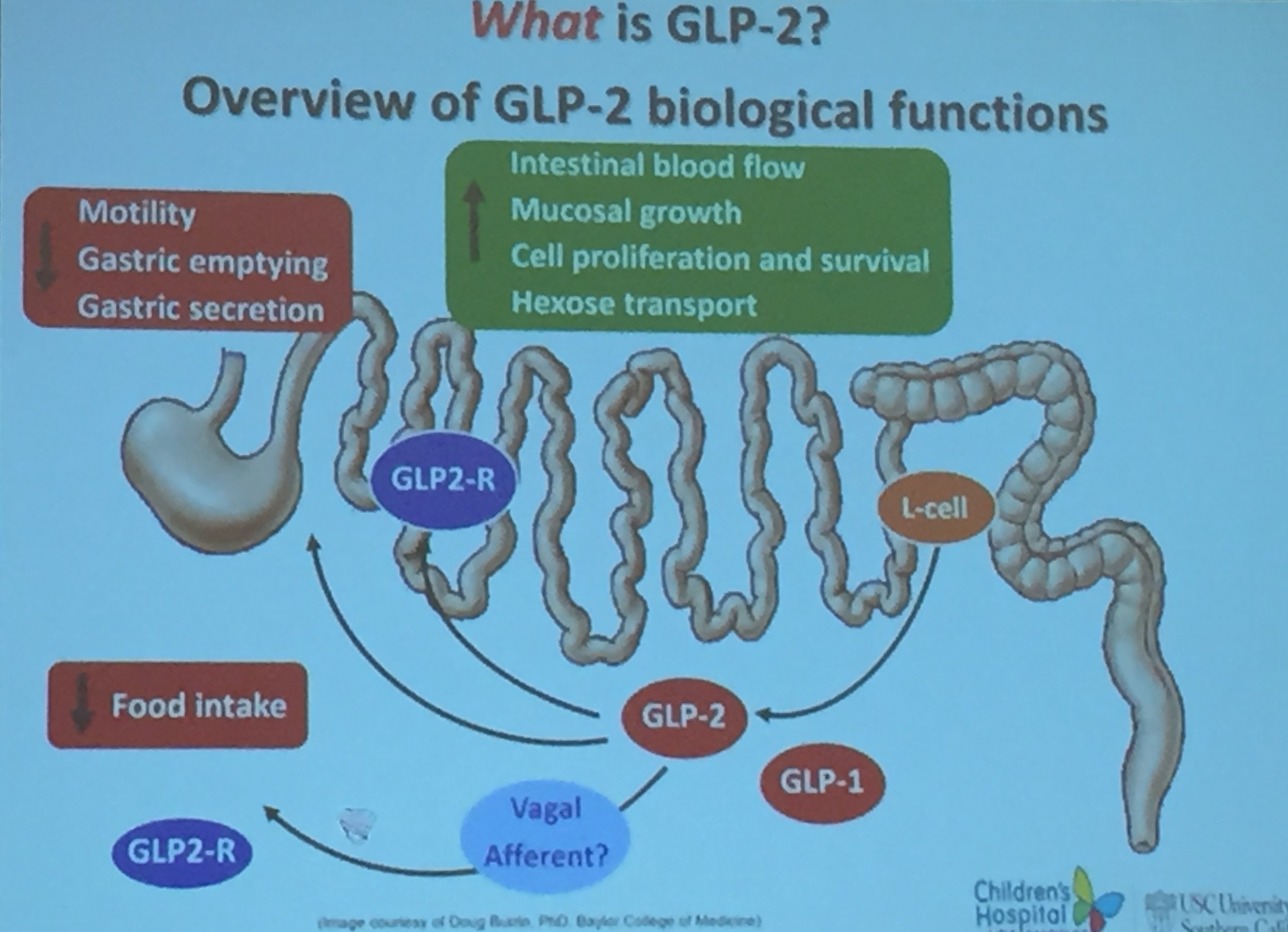
Beth Carter Trophic Growth Factors: A Practical View
Key Points:
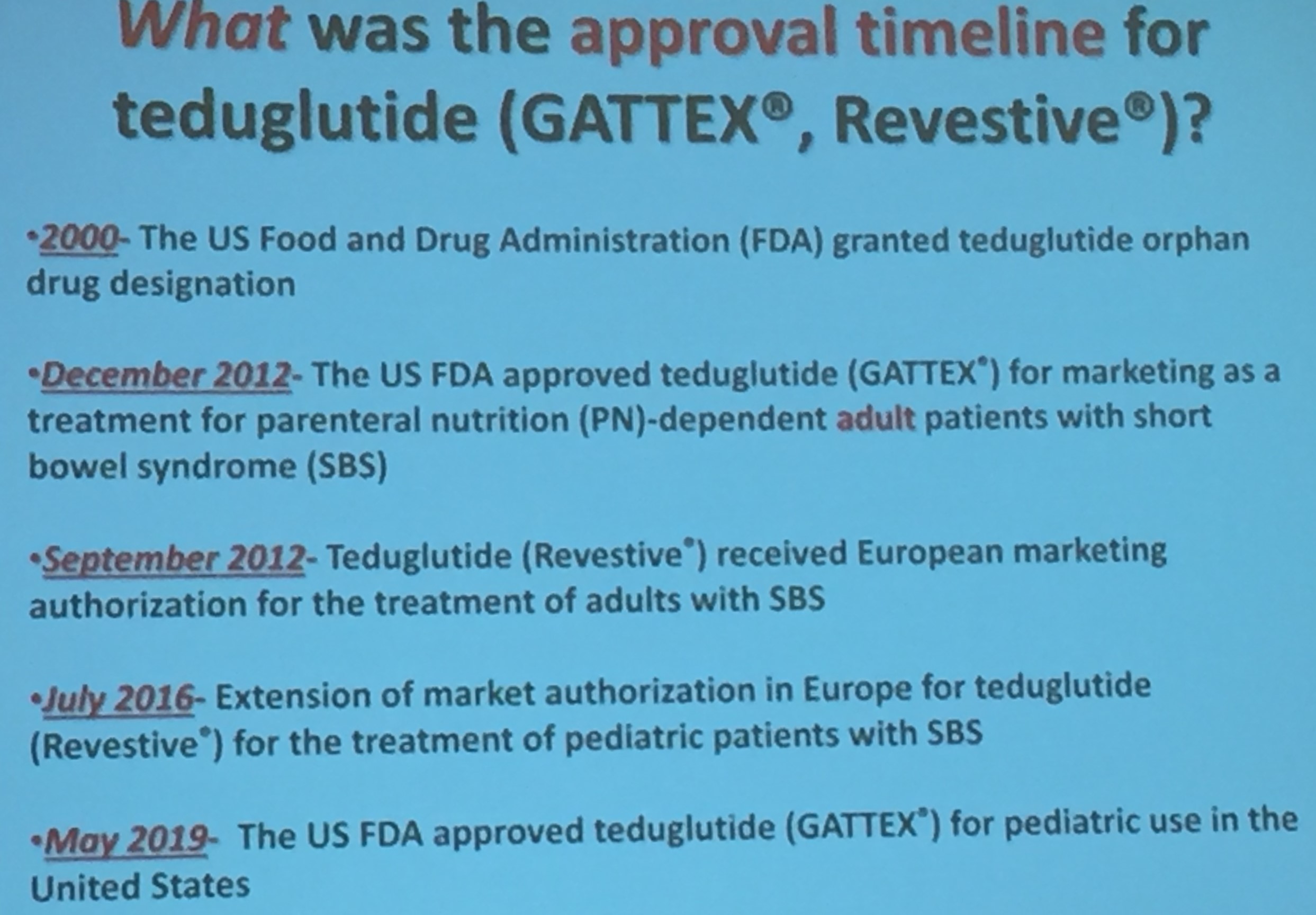


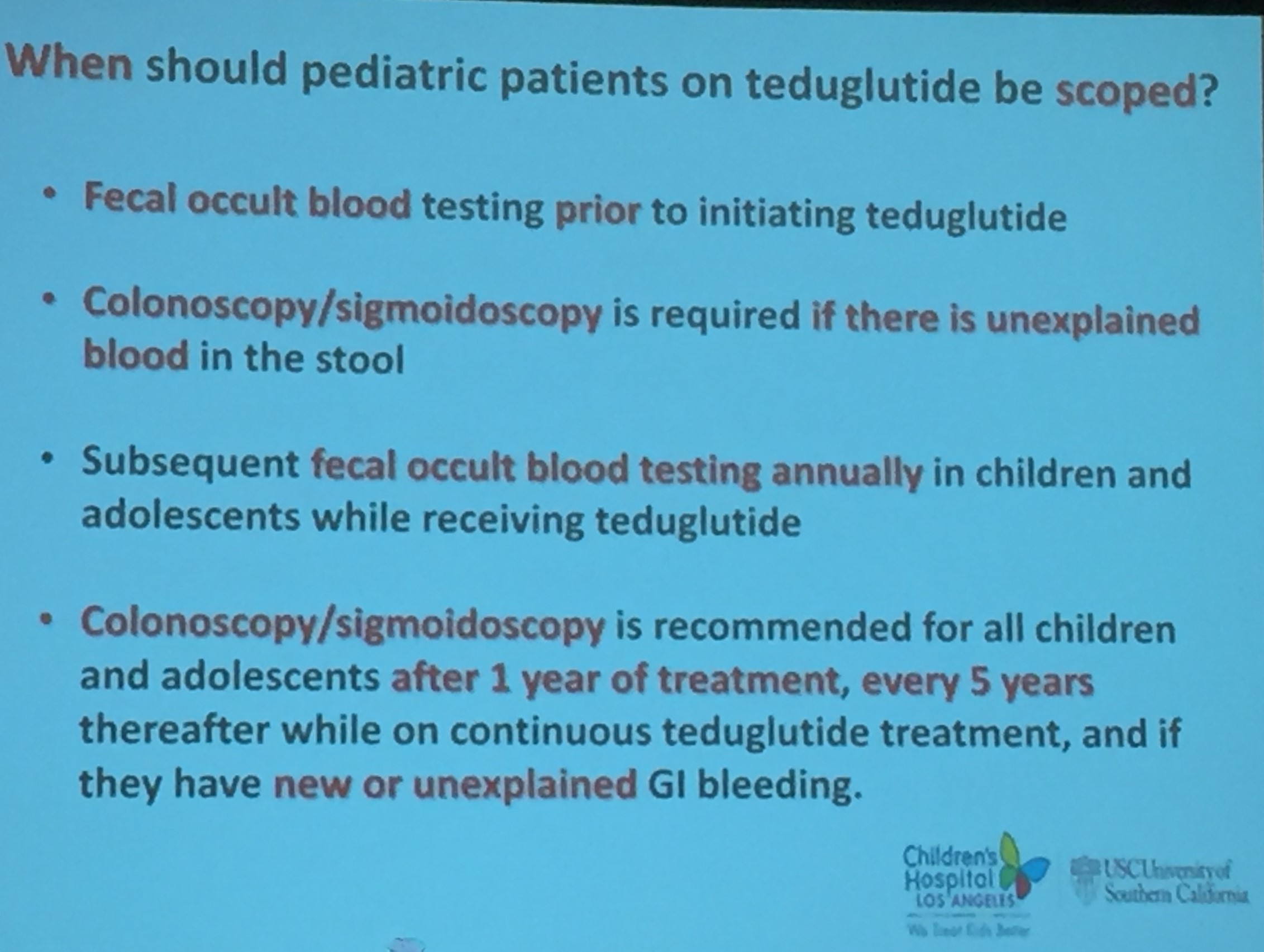
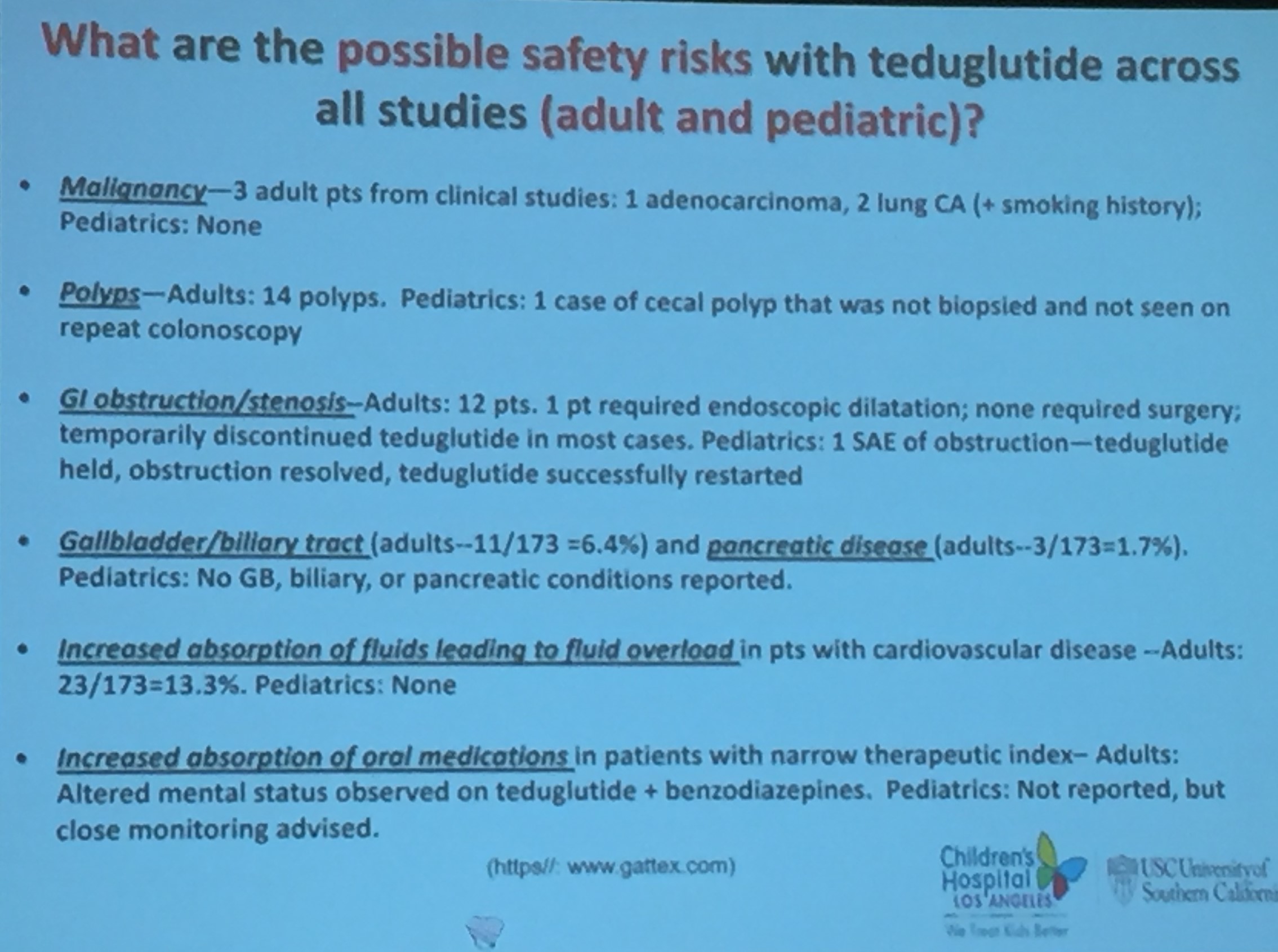
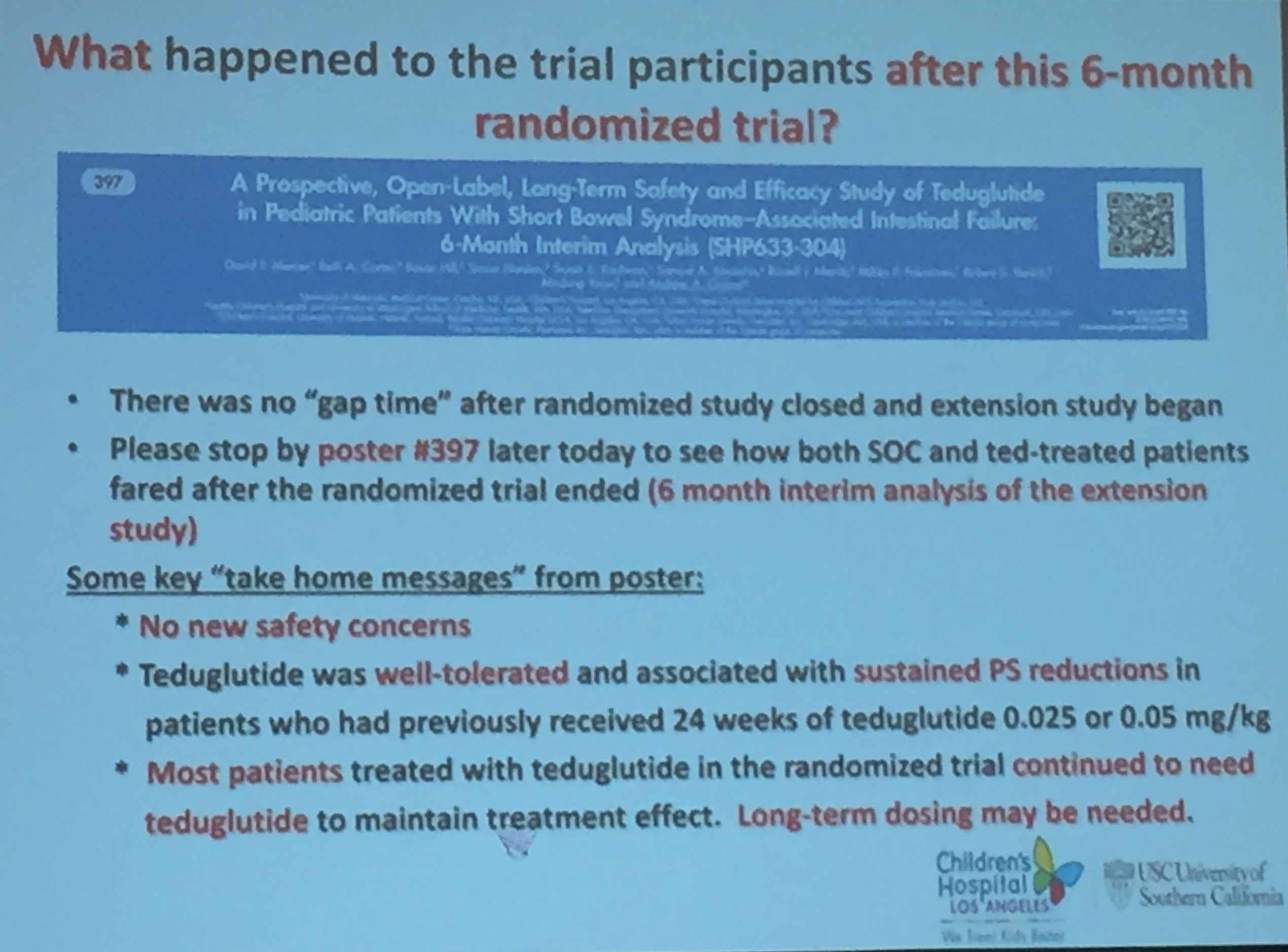


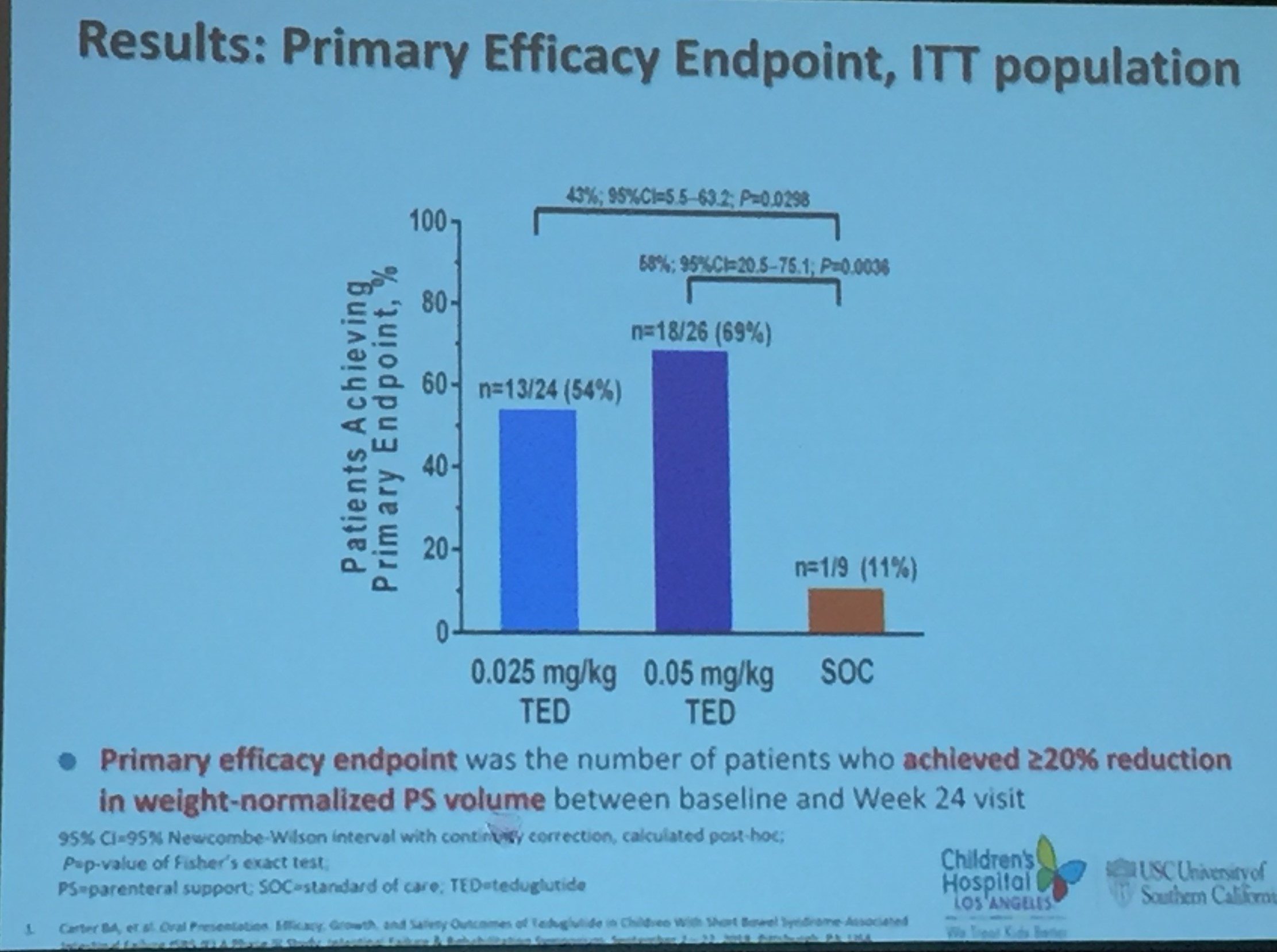


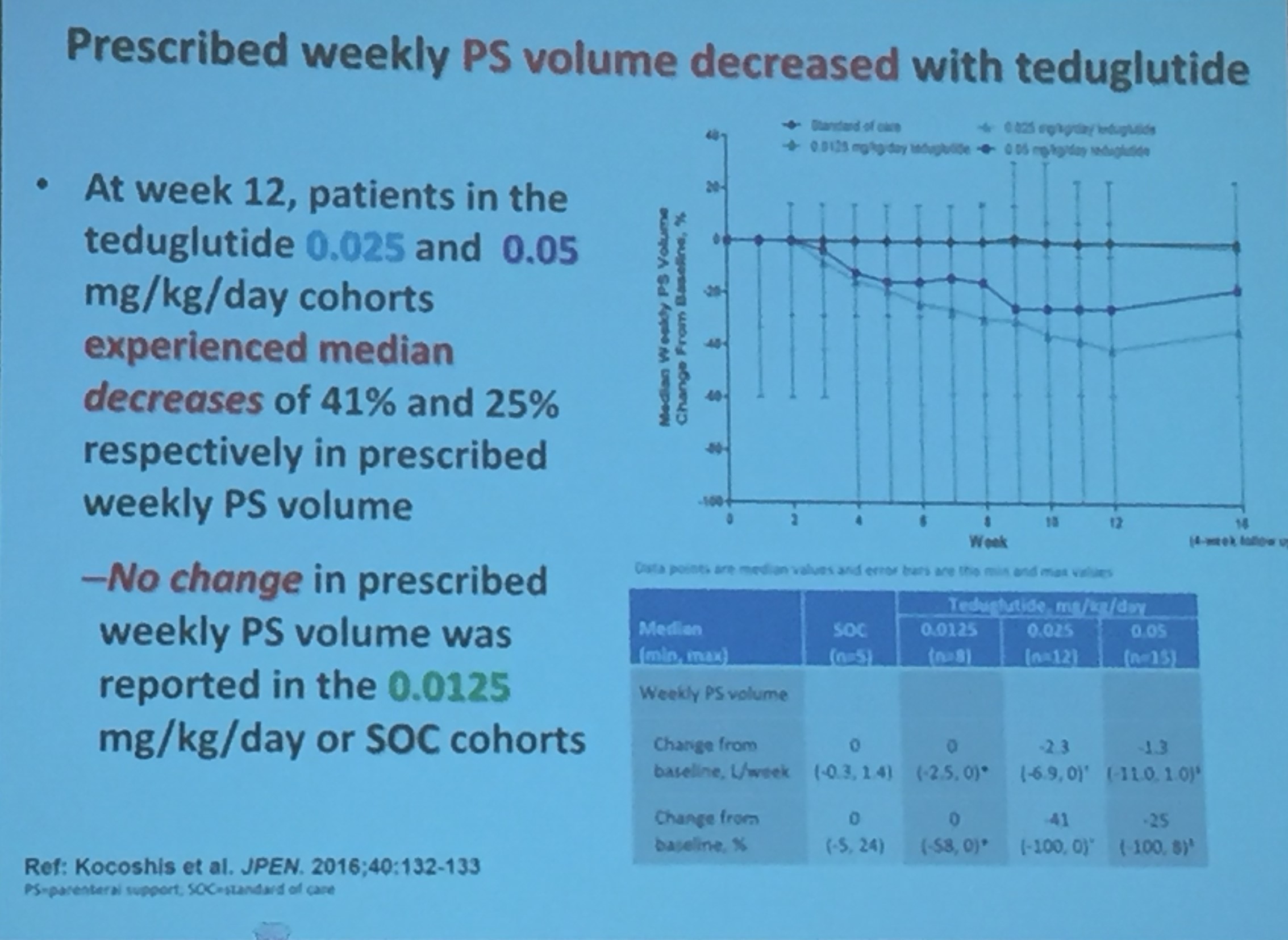
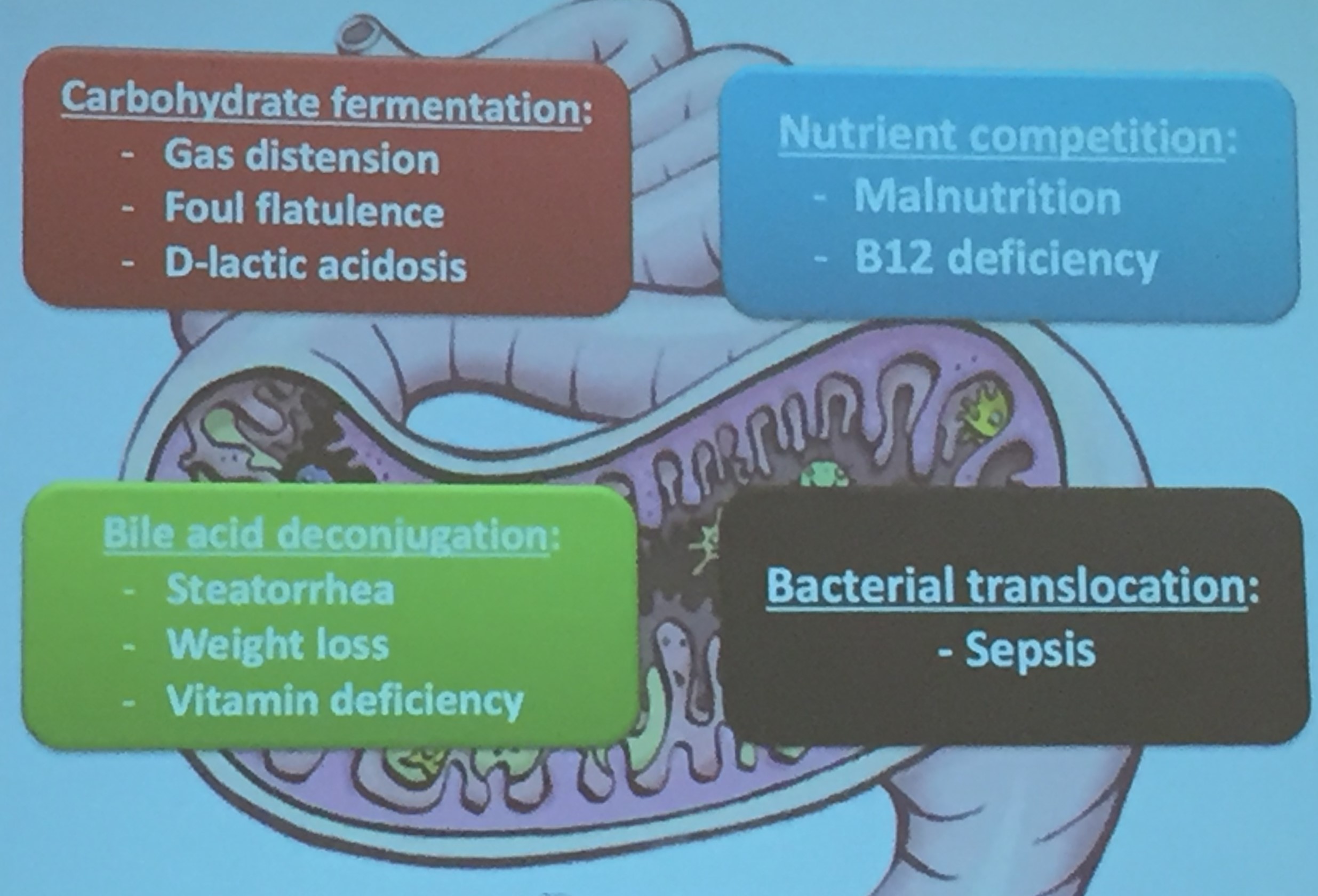
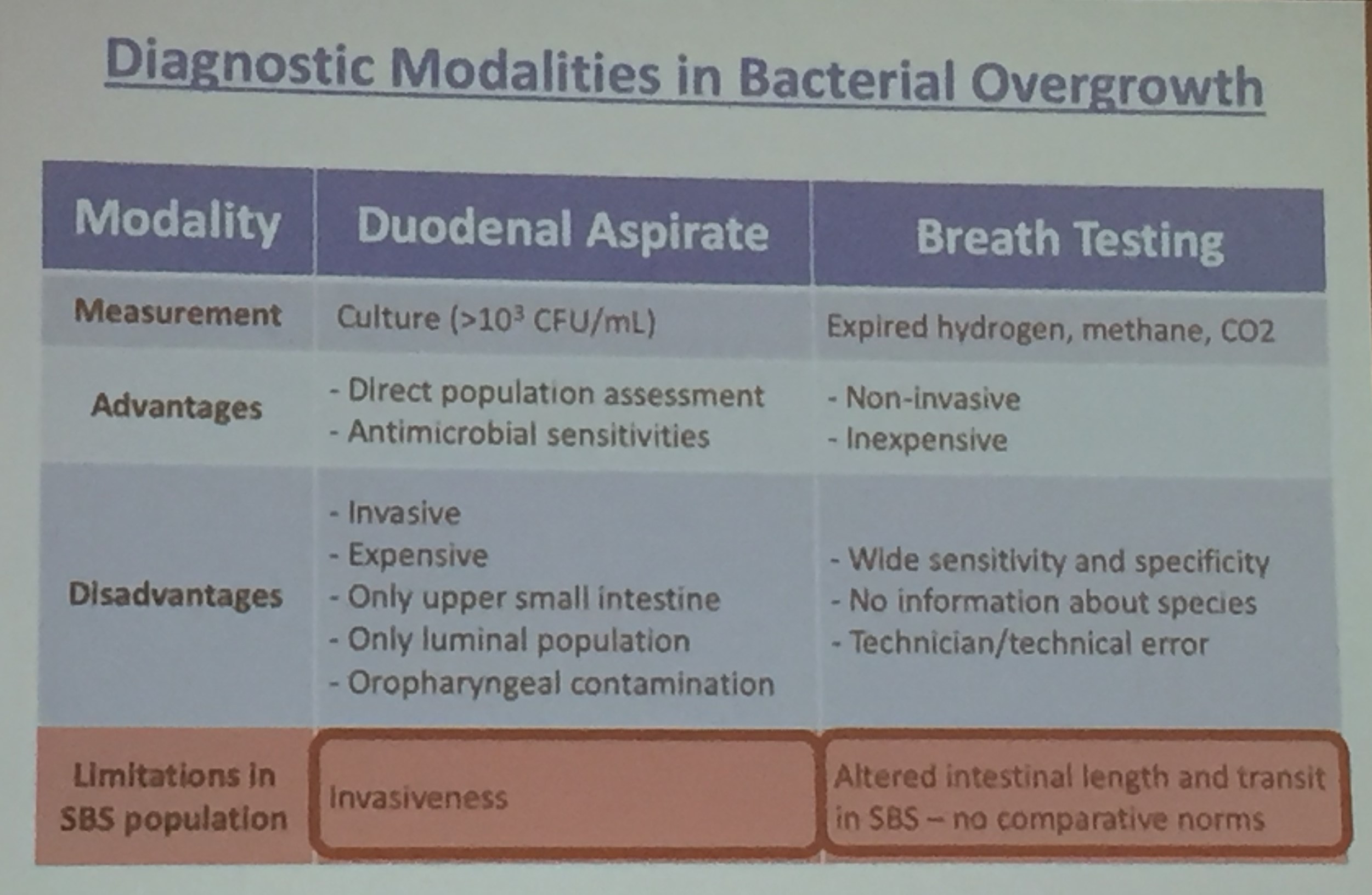
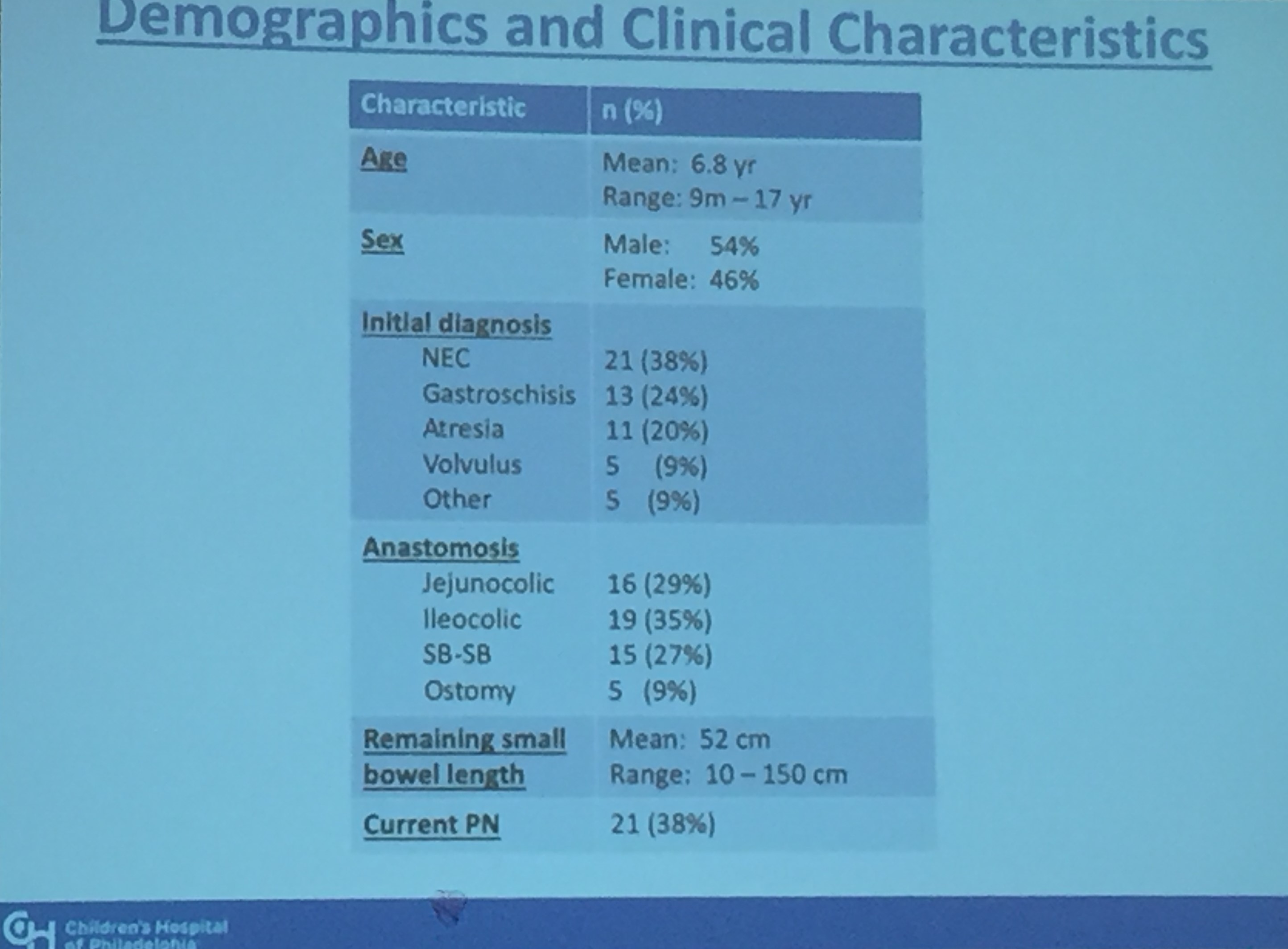
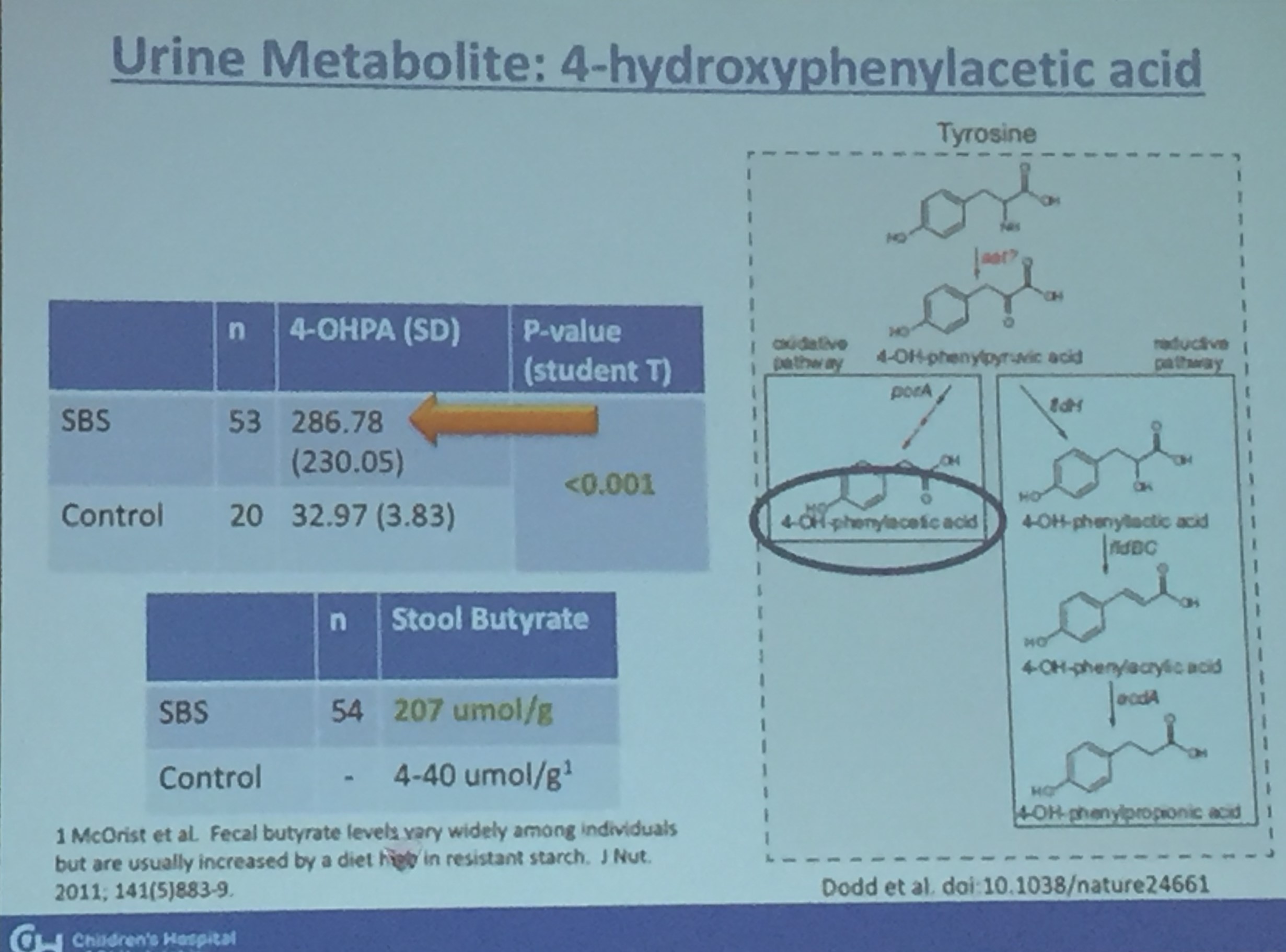
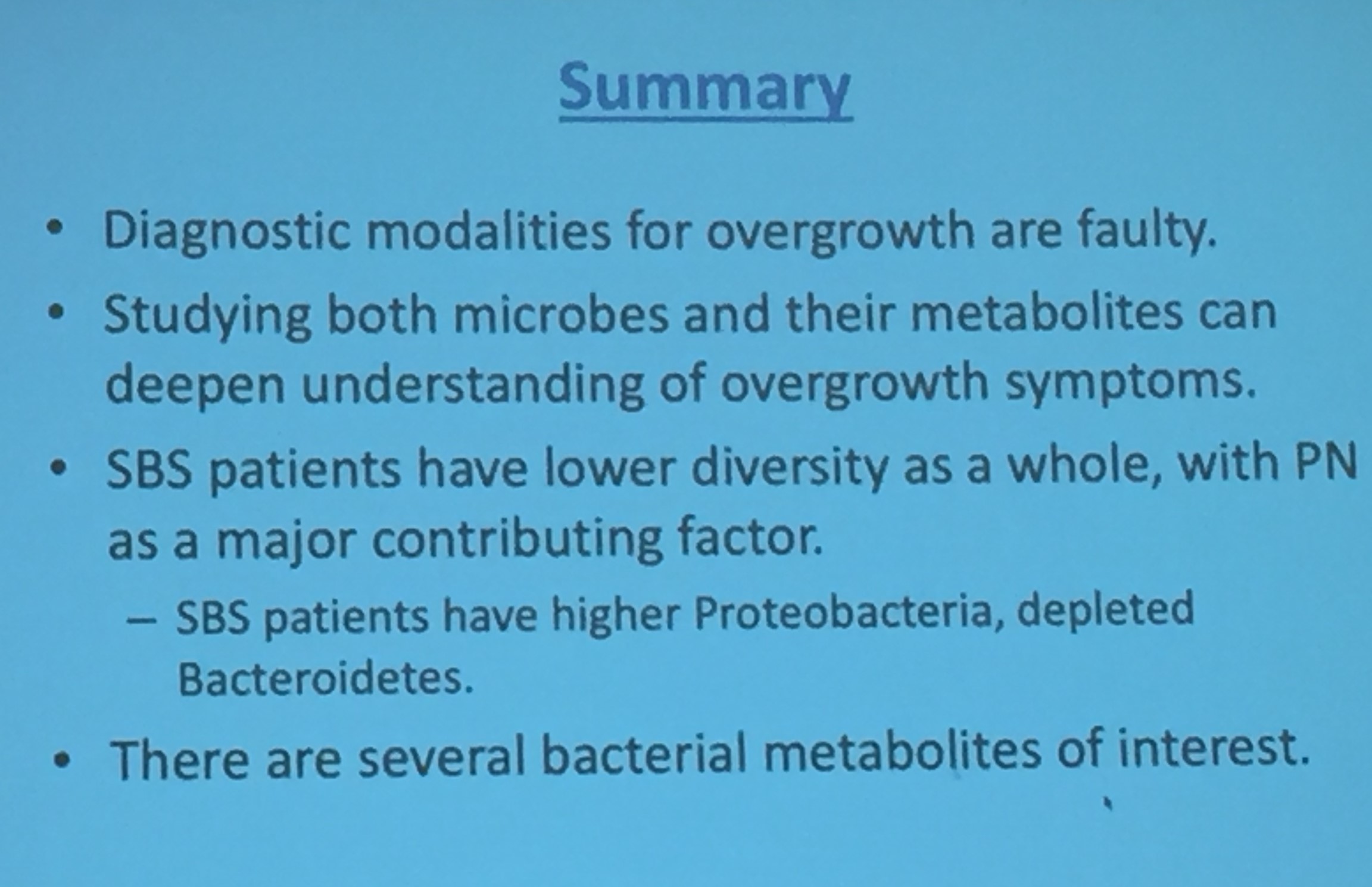
Arthur Kasti Abstract 218 Microbial Metabolites as Markers of Intestinal Dysbiosis in Pediatric Short Bowel Syndrome
This was a terrific presentation. Key points:



Disclaimer: This blog, gutsandgrowth, assumes no responsibility for any use or operation of any method, product, instruction, concept or idea contained in the material herein or for any injury or damage to persons or property (whether products liability, negligence or otherwise) resulting from such use or operation. These blog posts are for educational purposes only. Specific dosing of medications (along with potential adverse effects) should be confirmed by prescribing physician. Because of rapid advances in the medical sciences, the gutsandgrowth blog cautions that independent verification should be made of diagnosis and drug dosages. The reader is solely responsible for the conduct of any suggested test or procedure. This content is not a substitute for medical advice, diagnosis or treatment provided by a qualified healthcare provider. Always seek the advice of your physician or other qualified health provider with any questions you may have regarding a condition.
Here are some notes and a few slides from NASPGHAN’s plenary session. There could be errors of transcription in my notes.
Benjamin Gold, NASPGHAN president and part of our GI group, GI Care For Kids, welcomed everyone to the meeting.
Link to NASPGHAN_Annual_Meeting_Program 2019

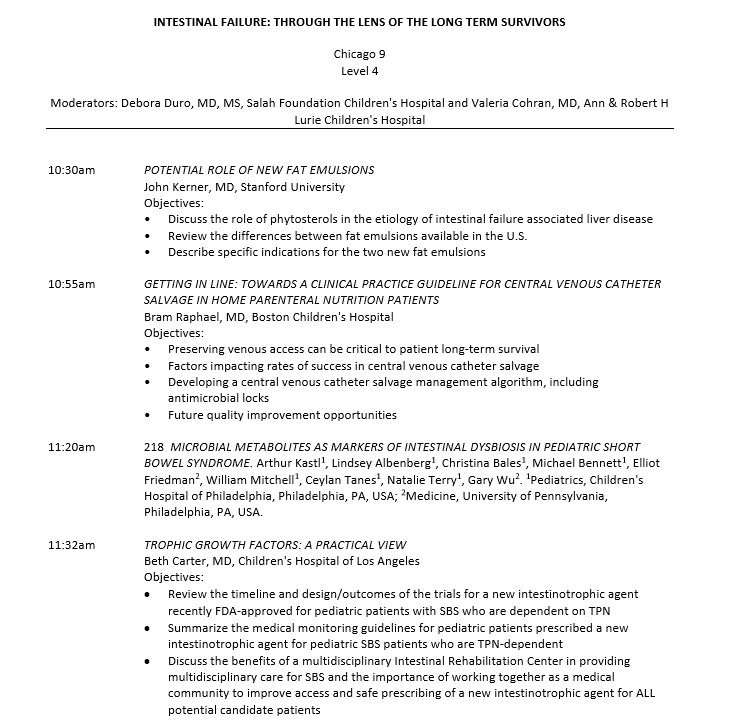
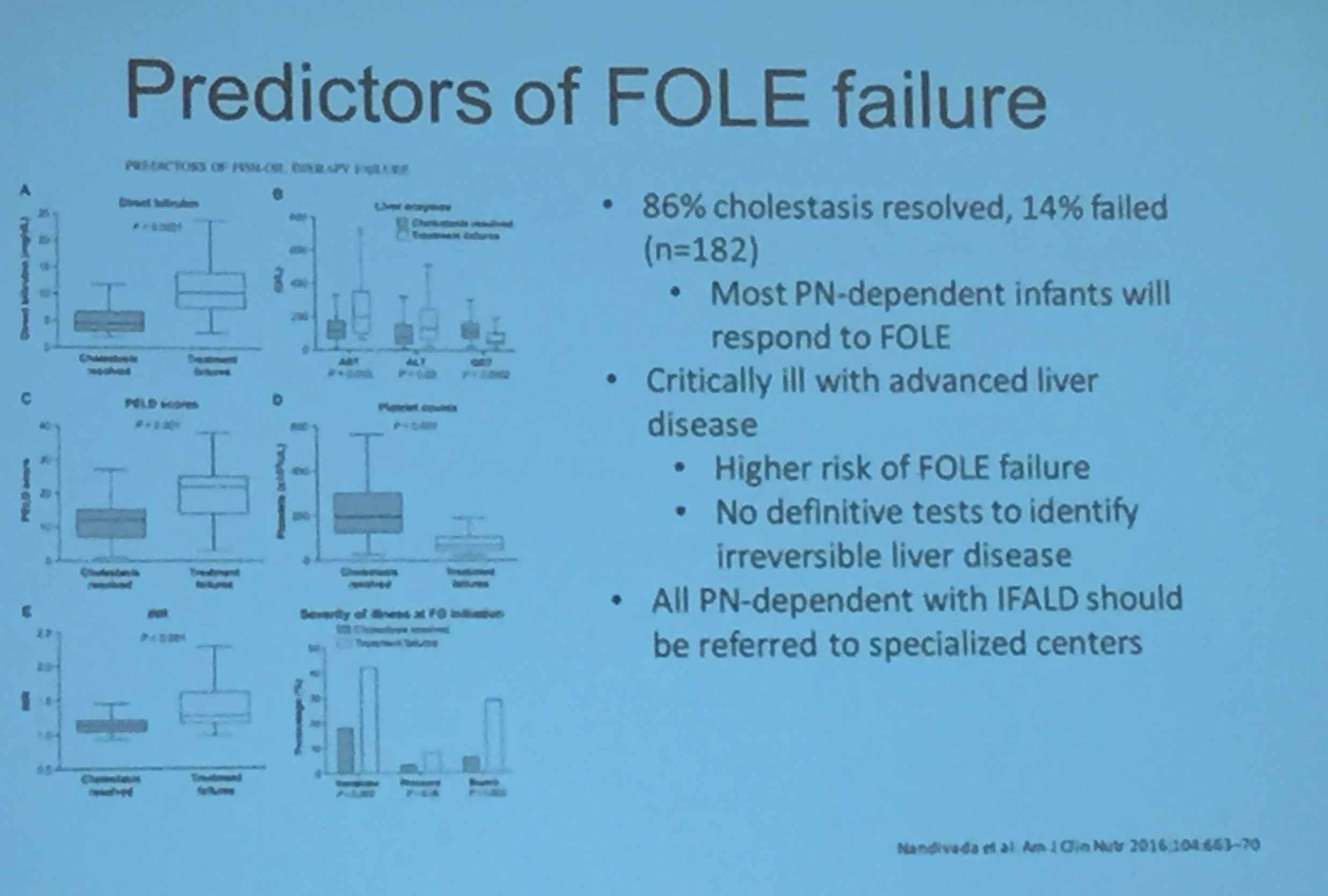
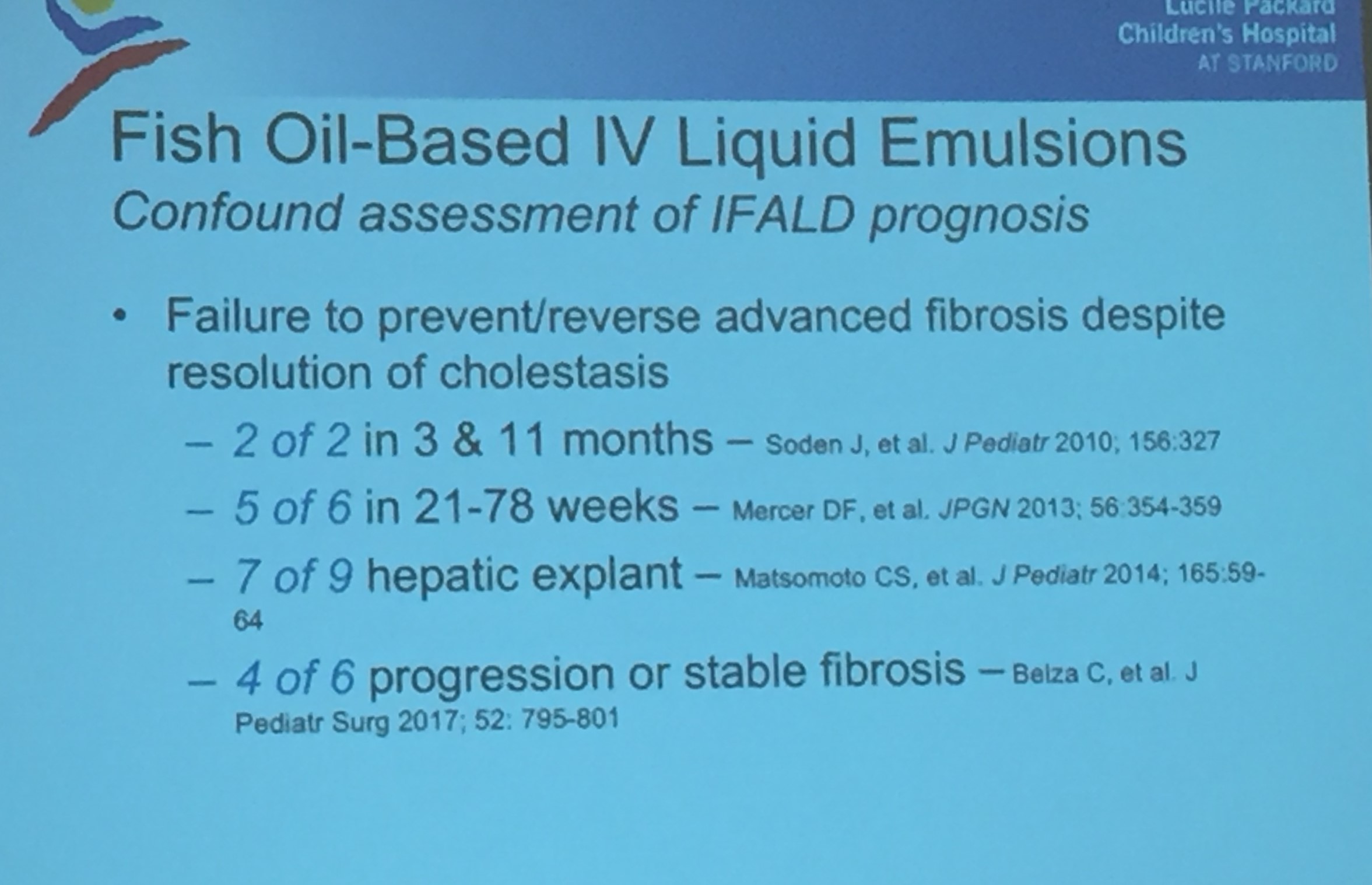
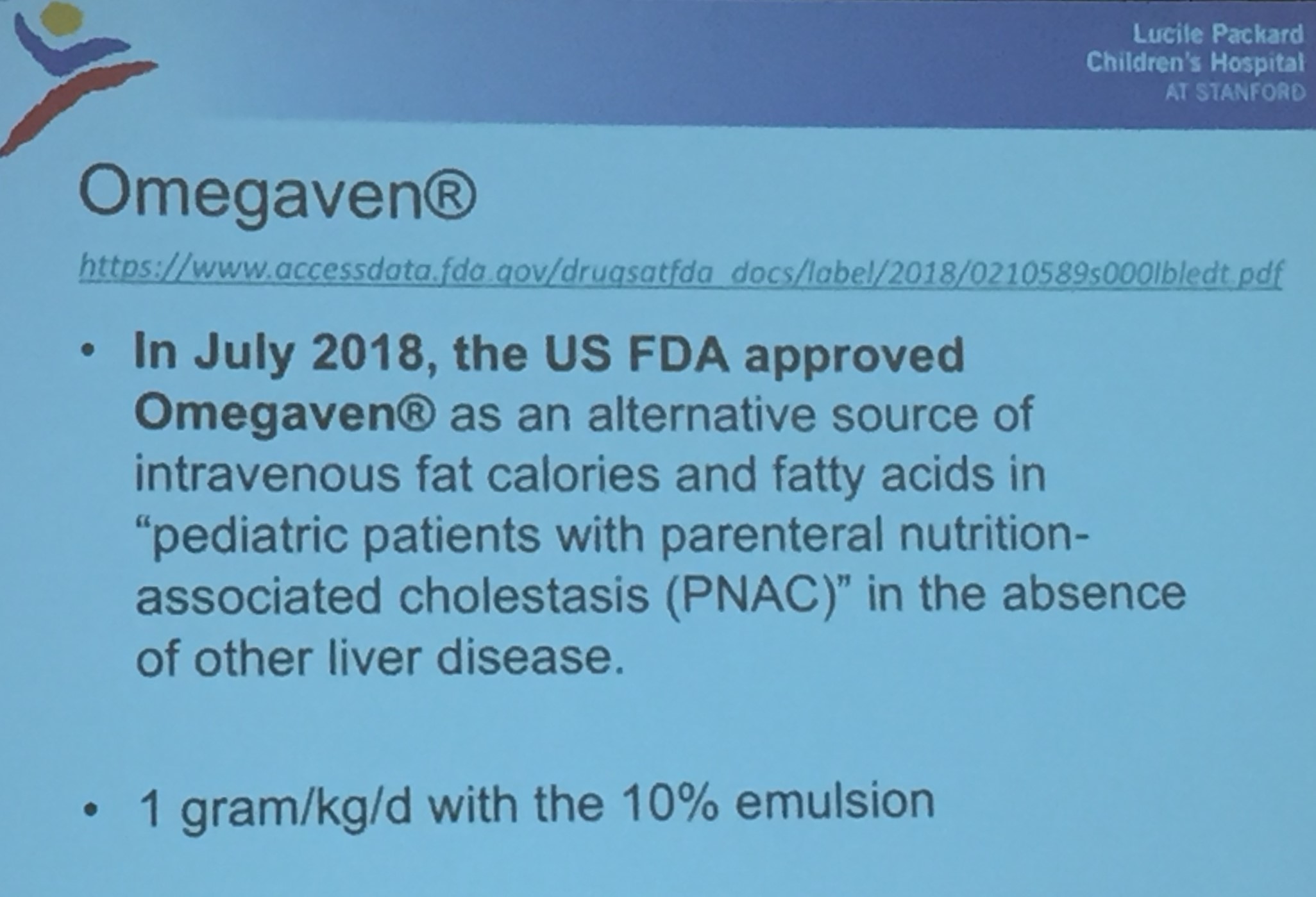
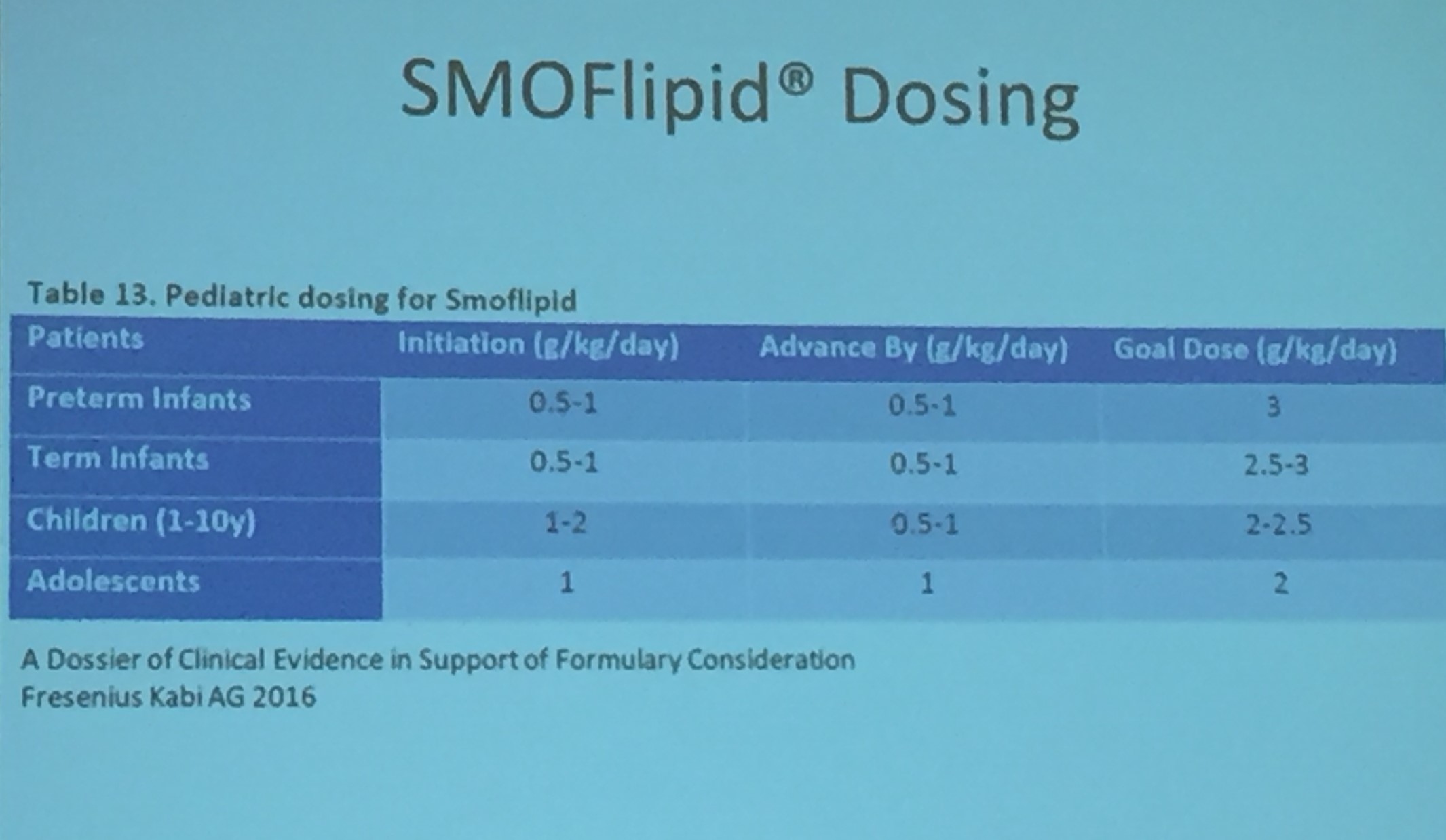
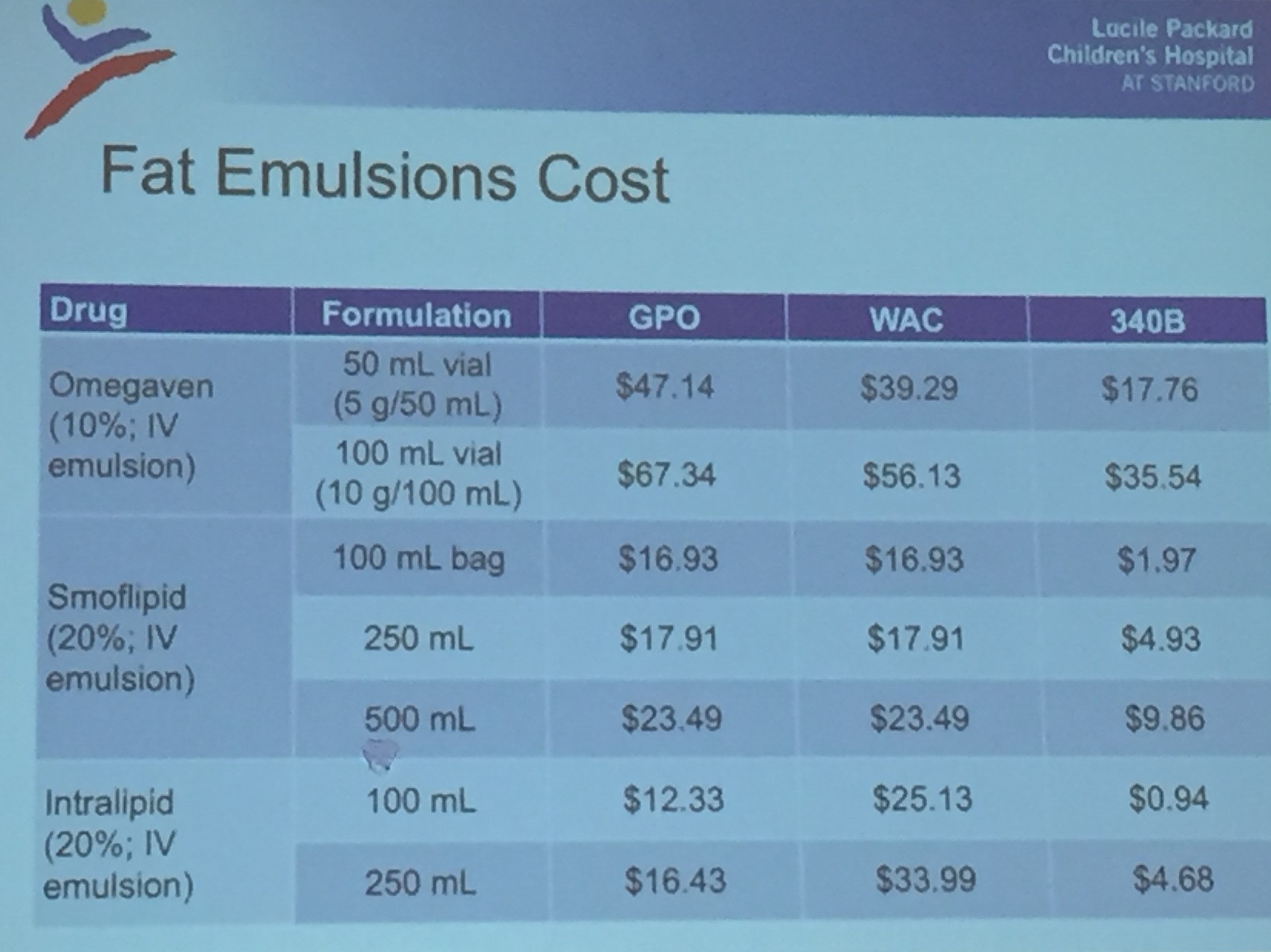
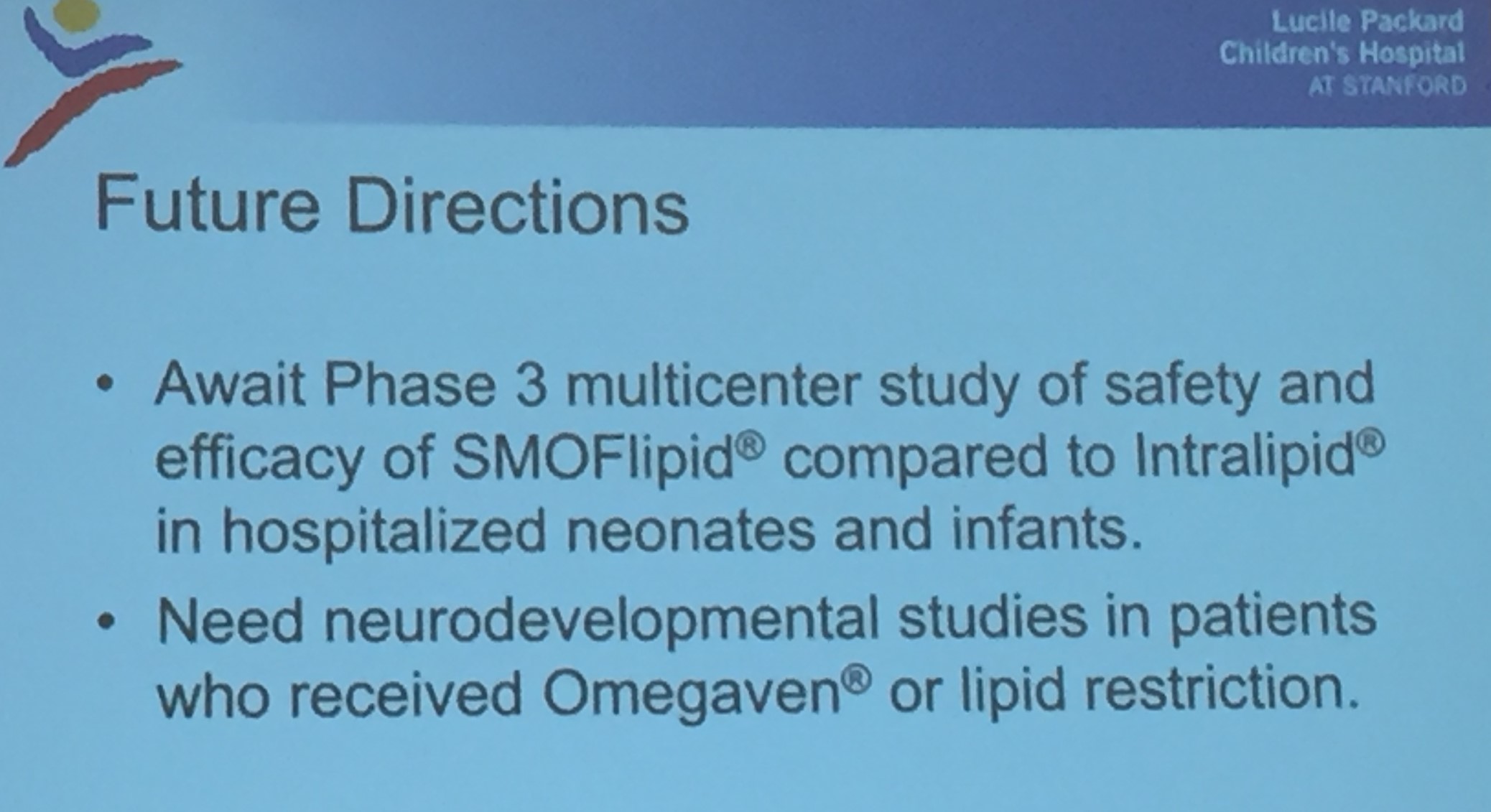
John Kerner Potential Role of New Fat Emulsions
Key points:





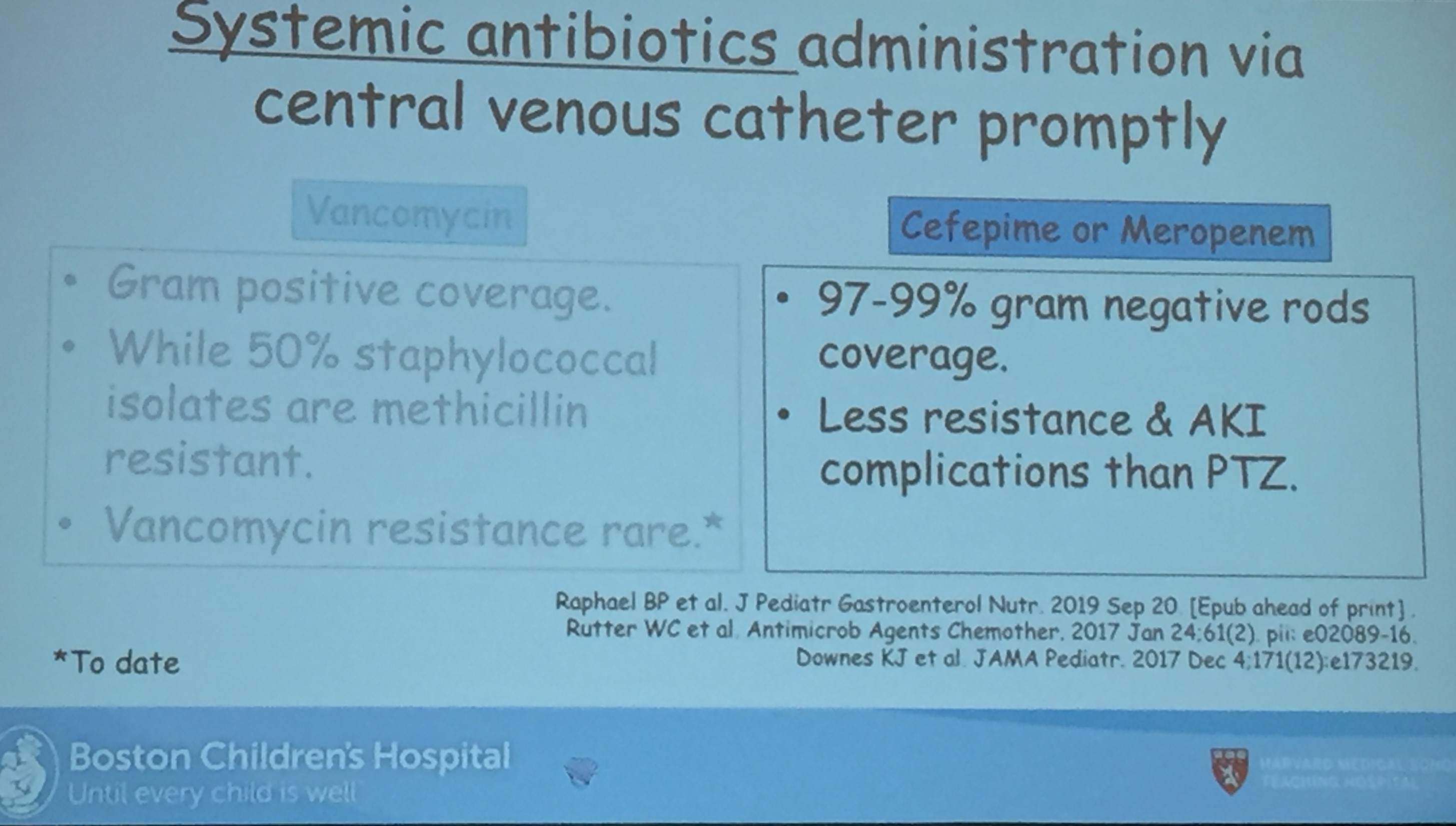
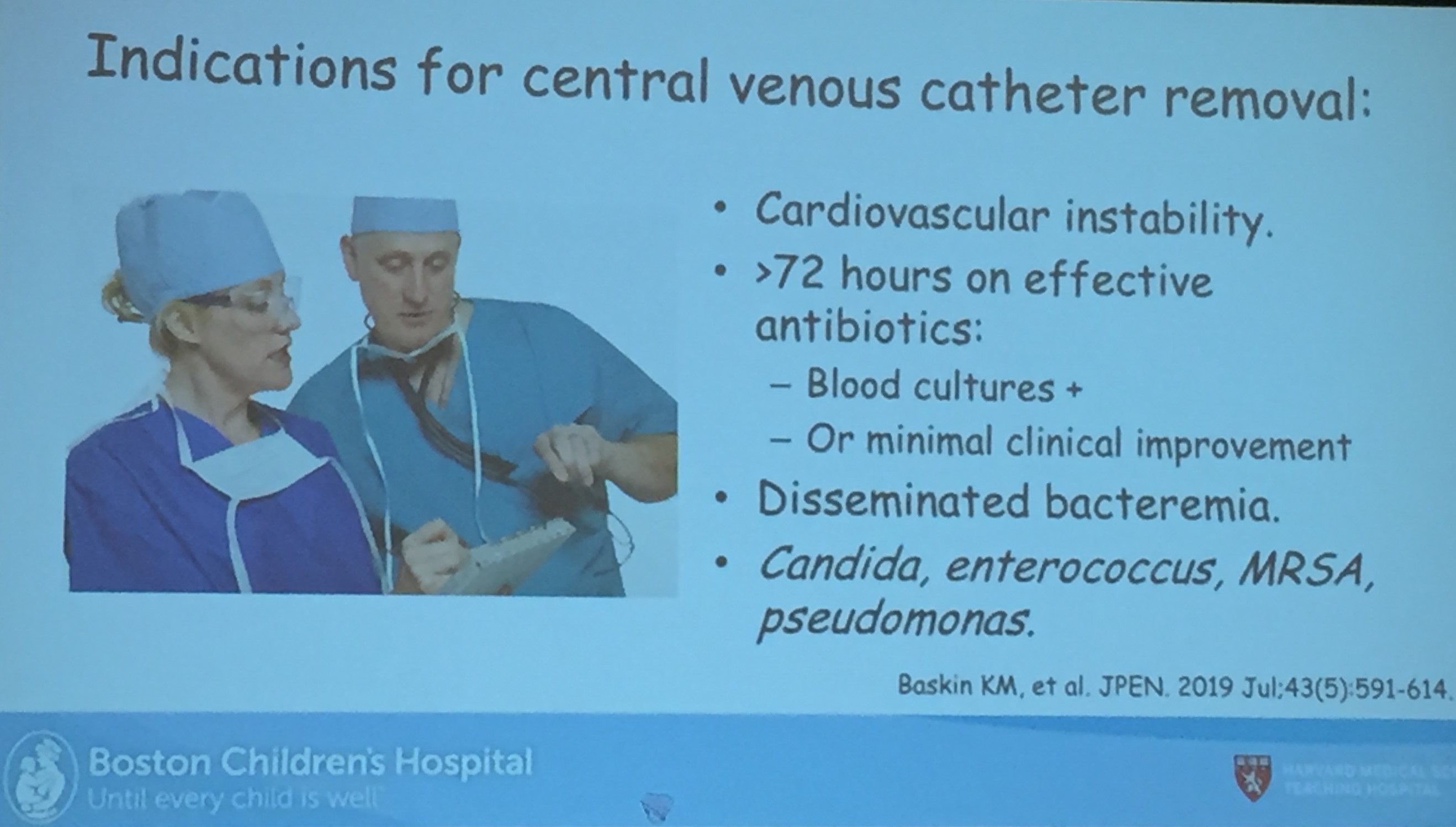
Bram Raphael Getting In Line: Towards a Clinical Practice Guideline For CVC Salvage
Key points:



Disclaimer: This blog, gutsandgrowth, assumes no responsibility for any use or operation of any method, product, instruction, concept or idea contained in the material herein or for any injury or damage to persons or property (whether products liability, negligence or otherwise) resulting from such use or operation. These blog posts are for educational purposes only. Specific dosing of medications (along with potential adverse effects) should be confirmed by prescribing physician. Because of rapid advances in the medical sciences, the gutsandgrowth blog cautions that independent verification should be made of diagnosis and drug dosages. The reader is solely responsible for the conduct of any suggested test or procedure. This content is not a substitute for medical advice, diagnosis or treatment provided by a qualified healthcare provider. Always seek the advice of your physician or other qualified health provider with any questions you may have regarding a condition.
My notes from Georgia Chapter of CCFA’s conference. There could be errors of omission, transcription and/or errors in context based on my understanding.
Evan Feldman, MD –Atlanta Colorectal Surgery
Surgical Management of Fibrostenotic Crohn’s Disease
Key Points:

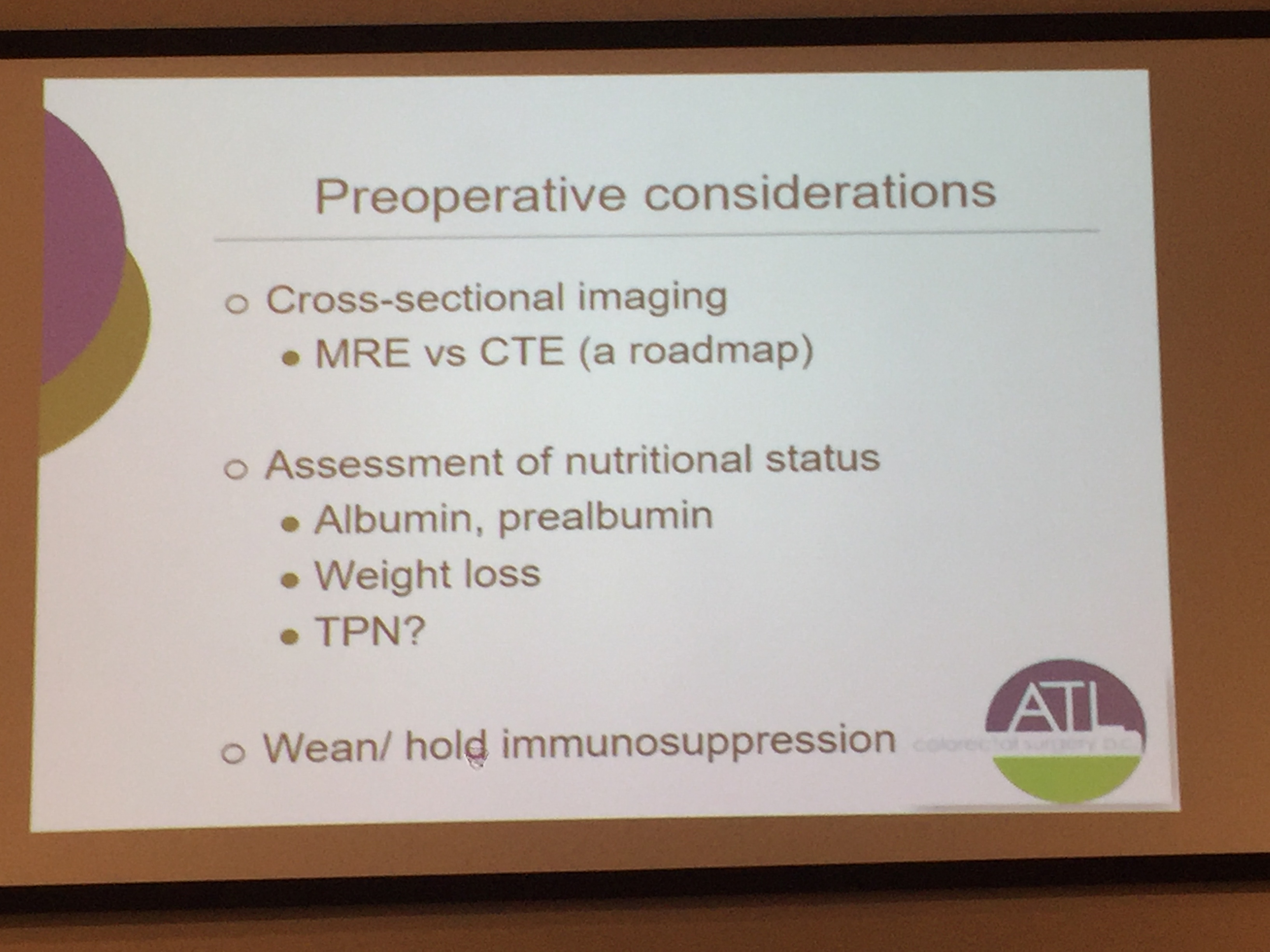

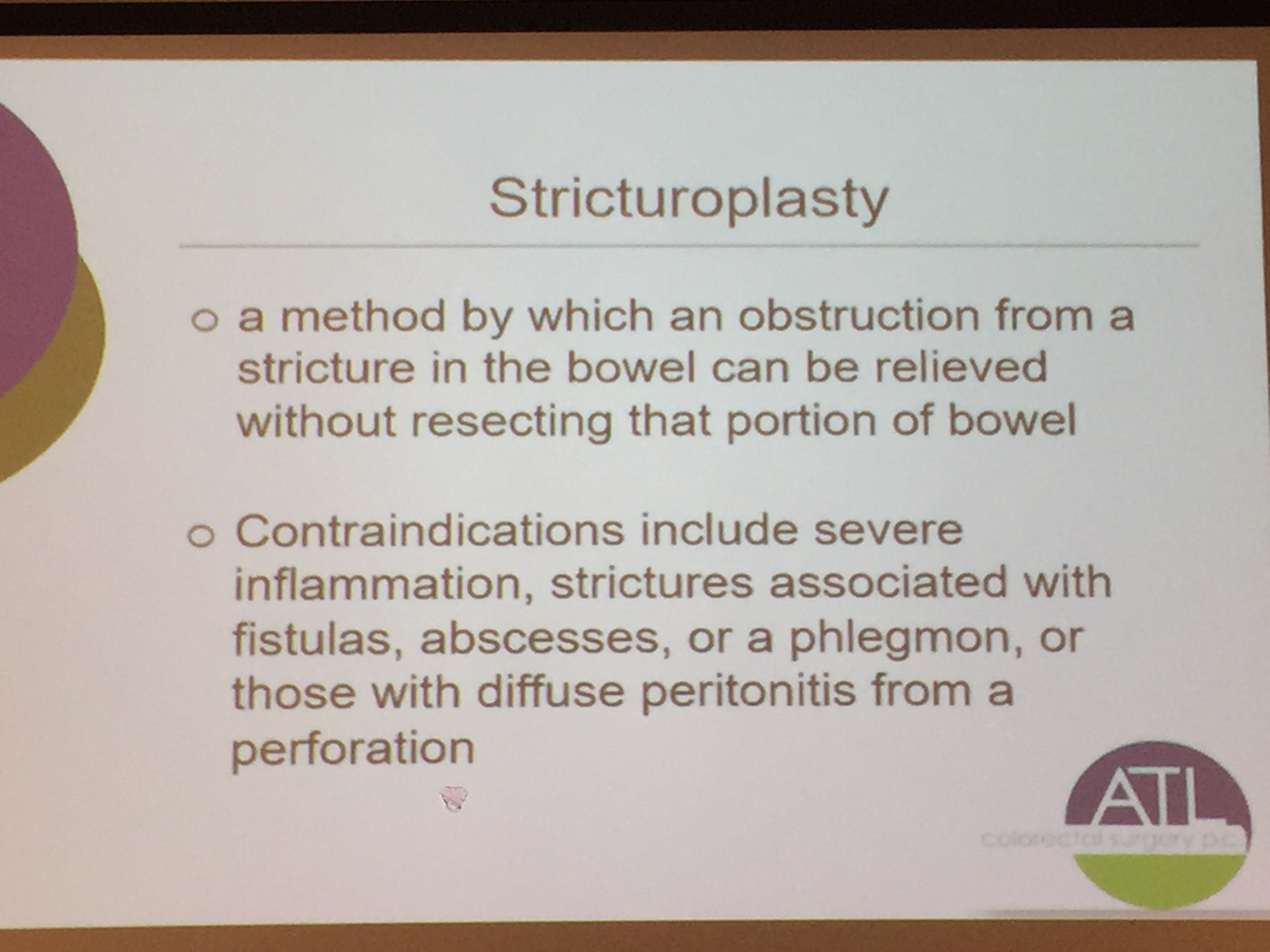


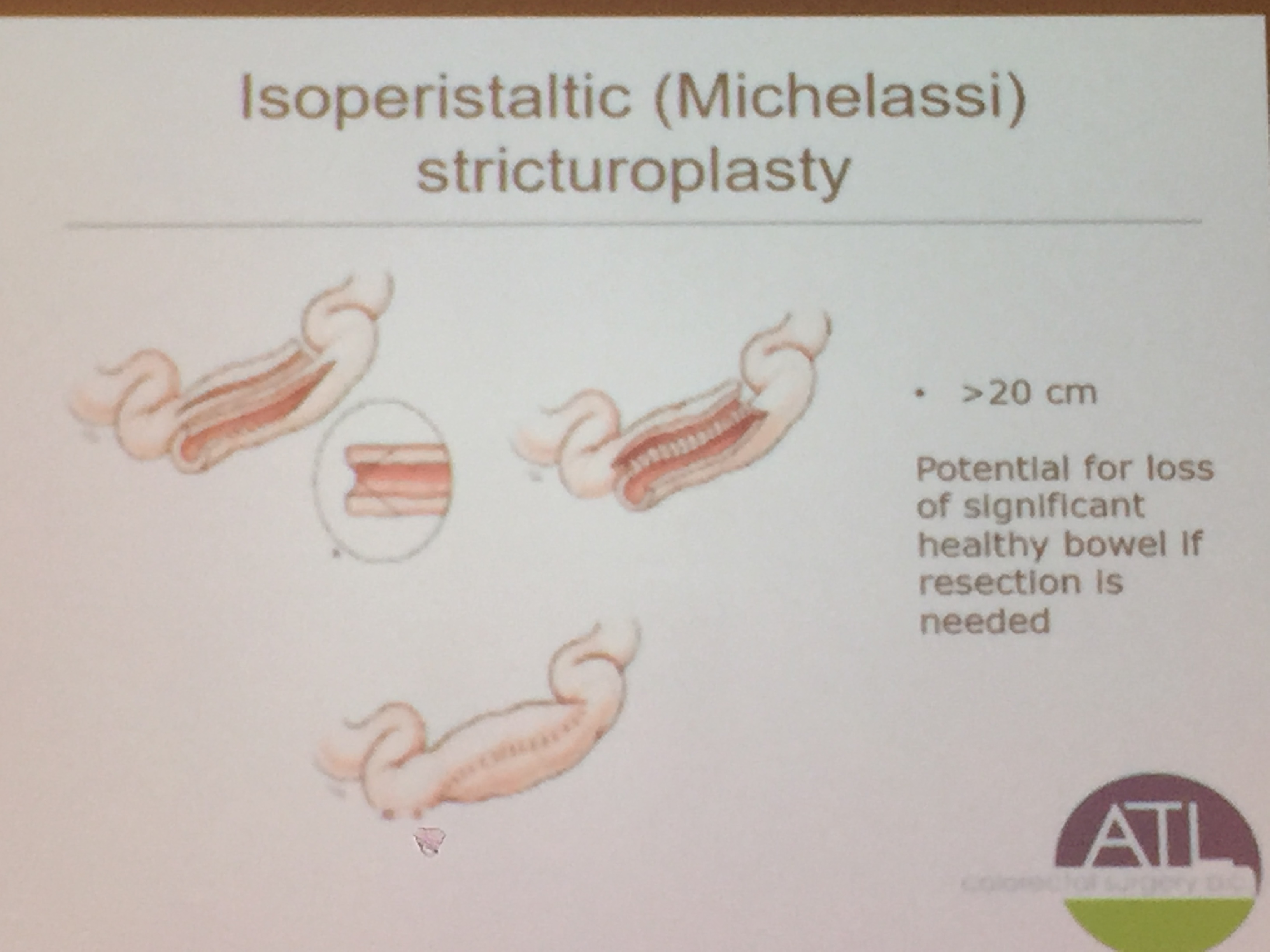
The slide above depicts a Michelassi stricturoplasty which is rarely performed, but considered for long segments of strictured bowel.
Related blog post:
Disclaimer: These blog posts are for educational purposes only. Specific dosing of medications (along with potential adverse effects) should be confirmed by prescribing physician. This content is not a substitute for medical advice, diagnosis or treatment provided by a qualified healthcare provider. Always seek the advice of your physician or other qualified health provider with any questions you may have regarding a condition.
My notes from Georgia Chapter of CCFA’s conference. There could be errors of omission, transcription and/or errors in context based on my understanding.
Sandy Kim, MD –Children’s Hospital of Pittsburgh
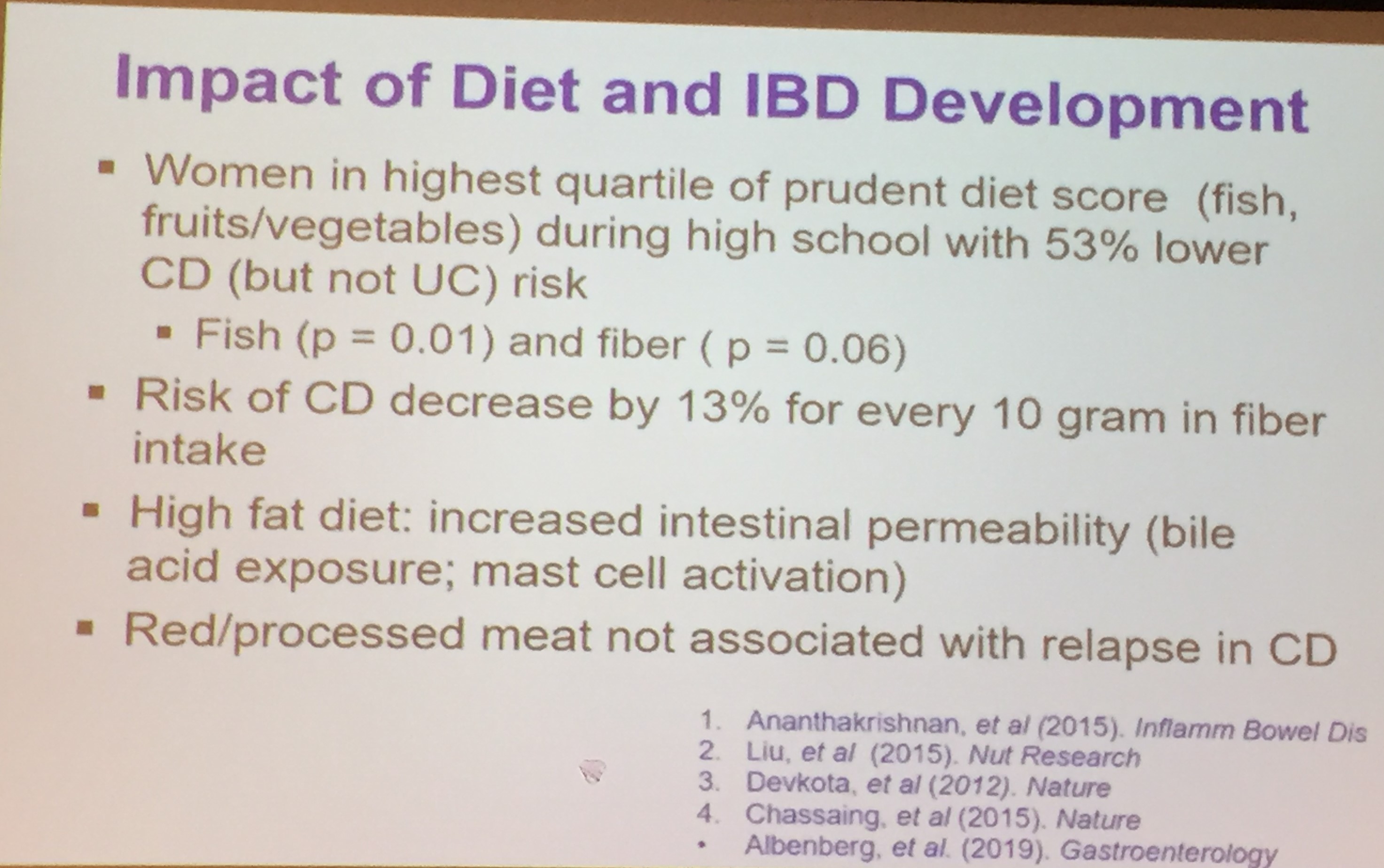
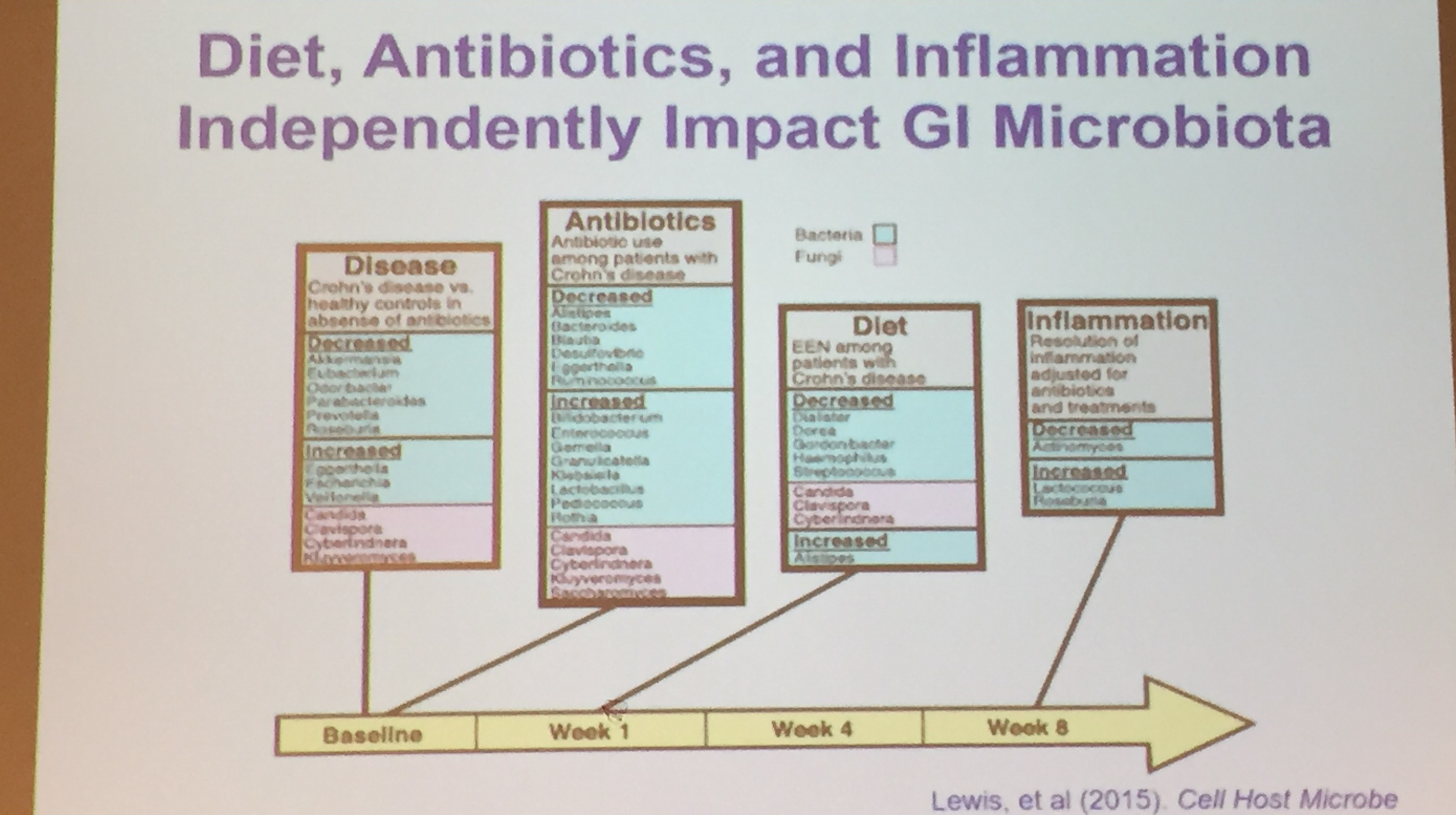
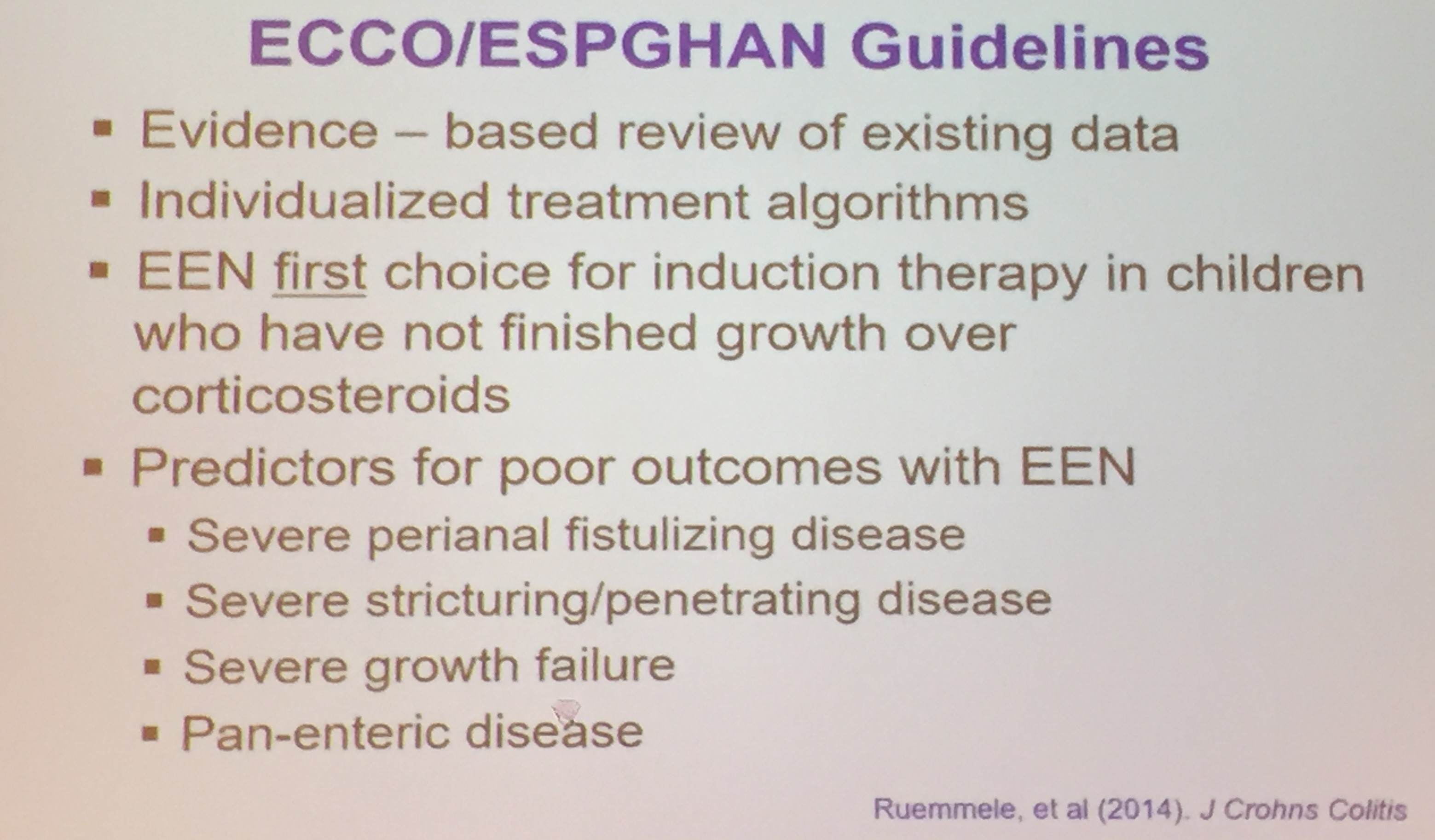
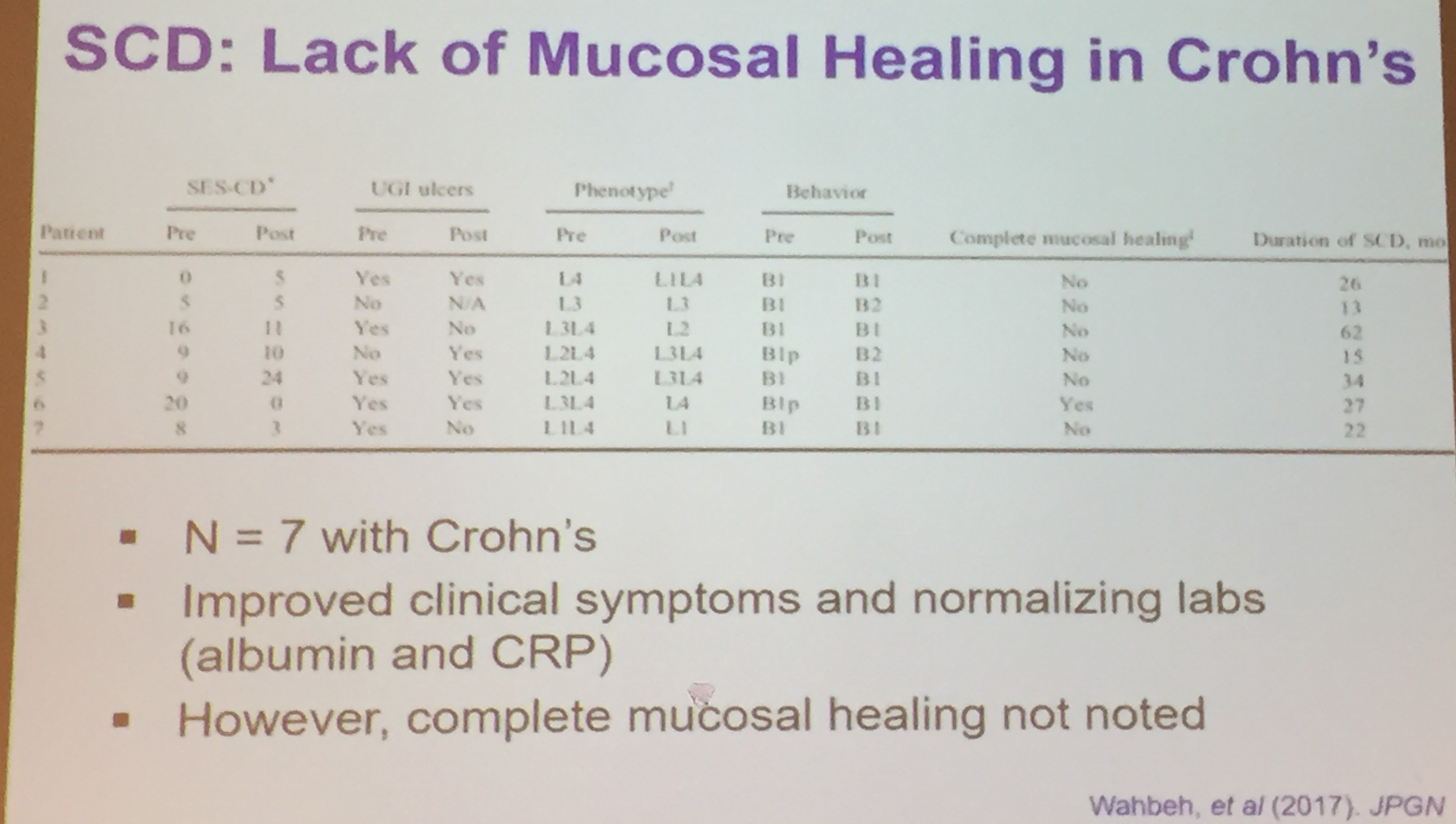
Diet in Inflammatory Bowel Disease: Food for Thought
This was a terrific lecture –though much of the topic has been reviewed recently in this blog: Dietary Therapy for Inflammatory Bowel Disease.
Key points:


Related blog posts:
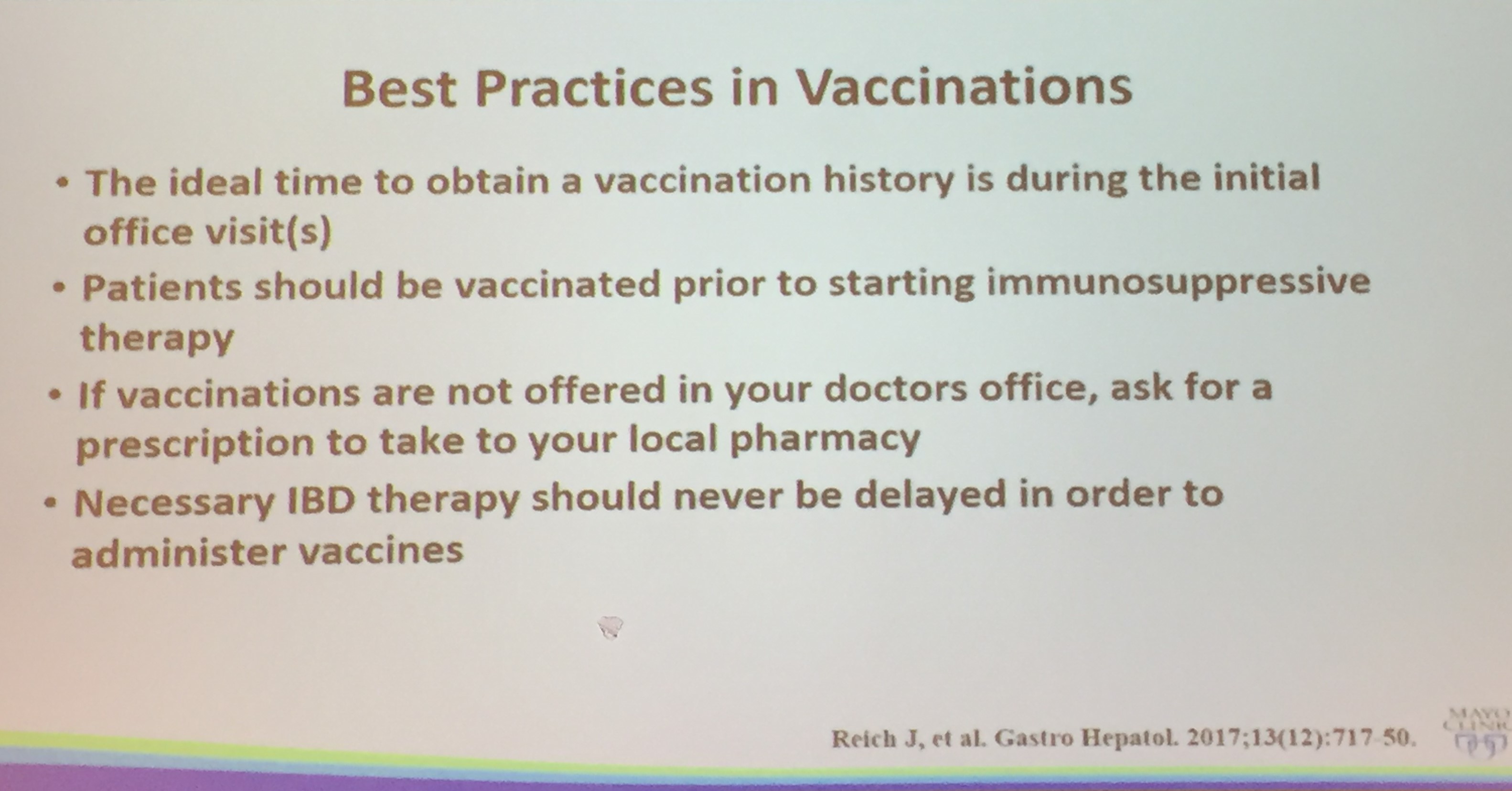
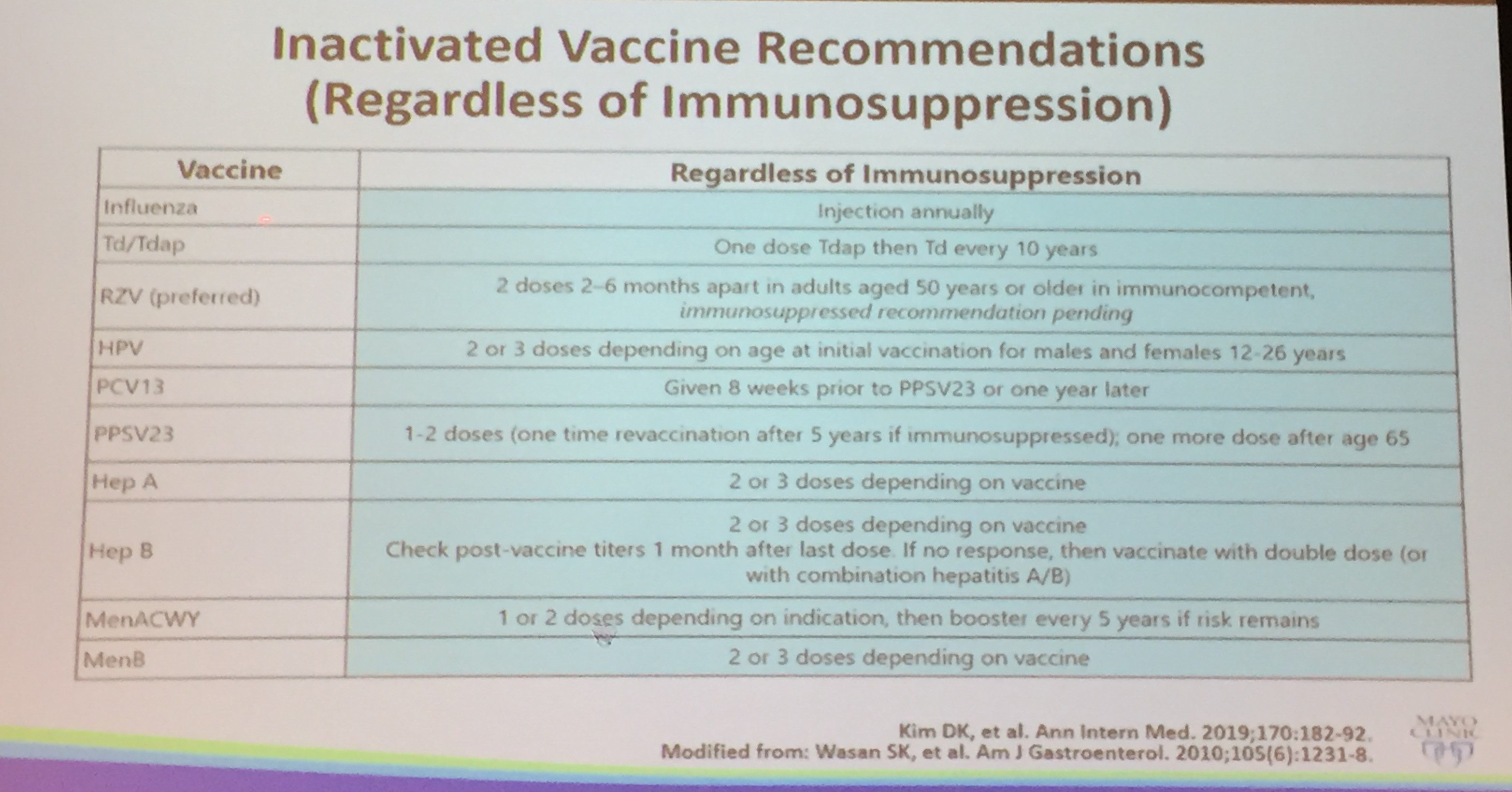
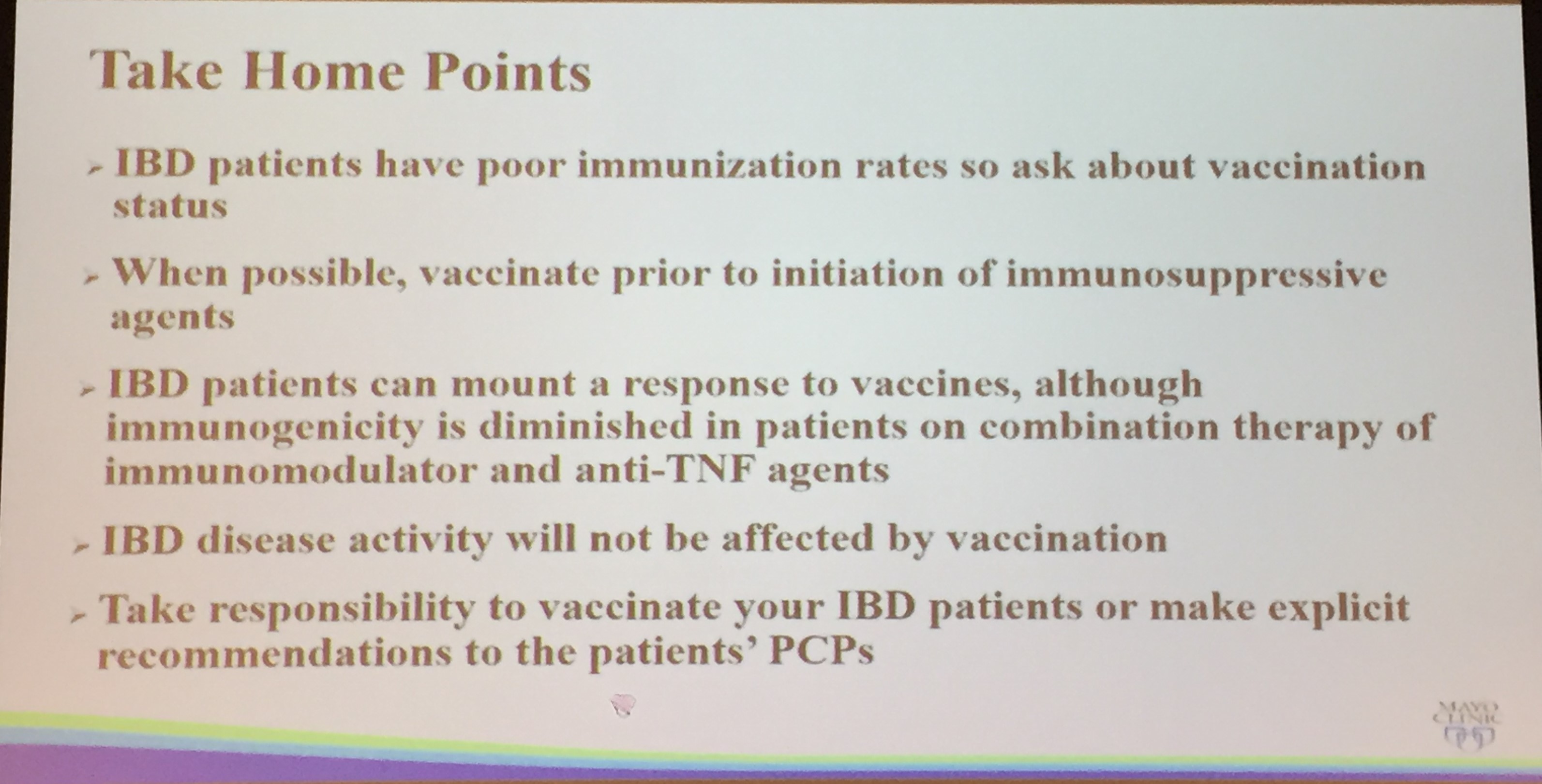
Frank Farraye, MD –Mayo Clinic
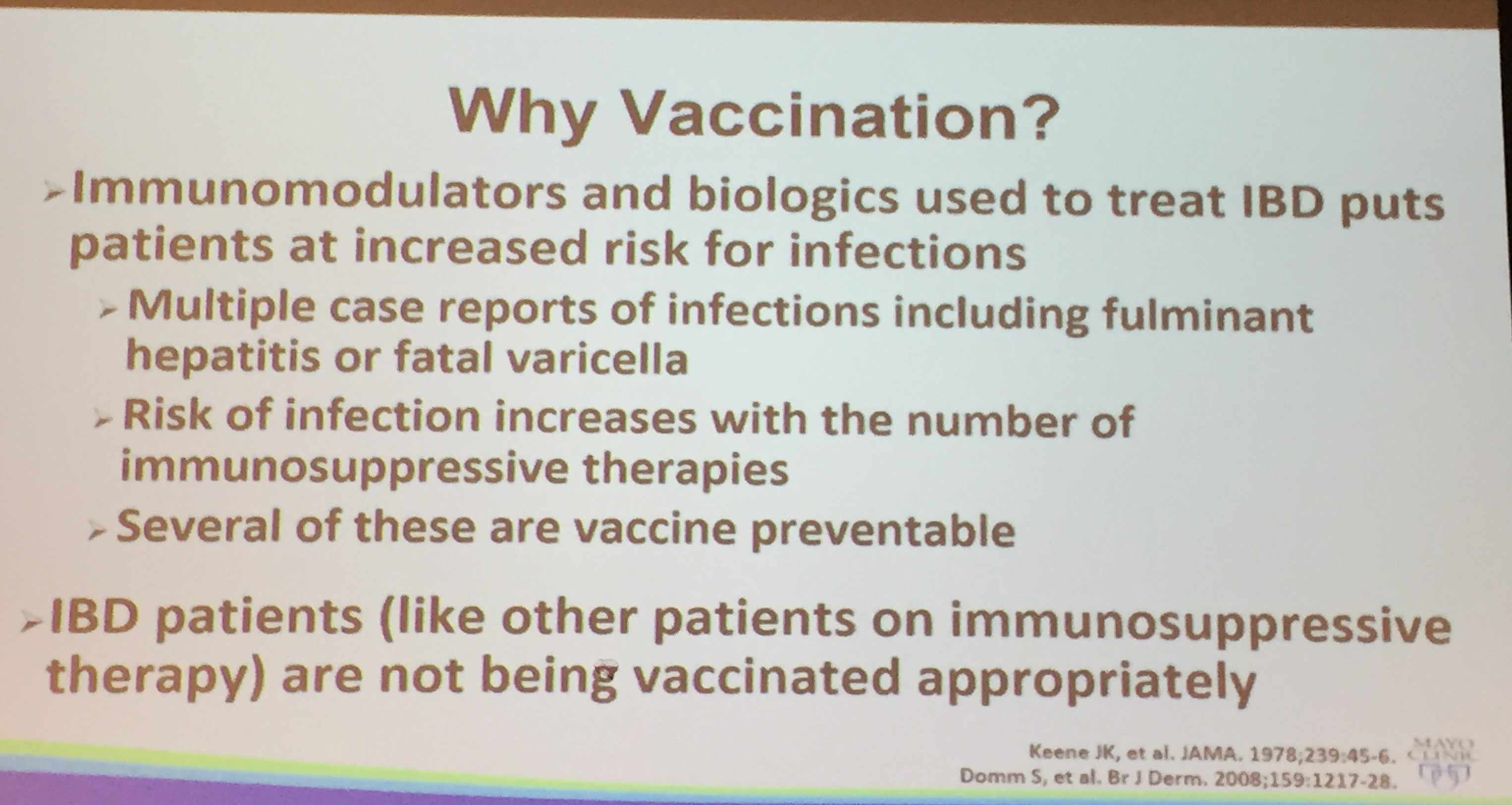
Health Maintenance in the Adult Patient with IBD
One audience member (Jeff Lewis, MD) pointed out that more attention needs to be paid to depression and anxiety which are much more common and more frequently health-threatening than issues like vaccination.
Related blog posts:
Disclaimer: These blog posts are for educational purposes only. Specific dosing of medications (along with potential adverse effects) should be confirmed by prescribing physician. This content is not a substitute for medical advice, diagnosis or treatment provided by a qualified healthcare provider. Always seek the advice of your physician or other qualified health provider with any questions you may have regarding a condition.
My notes from a recent Georgia Chapter of CCFA’s conference. There could be errors of omission, transcription and/or errors in context based on my understanding.
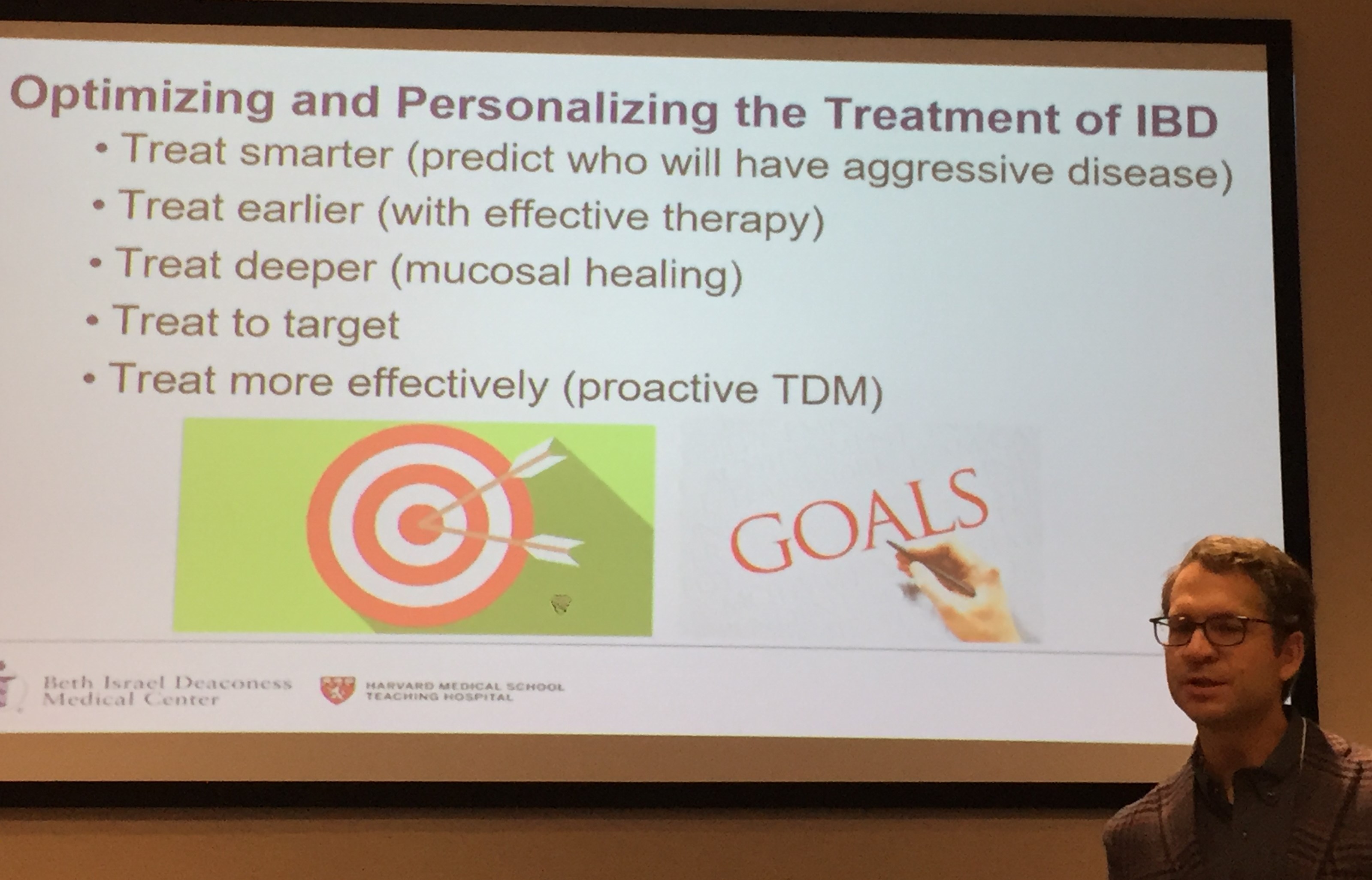
Adam Cheifetz, MD —Harvard School of Medicine
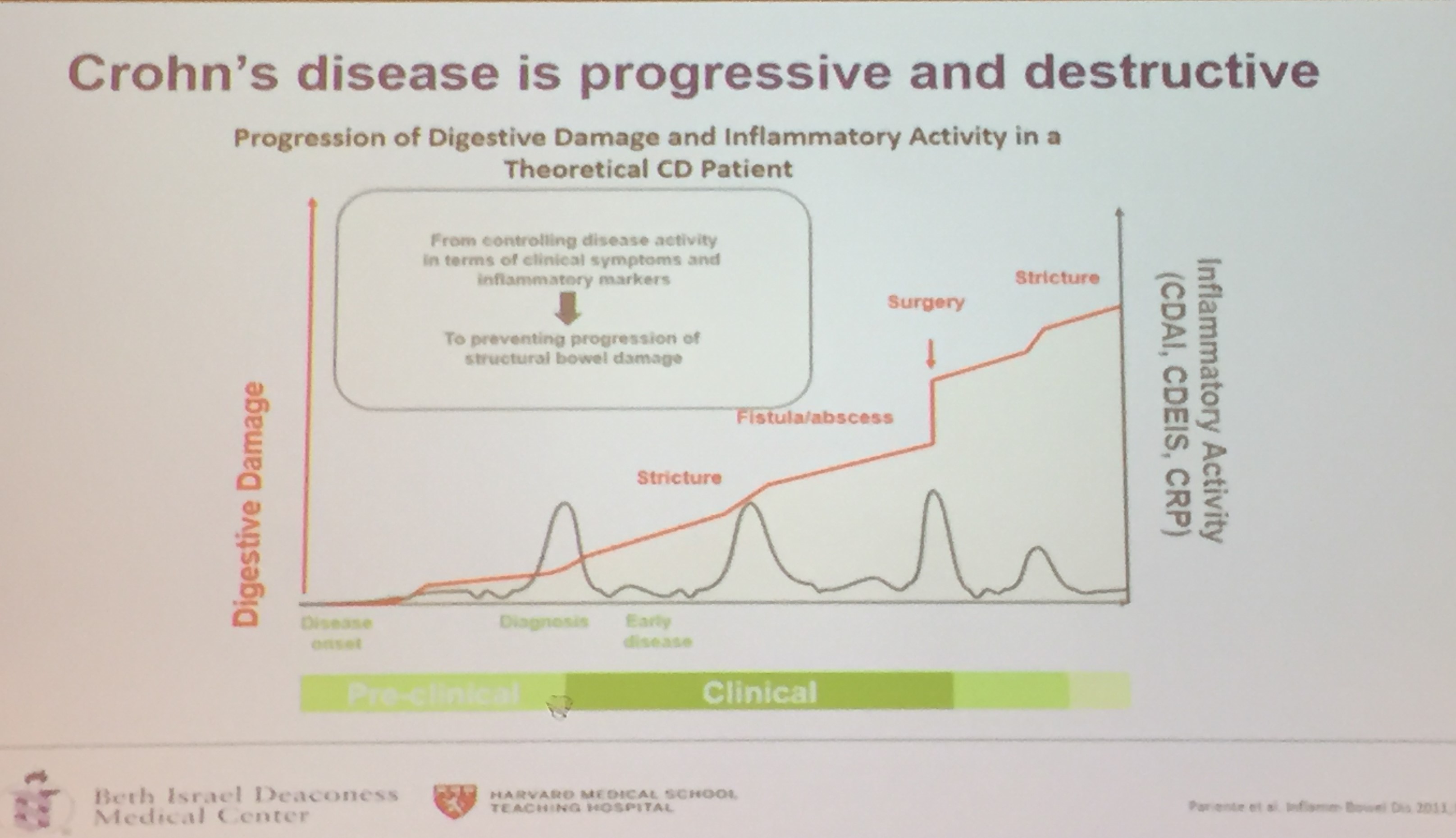
Optimizing IBD Treatments
Goals are clinical and endoscopic remission
Biologic Agents:
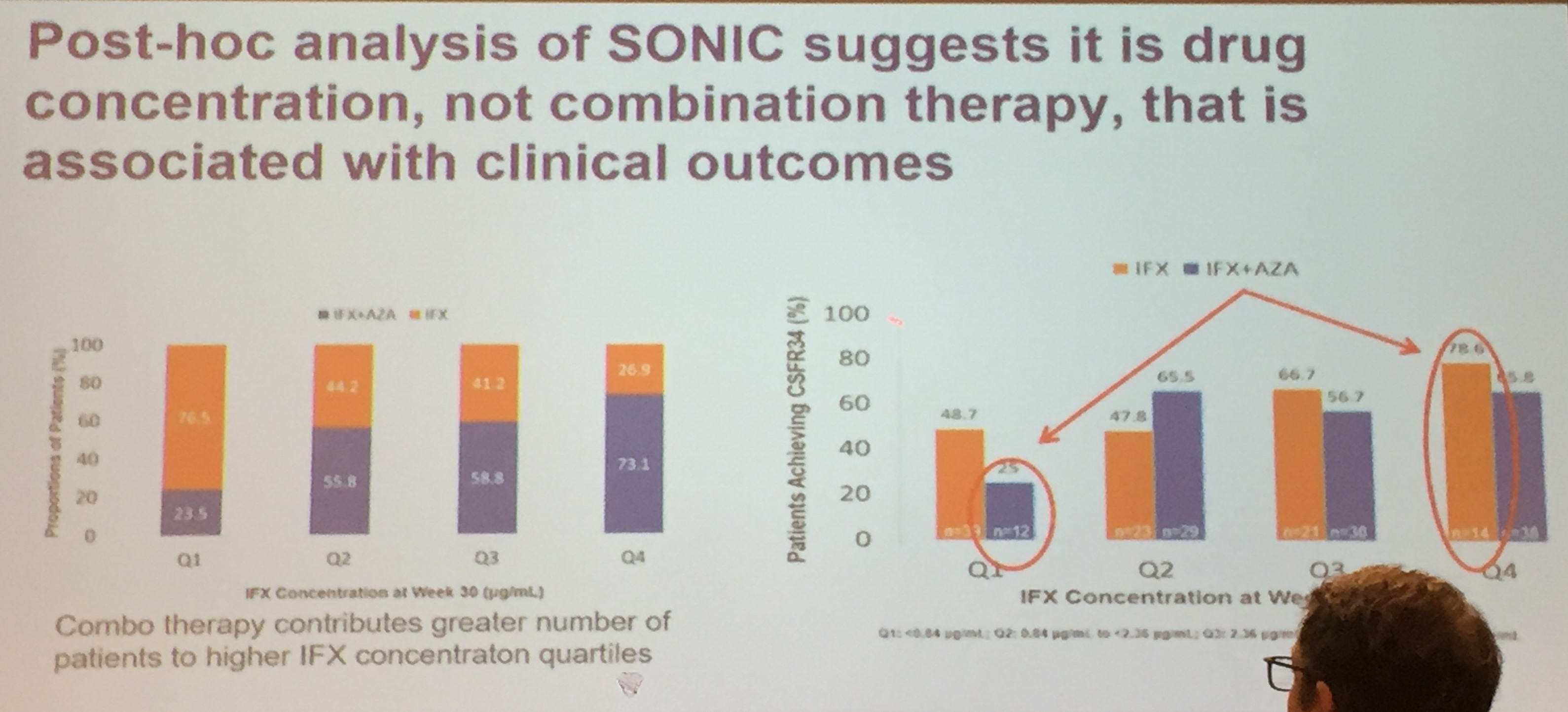
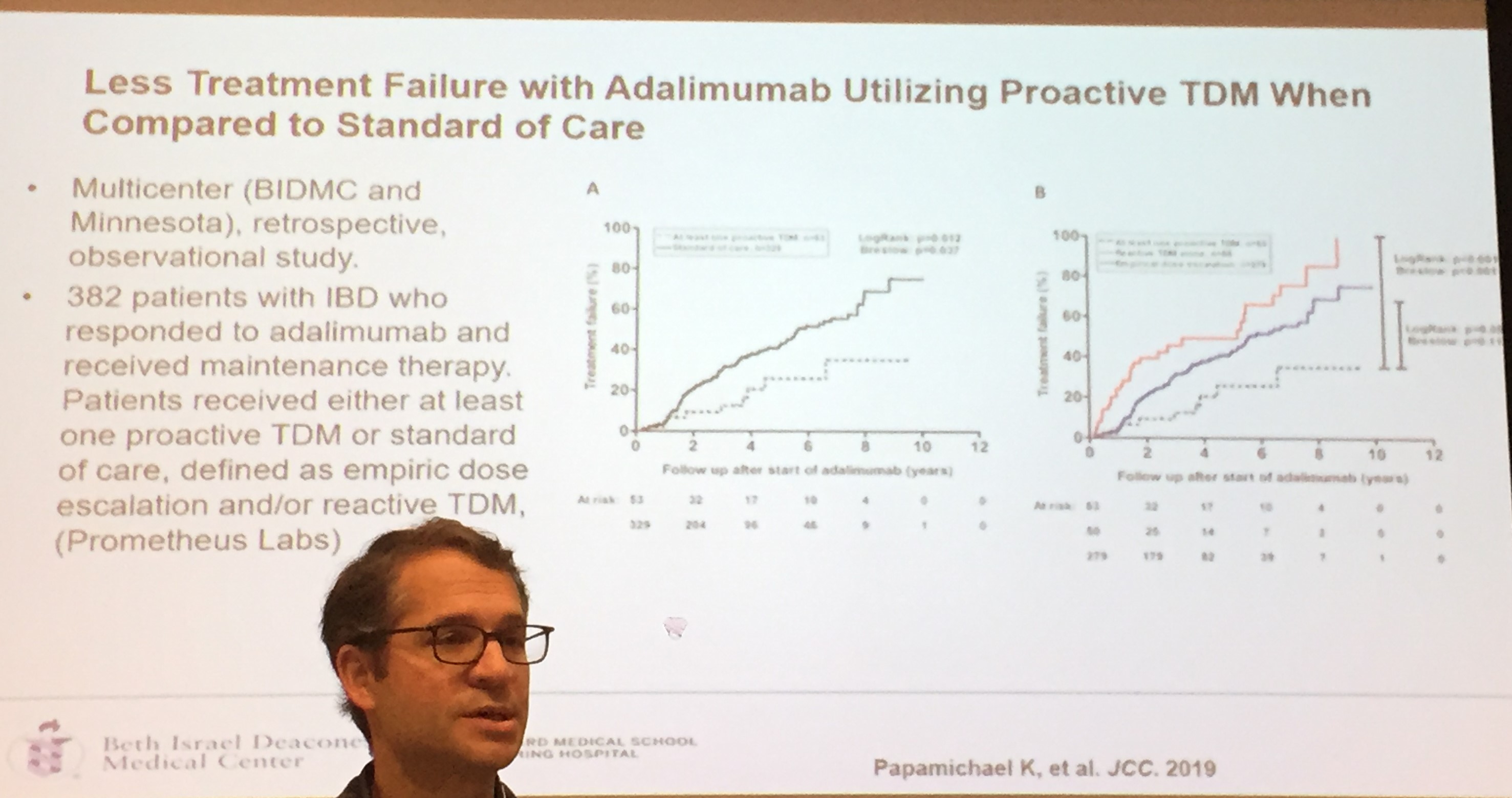
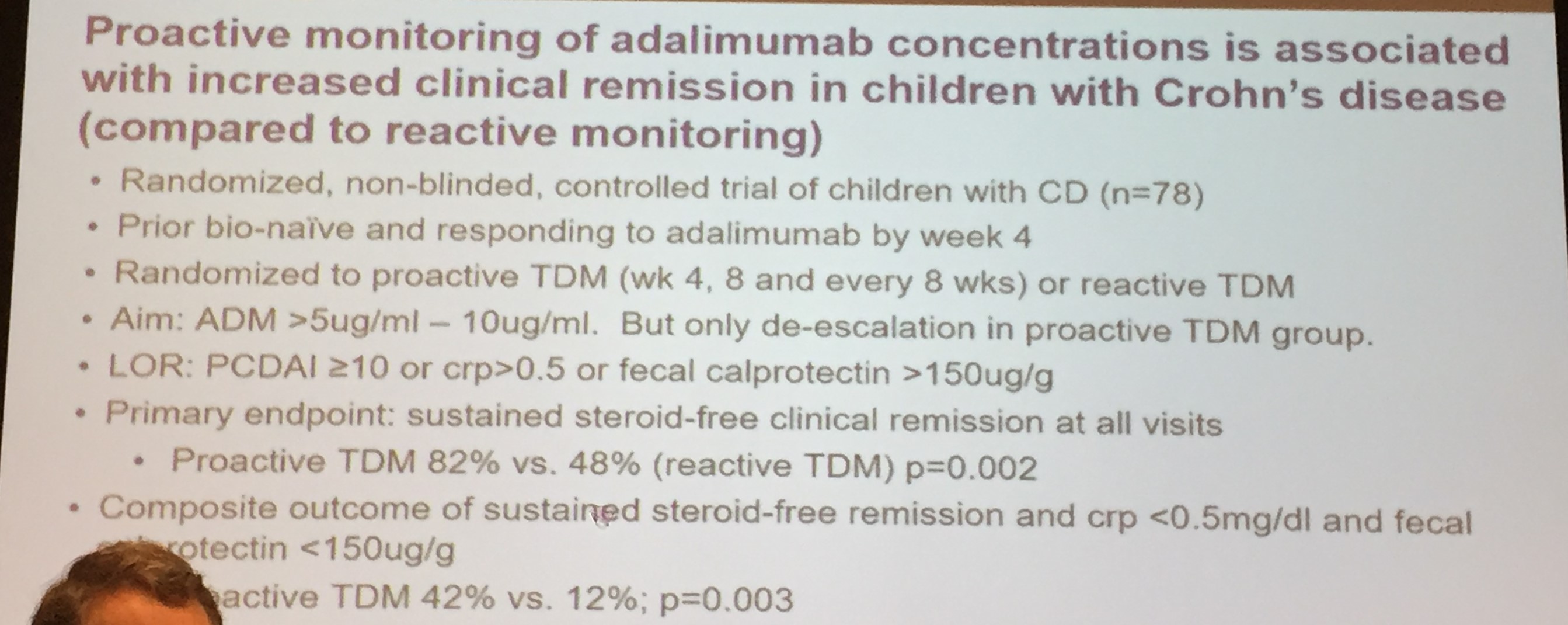
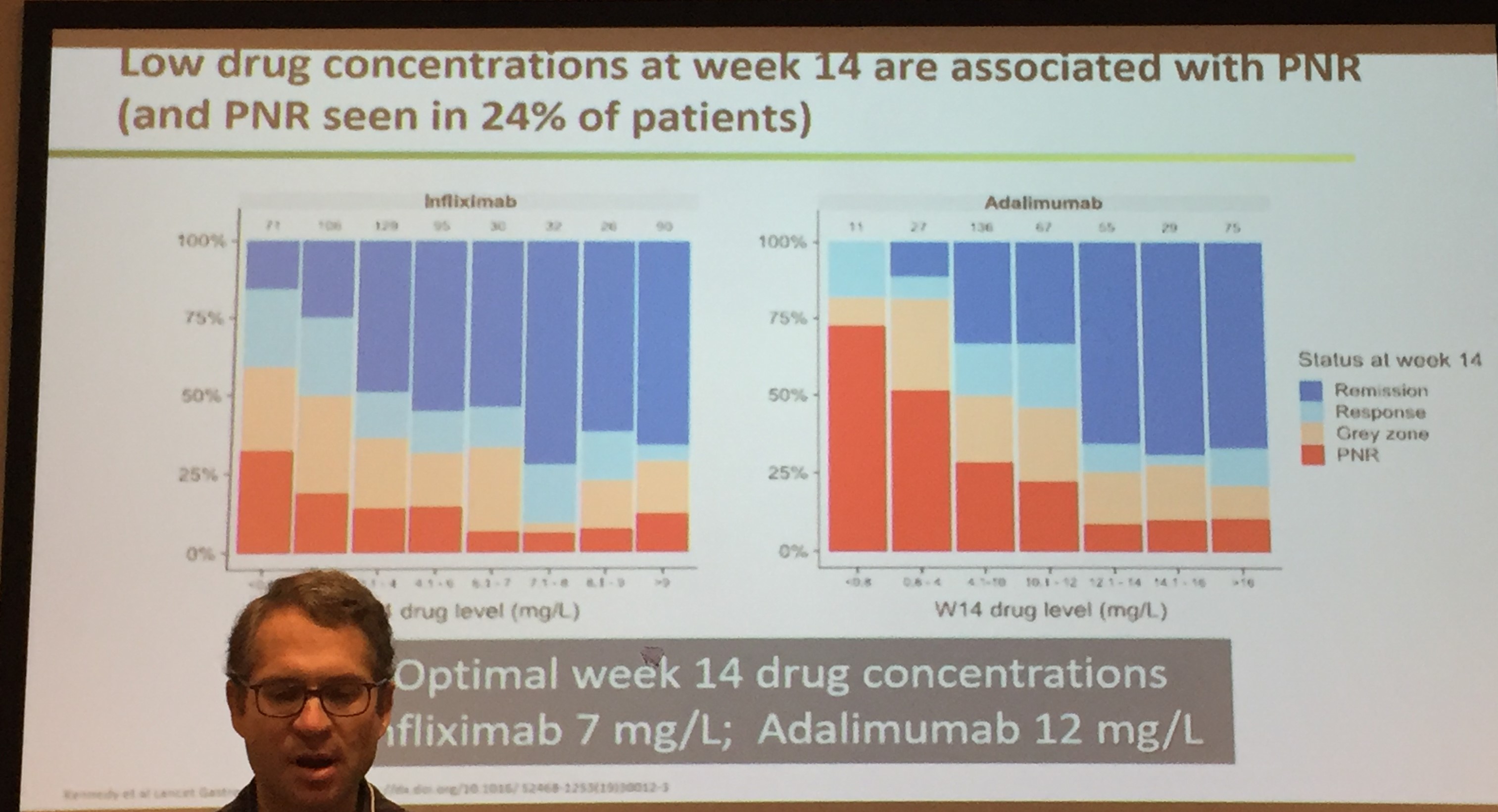
Therapeutic Drug Monitoring:

Related blog posts:
Disclaimer: These blog posts are for educational purposes only. Specific dosing of medications/diets (along with potential adverse effects) should be confirmed by prescribing physician/nutritionist. This content is not a substitute for medical advice, diagnosis or treatment provided by a qualified healthcare provider. Always seek the advice of your physician or other qualified health provider with any questions you may have regarding a condition.

